You know, when it comes to really aiming for energy independence, integrating Transfer Switch Solar tech is turning out to be a pretty big deal for both homes and businesses. I recently read a report from the International Renewable Energy Agency (IRENA), and it’s pretty exciting—solar energy capacity worldwide has been skyrocketing! They’re even expecting it to double by 2025, mainly because everyone’s craving cleaner, renewable energy options these days. What’s really fueling this shift is the tech getting smarter, like Transfer Switch Solar, which makes switching between solar power and the grid super smooth. It means more reliable and sustainable energy, without all the hassle. Companies like One Two Three Electric Co., Ltd.—who’re known for making top-notch circuit breakers—are leading the charge with the gear that helps make all this energy management possible. As more folks push for decentralized power sources, jumping on the Transfer Switch Solar bandwagon might be just what we need to gain more control over our energy and boost resilience. Honestly, it’s an exciting time for renewable energy, don’t you think?

Understanding Transfer Switch Solar Systems
Transfer switch solar systems have really become a game-changer when it comes to achieving energy independence. Basically, they let you smoothly switch back and forth between plugging into the grid and using your own solar power, which is pretty awesome. As more people want to cut down on their reliance on traditional energy sources, it’s helpful to understand how these systems work — it puts you in a better position to decide what’s right for your home.
Here's a little tip: when you're choosing a transfer switch system, think about how much energy your household uses. You want to make sure the system can handle your needs so you're not left in the dark during an outage. Also, if you go for one with automatic transfer features, it makes your life way easier—no need to manually change anything when switching between power sources.
And don’t forget, maintenance is key. Regularly checking the transfer switch and other parts can help dodge potential issues and keep everything running smoothly for longer. Plus, having a professional install it ensures everything meets safety standards, giving you peace of mind as you start harnessing solar energy. If you keep these tips in mind, you'll get the most out of your transfer switch solar system and be well on your way to a more sustainable energy setup.

Benefits of Transfer Switches for Solar Energy
Transfer switches are pretty important when it comes to making solar energy systems work smoothly and reliably. Basically, they let homeowners easily flip between using their solar power and the regular utility grid — which means you’ve got a backup plan if the grid ever goes down. As more folks jump on the renewable energy bandwagon, these switches are kind of becoming a must-have, helping people keep the power flowing without any interruptions.
One really great thing about transfer switches is that they help you get the most out of your energy. You can connect your solar panels directly to your house’s wiring or even to a generator, which makes it easier to manage how much power you’re using. Not only does this cut down your reliance on fossil fuels, but it also makes you a bit more independent energy-wise. Plus, during blackouts, you can keep running your essential appliances thanks to your solar system — so you’re still covered when the power lines go out. Overall, they make your solar setup a lot more resilient and user-friendly.

Real-Life Examples of Energy Independence with Transfer Switches
More and more households are really starting to prioritize energy independence, and honestly, integrating transfer switches with solar power systems is kinda a game-changer. When you connect your solar panels directly to a transfer switch, it becomes super easy to switch between the grid and your own renewable energy during blackouts or when demand is high. It’s not just about being more reliable — it’s also about giving folks more control over their energy consumption, so they don’t have to rely so much on traditional energy companies.
There are some pretty inspiring real-life stories that show just how powerful this technology can be. For example, there was this family in California who installed a transfer switch along with their solar setup, and it allowed them to keep their lights and appliances running during a wildfire blackout — pretty amazing, right? Then there’s a farmer in Nebraska who upgraded his irrigation system with solar energy and a transfer switch, making sure his crops got water even when the grid went down. These examples really show how pairing transfer switches with solar energy is all about empowering people, helping reduce dependency on outside sources, and even doing a bit to help the environment along the way.
How to Choose the Right Transfer Switch for Your Solar Setup
Picking the right transfer switch for your solar setup is a pretty important step if you want things to run smoothly when switching between the grid and your solar system. When you're shopping around, think about how much power your house needs and what your solar panels can handle. You want a switch that can keep up during those hectic moments when everyone’s using a ton of electricity. Also, make sure it ticks all the local electrical codes and has proper safety certifications—it’s worth double-checking that stuff.
Another thing to consider is how the switch is set up. Automatic transfer switches (ATS) are super handy because they automatically detect power outages and switch over without you lifting a finger. Manual switches, on the other hand, give you more control—you just need to flip the switch yourself during a blackout. Think about which option feels right for you. And, of course, it’s always a good idea to chat with a licensed electrician—better safe than sorry—to make sure everything’s installed correctly and works perfectly with your entire solar system. That way, you get the most out of your renewable energy journey while staying safe and efficient.
Unlocking the Power of Transfer Switch Solar for Energy Independence
| Feature |
Description |
Importance Level |
| Transfer Switch Type |
Manual or Automatic |
High |
| Power Rating |
Determine total load your solar setup must handle |
Critical |
| Voltage Compatibility |
Ensure compatibility with your solar inverter |
High |
| Safety Standards |
Check for UL or NEC certifications |
Essential |
| Ease of Installation |
Assess installation complexity and requirements |
Moderate |
| Warranty |
Length and coverage of warranty period |
Important |
Implementing Transfer Switch Technology in Residential Solar Systems
Mixing transfer switch tech into your home solar setup can be a game-changer for your energy independence. Basically, it allows you to easily flip between the grid and your solar power whenever there's a blackout, so you won’t be left in the dark. With a transfer switch installed, you can pick and choose which crucial circuits stay on — like your fridge or heater — while making the most of your solar energy. It’s pretty much like giving your system some superpowers.
A few tips if you’re thinking about adding one:
1. **Get the right size:** Make sure your transfer switch can handle the amps needed for your main appliances. Usually, a 50-amp switch does the trick if you’ve got a few circuits to run.
2. **Don’t DIY if you’re not sure:** Sure, some folks might be tempted to do it themselves, but honestly, hiring a licensed electrician is worth it. They’ll make sure everything’s installed safely and complies with local codes.
3. **Stay on top of things:** Check your transfer switch and wiring every now and then—that way, you catch any hiccups early before a power outage hits. It’s all about staying prepared.
All in all, adding a transfer switch can help you get the most out of your solar system, making your home more resilient and energy-smart in the long run.
Unlocking the Power of Transfer Switch Solar for Energy Independence
This chart demonstrates the daily energy production from solar systems with transfer switch technology across five different residential homes. The integration of transfer switches enhances the efficiency and reliability of solar energy systems, promoting energy independence.
Maximizing Efficiency and Reliability with the PC Automatic Transfer Switch YES1-400NA: A Comprehensive Guide
In today’s fast-paced industrial landscape, the need for efficient and reliable power management systems has never been more critical. The PC Automatic Transfer Switch YES1-400NA stands out as a pivotal solution, ensuring uninterrupted power supply while safeguarding equipment from potential outages. As the largest manufacturer of ATS in China, we prioritize high-quality standards that align with industry leaders such as Nader, GE, and Siemens. Our commitment to excellence is reflected in our rigorous testing protocols, guaranteeing that our products maintain operational integrity even under the most demanding conditions.
One of the standout features of the YES1-400NA is its swift response time. Understanding that “Time is gold,” we offer remarkably quick lead times of just 7 days for orders of 1-100 pieces, ensuring that you never have to compromise on efficiency. For larger orders, our team is dedicated to providing a lead time that accommodates your specific needs, facilitating seamless integration into your power systems. Additionally, our 24/7 online service ensures that expert support is always within reach, effectively minimizing downtime and enhancing system reliability.
Customization options available for the YES1-400NA, including personalized logos and packaging, align perfectly with the unique needs of our clients. These tailored solutions not only enhance brand visibility but also ensure that your power management systems reflect your corporate identity. With a professional team specializing in research, development, design, and production, we are committed to delivering advanced power solutions that meet the evolving demands of the industry.
FAQS
: Energy independence refers to the ability of households to rely on their own renewable energy sources instead of traditional energy providers. Transfer switches allow homeowners to seamlessly switch between grid power and their solar power systems during outages, enhancing reliability and reducing dependency on external sources.
Yes, a family in California used a transfer switch with their solar array to power their entire home during a blackout caused by wildfires. This showcases the effectiveness of transfer switches in maintaining power during emergencies.
A transfer switch connects solar panels directly to a home’s electrical system, allowing users to switch from grid electricity to solar power easily, ensuring a reliable source of energy when grid power is unavailable.
The primary advantages include enhanced energy independence, the ability to selectively power critical circuits during outages, and improved efficiency of the solar setup, contributing to a more sustainable energy future.
Homeowners should ensure that the transfer switch they select has adequate amperage to support essential appliances; a 50-amp switch is commonly used for powering multiple circuits without overloading.
While DIY installation might be tempting, it is recommended to hire a qualified electrician to ensure compliance with local codes and proper integration with the solar system for safety and reliability.
Homeowners should periodically check the transfer switch and associated wiring for any signs of wear or damage. Regular maintenance can help prevent issues during unexpected power outages.
Homeowners often prioritize critical circuits such as refrigeration, heating, and other essential appliances to ensure comfort and safety during power outages.
By allowing homeowners to utilize their solar energy more effectively, transfer switch technology reduces reliance on non-renewable energy sources and encourages the use of clean energy, contributing to sustainability efforts.
Conclusion
Looking to become more energy independent? Transfer Switch Solar systems are a pretty big deal here—they smoothly connect solar energy to your home’s power setup. These systems make switching between the grid and your solar power safe and hassle-free, so you can make the most of renewable energy without any stress. It’s pretty important to understand how transfer switches work, because not only do they boost the reliability of your solar system, but they can also save you some serious cash over time.
What’s great about Transfer Switch Solar tech isn’t just that it works so efficiently. It actually puts more control in your hands—allowing homeowners to manage their energy use and see real-life success stories about achieving energy independence. Picking the right transfer switch for your specific solar setup is a key step, and once you get it right, it can totally change how you handle energy at home. At One Two Three Electric Co., Ltd., we’re all about providing top-quality electrical solutions—whether that’s moulded case circuit breakers or air circuit breakers—to make sure your move to solar is safe, smooth, and effective.

 PC ATS YECT1-2000G
 PC ATS YES2-63~250GN1
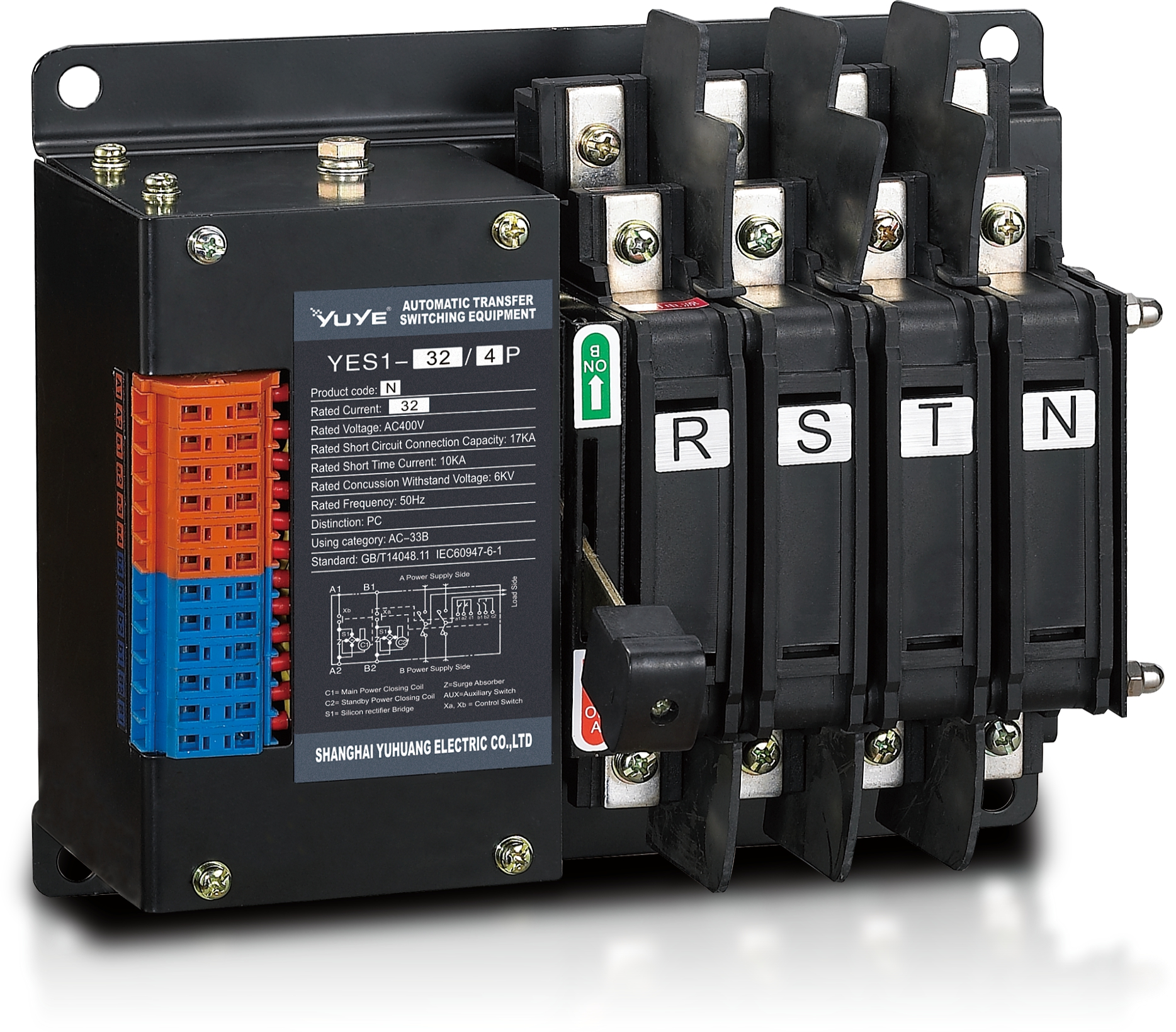 Solenoid-type ATS YES1-32~125N
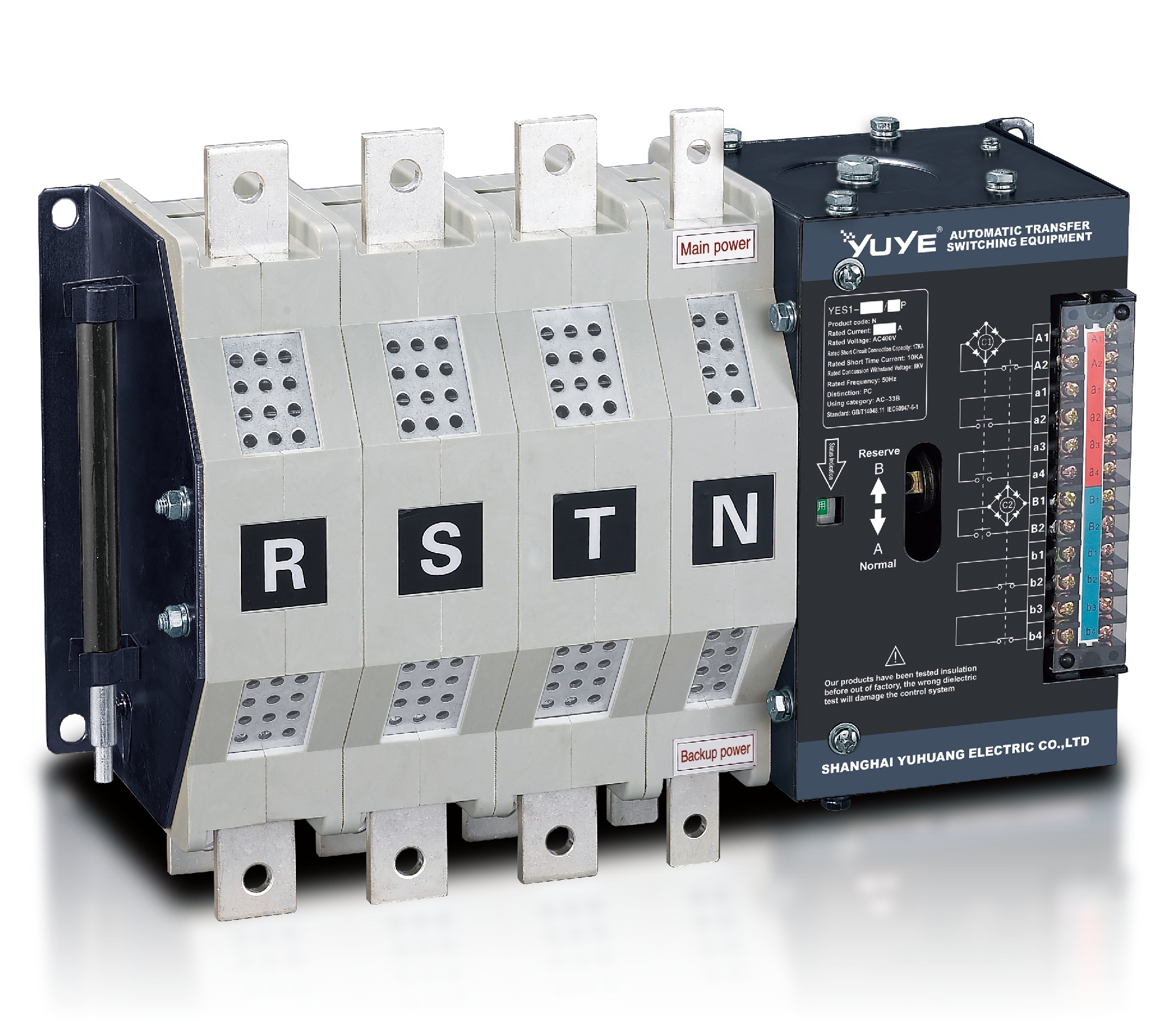 Solenoid-type ATS YES1-250~630N/NT
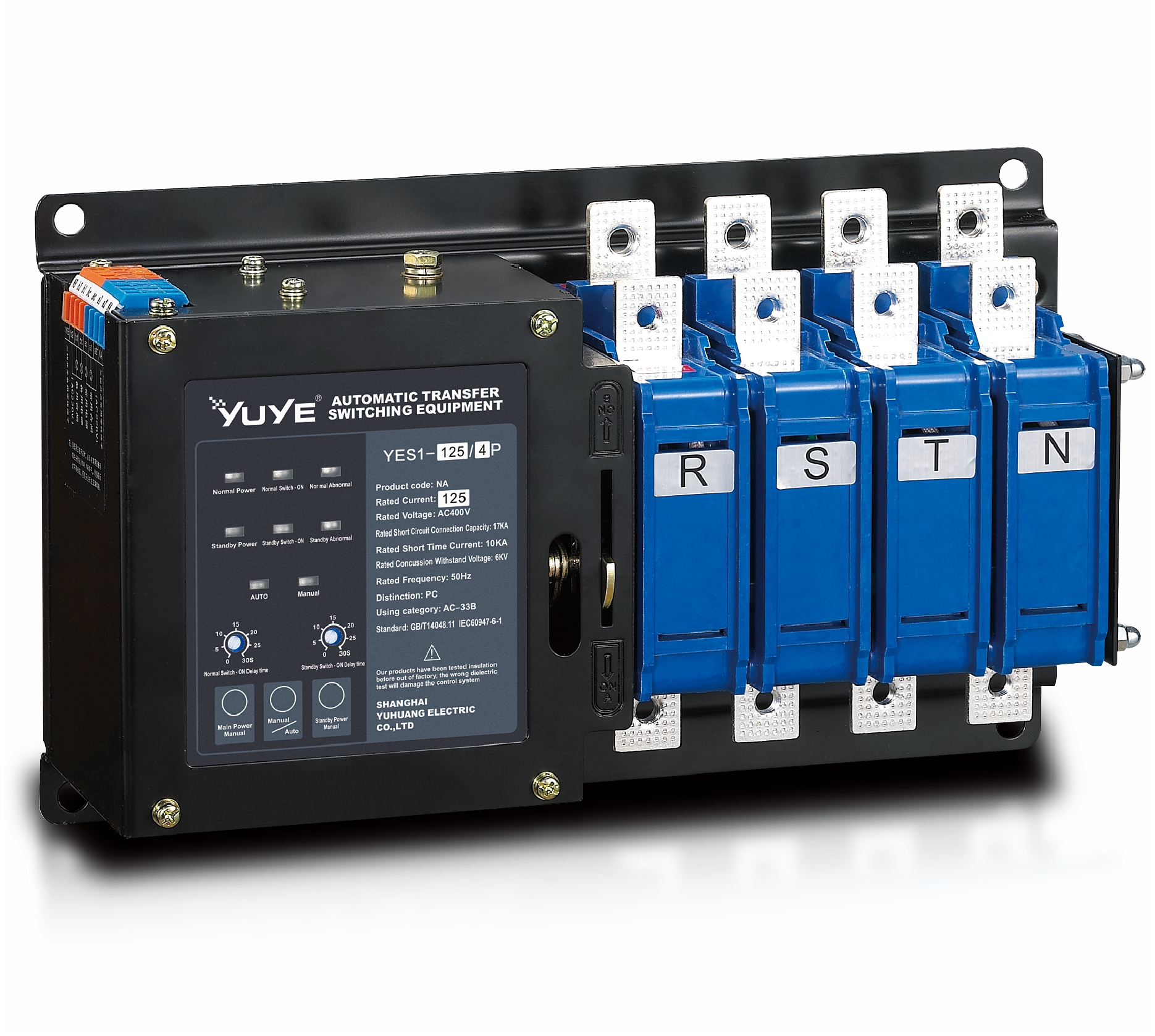 Solenoid-type ATS YES1-32~125NA
 Solenoid-type ATS YES1-63~630SN
 Solenoid-type ATS YES1-1250~4000SN
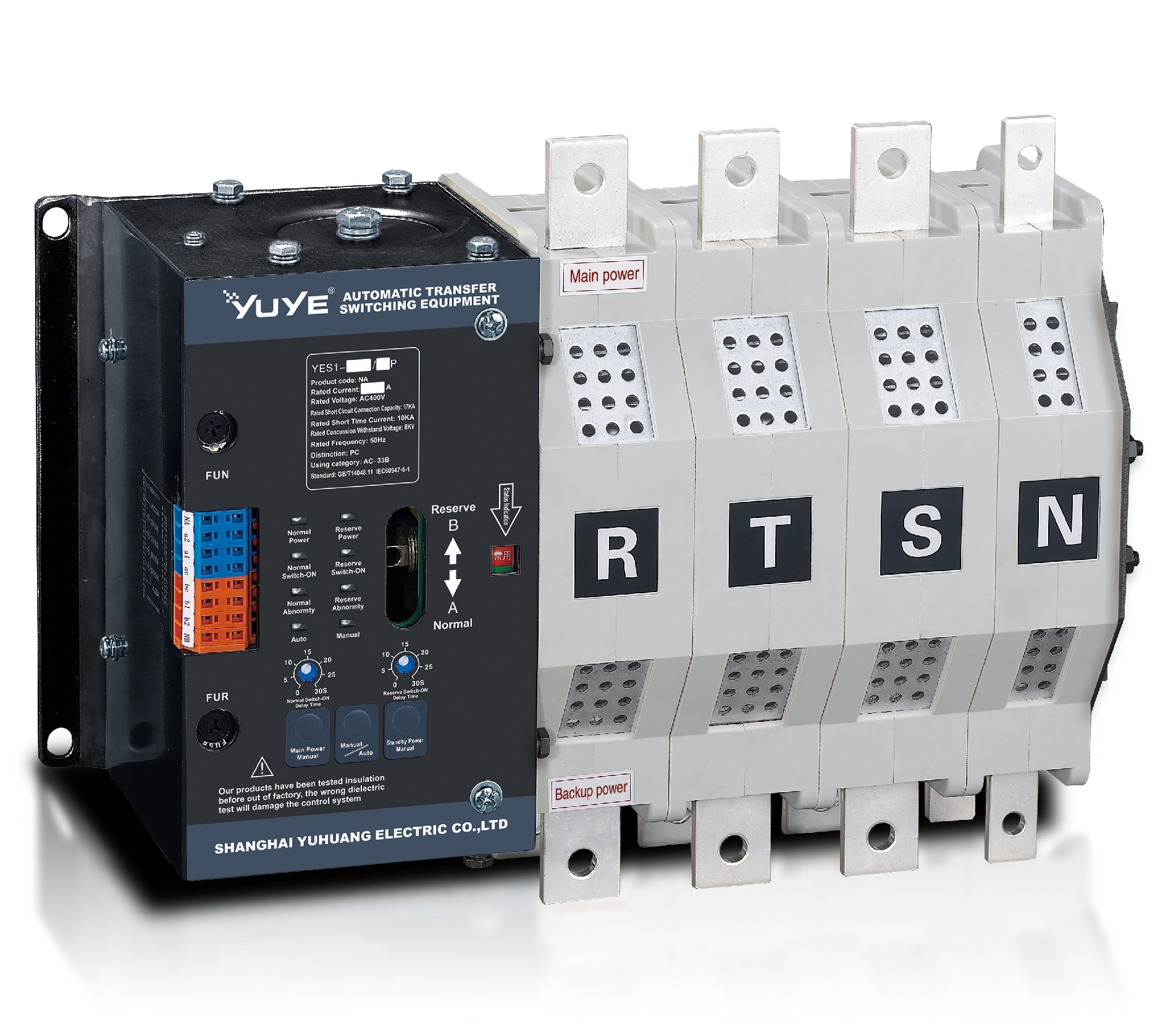 Solenoid-type ATS YES1-250~630NA/NAT
 Solenoid-type ATS YES1-63NJT
 PC ATS YES1-100~1600GN1/GN/GNF
 PC ATS YES1-2000~3200GN/GNF
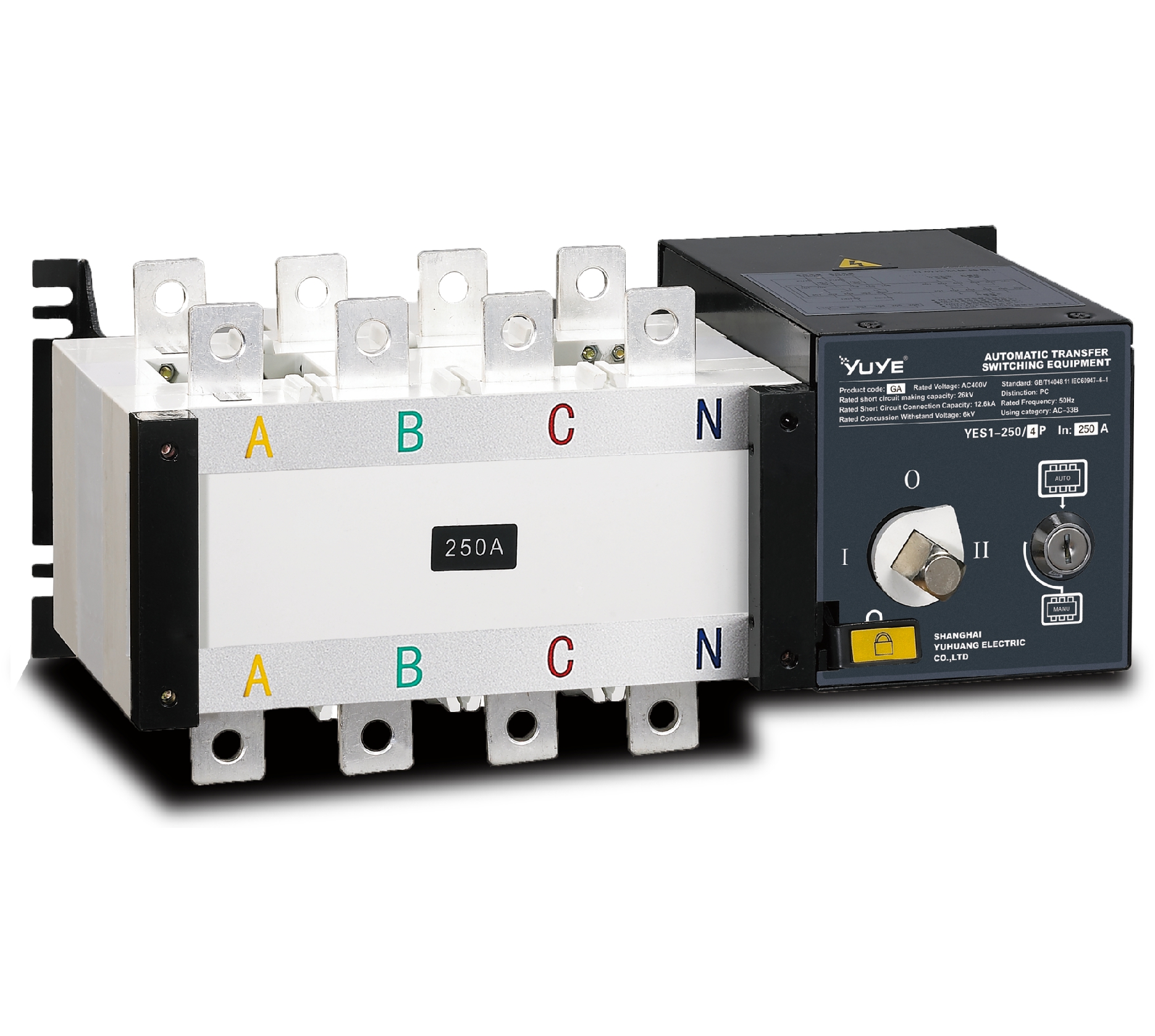 PC ATS YES1-100~3200GA1/GA
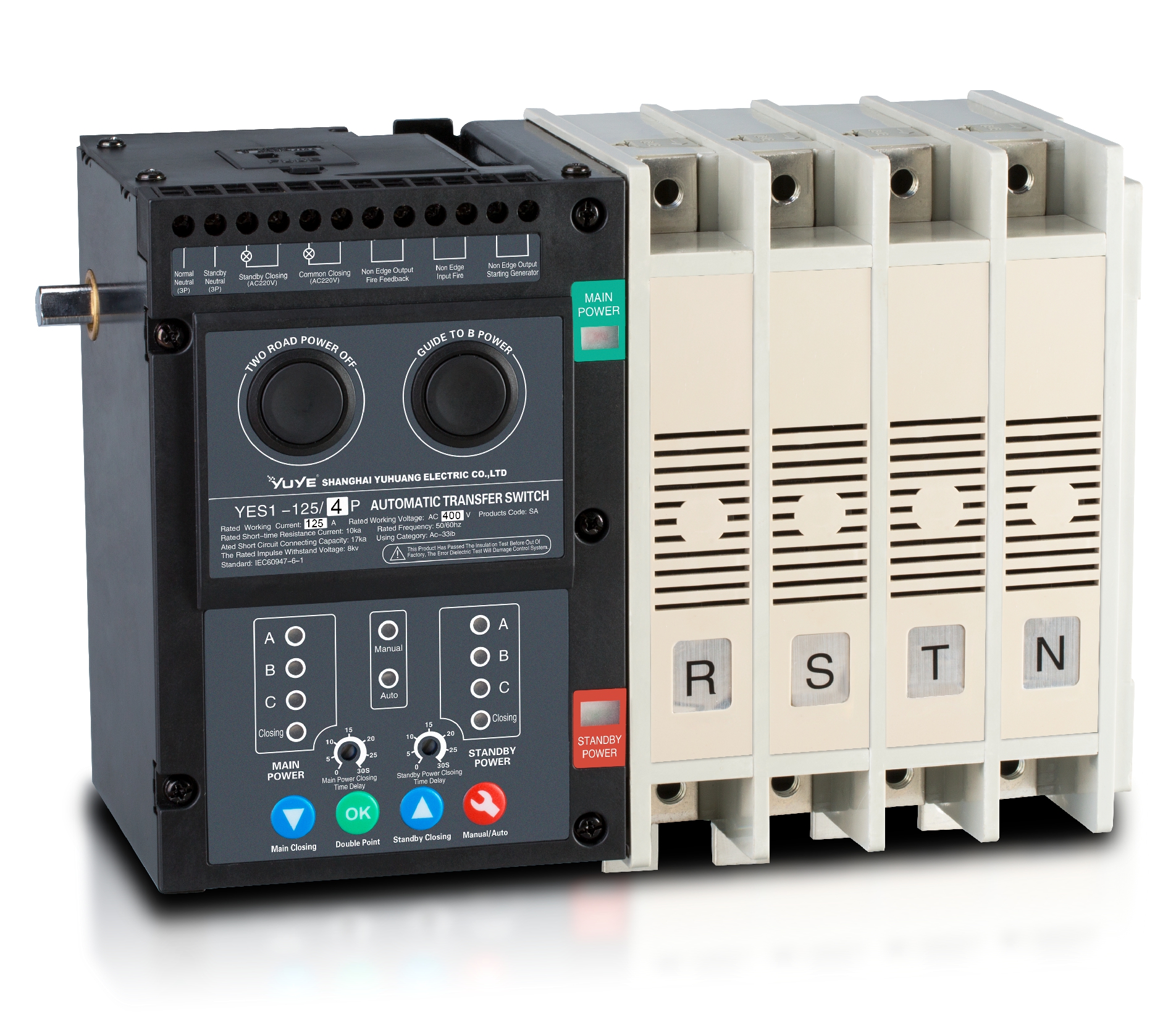 Solenoid-type ATS YES1-63~630SA
 Solenoid-type ATS YES1-63~630L/LA
 Solenoid-type ATS YES1-63~630LA3
 Solenoid-type ATS YES1-63MA
 PC ATS YES1-630~1600M
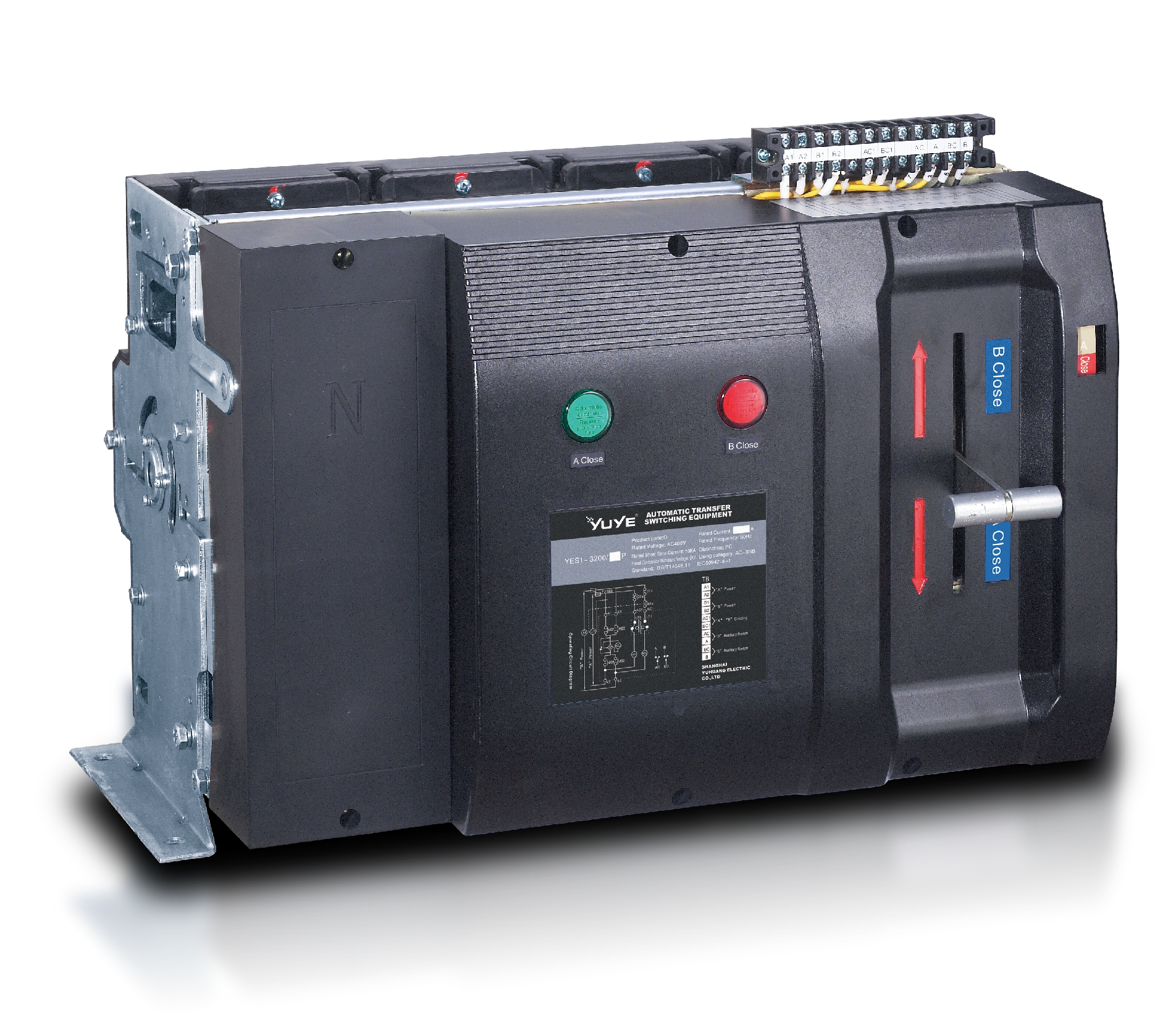 PC ATS YES1-3200Q
 Solenoid-type ATS YES1-4000~6300Q
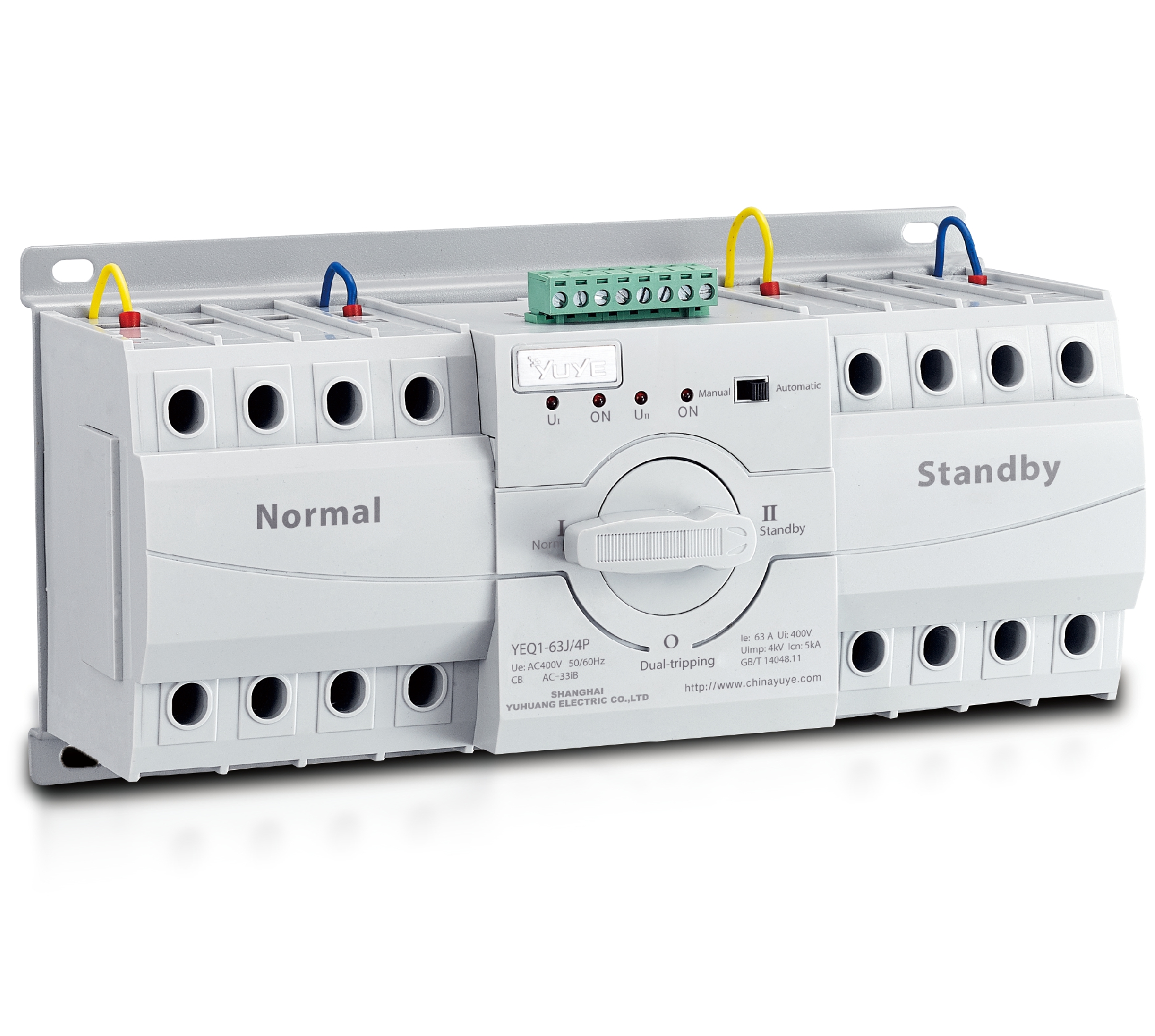 CB ATS YEQ1-63J
 CB ATS YEQ2Y-63
 CB ATS YEQ3-63W1
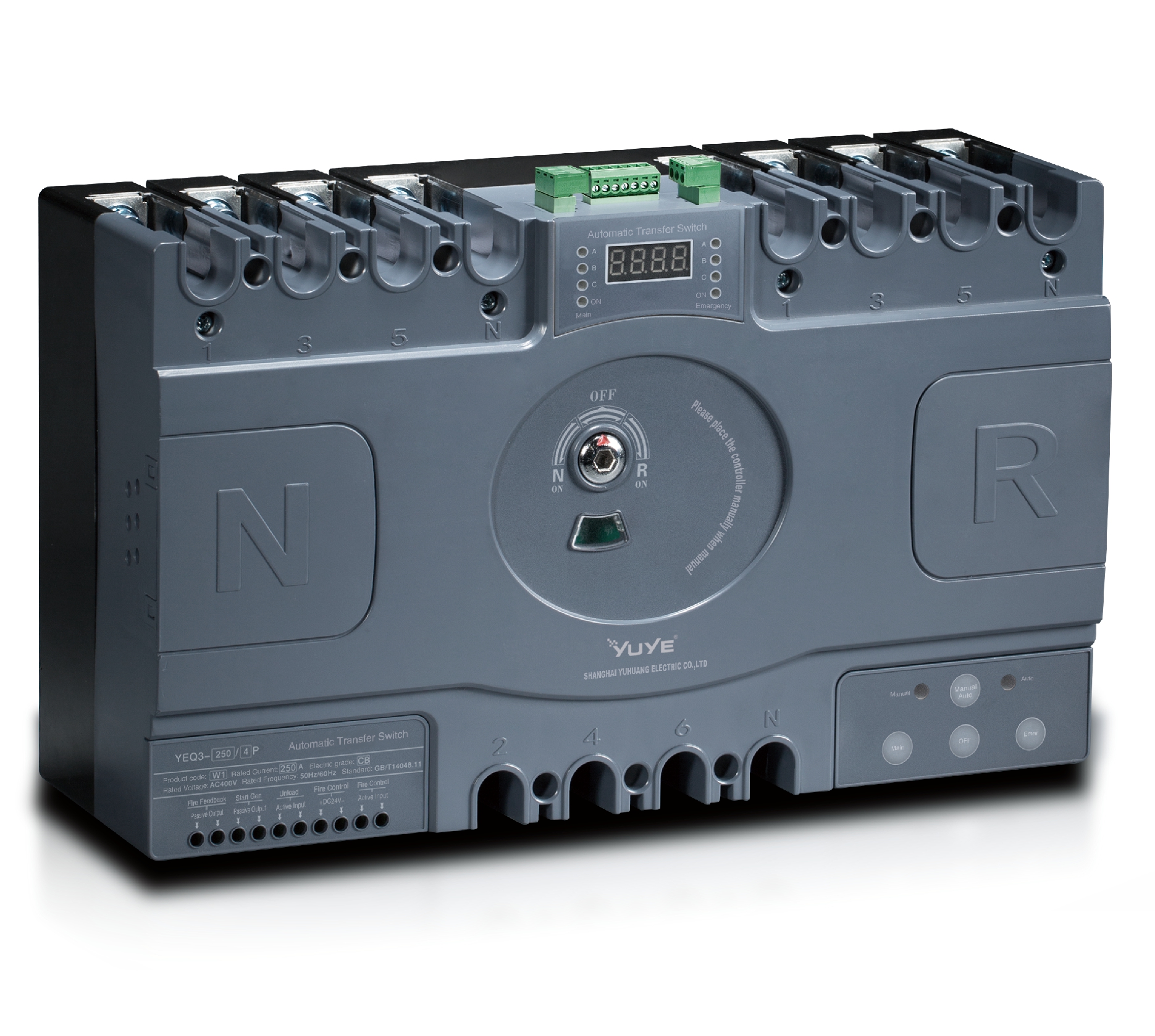 CB ATS YEQ3-125~630W1
 ATS controller Y-700
 ATS Controller Y-700N
 ATS Controller Y-701B
 ATS Controller Y-703N
 ATS Controller Y-800
 ATS Controller W2/W3 Series
 ATS switch Cabinet floor-to-ceiling
 ATS switch cabinet
 JXF-225A power Cbinet
 JXF-800A power Cbinet
 YEM3-125~800 Plastic Shell Type MCCB
 YEM3L-125~630 Leakage Type MCCB
 YEM3Z-125~800 Adjustable Type MCCB
 YEM1-63~1250 Plastic Shell Type MCCB
 YEM1E-100~800 Electronic Type MCCB
 YEM1L-100~630 Leakage Type MCCB
 Miniature circuit breaker YEMA2-6~100
 Miniature circuit breaker YEB1-3~63
 Miniature circuit breaker YEB1LE-3~63
 Miniature circuit breaker YEPN-3~32
 Miniature circuit breaker YEPNLE-3~32
 Miniature circuit breaker YENC-63~125
 Air Circuit Breaker YEW1-2000~6300
 Air Circuit Breaker YEW3-1600
 DC Isolation Switch YEGL3D-630
 Load isolation switch YGL-63~3150
 Load Isolation Switch YGL2-63~3150
 Manual Changeover Switch YGL-100~630Z1A
 Manual Changeover Switch YGLZ1-100~3150
 YECPS2-45~125 LCD
 YECPS-45~125 Digital
 CNC Milling/Turning-OEM
 DC relay MDC-300M


