In today’s fast-changing world of electrical setups, reliable protection systems are more important than ever. You know, a recent report by Grand View Research mentioned that the global market for circuit breakers is expected to hit around USD 16.5 billion by 2025. A big reason? The growing need for energy efficiency and safety, especially in homes and business places. That’s why devices like the Two Pole Circuit Breaker really play a crucial role—they help keep everything running smoothly and protect your electrical systems from potential issues.
At One Two Three Electric Co., Ltd., we take pride in being a top-notch manufacturer specializing in moulded case and air circuit breakers. We totally get how tricky it can be to pick the right circuit breaker for different situations. So, our goal with reviewing the best Two Pole Circuit Breakers is to help you make smarter, safer choices that boost both safety and efficiency in the long run.
Understanding the Basics: What is a Two Pole Circuit Breaker?
When it comes to safeguarding your home's electrical setup, understanding what a two-pole circuit breaker does is pretty important. Basically, it's designed to handle two live wires, which usually power up those 240-volt appliances we all use—things like dryers, ovens, or HVAC systems. These breakers are a big deal because they help keep everything safe by cutting the power if there's an overload or a fault. No one wants their home to go up in smoke, right?
**A few tips if you're thinking about picking out a two-pole breaker:**
1. **Check your load needs:** Before anything else, figure out how much amperage your appliances need. It’s a good way to make sure the breaker won’t trip just because it’s overloaded.
2. **Make sure it fits:** Not all panels are the same, so double-check that the breaker you choose is compatible with your service panel. It’s better to be safe than sorry!
3. **Look for safety features:** Some breakers come with extras like residual current protection, which can prevent shocks and make your home even safer. It’s worth considering.
Installing one isn’t super complicated—just turn off the main power first, take off the panel cover, and pop the breaker into the right spot. If you do it carefully and follow the right steps, it’s a simple way to keep your electrical system reliable and safe. Just take your time and stay safe!
Two Pole Circuit Breaker Showdown: Evaluating Top Choices for Optimal Performance
| Breaker Type |
Amperage Rating |
Voltage Rating |
Tripping Mechanism |
Size (inches) |
Weight (lbs) |
Price Range ($) |
| Standard Two Pole |
15A |
120/240V |
Thermal Magnetic |
3 x 4 |
1.5 |
25 - 50 |
| GFCI Two Pole |
20A |
120/240V |
Ground Fault |
3 x 4.5 |
1.7 |
50 - 100 |
| Dual Function Two Pole |
30A |
120/240V |
Thermal & Ground Fault |
3 x 5 |
2.0 |
75 - 125 |
| Miniature Two Pole |
10A |
120V |
Thermal Magnetic |
2.5 x 3.5 |
1.0 |
20 - 40 |
Key Features to Look for in a High-Performance Circuit Breaker
When you're looking for a high-performance two-pole circuit breaker, there are a few key features you really want to keep in mind to make sure everything stays safe and reliable.
First off, the current rating is super important—that’s basically how much load the breaker can handle before it trips. Picking one with the right rating for your specific setup is a must; otherwise, you risk either false trips or, worse, electrical fires due to overloads.
Another thing to check out is the trip mechanism. You'll find two main types: thermal and magnetic. Thermal breakers are great for slow, gradual overloads—like when something's running a bit too hot over time—while magnetic ones react instantly if there's a sudden short circuit. Some of the newer models actually combine both for extra protection, which is pretty neat. Also, a lot of these breakers come with handy features like a test button—this way, you can easily check if they’re still working properly without any hassle.
And don’t forget about interrupting capacity. You want a breaker that can handle short circuits safely without breaking down. All these little details really add up when it comes to picking the right circuit breaker—one that not only matches your electrical needs but also boosts your overall safety.
Trust me, taking the time to choose the right one really pays off in the long run.

Top Brands in the Market: A Comparative Overview of Leading Two Pole Breakers
When you're dealing with electrical systems, picking the right two-pole circuit breaker really matters—it's all about getting good performance and staying safe. These days, there are a few brands that tend to stand out—Siemens, Eaton, and Square D, in particular, seem to get a lot of praise from both electricians and regular folks for how reliable they are, especially in important applications.
Siemens, for example, has a wide range of two-pole breakers that are known for being tough and loaded with cool tech features. A lot of their models come with built-in surge protection and are pretty straightforward to install, which makes them a popular choice whether you're fixing up a home or working on a bigger commercial project. Eaton, on the other hand, really focuses on energy efficiency and smart tech — they’ve got options that help cut down on power use while keeping everything safe and dependable. And then there’s Square D, part of Schneider Electric, which everybody seems to agree is super durable and reliable. People like how simple their designs are and how easy it is to set the trip, giving users peace of mind.
As more folks are on the lookout for top-notch electrical parts, taking a closer look at these brands can really help you make smart choices. Each one brings something a little different to the table, so whether you're working on something big or just a small project, you'll find a breaker that fits the bill.
Safety Standards and Regulations for Two Pole Circuit Breakers
When you're picking out a two-pole circuit breaker, it’s pretty important to get a good handle on safety standards and regulations. These breakers are there mainly to protect your electrical circuits from overloads and short circuits—that way, your appliances stay safe and you avoid any nasty accidents. Organizations like the National Electric Code (NEC) and Underwriters Laboratories (UL) set the safety rules they follow. If a breaker complies with these standards, it’s been tested to handle different conditions, which definitely lowers the chances of electrical problems popping up.
Pro tip: Before making a choice, double-check that the breaker has the right certifications. Look for labels that show it meets NEC and UL standards — honestly, those seals of approval are a good hint that the product’s reliable.
And don’t forget, keeping an eye on your circuit breaker isn't just a one-time thing. Regular maintenance and inspections can really make a difference in how well they work and how safe they are. It’s a good idea to look for any signs of wear or damage and test that the trip mechanism still does its job. Also, keeping your breakers clean and dust-free helps prevent overheating and helps them last longer.
A useful tip: It’s smart to schedule periodic inspections—especially if your electrical system is getting a bit older. Catching problems early ensures everything stays up to code and working smoothly.

Installation and Maintenance Tips for Optimal Circuit Breaker Function
When you're dealing with two-pole circuit breakers, it’s pretty important to get both the installation and maintenance right if you want them to work their best. The folks over at the National Electrical Manufacturers Association (NEMA) say that doing everything properly can actually boost how long your breaker lasts—by up to 25%! So, making sure the breaker is mounted correctly and all the connections are nice and tight can really help prevent issues like overheating or annoying trips caused by loose wires or sloppy installation.
And, honestly, regular upkeep matters just as much. The Electrical Safety Foundation International (ESFI) suggests giving your circuit breakers a check-up once a year to spot any wear, corrosion, or signs they’re not working properly anymore. It’s also a good idea to periodically test them—say, every 6 to 12 months—to make sure they trip reliably when they should.
Keep an eye on the room temperature around your breaker, too, and avoid running it at max capacity all the time if you want it to last longer and perform well. Following these simple tips not only keeps things safe but also makes sure your whole electrical system runs more smoothly and efficiently.
Cost Analysis: Investing in Quality Circuit Breakers vs. Budget Options
When you're choosing circuit breakers, it’s often a bit of a balancing act — weighing the upfront costs against quality and reliability. You know, the whole talk about property taxes and how local governments fund things really highlights a bigger point: investing a little more now can save you from big headaches down the road. Sure, cheaper circuit breakers might look tempting at first because they save you some cash initially. But honestly, they can end up failing more often and needing more repairs, which could end up costing you way more in the long run. Especially now, as local governments tighten their belts and property values keep climbing, making smart choices becomes more important than ever.
Think about splurging a bit on those higher-end, two-pole circuit breakers. Yeah, they’re pricier, but they tend to be more reliable and safer. It’s kind of like how folks are scrutinizing property tax reforms — it’s all about thinking long-term. When you pick a circuit breaker, it’s not just about saving a few bucks right now; you’re making a decision that impacts safety, performance, and peace of mind for years to come. So, it’s worth taking your time, weighing the costs against the potential risks and benefits. Bottom line — don’t just go for the cheapest option; consider what will really give you the best bang for your buck in the long run, whether at home or in a business setting.
Analyzing the Surge in Demand for Miniature Circuit Breakers: Insights from Recent Industry Reports and the YUB1-63/1P Model
The recent surge in demand for Miniature Circuit Breakers (MCBs) is a phenomenon captured by various industry reports, reflecting a significant transformation in electrical safety standards and the growing emphasis on energy efficiency. According to a report by MarketsandMarkets, the global MCB market is projected to reach USD 3.75 billion by 2025, growing at a CAGR of 7.5% from 2020 to 2025. This trend highlights not only the necessity for reliable electrical protection but also an increasing integration of advanced technology in circuit breaker design.
Particularly noteworthy is the YUB1-63/1P model, which exemplifies the high performance and reliability driving current market demand. This MCB model caters to a wide range of applications, boasting features like quick tripping functions that ensure immediate disconnection in fault conditions. As industries shift toward more compact and efficient solutions, the adaptability of the YUB1-63/1P with customizable options, such as tailored packaging and logos, isn’t just a competitive edge; it's becoming a key requirement. The standard lead times for orders, which range from 5 days for small quantities to negotiable terms for larger volumes, further enhance its appeal in a fast-paced market.
Market data suggests that customization is a pivotal factor for many buyers. The minimum order quantities for branded solutions—5000 pieces for customized packaging and 100 pieces for personalized logos—reflect a growing trend among businesses to differentiate their offerings. As the demand for structured and safe electrical systems intensifies, the YUB1-63/1P stands as a testament to how innovation and customization can meet the evolving needs of the industry.
FAQS
: A two pole circuit breaker protects two live wires and is typically used for 240-volt appliances, ensuring safety by disconnecting the circuit during overloads or faults.
Understanding load requirements helps calculate the total amperage needed for appliances, ensuring that the circuit breaker can handle the load without tripping unnecessarily.
Check the specifications of your service panel and confirm that the circuit breaker meets those requirements to ensure proper installation and function.
Look for advanced safety features, such as residual current protection, which enhances safety by preventing electrical shocks.
Basic installation steps include turning off the main power, removing the panel cover, and securely placing the breaker into the correct slots.
Proper installation can improve the lifespan of a circuit breaker by up to 25% according to the National Electrical Manufacturers Association (NEMA).
It is recommended to conduct annual inspections of circuit breakers to check for wear, corrosion, and overall functionality.
Periodically exercising circuit breakers, ideally every 6 to 12 months, ensures they trip as intended and helps maintain their functionality.
Monitor the ambient temperature and avoid running the breaker at maximum capacity to enhance its longevity and performance.
Regular maintenance ensures functionality and safety, minimizes risks associated with wear and tear, and optimizes the overall efficiency of the electrical system.
Conclusion
Hey there! In this post, I want to chat a bit about Two Pole Circuit Breakers—those little gadgets that are pretty much essential in both home and business electrical setups. If you’re not familiar, understanding what a Two Pole Circuit Breaker actually does is super important because it’s what keeps your circuits safe from overloads and short circuits. We’ll go over some of the key features you should look out for when picking a high-quality breaker, like how quickly it responds, its durability, and safety ratings.
On top of that, I’ll give you a quick rundown of some of the best brands out there, including what we’re pretty proud of at One Two Three Electric Co., Ltd. — they’re known for making reliable moulded case and air circuit breakers. Safety standards and proper installation are really crucial, so I’ll share some practical tips on installation and maintenance to keep everything running smoothly. Lastly, I’ll toss in a bit of a cost comparison, helping you figure out whether investing in a top-tier product makes more sense than going for a cheaper option—because at the end of the day, it’s all about keeping your electrical system safe and efficient.
Hope this helps you out—feel free to ask if you want more details or have questions!

 PC ATS YECT1-2000G
 PC ATS YES2-63~250GN1
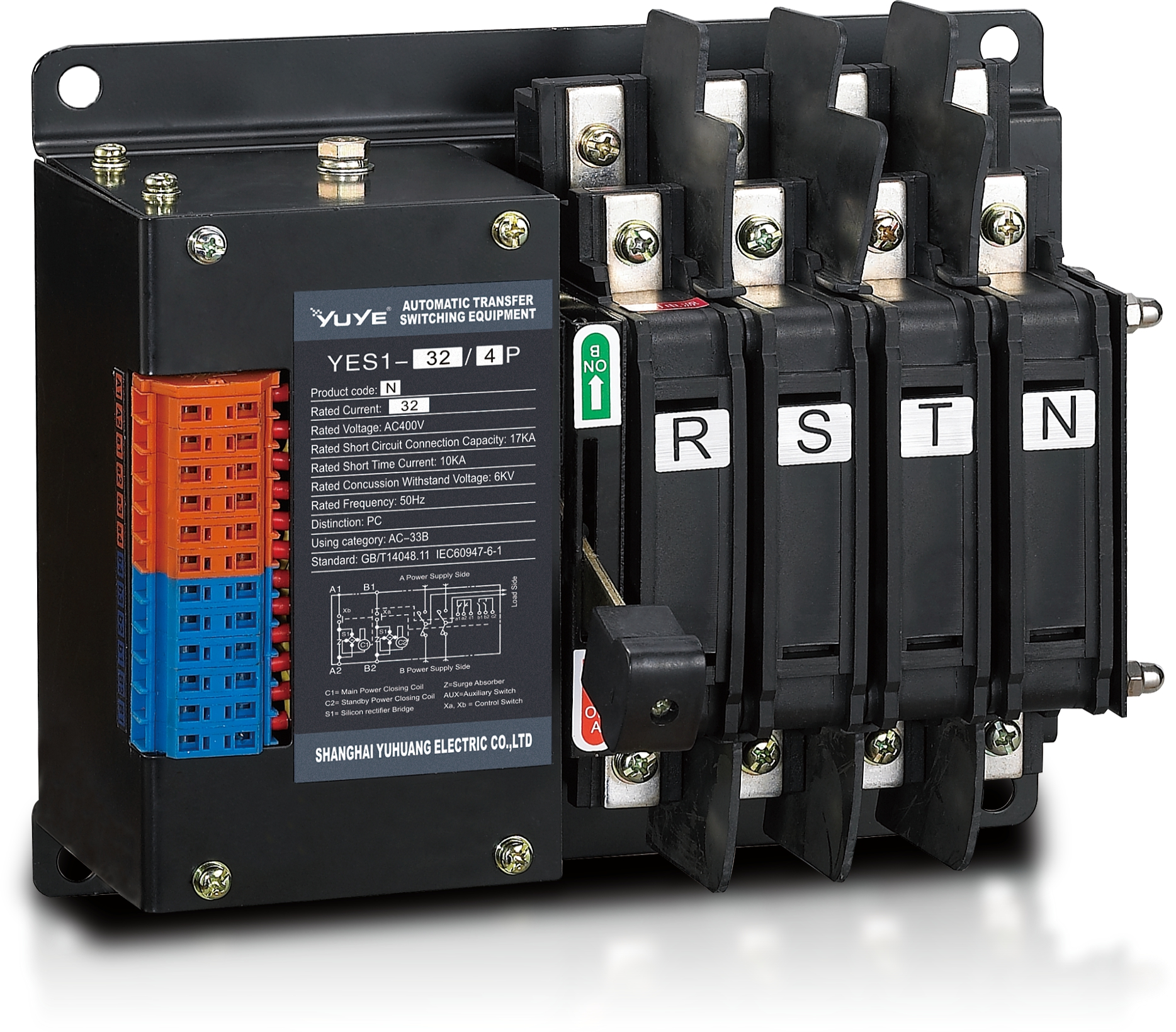 Solenoid-type ATS YES1-32~125N
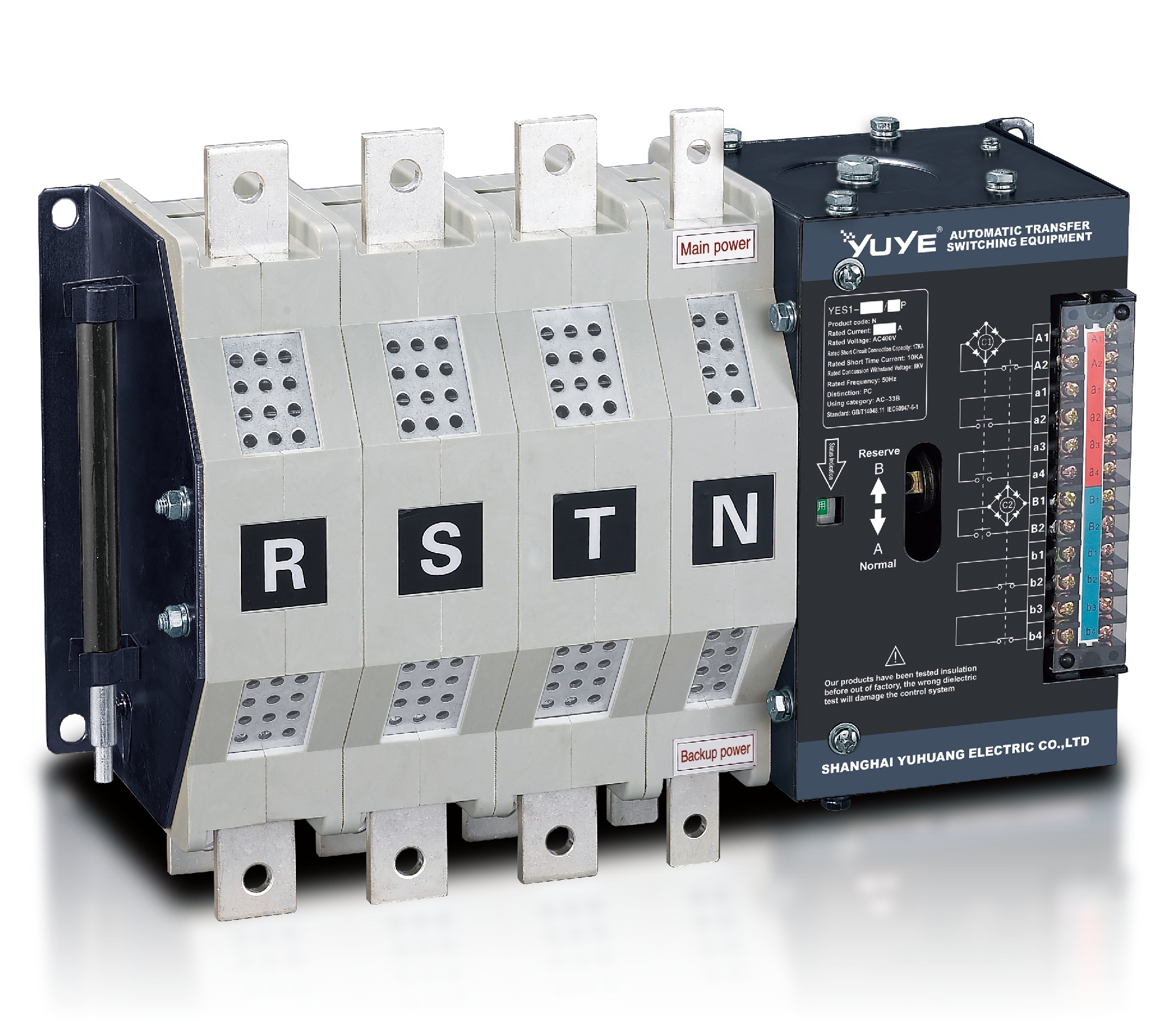 Solenoid-type ATS YES1-250~630N/NT
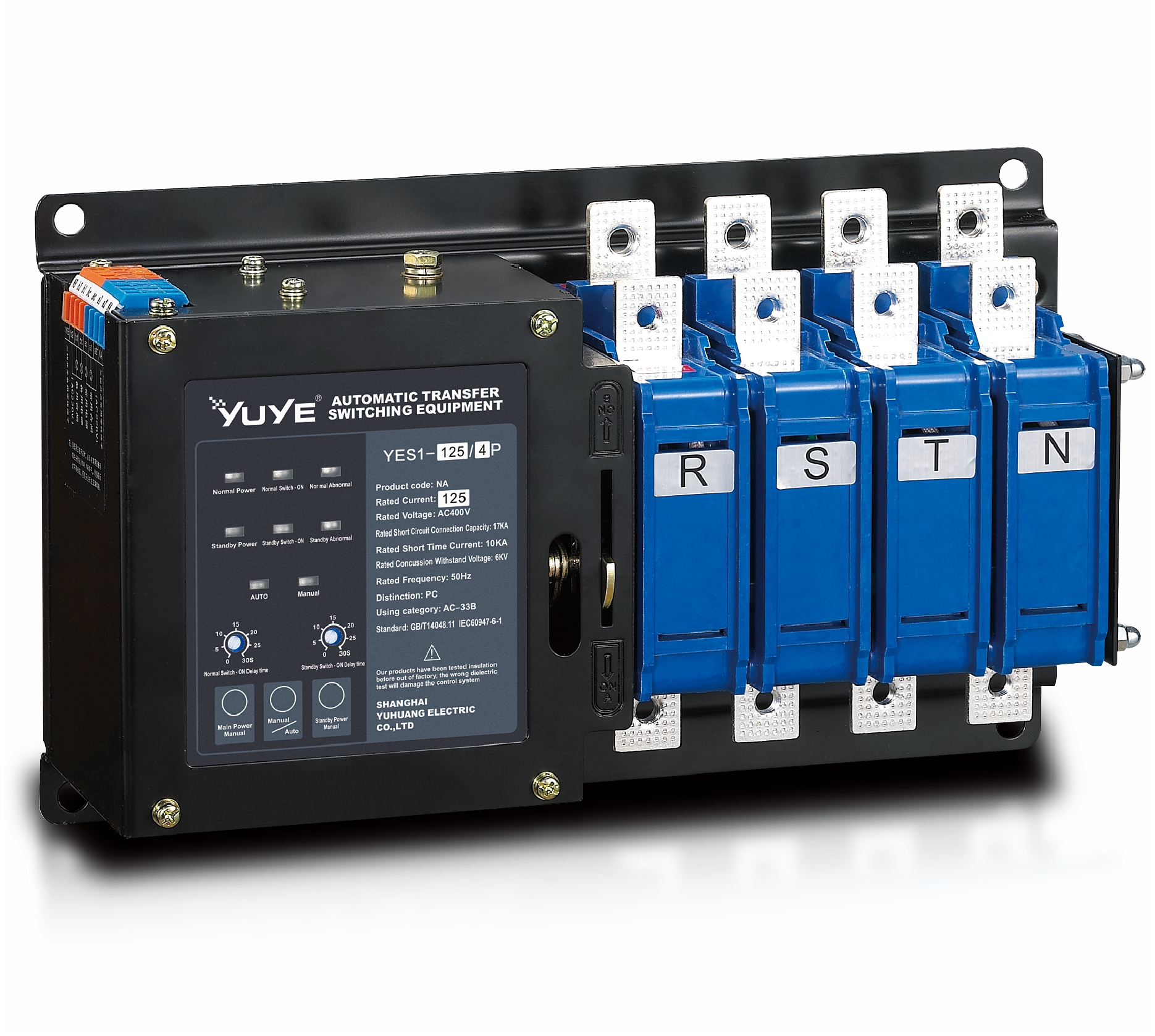 Solenoid-type ATS YES1-32~125NA
 Solenoid-type ATS YES1-63~630SN
 Solenoid-type ATS YES1-1250~4000SN
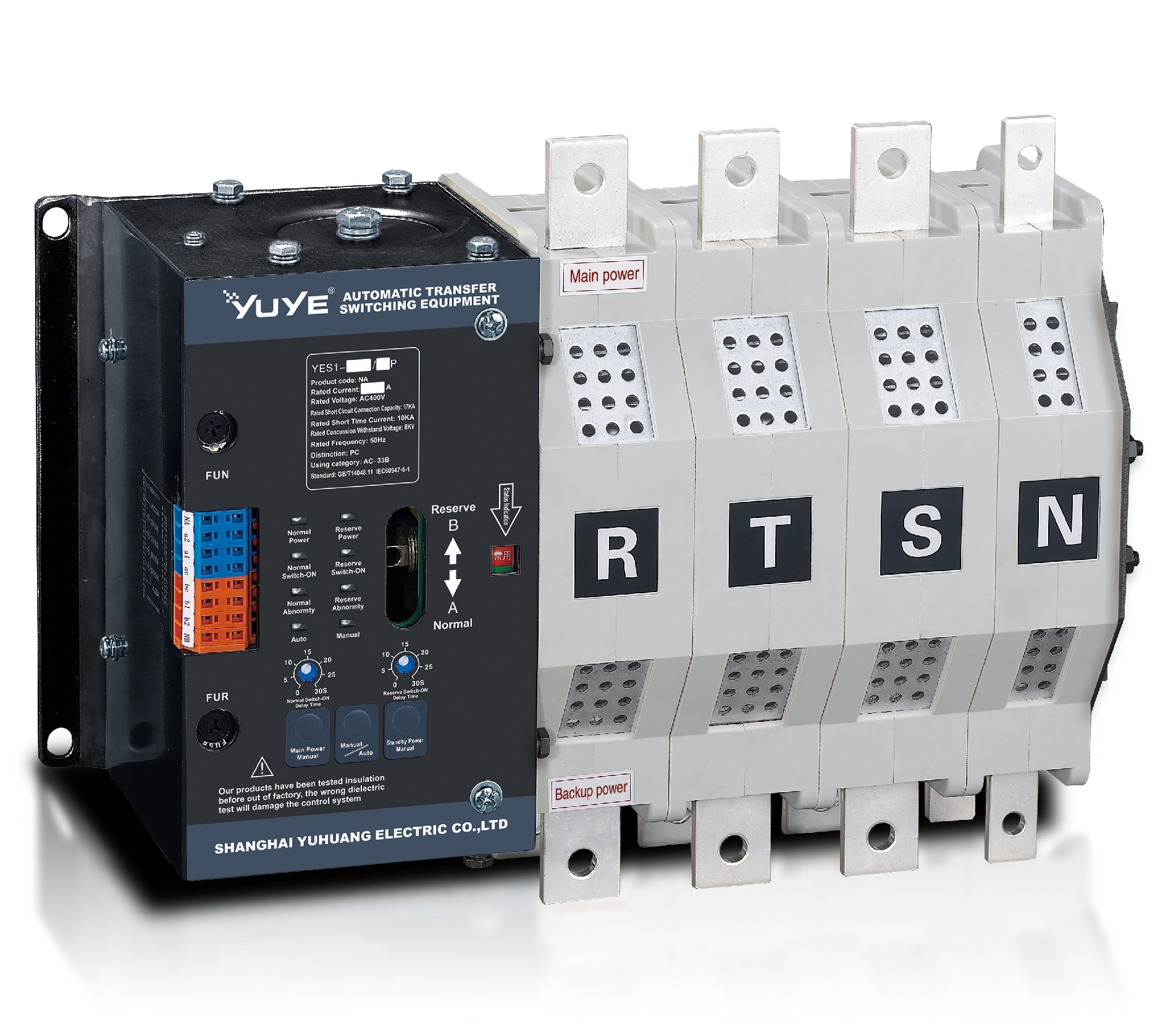 Solenoid-type ATS YES1-250~630NA/NAT
 Solenoid-type ATS YES1-63NJT
 PC ATS YES1-100~1600GN1/GN/GNF
 PC ATS YES1-2000~3200GN/GNF
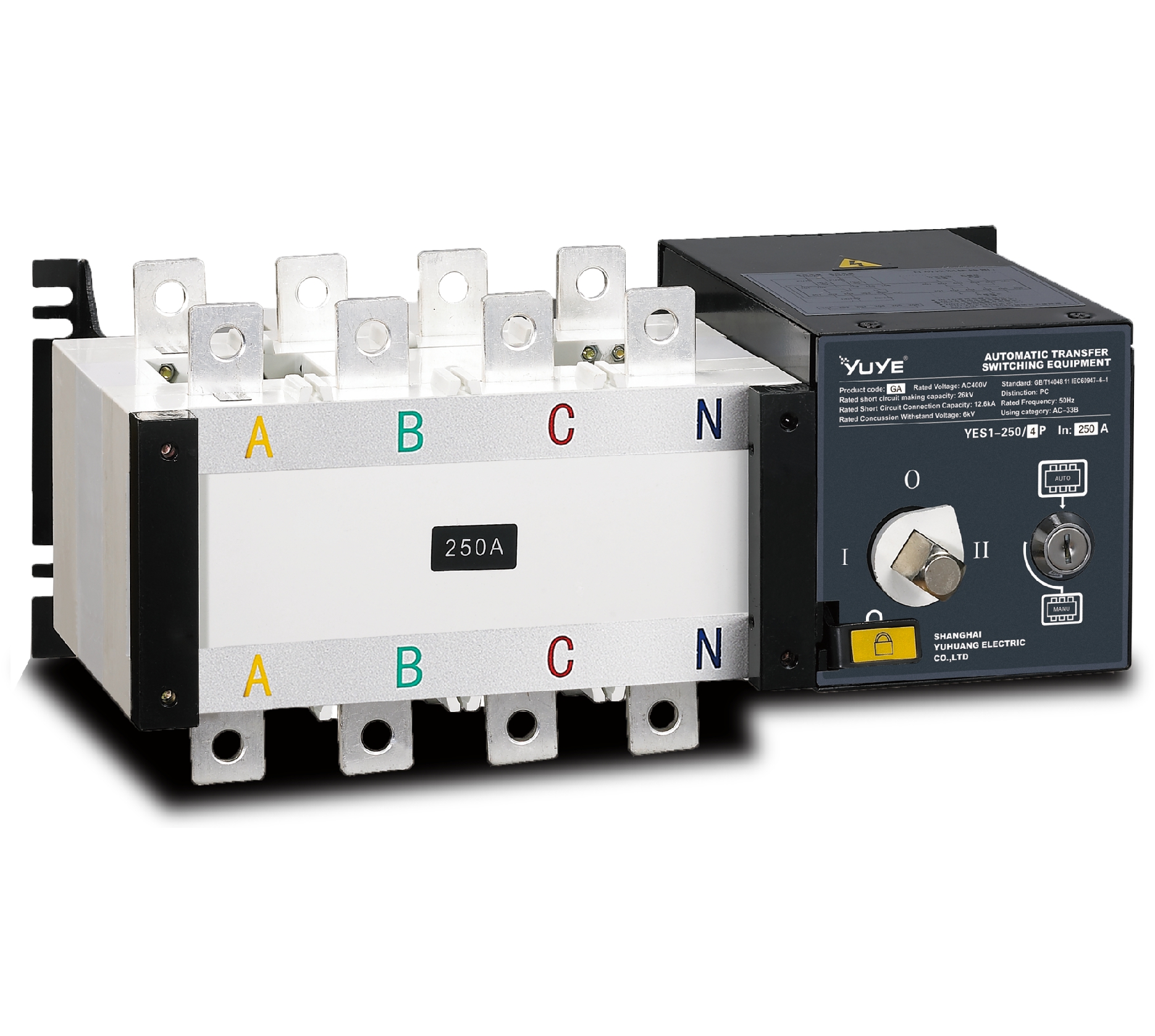 PC ATS YES1-100~3200GA1/GA
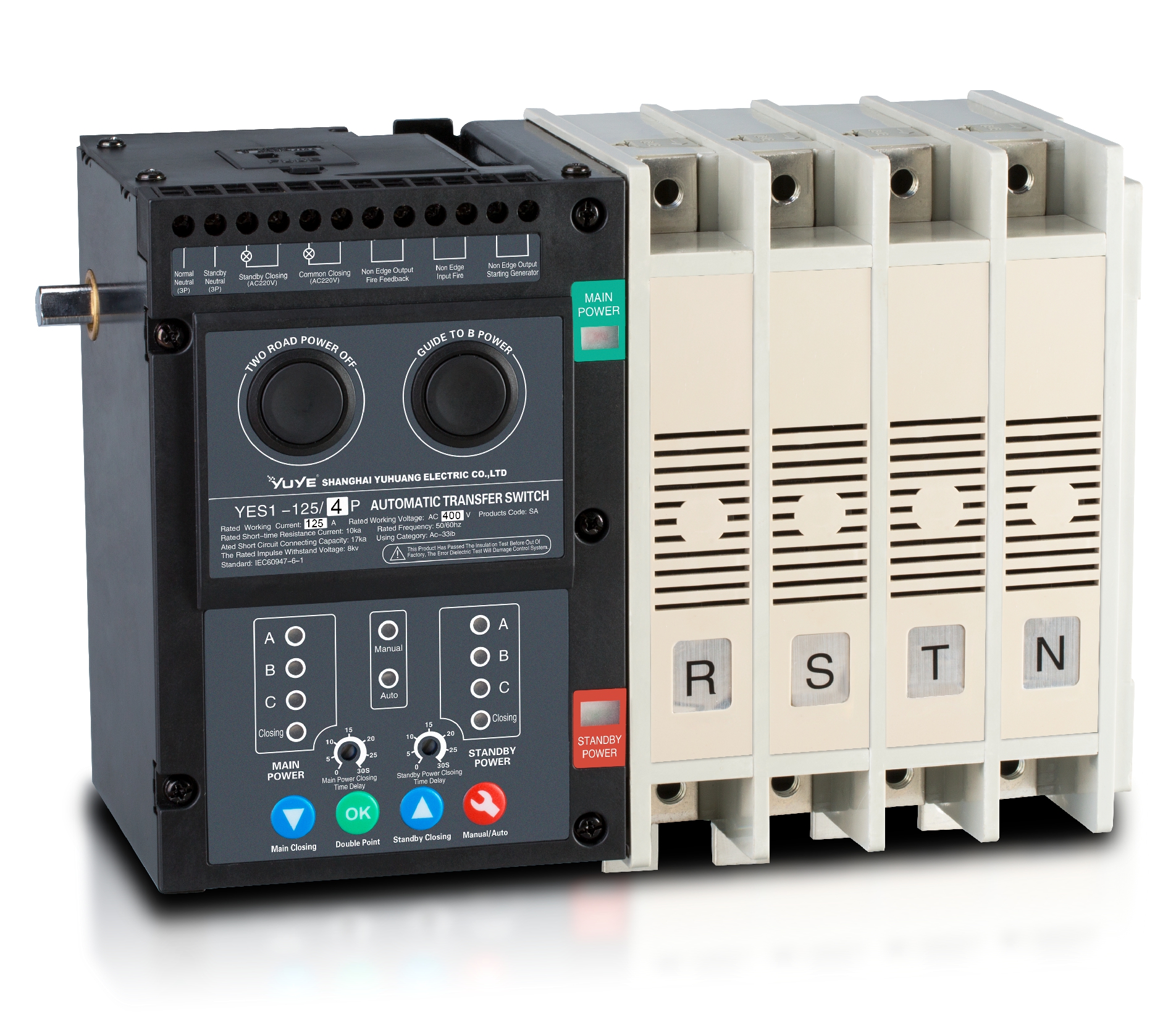 Solenoid-type ATS YES1-63~630SA
 Solenoid-type ATS YES1-63~630L/LA
 Solenoid-type ATS YES1-63~630LA3
 Solenoid-type ATS YES1-63MA
 PC ATS YES1-630~1600M
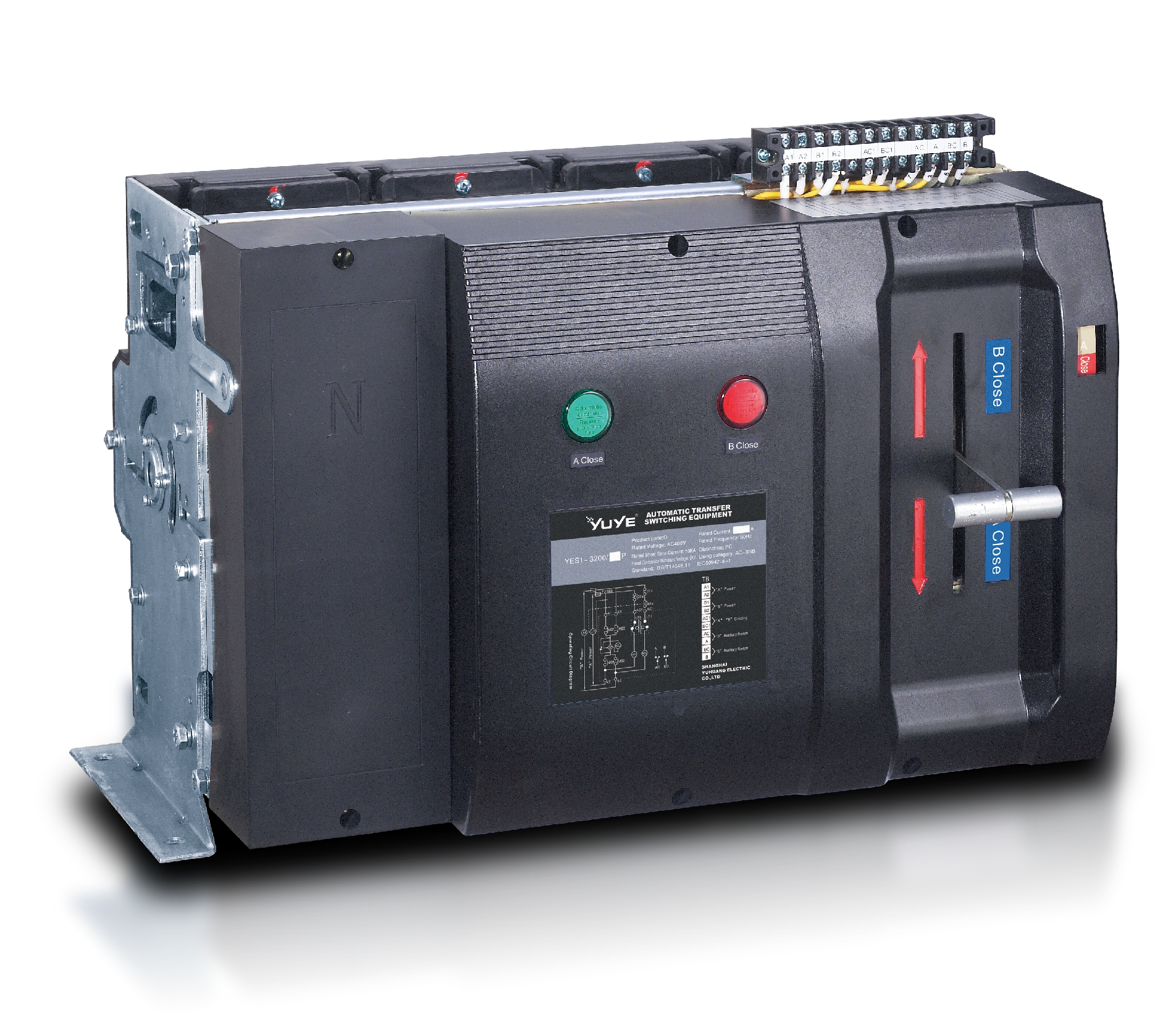 PC ATS YES1-3200Q
 Solenoid-type ATS YES1-4000~6300Q
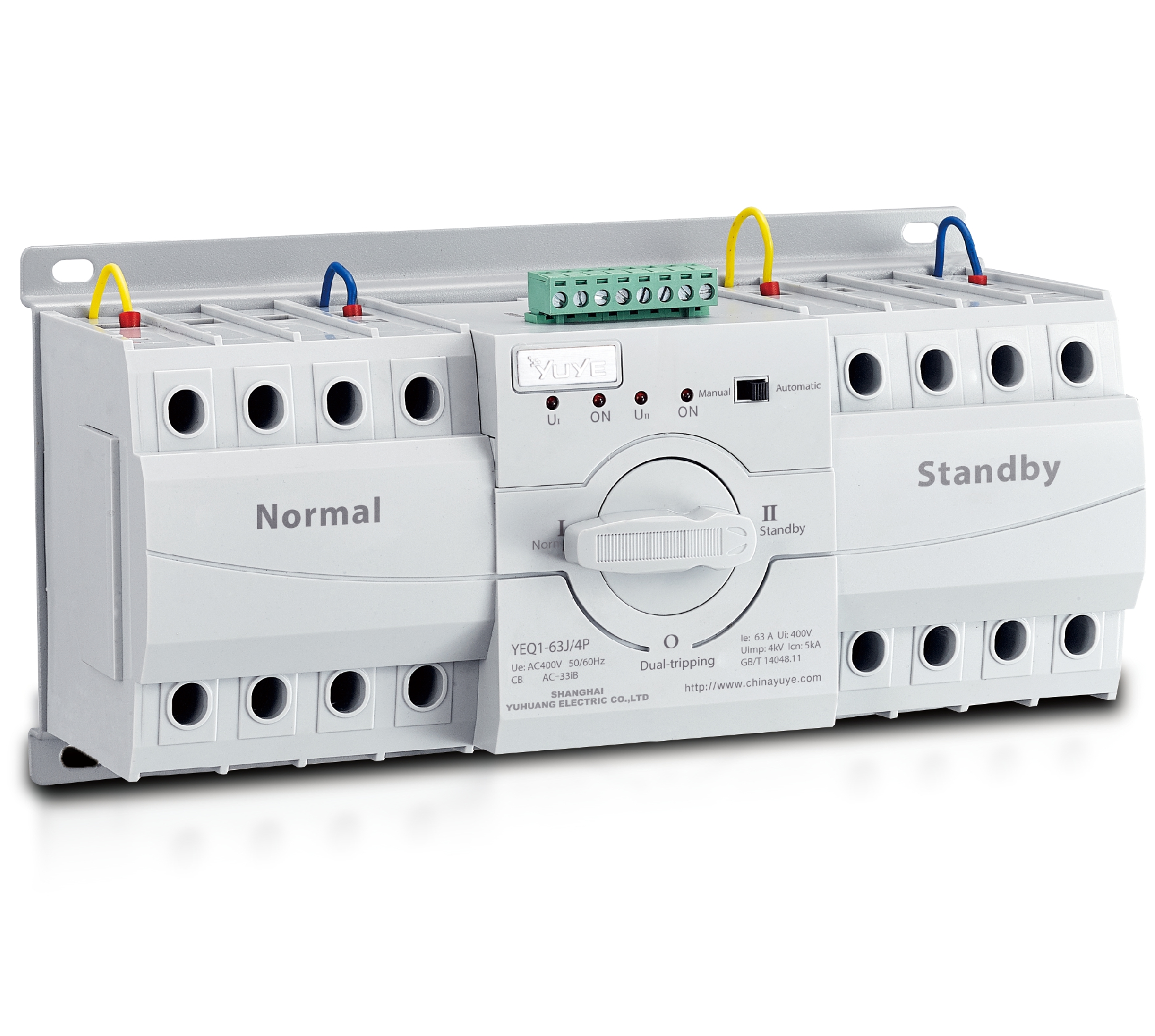 CB ATS YEQ1-63J
 CB ATS YEQ2Y-63
 CB ATS YEQ3-63W1
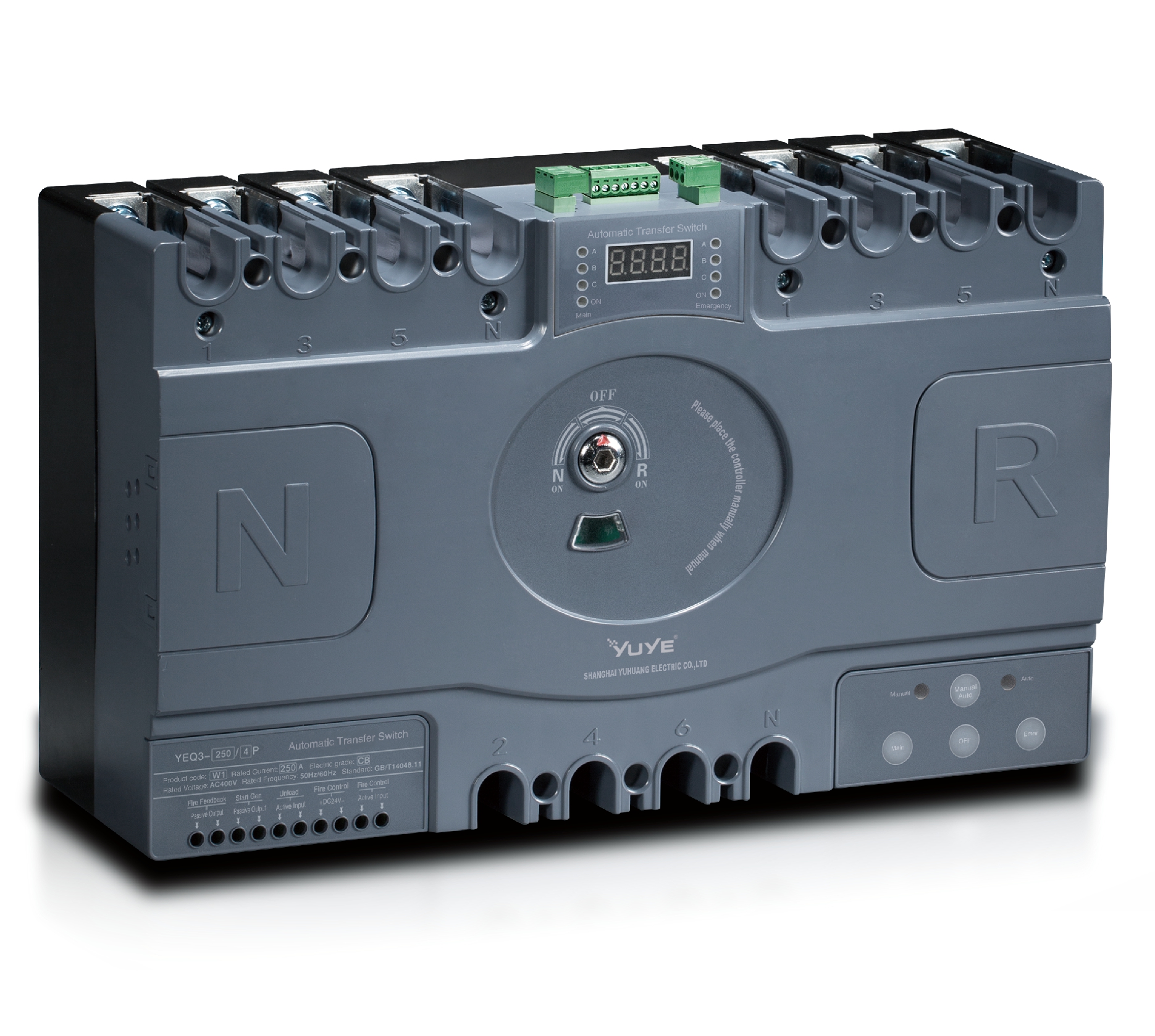 CB ATS YEQ3-125~630W1
 ATS controller Y-700
 ATS Controller Y-700N
 ATS Controller Y-701B
 ATS Controller Y-703N
 ATS Controller Y-800
 ATS Controller W2/W3 Series
 ATS switch Cabinet floor-to-ceiling
 ATS switch cabinet
 JXF-225A power Cbinet
 JXF-800A power Cbinet
 YEM3-125~800 Plastic Shell Type MCCB
 YEM3L-125~630 Leakage Type MCCB
 YEM3Z-125~800 Adjustable Type MCCB
 YEM1-63~1250 Plastic Shell Type MCCB
 YEM1E-100~800 Electronic Type MCCB
 YEM1L-100~630 Leakage Type MCCB
 Miniature circuit breaker YEMA2-6~100
 Miniature circuit breaker YEB1-3~63
 Miniature circuit breaker YEB1LE-3~63
 Miniature circuit breaker YEPN-3~32
 Miniature circuit breaker YEPNLE-3~32
 Miniature circuit breaker YENC-63~125
 Air Circuit Breaker YEW1-2000~6300
 Air Circuit Breaker YEW3-1600
 Load isolation switch YGL-63~3150
 Load Isolation Switch YGL2-63~3150
 Manual Changeover Switch YGL-100~630Z1A
 Manual Changeover Switch YGLZ1-100~3150
 YECPS2-45~125 LCD
 YECPS-45~125 Digital
 CNC Milling/Turning-OEM
 DC relay MDC-300M
 DC Isolation Switch YEGL3D-630


