As more and more folks are turning to solar energy, it’s becoming really clear just how important it is to have reliable, efficient components in place. One key piece of the puzzle is the Automatic Transfer Switch for Solar Power—it helps your system switch smoothly between different power sources so you never experience a blackout. I read somewhere that the worldwide market for these switches is expected to hit around $1.8 billion by 2026, which shows there’s a growing demand, especially with all the push towards renewable energy.
At One Two Three Electric Co., Ltd., we pride ourselves on making top-quality Moulded Case and Air Circuit Breakers, knowing how crucial automatic transfer switches are when it comes to getting the most out of your solar setup. This guide is here to help you understand how to pick the right automatic transfer switch for your solar needs—so you can keep things running smoothly and reliably, without any hassle.
Key Considerations When Selecting an Automatic Transfer Switch for Solar Systems
When you're choosing an automatic transfer switch (ATS) for your solar power setup, there are a few important things to keep in mind to make sure everything runs smoothly and reliably. First off, you wanna double-check that the voltage and frequency match up with both your solar system and the grid. Most solar setups run on either 120/240 VAC or 400 VAC, so picking an ATS that lines up with those specs is pretty much essential for everything to work seamlessly. According to the folks over at the Solar Energy Industries Association, getting the right equipment can boost your system’s efficiency by up to 20%, which isn't too shabby.
Another thing to consider is how fast the ATS switches between sources. There was a study by the National Renewable Energy Laboratory that showed faster switch times can really cut down power interruptions when switching from solar to the grid or vice versa. Basically, a quick transition helps keep your critical appliances running without any hiccups. Also, make sure the ATS you get can handle your peak loads—it's wise to go a bit over your maximum demand now, so there's room for future upgrades or expansion without any stress.
And don’t forget about durability and weather resistance. Lots of ATS units are built for outdoor use and can handle the elements, which means they'll last longer and stay dependable. Industry reports also point out that choosing an ATS with proper certifications can save you a bunch on maintenance costs and extend the life of your whole solar setup. So, taking the time to pick the right one really pays off in the long run.
Ultimate Guide to Choosing the Right Automatic Transfer Switch for Your Solar Power System
| Criteria |
Description |
Importance Level |
Recommended Options |
| Power Rating |
Ensure the transfer switch can handle the total wattage of the solar system. |
High |
Rated for at least 125% of peak load. |
| Transfer Time |
The time it takes to switch from the main power to the solar power. |
Medium |
Under 30 seconds is ideal. |
| Type of Transfer Switch |
Manual vs. Automatic: Choose based on convenience and system complexity. |
High |
Automatic for seamless operation. |
| Certifications |
Ensure the switch meets local electrical codes and standards. |
High |
Look for UL or CSA certification. |
| Additional Features |
Consider features such as remote monitoring, surge protection, and user interface. |
Medium |
Remote activation and diagnostic display. |
| Warranty |
Check the warranty period and what it covers. |
Medium |
At least 2 years warranty. |
Top Features to Look for in an Automatic Transfer Switch
When you're choosing an automatic transfer switch (or ATS) for your solar setup, there are a few important features you really want to look out for to make sure everything runs smoothly and performs at its best. First things first, check the amperage rating of the switch—it needs to match or even go a bit beyond what your solar system can deliver. As the National Renewable Energy Laboratory points out, solar systems come in all sizes, especially for homes, which usually range from about 5 kW to 10 kW. So, your ATS should be up to the task of handling that power, ensuring smooth transitions without risking overloads.
Another thing to consider is how quickly the switch responds. You want a top-notch ATS that can switch in less than a second—that quick response helps keep outages short and your backup system reliable. According to a 2022 report from the U.S. Energy Information Administration, having a fast-acting transfer switch really cuts down on the hassle and impact of power interruptions. And if you want to go the extra mile, look for features like remote monitoring. This way, you can keep an eye on performance and troubleshoot issues right from your phone or computer, making maintenance a whole lot easier over time.
Comparison of Different Types of Automatic Transfer Switches for Solar Power
When you're looking to pick out an automatic transfer switch (ATS) for your solar setup, it's pretty important to get a good sense of the different types out there and how they actually work. You see, traditional options like open transition and closed transition switches each have their own pros and cons when it comes to reliability and efficiency. For instance, open transition switches switch off the utility power before hooking up to the generator, which can cause a tiny blip or brief power cut—something that might be noticeable, especially if you’re running sensitive equipment. On the flip side, closed transition switches do a 'make-before-break' thing, meaning they connect to the generator first before disconnecting from the utility. This way, there's hardly any downtime, making it a real advantage if you're running something critical or just hate power interruptions.

Lately, the industry’s been buzzing about how fast solar PV installations are growing — and it’s not slowing down anytime soon. Both residential folks and businesses are jumping on board, expanding their solar setups all over. And as of 2025, more and more systems are including energy storage (like big batteries), which makes switching power sources smoother during outages. Plus, recent reviews have highlighted some clever techniques for cleaning solar panels that can seriously boost energy output. So, keeping your system in tip-top shape is more important than ever. As more homeowners go for solar energy, picking the right ATS isn’t just about having a backup anymore — it’s really about keeping your system running efficiently and lasting longer, without a headache.
Best Practices for Installing an Automatic Transfer Switch with Solar Energy
When you're setting up an automatic transfer switch (ATS) for your solar system, it's super important to keep safety and efficiency in mind. First off, double-check that the ATS plays nicely with your solar inverter and batteries—their compatibility makes everything run smoother when switching between solar power and the grid.
Pro tip: Take a look at the manufacturer’s specs to make sure everything lines up perfectly. And if you’re not super confident, it’s definitely worth chatting with a licensed electrician—they can help figure out exactly what your setup needs.
Where you install the ATS matters too. Ideally, it should go close to your main electrical panel—that way, the response during outages is faster, and it’s less hassle wiring everything up. Plus, this placement can help save some bucks on installation costs.
Another tip: If you’re putting it outside, don’t forget a waterproof enclosure—that’s key for protecting it from weather and making sure it lasts. Oh, and adding a manual bypass switch isn’t a bad idea either. It gives you a bit of extra safety backup in case the ATS needs maintenance or if it ever fails.
All in all, just take your time, double-check those details, and you’ll be good to go!
Common Mistakes to Avoid When Choosing an Automatic Transfer Switch
When you're choosing an automatic transfer switch (ATS) for your solar setup, it's pretty important to watch out for some common mistakes that could end up wasting your money or causing headaches down the line. A lot of folks miss the fact that the ATS has to be compatible with their particular solar system. For example, the Solar Energy Industries Association points out that if the system components don’t match up, it can cause them to not work properly — and fixing that stuff can get pretty costly. So, making sure the switch’s specs match your inverter and other gear is key to keeping everything running smoothly.
A quick tip: Before you buy, double-check the transfer switch’s amperage and voltage to make sure they line up with what your solar panels are putting out. This way, you won’t have performance issues.
Another common mistake is forgetting about the future. If you think your energy needs might grow later on, it’s a good idea to pick an ATS that can handle a bigger load. Industry standards suggest going for at least 20% extra capacity, just to be safe. This means you won’t have to go shopping for a new switch if your energy demands increase.
Tip: Take a look at your past utility bills and try to anticipate what your future energy use might look like. That way, you'll pick an ATS that’s ready for any growth.
By keeping these things in mind, you’ll be able to make smarter choices that boost the efficiency and reliability of your solar power setup — and hopefully save some trouble along the way.

Maintaining Your Automatic Transfer Switch for Optimal Solar Performance
Automatic transfer switches, or ATS for short, actually play a pretty crucial role when it comes to keeping your solar power system reliable and running smoothly. If you want your solar setup to perform at its best, don’t forget that regular maintenance of your ATS is key. I mean, research shows that in dusty environments, the efficiency of your solar panels can drop by up to 20%. So, basically, keeping your ATS in good shape directly helps make sure you get the most out of your solar system. Checking that the contacts are clean and that all your circuit connections are tight can save you energy and also help your system last longer.
And here’s the cool part — with the latest tech, like AI-powered robots for cleaning panels and doing predictive maintenance, taking care of your system gets a whole lot easier. Some studies have even shown that drone inspections and robotic cleaners can boost solar panel efficiency by around 30%, especially in areas prone to dust. So, if you’re a homeowner, investing in these innovative solutions can really make a difference, keeping your solar system, including the ATS, working well—even if the weather isn’t the nicest. Just remember, a well-kept ATS isn’t just about protecting your gear; it also helps make sure you’ve got power when you need it most, even during outages.
Automatic Transfer Switch (ATS) Efficiency in Solar Power Systems
The bar chart above illustrates the efficiency of Automatic Transfer Switches (ATS) at different load levels in a solar power system. As seen, the efficiency increases with the load, showcasing optimal performance when operating at higher loads.
FAQS
A faster switching speed minimizes power disruption during transitions between solar generation and grid supply, thereby reducing downtime and keeping critical loads powered.
The load capacity of the ATS should exceed the maximum load of your solar system to accommodate future expansions or upgrades, ensuring it can handle peak demand.
Durability and environmental ratings ensure that the ATS can withstand various weather conditions and provide longevity, reducing maintenance costs and extending the life of solar power systems.
The ATS's amperage rating should match or exceed the solar system's output capacity, which typically ranges from 5 kW to 10 kW for residential systems.
A high-quality ATS should have a response time of less than a second to minimize downtime during power outages and enhance the reliability of the backup system.
Remote monitoring capabilities allow users to oversee performance metrics and troubleshooting in real-time, improving functionality and maintenance efficiency.
Open transition switches disconnect the load from the utility before connecting to the generator, possibly causing brief power interruptions, whereas closed transition switches allow for a 'make-before-break' operation, minimizing downtime significantly.
Energy storage systems are increasingly being integrated with solar systems to facilitate seamless power transitions during outages, enhancing the reliability of the overall setup.
Selecting the right ATS is essential for reliable backup power and ensuring maximum efficiency and longevity of the solar power system, particularly as solar installations continue to grow.
Conclusion
Picking the right Automatic Transfer Switch (ATS) for your solar setup is pretty important if you want things to run smoothly and reliably. You’ll want to think about your system’s power needs first and make sure whatever switch you choose plays nicely with your solar inverter. Some key things to look out for are how fast it responds, how much load it can handle, and how easy it is to install. There are different kinds of automatic transfer switches—like open-transition and closed-transition—and knowing what sets them apart can really help you make a smarter choice.
When it comes to installing, just remember to follow your local codes and regulations. And avoid common slip-ups—like underestimating your load or forgetting about regular maintenance—that can cause problems down the line. Keeping up with proper maintenance will keep your Automatic Transfer Switch working at its best and ensure your solar system stays efficient for years. Here at One Two Three Electric Co., Ltd., we’re all about providing top-quality electrical solutions, including high-quality automatic transfer switches, to help power your solar projects smoothly.

 PC ATS YECT1-2000G
 PC ATS YES2-63~250GN1
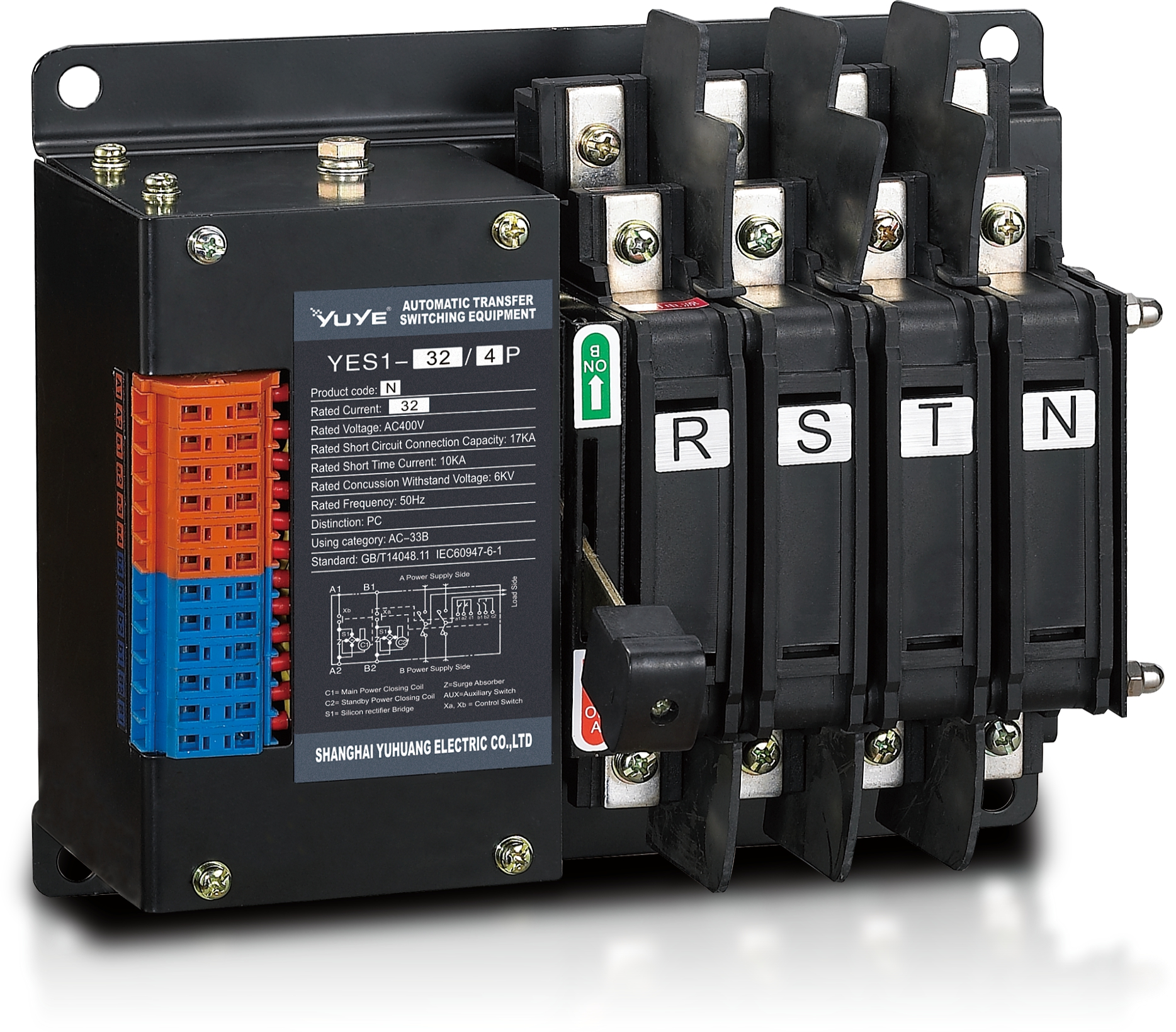 Solenoid-type ATS YES1-32~125N
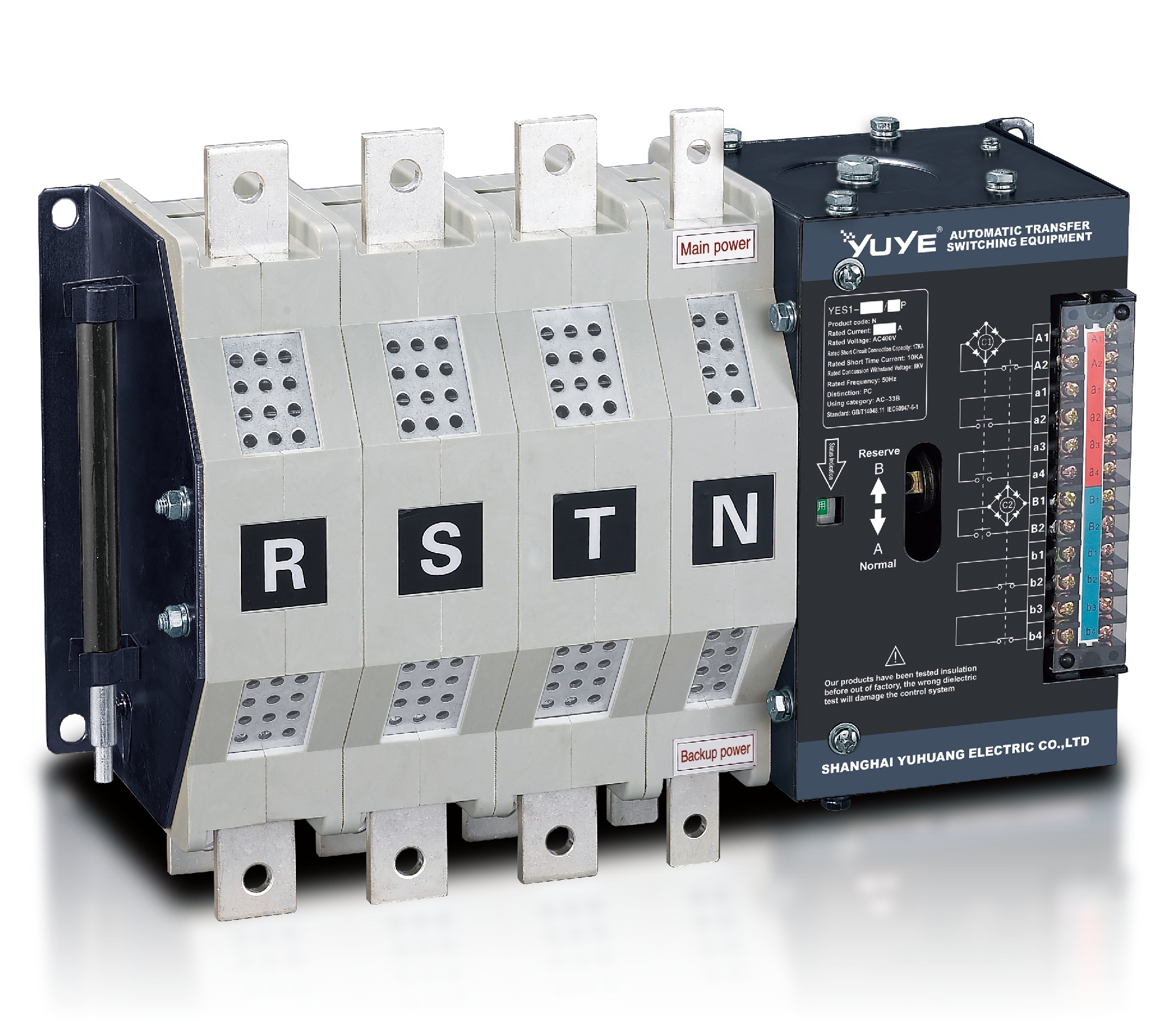 Solenoid-type ATS YES1-250~630N/NT
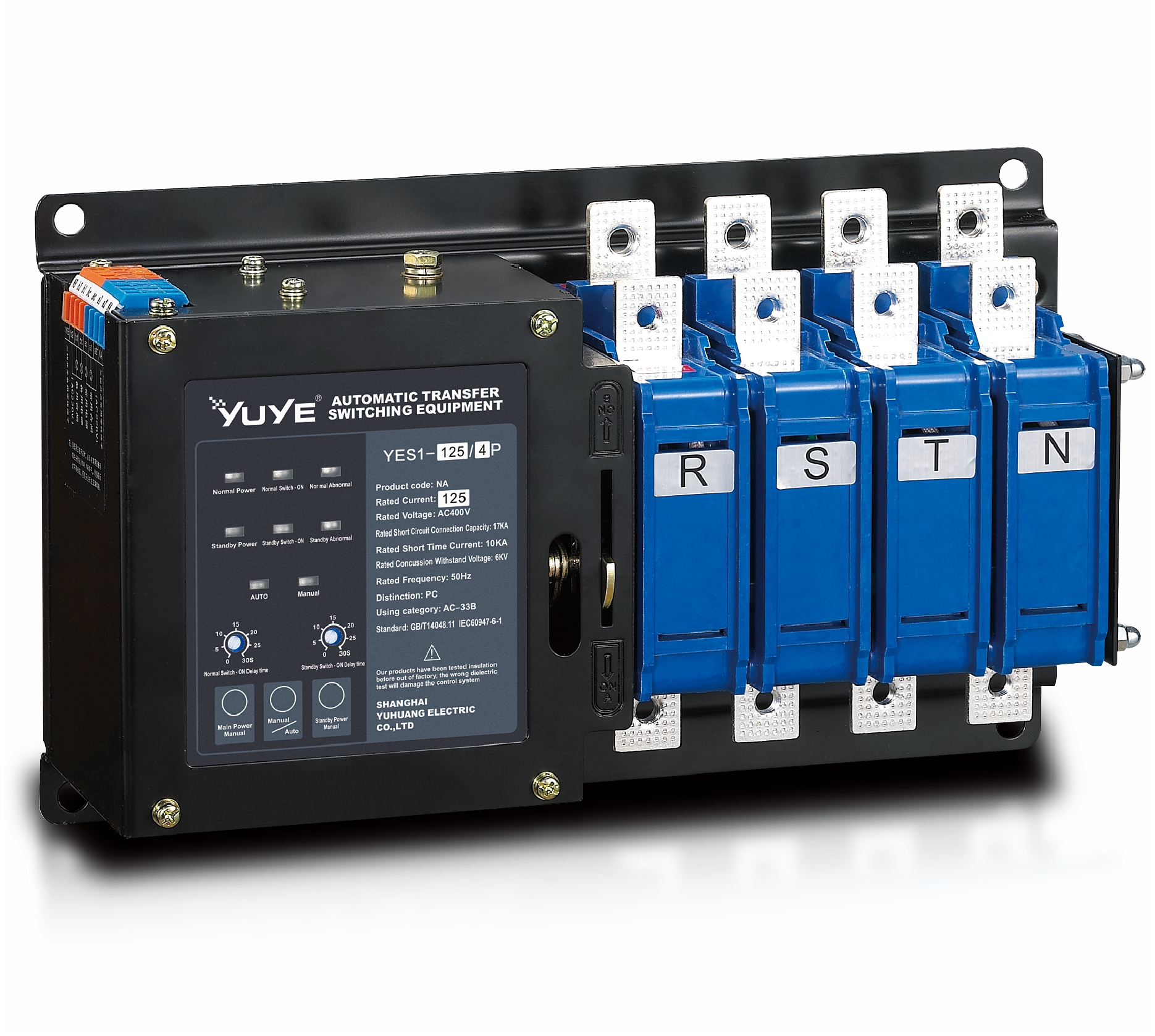 Solenoid-type ATS YES1-32~125NA
 Solenoid-type ATS YES1-63~630SN
 Solenoid-type ATS YES1-1250~4000SN
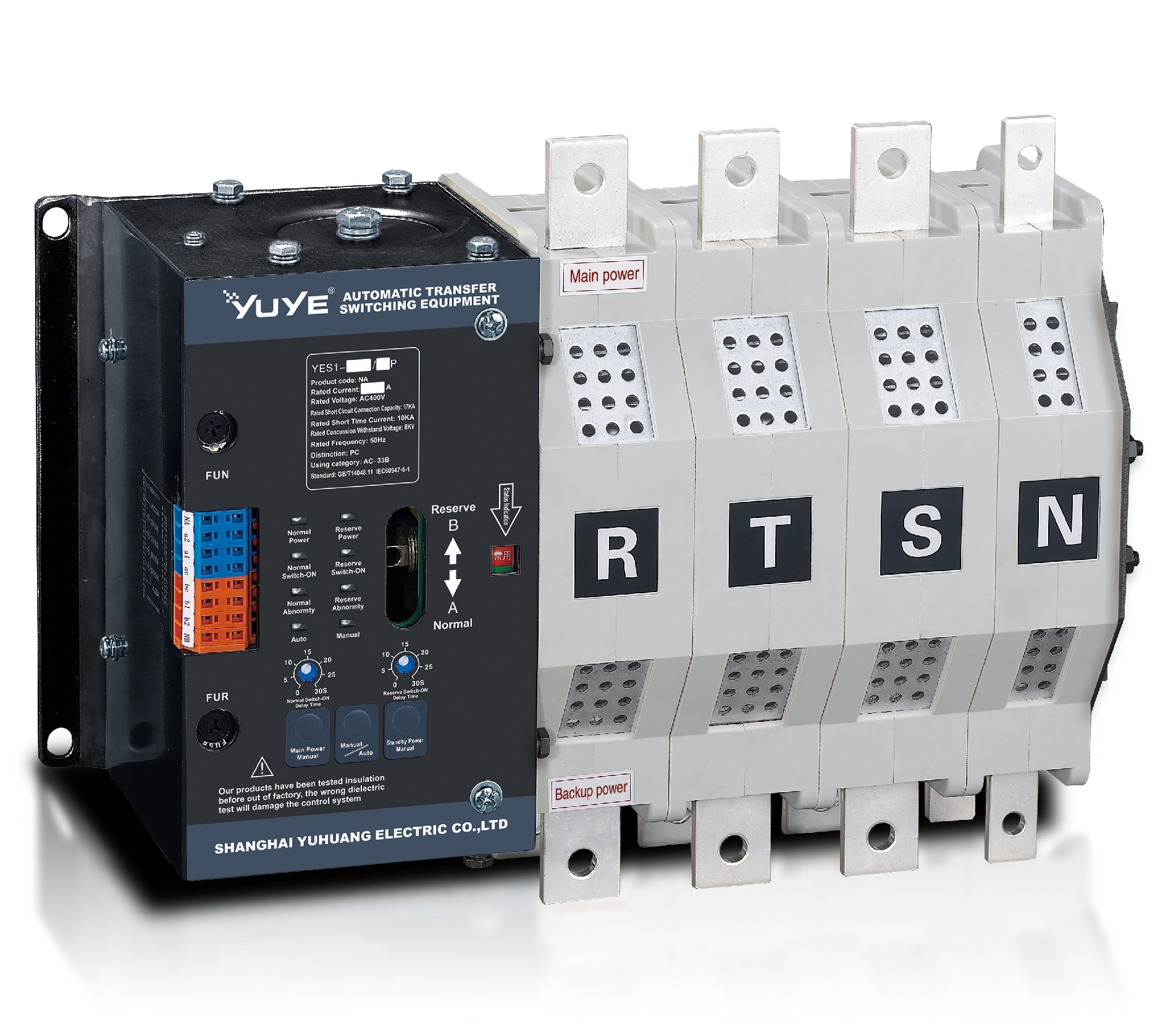 Solenoid-type ATS YES1-250~630NA/NAT
 Solenoid-type ATS YES1-63NJT
 PC ATS YES1-100~1600GN1/GN/GNF
 PC ATS YES1-2000~3200GN/GNF
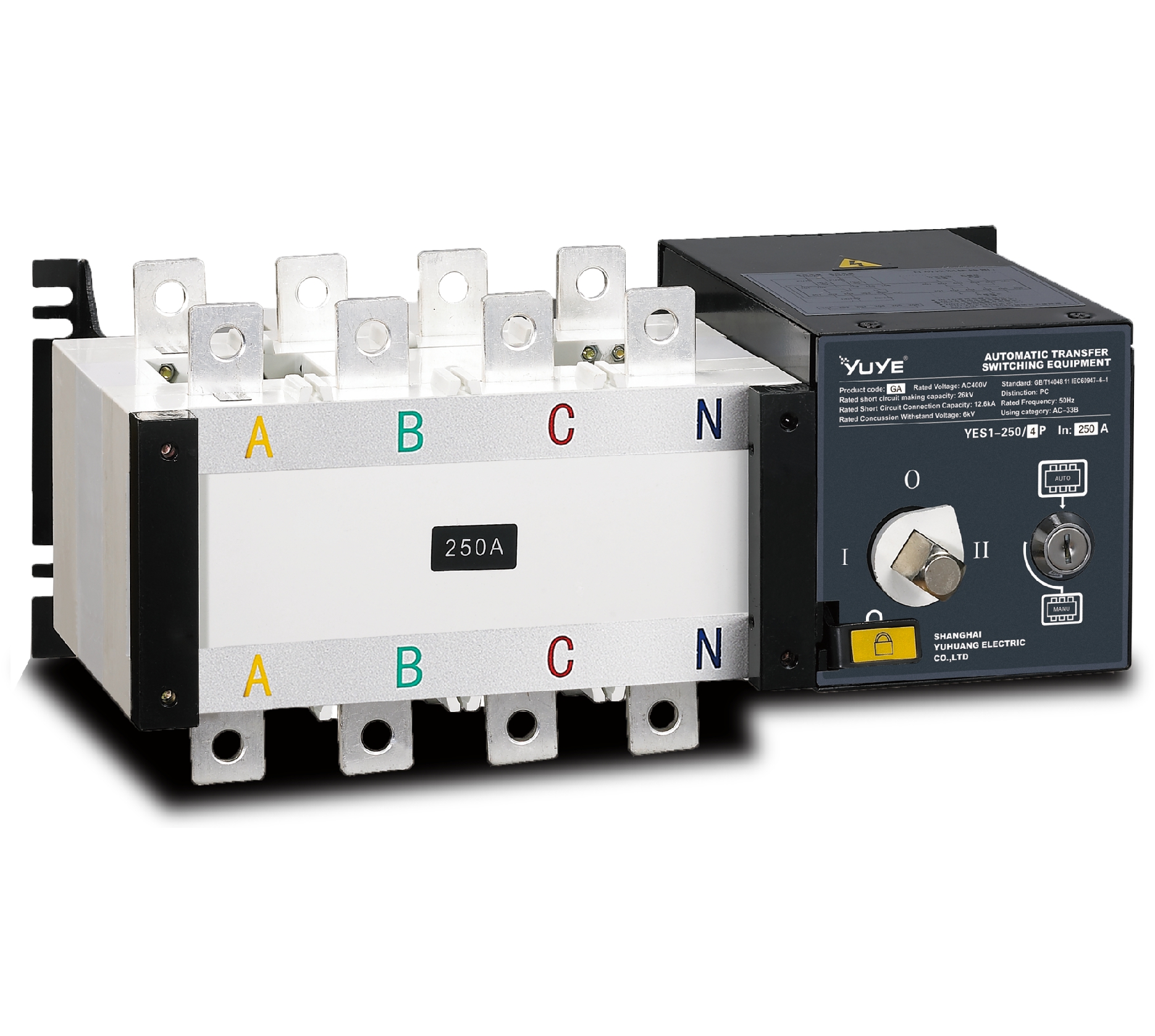 PC ATS YES1-100~3200GA1/GA
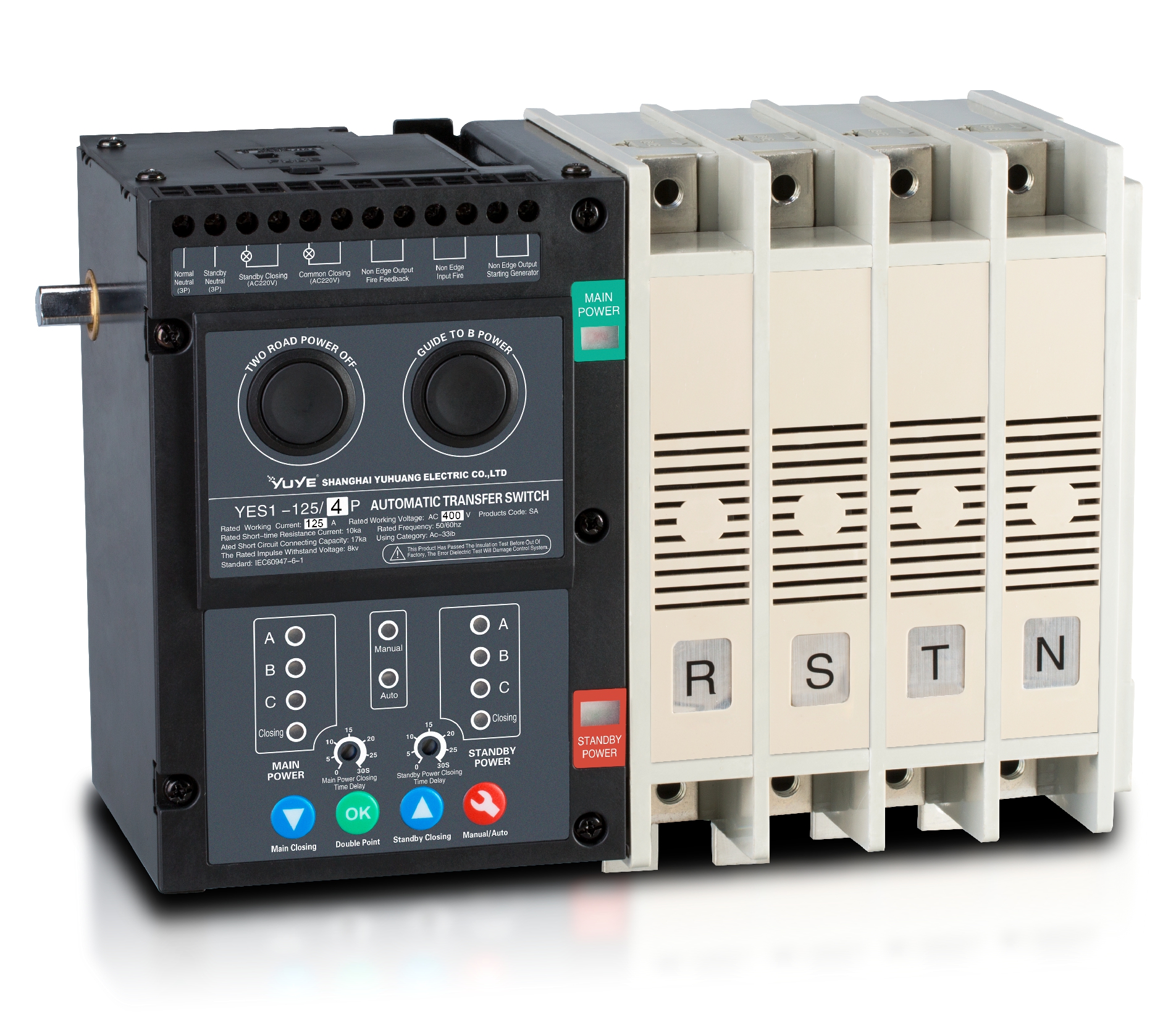 Solenoid-type ATS YES1-63~630SA
 Solenoid-type ATS YES1-63~630L/LA
 Solenoid-type ATS YES1-63~630LA3
 Solenoid-type ATS YES1-63MA
 PC ATS YES1-630~1600M
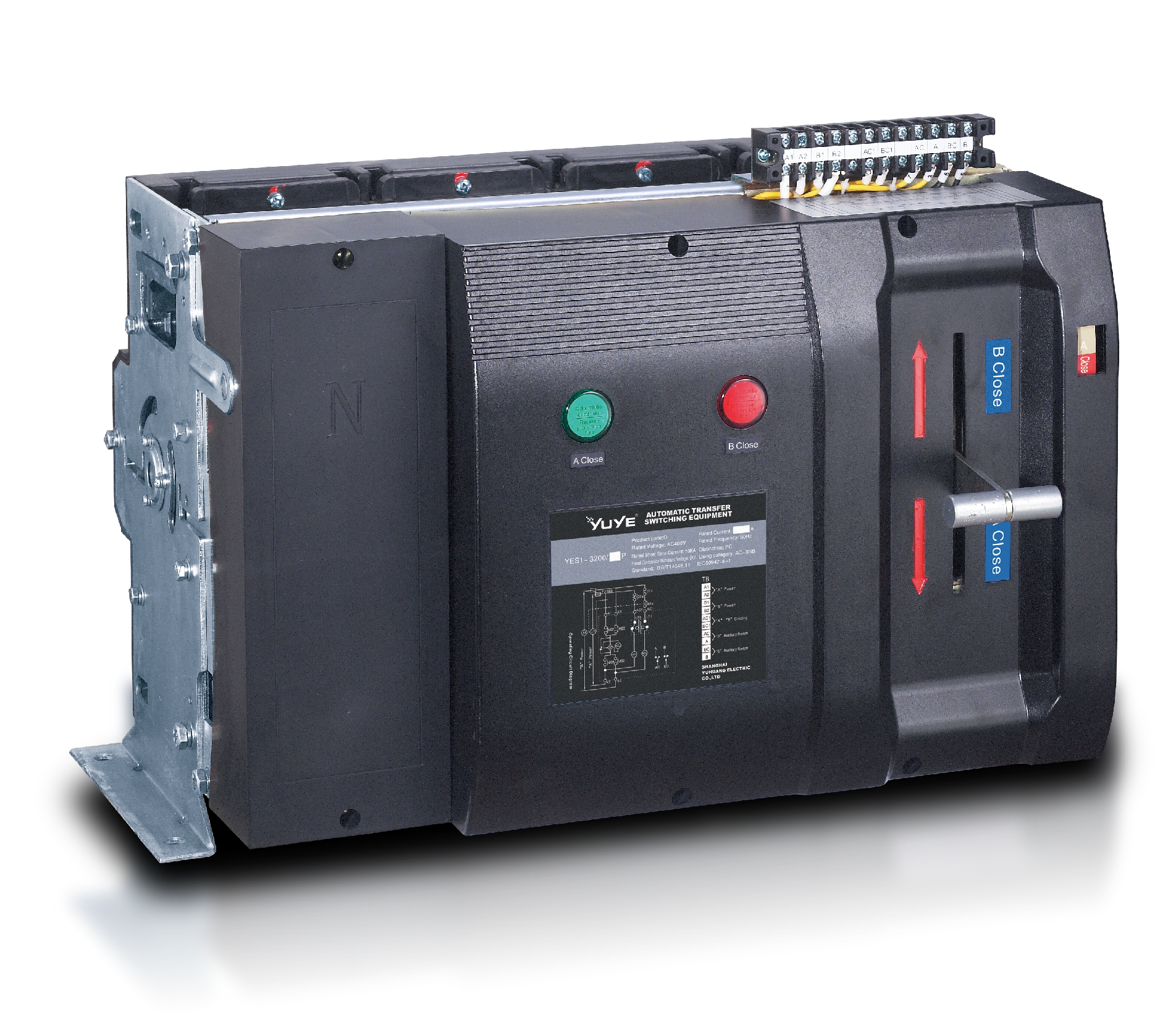 PC ATS YES1-3200Q
 Solenoid-type ATS YES1-4000~6300Q
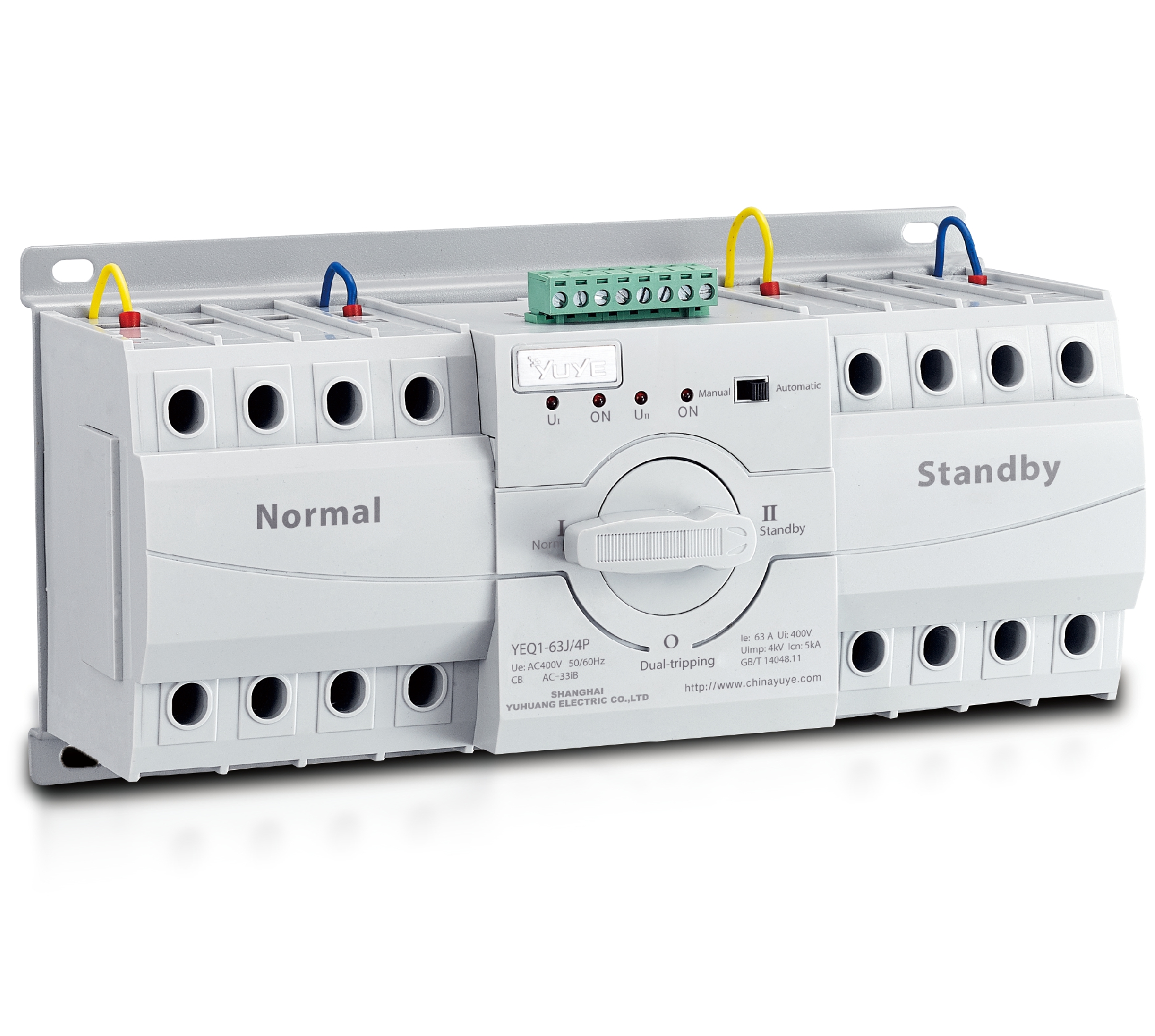 CB ATS YEQ1-63J
 CB ATS YEQ2Y-63
 CB ATS YEQ3-63W1
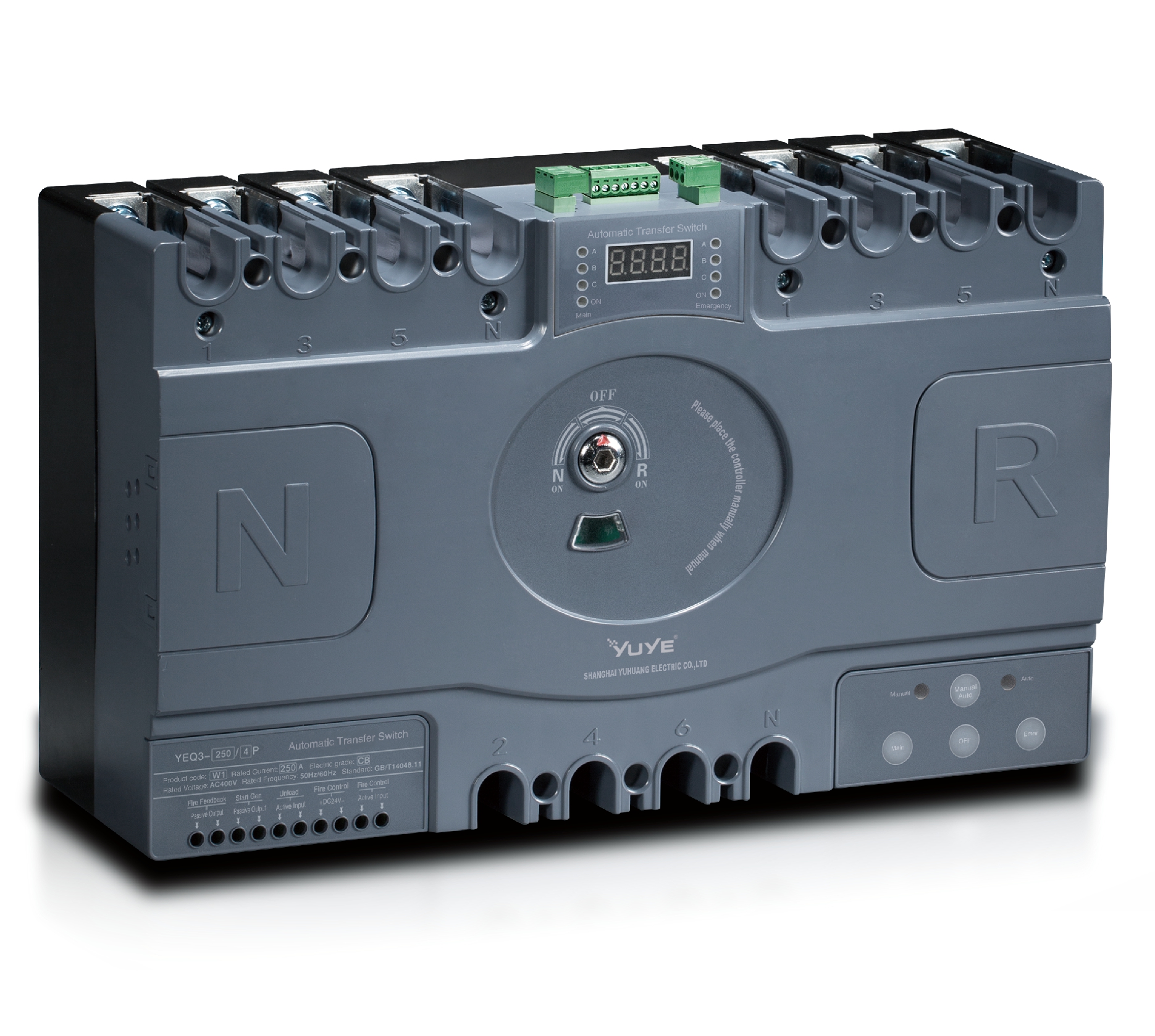 CB ATS YEQ3-125~630W1
 ATS controller Y-700
 ATS Controller Y-700N
 ATS Controller Y-701B
 ATS Controller Y-703N
 ATS Controller Y-800
 ATS Controller W2/W3 Series
 ATS switch Cabinet floor-to-ceiling
 ATS switch cabinet
 JXF-225A power Cbinet
 JXF-800A power Cbinet
 YEM3-125~800 Plastic Shell Type MCCB
 YEM3L-125~630 Leakage Type MCCB
 YEM3Z-125~800 Adjustable Type MCCB
 YEM1-63~1250 Plastic Shell Type MCCB
 YEM1E-100~800 Electronic Type MCCB
 YEM1L-100~630 Leakage Type MCCB
 Miniature circuit breaker YEMA2-6~100
 Miniature circuit breaker YEB1-3~63
 Miniature circuit breaker YEB1LE-3~63
 Miniature circuit breaker YEPN-3~32
 Miniature circuit breaker YEPNLE-3~32
 Miniature circuit breaker YENC-63~125
 Air Circuit Breaker YEW1-2000~6300
 Air Circuit Breaker YEW3-1600
 Load isolation switch YGL-63~3150
 Load Isolation Switch YGL2-63~3150
 Manual Changeover Switch YGL-100~630Z1A
 Manual Changeover Switch YGLZ1-100~3150
 YECPS2-45~125 LCD
 YECPS-45~125 Digital
 CNC Milling/Turning-OEM
 DC relay MDC-300M
 DC Isolation Switch YEGL3D-630


