The Generat Automatic Transfer Switch (GATS) is really a pretty big leap forward when it comes to managing power safely and reliably. These days, whether you’re a homeowner or running a business, you pretty much rely on having power that doesn’t suddenly cut out. That’s where GATS comes in — it makes switching between your main power source and backup super smooth, so your essential systems don’t skip a beat during outages. It’s not just about keeping things running; it also boosts safety and shields your sensitive gadgets from the mess that power interruptions can cause.
Now, let's talk a bit about what makes GATS so handy. It comes with features like real-time monitoring and automatic operation — so it basically works on its own without you having to think about it. Plus, it plays nicely with different types of generators, which is a huge plus. All these things make managing your power way easier and even help save energy, making GATS a must-have in today’s world of electricity management. By going over the key benefits and how it works, I hope it’s clear how this device can really help keep power steady and reliable, whether you’re at home or running a business.

What is a Generator Automatic Transfer Switch?
A Generator Automatic Transfer Switch (ATS) is an essential electrical device that serves as a bridge between a power generator and the electrical system of a building. Its primary function is to automatically switch the power supply from the utility grid to the generator during electrical outages, and revert back to the grid once the power is restored. This ensures an uninterrupted supply of electricity, allowing users to maintain their daily operations with minimal disruption.
One of the key features of an ATS is its ability to monitor power levels continually. When a drop in voltage or a complete outage is detected, the ATS quickly activates the generator, allowing for seamless energy transition. This process eliminates manual intervention, which can be critical in emergency situations. Additionally, modern ATS units often come equipped with advanced monitoring systems, allowing users to keep track of generator performance and maintenance needs, further enhancing reliability and efficiency.
The Functionality of Automatic Transfer Switches
Automatic transfer switches (ATS) play a crucial role in ensuring the uninterrupted power supply in both residential and commercial settings. The primary function of an ATS is to automatically transfer the load between a primary power source and a backup generator when a power failure occurs. According to a report by the National Fire Protection Association, over 60% of businesses that experience power outages for 24 hours or more never reopen, highlighting the importance of reliable power systems. ATS not only minimizes downtime but also enhances safety by reducing the manual intervention required during power failures.
Key features of automatic transfer switches include real-time monitoring and fast response times. Modern ATS units can detect power loss in less than a second and activate the backup generator automatically, ensuring a seamless transition. This functionality is vital in critical applications such as hospitals and data centers, where even a momentary power interruption can lead to significant operational challenges. Additionally, according to a study by the Electrical Safety Foundation International, implementing ATS can reduce the risk of human error during power transitions, further safeguarding essential services and reducing overall operational costs. The integration of ATS into an organization's power management system contributes significantly to enhancing reliability and operational efficiency.
Key Benefits of Using Generator Automatic Transfer Switches
Generator Automatic Transfer Switches (ATS) provide significant advantages for seamless power management during outages. One of the primary benefits is the automatic detection of power failures. The ATS continuously monitors the incoming electrical supply and instantly switches to generator power once an outage is detected, ensuring that critical systems remain operational without requiring manual intervention. This feature is invaluable for residential and commercial properties alike, where maintaining continuous power is essential for safety and productivity.
In addition to automatic operation, ATS units enhance overall safety. They are designed to isolate the generator from the grid during a power outage, mitigating risks associated with backfeeding, which can pose hazards to utility workers and equipment. Furthermore, using an ATS can prolong the life of the generator itself, as it ensures the generator operates under optimal conditions only when necessary. With these key benefits, ATS systems serve as a crucial component in modern power management strategies, providing reliability, safety, and peace of mind for users.
Essential Features of Automatic Transfer Switches
Automatic Transfer Switches (ATS) are critical components in modern electrical systems, designed to ensure a reliable power supply in case of utility failure. One of the essential features of an ATS is its ability to automatically detect utility outages and switch to a backup generator or alternate power source within seconds. According to industry reports, the response time for many advanced ATS units can be as little as 10 seconds, minimizing downtime for essential services such as healthcare facilities, data centers, and critical infrastructure.
Another key feature of ATS is its built-in monitoring and control capabilities. Many models now come equipped with smart technology that allows for real-time performance data to be relayed to facility managers. This can include alerts for maintenance needs, operational status, and even predictive analytics to identify potential failures before they occur. The Global Automatic Transfer Switch Market Report suggests that over 75% of facilities utilizing ATS have experienced reduced operational risks and improved efficiency in their power management processes due to these technological advancements.
Additionally, ATS units now offer customizable settings to accommodate various power requirements, including the ability to handle different voltage levels, load capacities, and system configurations. This flexibility makes them suitable for a wide range of applications—from residential settings to large industrial operations. With the Global Renewable Energy Policy and Network's findings indicating that there will be a 20% increase in ATS market adoption over the next five years, the importance of understanding their essential features cannot be overstated for businesses looking to enhance their power reliability strategies.
Understanding Generat Automatic Transfer Switch: Benefits and Key Features
Common Applications of Generator Automatic Transfer Switches
Automatic transfer switches (ATS) play a crucial role in the seamless operation of backup power systems, particularly in commercial and industrial settings. They are commonly utilized in hospitals, data centers, and manufacturing facilities, where continuous power supply is essential. According to a recent industry report by Market Research Future, the global ATS market is projected to grow by approximately 7% annually, driven by increasing demand for uninterrupted power supply solutions. In hospitals, for example, an ATS can switch to generator power within seconds of a grid failure, ensuring that critical medical equipment remains operational.
In residential applications, ATS units offer homeowners peace of mind, especially in regions prone to severe weather and power outages. They automatically detect power loss and switch on generators, minimizing downtime for essential appliances. The growing trend towards smart homes has further stimulated interest in ATS technology, as these systems can be integrated with home automation setups. A report by Research and Markets indicates that the residential segment of the ATS market is expected to witness significant growth, fueled by rising awareness about energy reliability.
Tips: When selecting an ATS, consider factors such as load requirements, transfer speed, and environmental conditions. Ensuring the ATS is rated for the specific application will enhance performance and reliability. Additionally, regular maintenance checks can prevent unexpected failures and prolong the lifespan of both the switch and the generator it supports.
Understanding Generator Automatic Transfer Switch: Benefits and Key Features - Common Applications of Generator Automatic Transfer Switches
| Features |
Benefits |
Common Applications |
Voltage Ratings |
| Automatic Operation |
Increased reliability during power outages |
Residential back-up power |
120/240V |
| Remote Monitoring |
Convenient troubleshooting and management |
Commercial buildings |
480V |
| Quick Switchover |
Minimized downtime |
Industrial applications |
600V |
| Load Management |
Optimizes power usage |
Healthcare facilities |
Single-phase & Three-phase |
| Safety Features |
Protects equipment and personnel |
Data centers |
Various configurations |
Installation and Maintenance Considerations
When considering the installation of a generator automatic transfer switch (ATS), several important factors must be addressed to ensure optimal performance and reliability. First and foremost, it is crucial to choose a suitable location for the ATS that is both easily accessible and compliant with local building codes. The installation area should be dry, well-ventilated, and protected from harsh environmental conditions, as this will help prolong the lifespan of the equipment. Additionally, proper electrical design must be implemented to accommodate the load requirements of the connected circuits, which may involve consulting with a licensed electrician to ensure that all wiring and connections are safe and effective.
Maintenance is another key aspect of operating a generator ATS. Regular inspections should be conducted to check for any signs of wear, corrosion, or other issues that could impact functionality. Testing the transfer switch periodically is essential to confirm that it operates as intended during a power outage. This includes ensuring that both the automatic and manual transfer functions work smoothly. Keeping an up-to-date maintenance schedule and promptly addressing any repairs needed will enhance the efficiency of the system and help prevent unexpected failures, ultimately providing peace of mind to users during power interruptions.
Safety Standards and Compliance for Automatic Transfer Switches
Automatic Transfer Switches (ATS) play a crucial role in ensuring reliable power supply during outages. When discussing safety standards and compliance for these devices, it is essential to recognize their importance in protecting both property and life. ATSs must meet various regulatory requirements, often set by organizations such as the National Electrical Manufacturers Association (NEMA) and the Underwriters Laboratories (UL). These standards ensure that transfer switches can seamlessly and safely switch between power sources without compromising operational integrity.
Tips for selecting an ATS include ensuring that it complies with relevant safety certifications. Check for UL listing and NEMA classification to guarantee that your chosen switch meets rigorous safety and performance standards. Additionally, it's advised to evaluate the environmental conditions where the ATS will be installed—look for devices rated for the climate and specific conditions of the installation site. Understanding these safety specifications not only aids in compliance but also enhances the longevity and reliability of the transfer switch.
Regular maintenance is another vital aspect of ensuring compliance and safety. Performing routine inspections can identify potential issues before they escalate, thereby preventing hazardous situations. Consider setting a maintenance schedule based on the manufacturer's recommendations, or even more frequently in high-usage scenarios, to keep your ATS in optimal working condition.
Evaluating the Performance and Reliability of Manual Changeover Switch YGL-100~630Z1A in Modern Electrical Systems: Insights from Industry Reports
The YGL-100~630Z1A manual changeover switch is a robust solution designed for modern electrical systems, specifically for applications requiring reliable performance under conditions defined by international standards such as IEC60947-3. With a rated current range of 100A to 630A and a maximum operating voltage of AC 400V, this switch is particularly suitable for connecting and isolating electrical circuits with infrequent use, ensuring operational safety and reliability.
Industry reports indicate that the efficiency of manual transfer switches significantly influences the reliability of power systems. The YGL series is engineered to withstand mechanical and electrical stress, boasting a mechanical life expectancy of up to 20,000 operations and an electrical life of around 1,500 cycles. Such longevity is critical in environments where uptime is paramount. The AC-22B use category further emphasizes its capability to effectively handle the distinct challenges posed by varying load types, making it adaptable in diverse industrial scenarios.
Furthermore, assessments from industry analysts illustrate that switches exhibiting high endurance and precise performance, like the YGL-100~630Z1A, contribute to decreased downtime and enhanced operational efficiency within electrical infrastructures. The product's design adheres to stringent safety protocols and performance benchmarks, showcasing its role in simplifying maintenance and ensuring compliance with modern electrical system requirements. These attributes place the YGL series switches in a favorable position for enterprises seeking to invest in reliable and efficient electrical solutions.
FAQS
utomatic Transfer Switch (ATS)?
Many advanced ATS units can detect outages and switch to a backup generator within seconds, with response times as quick as 10 seconds.
Modern ATS units often include built-in monitoring and control capabilities, real-time performance data relay, maintenance alerts, and predictive analytics to identify potential failures.
Monitoring capabilities allow facility managers to track generator performance and maintenance needs, ensuring reliability and efficiency in power management.
Yes, ATS units offer customizable settings to accommodate varying power requirements, voltage levels, load capacities, and system configurations for a wide range of applications.
Over 75% of facilities utilizing ATS have reported reduced operational risks and improved efficiency in their power management processes.
ATS can be used in various settings, from residential applications to large industrial operations.
There is projected to be a 20% increase in the adoption of ATS over the next five years, highlighting their growing importance in power reliability strategies.
By automatically switching to a backup power source, an ATS ensures an uninterrupted power supply, allowing users to maintain their daily operations with minimal disruption.
Essential services like healthcare facilities, data centers, and critical infrastructure benefit from the rapid response capabilities of an ATS to ensure continuous operations during outages.
Conclusion
A Generator Automatic Transfer Switch (ATS) is a crucial device designed to facilitate a seamless transition between utility power and generator power during outages. By automatically detecting power interruptions, an ATS enhances the reliability of electrical supply, ensuring that critical systems remain operational. The functionality of these switches significantly reduces downtime and manual intervention, making them essential for both residential and commercial applications.
The key benefits of using a Generator Automatic Transfer Switch include improved energy security, enhanced safety, and compliance with safety standards. Essential features encompass robust design, easy installation, and user-friendly interfaces. Common applications range from backup power for homes to support for vital infrastructures such as hospitals and data centers. Proper installation and regular maintenance are essential to ensure optimal performance and compliance with safety regulations, allowing users to enjoy peace of mind during power failures.

 PC ATS YECT1-2000G
 PC ATS YES2-63~250GN1
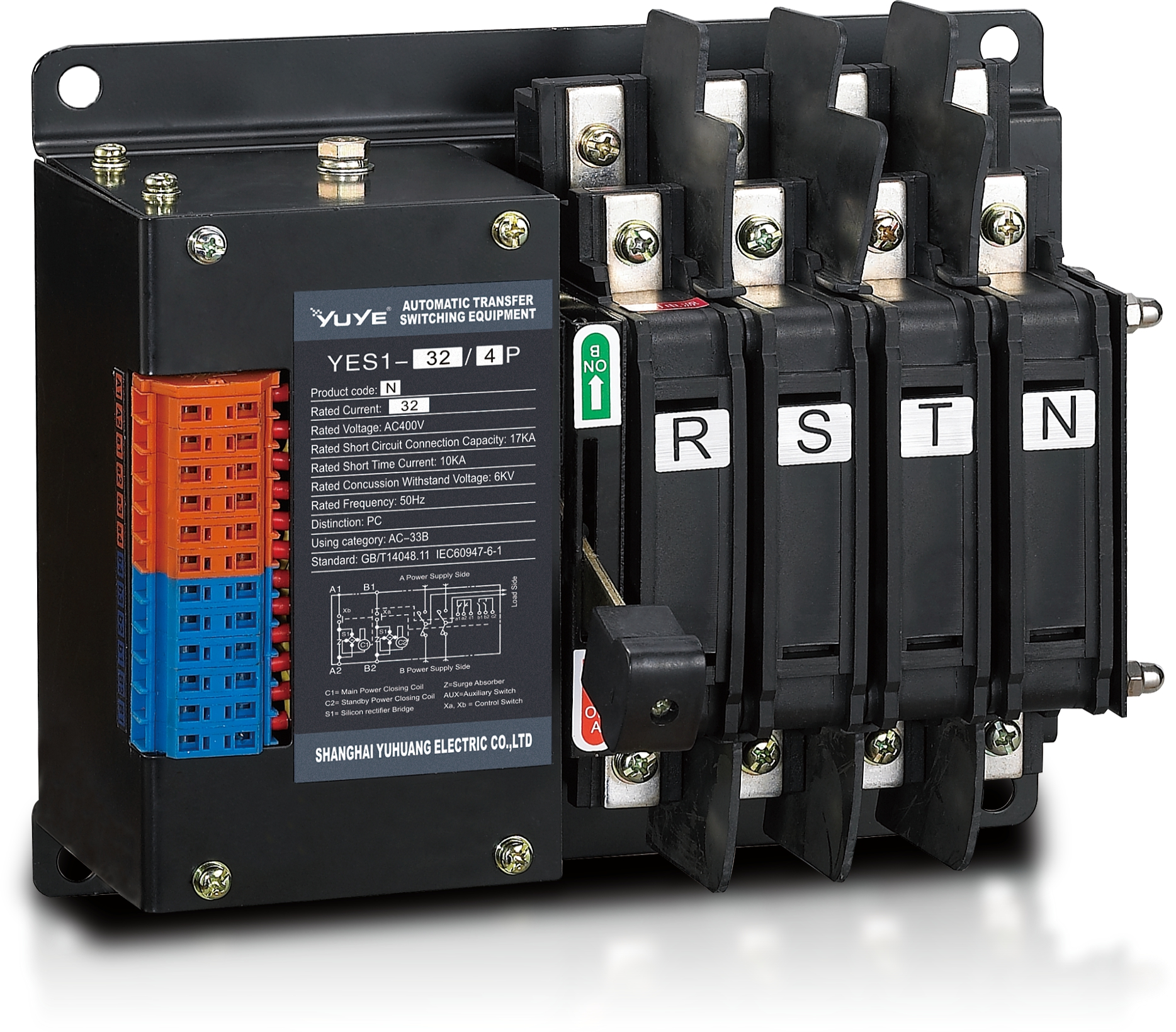 Solenoid-type ATS YES1-32~125N
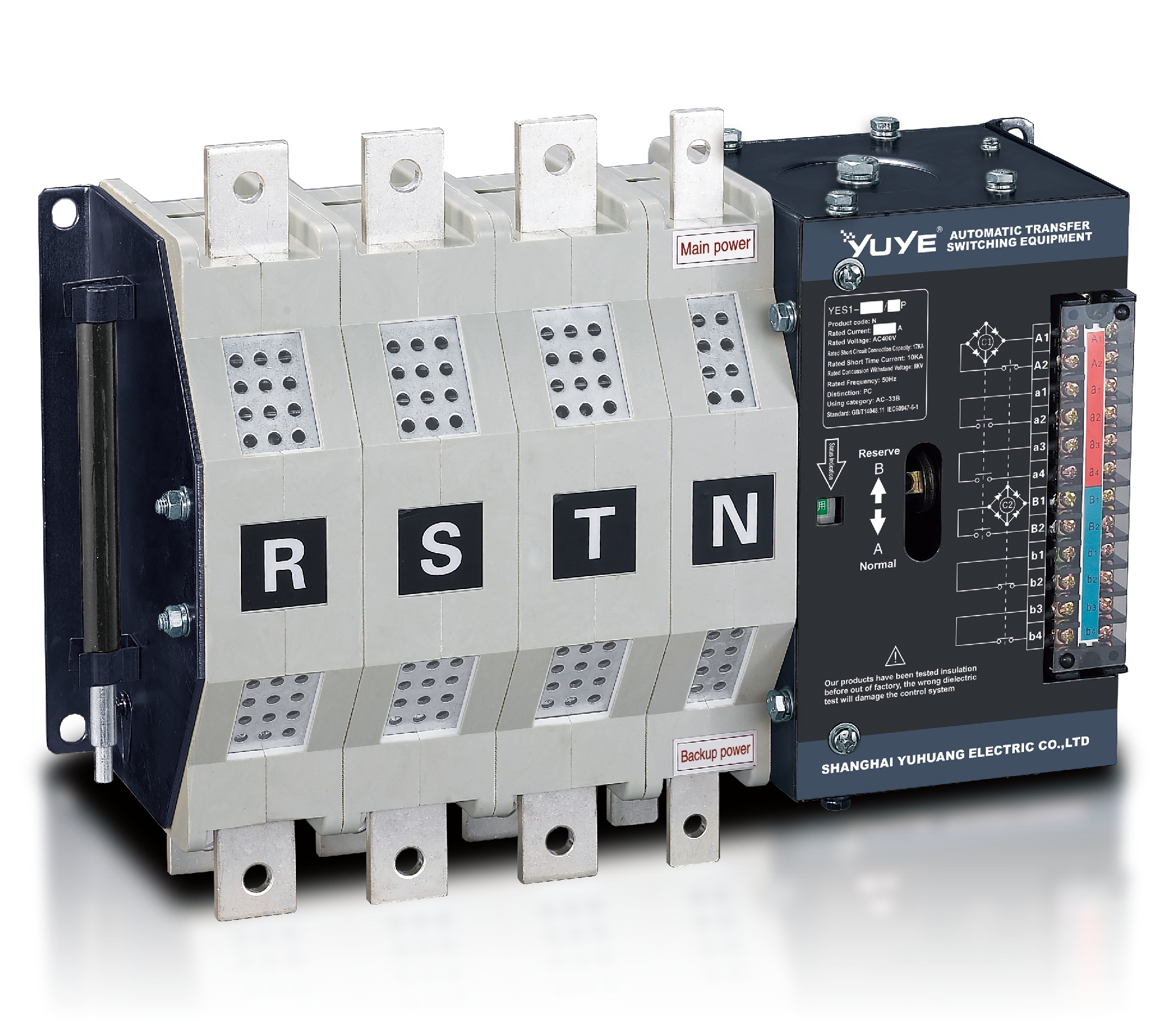 Solenoid-type ATS YES1-250~630N/NT
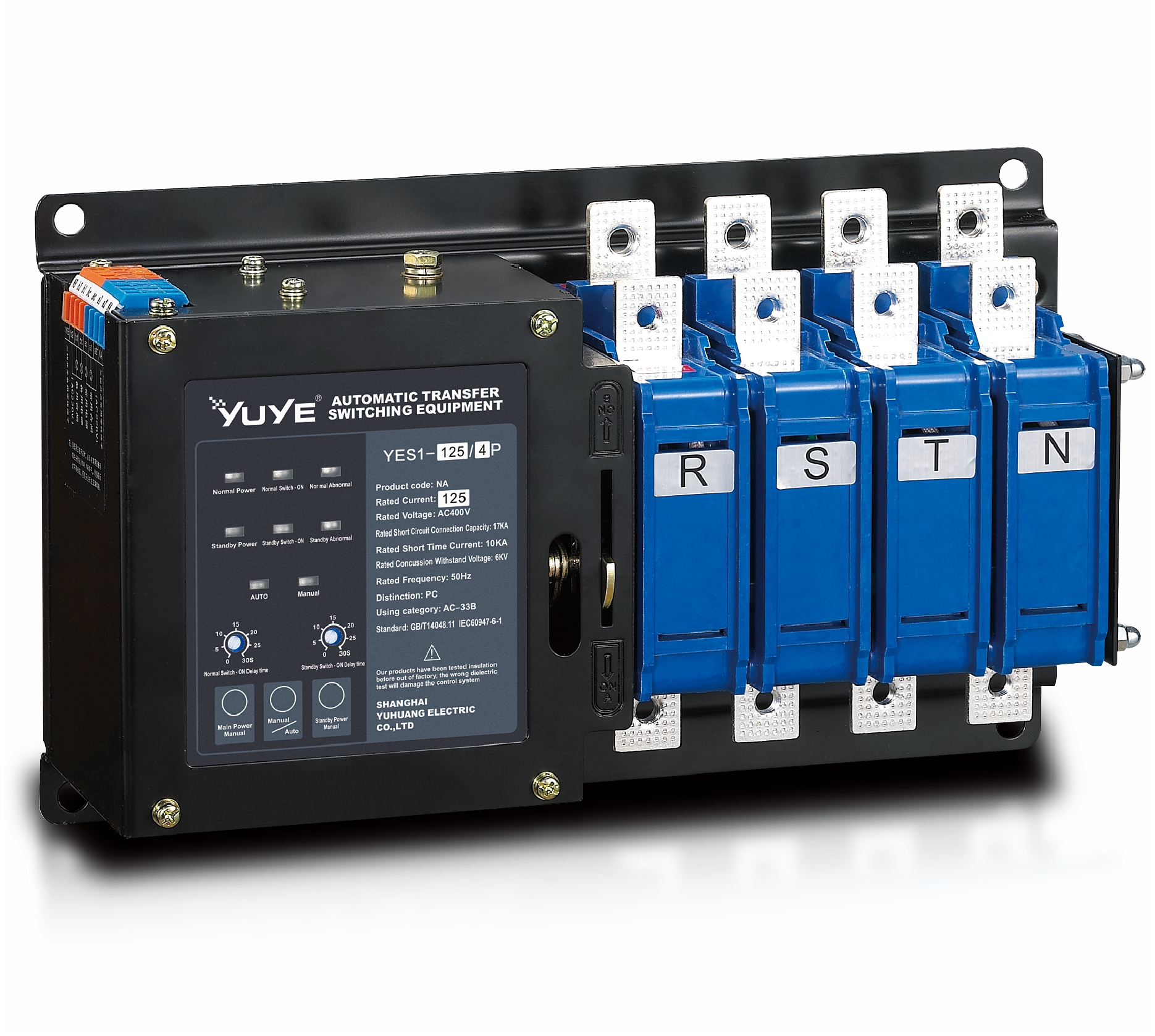 Solenoid-type ATS YES1-32~125NA
 Solenoid-type ATS YES1-63~630SN
 Solenoid-type ATS YES1-1250~4000SN
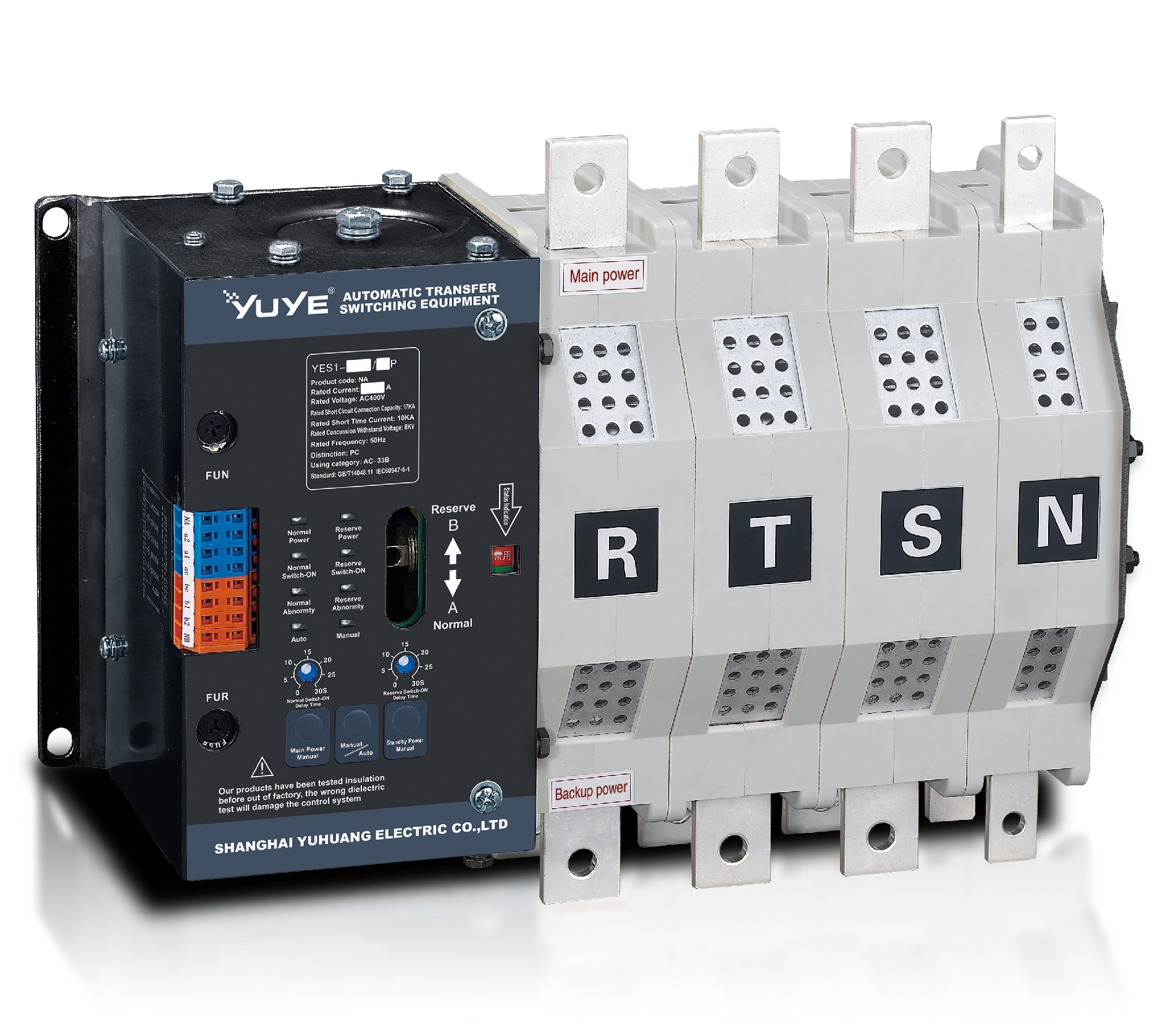 Solenoid-type ATS YES1-250~630NA/NAT
 Solenoid-type ATS YES1-63NJT
 PC ATS YES1-100~1600GN1/GN/GNF
 PC ATS YES1-2000~3200GN/GNF
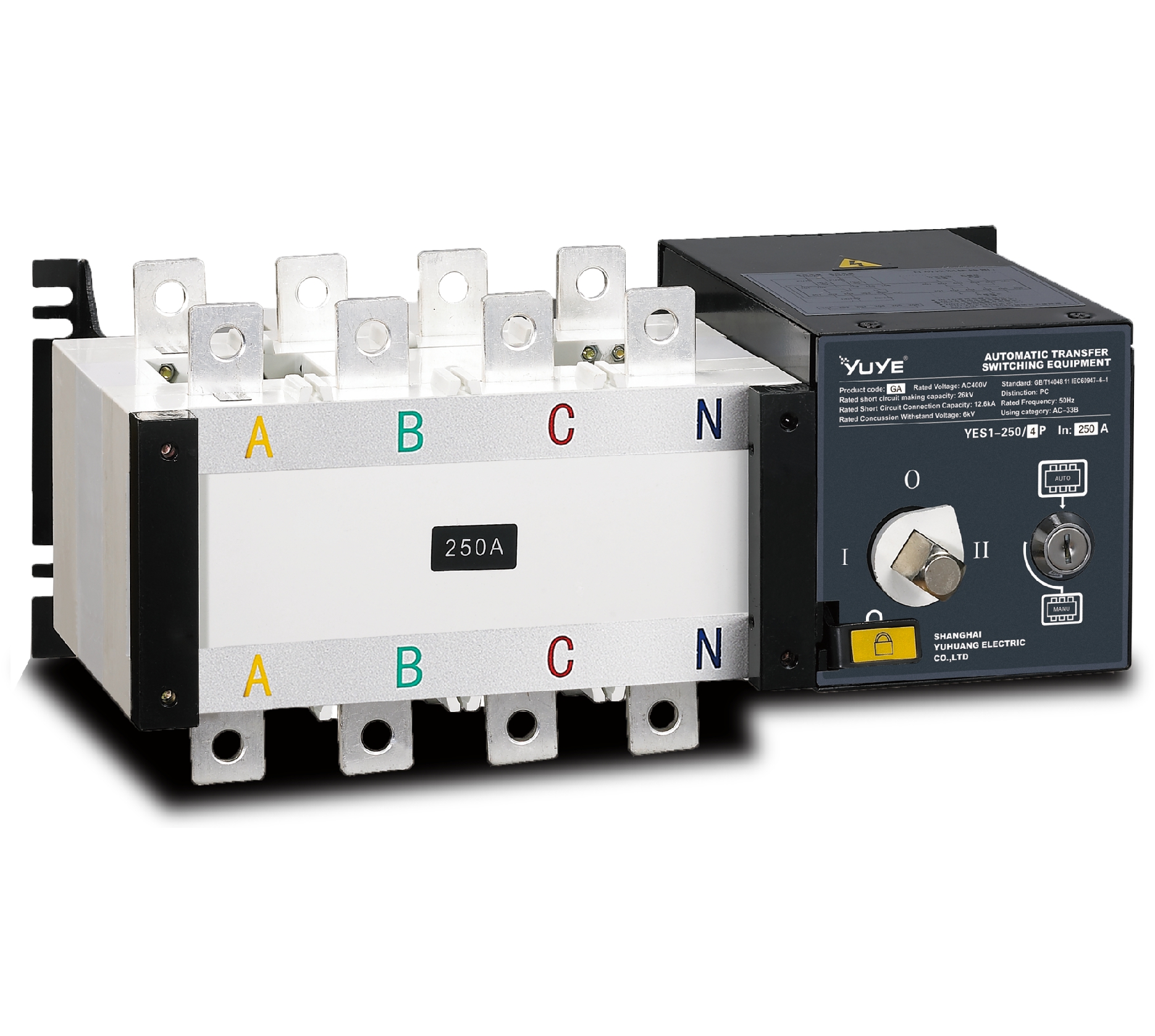 PC ATS YES1-100~3200GA1/GA
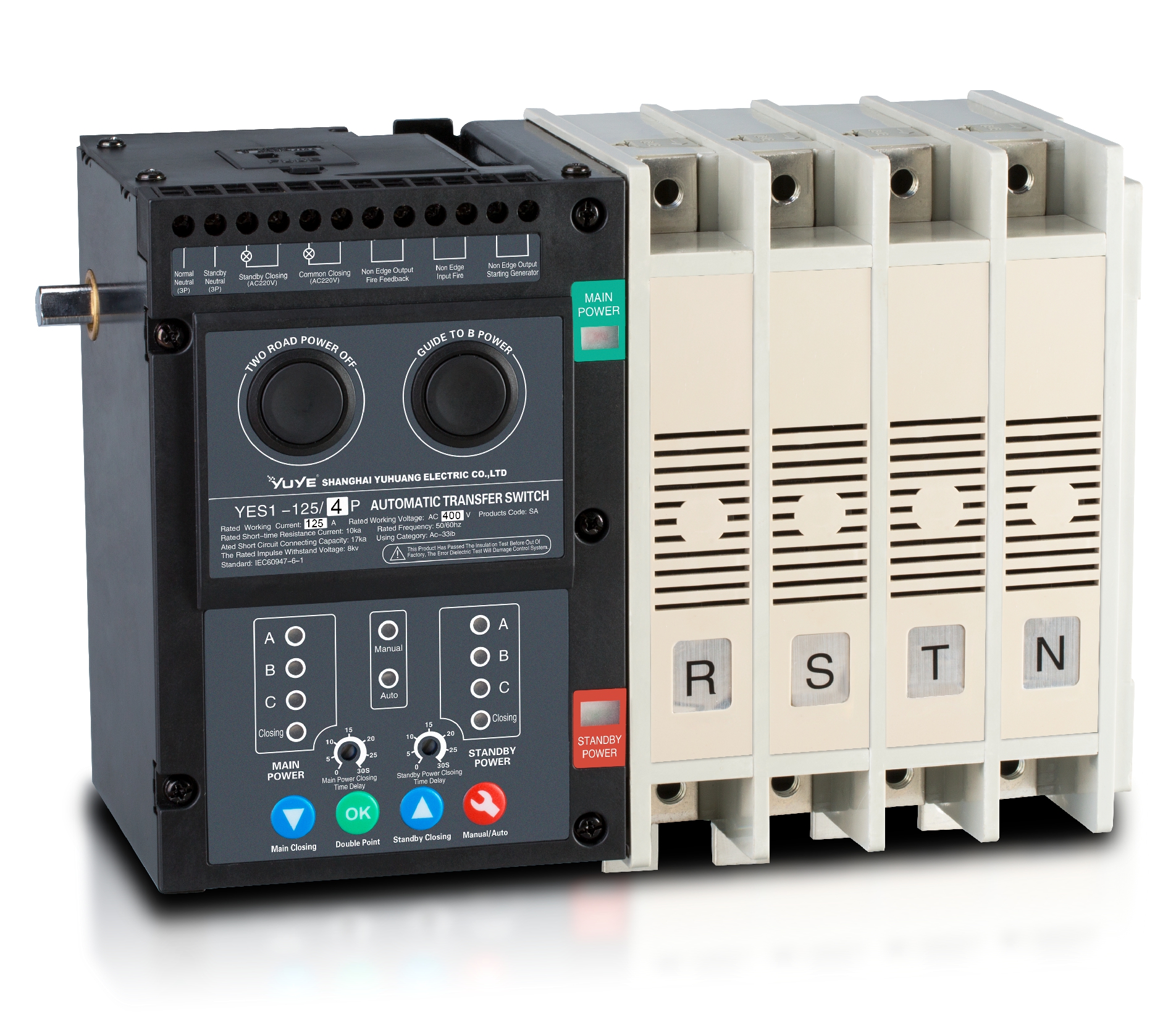 Solenoid-type ATS YES1-63~630SA
 Solenoid-type ATS YES1-63~630L/LA
 Solenoid-type ATS YES1-63~630LA3
 Solenoid-type ATS YES1-63MA
 PC ATS YES1-630~1600M
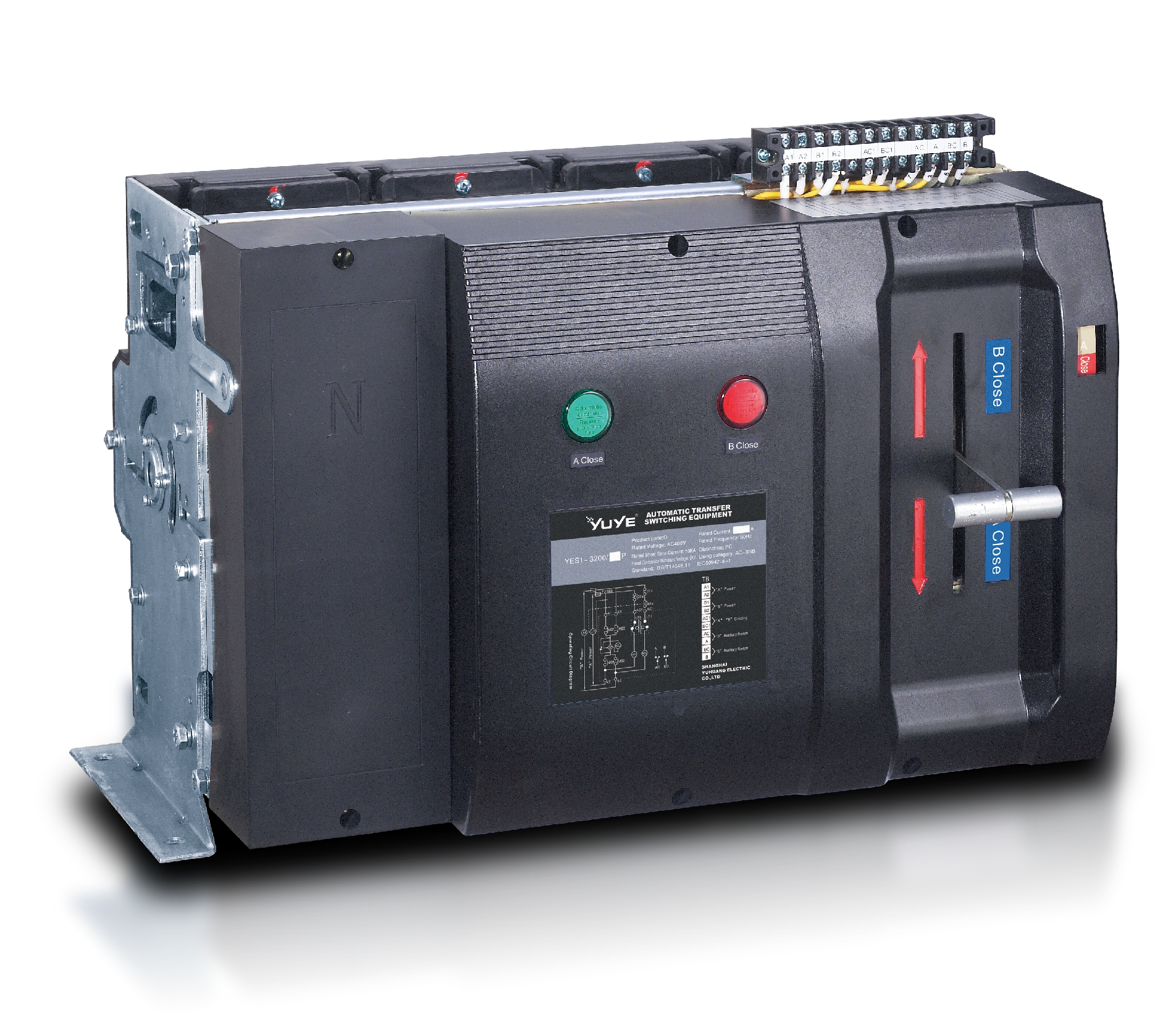 PC ATS YES1-3200Q
 Solenoid-type ATS YES1-4000~6300Q
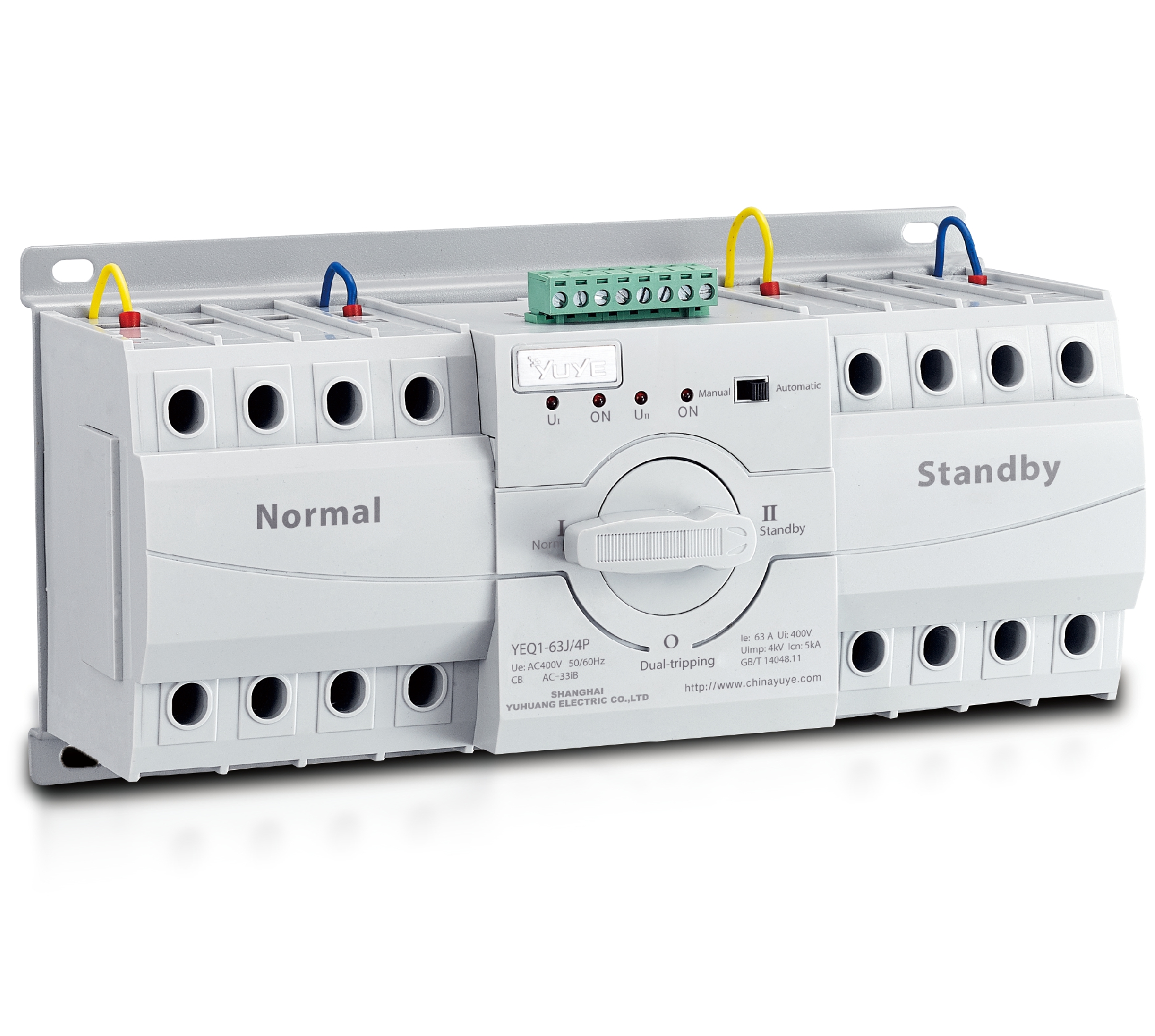 CB ATS YEQ1-63J
 CB ATS YEQ2Y-63
 CB ATS YEQ3-63W1
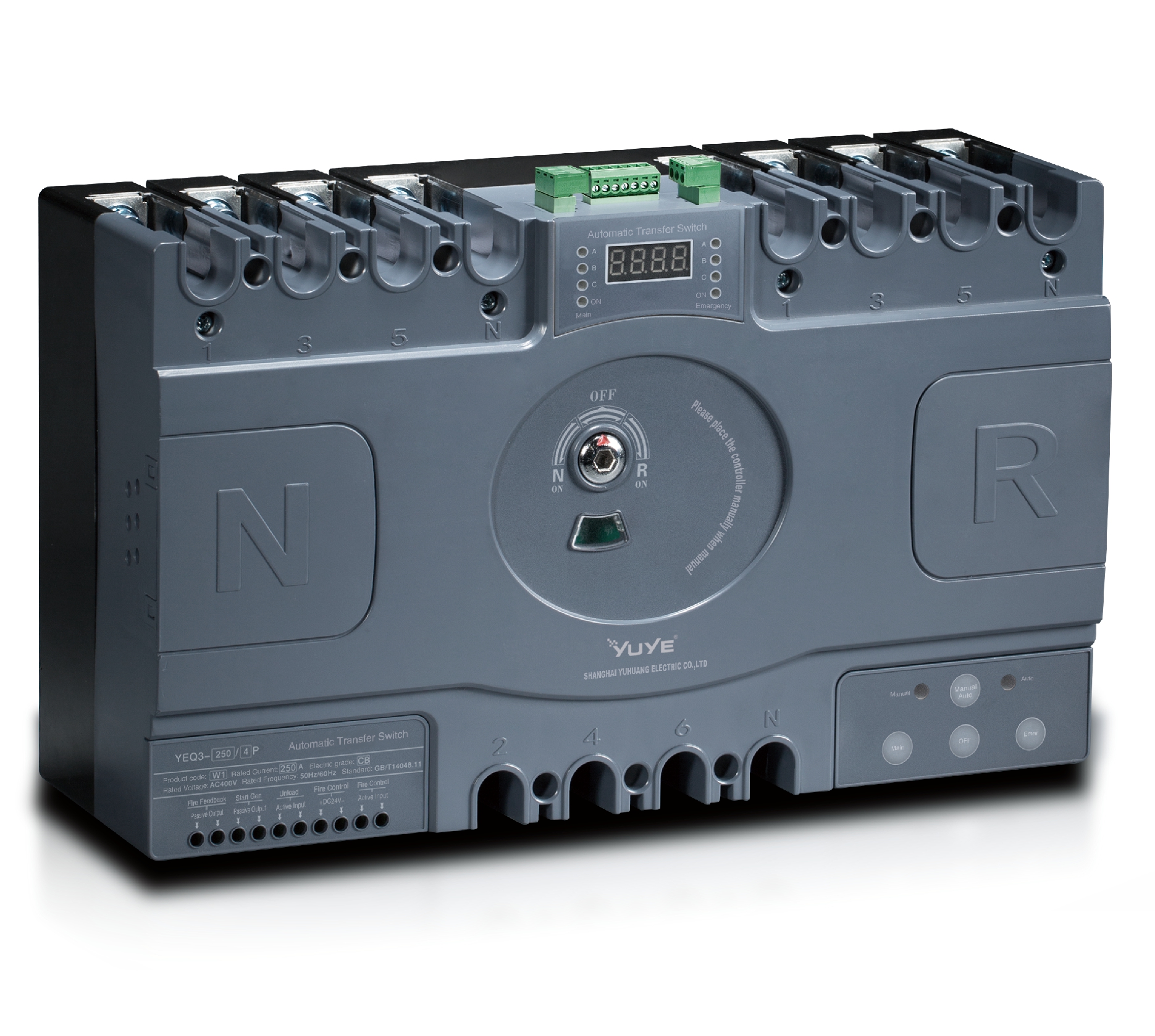 CB ATS YEQ3-125~630W1
 ATS controller Y-700
 ATS Controller Y-700N
 ATS Controller Y-701B
 ATS Controller Y-703N
 ATS Controller Y-800
 ATS Controller W2/W3 Series
 ATS switch Cabinet floor-to-ceiling
 ATS switch cabinet
 JXF-225A power Cbinet
 JXF-800A power Cbinet
 YEM3-125~800 Plastic Shell Type MCCB
 YEM3L-125~630 Leakage Type MCCB
 YEM3Z-125~800 Adjustable Type MCCB
 YEM1-63~1250 Plastic Shell Type MCCB
 YEM1E-100~800 Electronic Type MCCB
 YEM1L-100~630 Leakage Type MCCB
 Miniature circuit breaker YEMA2-6~100
 Miniature circuit breaker YEB1-3~63
 Miniature circuit breaker YEB1LE-3~63
 Miniature circuit breaker YEPN-3~32
 Miniature circuit breaker YEPNLE-3~32
 Miniature circuit breaker YENC-63~125
 Air Circuit Breaker YEW1-2000~6300
 Air Circuit Breaker YEW3-1600
 Load isolation switch YGL-63~3150
 Load Isolation Switch YGL2-63~3150
 Manual Changeover Switch YGL-100~630Z1A
 Manual Changeover Switch YGLZ1-100~3150
 YECPS2-45~125 LCD
 YECPS-45~125 Digital
 CNC Milling/Turning-OEM
 DC relay MDC-300M
 DC Isolation Switch YEGL3D-630


