Getting a handle on how Vacuum Circuit Breaker prices move around is pretty important if you're running a business and want to keep things running smoothly and safely. These days, more companies are jumping on the bandwagon and investing in upgraded electrical systems, so the market for circuit breakers is expected to see some serious growth — like over 6% annually in the coming years, according to reports. One Two Three Electric Co., Ltd., which is known for making high-quality molded case and air circuit breakers, totally gets that staying in the know about price changes, new tech, and what the market’s demanding is key to making smart buying decisions. When you understand what drives the prices of Vacuum Circuit Breakers, you can better manage your budget, cut down on risks, and help boost safety and reliability in your electrical setup. It’s all about staying ahead and making informed choices, right?
Factors Influencing Vacuum Circuit Breaker Pricing in the Market
Getting a good grip on what's driving the prices of vacuum circuit breakers is pretty important, especially if you're trying to make smart business moves in a market that's changing pretty fast. I came across a report from MarketsandMarkets that says the global market for these breakers was around $5.12 billion back in 2020, and it’s expected to grow to about $7.02 billion by 2025—growing at roughly 6.4% annually. That kind of growth’s mainly fueled by the rising need for energy-efficient tech and the ongoing push to modernize electrical systems out there.
Now, when it comes to what affects the price, there are a few key things to keep in mind. First up, the costs of materials—stuff like high-quality copper and special insulating materials—can really drive prices up. Plus, new tech like smart grid systems is a big deal, since manufacturers are pouring resources into R&D to keep up with changing standards. Frost & Sullivan mention that these advanced vacuum circuit breakers can cost anywhere from around $1,000 all the way up to over $15,000, depending on capacity and specs. So, it’s super important to pick the right one that matches your needs and your budget. Understanding all these details really helps when planning procurement or big investments in the long run.
Understanding the Cost-Benefit Analysis of Vacuum Circuit Breakers
When you're doing a cost-benefit analysis of vacuum circuit breakers (or VCBs, as folks often call them), it's really about weighing the upfront costs against the long-term savings and how reliable they are over time. Recently, I saw reports mentioning that the price for a VCB usually hits somewhere between $1,000 and $5,000, depending on the specs and voltage requirements. But here's the thing—while that initial investment might seem a bit steep, it’s often outweighed by their long lifespan and low maintenance needs. Some studies suggest that these breakers can last up to 30 years! That’s huge because it means less money spent on replacements and less downtime compared to the older, traditional circuit breakers, which usually don’t last quite as long.
On top of that, VCBs aren’t just durable—they also boost safety and efficiency, which can save you money in the long run. The International Electrotechnical Commission (IEC) reports that they can operate with over 99% efficiency, meaning they waste less energy. That adds up to lower energy costs and fewer worries about costly outages. So, if you're thinking about investing in these, it’s essential to check out the full picture—the initial costs, the efficiency, and how it all stacks up in terms of savings. Making a smart choice here can really help keep your operations running smoothly and economically sustainable for years to come.

Comparing Different Types of Vacuum Circuit Breakers and Their Prices
If you're thinking about picking up vacuum circuit breakers (VCBs) for your business, it helps to get a good handle on the different kinds out there and what they roughly cost.
VCBs come in a few flavors—like single-break and double-break models—and each has its own perks when it comes to how they perform and how reliable they are. The price can really swing depending on who's making them, the specs they pack, and what's happening in the market.
So, it’s smart to carefully weigh what performance features you actually need before you buy.
On top of that, when you’re comparing different VCBs, don’t forget to look at extra features and warranties because those can bump up the cost but also add a lot of value.
For example, some models come with fancy monitoring systems or better insulation—things that might cost a bit more but can save you money in the long run by lasting longer and requiring less maintenance.
By taking all these things into account, you’ll be better equipped to find options that are not only budget-friendly but also give you the most bang for your buck over time.
Basically, taking this strategic approach helps you make smarter investments and keeps your operations running smoothly.
How Manufacturer Reputation Affects Vacuum Circuit Breaker Costs
You know, when it comes to vacuum circuit breakers (VCBs), the reputation of the manufacturer really makes a big difference in how much they cost. I read a report by Frost & Sullivan that basically says if a manufacturer has a solid reputation and a proven track record, they tend to charge more — and honestly, it makes sense. People see these reputable brands as more reliable and safer investments, so they’re often willing to pay a little extra for peace of mind. This is especially true in the electrical equipment world, which is expected to keep growing pretty rapidly — over 7% annually from 2022 to 2027, according to MarketsandMarkets. So, in a way, investing a bit more upfront could save you headaches down the line.
And here's another thing: the manufacturer’s good reputation doesn't just affect the initial price. It also impacts how much you might spend on maintenance and support later on, which is super important for keeping things running smoothly in the long run. For example, VCBs from well-known brands usually come with all the bells and whistles — like complete service agreements and long warranties — which really gives customers peace of mind and cuts down on unexpected expenses. The International Energy Agency (IEA) points out that equipment failures can lead to costly downtime, so paying a bit more upfront for quality can actually lower your overall costs over time. Bottom line? Knowing how much a manufacturer’s reputation influences the total cost can really help in making smarter decisions when it comes to electrical infrastructure investments.
Why Understanding Vacuum Circuit Breaker Price is Crucial for Your Business Decisions - How Manufacturer Reputation Affects Vacuum Circuit Breaker Costs
| Manufacturer Reputation |
Average Price ($) |
Quality Rating (out of 5) |
Warranty Period (years) |
| High Reputation |
2500 |
4.8 |
5 |
| Medium Reputation |
1800 |
4.0 |
3 |
| Low Reputation |
1200 |
3.5 |
2 |
The Role of Specifications and Features in Pricing Decisions
When you're looking into vacuum circuit breakers, getting a good handle on pricing is super important if you want to make smart business choices. Honestly, the specs and features really play a huge role in how much these things cost. Cheaper models might use less fancy materials, while those with newer technology or designed for high-voltage stuff often come with extra perks—like better insulation or improved arc-quenching tech. It’s a good idea for companies to figure out what features they actually need so they don’t end up paying for unnecessary bells and whistles.
**Pro tip:** Don’t just settle for one supplier—make sure you compare prices across different manufacturers. This way, you'll get a better sense of the actual market prices for the features you want. It’ll help you spot which specs really matter for your specific setup.
And don’t forget to think about the long game. Sure, a circuit breaker with extra features might cost a bit more upfront, but if it means lower maintenance costs and a longer lifespan, it might save you money in the long run. The key is to find that sweet spot between cost and performance to make a well-informed purchase.
**Another tip:** When you're weighing your options, consider the total cost of ownership — that’s including installation, upkeep, and everything else — not just the sticker price. That way, you'll have a clearer picture of whether it’s a good investment or not.

Evaluating Long-Term Savings from Investing in Quality Circuit Breakers
Investing in top-quality vacuum circuit breakers (VCBs) might seem like a big expense upfront, but honestly, it can save your business quite a bit of money in the long run. I read somewhere that the global market for circuit breakers is set to hit around $14.5 billion by 2026 — all thanks to the rising need for more reliable energy systems. When you opt for VCBs, you're not just upgrading your equipment; you're also making your operations smoother, cutting down on unexpected downtimes, and saving on maintenance costs over time. Good VCBs tend to last a long time — often over 20 years — so you don’t have to worry about replacing them frequently.
Plus, a report from the Electric Power Research Institute (EPRI) points out that using high-quality circuit breakers can reduce energy losses by up to 15% in industrial setups. That kind of savings can really add up, cutting your operational costs and making your energy use way more efficient. It’s also a smart move considering how fast technology is evolving. Basically, putting your money into quality VCBs today means your electrical systems will be better protected against issues down the road, which keeps your business running smoothly and sets you up for growth.
FAQS
: The global market for vacuum circuit breakers was valued at approximately $5.12 billion in 2020 and is projected to reach $7.02 billion by 2025.
The vacuum circuit breaker market is expected to grow at a CAGR of 6.4% from 2020 to 2025.
Key factors include material costs (especially high-grade copper and specialized insulating materials), technological advancements, and integration of smart grid systems.
The cost of advanced vacuum circuit breakers can range from $1,000 to over $15,000 depending on capacity and specifications.
Vacuum circuit breakers come in designs such as single-break and double-break models, each with distinct advantages in terms of performance and reliability.
The pricing for vacuum circuit breakers can vary significantly based on the manufacturer's reputation, technical specifications, and market demand.
Analyzing performance capabilities helps businesses align their needs with the right VCBs, ensuring informed purchasing decisions that meet operational requirements.
Added features such as advanced monitoring systems or enhanced insulation can justify a higher price due to benefits like extended operational life and reduced maintenance expenses.
A strategic approach leads to better investment choices and operational efficiency, allowing businesses to identify the most cost-effective and valuable options over time.
Warranties can influence overall costs by offering additional assurance of product reliability, which may justify higher prices for models with better features and longer lifespans.
Conclusion
Getting a grip on the 'Vacuum Circuit Breaker Price' is pretty important if you're running a business and want to make smart choices about your electrical setups. Prices can really vary, depending on things like who’s making them, their specs, and what features they pack. Honestly, doing a careful cost-benefit analysis is worth it—you’ll see that investing a bit more upfront in high-quality vacuum circuit breakers usually pays off in the long run. They tend to be more reliable and energy-efficient, which saves you headaches and money down the road compared to cheaper options.
By checking out different types of vacuum circuit breakers and how much they cost, businesses can pick what works best for their particular needs. At One Two Three Electric Co., Ltd., we really stress the importance of quality. We want our clients to get products that aren’t just meeting specs but are also helping them save money over time. Putting your dollars into good, reliable vacuum circuit breakers can boost performance and cut down on maintenance costs, so understanding their pricing isn’t just a numbers game—it’s a smart move for your business’s future.

 PC ATS YECT1-2000G
 PC ATS YES2-63~250GN1
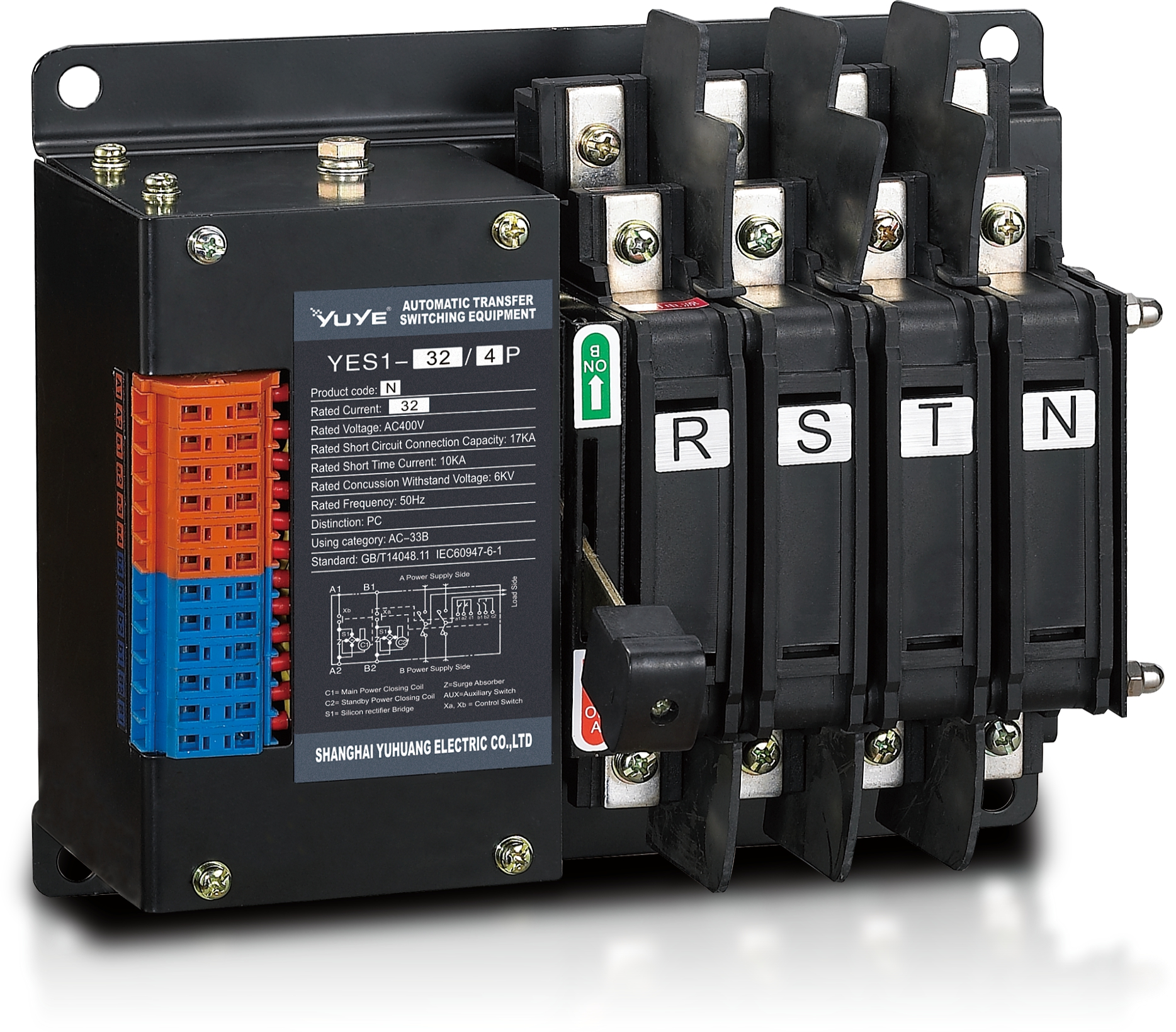 Solenoid-type ATS YES1-32~125N
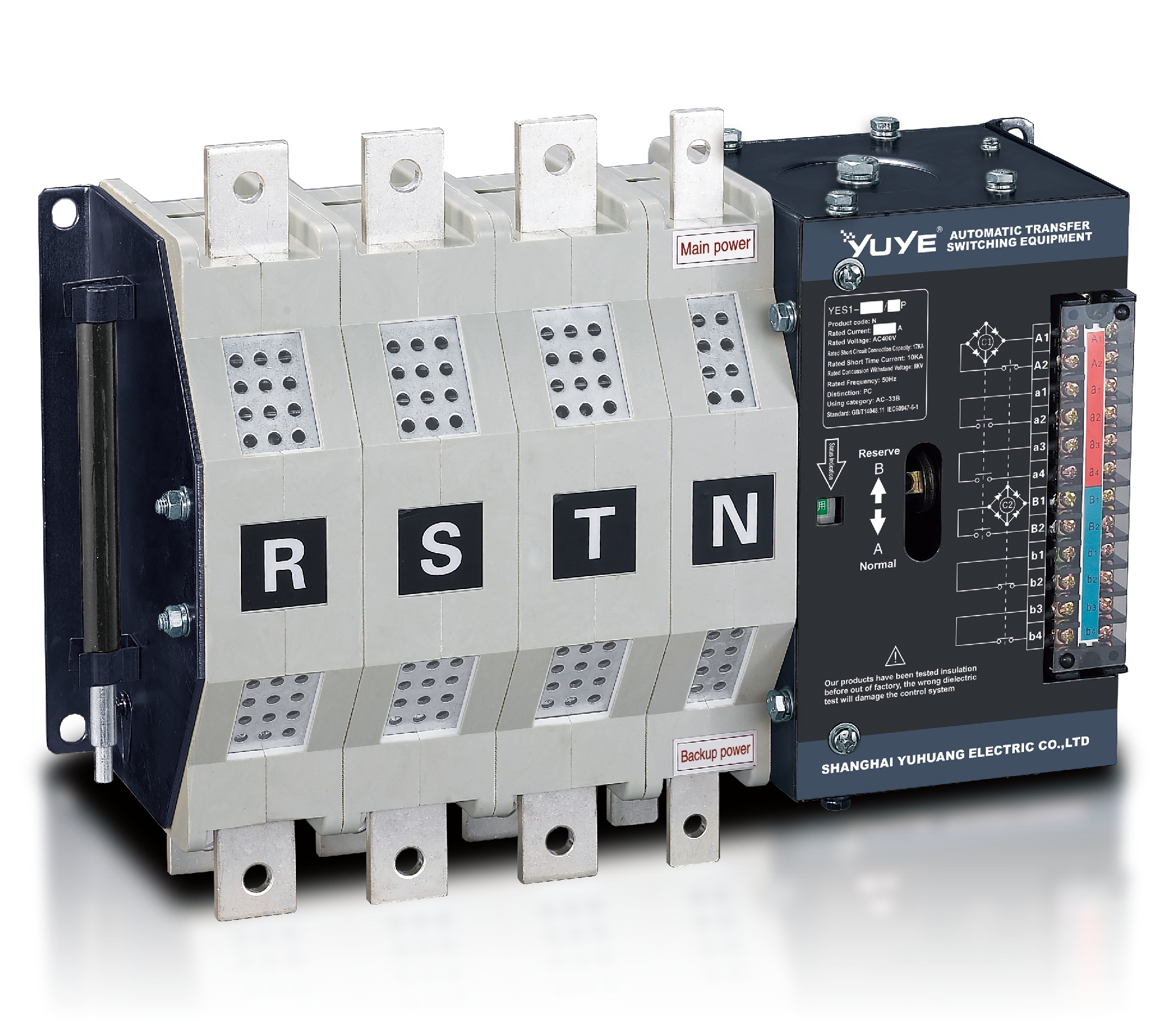 Solenoid-type ATS YES1-250~630N/NT
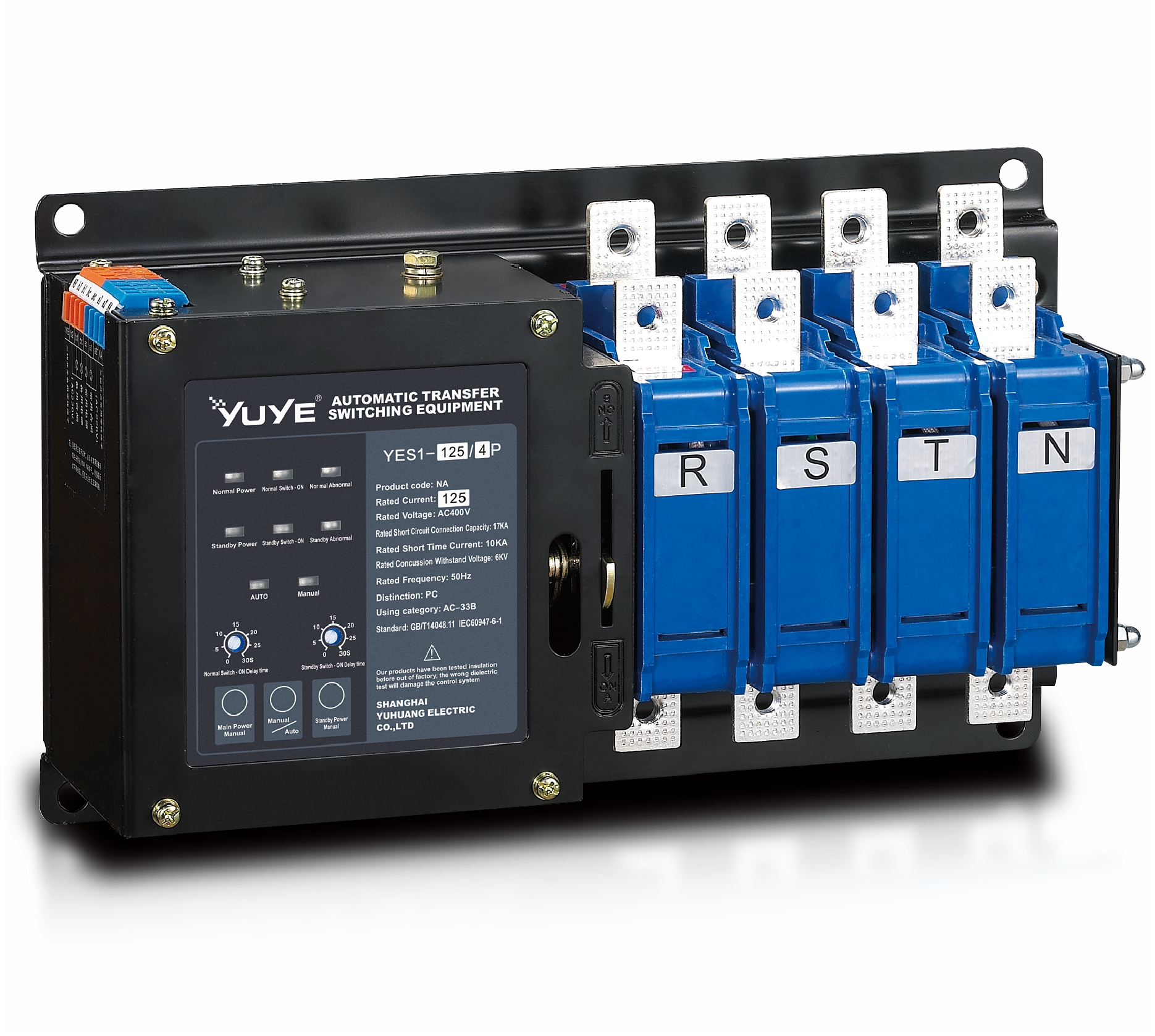 Solenoid-type ATS YES1-32~125NA
 Solenoid-type ATS YES1-63~630SN
 Solenoid-type ATS YES1-1250~4000SN
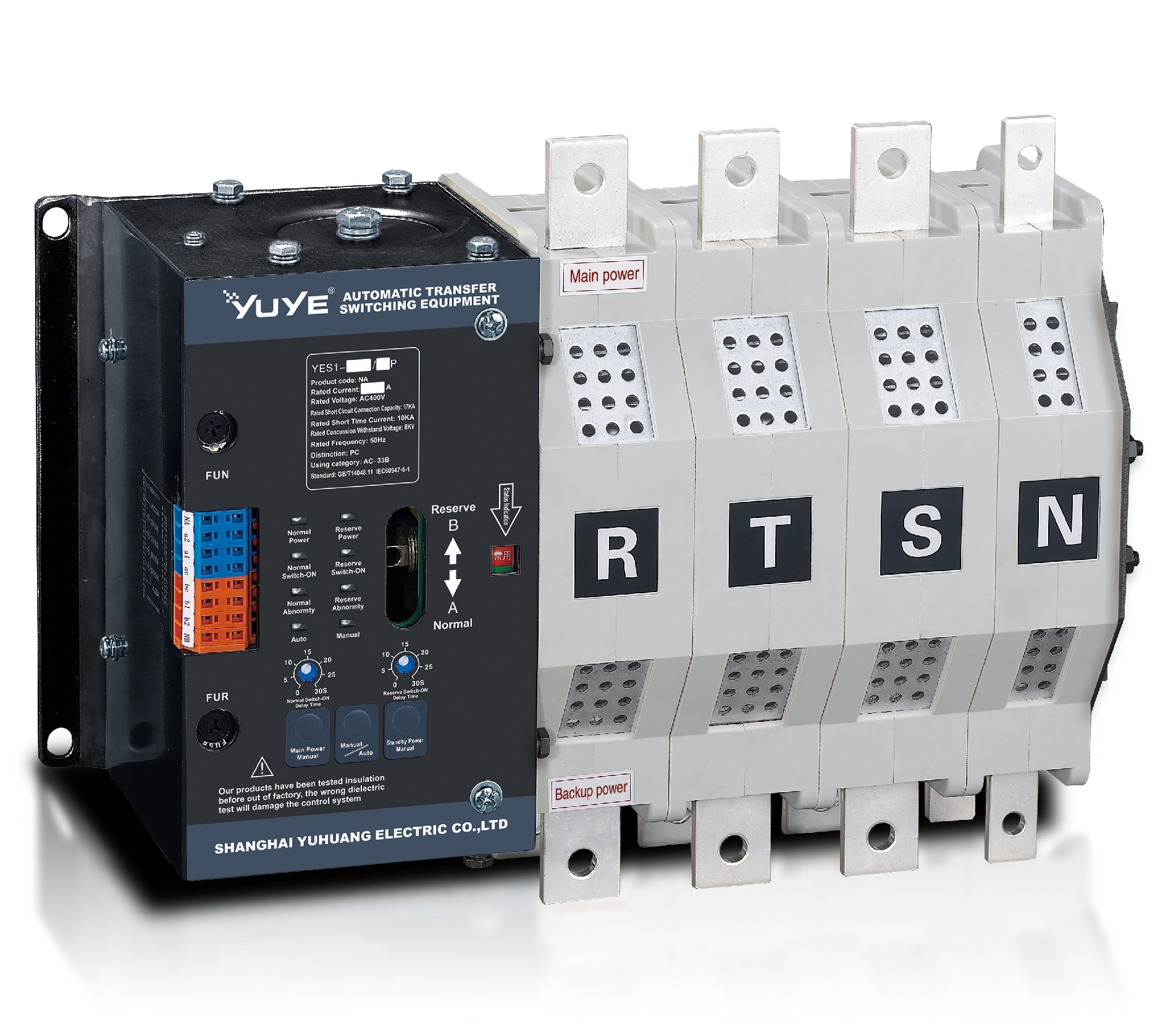 Solenoid-type ATS YES1-250~630NA/NAT
 Solenoid-type ATS YES1-63NJT
 PC ATS YES1-100~1600GN1/GN/GNF
 PC ATS YES1-2000~3200GN/GNF
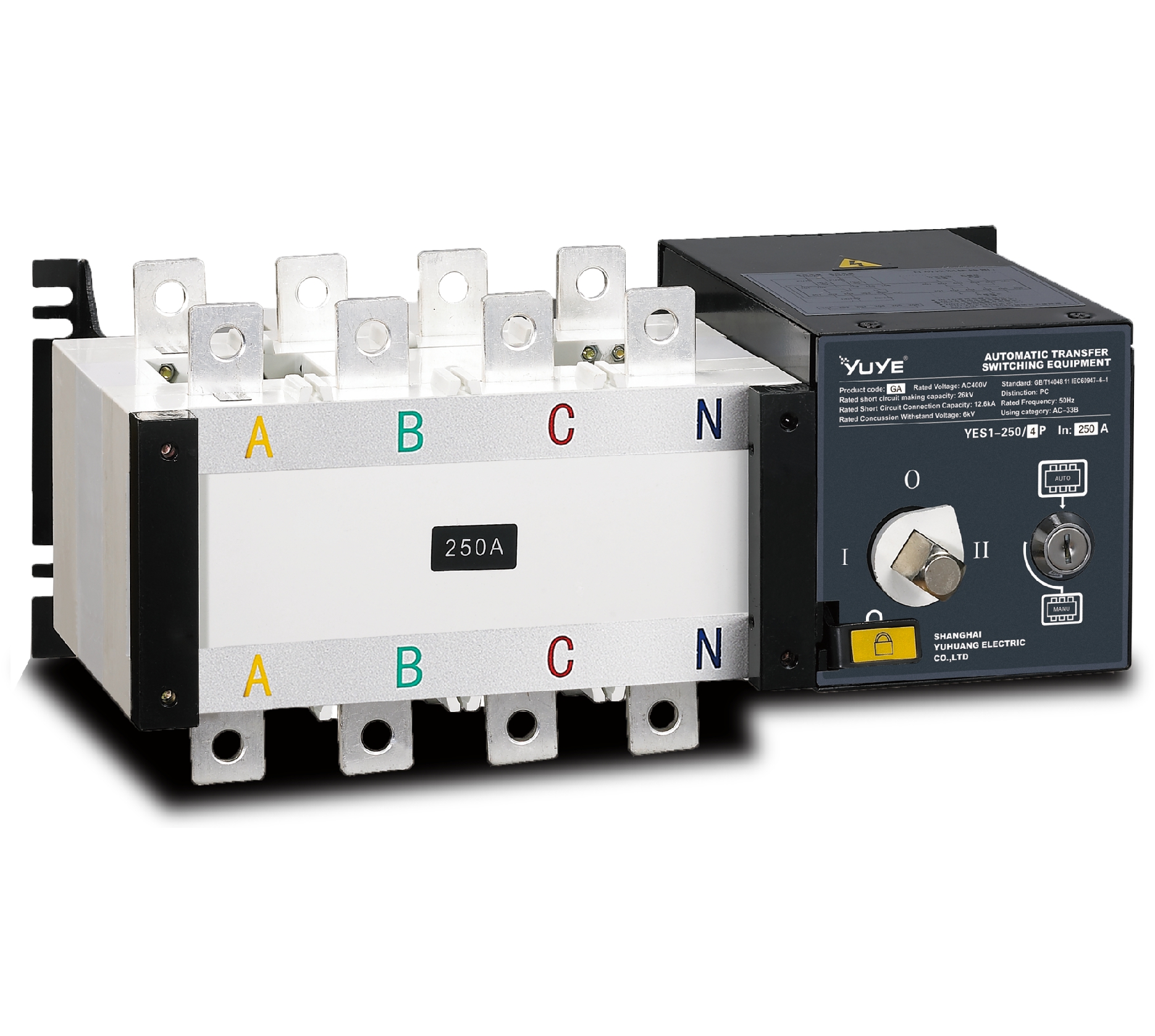 PC ATS YES1-100~3200GA1/GA
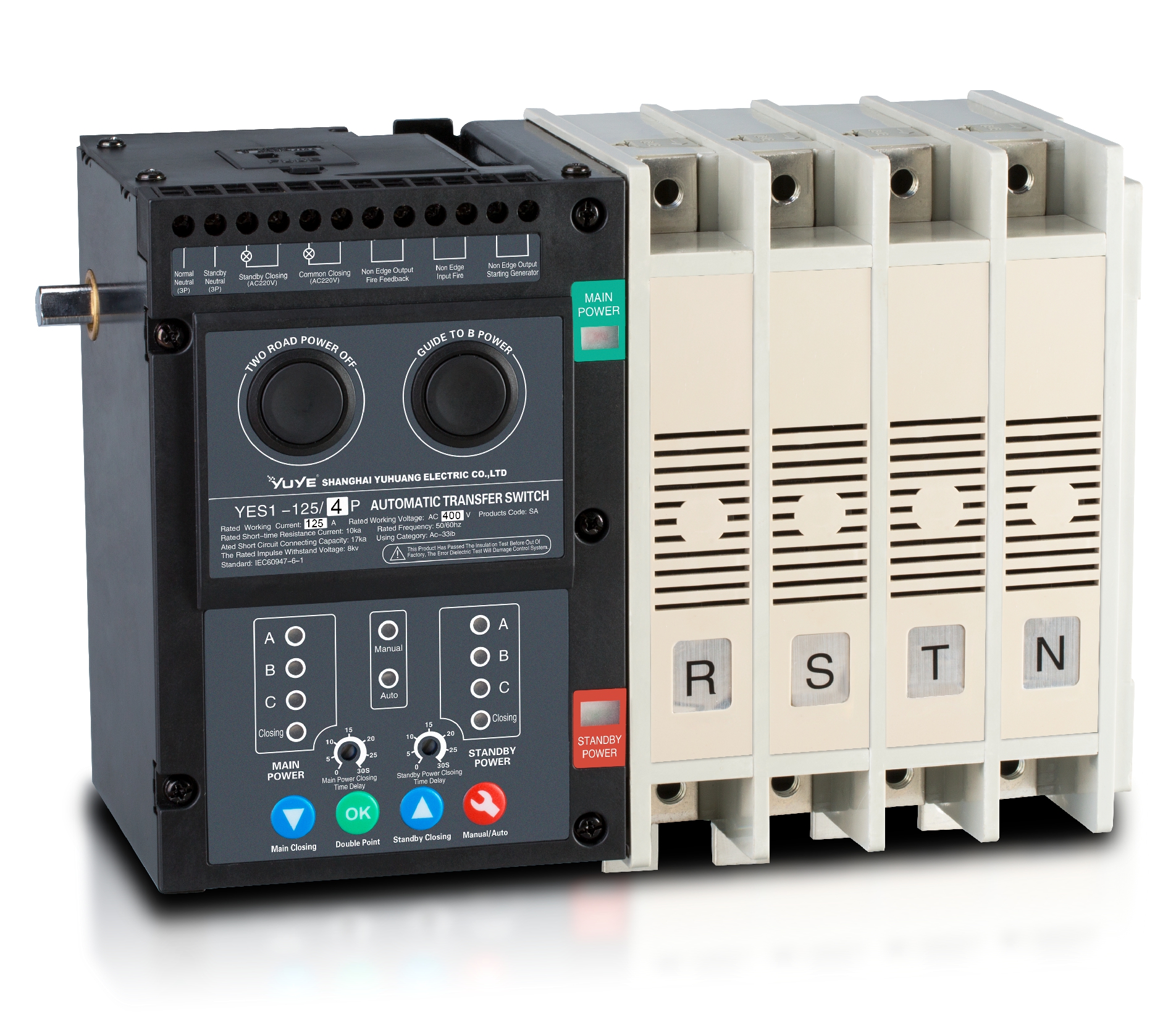 Solenoid-type ATS YES1-63~630SA
 Solenoid-type ATS YES1-63~630L/LA
 Solenoid-type ATS YES1-63~630LA3
 Solenoid-type ATS YES1-63MA
 PC ATS YES1-630~1600M
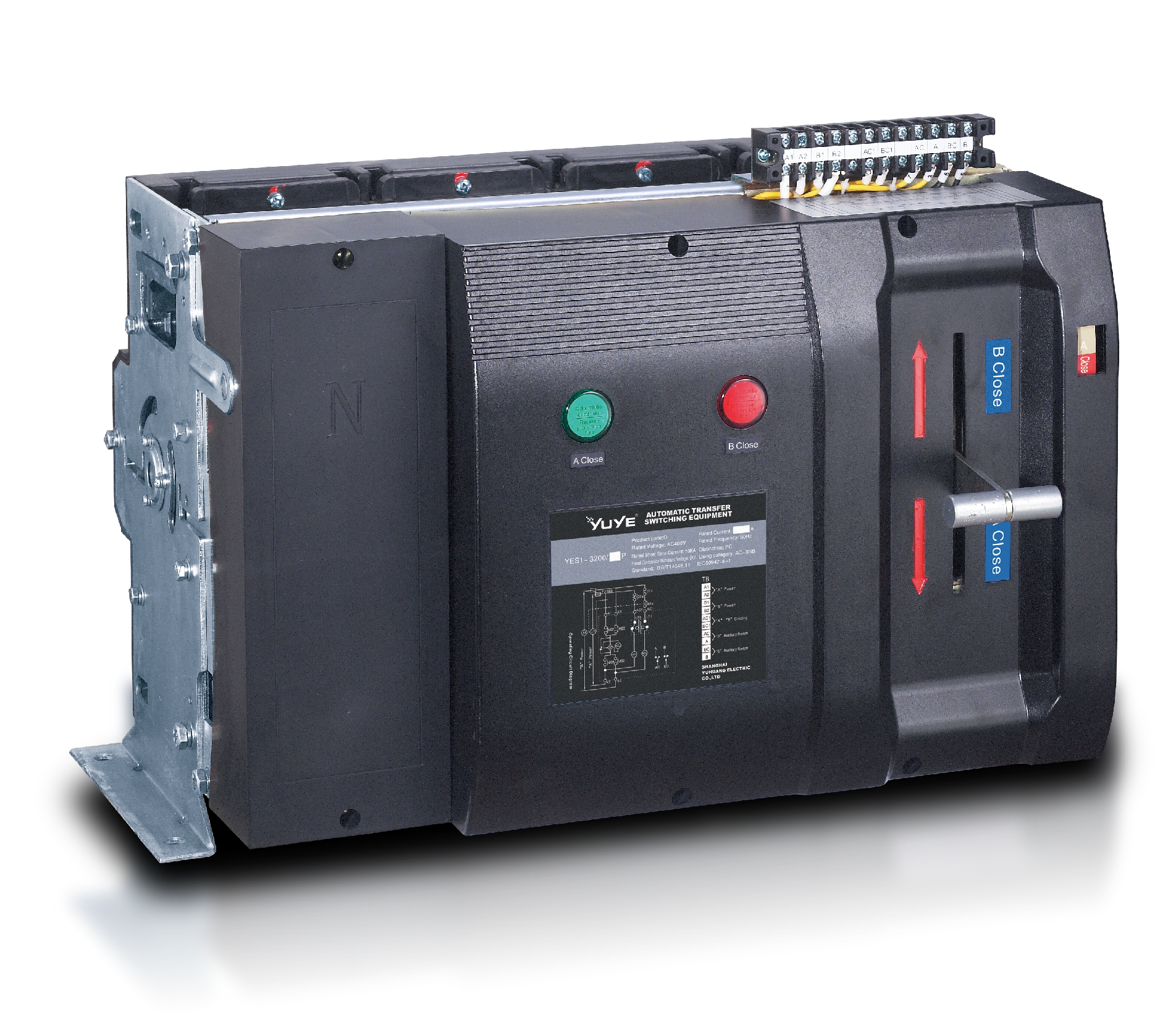 PC ATS YES1-3200Q
 Solenoid-type ATS YES1-4000~6300Q
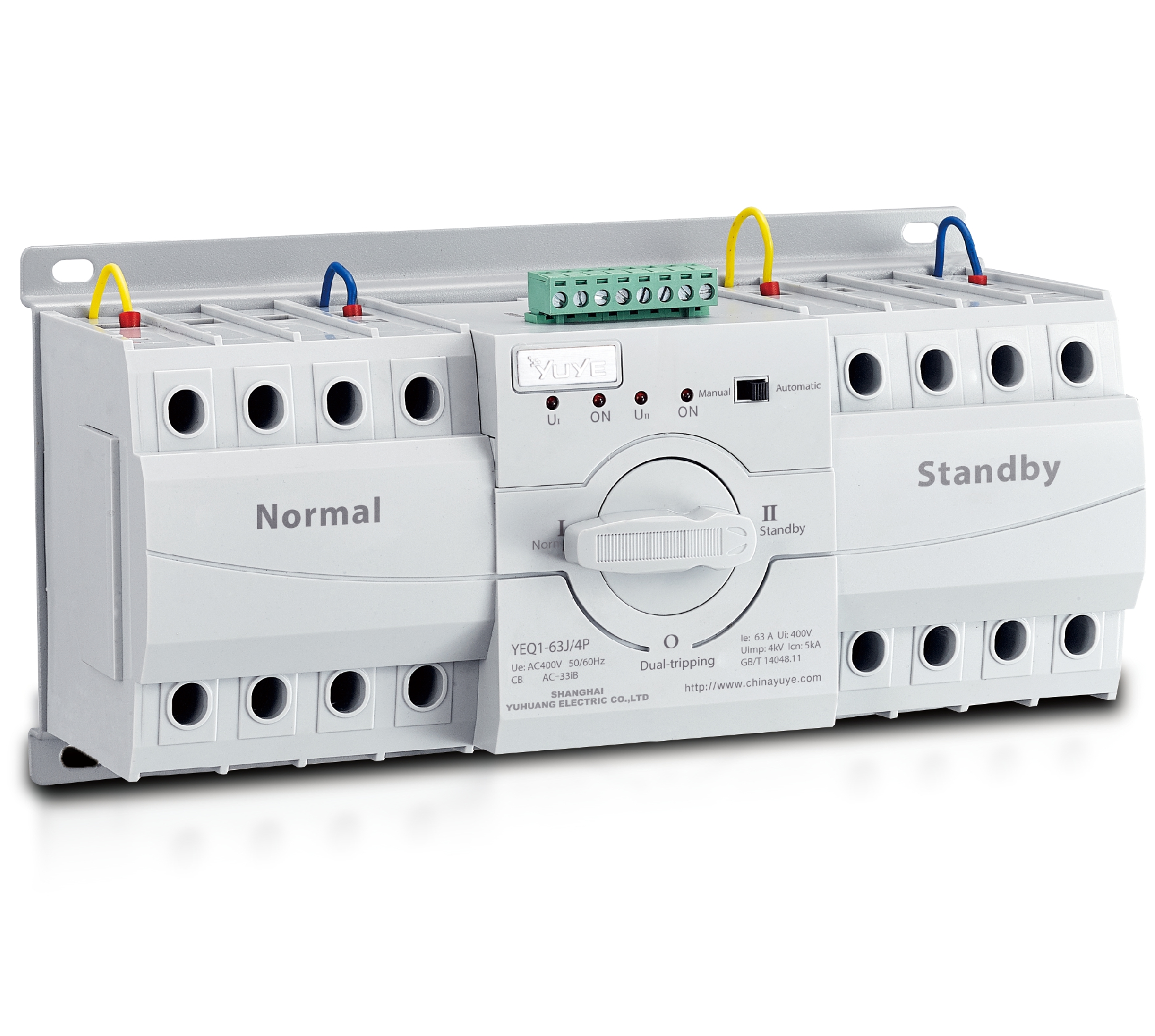 CB ATS YEQ1-63J
 CB ATS YEQ2Y-63
 CB ATS YEQ3-63W1
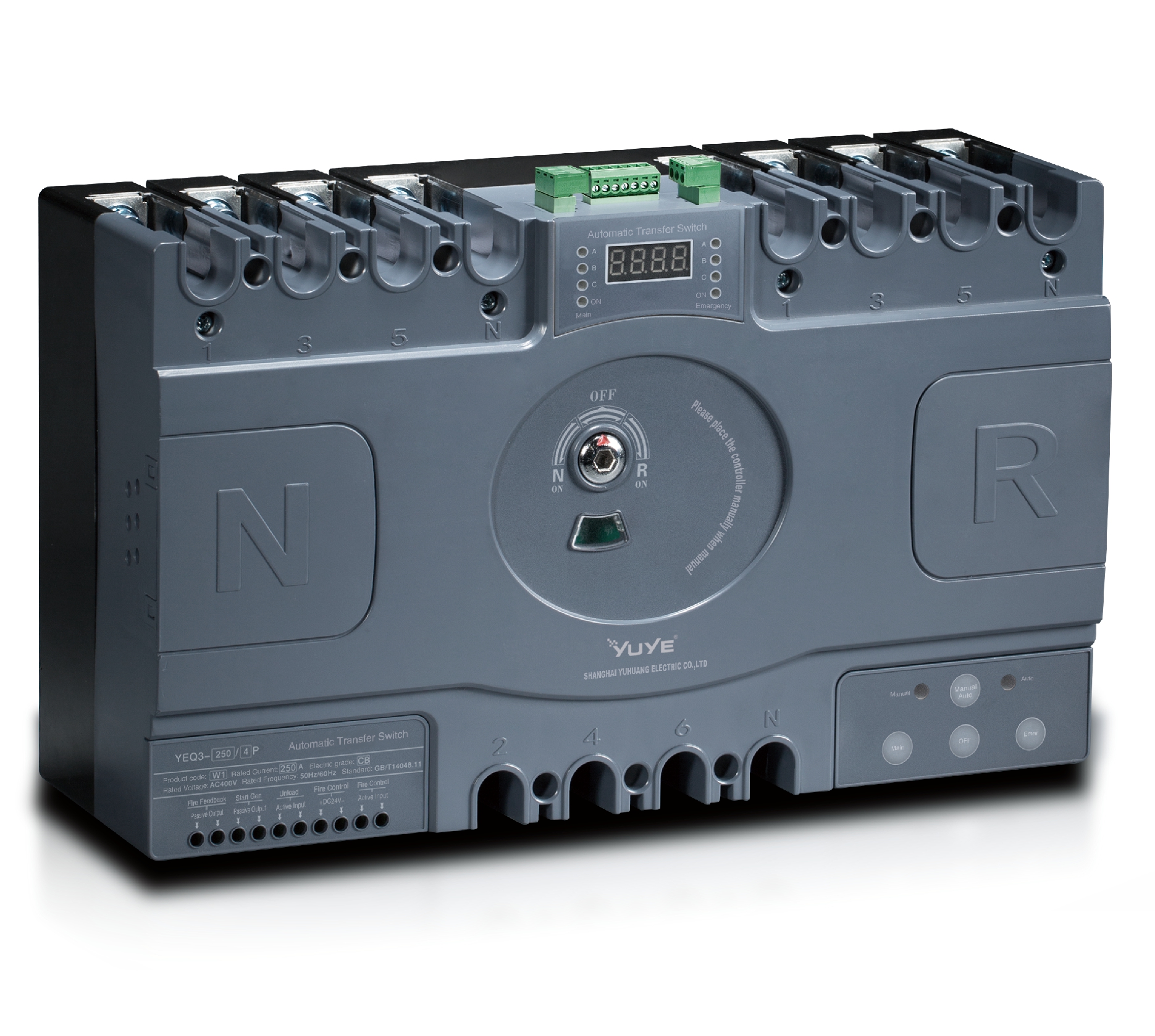 CB ATS YEQ3-125~630W1
 ATS controller Y-700
 ATS Controller Y-700N
 ATS Controller Y-701B
 ATS Controller Y-703N
 ATS Controller Y-800
 ATS Controller W2/W3 Series
 ATS switch Cabinet floor-to-ceiling
 ATS switch cabinet
 JXF-225A power Cbinet
 JXF-800A power Cbinet
 YEM3-125~800 Plastic Shell Type MCCB
 YEM3L-125~630 Leakage Type MCCB
 YEM3Z-125~800 Adjustable Type MCCB
 YEM1-63~1250 Plastic Shell Type MCCB
 YEM1E-100~800 Electronic Type MCCB
 YEM1L-100~630 Leakage Type MCCB
 Miniature circuit breaker YEMA2-6~100
 Miniature circuit breaker YEB1-3~63
 Miniature circuit breaker YEB1LE-3~63
 Miniature circuit breaker YEPN-3~32
 Miniature circuit breaker YEPNLE-3~32
 Miniature circuit breaker YENC-63~125
 Air Circuit Breaker YEW1-2000~6300
 Air Circuit Breaker YEW3-1600
 Load isolation switch YGL-63~3150
 Load Isolation Switch YGL2-63~3150
 Manual Changeover Switch YGL-100~630Z1A
 Manual Changeover Switch YGLZ1-100~3150
 YECPS2-45~125 LCD
 YECPS-45~125 Digital
 CNC Milling/Turning-OEM
 DC relay MDC-300M
 DC Isolation Switch YEGL3D-630


