When it comes to Control Automatic Transfer Switches, really nailing their use is key to keeping your power running smoothly. Knowing how to operate these devices isn’t just technical – it makes a big difference in avoiding unexpected outages. A properly working transfer switch is like your power safety net, making sure everything keeps going even when the grid goes down.
Now, if you’re using one of these switches, paying attention to the little details can save you a lot of headaches down the line. Regular upkeep is a must — check those connections, tweak settings when needed, and don’t just set it and forget it. Skipping these steps might lead to costly downtime, and nobody wants that. It’s also a good idea to dig into the user manual when things get confusing, and if you’re unsure, don’t be shy about reaching out to experts — it’s worth it.
And hey, if something goes wrong, don’t just brush it off. Troubleshoot, take notes on what you find, and keep track of solutions. Sharing tips with other folks who are in the same boat can be pretty helpful, too. Remember, every setup is a bit different, so don’t hesitate to see challenges as chances to learn and get better at managing your power needs. You’ve got this!

Understanding Control Automatic Transfer Switches
Understanding Control Automatic Transfer Switches involves their fundamental purpose. These switches ensure a seamless transition between power sources. They are vital during outages, providing automatic backup power. A well-functioning transfer switch reduces downtime, especially for critical systems. Getting it right can save time and resources.
Installation requires careful planning. Users must choose the correct switch size based on their power needs. If it's too small, it won’t handle the load. If it’s too large, it can be costly. Additionally, regular maintenance is crucial. Dust can accumulate, and connections may wear out. Neglecting this can lead to failures at critical moments. It's essential to monitor performance regularly.
Despite their efficiency, challenges remain. Improper setups can cause delays in switching. There may be compatibility issues with existing infrastructure. Users should be aware of local codes and standards. Choosing the wrong switch can lead to safety hazards. Other options may exist that fit better. Identify and evaluate before committing to any system.
Components of a Control Automatic Transfer Switch
A Control Automatic Transfer Switch (ATS) plays a pivotal role in maintaining power supply. Understanding its components is crucial for effective use. The switch features several key elements, including sensors, control circuitry, and contactors. Each component works together to ensure seamless transitions between power sources.
The sensors detect fluctuations in the primary power supply. When they sense an outage, the control circuitry activates the switch. This process takes mere seconds. Contactors then engage to switch the load to the backup generator or another power source. These components must function properly; otherwise, power interruptions could occur.
Installing an ATS requires careful consideration of its elements. Improper wiring or selection can lead to system failures. Routine maintenance is essential. Periodic testing ensures all components respond appropriately during an outage. Users often overlook these tasks, leading to unplanned downtime. Regular checks can prevent this.
Installation Process of Automatic Transfer Switches
Installing an automatic transfer switch (ATS) is a crucial step for any reliable backup power system. It ensures a seamless transition between your main utility power and backup generators. Start by identifying a suitable location for installation. The ATS should be close to the electrical panel, but away from moisture or any flammable materials. Proper positioning is key.
Check local codes and regulations before beginning installation. This avoids future complications and ensures safety. Ensure the power is turned off before you start. It might sound simple, but complacency here can lead to unsafe situations. Use a proper electric drill and make sure your wiring is up to standard. Remember, incorrect installation can cause performance issues later.
Tips: Always label your wires before disconnecting them. This will save time and confusion during reconnection. Additionally, double-check your connections to ensure everything is secure. Lastly, test the ATS after installation. A simple test can reveal wiring errors or other unnoticed issues. It’s better to address them right away.
Testing and Maintenance of Automatic Transfer Switches
Automatic transfer switches (ATS) are crucial for ensuring uninterrupted power supply during outages. However, their effectiveness relies heavily on proper testing and maintenance practices. Studies indicate that nearly 40% of failures in backup systems are attributed to improper maintenance. Regular inspections can help mitigate this risk.
Tips: Schedule monthly inspections to check for wear and tear. Look for loose connections or dirt accumulation. Fine-tuning these elements can enhance performance.
Testing should mimic real-world scenarios. Conduct monthly load tests to ensure the ATS can handle expected demands. Reports suggest that over 50% of organizations don’t perform annual tests, leading to potential failures during critical times.
Tips: Create a testing schedule and stick to it. Document the outcomes to track performance trends. This can provide insights into your system's reliability and highlight any areas for improvement.
Maintaining an ATS is not just about checking boxes. It requires diligence and a proactive approach. Keep an eye on environmental factors that can affect functionality. These include humidity, temperature, and dust levels. A little attention goes a long way in ensuring reliability.
How to Use a Control Automatic Transfer Switch Effectively? - Testing and Maintenance of Automatic Transfer Switches
| Testing Item |
Frequency |
Procedure |
Expected Outcome |
| Visual Inspection |
Monthly |
Check for physical damage, loose connections, and cleanliness. |
No visible issues; cleanliness maintained. |
| Function Test |
Quarterly |
Simulate a power outage to ensure switch activates properly. |
Switch activates and deactivates without issues. |
| Load Testing |
Annually |
Measure the performance under load conditions. |
Performance meets specifications. |
| Battery Check |
Semi-annually |
Test battery voltage and charging capability. |
Battery voltage within acceptable range. |
| Control System Inspection |
Annually |
Check control panels and software settings. |
Control settings are accurate; no errors found. |
Troubleshooting Common Issues with Transfer Switches
When using a control automatic transfer switch, issues may arise unexpectedly. One common problem is the failure to switch between power sources. This can occur when the primary power supply goes out. In such cases, check the fuse or circuit breaker. Make sure they have not tripped or blown. Regularly inspect connections and wiring for any signs of damage.
Another common issue is an inability to start the generator. This can be frustrating, especially during outages. Check fuel levels and ensure the generator is in good condition. Sometimes, oil changes or battery replacements are needed. Listen for any unusual sounds when you try to start the generator. If it does not work, consult the user manual for troubleshooting steps.
Users often overlook preventive maintenance. Neglect can lead to poor performance and even costly repairs. Ensure that you schedule regular inspections. Clean the transfer switch to prevent corrosion. Remember, addressing minor issues early can save you from significant problems later. Frequent checks will make your transfer switch more reliable.
Control Automatic Transfer Switch Performance Analysis
Best Practices for Effective Use of Automatic Transfer Switches
Automatic transfer switches (ATS) are crucial for ensuring seamless power transfer during outages. They monitor electricity supply and switch to backup sources when needed. According to a recent industry report, improper usage of ATS can lead to failures that disrupt operations and cause financial loss. Recent statistics show that over 30% of power outages in commercial settings result from inadequate switch management.
Best practices for using ATS include regular maintenance and timely inspections. Professionals recommend checking connections and functions at least twice a year. Neglecting this can lead to unexpected failures during critical times. Operators should also run simulation tests monthly to ensure proper functionality. These tests reveal any hidden issues early on but are often overlooked.
User training is equally important. Awareness of the system's components and functions can prevent misuse. Studies indicate that improper operation contributes to nearly 25% of ATS faults. Additionally, creating a clear protocol for emergency situations can enhance functionality. Many organizations fail to update their protocols, leading to confusion that could jeopardize safety.
Safety Considerations When Using Automatic Transfer Switches
When using an automatic transfer switch (ATS), safety should always come first. Regular maintenance checks are crucial. Inspect the switch for wear and tear. Loose connections can result in faults. If you notice any unusual sounds or smells, address them immediately. This vigilance could prevent accidents.
Proper installation is equally important. Ensure the unit is grounded correctly. Poor grounding can lead to electrical shocks or equipment damage. Always follow local electrical codes and regulations during installation. Involve a professional if needed. Safety warning signs are not something to ignore.
Training for personnel is necessary. They should know how the ATS operates and how to troubleshoot issues. Untrained staff may inadvertently cause problems. Conduct regular drills to prepare for emergencies. Mistakes can happen, but learning from them strengthens your safety protocols. Investing time and effort in safety ensures a reliable power supply for critical operations.
Enhancing Electrical Safety and Efficiency: The Role of Load Isolation Switch YGL-63~3150 in Modern Industries
In modern industries, enhancing electrical safety and efficiency is critical to optimizing operations and reducing risks. The Load Isolation Switch YGL-63~3150 exemplifies the technological advancements in electrical infrastructure. Designed for AC 50Hz systems with a rated voltage below 400V, this switch serves not only as an essential component for connecting and breaking infrequent electrical circuits but also as an efficient means of providing electrical isolation within power systems. With a rated current capacity ranging from 63 to 3150A, the YGL-63~3150 is ideal for a diverse range of applications across various sectors.
Given the increasing complexity of electrical systems and the growing regulatory requirements, adherence to international standards such as IEC 60947-3 becomes paramount. The YGL series incorporates these standards, ensuring high reliability and safety in operation. The switch is available in both 3-pole and 4-pole configurations, offering versatility for different industrial applications. As industries evolve, the importance of robust electrical safety measures continues to grow, driving the need for reliable products that meet stringent specifications and offer seamless functionality.
The integration of advanced load isolation switches like the YGL-63~3150 plays a pivotal role in modern electrical applications. According to industry reports, the demand for advanced switchgear solutions is projected to increase, reflecting a broader trend towards automation and enhanced safety protocols in electrical engineering environments. By utilizing state-of-the-art isolation switches, businesses can achieve greater efficiency while maintaining compliance with safety standards, ultimately driving operational success in a competitive landscape.
Conclusion
The article "How to Use a Control Automatic Transfer Switch Effectively" provides a comprehensive guide on managing Control Automatic Transfer Switches (CATS). It begins by elucidating the fundamental concepts of CATS and their essential components, laying the groundwork for understanding their functionality. The installation process is detailed to ensure proper setup, followed by a discussion on the importance of regular testing and maintenance to preserve operational integrity.
Additionally, the article addresses common troubleshooting issues that may arise, equipping users with the knowledge to resolve these challenges efficiently. Best practices for effective usage and safety considerations are emphasized, highlighting the importance of caution and adherence to guidelines when operating a Control Automatic Transfer Switch. This holistic approach ensures that users can maximize the benefits of their transfer switches while minimizing risks.

 PC ATS YECT1-2000G
 PC ATS YES2-63~250GN1
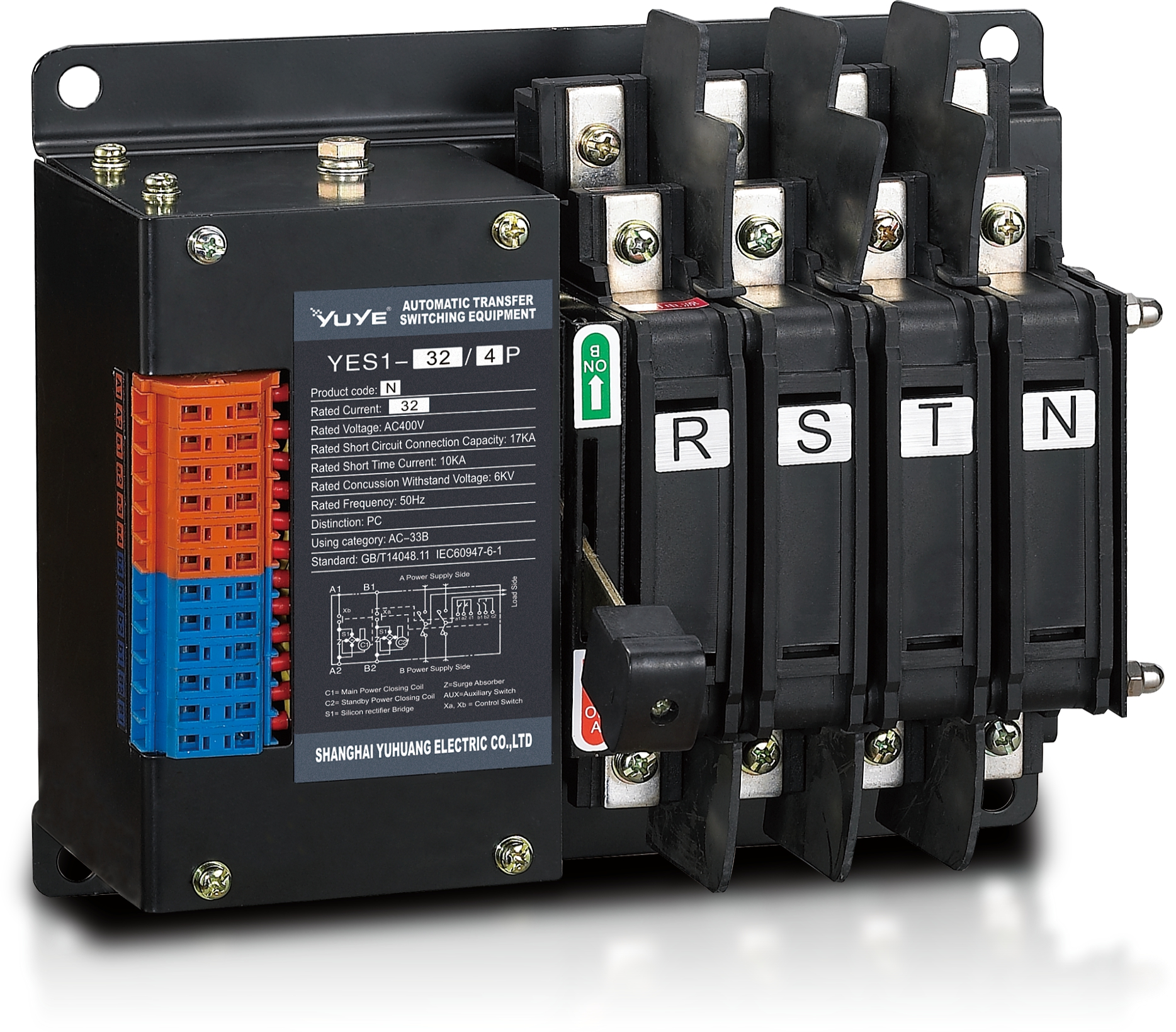 Solenoid-type ATS YES1-32~125N
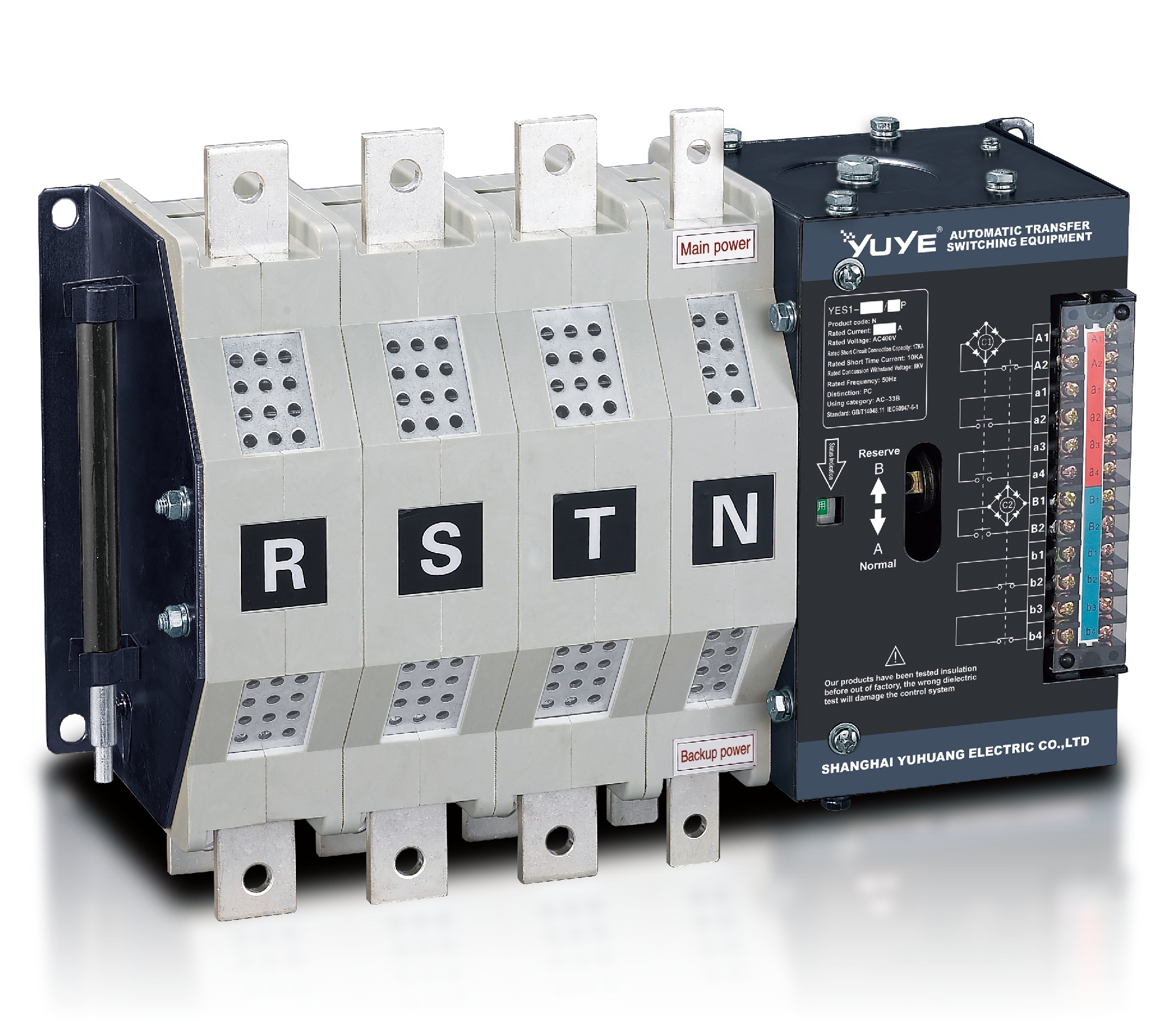 Solenoid-type ATS YES1-250~630N/NT
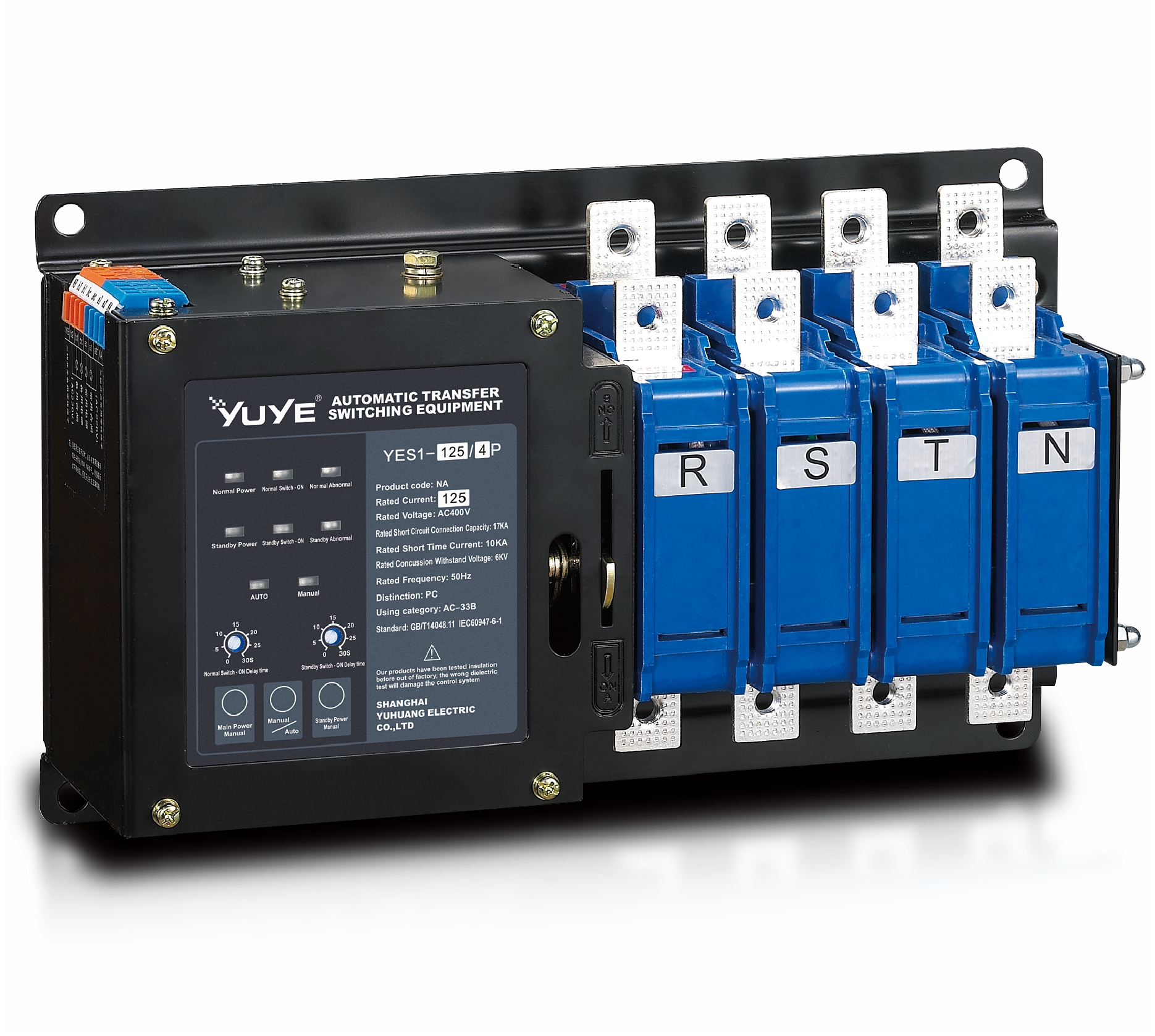 Solenoid-type ATS YES1-32~125NA
 Solenoid-type ATS YES1-63~630SN
 Solenoid-type ATS YES1-1250~4000SN
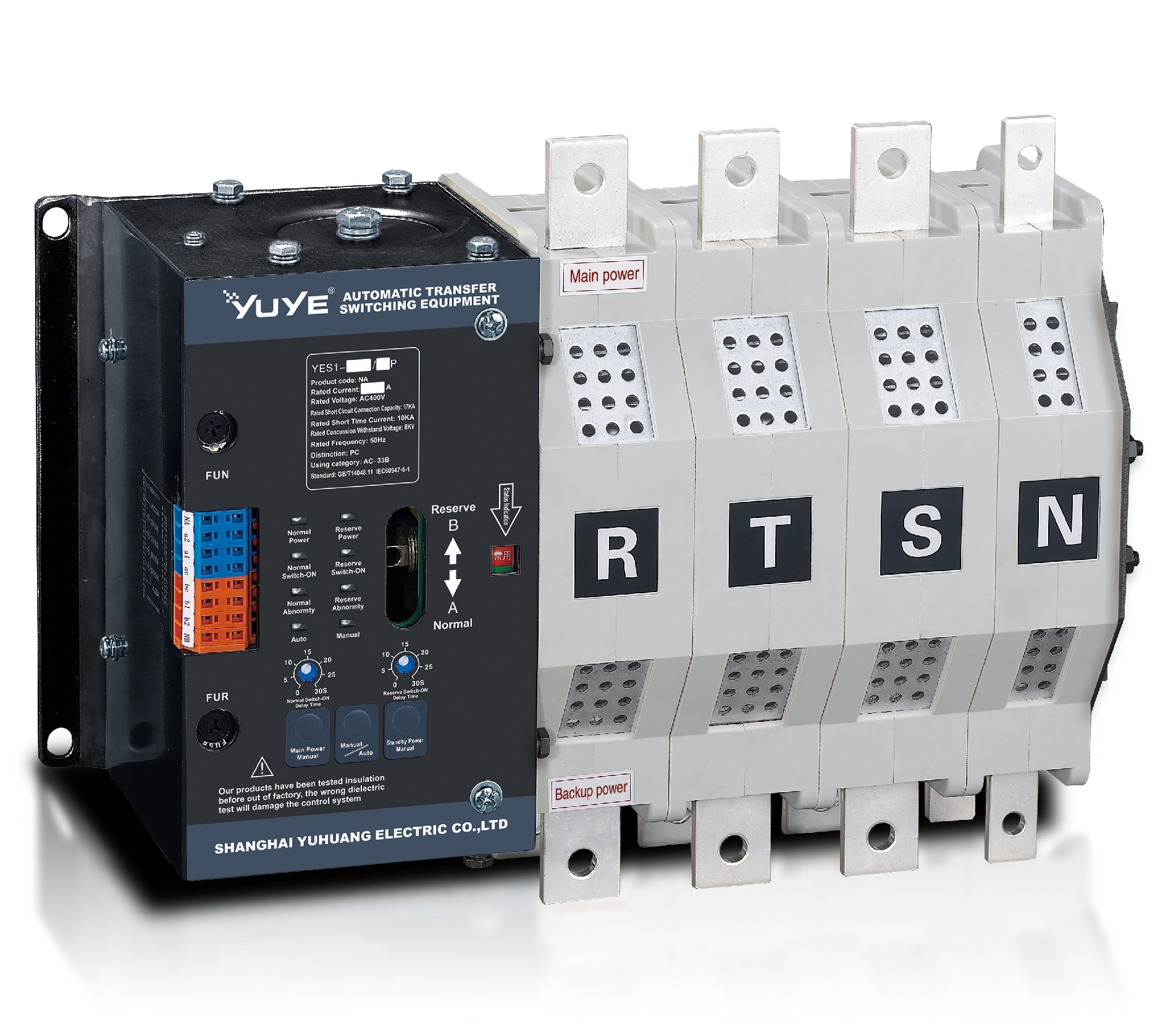 Solenoid-type ATS YES1-250~630NA/NAT
 Solenoid-type ATS YES1-63NJT
 PC ATS YES1-100~1600GN1/GN/GNF
 PC ATS YES1-2000~3200GN/GNF
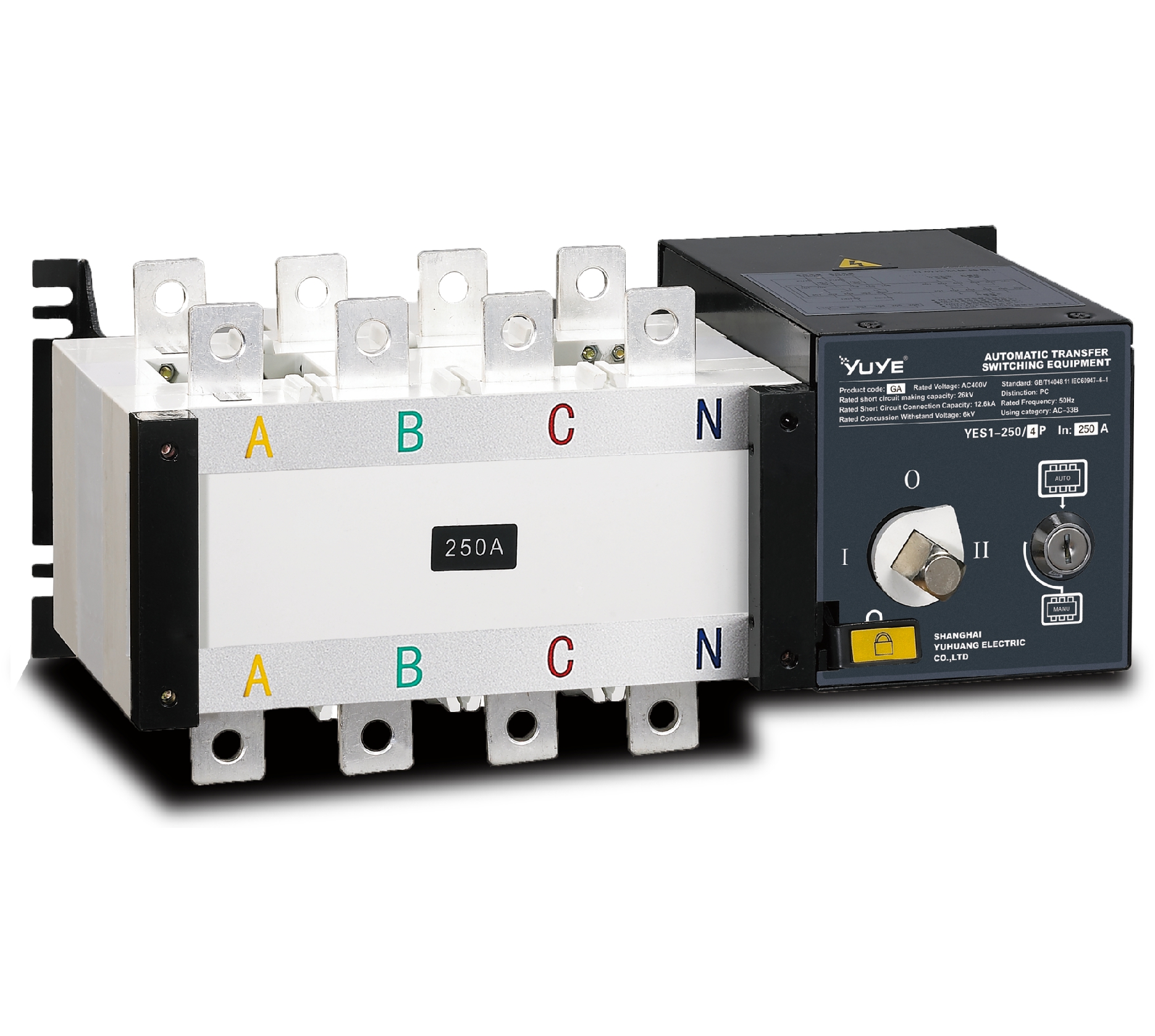 PC ATS YES1-100~3200GA1/GA
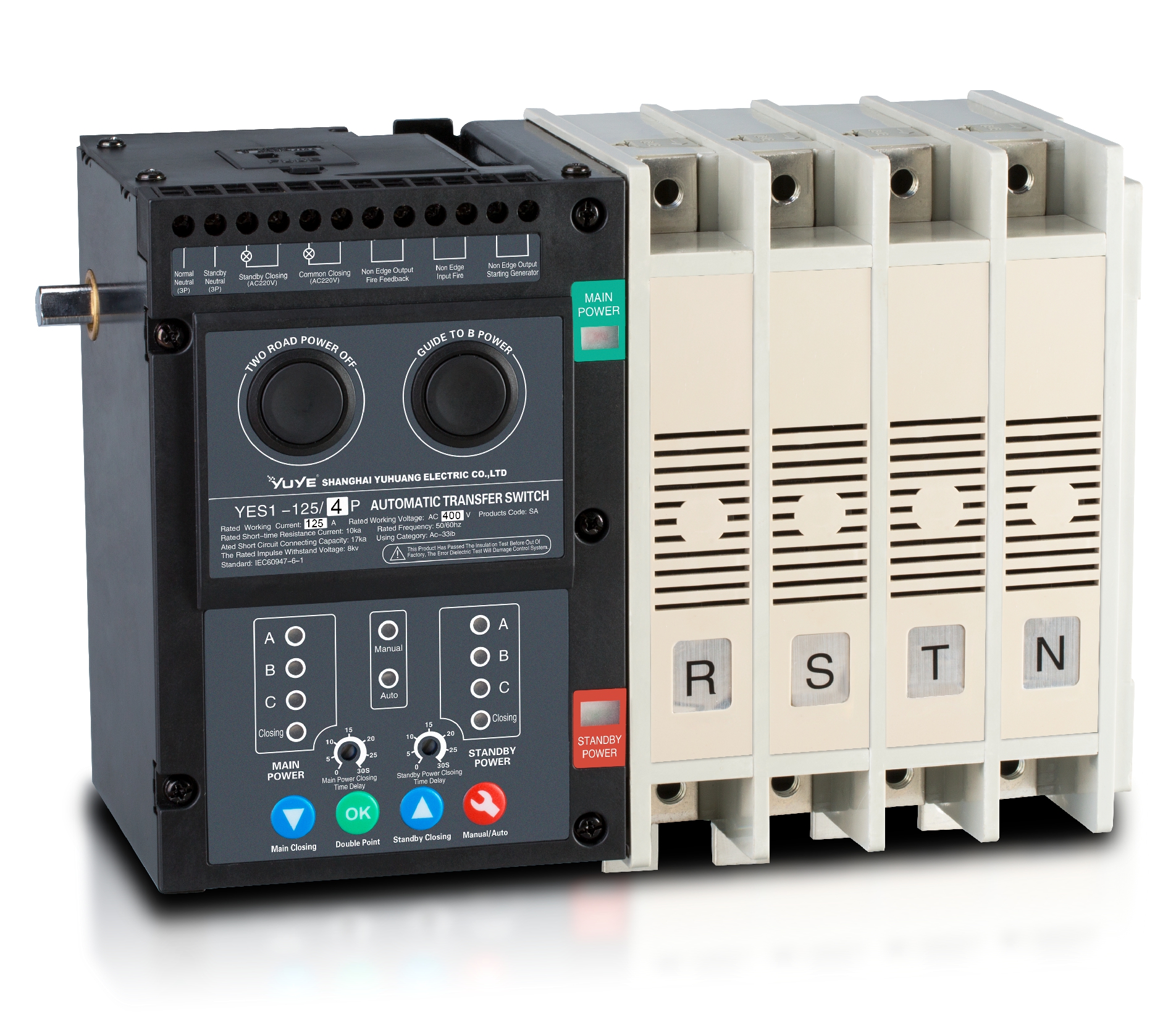 Solenoid-type ATS YES1-63~630SA
 Solenoid-type ATS YES1-63~630L/LA
 Solenoid-type ATS YES1-63~630LA3
 Solenoid-type ATS YES1-63MA
 PC ATS YES1-630~1600M
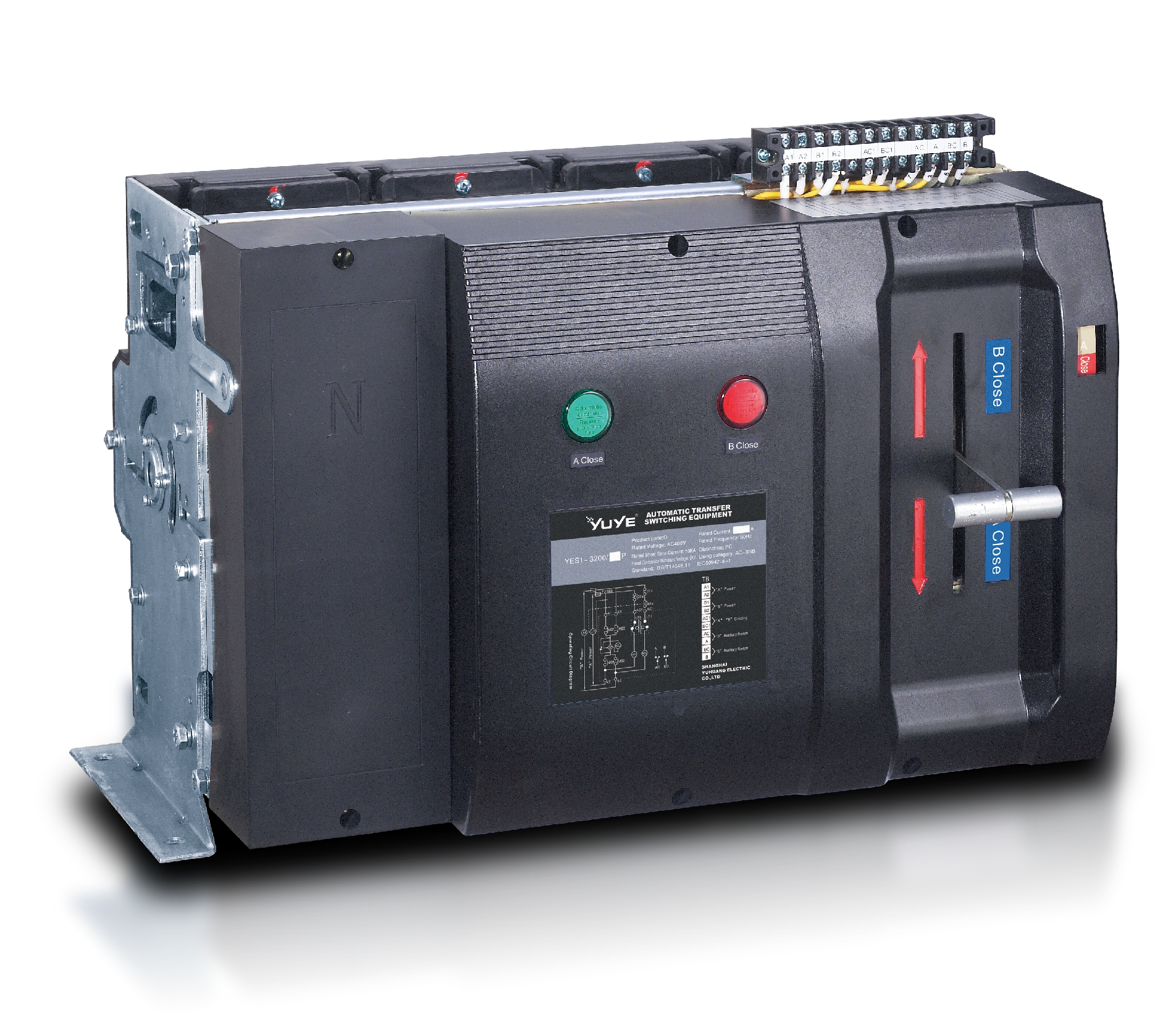 PC ATS YES1-3200Q
 Solenoid-type ATS YES1-4000~6300Q
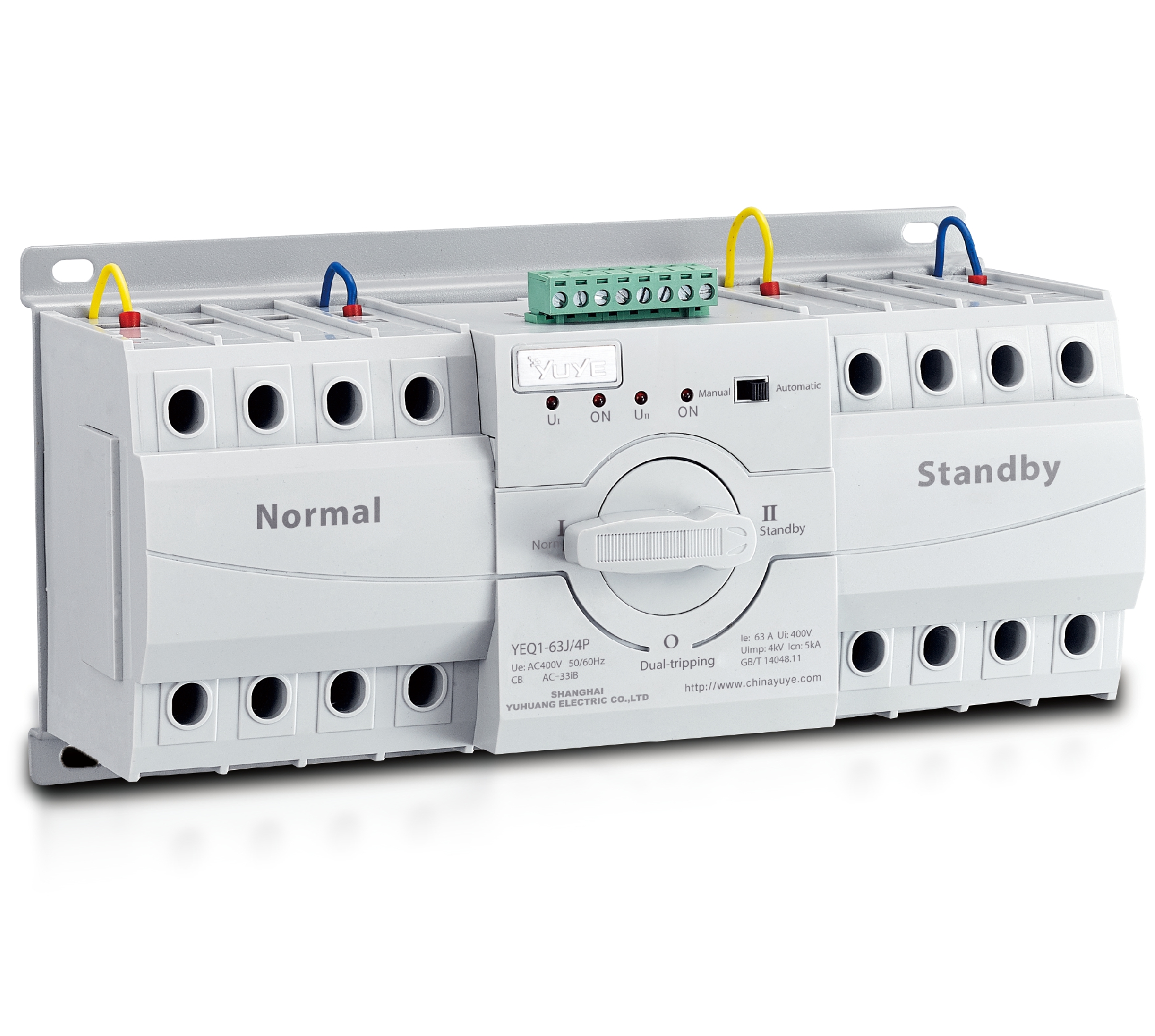 CB ATS YEQ1-63J
 CB ATS YEQ2Y-63
 CB ATS YEQ3-63W1
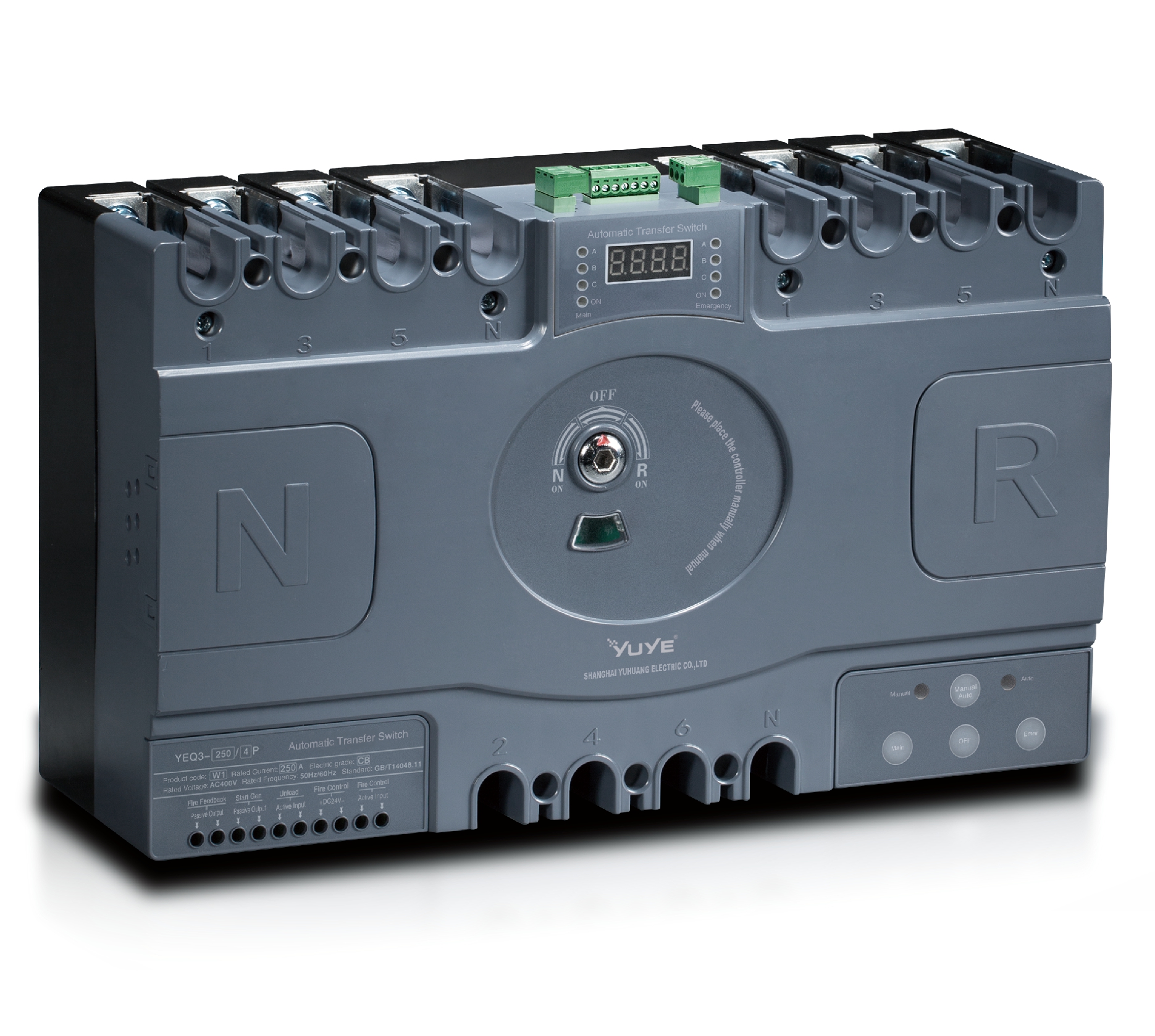 CB ATS YEQ3-125~630W1
 ATS controller Y-700
 ATS Controller Y-700N
 ATS Controller Y-701B
 ATS Controller Y-703N
 ATS Controller Y-800
 ATS Controller W2/W3 Series
 ATS switch Cabinet floor-to-ceiling
 ATS switch cabinet
 JXF-225A power Cbinet
 JXF-800A power Cbinet
 YEM3-125~800 Plastic Shell Type MCCB
 YEM3L-125~630 Leakage Type MCCB
 YEM3Z-125~800 Adjustable Type MCCB
 YEM1-63~1250 Plastic Shell Type MCCB
 YEM1E-100~800 Electronic Type MCCB
 YEM1L-100~630 Leakage Type MCCB
 Miniature circuit breaker YEMA2-6~100
 Miniature circuit breaker YEB1-3~63
 Miniature circuit breaker YEB1LE-3~63
 Miniature circuit breaker YEPN-3~32
 Miniature circuit breaker YEPNLE-3~32
 Miniature circuit breaker YENC-63~125
 Air Circuit Breaker YEW1-2000~6300
 Air Circuit Breaker YEW3-1600
 Load isolation switch YGL-63~3150
 Load Isolation Switch YGL2-63~3150
 Manual Changeover Switch YGL-100~630Z1A
 Manual Changeover Switch YGLZ1-100~3150
 YECPS2-45~125 LCD
 YECPS-45~125 Digital
 CNC Milling/Turning-OEM
 DC relay MDC-300M
 DC Isolation Switch YEGL3D-630


