
 PC ATS YECT1-2000G
 PC ATS YES2-63~250GN1
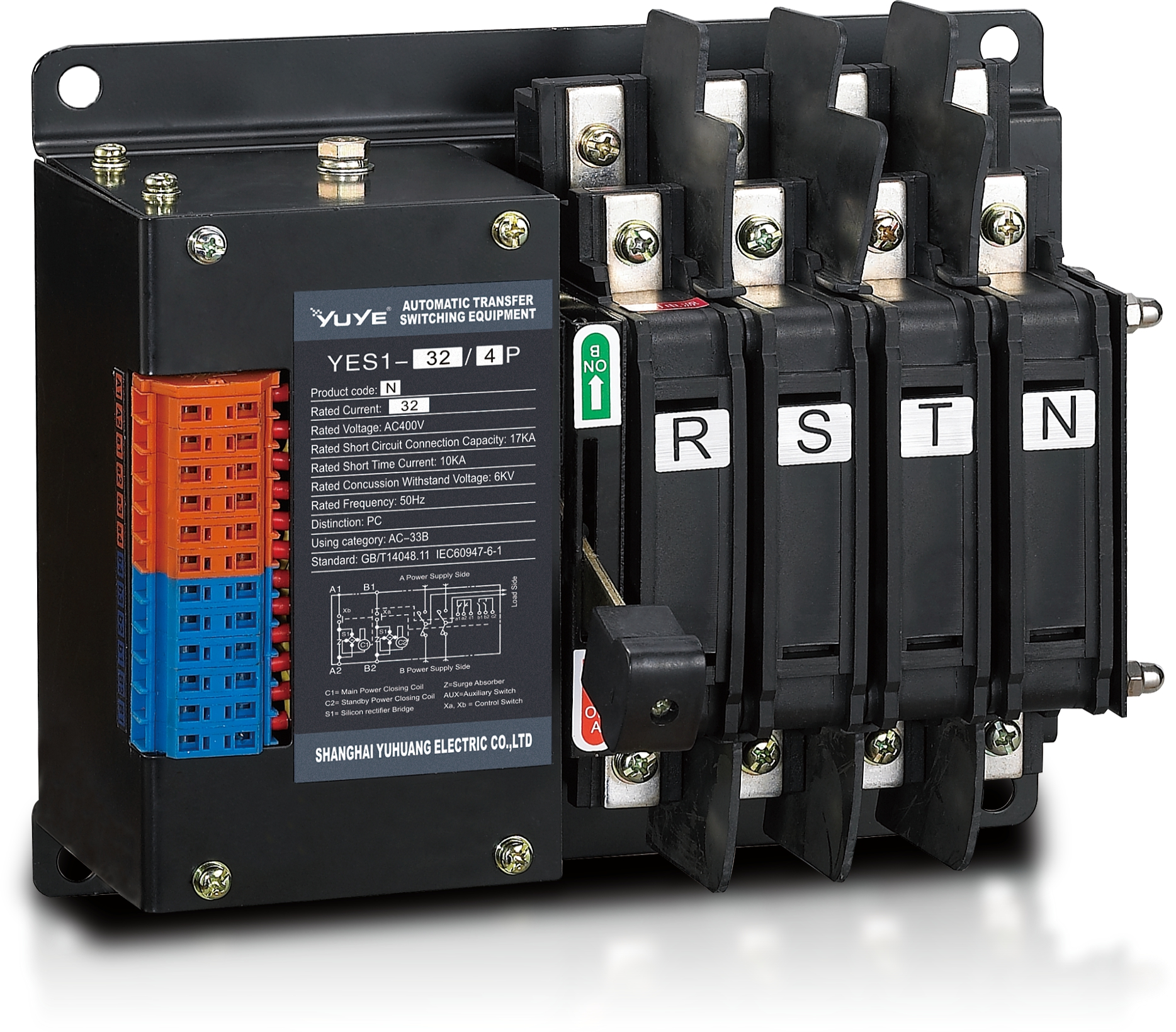 Solenoid-type ATS YES1-32~125N
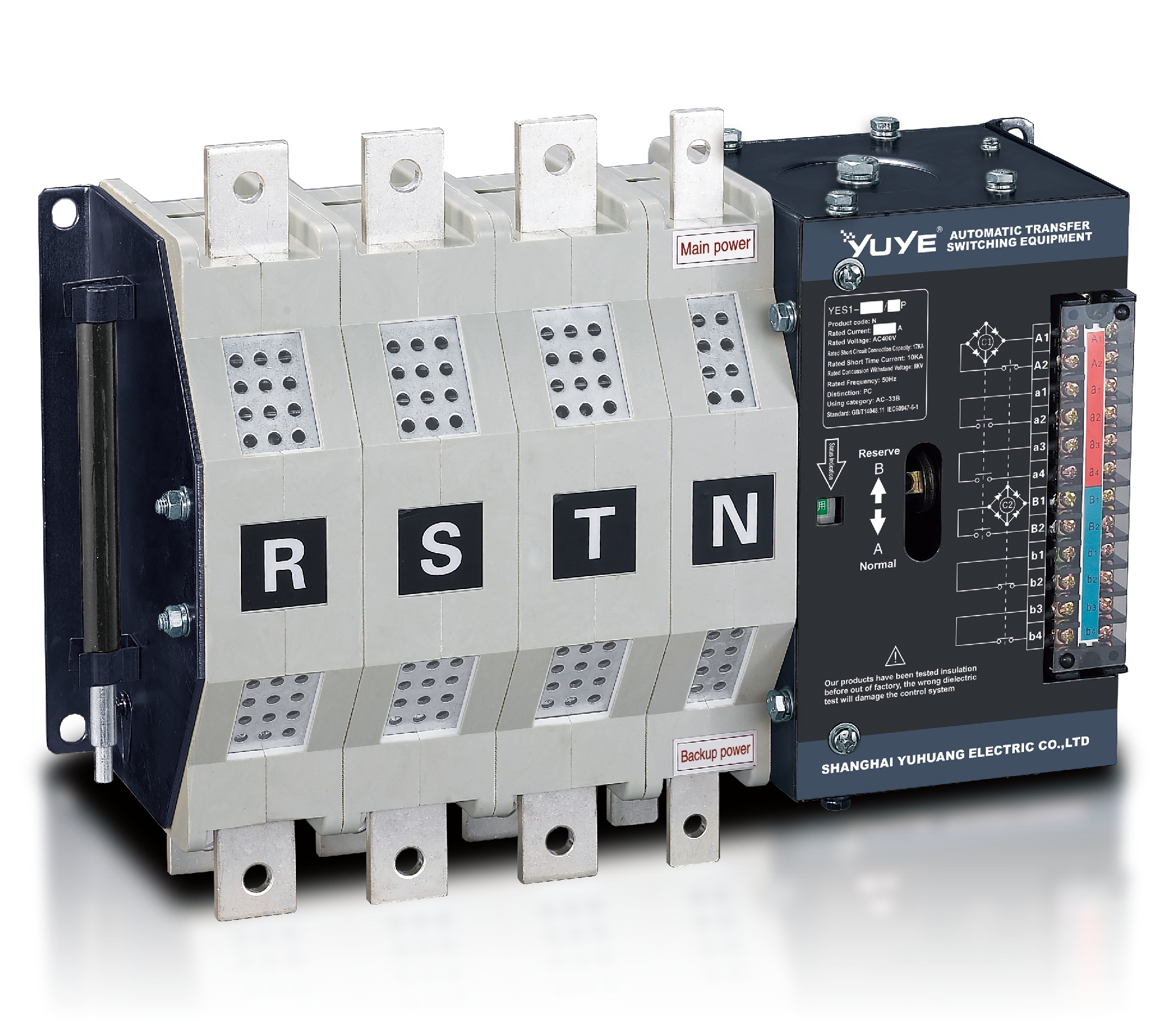 Solenoid-type ATS YES1-250~630N/NT
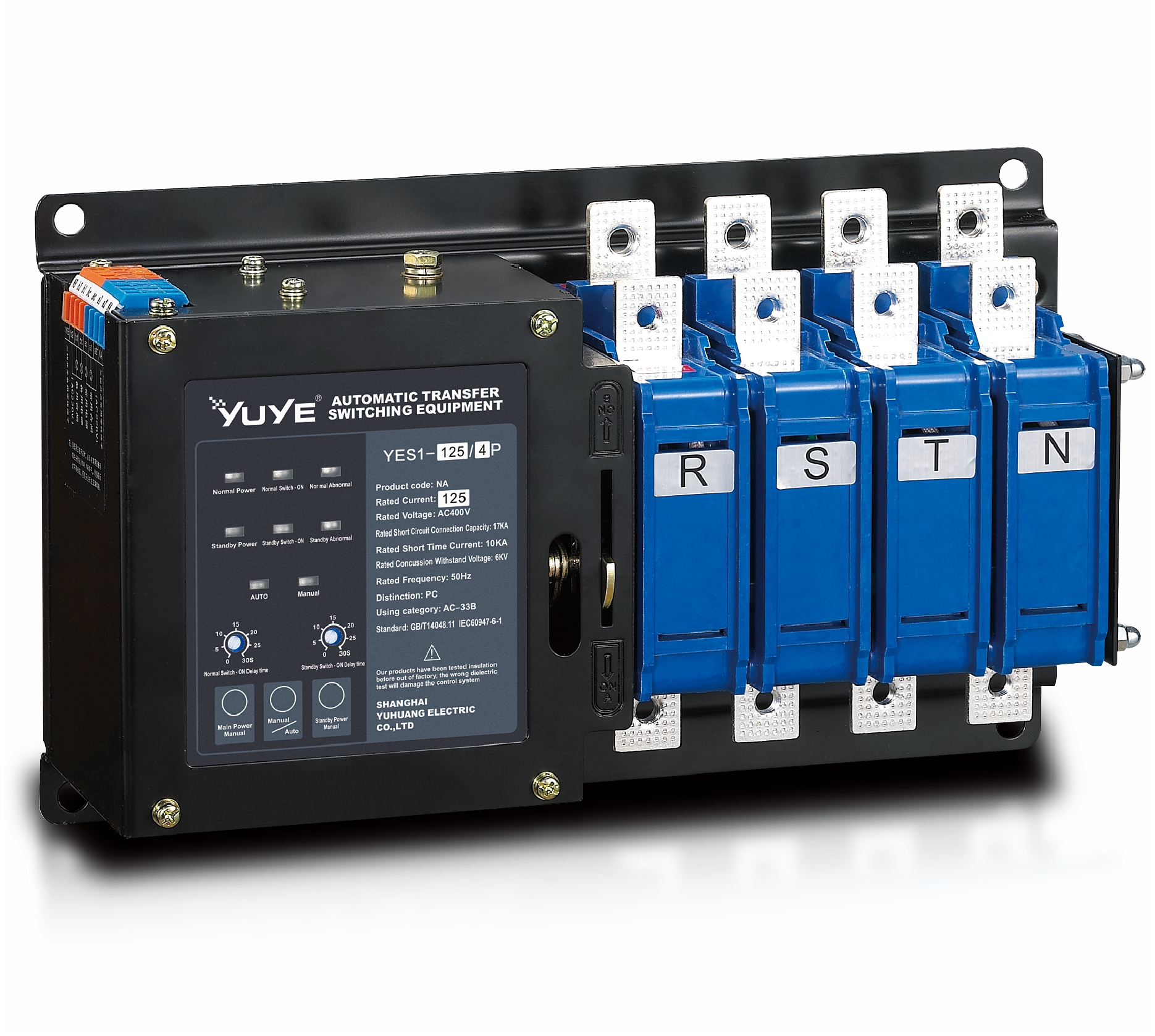 Solenoid-type ATS YES1-32~125NA
 Solenoid-type ATS YES1-63~630SN
 Solenoid-type ATS YES1-1250~4000SN
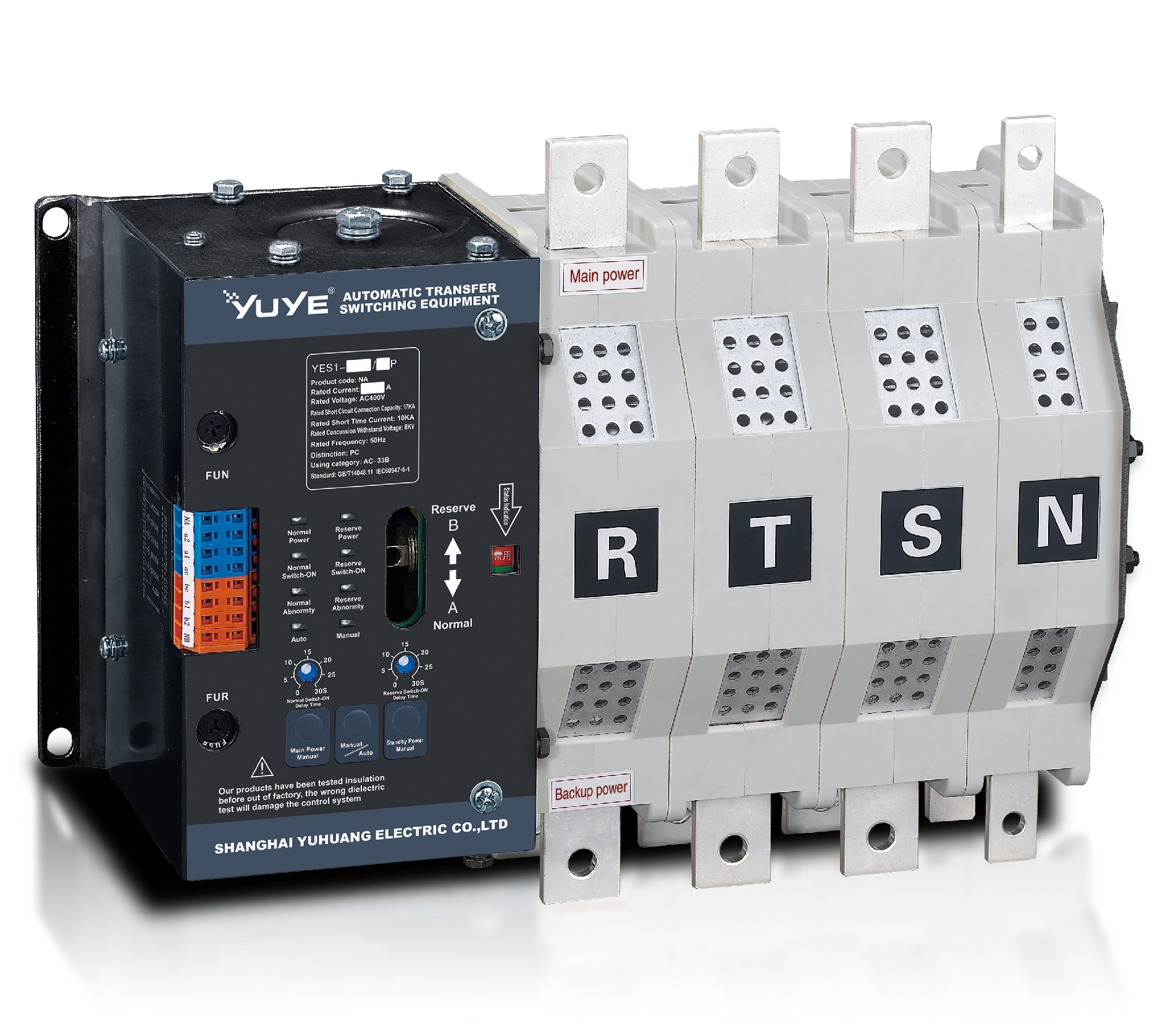 Solenoid-type ATS YES1-250~630NA/NAT
 Solenoid-type ATS YES1-63NJT
 PC ATS YES1-100~1600GN1/GN/GNF
 PC ATS YES1-2000~3200GN/GNF
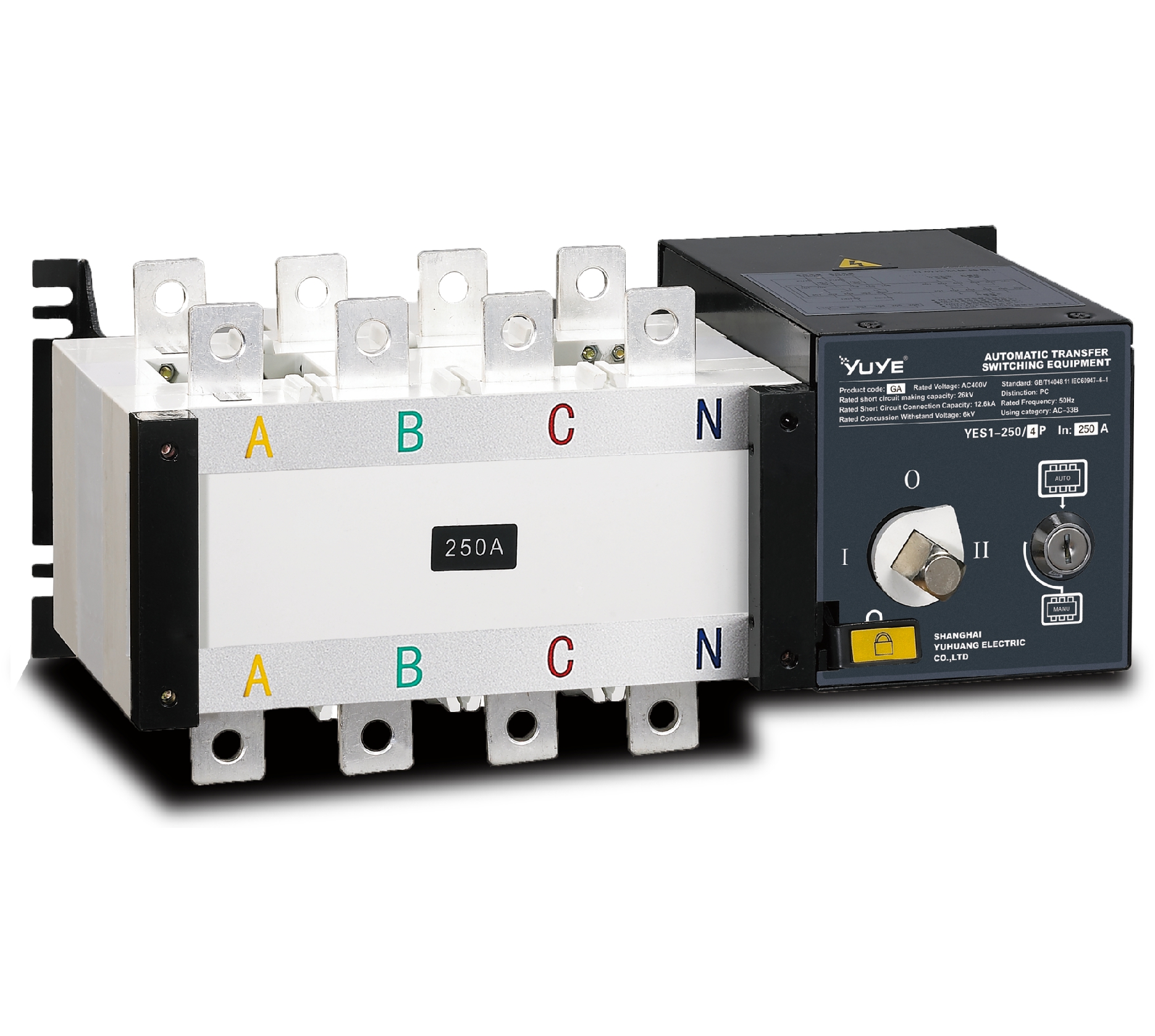 PC ATS YES1-100~3200GA1/GA
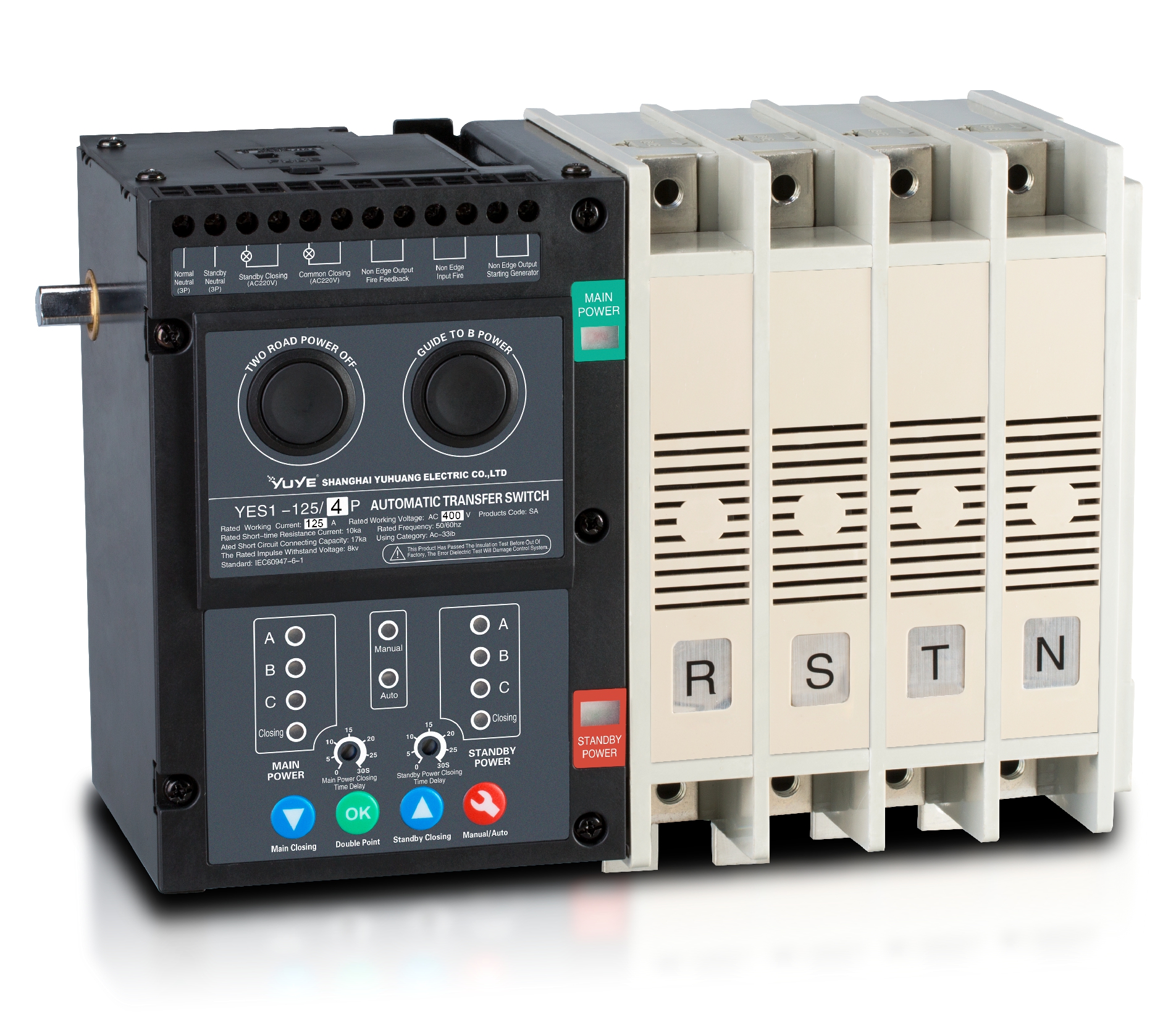 Solenoid-type ATS YES1-63~630SA
 Solenoid-type ATS YES1-63~630L/LA
 Solenoid-type ATS YES1-63~630LA3
 Solenoid-type ATS YES1-63MA
 PC ATS YES1-630~1600M
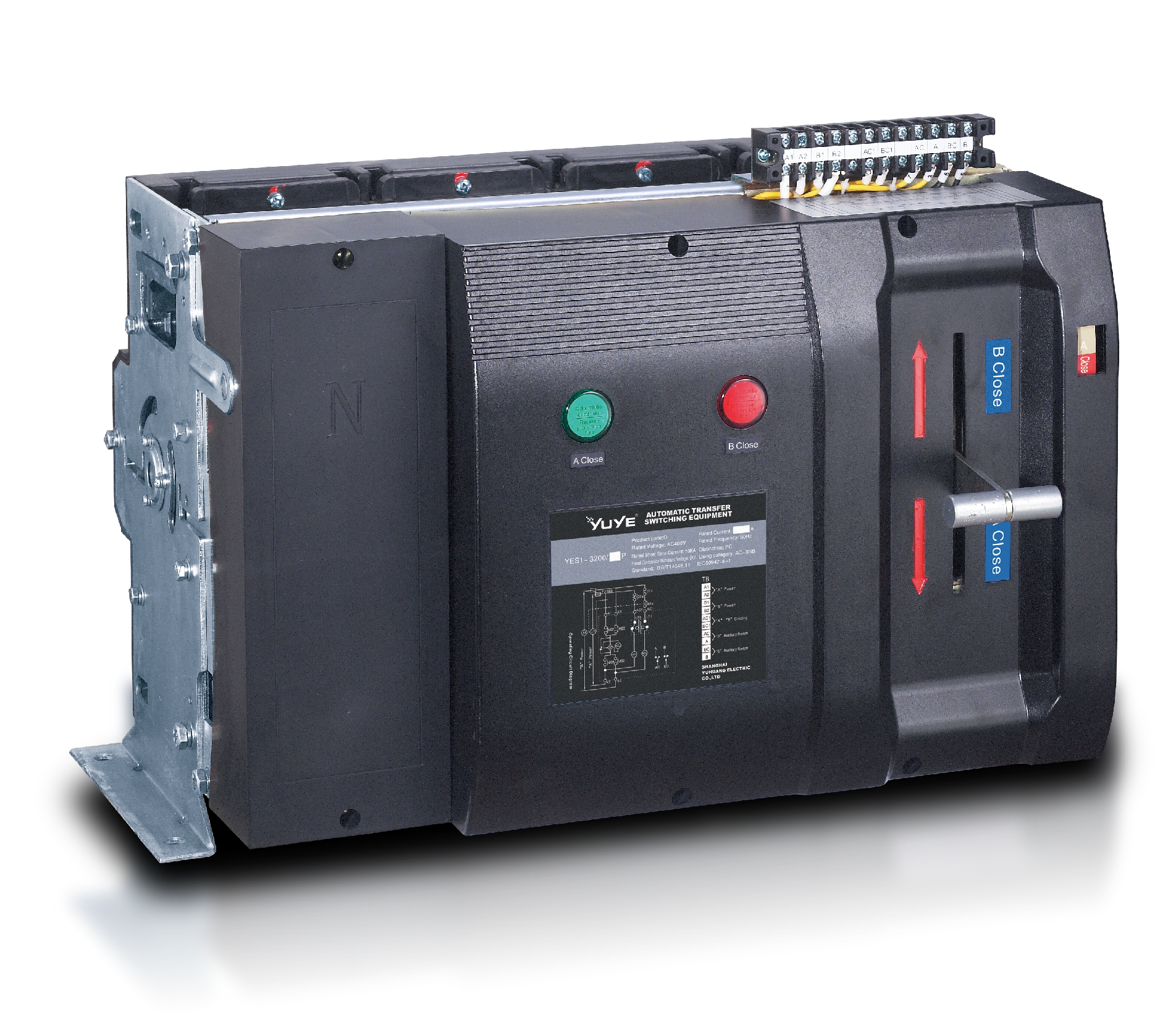 PC ATS YES1-3200Q
 Solenoid-type ATS YES1-4000~6300Q
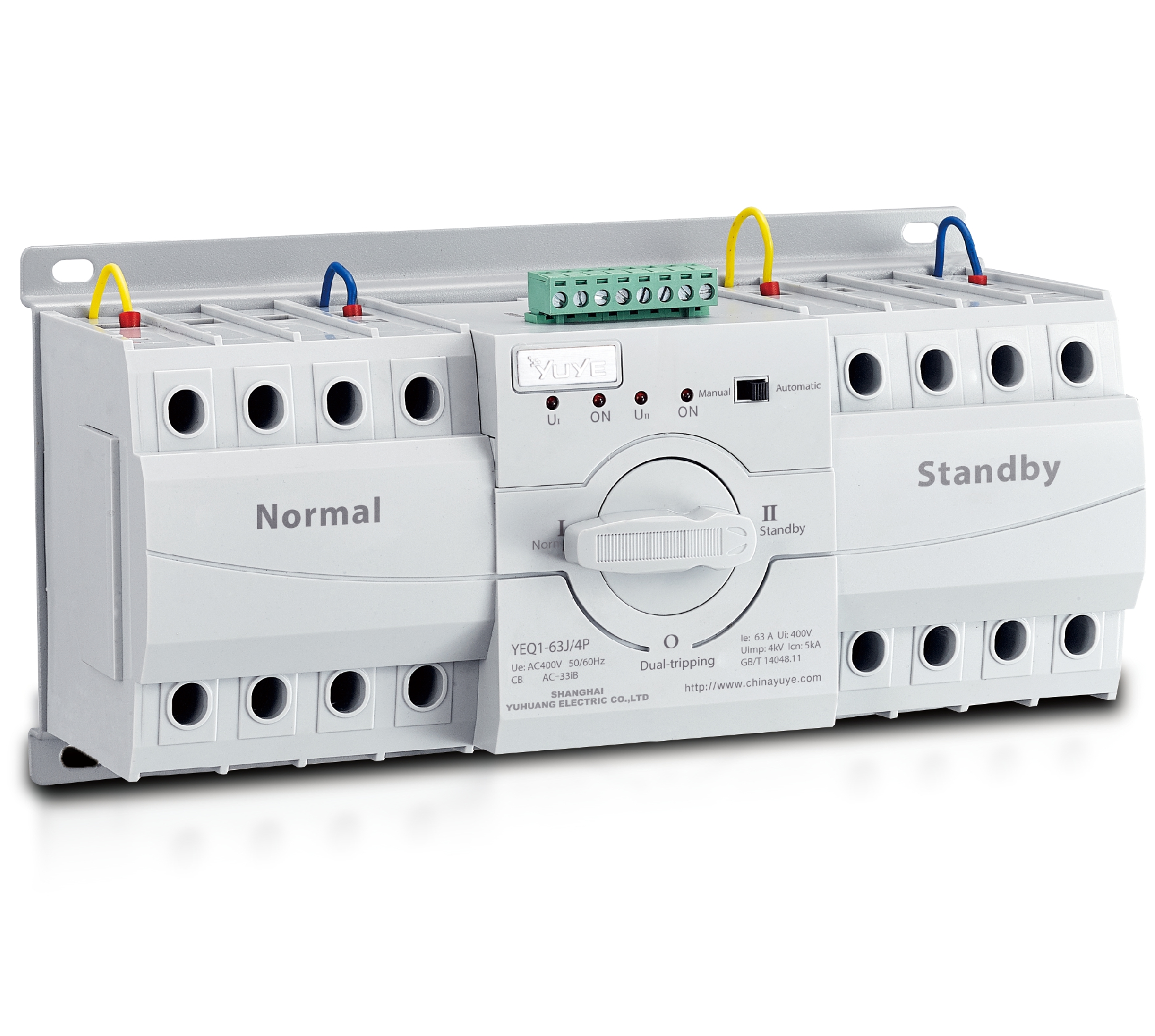 CB ATS YEQ1-63J
 CB ATS YEQ2Y-63
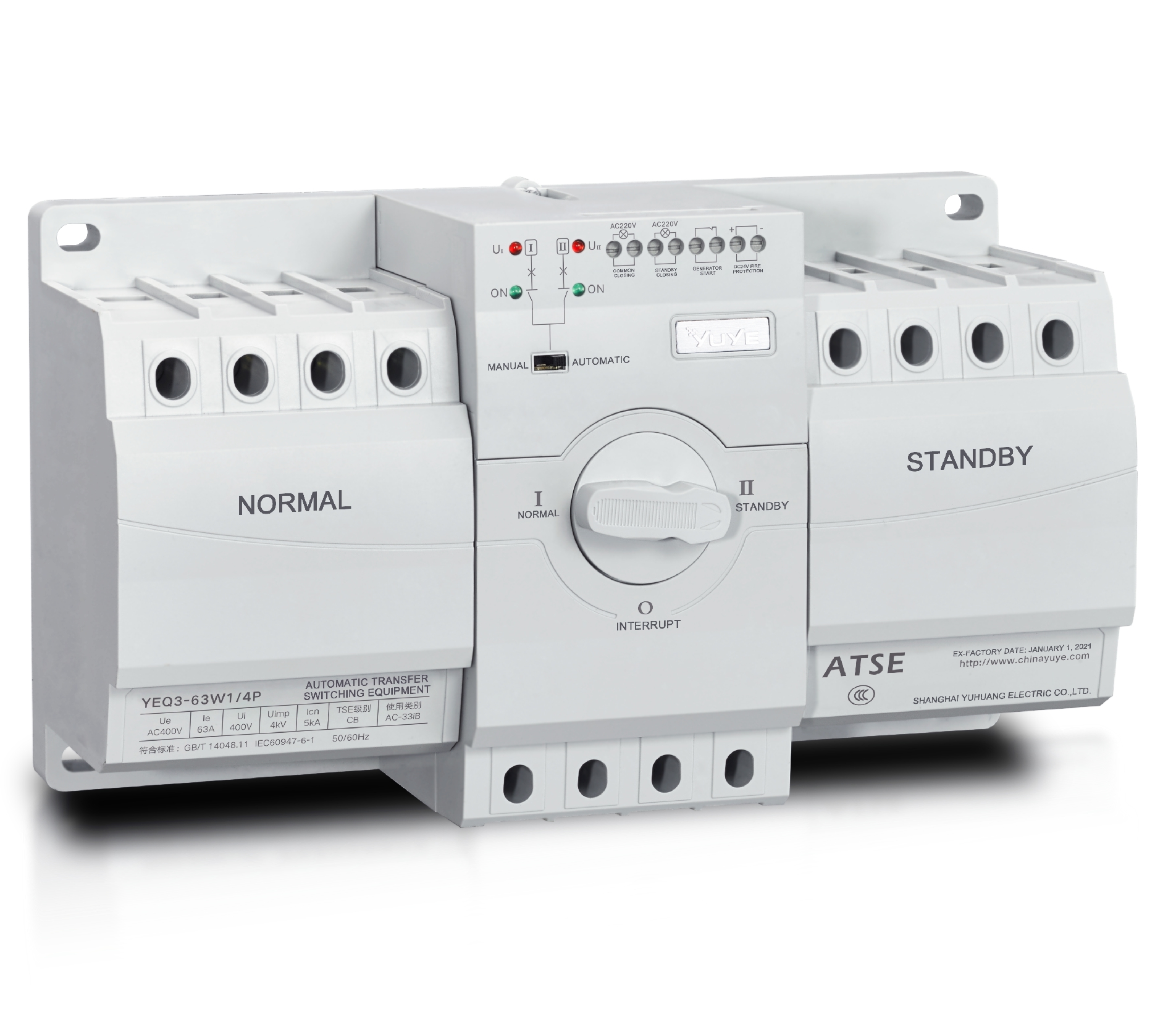 CB ATS YEQ3-63W1
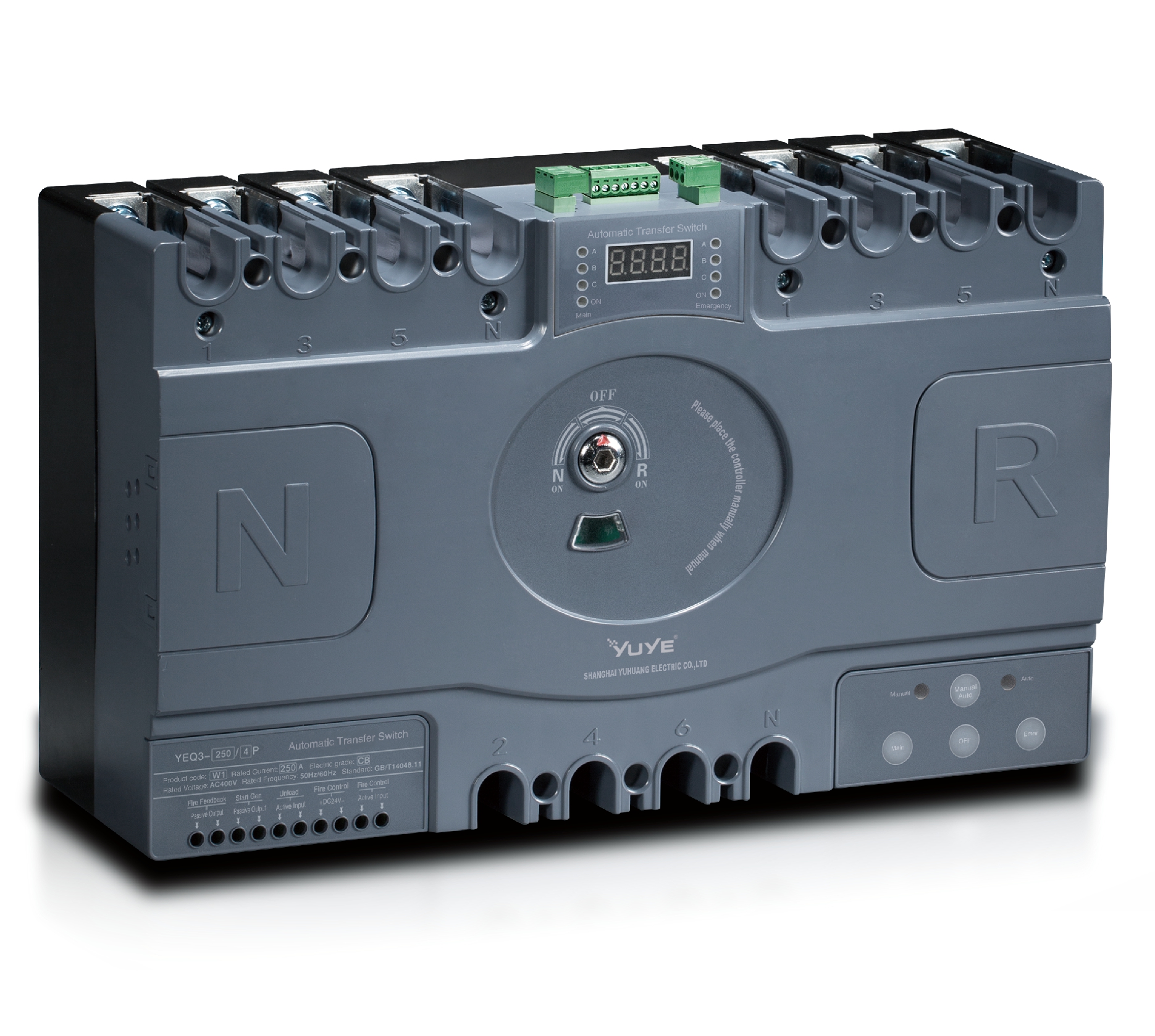 CB ATS YEQ3-125~630W1
 ATS controller Y-700
 ATS Controller Y-700N
 ATS Controller Y-701B
 ATS Controller Y-703N
 ATS Controller Y-800
 ATS Controller W2/W3 Series
 ATS switch Cabinet floor-to-ceiling
 ATS switch cabinet
 JXF-225A power Cbinet
 JXF-800A power Cbinet
 YEM3-125~800 Plastic Shell Type MCCB
 YEM3L-125~630 Leakage Type MCCB
 YEM3Z-125~800 Adjustable Type MCCB
 YEM1-63~1250 Plastic Shell Type MCCB
 YEM1E-100~800 Electronic Type MCCB
 YEM1L-100~630 Leakage Type MCCB
 Miniature circuit breaker YEMA2-6~100
 Miniature circuit breaker YEB1-3~63
 Miniature circuit breaker YEB1LE-3~63
 Miniature circuit breaker YEPN-3~32
 Miniature circuit breaker YEPNLE-3~32
 Miniature circuit breaker YENC-63~125
 Air Circuit Breaker YEW1-2000~6300
 Air Circuit Breaker YEW3-1600
 Load isolation switch YGL-63~3150
 Load Isolation Switch YGL2-63~3150
 Manual Changeover Switch YGL-100~630Z1A
 Manual Changeover Switch YGLZ1-100~3150
 YECPS2-45~125 LCD
 YECPS-45~125 Digital
 CNC Milling/Turning-OEM
 DC relay MDC-300M
 DC Isolation Switch YEGL3D-630
Selecting the right Automatic Transfer Switch (ATS) is critical for ensuring seamless power transitions and system reliability in various applications. However, with multiple technical specifications and diverse operational requirements, making an accurate choice can be challenging. This practical checklist is designed to use this structured approach to simplify your decision-making process and select the ideal ATS for your needs.
1.Determining the Core Parameters of the ATS
The rated current is the fundamental parameter of an ATS and must match the total load power to prevent overloading. For sensitive equipment, medical facilities, and data centers, rapid switching within milliseconds is critical, so it is essential to select an ATS capable of such performance. Additionally, the number of poles must align with the power supply system. Mechanical lifespan is another key consideration; if switching occurs frequently, choose a model with a high mechanical endurance to ensure long-term operational stability.
2.Types of ATS and Their Applications
ATS can be broadly classified into electromechanical and static types. Electromechanical switching is extremely fast and is commonly used in environments sensitive to power interruption duration, such as operating rooms and server rooms. Static ATS offers stable performance and is suitable for industrial settings with frequent switching. Integrated ATS units are widely adopted in residential buildings due to their ease of installation, while modular designs are preferred in industrial scenarios for maintainability and scalability.
3.Key Safety Protection Features
Safety protection is the most critical aspect when selecting an ATS. It must include functions such as overload, short-circuit, and under-voltage protection to prevent equipment damage caused by power abnormalities. Fire alarm interlocking is also vital, automatically disconnecting non-critical power sources in case of fire. The protection rating (IP rating) of the ATS should suit the installation environment—for humid or dusty conditions, an IP65 or higher rating is recommended. Some high-end ATS models also feature remote monitoring capabilities, enabling real-time status updates and significantly reducing manual maintenance costs.
4. Brand Selection and Certification Recommendations
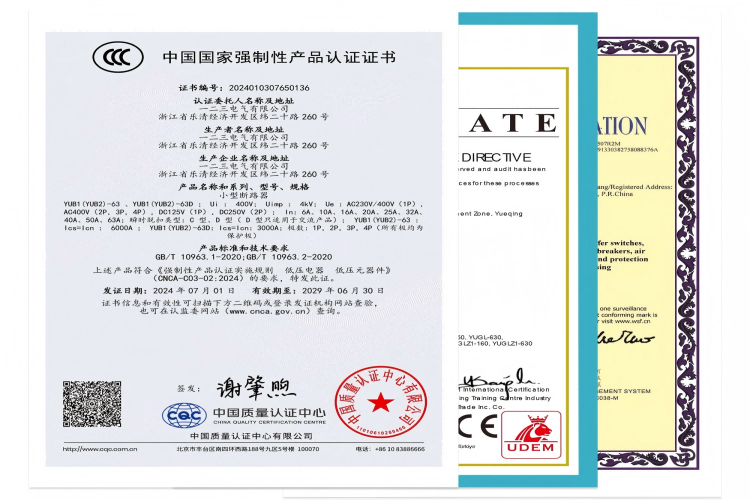
Well-known brands provide greater reliability, though they are generally more expensive and better suited for critical applications. If you choose our YUYE products, you will obtain better value for money, making them ideal for residential use. When making a purchase, it is important not only to consider cost but also to verify certifications. Products with CCC and CE marks are more likely to comply with safety standards. Additionally, opting for a brand with reliable after-sales service can help reduce long-term maintenance costs.
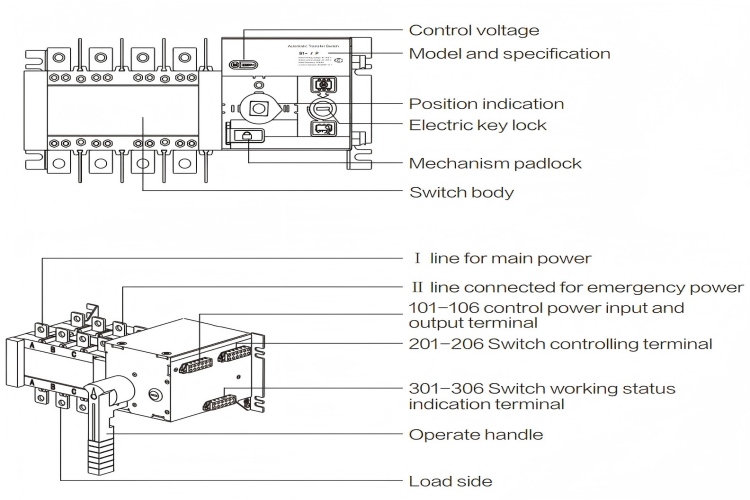
5.Detailed Introduction of the YES1-SA Series Product
As illustrated in the promotional image, the YES1-SA series is a high-tech automatic transfer switch developed by our company. It complies with the GB/T14048.11 standard and is also designed in accordance with specifications such as the Fire Protection Code for High-Rise Civil Buildings and the Emergency Lighting Design Guidelines. All components undergo strict aging and screening processes, and finished products are subjected to a 24-hour high-temperature energized aging test followed by a load inspection before leaving the factory, ensuring reliability and safety. This product is suitable for use in AC 400V and below systems with a rated frequency of 50Hz. In the event of faults such as phase loss, overvoltage, or undervoltage, the transfer switch—under the control of the controller—can rapidly shift the load from the common power source to the backup source (provided the backup power is normal). Users can also choose to place the load in an intermediate position, disconnecting it from both power sources.
6.Summary of Main Application Scenarios
This product is primarily used for first-class and second-class loads as defined by national standards. It is widely applied in settings requiring continuous power supply, such as fire protection systems, postal and telecommunications services, hospitals, hotels, urban rail transit, high-rise buildings, industrial assembly lines, and television stations. Common power sources include the grid, self-starting generator sets, and battery packs. If you are interested in this product, please feel free to contact our sales representatives for further assistance.
Rewriting Notes:
1.Divided the full text into six clearly titled sections in English to enhance logical structure and readability.
2.Optimized technical terminology and expression for consistency and professionalism in English context.
3.Maintained accurate representation of product specifications, standards, and application scenarios while adapting to international reader expectations.
If you would like the content adjusted for a specific region or audience, please feel free to let me know.