
 PC ATS YECT1-2000G
 PC ATS YES2-63~250GN1
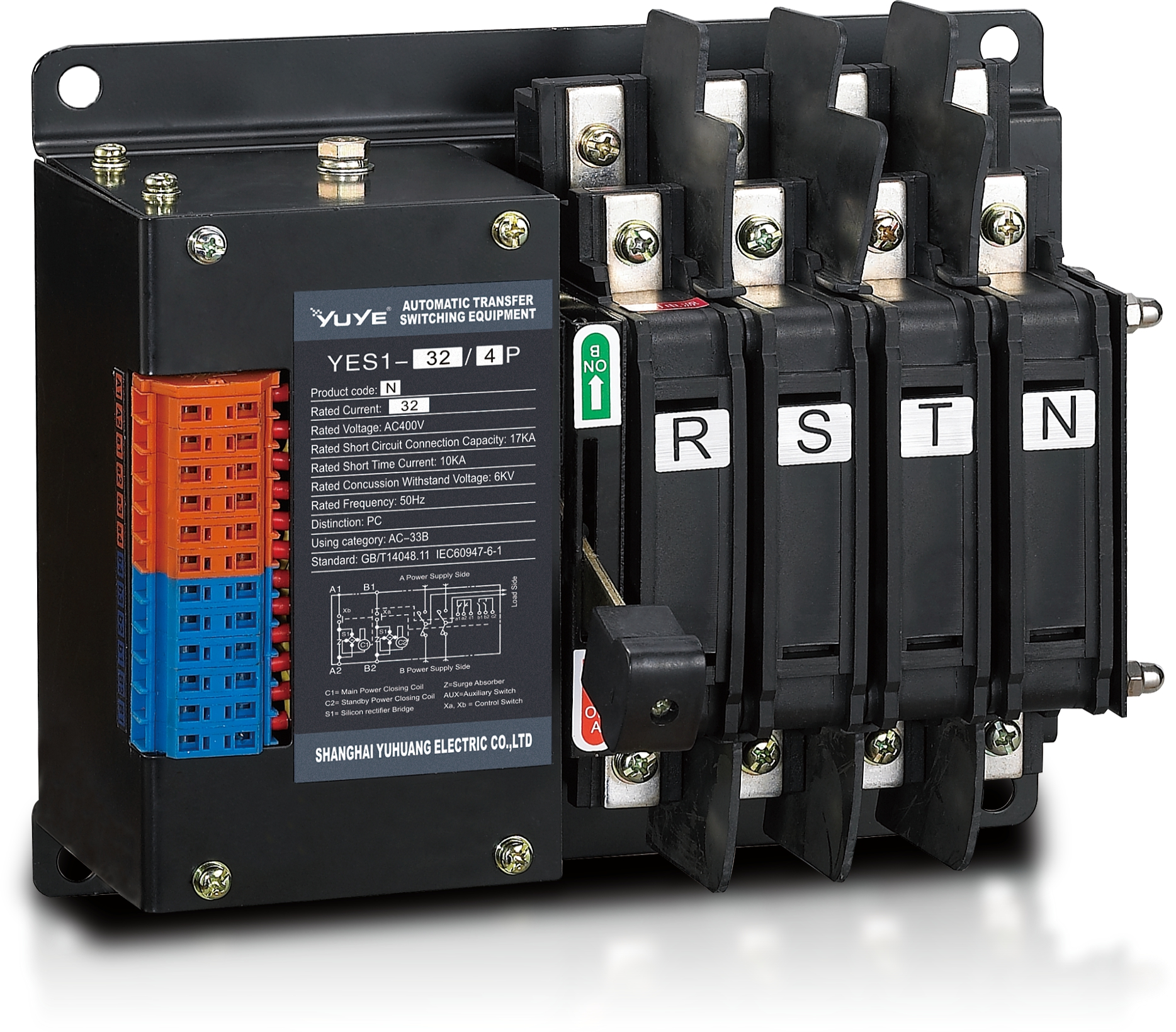 Solenoid-type ATS YES1-32~125N
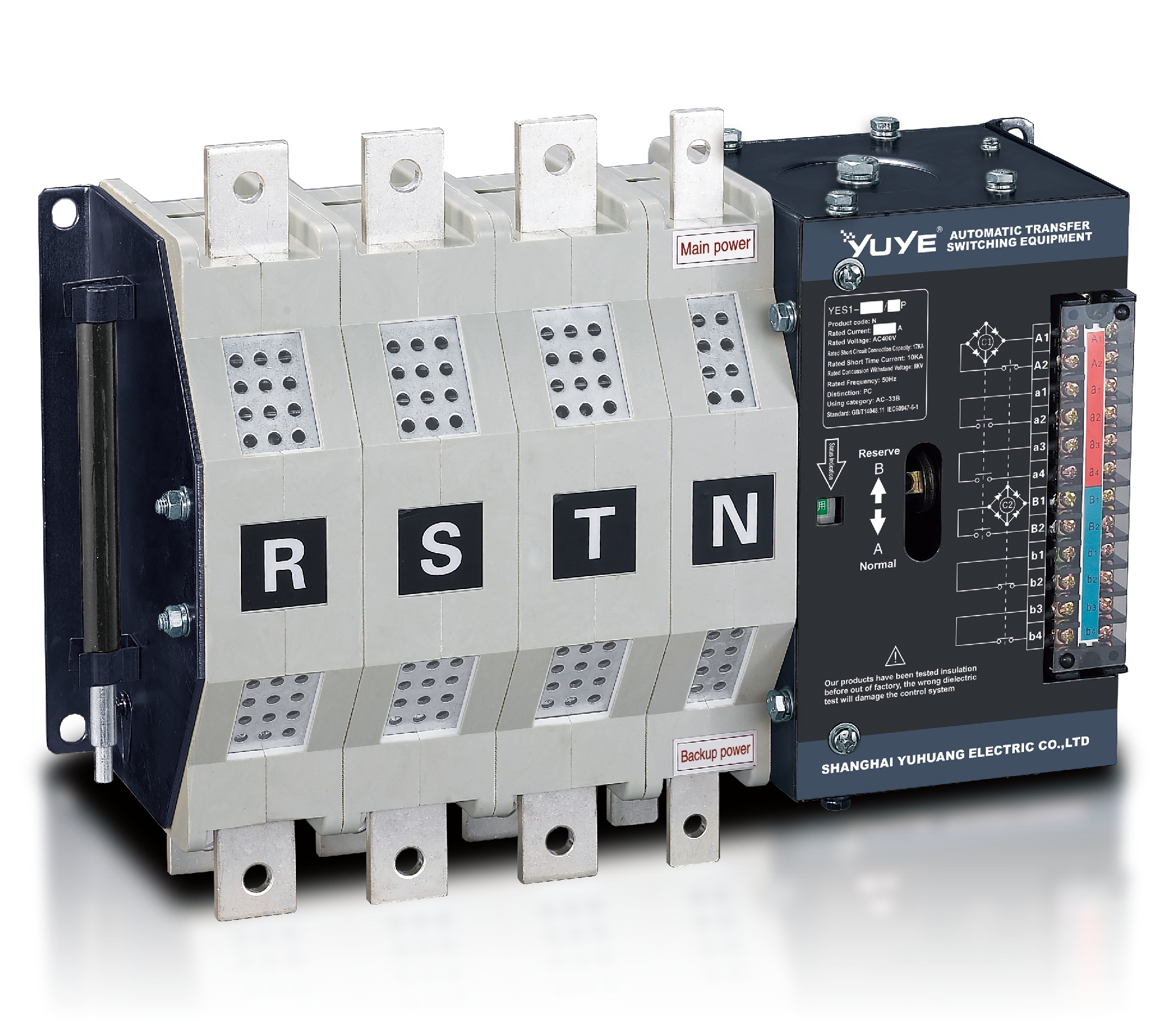 Solenoid-type ATS YES1-250~630N/NT
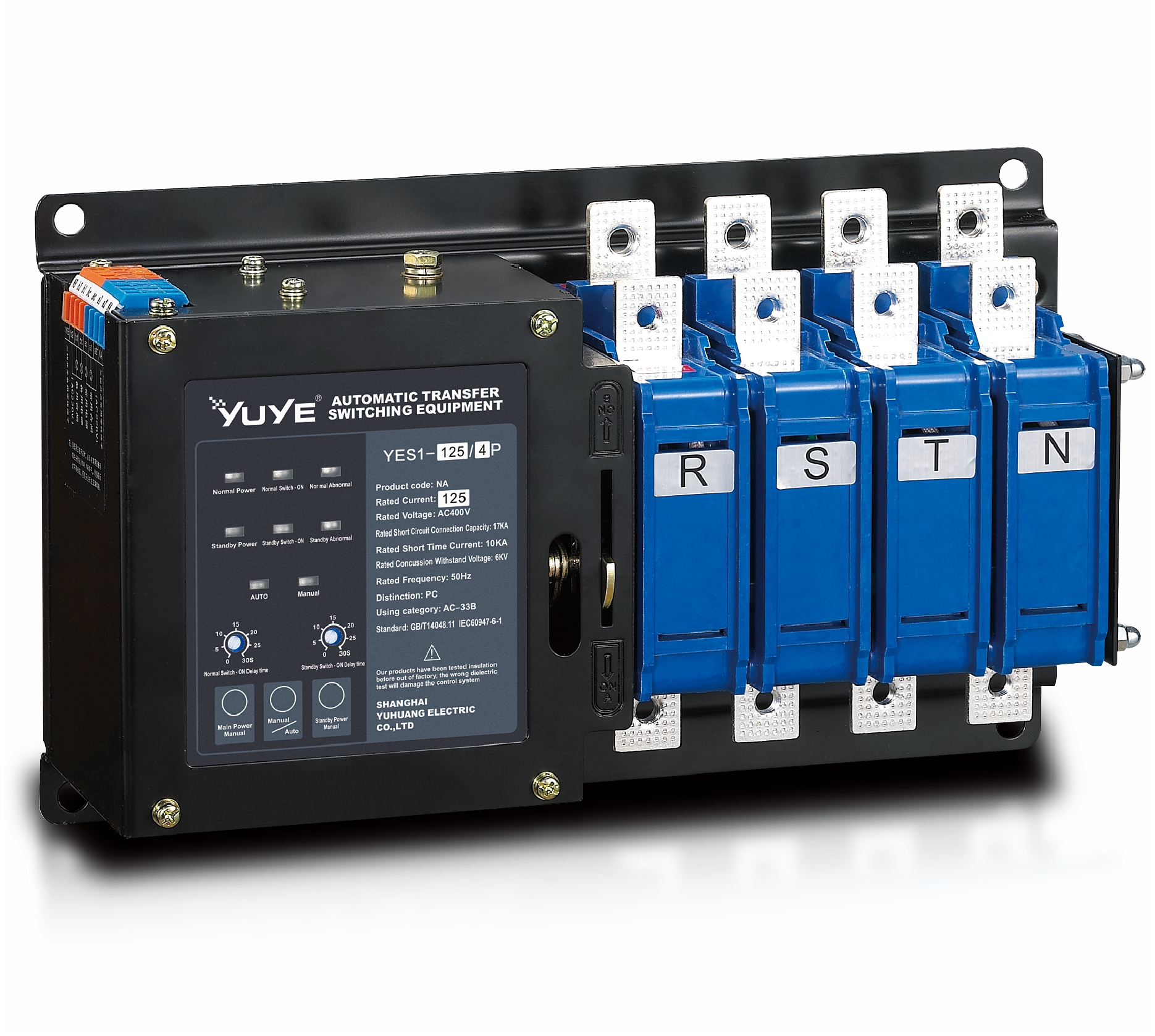 Solenoid-type ATS YES1-32~125NA
 Solenoid-type ATS YES1-63~630SN
 Solenoid-type ATS YES1-1250~4000SN
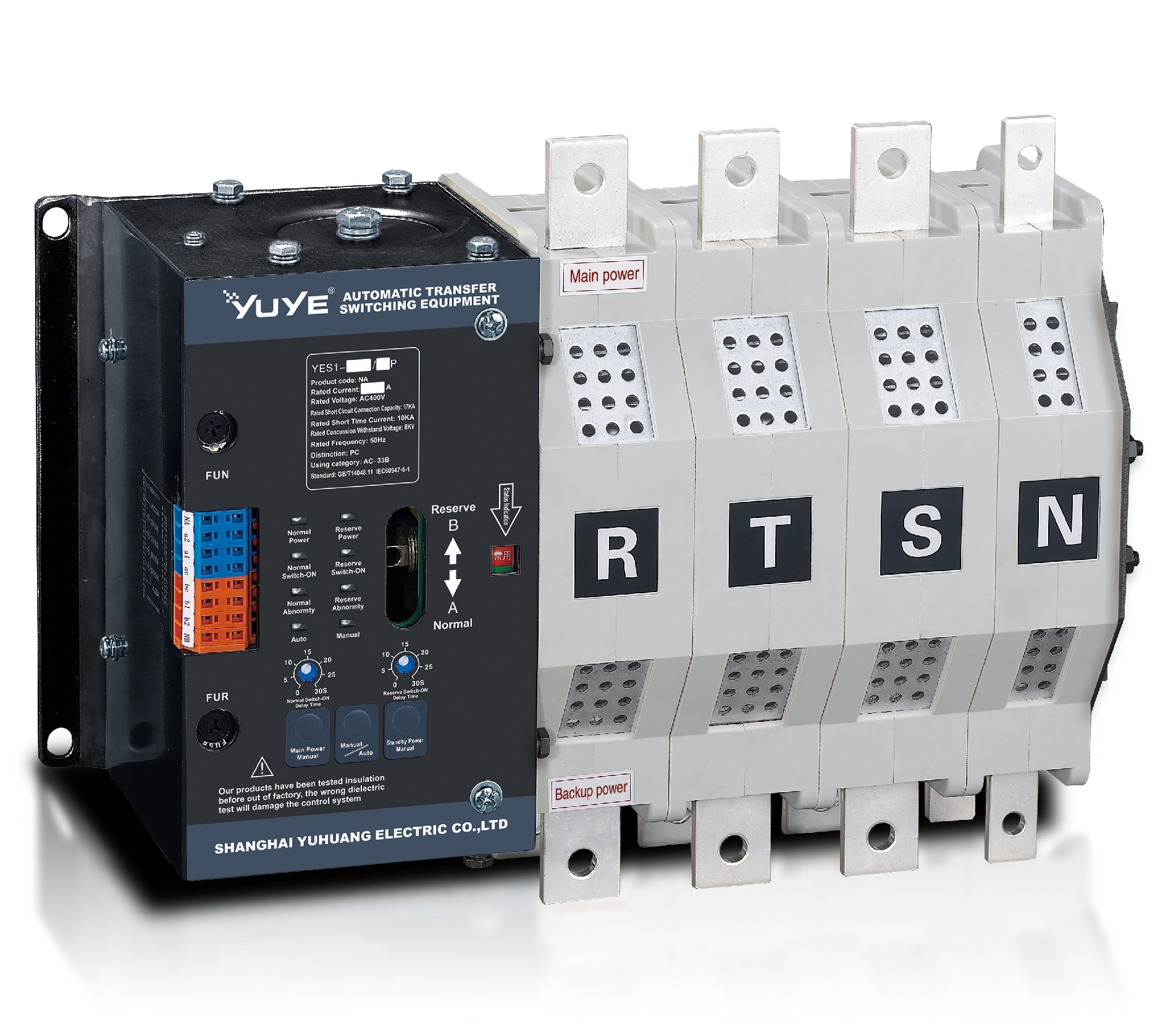 Solenoid-type ATS YES1-250~630NA/NAT
 Solenoid-type ATS YES1-63NJT
 PC ATS YES1-100~1600GN1/GN/GNF
 PC ATS YES1-2000~3200GN/GNF
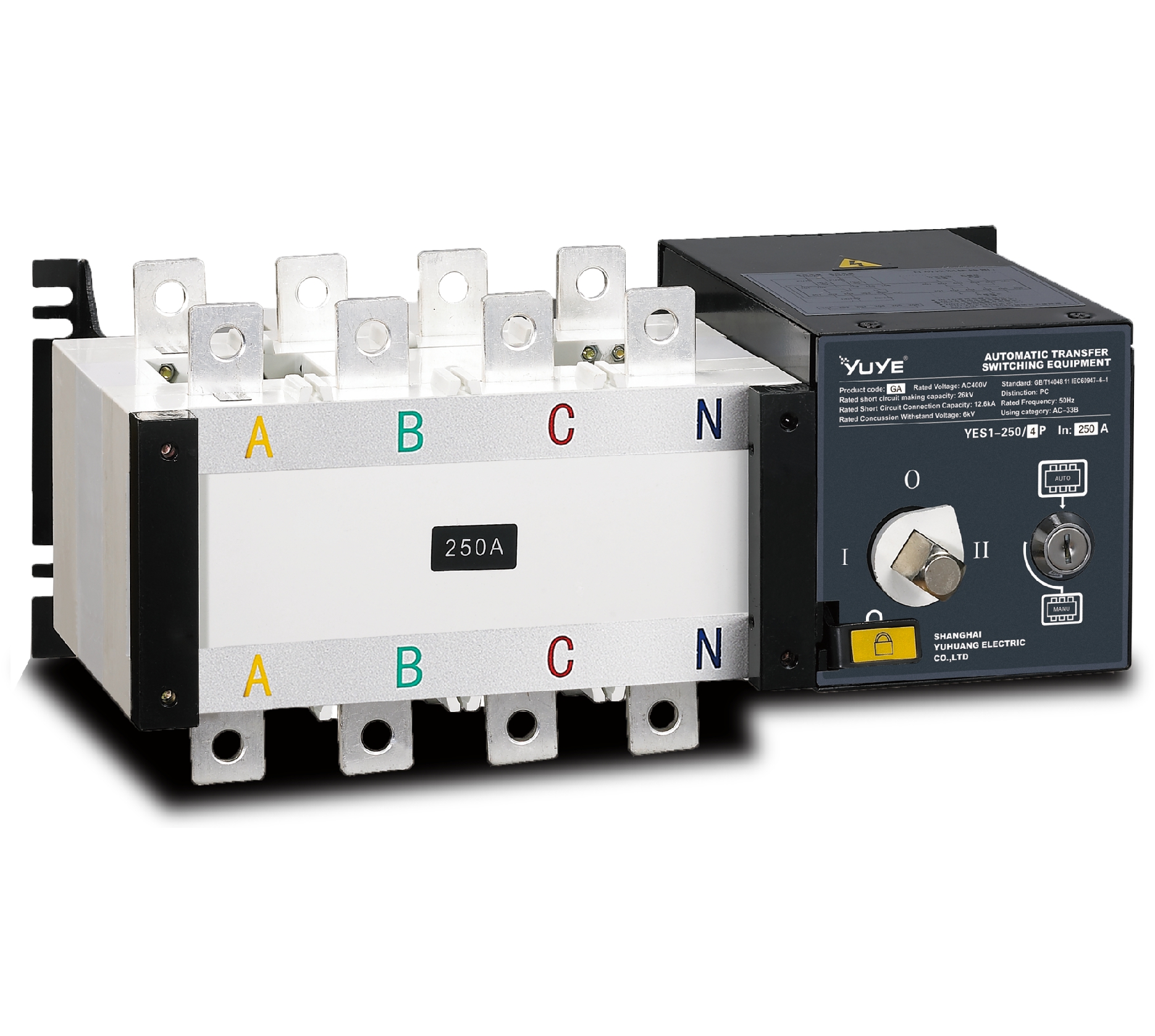 PC ATS YES1-100~3200GA1/GA
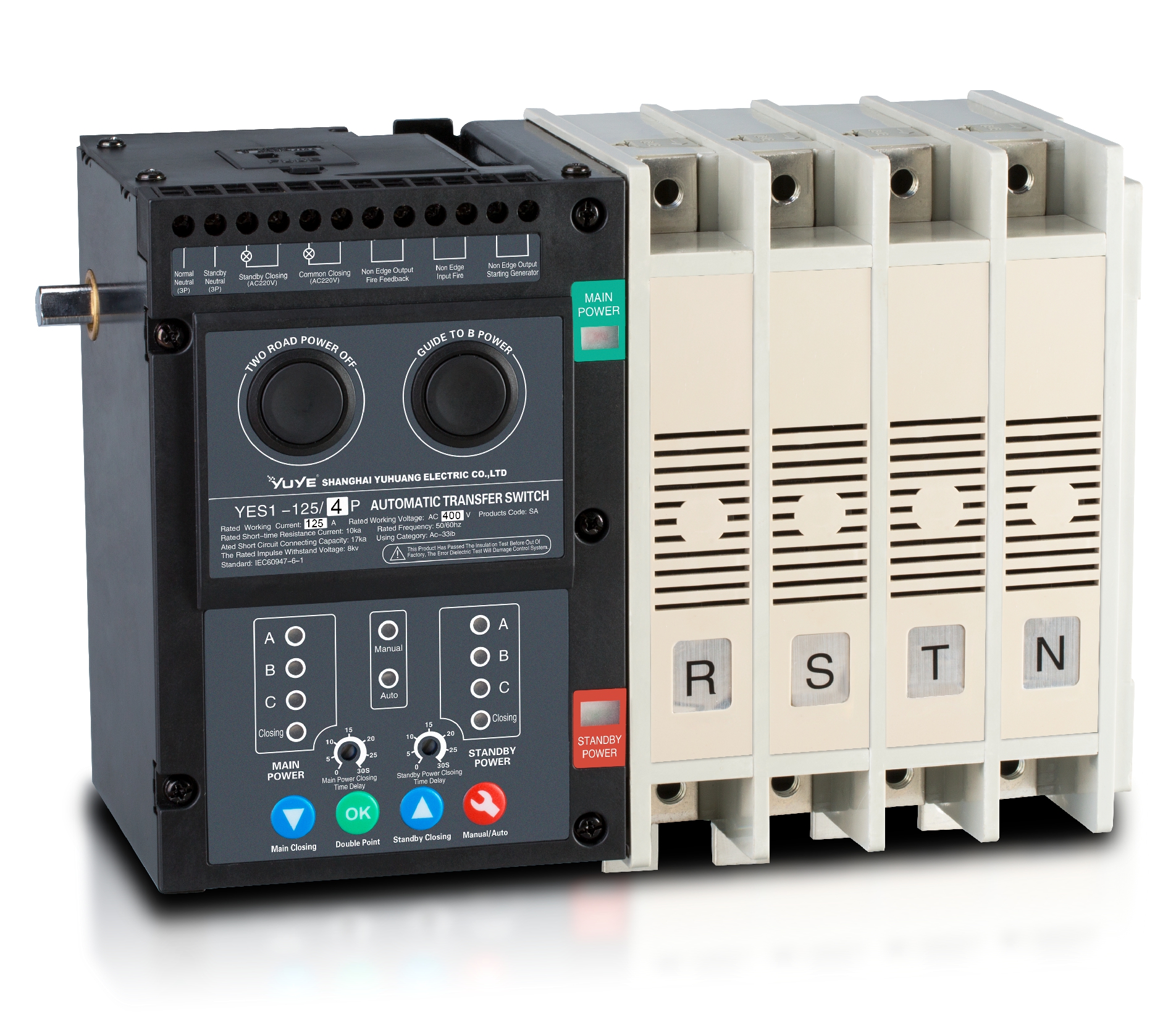 Solenoid-type ATS YES1-63~630SA
 Solenoid-type ATS YES1-63~630L/LA
 Solenoid-type ATS YES1-63~630LA3
 Solenoid-type ATS YES1-63MA
 PC ATS YES1-630~1600M
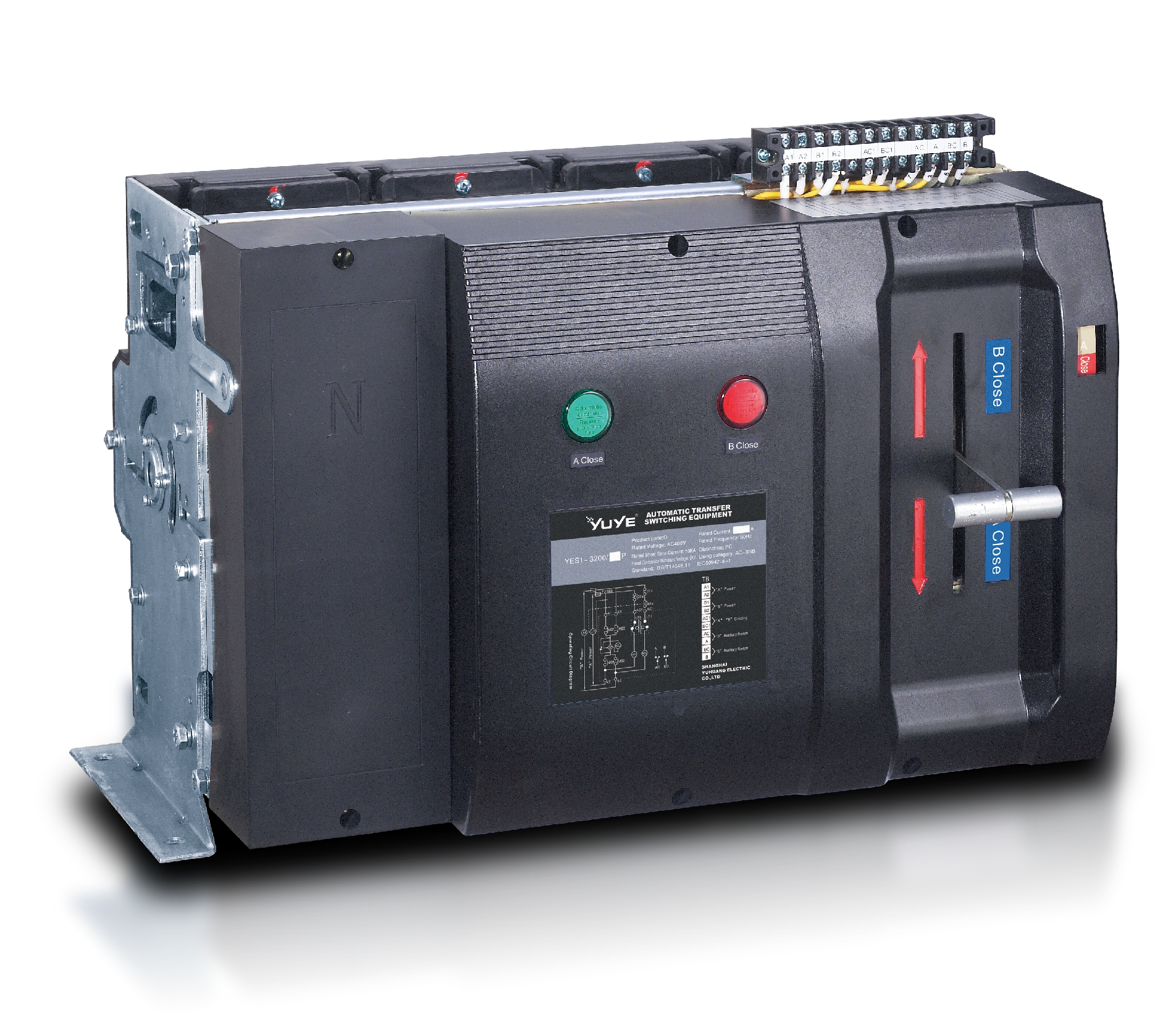 PC ATS YES1-3200Q
 Solenoid-type ATS YES1-4000~6300Q
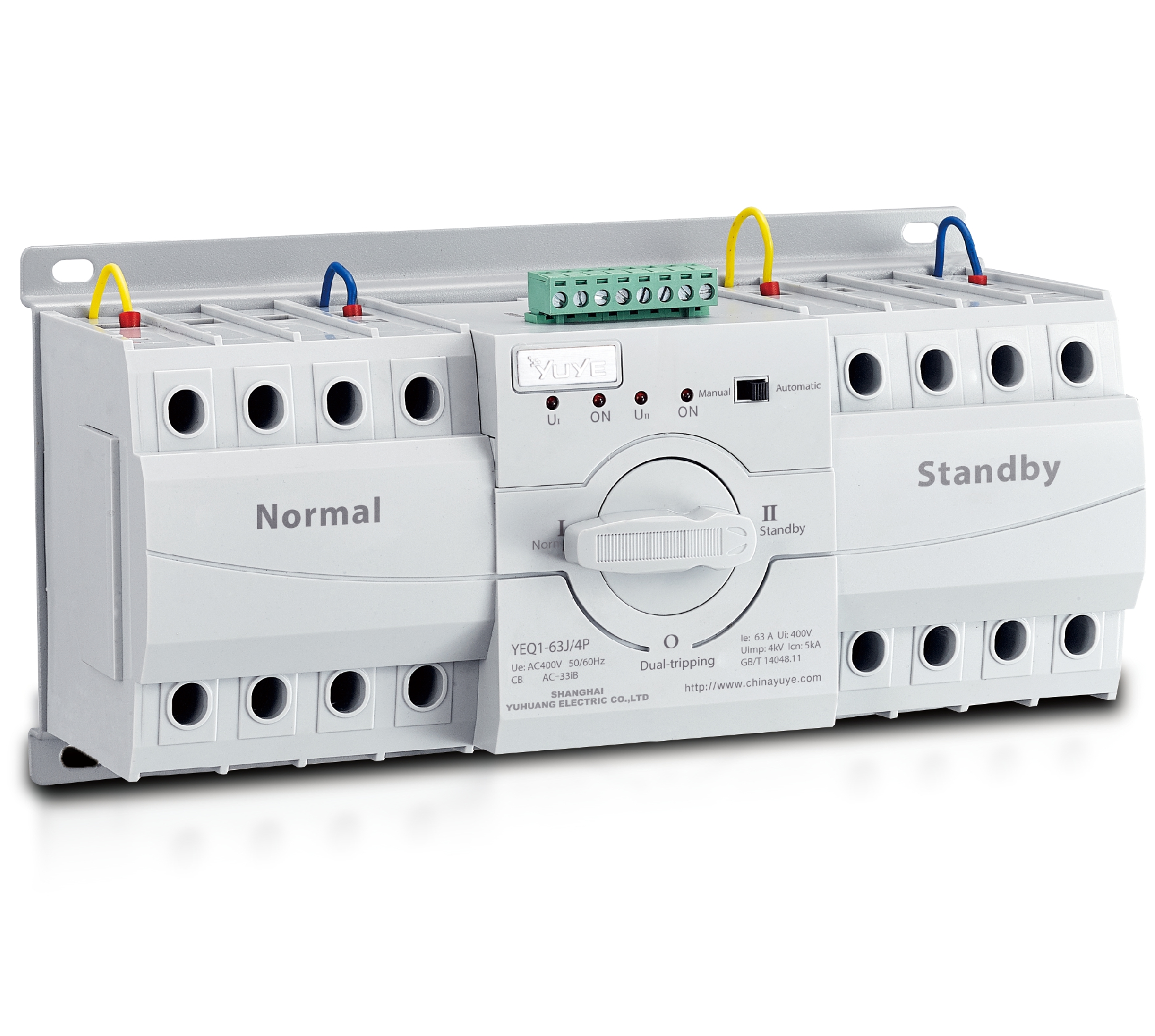 CB ATS YEQ1-63J
 CB ATS YEQ2Y-63
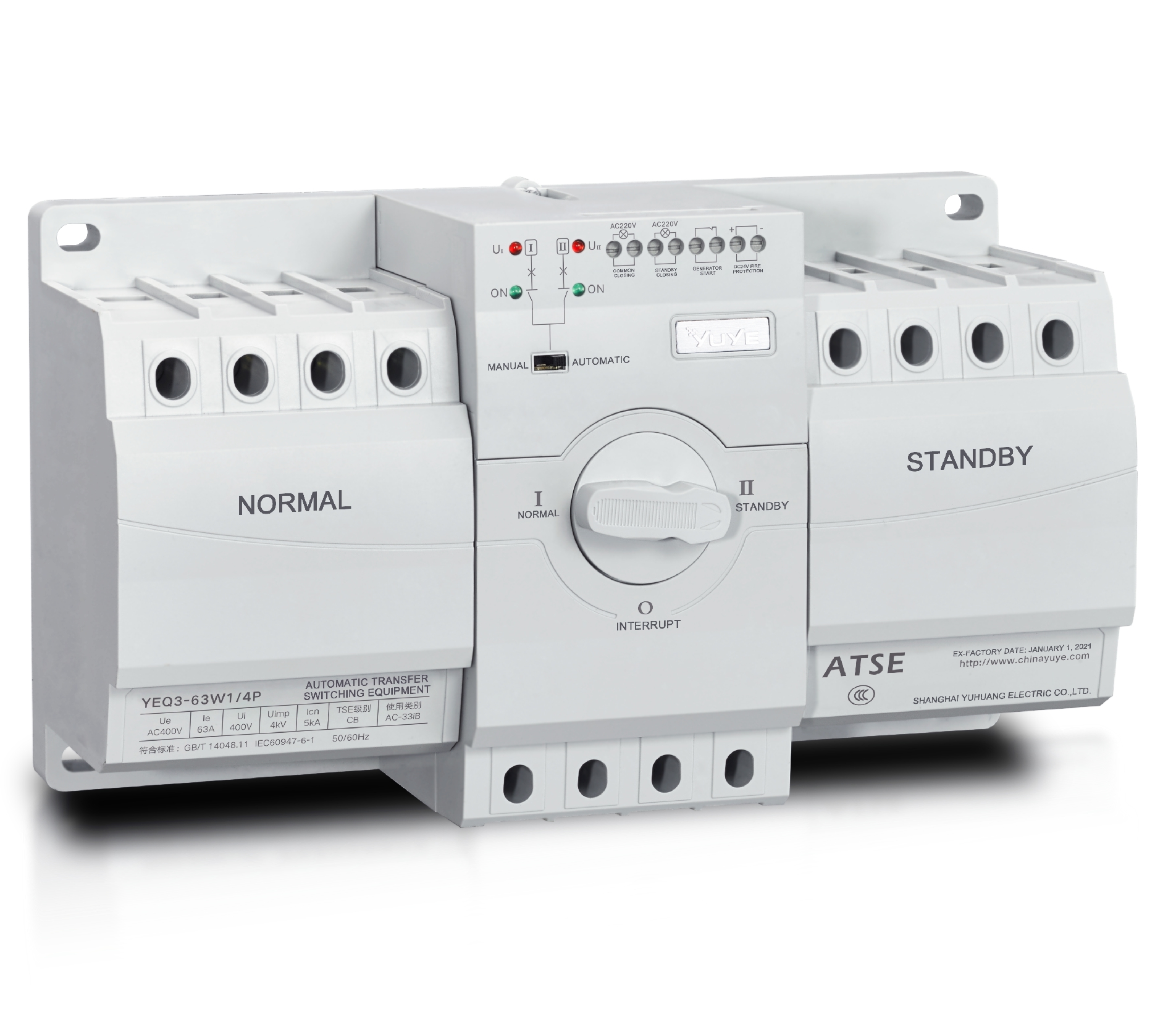 CB ATS YEQ3-63W1
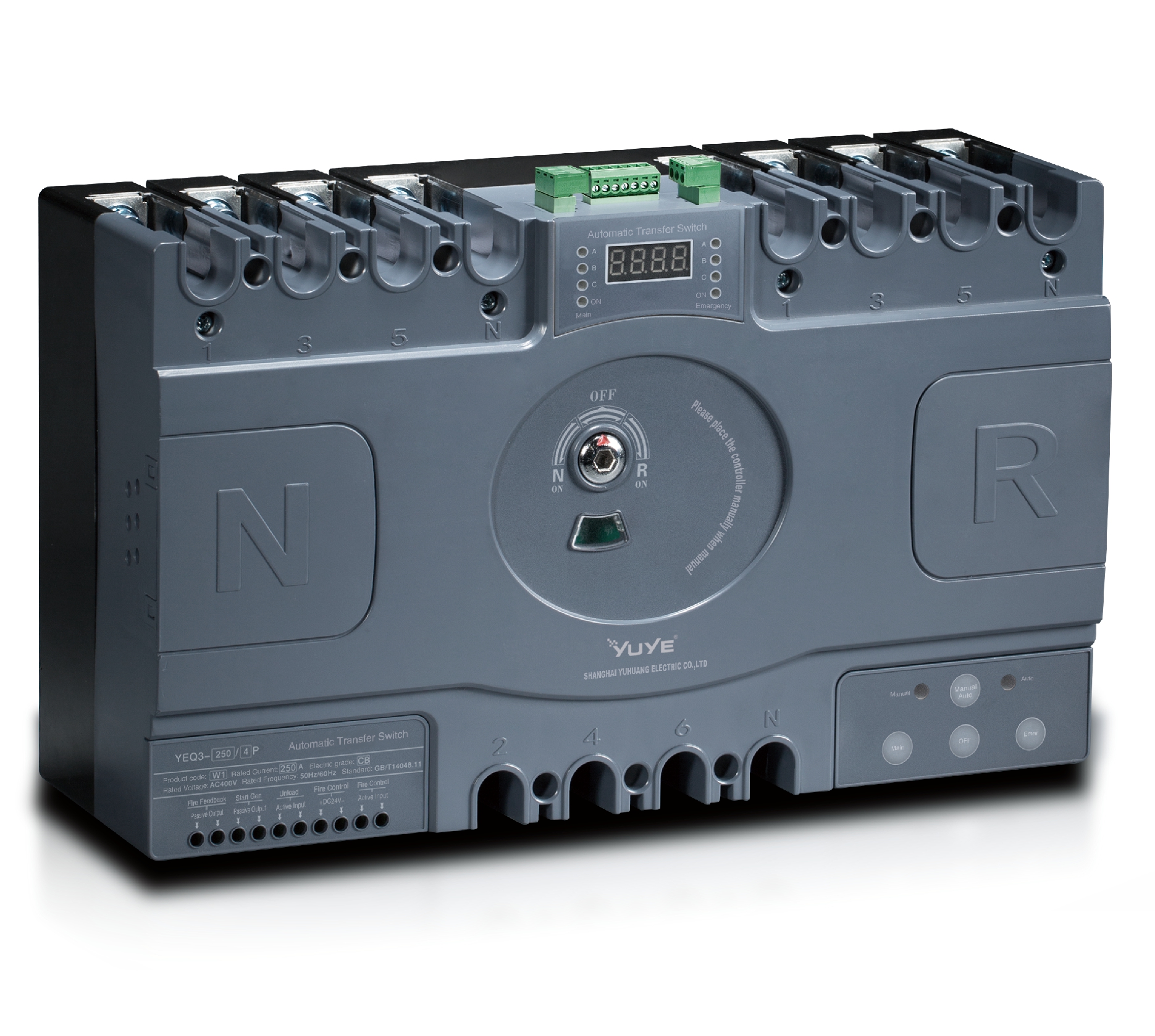 CB ATS YEQ3-125~630W1
 ATS controller Y-700
 ATS Controller Y-700N
 ATS Controller Y-701B
 ATS Controller Y-703N
 ATS Controller Y-800
 ATS Controller W2/W3 Series
 ATS switch Cabinet floor-to-ceiling
 ATS switch cabinet
 JXF-225A power Cbinet
 JXF-800A power Cbinet
 YEM3-125~800 Plastic Shell Type MCCB
 YEM3L-125~630 Leakage Type MCCB
 YEM3Z-125~800 Adjustable Type MCCB
 YEM1-63~1250 Plastic Shell Type MCCB
 YEM1E-100~800 Electronic Type MCCB
 YEM1L-100~630 Leakage Type MCCB
 Miniature circuit breaker YEMA2-6~100
 Miniature circuit breaker YEB1-3~63
 Miniature circuit breaker YEB1LE-3~63
 Miniature circuit breaker YEPN-3~32
 Miniature circuit breaker YEPNLE-3~32
 Miniature circuit breaker YENC-63~125
 Air Circuit Breaker YEW1-2000~6300
 Air Circuit Breaker YEW3-1600
 Load isolation switch YGL-63~3150
 Load Isolation Switch YGL2-63~3150
 Manual Changeover Switch YGL-100~630Z1A
 Manual Changeover Switch YGLZ1-100~3150
 YECPS2-45~125 LCD
 YECPS-45~125 Digital
 CNC Milling/Turning-OEM
 DC relay MDC-300M
 DC Isolation Switch YEGL3D-630
In power systems, transfer switches serve as critical equipment for switching between primary and backup power sources, with their performance directly impacting power supply continuity and safety. Based on operating methods, transfer switches are primarily categorized into automatic transfer switches (ATS) and manual transfer switches. Significant differences exist between the two in terms of working principles, applicable scenarios, and performance characteristics. The following provides a detailed comparative analysis across multiple dimensions.
I .Core Differences in Working Principles and Operation Methods
- An Automatic Transfer Switch (ATS) is an intelligent power switching device whose core feature is the ability to complete power source switching without manual intervention. It employs built-in voltage sensors, controllers, and actuators to continuously monitor parameters such as voltage and frequency of the primary power source. When the main power source fails (e.g., power outage, voltage anomaly), the ATS automatically activates the backup power source (e.g., generator). Once the backup power stabilizes, it swiftly switches the load to the backup supply. Upon restoration of the main power source, it automatically reverts to the main power and deactivates the backup. This entire process is program-controlled, enabling fully automated operation.
- Manual transfer switches, however, rely on human operation for switching. Typically designed as lever-type or knob-type devices, they require an operator to physically move the switch from the “Main Power” position to the “Backup Power” position during a main power failure. After power restoration, the switch must be manually returned to its original position. The switching process depends entirely on human judgment and operation, lacking any automatic monitoring or execution capabilities.
II. Comparison of Response Speed and Power Supply Continuity
- The significant advantage of ATS lies in its rapid response speed. Utilizing electronic monitoring and automatic execution mechanisms, its switching time is typically controlled within milliseconds to seconds (e.g., 3-10 seconds), minimizing power interruption duration. This makes it ideal for scenarios demanding extremely high power continuity (e.g., hospital operating rooms, data center servers). For instance, a three-phase automatic transfer switch can swiftly activate a diesel generator after a main power outage, ensuring industrial production lines remain operational without shutdown.
- In contrast, the response speed of manual transfer switches is constrained by the timeliness of human intervention. From detecting a power failure, reaching the switch location, to executing the transfer operation, the process often requires several minutes or longer, during which the load experiences complete power loss. While this delay may cause mere inconvenience in small-scale scenarios (e.g., interrupted home lighting), it can lead to severe losses in critical domains (e.g., financial trading systems, medical equipment).
III. Application Scenarios and Scope Classification
Due to its automation and high reliability, ATS is primarily deployed in critical facilities demanding uninterrupted power supply:
- Medical Field: Life support equipment in hospital ICUs and operating rooms;
- Industrial Production: Continuous production lines in chemical plants and semiconductor factories;
- Data Communication: Server clusters in data centers and communication base stations;
- Public Facilities: Emergency lighting and control systems in airports, subways, and large shopping malls.
Manual transfer switches are suitable for scenarios where power interruptions have minimal impact or backup power sources are used infrequently:
- Residential or small commercial settings: Switching between backup generators and utility power;
- Agricultural applications: Small-scale irrigation equipment, greenhouse ventilation systems;
- Temporary power sites: Switching backup power sources at construction sites;
- Low-load scenarios: Small office equipment, home refrigerators, and other non-critical loads.

IV.Differences in Structural Complexity and Maintenance Costs
- ATS units feature relatively complex structures, typically incorporating monitoring modules, control units, actuators (such as contactors or circuit breakers), and communication interfaces. Some high-end models also support remote monitoring and intelligent diagnostics. Maintenance requires professionals to periodically inspect sensor accuracy, controller programming, and wear on mechanical components, resulting in higher maintenance costs. Initial procurement expenses are also significantly higher than manual switches.
- Manual transfer switches feature extremely simple construction, primarily consisting of a switching handle, moving/fixed contacts, and mechanical interlocking devices. With no electronic components, they exhibit low failure rates. Maintenance requires only periodic checks of contact oxidation and mechanical operation flexibility, resulting in low costs. They are suitable for scenarios with limited budgets or weaker maintenance capabilities.
V.Safety and Operational Requirements Comparison
- ATS safety benefits from automated processes that minimize human error. For instance, built-in electrical and mechanical interlocks prevent short circuits between primary and backup power sources, while controllers monitor load status to avoid switching under load. However, ATS installation, commissioning, and troubleshooting require specialized expertise; unauthorized operation by non-professionals may cause equipment damage.
- The safety of manual transfer switches relies entirely on the operator’s expertise. Improper operation ( ) may cause arc burns, equipment short circuits, or even electric shock incidents. Therefore, manual switches typically require trained personnel who strictly follow the “de-energize-test for voltage-operate” procedure during switching.
VI.Summary: How to Select a Transfer Switch Based on Requirements?
An Automatic Transfer Switch (ATS) is the preferred choice for scenarios requiring “unattended operation, rapid response, and high reliability,” though it involves higher costs and maintenance demands. Manual transfer switches excel with their “simple structure, low cost, and intuitive operation,” making them suitable for small-scale loads and backup power sources with low usage frequency. In practical applications, decisions should balance power supply criticality, budget, and maintenance capabilities—prioritizing ATS for key facilities while employing manual switches for smaller or non-core scenarios to achieve an optimal balance between economic efficiency and safety in power systems.