
 PC ATS YECT1-2000G
 PC ATS YES2-63~250GN1
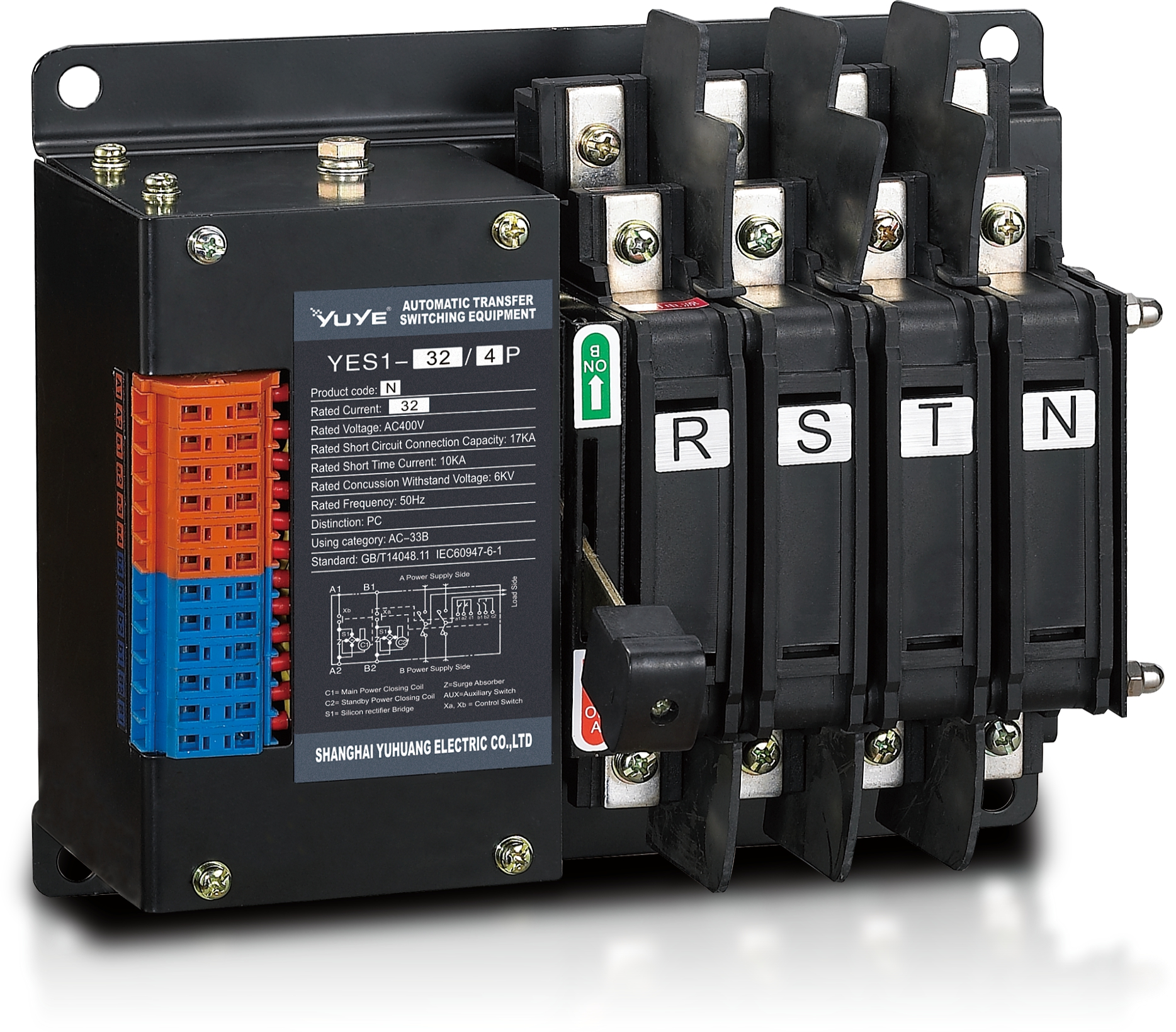 Solenoid-type ATS YES1-32~125N
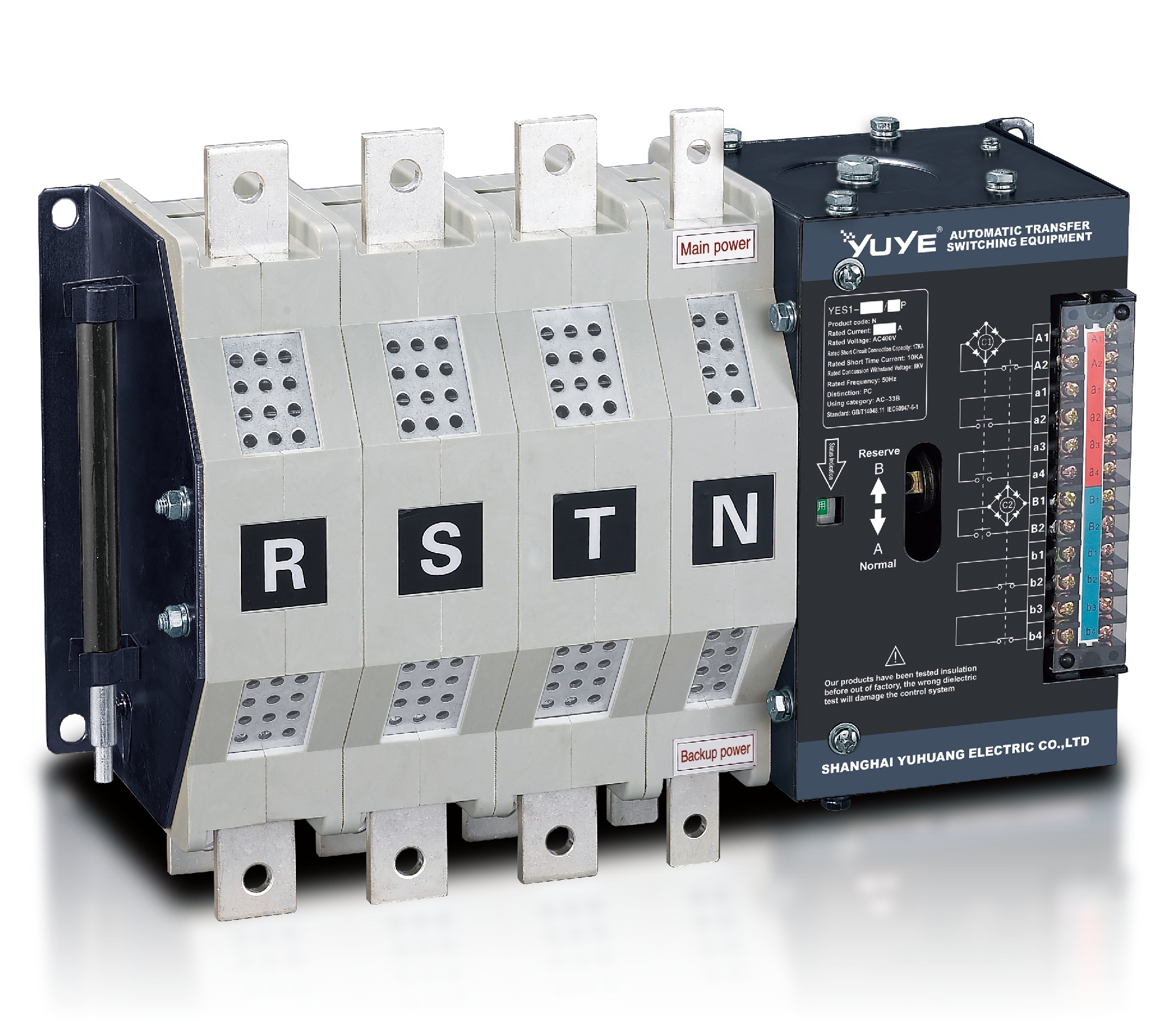 Solenoid-type ATS YES1-250~630N/NT
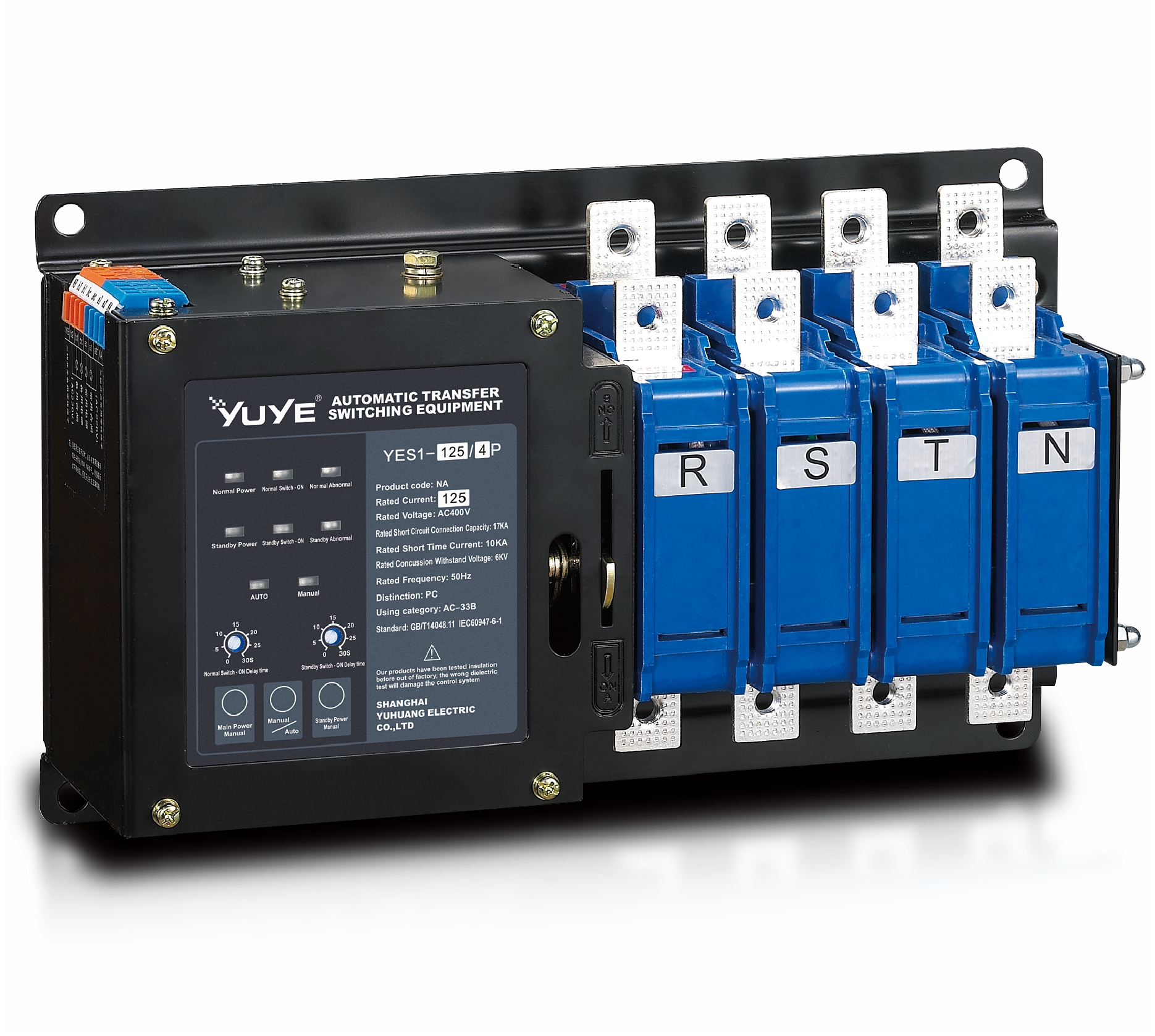 Solenoid-type ATS YES1-32~125NA
 Solenoid-type ATS YES1-63~630SN
 Solenoid-type ATS YES1-1250~4000SN
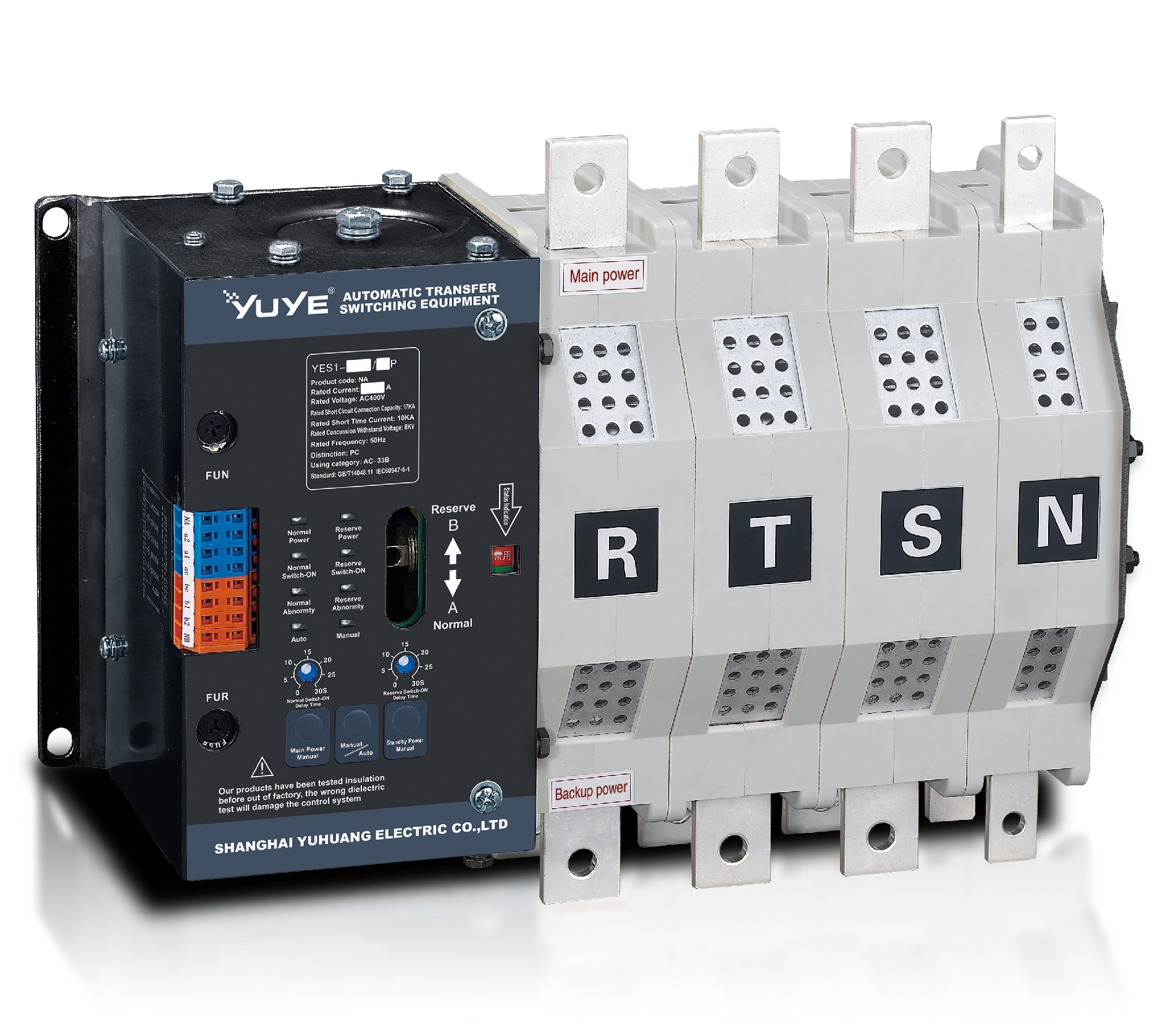 Solenoid-type ATS YES1-250~630NA/NAT
 Solenoid-type ATS YES1-63NJT
 PC ATS YES1-100~1600GN1/GN/GNF
 PC ATS YES1-2000~3200GN/GNF
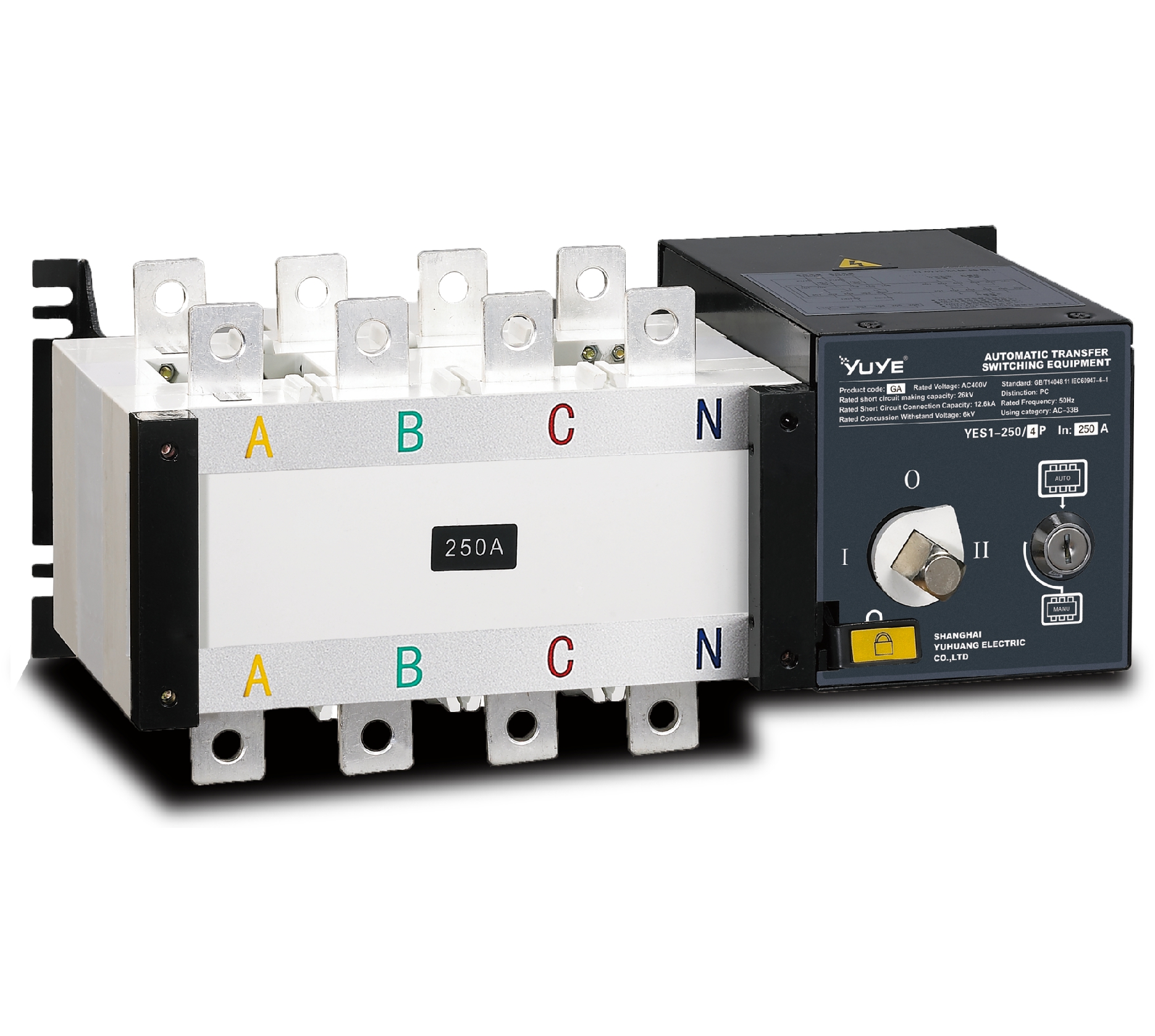 PC ATS YES1-100~3200GA1/GA
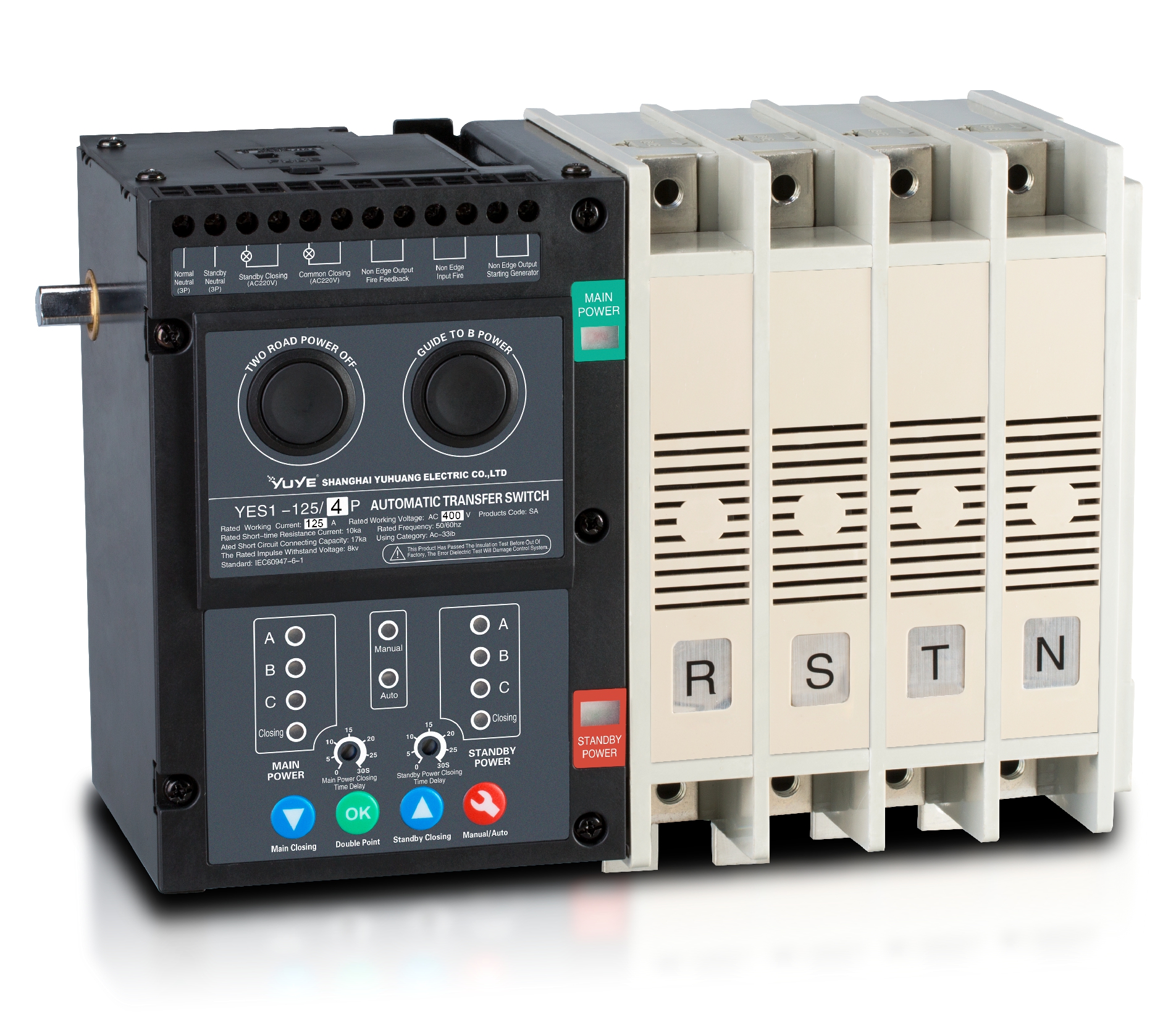 Solenoid-type ATS YES1-63~630SA
 Solenoid-type ATS YES1-63~630L/LA
 Solenoid-type ATS YES1-63~630LA3
 Solenoid-type ATS YES1-63MA
 PC ATS YES1-630~1600M
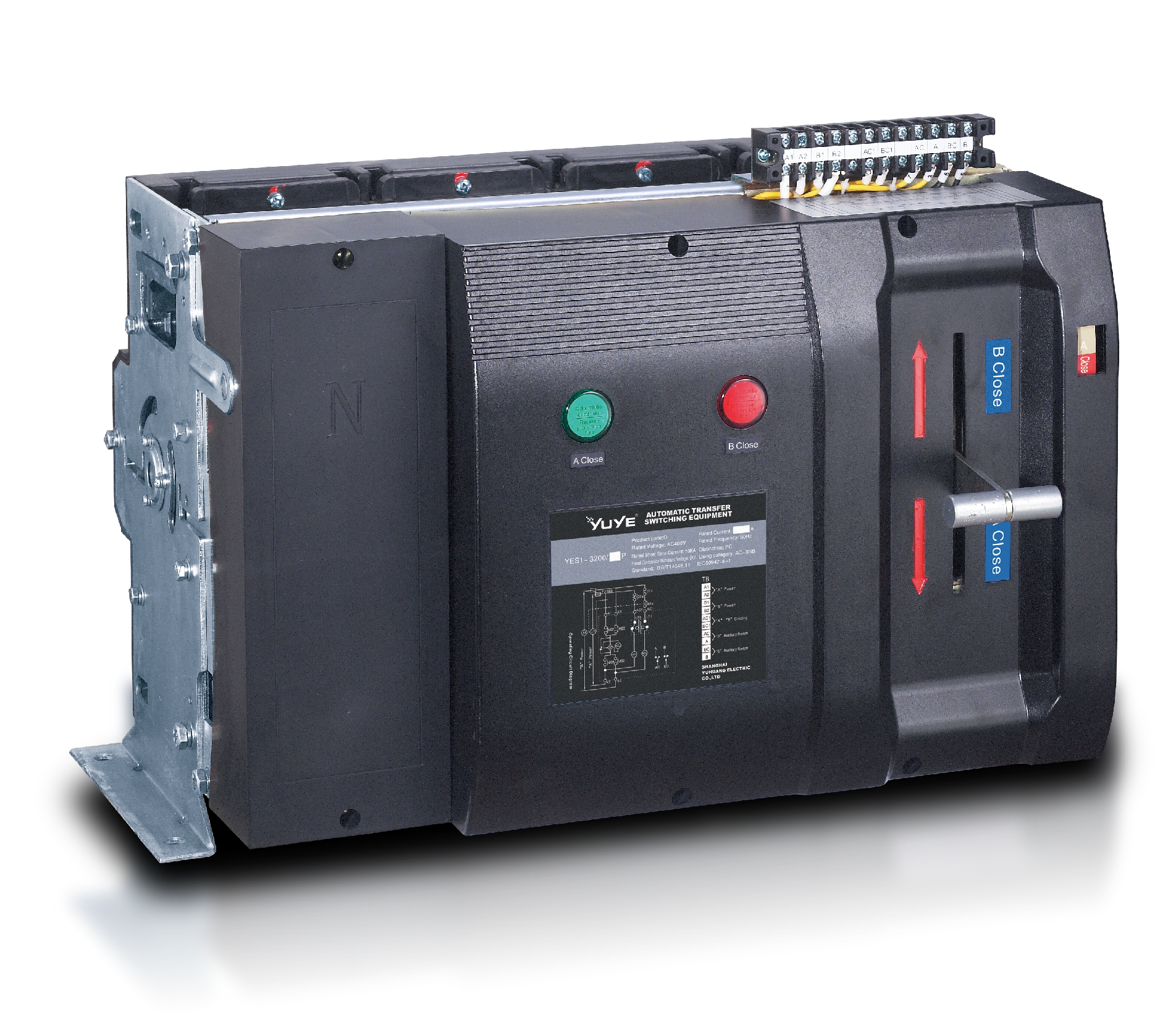 PC ATS YES1-3200Q
 Solenoid-type ATS YES1-4000~6300Q
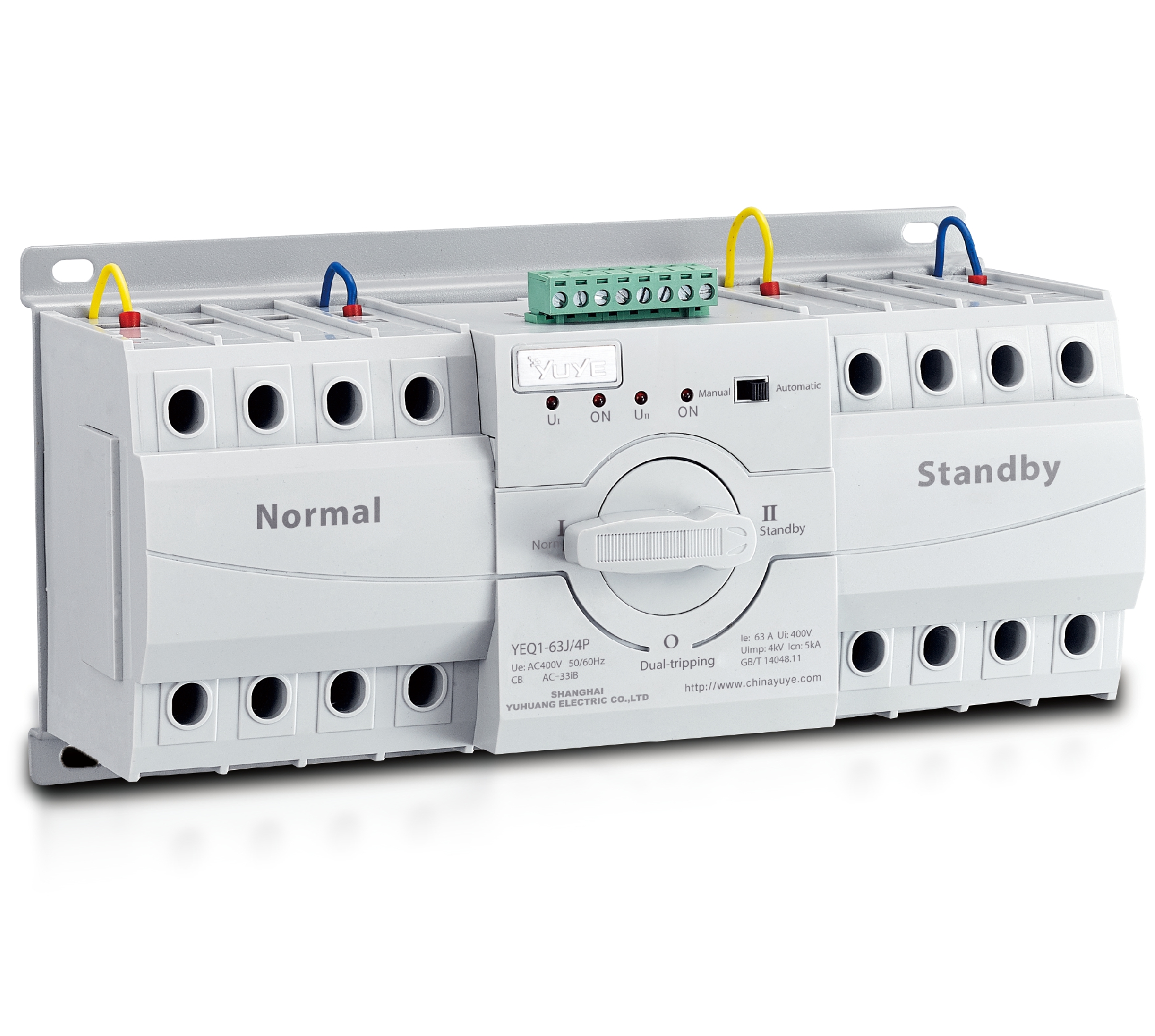 CB ATS YEQ1-63J
 CB ATS YEQ2Y-63
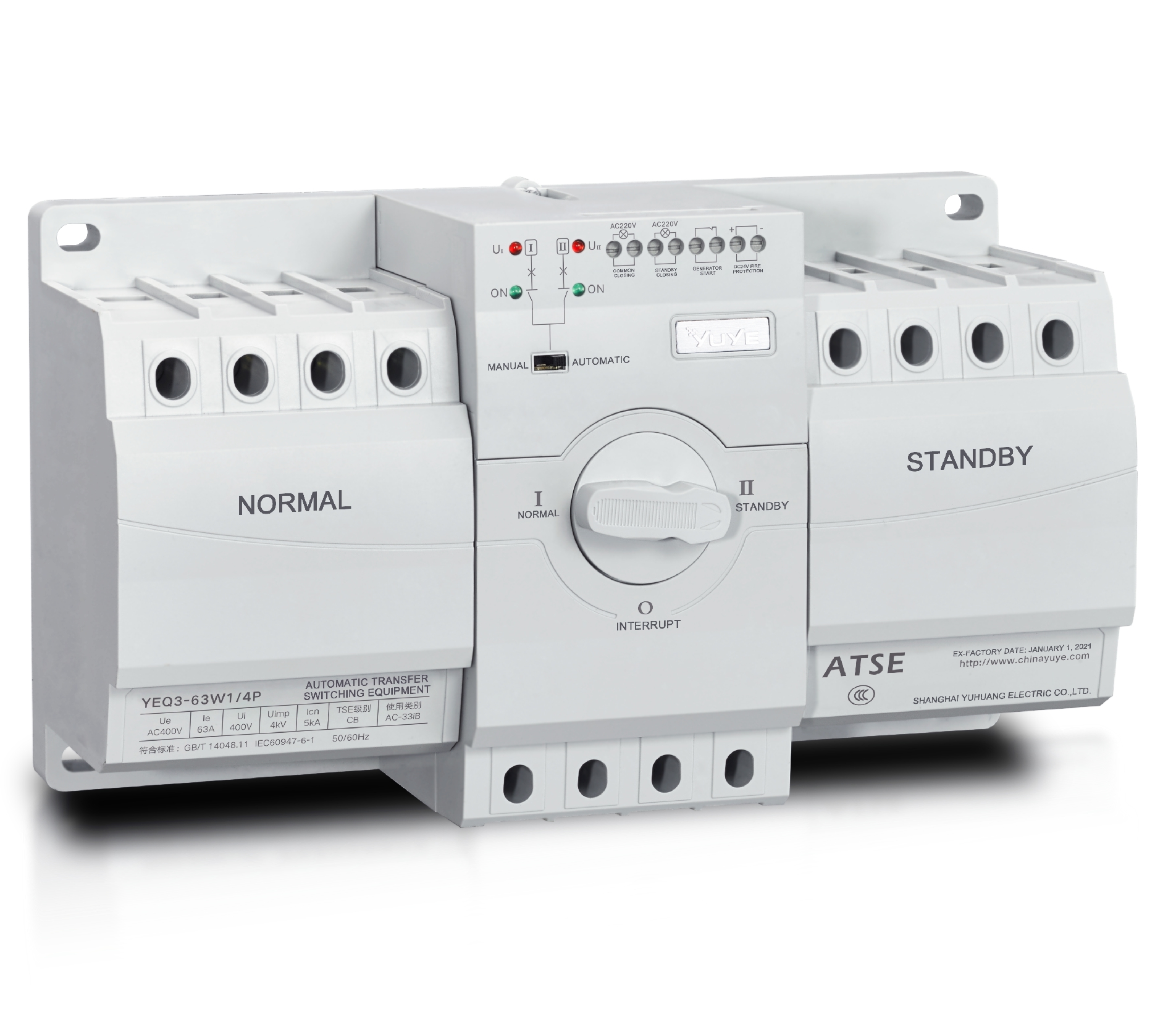 CB ATS YEQ3-63W1
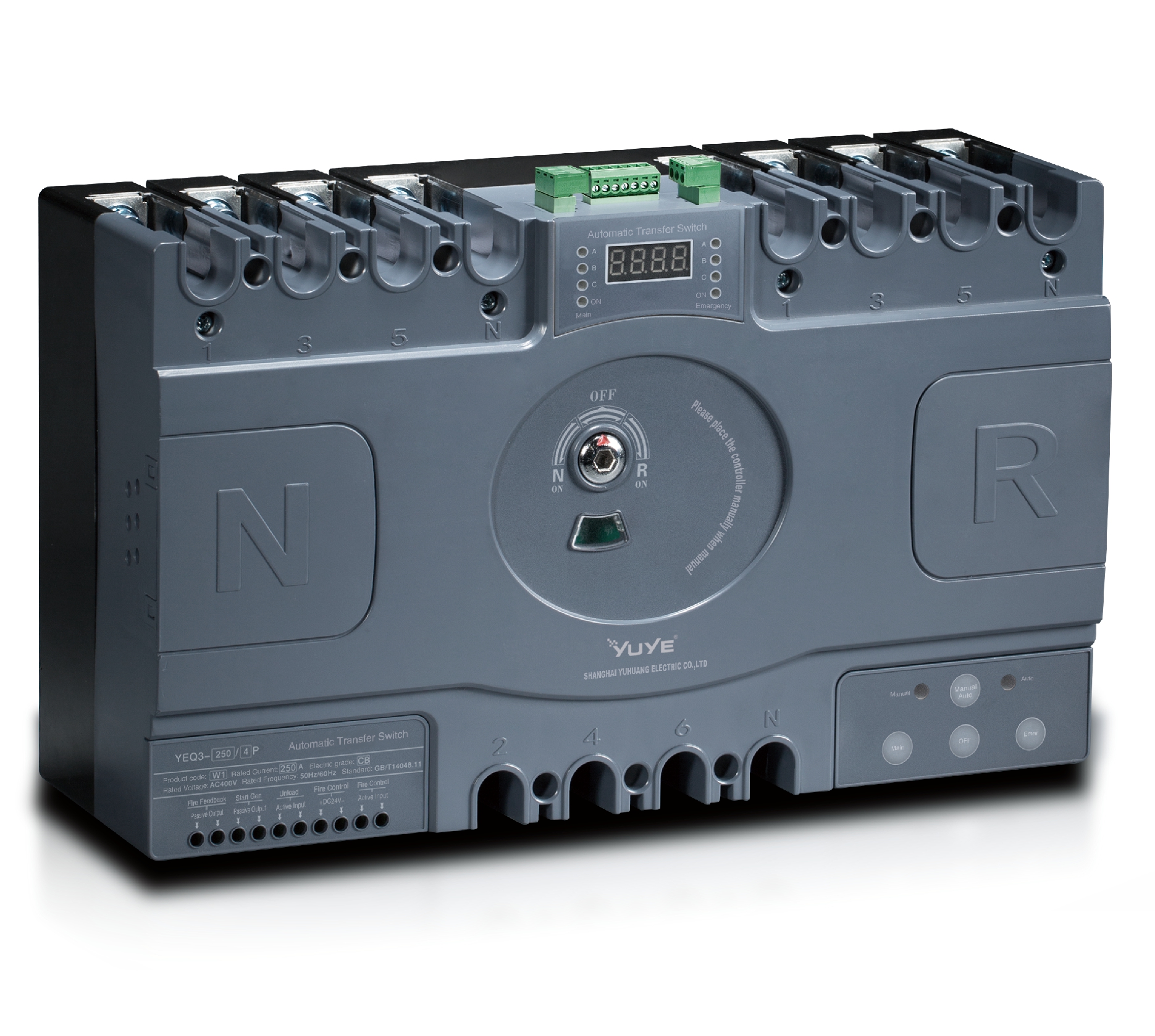 CB ATS YEQ3-125~630W1
 ATS controller Y-700
 ATS Controller Y-700N
 ATS Controller Y-701B
 ATS Controller Y-703N
 ATS Controller Y-800
 ATS Controller W2/W3 Series
 ATS switch Cabinet floor-to-ceiling
 ATS switch cabinet
 JXF-225A power Cbinet
 JXF-800A power Cbinet
 YEM3-125~800 Plastic Shell Type MCCB
 YEM3L-125~630 Leakage Type MCCB
 YEM3Z-125~800 Adjustable Type MCCB
 YEM1-63~1250 Plastic Shell Type MCCB
 YEM1E-100~800 Electronic Type MCCB
 YEM1L-100~630 Leakage Type MCCB
 Miniature circuit breaker YEMA2-6~100
 Miniature circuit breaker YEB1-3~63
 Miniature circuit breaker YEB1LE-3~63
 Miniature circuit breaker YEPN-3~32
 Miniature circuit breaker YEPNLE-3~32
 Miniature circuit breaker YENC-63~125
 Air Circuit Breaker YEW1-2000~6300
 Air Circuit Breaker YEW3-1600
 Load isolation switch YGL-63~3150
 Load Isolation Switch YGL2-63~3150
 Manual Changeover Switch YGL-100~630Z1A
 Manual Changeover Switch YGLZ1-100~3150
 YECPS2-45~125 LCD
 YECPS-45~125 Digital
 CNC Milling/Turning-OEM
 DC relay MDC-300M
 DC Isolation Switch YEGL3D-630
1.Introduction: The Challenge of Modern Low-Voltage Protection
As electrical systems evolve, distribution panels are required to handle more circuits within increasingly compact spaces. At the same time, safety expectations continue to rise due to stricter standards and higher load densities. Designers and engineers must therefore strike a careful balance between protection reliability, physical size, and overall system performance. In this context, Miniature Circuit Breakers MCB have become a core component in modern low-voltage installations.
2.Why Compact Protection Matters in Modern Electrical Panels
Space efficiency is no longer a convenience—it is a necessity. Residential and commercial panels often operate within tight enclosure dimensions, especially in renovation projects or modular buildings. Compact protection devices allow higher circuit density while maintaining clear wiring paths and adequate heat dissipation. This improves not only safety but also installation efficiency and future expandability.
3.Trip Characteristics and Their Impact on System Reliability
Selecting the correct trip characteristic is essential to system stability. Different loads respond differently to inrush currents, and an inappropriate trip curve can result in nuisance tripping or insufficient protection. Matching breaker characteristics to real operating conditions ensures reliable fault isolation while minimizing unnecessary downtime, particularly in mixed-load environments.
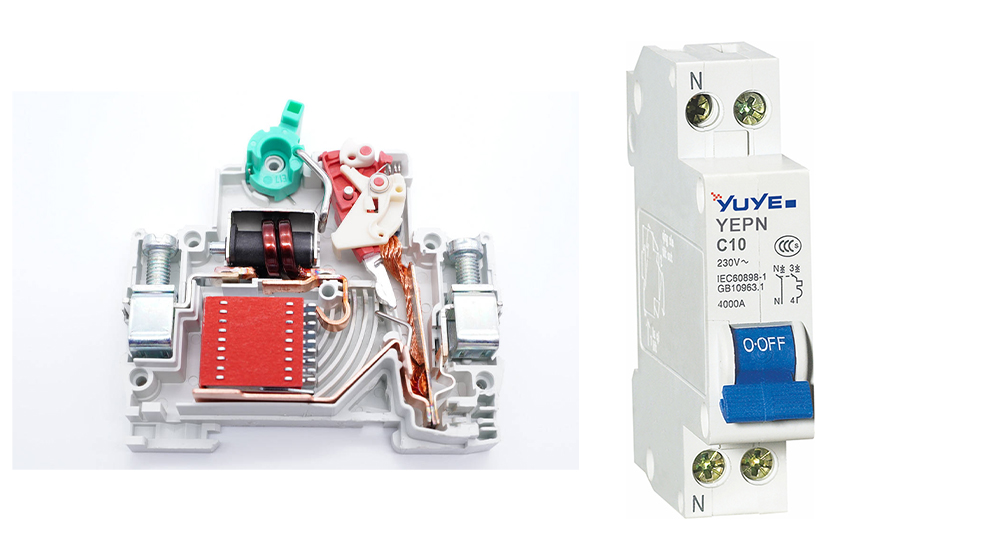
4.Thermal and Magnetic Protection: How Safety Is Achieved
Modern low-voltage protection relies on a combination of thermal and magnetic mechanisms. Thermal elements respond to sustained overloads, protecting conductors from overheating, while magnetic elements react almost instantaneously to short-circuit events. This dual protection approach allows Miniature Circuit Breakers MCB to safeguard both equipment and cabling under a wide range of fault conditions.
5.Application Scenarios in Residential, Commercial, and Light Industrial Systems
In residential installations, compact breakers protect lighting, socket outlets, and household appliances. Commercial buildings depend on them for office circuits, retail spaces, and auxiliary systems. In light industrial environments, they are commonly used in control panels and secondary distribution boards where space constraints and operational reliability are equally important.
6.Selection Tips for Optimizing Space Without Sacrificing Performance
Proper selection starts with rated current and breaking capacity, ensuring the device can safely interrupt expected fault levels. Installation conditions such as ambient temperature, grouping effects, and enclosure ventilation must also be considered. Compliance with international standards helps ensure consistent performance and long-term reliability across different markets. When correctly selected, Miniature Circuit Breakers MCB support both compact design and dependable protection.
7.Conclusion: Achieving the Right Balance in Electrical System Design
Balancing safety, size, and performance is a defining challenge in modern electrical design. By focusing on appropriate protection characteristics, compact form factors, and standard compliance, engineers can build systems that are both safe and scalable. Thoughtful selection of low-voltage protection devices ultimately contributes to safer installations, easier maintenance, and more resilient power distribution.
Content Reference Sources
-
IEC 60898-1 – Electrical accessories: Circuit-breakers for overcurrent protection for household and similar installations
-
IEC 60947-2 – Low-voltage switchgear and controlgear: Circuit-breakers
-
Schneider Electric Technical Guide – Circuit Protection Devices in Low-Voltage Systems
FAQ
Q1: What is the main advantage of miniature circuit breakers over traditional fuses?
A: They provide reusable protection with consistent trip characteristics and faster fault isolation, reducing maintenance and downtime.
Q2: How do I choose the correct trip curve for my application?
A: The choice depends on load type—resistive loads typically use B curves, while inductive loads such as motors often require C or D curves.
Q3: Are miniature circuit breakers suitable for industrial environments?
A: They are widely used in light industrial and auxiliary circuits, but higher-rated breakers may be required for heavy industrial applications.