
 PC ATS YECT1-2000G
 PC ATS YES2-63~250GN1
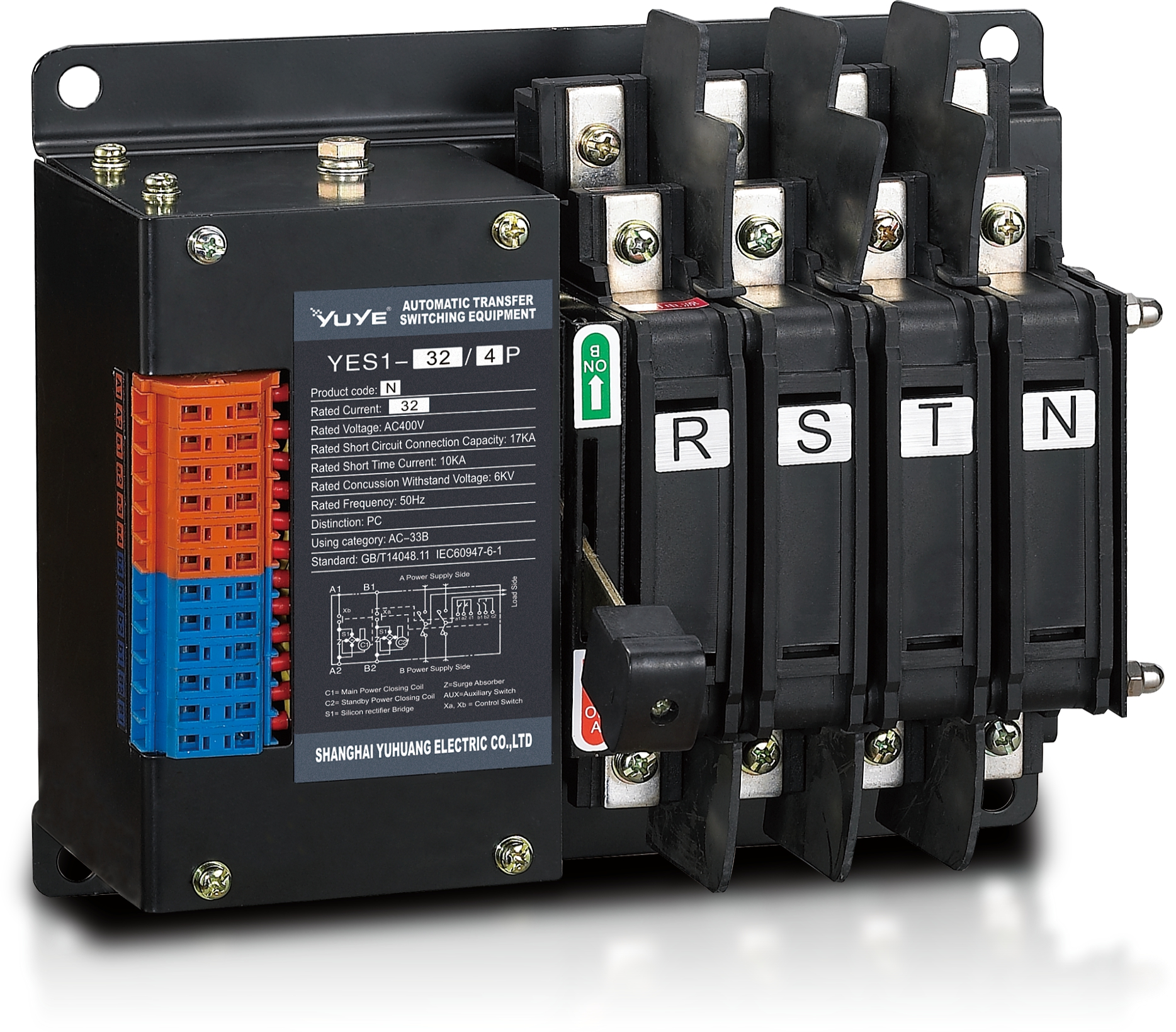 Solenoid-type ATS YES1-32~125N
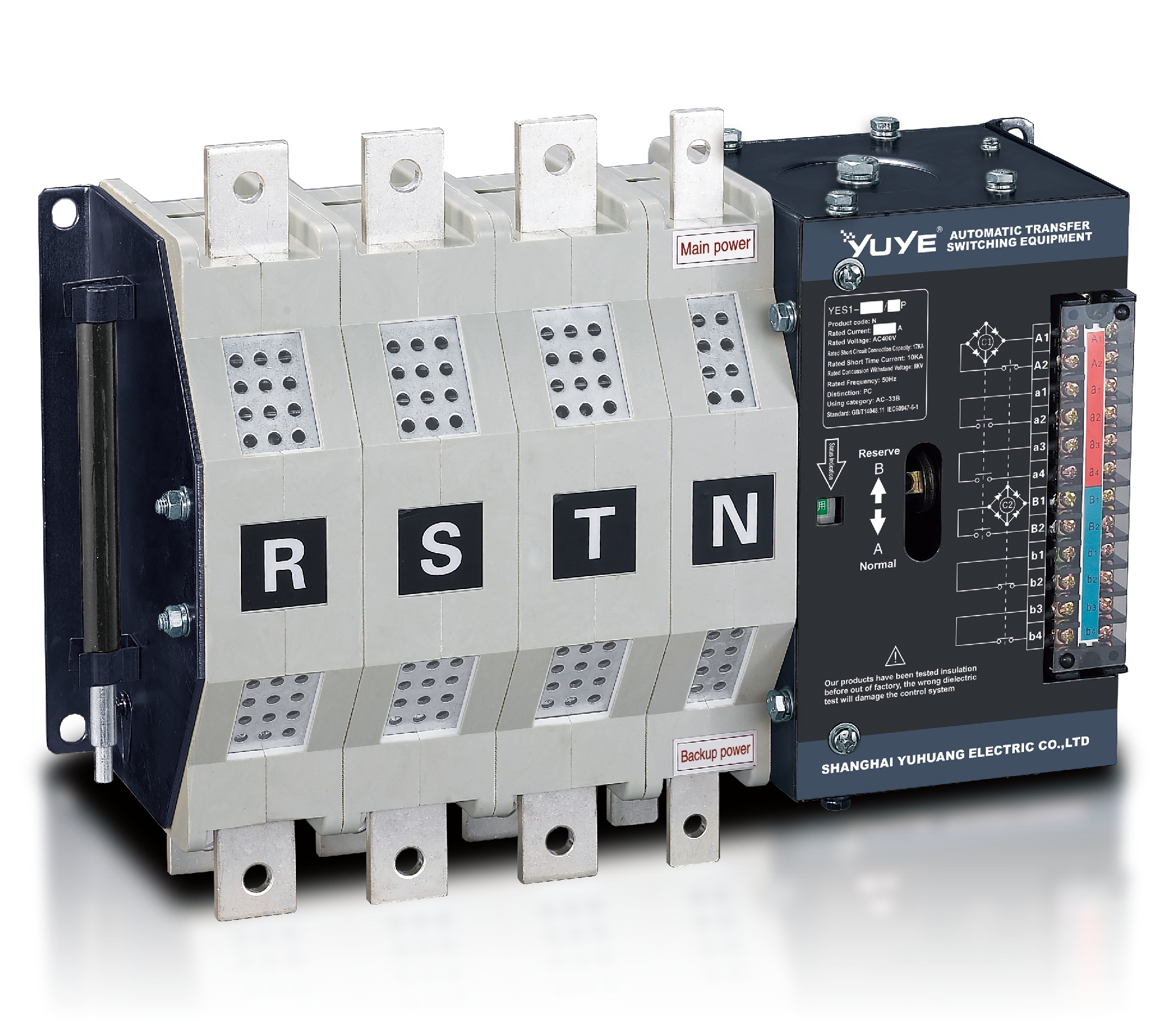 Solenoid-type ATS YES1-250~630N/NT
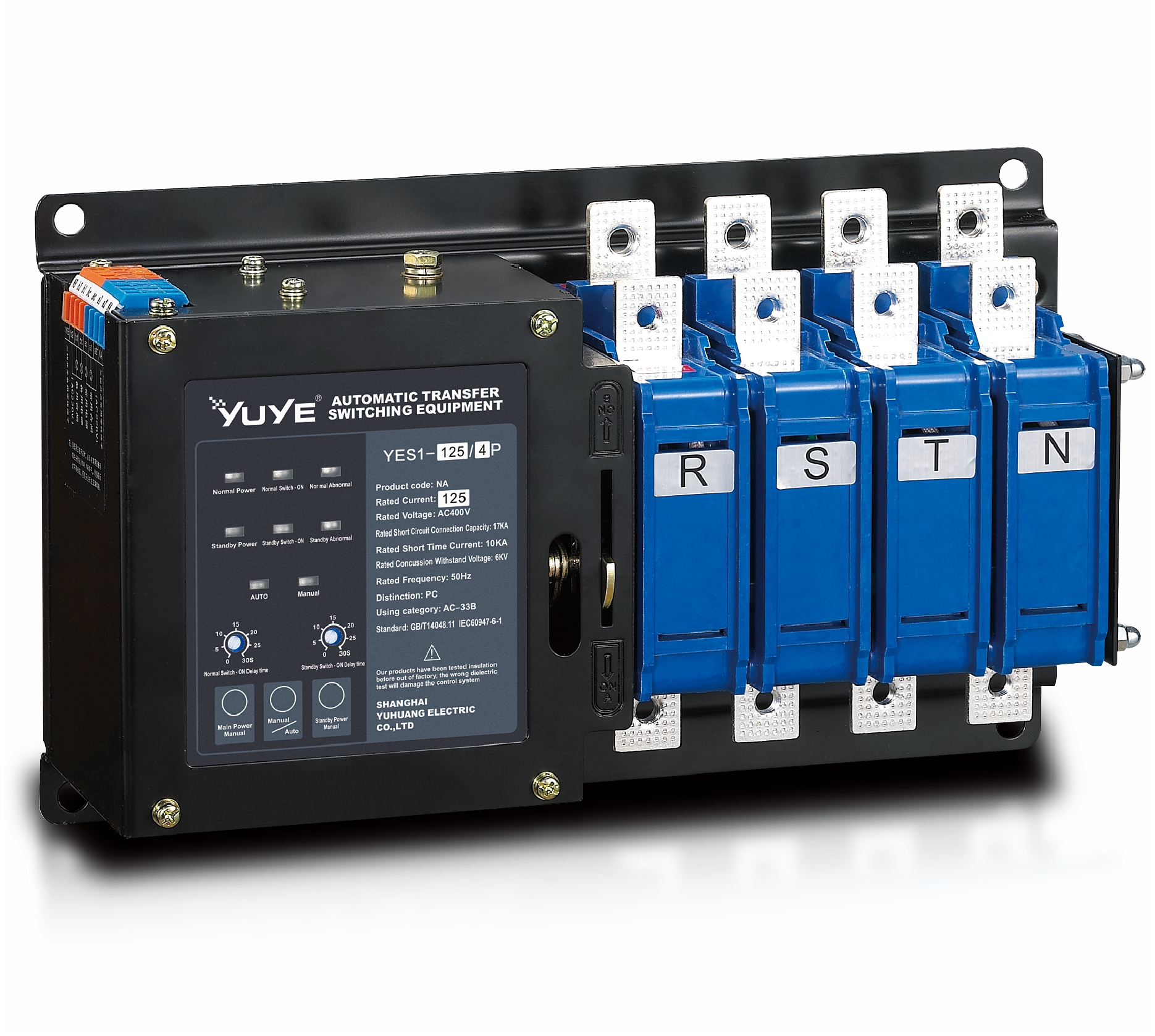 Solenoid-type ATS YES1-32~125NA
 Solenoid-type ATS YES1-63~630SN
 Solenoid-type ATS YES1-1250~4000SN
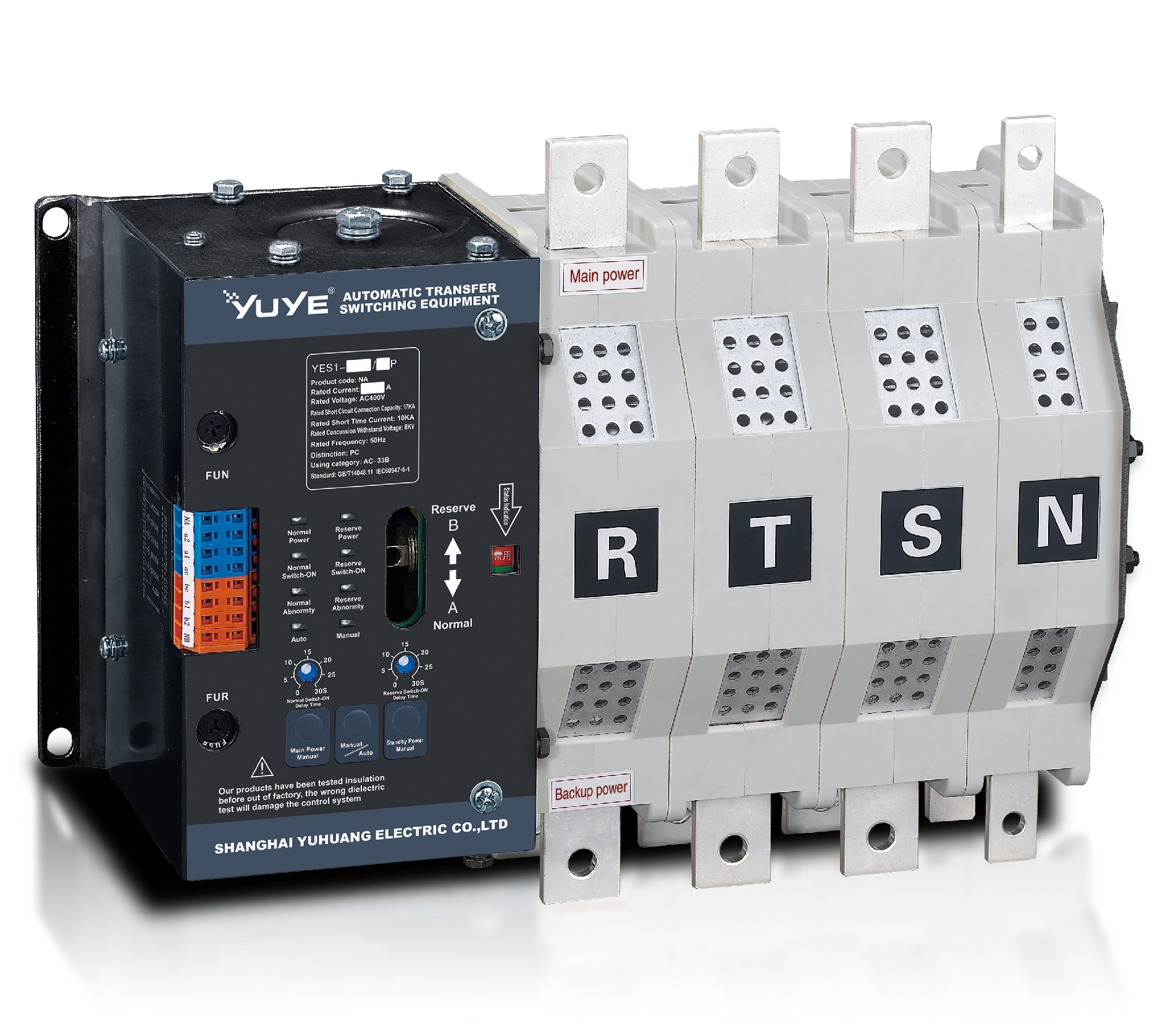 Solenoid-type ATS YES1-250~630NA/NAT
 Solenoid-type ATS YES1-63NJT
 PC ATS YES1-100~1600GN1/GN/GNF
 PC ATS YES1-2000~3200GN/GNF
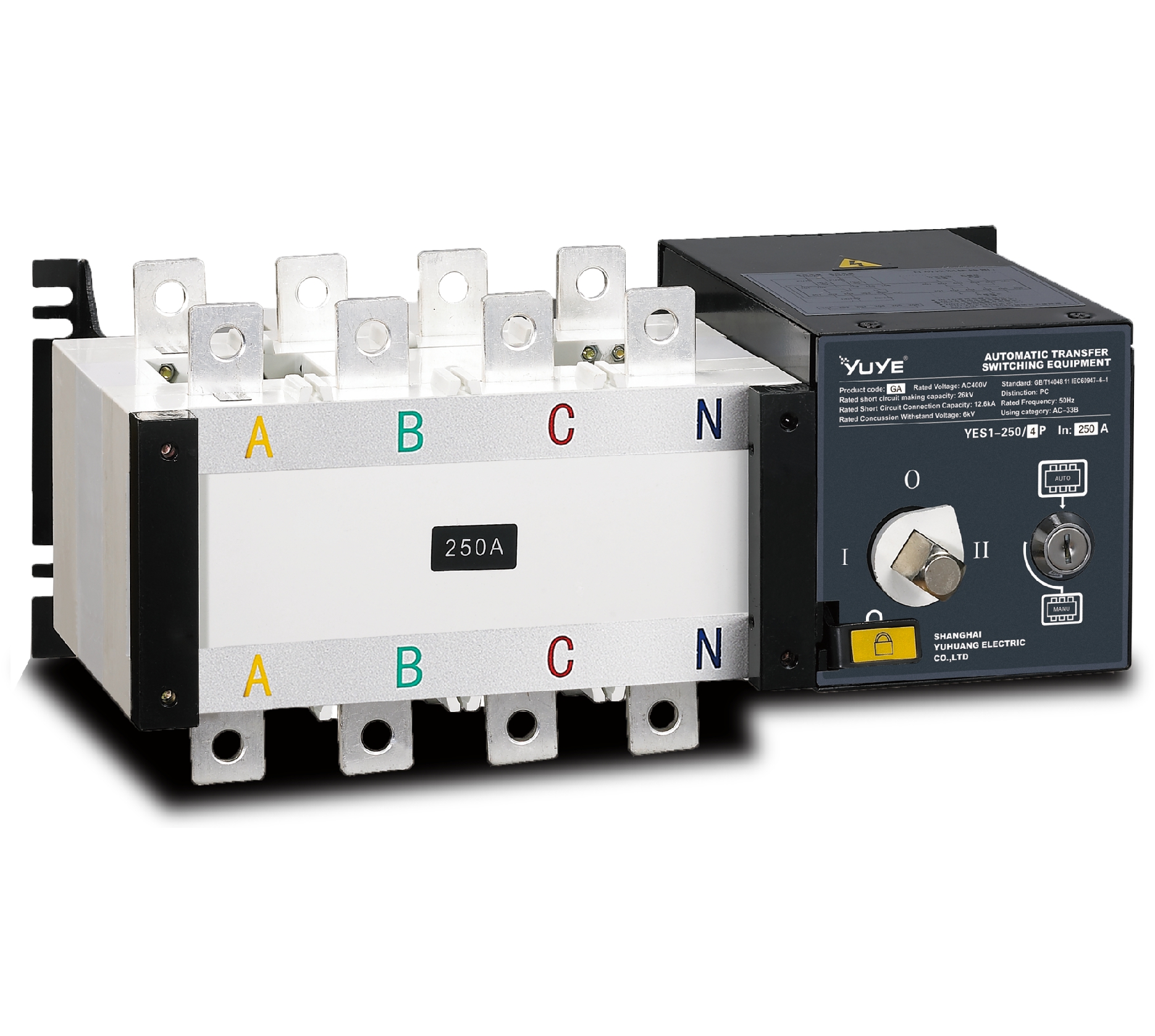 PC ATS YES1-100~3200GA1/GA
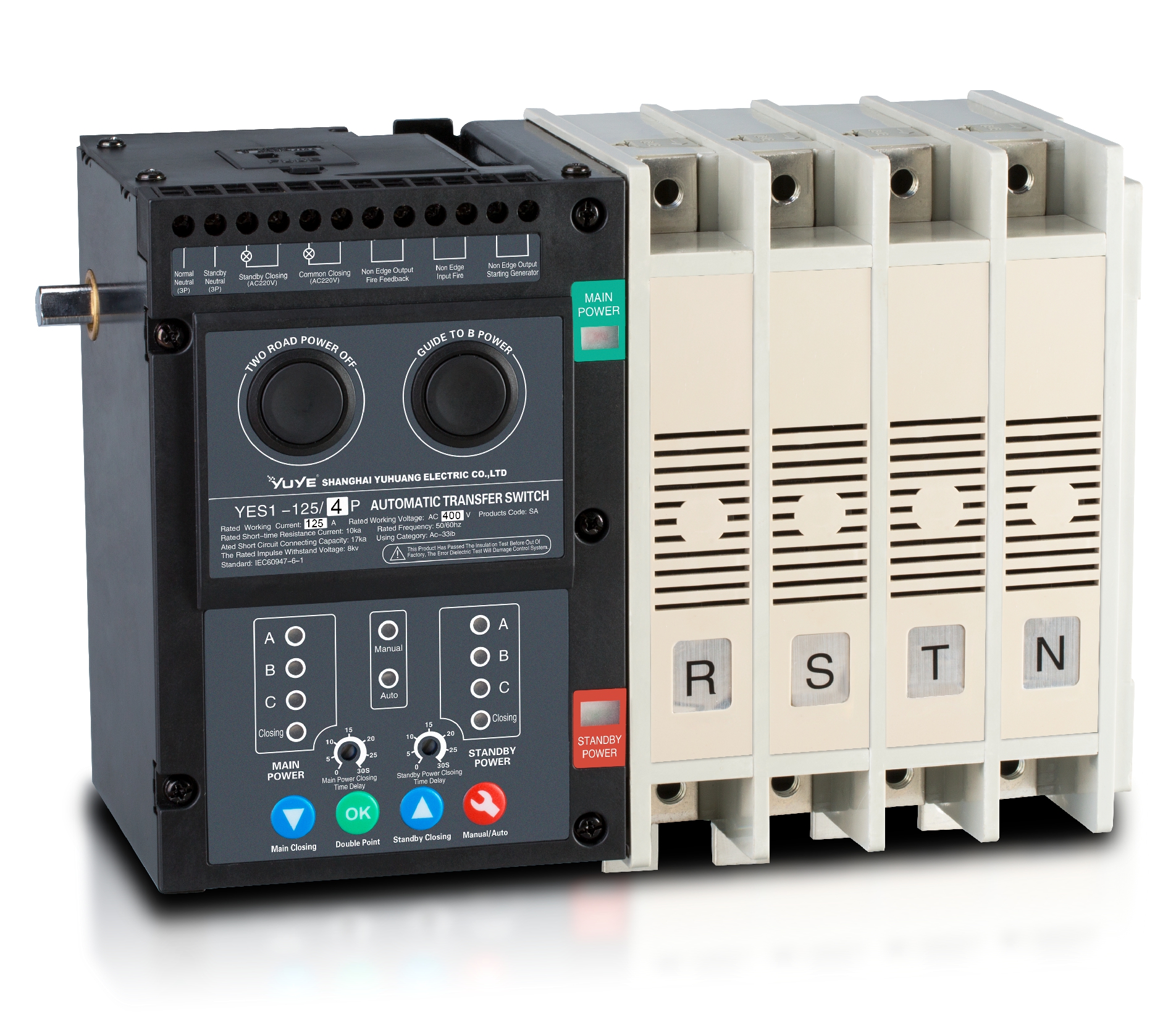 Solenoid-type ATS YES1-63~630SA
 Solenoid-type ATS YES1-63~630L/LA
 Solenoid-type ATS YES1-63~630LA3
 Solenoid-type ATS YES1-63MA
 PC ATS YES1-630~1600M
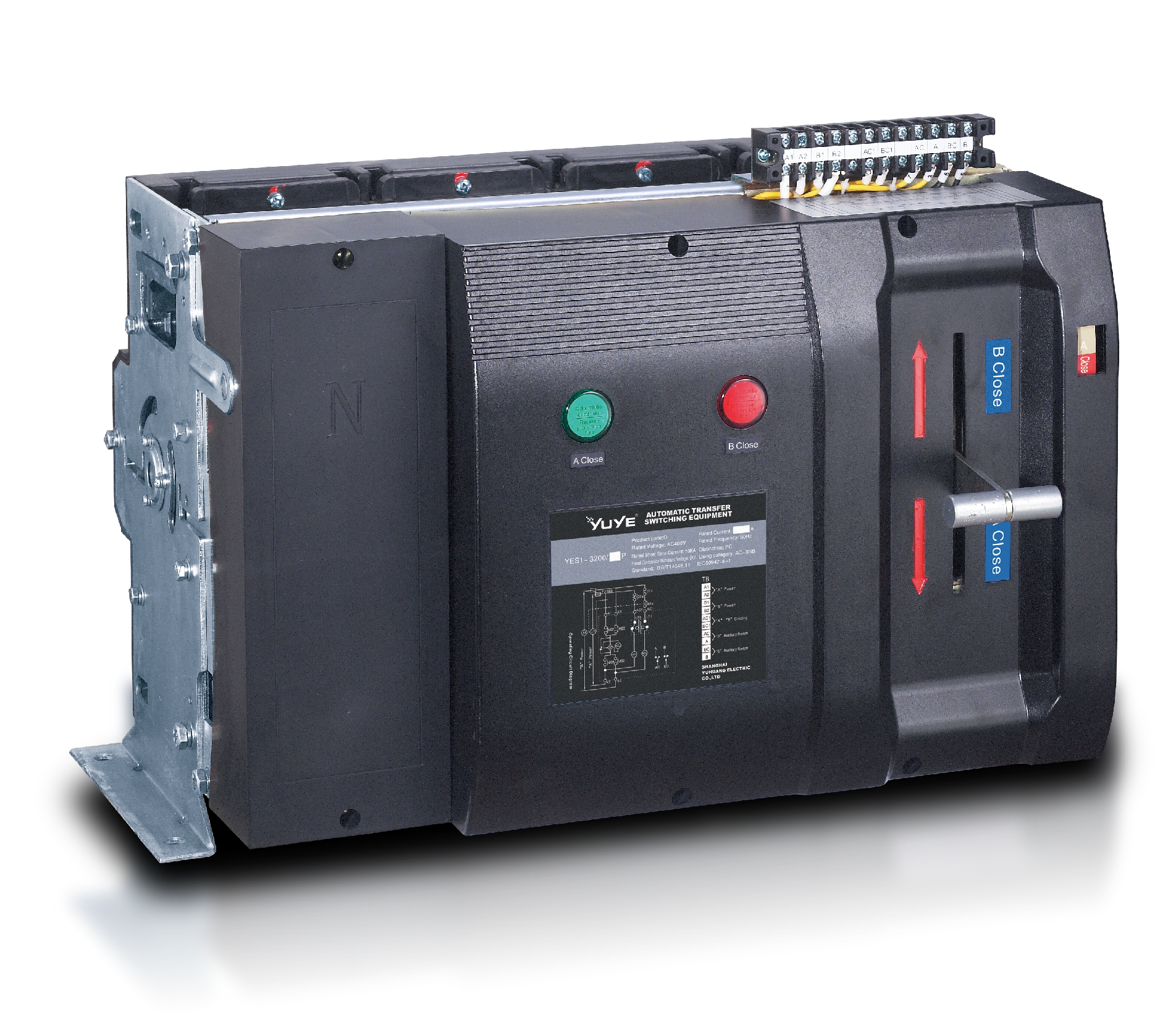 PC ATS YES1-3200Q
 Solenoid-type ATS YES1-4000~6300Q
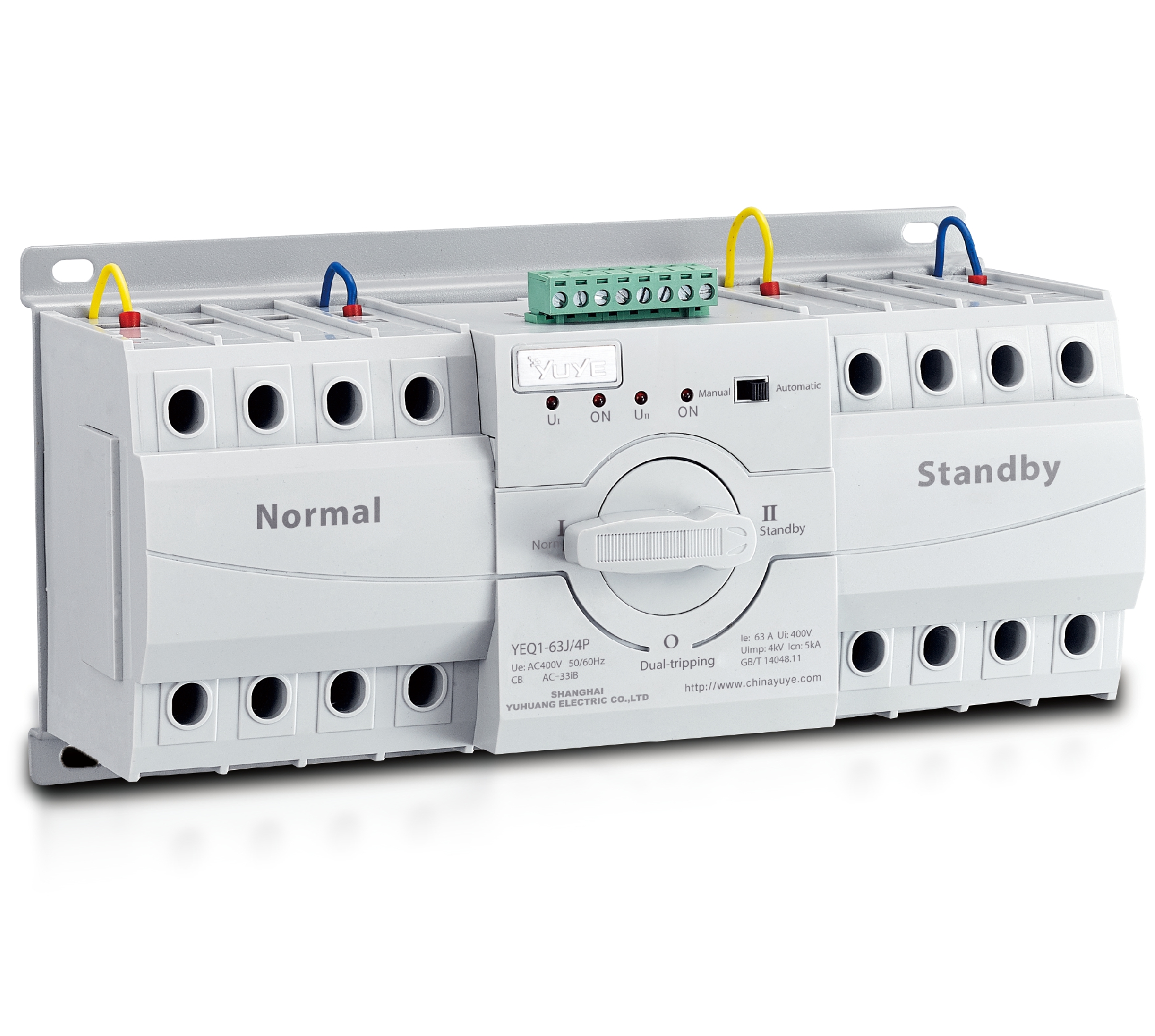 CB ATS YEQ1-63J
 CB ATS YEQ2Y-63
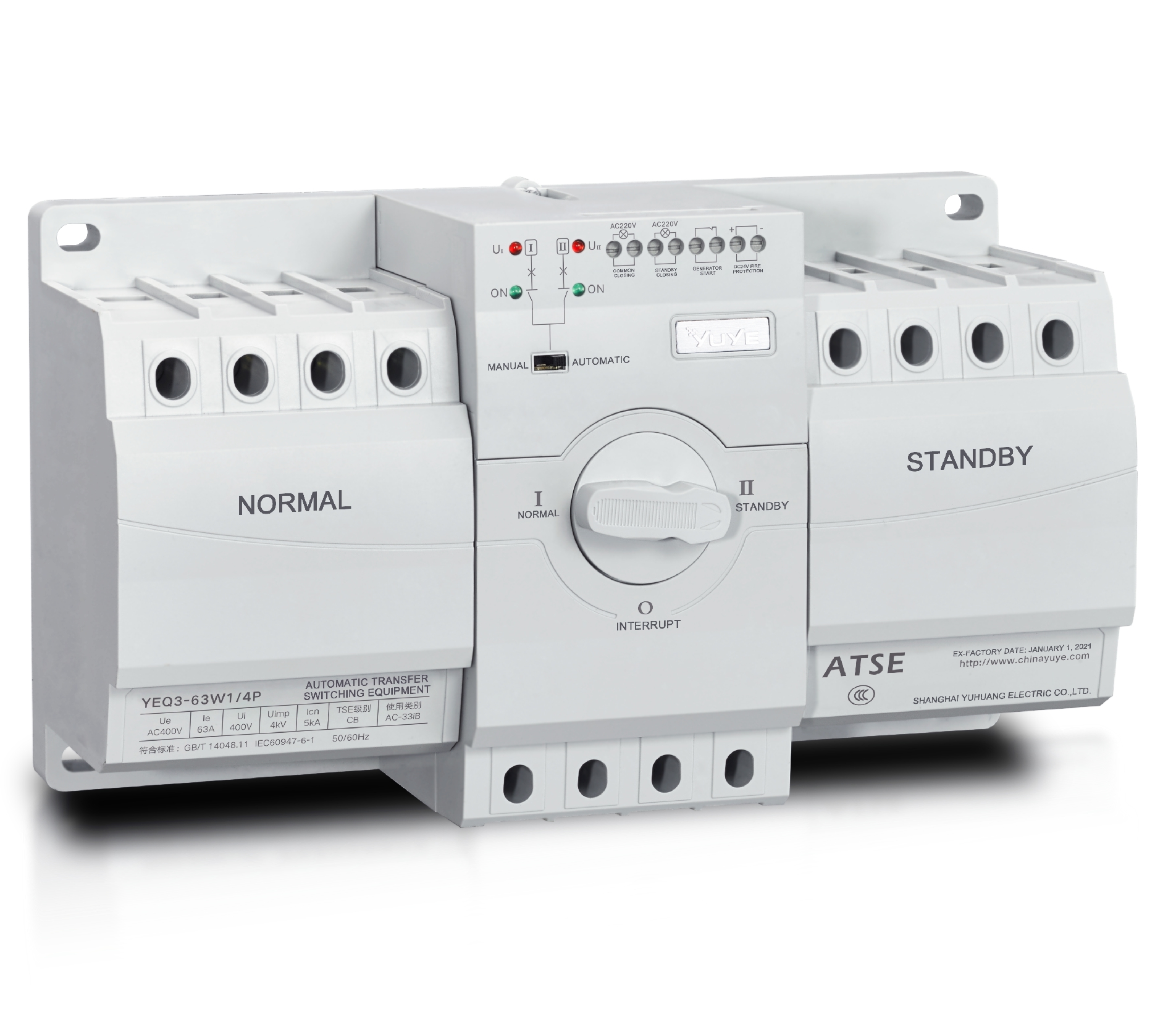 CB ATS YEQ3-63W1
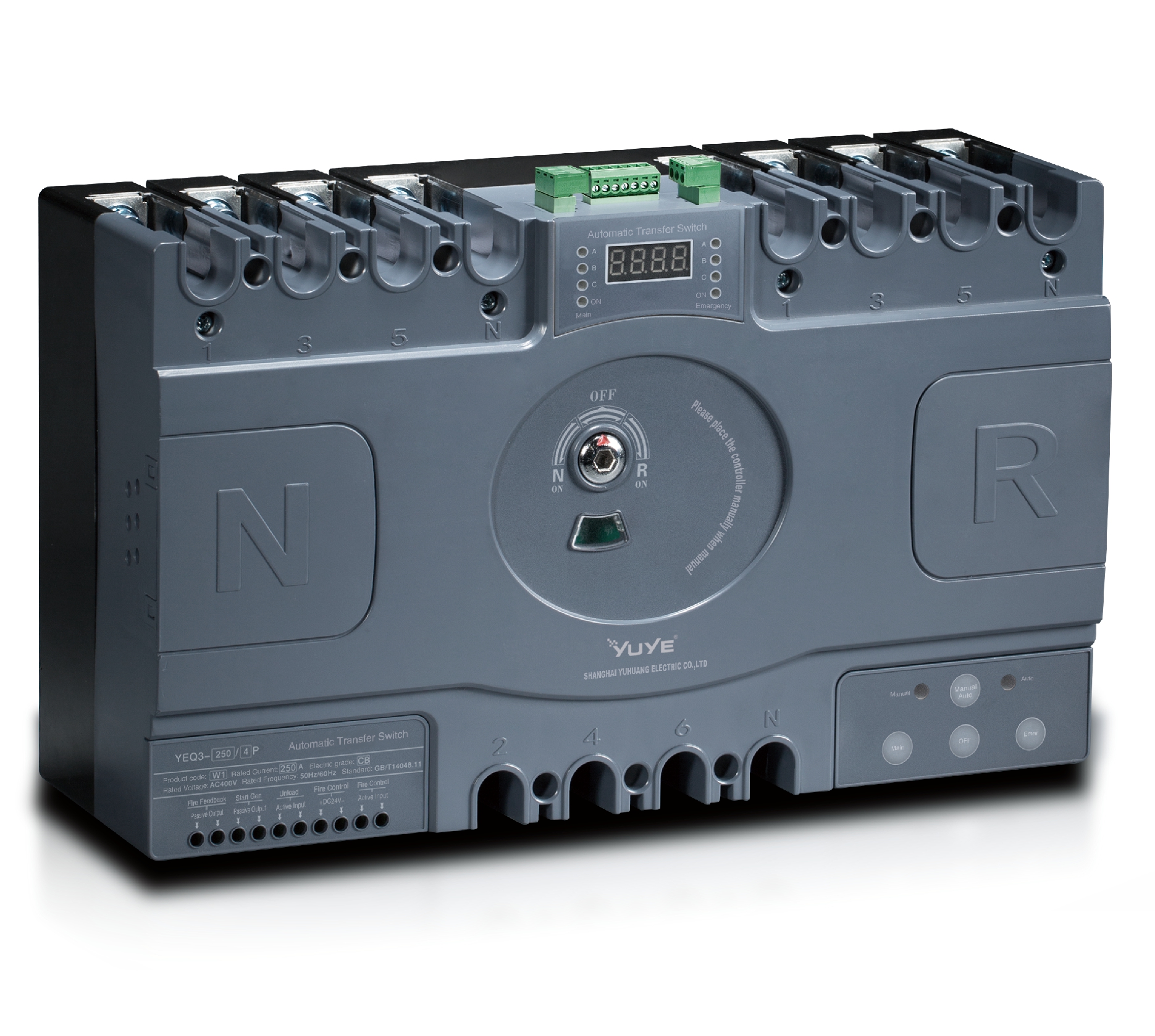 CB ATS YEQ3-125~630W1
 ATS controller Y-700
 ATS Controller Y-700N
 ATS Controller Y-701B
 ATS Controller Y-703N
 ATS Controller Y-800
 ATS Controller W2/W3 Series
 ATS switch Cabinet floor-to-ceiling
 ATS switch cabinet
 JXF-225A power Cbinet
 JXF-800A power Cbinet
 YEM3-125~800 Plastic Shell Type MCCB
 YEM3L-125~630 Leakage Type MCCB
 YEM3Z-125~800 Adjustable Type MCCB
 YEM1-63~1250 Plastic Shell Type MCCB
 YEM1E-100~800 Electronic Type MCCB
 YEM1L-100~630 Leakage Type MCCB
 Miniature circuit breaker YEMA2-6~100
 Miniature circuit breaker YEB1-3~63
 Miniature circuit breaker YEB1LE-3~63
 Miniature circuit breaker YEPN-3~32
 Miniature circuit breaker YEPNLE-3~32
 Miniature circuit breaker YENC-63~125
 Air Circuit Breaker YEW1-2000~6300
 Air Circuit Breaker YEW3-1600
 Load isolation switch YGL-63~3150
 Load Isolation Switch YGL2-63~3150
 Manual Changeover Switch YGL-100~630Z1A
 Manual Changeover Switch YGLZ1-100~3150
 YECPS2-45~125 LCD
 YECPS-45~125 Digital
 CNC Milling/Turning-OEM
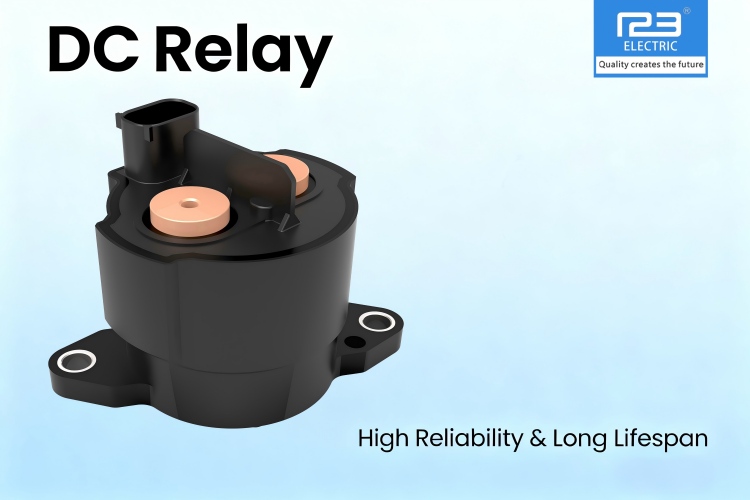
 DC relay MDC-300M
 DC Isolation Switch YEGL3D-630
For most modern setups—like solar panels, electric cars, and factory equipment—having steady, efficient DC circuit control is a must. These systems need reliable parts to work well and avoid breakdowns, and the DC Relay is one part you can’t do without. It helps make energy use better and keeps things running smoothly. This article talks about its main benefits, how it works, where you can use it, things to watch out for, plus trusted sources and answers to common questions.
1.High Efficiency Operation: Reduce Power Loss in DC Circuit Control
One big plus of this component is how efficiently it works. It cuts down on power waste and makes the most of the energy you’re using—something that’s super important for setups that rely on solar power, where every bit of energy counts. The reason it’s so efficient is because of its well-designed coil and the materials used for its contacts. These parts minimize energy waste when it’s running, so it’s a great pick for DC systems that focus on saving energy.
2.Stable Switching Performance: Ensure Continuous DC Power Supply
It also switches power really steadily, thanks to advanced technology that stops long-lasting electrical arcs when the contacts open. This steady switching means no sudden power cuts, even when the system is under heavy load. That’s key for protecting sensitive equipment in solar setups, electric cars, and factories—you don’t want a breakdown because the power switched off unexpectedly.
3.Wide Voltage Adaptation: Compatible with Multiple DC Circuit Scenarios
Another great feature is that it works with a wide range of DC voltages. It can handle everything from small, low-voltage circuits in homes (like smart home setups) to large, high-voltage systems in factories. No matter what kind of DC circuit you have, it fits right in without needing extra changes or modifications.
4.Low Heat Generation: Extend Service Life of DC Relay
It doesn’t get too hot when it’s running, either. That’s because of its smart design and the way the coil’s power is controlled. Less heat build-up means the parts don’t wear out as fast, so it lasts longer. Even if it’s running non-stop, it stays reliable for years.
5.Easy Integration: Suitable for Solar, EV & Industrial DC Systems
On top of all that, it’s really easy to add to existing systems. It fits right into solar setups, electric cars, and industrial DC systems without any complicated changes. That saves time and money on installation. It’s also small and has standard connections, so it’s simple to install or replace if you need to.
References
1. Shenler. (2025, November 27). DC Power Relay Explained: Working Principle, Types, and Uses. Retrieved from https://www.shenler.com/dc-power-relay-explained/
2. OMRON. (2026, March 3). Expert Explanations on Common Questions About High-Capacity Power Relays. Retrieved from https://components.omron.com.cn/solutions/relays/power-relays-support
3. Original Power Document. (2025, November 28). Relay Operation Specifications and Procedures. Retrieved from https://m.book118.com/html/2025/1127/7065005030011015.shtm
4. T_CEC 1160—2025. (2026, March 11). Technical Requirements for DC Control and Protection Components. Retrieved from https://m.book118.com/html/2026/0310/5144301043013132.shtm
FAQ
Q1: What makes the DC Relay more suitable for DC circuit control than AC Relay? A1: Unlike AC relays, the DC Relay has special technology to handle the long electrical arcs that happen when contacts open—something that’s common in DC circuits. Its internal design is made just for DC current, so it’s more stable and reliable.
Q2: Can the DC Relay be used in solar and EV applications? A2: Yes, it’s designed to fit right into solar systems (for converting and moving energy) and electric cars (for charging and controlling power). It works perfectly for these high-demand setups.
Q3: How to extend the service life of the DC Relay? A3: Pick a model that matches your circuit’s voltage and power needs, install it the right way (make sure there’s enough space for heat to escape), and check it regularly—like looking at the contacts and cleaning off dust.