
 PC ATS YECT1-2000G
 PC ATS YES2-63~250GN1
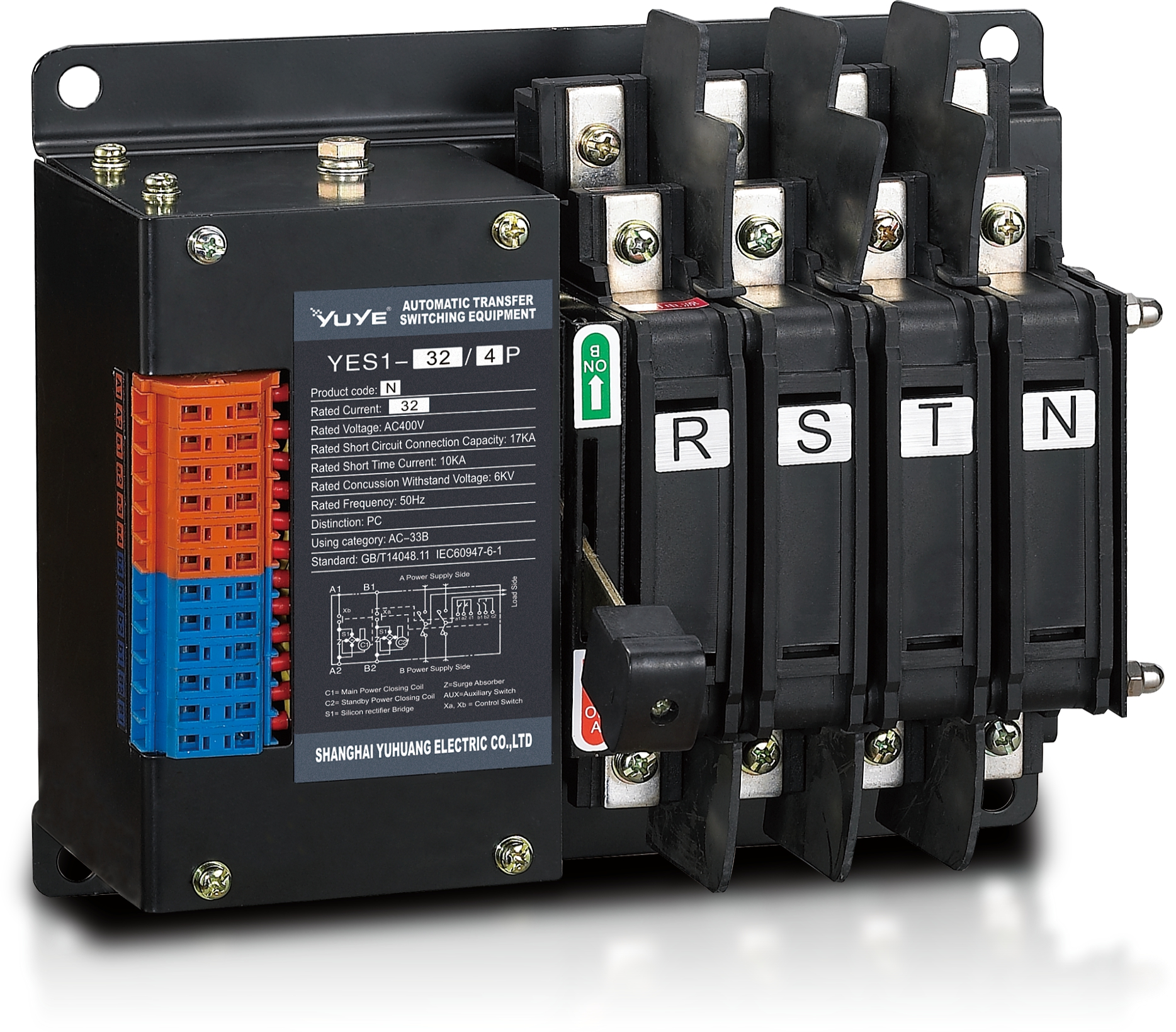 Solenoid-type ATS YES1-32~125N
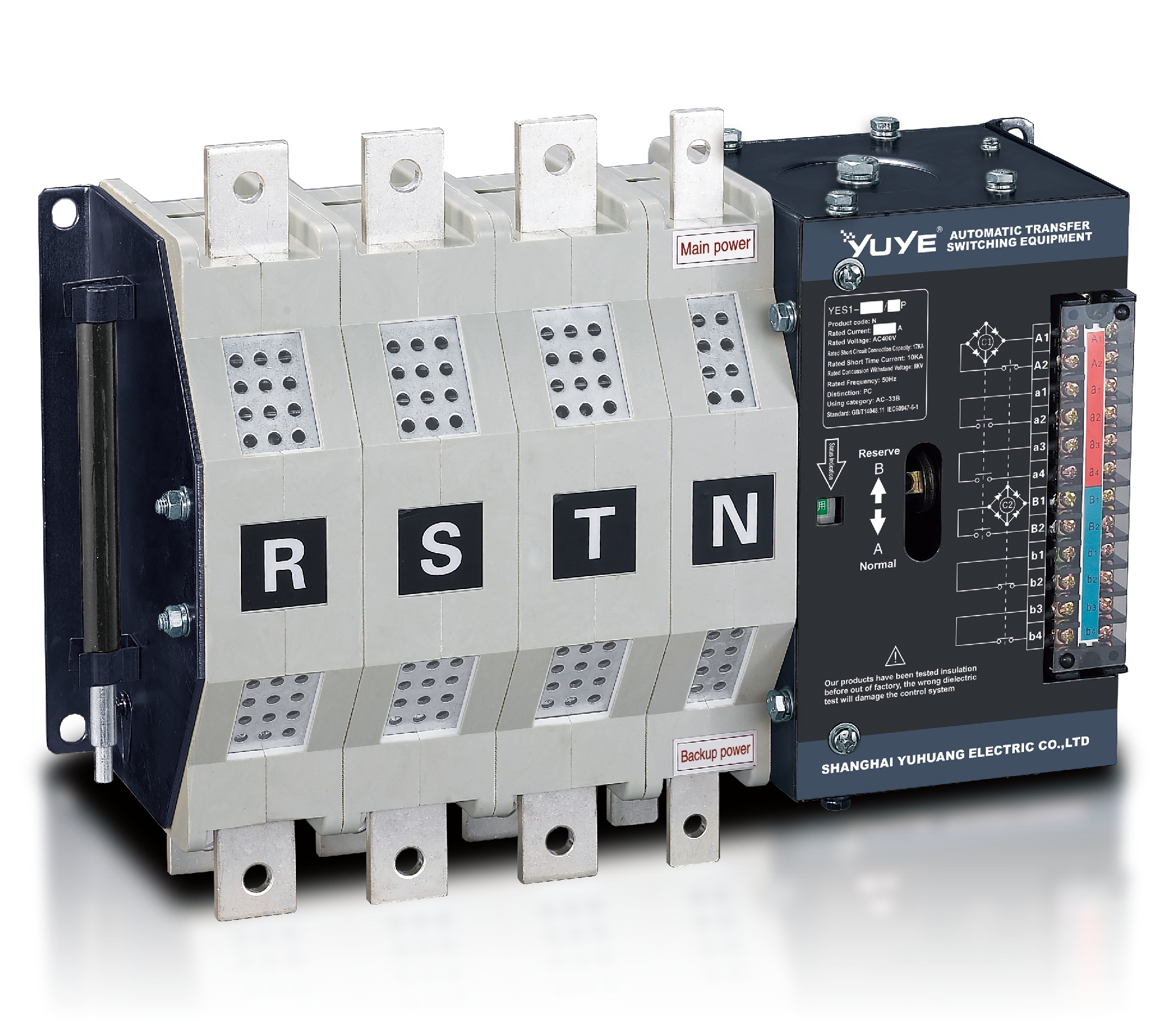 Solenoid-type ATS YES1-250~630N/NT
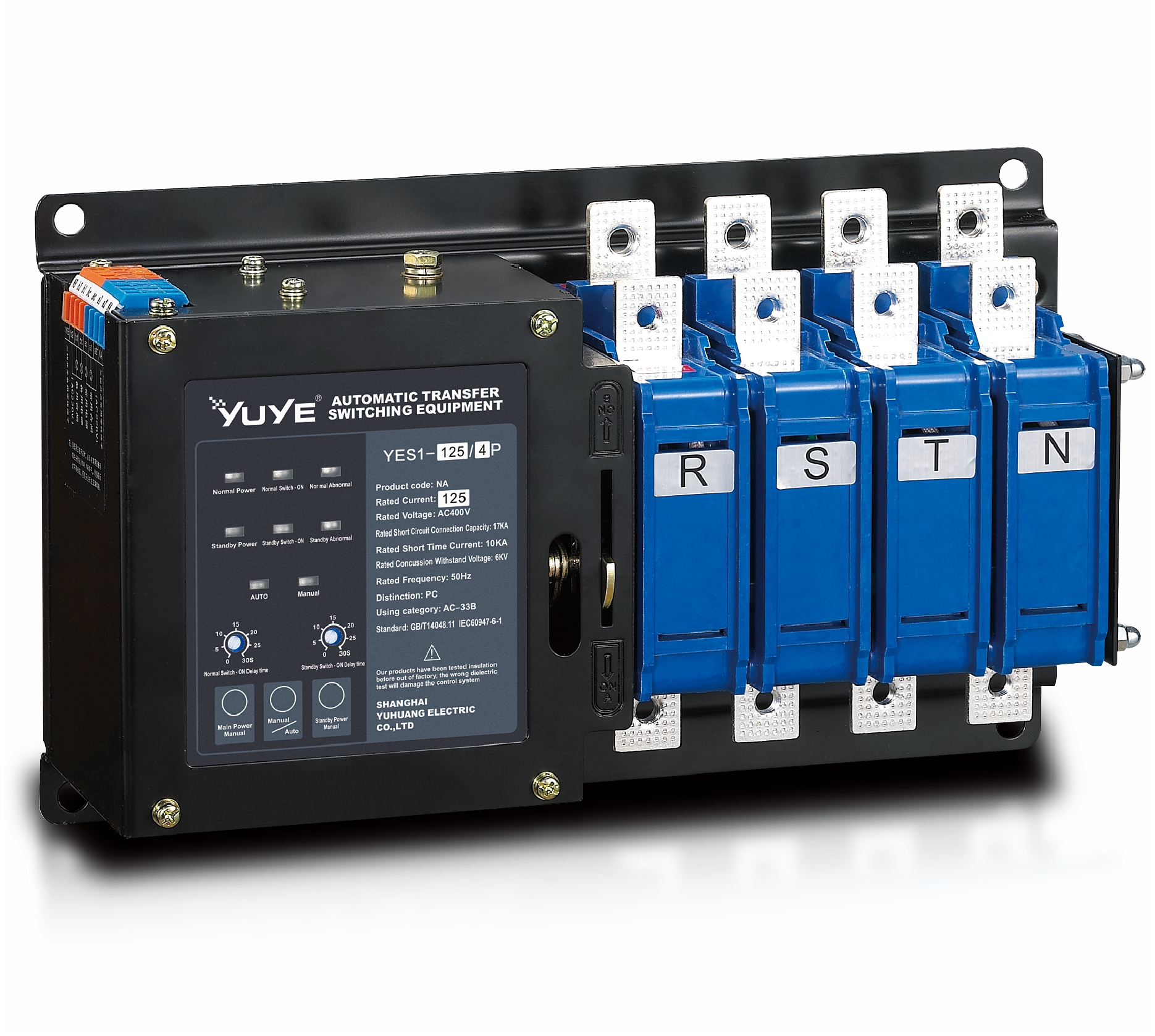 Solenoid-type ATS YES1-32~125NA
 Solenoid-type ATS YES1-63~630SN
 Solenoid-type ATS YES1-1250~4000SN
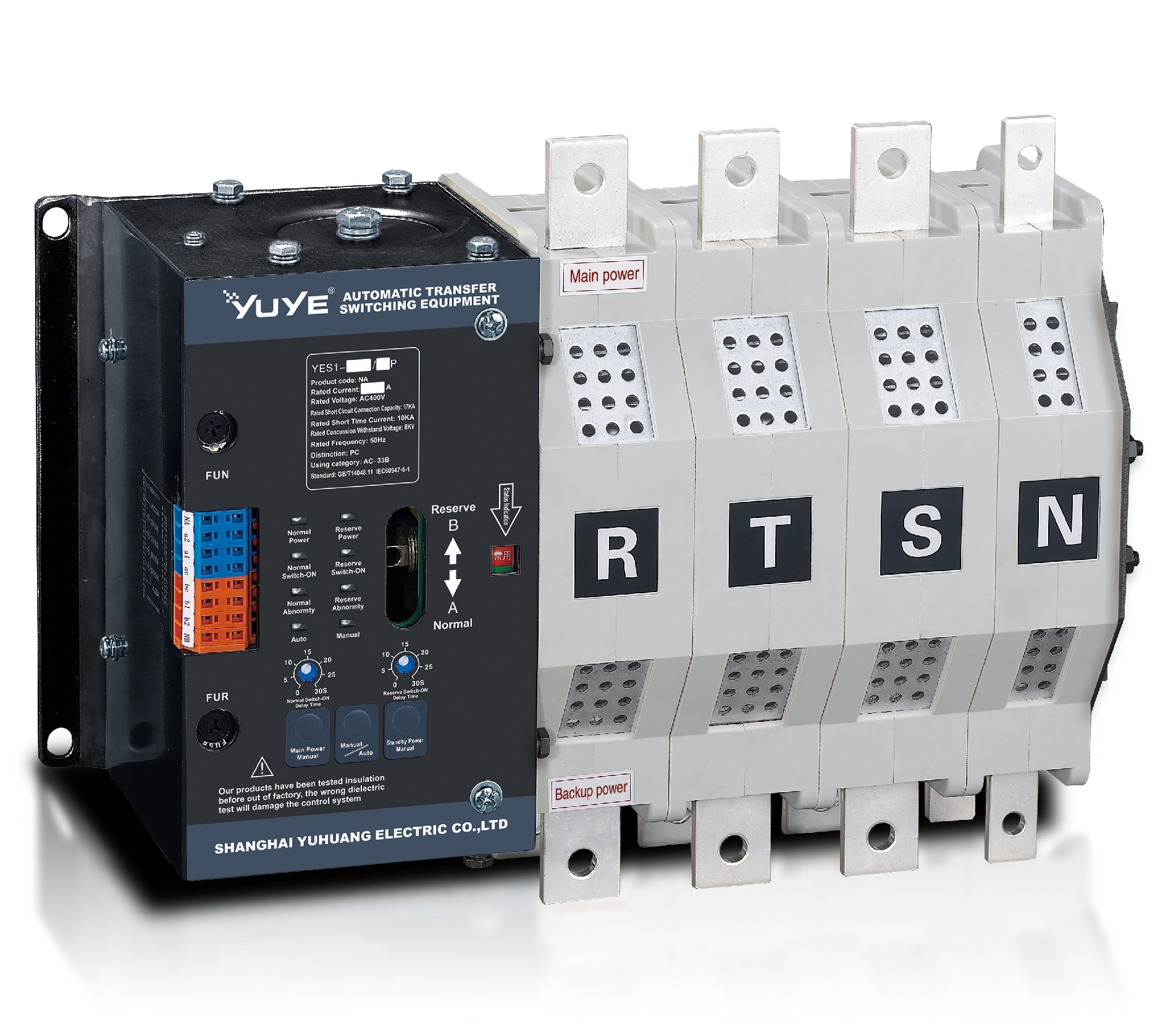 Solenoid-type ATS YES1-250~630NA/NAT
 Solenoid-type ATS YES1-63NJT
 PC ATS YES1-100~1600GN1/GN/GNF
 PC ATS YES1-2000~3200GN/GNF
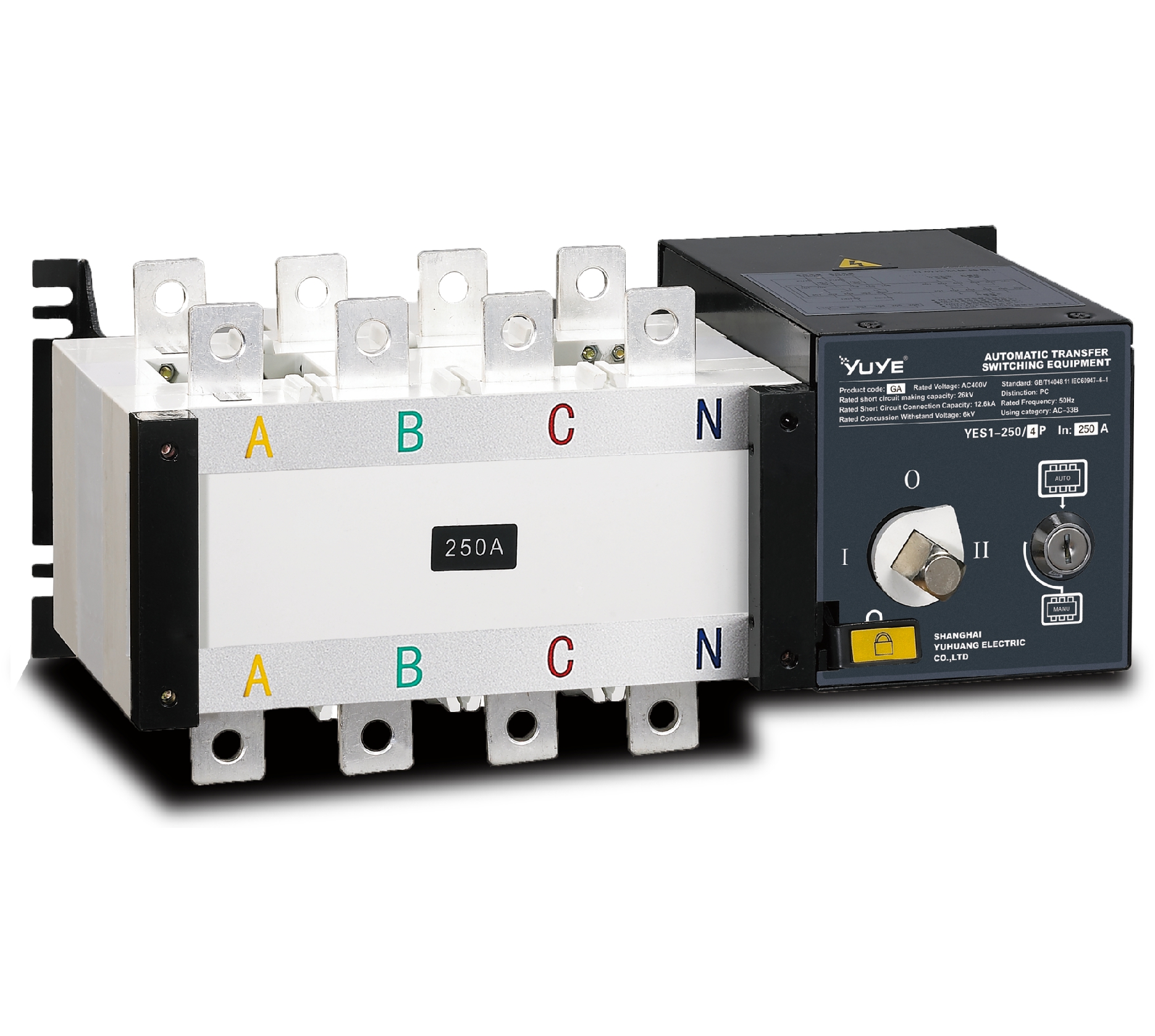 PC ATS YES1-100~3200GA1/GA
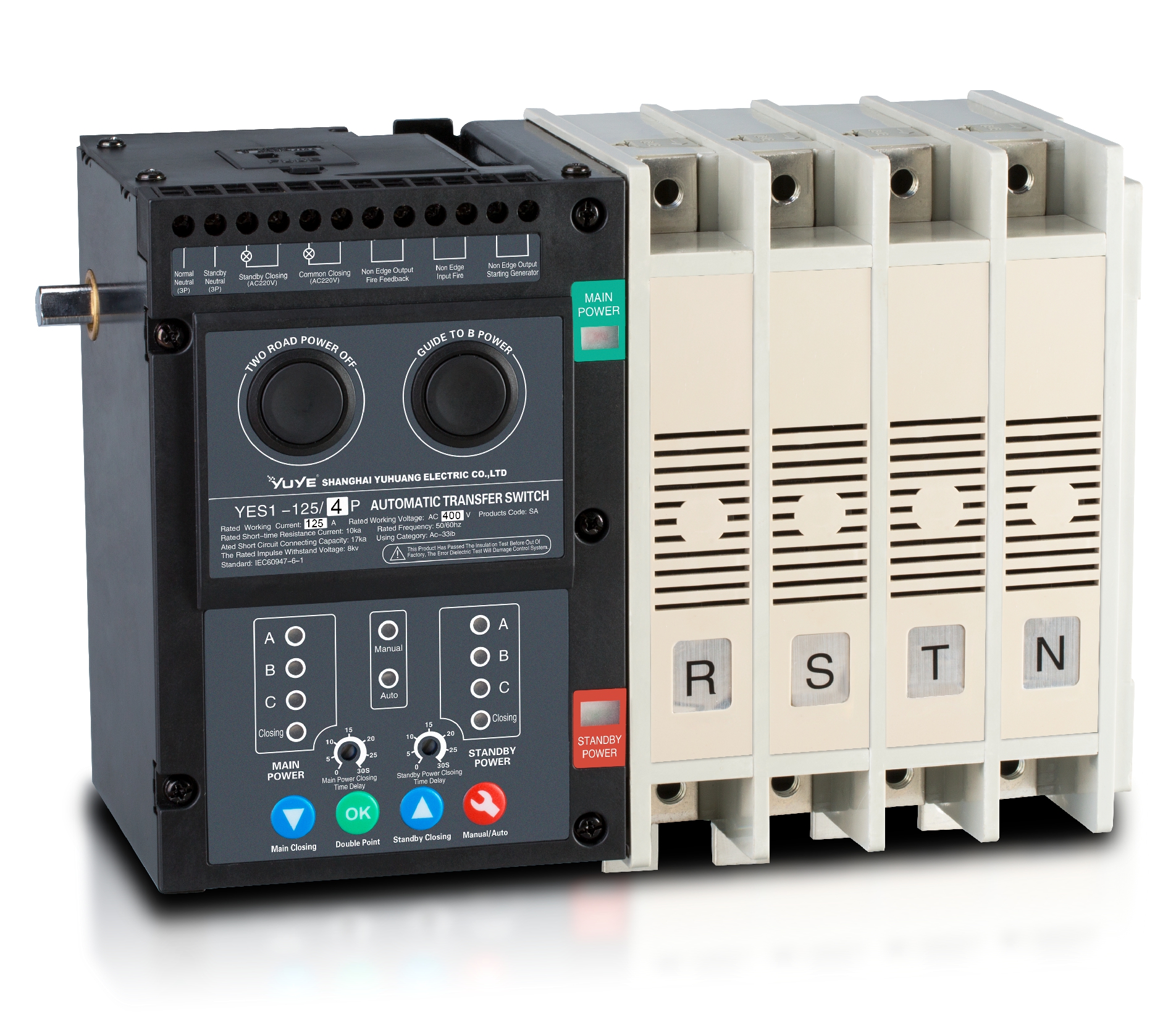 Solenoid-type ATS YES1-63~630SA
 Solenoid-type ATS YES1-63~630L/LA
 Solenoid-type ATS YES1-63~630LA3
 Solenoid-type ATS YES1-63MA
 PC ATS YES1-630~1600M
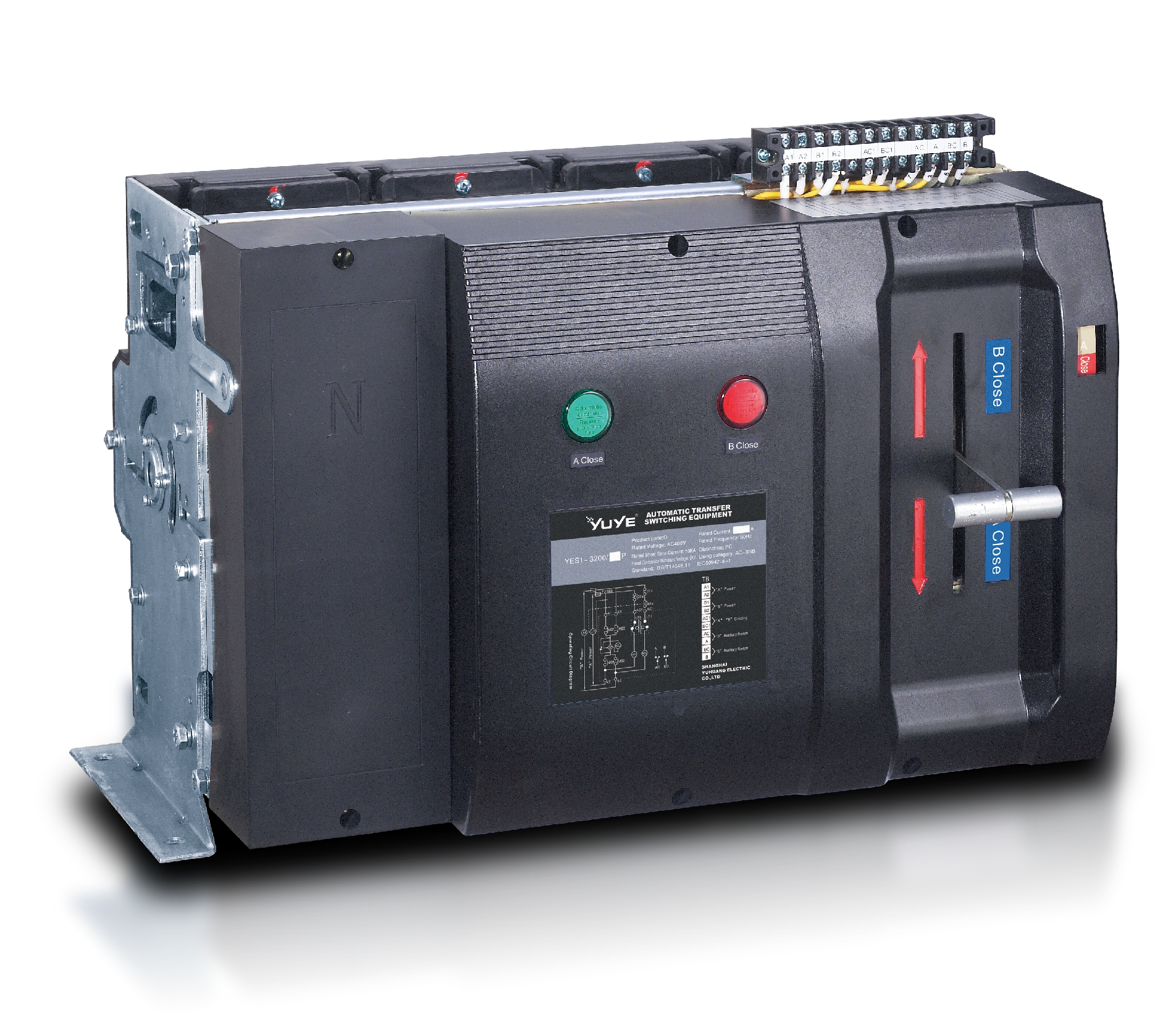 PC ATS YES1-3200Q
 Solenoid-type ATS YES1-4000~6300Q
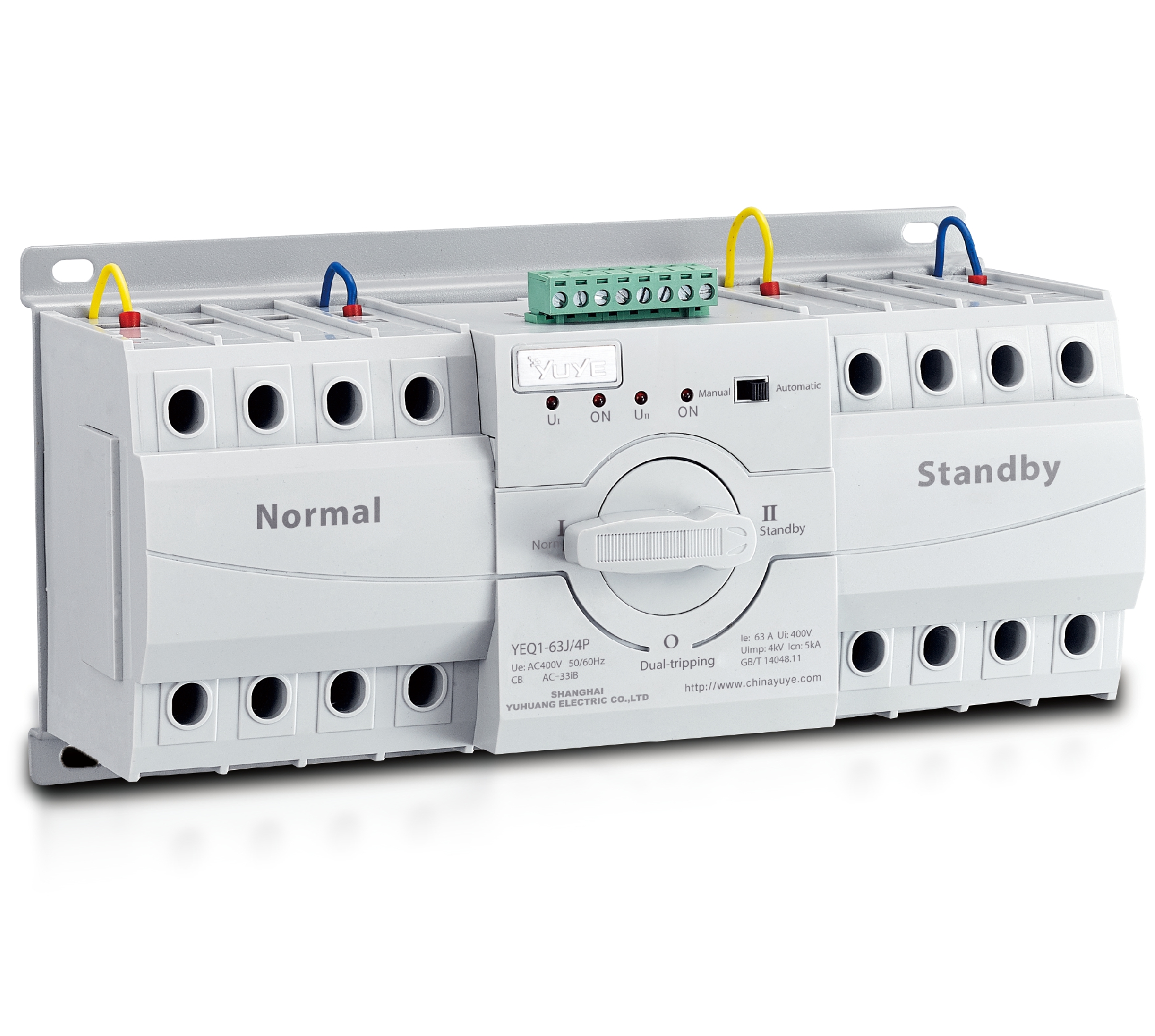 CB ATS YEQ1-63J
 CB ATS YEQ2Y-63
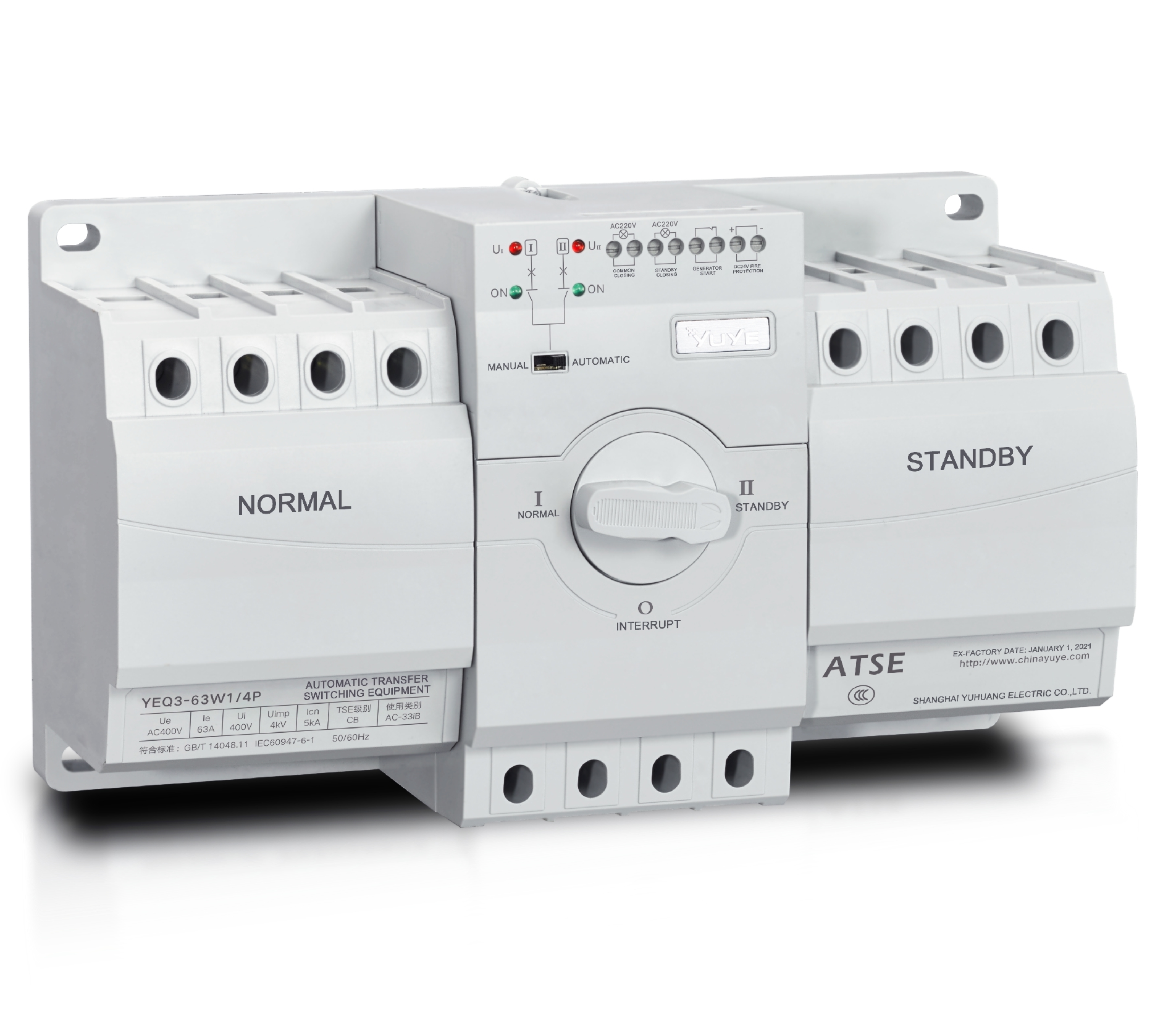 CB ATS YEQ3-63W1
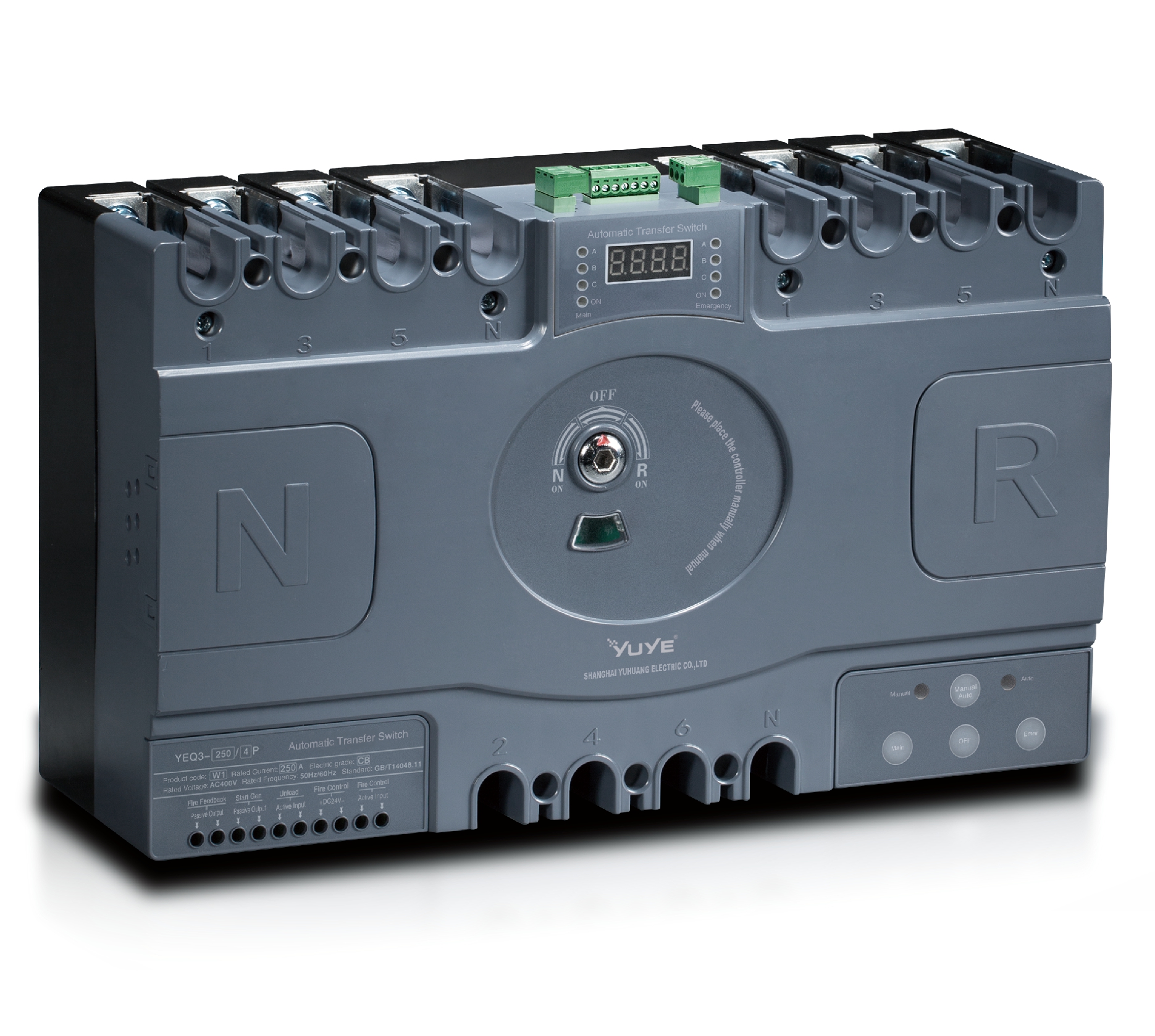 CB ATS YEQ3-125~630W1
 ATS controller Y-700
 ATS Controller Y-700N
 ATS Controller Y-701B
 ATS Controller Y-703N
 ATS Controller Y-800
 ATS Controller W2/W3 Series
 ATS switch Cabinet floor-to-ceiling
 ATS switch cabinet
 JXF-225A power Cbinet
 JXF-800A power Cbinet
 YEM3-125~800 Plastic Shell Type MCCB
 YEM3L-125~630 Leakage Type MCCB
 YEM3Z-125~800 Adjustable Type MCCB
 YEM1-63~1250 Plastic Shell Type MCCB
 YEM1E-100~800 Electronic Type MCCB
 YEM1L-100~630 Leakage Type MCCB
 Miniature circuit breaker YEMA2-6~100
 Miniature circuit breaker YEB1-3~63
 Miniature circuit breaker YEB1LE-3~63
 Miniature circuit breaker YEPN-3~32
 Miniature circuit breaker YEPNLE-3~32
 Miniature circuit breaker YENC-63~125
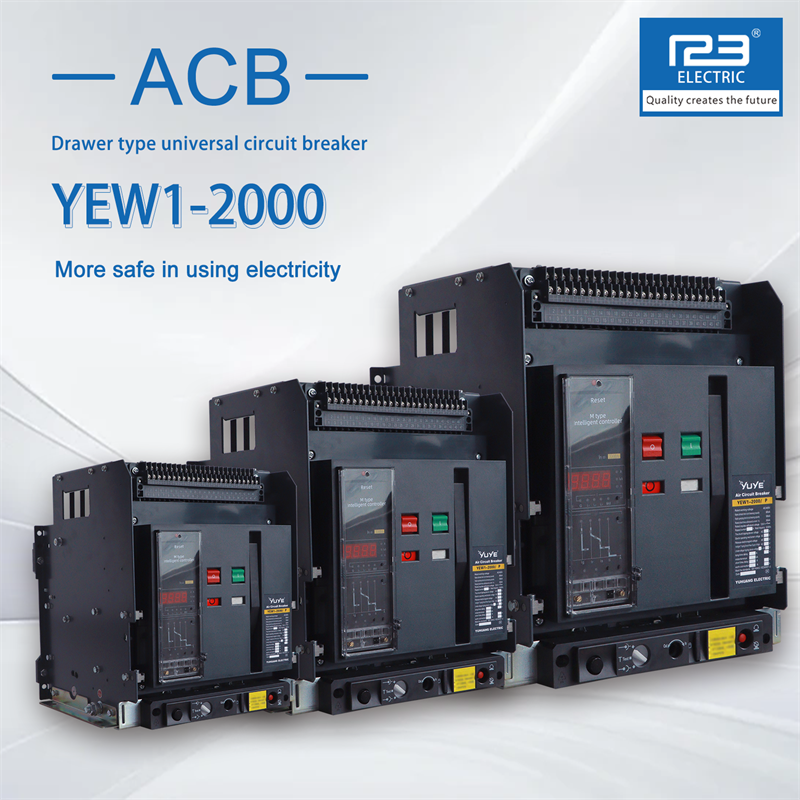
 Air Circuit Breaker YEW1-2000~6300
 Air Circuit Breaker YEW3-1600
 Load isolation switch YGL-63~3150
 Load Isolation Switch YGL2-63~3150
 Manual Changeover Switch YGL-100~630Z1A
 Manual Changeover Switch YGLZ1-100~3150
 YECPS2-45~125 LCD
 YECPS-45~125 Digital
 CNC Milling/Turning-OEM
 DC relay MDC-300M
 DC Isolation Switch YEGL3D-630
Large-scale industrial facilities, data centers, and utility substations operate with extremely high current levels and complex load profiles. In such environments, the main incoming circuit breaker must do more than simply interrupt faults—it must also support system stability, selectivity, and operational efficiency. This is where Acb 6300A plays a decisive role, combining robust protection capability with advanced control features suited for high-capacity power distribution.
1.High Breaking Capacity for Severe Fault Conditions
High-current distribution systems are exposed to significant short-circuit energy. A breaker at the main incomer must safely interrupt these faults without damaging downstream equipment or compromising system integrity.
A properly rated air circuit breaker at this level is designed to withstand and interrupt extreme fault currents, protecting busbars, cables, and connected loads. Its performance under short-circuit stress is a fundamental requirement for maintaining safety in large electrical installations.
2.Advanced Protection Functions Beyond Basic Interruption
Modern air circuit breakers integrate electronic trip units that provide multiple layers of protection. These include long-time, short-time, instantaneous, and ground fault protection, allowing precise coordination with downstream devices.
With these adjustable settings, Acb 6300A supports selective tripping strategies that isolate only the faulty section of the system, minimizing unnecessary outages and maintaining continuity for critical loads.
3.Supporting Load Management and System Optimization
Beyond fault protection, high-capacity breakers contribute to intelligent load management. When combined with monitoring systems, they enable real-time current measurement, demand analysis, and load prioritization.
This capability is particularly valuable in facilities where power demand fluctuates or where peak load control is essential for operational efficiency. By acting as both a protective and supervisory device, the breaker becomes an integral part of the power management strategy.
4.Integration into Low-Voltage Switchgear Systems
In main distribution boards and power centers, seamless integration is essential. Mechanical robustness, reliable auxiliary contacts, and communication interfaces allow the breaker to interact with protection relays, SCADA systems, and energy management platforms.
A well-integrated Acb 6300A ensures that protection, control, and monitoring functions operate together, supporting both safety and long-term system reliability.
5.Standards, Testing, and Maintenance Considerations
High-current air circuit breakers are governed by international standards such as IEC and UL, which define performance, testing, and safety requirements. Routine inspection, functional testing, and periodic maintenance are critical to ensuring that protection characteristics remain accurate over time.
Consistent compliance and maintenance practices help extend service life and ensure dependable operation under both normal and fault conditions.
Conclusion
In high-capacity power distribution systems, the main air circuit breaker is a cornerstone of electrical safety and performance. By combining exceptional short-circuit protection with advanced load management and system integration capabilities, this class of breaker supports reliable, efficient, and resilient power networks in the most demanding applications.
References
-
IEC 60947-2 – Low-voltage Switchgear and Controlgear: Circuit Breakers
International Electrotechnical Commission
Defines performance requirements, breaking capacity classifications, and testing methods for low-voltage circuit breakers, including air circuit breakers used in high-current systems. -
UL 1066 – Standard for Low-Voltage AC and DC Power Circuit Breakers
Underwriters Laboratories
Covers construction, performance, and safety requirements for low-voltage power circuit breakers applied in large commercial and industrial installations. -
IEEE 3007 Series – Recommended Practice for Industrial and Commercial Power Systems
Institute of Electrical and Electronics Engineers
Provides guidance on system protection coordination, load management, and reliability considerations in high-capacity power distribution networks. -
NFPA 70 – National Electrical Code (NEC)
National Fire Protection Association
Establishes installation rules for conductors, overcurrent protection devices, grounding, and system coordination in low-voltage distribution systems. -
CIGRÉ Technical Brochures on Low-Voltage Switchgear
International Council on Large Electric Systems
Offers technical insights into breaker performance, system integration, and operational best practices for high-current applications.
FAQ
What applications typically require a 6300A air circuit breaker?
Large industrial plants, data centers, power plants, and main incoming panels in commercial complexes commonly require this current rating to handle high load demand and fault levels.
How does selective coordination benefit high-current systems?
Selective coordination ensures that only the circuit closest to a fault trips, maintaining power to unaffected sections and improving overall system reliability.
Can high-current air circuit breakers support energy monitoring?
Yes. Modern designs often include electronic trip units and communication interfaces that enable real-time current measurement and integration with energy management systems.
How often should maintenance be performed on main air circuit breakers?
Visual inspections are typically recommended annually, with functional testing and calibration performed according to manufacturer guidance and applicable standards.
Which standards should engineers prioritize during system design?
IEC 60947-2, UL 1066, and relevant national electrical codes should be considered to ensure safety, compliance, and long-term system performance.