
 PC ATS YECT1-2000G
 PC ATS YES2-63~250GN1
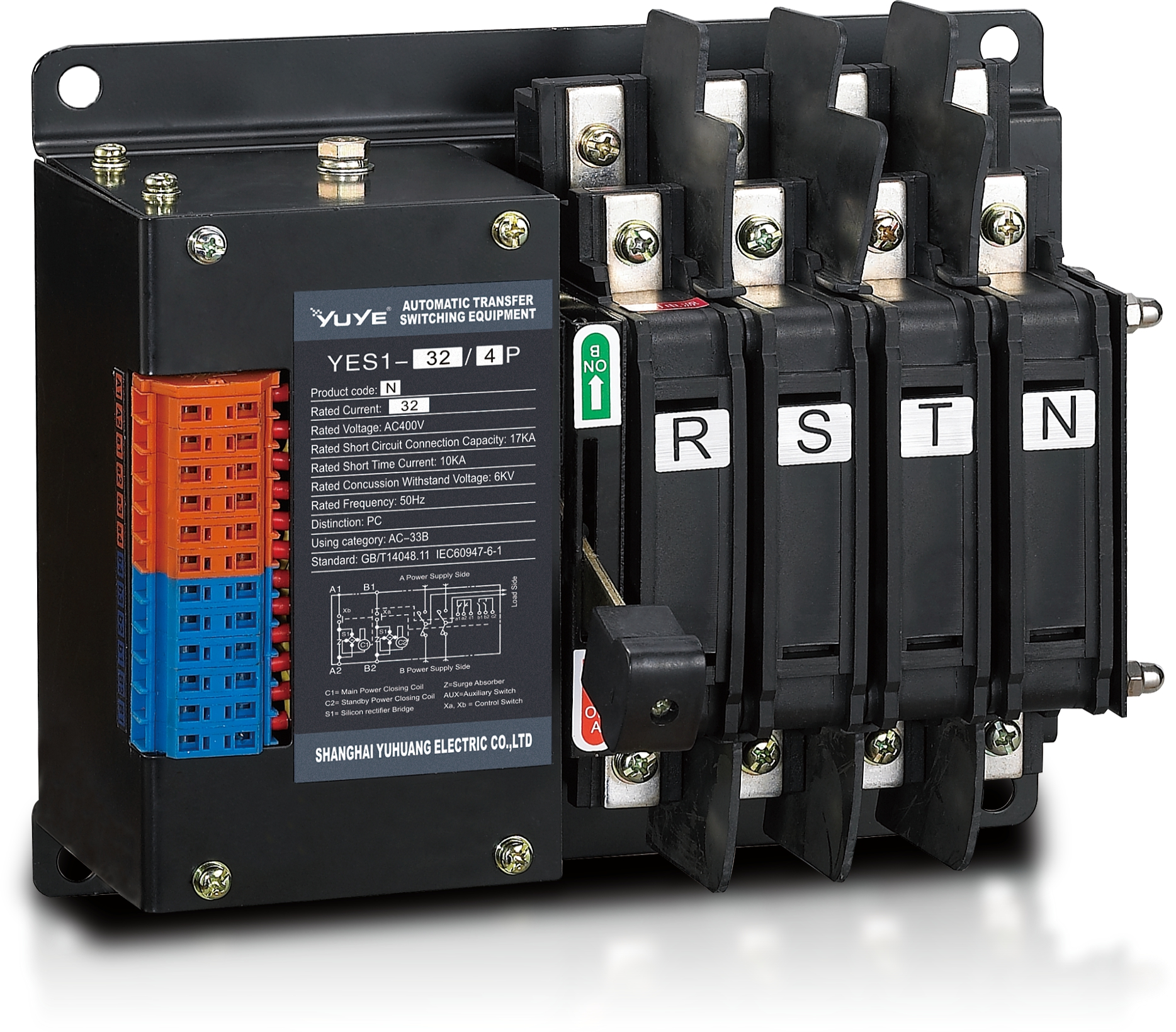 Solenoid-type ATS YES1-32~125N
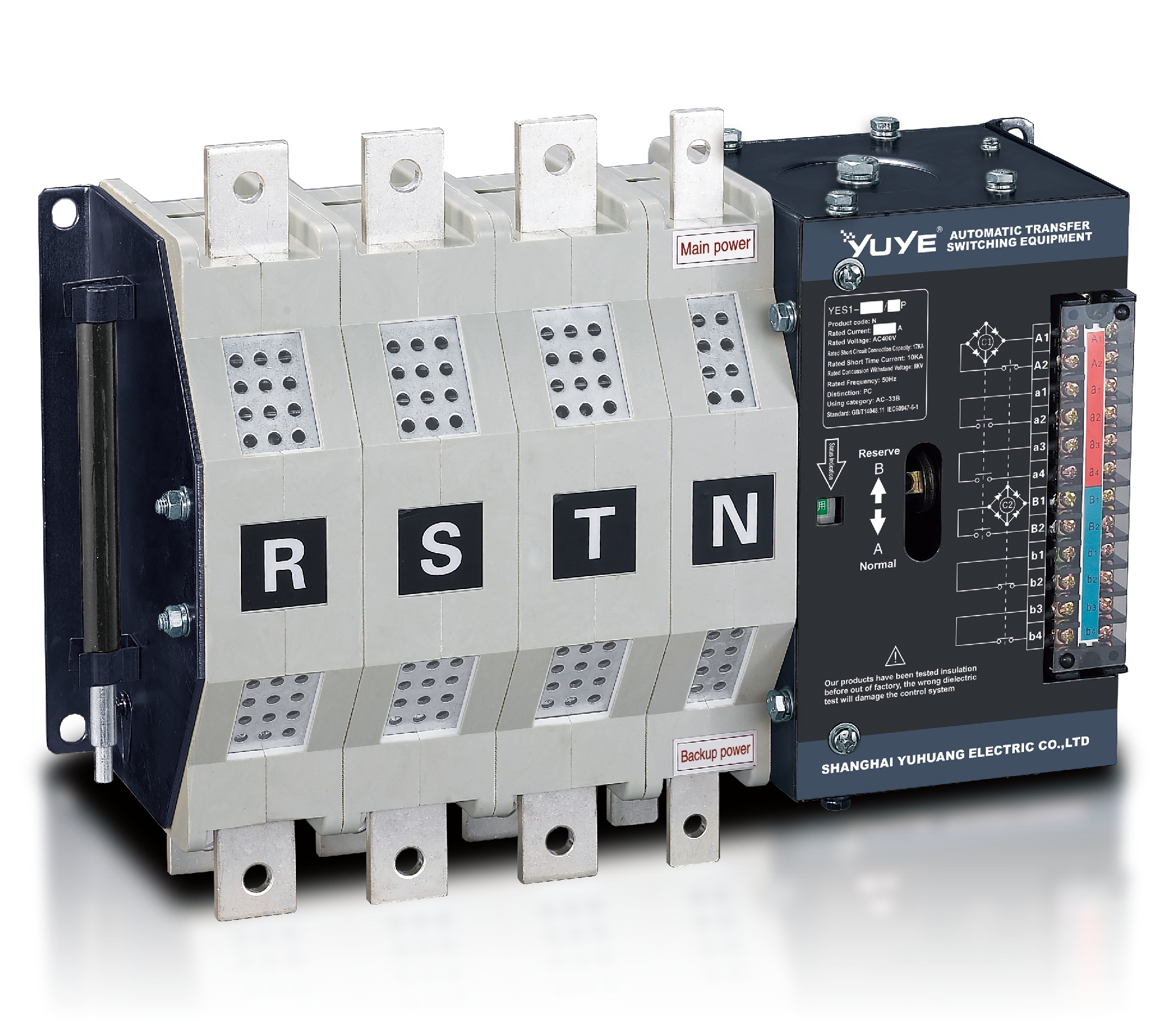 Solenoid-type ATS YES1-250~630N/NT
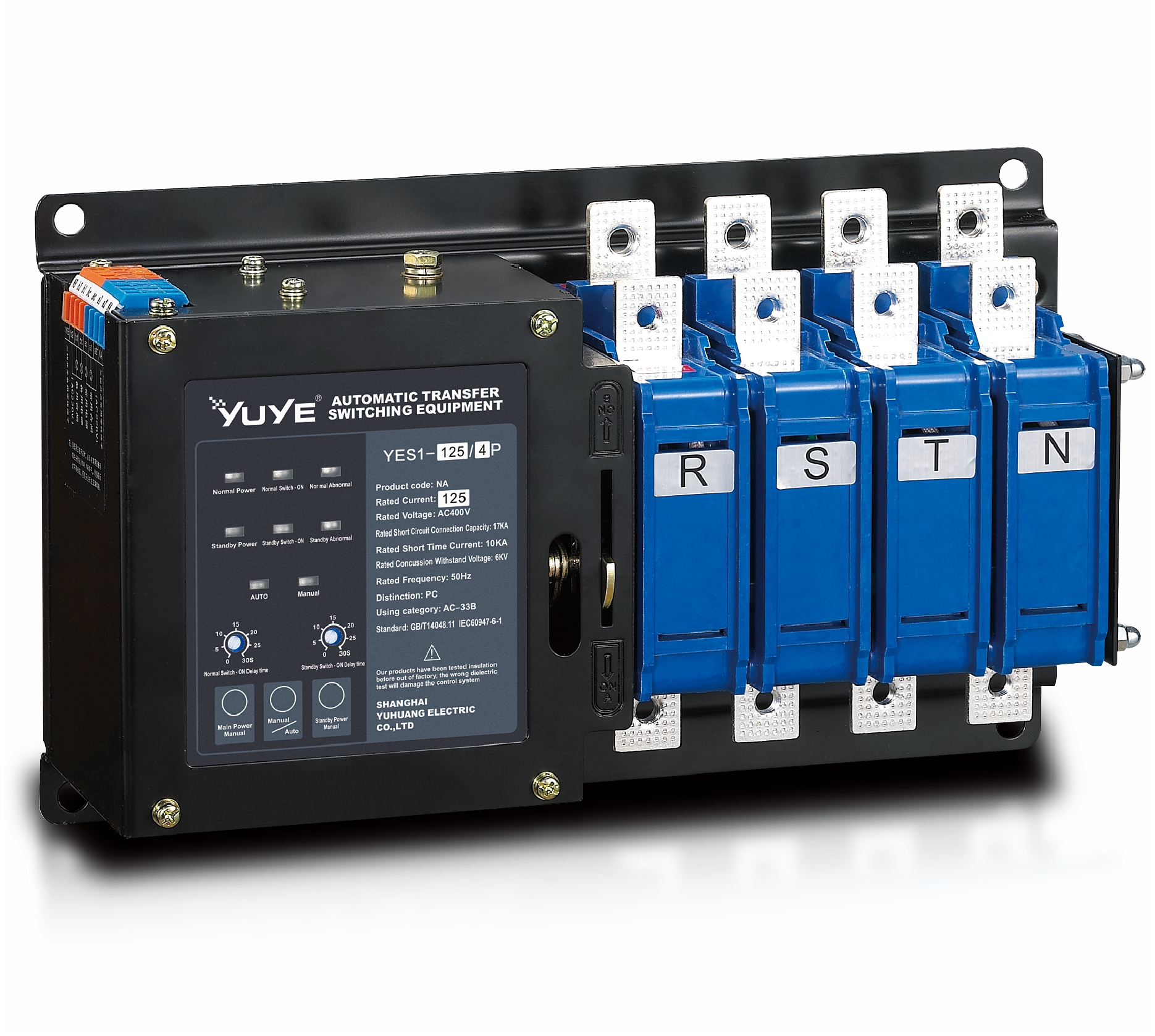 Solenoid-type ATS YES1-32~125NA
 Solenoid-type ATS YES1-63~630SN
 Solenoid-type ATS YES1-1250~4000SN
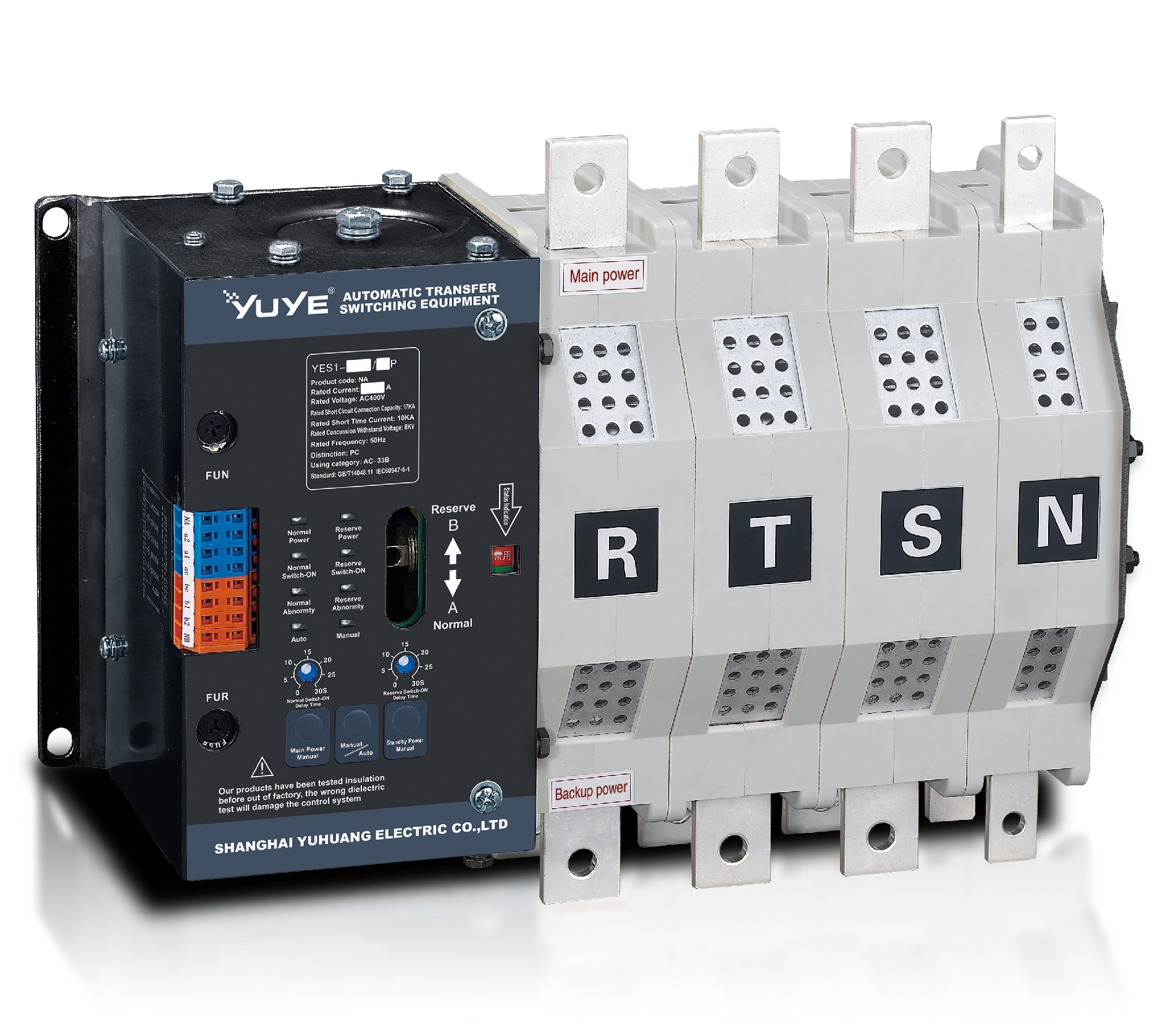 Solenoid-type ATS YES1-250~630NA/NAT
 Solenoid-type ATS YES1-63NJT
 PC ATS YES1-100~1600GN1/GN/GNF
 PC ATS YES1-2000~3200GN/GNF
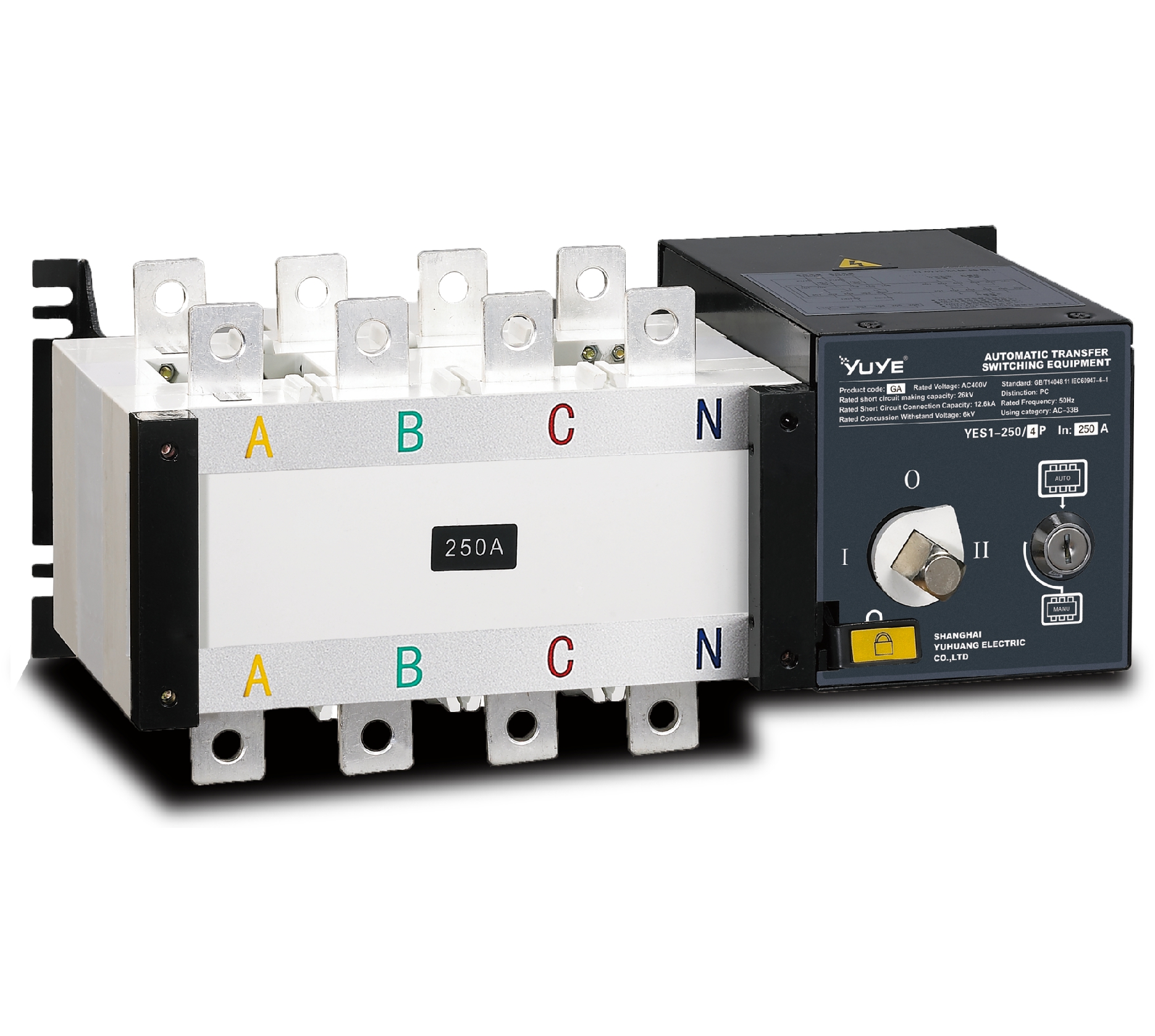 PC ATS YES1-100~3200GA1/GA
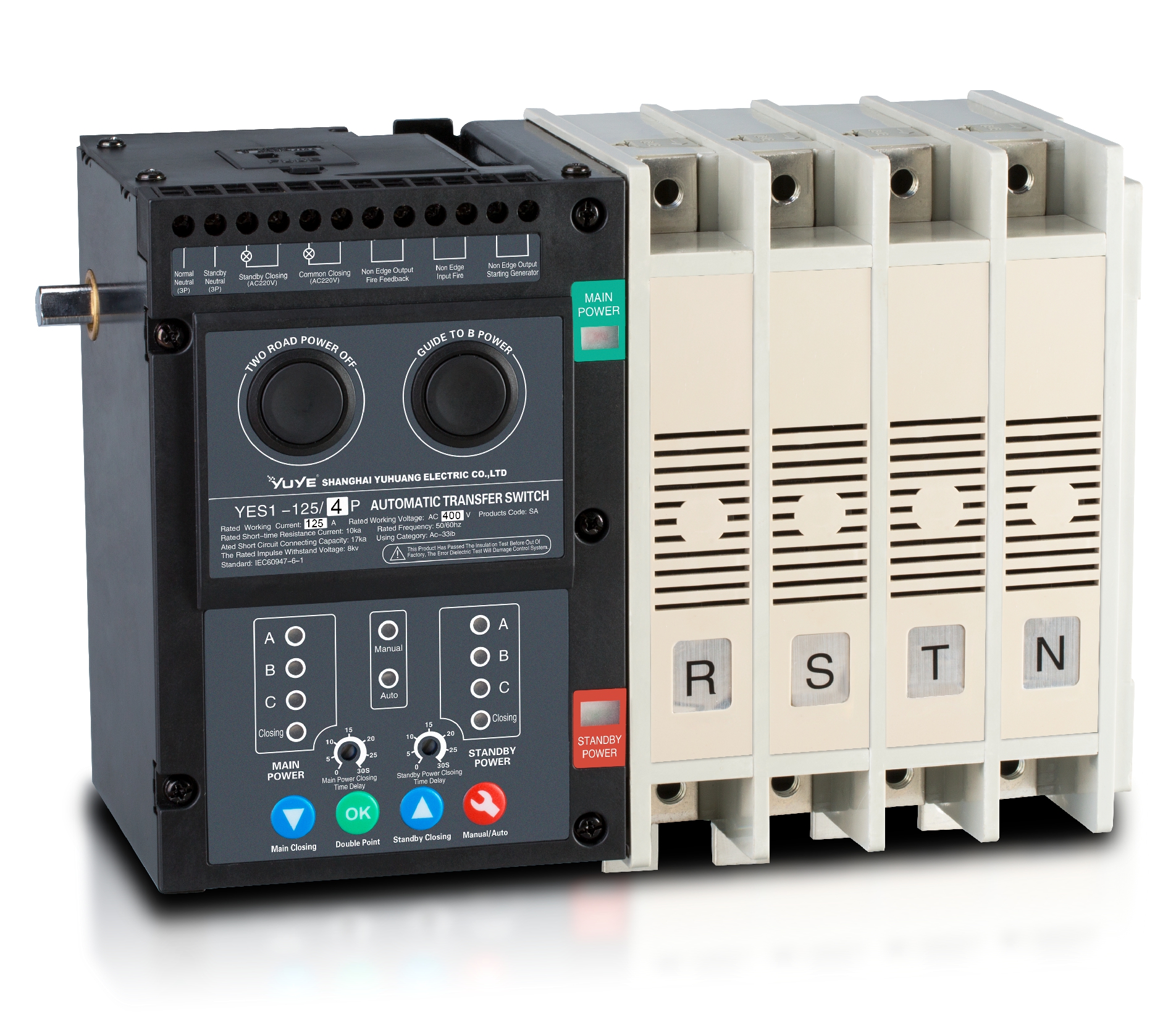 Solenoid-type ATS YES1-63~630SA
 Solenoid-type ATS YES1-63~630L/LA
 Solenoid-type ATS YES1-63~630LA3
 Solenoid-type ATS YES1-63MA
 PC ATS YES1-630~1600M
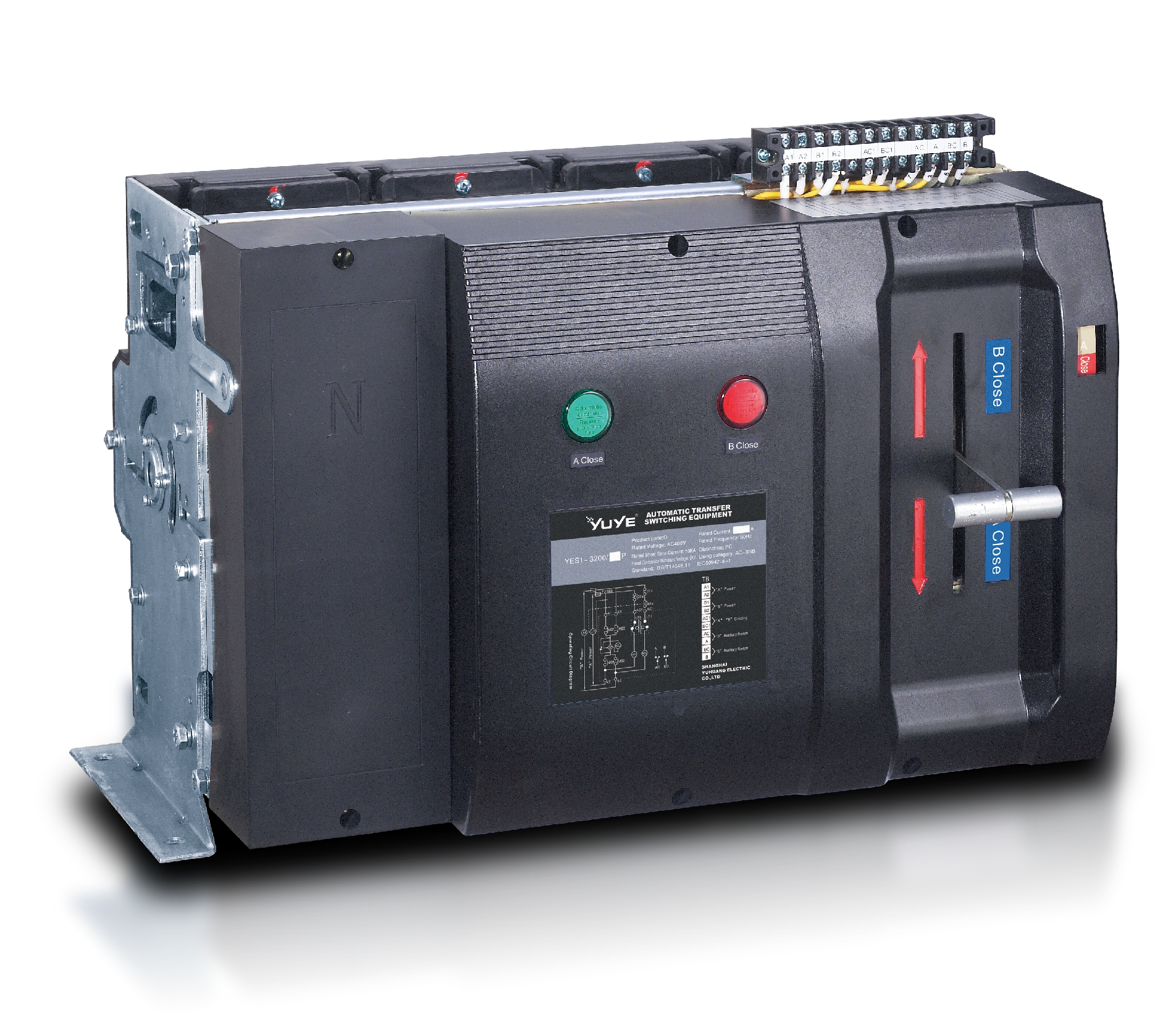 PC ATS YES1-3200Q
 Solenoid-type ATS YES1-4000~6300Q
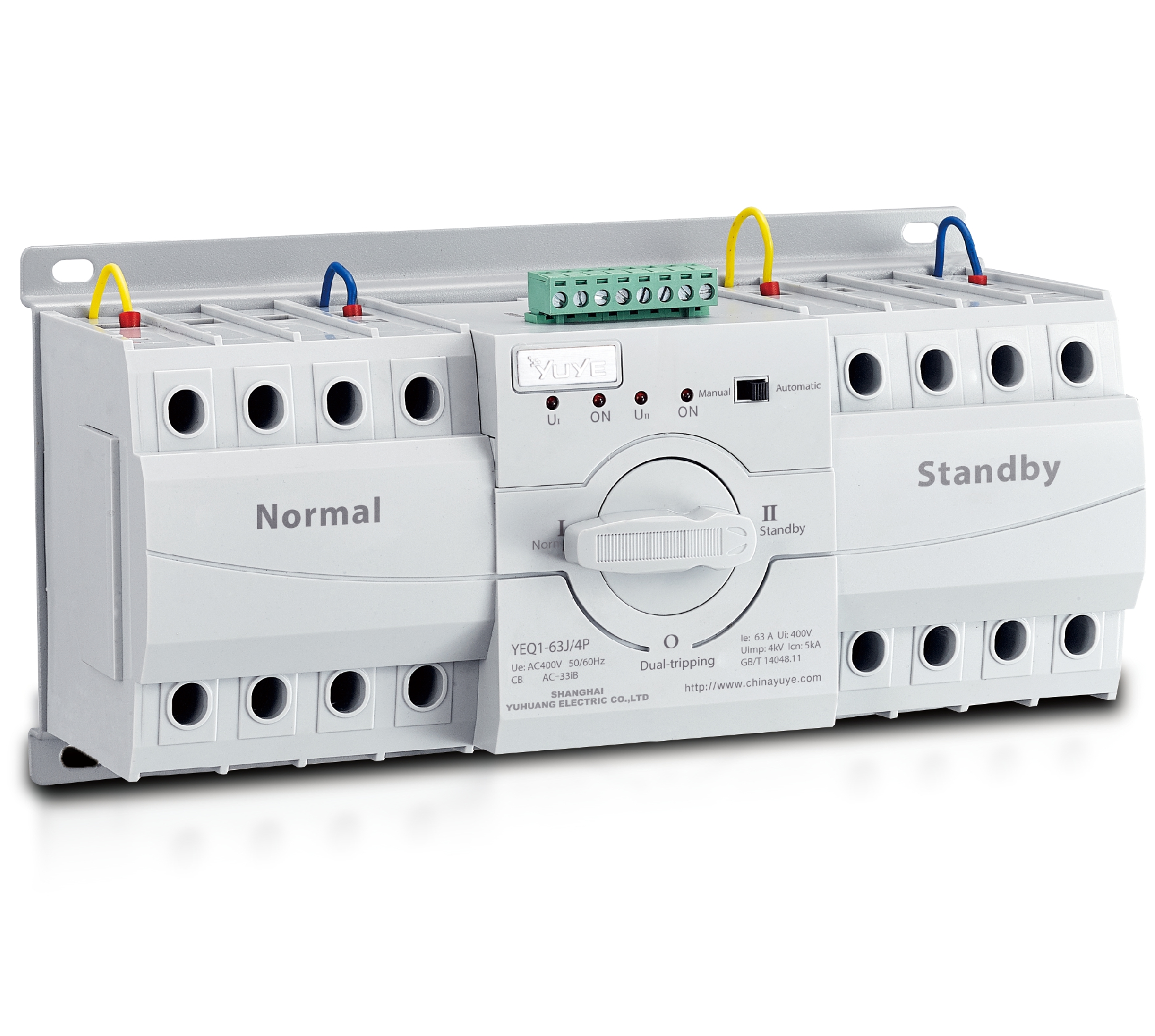 CB ATS YEQ1-63J
 CB ATS YEQ2Y-63
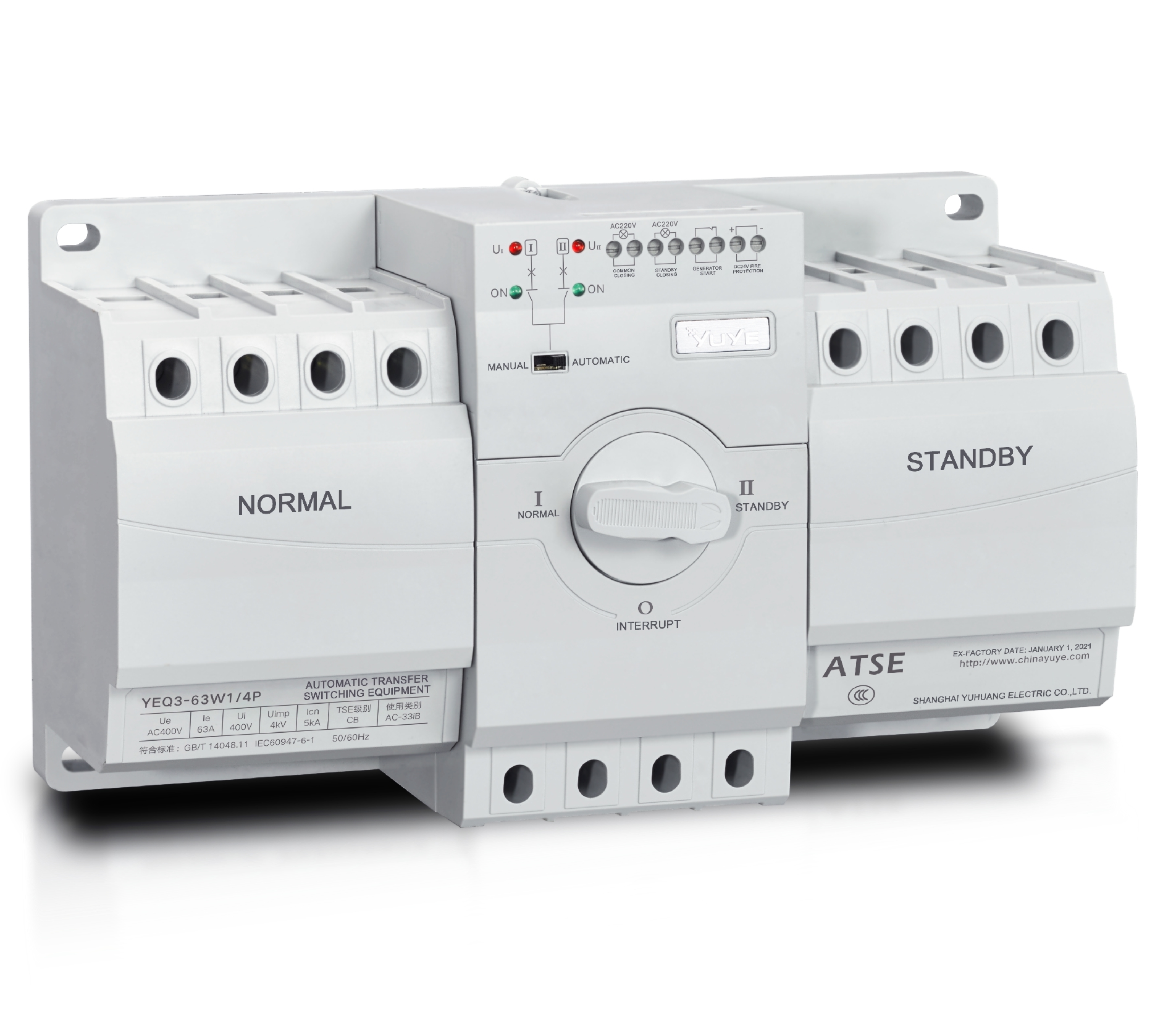 CB ATS YEQ3-63W1
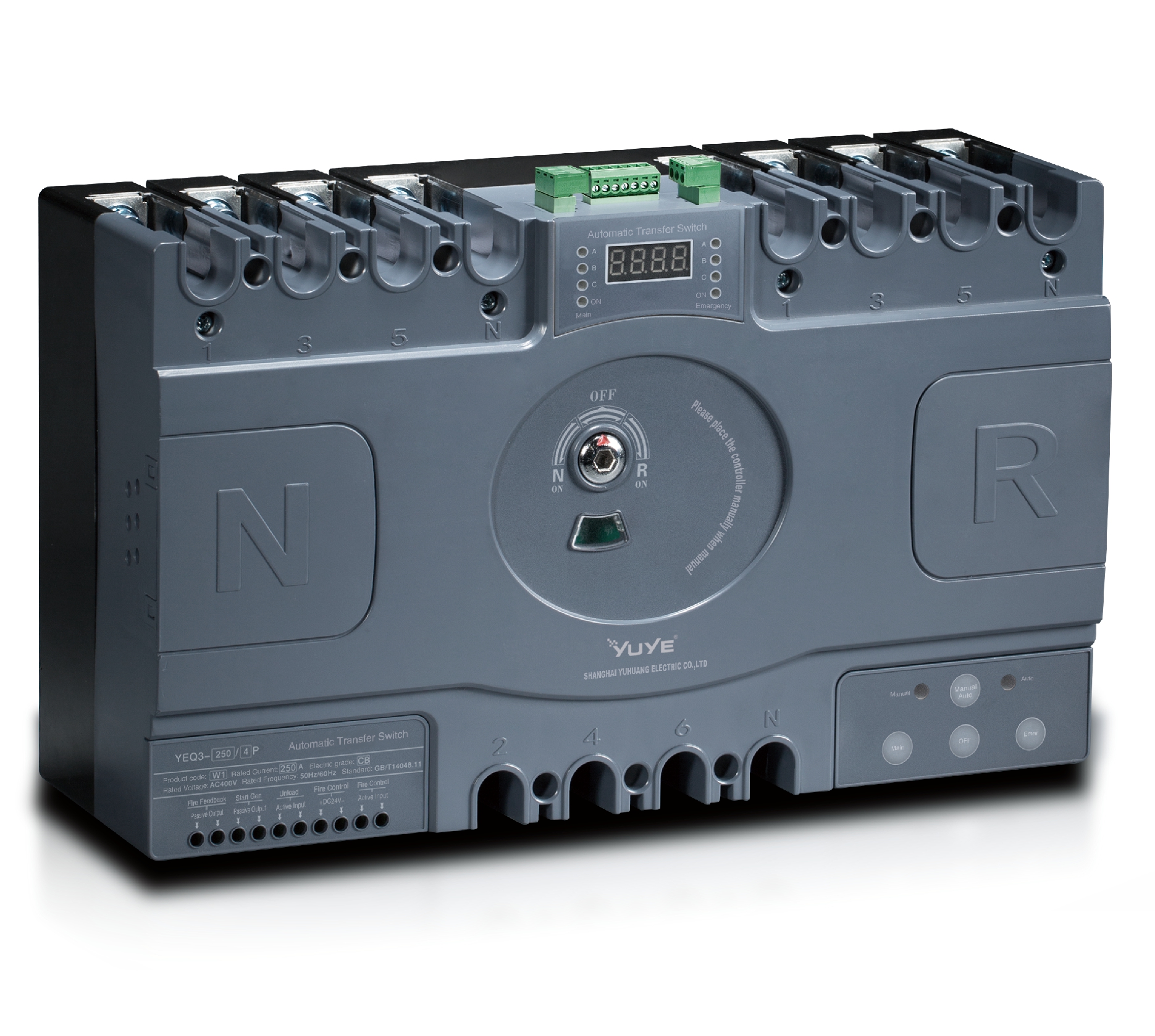 CB ATS YEQ3-125~630W1
 ATS controller Y-700
 ATS Controller Y-700N
 ATS Controller Y-701B
 ATS Controller Y-703N
 ATS Controller Y-800
 ATS Controller W2/W3 Series
 ATS switch Cabinet floor-to-ceiling
 ATS switch cabinet
 JXF-225A power Cbinet
 JXF-800A power Cbinet
 YEM3-125~800 Plastic Shell Type MCCB
 YEM3L-125~630 Leakage Type MCCB
 YEM3Z-125~800 Adjustable Type MCCB
 YEM1-63~1250 Plastic Shell Type MCCB
 YEM1E-100~800 Electronic Type MCCB
 YEM1L-100~630 Leakage Type MCCB
 Miniature circuit breaker YEMA2-6~100
 Miniature circuit breaker YEB1-3~63
 Miniature circuit breaker YEB1LE-3~63
 Miniature circuit breaker YEPN-3~32
 Miniature circuit breaker YEPNLE-3~32
 Miniature circuit breaker YENC-63~125
 Air Circuit Breaker YEW1-2000~6300
 Air Circuit Breaker YEW3-1600
 Load isolation switch YGL-63~3150
 Load Isolation Switch YGL2-63~3150
 Manual Changeover Switch YGL-100~630Z1A
 Manual Changeover Switch YGLZ1-100~3150
 YECPS2-45~125 LCD
 YECPS-45~125 Digital
 CNC Milling/Turning-OEM
 DC relay MDC-300M
 DC Isolation Switch YEGL3D-630
Automatic Transfer Switches (ATS) are essential components in dual power supply systems, ensuring seamless power transfer between the utility source and a backup power source. In medium- and large-scale power distribution systems, the 630A current rating is widely used due to its ability to support substantial electrical loads across industrial and commercial applications.
When comparing a High Quality ATS 630A with a conventional ATS, the differences go far beyond basic switching functionality. Key distinctions can be found in load handling capacity, switching performance, safety protection, mechanical durability, and system compatibility. Understanding these differences is critical for making a reliable and cost-effective purchasing decision.
1.Rated Current Capacity and Load Handling Performance
Rated current capacity directly affects how well an ATS performs under continuous and peak load conditions. A 630A ATS is typically selected for systems supplying large motors, HVAC equipment, and centralized distribution panels.
High-quality ATS units are designed with enhanced current-carrying components and optimized contact structures, allowing them to handle sustained loads and short-term overloads more effectively. In contrast, conventional ATS models may meet nominal current ratings but often show performance limitations when exposed to high inrush currents or long-term heavy loads.
Reliable load handling not only improves operational stability but also reduces thermal stress, extending the service life of the switching equipment.
2.Switching Speed and Transfer Stability
Switching speed plays a crucial role in maintaining power continuity for sensitive loads. Advanced ATS designs focus on minimizing transfer time while maintaining electrical stability during the switching process.
A High Quality ATS 630A typically offers precise and consistent switching performance, reducing voltage fluctuations and mechanical impact during transfer. Conventional ATS devices may experience slower response times or inconsistent switching behavior, especially after extended use or under frequent switching conditions.
Stable and predictable transfer performance is particularly important in facilities where even brief power interruptions can disrupt operations or damage equipment.
3.Electrical Safety and Protection Features
Electrical safety is a core factor that differentiates high-quality ATS solutions from conventional alternatives. Advanced ATS units integrate reliable mechanical and electrical interlocking mechanisms to prevent simultaneous connection of multiple power sources.
High-quality designs also incorporate comprehensive protection functions, such as over-voltage, under-voltage, phase loss, and abnormal frequency detection. These features significantly enhance system safety and reduce the risk of equipment damage or operator error.
Conventional ATS products may offer basic protection but often lack advanced monitoring and safety redundancy, increasing operational risk in demanding environments.

4.Mechanical Durability and Service Life
Mechanical structure and component quality have a direct impact on ATS longevity. High-quality ATS products are engineered with reinforced mechanisms, wear-resistant contacts, and optimized actuation systems to support high mechanical and electrical endurance.
A High Quality ATS 630A is typically tested for extensive switching cycles, ensuring stable operation even in applications requiring frequent transfers. Conventional ATS units may show accelerated wear over time, leading to higher maintenance requirements and increased downtime.
Durability translates into lower lifecycle costs and improved reliability throughout the equipment’s operational lifespan.
5.Application Scope and System Compatibility
High-quality ATS solutions offer broader application flexibility and stronger system compatibility. They are designed to integrate smoothly with generators, distribution panels, and power management systems across various regions and standards.
These ATS units are widely used in industrial plants, commercial buildings, infrastructure projects, and data centers. Their ability to adapt to different electrical configurations and operating conditions makes them suitable for both domestic and international projects.
Conventional ATS models may be limited in application scope, particularly when system requirements become more complex or demanding.
Conclusion
While both high-quality and conventional ATS products perform the basic function of power transfer, the performance differences become evident under real operating conditions. Superior load handling, faster and more stable switching, enhanced safety protection, extended mechanical life, and broader compatibility make high-quality ATS solutions a preferred choice for critical power systems.
Selecting the right ATS is not just about meeting current requirements—it is about ensuring long-term safety, reliability, and operational efficiency.
References & Content Sources
-
IEC 60947-6-1 – Low-voltage switchgear and controlgear: Transfer switching equipment
-
IEEE Power Distribution Standards and Application Guides
-
NEC (National Electrical Code) – Standby power and transfer equipment guidelines
-
Generator and ATS Manufacturer Technical Manuals
-
Industrial Power System Design White Papers
FAQ – ATS 630A Selection and Performance
Q1: What makes a high-quality ATS different from a conventional ATS?
High-quality ATS units offer improved switching accuracy, stronger protection features, higher durability, and better performance under heavy or frequent load conditions.
Q2: Is a 630A ATS suitable for industrial applications?
Yes. A 630A ATS is commonly used in industrial and commercial facilities to support large electrical loads and centralized power distribution systems.
Q3: Does switching speed really matter for ATS performance?
Yes. Faster and more stable switching reduces voltage fluctuations and minimizes disruption to sensitive equipment during power transfer.
Q4: How does ATS quality affect maintenance costs?
Higher-quality ATS products typically have longer service life and lower failure rates, which significantly reduces maintenance frequency and downtime.
Q5: Can a high-quality ATS work with different generator brands?
Most high-quality ATS units are designed for broad compatibility, allowing seamless integration with various generators and power systems.