
 PC ATS YECT1-2000G
 PC ATS YES2-63~250GN1
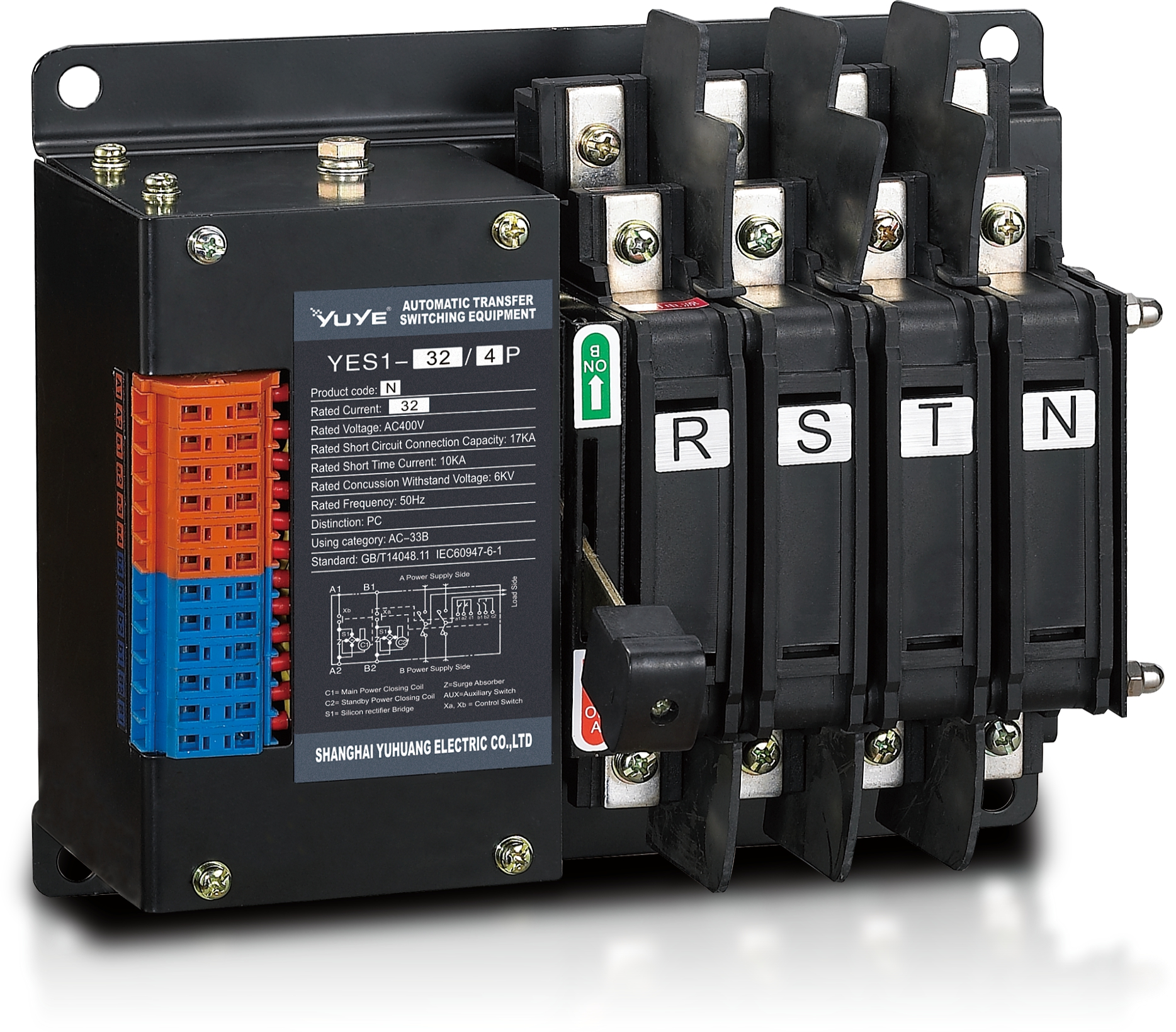 Solenoid-type ATS YES1-32~125N
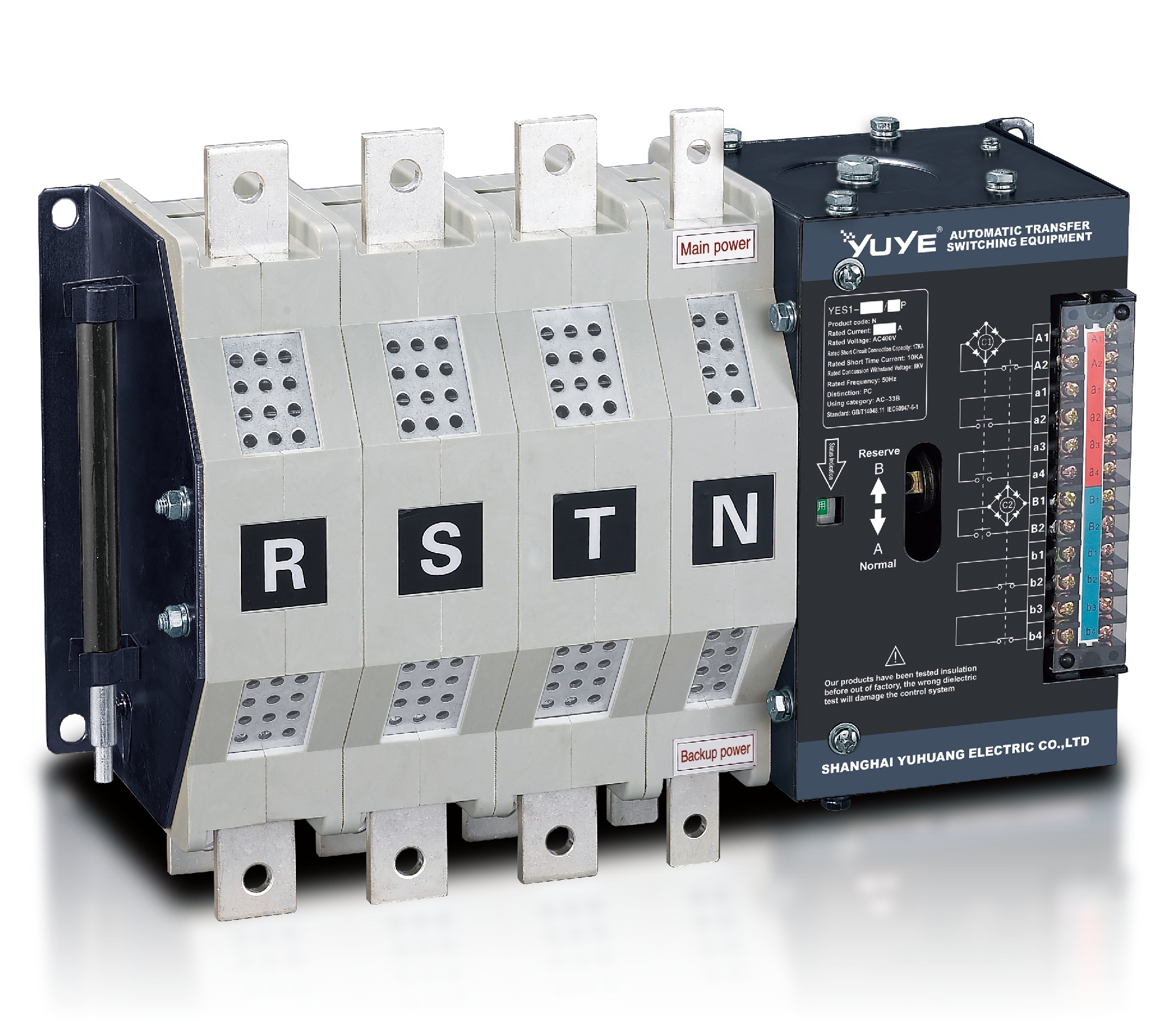 Solenoid-type ATS YES1-250~630N/NT
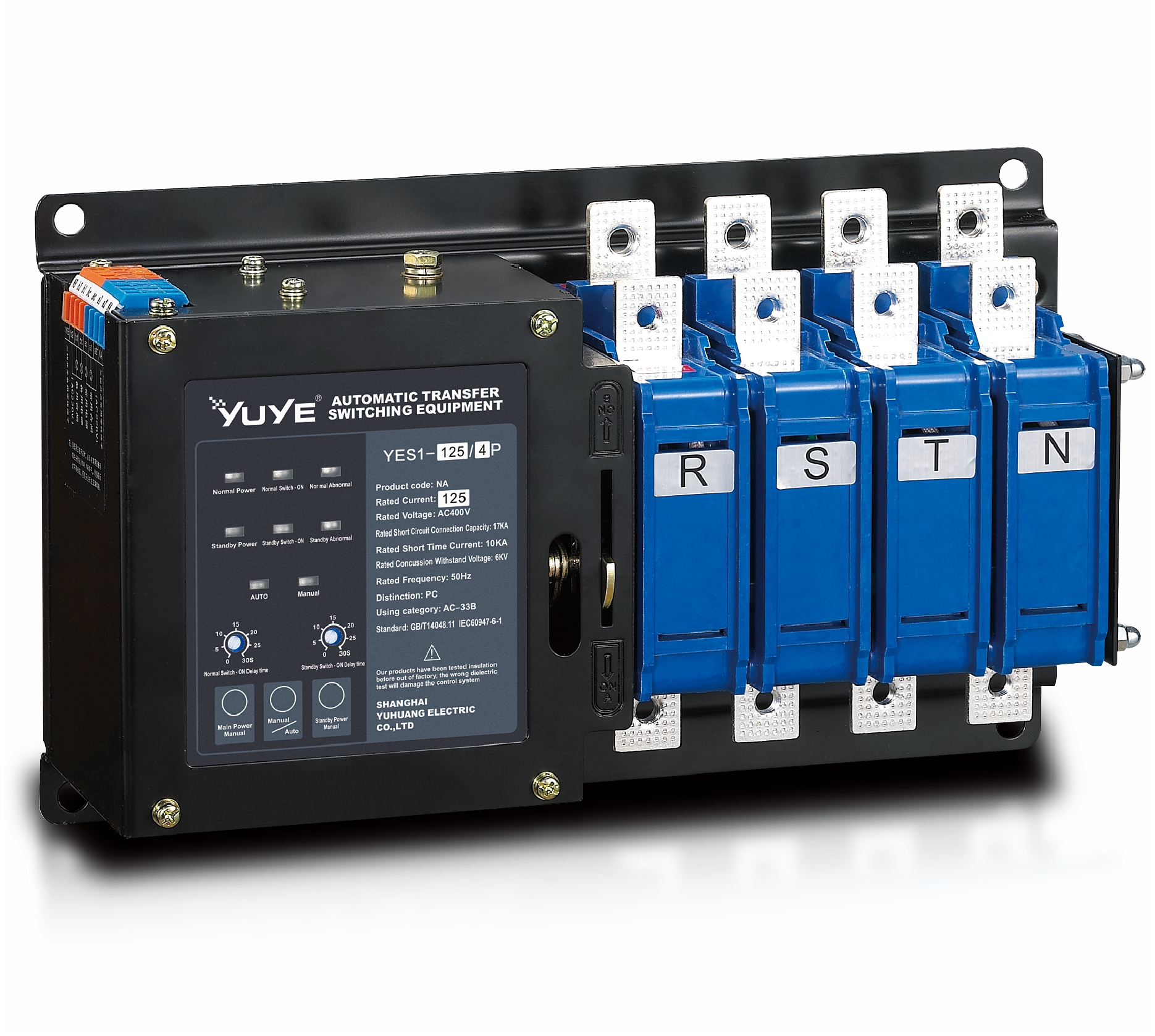 Solenoid-type ATS YES1-32~125NA
 Solenoid-type ATS YES1-63~630SN
 Solenoid-type ATS YES1-1250~4000SN
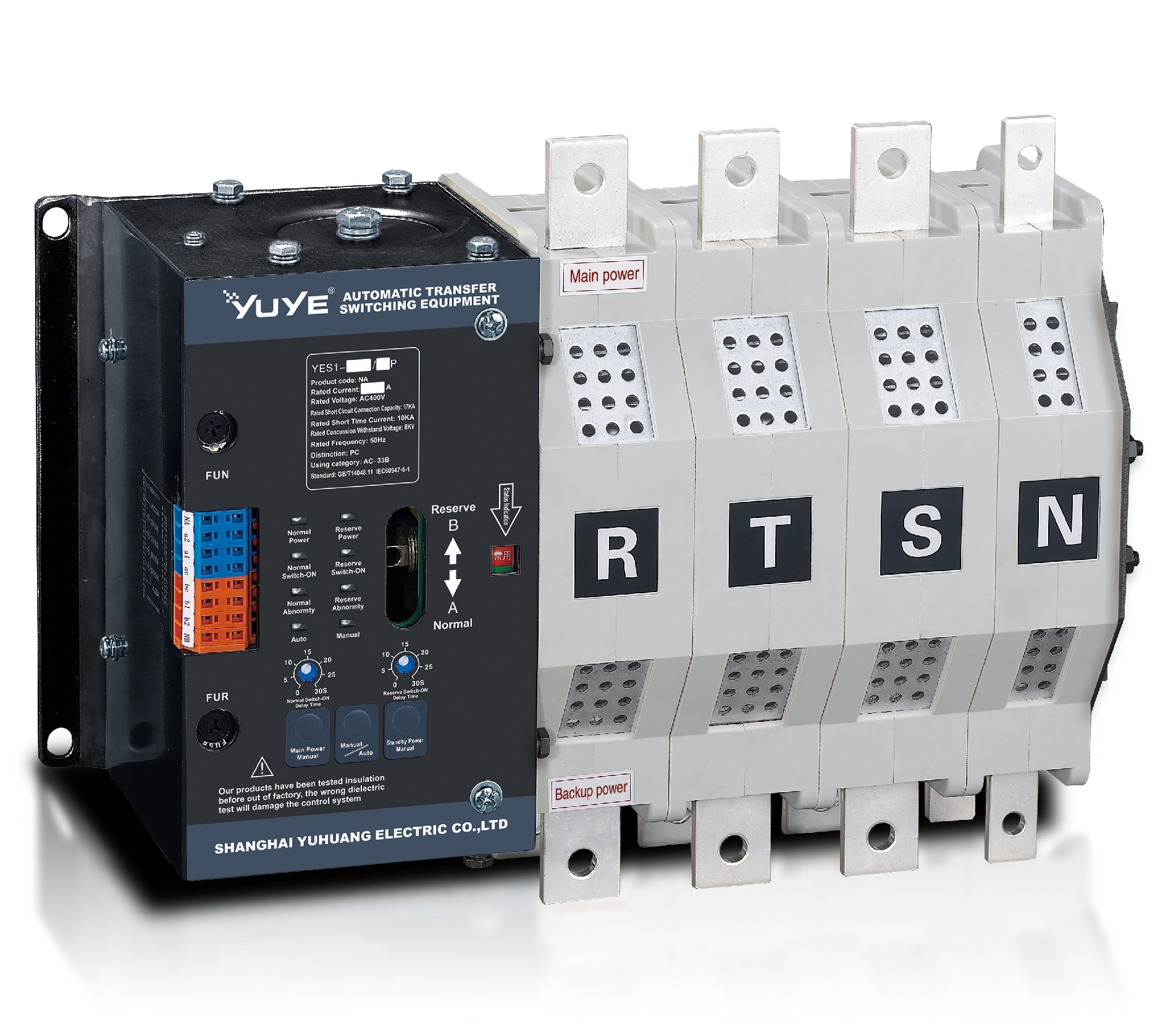 Solenoid-type ATS YES1-250~630NA/NAT
 Solenoid-type ATS YES1-63NJT
 PC ATS YES1-100~1600GN1/GN/GNF
 PC ATS YES1-2000~3200GN/GNF
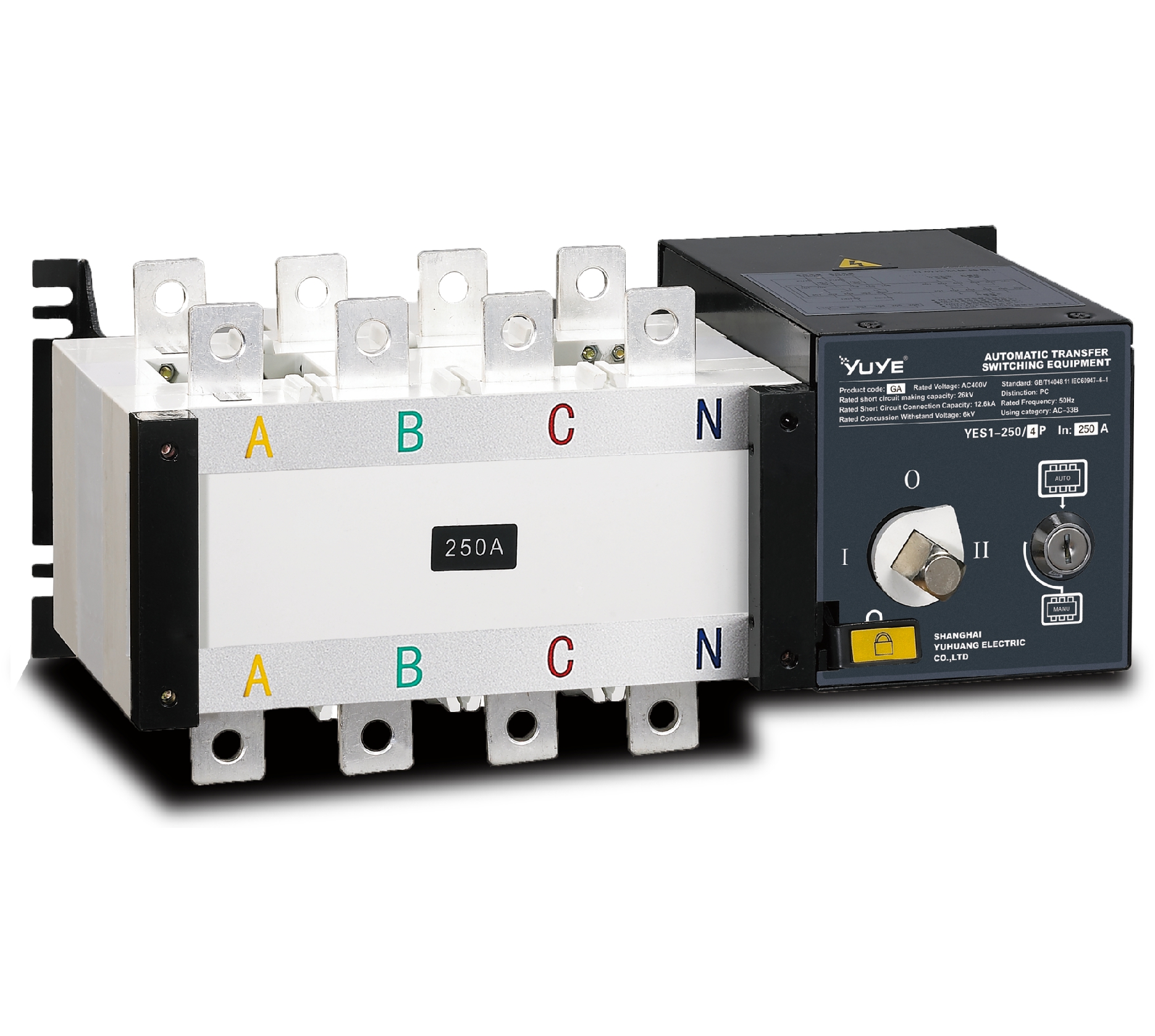 PC ATS YES1-100~3200GA1/GA
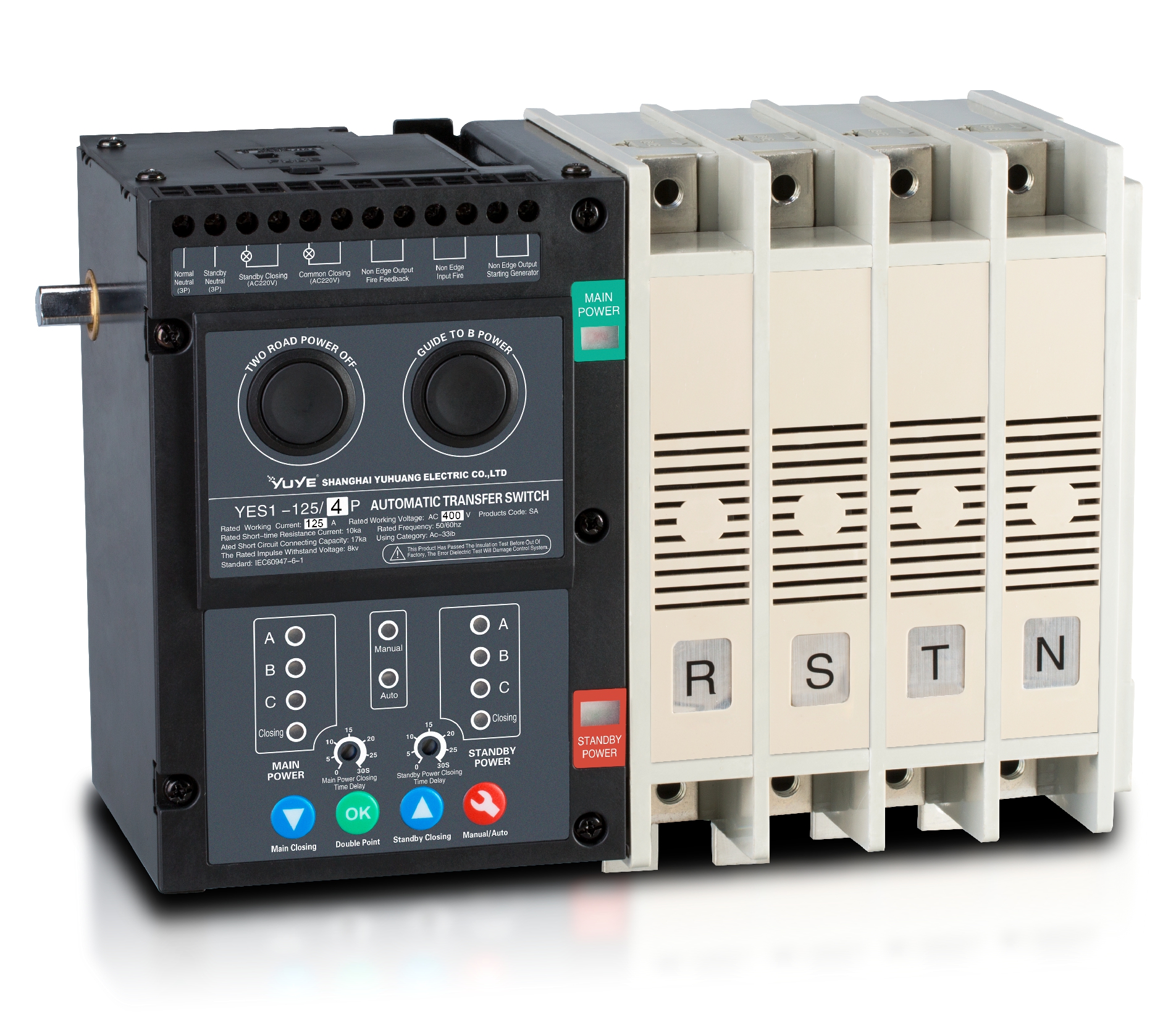 Solenoid-type ATS YES1-63~630SA
 Solenoid-type ATS YES1-63~630L/LA
 Solenoid-type ATS YES1-63~630LA3
 Solenoid-type ATS YES1-63MA
 PC ATS YES1-630~1600M
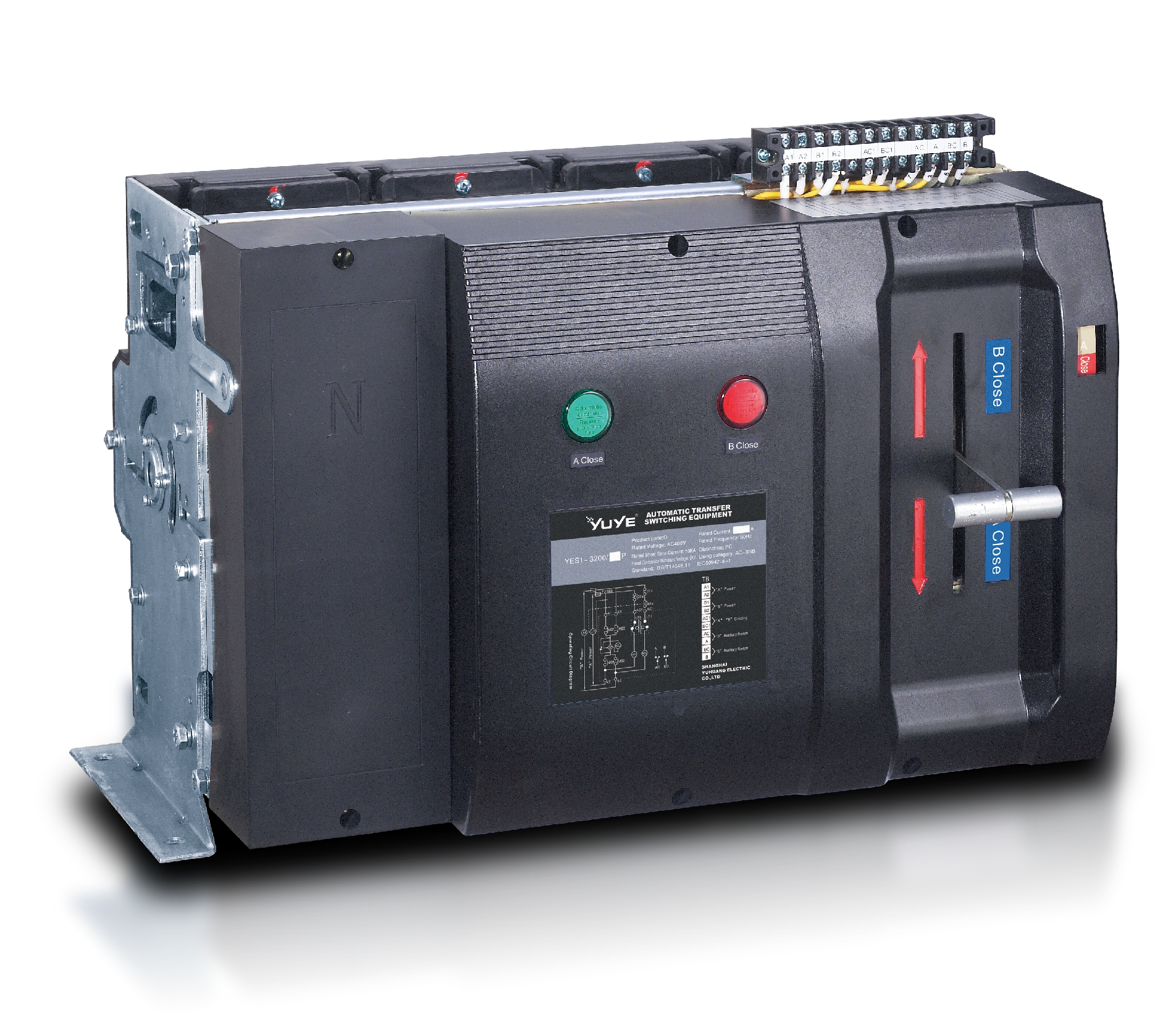 PC ATS YES1-3200Q
 Solenoid-type ATS YES1-4000~6300Q
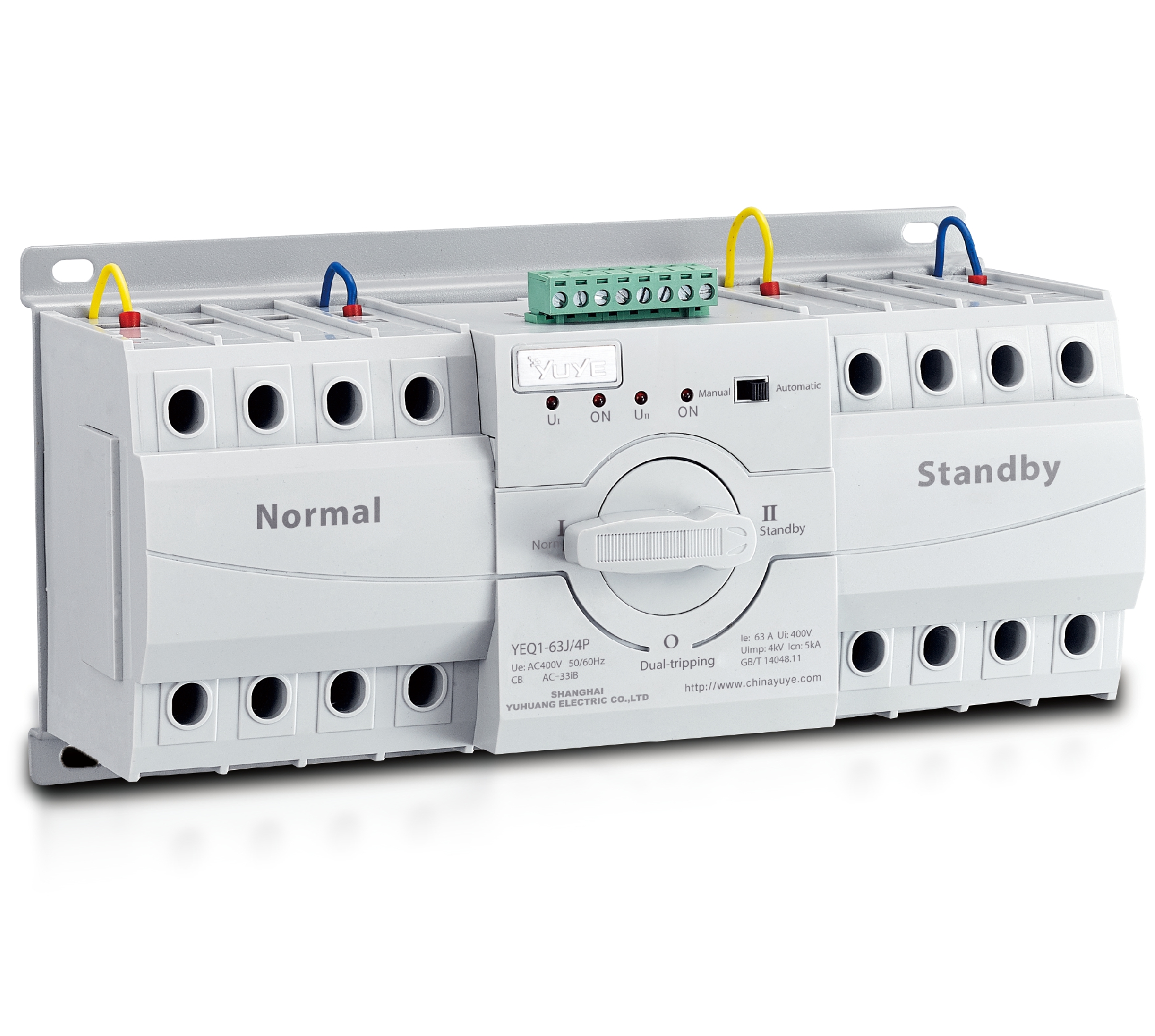 CB ATS YEQ1-63J
 CB ATS YEQ2Y-63
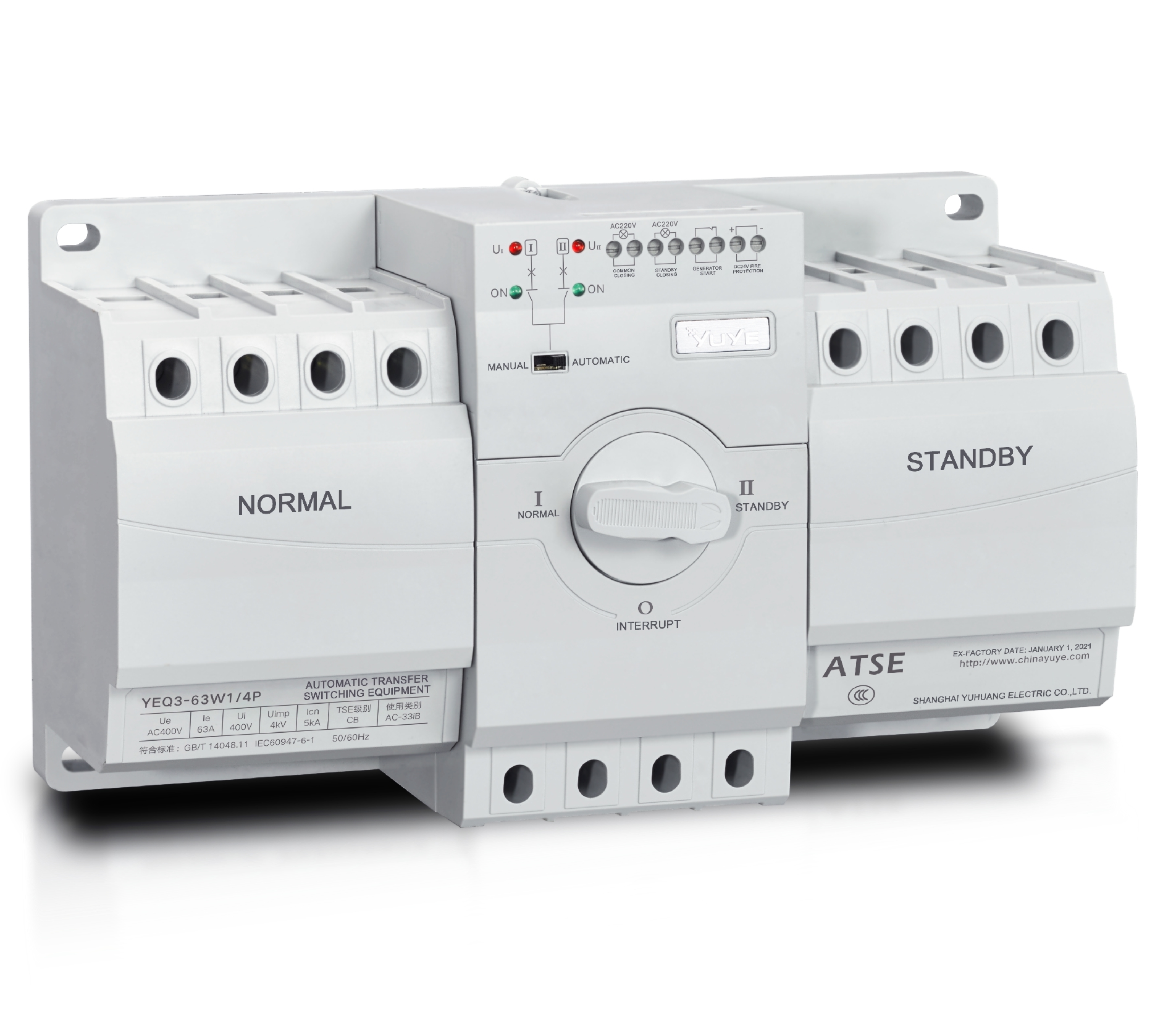 CB ATS YEQ3-63W1
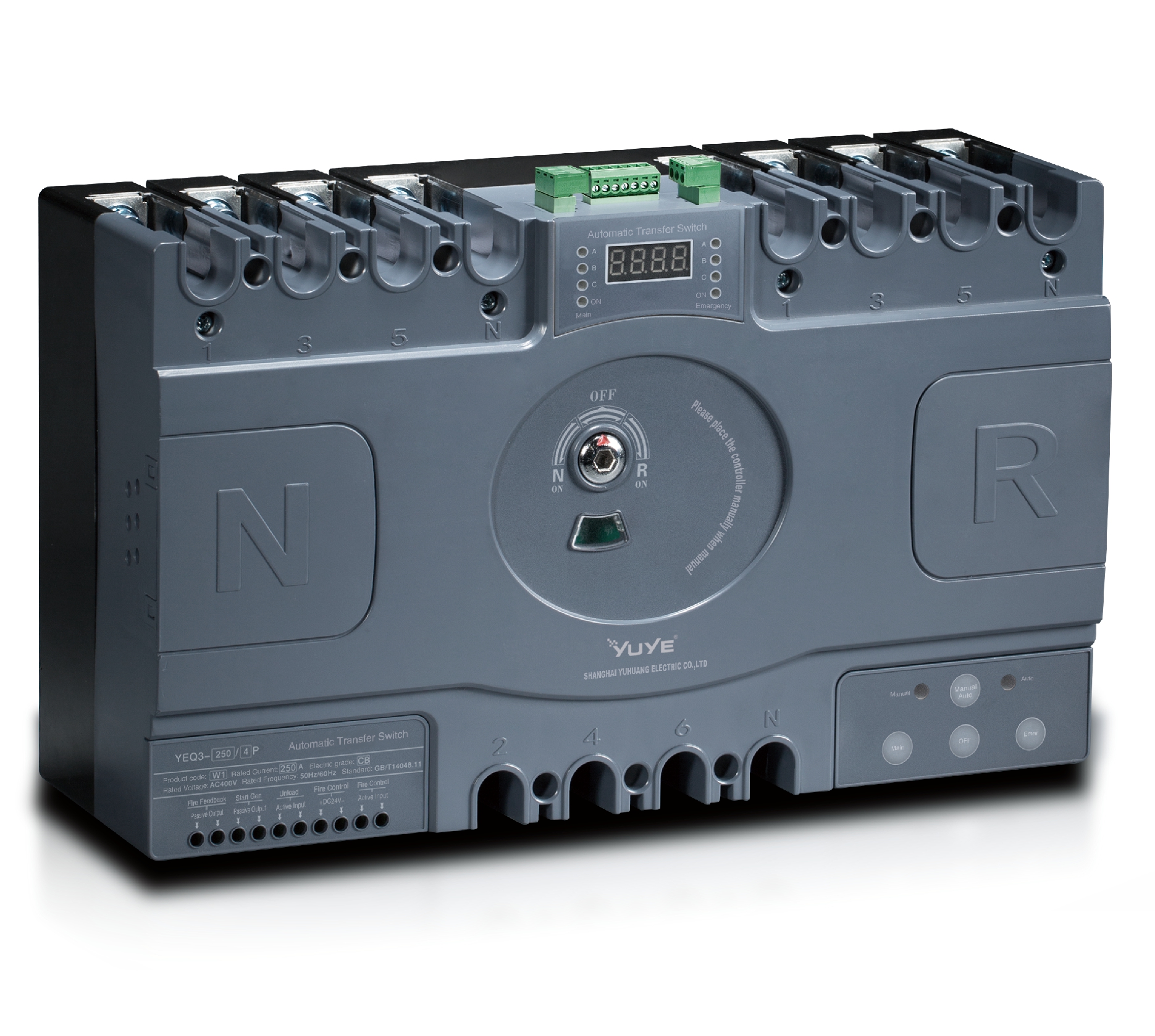 CB ATS YEQ3-125~630W1
 ATS controller Y-700
 ATS Controller Y-700N
 ATS Controller Y-701B
 ATS Controller Y-703N
 ATS Controller Y-800
 ATS Controller W2/W3 Series
 ATS switch Cabinet floor-to-ceiling
 ATS switch cabinet
 JXF-225A power Cbinet
 JXF-800A power Cbinet
 YEM3-125~800 Plastic Shell Type MCCB
 YEM3L-125~630 Leakage Type MCCB
 YEM3Z-125~800 Adjustable Type MCCB
 YEM1-63~1250 Plastic Shell Type MCCB
 YEM1E-100~800 Electronic Type MCCB
 YEM1L-100~630 Leakage Type MCCB
 Miniature circuit breaker YEMA2-6~100
 Miniature circuit breaker YEB1-3~63
 Miniature circuit breaker YEB1LE-3~63
 Miniature circuit breaker YEPN-3~32
 Miniature circuit breaker YEPNLE-3~32
 Miniature circuit breaker YENC-63~125
 Air Circuit Breaker YEW1-2000~6300
 Air Circuit Breaker YEW3-1600
 Load isolation switch YGL-63~3150
 Load Isolation Switch YGL2-63~3150
 Manual Changeover Switch YGL-100~630Z1A
 Manual Changeover Switch YGLZ1-100~3150
 YECPS2-45~125 LCD
 YECPS-45~125 Digital
 CNC Milling/Turning-OEM
 DC relay MDC-300M
 DC Isolation Switch YEGL3D-630
In the field of electrical engineering and power distribution, choosing the right air circuit breaker (ACB) is of vital importance. Air circuit breakers are key components for protecting electrical systems from overloads and short circuits. With so many options available on the market, including products from reputable manufacturers such as Yuye Electrical Co., Ltd., it is essential to understand the key parameters that influence the selection process. This article aims to provide a comprehensive guide to help you choose an air circuit breaker that meets your specific criteria, focusing on load type, short circuit current, and rated current.
Understanding Air Circuit Breakers
Air circuit breakers are designed to protect electrical circuits by interrupting the flow of current when a fault occurs. They utilize air as an arc extinguishing medium and are suitable for high voltage applications. Air circuit breakers are commonly used in industrial and commercial settings to provide reliable protection for electrical equipment and ensure personnel safety.
Key parameters for selection
When selecting an air circuit breaker, multiple parameters must be considered to ensure optimal performance and reliability. The three main factors to focus on are load type, short-circuit current, and rated current.

1. Load type
The type of load that the air circuit breaker serves is a key consideration. Loads can be divided into three categories: resistive loads, inductive loads, and capacitive loads.
Resistive load: Includes heating elements, incandescent lamps, and other devices where current is proportional to voltage. Air circuit breakers for resistive loads typically require less inrush current protection.
Inductive load: Inductive loads include motors, transformers, and other devices that generate magnetic fields. Inductive loads generate large inrush currents when starting, so air circuit breakers with higher breaking capacity and adjustable settings are required to handle these inrush currents.
Capacitive loads: Capacitors and power factor correction devices fall into this category. Air circuit breakers (ACBs) for capacitive loads must be selected carefully as they may experience high inrush currents and require specific settings to prevent nuisance tripping.
Understanding the nature of the load is critical to selecting an ACB that will meet operational needs without compromising safety or performance.
2. Short-circuit current
Short-circuit current refers to the maximum current that may flow in a circuit under fault conditions. It is important to determine the prospective short-circuit current during installation, as this value will determine the required breaking capacity of the air circuit breaker.
To calculate the short-circuit current, the total impedance of the circuit must be considered, including the transformer, conductors, and any other components. The breaking capacity of the air circuit breaker must exceed the calculated short-circuit current to ensure that it can effectively interrupt the fault and protect downstream equipment.
Yuye Electric Co., Ltd. offers a range of air circuit breakers with different breaking capacities, allowing engineers to select a model that meets the specific short-circuit current requirements of their application.
3. Rated current
The rated current of an air circuit breaker refers to the maximum continuous current it can carry without tripping. This parameter is critical to ensure that the air circuit breaker can handle the normal operation of the electrical system.
When selecting the rated current, the total load connected to the circuit must be considered. The rated current should be higher than the expected maximum load to prevent unnecessary tripping during normal operation. In addition, since electrical systems typically expand over time, it is recommended to consider future load growth.
Yuye Electric Co., Ltd. offers air circuit breakers in a variety of current ratings, enabling users to select circuit breakers that meet their current and future load requirements.

Other Notes
While load type, short-circuit current and rated current are the main parameters for selecting an air circuit breaker, other factors should also be considered:
Environmental conditions: The installation environment can affect the performance of the air circuit breaker. When selecting a circuit breaker, factors such as temperature, humidity, and exposure to dust or corrosive substances should be considered.
Trip Characteristics: Different air circuit breakers (ACBs) have different trip characteristics, including thermal and magnetic trip settings. Understanding these characteristics is critical to ensure the circuit breaker operates effectively under fault conditions.
Standards and Certification: Make sure the selected air circuit breaker complies with relevant industry standards and certifications. This not only ensures safety and reliability, but also facilitates maintenance and replacement.
Selecting the right air circuit breaker is critical and can significantly impact the safety and reliability of electrical systems. By carefully considering parameters such as load type, short-circuit current, and rated current, engineers and facility managers can select air circuit breakers that meet their specific needs. Yuye Electric Co., Ltd. offers a wide variety of air circuit breakers designed to meet a variety of application requirements, ensuring that users can find the perfect solution for their electrical protection needs. By following the guidelines outlined in this article, you can make an informed decision and improve the safety and efficiency of your electrical installations.