
 PC ATS YECT1-2000G
 PC ATS YES2-63~250GN1
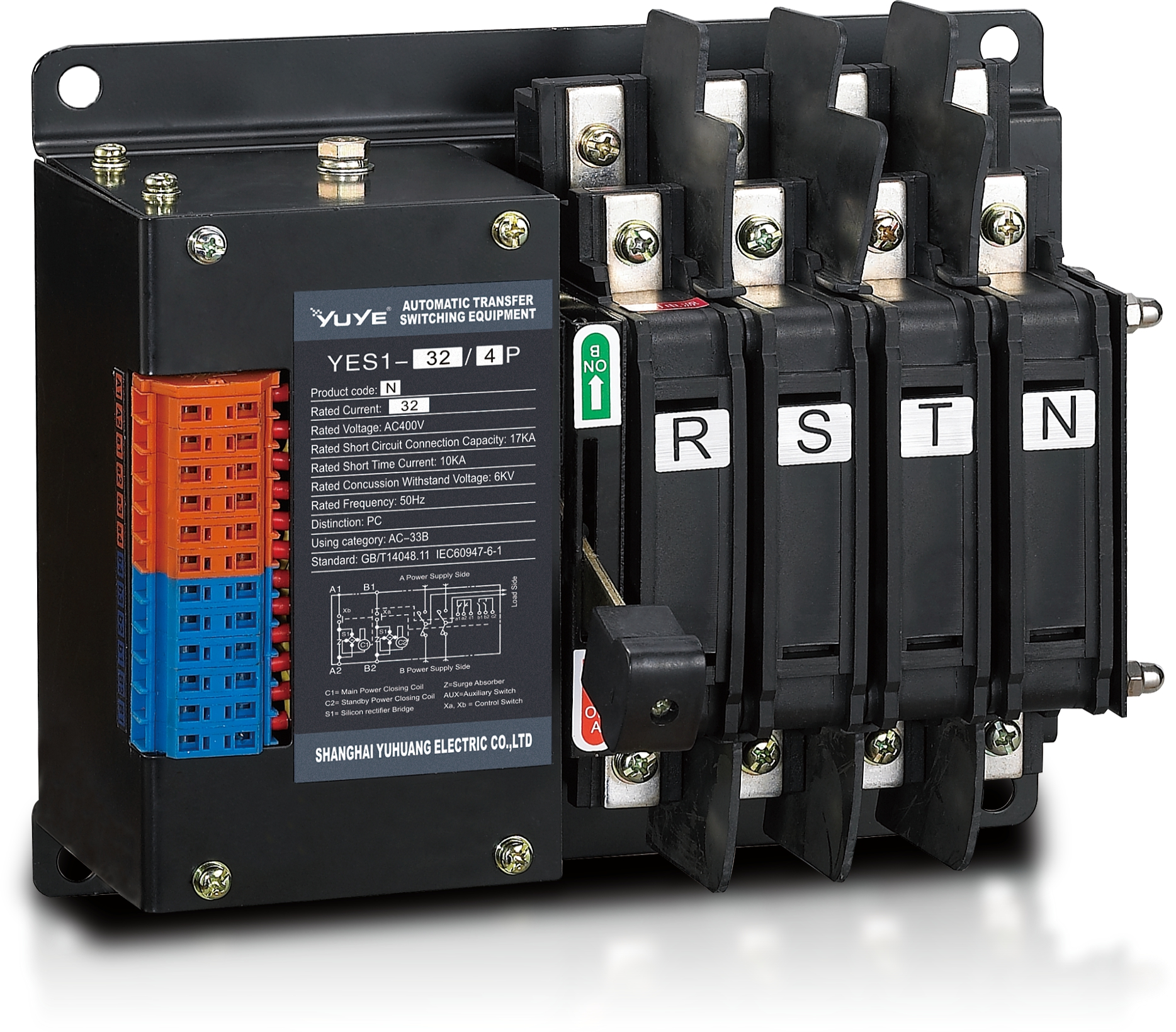 Solenoid-type ATS YES1-32~125N
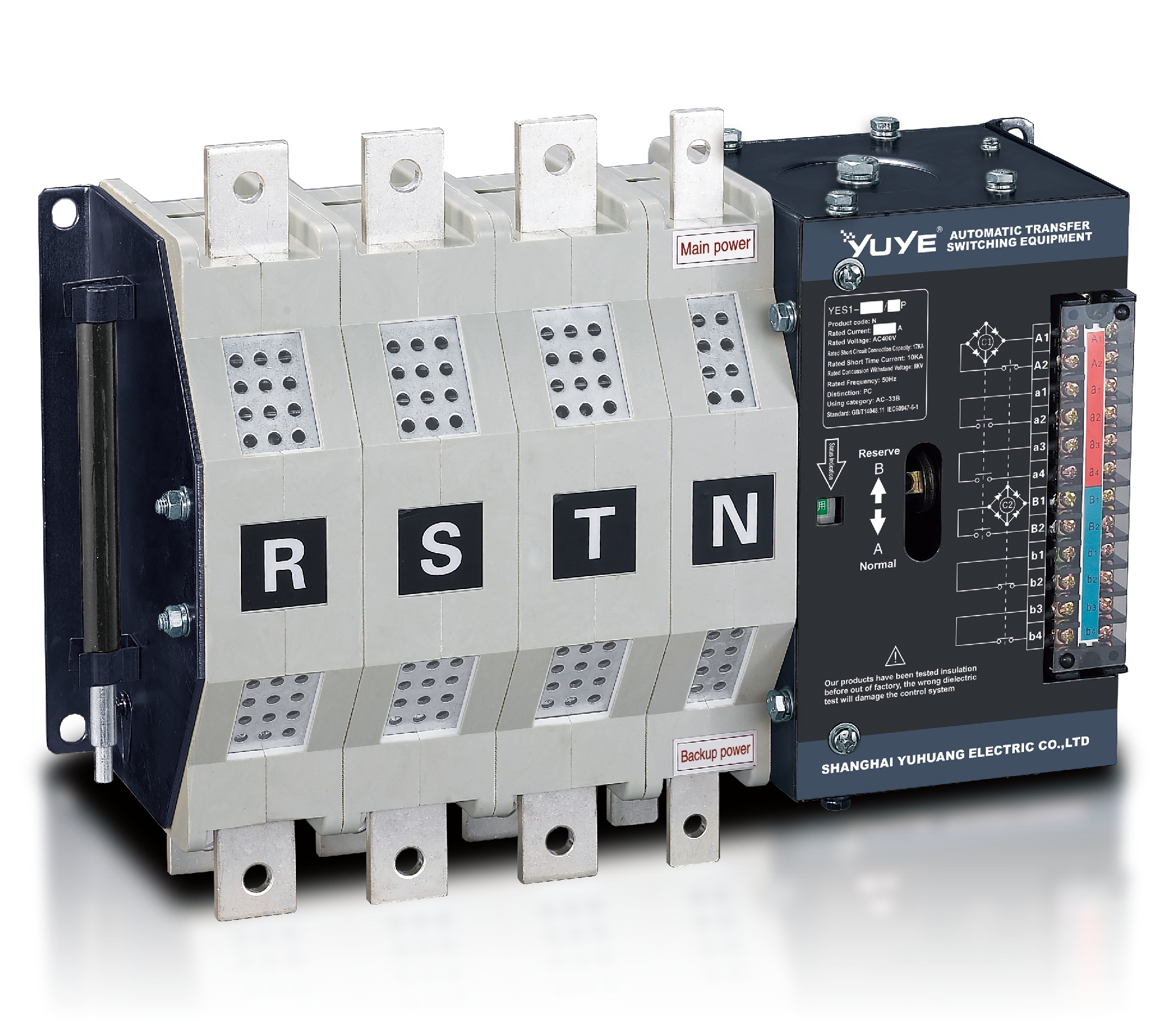 Solenoid-type ATS YES1-250~630N/NT
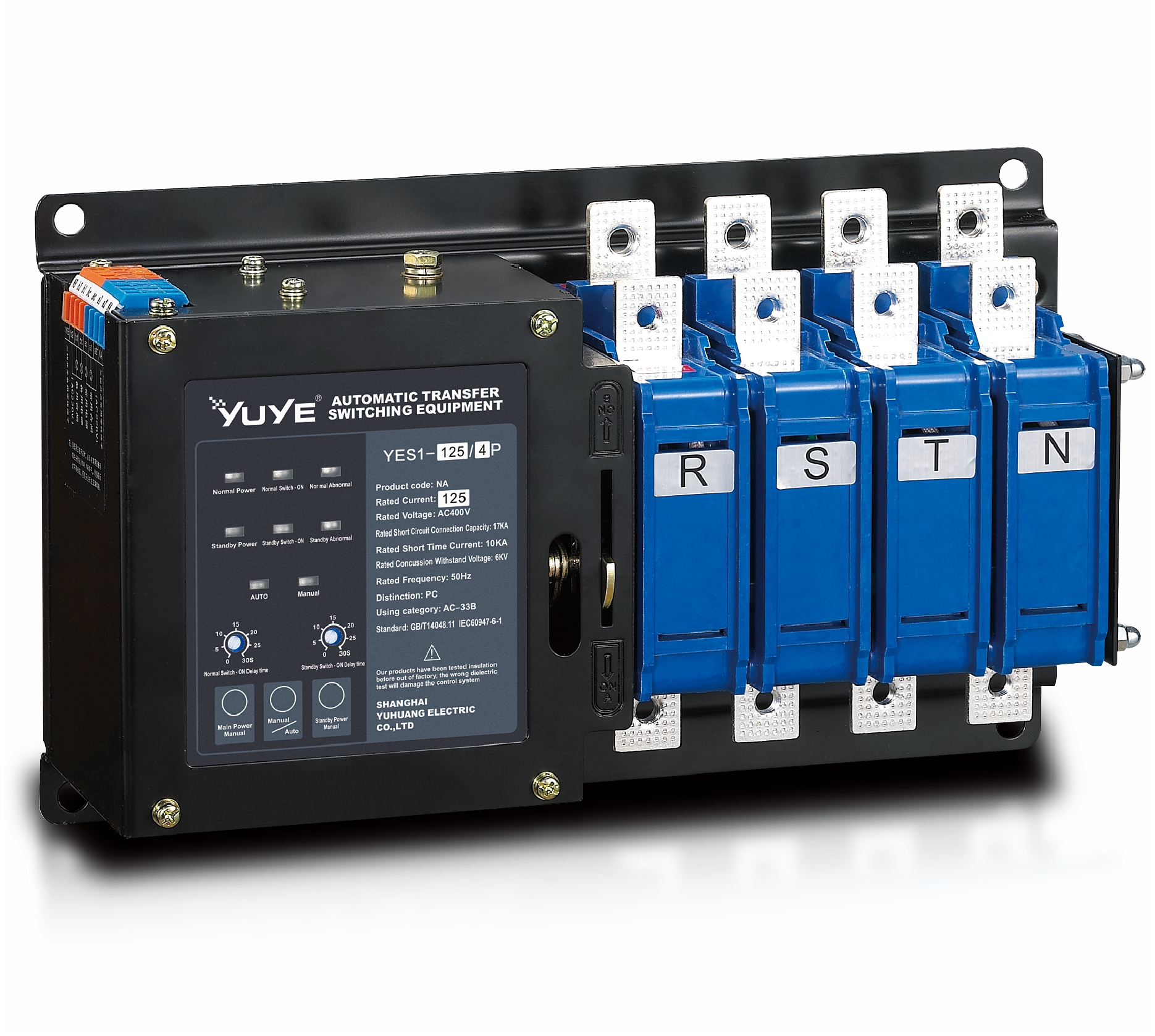 Solenoid-type ATS YES1-32~125NA
 Solenoid-type ATS YES1-63~630SN
 Solenoid-type ATS YES1-1250~4000SN
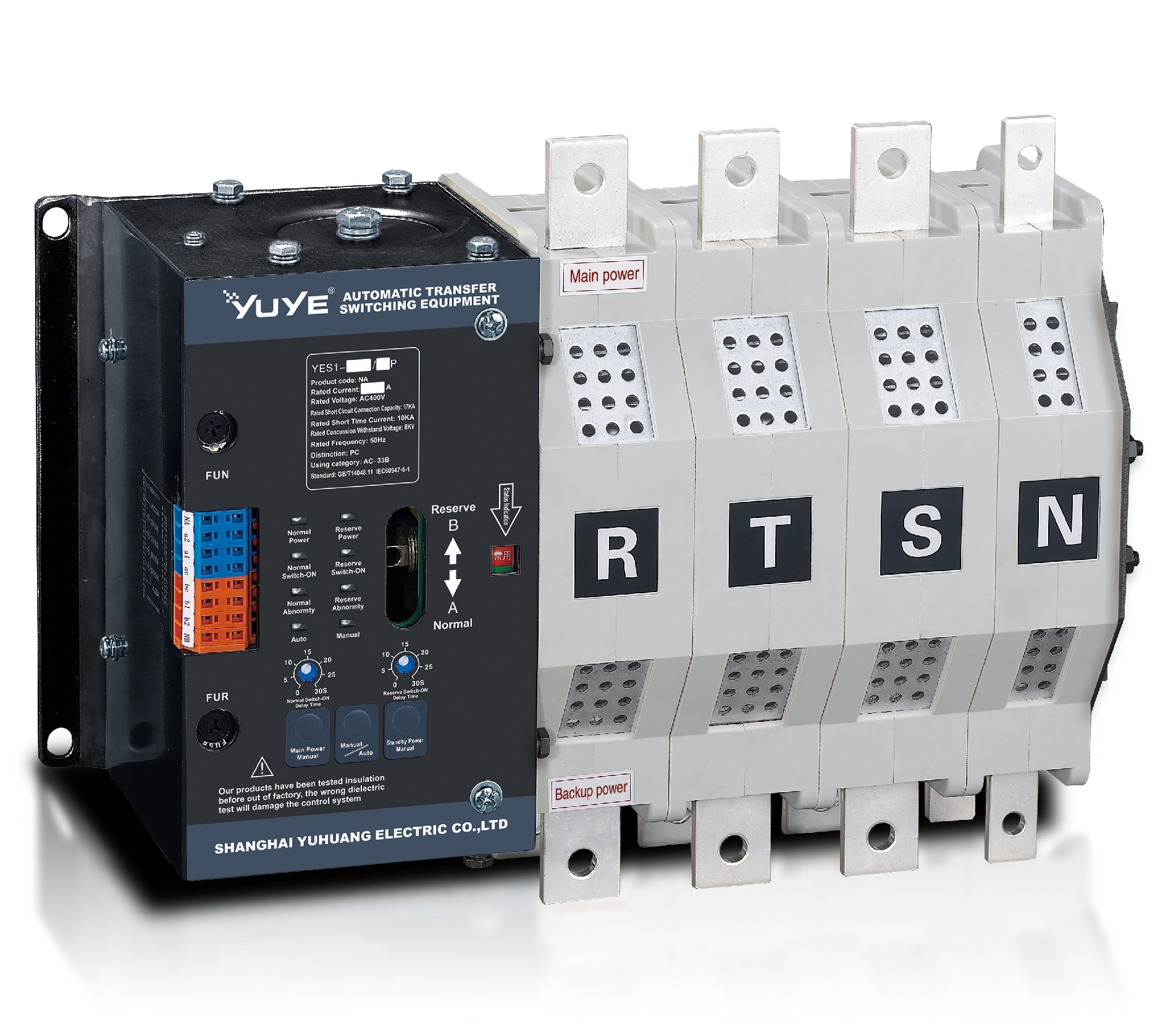 Solenoid-type ATS YES1-250~630NA/NAT
 Solenoid-type ATS YES1-63NJT
 PC ATS YES1-100~1600GN1/GN/GNF
 PC ATS YES1-2000~3200GN/GNF
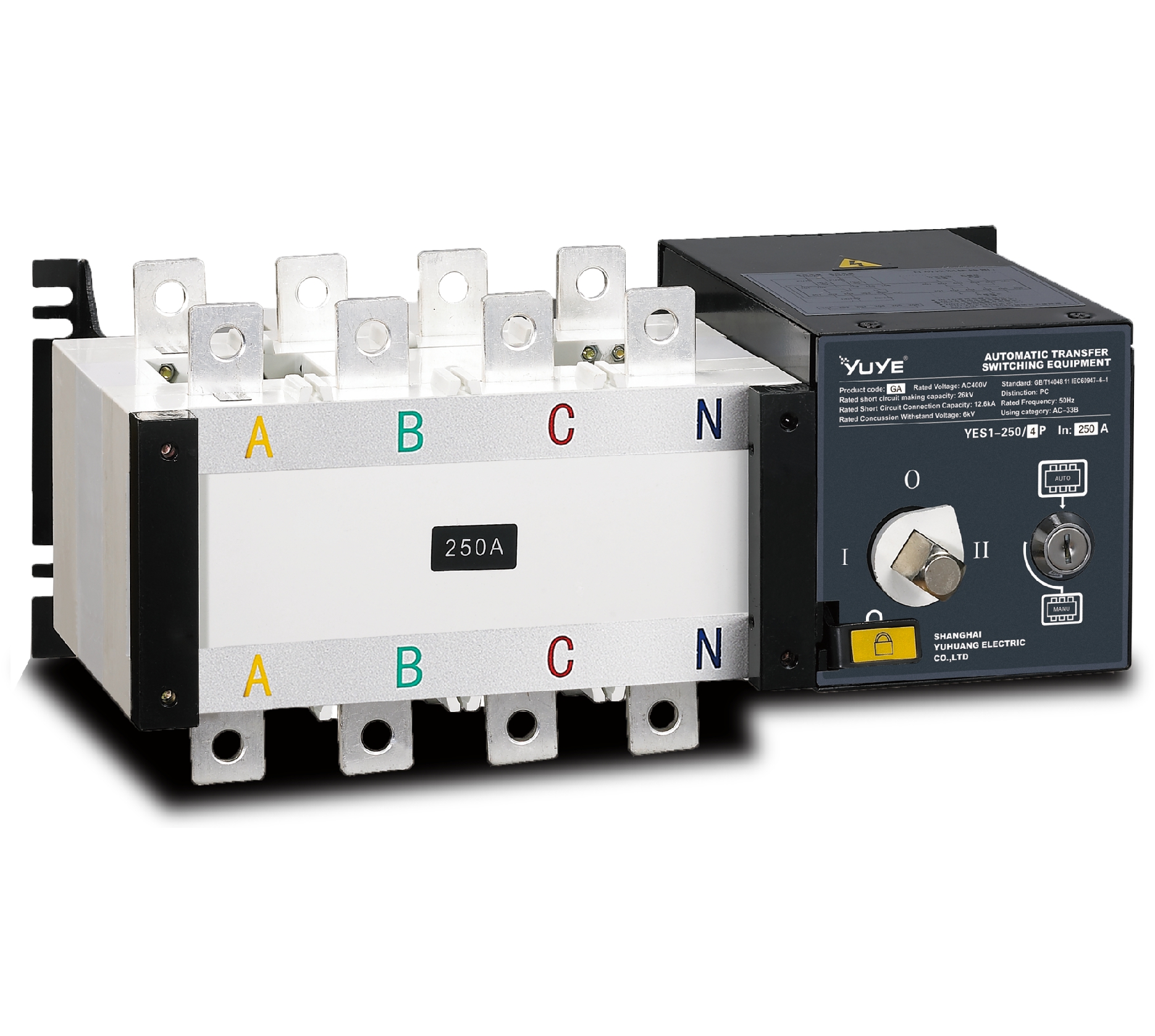 PC ATS YES1-100~3200GA1/GA
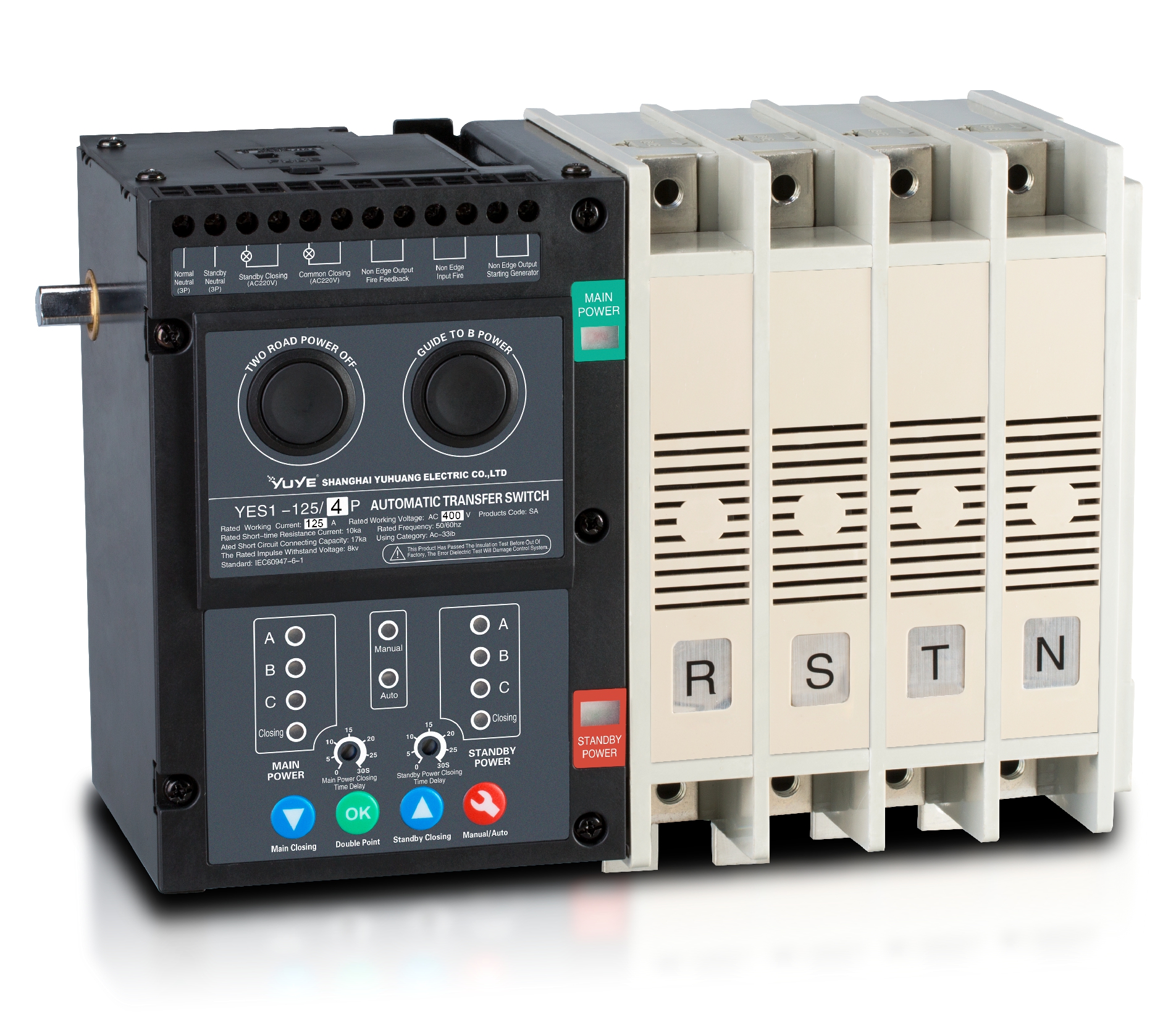 Solenoid-type ATS YES1-63~630SA
 Solenoid-type ATS YES1-63~630L/LA
 Solenoid-type ATS YES1-63~630LA3
 Solenoid-type ATS YES1-63MA
 PC ATS YES1-630~1600M
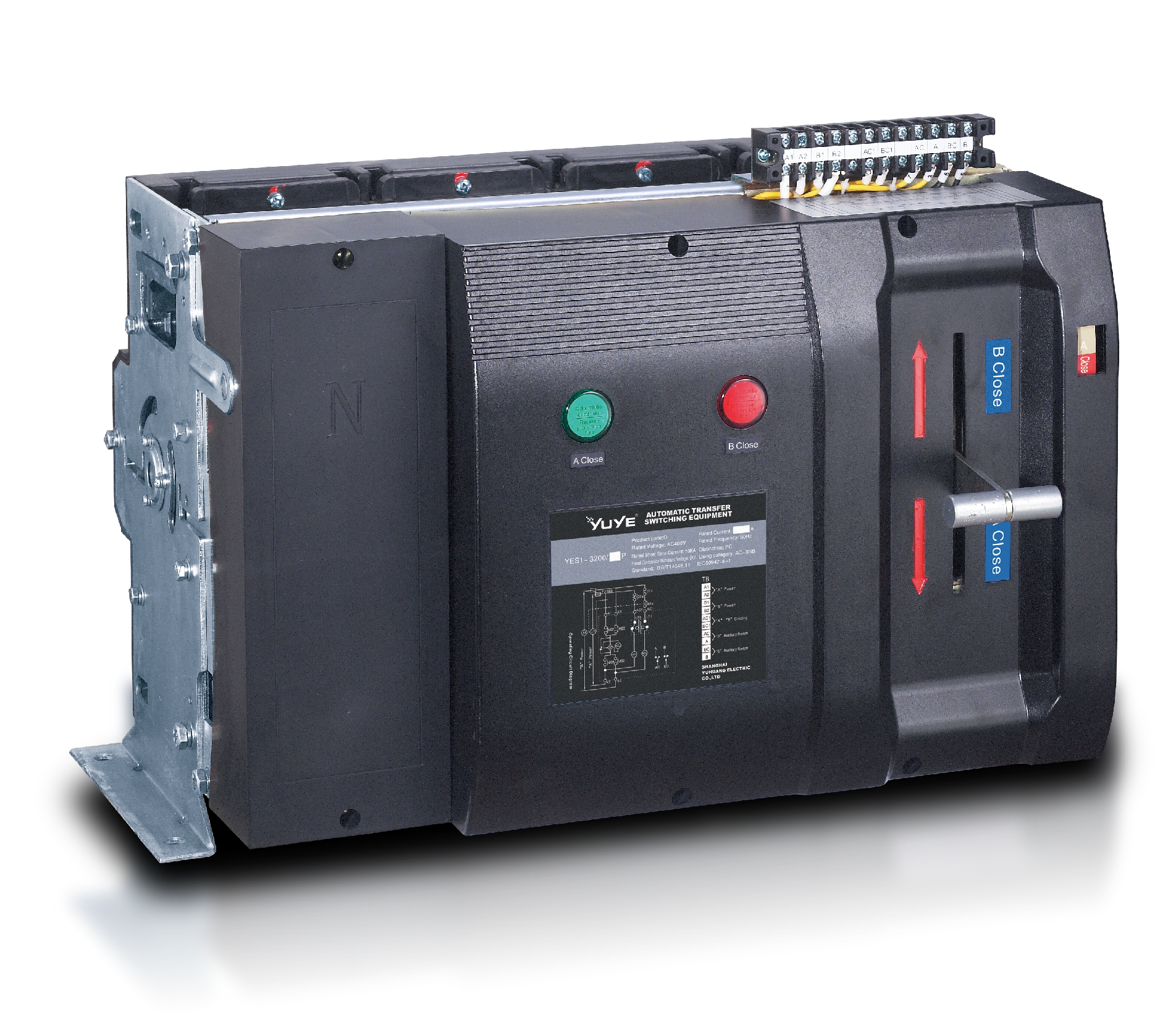 PC ATS YES1-3200Q
 Solenoid-type ATS YES1-4000~6300Q
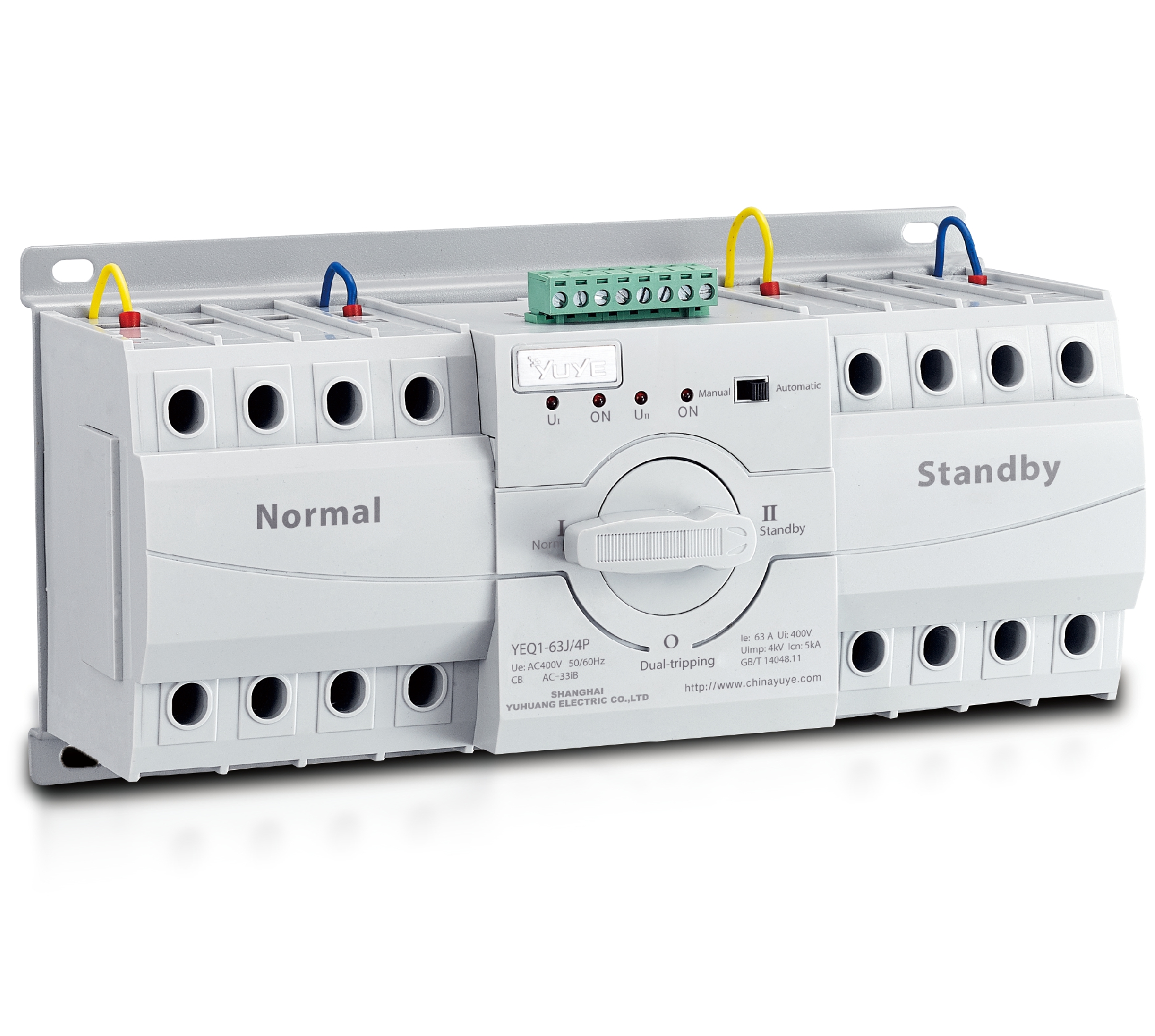 CB ATS YEQ1-63J
 CB ATS YEQ2Y-63
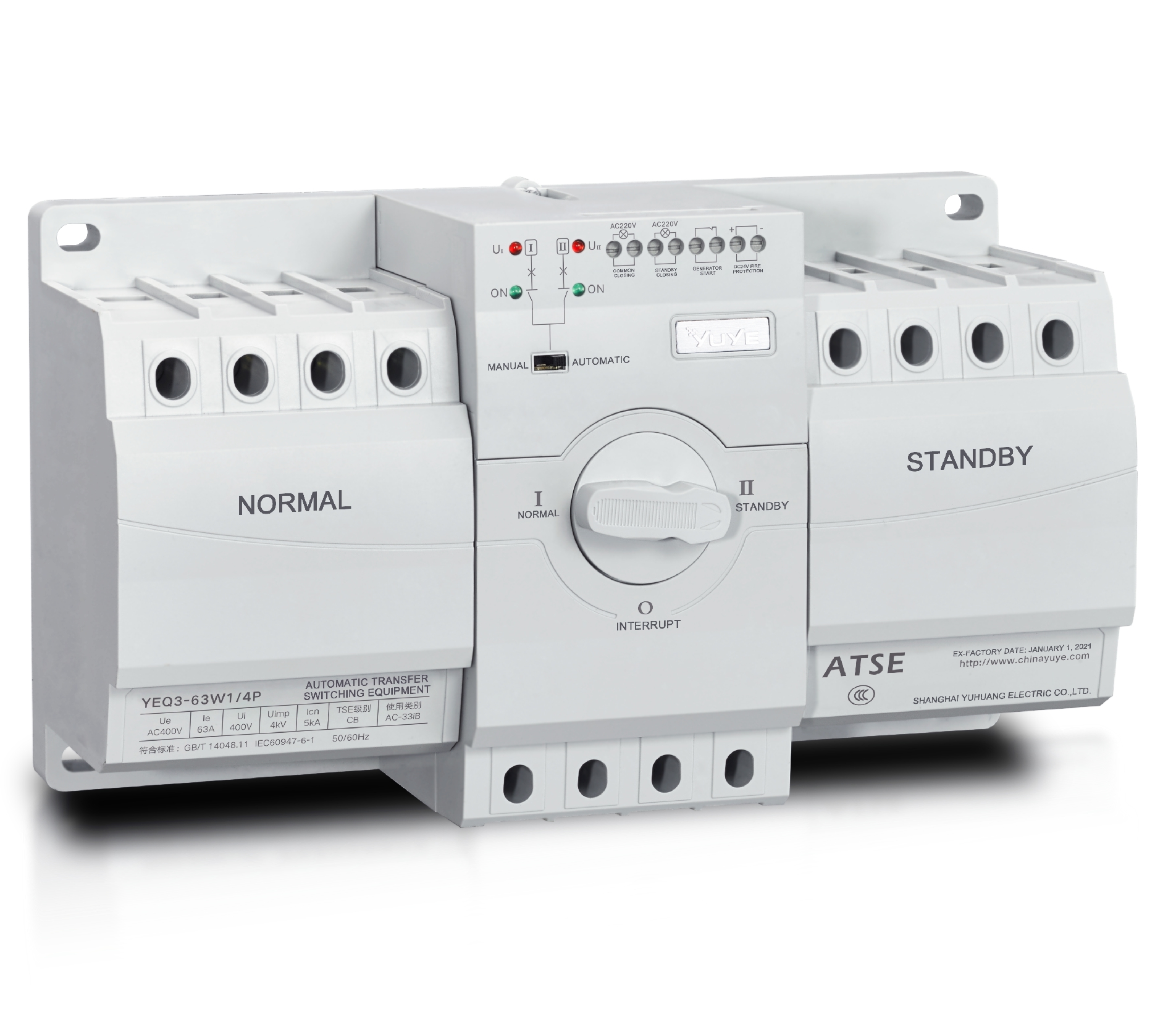 CB ATS YEQ3-63W1
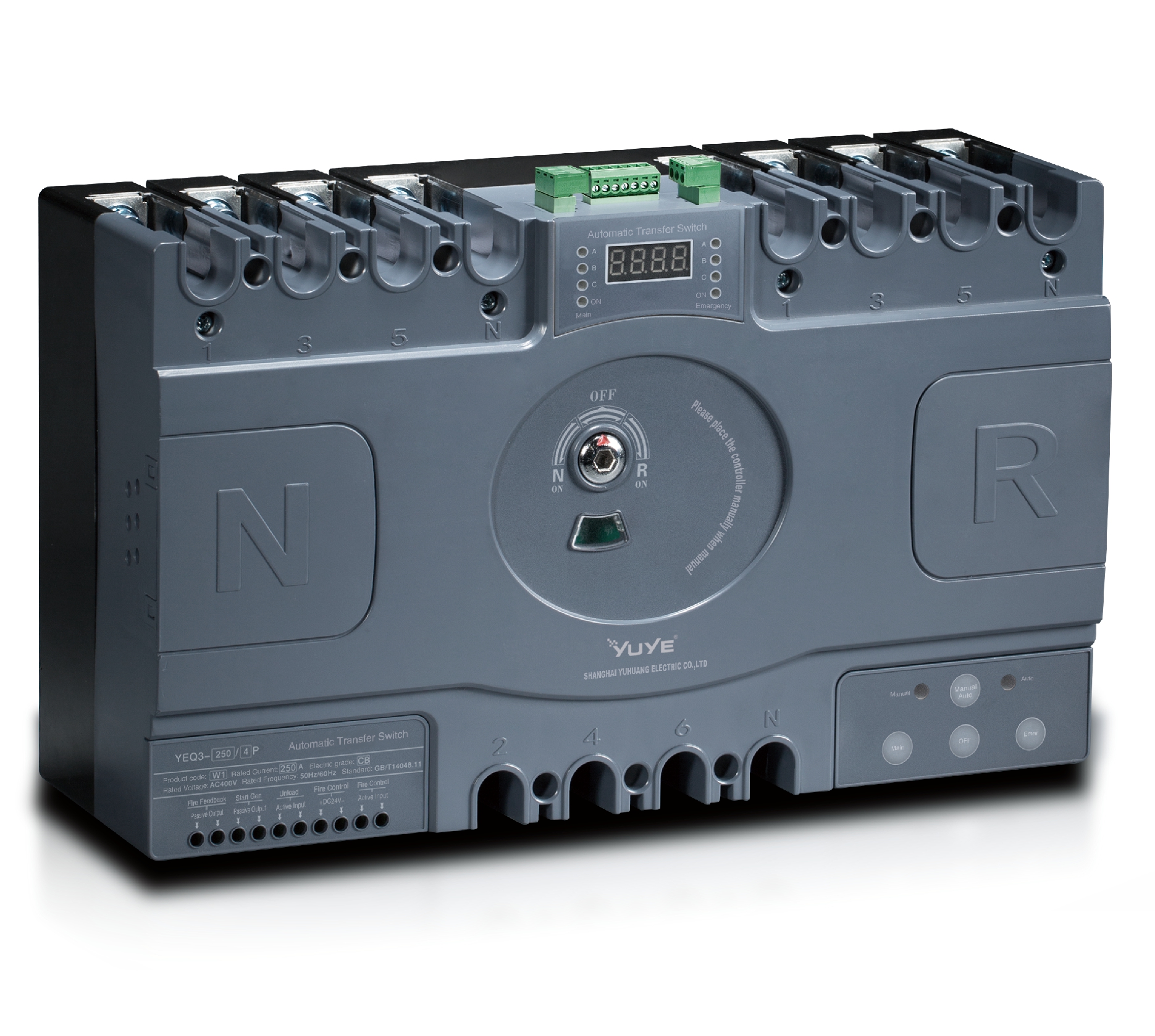 CB ATS YEQ3-125~630W1
 ATS controller Y-700
 ATS Controller Y-700N
 ATS Controller Y-701B
 ATS Controller Y-703N
 ATS Controller Y-800
 ATS Controller W2/W3 Series
 ATS switch Cabinet floor-to-ceiling
 ATS switch cabinet
 JXF-225A power Cbinet
 JXF-800A power Cbinet
 YEM3-125~800 Plastic Shell Type MCCB
 YEM3L-125~630 Leakage Type MCCB
 YEM3Z-125~800 Adjustable Type MCCB
 YEM1-63~1250 Plastic Shell Type MCCB
 YEM1E-100~800 Electronic Type MCCB
 YEM1L-100~630 Leakage Type MCCB
 Miniature circuit breaker YEMA2-6~100
 Miniature circuit breaker YEB1-3~63
 Miniature circuit breaker YEB1LE-3~63
 Miniature circuit breaker YEPN-3~32
 Miniature circuit breaker YEPNLE-3~32
 Miniature circuit breaker YENC-63~125
 Air Circuit Breaker YEW1-2000~6300
 Air Circuit Breaker YEW3-1600
 Load isolation switch YGL-63~3150
 Load Isolation Switch YGL2-63~3150
 Manual Changeover Switch YGL-100~630Z1A
 Manual Changeover Switch YGLZ1-100~3150
 YECPS2-45~125 LCD
 YECPS-45~125 Digital
 CNC Milling/Turning-OEM
 DC relay MDC-300M
 DC Isolation Switch YEGL3D-630
Introduction
In low-voltage power distribution systems, matching the right safety components is the first step to avoid electrical failures and safety accidents. A Control Protection Switch, known as CPS in the industry, is a multifunctional electrical device that combines control, overload protection and fault detection in one unit. Unlike traditional setups that use separate contactors and circuit breakers, CPS streamlines wiring and cuts down on failure points in power distribution loops. Picking an incompatible model or cutting corners during installation often leads to frequent tripping, equipment damage and even electric shock risks, so standardized selection and installation are non-negotiable for all usage scenarios. This article sums up practical, field-proven methods for choosing and installing CPS, with reference to official industry standards to ensure operability and compliance.
1. Core Selection Principles for Electrical Load Requirements
The first rule of using CPS correctly is to match the Control Protection Switch to the actual load type and working environment. For ordinary resistive loads like indoor lighting and electric heaters, standard CPS models with basic protection functions are sufficient; for inductive loads such as factory motors, elevators and water pumps, choose models with stronger anti-surge and short-circuit tolerance to handle the high current at startup. Key parameters must be carefully checked: rated current, working voltage, breaking capacity and IP protection level must all fit the actual power distribution configuration.
For critical loads like medical life-support machines and data room power supplies, select high-reliability CPS models with better stability. All qualified products must meet IEC 60947-6-2 and GB 14048.9 low-voltage electrical standards, which are mandatory to ensure product quality and on-site safety (Low-Voltage Electrical Appliances Standardization Committee, 2024).
2. Standardized Installation Procedures and Safety Rules
Before installation, do basic prep work: check the CPS for shell damage, loose terminals or missing parts, prepare professional electrical tools, and cut off all power to the circuit to prevent electric shock. Fix the device on a firm, flat mounting plate, keep it away from strong vibration sources, and wire strictly according to the terminal labels and phase sequence — reverse wiring and loose connections are strictly forbidden.
Insulate all wiring joints completely, and eliminate short-circuit risks before restoring power. The installation site should be dry and dust-free, with ambient temperature between -5℃ and 40℃. Standard CPS cannot be used in damp, corrosive or explosive areas; special explosion-proof or moisture-proof models must be used for these harsh environments (National Electrical Engineering Installation Code, 2023).
3. Scenario-Based Matching Methods
Different scenarios need targeted CPS configuration. Industrial workshops and production lines need heavy-duty CPS with high breaking capacity, suitable for frequent motor starts and long-term running. Commercial buildings like office buildings and shopping malls can use compact CPS models, which save space and meet the protection needs of elevators, emergency lighting and central air conditioning. For home use, small and simple CPS models are better, focusing on leakage and overload protection to ensure daily electricity safety.
Harsh sites like chemical plants, underground garages and mines need sealed, moisture-proof and explosion-proof CPS to adapt to poor working conditions.

4. Post-Installation Testing and Daily Maintenance
After installation, first run a no-load test to check the switch action and indicator lights, then conduct a load test under rated power to confirm stable operation. Daily maintenance is simple: check for loose wiring, overheating and abnormal noise every three months, and do a full function test once a year. Keep maintenance records to track equipment status and fix hidden troubles in time.
5. Common Installation Mistakes and Troubleshooting
Most CPS failures are caused by improper installation: reverse wiring, wrong parameter settings and poor installation location are the most common problems, leading to switch failure or frequent false tripping. Typical faults include unresponsive action, frequent protection tripping and abnormal buzzing. When troubleshooting, check wiring first, then verify parameters, and inspect internal parts if needed; all repairs must be done by certified electricians. Most faults can be avoided by following installation rules strictly.
Conclusion
Correct selection and installation of the Control Protection Switch are the foundation of safe and stable operation for low-voltage power distribution systems, requiring full consideration of load traits, usage scenarios and standard compliance. Following standardized steps for selection, installation and maintenance can extend equipment life, reduce failures and eliminate electrical risks. For both industrial and civil power scenarios, these practical guidelines are key to safe and efficient power operation.
References
1. IEC 60947-6-2 & GB 14048.9, Low-Voltage Electrical Appliances Standardization Committee, 2024
2. National Electrical Engineering Installation and Construction Specifications, 2023
FAQ
- Q: Can standard CPS be installed in a damp basement or bathroom?A: No, standard CPS does not have moisture-proof or waterproof performance. Use special moisture-proof or explosion-proof CPS for humid, corrosive and high-humidity places.
- Q: How to determine the rated current of CPS? A: For ordinary loads, choose rated current 1.1-1.2 times the load’s rated working current; add 20%-30% margin for motors and inductive loads to bear startup surges.
- Q: Can I install CPS without an electrician certificate? A: No, CPS installation involves professional wiring and live operation, must be completed by certified electricians to avoid safety accidents.
- Q: How often should CPS be inspected? A: Routine visual inspection every 3 months, comprehensive function and performance test once a year to ensure stable operation.