
 PC ATS YECT1-2000G
 PC ATS YES2-63~250GN1
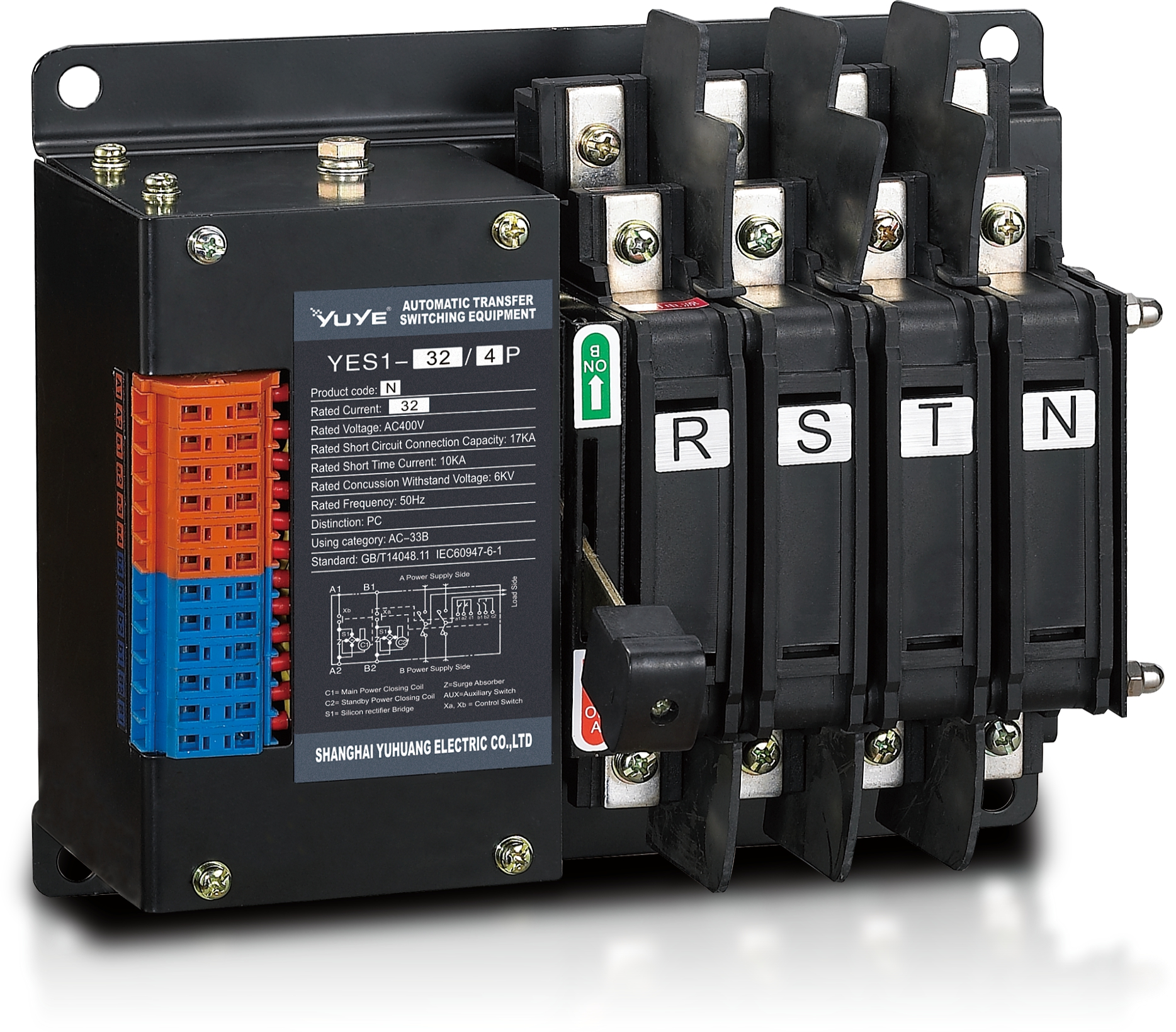 Solenoid-type ATS YES1-32~125N
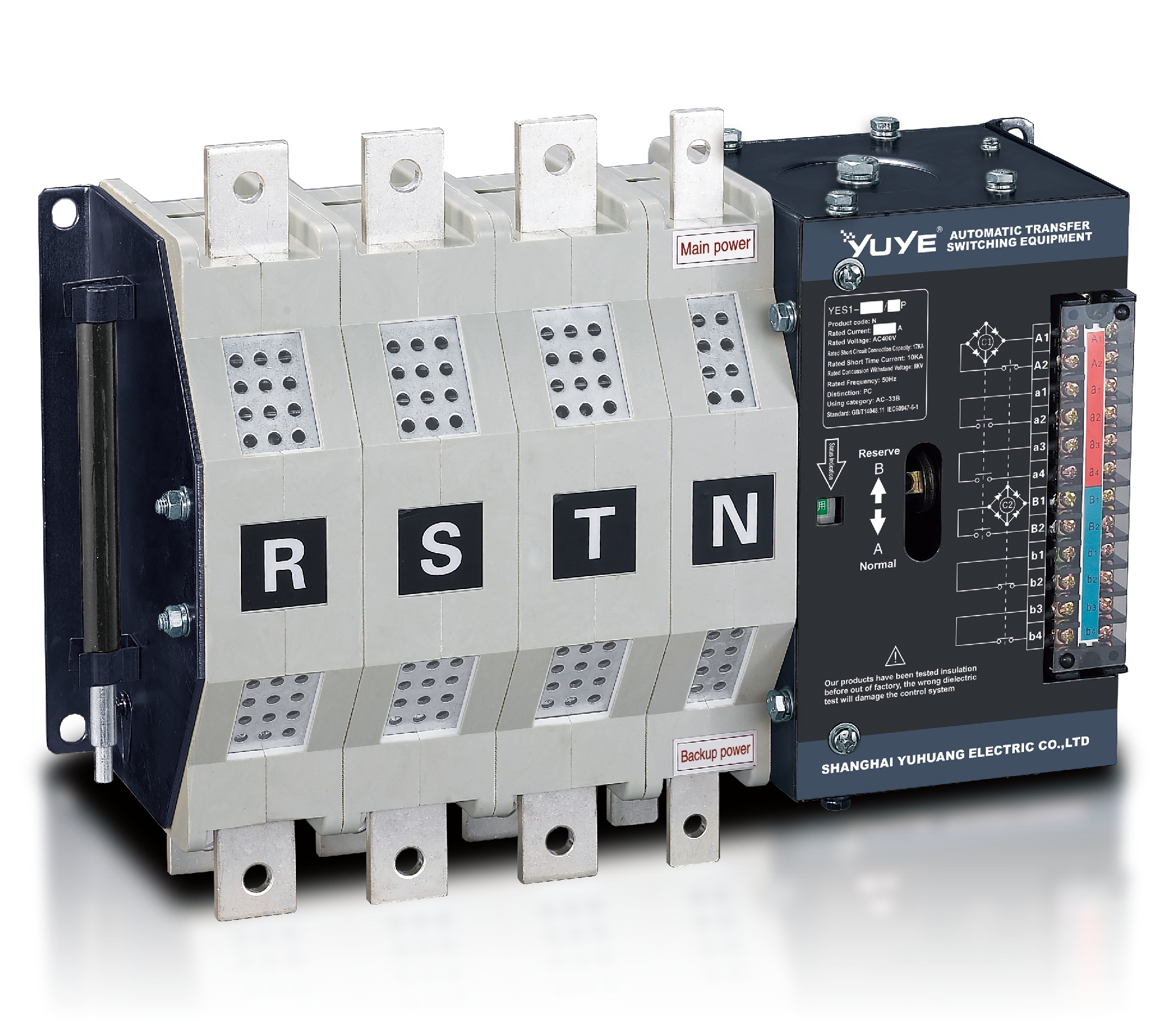 Solenoid-type ATS YES1-250~630N/NT
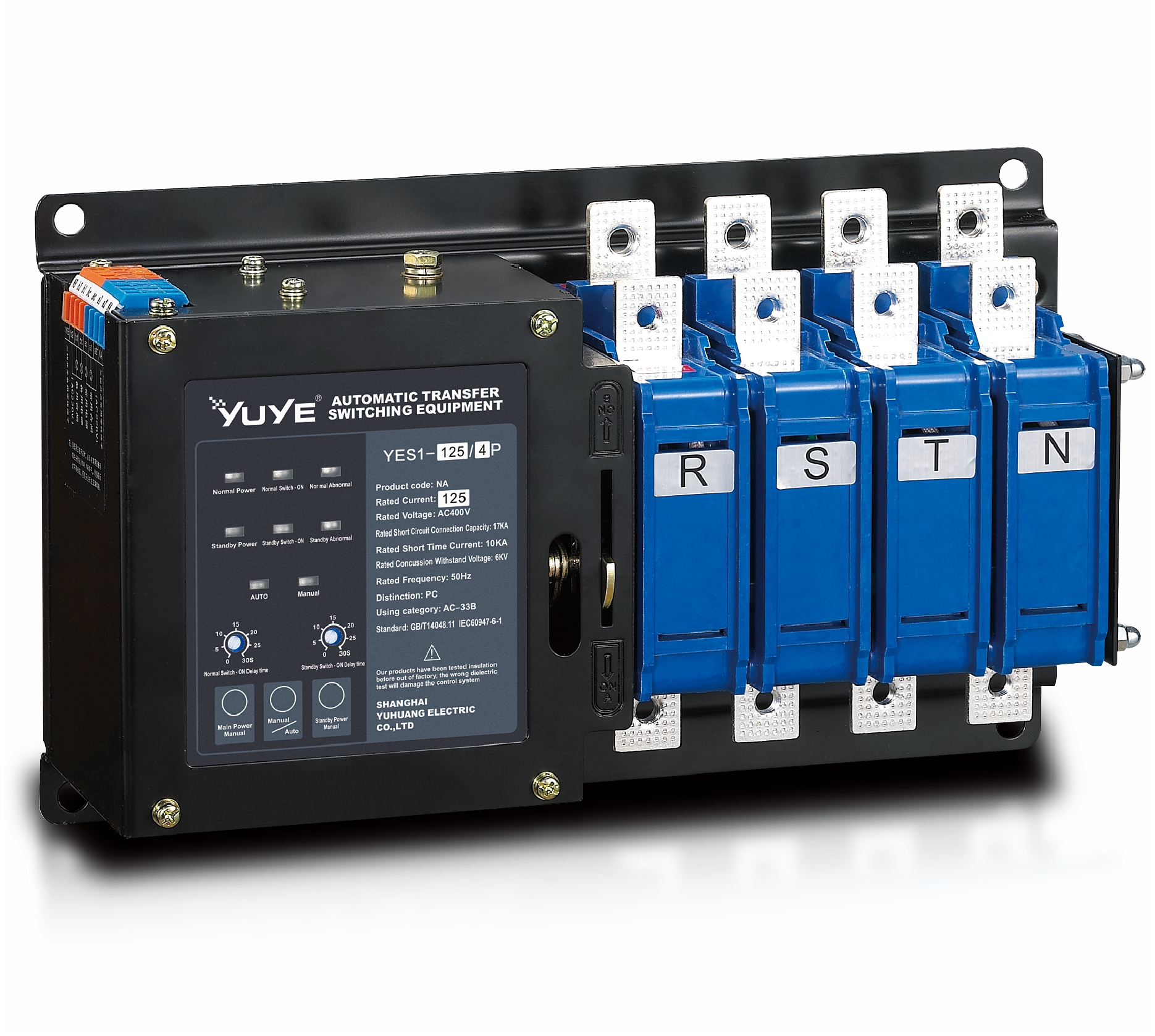 Solenoid-type ATS YES1-32~125NA
 Solenoid-type ATS YES1-63~630SN
 Solenoid-type ATS YES1-1250~4000SN
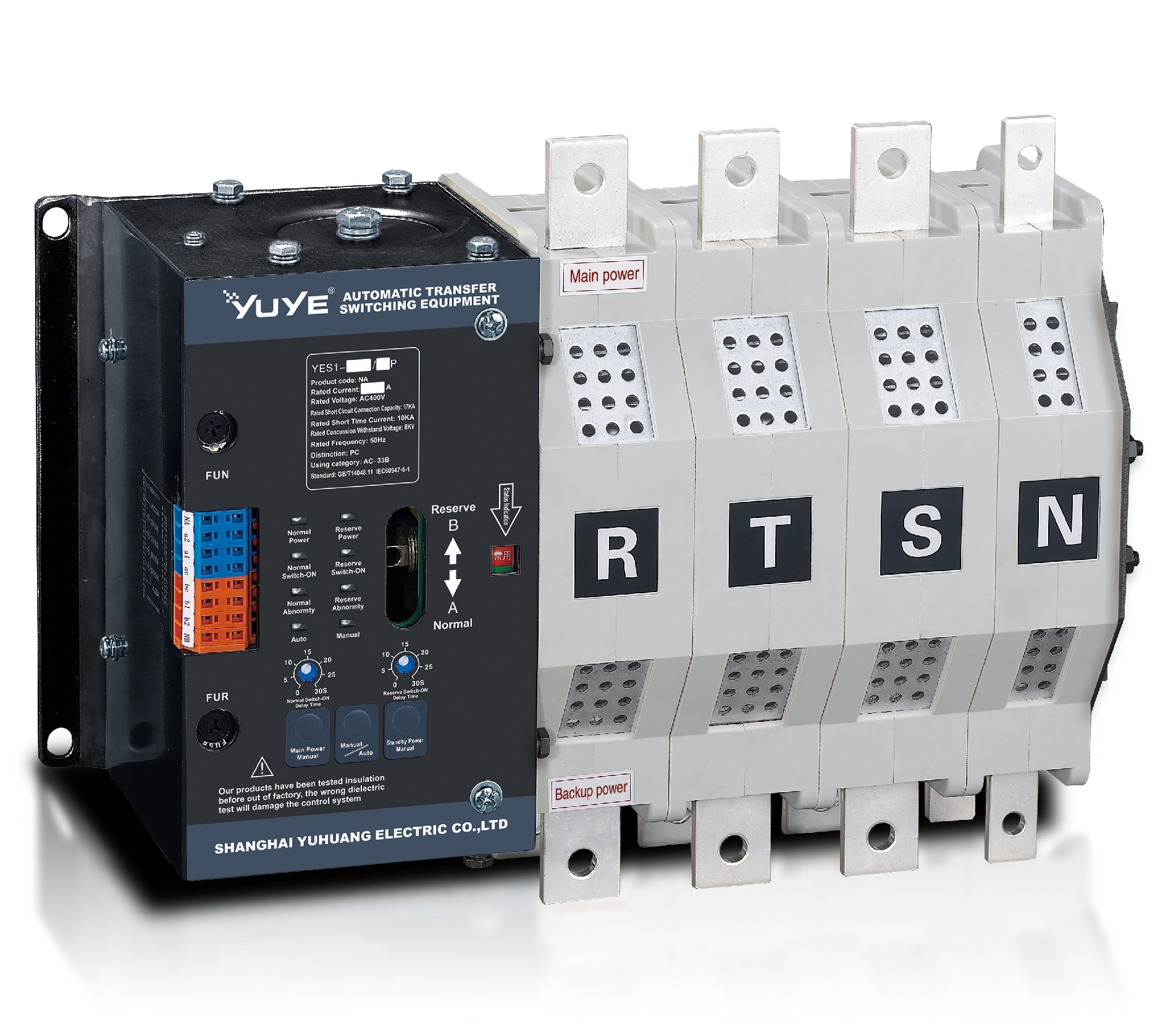 Solenoid-type ATS YES1-250~630NA/NAT
 Solenoid-type ATS YES1-63NJT
 PC ATS YES1-100~1600GN1/GN/GNF
 PC ATS YES1-2000~3200GN/GNF
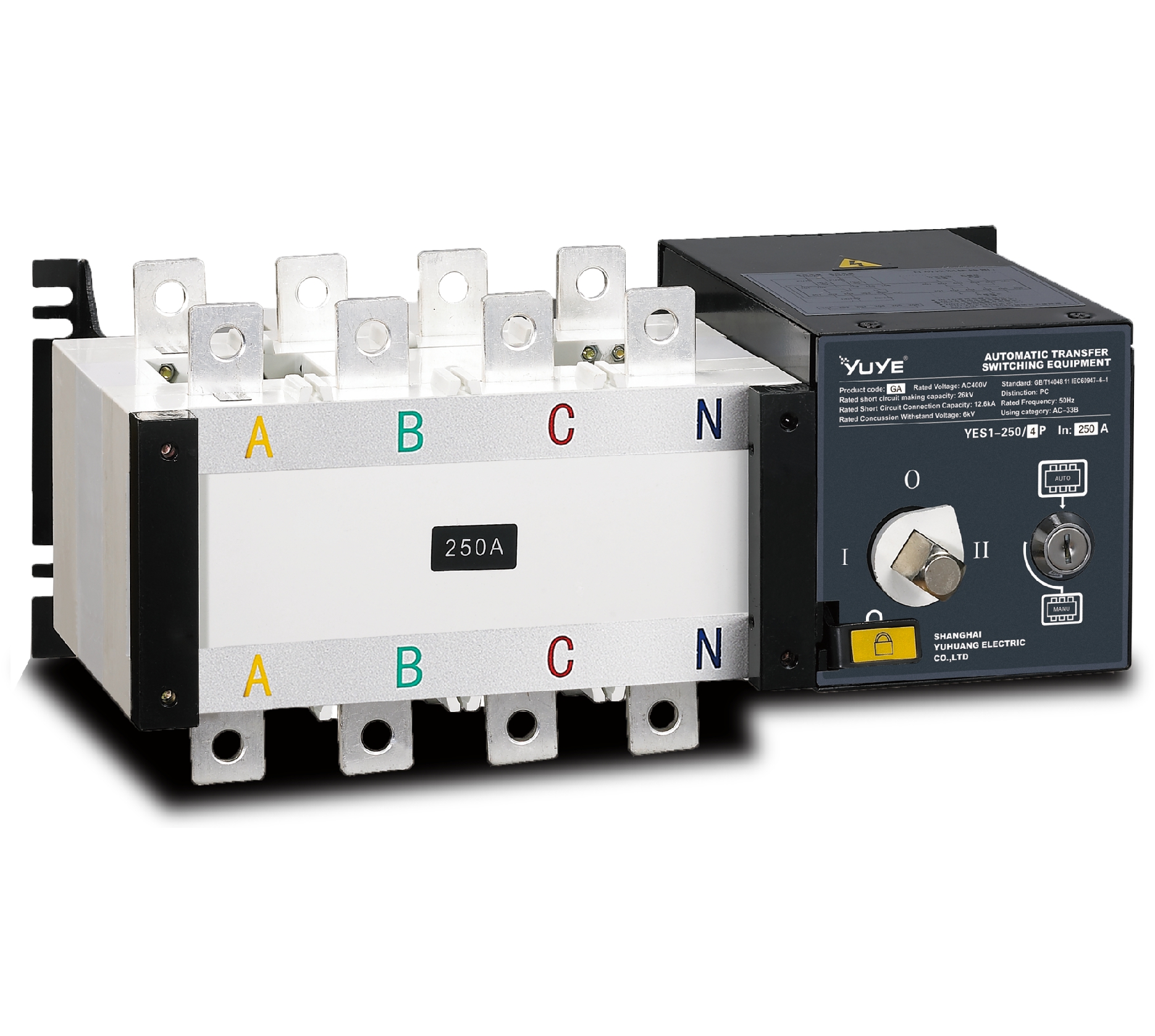 PC ATS YES1-100~3200GA1/GA
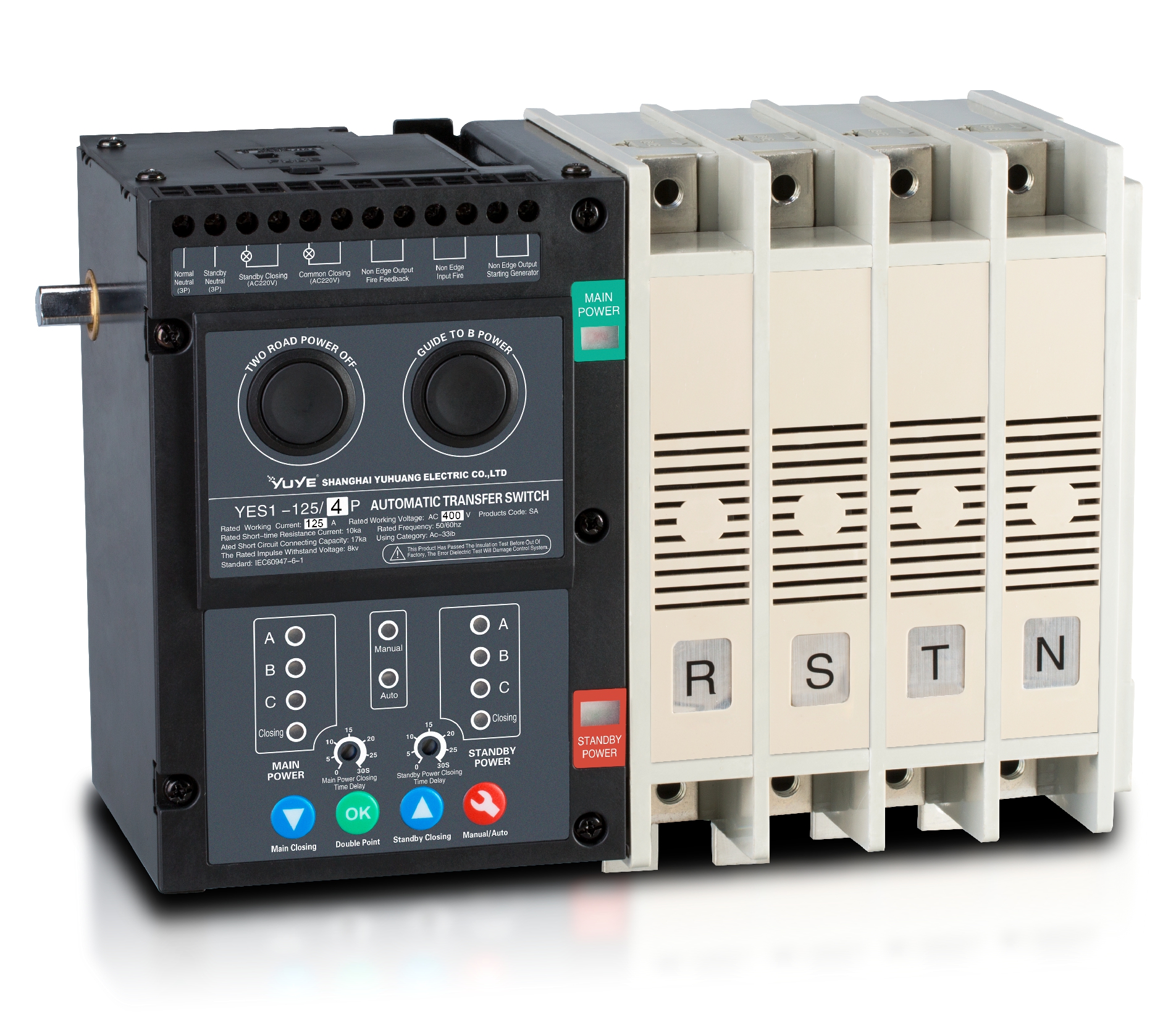 Solenoid-type ATS YES1-63~630SA
 Solenoid-type ATS YES1-63~630L/LA
 Solenoid-type ATS YES1-63~630LA3
 Solenoid-type ATS YES1-63MA
 PC ATS YES1-630~1600M
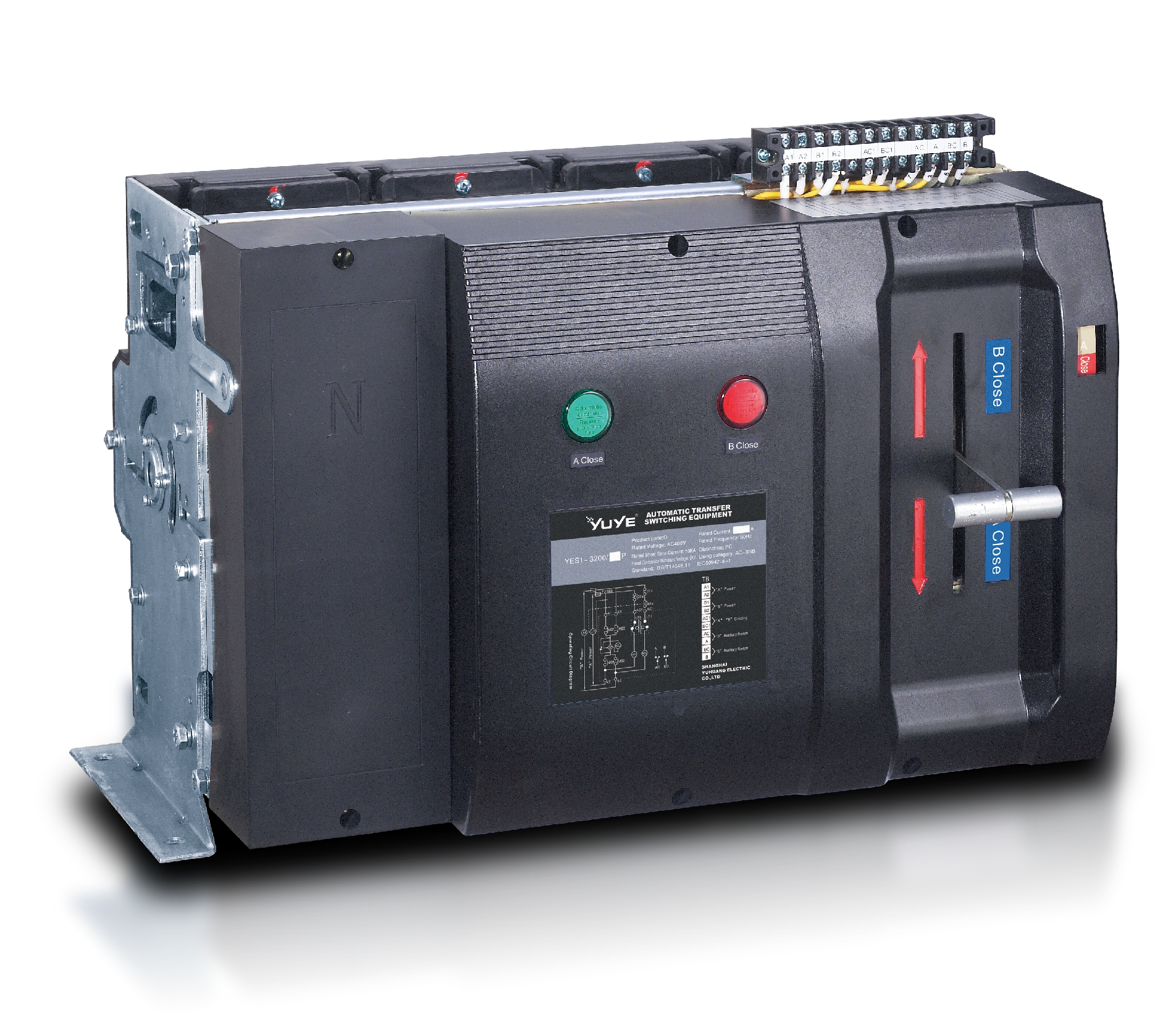 PC ATS YES1-3200Q
 Solenoid-type ATS YES1-4000~6300Q
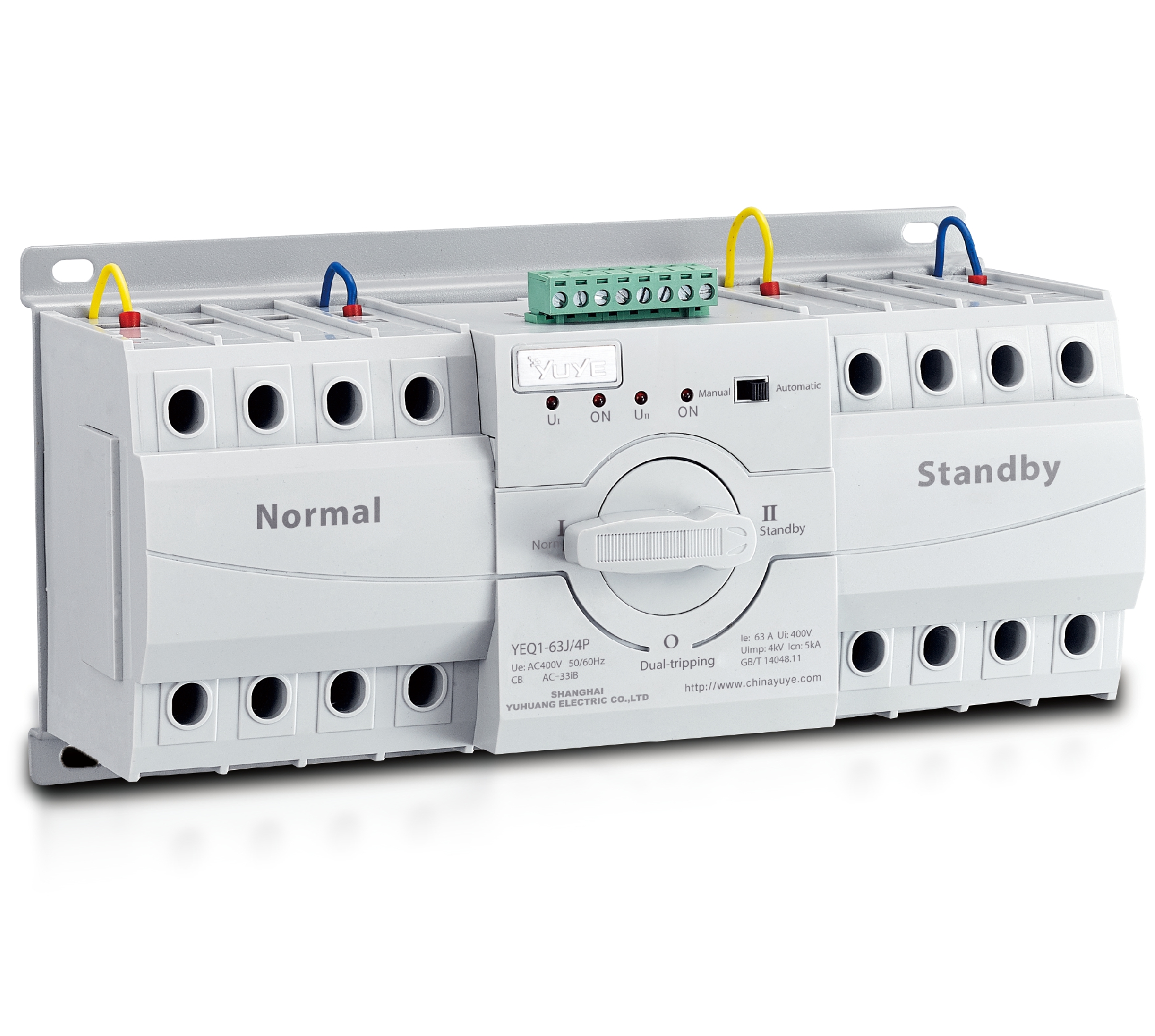 CB ATS YEQ1-63J
 CB ATS YEQ2Y-63
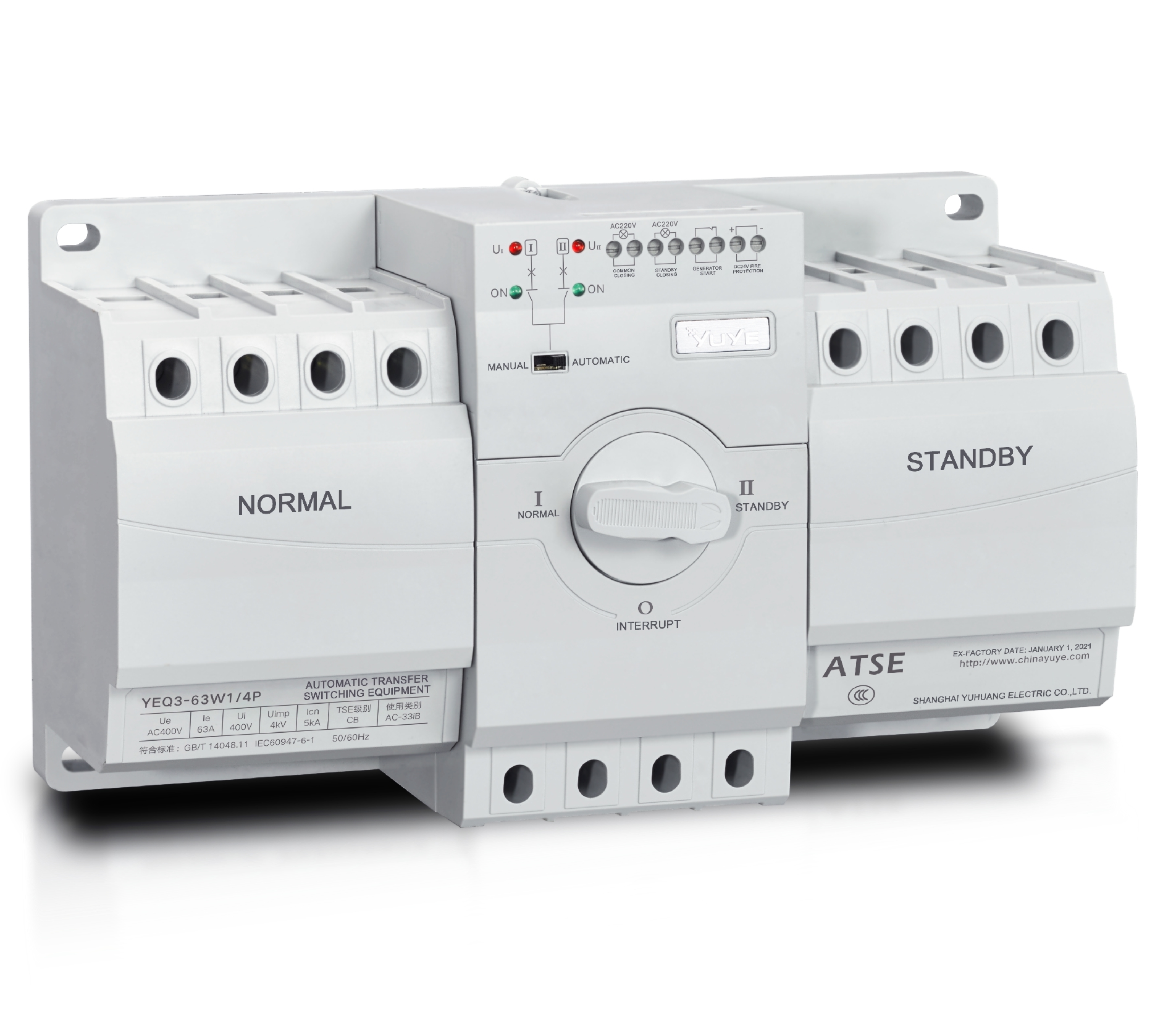 CB ATS YEQ3-63W1
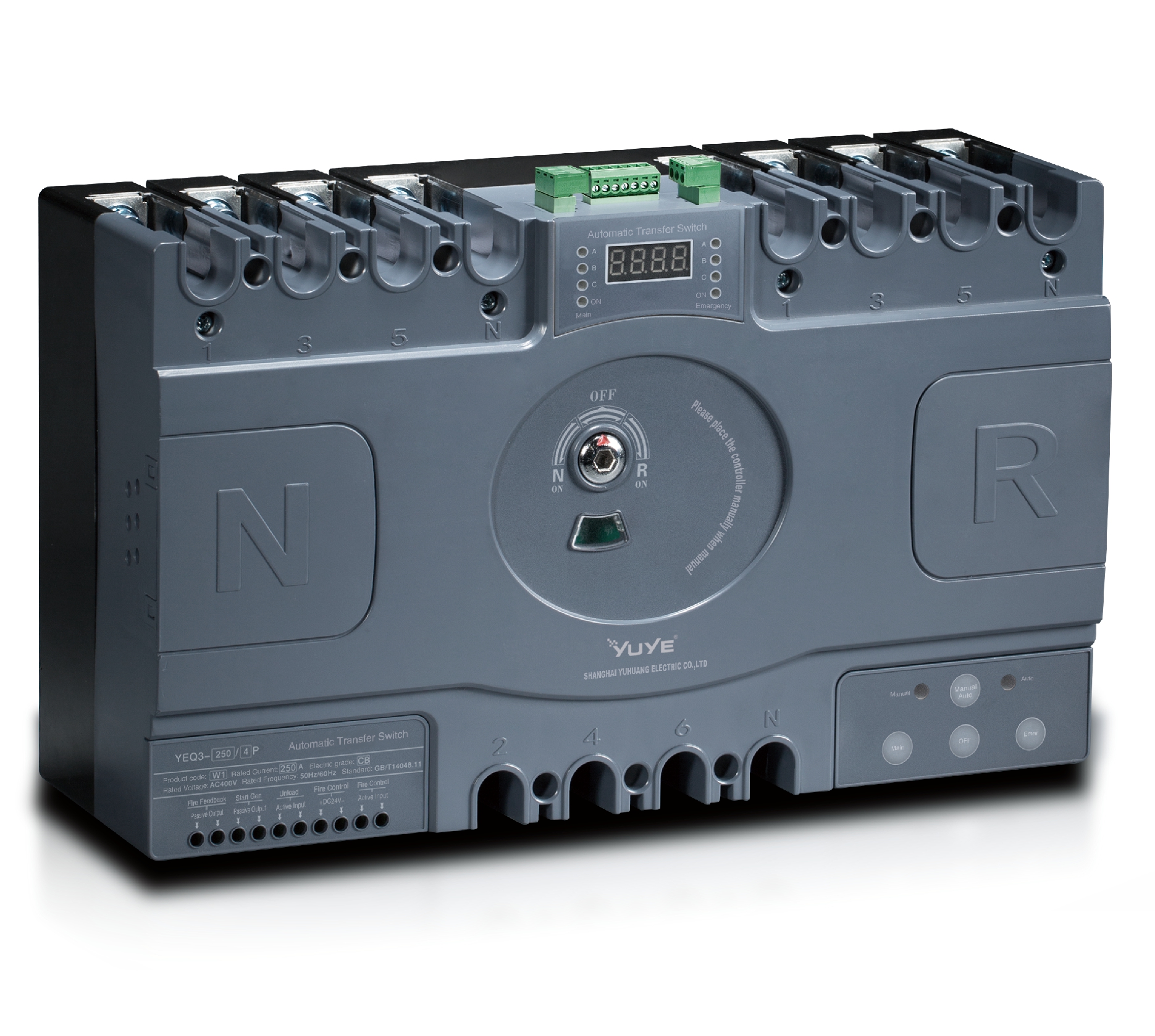 CB ATS YEQ3-125~630W1
 ATS controller Y-700
 ATS Controller Y-700N
 ATS Controller Y-701B
 ATS Controller Y-703N
 ATS Controller Y-800
 ATS Controller W2/W3 Series
 ATS switch Cabinet floor-to-ceiling
 ATS switch cabinet
 JXF-225A power Cbinet
 JXF-800A power Cbinet
 YEM3-125~800 Plastic Shell Type MCCB
 YEM3L-125~630 Leakage Type MCCB
 YEM3Z-125~800 Adjustable Type MCCB
 YEM1-63~1250 Plastic Shell Type MCCB
 YEM1E-100~800 Electronic Type MCCB
 YEM1L-100~630 Leakage Type MCCB
 Miniature circuit breaker YEMA2-6~100
 Miniature circuit breaker YEB1-3~63
 Miniature circuit breaker YEB1LE-3~63
 Miniature circuit breaker YEPN-3~32
 Miniature circuit breaker YEPNLE-3~32
 Miniature circuit breaker YENC-63~125
 Air Circuit Breaker YEW1-2000~6300
 Air Circuit Breaker YEW3-1600
 Load isolation switch YGL-63~3150
 Load Isolation Switch YGL2-63~3150
 Manual Changeover Switch YGL-100~630Z1A
 Manual Changeover Switch YGLZ1-100~3150
 YECPS2-45~125 LCD
 YECPS-45~125 Digital
 CNC Milling/Turning-OEM
 DC relay MDC-300M
 DC Isolation Switch YEGL3D-630
Introduction
In industrial power distribution systems, circuit breakers play a critical role in protecting equipment, ensuring personnel safety, and maintaining operational continuity. Selecting the wrong breaker can result in frequent tripping, insufficient fault protection, or even catastrophic equipment damage. For medium- to high-current systems, choosing the right 800A MCCB is especially important, as it often serves as a main or feeder protection device in demanding industrial environments.
1. Understand the Electrical System Requirements
Before selecting a circuit breaker, it is essential to fully understand the electrical characteristics of the system. Key factors include the rated current of the load, operating voltage, and system frequency. Industrial loads such as motors, transformers, and production equipment may draw high inrush currents or operate continuously for long periods.
Additionally, designers should consider whether the system uses a single power source or multiple sources, such as utility power and generators. Continuous-duty applications may require derating to ensure long-term reliability and thermal stability.
2. Evaluate Breaking Capacity and Fault Level
Short-circuit current levels in industrial systems can be extremely high due to large transformers and low-impedance networks. Therefore, the breaking capacity of the MCCB must be sufficient to safely interrupt the maximum prospective fault current at the installation point.
An appropriately selected 800A MCCB should have adequate ultimate and service breaking capacities to match system fault levels. Underrated breaking capacity can lead to breaker failure, severe damage, or safety risks during fault conditions.
3. Select Appropriate Trip Unit and Protection Functions
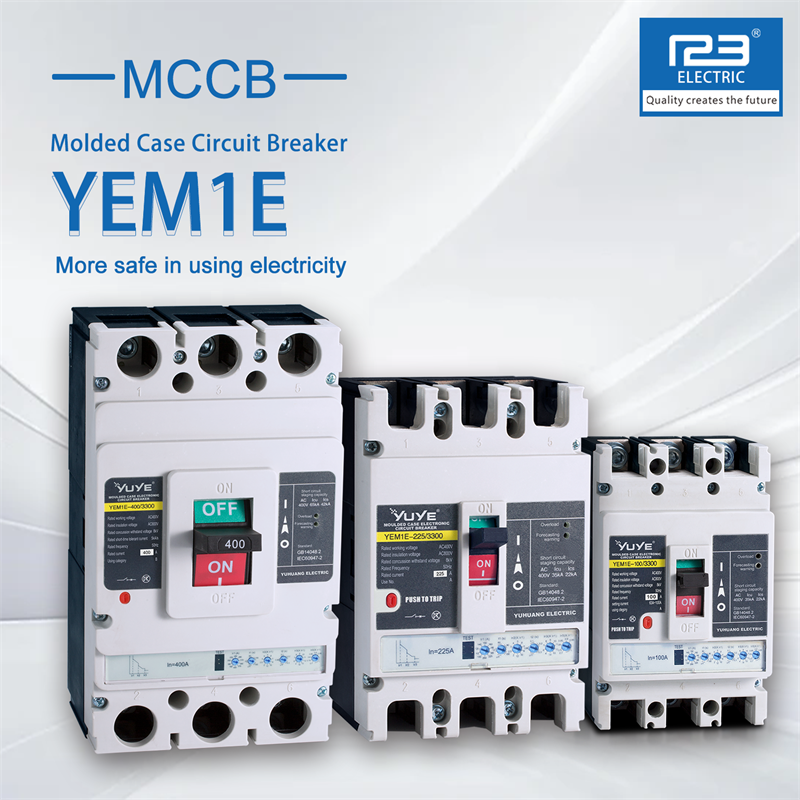
Trip unit selection directly affects protection accuracy and coordination. Thermal-magnetic trip units are commonly used for standard applications, while electronic trip units offer higher precision and adjustable protection settings.
Electronic trip units allow fine-tuning of overload, short-circuit, and time-delay characteristics, which helps achieve selective coordination with upstream and downstream devices. In some industrial systems, additional protection functions such as ground fault detection may also be required.
4. Consider Installation Environment and Mechanical Factors
Industrial environments can be harsh, with high ambient temperatures, dust, vibration, and humidity. These conditions influence breaker performance and service life. Proper enclosure selection, ventilation, and spacing are critical to prevent overheating and ensure safe operation.
Mechanical considerations include mounting orientation, cable or busbar connections, and accessibility for inspection and maintenance. Selecting a robust breaker design improves durability and reduces downtime over the equipment lifecycle.
5. Verify Standards Compliance and Application Suitability
Compliance with international standards such as IEC ensures that the MCCB meets safety, performance, and testing requirements. Industrial applications often demand high reliability, stable performance, and long service life.
Choosing a breaker from a manufacturer that provides complete technical documentation, testing data, and after-sales support helps ensure the selected solution remains suitable throughout the system’s operating life.
Frequently Asked Questions (FAQ)
Q1: Where is an 800A MCCB typically used in industrial systems?
A: It is commonly used as a main incoming breaker or feeder protection device in industrial distribution panels.
Q2: How do I determine the required breaking capacity?
A: The breaking capacity should be higher than the maximum prospective short-circuit current at the installation point.
Q3: Are electronic trip units better than thermal-magnetic ones?
A: Electronic trip units offer higher accuracy and adjustability, making them suitable for complex or critical industrial applications.
Q4: Can ambient temperature affect MCCB performance?
A: Yes. High ambient temperatures may require derating to prevent nuisance tripping and overheating.
References
-
IEC 60947-2 – Low-voltage switchgear and controlgear – Circuit-breakers
-
IEEE – Recommended Practice for Protection and Coordination of Industrial and Commercial Power Systems
-
Schneider Electric – Industrial Circuit Breaker Selection Guide
-
ABB – MCCB Application and Selection Handbook
-
Siemens – Low Voltage Power Distribution and Protection Documentation