
 PC ATS YECT1-2000G
 PC ATS YES2-63~250GN1
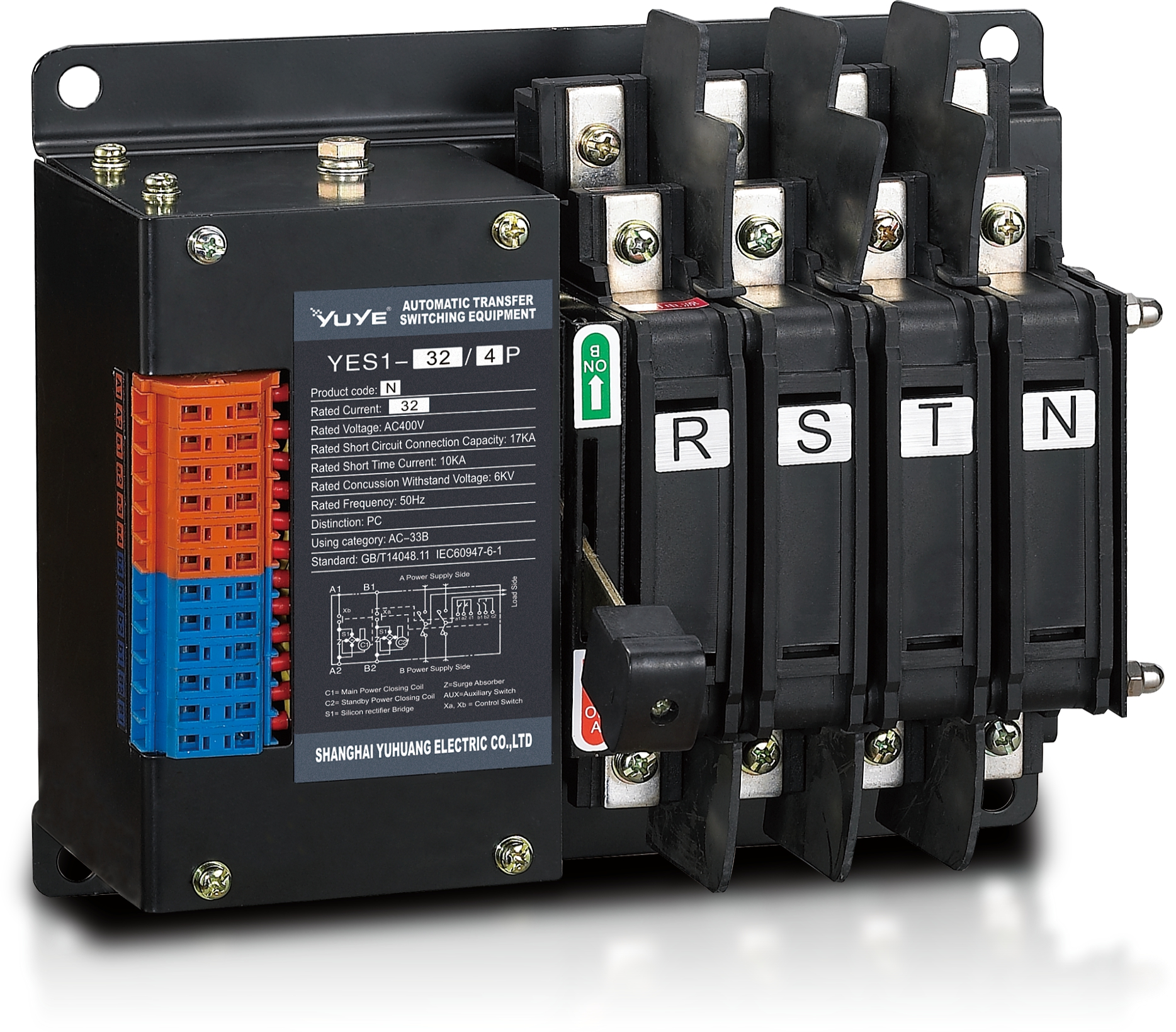 Solenoid-type ATS YES1-32~125N
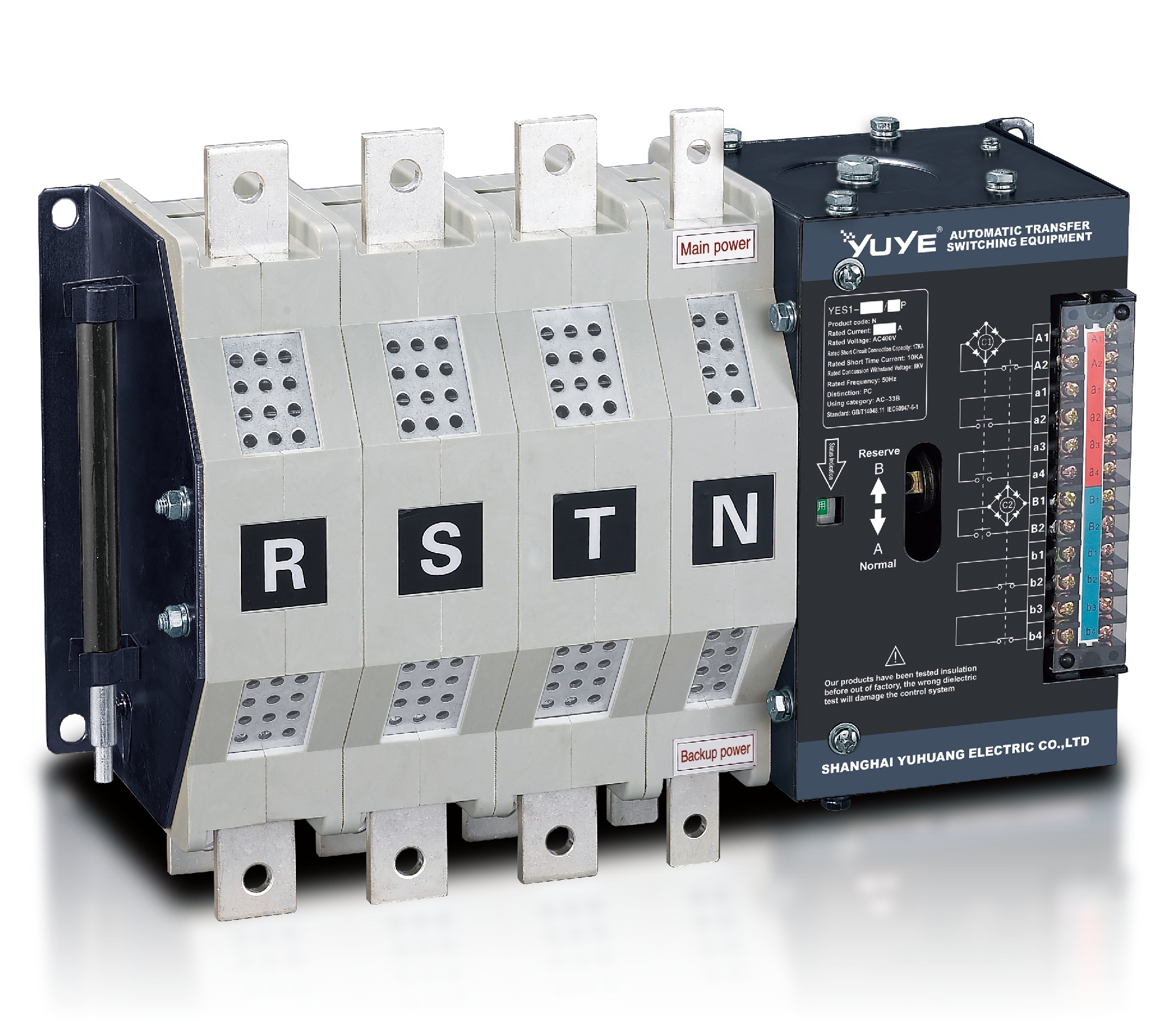 Solenoid-type ATS YES1-250~630N/NT
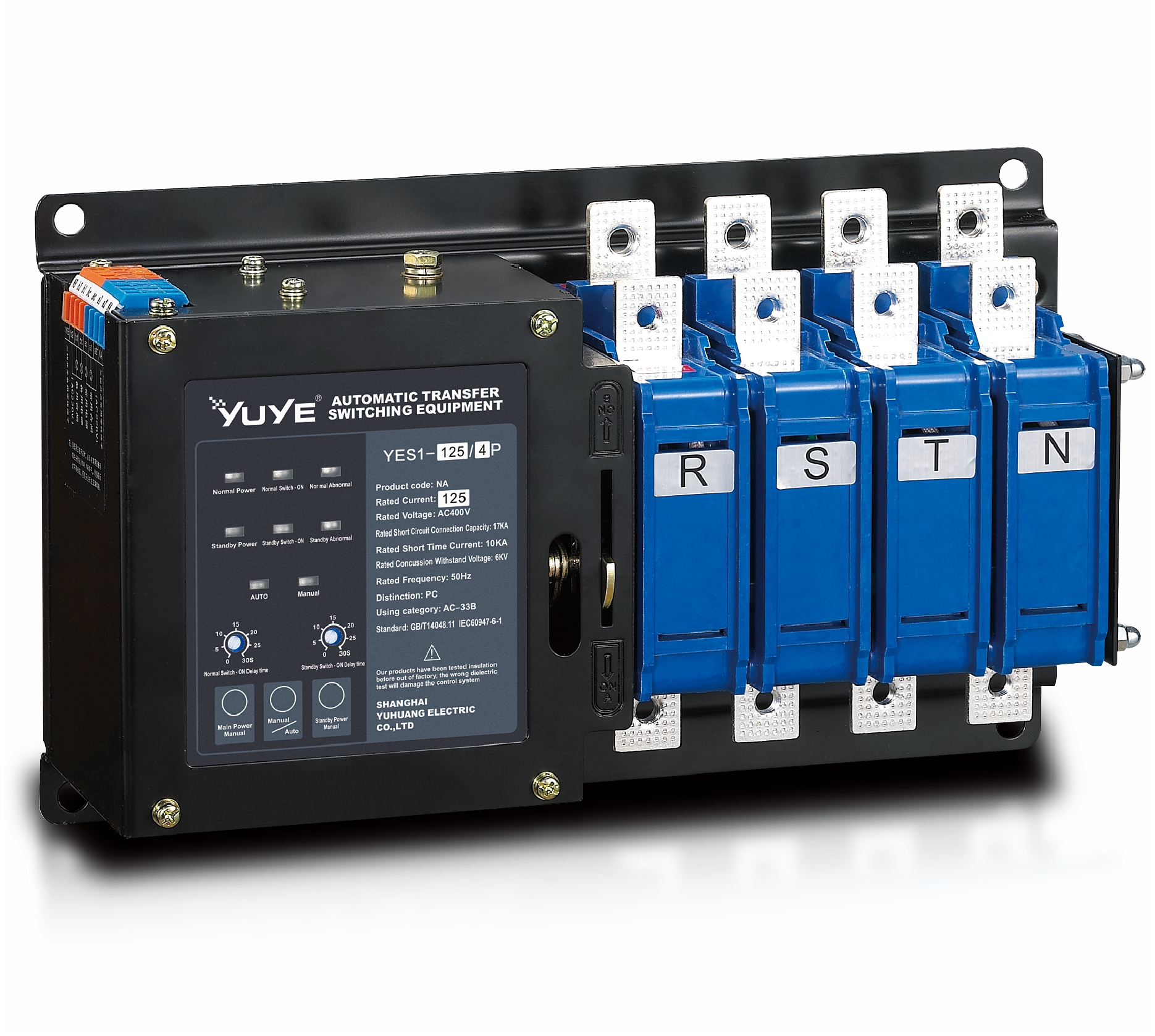 Solenoid-type ATS YES1-32~125NA
 Solenoid-type ATS YES1-63~630SN
 Solenoid-type ATS YES1-1250~4000SN
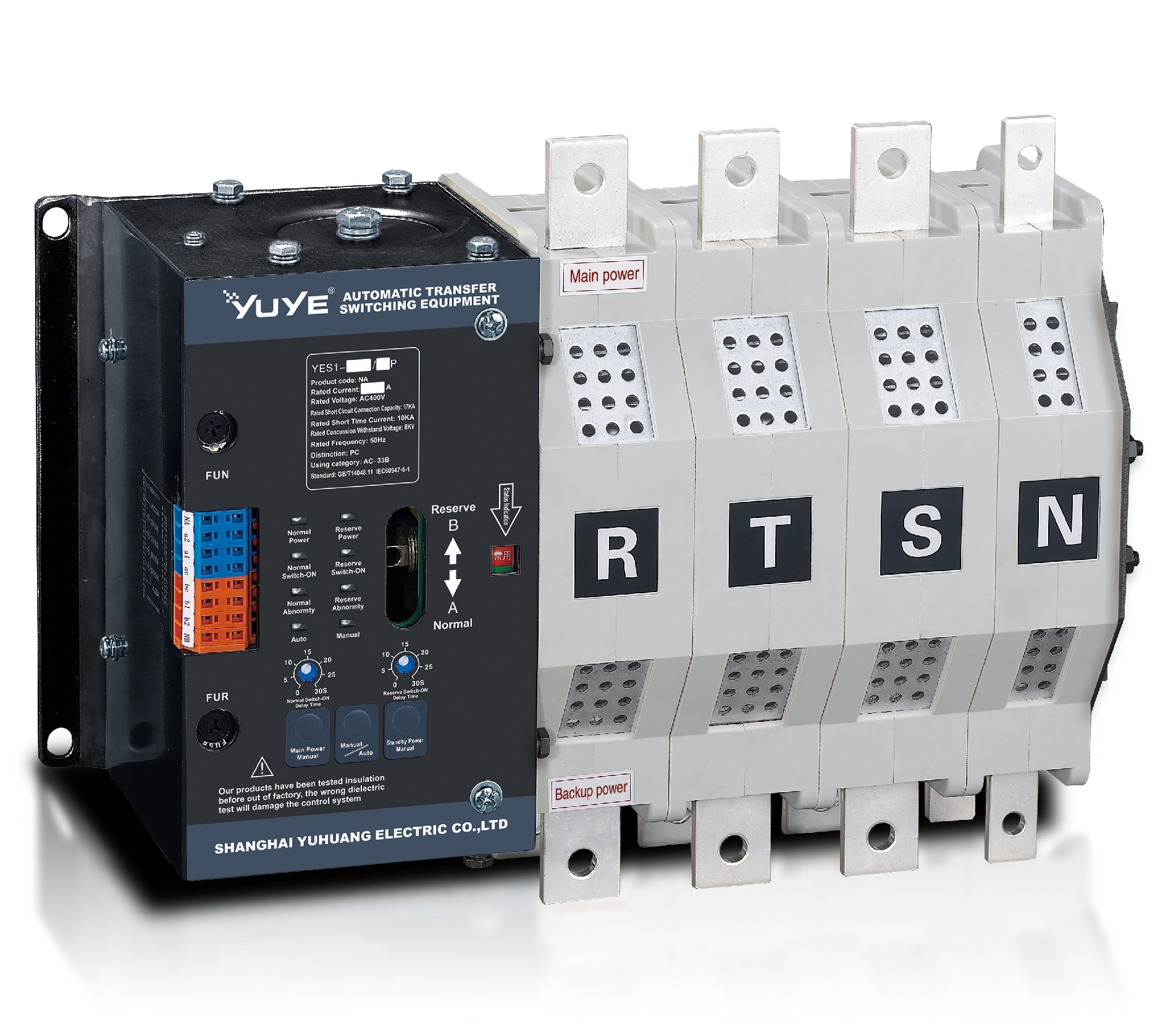 Solenoid-type ATS YES1-250~630NA/NAT
 Solenoid-type ATS YES1-63NJT
 PC ATS YES1-100~1600GN1/GN/GNF
 PC ATS YES1-2000~3200GN/GNF
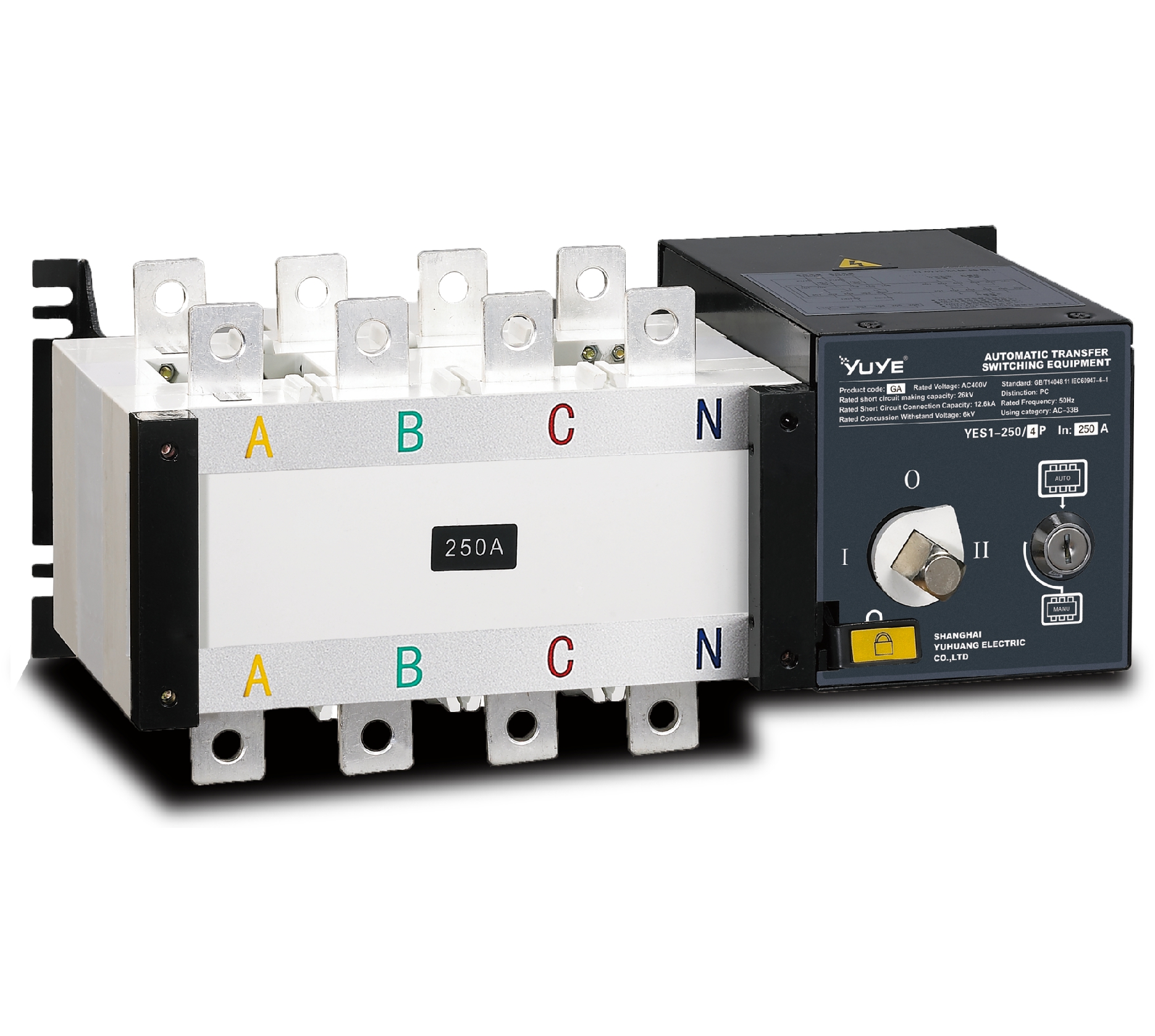 PC ATS YES1-100~3200GA1/GA
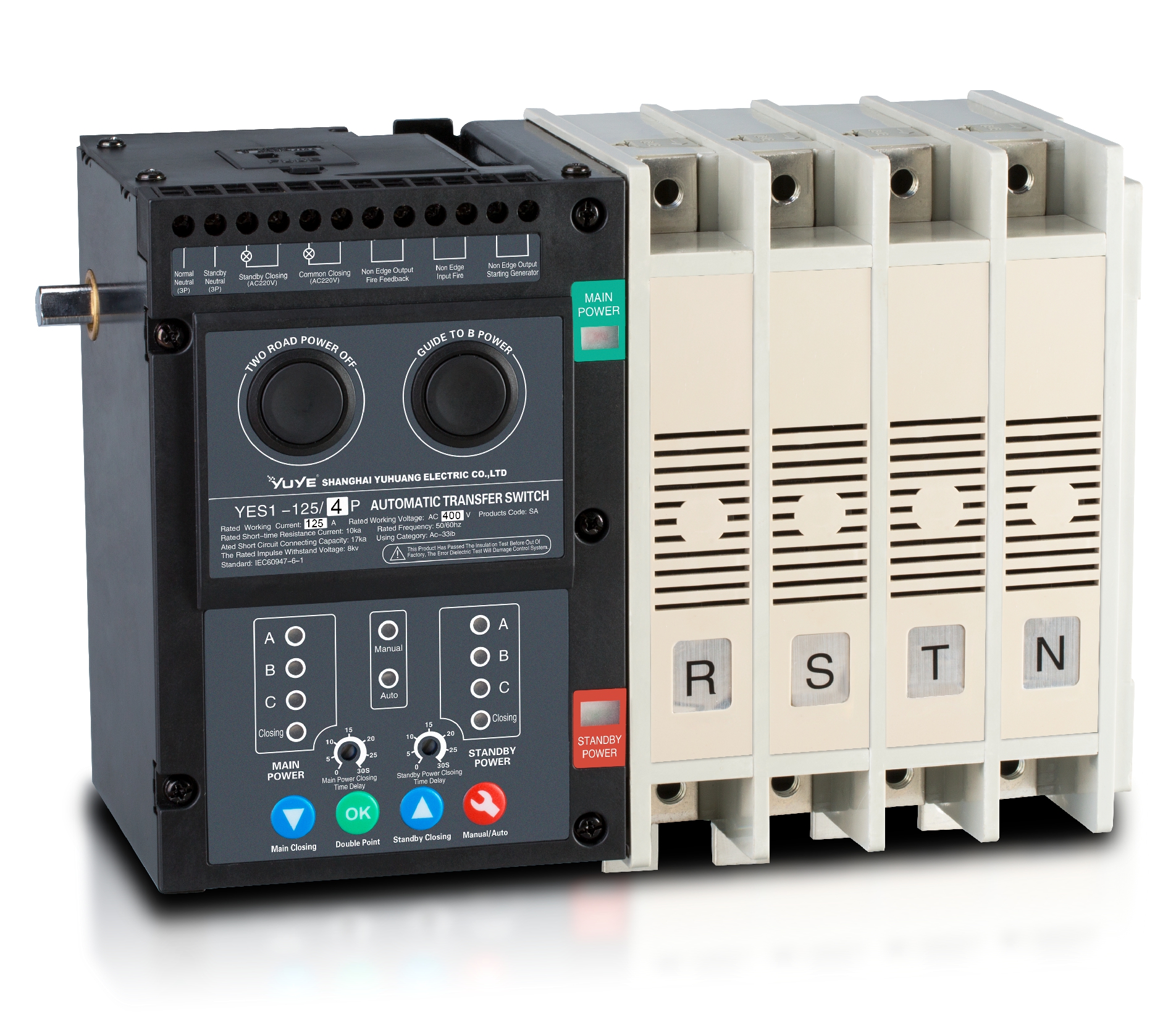 Solenoid-type ATS YES1-63~630SA
 Solenoid-type ATS YES1-63~630L/LA
 Solenoid-type ATS YES1-63~630LA3
 Solenoid-type ATS YES1-63MA
 PC ATS YES1-630~1600M
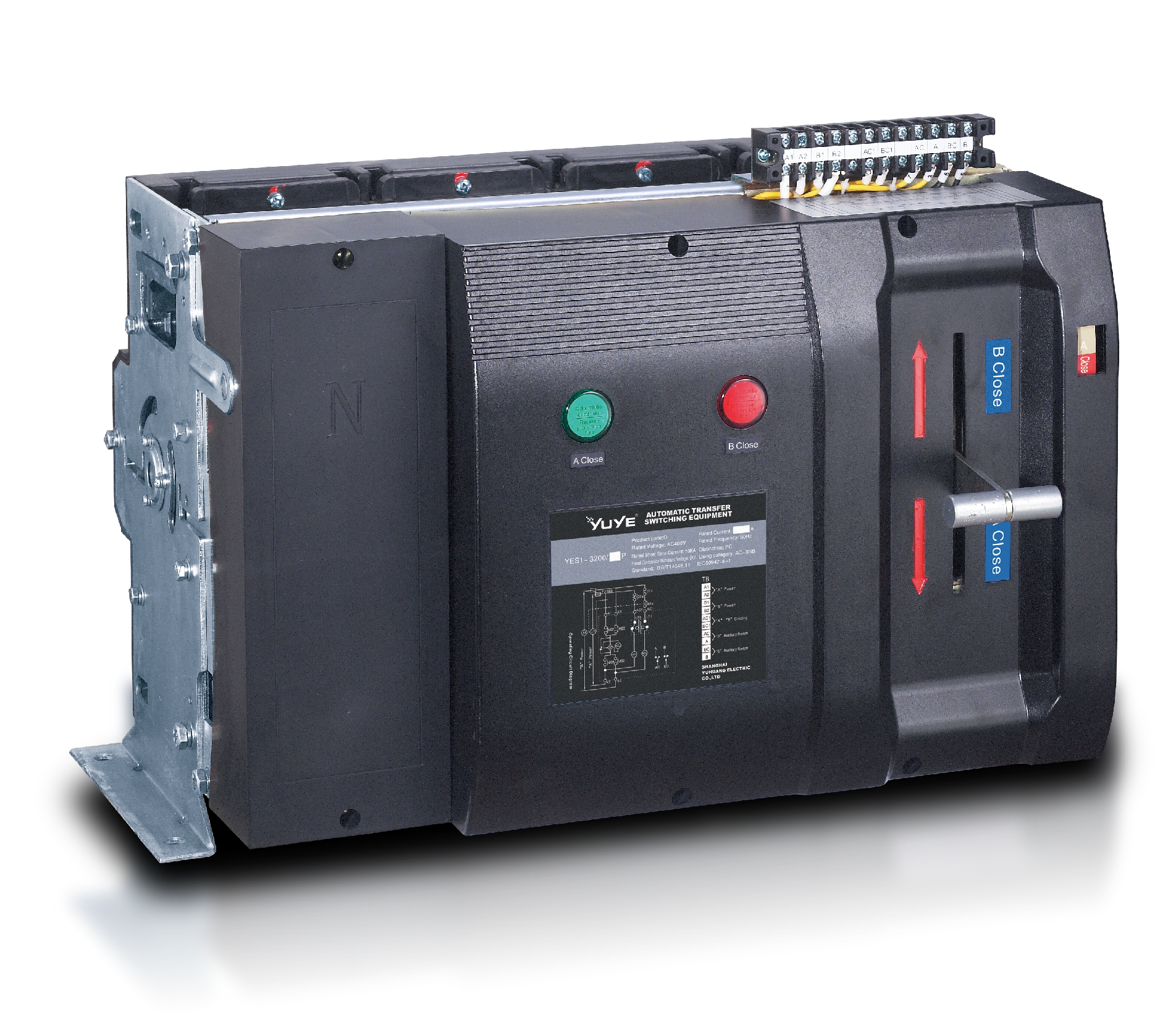 PC ATS YES1-3200Q
 Solenoid-type ATS YES1-4000~6300Q
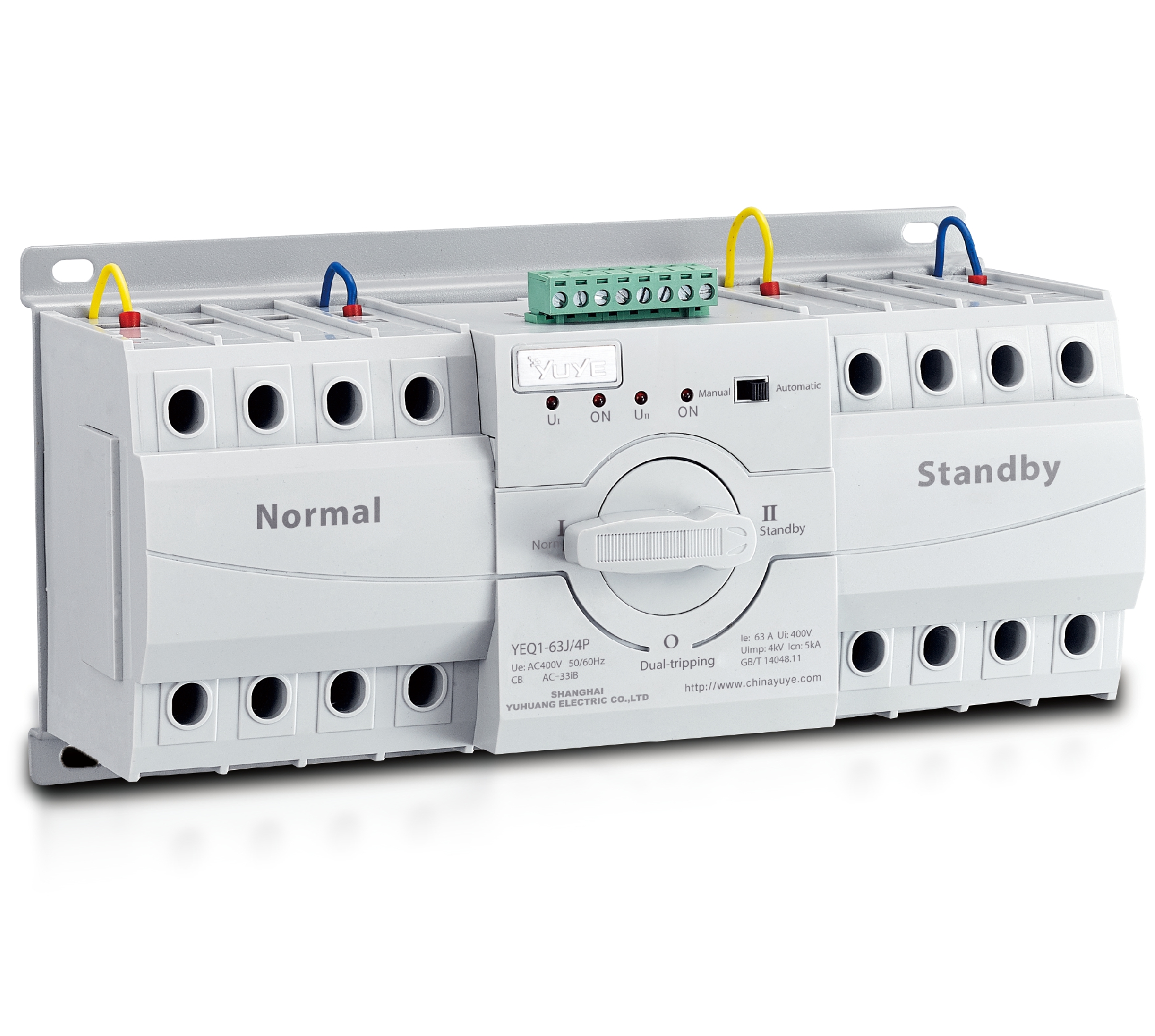 CB ATS YEQ1-63J
 CB ATS YEQ2Y-63
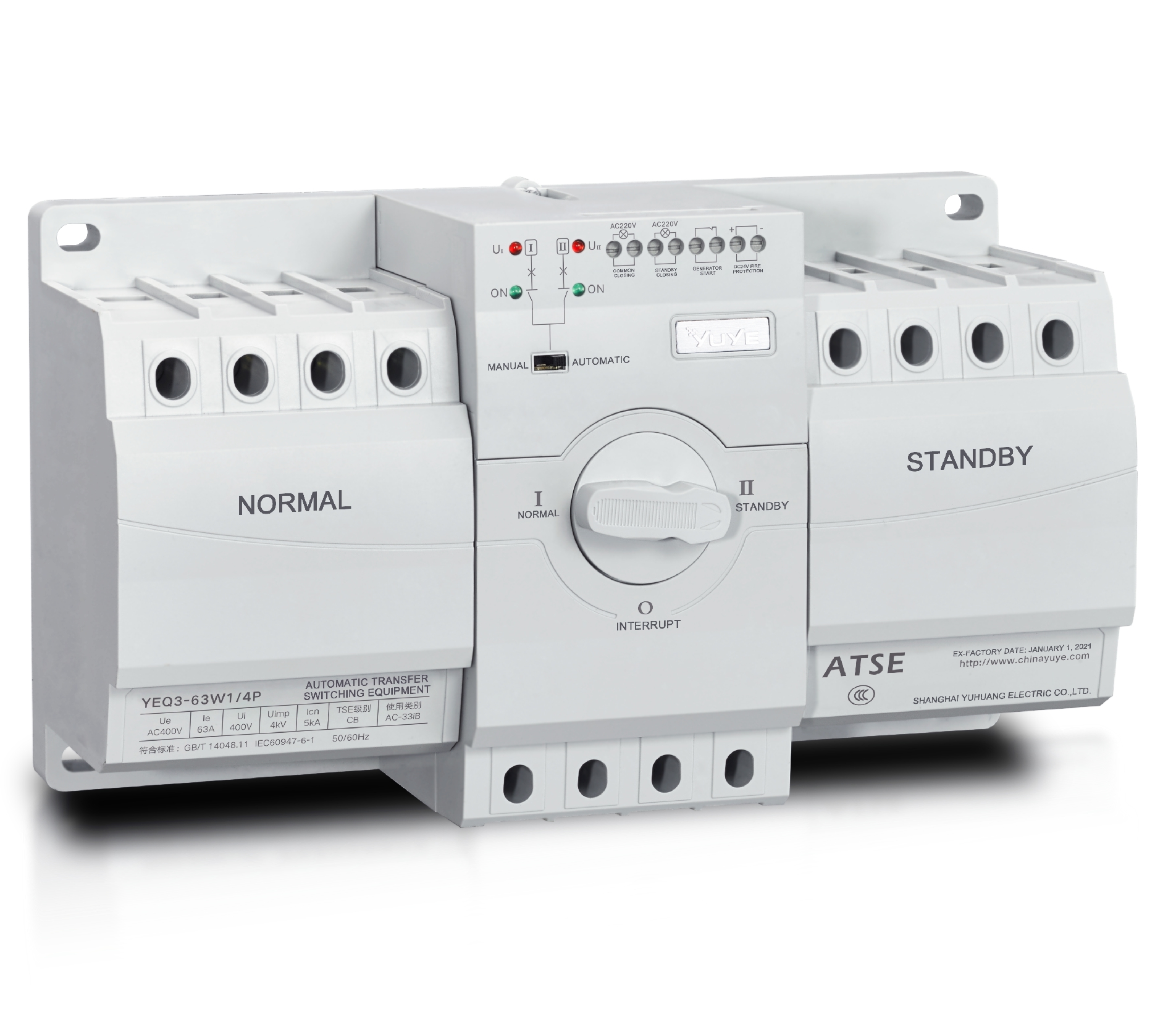 CB ATS YEQ3-63W1
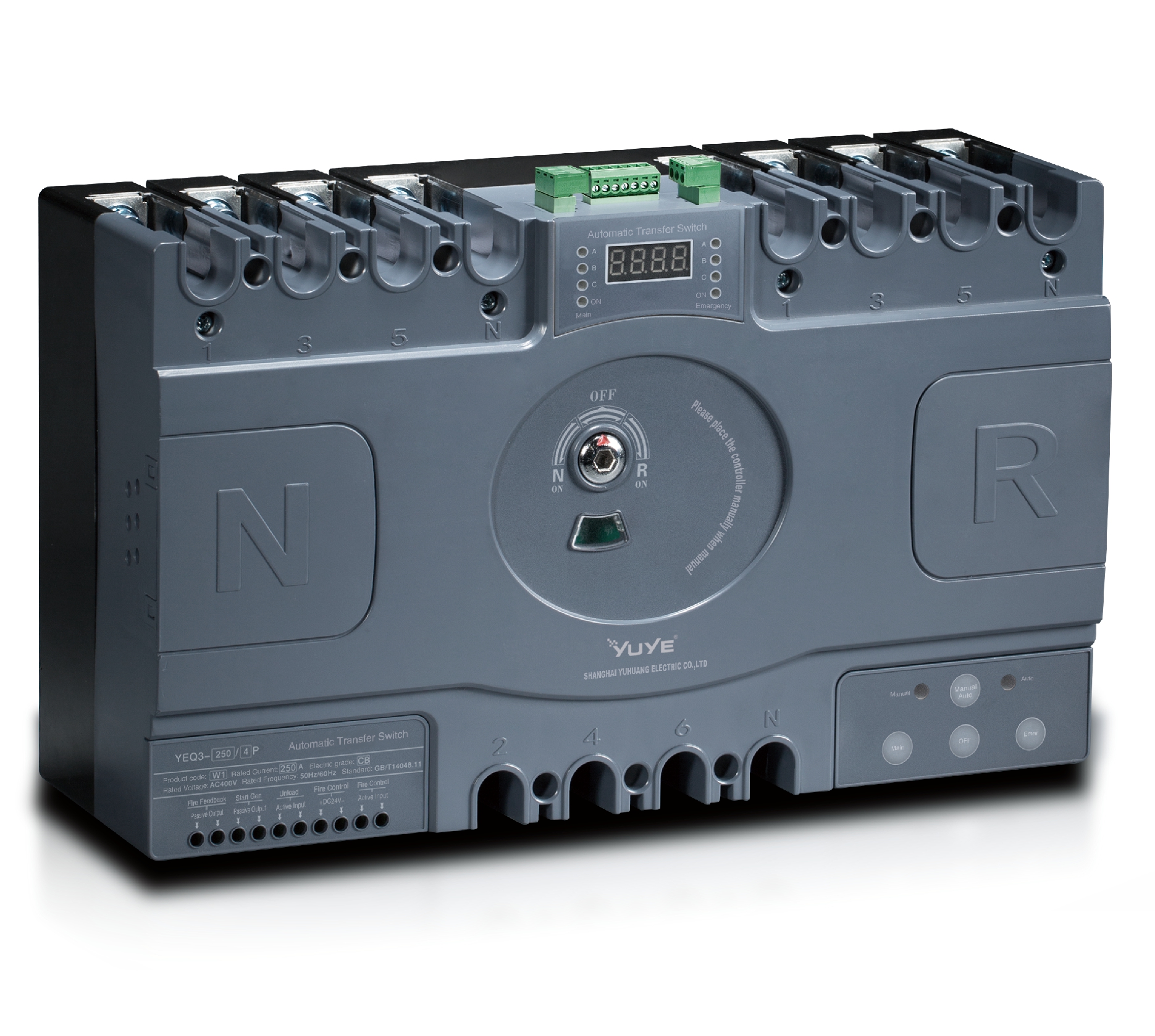 CB ATS YEQ3-125~630W1
 ATS controller Y-700
 ATS Controller Y-700N
 ATS Controller Y-701B
 ATS Controller Y-703N
 ATS Controller Y-800
 ATS Controller W2/W3 Series
 ATS switch Cabinet floor-to-ceiling
 ATS switch cabinet
 JXF-225A power Cbinet
 JXF-800A power Cbinet
 YEM3-125~800 Plastic Shell Type MCCB
 YEM3L-125~630 Leakage Type MCCB
 YEM3Z-125~800 Adjustable Type MCCB
 YEM1-63~1250 Plastic Shell Type MCCB
 YEM1E-100~800 Electronic Type MCCB
 YEM1L-100~630 Leakage Type MCCB
 Miniature circuit breaker YEMA2-6~100
 Miniature circuit breaker YEB1-3~63
 Miniature circuit breaker YEB1LE-3~63
 Miniature circuit breaker YEPN-3~32
 Miniature circuit breaker YEPNLE-3~32
 Miniature circuit breaker YENC-63~125
 Air Circuit Breaker YEW1-2000~6300
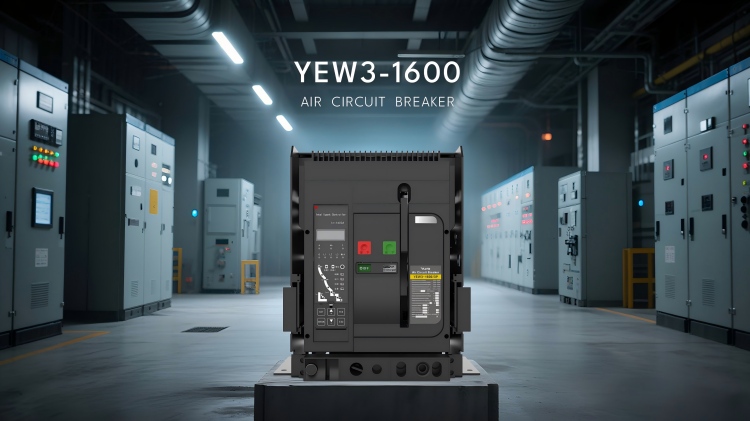
 Air Circuit Breaker YEW3-1600
 Load isolation switch YGL-63~3150
 Load Isolation Switch YGL2-63~3150
 Manual Changeover Switch YGL-100~630Z1A
 Manual Changeover Switch YGLZ1-100~3150
 YECPS2-45~125 LCD
 YECPS-45~125 Digital
 CNC Milling/Turning-OEM
 DC relay MDC-300M
 DC Isolation Switch YEGL3D-630
In low-voltage power distribution systems, air circuit breakers play a critical role in protecting electrical equipment and ensuring operational continuity. Proper maintenance and testing are essential to guarantee reliable performance, especially in applications with high current ratings and frequent switching operations. By implementing standardized inspection and testing procedures, operators can significantly reduce the risk of unexpected failures and costly downtime.
1.Routine Visual Inspections and Cleaning Procedures
Regular visual inspections form the foundation of effective preventive maintenance. Dust accumulation, moisture ingress, and signs of overheating can all compromise insulation performance and mechanical reliability.
Key inspection tasks include:
-
Checking external housings for cracks, corrosion, or loose fasteners
-
Inspecting arc chutes and insulation barriers for contamination or damage
-
Cleaning internal components using dry, non-conductive tools
In harsh industrial environments, more frequent inspections are recommended to maintain optimal operating conditions.
2.Mechanical Operation Checks and Contact Condition Assessment
Mechanical integrity directly affects the ability of a breaker to open and close correctly during fault conditions. Routine mechanical checks should verify:
-
Smooth operation of manual and motorized mechanisms
-
Proper alignment of moving parts and latching assemblies
-
Contact wear levels and surface condition
Excessive contact erosion can increase resistance and heat generation, making timely assessment and replacement essential for long-term reliability.
3.Electrical Testing Methods for Reliable Performance Verification
Electrical testing validates the insulation and current-carrying capability of the device. Common tests include:
-
Insulation resistance measurement to detect insulation degradation
-
Contact resistance testing to identify abnormal heating risks
-
Dielectric withstand testing to confirm insulation strength
Test results should always be compared against manufacturer specifications and historical data to identify early signs of deterioration.
4.Protection Setting Verification and Functional Testing
Correct protection settings ensure that the breaker responds appropriately to overloads, short circuits, and ground faults. Best practices include:
-
Verifying long-time, short-time, and instantaneous trip settings
-
Conducting secondary injection tests to confirm relay accuracy
-
Performing functional trip tests under simulated fault conditions
Proper coordination with upstream and downstream protection devices is critical to avoid unnecessary system outages.
5.Maintenance Frequency, Documentation, and Safety Precautions
Maintenance intervals should be determined by operating conditions, load levels, and switching frequency. All inspections and tests should be carefully documented, including test values and corrective actions taken.
Safety considerations are equally important:
-
Follow lockout/tagout (LOTO) procedures before maintenance
-
Use appropriate personal protective equipment (PPE)
-
Ensure compliance with relevant IEC and IEEE standards
Consistent documentation supports compliance audits and improves asset management decisions.
Conclusion
A structured maintenance and testing program is essential for ensuring the long-term reliability of an ACB Circuit Breaker. Through regular inspections, mechanical and electrical testing, and accurate documentation, facility managers can enhance system safety, extend equipment lifespan, and minimize unplanned downtime in critical power distribution systems.
References
-
IEC 60947-2 – Low-voltage switchgear and controlgear: Circuit-breakers
-
IEEE Std 3007.2 – Recommended Practice for the Maintenance of Industrial and Commercial Power Systems
-
Schneider Electric, ABB, Siemens – Air Circuit Breaker Maintenance Technical Guides
FAQ
Q1: How often should an air circuit breaker be maintained?
A: Maintenance frequency depends on operating conditions, but annual inspections are common for normal environments, with more frequent checks in harsh or high-duty applications.
Q2: Why is contact resistance testing important?
A: Elevated contact resistance can cause overheating and reduce breaker efficiency, making early detection critical.
Q3: Can maintenance be performed while the system is energized?
A: No. All maintenance activities should be performed under de-energized conditions following proper safety procedures.
Q4: What standards should maintenance follow?
A: International standards such as IEC 60947-2 and relevant IEEE recommended practices should always be followed.