
 PC ATS YECT1-2000G
 PC ATS YES2-63~250GN1
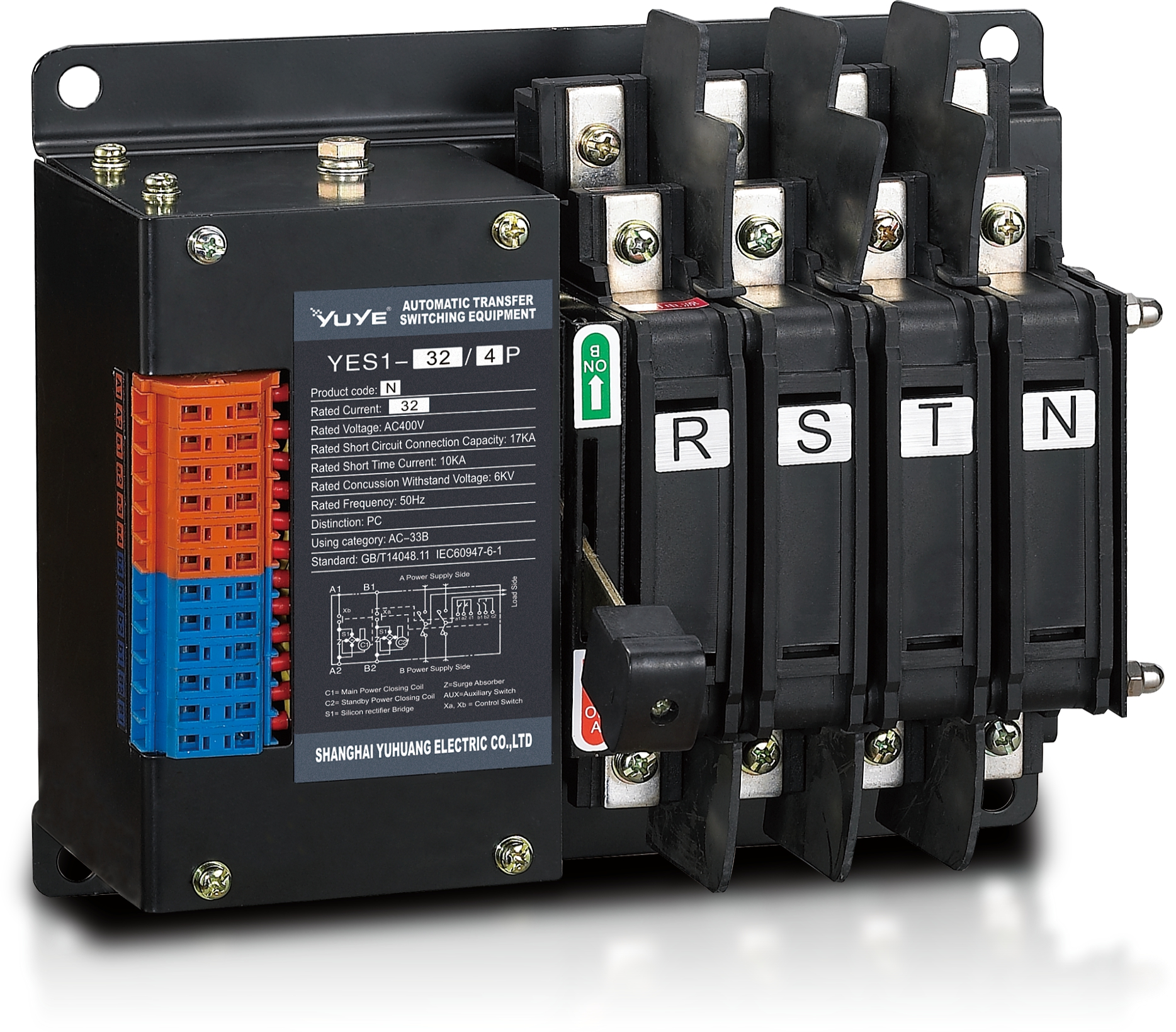 Solenoid-type ATS YES1-32~125N
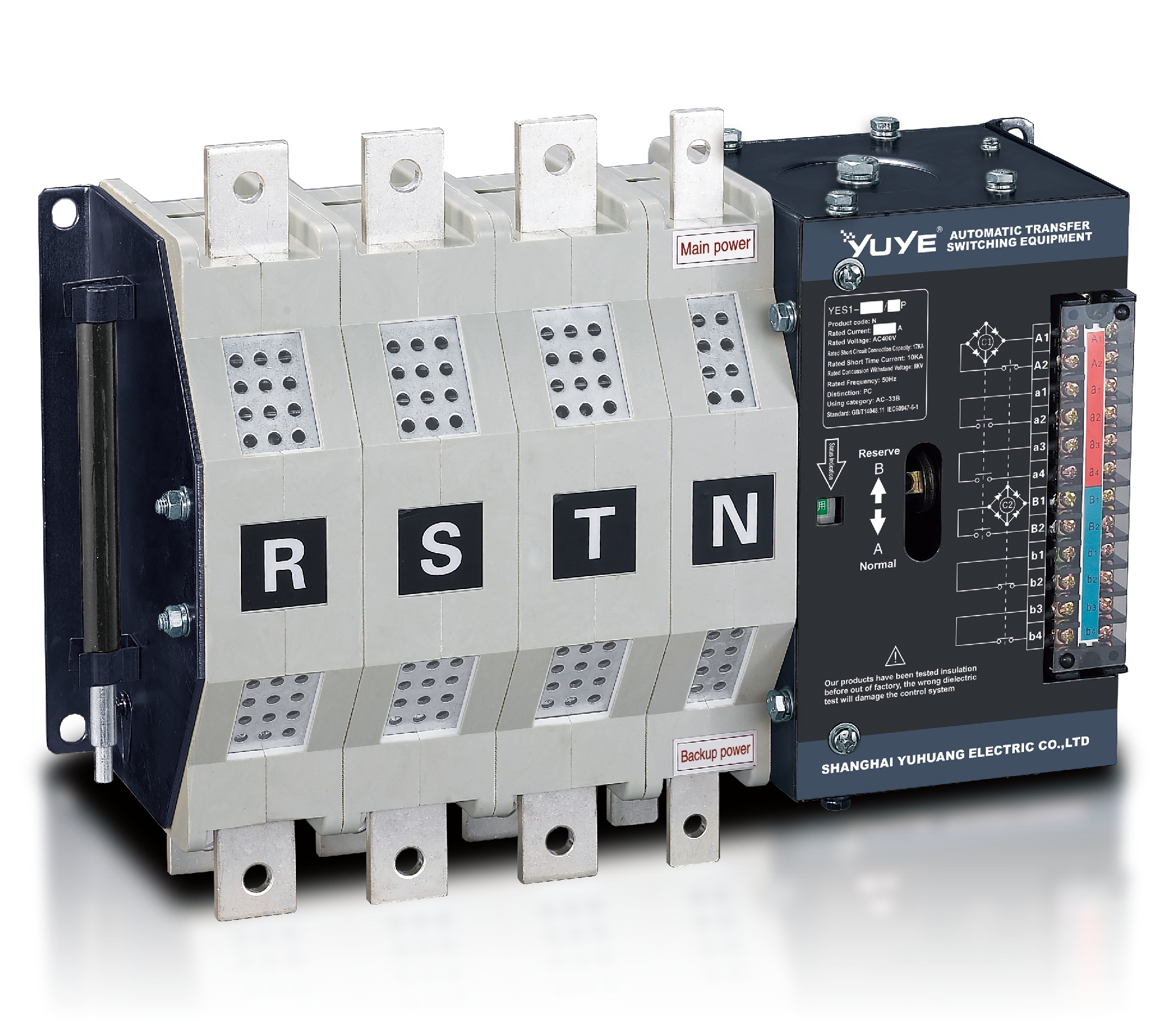 Solenoid-type ATS YES1-250~630N/NT
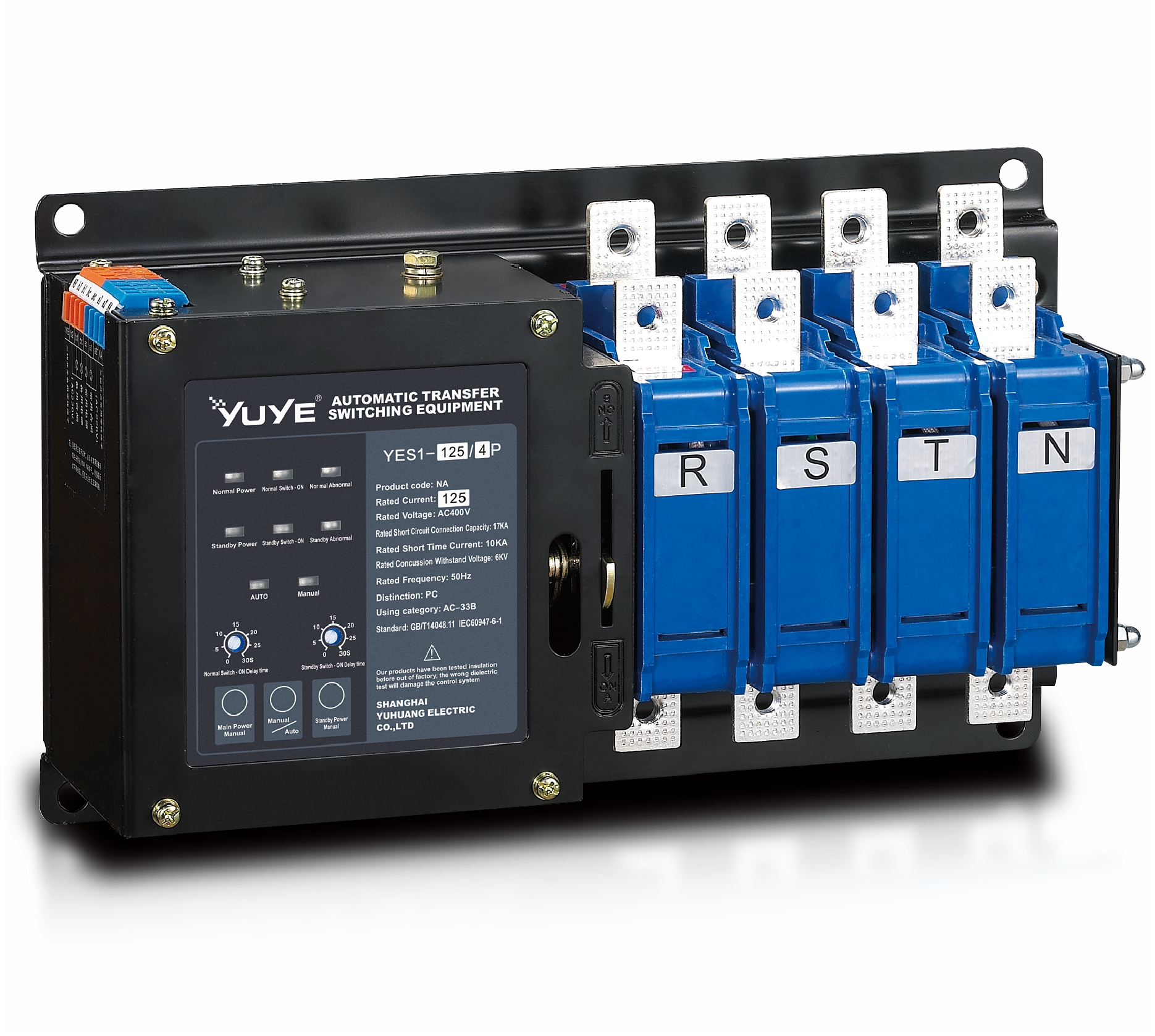 Solenoid-type ATS YES1-32~125NA
 Solenoid-type ATS YES1-63~630SN
 Solenoid-type ATS YES1-1250~4000SN
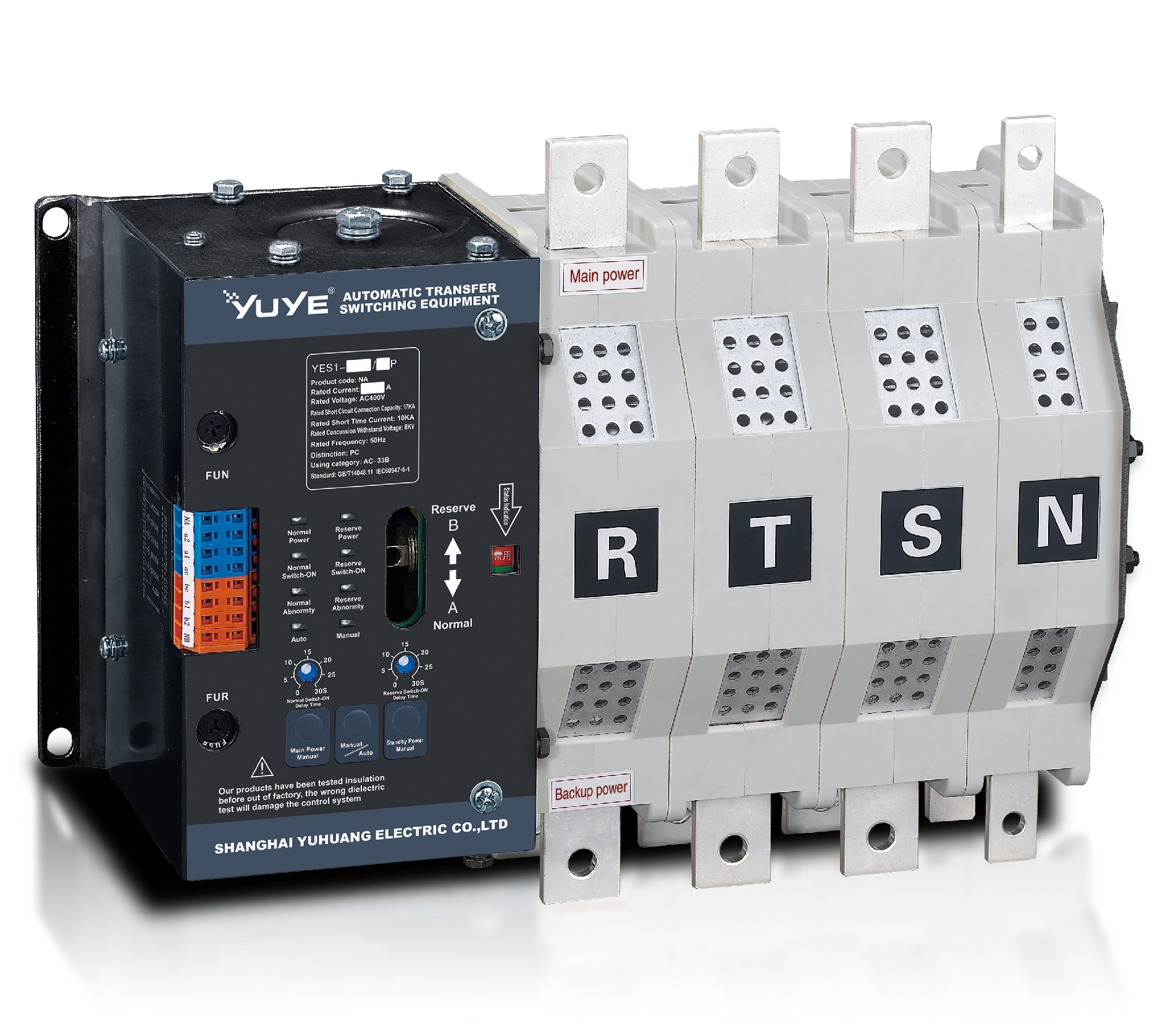 Solenoid-type ATS YES1-250~630NA/NAT
 Solenoid-type ATS YES1-63NJT
 PC ATS YES1-100~1600GN1/GN/GNF
 PC ATS YES1-2000~3200GN/GNF
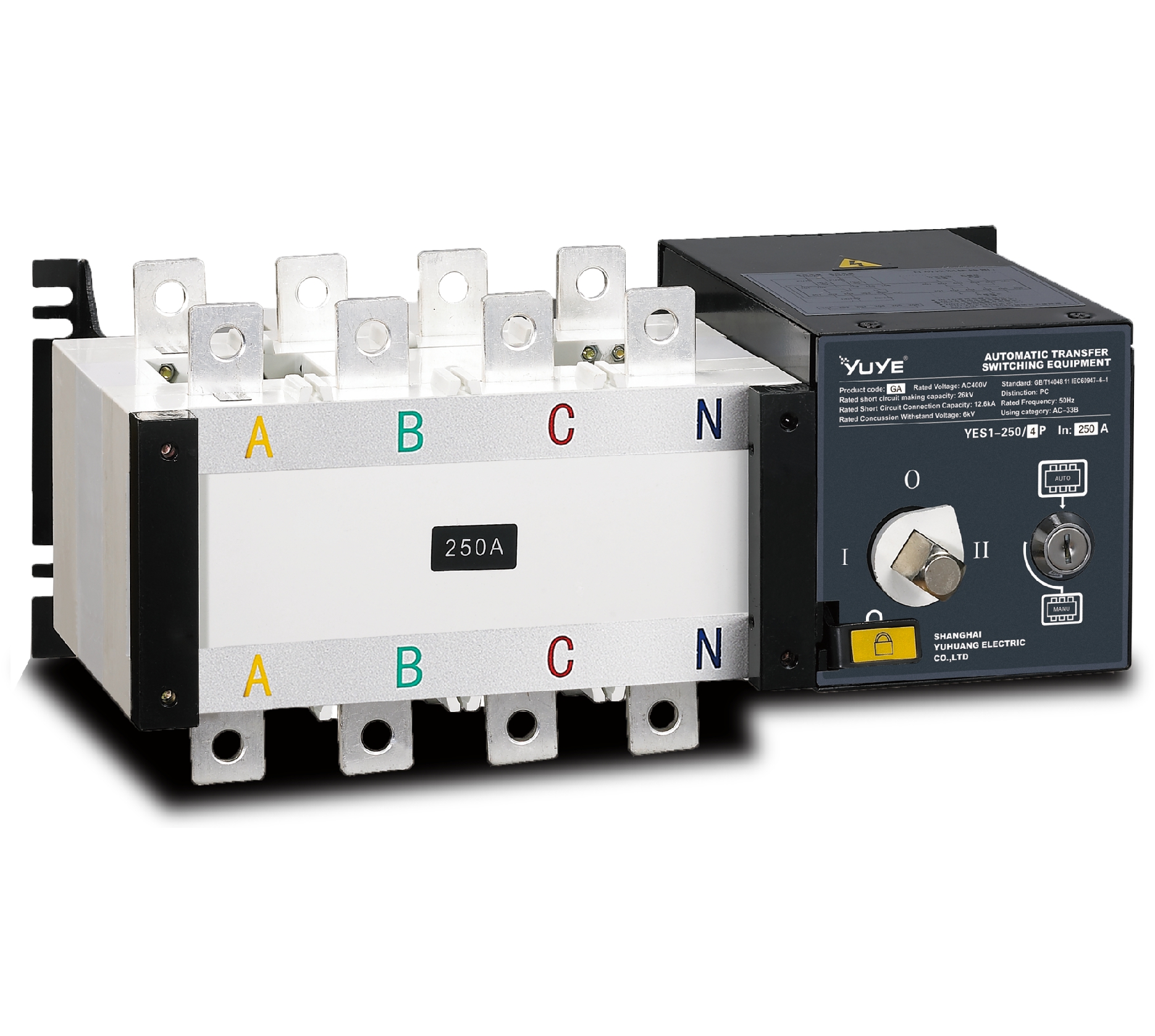 PC ATS YES1-100~3200GA1/GA
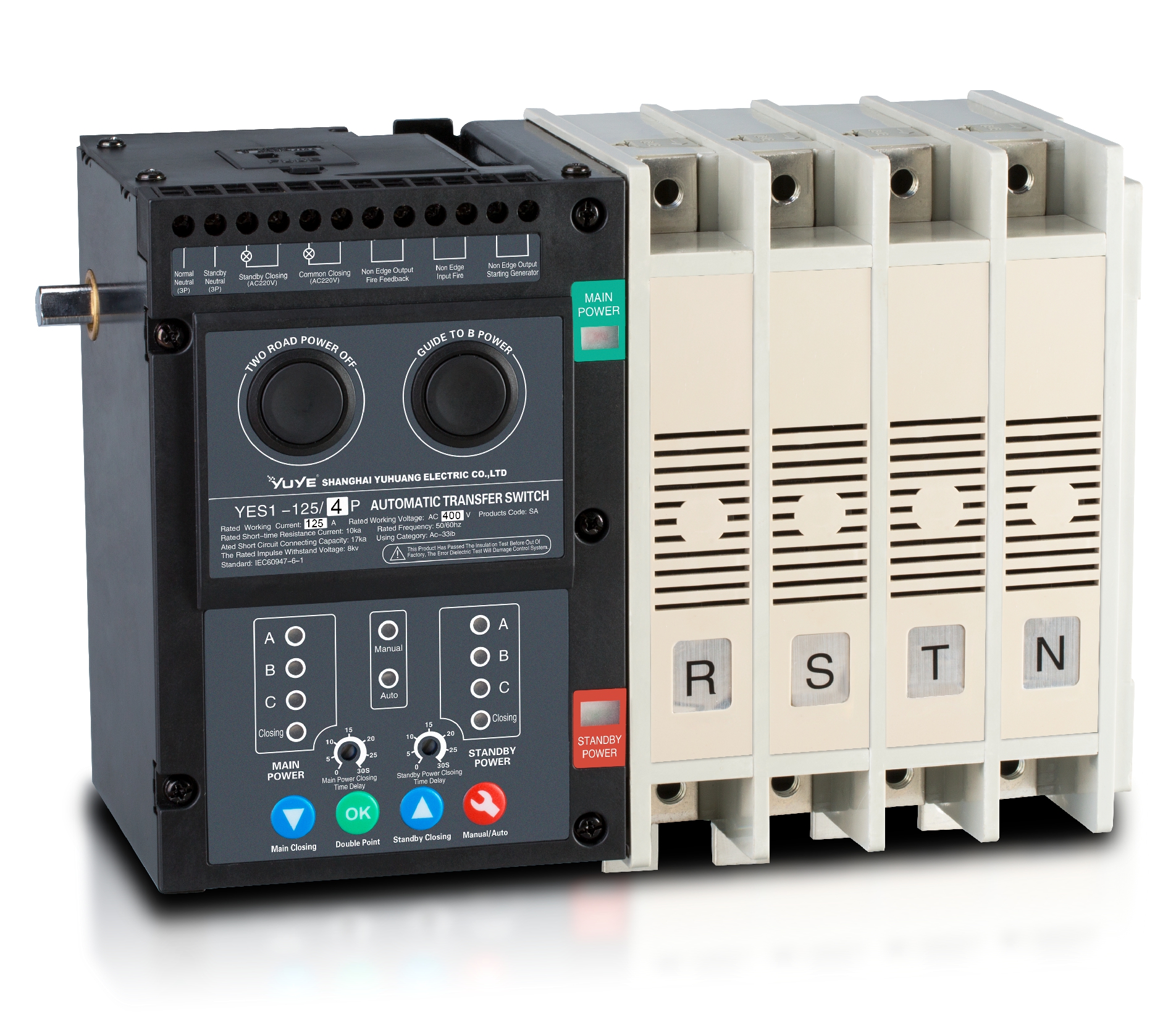 Solenoid-type ATS YES1-63~630SA
 Solenoid-type ATS YES1-63~630L/LA
 Solenoid-type ATS YES1-63~630LA3
 Solenoid-type ATS YES1-63MA
 PC ATS YES1-630~1600M
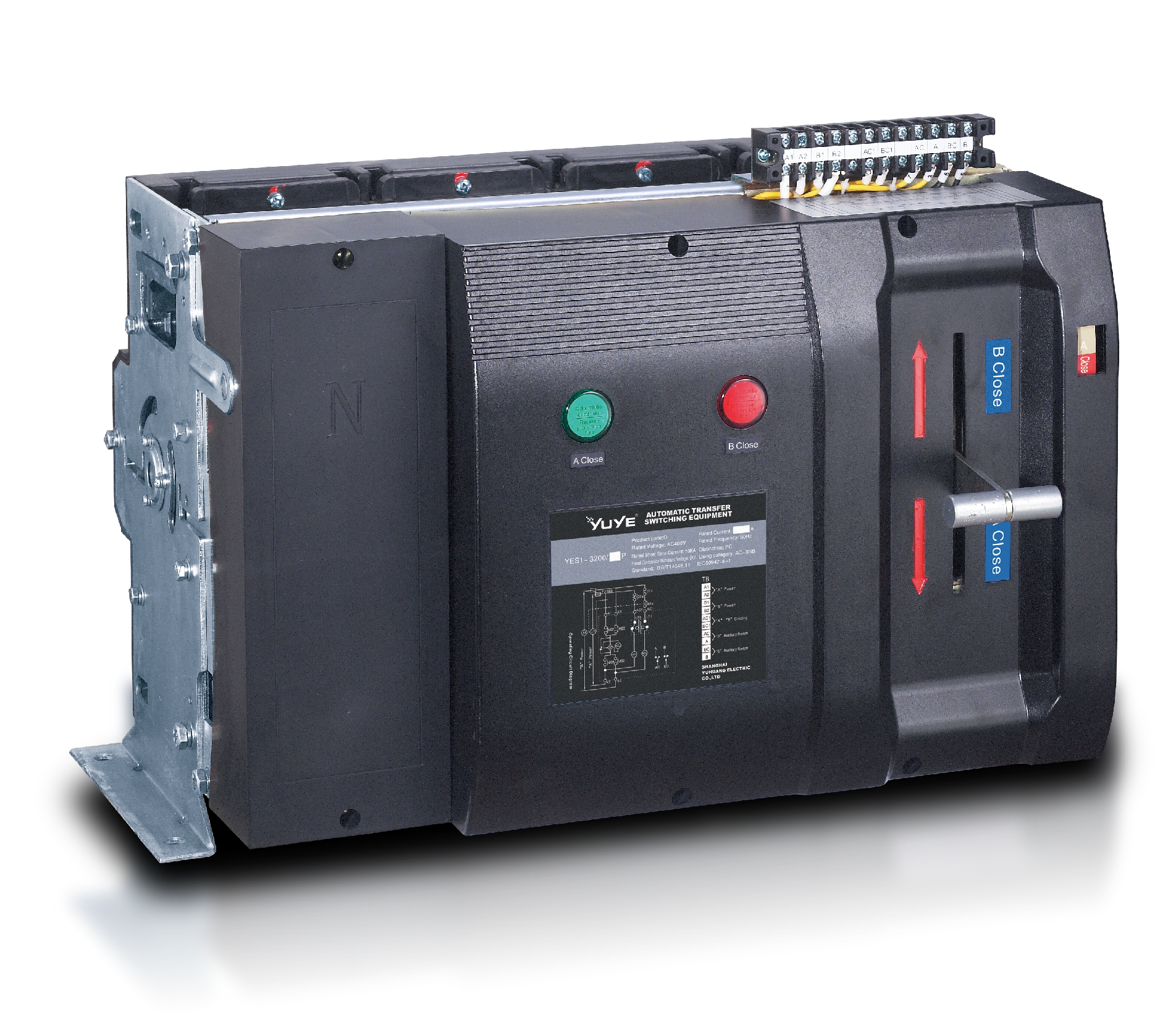 PC ATS YES1-3200Q
 Solenoid-type ATS YES1-4000~6300Q
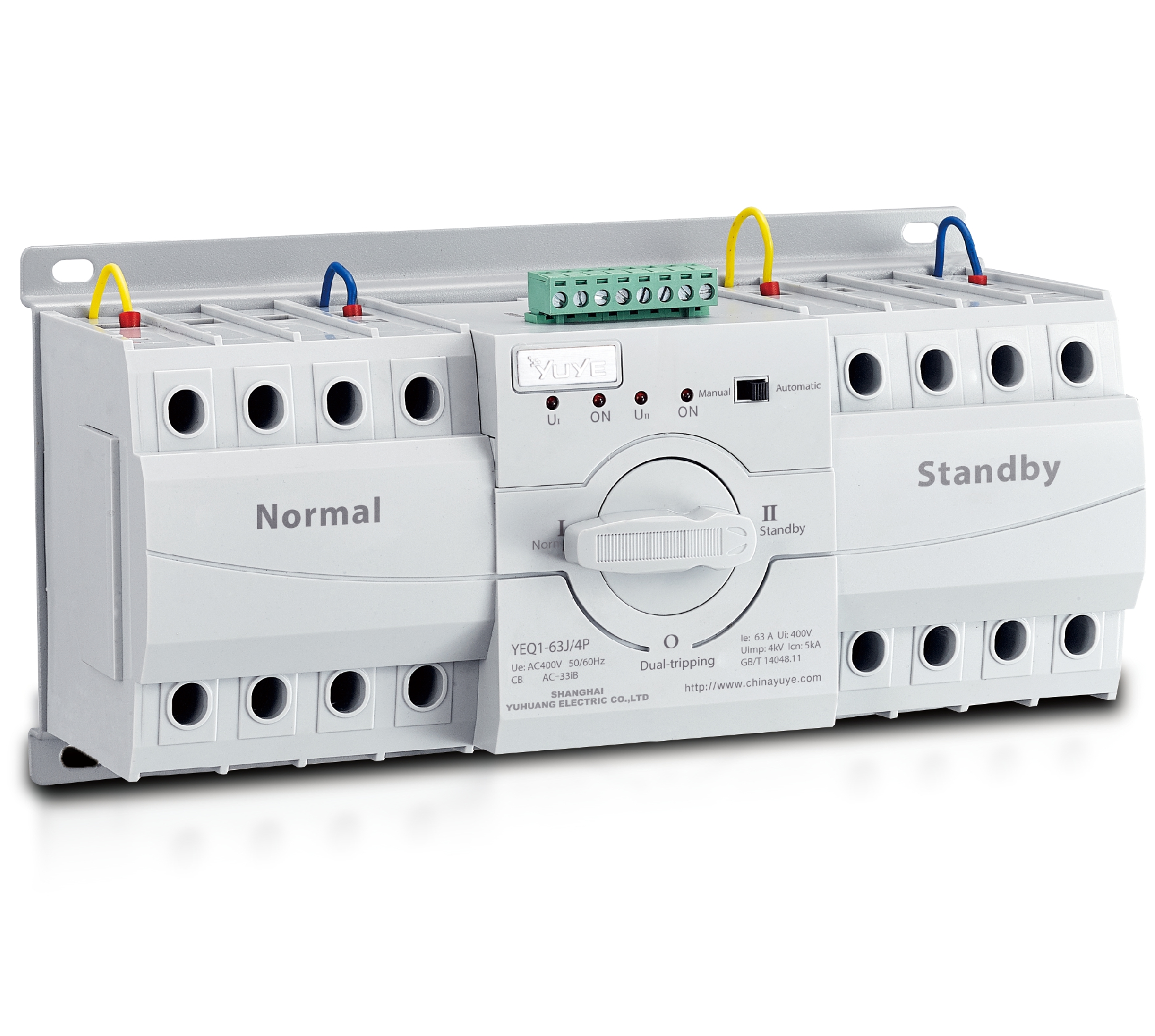 CB ATS YEQ1-63J
 CB ATS YEQ2Y-63
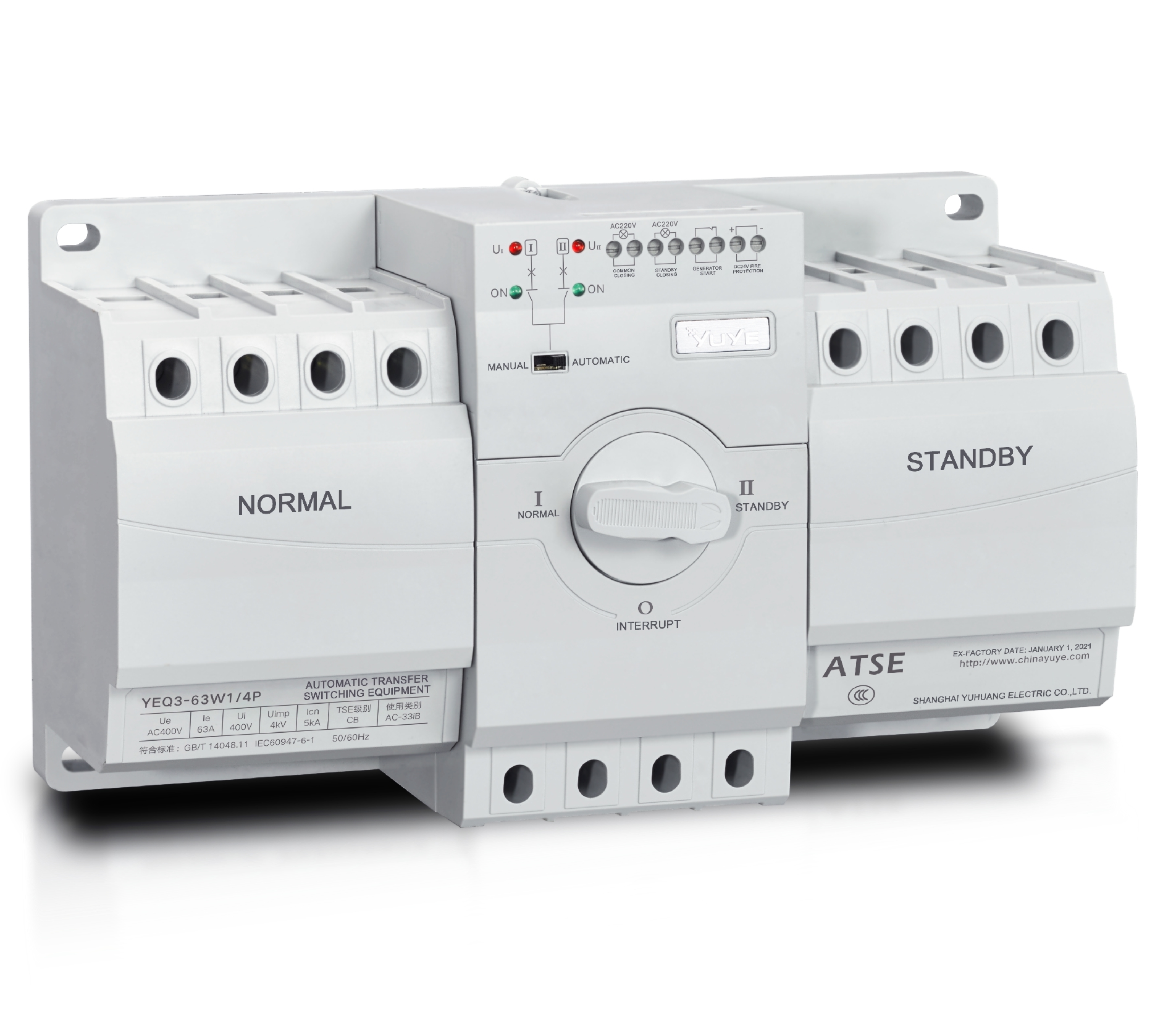 CB ATS YEQ3-63W1
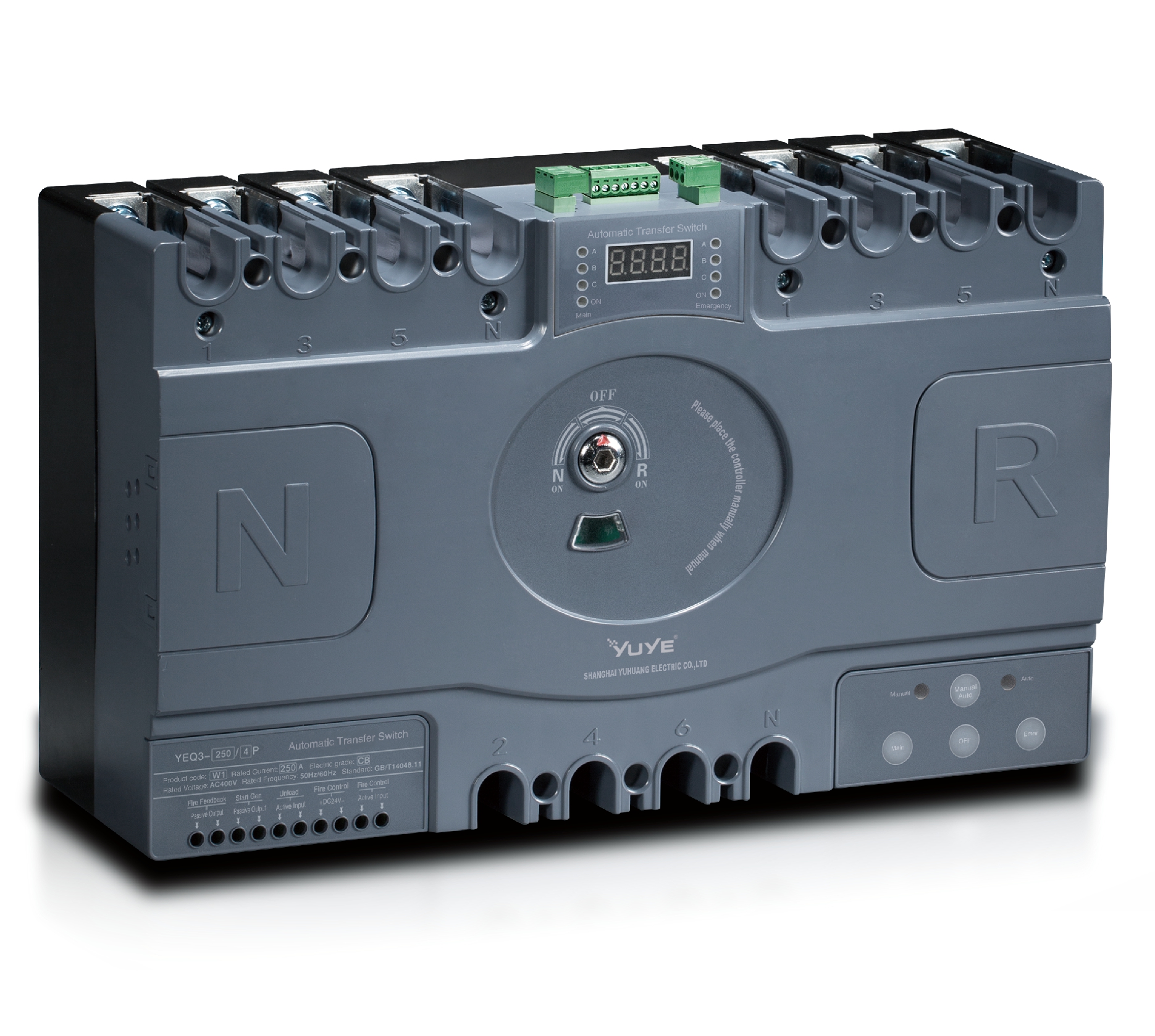 CB ATS YEQ3-125~630W1
 ATS controller Y-700
 ATS Controller Y-700N
 ATS Controller Y-701B
 ATS Controller Y-703N
 ATS Controller Y-800
 ATS Controller W2/W3 Series
 ATS switch Cabinet floor-to-ceiling
 ATS switch cabinet
 JXF-225A power Cbinet
 JXF-800A power Cbinet
 YEM3-125~800 Plastic Shell Type MCCB
 YEM3L-125~630 Leakage Type MCCB
 YEM3Z-125~800 Adjustable Type MCCB
 YEM1-63~1250 Plastic Shell Type MCCB
 YEM1E-100~800 Electronic Type MCCB
 YEM1L-100~630 Leakage Type MCCB
 Miniature circuit breaker YEMA2-6~100
 Miniature circuit breaker YEB1-3~63
 Miniature circuit breaker YEB1LE-3~63
 Miniature circuit breaker YEPN-3~32
 Miniature circuit breaker YEPNLE-3~32
 Miniature circuit breaker YENC-63~125
 Air Circuit Breaker YEW1-2000~6300
 Air Circuit Breaker YEW3-1600
 Load isolation switch YGL-63~3150
 Load Isolation Switch YGL2-63~3150
 Manual Changeover Switch YGL-100~630Z1A
 Manual Changeover Switch YGLZ1-100~3150
 YECPS2-45~125 LCD
 YECPS-45~125 Digital
 CNC Milling/Turning-OEM
 DC relay MDC-300M
 DC Isolation Switch YEGL3D-630
The evolution of electrical protection devices has entered a transformative phase with the emergence of Solid-State Circuit Breakers (SSCBs). As industries demand faster, smarter, and more efficient power distribution, the question arises: Can SSCBs replace traditional Air Circuit Breakers (ACBs)? This article examines the technological advancements, challenges, and market potential of SSCBs, with insights from YUYE Electric Co., Ltd, a leading innovator in electrical protection solutions.

Advantages of SSCBs Over Traditional ACBs
Unlike conventional ACBs, which rely on mechanical contacts and arc quenching in air, SSCBs use semiconductor devices (e.g., SiC or GaN transistors) to interrupt current within microseconds. This offers several key benefits:
Ultra-Fast Response – SSCBs can detect and interrupt fault currents in <1ms, significantly reducing arc flash risks and equipment damage.
Longer Lifespan – No moving parts mean minimal wear and tear, unlike ACBs, which degrade over time due to mechanical switching.
Smart Grid Compatibility – SSCBs integrate seamlessly with IoT-enabled systems, allowing real-time monitoring and adaptive protection.
Higher Efficiency – Lower energy loss during operation, making them ideal for renewable energy and data centers.
Challenges in Replacing ACBs
Despite their advantages, SSCBs face hurdles before widespread adoption:
Heat Dissipation – High-power SSCBs generate significant heat, requiring advanced cooling solutions.
Cost Barriers – Semiconductor-based breakers are currently more expensive than traditional ACBs, though prices are expected to decline.
Standardization & Certification – Existing standards (e.g., IEC 60947) were designed for electromechanical breakers, necessitating new regulatory frameworks.
YUYE Electric’s Role in Advancing SSCB Technology
As a pioneer in electrical protection, YUYE Electric Co., Ltd has been actively researching next-generation SSCBs to bridge the gap between innovation and industrial application. The company’s hybrid SSCB prototypes combine solid-state speed with the robustness of traditional breakers, offering a transitional solution for high-demand environments.

YUYE Electric’s engineers emphasize that SSCBs will not immediately replace ACBs but will instead coexist in specialized applications (e.g., microgrids, EV charging, and aerospace) where speed and precision are critical.
The Future: A Hybrid Approach?
While SSCBs represent the future of circuit protection, ACBs will remain dominant in conventional power systems for years to come. However, as semiconductor technology matures and costs decrease, a hybrid model—where SSCBs handle ultra-fast protection while ACBs manage high-current loads—could become the industry standard.

Conclusion
Solid-State Circuit Breakers offer groundbreaking advantages over traditional ACBs, but their adoption depends on overcoming cost, thermal management, and standardization challenges. Companies like YUYE Electric Co., Ltd are at the forefront of this transition, ensuring that the next generation of circuit protection is smarter, faster, and more reliable.
For now, SSCBs complement rather than replace ACBs, but the shift toward solid-state technology is inevitable as industries embrace digitalization and green energy solutions.