
 PC ATS YECT1-2000G
 PC ATS YES2-63~250GN1
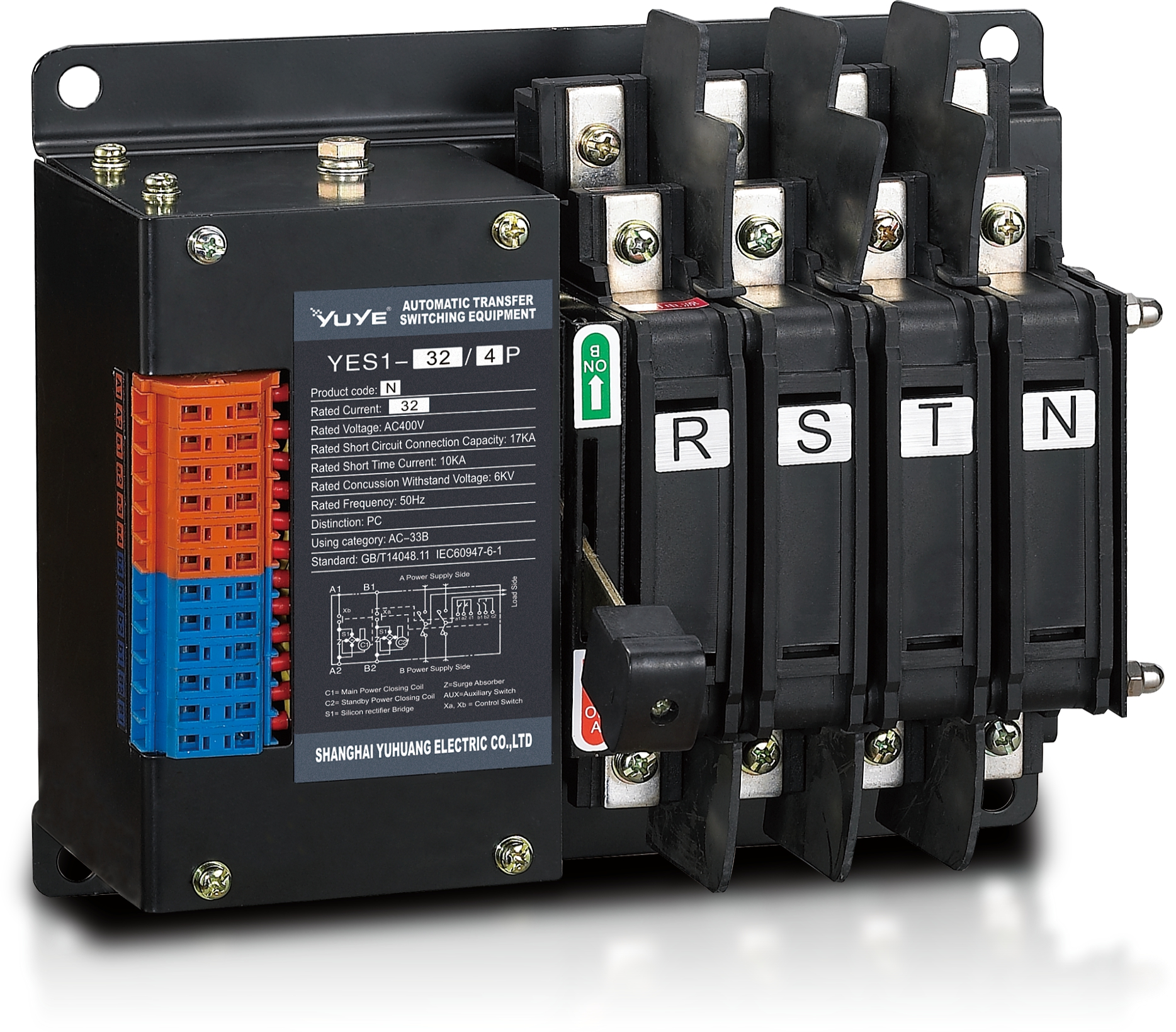 Solenoid-type ATS YES1-32~125N
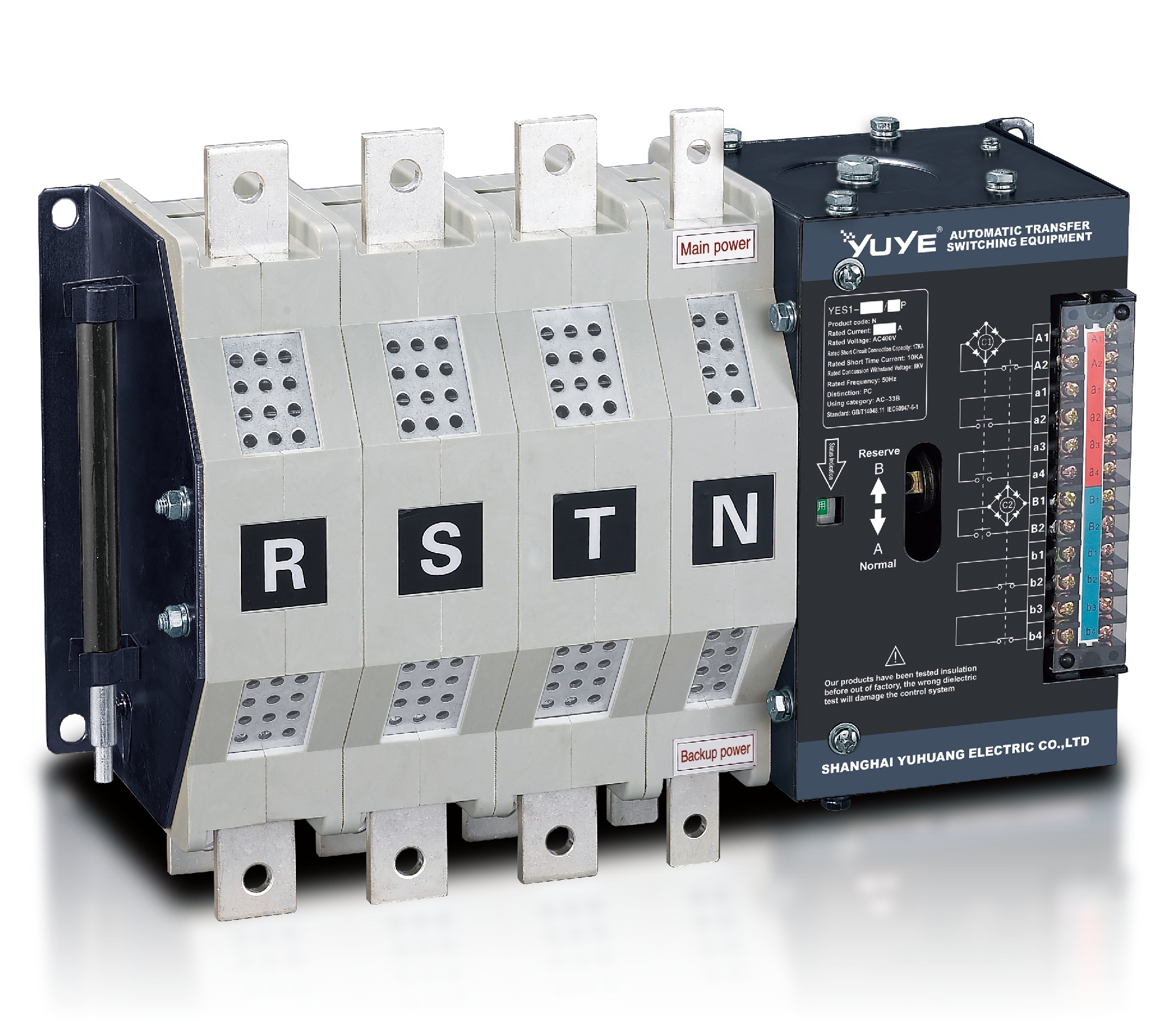 Solenoid-type ATS YES1-250~630N/NT
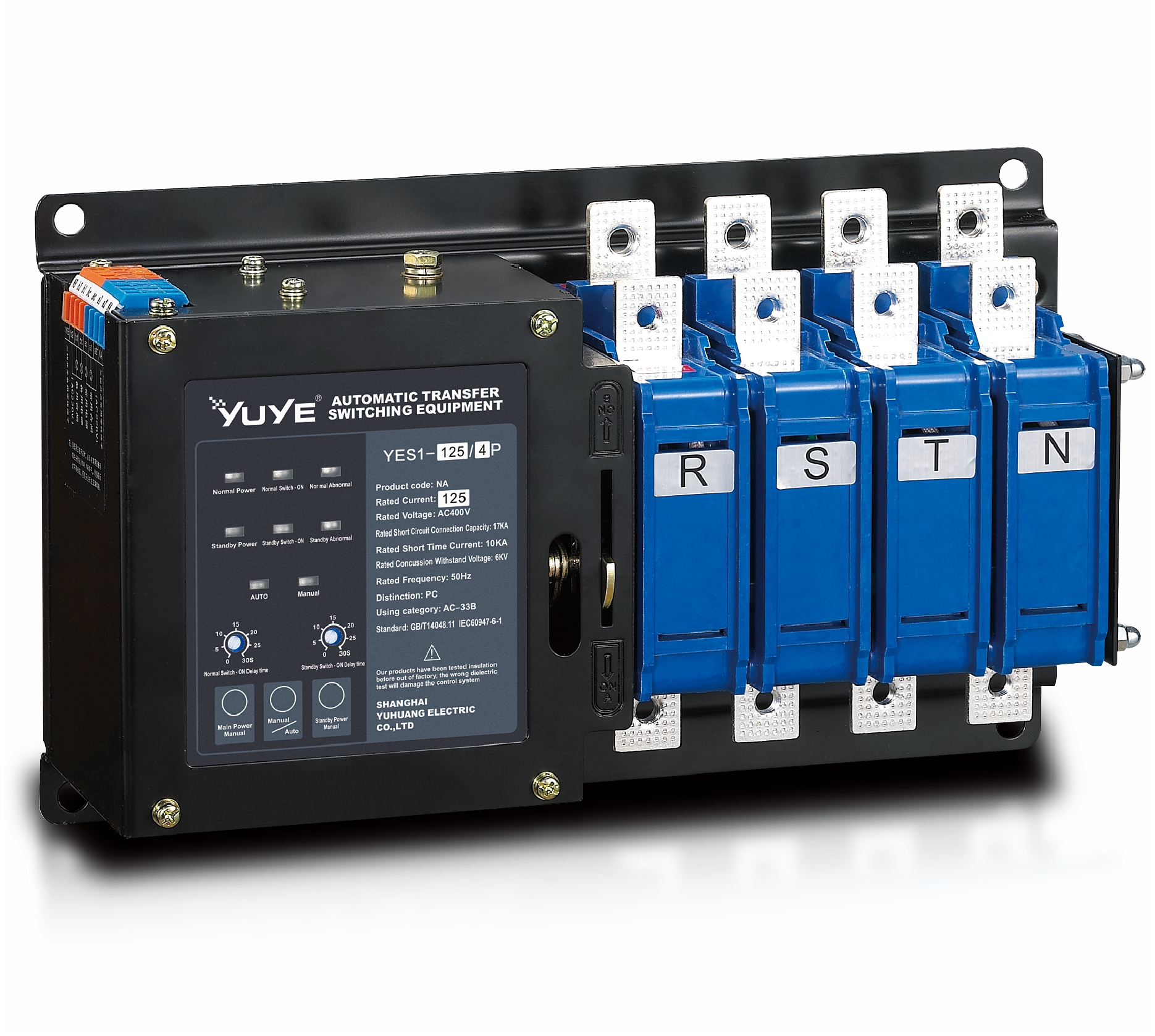 Solenoid-type ATS YES1-32~125NA
 Solenoid-type ATS YES1-63~630SN
 Solenoid-type ATS YES1-1250~4000SN
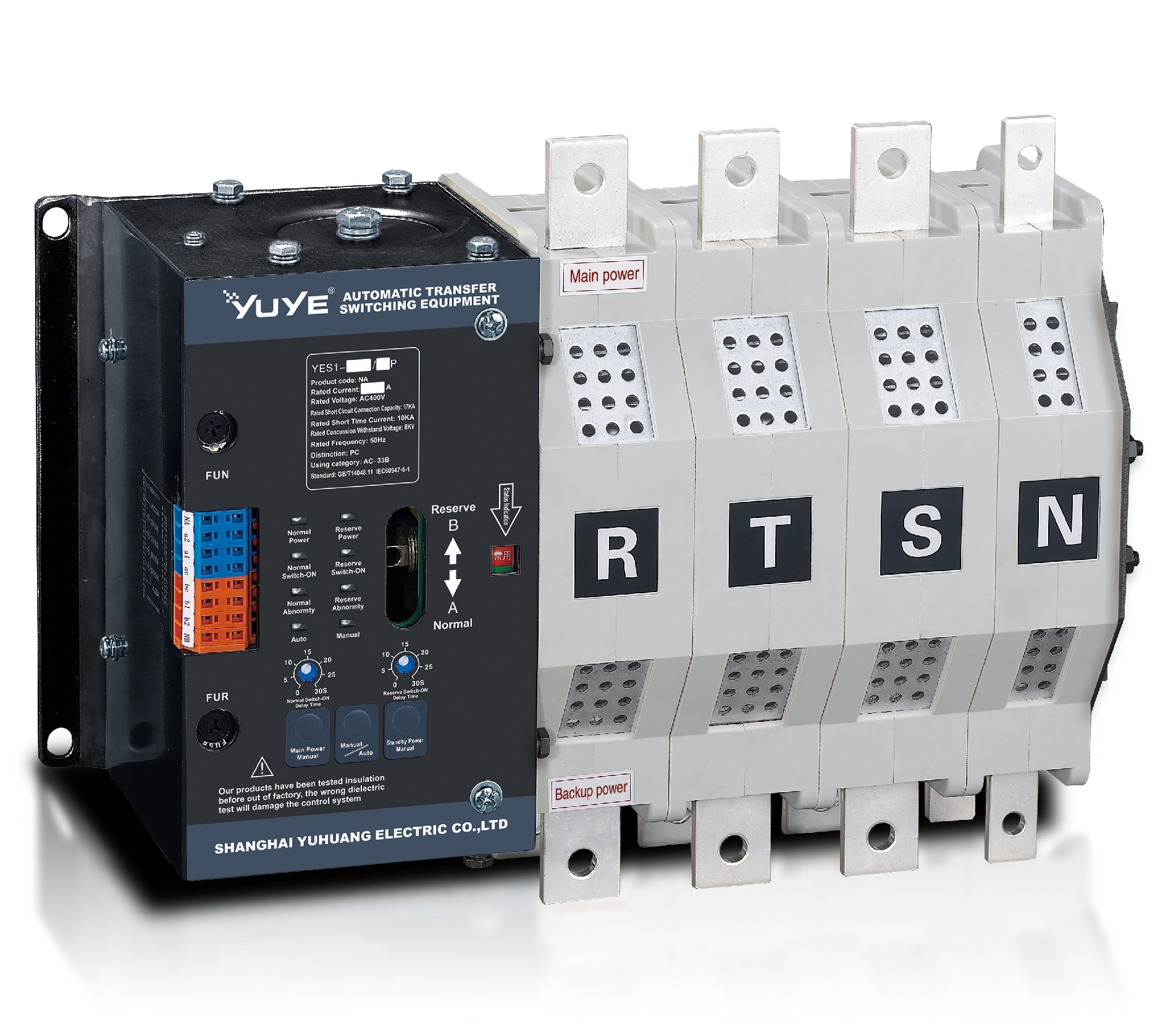 Solenoid-type ATS YES1-250~630NA/NAT
 Solenoid-type ATS YES1-63NJT
 PC ATS YES1-100~1600GN1/GN/GNF
 PC ATS YES1-2000~3200GN/GNF
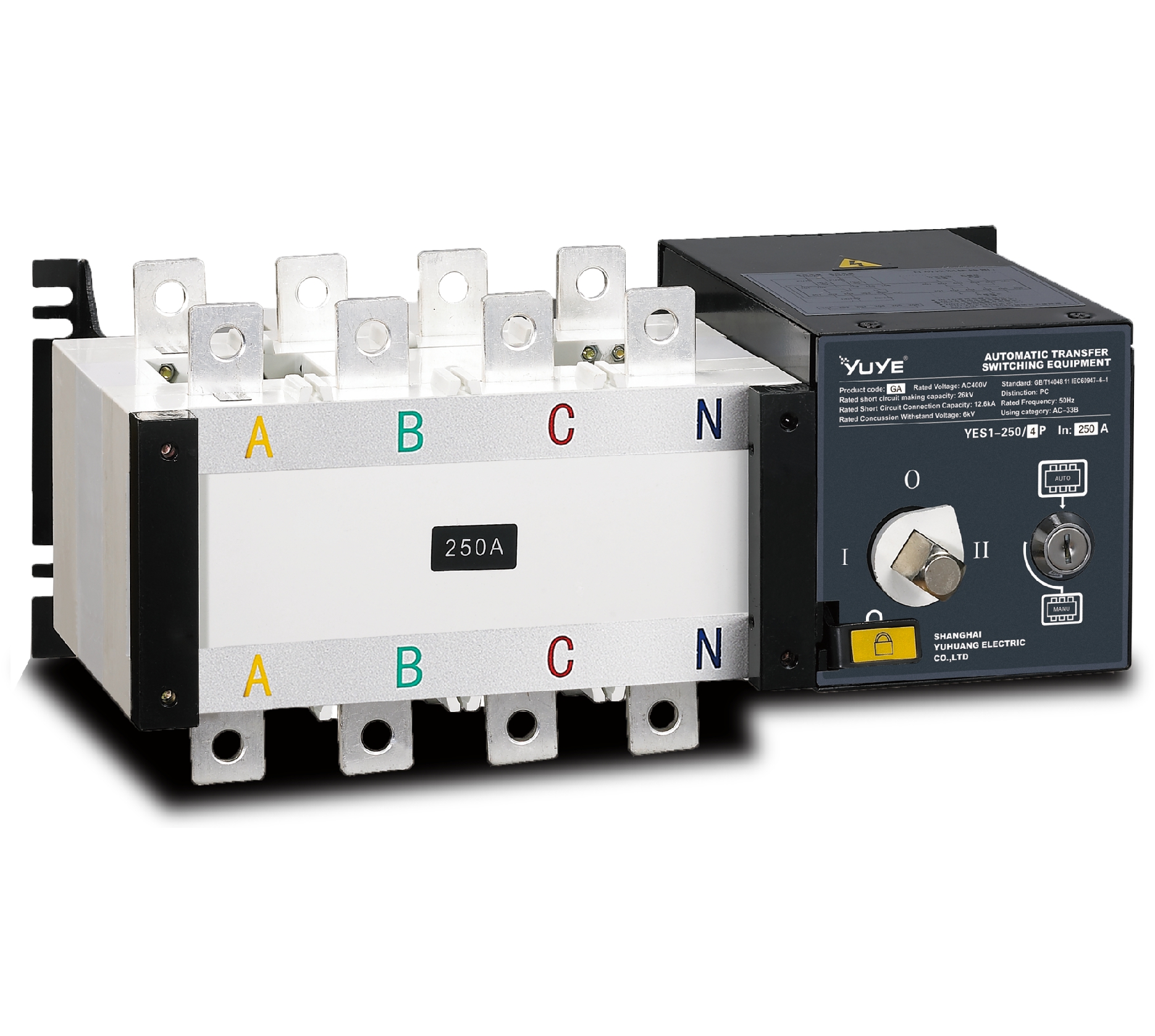 PC ATS YES1-100~3200GA1/GA
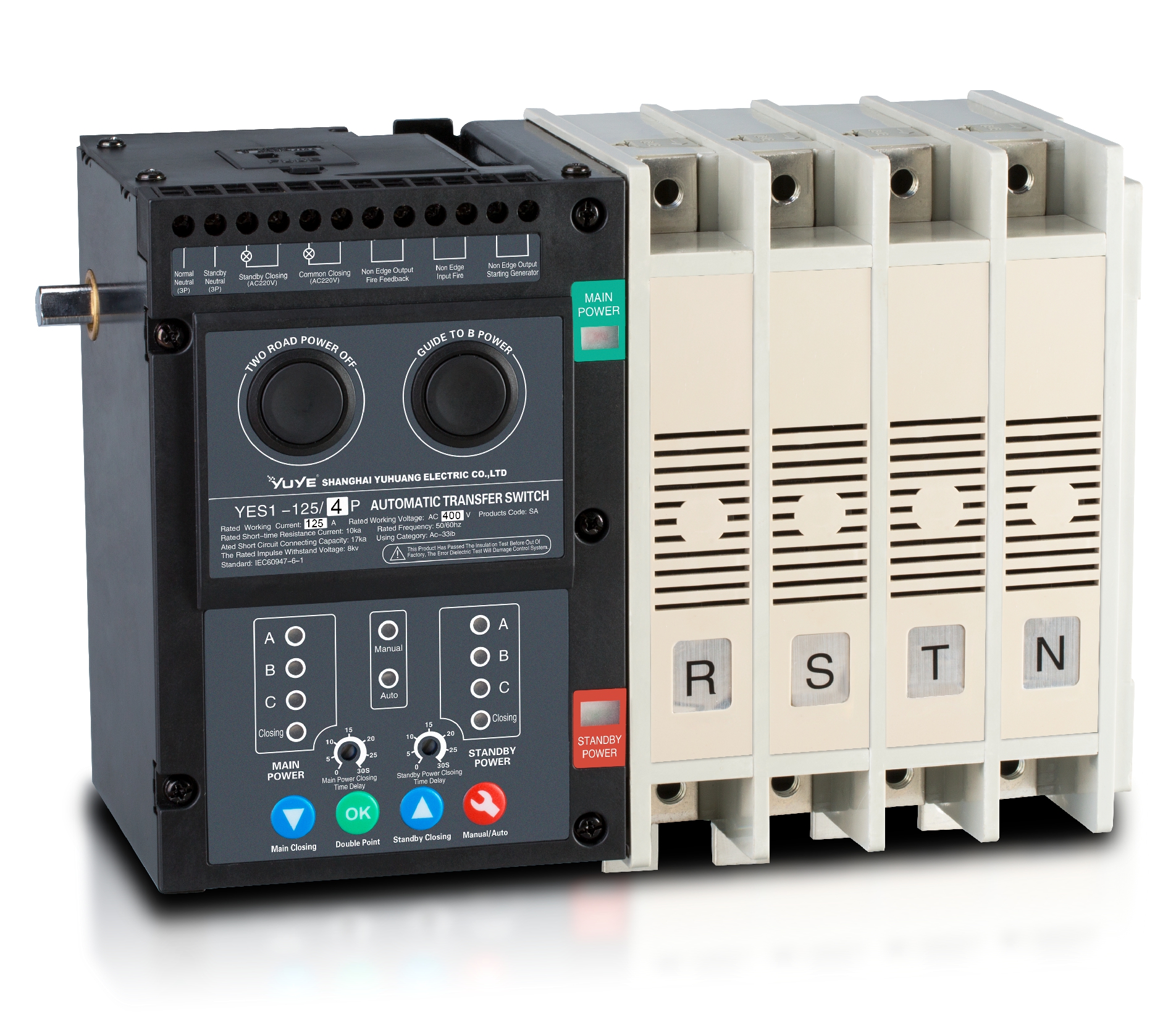 Solenoid-type ATS YES1-63~630SA
 Solenoid-type ATS YES1-63~630L/LA
 Solenoid-type ATS YES1-63~630LA3
 Solenoid-type ATS YES1-63MA
 PC ATS YES1-630~1600M
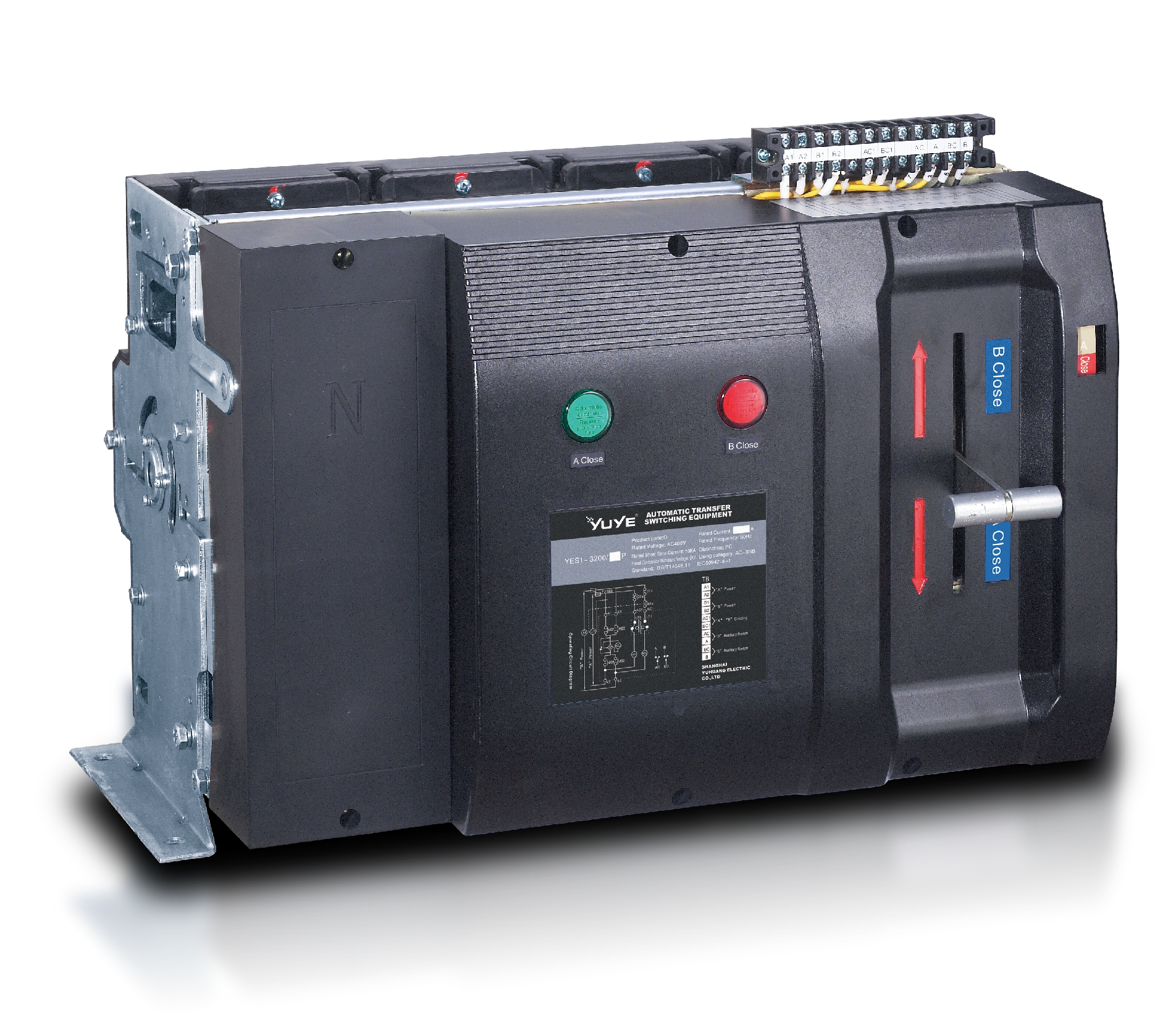 PC ATS YES1-3200Q
 Solenoid-type ATS YES1-4000~6300Q
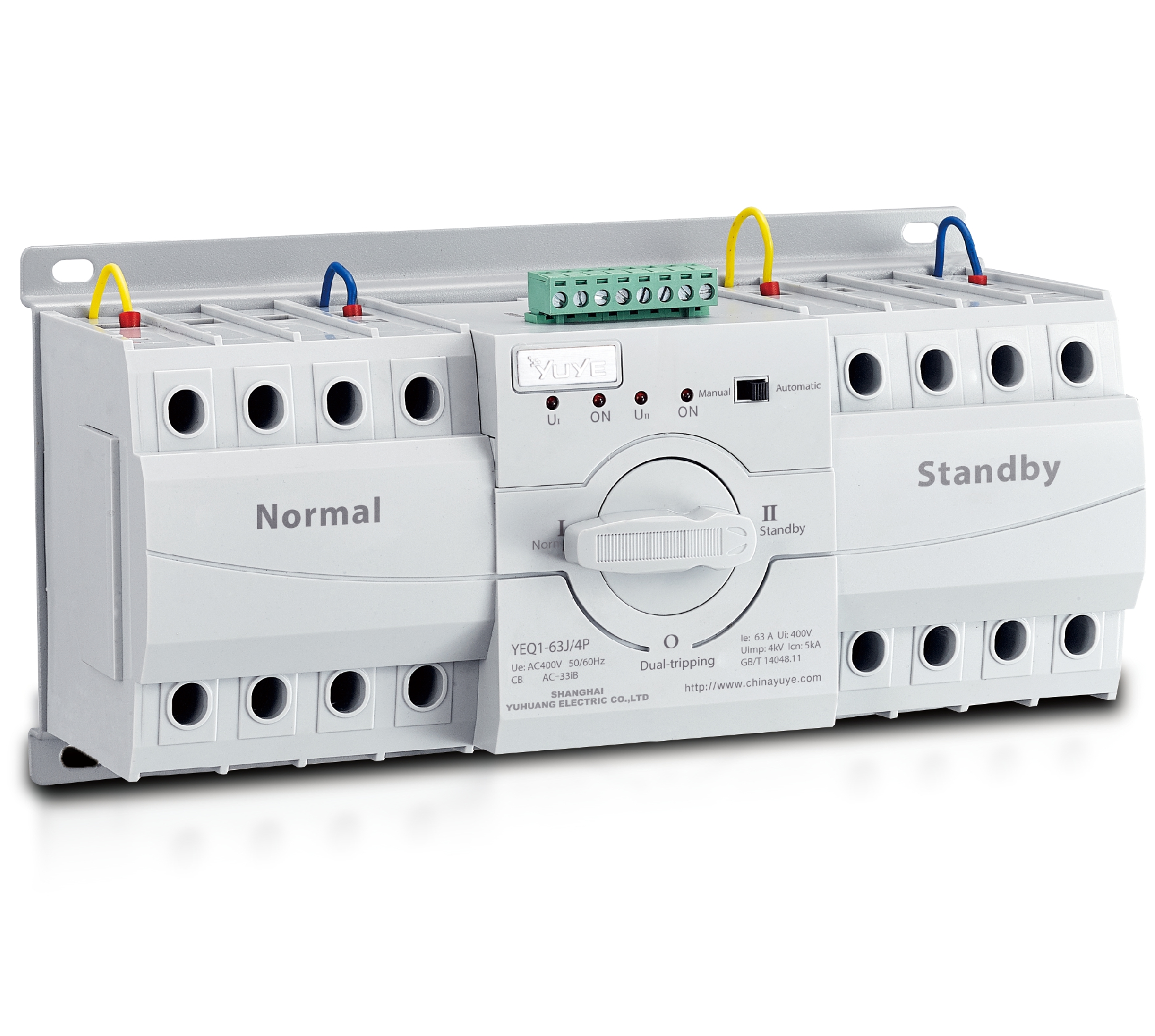 CB ATS YEQ1-63J
 CB ATS YEQ2Y-63
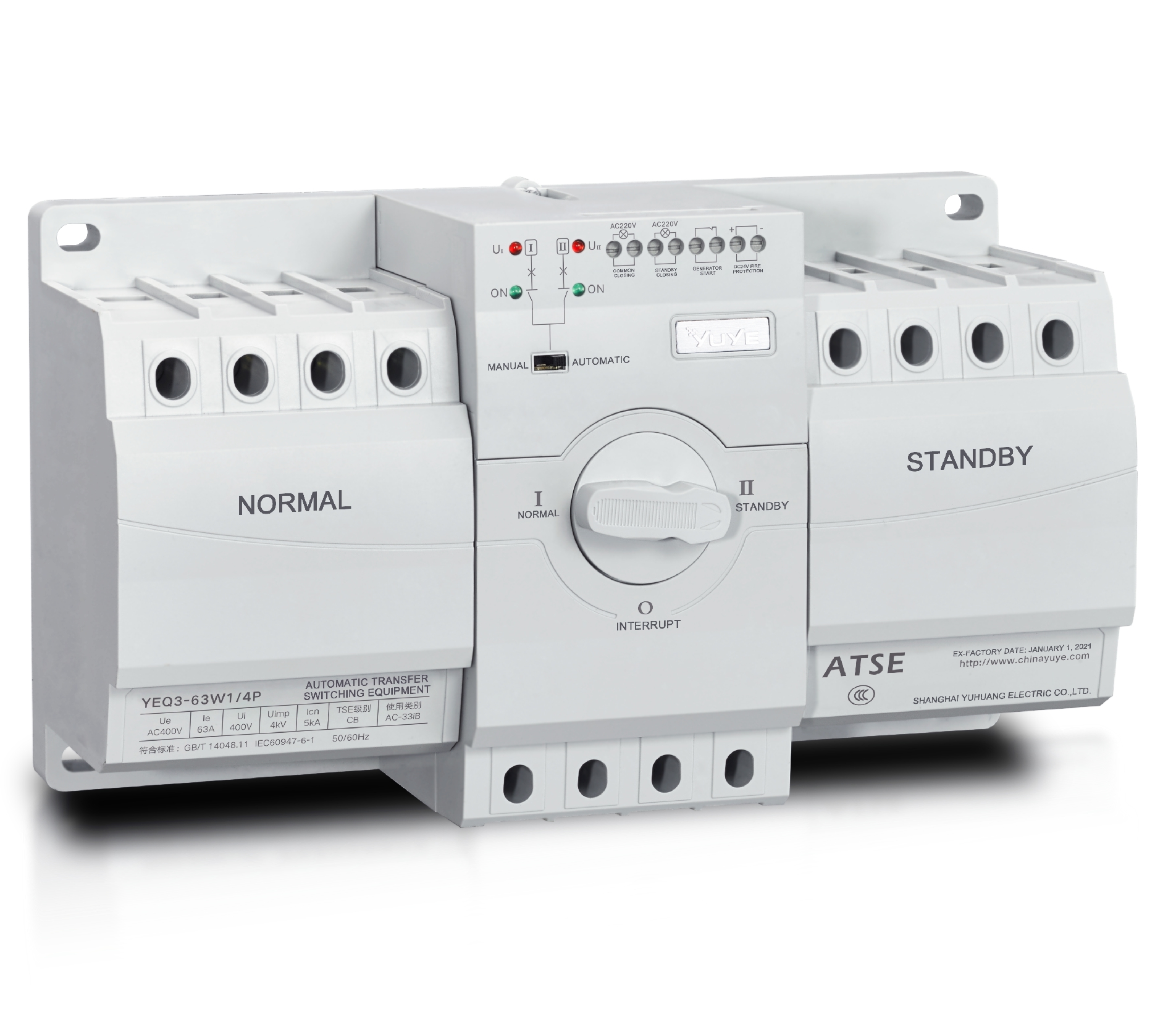 CB ATS YEQ3-63W1
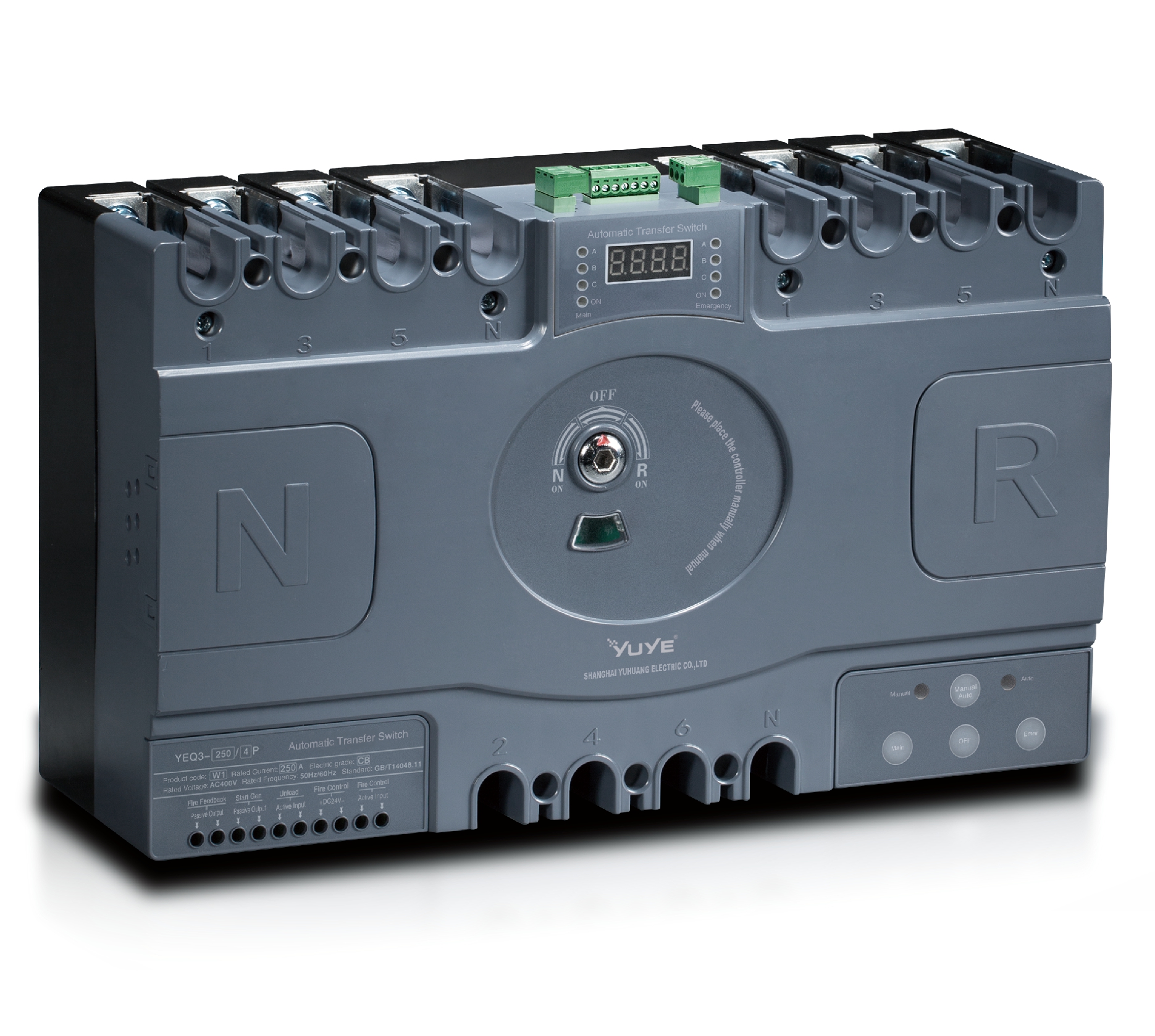 CB ATS YEQ3-125~630W1
 ATS controller Y-700
 ATS Controller Y-700N
 ATS Controller Y-701B
 ATS Controller Y-703N
 ATS Controller Y-800
 ATS Controller W2/W3 Series
 ATS switch Cabinet floor-to-ceiling
 ATS switch cabinet
 JXF-225A power Cbinet
 JXF-800A power Cbinet
 YEM3-125~800 Plastic Shell Type MCCB
 YEM3L-125~630 Leakage Type MCCB
 YEM3Z-125~800 Adjustable Type MCCB
 YEM1-63~1250 Plastic Shell Type MCCB
 YEM1E-100~800 Electronic Type MCCB
 YEM1L-100~630 Leakage Type MCCB
 Miniature circuit breaker YEMA2-6~100
 Miniature circuit breaker YEB1-3~63
 Miniature circuit breaker YEB1LE-3~63
 Miniature circuit breaker YEPN-3~32
 Miniature circuit breaker YEPNLE-3~32
 Miniature circuit breaker YENC-63~125
 Air Circuit Breaker YEW1-2000~6300
 Air Circuit Breaker YEW3-1600
 Load isolation switch YGL-63~3150
 Load Isolation Switch YGL2-63~3150
 Manual Changeover Switch YGL-100~630Z1A
 Manual Changeover Switch YGLZ1-100~3150
 YECPS2-45~125 LCD
 YECPS-45~125 Digital
 CNC Milling/Turning-OEM
 DC relay MDC-300M
 DC Isolation Switch YEGL3D-630
Miniature Circuit Breakers (MCBs) serve as critical components in modern electrical protection systems, particularly in lightning protection applications. This paper examines the fundamental role of MCBs in surge protection devices (SPD) coordination and explores innovative improvement strategies. YUYE Electric Co., Ltd., as an industry leader in circuit protection technology, has developed advanced MCB solutions that significantly enhance lightning protection system reliability.
1. Introduction
Lightning strikes pose severe threats to electrical installations, potentially causing equipment damage, data loss, and safety hazards. While surge protective devices (SPDs) form the primary defense, miniature circuit breakers play an equally vital role in comprehensive lightning protection systems. YUYE Electric’s research demonstrates that properly selected and coordinated MCBs can improve system protection effectiveness by up to 40%.
2. Core Functions of MCBs in Lightning Protection Systems
2.1 Overcurrent Protection During Surge Events
MCBs provide essential backup protection when SPDs experience thermal overload. YUYE Electric’s laboratory tests show that their specially designed MCBs can interrupt follow currents up to 10kA within 5ms, significantly faster than conventional breakers.
2.2 SPD Backup Protection
The company’s MCB-SPD coordination system ensures:
Selective tripping during sustained overvoltages
Prevention of SPD degradation
Maintenance of continuous power supply
2.3 Arc Fault Prevention
YUYE’s arc detection technology integrated into MCBs reduces fire risks from lightning-induced arcing by 65% compared to standard models.
3. Current Technological Limitations
3.1 Response Time Challenges
Traditional MCBs exhibit 8-10ms response times to surge currents, potentially allowing damaging energy to pass through.
3.2 Coordination Issues
Poor SPD-MCB coordination remains a common problem, with 32% of lightning-related failures attributed to protection device mismatch (YUYE Electric Field Study, 2023).
4. YUYE Electric’s Improvement Strategies
4.1 Enhanced Surge Withstanding Capacity
The company’s new MCB series features:
15kA impulse withstand rating (IEC 60898-1)
Silver-nickel alloy contacts for better surge handling
Improved thermal management design
4.2 Intelligent Coordination Technology
YUYE’s SmartProtect system incorporates:
Real-time SPD status monitoring
Adaptive trip characteristics
Remote reset capabilities
4.3 Advanced Materials Application
Nanocomposite arc chutes for faster arc extinction
Graphene-enhanced thermal sensors
Self-lubricating mechanisms for consistent performance

5. Future Development Directions
5.1 IoT-Enabled Protection Systems
YUYE Electric is developing MCBs with:
Wireless condition monitoring
Predictive maintenance algorithms
Cloud-based analytics integration
5.2 Hybrid Protection Devices
Research focuses on combining MCB and SPD functions into single units with:
Integrated voltage monitoring
Auto-resetting capabilities
Multi-stage protection
5.3 Standardization Improvements
The company actively participates in revising:
IEC 61643-11 for SPD coordination
UL 489 for MCB surge performance
New testing protocols for lightning environments
6. Case Study: Commercial Building Application
A 2023 installation in a Shanghai high-rise demonstrated:
72% reduction in lightning-related outages
58% decrease in SPD replacement frequency
92% improvement in protection coordination
7. Conclusion
Miniature circuit breakers have evolved from simple overcurrent devices to sophisticated components in lightning protection systems. YUYE Electric Co., Ltd. continues to lead this transformation through innovative designs that address response time, coordination, and smart functionality challenges. Future developments will further integrate MCBs into comprehensive, intelligent protection systems capable of handling increasingly complex electrical environments.
Acknowledgments
The authors thank YUYE Electric’s R&D team for their technical support and data contribution to this research.
References
[1] IEC 61643-11: Low-voltage surge protective devices
[2] YUYE Electric Technical White Paper (2023 Edition)
[3] IEEE Guide for Surge Protection of Equipment Connected to AC Power Circuits