
 PC ATS YECT1-2000G
 PC ATS YES2-63~250GN1
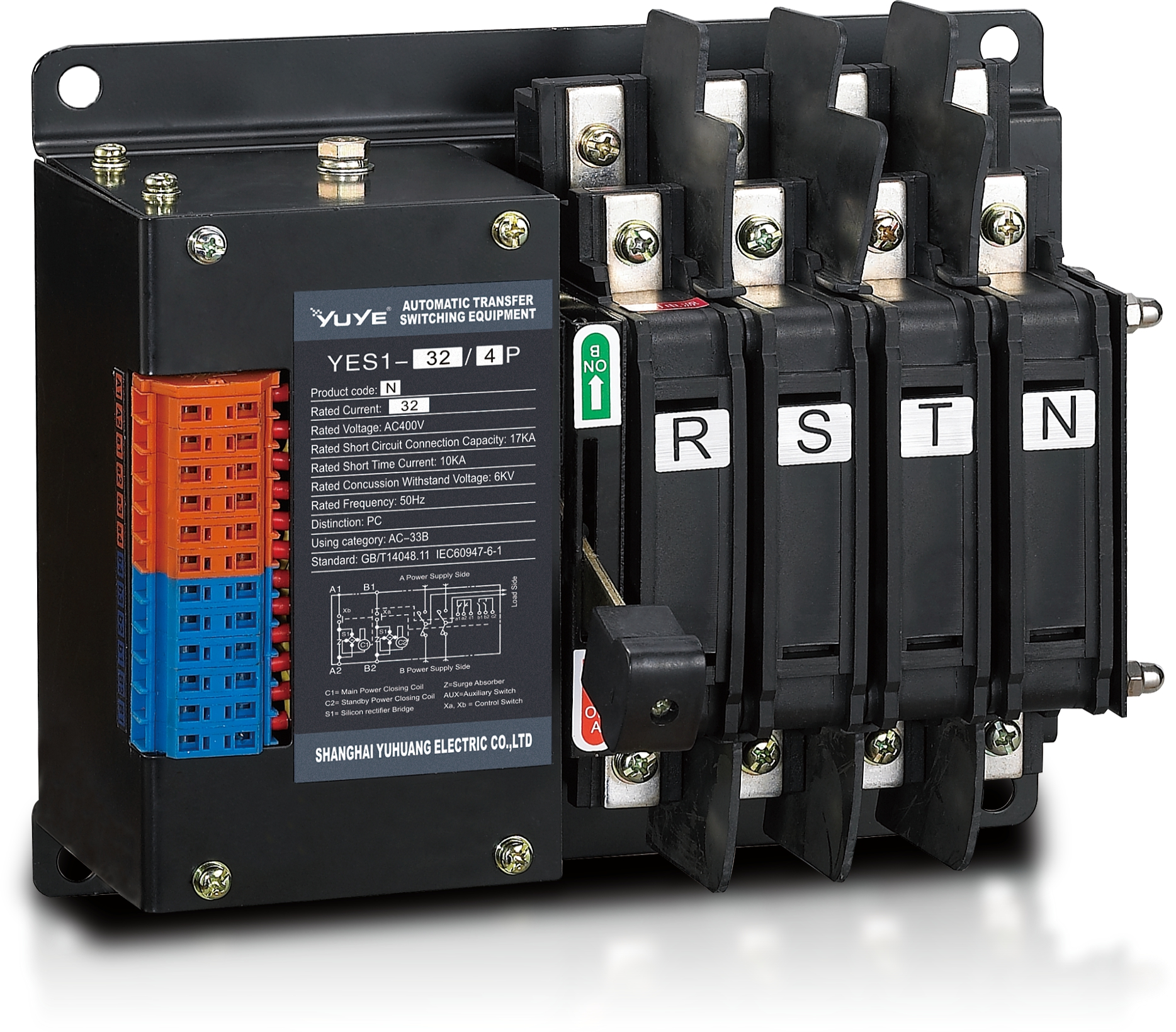 Solenoid-type ATS YES1-32~125N
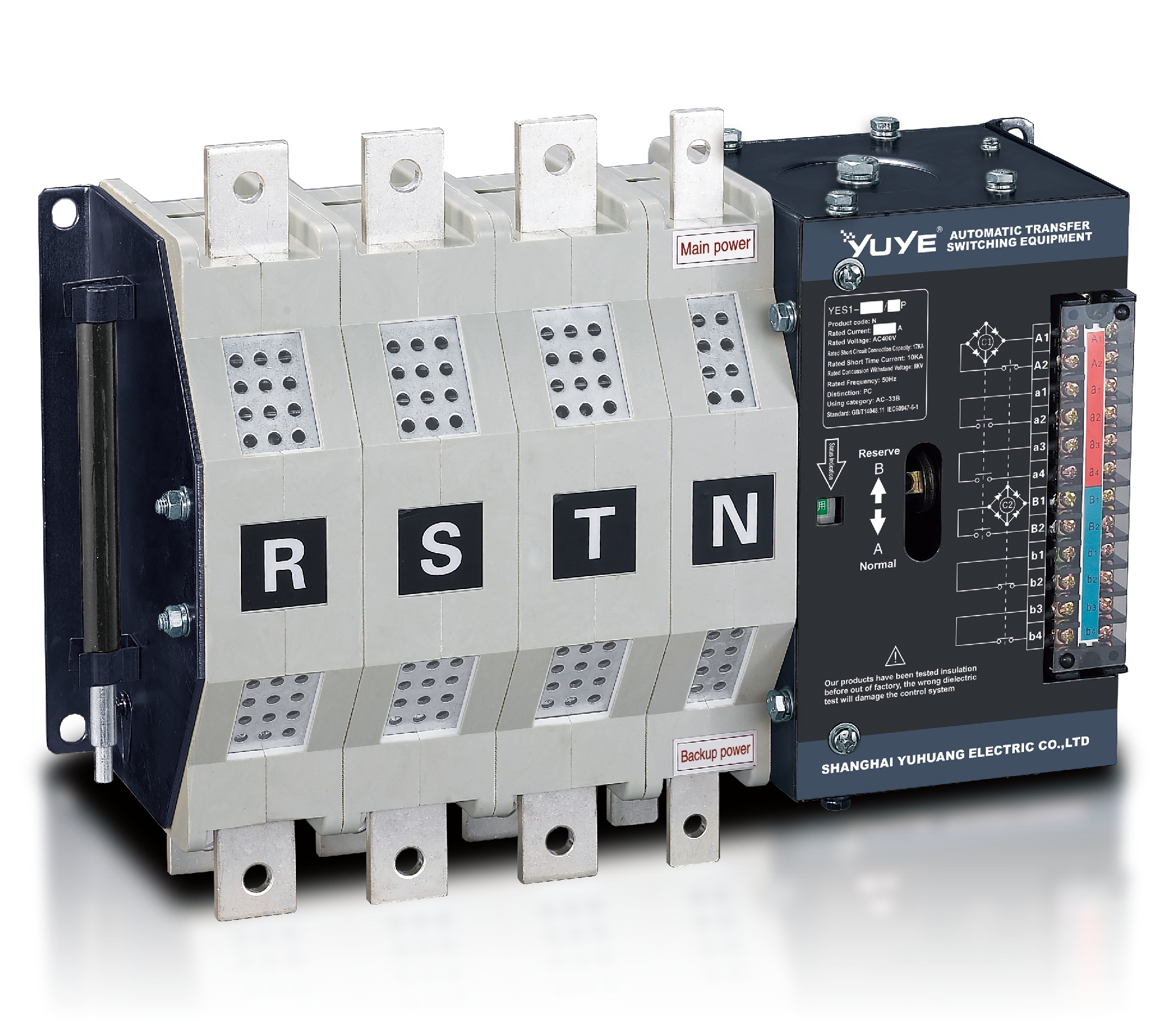 Solenoid-type ATS YES1-250~630N/NT
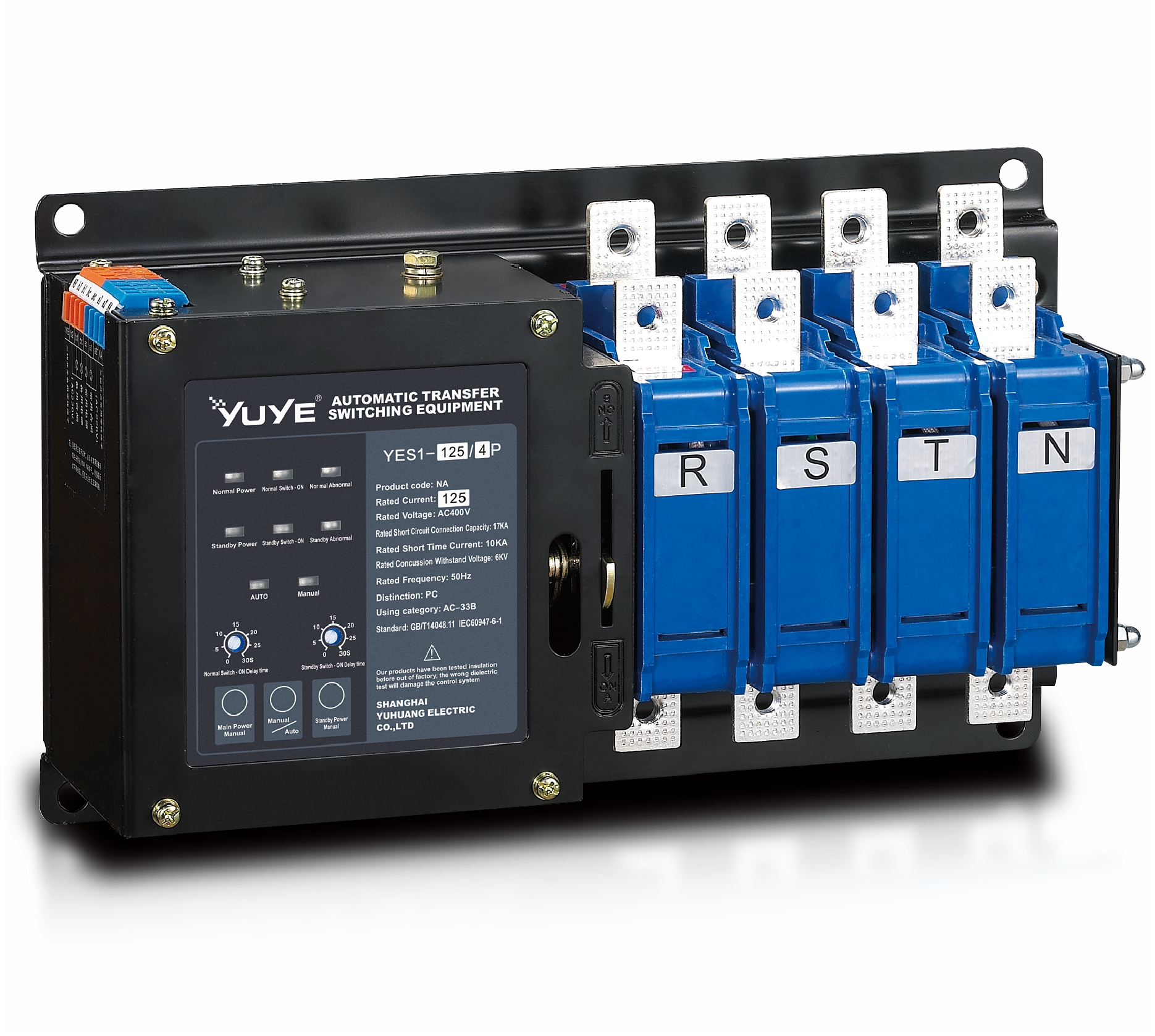 Solenoid-type ATS YES1-32~125NA
 Solenoid-type ATS YES1-63~630SN
 Solenoid-type ATS YES1-1250~4000SN
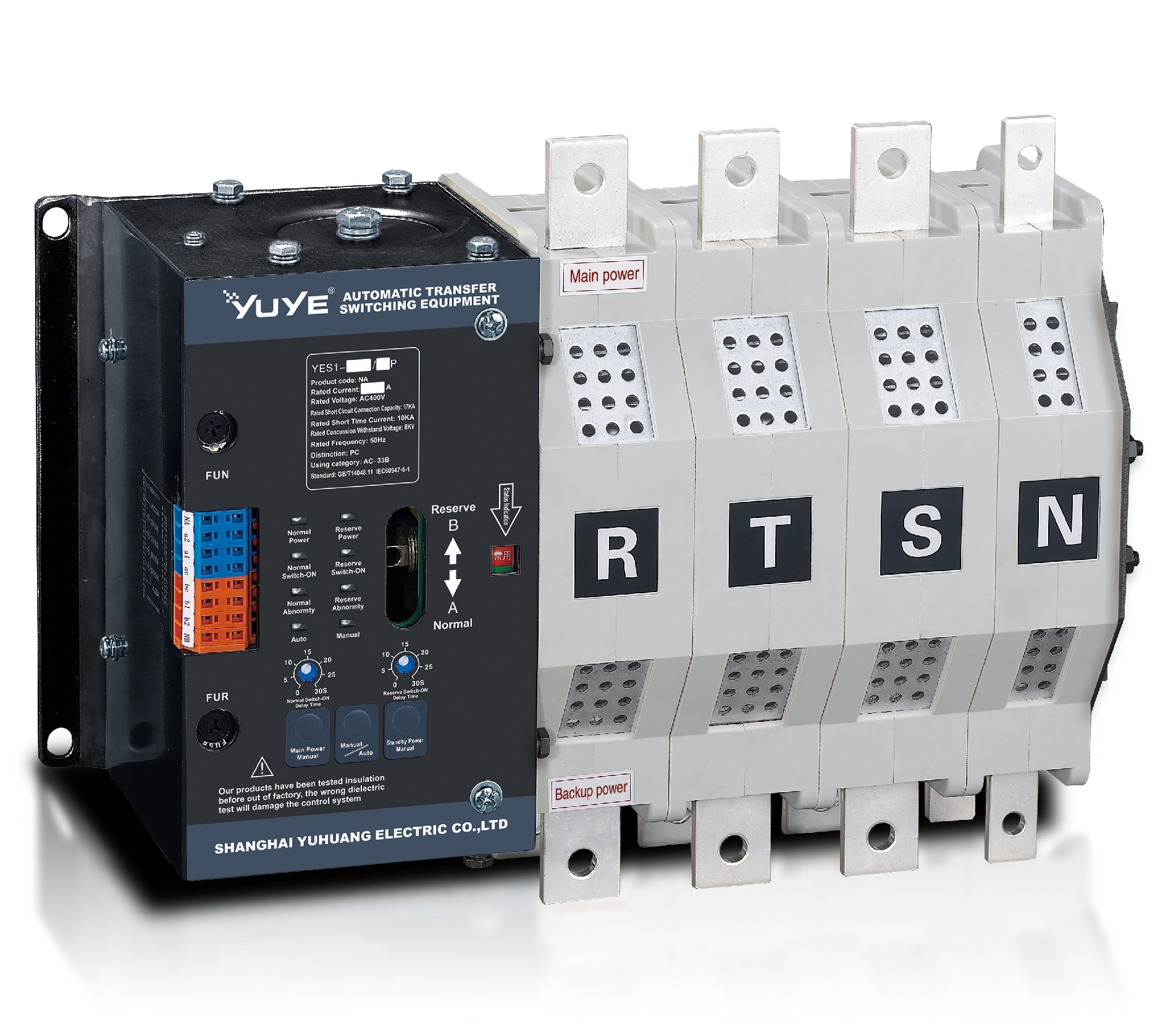 Solenoid-type ATS YES1-250~630NA/NAT
 Solenoid-type ATS YES1-63NJT
 PC ATS YES1-100~1600GN1/GN/GNF
 PC ATS YES1-2000~3200GN/GNF
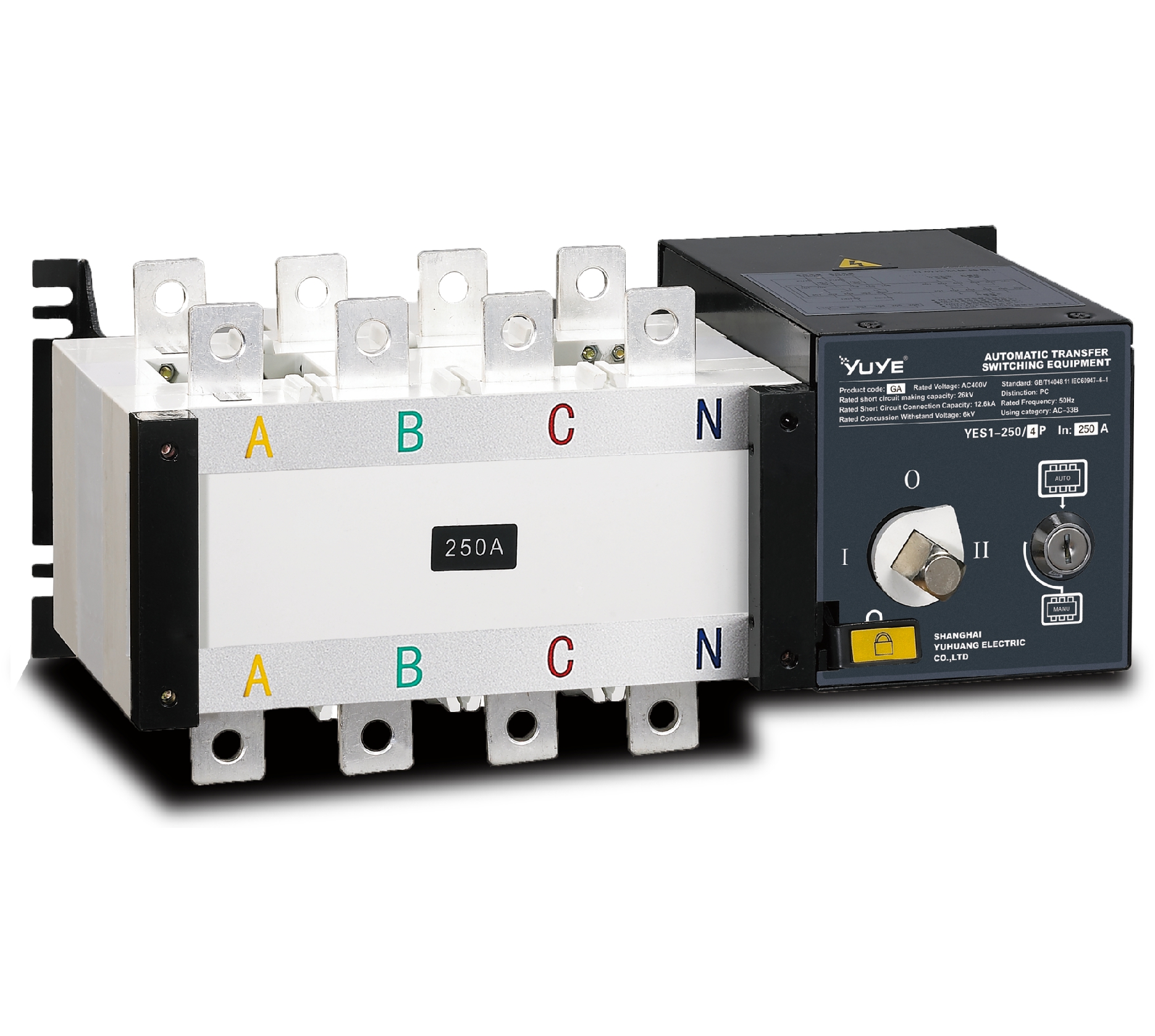 PC ATS YES1-100~3200GA1/GA
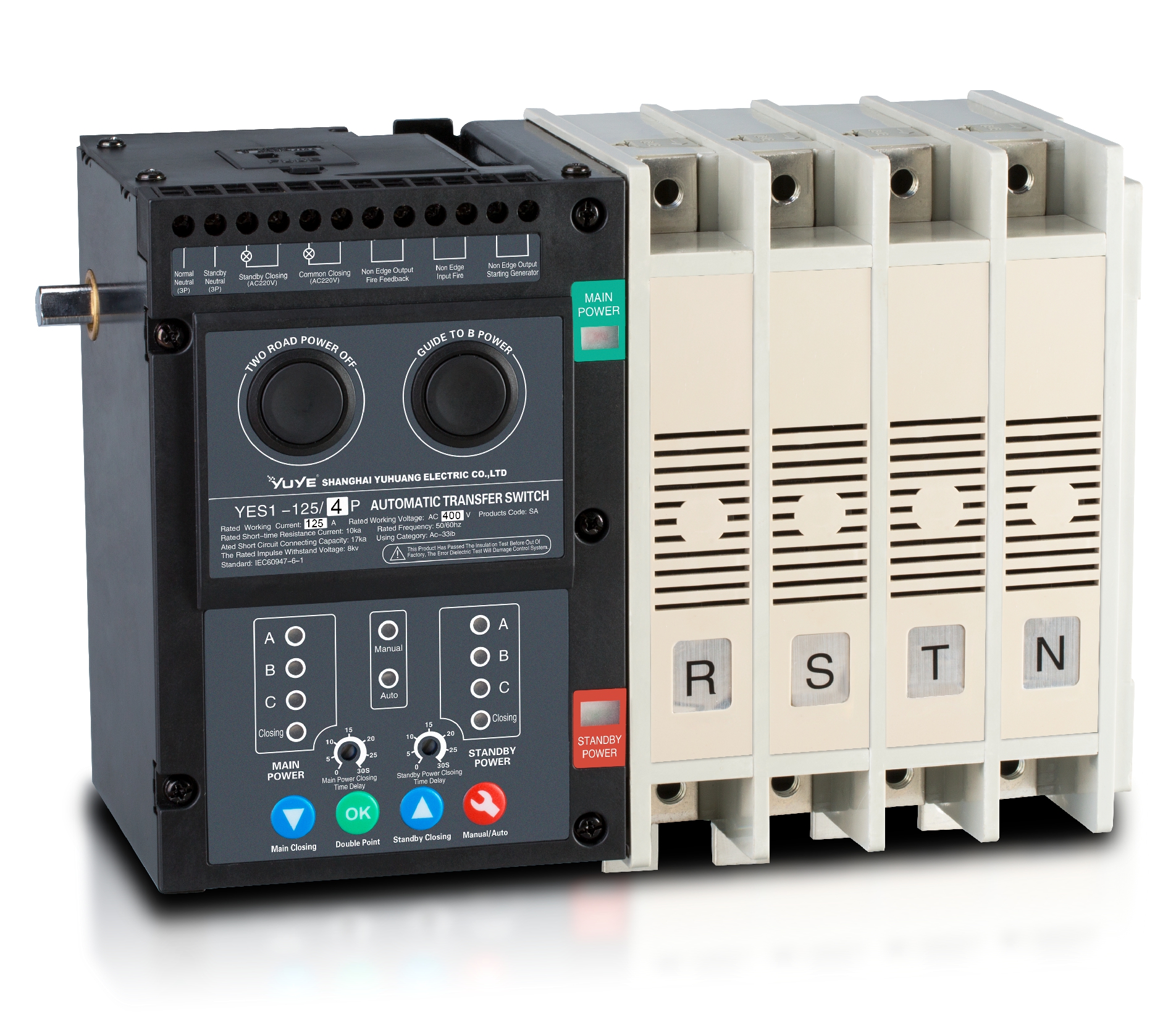 Solenoid-type ATS YES1-63~630SA
 Solenoid-type ATS YES1-63~630L/LA
 Solenoid-type ATS YES1-63~630LA3
 Solenoid-type ATS YES1-63MA
 PC ATS YES1-630~1600M
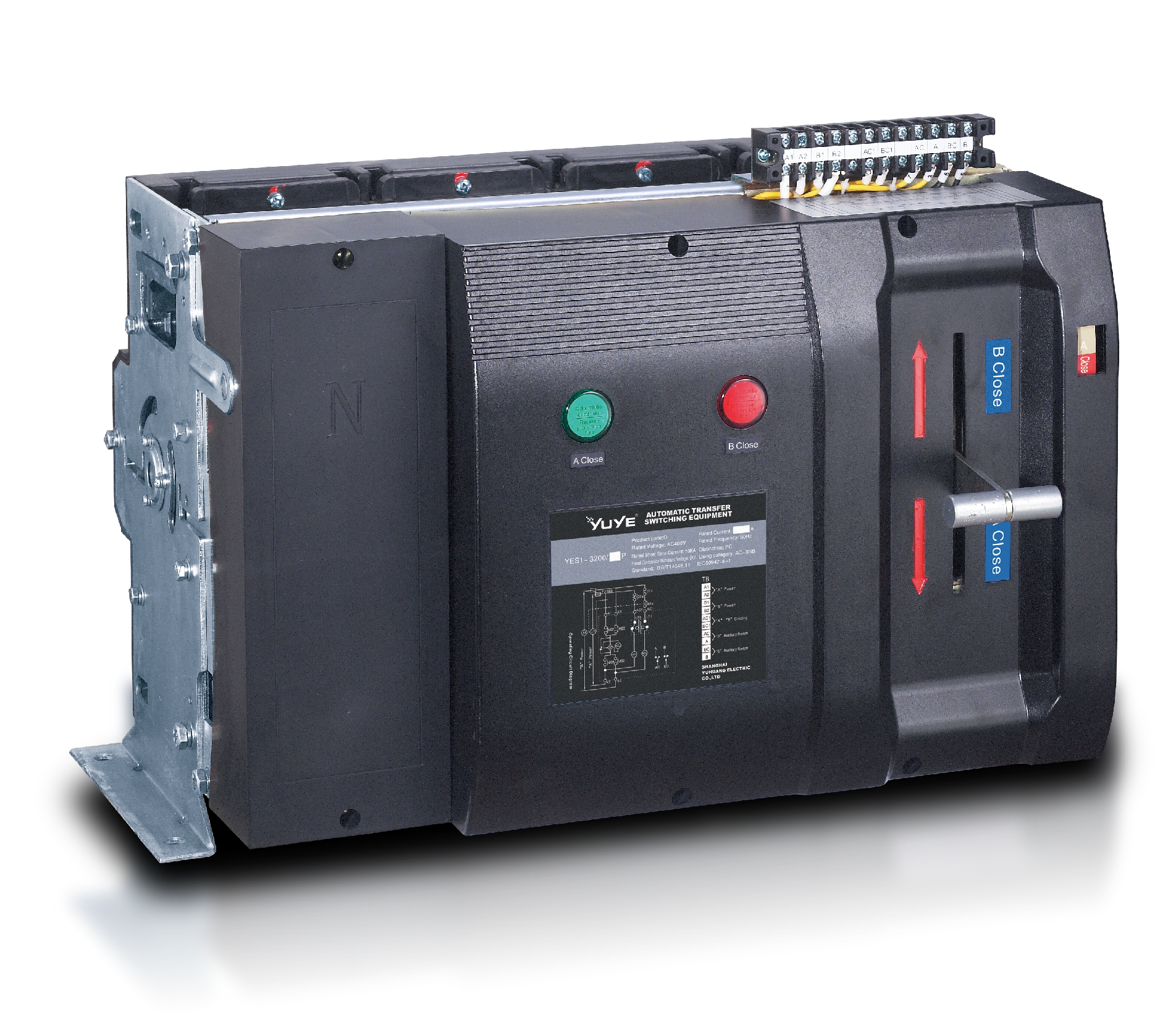 PC ATS YES1-3200Q
 Solenoid-type ATS YES1-4000~6300Q
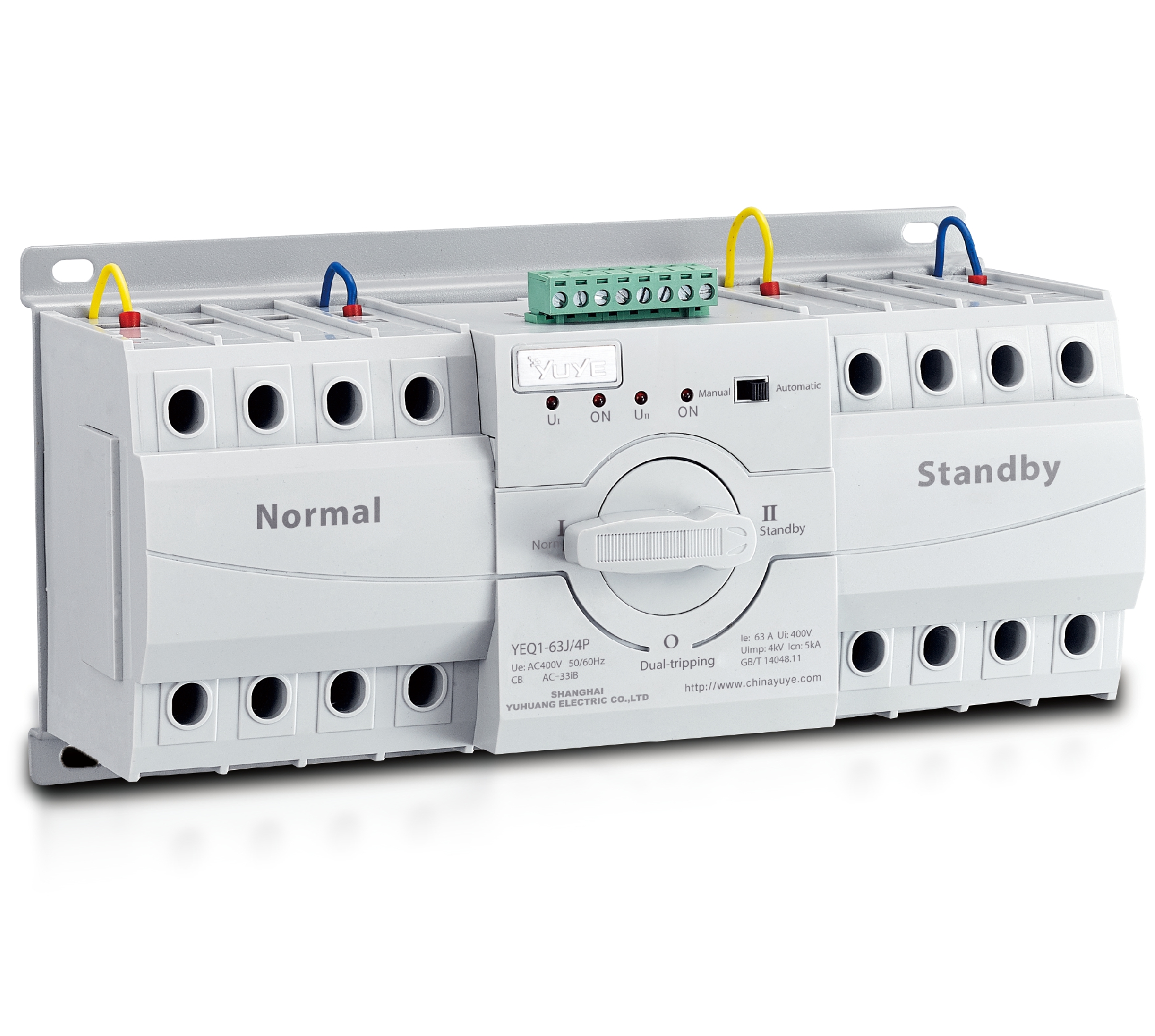 CB ATS YEQ1-63J
 CB ATS YEQ2Y-63
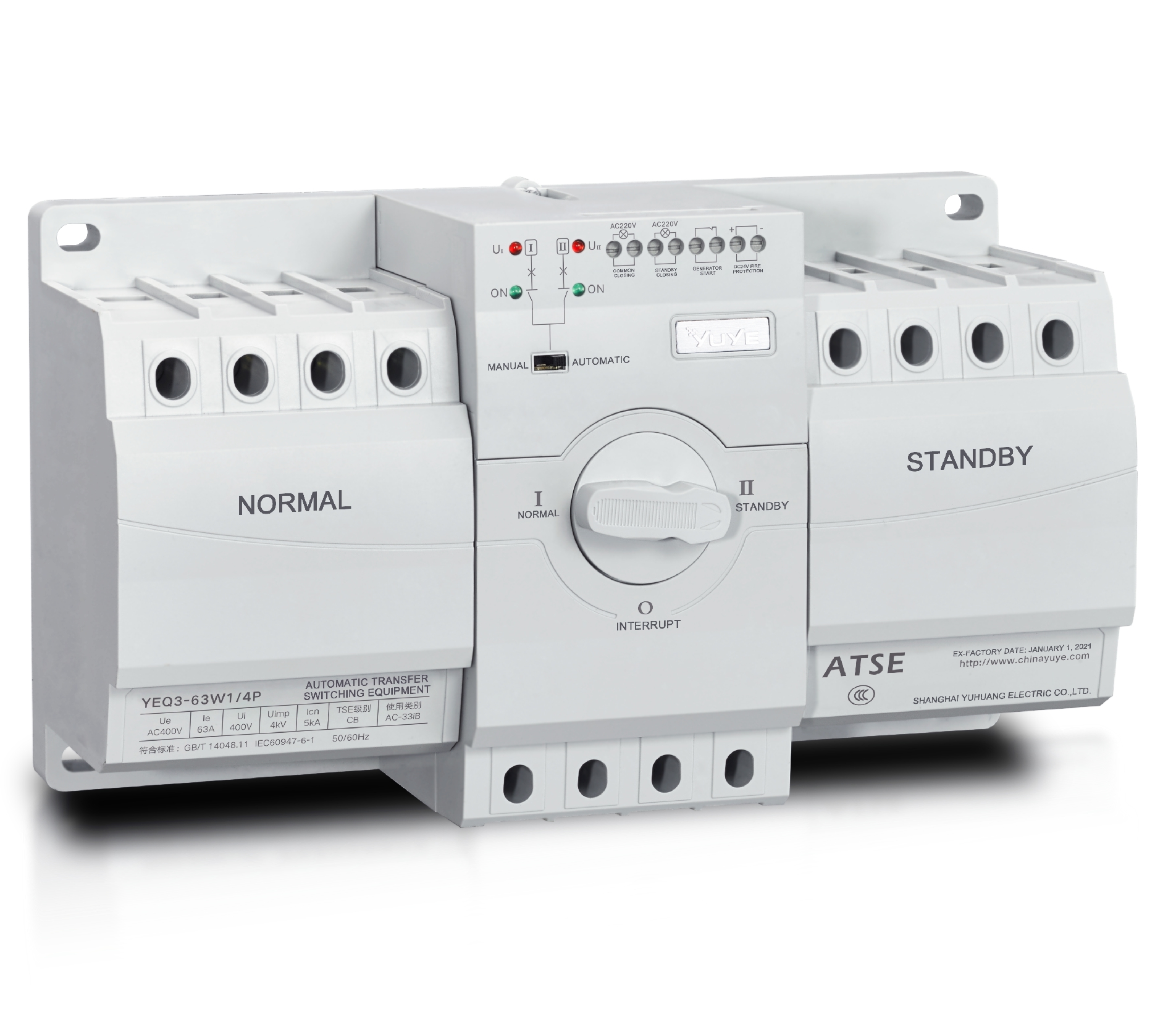 CB ATS YEQ3-63W1
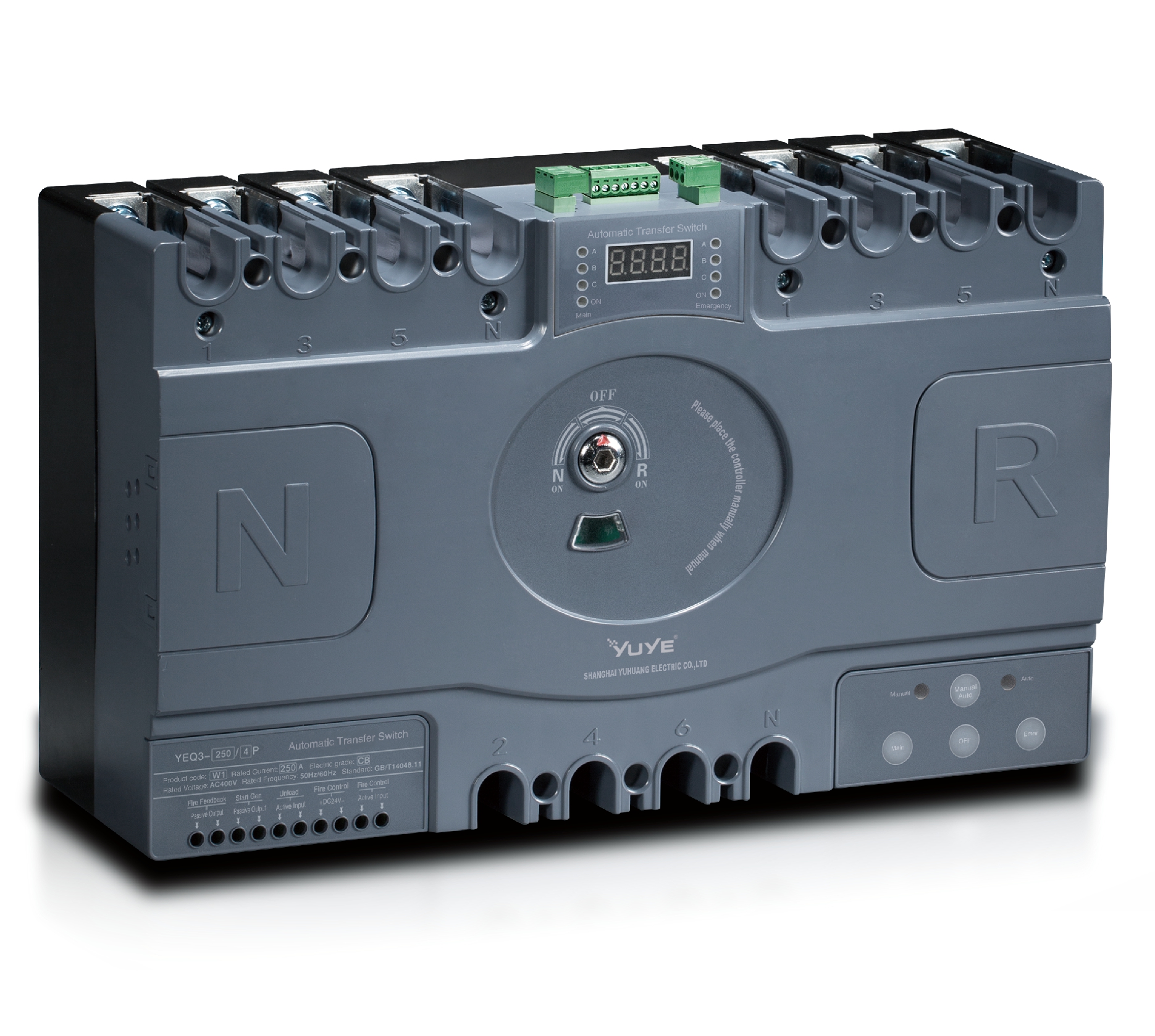 CB ATS YEQ3-125~630W1
 ATS controller Y-700
 ATS Controller Y-700N
 ATS Controller Y-701B
 ATS Controller Y-703N
 ATS Controller Y-800
 ATS Controller W2/W3 Series
 ATS switch Cabinet floor-to-ceiling
 ATS switch cabinet
 JXF-225A power Cbinet
 JXF-800A power Cbinet
 YEM3-125~800 Plastic Shell Type MCCB
 YEM3L-125~630 Leakage Type MCCB
 YEM3Z-125~800 Adjustable Type MCCB
 YEM1-63~1250 Plastic Shell Type MCCB
 YEM1E-100~800 Electronic Type MCCB
 YEM1L-100~630 Leakage Type MCCB
 Miniature circuit breaker YEMA2-6~100
 Miniature circuit breaker YEB1-3~63
 Miniature circuit breaker YEB1LE-3~63
 Miniature circuit breaker YEPN-3~32
 Miniature circuit breaker YEPNLE-3~32
 Miniature circuit breaker YENC-63~125
 Air Circuit Breaker YEW1-2000~6300
 Air Circuit Breaker YEW3-1600
 Load isolation switch YGL-63~3150
 Load Isolation Switch YGL2-63~3150
 Manual Changeover Switch YGL-100~630Z1A
 Manual Changeover Switch YGLZ1-100~3150
 YECPS2-45~125 LCD
 YECPS-45~125 Digital
 CNC Milling/Turning-OEM
 DC relay MDC-300M
 DC Isolation Switch YEGL3D-630
In The First Place
The global circuit breaker market has seen a surge in low-cost products, many of which compromise safety and performance to cut costs. For engineers, contractors, and facility managers, distinguishing between reliable breakers and substandard imitations is critical. YUYE Electric Co., Ltd., a manufacturer with 20 years of expertise in electrical protection, reveals key indicators of inferior breakers—from material shortcuts to falsified certifications—and how to avoid them.
1. Material Red Flags: Copper Purity & Contact Integrity
1.1 Copper Content in Conductors
Genuine Breakers: Use electrolytic copper (≥99.9% purity) for contacts and terminals, ensuring low resistance (<25μΩ) and minimal heat generation.
Counterfeit Alert: Substandard products often blend copper with iron or aluminum (visible as dull, grainy surfaces). YUYE’s lab tests show these alloys increase contact resistance by 300%, accelerating failure.
Test Method:
Magnetic Check: Pure copper is non-magnetic—use a magnet to detect iron impurities.
1.2 Silver Coating Thickness
Industry Standard: 8–12μm silver plating on contacts prevents oxidation.
Low-Cost Copies: Apply <3μm or substitute with nickel, causing arcing and welding.
2. Housing & Insulation: Flammability Risks
2.1 Shell Material
Certified Breakers: Use V-0 rated thermoplastics (e.g., PA66+GF25%) that self-extinguish within 10 seconds (UL94 test).
Cheap Alternatives: Recycled plastics (often UL94 HB-rated) melt at 130°C vs. genuine materials’ 180°C+, dripping flaming particles.
2.2 Internal Barriers
Legitimate Design: Fully segregated arc chambers (per IEC 60947-2).
Cost-Cut Versions: Missing barriers, risking cross-phase arcing (YUYE’s thermal imaging shows 40°C+ hotspots in such units).
3. Certification & Labeling Fraud
3.1 Forged Marks
Authentic Breakers: Have embossed (not printed) CE/IEC markings with traceable certification numbers (e.g., YUYE’s UL file #E123456).
Fakes: Use blurry logos or fake QR codes linking to dummy websites.
Verification Steps:
Demand test reports from manufacturers (YUYE provides IEC 60947-2 third-party reports).
3.2 Underrated Specifications
A breaker labeled “20A” may trip at 15A due to uncalibrated bimetallic strips. YUYE’s audits found 62% of sampled cheap breakers failed ±10% tolerance.
4. Performance Shortcuts in Critical Tests
Test Genuine Breaker (e.g., YUYE) Substandard Unit
Short-Circuit 10kA/1s (IEC 60898) Fails at 6kA
Mechanical Life 20,000 ops <5,000 ops
Dielectric 2.5kV/1min (no flashover) Fails at 1.5kV

5. YUYE’s Anti-Counterfeit Solutions
5.1 Holographic Security Labels
Each YUYE breaker has a 3D hologram with microtext visible under UV light.
5.2 Blockchain Traceability
Scan QR codes to view real-time production logs (factory ID, test dates).
Portable IR thermometer to detect abnormal heating.
No arc chutes
Replacement with YUYE’s certified breakers eliminated failures over 3 years.
Conclusion
In a market flooded with cheap alternatives, scrutinizing materials, certifications, and test data is essential. YUYE Electric advocates:Never compromise on copper purity or flammability ratings.
Always verify certifications via official channels.
Prioritize suppliers with transparent testing (like YUYE’s open-factory policy).