
 PC ATS YECT1-2000G
 PC ATS YES2-63~250GN1
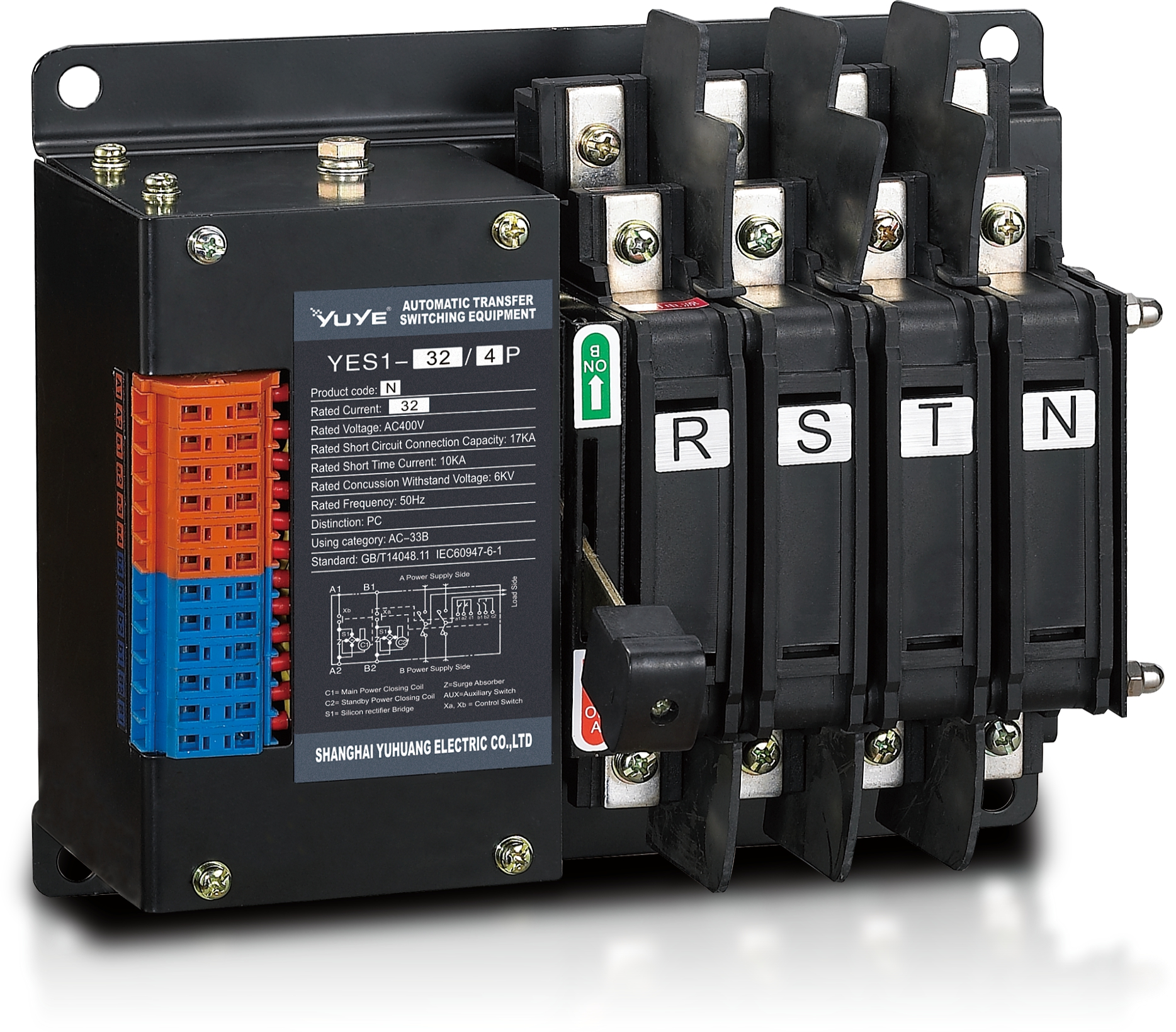 Solenoid-type ATS YES1-32~125N
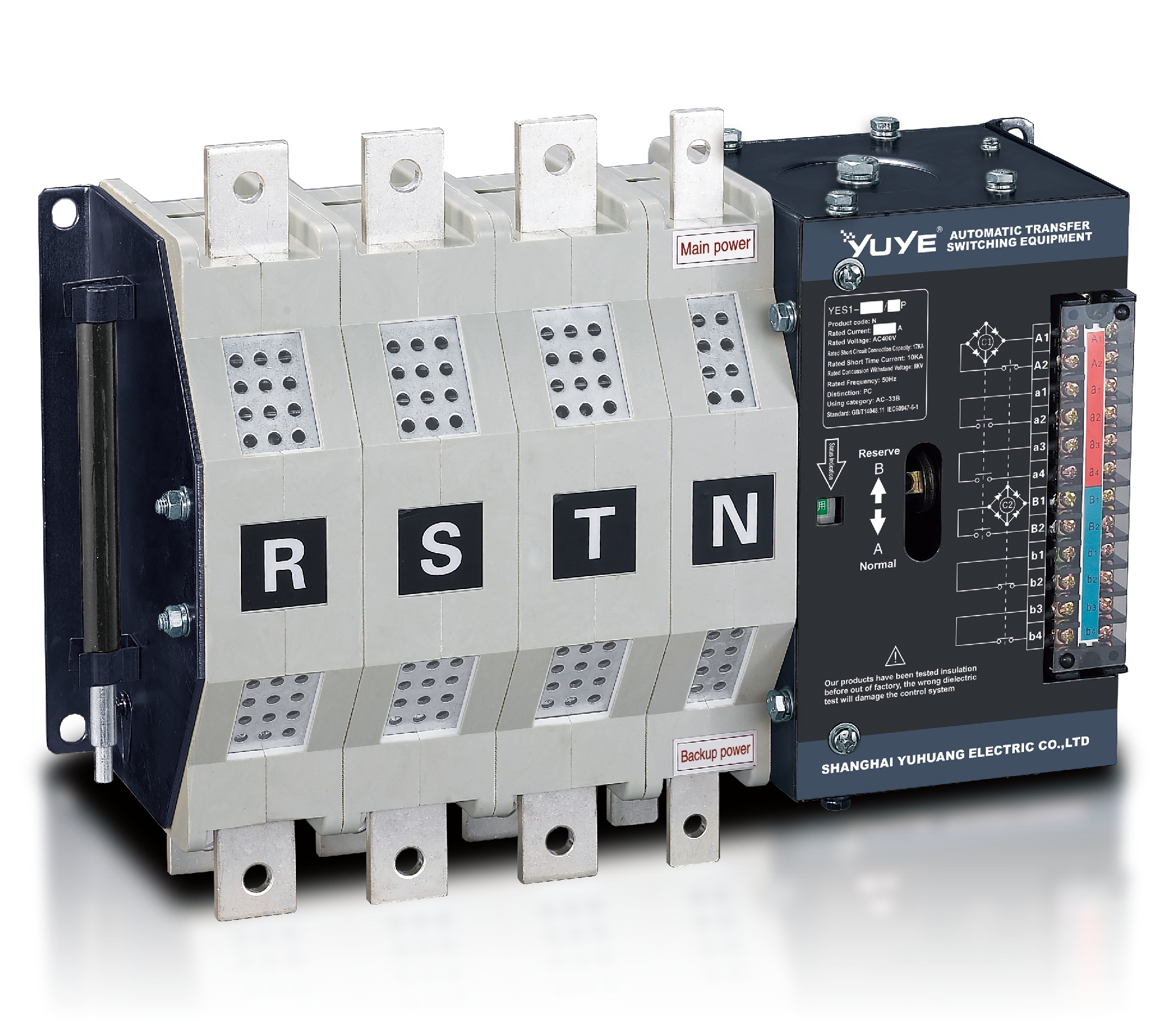 Solenoid-type ATS YES1-250~630N/NT
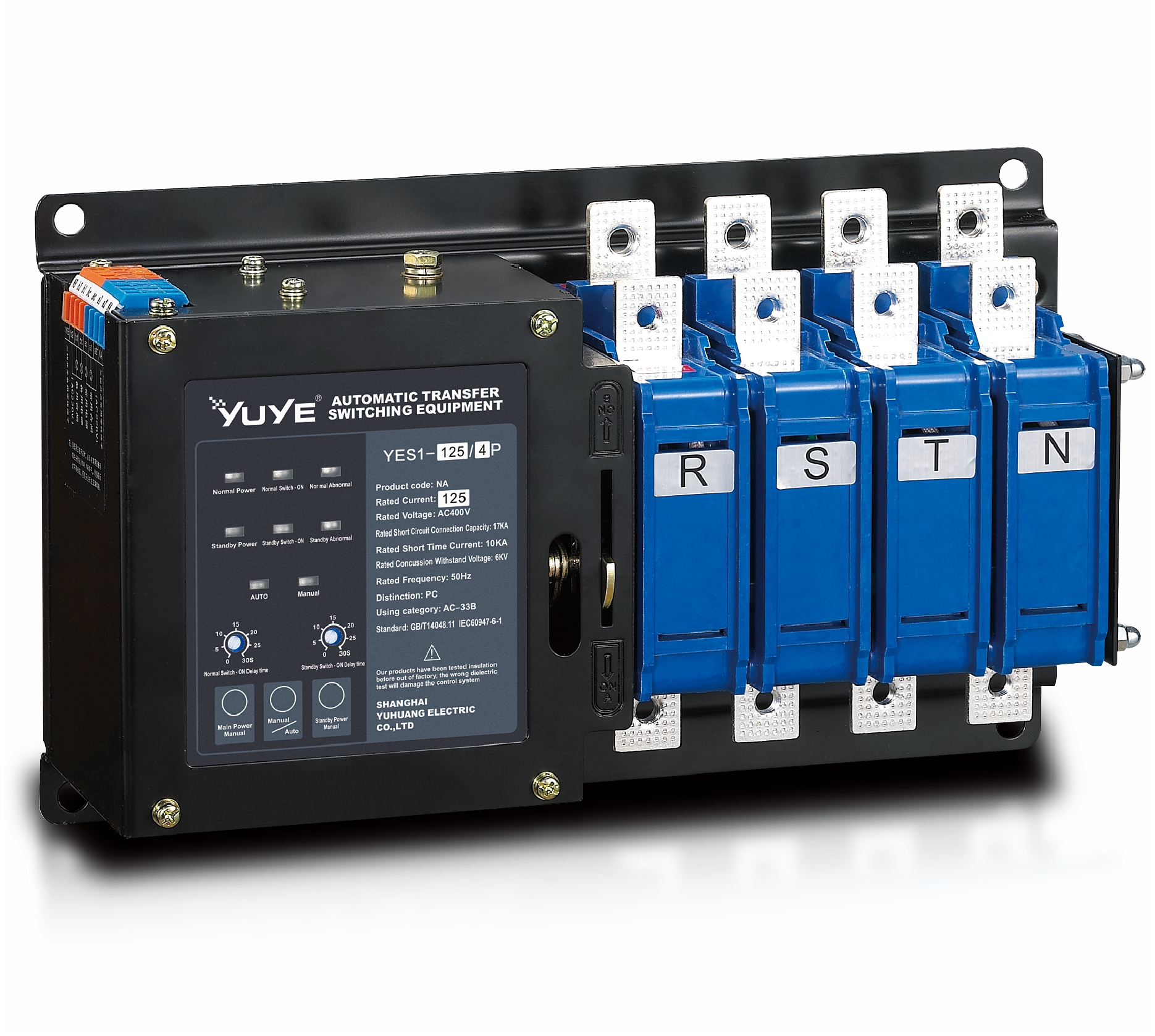 Solenoid-type ATS YES1-32~125NA
 Solenoid-type ATS YES1-63~630SN
 Solenoid-type ATS YES1-1250~4000SN
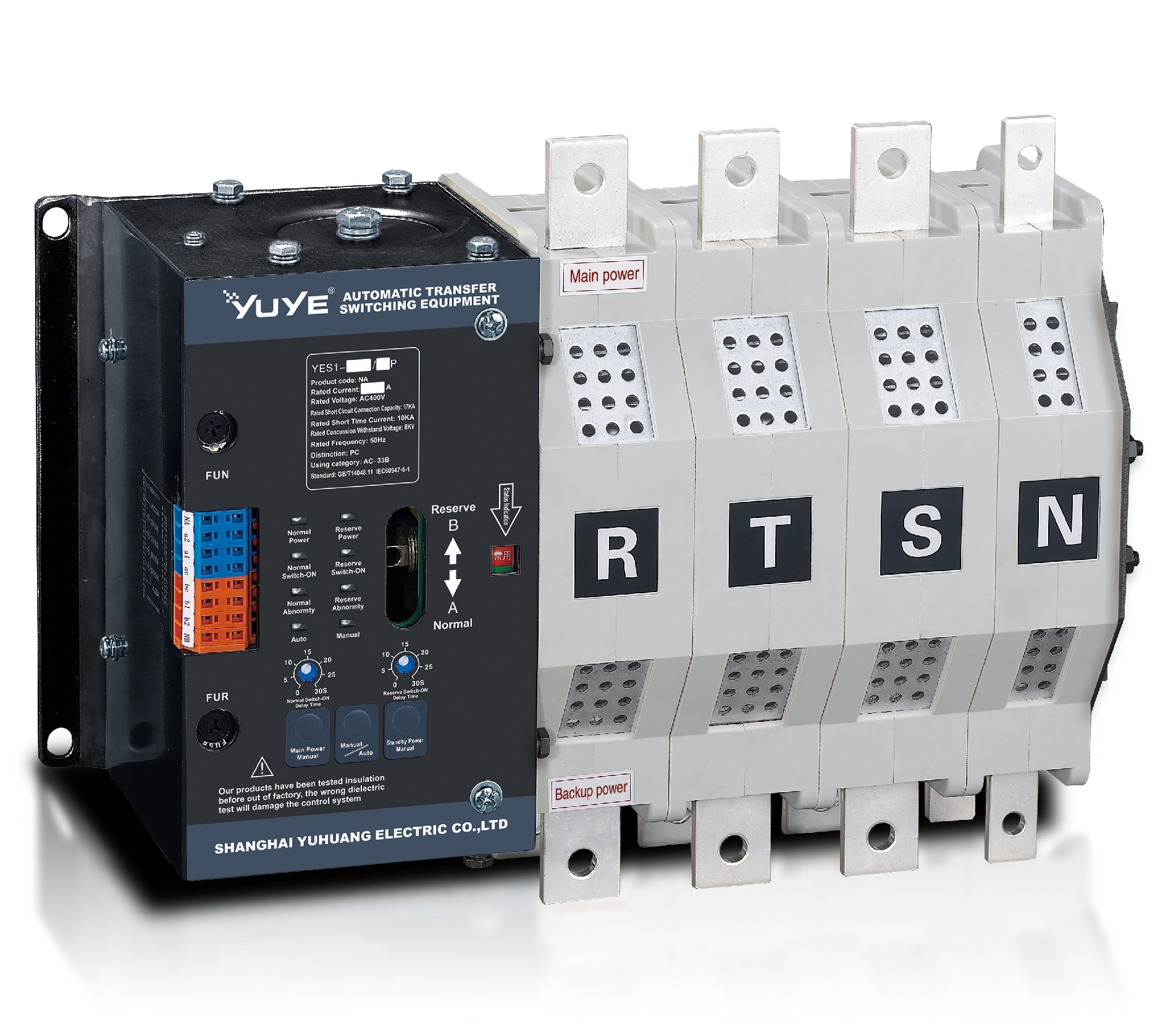 Solenoid-type ATS YES1-250~630NA/NAT
 Solenoid-type ATS YES1-63NJT
 PC ATS YES1-100~1600GN1/GN/GNF
 PC ATS YES1-2000~3200GN/GNF
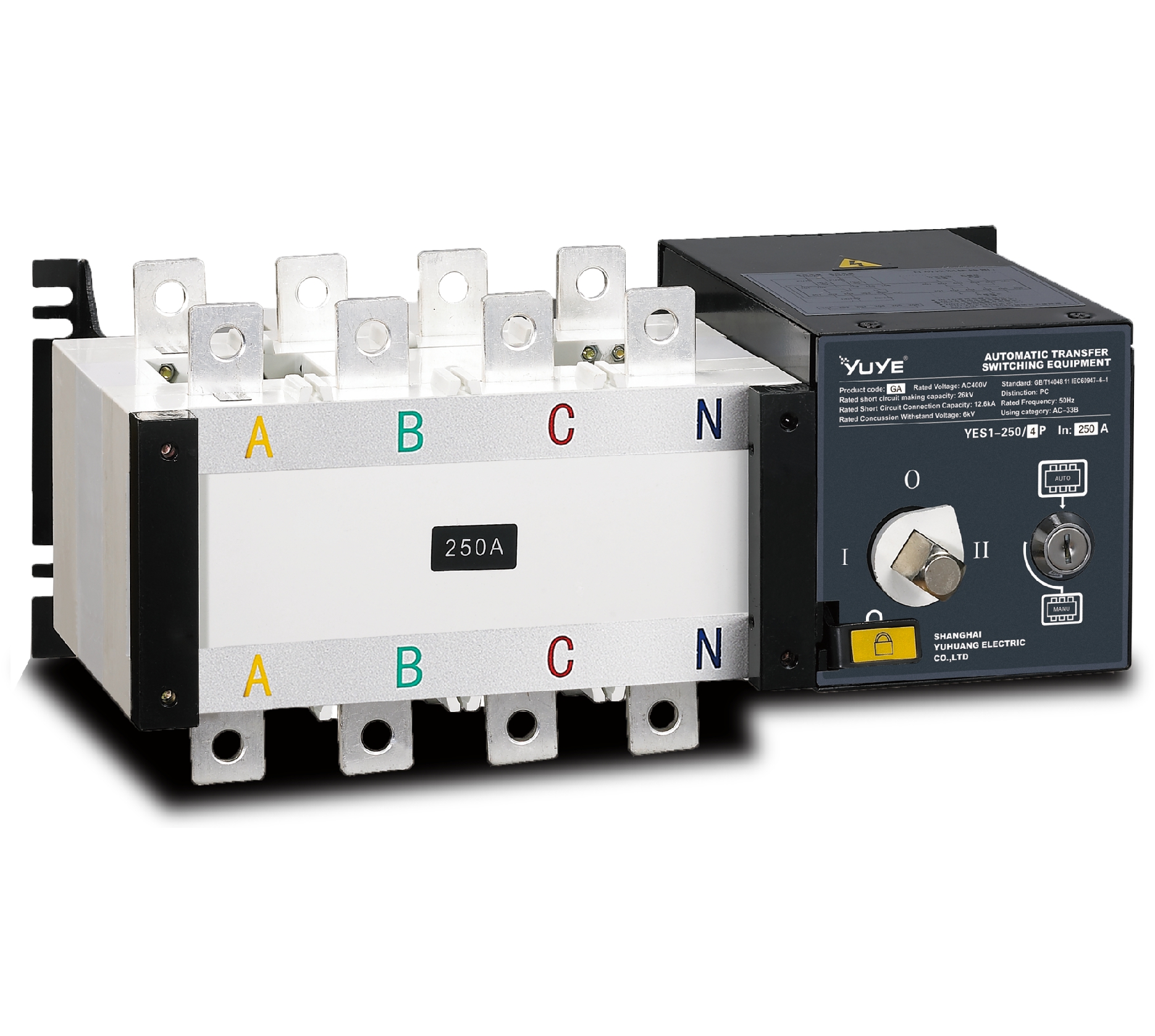 PC ATS YES1-100~3200GA1/GA
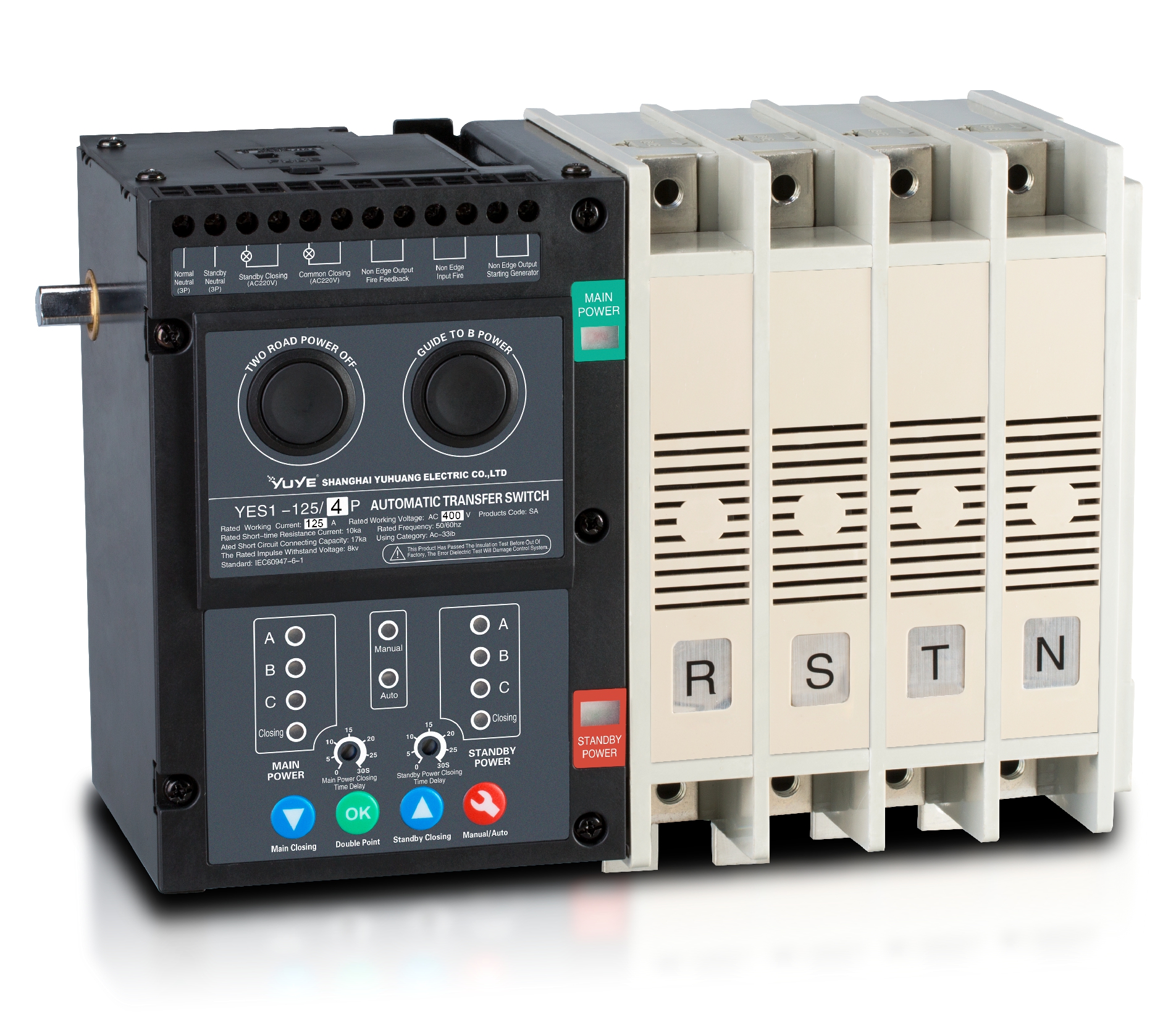 Solenoid-type ATS YES1-63~630SA
 Solenoid-type ATS YES1-63~630L/LA
 Solenoid-type ATS YES1-63~630LA3
 Solenoid-type ATS YES1-63MA
 PC ATS YES1-630~1600M
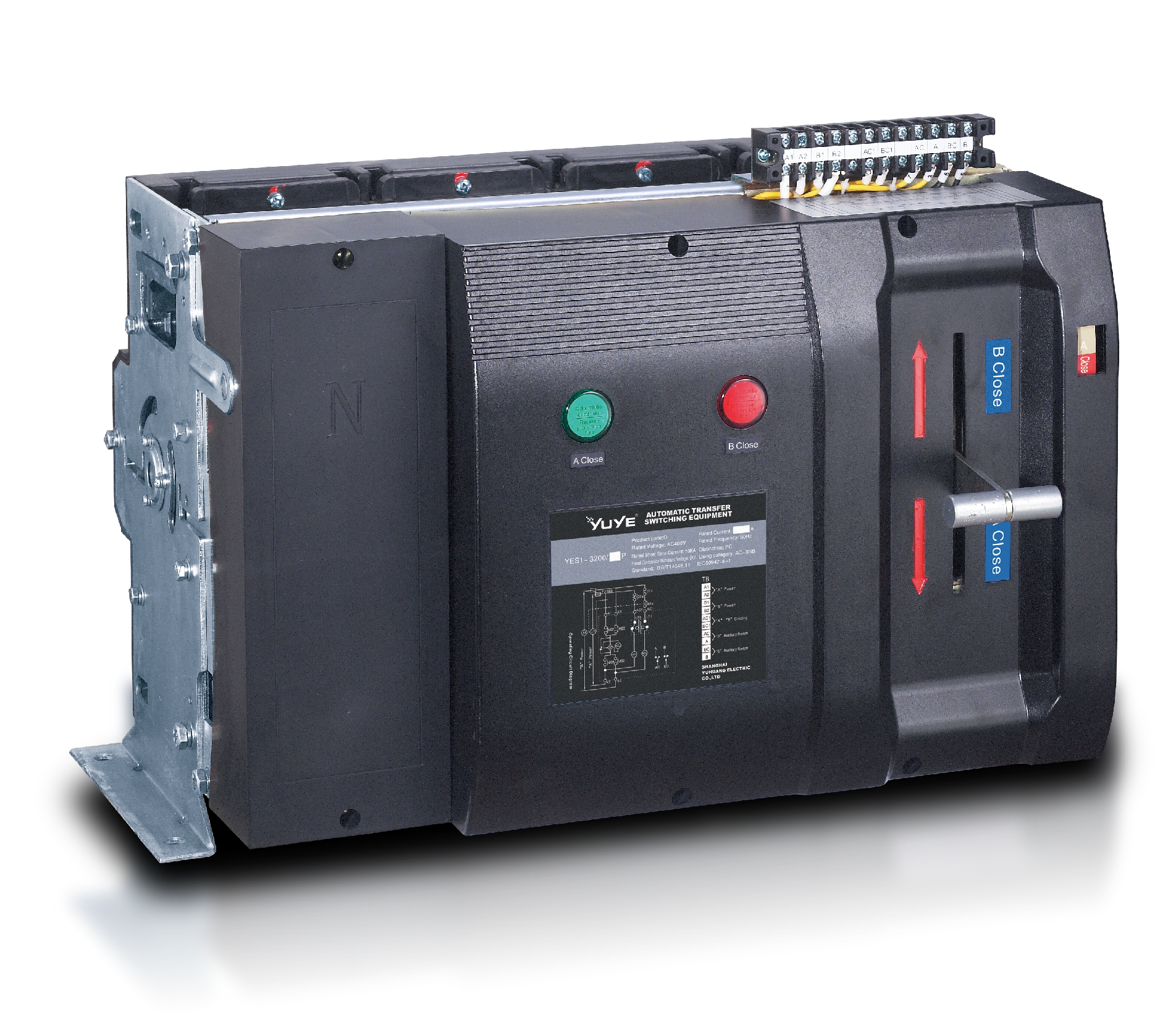 PC ATS YES1-3200Q
 Solenoid-type ATS YES1-4000~6300Q
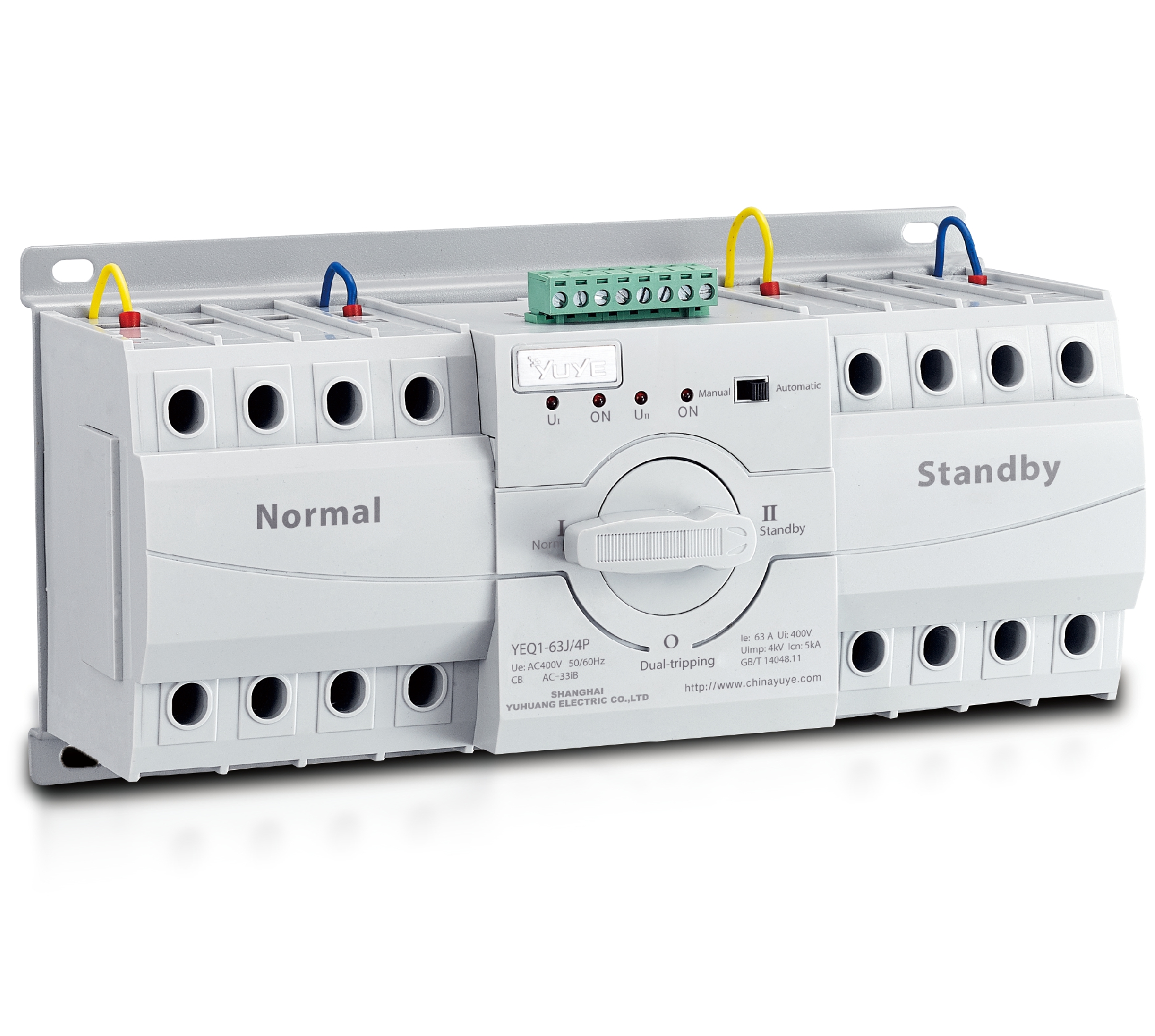 CB ATS YEQ1-63J
 CB ATS YEQ2Y-63
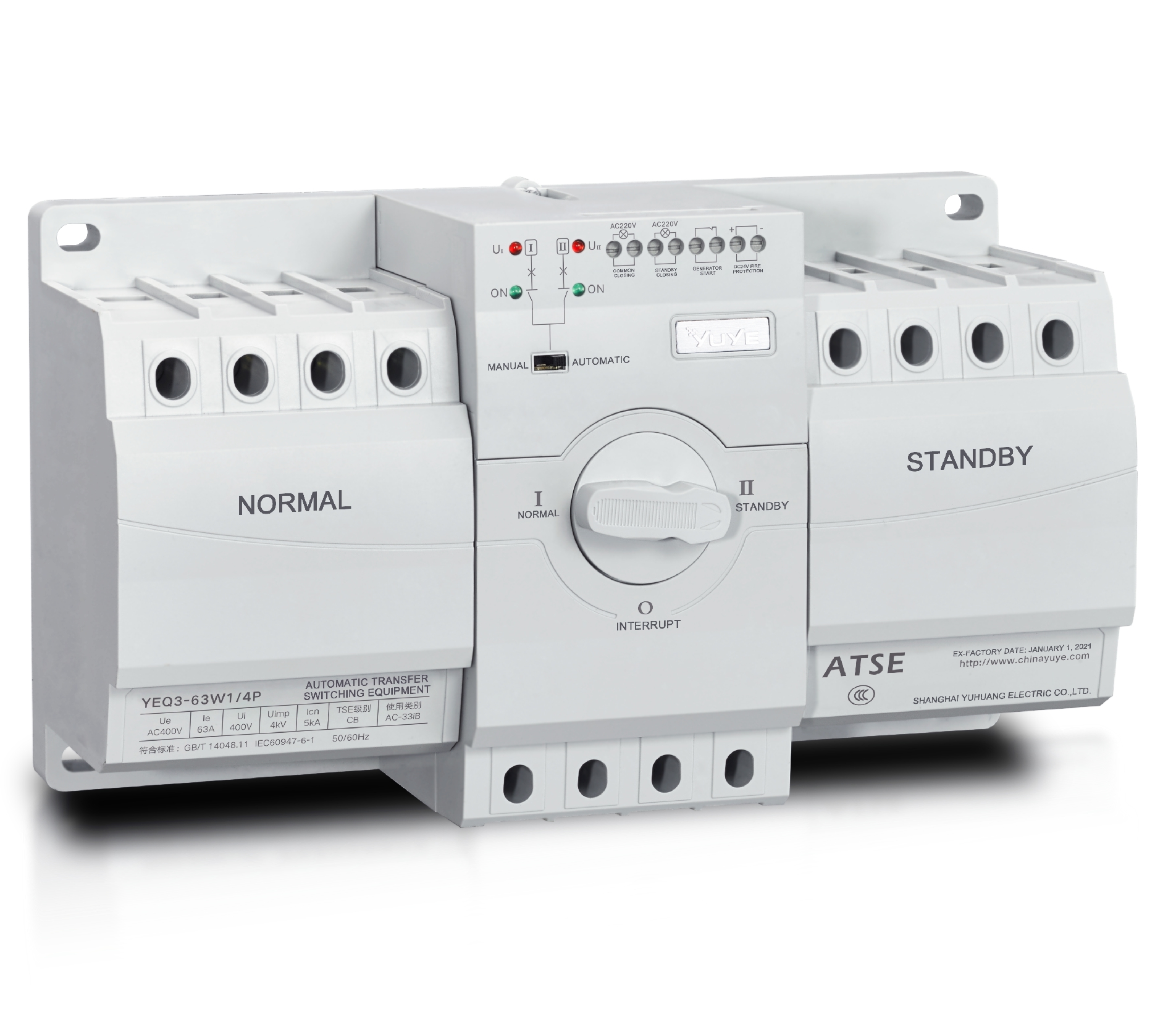 CB ATS YEQ3-63W1
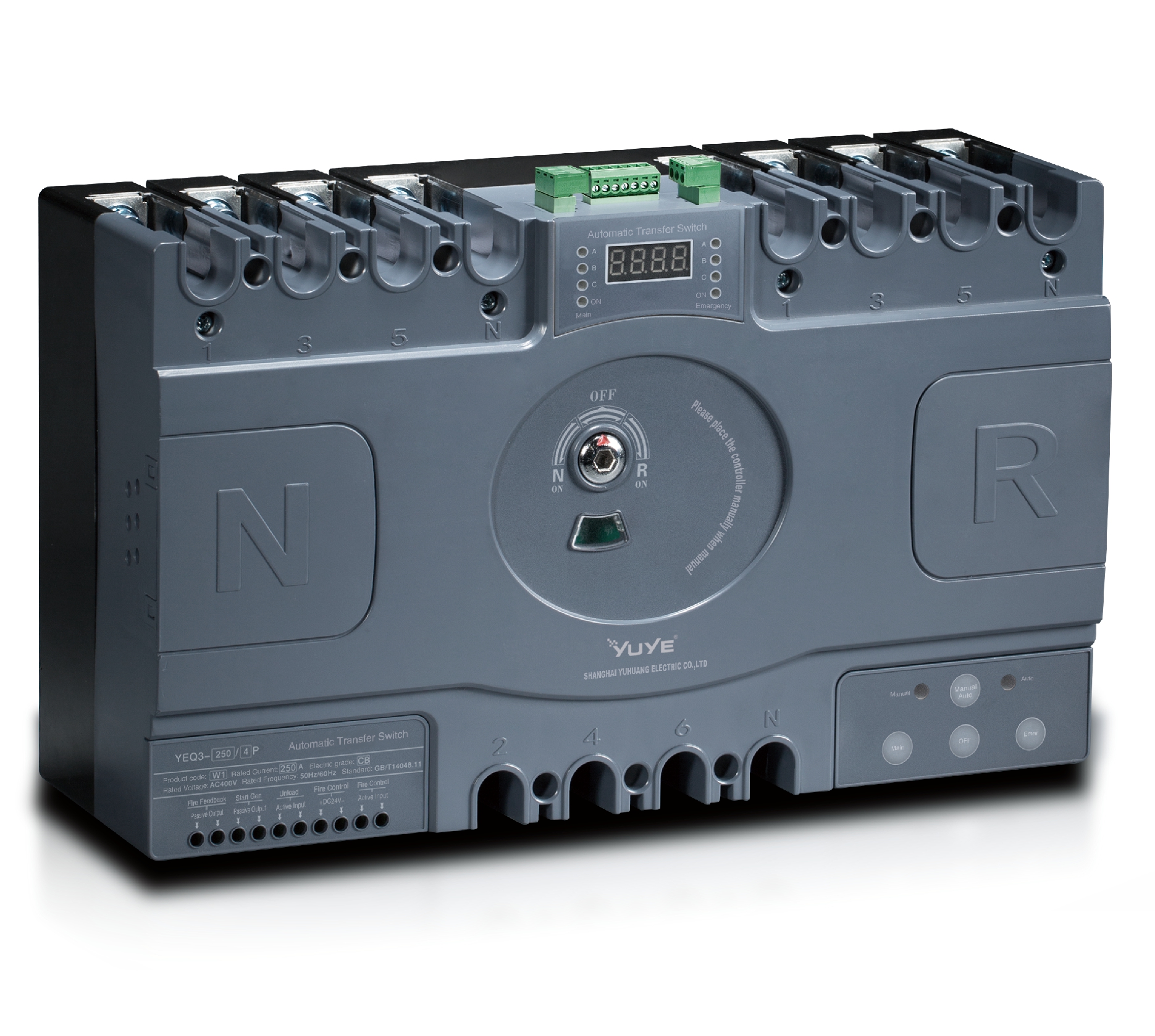 CB ATS YEQ3-125~630W1
 ATS controller Y-700
 ATS Controller Y-700N
 ATS Controller Y-701B
 ATS Controller Y-703N
 ATS Controller Y-800
 ATS Controller W2/W3 Series
 ATS switch Cabinet floor-to-ceiling
 ATS switch cabinet
 JXF-225A power Cbinet
 JXF-800A power Cbinet
 YEM3-125~800 Plastic Shell Type MCCB
 YEM3L-125~630 Leakage Type MCCB
 YEM3Z-125~800 Adjustable Type MCCB
 YEM1-63~1250 Plastic Shell Type MCCB
 YEM1E-100~800 Electronic Type MCCB
 YEM1L-100~630 Leakage Type MCCB
 Miniature circuit breaker YEMA2-6~100
 Miniature circuit breaker YEB1-3~63
 Miniature circuit breaker YEB1LE-3~63
 Miniature circuit breaker YEPN-3~32
 Miniature circuit breaker YEPNLE-3~32
 Miniature circuit breaker YENC-63~125
 Air Circuit Breaker YEW1-2000~6300
 Air Circuit Breaker YEW3-1600
 Load isolation switch YGL-63~3150
 Load Isolation Switch YGL2-63~3150
 Manual Changeover Switch YGL-100~630Z1A
 Manual Changeover Switch YGLZ1-100~3150
 YECPS2-45~125 LCD
 YECPS-45~125 Digital
 CNC Milling/Turning-OEM
 DC relay MDC-300M
 DC Isolation Switch YEGL3D-630
1.Introduction: Why Breaking Capacity and Trip Characteristics Matter
In modern low-voltage power distribution systems, circuit protection is essential for both safety and operational continuity. Molded Case Circuit Breakers (MCCBs) are widely used to protect cables, equipment, and loads from overloads and short circuits.
Among common ratings, the 250 Amp MCCB is frequently applied in commercial buildings and light industrial installations, where understanding breaking capacity and trip behavior is critical for proper system design.
2.What Breaking Capacity Means and Why It Matters in Circuit Protection
Breaking capacity refers to the maximum fault current a circuit breaker can safely interrupt without damage. It is typically defined by two key parameters: ultimate breaking capacity (Icu) and service breaking capacity (Ics).
Selecting a breaker with sufficient breaking capacity ensures that, during a short-circuit event, the device can interrupt the fault current without causing catastrophic failure or secondary hazards. This is especially important in systems with high prospective short-circuit currents.
3.Short-Circuit Performance and Fault Current Interruption
When a short circuit occurs, extremely high currents flow through the system in a very short time. MCCBs are designed to open contacts rapidly while managing the thermal and electromagnetic forces generated during fault interruption.
The effectiveness of this process directly affects system safety, limiting damage to downstream equipment and reducing the risk of arc faults. Proper evaluation of short-circuit performance helps engineers ensure reliable fault clearance.

4.Trip Unit Types and Adjustable Protection Settings
MCCBs are commonly equipped with either thermal-magnetic or electronic trip units. Thermal-magnetic units provide reliable overload and instantaneous short-circuit protection, while electronic trip units offer greater accuracy and adjustability.
Adjustable settings allow protection parameters to be tailored to actual load conditions, improving coordination and reducing nuisance tripping. In applications using a 250 Amp MCCB, this flexibility supports both protection reliability and operational efficiency.
5.Coordinating Trip Characteristics with System Load Requirements
Trip characteristics must align with the electrical load profile to ensure effective protection. Proper coordination prevents unnecessary interruptions while maintaining selectivity between upstream and downstream devices.
Well-coordinated protection schemes improve system stability and help maintain continuity of service, especially in facilities where uptime is a critical requirement.
6.Standards, Testing, and Safety Compliance Considerations
International standards such as IEC 60947-2 and UL 489 define performance, testing, and safety requirements for MCCBs. Compliance with these standards ensures that devices perform as expected under fault conditions.
Using certified products and following proper installation and commissioning practices enhances long-term reliability. A correctly specified 250 Amp MCCB not only meets regulatory requirements but also supports safe and dependable power distribution.
7.Conclusion: Making the Right Choice for Reliable Circuit Protection
Breaking capacity and trip characteristics are fundamental factors in MCCB selection. Understanding these parameters allows engineers and facility managers to design safer, more reliable electrical systems.
By carefully matching protection characteristics to system requirements, organizations can minimize risk, reduce downtime, and ensure long-term operational stability.
FAQ
Q1: What is the difference between Icu and Ics?
Icu is the maximum fault current a breaker can interrupt, while Ics represents the fault current it can interrupt and still remain serviceable afterward.
Q2: Are electronic trip units better than thermal-magnetic ones?
Electronic trip units offer higher accuracy and adjustable settings, but thermal-magnetic units remain reliable and cost-effective for many applications.
Q3: How do trip characteristics affect system coordination?
Properly selected trip curves ensure selective tripping, allowing only the faulty circuit to be isolated without affecting the entire system.
Q4: Why is breaking capacity so important in MCCB selection?
Insufficient breaking capacity can lead to breaker failure during a short circuit, posing serious safety and equipment risks.
References
-
IEC 60947-2: Low-voltage switchgear and controlgear – Circuit breakers
-
UL 489: Molded-Case Circuit Breakers, Molded-Case Switches, and Circuit-Breaker Enclosures
-
IEEE Std 242 (Buff Book): Protection and Coordination of Industrial and Commercial Power Systems