
 PC ATS YECT1-2000G
 PC ATS YES2-63~250GN1
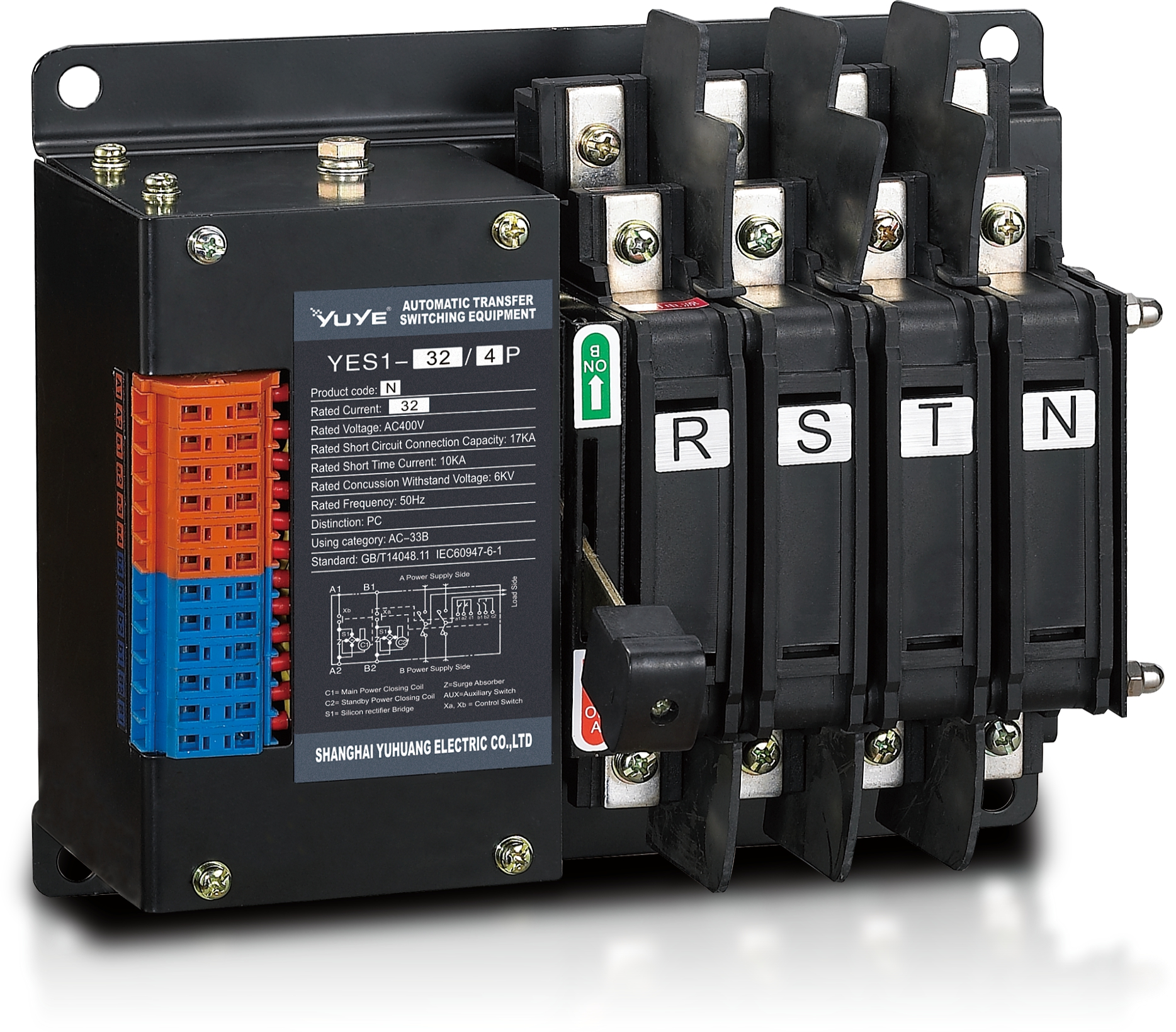 Solenoid-type ATS YES1-32~125N
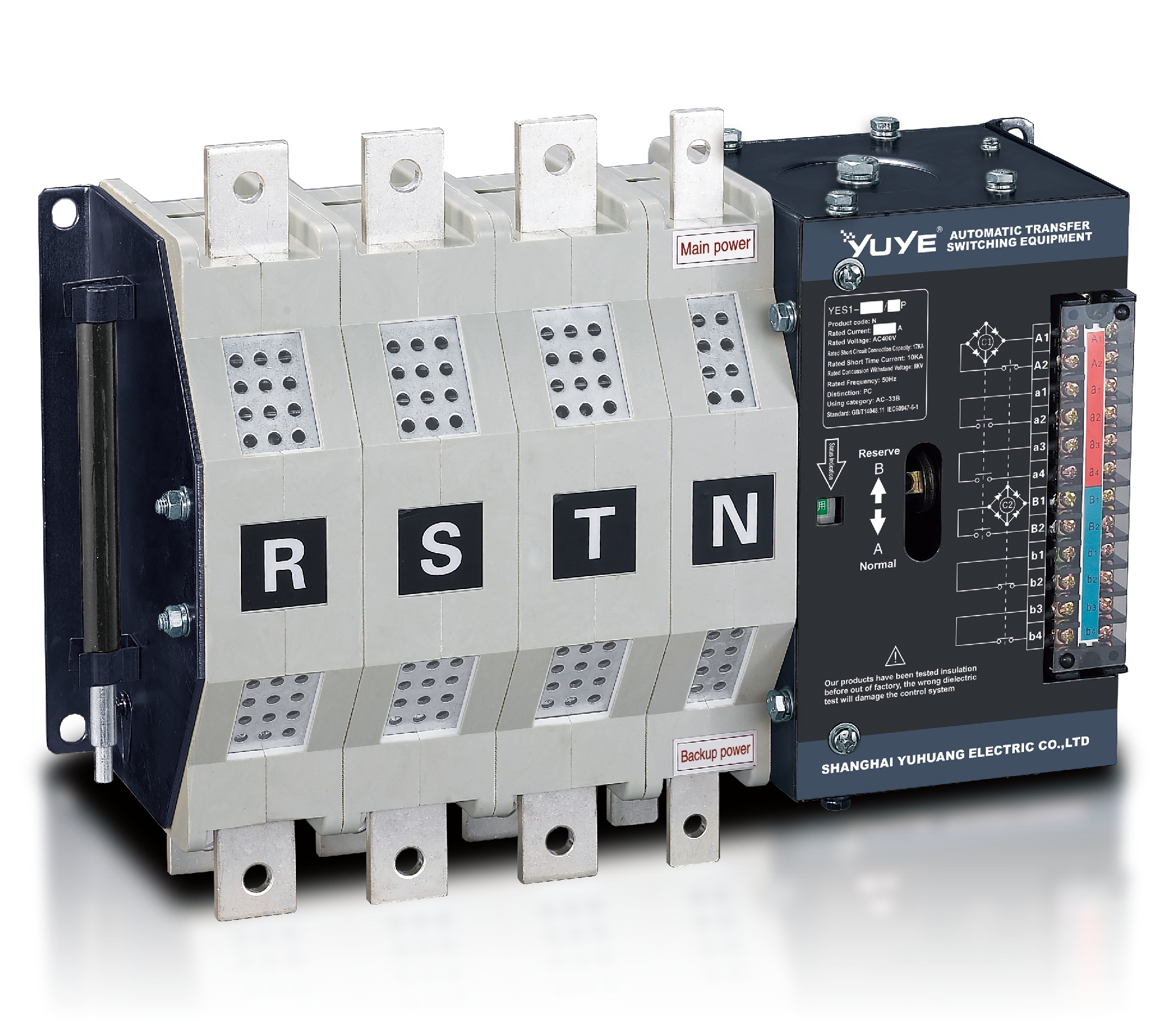 Solenoid-type ATS YES1-250~630N/NT
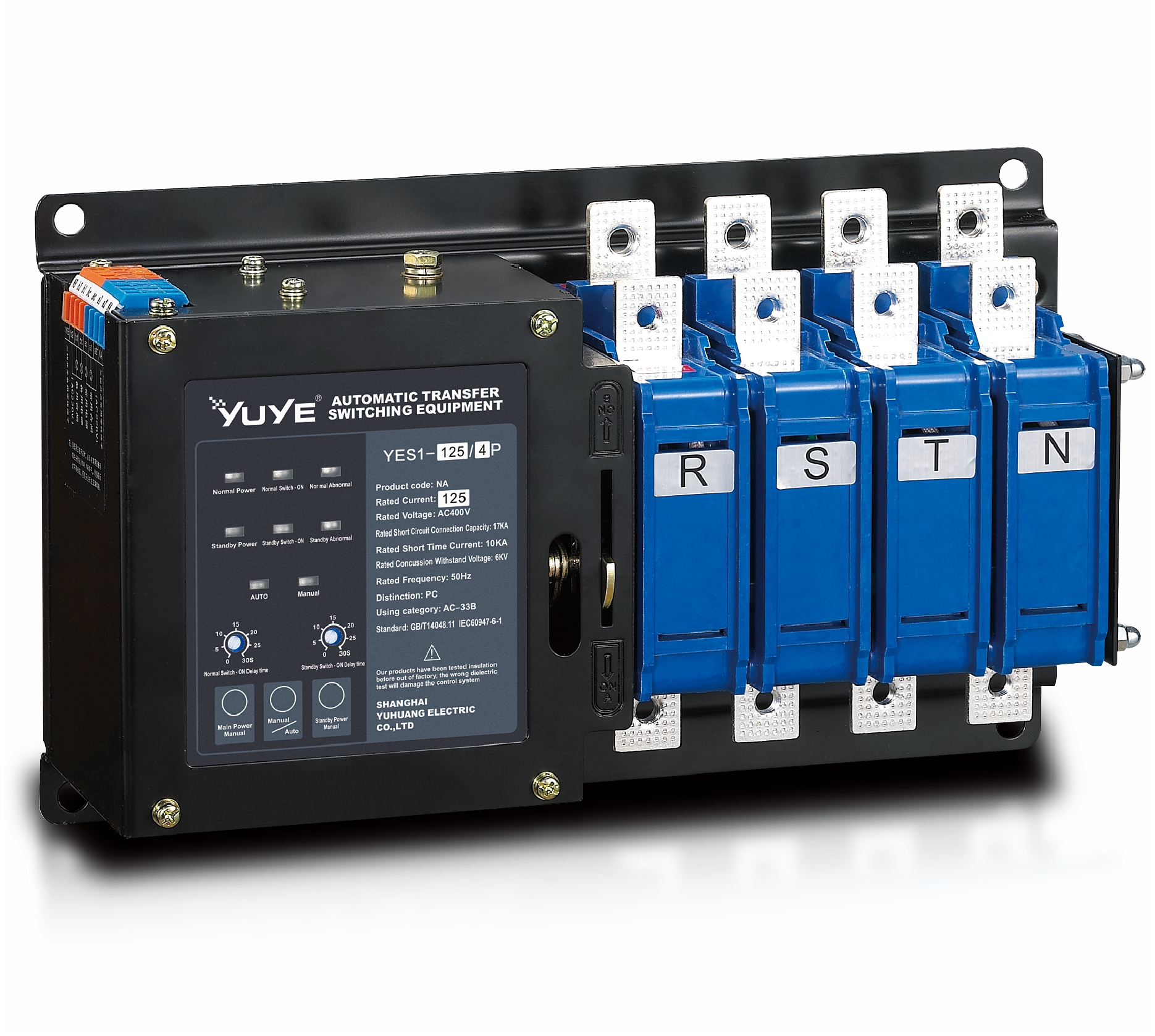 Solenoid-type ATS YES1-32~125NA
 Solenoid-type ATS YES1-63~630SN
 Solenoid-type ATS YES1-1250~4000SN
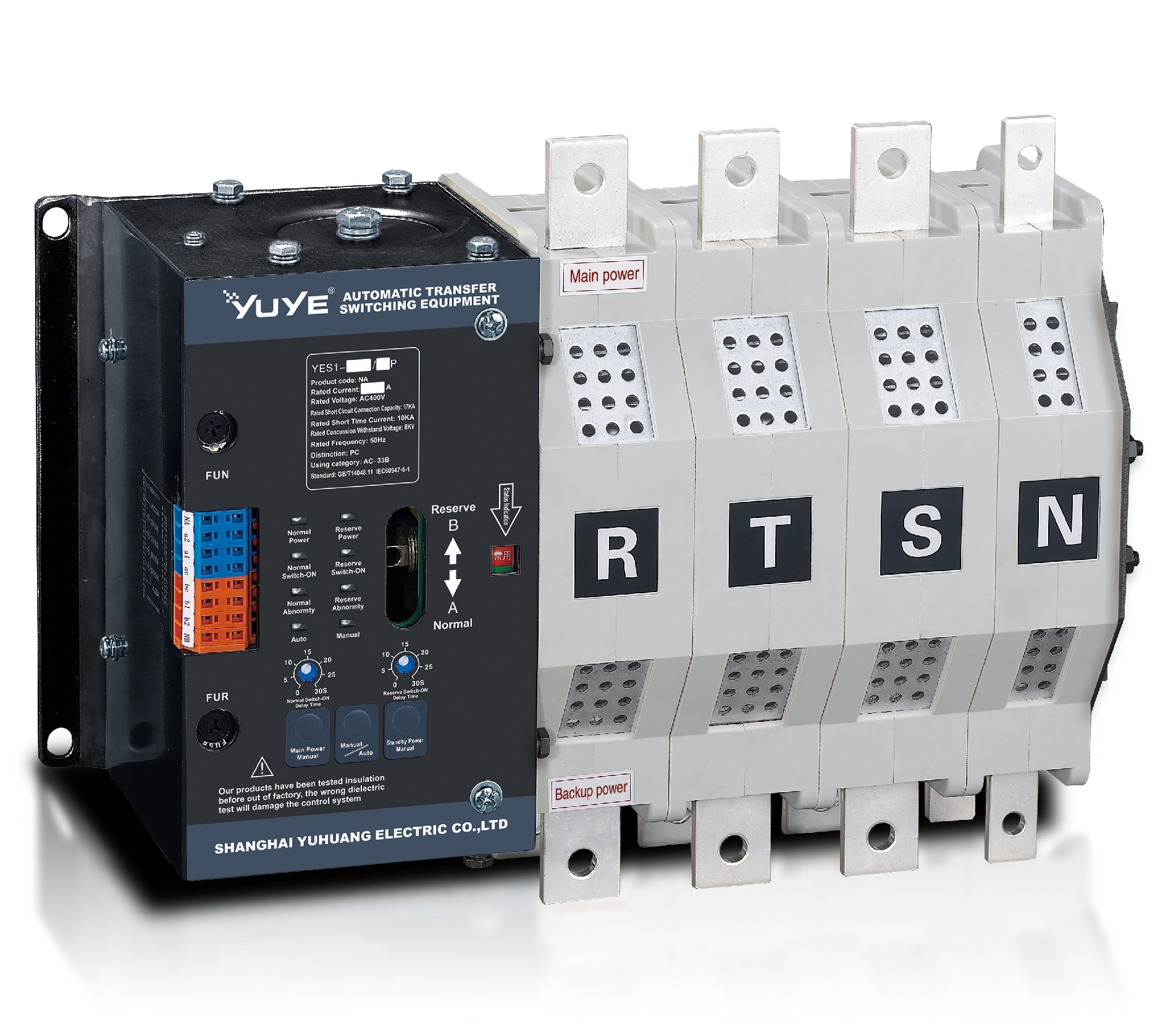 Solenoid-type ATS YES1-250~630NA/NAT
 Solenoid-type ATS YES1-63NJT
 PC ATS YES1-100~1600GN1/GN/GNF
 PC ATS YES1-2000~3200GN/GNF
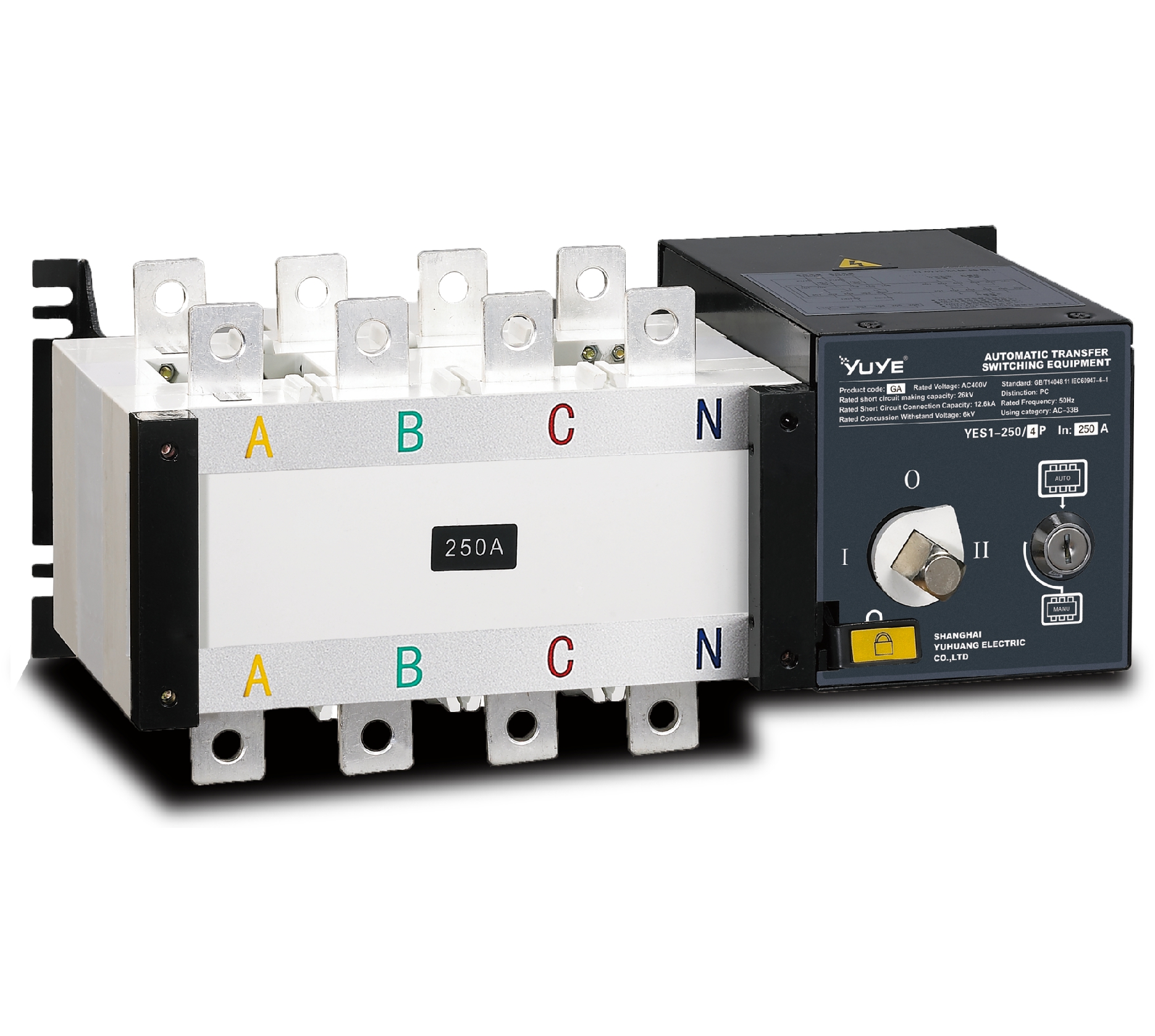 PC ATS YES1-100~3200GA1/GA
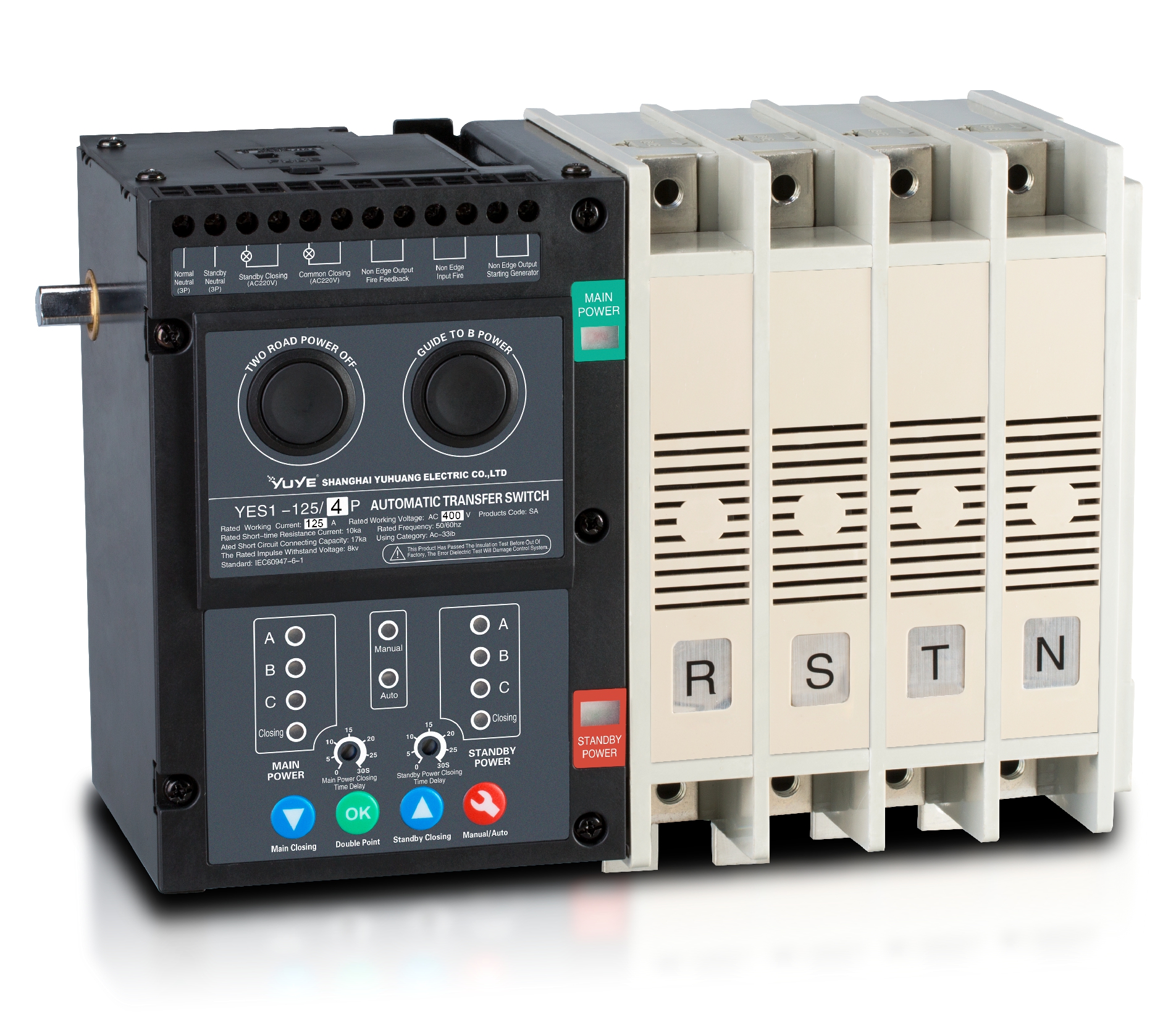 Solenoid-type ATS YES1-63~630SA
 Solenoid-type ATS YES1-63~630L/LA
 Solenoid-type ATS YES1-63~630LA3
 Solenoid-type ATS YES1-63MA
 PC ATS YES1-630~1600M
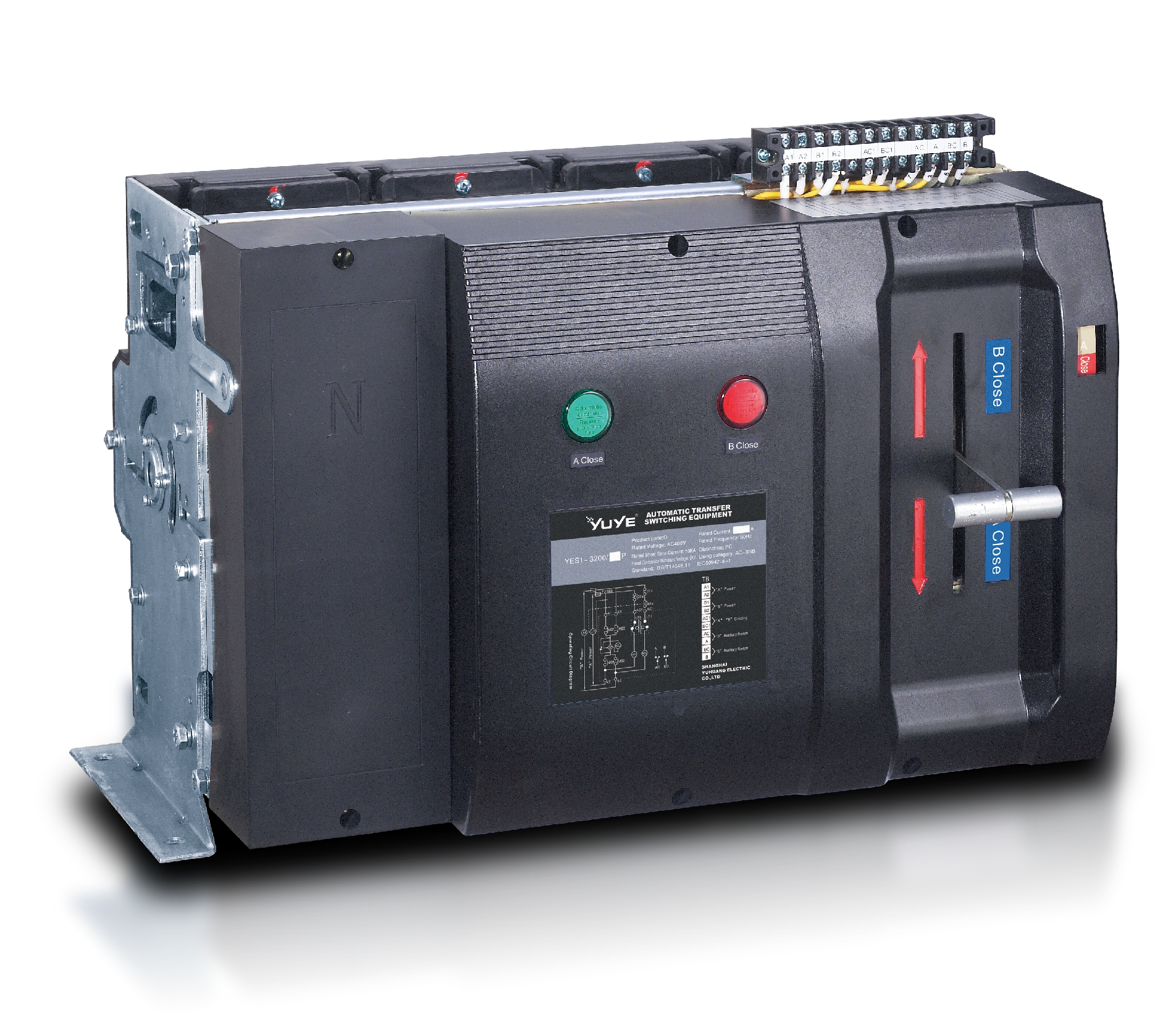 PC ATS YES1-3200Q
 Solenoid-type ATS YES1-4000~6300Q
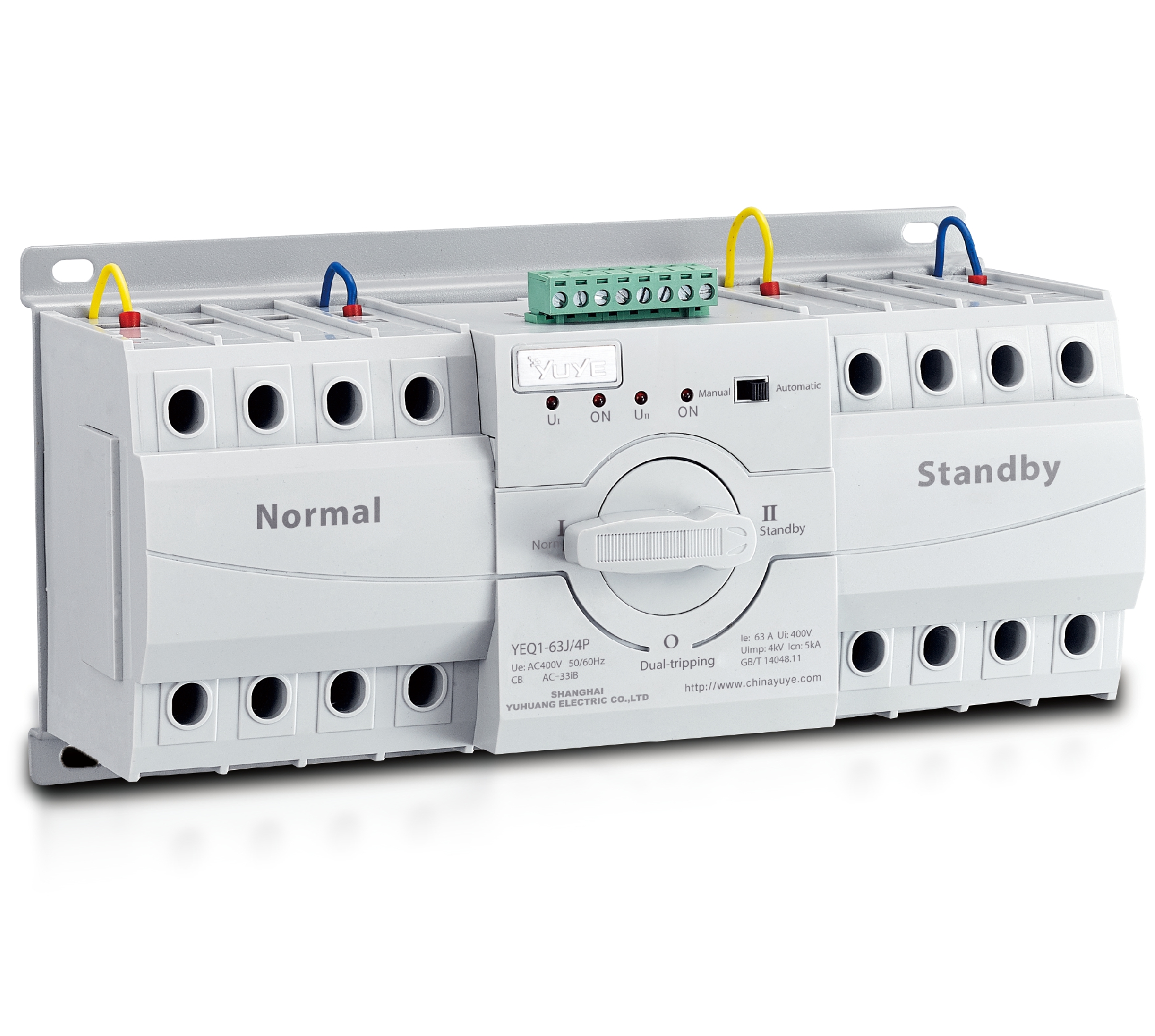 CB ATS YEQ1-63J
 CB ATS YEQ2Y-63
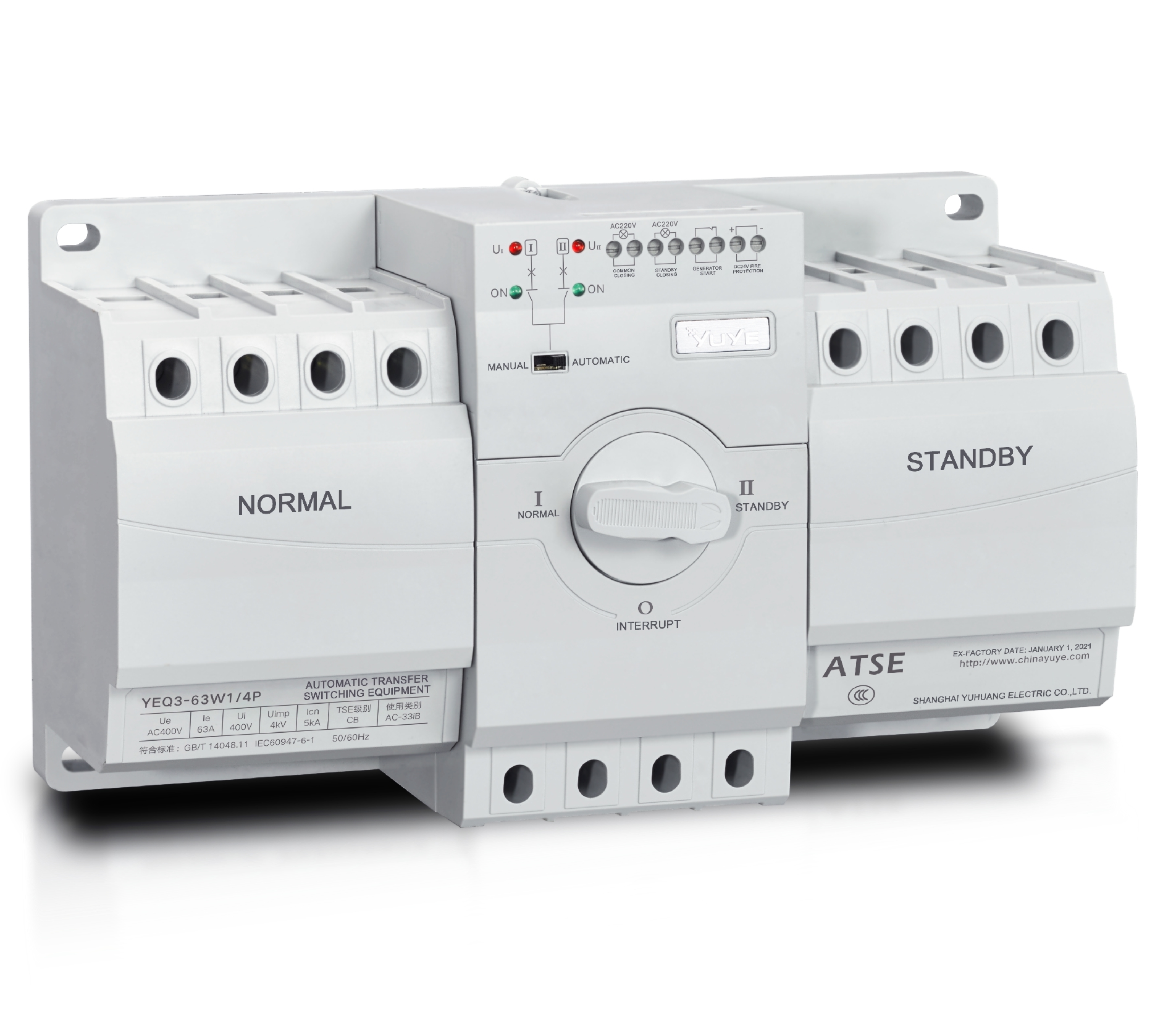 CB ATS YEQ3-63W1
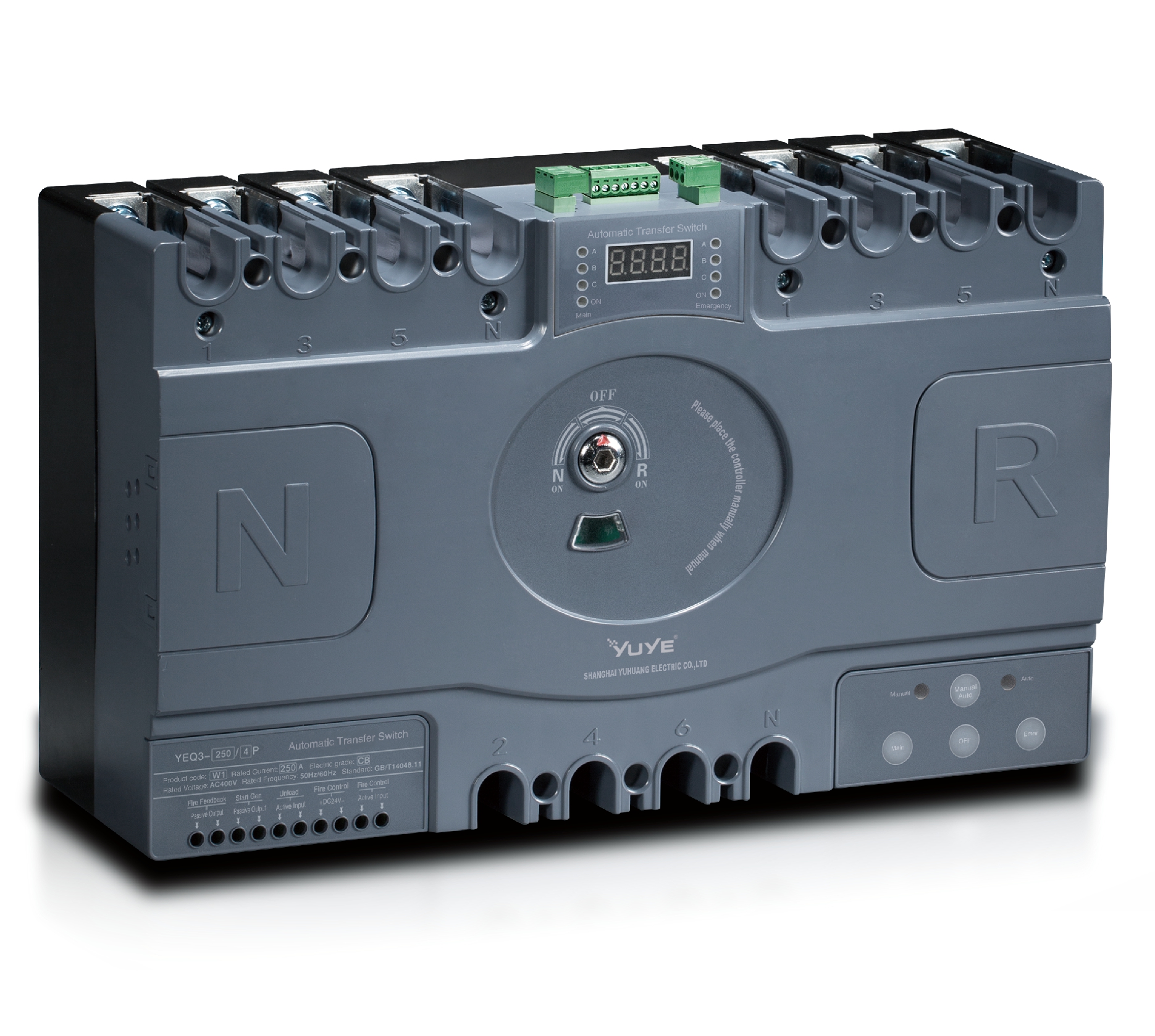 CB ATS YEQ3-125~630W1
 ATS controller Y-700
 ATS Controller Y-700N
 ATS Controller Y-701B
 ATS Controller Y-703N
 ATS Controller Y-800
 ATS Controller W2/W3 Series
 ATS switch Cabinet floor-to-ceiling
 ATS switch cabinet
 JXF-225A power Cbinet
 JXF-800A power Cbinet
 YEM3-125~800 Plastic Shell Type MCCB
 YEM3L-125~630 Leakage Type MCCB
 YEM3Z-125~800 Adjustable Type MCCB
 YEM1-63~1250 Plastic Shell Type MCCB
 YEM1E-100~800 Electronic Type MCCB
 YEM1L-100~630 Leakage Type MCCB
 Miniature circuit breaker YEMA2-6~100
 Miniature circuit breaker YEB1-3~63
 Miniature circuit breaker YEB1LE-3~63
 Miniature circuit breaker YEPN-3~32
 Miniature circuit breaker YEPNLE-3~32
 Miniature circuit breaker YENC-63~125
 Air Circuit Breaker YEW1-2000~6300
 Air Circuit Breaker YEW3-1600
 Load isolation switch YGL-63~3150
 Load Isolation Switch YGL2-63~3150
 Manual Changeover Switch YGL-100~630Z1A
 Manual Changeover Switch YGLZ1-100~3150
 YECPS2-45~125 LCD
 YECPS-45~125 Digital
 CNC Milling/Turning-OEM
 DC relay MDC-300M
 DC Isolation Switch YEGL3D-630
Control and protection switches are critical components in electrical systems, designed to protect equipment from overloads, short circuits, and other electrical anomalies. However, despite their importance, these switches can sometimes fail, causing serious operational disruptions and safety hazards. Understanding the causes of such failures is critical for manufacturers, engineers, and maintenance personnel to improve the reliability of electrical systems. In this article, we’ll explore the three main reasons why control and protection switches fail, drawing on insights from Yuye Electrical Co., Ltd., a leading manufacturer in the electrical industry.
One of the main causes of control protection switch failure is inadequate design and manufacturing quality. The design stage is critical because it determines the switch’s ability to handle a variety of electrical loads and environmental conditions. If the design does not take into account the specific requirements of the application, the switch may not operate as expected. For example, if the switch is designed for a lower rated voltage but is subjected to a higher voltage, it may cause insulation breakdown and ultimately failure. Yuye Electrical Co., Ltd. emphasizes the importance of rigorous testing and quality assurance during the manufacturing process to ensure that its control protection switches meet industry standards and can withstand the demands of real-world applications. By investing in advanced design techniques and quality control measures, manufacturers can significantly reduce the risk of failure.
Another key factor that can cause control protection switch failures is environmental stress. These switches are often installed in harsh conditions, including extreme temperatures, humidity, dust, and corrosive substances. These environmental factors can cause the physical properties of the switch components to degrade, affecting their performance and reliability. For example, moisture intrusion can cause corrosion of internal contacts, which can lead to increased resistance and eventual failure. Yuye Electric Co., Ltd. recognizes the importance of designing switches that can withstand harsh environmental conditions. They utilize materials and coatings to increase the durability of their products, ensuring that they can operate effectively in a variety of environments. In addition, proper installation and regular maintenance are essential to mitigating the effects of environmental stress on control protection switches.
The third cause of control protection switch failure is improper installation and maintenance. Even the highest quality switches can fail if they are not installed correctly or maintained regularly. Common installation errors include improper wiring, insufficient tightening of connections, and failure to follow manufacturer guidelines. These errors can lead to overheating, arcing, and ultimately switch failure. In addition, neglecting routine maintenance can exacerbate existing problems, such as dust accumulation or component wear. Yuye Electrical Co., Ltd. advocates for comprehensive training programs for technicians and engineers to ensure they are proficient in proper installation and maintenance procedures. By cultivating a culture of safety and diligence, organizations can greatly reduce the likelihood of control protection switch failures.
Understanding the causes of control and protection switch failures is critical to ensuring the reliability and safety of electrical systems. Inadequate design and manufacturing quality, environmental stress, and improper installation and maintenance practices are three of the main causes of these failures. Yuye Electrical Co., Ltd. is a model of the electrical industry’s commitment to quality and reliability, emphasizing the importance of robust design, environmental resilience, and proper installation practices. By addressing these factors, manufacturers and users alike can improve the performance of control and protection switches, ultimately achieving safer and more efficient electrical systems. As the industry continues to evolve, continued research and development is essential to mitigate the risks associated with control and protection switch failures, ensuring that these critical components effectively perform their intended purpose.