
 PC ATS YECT1-2000G
 PC ATS YES2-63~250GN1
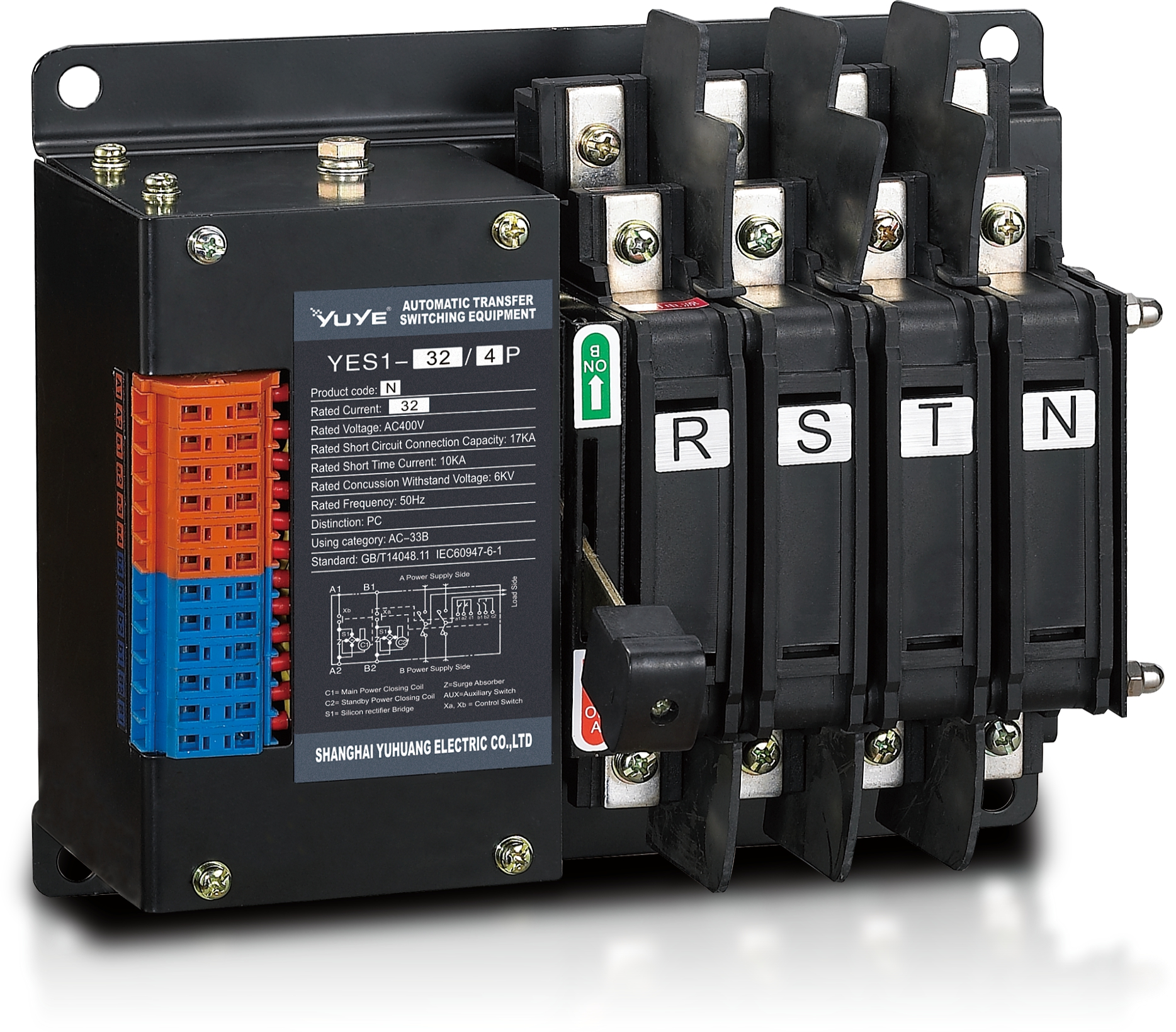 Solenoid-type ATS YES1-32~125N
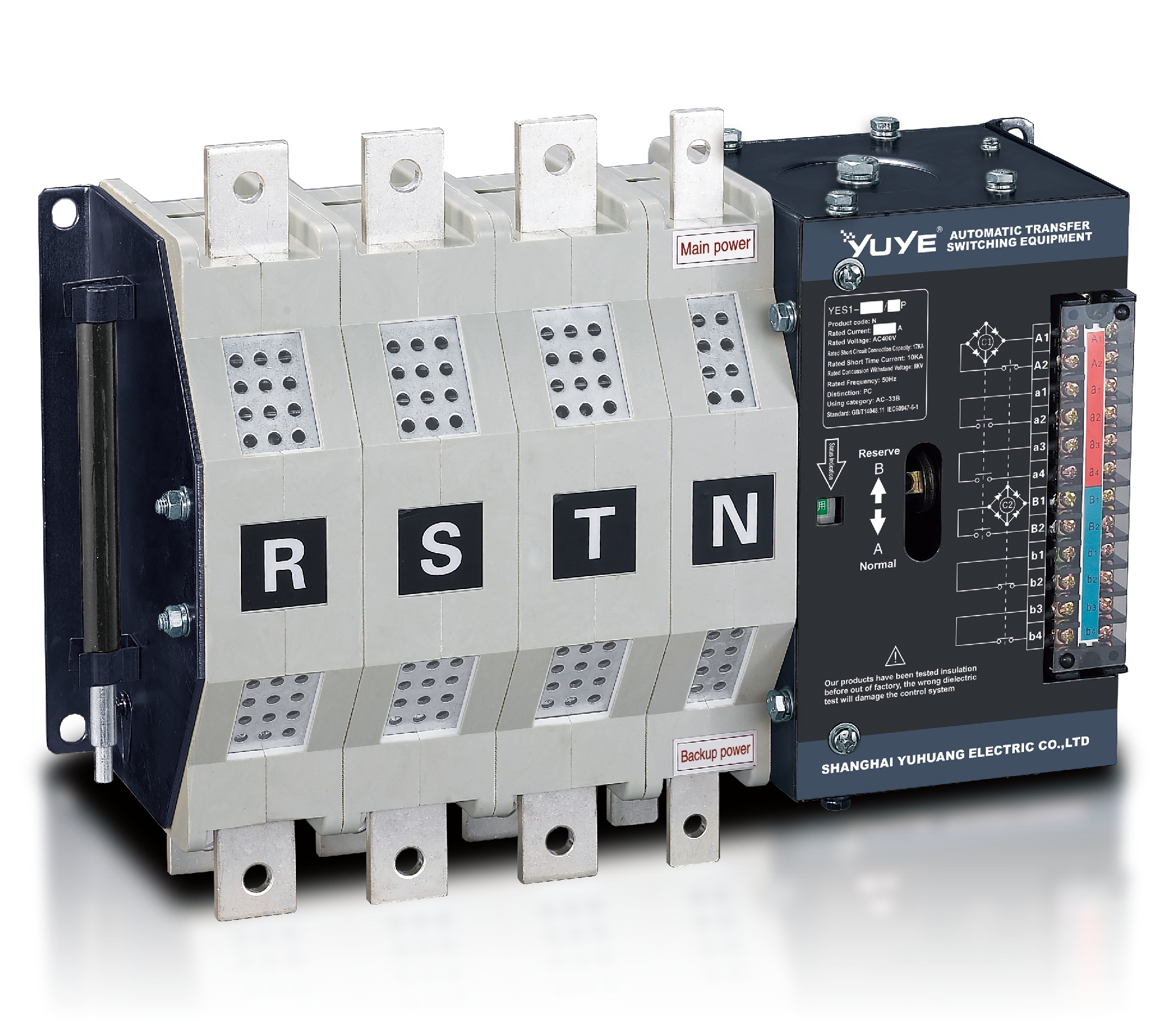 Solenoid-type ATS YES1-250~630N/NT
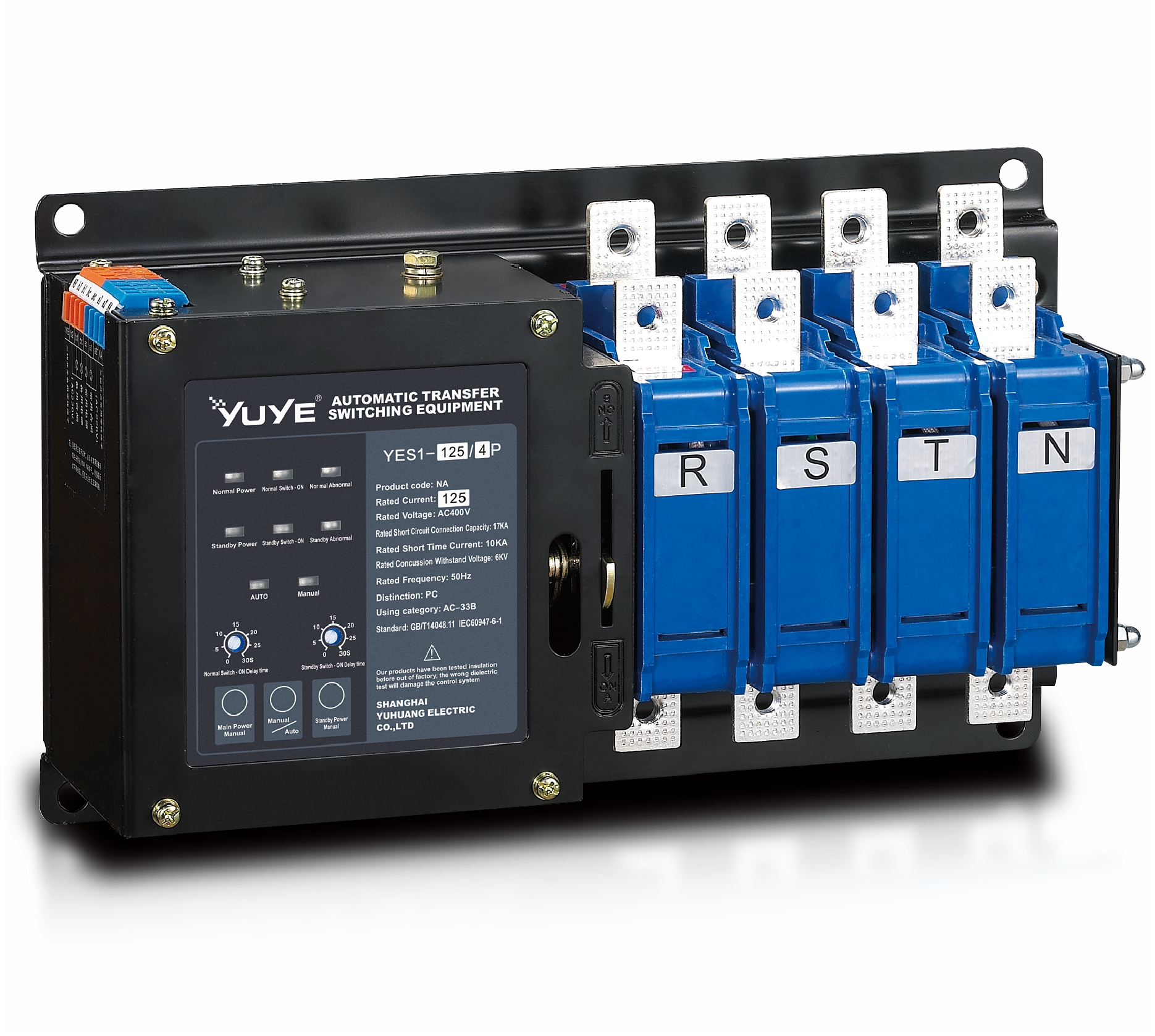 Solenoid-type ATS YES1-32~125NA
 Solenoid-type ATS YES1-63~630SN
 Solenoid-type ATS YES1-1250~4000SN
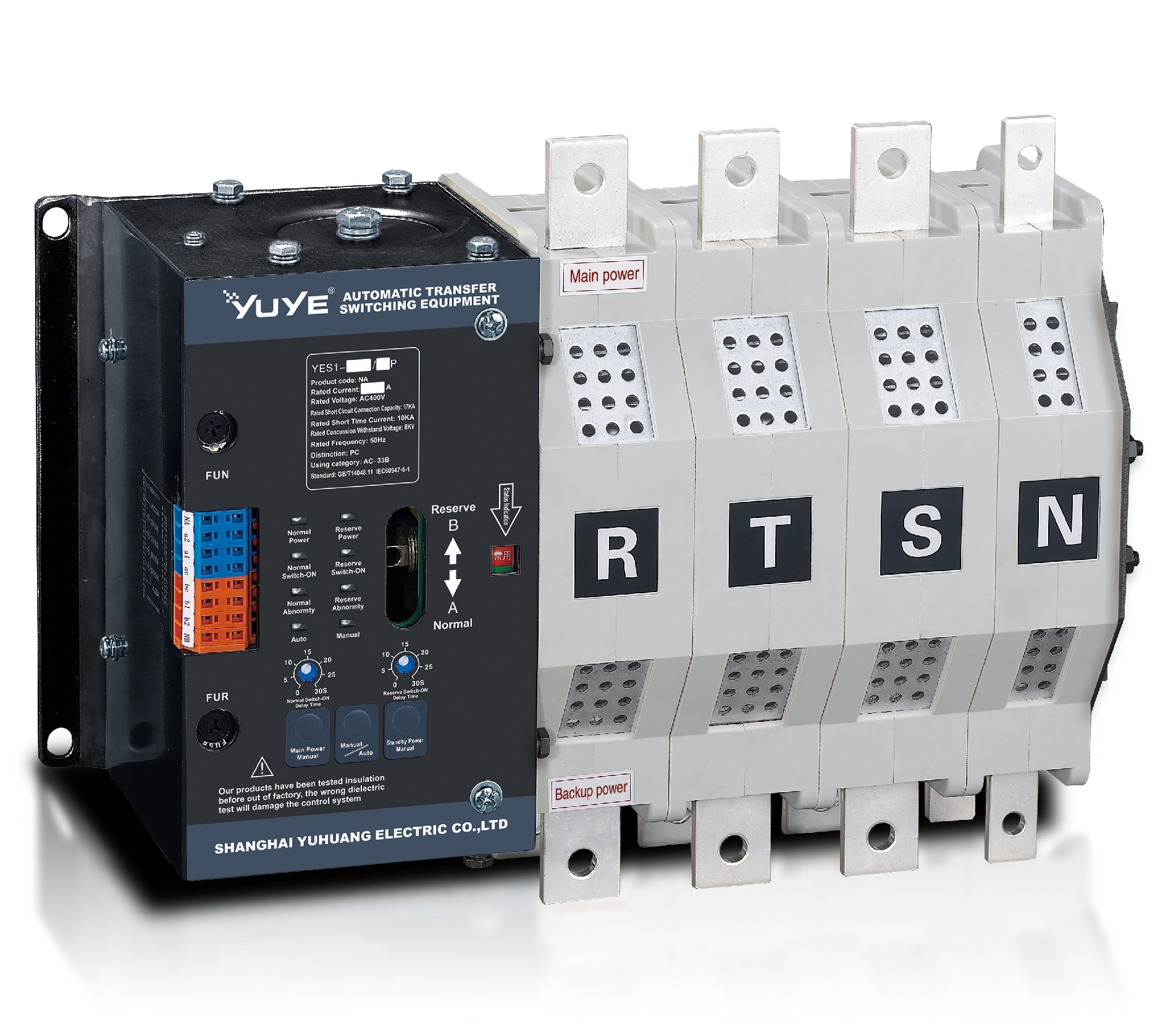 Solenoid-type ATS YES1-250~630NA/NAT
 Solenoid-type ATS YES1-63NJT
 PC ATS YES1-100~1600GN1/GN/GNF
 PC ATS YES1-2000~3200GN/GNF
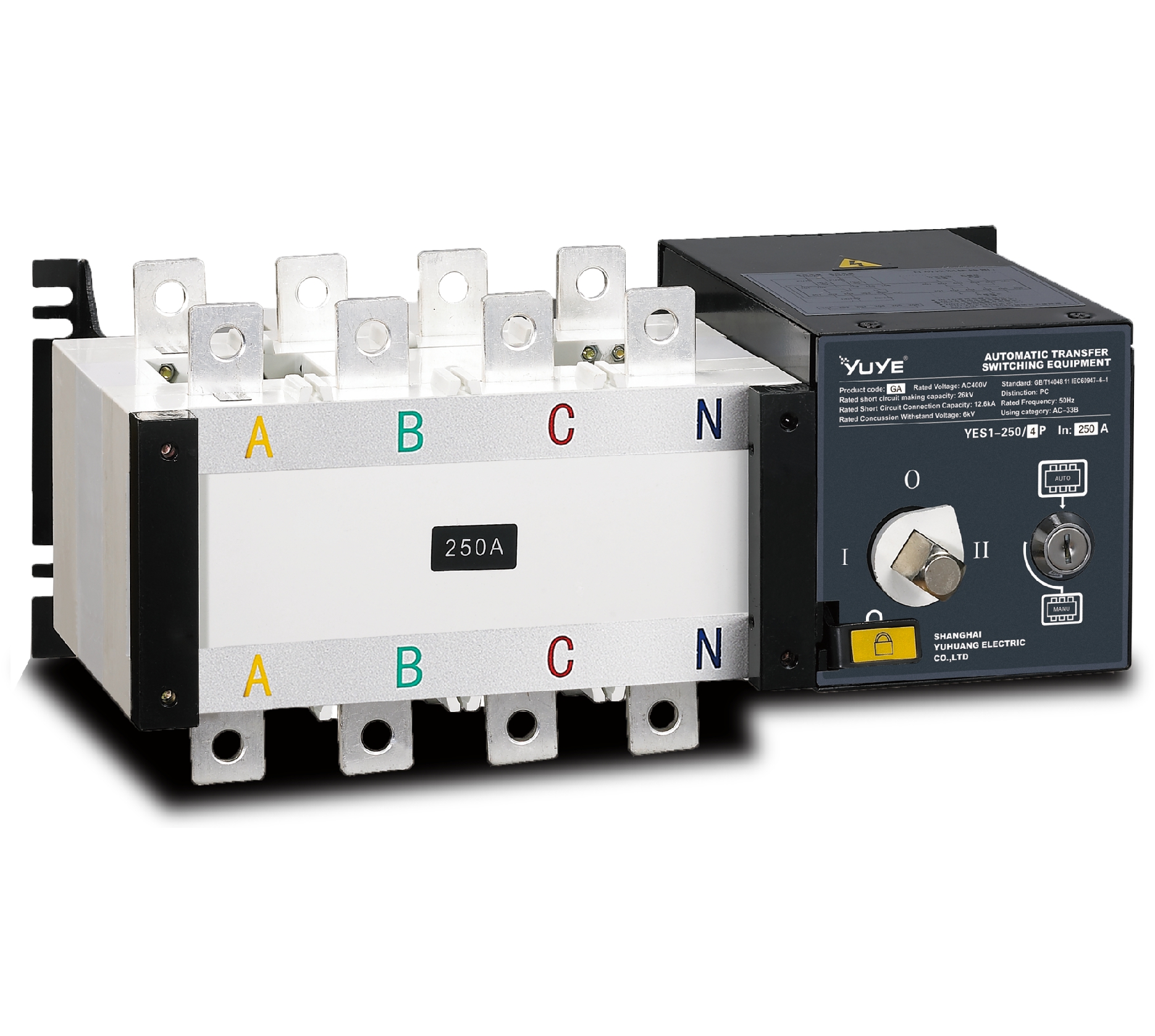 PC ATS YES1-100~3200GA1/GA
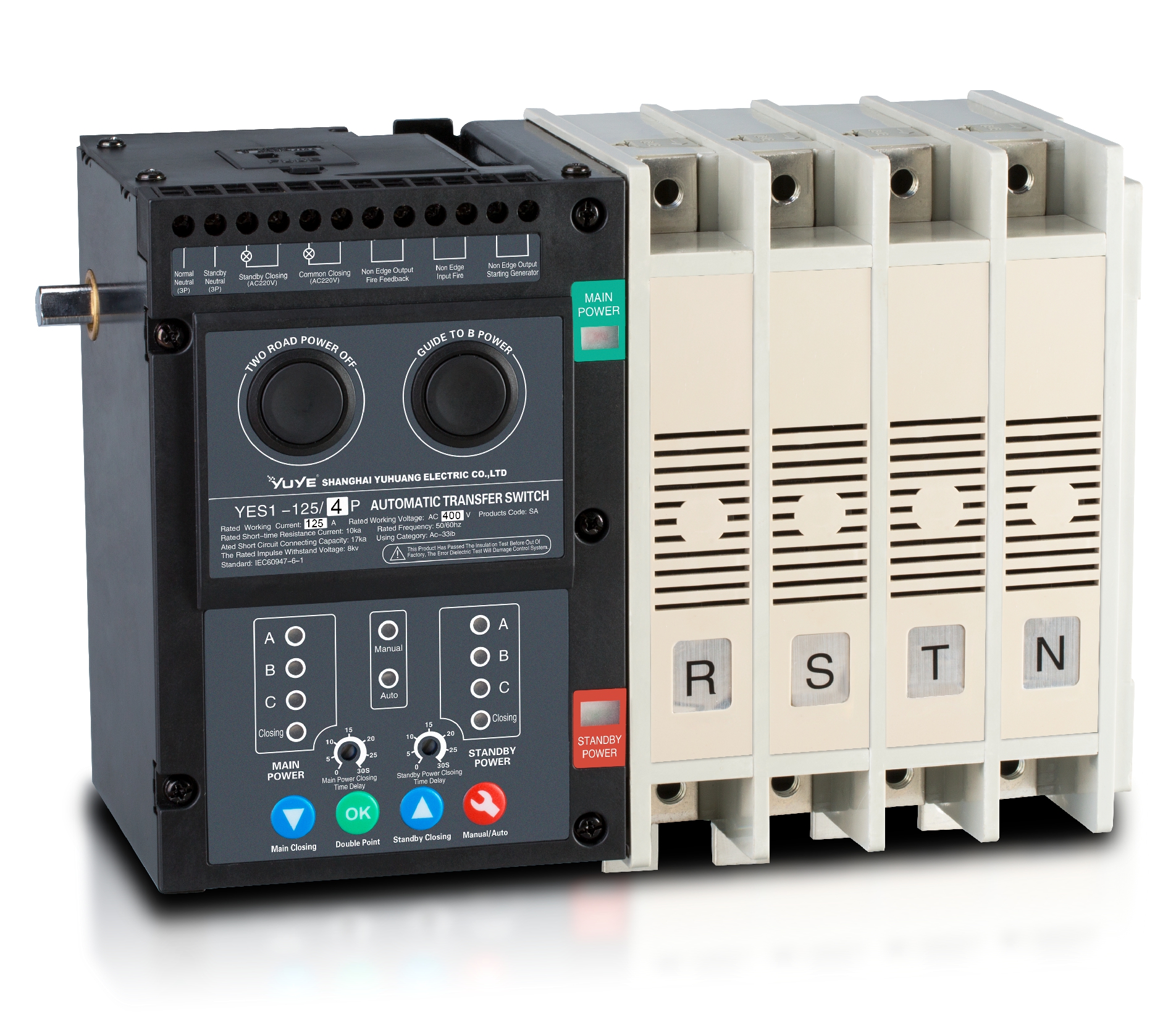 Solenoid-type ATS YES1-63~630SA
 Solenoid-type ATS YES1-63~630L/LA
 Solenoid-type ATS YES1-63~630LA3
 Solenoid-type ATS YES1-63MA
 PC ATS YES1-630~1600M
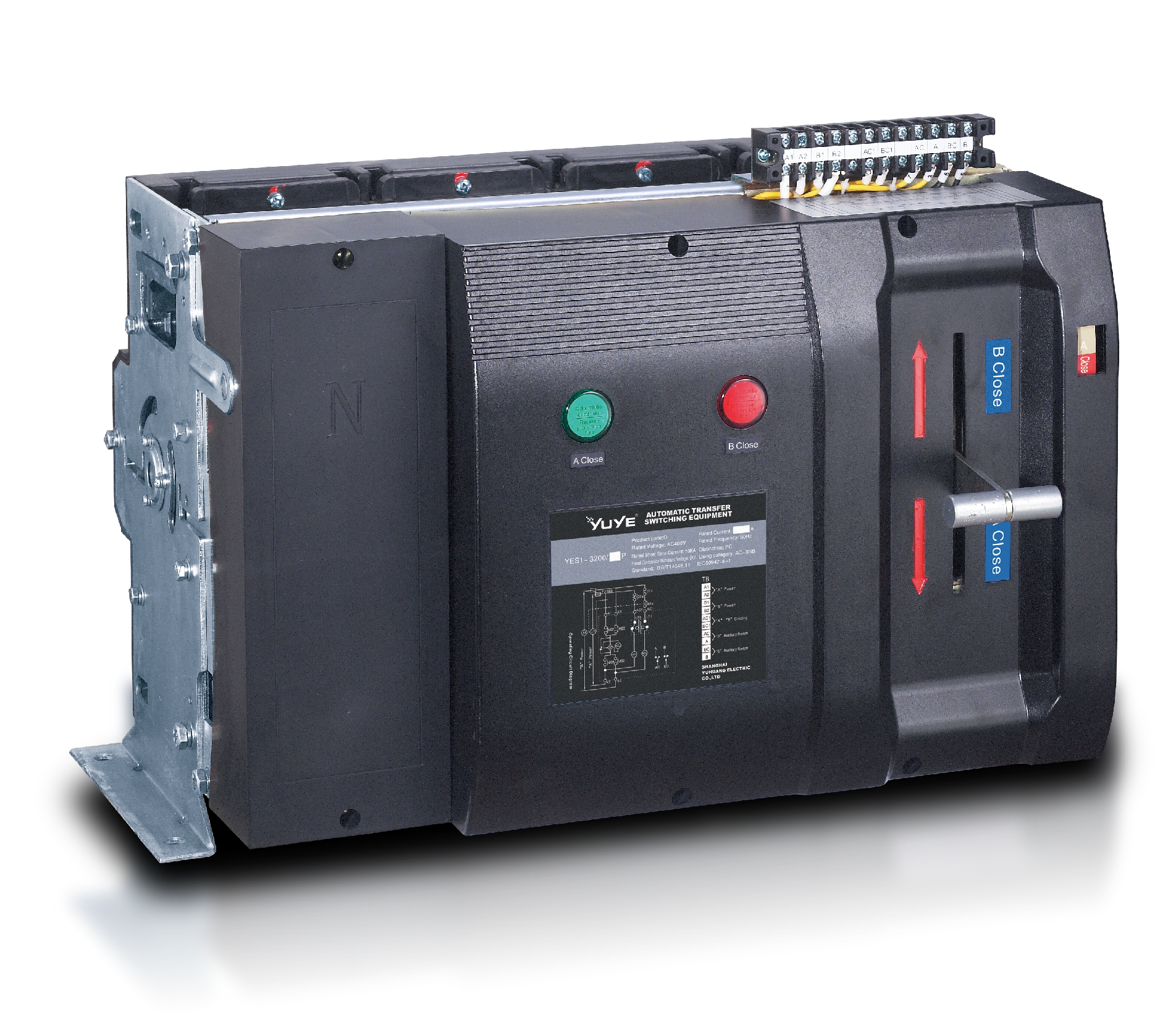 PC ATS YES1-3200Q
 Solenoid-type ATS YES1-4000~6300Q
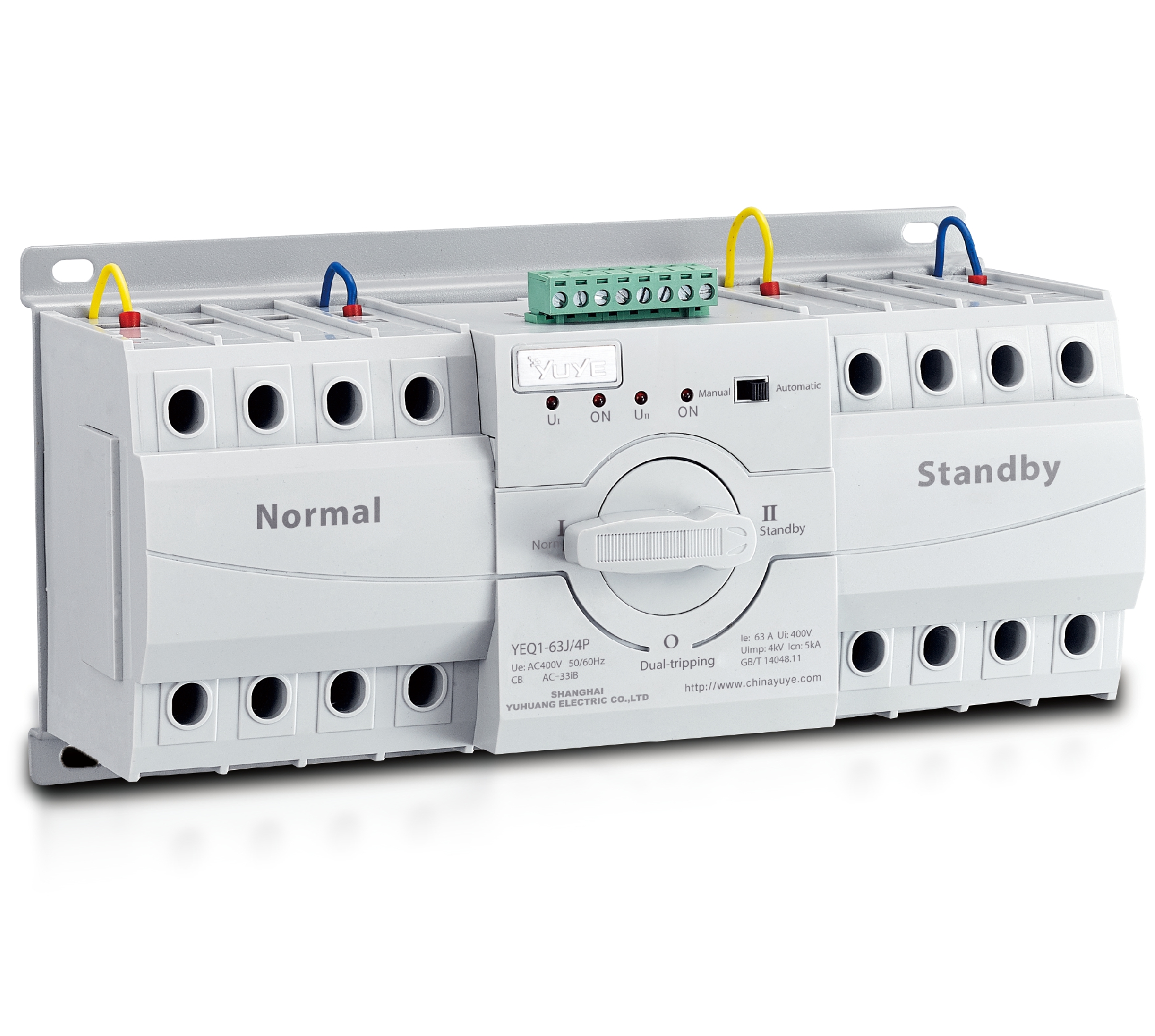 CB ATS YEQ1-63J
 CB ATS YEQ2Y-63
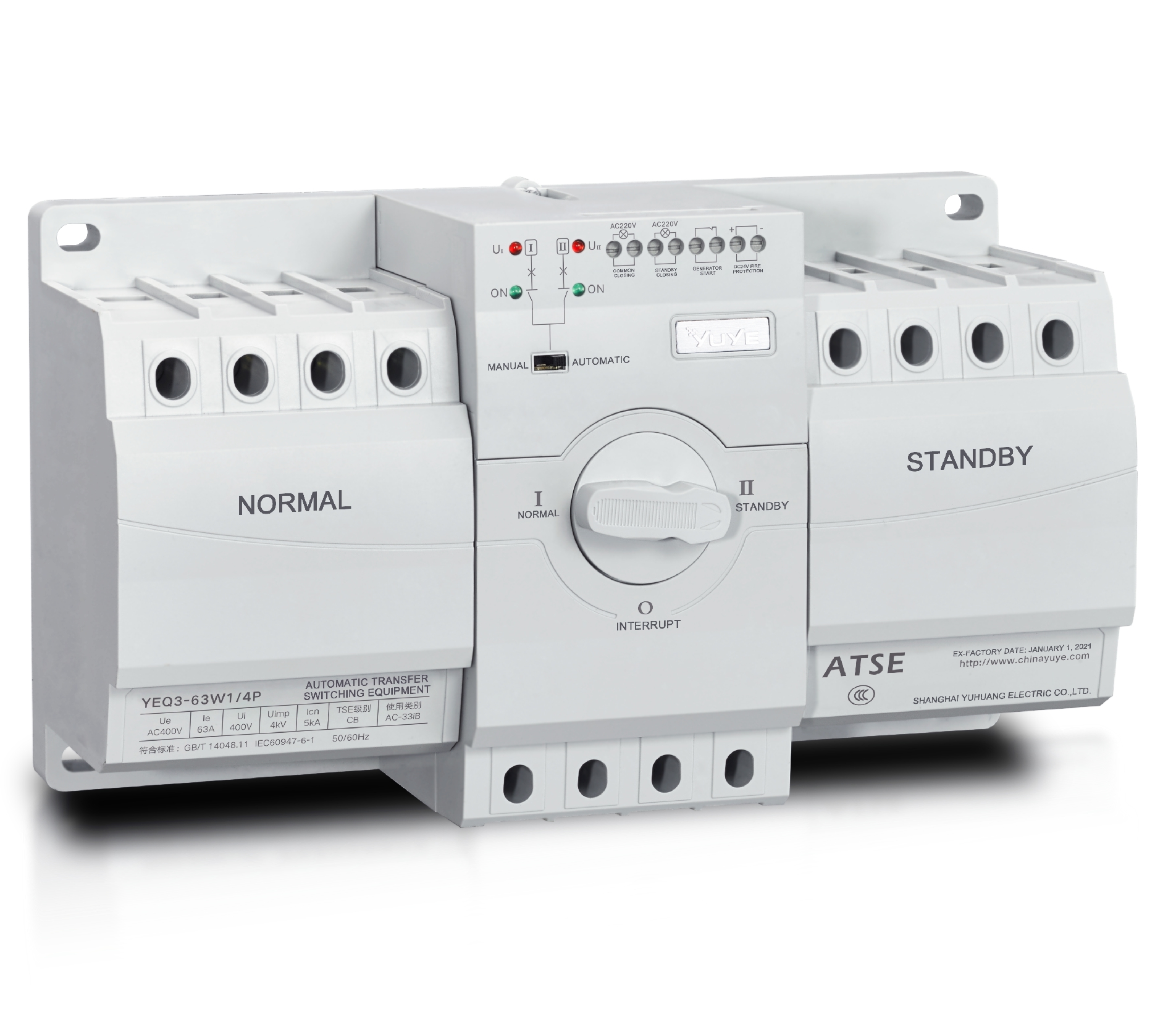 CB ATS YEQ3-63W1
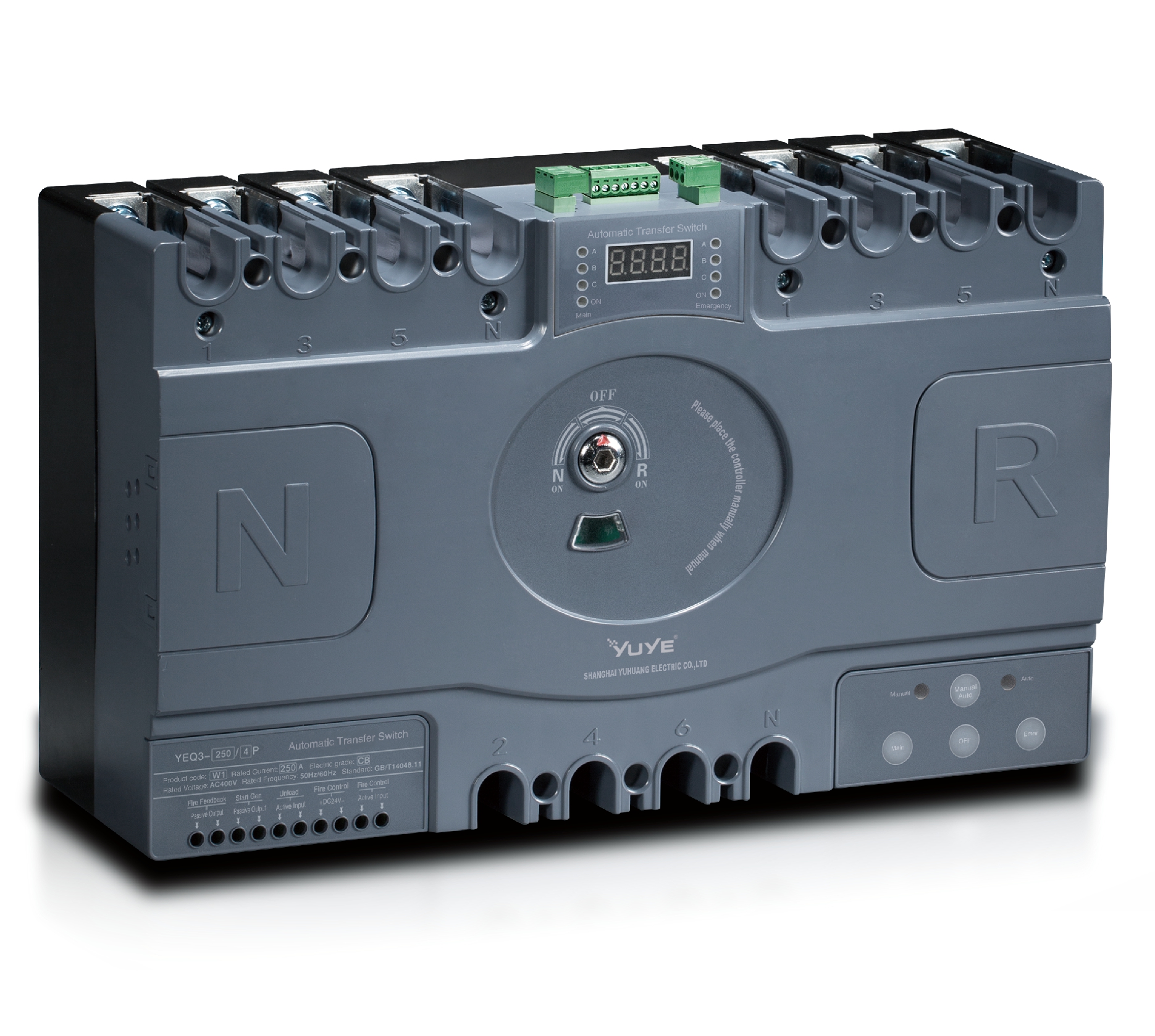 CB ATS YEQ3-125~630W1
 ATS controller Y-700
 ATS Controller Y-700N
 ATS Controller Y-701B
 ATS Controller Y-703N
 ATS Controller Y-800
 ATS Controller W2/W3 Series
 ATS switch Cabinet floor-to-ceiling
 ATS switch cabinet
 JXF-225A power Cbinet
 JXF-800A power Cbinet
 YEM3-125~800 Plastic Shell Type MCCB
 YEM3L-125~630 Leakage Type MCCB
 YEM3Z-125~800 Adjustable Type MCCB
 YEM1-63~1250 Plastic Shell Type MCCB
 YEM1E-100~800 Electronic Type MCCB
 YEM1L-100~630 Leakage Type MCCB
 Miniature circuit breaker YEMA2-6~100
 Miniature circuit breaker YEB1-3~63
 Miniature circuit breaker YEB1LE-3~63
 Miniature circuit breaker YEPN-3~32
 Miniature circuit breaker YEPNLE-3~32
 Miniature circuit breaker YENC-63~125
 Air Circuit Breaker YEW1-2000~6300
 Air Circuit Breaker YEW3-1600
 Load isolation switch YGL-63~3150
 Load Isolation Switch YGL2-63~3150
 Manual Changeover Switch YGL-100~630Z1A
 Manual Changeover Switch YGLZ1-100~3150
 YECPS2-45~125 LCD
 YECPS-45~125 Digital
 CNC Milling/Turning-OEM
 DC relay MDC-300M
 DC Isolation Switch YEGL3D-630
In the field of electrical engineering, the safety and reliability of electrical systems are of paramount importance. Molded case circuit breakers (MCCBs) play a vital role in protecting circuits from overloads and short circuits. Among the various technologies adopted by MCCBs, thermal magnetic tripping and electronic tripping are the two main methods. This article aims to elucidate the differences between these two tripping mechanisms, with a special focus on their applications, advantages, and limitations. Yuye Electrical Co., Ltd., a leading manufacturer in the electrical industry, offers a range of MCCBs with both tripping technologies to meet different customer needs.
Thermal Magnetic Trip
Thermal magnetic tripping is a traditional method that combines two different mechanisms: heat and magnetism. The thermal element works on the principle of heat generated by the flow of electric current. When the current exceeds a predetermined threshold, the bimetallic strip heats up and bends, eventually triggering the tripping mechanism. This process is relatively slow and allows temporary overloads to pass uninterrupted, which is useful for applications that often experience inrush currents, such as motors.
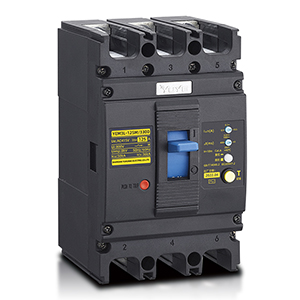
The magnetic component, on the other hand, reacts to short circuits. It employs an electromagnetic coil that creates a magnetic field when a large current flows through it. This magnetic field pulls a lever, tripping the circuit breaker almost instantly, providing fast short circuit protection. The combination of these two mechanisms enables the thermal-magnetic MCCB to provide reliable overload and short circuit protection.
Electronic Trip
In contrast, electronic trip devices use advanced electronics to monitor current and detect faults. This approach uses microprocessors and digital signal processing to analyze electrical parameters in real time. When current exceeds a set limit, an electronic trip device can react almost instantly, providing precise and reliable protection.
One of the significant advantages of electronic tripping is its ability to provide customizable settings. Users can adjust the trip settings for overload, short circuit, and ground fault to their specific requirements. This flexibility makes electronic tripping particularly suitable for applications where load conditions vary or precise protection is required.
Main Differences
1. Response Time: One of the most significant differences between thermal-magnetic and electronic trips is the response time. Thermal-magnetic trips are slower due to their reliance on heat generation, while electronic trips can react to fault conditions almost instantly. This fast response is critical to preventing damage to sensitive equipment.
2. Customization: Electronic trips offer a higher degree of customization compared to thermal-magnetic trips. Users can set specific trip values and time delays, providing tailored protection to the application. In contrast, thermal-magnetic MCCBs typically have fixed trip settings, limiting their adaptability.
3. Sensitivity: Electronic trip devices are generally more sensitive than thermal-magnetic trip devices. This sensitivity can detect smaller overloads and ground faults, thereby improving the overall safety of the electrical system.
4. Maintenance and Diagnostics: Electronically tripped MCCBs are often equipped with diagnostic features that provide valuable information about circuit performance. These features help identify potential problems before they escalate into serious issues. Thermal-magnetic MCCBs, while reliable, lack such advanced diagnostic capabilities.
5. Cost: Generally, thermal-magnetic MCCBs are cheaper than electronic-trip MCCBs. The simplicity of the thermal-magnetic design helps keep manufacturing costs down. However, the initial investment in an electronic-trip type may be justified by the enhanced protection and customization features it offers, especially in critical applications.
app
The choice between thermal-magnetic and electronic tripping depends largely on the specific application and the level of protection required. Thermal-magnetic MCCBs are often used in industrial environments where inrush currents are common, such as motor applications. Their ability to withstand temporary overloads makes them well suited to these environments.
Electronically tripped MCCBs, on the other hand, are ideal for applications that require precise protection and monitoring. They are often used in commercial buildings, data centers, and other facilities that use sensitive electronic equipment. The ability to customize trip settings and monitor performance makes electronic trips the preferred choice in these scenarios.
Both thermal-magnetic and electronic tripping have their unique advantages and limitations. Thermal-magnetic MCCBs offer reliable protection in a simple design, making them suitable for a wide range of industrial applications. In contrast, electronic tripping MCCBs offer advanced features, customization, and fast response times, making them ideal for sensitive and critical applications.
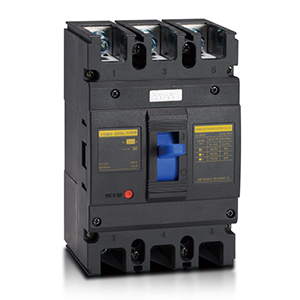
Yuye Electrical Co., Ltd. recognizes the importance of these differences and offers a comprehensive range of MCCBs that combine thermal-magnetic and electronic tripping technologies. By understanding the difference between these two tripping mechanisms, electrical engineers and professionals can make informed decisions that improve the safety and reliability of their electrical systems. As technology continues to advance, the choice of tripping mechanism will play a vital role in shaping the future of electrical protection solutions.