
 PC ATS YECT1-2000G
 PC ATS YES2-63~250GN1
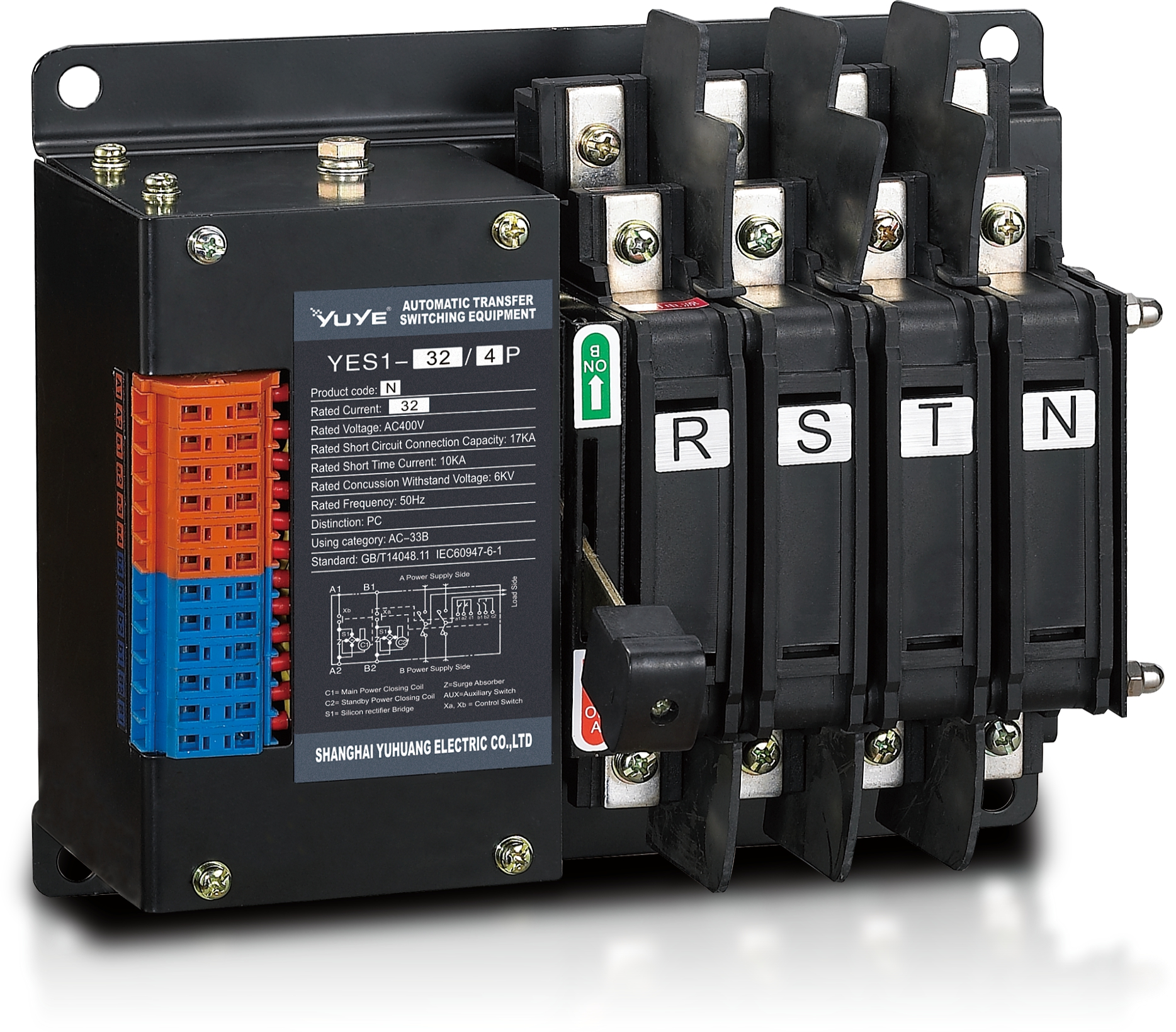 Solenoid-type ATS YES1-32~125N
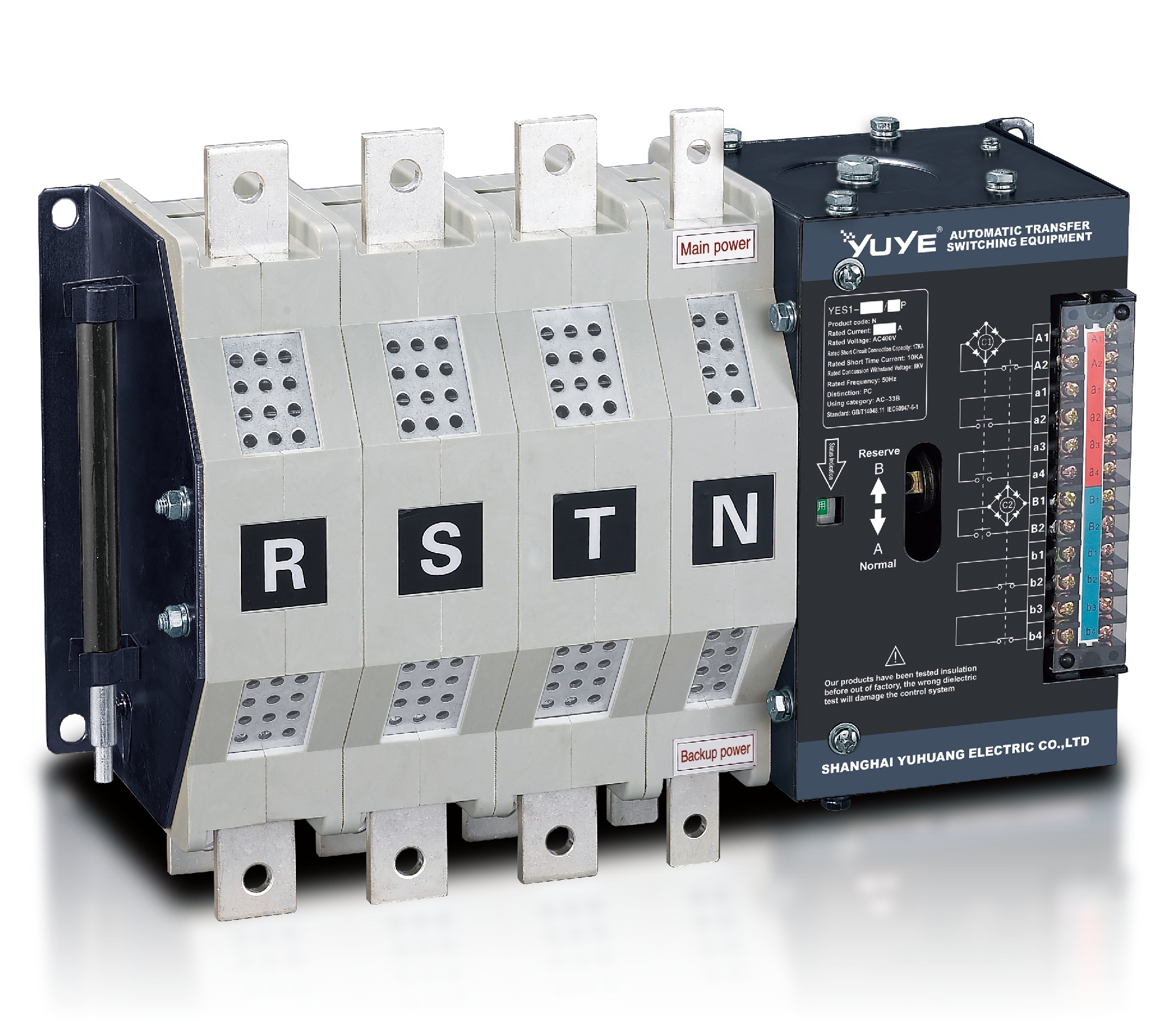 Solenoid-type ATS YES1-250~630N/NT
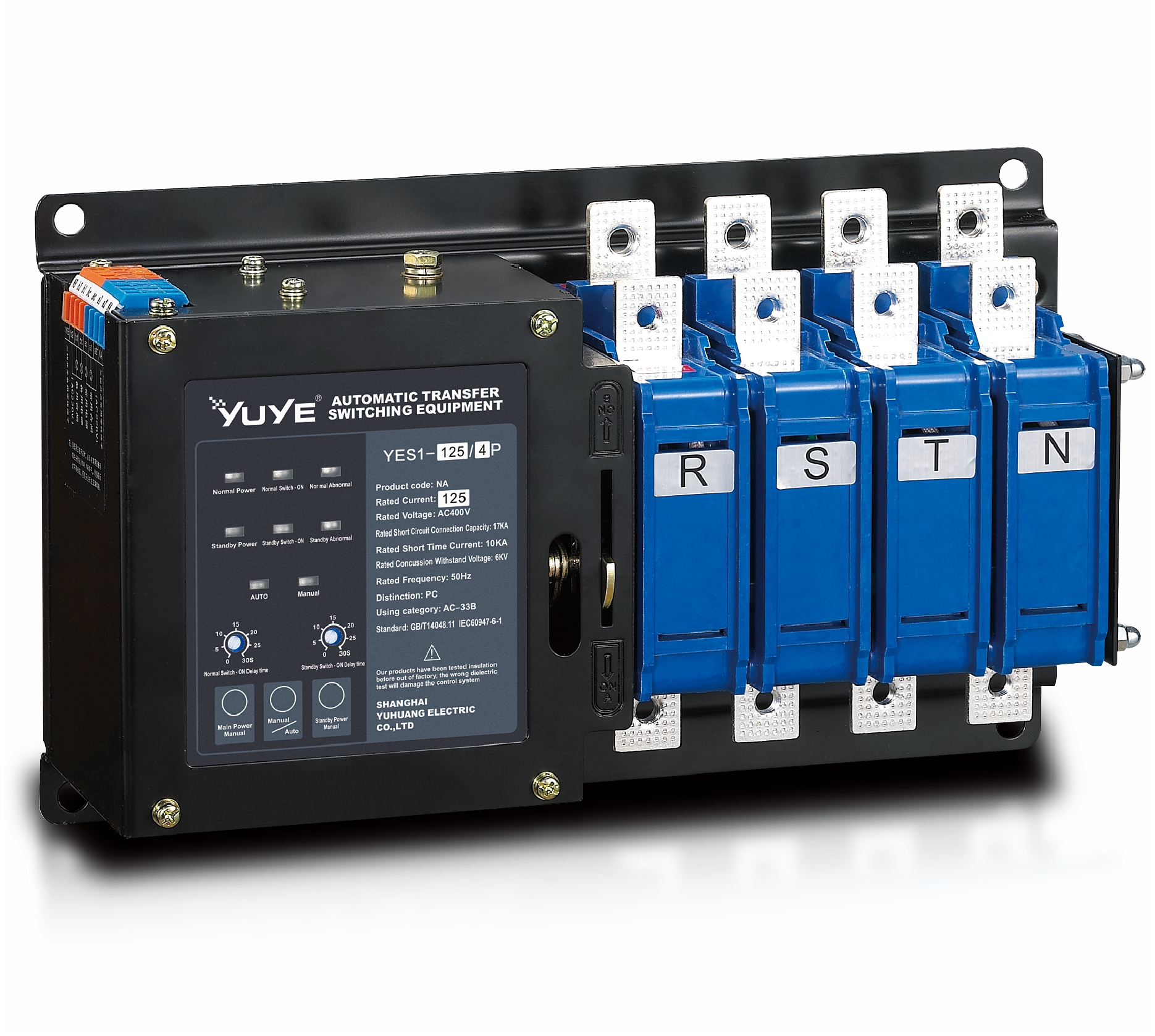 Solenoid-type ATS YES1-32~125NA
 Solenoid-type ATS YES1-63~630SN
 Solenoid-type ATS YES1-1250~4000SN
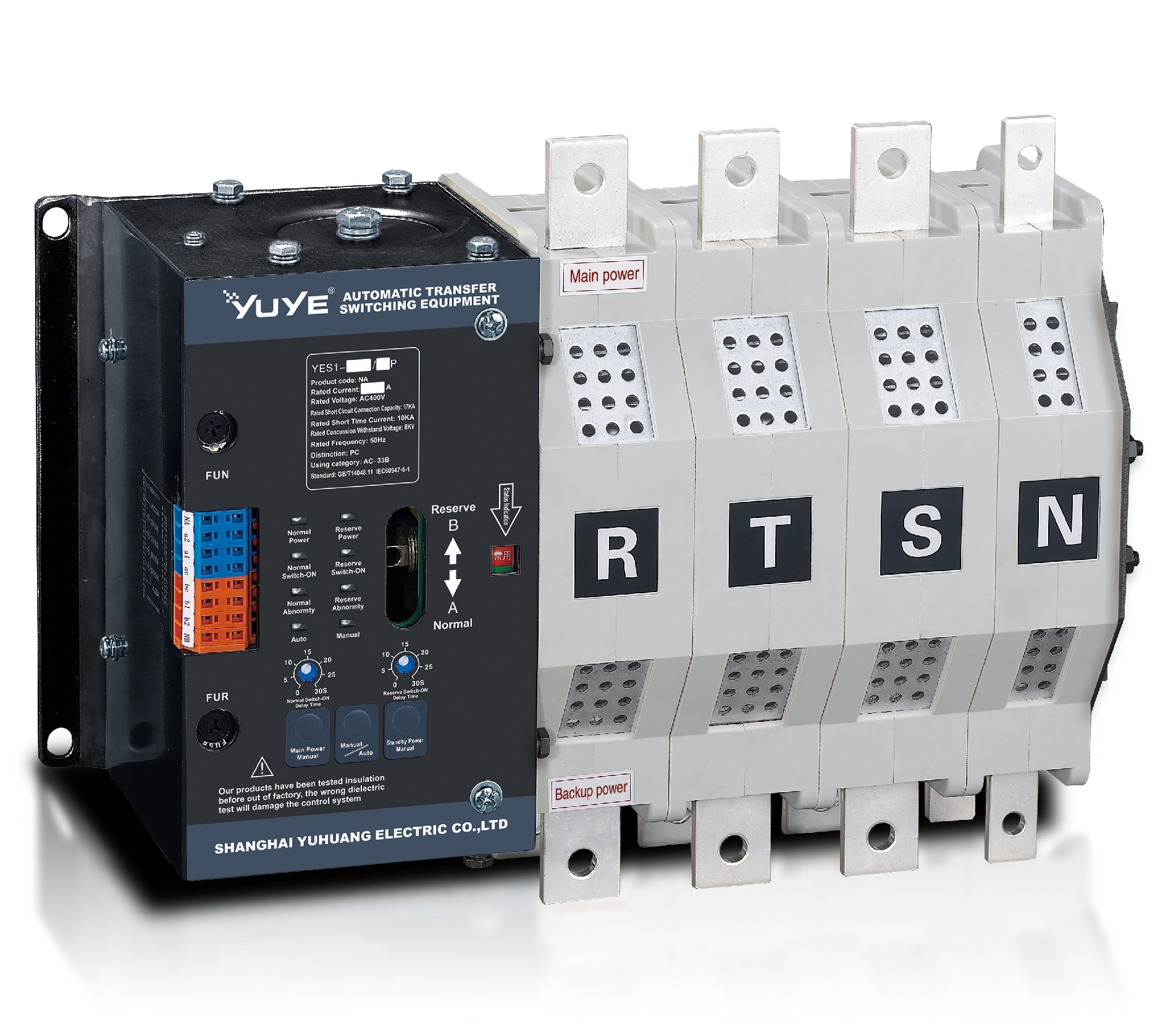 Solenoid-type ATS YES1-250~630NA/NAT
 Solenoid-type ATS YES1-63NJT
 PC ATS YES1-100~1600GN1/GN/GNF
 PC ATS YES1-2000~3200GN/GNF
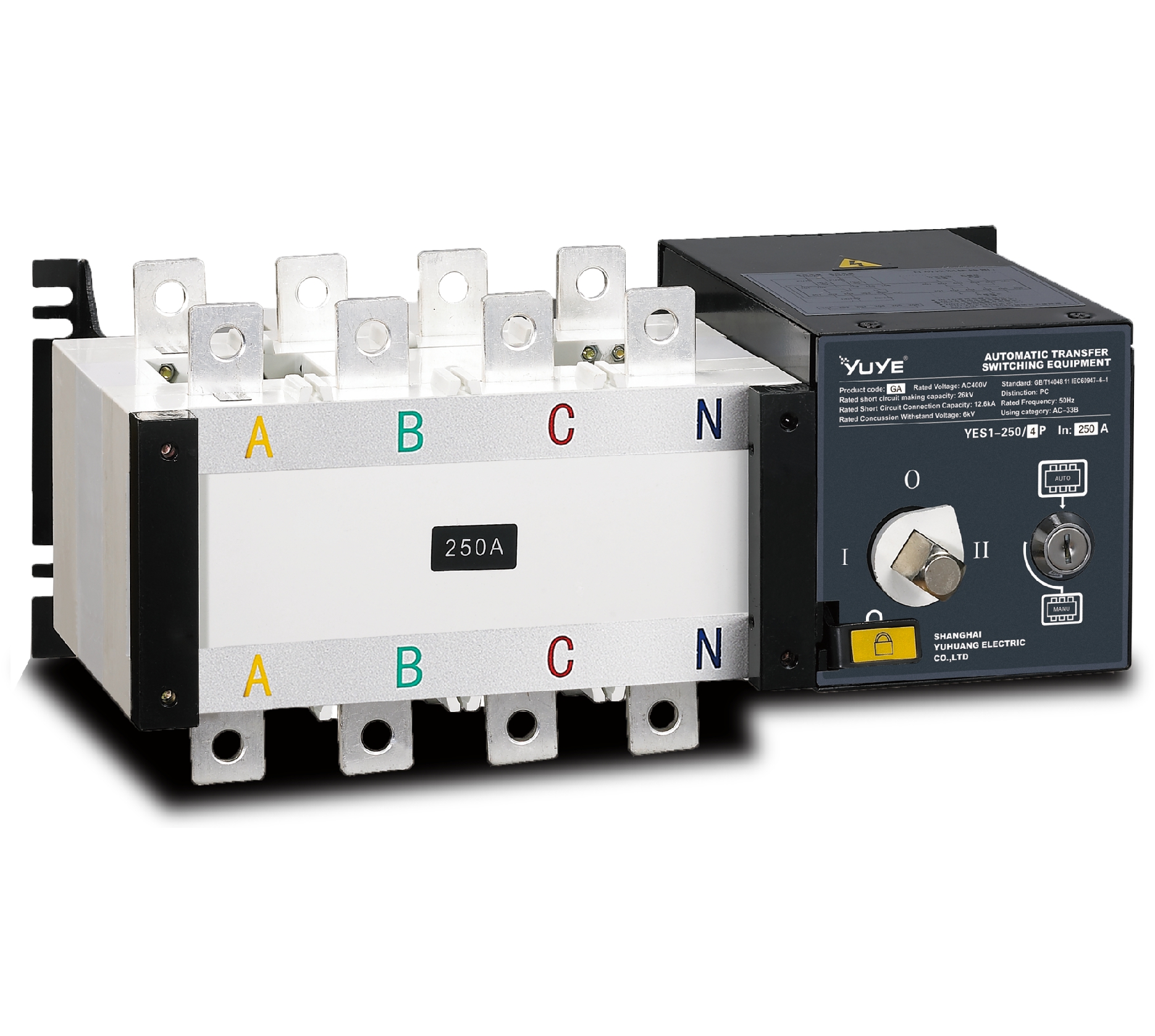 PC ATS YES1-100~3200GA1/GA
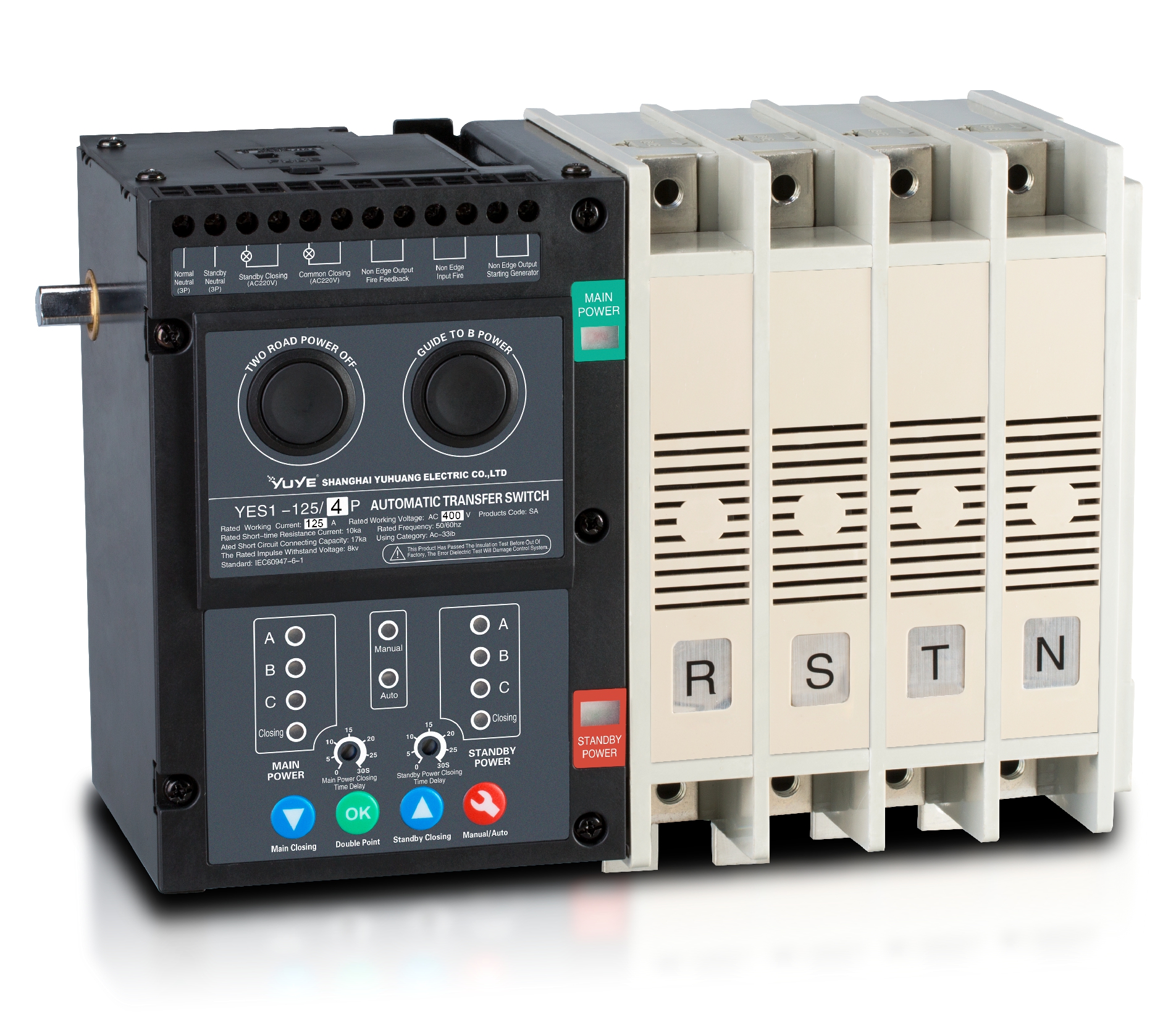 Solenoid-type ATS YES1-63~630SA
 Solenoid-type ATS YES1-63~630L/LA
 Solenoid-type ATS YES1-63~630LA3
 Solenoid-type ATS YES1-63MA
 PC ATS YES1-630~1600M
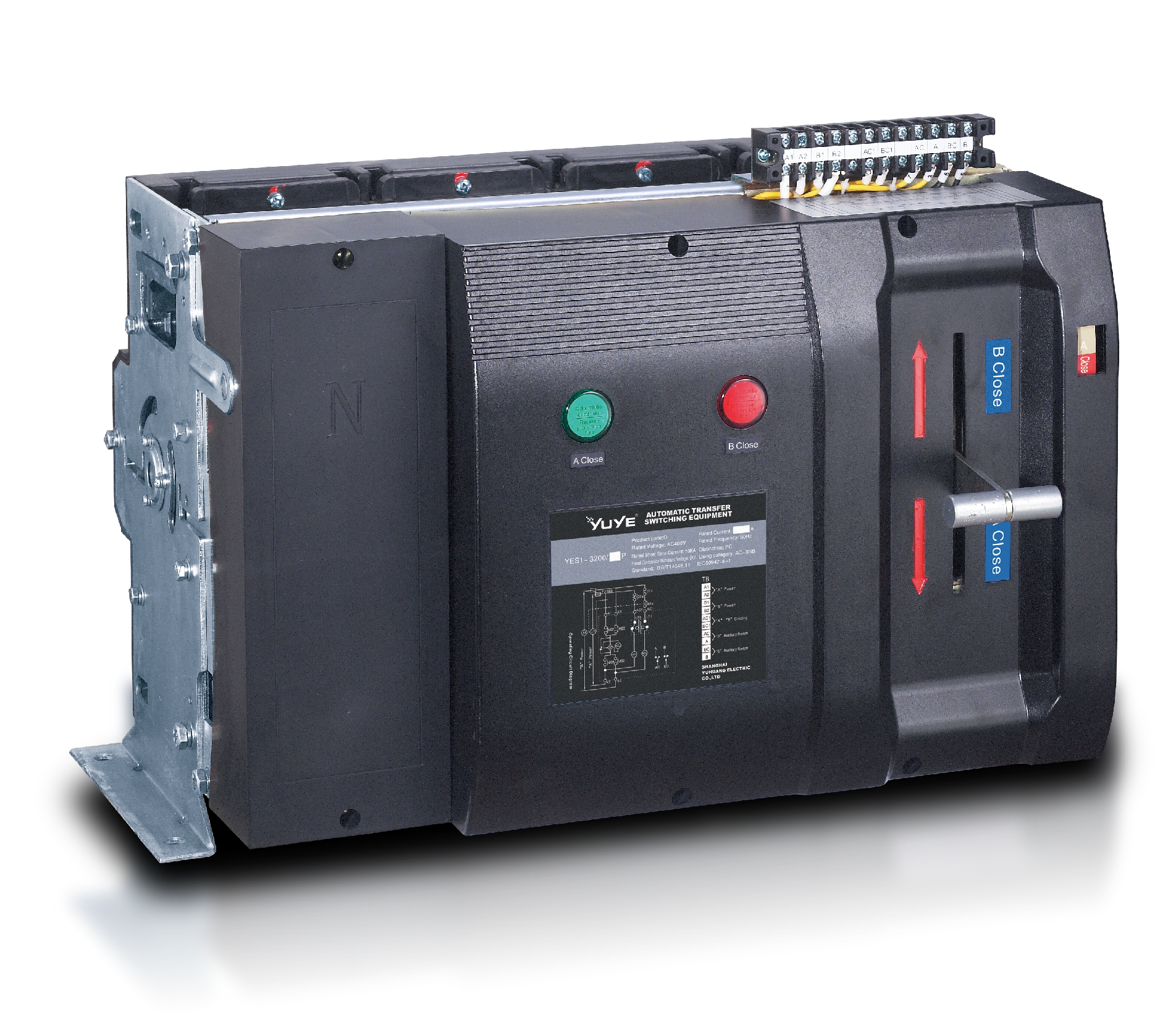 PC ATS YES1-3200Q
 Solenoid-type ATS YES1-4000~6300Q
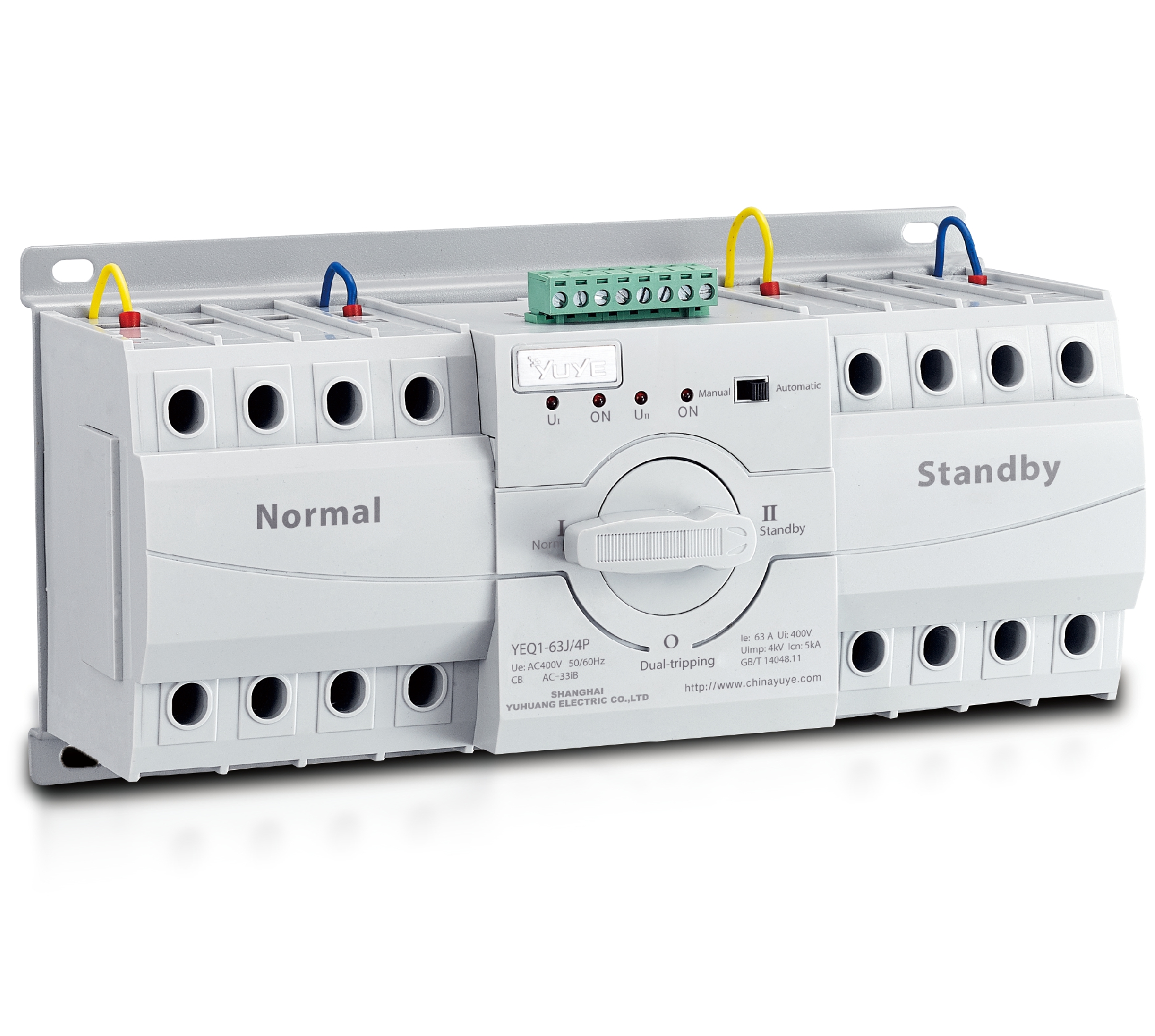 CB ATS YEQ1-63J
 CB ATS YEQ2Y-63
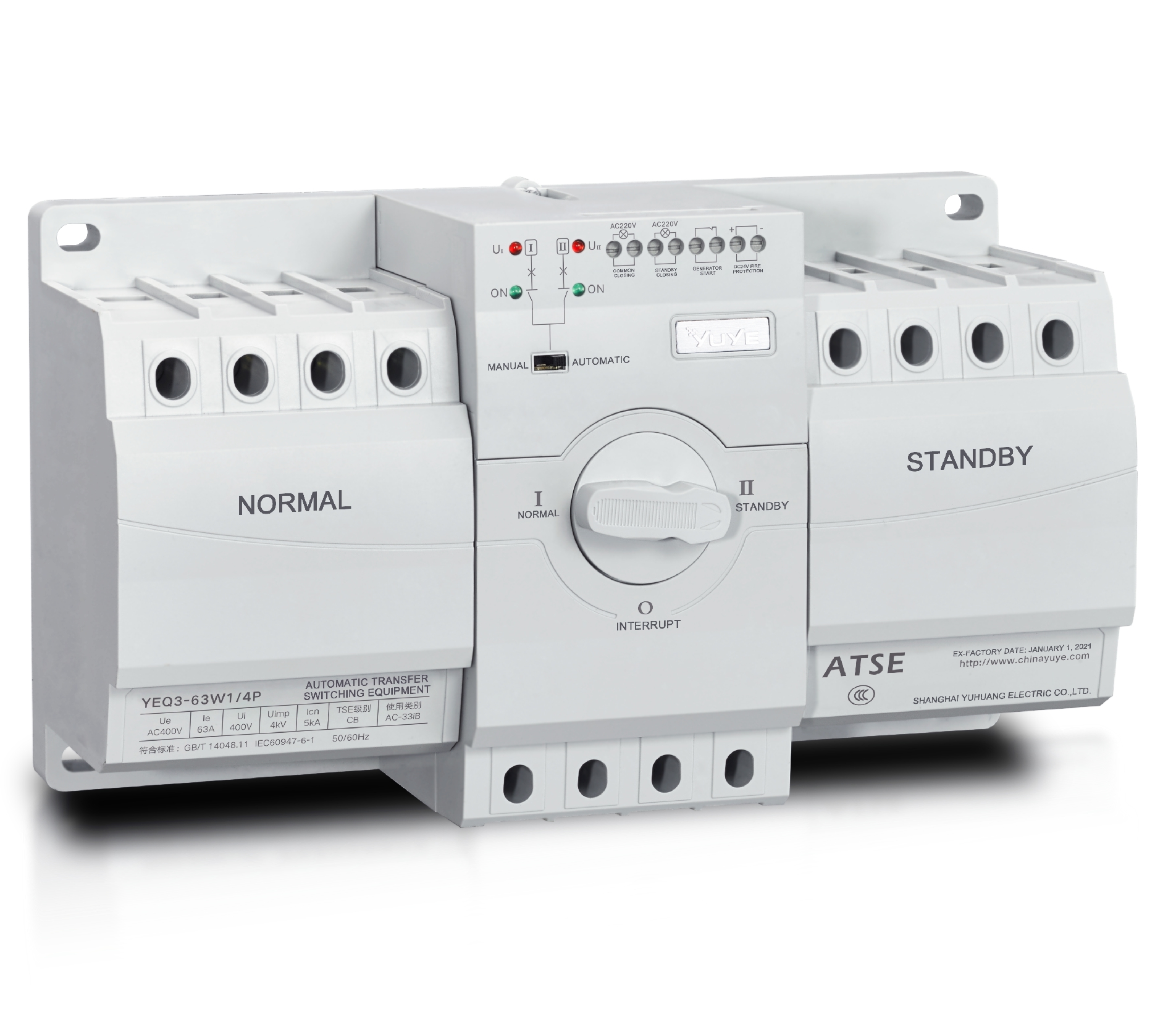 CB ATS YEQ3-63W1
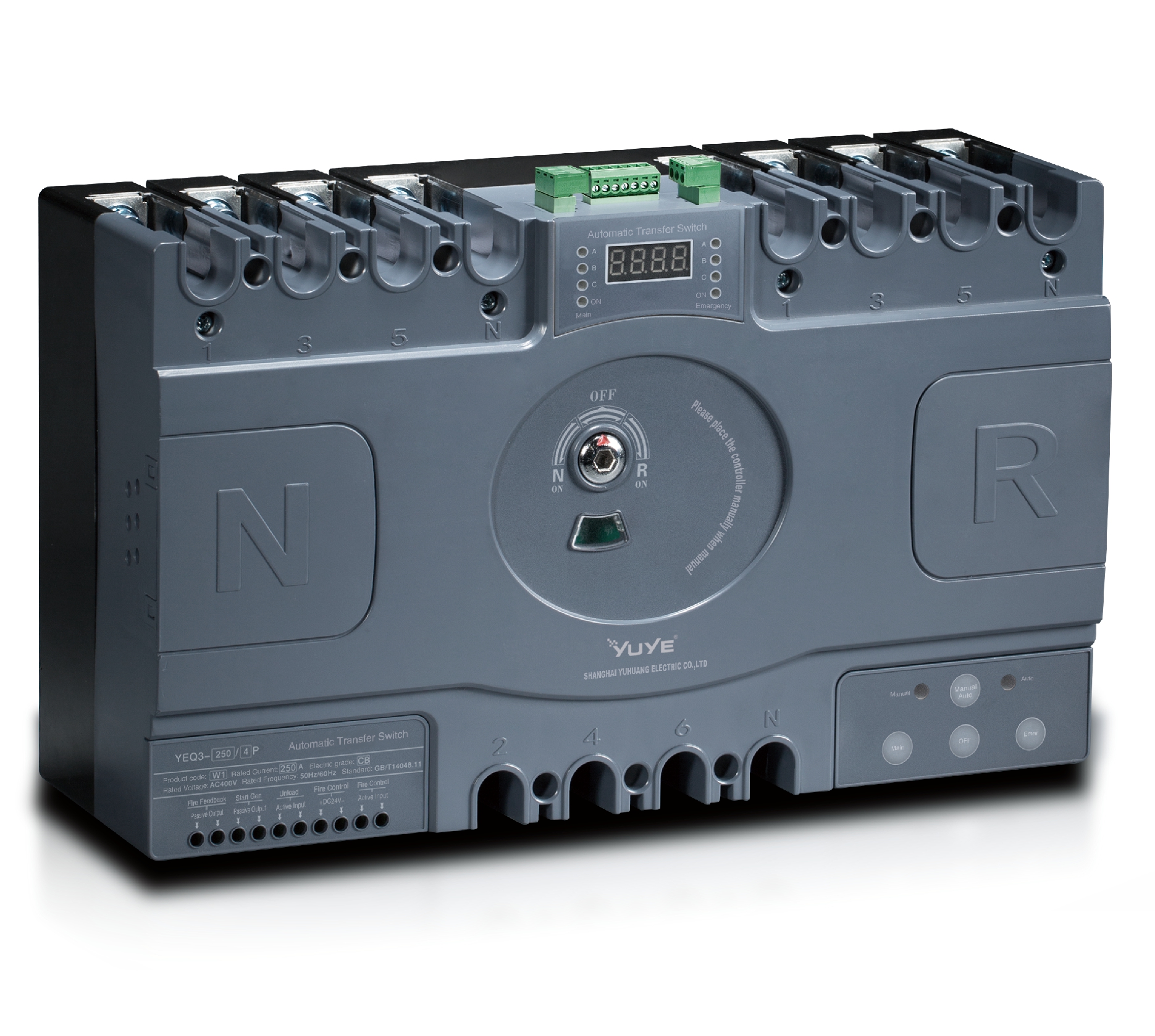 CB ATS YEQ3-125~630W1
 ATS controller Y-700
 ATS Controller Y-700N
 ATS Controller Y-701B
 ATS Controller Y-703N
 ATS Controller Y-800
 ATS Controller W2/W3 Series
 ATS switch Cabinet floor-to-ceiling
 ATS switch cabinet
 JXF-225A power Cbinet
 JXF-800A power Cbinet
 YEM3-125~800 Plastic Shell Type MCCB
 YEM3L-125~630 Leakage Type MCCB
 YEM3Z-125~800 Adjustable Type MCCB
 YEM1-63~1250 Plastic Shell Type MCCB
 YEM1E-100~800 Electronic Type MCCB
 YEM1L-100~630 Leakage Type MCCB
 Miniature circuit breaker YEMA2-6~100
 Miniature circuit breaker YEB1-3~63
 Miniature circuit breaker YEB1LE-3~63
 Miniature circuit breaker YEPN-3~32
 Miniature circuit breaker YEPNLE-3~32
 Miniature circuit breaker YENC-63~125
 Air Circuit Breaker YEW1-2000~6300
 Air Circuit Breaker YEW3-1600
 Load isolation switch YGL-63~3150
 Load Isolation Switch YGL2-63~3150
 Manual Changeover Switch YGL-100~630Z1A
 Manual Changeover Switch YGLZ1-100~3150
 YECPS2-45~125 LCD
 YECPS-45~125 Digital
 CNC Milling/Turning-OEM
 DC relay MDC-300M
 DC Isolation Switch YEGL3D-630
In the world of electrical systems, circuit breakers play a vital role in protecting residential and commercial properties from electrical faults. Among them, miniature circuit breakers are popular due to their compact size and high efficiency. However, many users often encounter the frustrating problem of frequent circuit tripping. This article aims to explore the reasons behind this phenomenon and draw on insights from Yuye Electric Co., Ltd., a leading manufacturer in the electrical industry.
The role of small circuit breakers
Before delving into the causes of frequent tripping, it is important to understand the main functions of miniature circuit breakers. These devices are designed to automatically interrupt the flow of electricity when an overload or short circuit occurs. By doing so, they protect the circuit from damage and prevent potential fire hazards. Miniature circuit breakers are usually rated for lower currents and are commonly used in residential settings to manage the electrical load of various appliances and devices.
Common causes of frequent tripping
1. Circuit Overload: One of the most common reasons why a mini circuit breaker frequently trips is circuit overload. This occurs when the total current of the connected devices exceeds the rated capacity of the circuit breaker. For example, if multiple high-powered appliances are used simultaneously on the same circuit, the circuit breaker may trip to prevent overheating and potential fire hazards. Users should ensure that the total load on the circuit does not exceed the rating of the circuit breaker, which is usually marked on the device itself.
2. Short Circuit: A short circuit occurs when an unexpected low-resistance path forms in an electrical circuit, causing excessive current to flow. This condition can be caused by damaged wires, faulty appliances, or loose connections. When a short circuit is detected, a miniature circuit breaker will trip immediately to protect the circuit from damage. Regular inspections of electrical wiring and appliances can help catch potential problems before they cause frequent tripping.
3. Ground Fault: A ground fault is similar to a short circuit, but involves current leaking to the ground. This can occur when a live wire touches a grounded surface or when moisture seeps into an electrical connection. Ground fault circuit interrupters (GFCIs) are designed to detect these faults and trip to prevent electric shock. If your mini-circuit breaker is tripping frequently, you may need to investigate whether there is a ground fault in your system.
4. Circuit Breaker Failure: Over time, circuit breakers may wear out or fail due to age, manufacturing defects, or exposure to environmental factors. A faulty circuit breaker may trip more frequently than necessary, causing inconvenience and potential safety hazards. In this case, it is recommended to consult a qualified electrician or contact Yuye Electric Co., Ltd. for a replacement or upgrade to a more reliable model.
5. Environmental factors: External factors such as temperature fluctuations, humidity, and dust accumulation can also affect the performance of mini circuit breakers. High temperatures can cause circuit breakers to trip more easily, while excessive moisture can cause corrosion and electrical failures. Regular maintenance and cleaning of distribution boards can help alleviate these problems and ensure optimal performance.
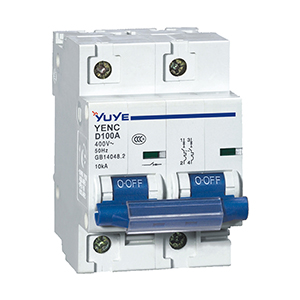
Solutions to prevent frequent tripping
To address the problem of frequent tripping, users can take several proactive measures:
Load Management: Spreading the electrical load across multiple circuits helps prevent overloads. Users should be aware of the power draw of their appliances and avoid using multiple high-power devices on the same circuit at the same time.
Regular Inspection: Regular inspections of electrical wiring, appliances, and circuit breakers can help detect potential problems before they become problems. Users should watch for signs of wear, damage, or loose connections and resolve them promptly.
Upgrade Circuit Breakers: If frequent tripping persists despite taking preventive measures, you may want to consider upgrading to a higher rated circuit breaker or a more advanced model. Yuye Electrical Co., Ltd. offers a range of reliable circuit breakers designed to meet a variety of electrical needs, ensuring safety and efficiency.
Consult a Professional: When in doubt, it’s best to consult a licensed electrician. They can conduct a comprehensive assessment of your electrical system, identify potential problems, and recommend appropriate solutions.
Frequent tripping of miniature circuit breakers is a source of annoyance for many users. Understanding common causes, such as circuit overloads, short circuits, ground faults, circuit breaker failures, and environmental factors, is essential for effective troubleshooting. By implementing load management strategies, performing regular inspections, and considering upgrades from reputable manufacturers such as Yuye Electrical Co., Ltd., users can improve the reliability of their electrical systems and minimize the risk of tripping. Ultimately, ensuring the safety and efficiency of circuits is essential to protecting property and individuals from potential hazards.