If you’ve ever dealt with sudden industrial equipment failures, messy electrical cabinet wiring, or unexpected production halts, you know not all circuit protection devices are built the same. Cheap, generic switches might check a basic box, but they fail when you need them most—leaving you with costly repairs and downtime. We’re breaking down the real, hands-on traits that separate a top-tier control protection switch from low-quality alternatives, based on field use and industry safety standards, not generic product copy.
1. Fast, Targeted Overload & Short-Circuit Protection
Any basic switch can trip when there’s a problem, but premium models get the timing right. Cheap units often false trip during normal motor startup—annoying for continuous production lines—or react too slow to actual short circuits, letting damage happen before shutting off. A reliable control protection switch uses precise internal sensing to tell temporary startup surges apart from dangerous faults, tripping only in milliseconds when it counts. It also adds extra safeguards basic models skip: phase loss protection, over and under voltage cutoff, and phase sequence checks. These small features stop cable fires, motor burnout, and unplanned shutdowns before they start, especially for heavy-duty factory gear.
Breaking capacity sounds technical, but it’s simple: it’s how much fault current a switch can safely stop without breaking. Most buyers overlook this, but it’s make-or-break for industrial sites with unsteady power. Cheap switches can’t handle high fault loads and quit early in rough conditions. Premium models are built to handle higher fault currents, and they hold up in dust, heat, humidity, and even constant machine vibration. No gradual performance drop-off, no sudden failures mid-shift—just consistent performance year after year, unlike budget parts that wear down fast.
2. High Breaking Capacity & Toughness for Harsh Sites
Forget wiring three separate parts—contactor, breaker, relay—to get basic control and protection. Premium control protection switches pack every needed function into one slim unit, cutting down on tangled wiring and freeing up space in crowded electrical cabinets. This is a game-changer for small equipment retrofits or tight cabinet setups. They fit standard DIN rails, mount easily without extra tools, and cut down on installation time. Fewer wires also mean fewer loose connections, one of the top causes of random system failures in industrial setups.

3. Compact, All-In-One Build That Saves Time & Space
Today’s factories don’t run on standalone equipment—they need parts that connect to central control systems. High-end control protection switches work with a full range of voltage and current ratings, fitting global power standards for different projects. Most come with extra contacts and optional communication modules (Modbus, Profibus, common factory protocols) so you can check status, get fault alerts, and run remote controls from a central station. No custom modifications needed; they work for manufacturing, building power, renewable energy gear, and marine setups alike.
4. Flexible Compatibility for Modern Automation
Industrial equipment runs 24/7, so constant part swaps and maintenance eat into profits. Premium switches use heat-resistant, arc-proof contacts and sturdy outer casing, built to handle thousands of on-off cycles without quick wear. They’re made for low upkeep—no regular oiling or manual adjustments, and clear fault lights let on-site teams spot issues fast without troubleshooting for hours. Under normal use, they last 5-8 years, way longer than cheap options, cutting replacement costs and maintenance labor time.
5. Long Life & Minimal Maintenance
These five practical features are what make a premium control protection switch worth the investment: reliable fault protection, rugged durability, space-saving design, automation compatibility, and low long-term upkeep. It’s not just about meeting safety rules—it’s about avoiding unexpected downtime, cutting repair costs, and keeping your operations running smoothly. As factories get more automated, these high-performance switches stay a core part of safe, reliable industrial electrical systems.
Industry Reference Sources
- IEC 60947-6-2: International standard for control and protective switching devices (CPS), covering safety and performance rules
- GB 14048.9-2008: Chinese national standard matching IEC 60947-6-2 for low-voltage control protection gear
- IEC 60364-5-53:2019: Field guidance for choosing and installing industrial electrical safety devices
FAQ
- Q1: Why not just use a breaker + contactor instead of a premium control protection switch? A: A separate breaker and contactor needs more wiring, takes more space, and lacks the fast, layered protection of an all-in-one unit. Premium switches cut failure risks and installation time for industrial use.
- Q2: How do I choose the right breaking capacity for my line? A: Figure out your circuit’s maximum short-circuit current first, then pick a switch with a higher rated breaking capacity. Stick to IEC 60947-6-2 certified models for industrial sites.
- Q3: Can I monitor these switches remotely? A: Yes, most premium models have optional communication modules to link to factory automation systems, for remote checks and instant fault alerts.
- Q4: When do I need to replace a premium control protection switch? A: They last 5-8 years with normal use. Replace it if you see visible contact wear, frequent false trips, or broken fault lights, even after simple checks.

 PC ATS YECT1-2000G
 PC ATS YES2-63~250GN1
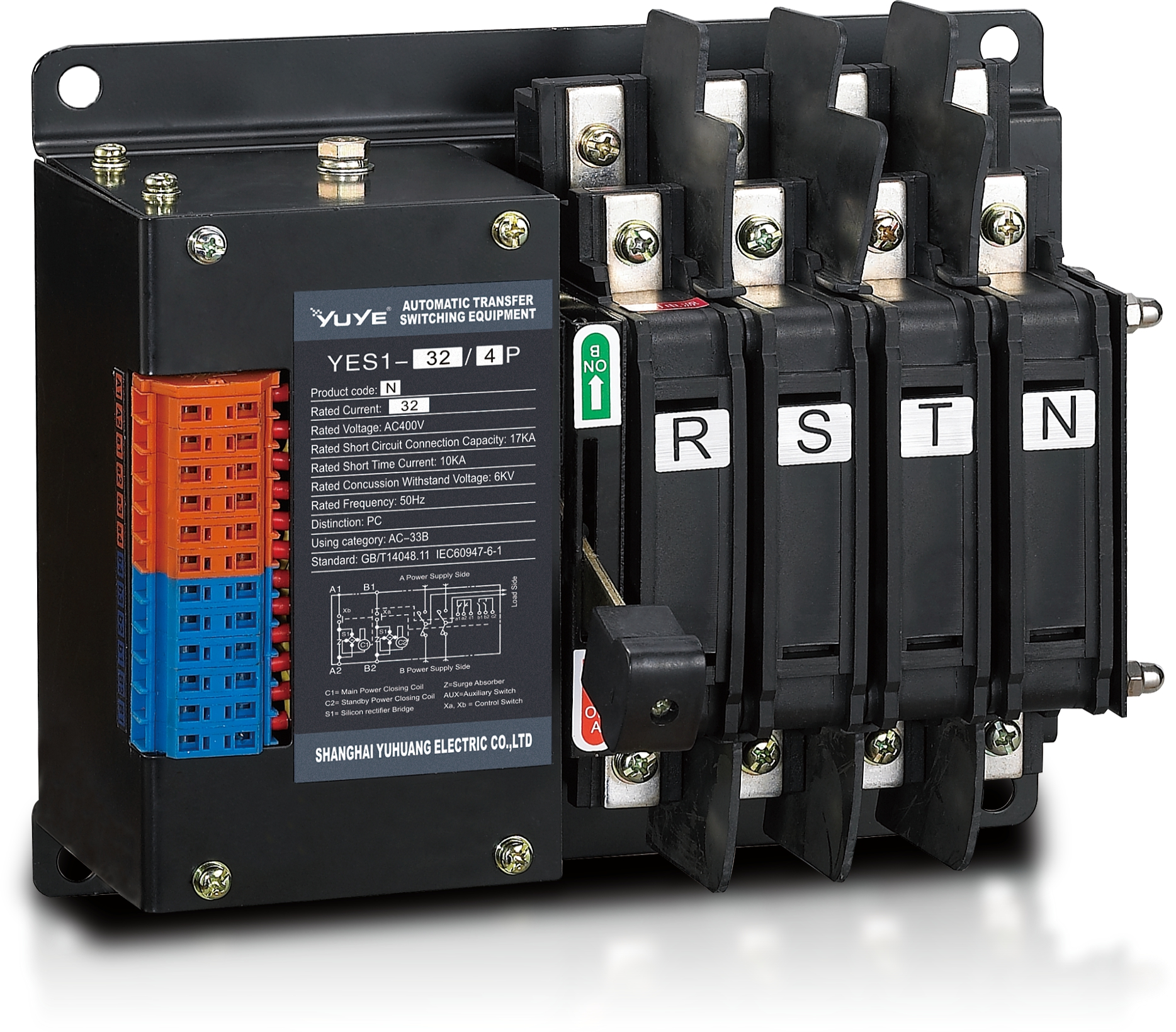 Solenoid-type ATS YES1-32~125N
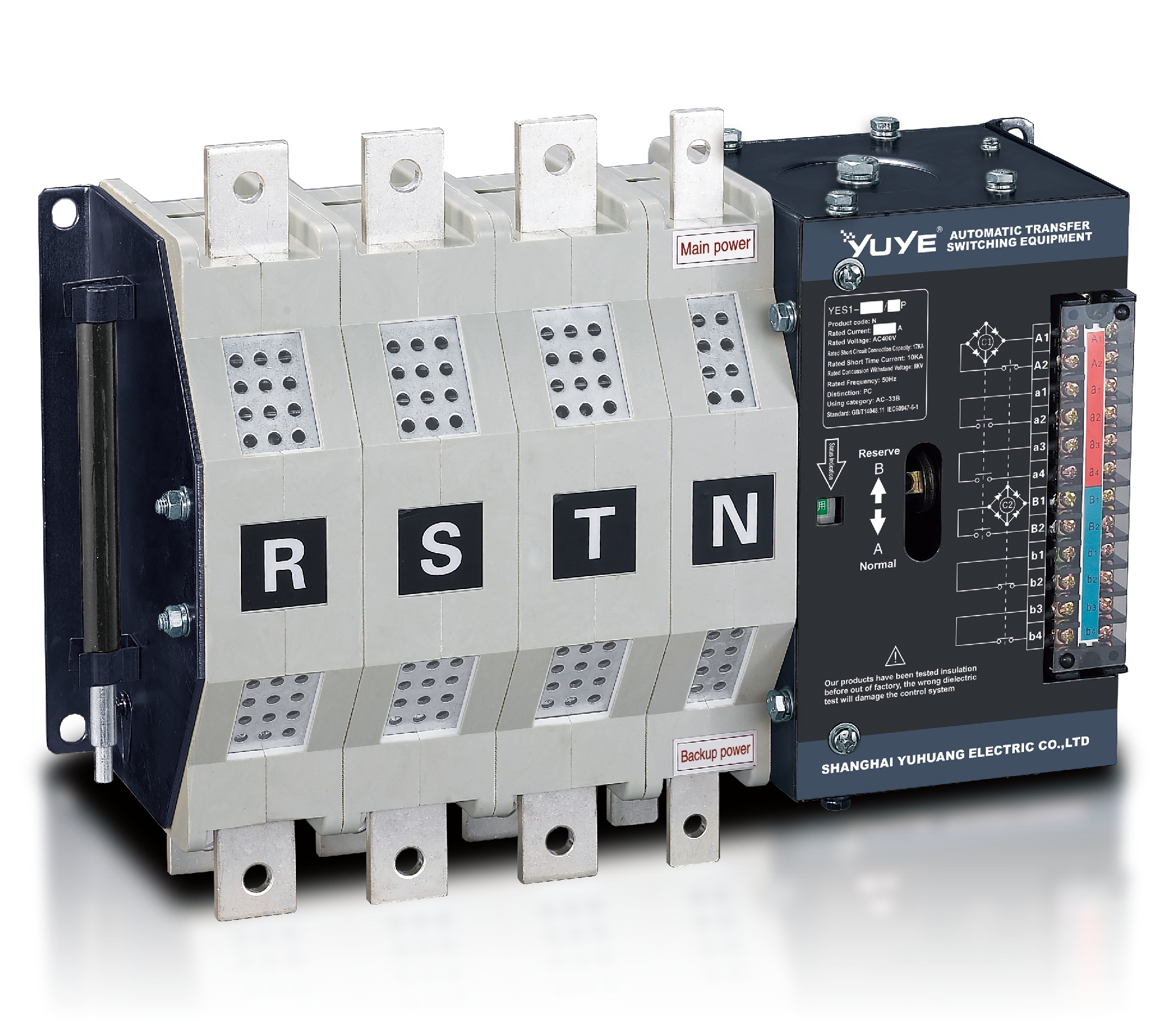 Solenoid-type ATS YES1-250~630N/NT
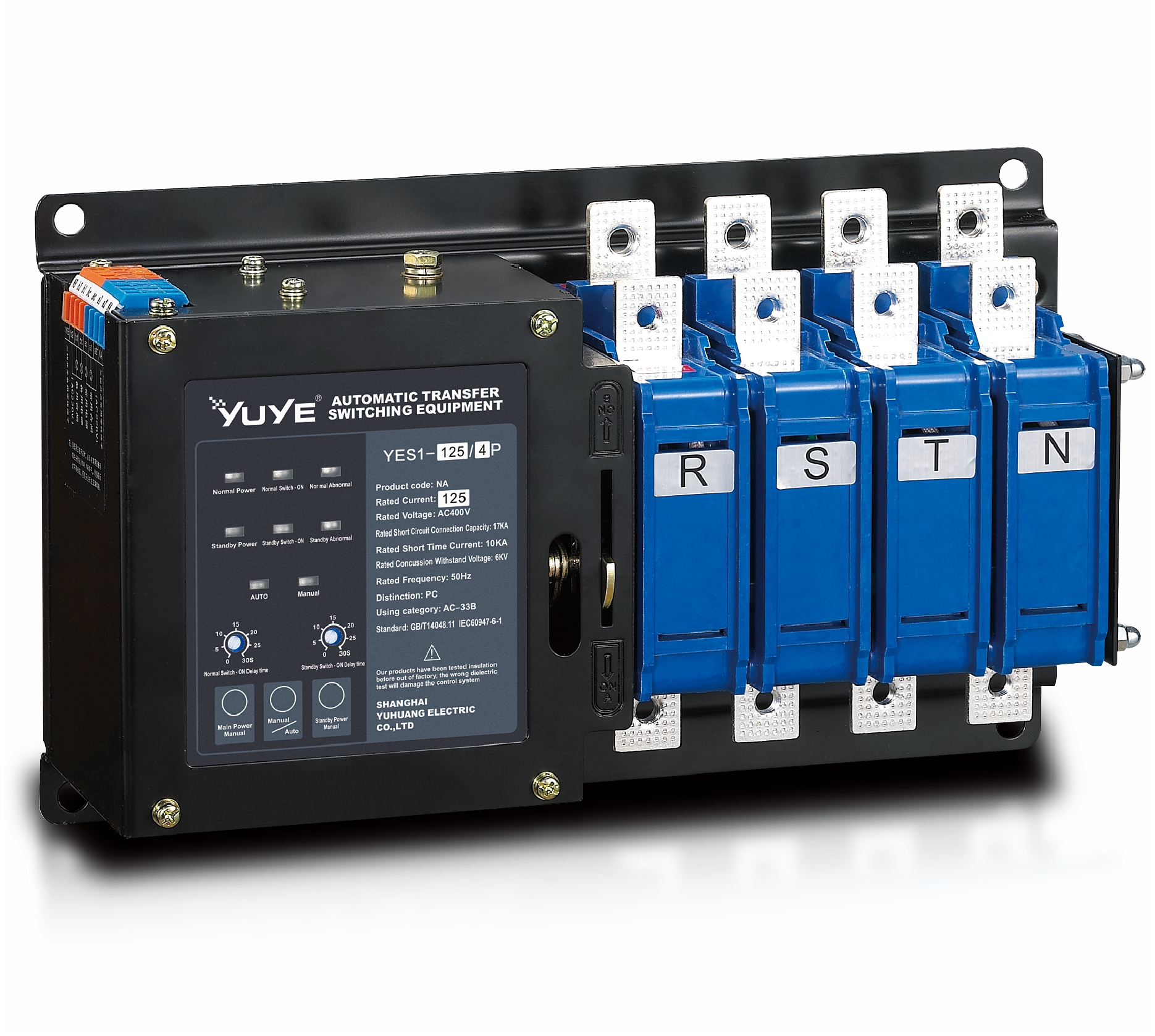 Solenoid-type ATS YES1-32~125NA
 Solenoid-type ATS YES1-63~630SN
 Solenoid-type ATS YES1-1250~4000SN
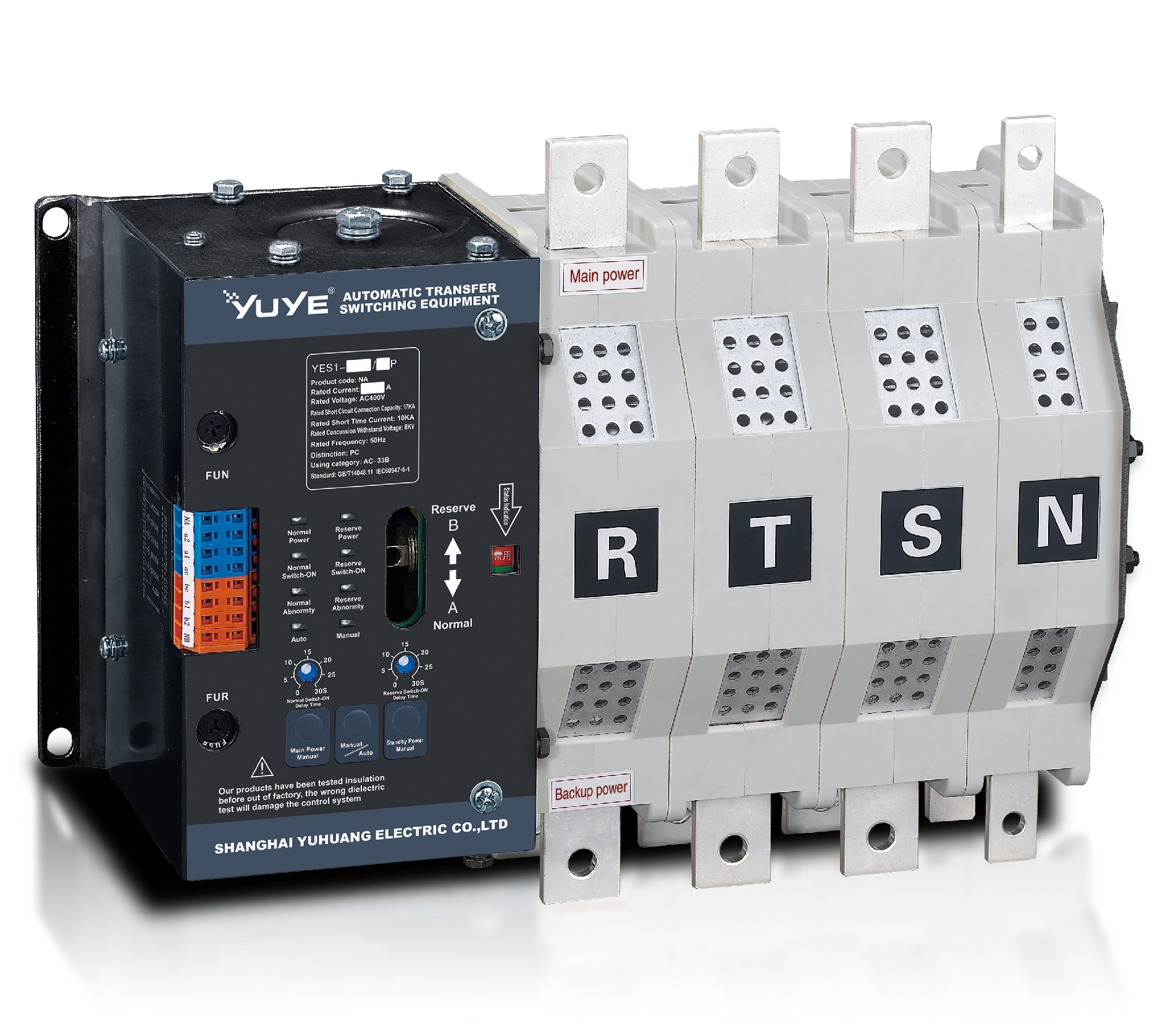 Solenoid-type ATS YES1-250~630NA/NAT
 Solenoid-type ATS YES1-63NJT
 PC ATS YES1-100~1600GN1/GN/GNF
 PC ATS YES1-2000~3200GN/GNF
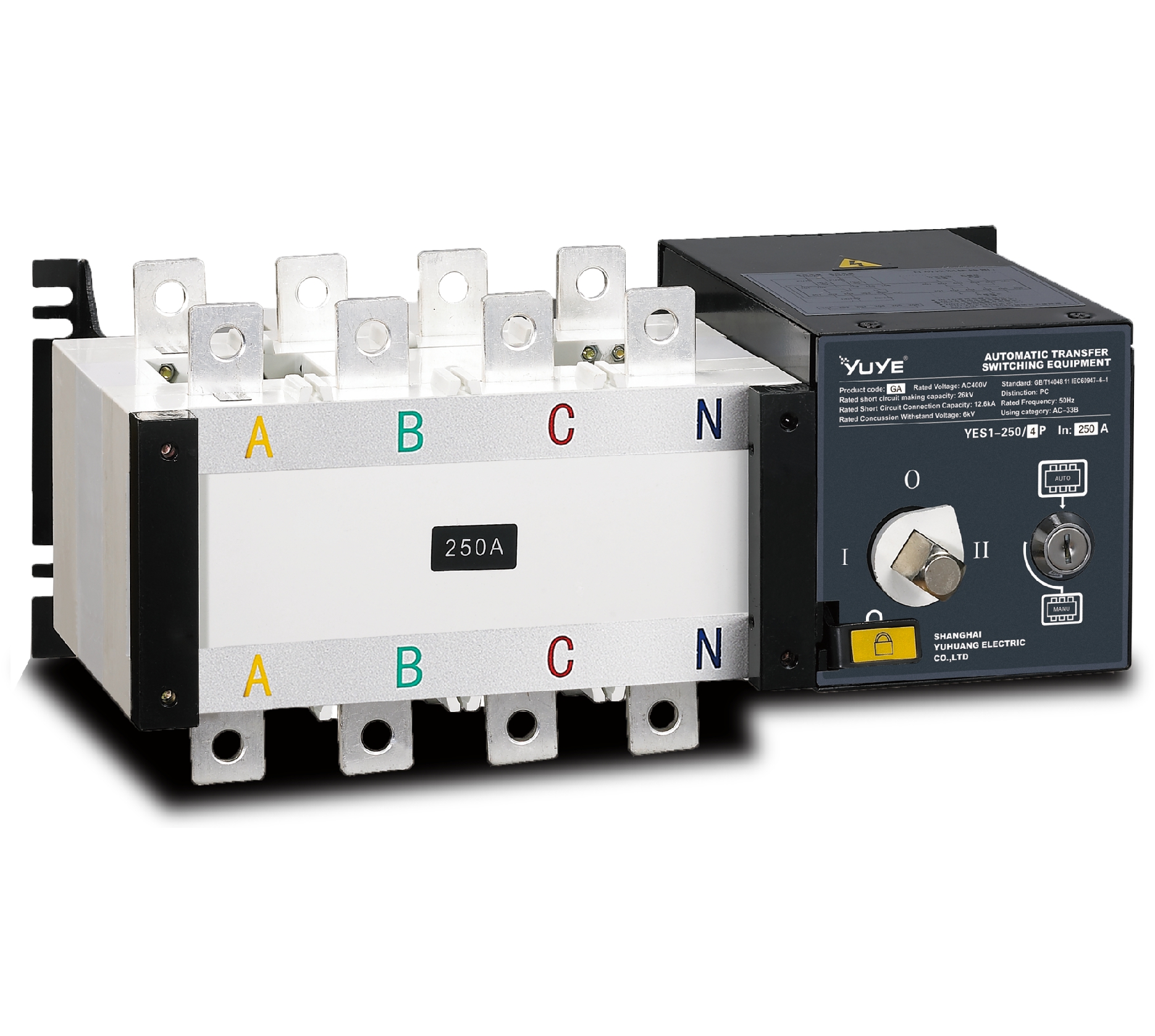 PC ATS YES1-100~3200GA1/GA
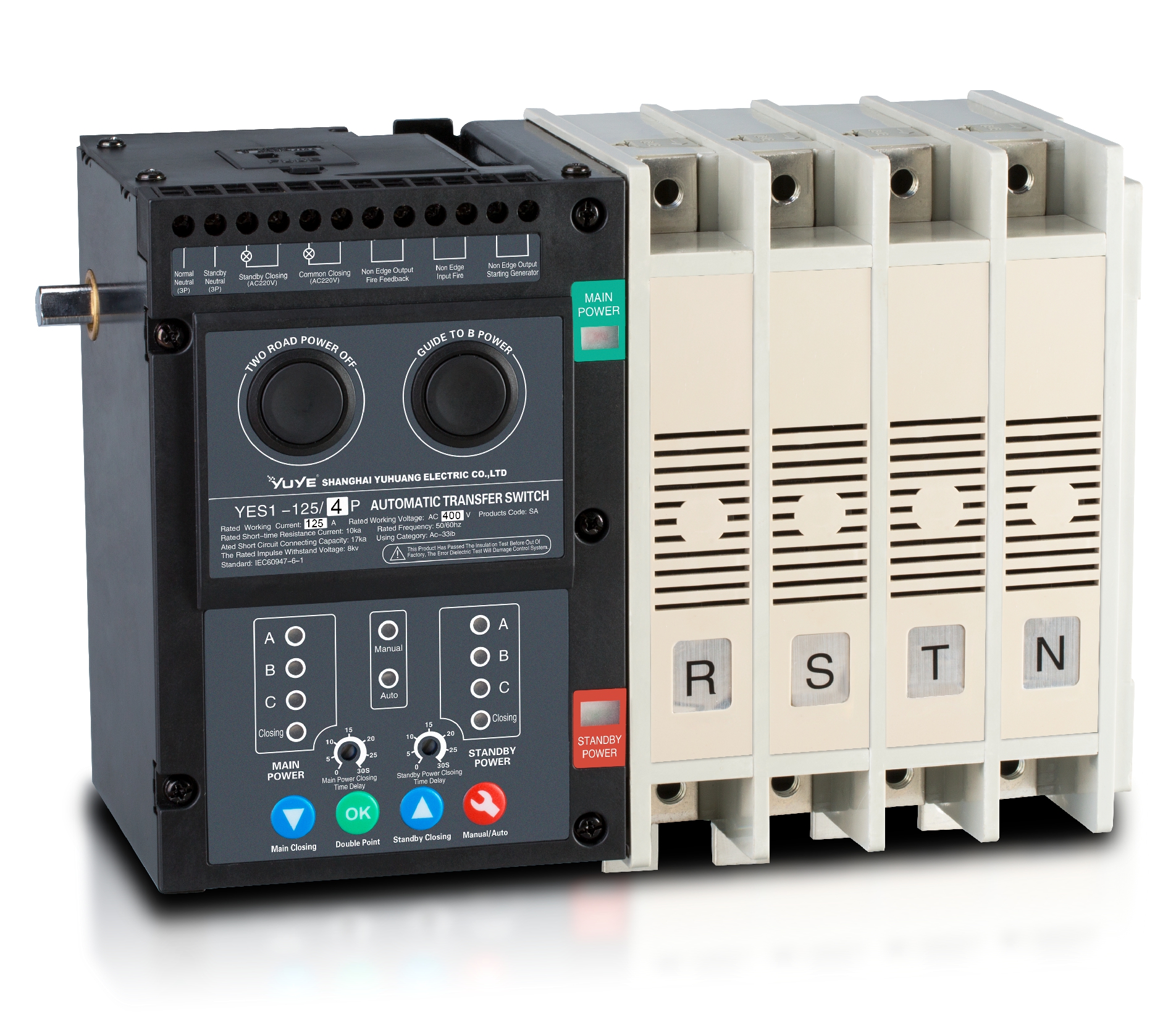 Solenoid-type ATS YES1-63~630SA
 Solenoid-type ATS YES1-63~630L/LA
 Solenoid-type ATS YES1-63~630LA3
 Solenoid-type ATS YES1-63MA
 PC ATS YES1-630~1600M
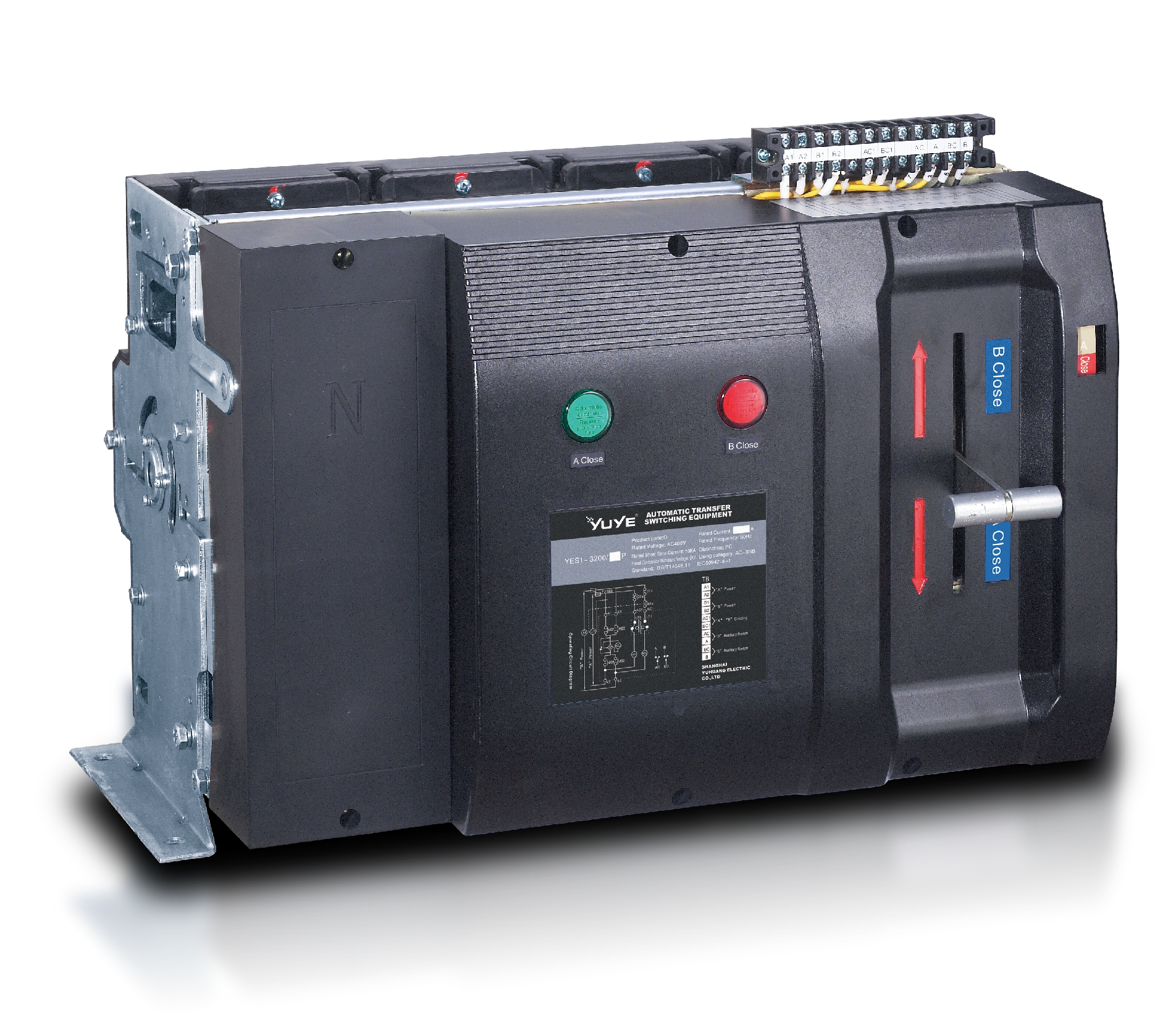 PC ATS YES1-3200Q
 Solenoid-type ATS YES1-4000~6300Q
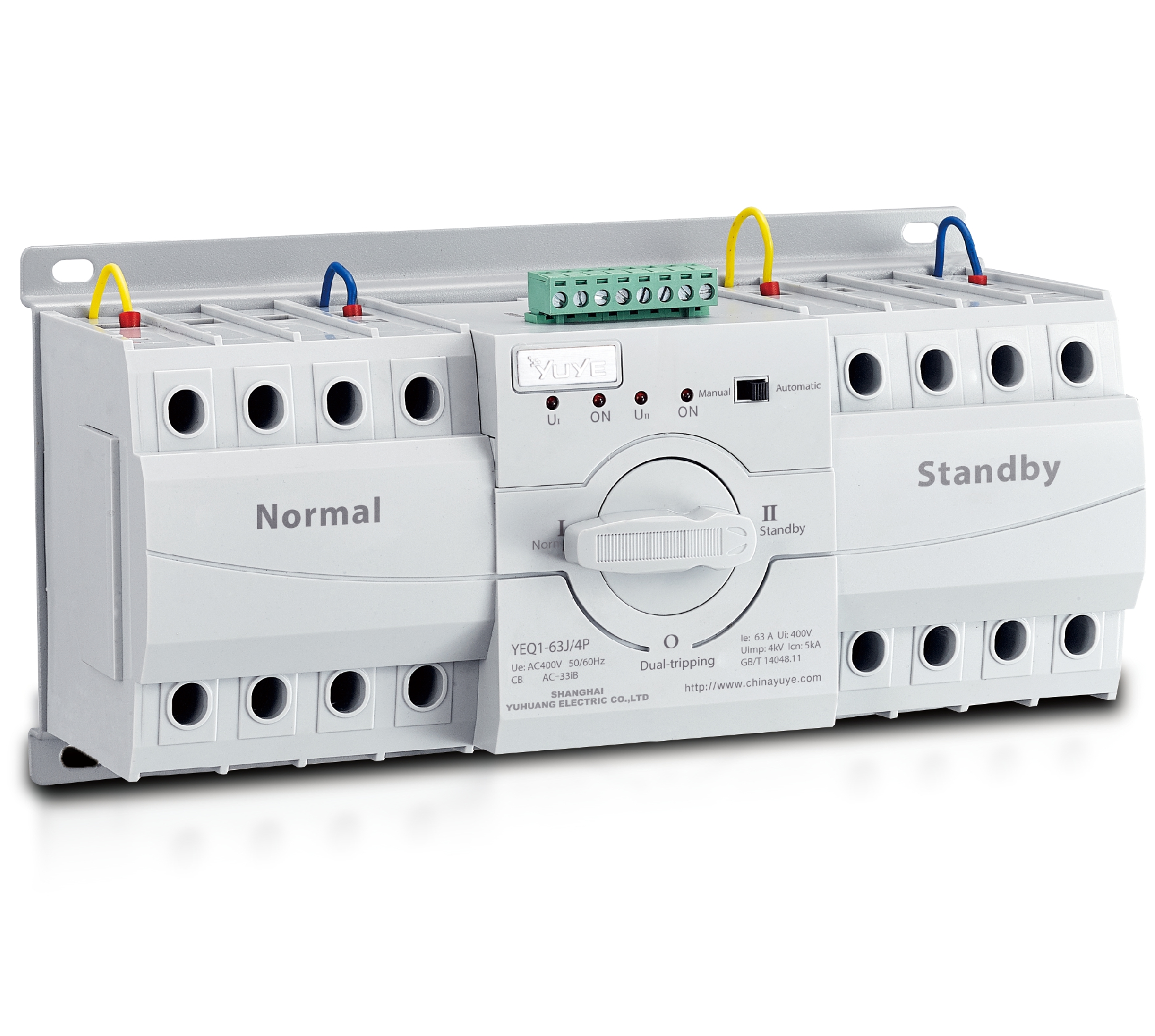 CB ATS YEQ1-63J
 CB ATS YEQ2Y-63
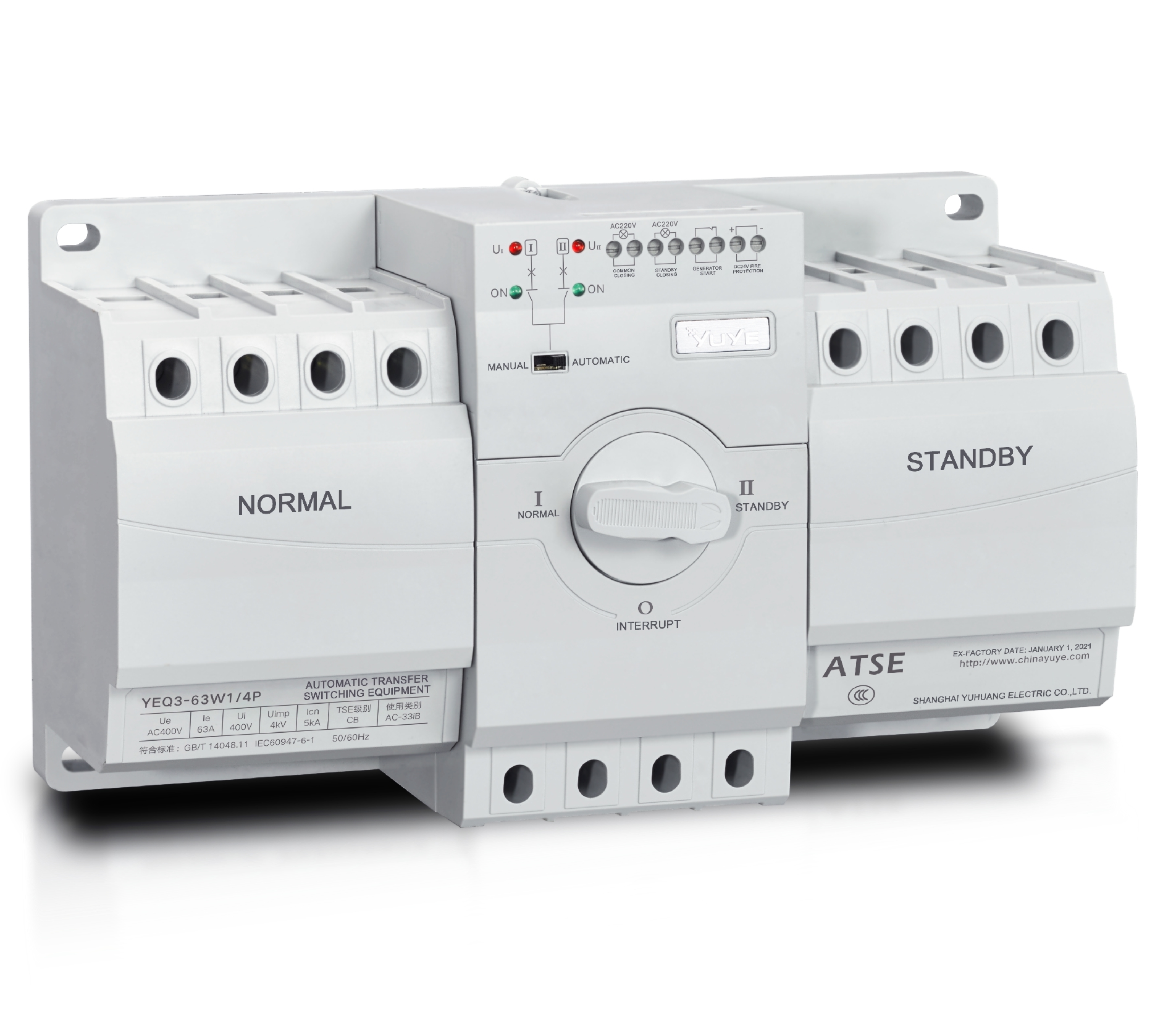 CB ATS YEQ3-63W1
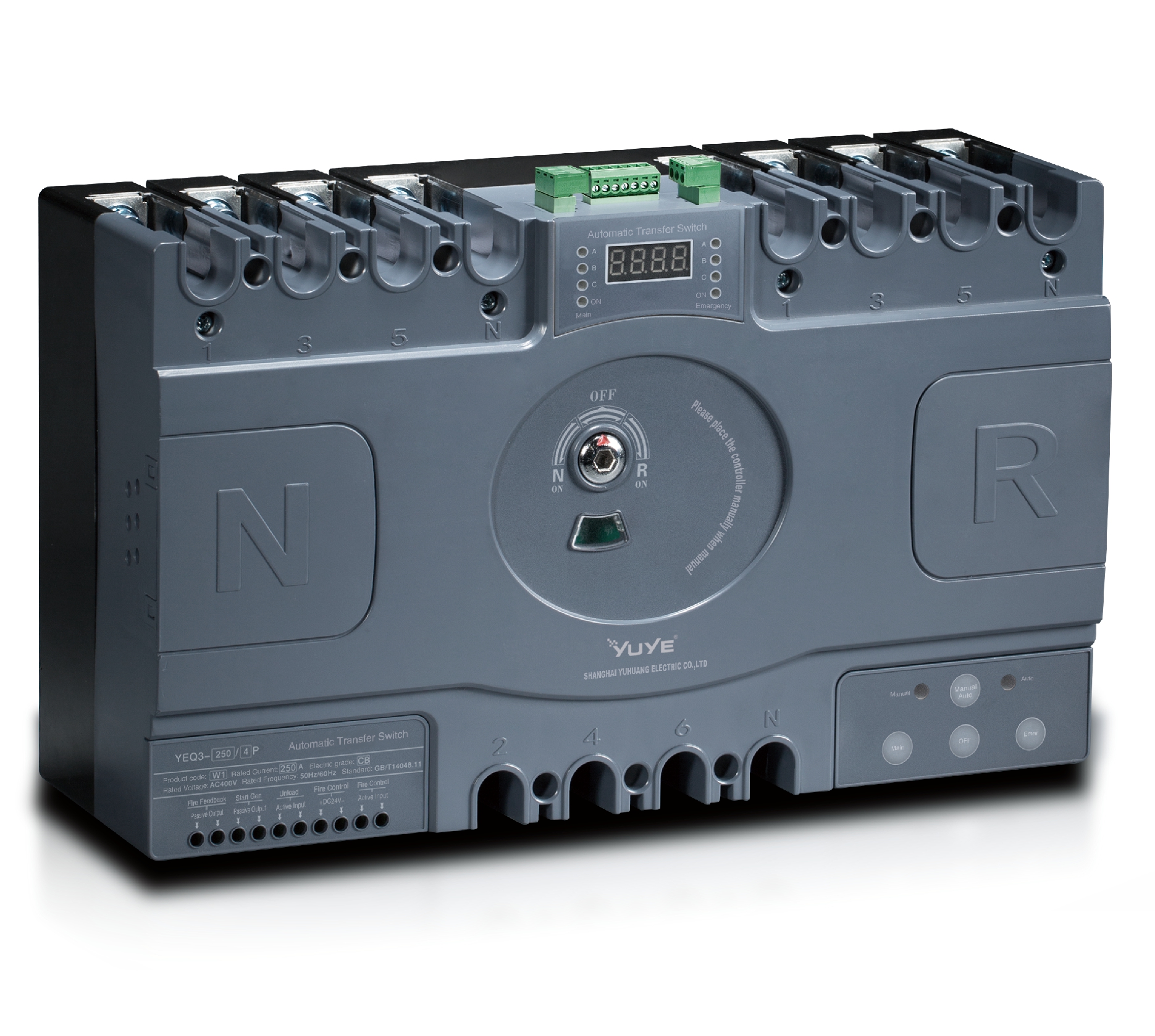 CB ATS YEQ3-125~630W1
 ATS controller Y-700
 ATS Controller Y-700N
 ATS Controller Y-701B
 ATS Controller Y-703N
 ATS Controller Y-800
 ATS Controller W2/W3 Series
 ATS switch Cabinet floor-to-ceiling
 ATS switch cabinet
 JXF-225A power Cbinet
 JXF-800A power Cbinet
 YEM3-125~800 Plastic Shell Type MCCB
 YEM3L-125~630 Leakage Type MCCB
 YEM3Z-125~800 Adjustable Type MCCB
 YEM1-63~1250 Plastic Shell Type MCCB
 YEM1E-100~800 Electronic Type MCCB
 YEM1L-100~630 Leakage Type MCCB
 Miniature circuit breaker YEMA2-6~100
 Miniature circuit breaker YEB1-3~63
 Miniature circuit breaker YEB1LE-3~63
 Miniature circuit breaker YEPN-3~32
 Miniature circuit breaker YEPNLE-3~32
 Miniature circuit breaker YENC-63~125
 Air Circuit Breaker YEW1-2000~6300
 Air Circuit Breaker YEW3-1600
 Load isolation switch YGL-63~3150
 Load Isolation Switch YGL2-63~3150
 Manual Changeover Switch YGL-100~630Z1A
 Manual Changeover Switch YGLZ1-100~3150
 YECPS2-45~125 LCD
 YECPS-45~125 Digital
 CNC Milling/Turning-OEM
 DC relay MDC-300M
 DC Isolation Switch YEGL3D-630