
 PC ATS YECT1-2000G
 PC ATS YES2-63~250GN1
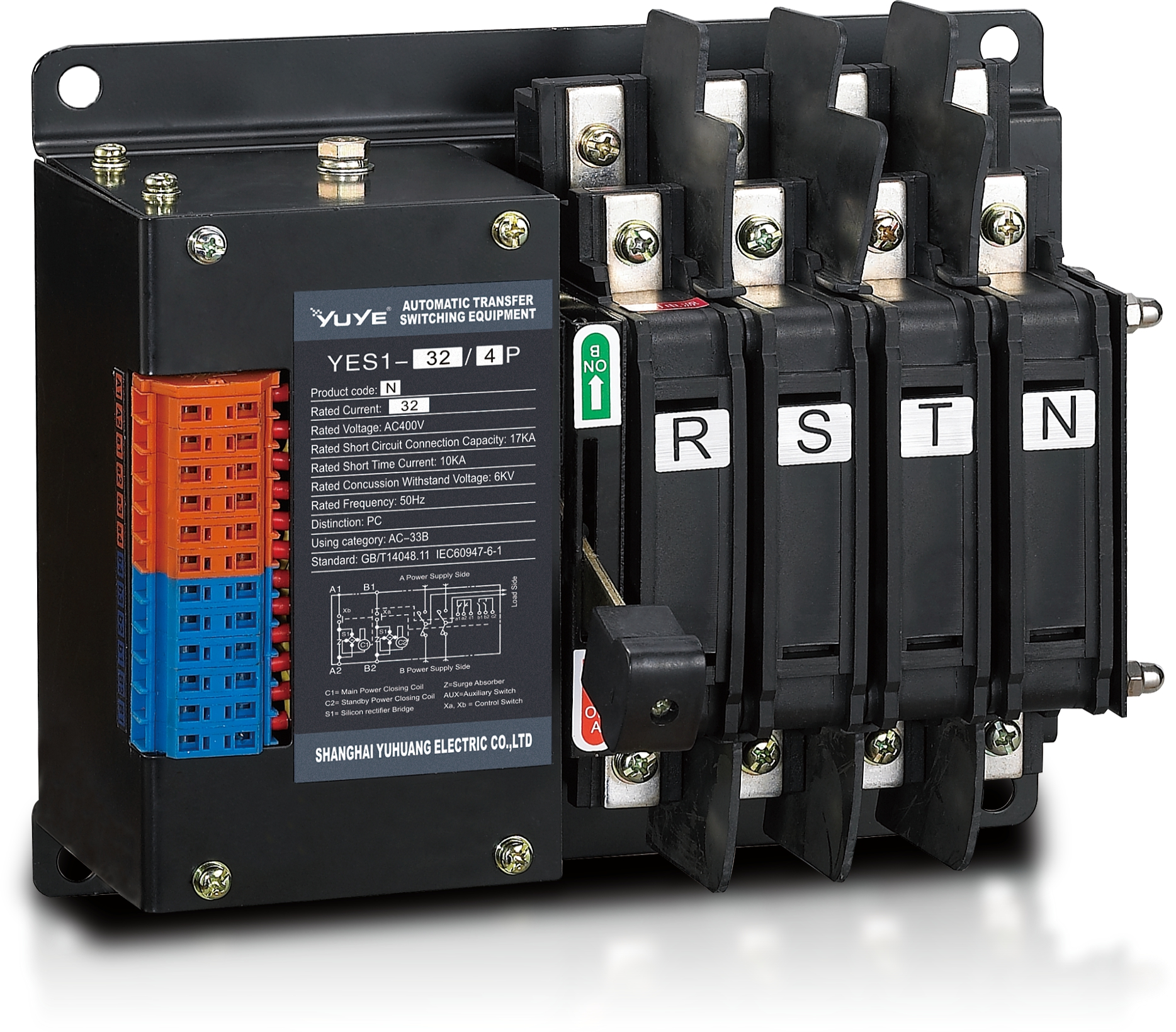 Solenoid-type ATS YES1-32~125N
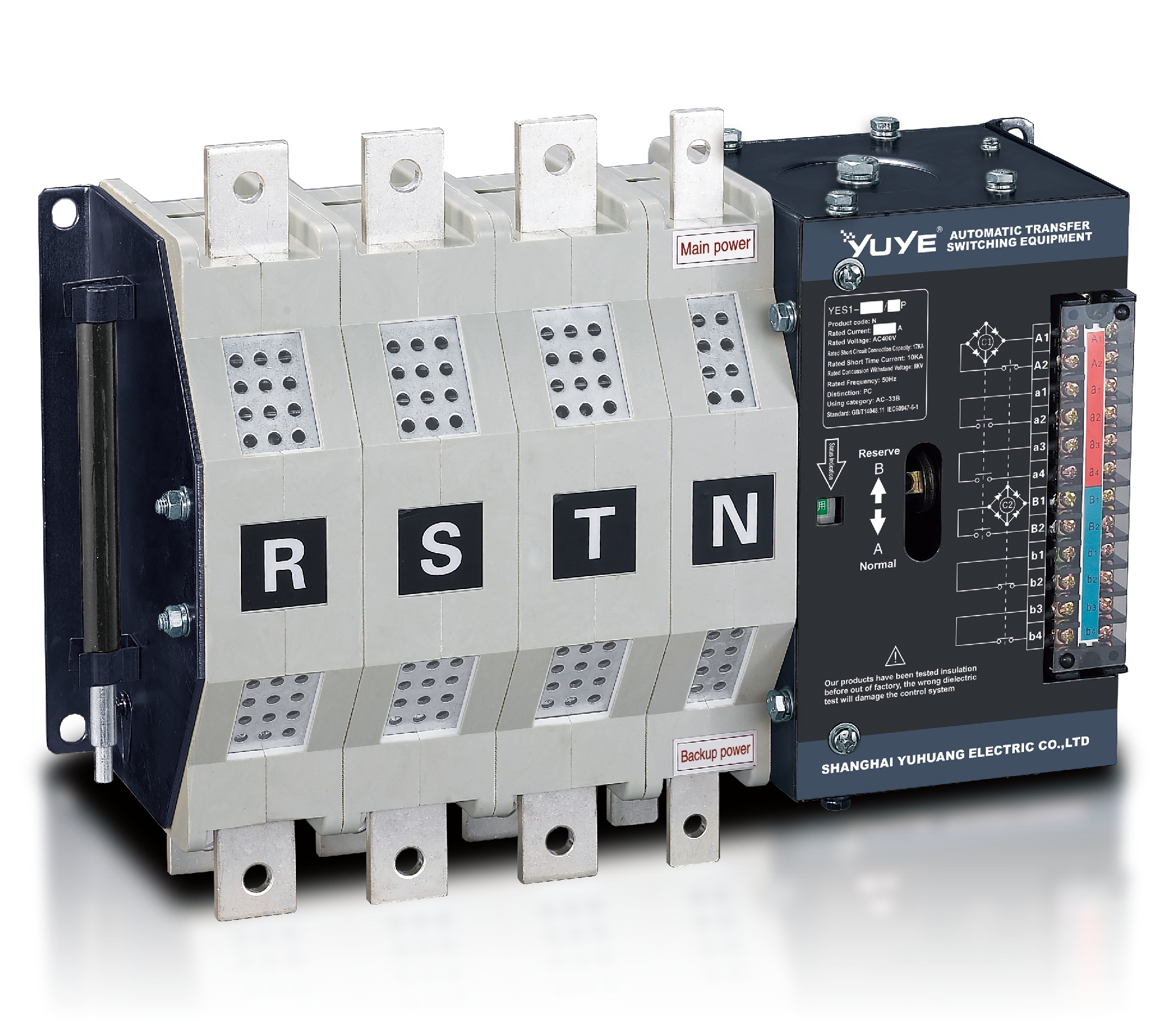 Solenoid-type ATS YES1-250~630N/NT
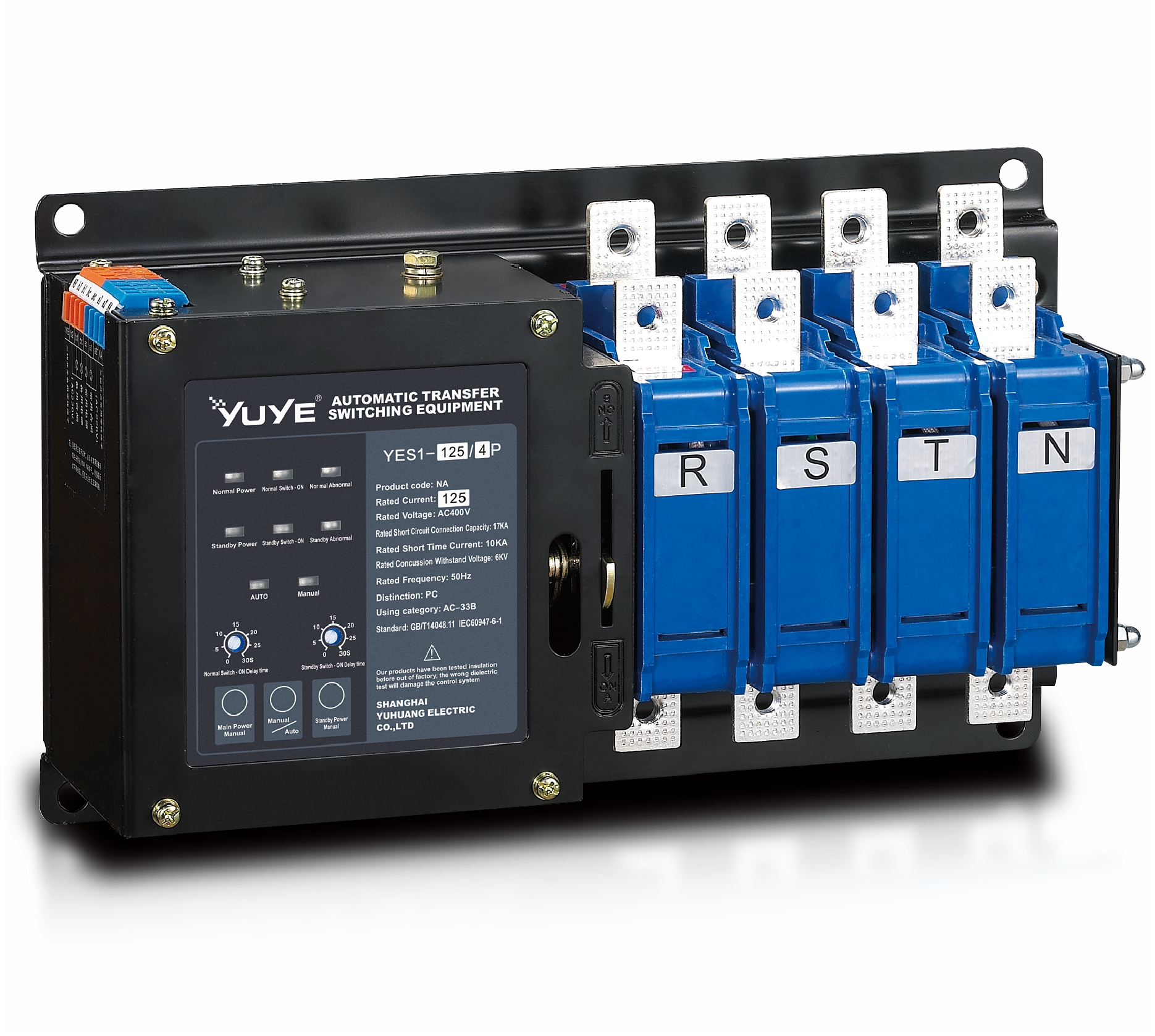 Solenoid-type ATS YES1-32~125NA
 Solenoid-type ATS YES1-63~630SN
 Solenoid-type ATS YES1-1250~4000SN
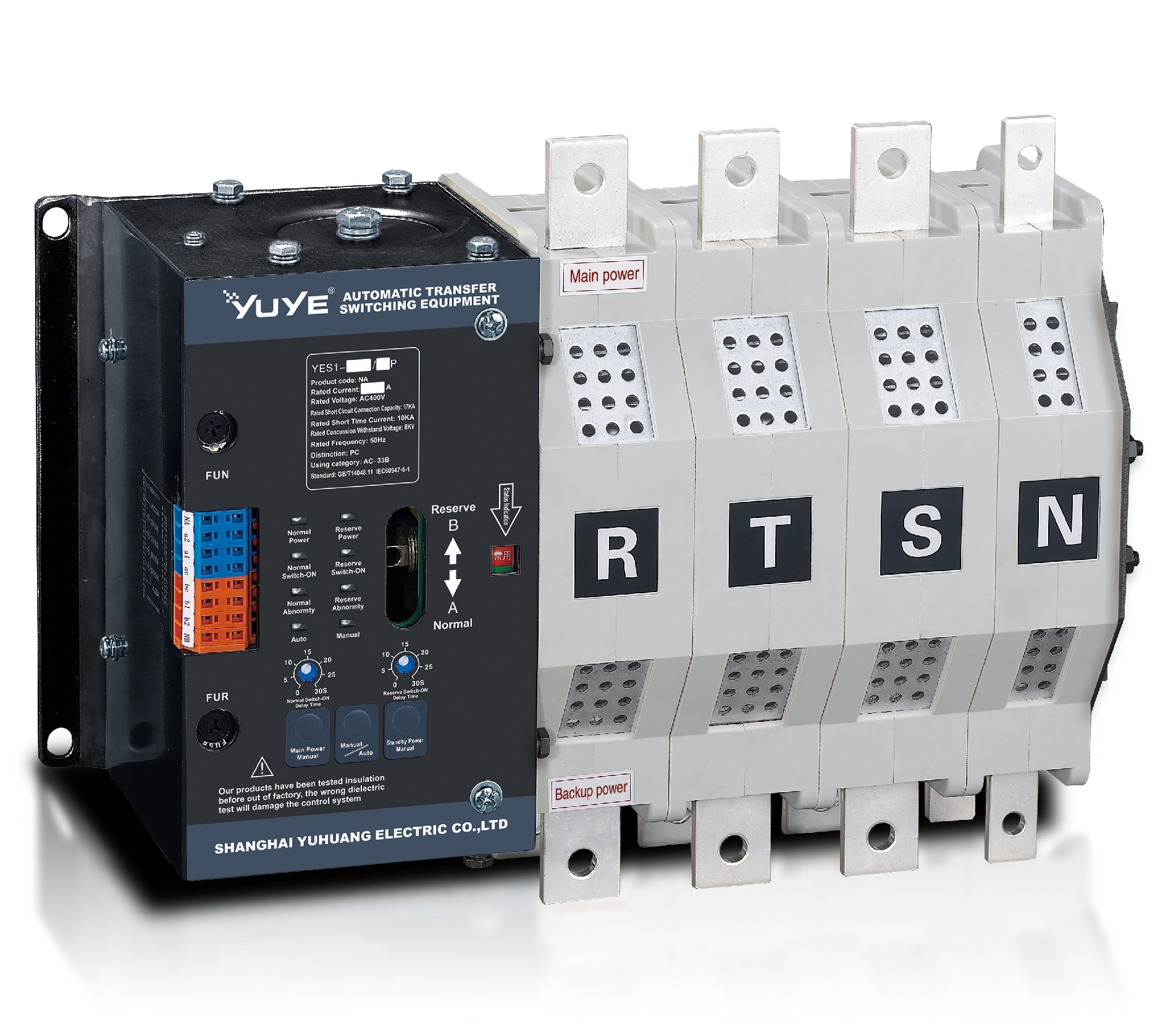 Solenoid-type ATS YES1-250~630NA/NAT
 Solenoid-type ATS YES1-63NJT
 PC ATS YES1-100~1600GN1/GN/GNF
 PC ATS YES1-2000~3200GN/GNF
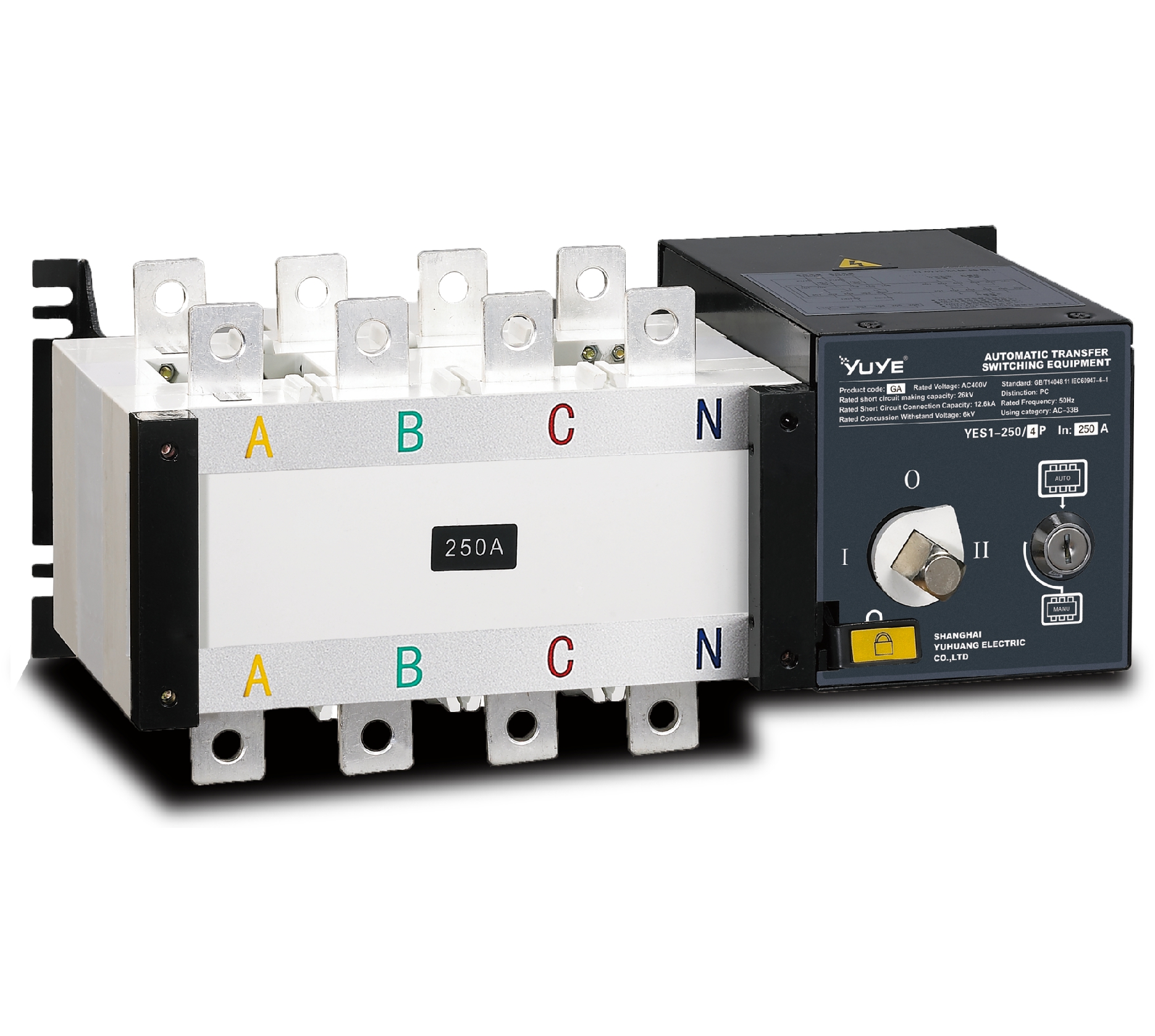 PC ATS YES1-100~3200GA1/GA
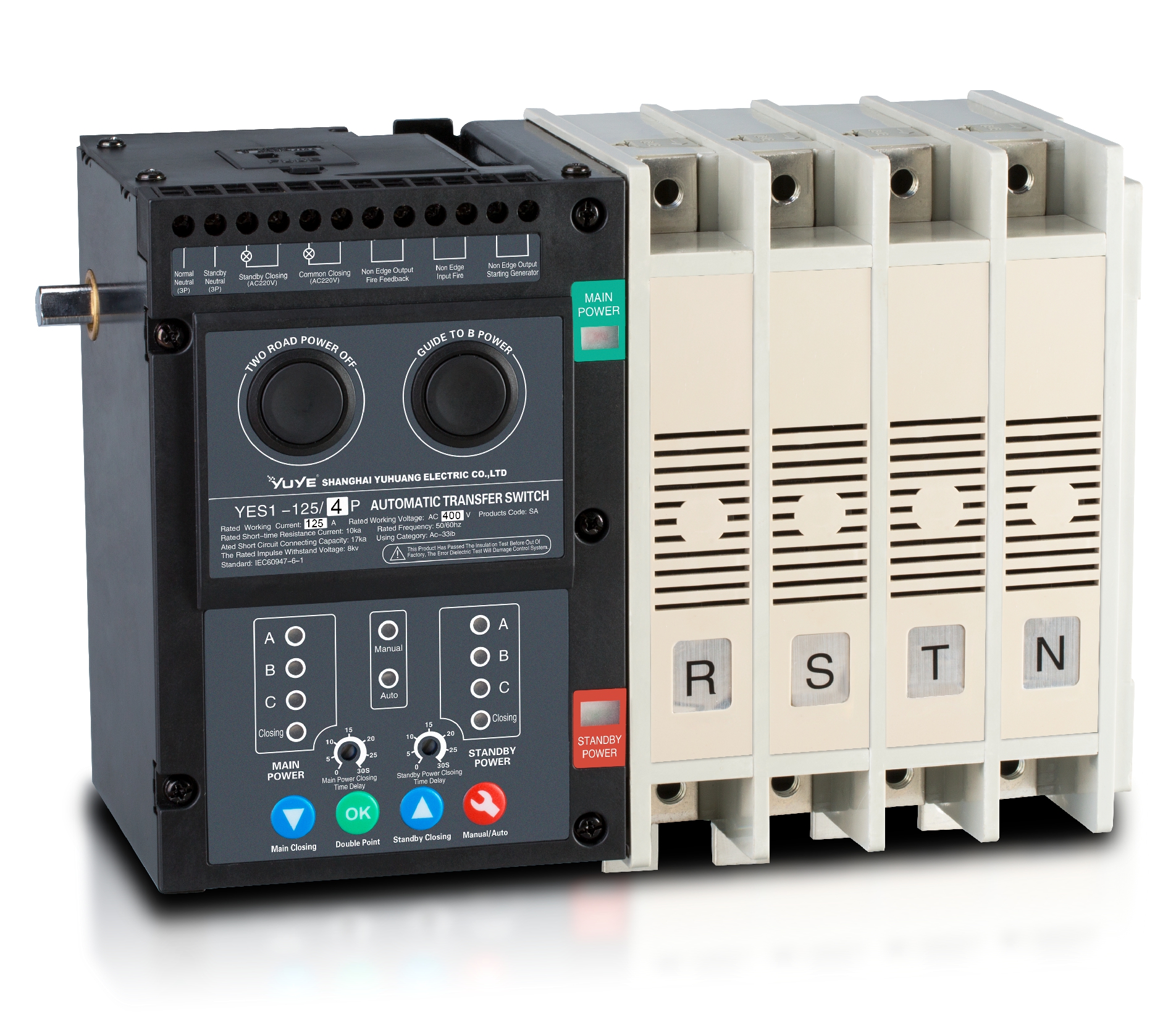 Solenoid-type ATS YES1-63~630SA
 Solenoid-type ATS YES1-63~630L/LA
 Solenoid-type ATS YES1-63~630LA3
 Solenoid-type ATS YES1-63MA
 PC ATS YES1-630~1600M
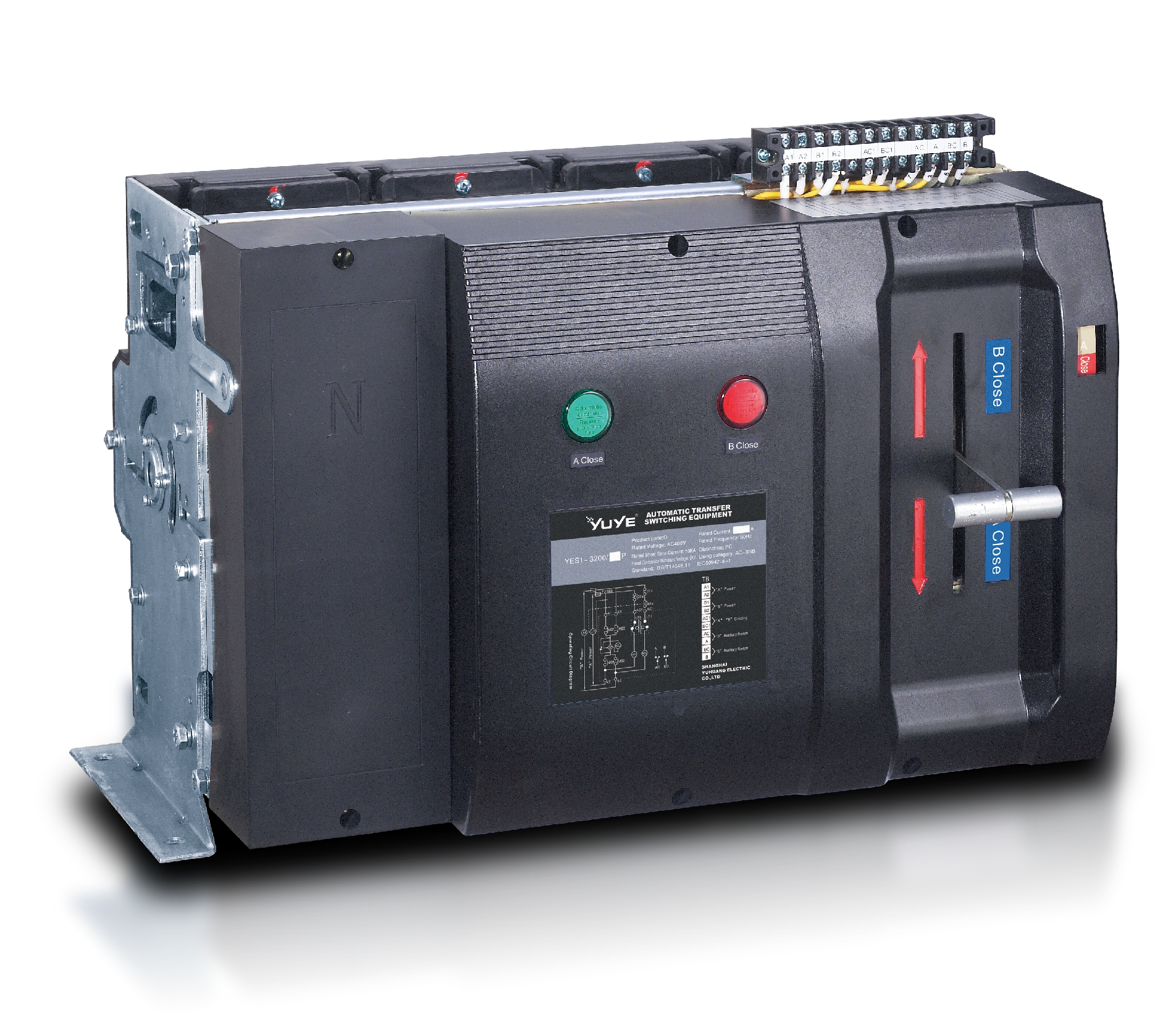 PC ATS YES1-3200Q
 Solenoid-type ATS YES1-4000~6300Q
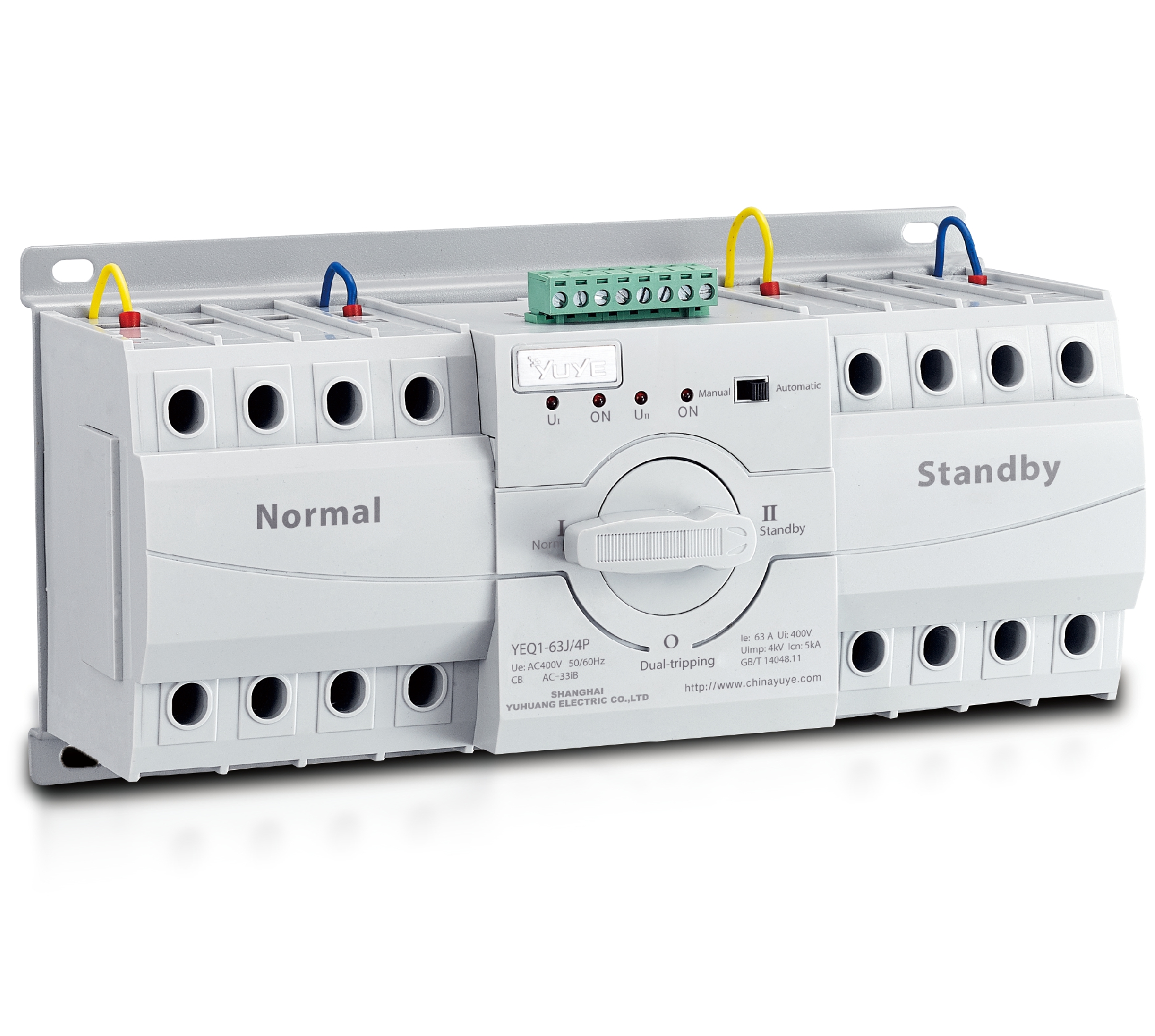 CB ATS YEQ1-63J
 CB ATS YEQ2Y-63
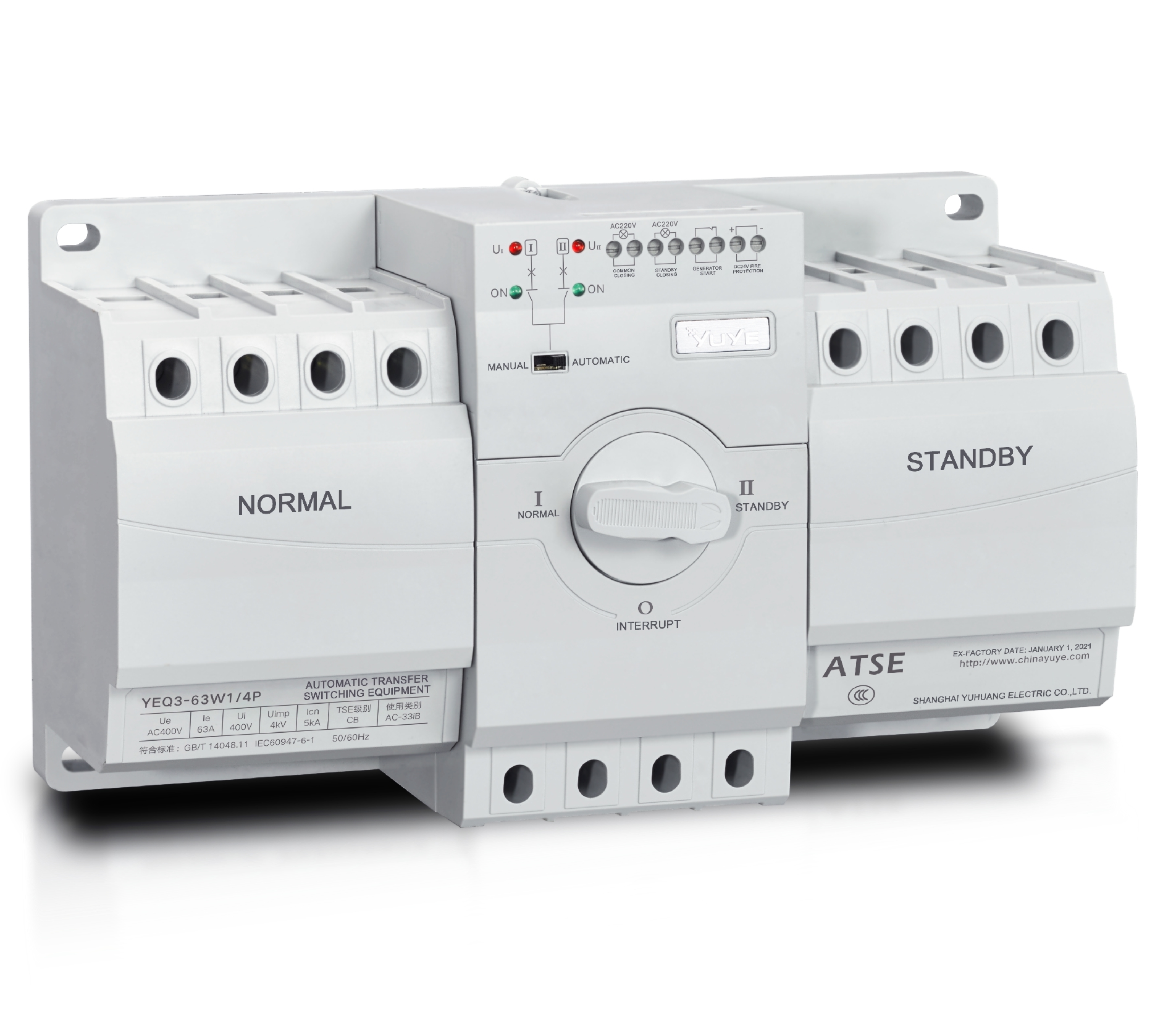 CB ATS YEQ3-63W1
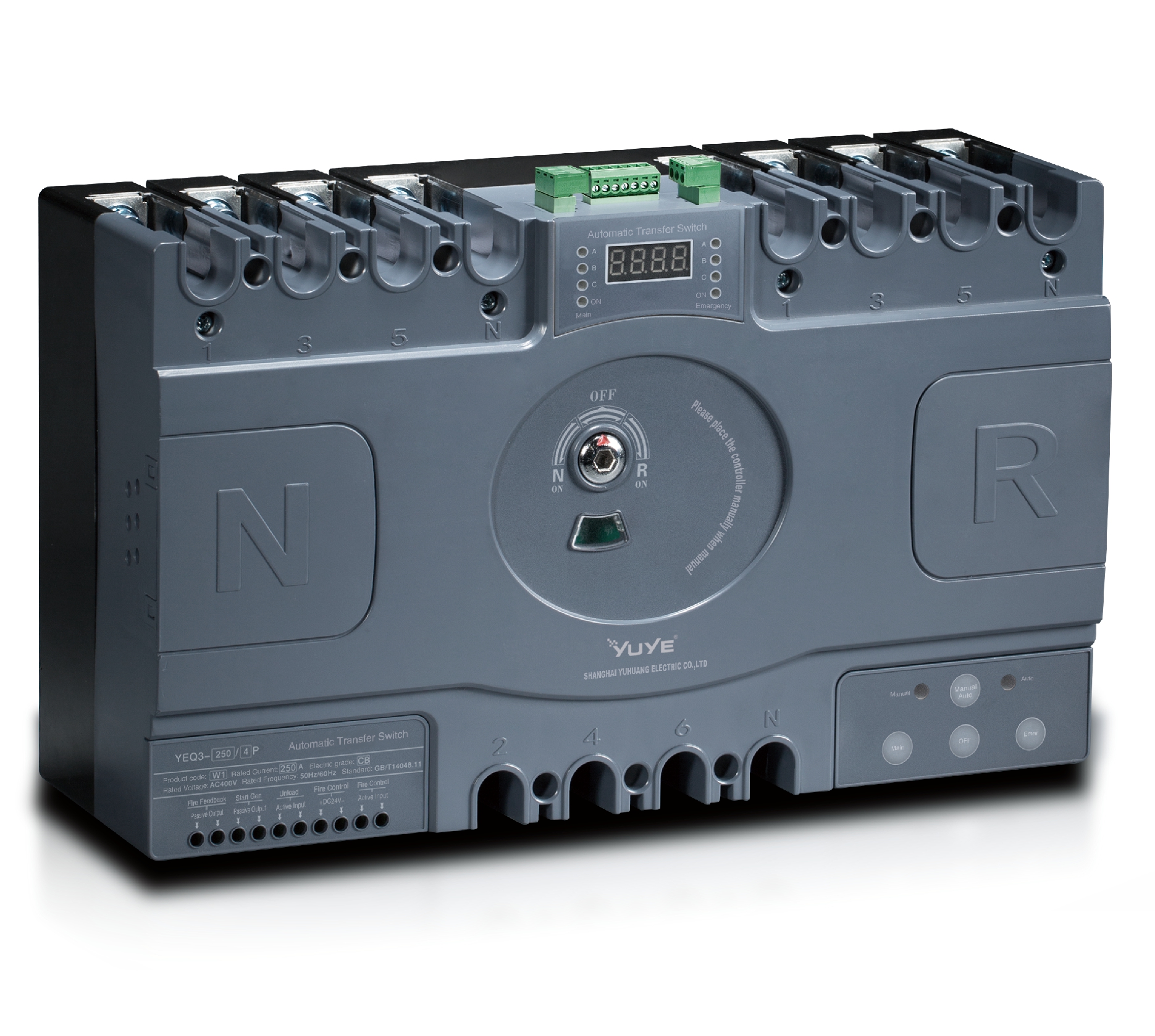 CB ATS YEQ3-125~630W1
 ATS controller Y-700
 ATS Controller Y-700N
 ATS Controller Y-701B
 ATS Controller Y-703N
 ATS Controller Y-800
 ATS Controller W2/W3 Series
 ATS switch Cabinet floor-to-ceiling
 ATS switch cabinet
 JXF-225A power Cbinet
 JXF-800A power Cbinet
 YEM3-125~800 Plastic Shell Type MCCB
 YEM3L-125~630 Leakage Type MCCB
 YEM3Z-125~800 Adjustable Type MCCB
 YEM1-63~1250 Plastic Shell Type MCCB
 YEM1E-100~800 Electronic Type MCCB
 YEM1L-100~630 Leakage Type MCCB
 Miniature circuit breaker YEMA2-6~100
 Miniature circuit breaker YEB1-3~63
 Miniature circuit breaker YEB1LE-3~63
 Miniature circuit breaker YEPN-3~32
 Miniature circuit breaker YEPNLE-3~32
 Miniature circuit breaker YENC-63~125
 Air Circuit Breaker YEW1-2000~6300
 Air Circuit Breaker YEW3-1600
 Load isolation switch YGL-63~3150
 Load Isolation Switch YGL2-63~3150
 Manual Changeover Switch YGL-100~630Z1A
 Manual Changeover Switch YGLZ1-100~3150
 YECPS2-45~125 LCD
 YECPS-45~125 Digital
 CNC Milling/Turning-OEM
 DC relay MDC-300M
 DC Isolation Switch YEGL3D-630
Introduction
The automatic transfer switch (ATS) is a vital component in dual power supply systems, responsible for ensuring uninterrupted power to critical loads. A Dual Power Automatic Switch can promptly and reliably transfer loads to a standby power source when the primary supply fails or becomes abnormal. Implementing scientific and standardized daily maintenance not only improves operational reliability but also extends service life and minimizes unexpected failures. This article outlines the essential daily maintenance practices for automatic transfer switches, with particular emphasis on the Dual Power Automatic Switch applied in mission-critical power systems.
I. Routine Visual Inspection and Operating Environment Checks
During daily inspections, technicians should carefully observe whether the ATS enclosure shows signs of cracking, deformation, corrosion, or overheating discoloration. Indicator lamps, meters, and display panels must operate normally, with no flickering, blank screens, or unexplained alarms.
Equally important is the surrounding environment. A clean and stable installation environment is a key prerequisite for long-term reliable operation of a Dual Power Automatic Switch. The installation area should be dry and well ventilated, avoiding excessive dust, moisture, or corrosive gases. Ventilation openings, cooling channels, and external surfaces should be cleaned regularly to prevent heat buildup caused by blocked airflow.
II. Inspection of Electrical Connections and Terminal Tightness
Electrical connection integrity directly affects operational safety and system stability. Maintenance personnel should routinely inspect main circuit and control circuit terminals for looseness, overheating, discoloration, or burn marks. All terminals should be tightened according to the manufacturer’s specified torque values.
In addition, cable insulation must be checked for aging, cracking, or mechanical damage to prevent leakage currents or short circuits. The grounding system deserves special attention: grounding conductors must be firmly connected, and grounding resistance should comply with relevant safety standards—especially in installations using a Dual Power Automatic Switch for critical loads.

III. Mechanical Operating Mechanism Inspection and Lubrication
The mechanical transmission mechanism is the foundation for reliable power source switching. Regular inspections should verify smooth operation, ensuring there is no jamming, abnormal noise, or excessive vibration during switching actions.
Key components such as springs, linkages, bearings, and drive shafts should be examined for deformation, wear, or looseness. Lubrication should be applied to designated parts strictly according to the product manual, using appropriate lubricants to reduce mechanical wear and enhance the operational sensitivity and durability of the Dual Power Automatic Switch.
IV. Control System Verification and Functional Testing
The control system enables intelligent and accurate switching logic. Daily maintenance should include checks on controller power stability, signal acquisition accuracy, and parameter configuration correctness.
It is recommended to perform regular functional tests by simulating power failure conditions. Observe whether the Dual Power Automatic Switch transfers the load to the backup source as designed and smoothly returns to the main supply once it is restored. Automatic/manual mode switching should also be tested for reliability. For units equipped with communication interfaces (such as RS485 or Modbus), communication stability and data accuracy should be verified.
V. Common Fault Prevention and Corrective Measures
Typical faults include failed transfers, incorrect operations, contact wear, and control system abnormalities. Preventive maintenance should include periodic calibration of phase sequence detection functions to avoid misoperation caused by phase errors.
Special attention must be paid to the condition of main contacts. Excessive wear can lead to increased contact resistance, overheating, and accelerated erosion. When abnormal alarms occur, troubleshooting should follow a standardized procedure—checking voltage levels, current values, control circuits, and mechanical components. Maintaining detailed inspection and maintenance records significantly improves the long-term reliability of the Dual Power Automatic Switch.
Conclusion
Daily maintenance of automatic transfer switches is a fundamental task for ensuring safe, stable, and continuous power supply operation. Through systematic visual inspections, secure electrical connections, proper mechanical upkeep, functional testing, and proactive fault prevention, both reliability and service life can be greatly enhanced. A properly maintained Dual Power Automatic Switch delivers fast, safe, and dependable power transfer, providing robust protection for critical electrical loads.