
 PC ATS YECT1-2000G
 PC ATS YES2-63~250GN1
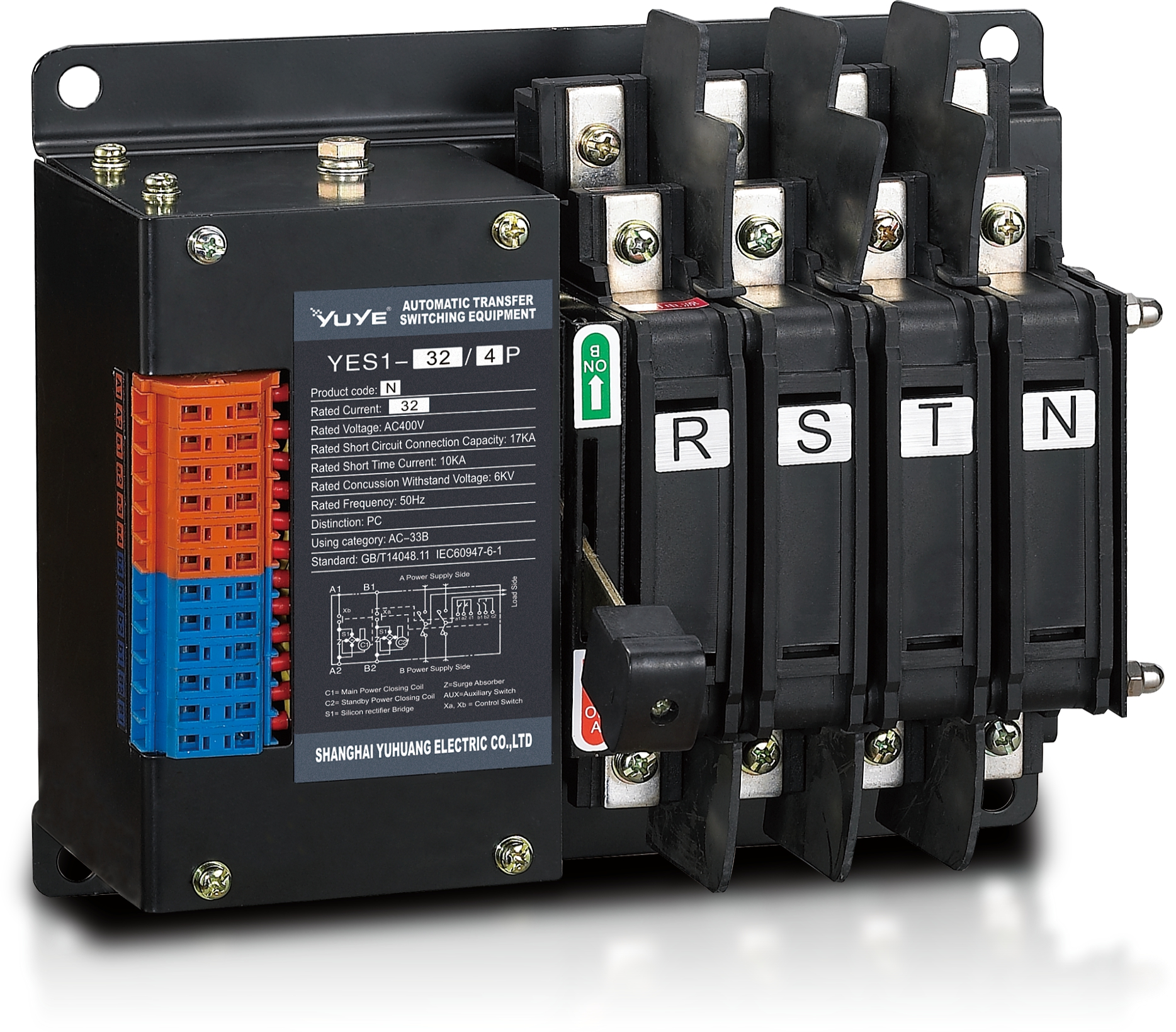 Solenoid-type ATS YES1-32~125N
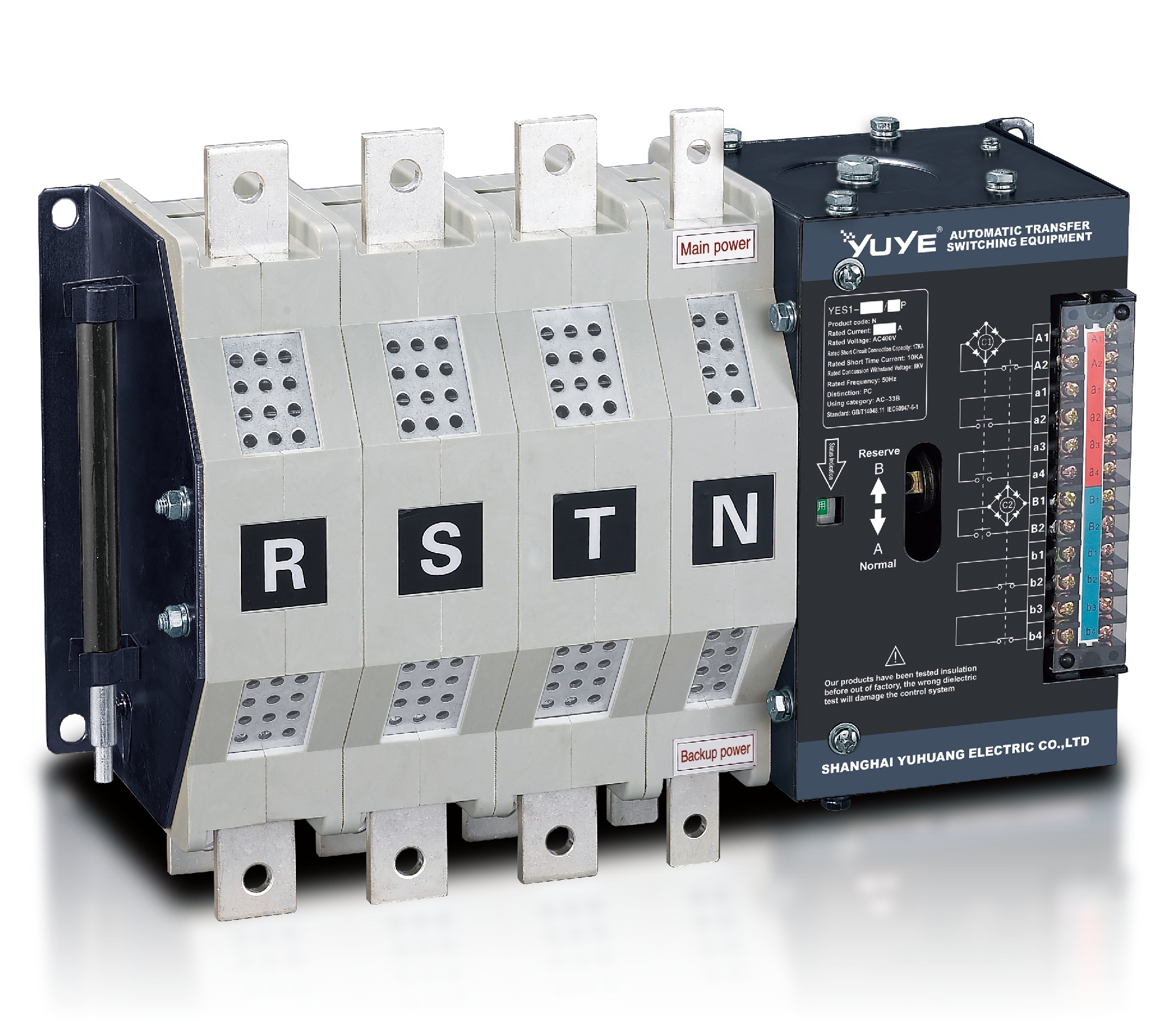 Solenoid-type ATS YES1-250~630N/NT
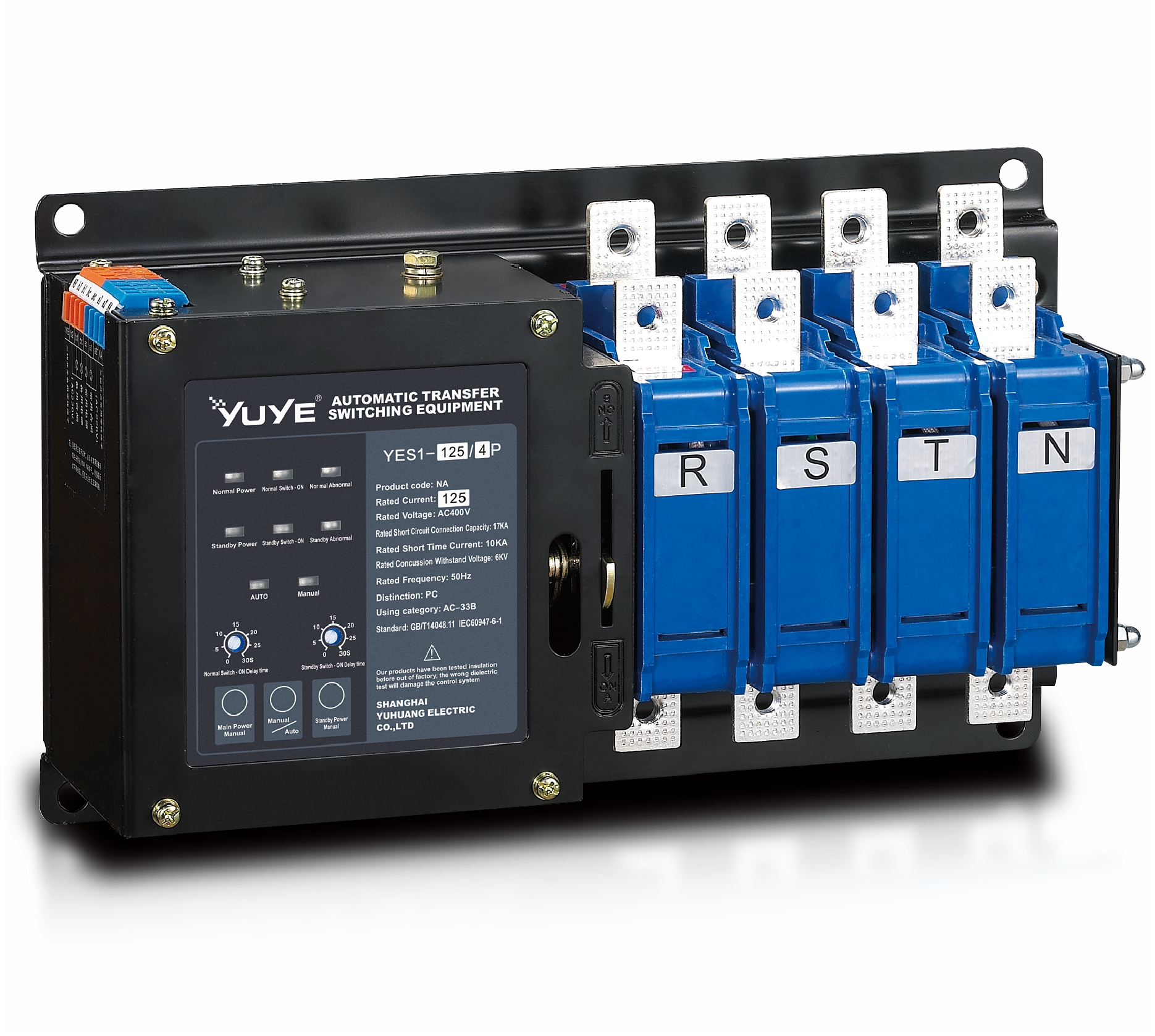 Solenoid-type ATS YES1-32~125NA
 Solenoid-type ATS YES1-63~630SN
 Solenoid-type ATS YES1-1250~4000SN
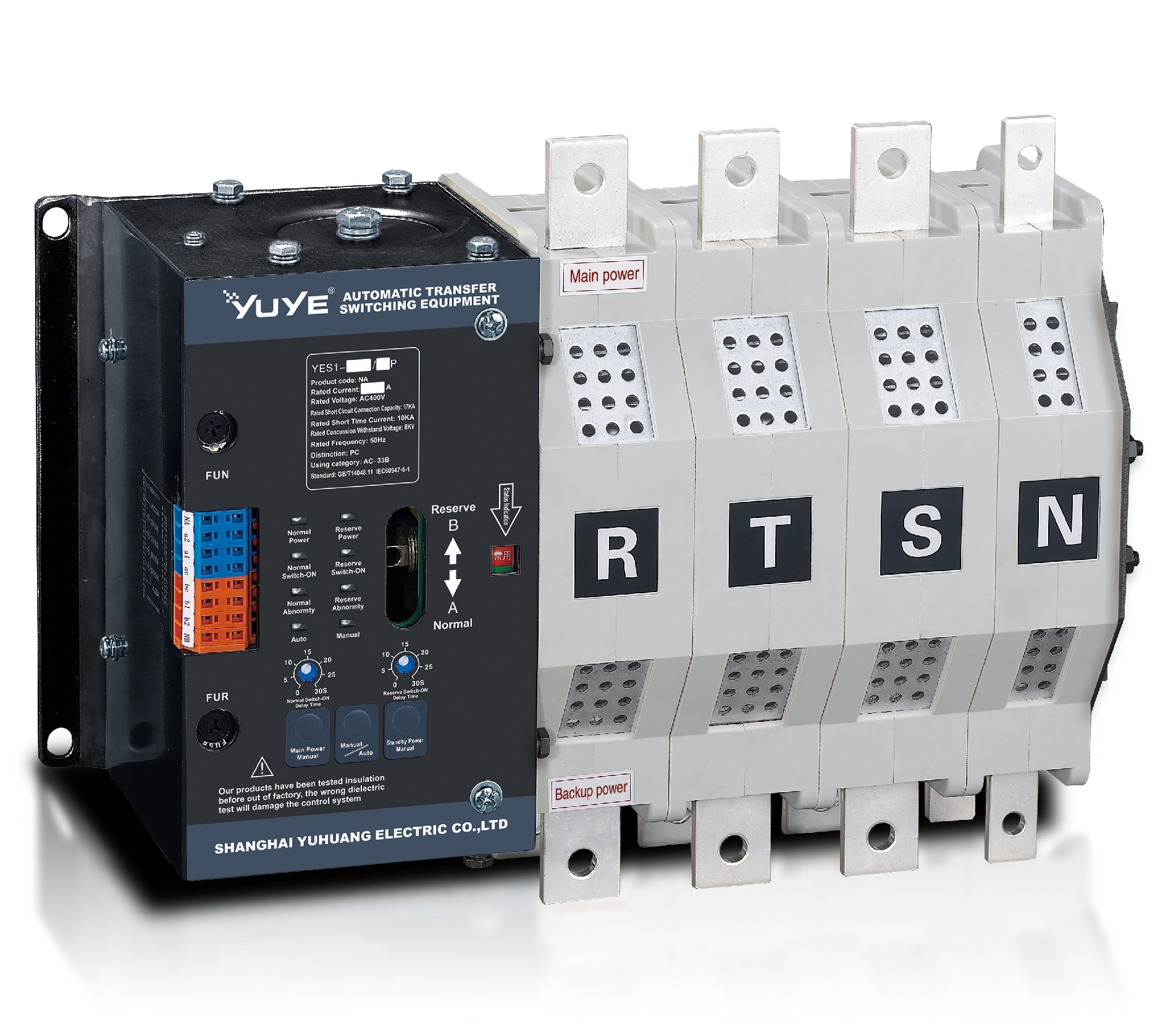 Solenoid-type ATS YES1-250~630NA/NAT
 Solenoid-type ATS YES1-63NJT
 PC ATS YES1-100~1600GN1/GN/GNF
 PC ATS YES1-2000~3200GN/GNF
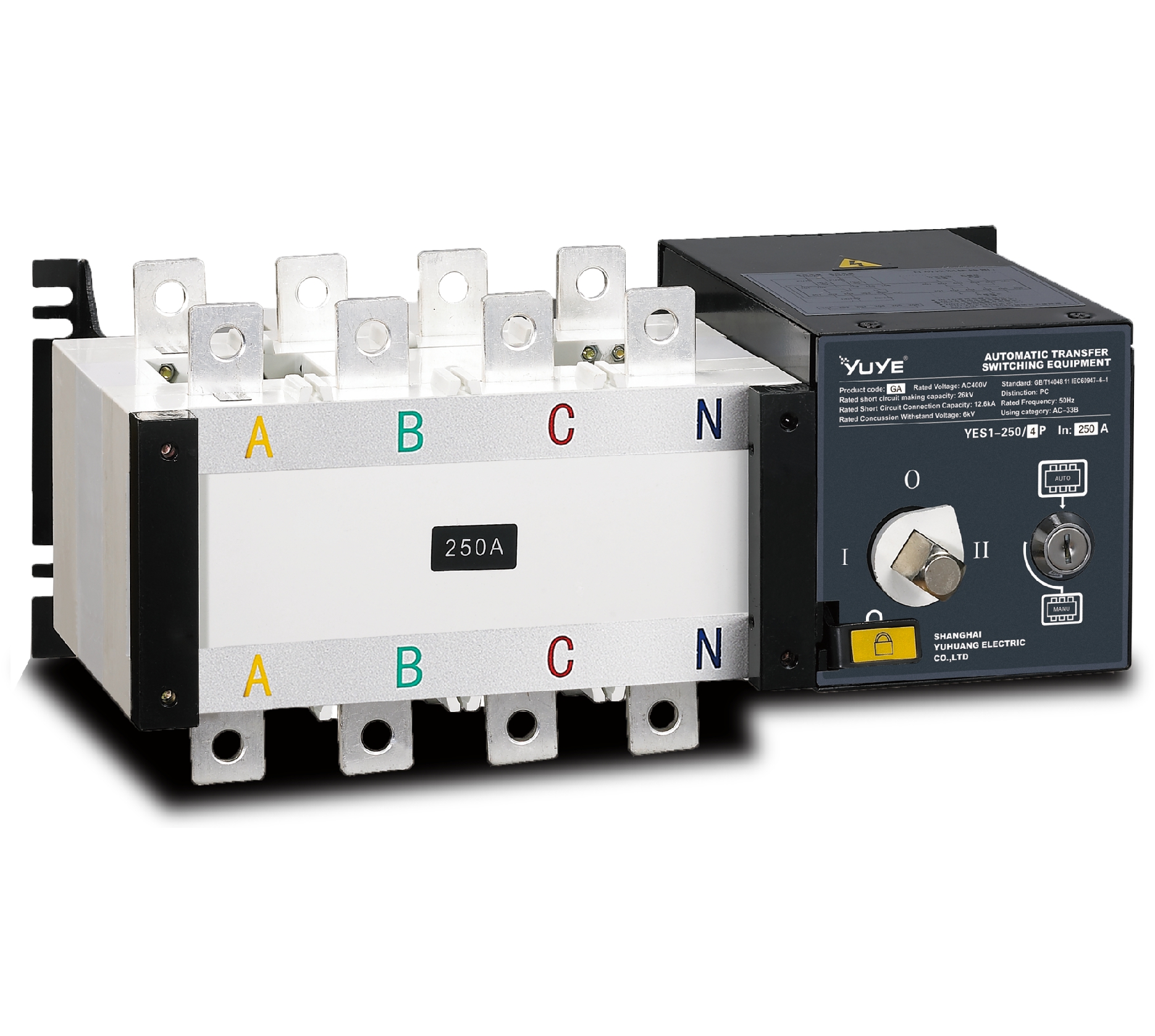 PC ATS YES1-100~3200GA1/GA
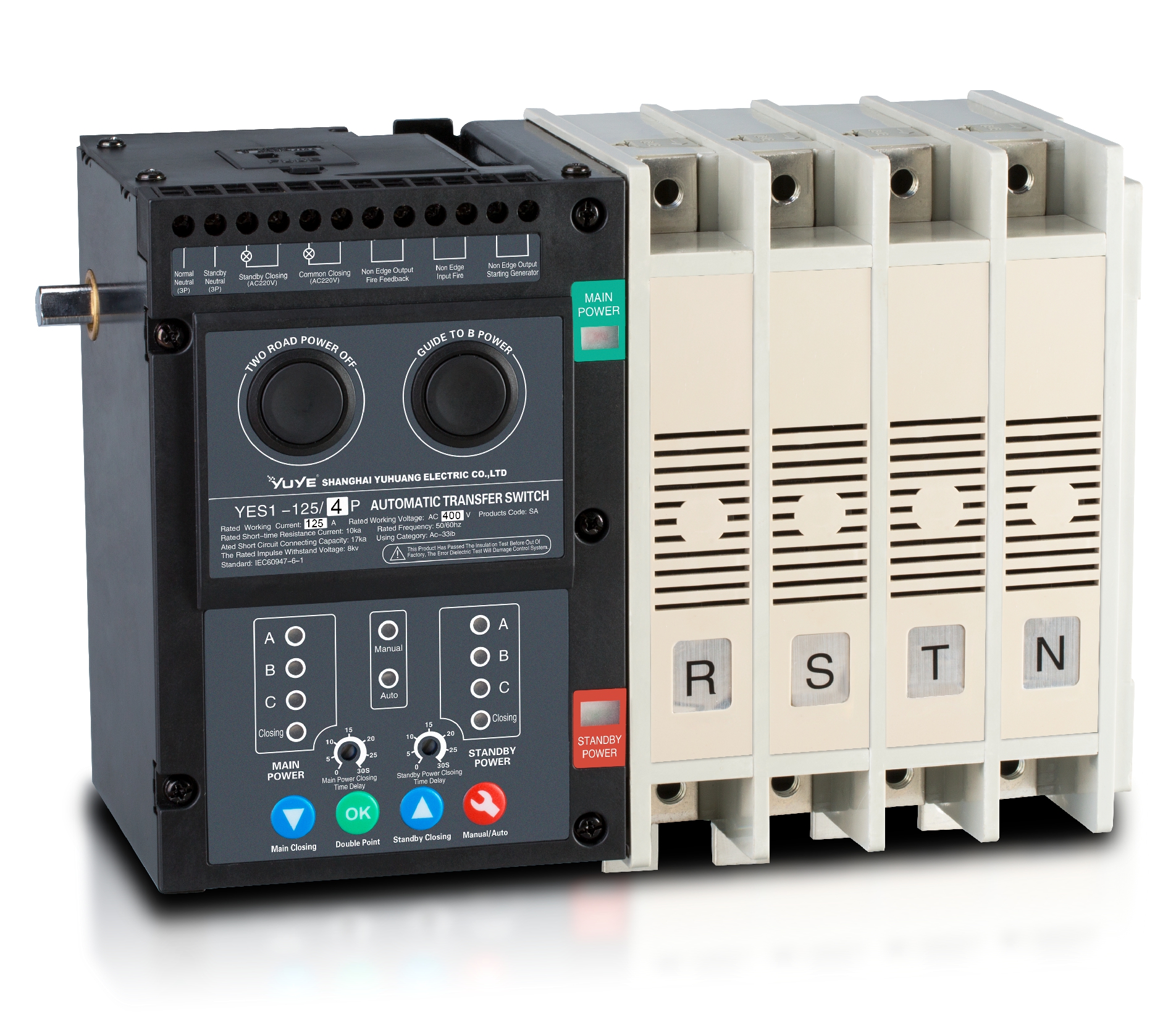 Solenoid-type ATS YES1-63~630SA
 Solenoid-type ATS YES1-63~630L/LA
 Solenoid-type ATS YES1-63~630LA3
 Solenoid-type ATS YES1-63MA
 PC ATS YES1-630~1600M
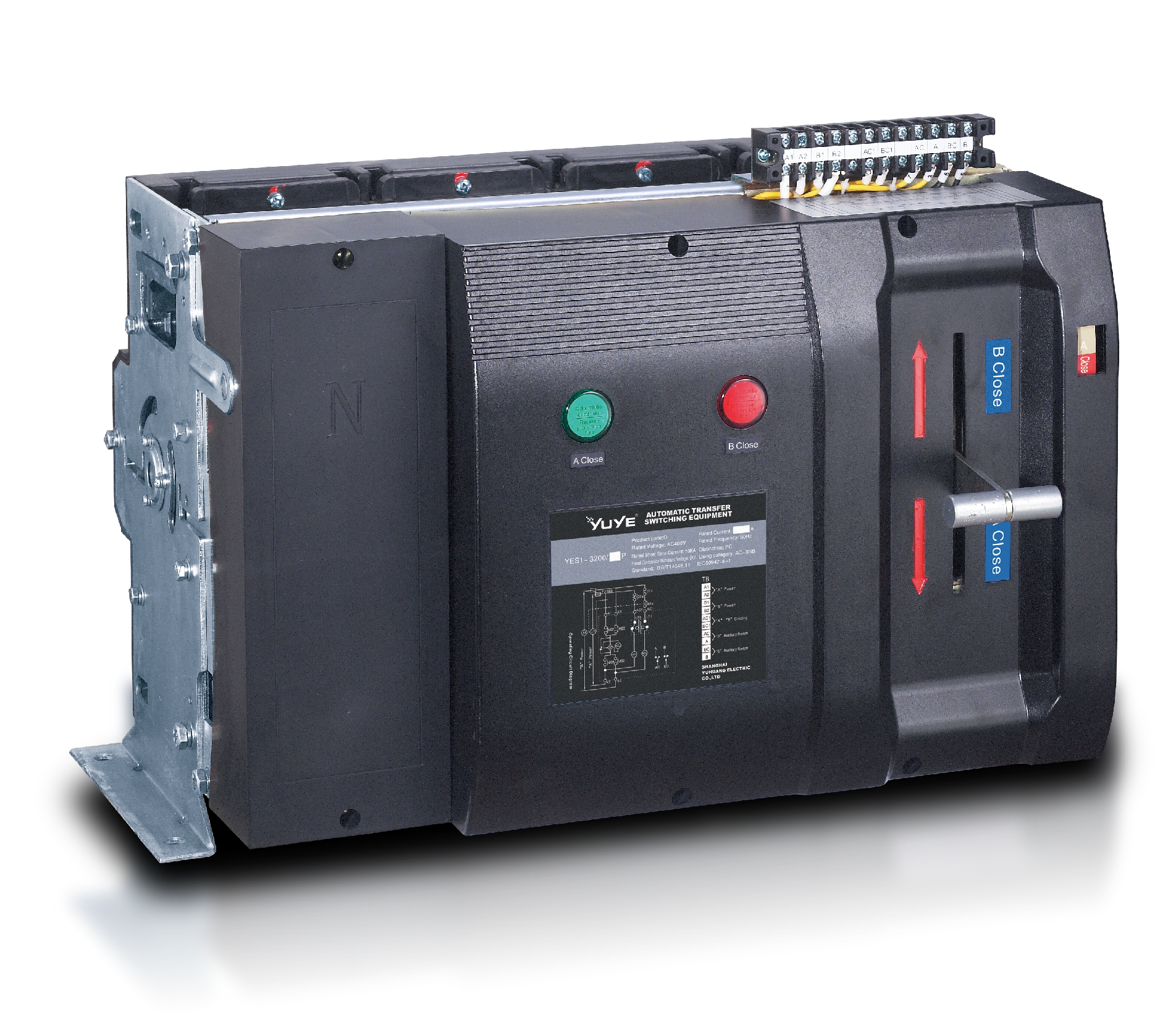 PC ATS YES1-3200Q
 Solenoid-type ATS YES1-4000~6300Q
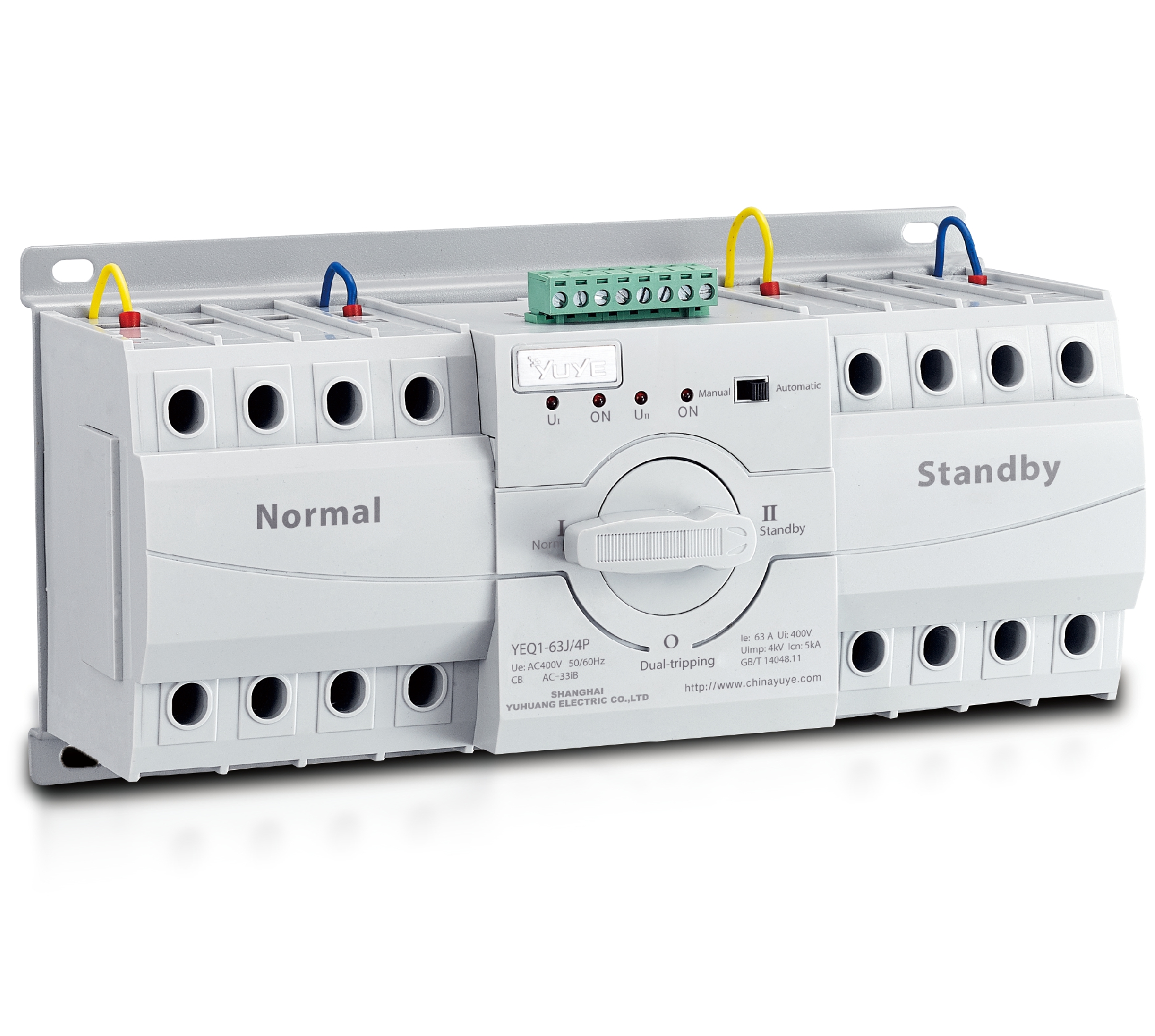 CB ATS YEQ1-63J
 CB ATS YEQ2Y-63
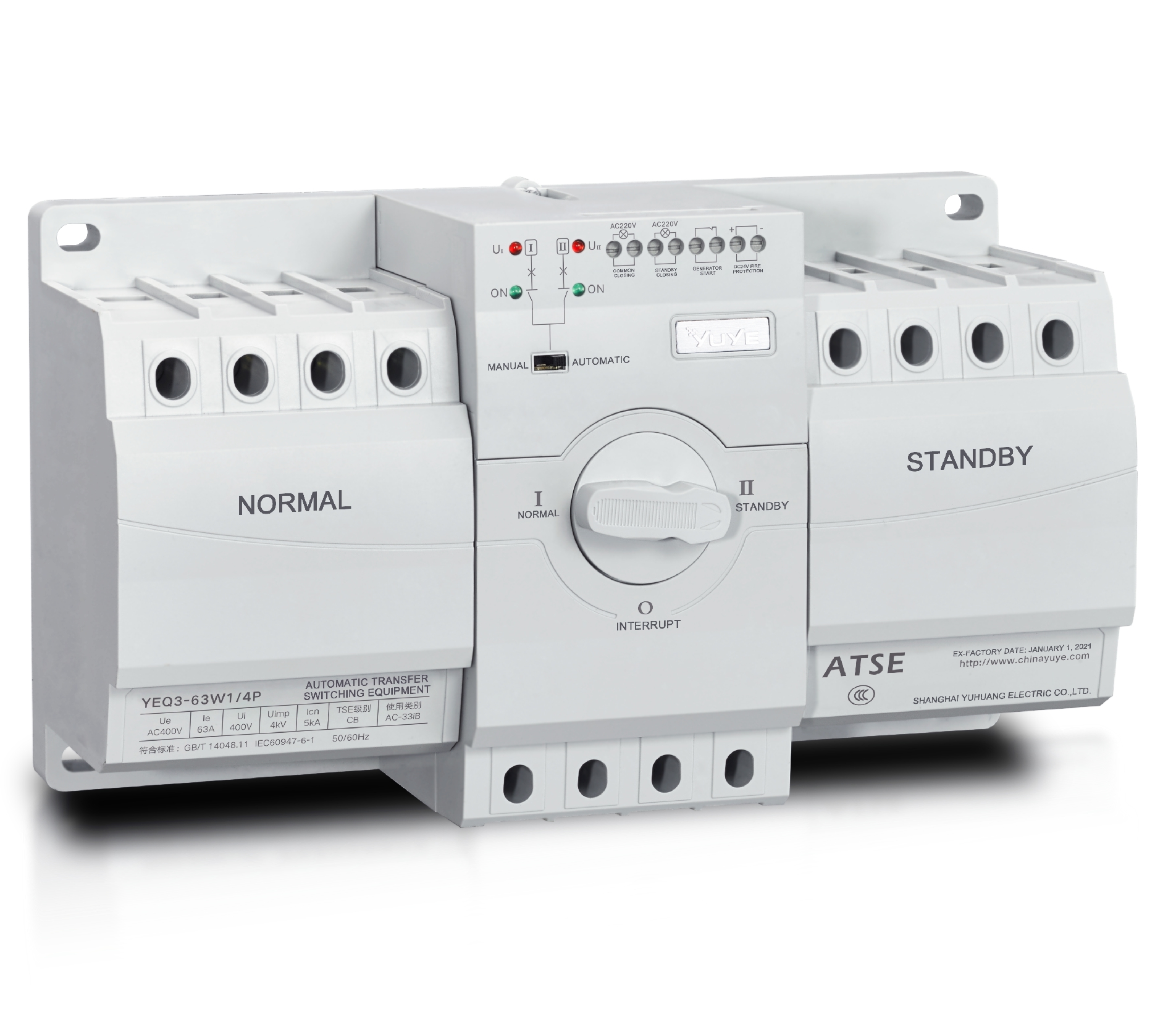 CB ATS YEQ3-63W1
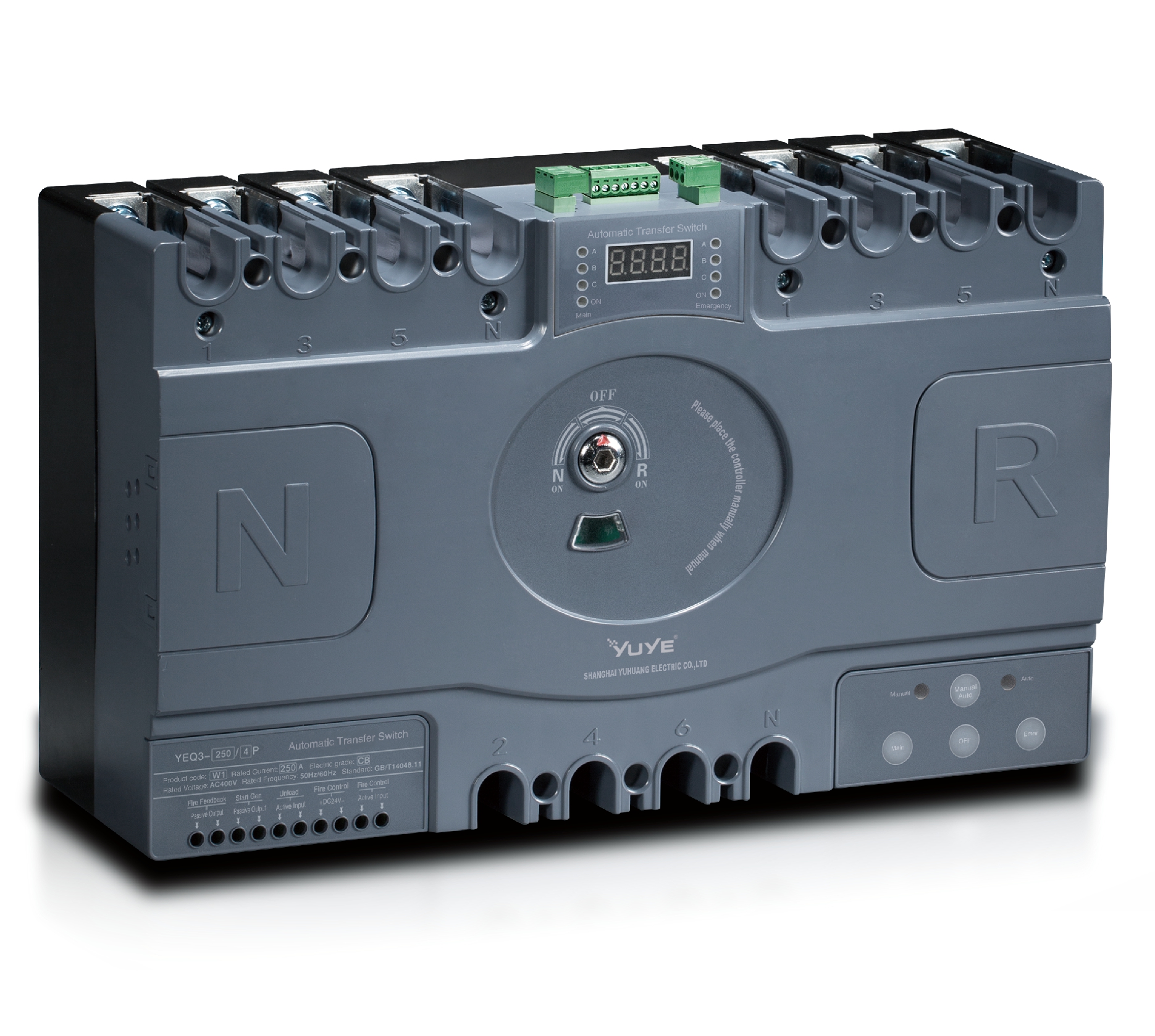 CB ATS YEQ3-125~630W1
 ATS controller Y-700
 ATS Controller Y-700N
 ATS Controller Y-701B
 ATS Controller Y-703N
 ATS Controller Y-800
 ATS Controller W2/W3 Series
 ATS switch Cabinet floor-to-ceiling
 ATS switch cabinet
 JXF-225A power Cbinet
 JXF-800A power Cbinet
 YEM3-125~800 Plastic Shell Type MCCB
 YEM3L-125~630 Leakage Type MCCB
 YEM3Z-125~800 Adjustable Type MCCB
 YEM1-63~1250 Plastic Shell Type MCCB
 YEM1E-100~800 Electronic Type MCCB
 YEM1L-100~630 Leakage Type MCCB
 Miniature circuit breaker YEMA2-6~100
 Miniature circuit breaker YEB1-3~63
 Miniature circuit breaker YEB1LE-3~63
 Miniature circuit breaker YEPN-3~32
 Miniature circuit breaker YEPNLE-3~32
 Miniature circuit breaker YENC-63~125
 Air Circuit Breaker YEW1-2000~6300
 Air Circuit Breaker YEW3-1600
 Load isolation switch YGL-63~3150
 Load Isolation Switch YGL2-63~3150
 Manual Changeover Switch YGL-100~630Z1A
 Manual Changeover Switch YGLZ1-100~3150
 YECPS2-45~125 LCD
 YECPS-45~125 Digital
 CNC Milling/Turning-OEM
 DC relay MDC-300M
 DC Isolation Switch YEGL3D-630
Molded Case Circuit Breakers (MCCBs) play a vital role in low-voltage power distribution systems by providing reliable protection against overloads and short circuits. Among various ratings, the 250 amp class is widely applied in commercial buildings, industrial plants, and infrastructure projects. One of the most critical technical parameters when selecting this type of circuit breaker is its breaking capacity. Understanding what breaking capacity means and how it applies to a 250A MCCB is essential for ensuring electrical safety, system stability, and compliance with international standards.
1.Understanding Breaking Capacity: Why It Matters for a 250 Amp MCCB
- Breaking capacity, also known as interrupting capacity, refers to the maximum short-circuit current that a circuit breaker can safely interrupt without sustaining damage. Unlike the rated current, which indicates how much current the MCCB can carry continuously, breaking capacity defines how the device behaves under fault conditions.
- If the breaking capacity is lower than the actual short-circuit current available at the installation point, the MCCB may fail catastrophically. This could result in equipment damage, fire hazards, or serious safety risks. Therefore, selecting an MCCB with an adequate breaking capacity is just as important as choosing the correct current rating.
2.Typical Short-Circuit Breaking Capacity Ratings for 250A MCCBs
- In practice, MCCBs with a 250 amp rated current are available with various breaking capacity levels. Common ratings include 25kA, 36kA, 50kA, 65kA, and even up to 70kA, depending on the manufacturer and product series.
- Lower breaking capacity ratings are generally suitable for residential or light commercial systems with limited fault current levels. Higher ratings are preferred in industrial environments, where large transformers and low system impedance can produce extremely high short-circuit currents. When specifying a 250A MCCB, engineers must match the breaking capacity to the calculated prospective fault current of the system.

3.How System Voltage Affects the Breaking Capacity of a 250 Amp MCCB
- System voltage has a direct impact on the breaking capacity of an MCCB. At higher voltages, interrupting a short circuit becomes more challenging due to increased arc energy. As a result, the same MCCB model may have different breaking capacity values at 230V, 400V, 415V, 480V, or 690V.
- This is why manufacturers clearly state breaking capacity ratings at specific voltage levels in their technical documentation. For international projects, especially those involving export markets, it is essential to verify that the MCCB is rated for both the system voltage and the required short-circuit performance.
4.Factors That Influence the Selection of a 250A MCCB with Adequate Breaking Capacity
Several factors must be evaluated before selecting the appropriate breaking capacity:
-
Prospective short-circuit current at the installation location
-
Power source type, such as utility supply or generator-backed systems
-
Transformer size and impedance, which significantly affect fault levels
-
Cable length and conductor size, influencing system resistance
-
Applicable standards, such as IEC 60947-2 or UL 489
-
Operating environment, including temperature, humidity, and duty cycle
Ignoring these factors may lead to under-rated protection and long-term reliability issues.
5.Comparing 250 Amp MCCBs: Breaking Capacity Standards and Applications
- Under IEC 60947-2, breaking capacity is expressed using Icu (ultimate breaking capacity) and Ics (service breaking capacity). Icu represents the maximum fault current the MCCB can interrupt once, while Ics indicates the fault level at which the breaker can continue operating afterward.
- In contrast, UL 489 uses interrupting ratings tested under North American system conditions. Because of these differences, MCCBs with the same current rating may not be directly interchangeable across regions. Application-based selection—whether for commercial buildings, manufacturing facilities, or critical infrastructure—should always be aligned with the relevant standard and manufacturer guidelines.
Conclusion
Breaking capacity is a fundamental parameter that determines whether an MCCB can perform safely under real fault conditions. For a 250 amp circuit breaker, selecting the correct breaking capacity requires a clear understanding of system voltage, fault current levels, applicable standards, and operating conditions. Rather than relying solely on rated current, engineers and system designers should prioritize breaking capacity to ensure long-term electrical safety and system reliability.
Frequently Asked Questions (FAQ)
Q1: Is the breaking capacity the same as the rated current of an MCCB?
No. Rated current indicates continuous current-carrying capability, while breaking capacity defines the maximum short-circuit current the MCCB can safely interrupt.
Q2: What is a common breaking capacity for a 250 amp MCCB?
Typical breaking capacities range from 25kA to 65kA or higher, depending on the application and manufacturer.
Q3: Can I use a higher breaking capacity MCCB than required?
Yes. Selecting a higher breaking capacity provides additional safety margin and is generally acceptable, though it may increase cost.
Q4: Does breaking capacity change with voltage?
Yes. Breaking capacity is voltage-dependent and must always be verified at the system’s operating voltage.
Q5: Which standard should I follow when selecting an MCCB?
This depends on the market and project requirements. IEC 60947-2 is widely used internationally, while UL 489 is common in North America.
References
-
IEC 60947-2: Low-voltage switchgear and controlgear – Circuit-breakers
-
Schneider Electric, Molded Case Circuit Breakers Technical Guide
-
ABB, Low Voltage Circuit Breakers Application Guide
-
Siemens, Short-Circuit Protection and MCCB Selection
-
Eaton, Understanding Interrupting Ratings of MCCBs