
 PC ATS YECT1-2000G
 PC ATS YES2-63~250GN1
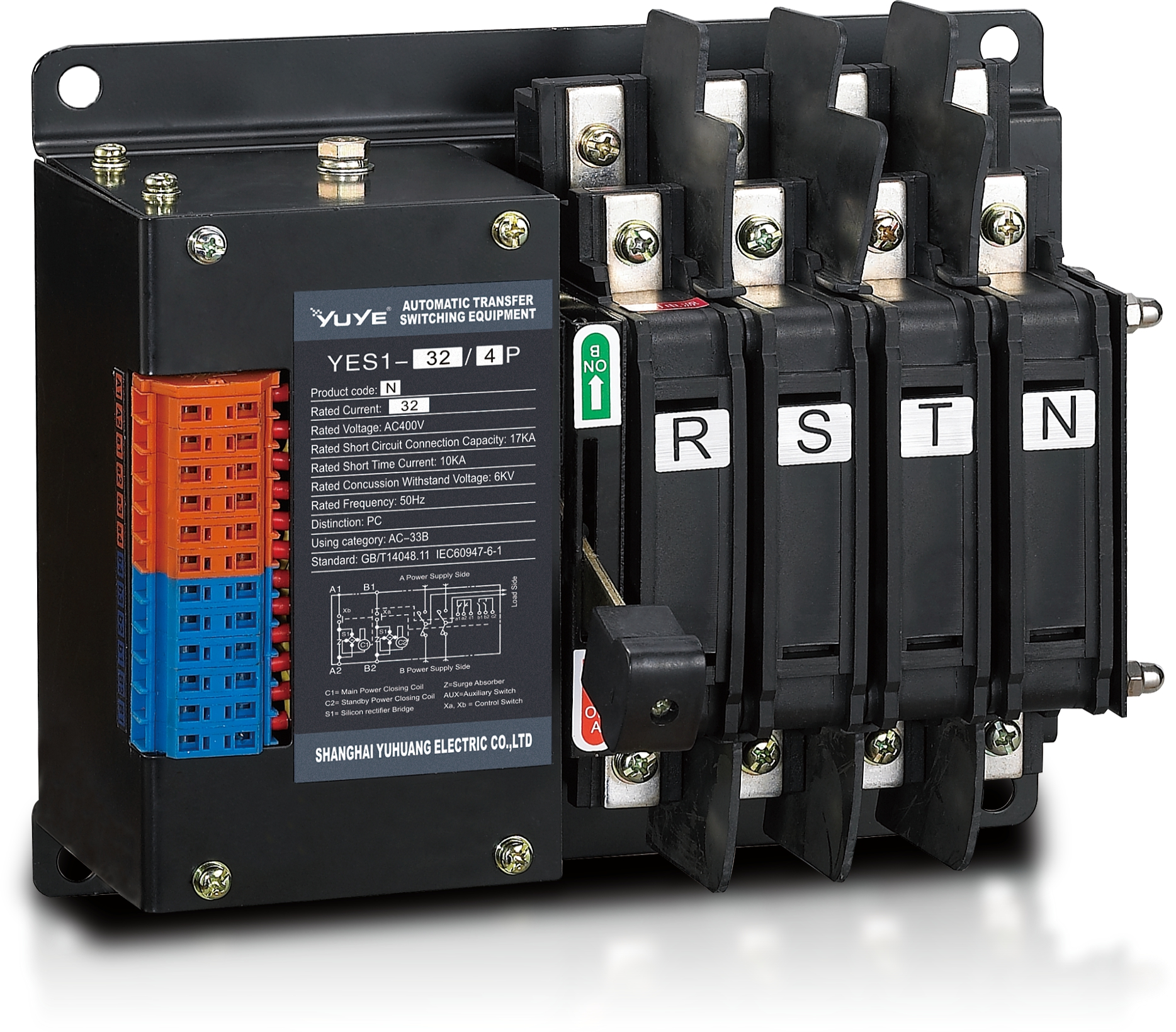 Solenoid-type ATS YES1-32~125N
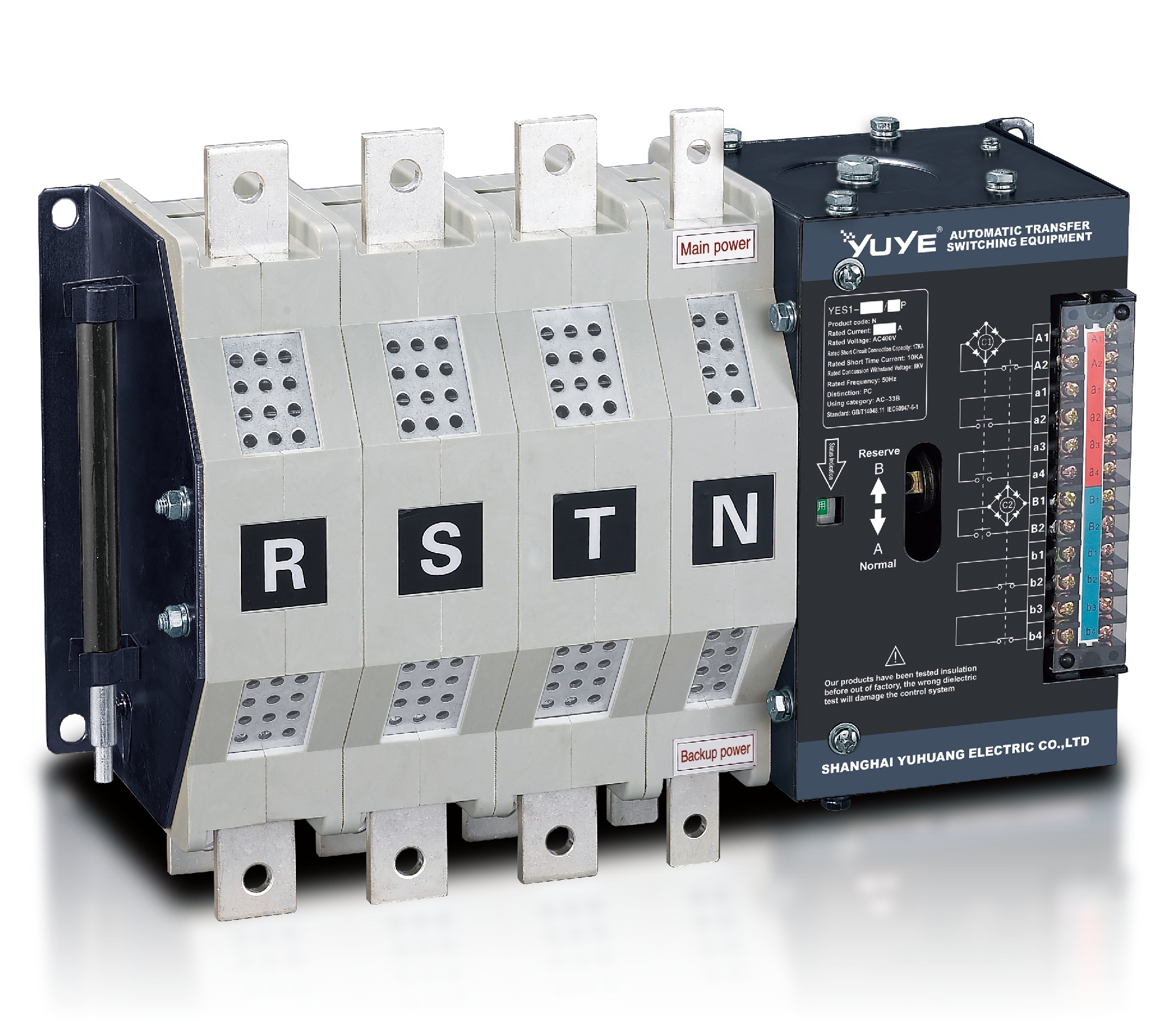 Solenoid-type ATS YES1-250~630N/NT
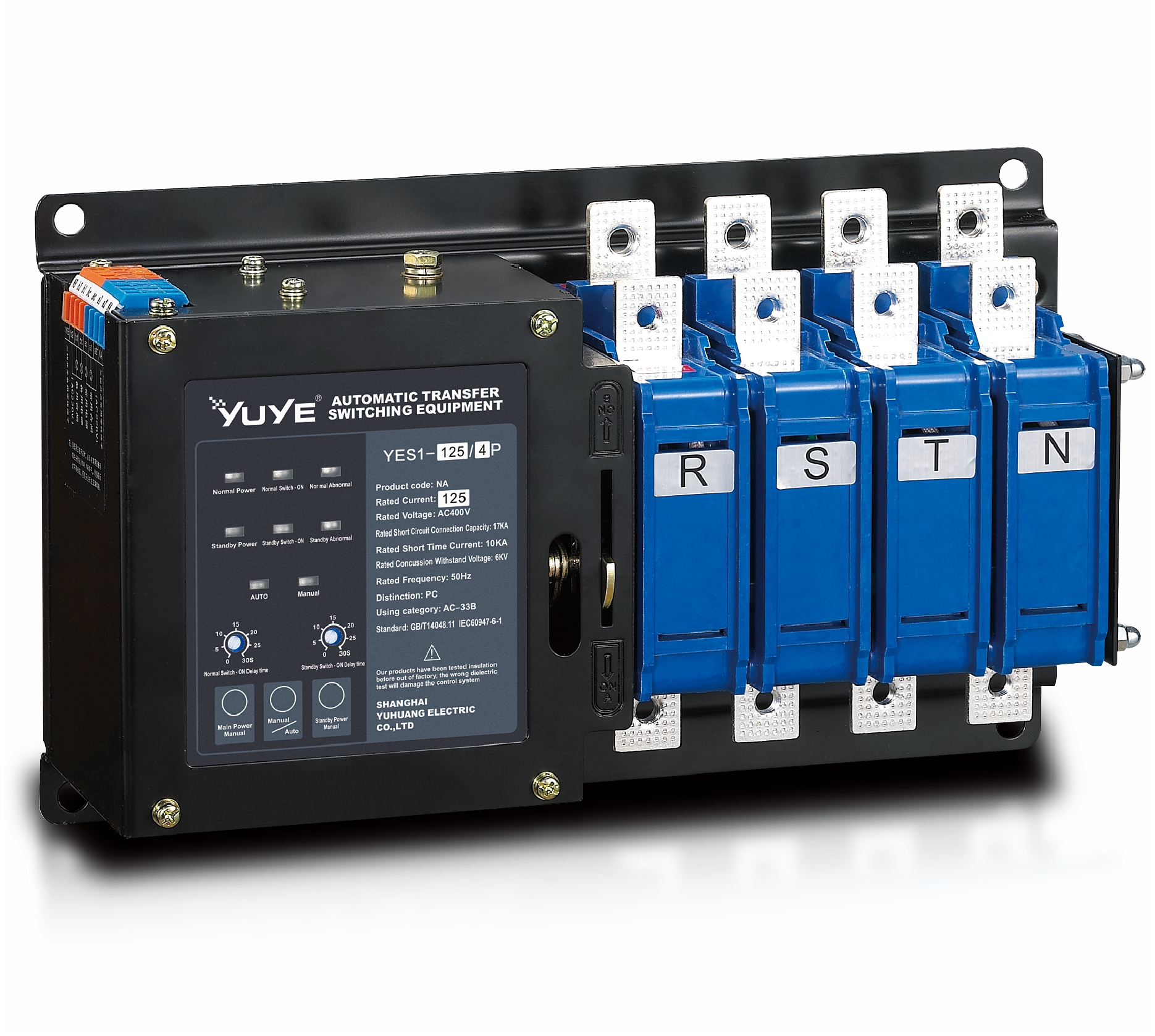 Solenoid-type ATS YES1-32~125NA
 Solenoid-type ATS YES1-63~630SN
 Solenoid-type ATS YES1-1250~4000SN
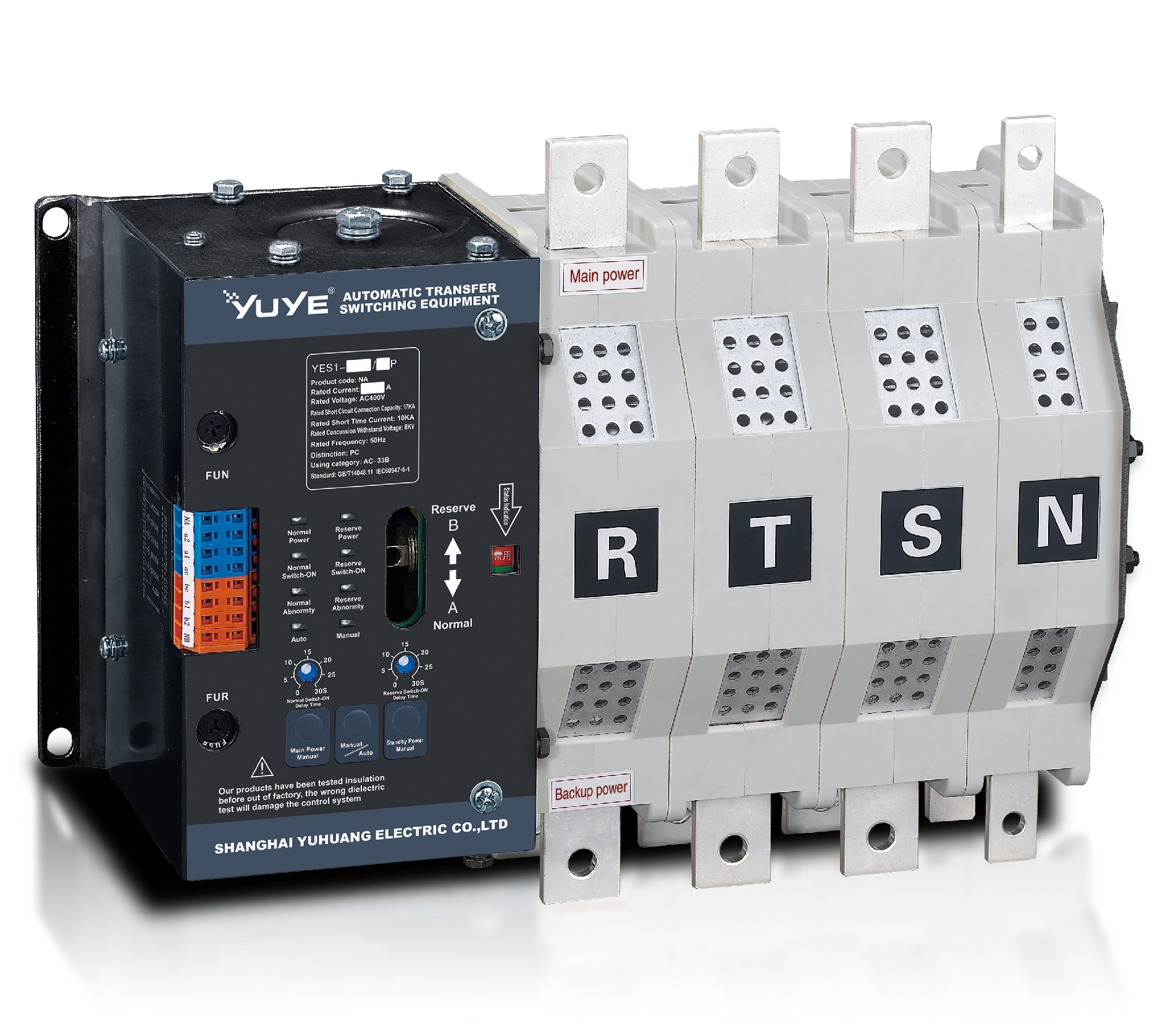 Solenoid-type ATS YES1-250~630NA/NAT
 Solenoid-type ATS YES1-63NJT
 PC ATS YES1-100~1600GN1/GN/GNF
 PC ATS YES1-2000~3200GN/GNF
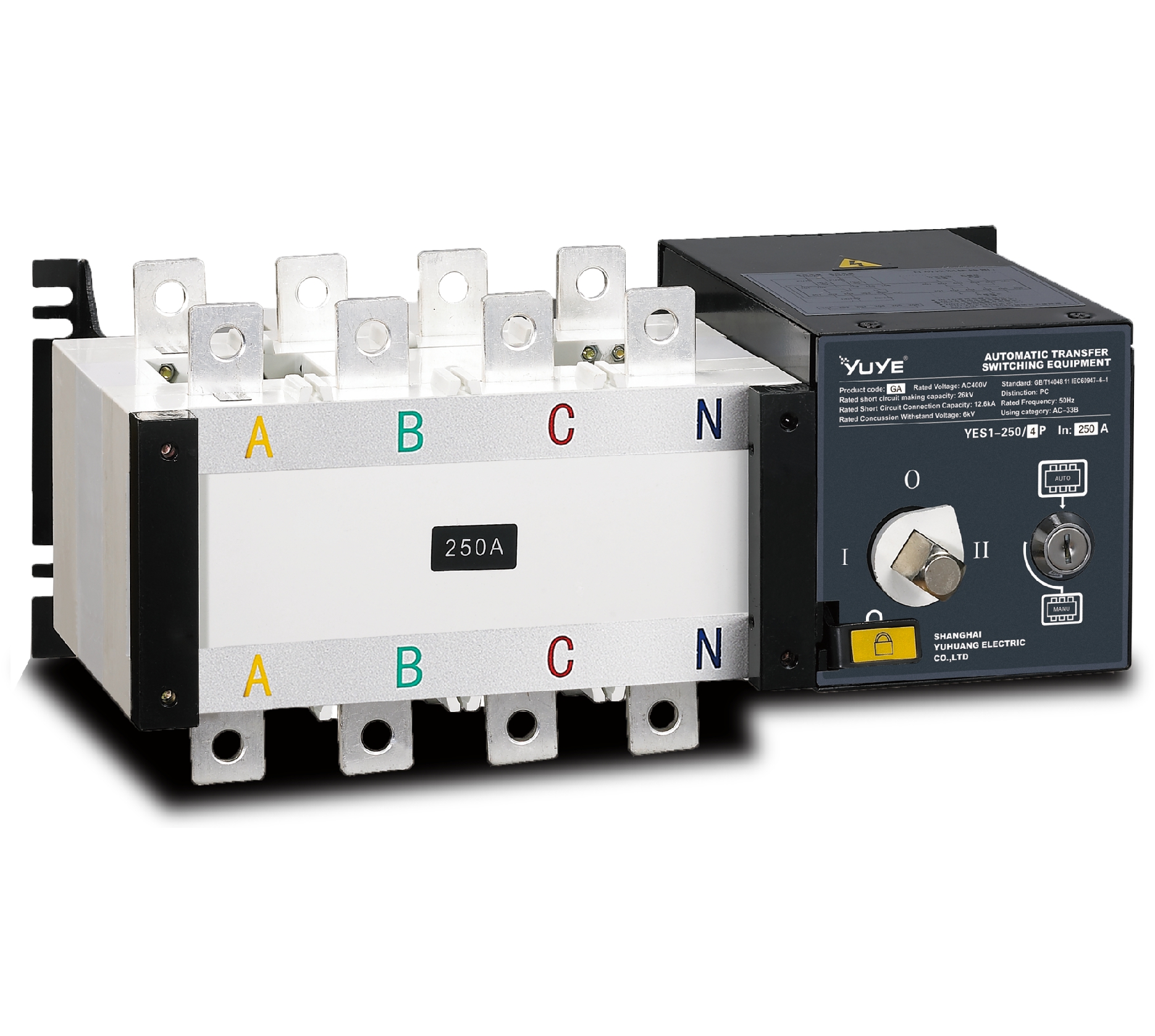 PC ATS YES1-100~3200GA1/GA
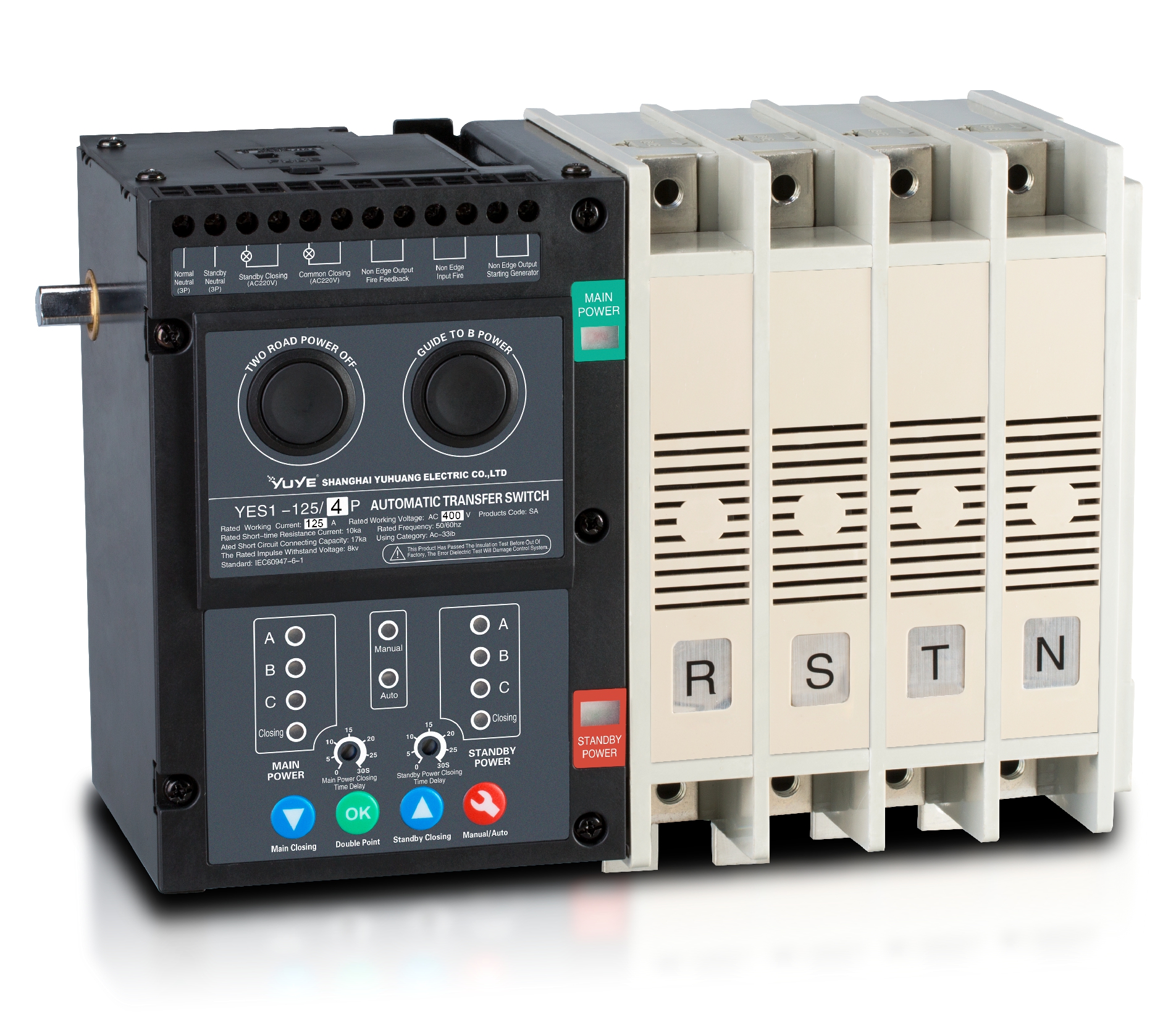 Solenoid-type ATS YES1-63~630SA
 Solenoid-type ATS YES1-63~630L/LA
 Solenoid-type ATS YES1-63~630LA3
 Solenoid-type ATS YES1-63MA
 PC ATS YES1-630~1600M
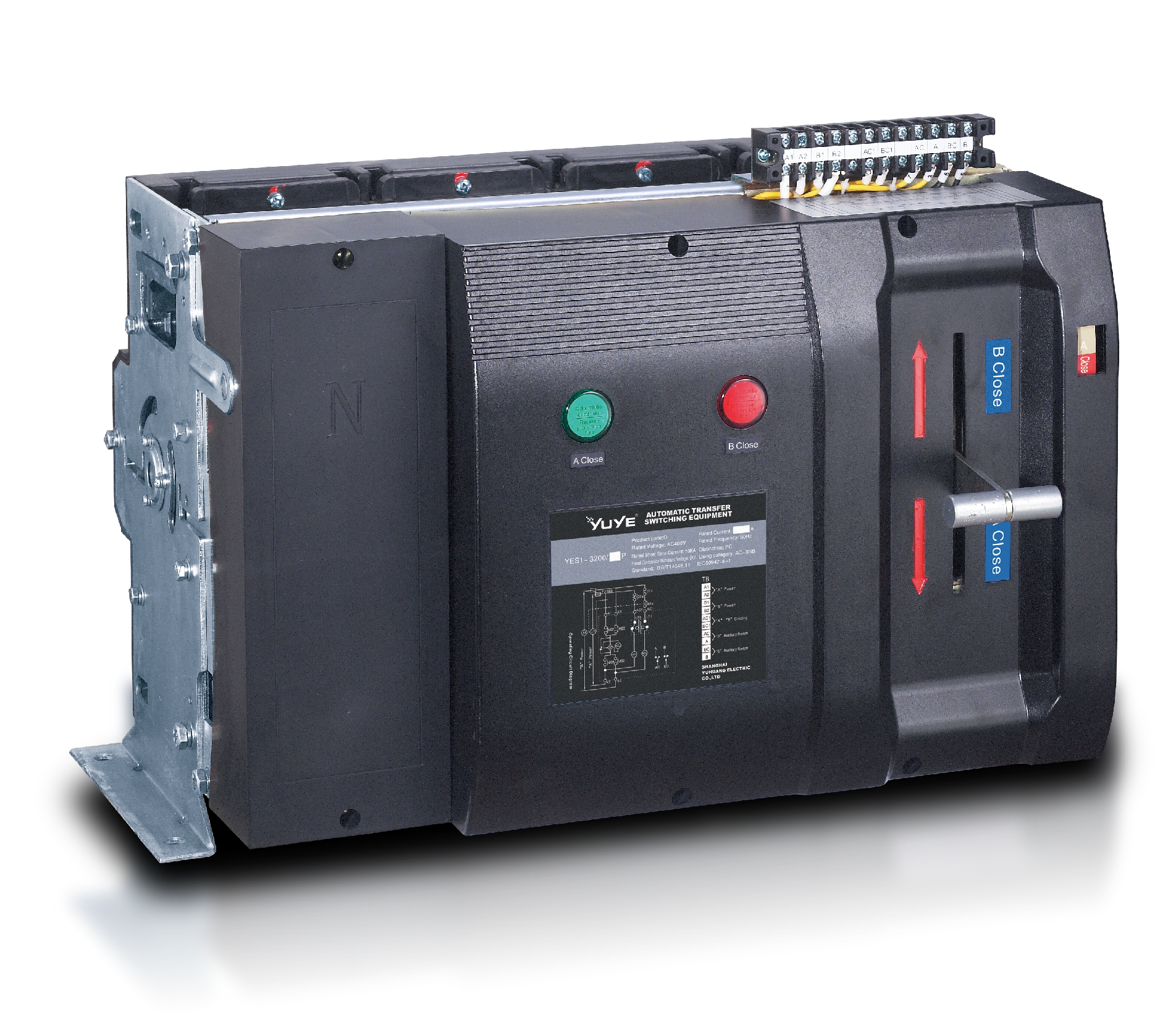 PC ATS YES1-3200Q
 Solenoid-type ATS YES1-4000~6300Q
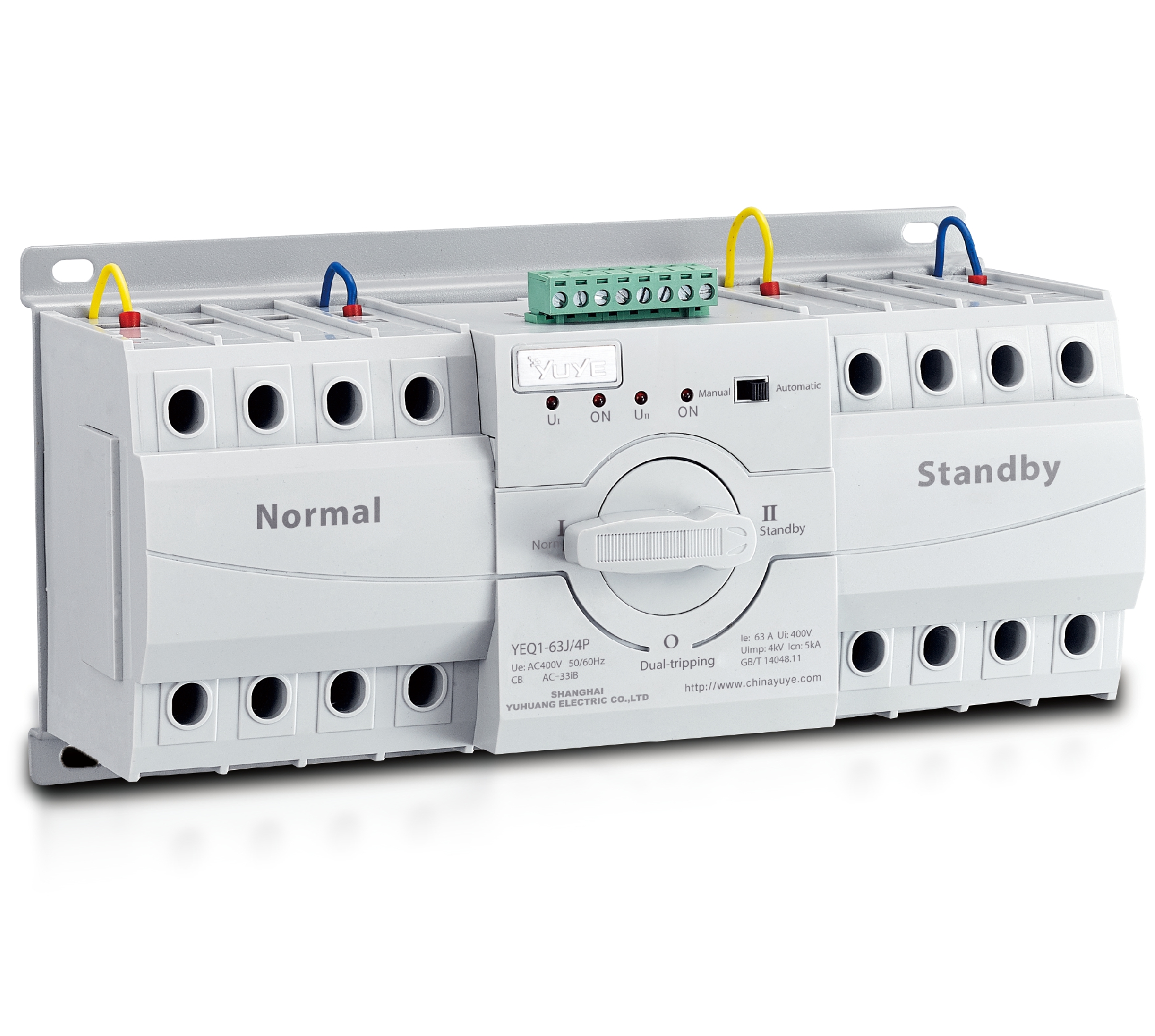 CB ATS YEQ1-63J
 CB ATS YEQ2Y-63
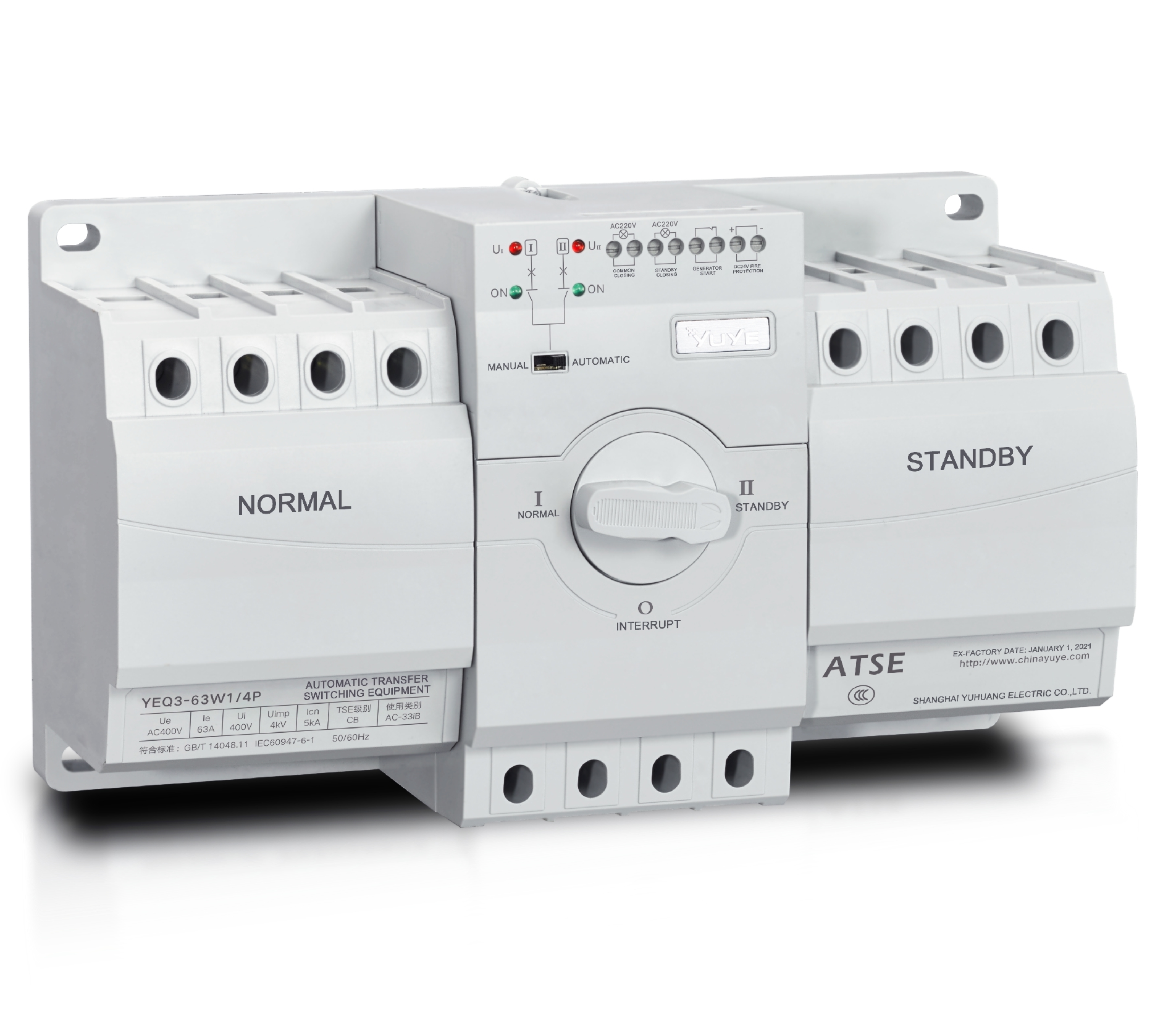 CB ATS YEQ3-63W1
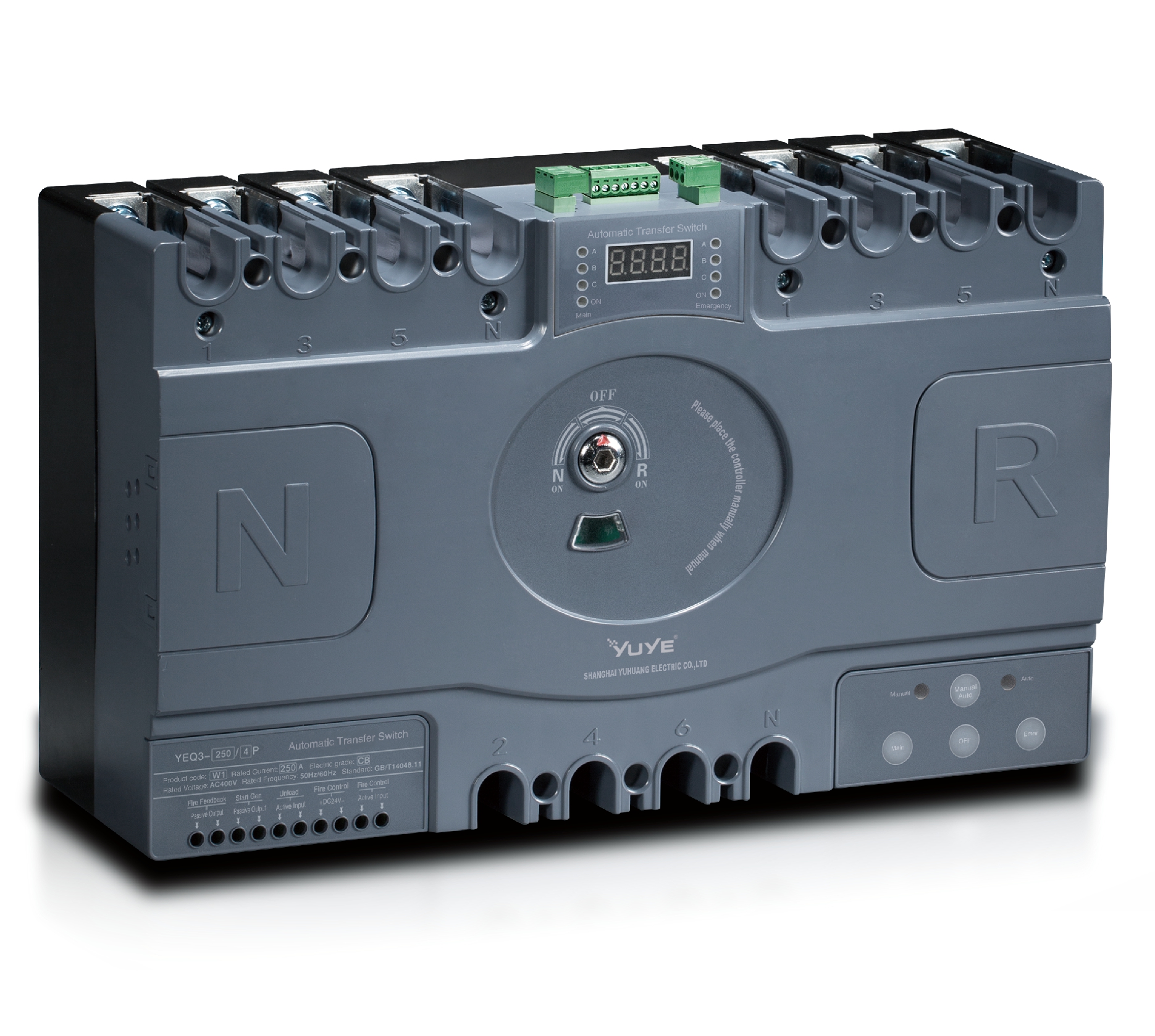 CB ATS YEQ3-125~630W1
 ATS controller Y-700
 ATS Controller Y-700N
 ATS Controller Y-701B
 ATS Controller Y-703N
 ATS Controller Y-800
 ATS Controller W2/W3 Series
 ATS switch Cabinet floor-to-ceiling
 ATS switch cabinet
 JXF-225A power Cbinet
 JXF-800A power Cbinet
 YEM3-125~800 Plastic Shell Type MCCB
 YEM3L-125~630 Leakage Type MCCB
 YEM3Z-125~800 Adjustable Type MCCB
 YEM1-63~1250 Plastic Shell Type MCCB
 YEM1E-100~800 Electronic Type MCCB
 YEM1L-100~630 Leakage Type MCCB
 Miniature circuit breaker YEMA2-6~100
 Miniature circuit breaker YEB1-3~63
 Miniature circuit breaker YEB1LE-3~63
 Miniature circuit breaker YEPN-3~32
 Miniature circuit breaker YEPNLE-3~32
 Miniature circuit breaker YENC-63~125
 Air Circuit Breaker YEW1-2000~6300
 Air Circuit Breaker YEW3-1600
 Load isolation switch YGL-63~3150
 Load Isolation Switch YGL2-63~3150
 Manual Changeover Switch YGL-100~630Z1A
 Manual Changeover Switch YGLZ1-100~3150
 YECPS2-45~125 LCD
 YECPS-45~125 Digital
 CNC Milling/Turning-OEM
 DC relay MDC-300M
 DC Isolation Switch YEGL3D-630
Automatic Transfer Switches (ATS) are the backbone of reliable power systems, ensuring seamless switching between primary and backup power sources to avoid costly downtime. Among the most common variants, 3P and 4P are widely used but frequently misunderstood—especially when paired with popular models like the Ats 63a. For businesses and engineers operating in global markets, clarifying their differences is vital to avoid mismatches, equipment damage, or safety hazards. Whether you’re outfitting a manufacturing plant or a data center, choosing between 3P type and compatible units starts with grasping their core distinctions.
1. Definition & Basic Structure: Core Distinction in Pole Configuration
“P” in ATS terminology stands for “pole,” which refers to the number of current-carrying conductors the switch can control simultaneously. A 3P ATS is designed to handle three live wires (L1, L2, L3) in three-phase systems, leaving the neutral wire (N) permanently connected to the load. This simplifies its structure but limits its functionality in certain setups. The 4P ATS, by contrast, adds a fourth pole specifically for the neutral wire, enabling it to switch all four conductors (L1, L2, L3, N) in sync. This neutral control feature is not just an upgrade—it’s a necessity in systems where isolating the neutral is critical, even when using a medium-capacity unit like the Ats 63a that’s rated for 63 amps of current.
2. Functional Differences: Neutral Wire Handling and Power Transfer Logic
The most impactful functional difference between 3P and 4P ATS lies in neutral wire management, which directly affects system safety and stability. With 3P ATS, the neutral remains continuously connected, creating a risk of “neutral drift”—a voltage imbalance that can occur if the primary and backup power sources have different neutral potentials. This drift can damage sensitive electronics or cause erratic equipment performance. This type eliminates this risk by switching the neutral wire alongside the live conductors, ensuring consistent neutral grounding across power sources. While both types offer fast transfer speeds (typically under 100 milliseconds), the 4P’s neutral control makes it far more reliable in unbalanced systems, a benefit that pairs perfectly with the steady current handling of medium-capacity units in commercial applications.

3. Application Scenarios: Which One Fits Your Power System?
Application scenarios for 3P and 4P ATS are clearly defined by system requirements and safety standards. 3P ATS shines in cost-sensitive, simple setups: think industrial motors, heavy machinery, or single-phase appliances where the neutral doesn’t need isolation. It’s often paired with Ats 63a for medium-load applications like small workshops or retail stores, where budget and basic functionality are priorities. This type, however, is non-negotiable for environments where precision and safety are paramount. Data centers, hospitals with life-saving medical equipment, and UPS-backed IT systems all rely on this type to prevent neutral-related faults that could corrupt data or endanger lives. It also meets strict international standards like IEC 60947-6-1, a key consideration for global buyers.
4. Selection Considerations: Key Factors for 3P vs. 4P ATS Choice
When selecting between 3P and this type, engineers must weigh three critical factors, plus compatibility with units like Ats 63a. First, system type: this type is required for TN-S and TN-C-S systems (common in Europe and Asia), while 3P works for TT systems. Second, neutral demand: if your setup uses sensitive electronics or has separate power source neutrals, 4P is a must. Third, load capacity: ensure the ATS matches your current needs—63A-rated units are ideal for 63A circuits, but always confirm compatibility with your 3P or 4P choice. Finally, check local codes: regions like the EU and North America often mandate 4P ATS in commercial buildings and healthcare facilities to comply with safety regulations.
In summary, 3P ATS offers cost-effectiveness and simplicity for basic three-phase systems, while this type delivers the safety and stability required for sensitive applications. 63A-rated models, with their specific current capacity, integrate seamlessly with either type, making them a versatile choice for many commercial and industrial setups. By aligning your ATS selection with your system’s neutral requirements, load capacity, and local regulations, you can ensure uninterrupted power and long-term equipment protection—whether you opt for the practicality of 3P or the reliability of this type.