
 PC ATS YECT1-2000G
 PC ATS YES2-63~250GN1
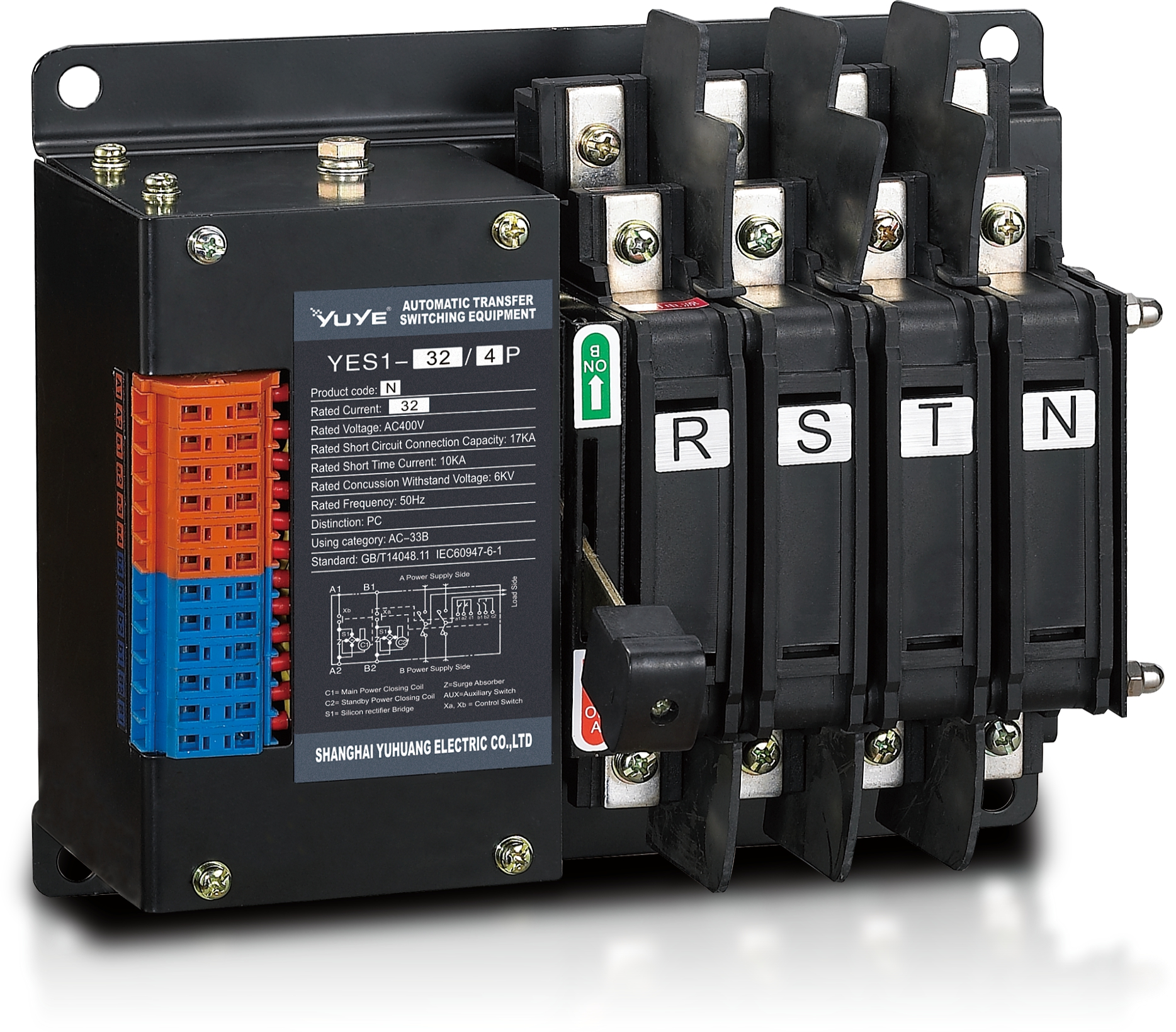 Solenoid-type ATS YES1-32~125N
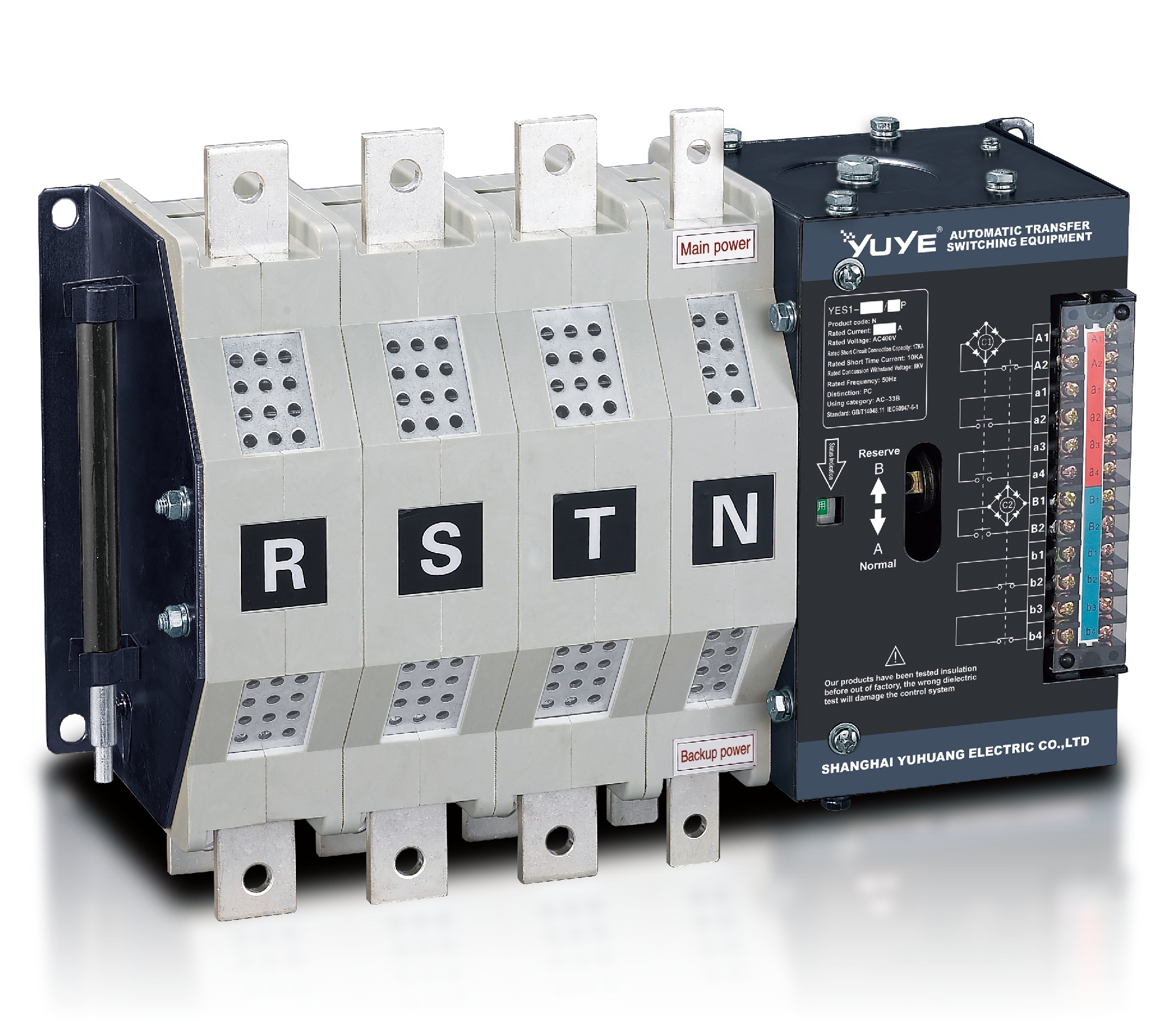 Solenoid-type ATS YES1-250~630N/NT
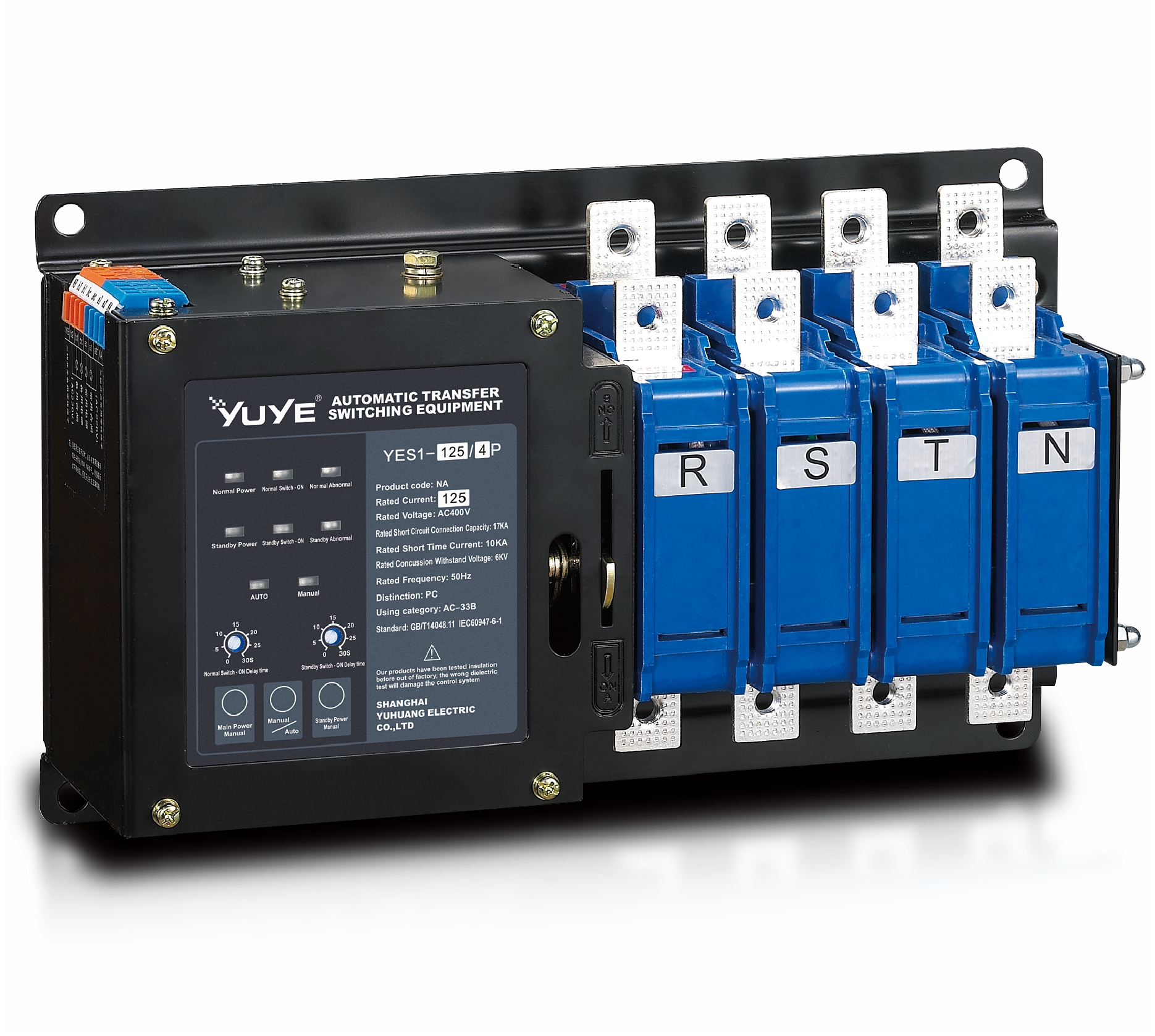 Solenoid-type ATS YES1-32~125NA
 Solenoid-type ATS YES1-63~630SN
 Solenoid-type ATS YES1-1250~4000SN
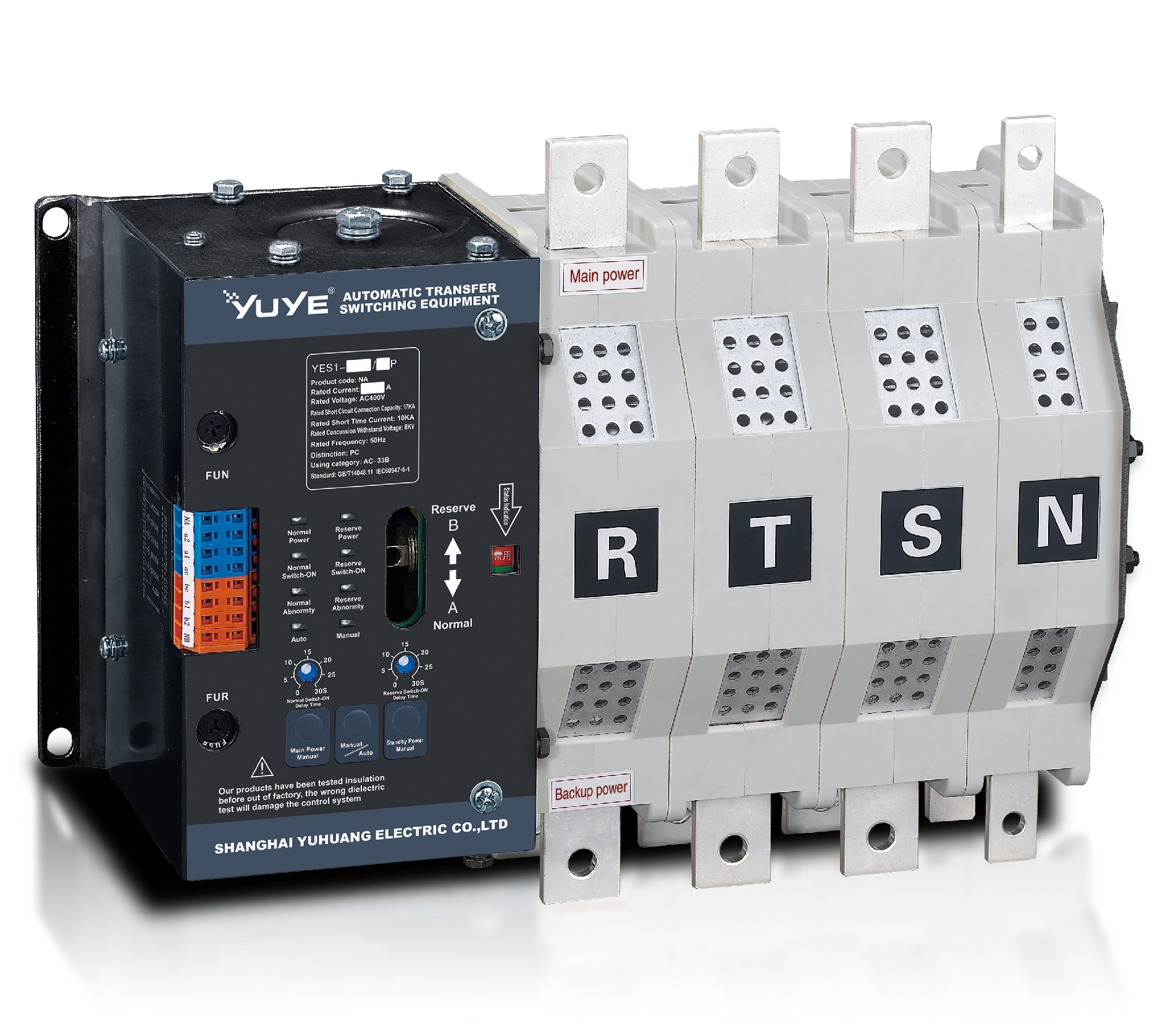 Solenoid-type ATS YES1-250~630NA/NAT
 Solenoid-type ATS YES1-63NJT
 PC ATS YES1-100~1600GN1/GN/GNF
 PC ATS YES1-2000~3200GN/GNF
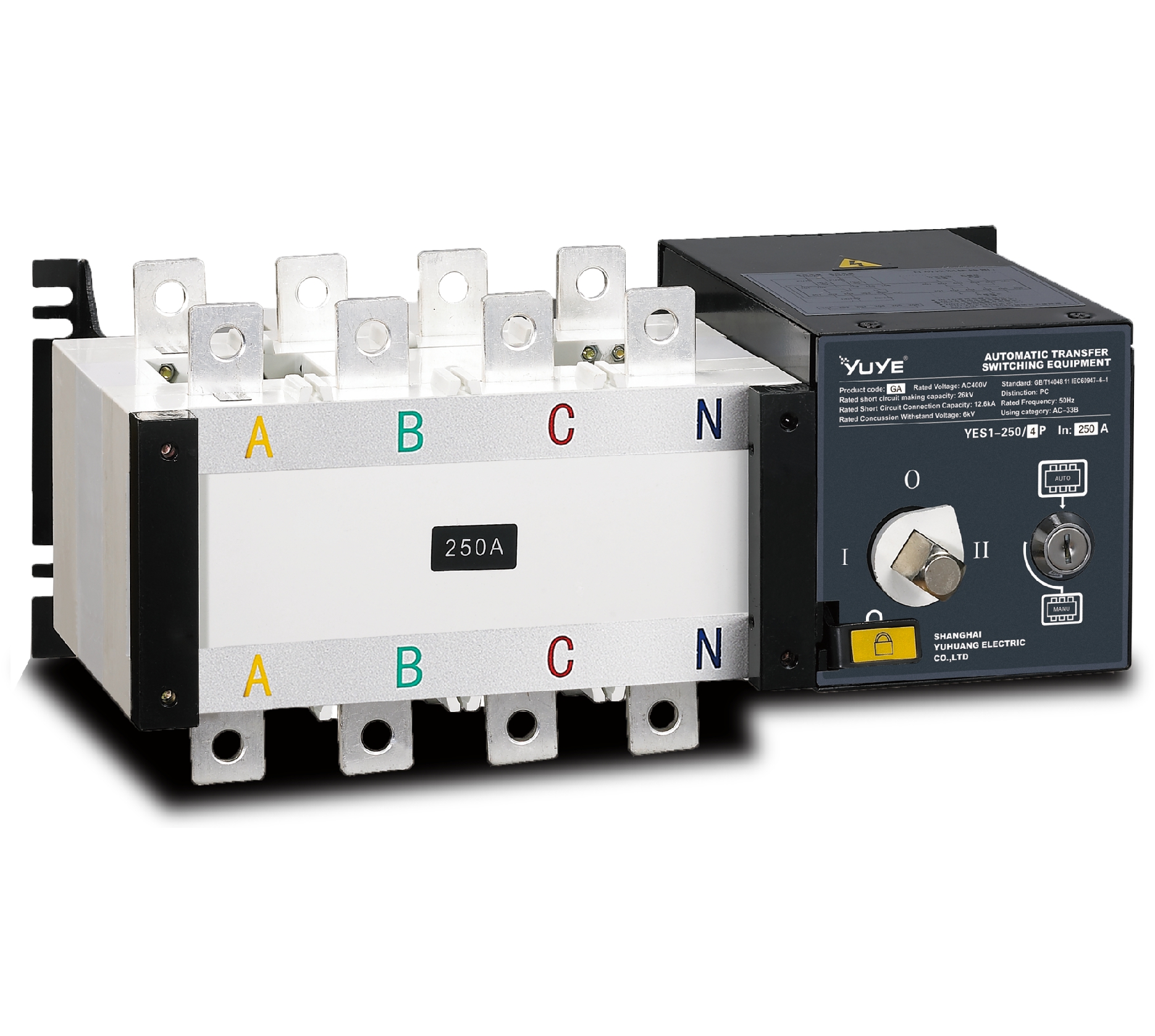 PC ATS YES1-100~3200GA1/GA
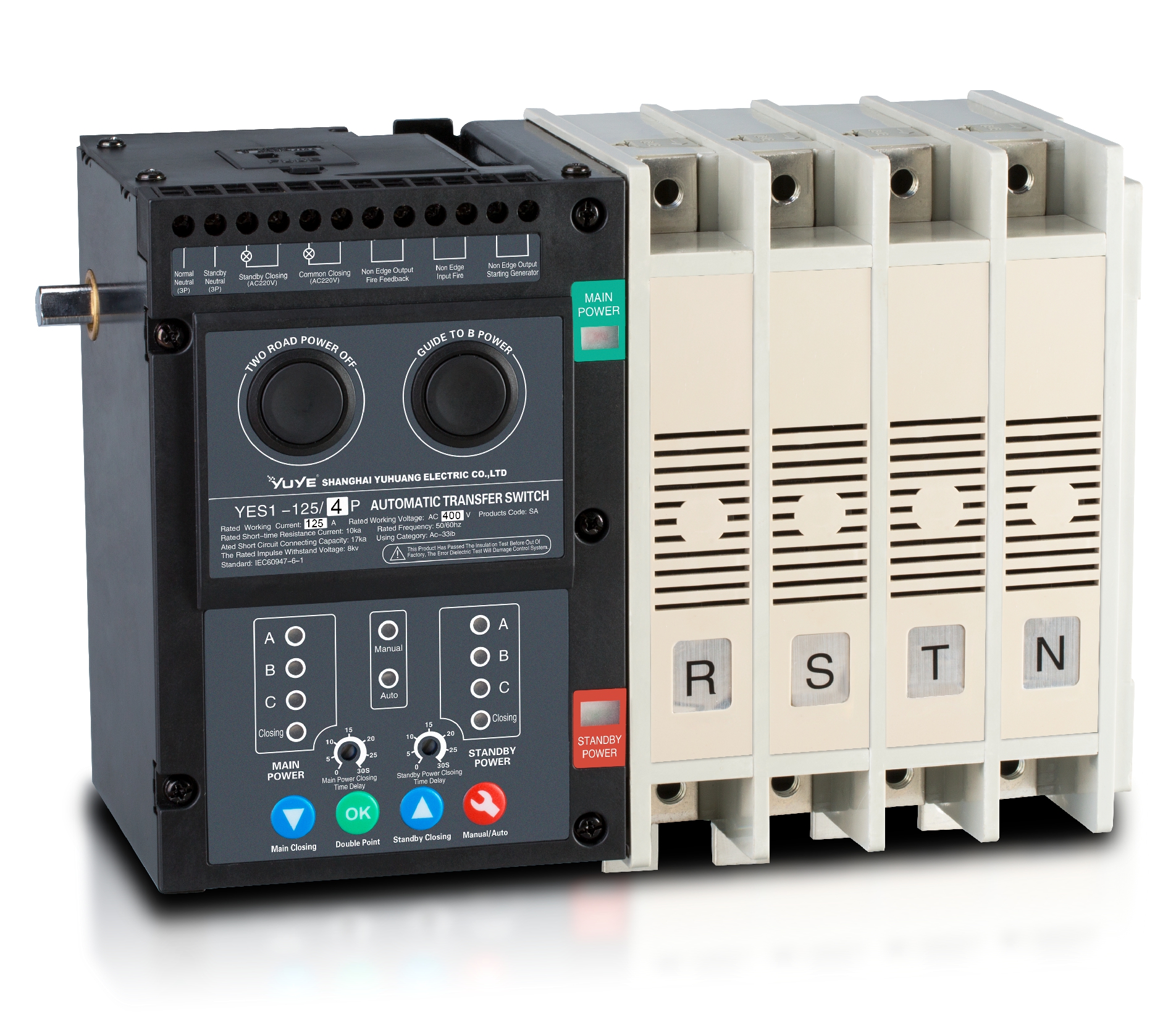 Solenoid-type ATS YES1-63~630SA
 Solenoid-type ATS YES1-63~630L/LA
 Solenoid-type ATS YES1-63~630LA3
 Solenoid-type ATS YES1-63MA
 PC ATS YES1-630~1600M
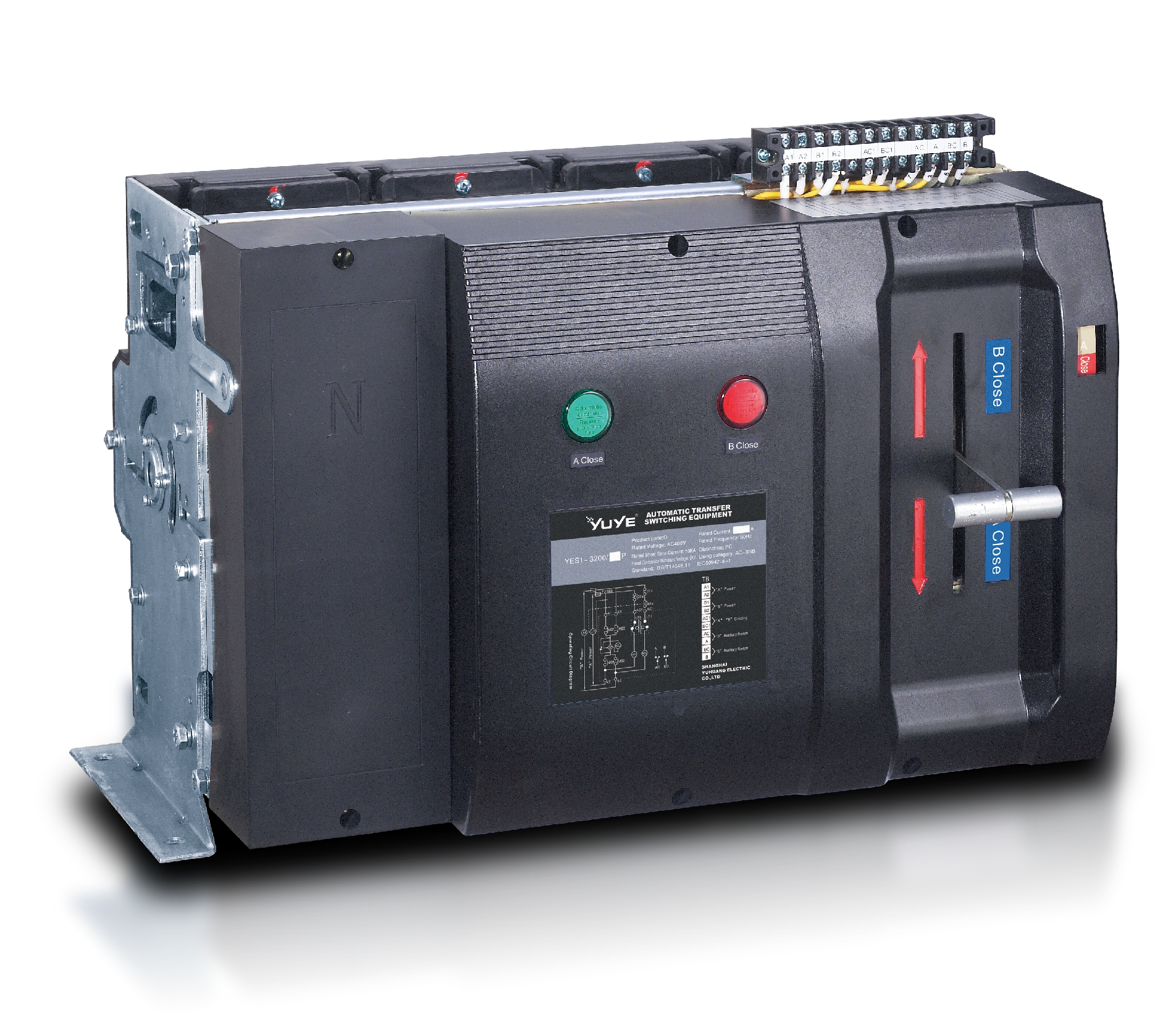 PC ATS YES1-3200Q
 Solenoid-type ATS YES1-4000~6300Q
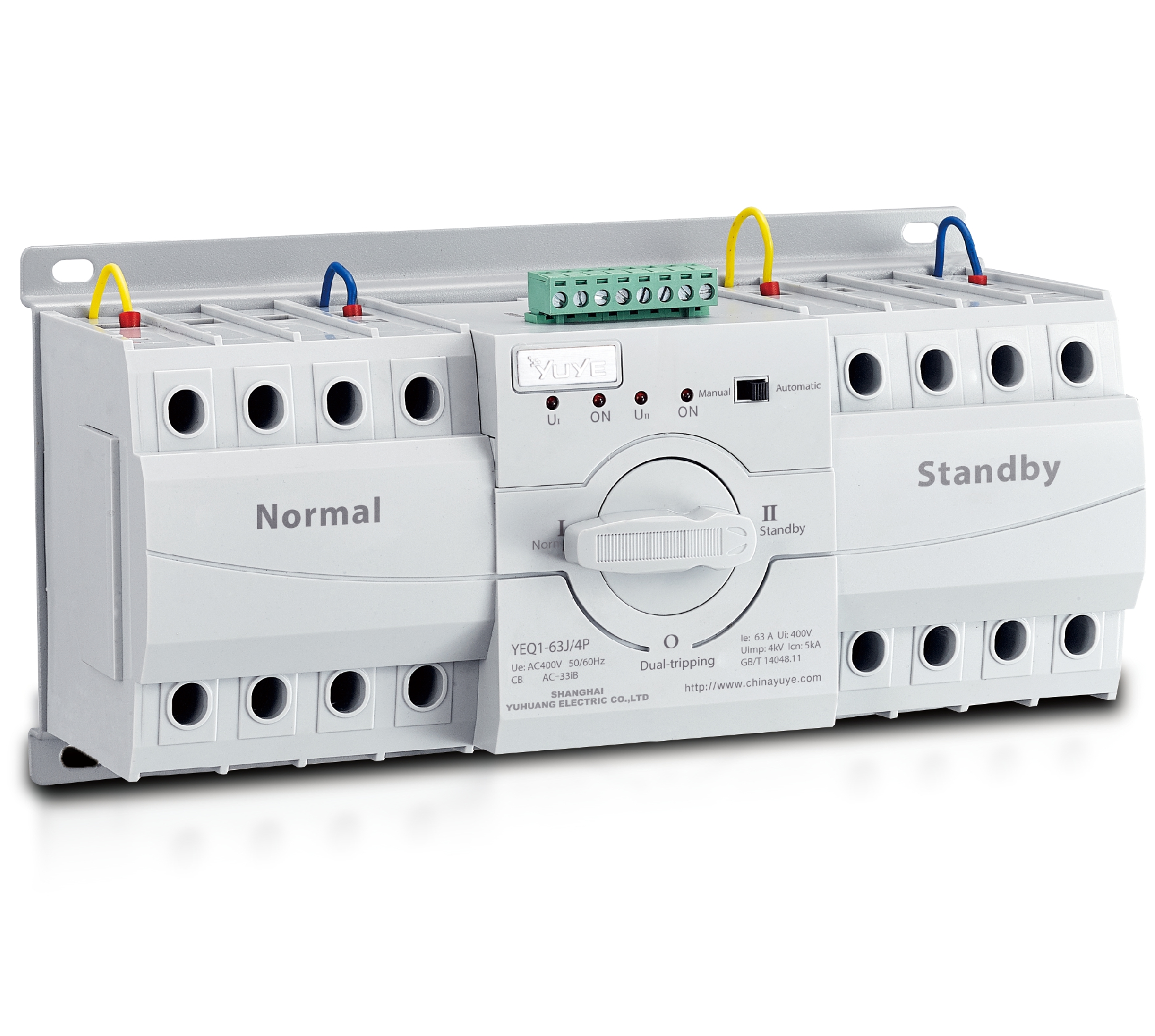 CB ATS YEQ1-63J
 CB ATS YEQ2Y-63
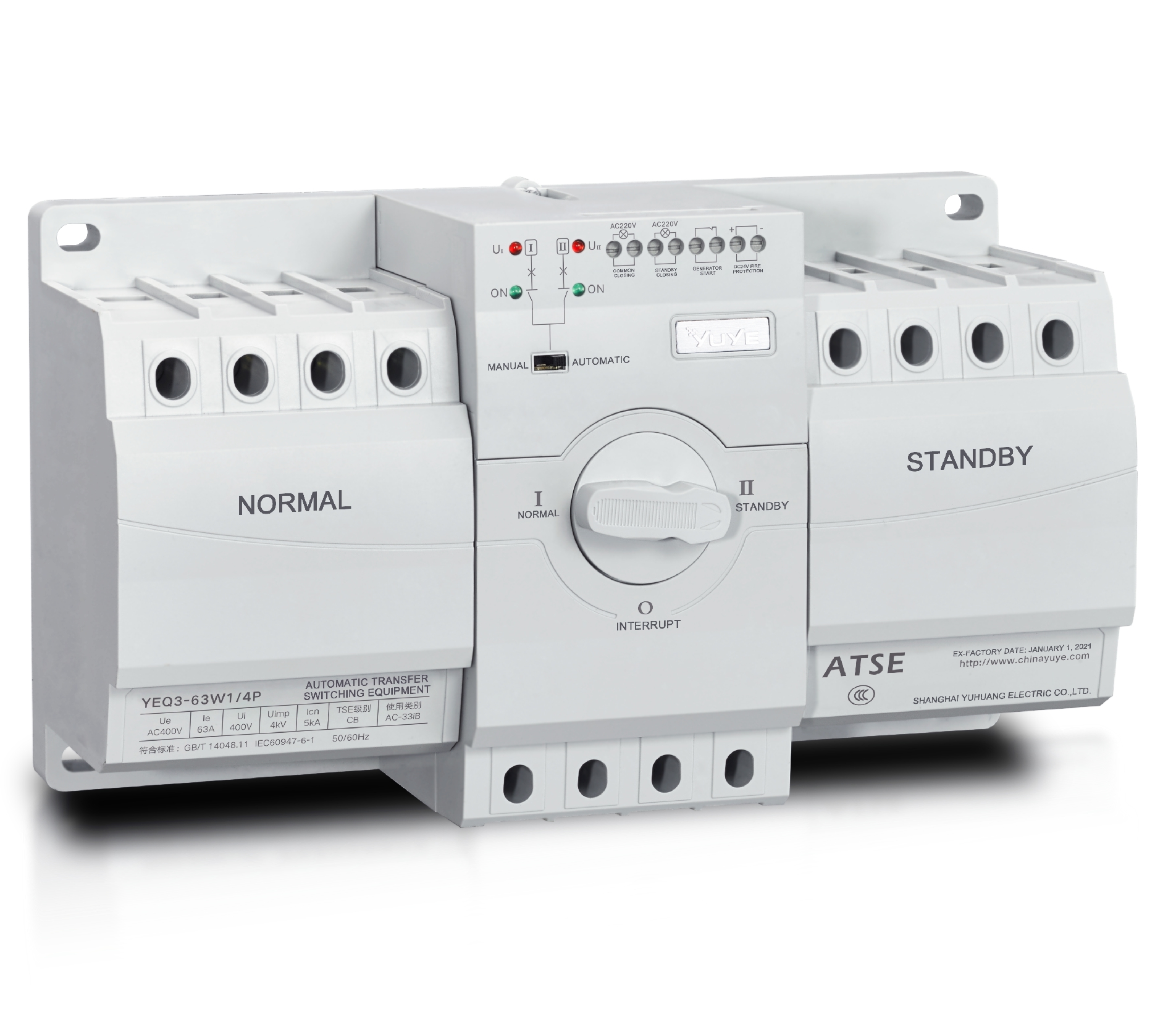 CB ATS YEQ3-63W1
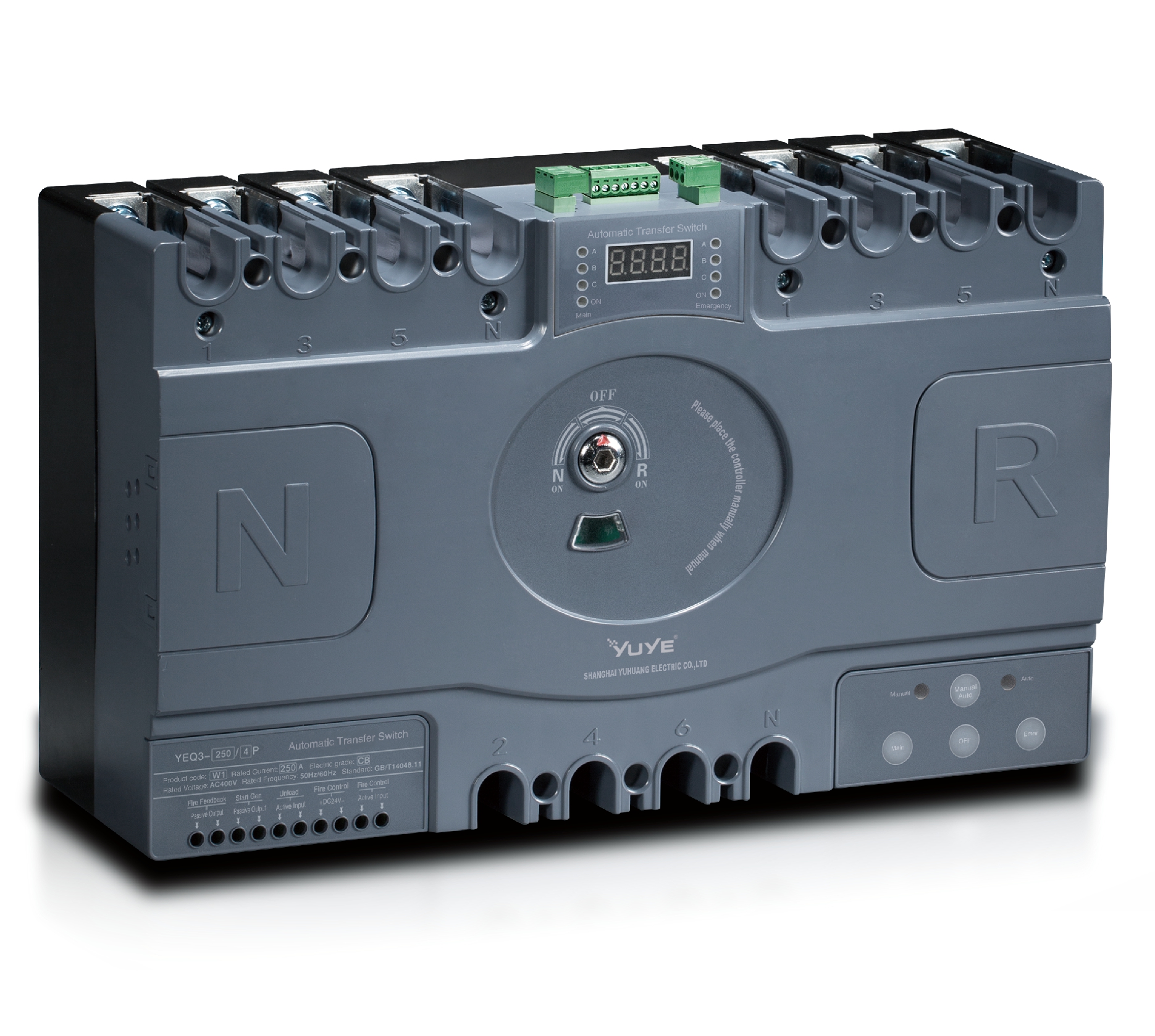 CB ATS YEQ3-125~630W1
 ATS controller Y-700
 ATS Controller Y-700N
 ATS Controller Y-701B
 ATS Controller Y-703N
 ATS Controller Y-800
 ATS Controller W2/W3 Series
 ATS switch Cabinet floor-to-ceiling
 ATS switch cabinet
 JXF-225A power Cbinet
 JXF-800A power Cbinet
 YEM3-125~800 Plastic Shell Type MCCB
 YEM3L-125~630 Leakage Type MCCB
 YEM3Z-125~800 Adjustable Type MCCB
 YEM1-63~1250 Plastic Shell Type MCCB
 YEM1E-100~800 Electronic Type MCCB
 YEM1L-100~630 Leakage Type MCCB
 Miniature circuit breaker YEMA2-6~100
 Miniature circuit breaker YEB1-3~63
 Miniature circuit breaker YEB1LE-3~63
 Miniature circuit breaker YEPN-3~32
 Miniature circuit breaker YEPNLE-3~32
 Miniature circuit breaker YENC-63~125
 Air Circuit Breaker YEW1-2000~6300
 Air Circuit Breaker YEW3-1600
 Load isolation switch YGL-63~3150
 Load Isolation Switch YGL2-63~3150
 Manual Changeover Switch YGL-100~630Z1A
 Manual Changeover Switch YGLZ1-100~3150
 YECPS2-45~125 LCD
 YECPS-45~125 Digital
 CNC Milling/Turning-OEM
 DC relay MDC-300M
 DC Isolation Switch YEGL3D-630
As modern facilities continue to expand, power demand is no longer static. Electrification, automation, and digital infrastructure are placing increasing pressure on electrical distribution systems. In this context, selecting the right protective devices becomes a strategic decision rather than a routine specification. A properly rated molded case circuit breaker ensures that growing loads are managed safely while maintaining system stability and operational continuity.
1.Understanding Rising Load Profiles in Commercial and Industrial Facilities
Commercial buildings and industrial plants are experiencing significant changes in load characteristics. The integration of high-capacity HVAC systems, electric vehicle charging stations, automated production lines, and data-driven equipment has transformed traditional load profiles into more dynamic and demanding ones.
If protection devices are undersized or inadequately coordinated, the risk of overheating, nuisance tripping, and equipment damage increases. Addressing load growth early in the design phase is essential for long-term system reliability.
2.Why Medium-to-High Current Protection Requires a Different Design Approach
Higher current levels introduce unique challenges related to thermal performance, short-circuit withstand capability, and fault interruption. Unlike low-current applications, protection at this range must balance sensitivity with robustness.
A 1200A MCCB is often selected where systems require both compact design and dependable interruption performance, making it suitable for medium-to-large distribution panels that must operate continuously under elevated loads.
3.Selective Coordination and System Stability in Expanding Power Networks
As power systems grow more complex, selective coordination becomes critical. Proper coordination ensures that only the protective device closest to the fault operates, minimizing service disruption.
Well-coordinated protection improves system uptime, enhances safety, and prevents cascading outages that can affect entire facilities. Strategic selection and setting of protective devices play a central role in maintaining stable and predictable system behavior.
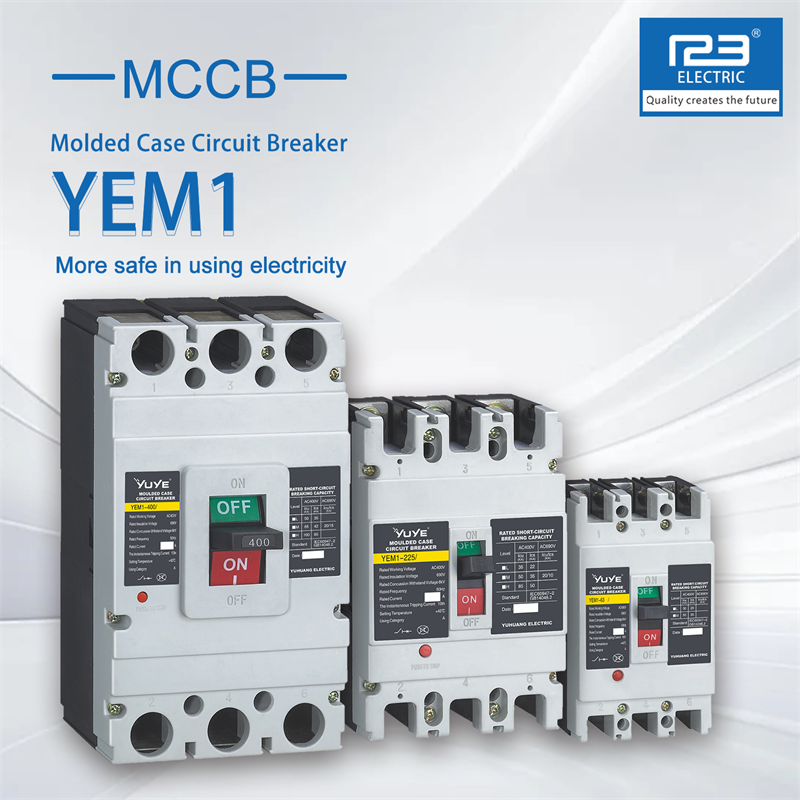
4.Installation, Space Optimization, and Panel Integration Considerations
Modern electrical rooms often face space constraints. Efficient panel layout, adequate ventilation, and compatibility with busbar systems must all be considered during installation.
Medium-to-high current breakers must be integrated in a way that supports heat dissipation and ease of maintenance while allowing room for future expansion or upgrades.
5.Future-Proofing Electrical Infrastructure for Scalability and Compliance
Designing for scalability ensures that facilities can adapt to future capacity increases without major retrofits. Compliance with international standards such as IEC and UL also ensures safety and global acceptance.
By incorporating a 1200A MCCB into forward-looking designs, engineers can create electrical systems that support growth, meet regulatory requirements, and reduce long-term operational costs.
Conclusion
Rising power demand requires more than incremental upgrades—it demands strategic planning. Choosing the correct protection solution enables facilities to operate safely, efficiently, and reliably as loads increase. When properly applied, a 1200A MCCB becomes a key element in building resilient electrical infrastructures that are ready for future challenges.
References
-
IEC 60947-2 – Low-voltage switchgear and controlgear: Circuit-breakers
-
IEEE Std 3007.2 – Recommended Practice for the Maintenance of Industrial and Commercial Power Systems
-
Eaton, ABB, Schneider Electric – Technical Guides on Molded Case Circuit Breakers
FAQ
Q1: Why is load growth a critical factor in breaker selection?
A: Increasing loads can exceed the thermal and interrupting limits of existing devices, leading to failures or reduced reliability.
Q2: How does selective coordination improve system reliability?
A: It limits outages to the smallest possible section of the system by ensuring only the nearest protective device trips during a fault.
Q3: Can medium-to-high current breakers support future expansion?
A: Yes. When correctly selected and installed, they allow systems to scale without major redesigns.