
 PC ATS YECT1-2000G
 PC ATS YES2-63~250GN1
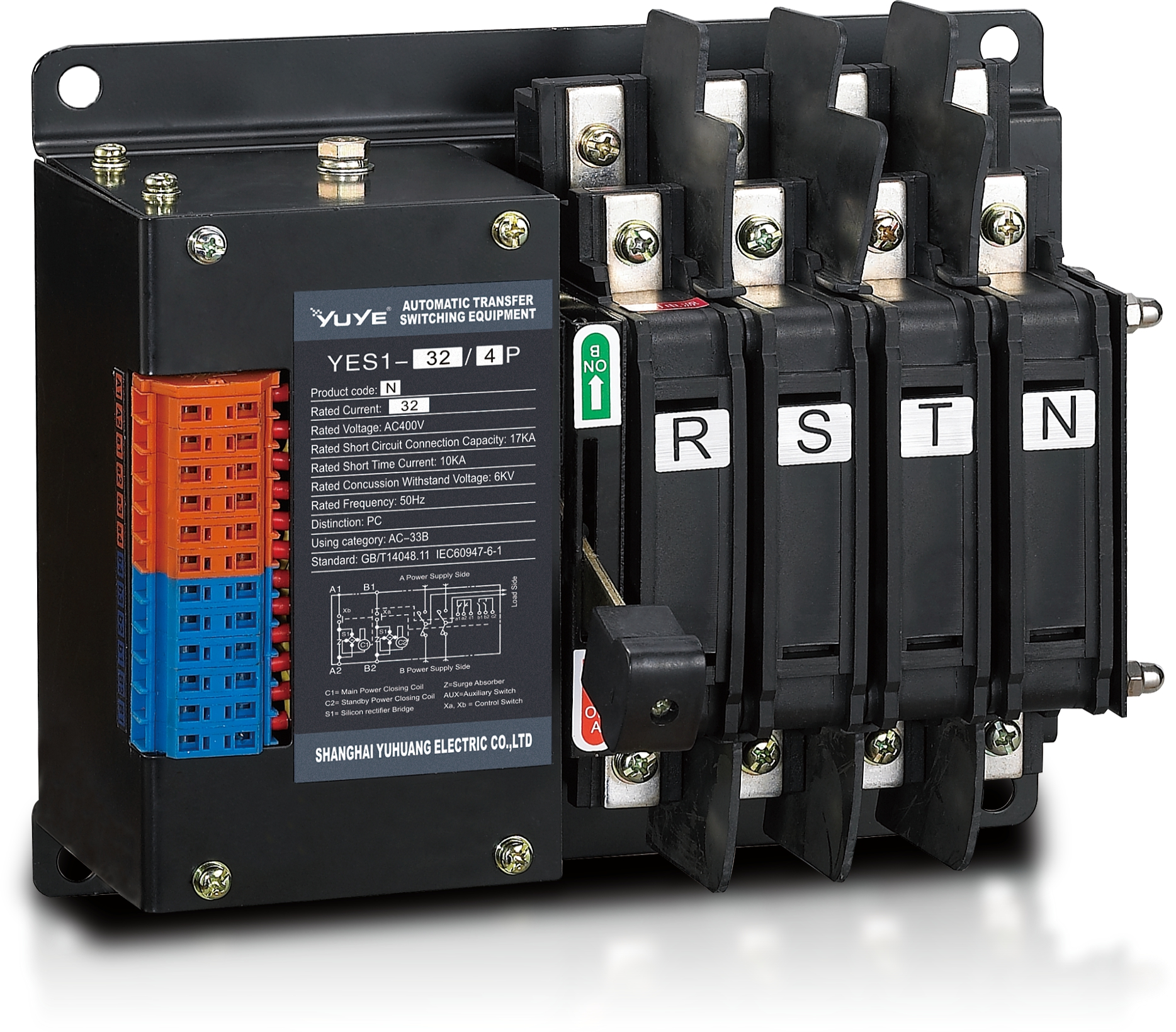 Solenoid-type ATS YES1-32~125N
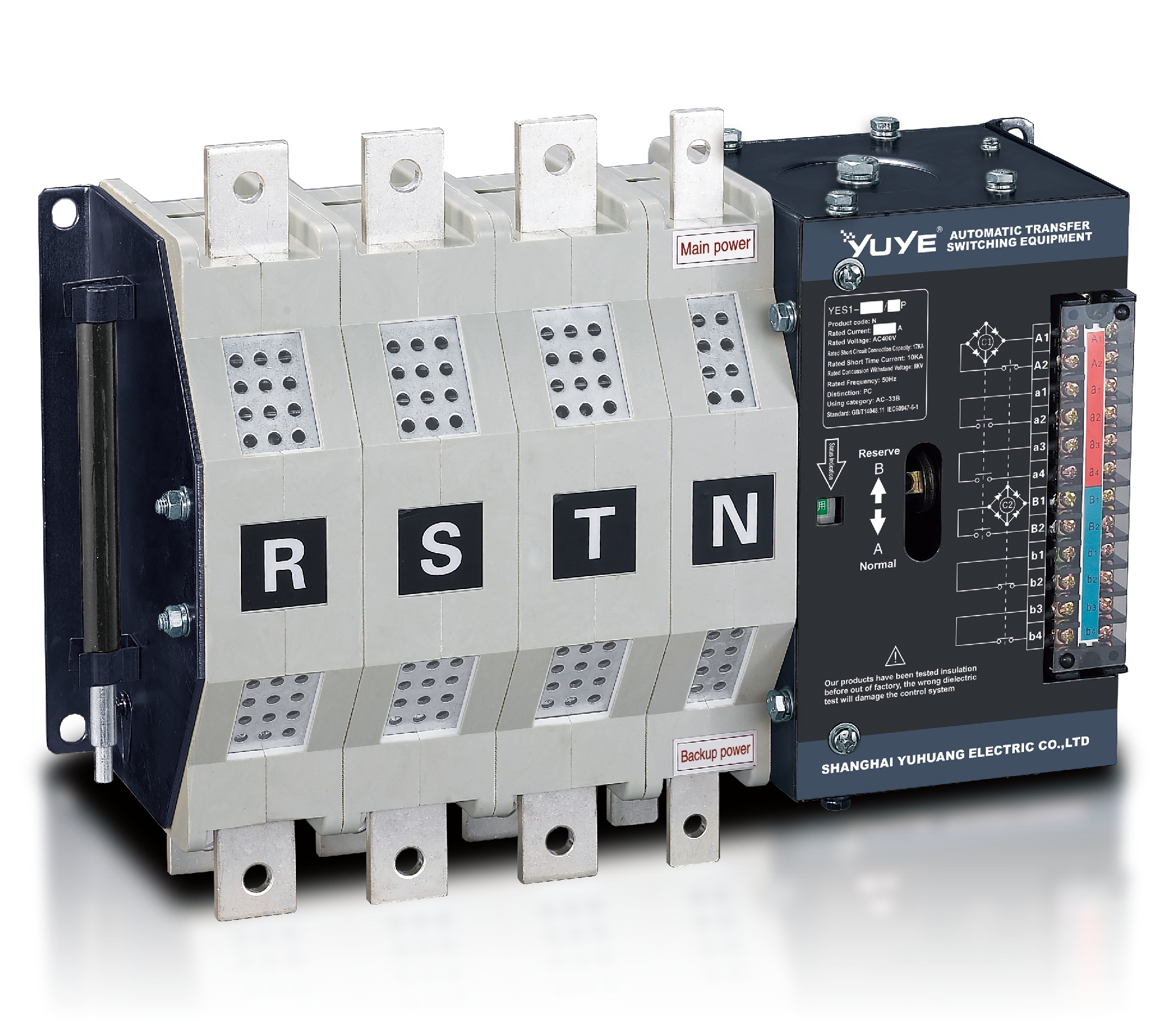 Solenoid-type ATS YES1-250~630N/NT
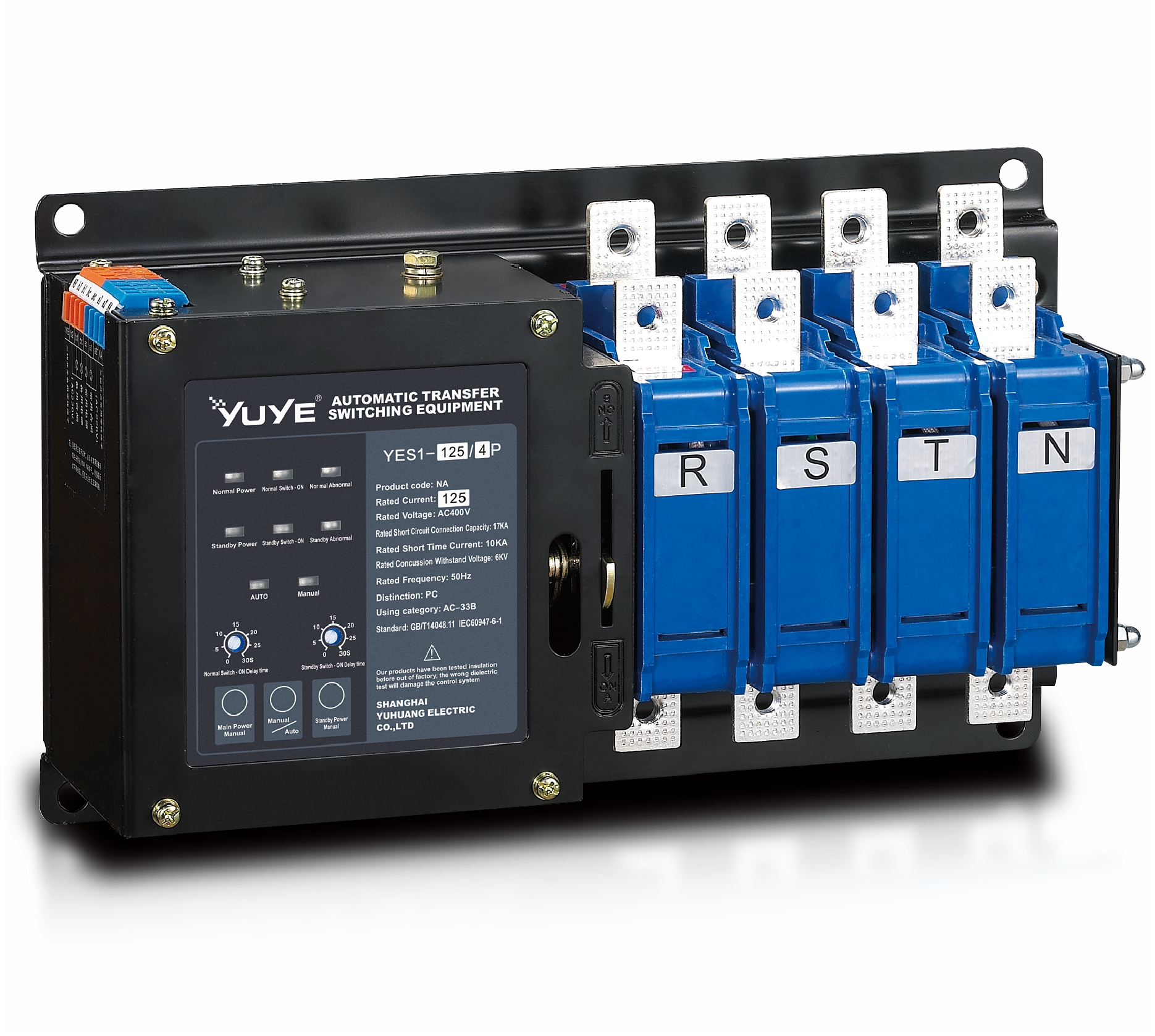 Solenoid-type ATS YES1-32~125NA
 Solenoid-type ATS YES1-63~630SN
 Solenoid-type ATS YES1-1250~4000SN
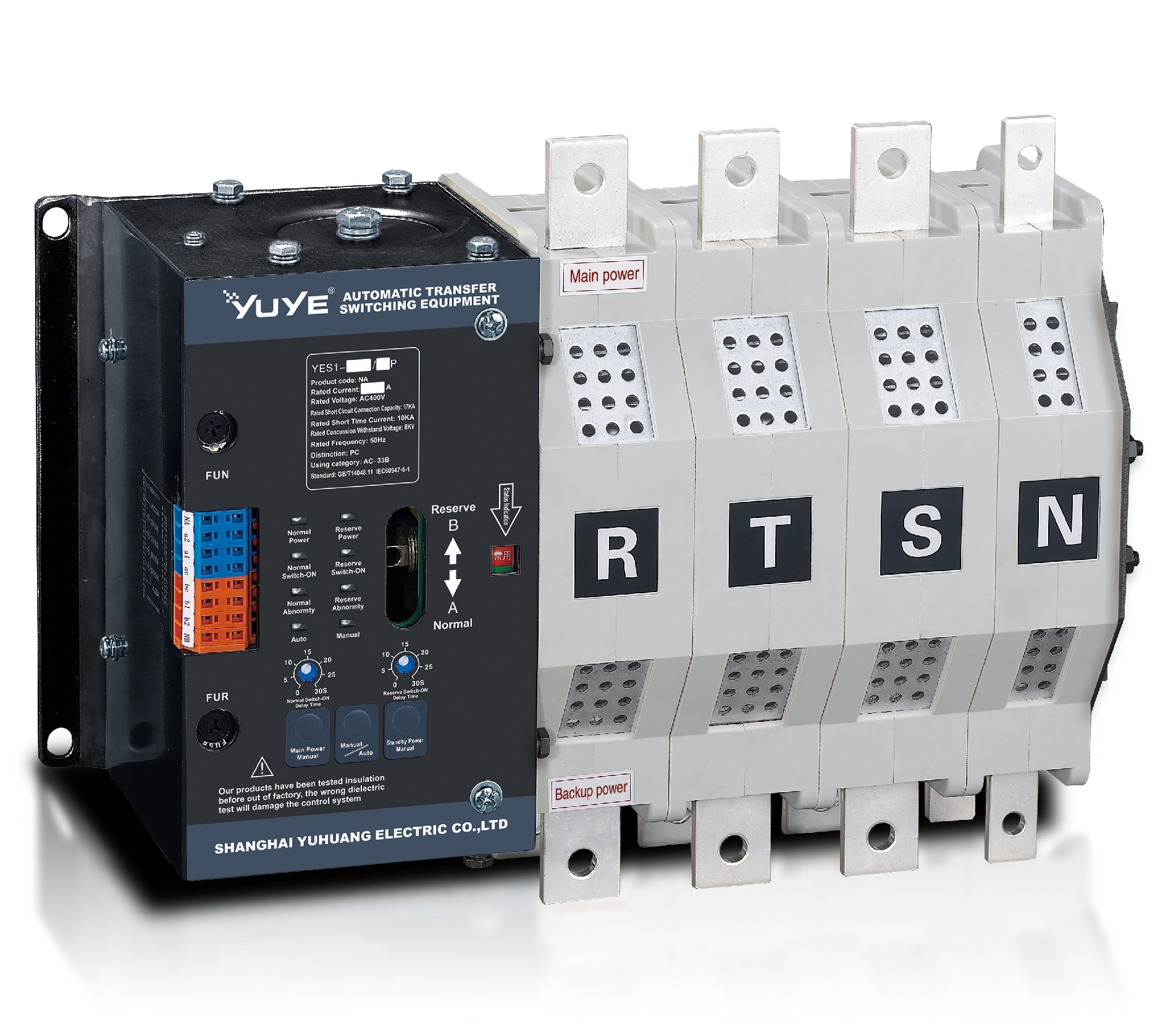 Solenoid-type ATS YES1-250~630NA/NAT
 Solenoid-type ATS YES1-63NJT
 PC ATS YES1-100~1600GN1/GN/GNF
 PC ATS YES1-2000~3200GN/GNF
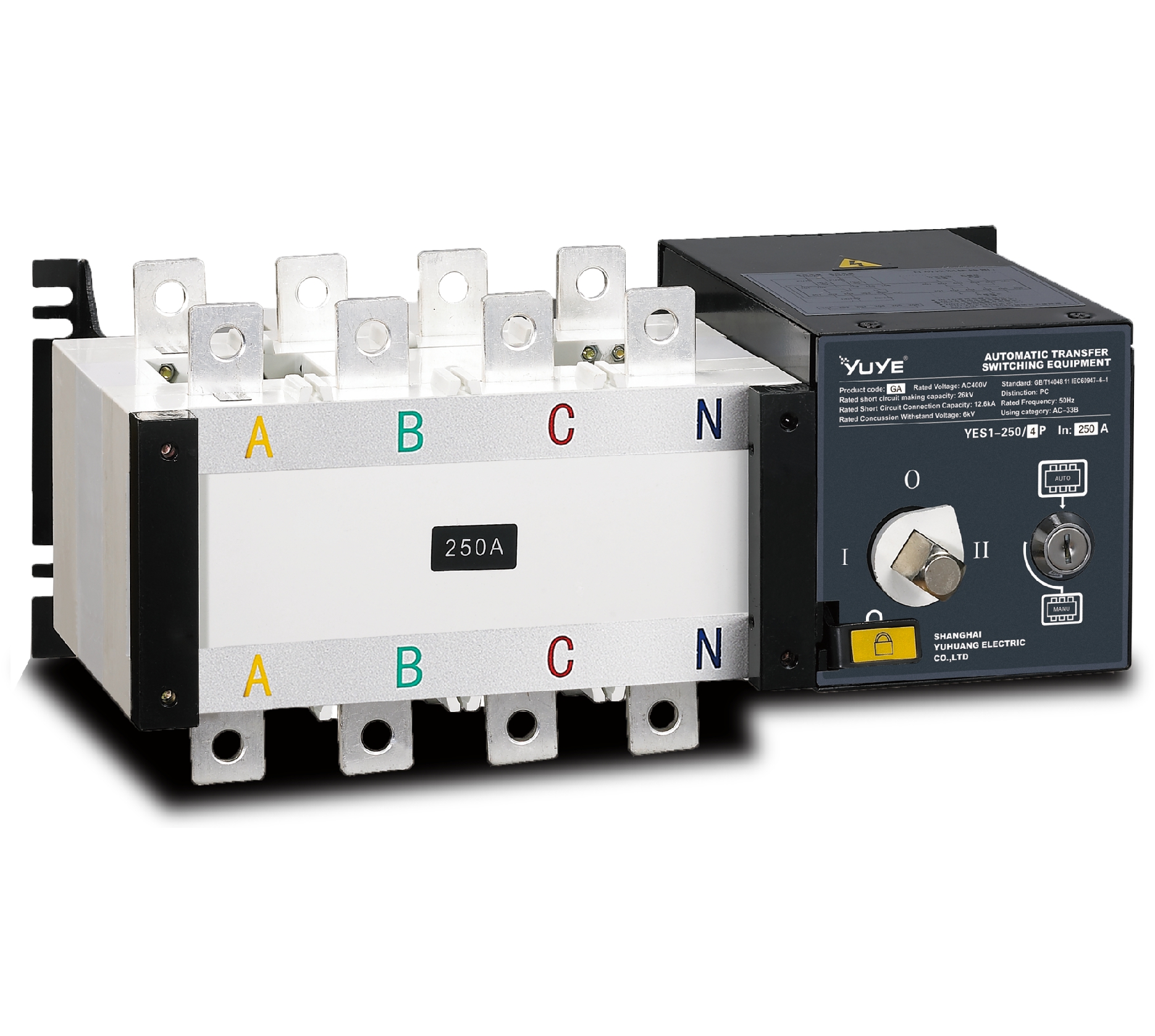 PC ATS YES1-100~3200GA1/GA
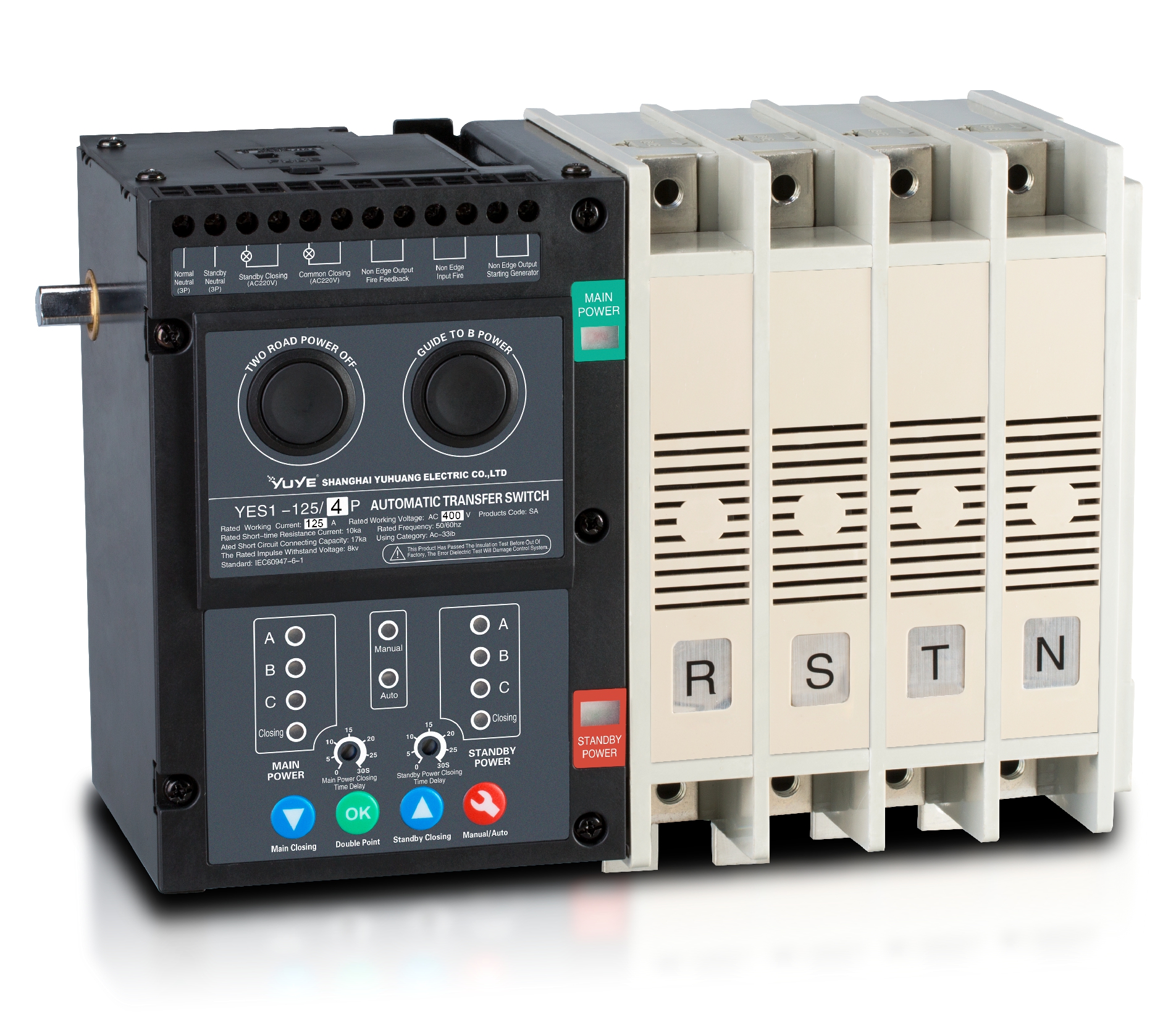 Solenoid-type ATS YES1-63~630SA
 Solenoid-type ATS YES1-63~630L/LA
 Solenoid-type ATS YES1-63~630LA3
 Solenoid-type ATS YES1-63MA
 PC ATS YES1-630~1600M
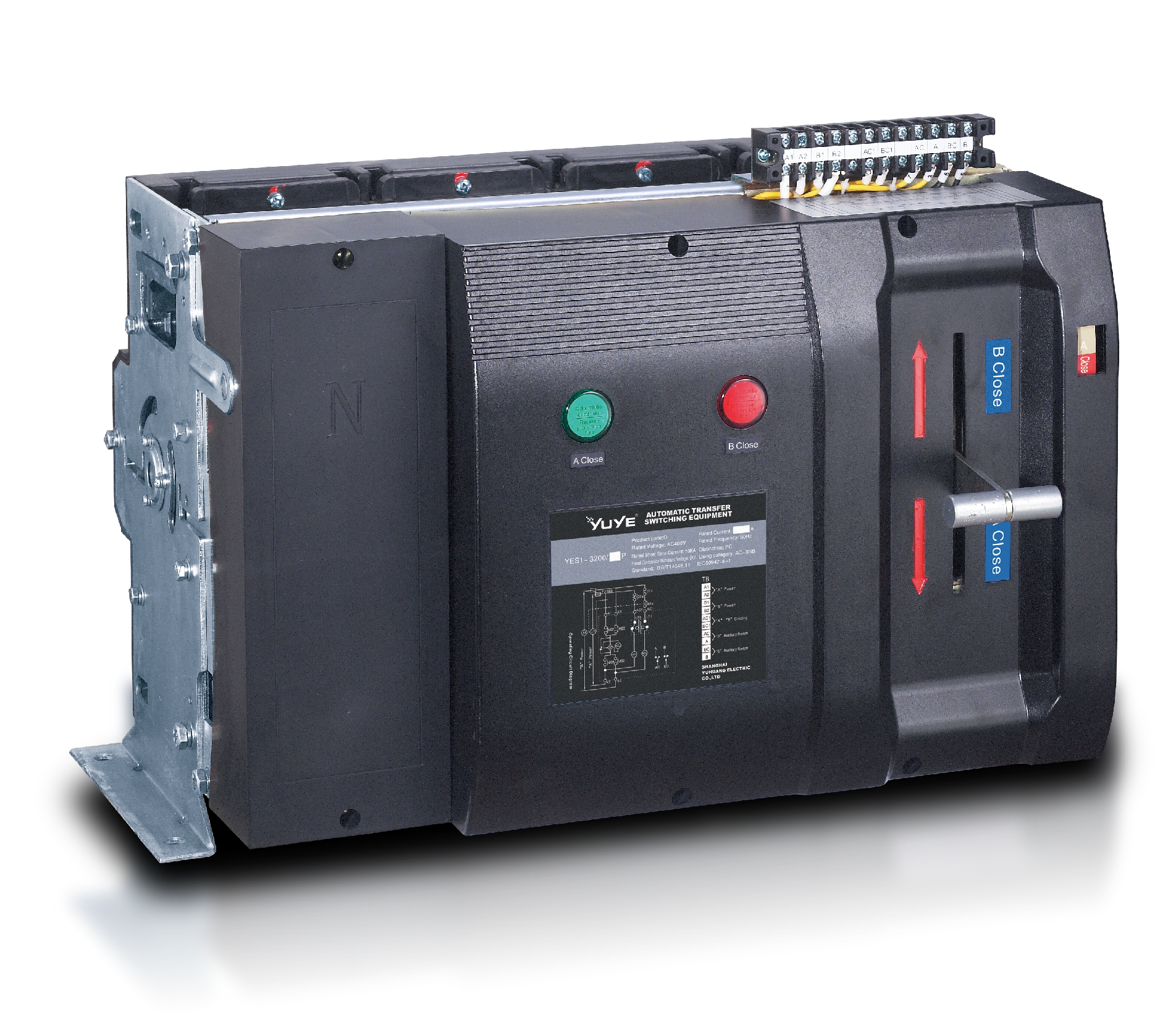 PC ATS YES1-3200Q
 Solenoid-type ATS YES1-4000~6300Q
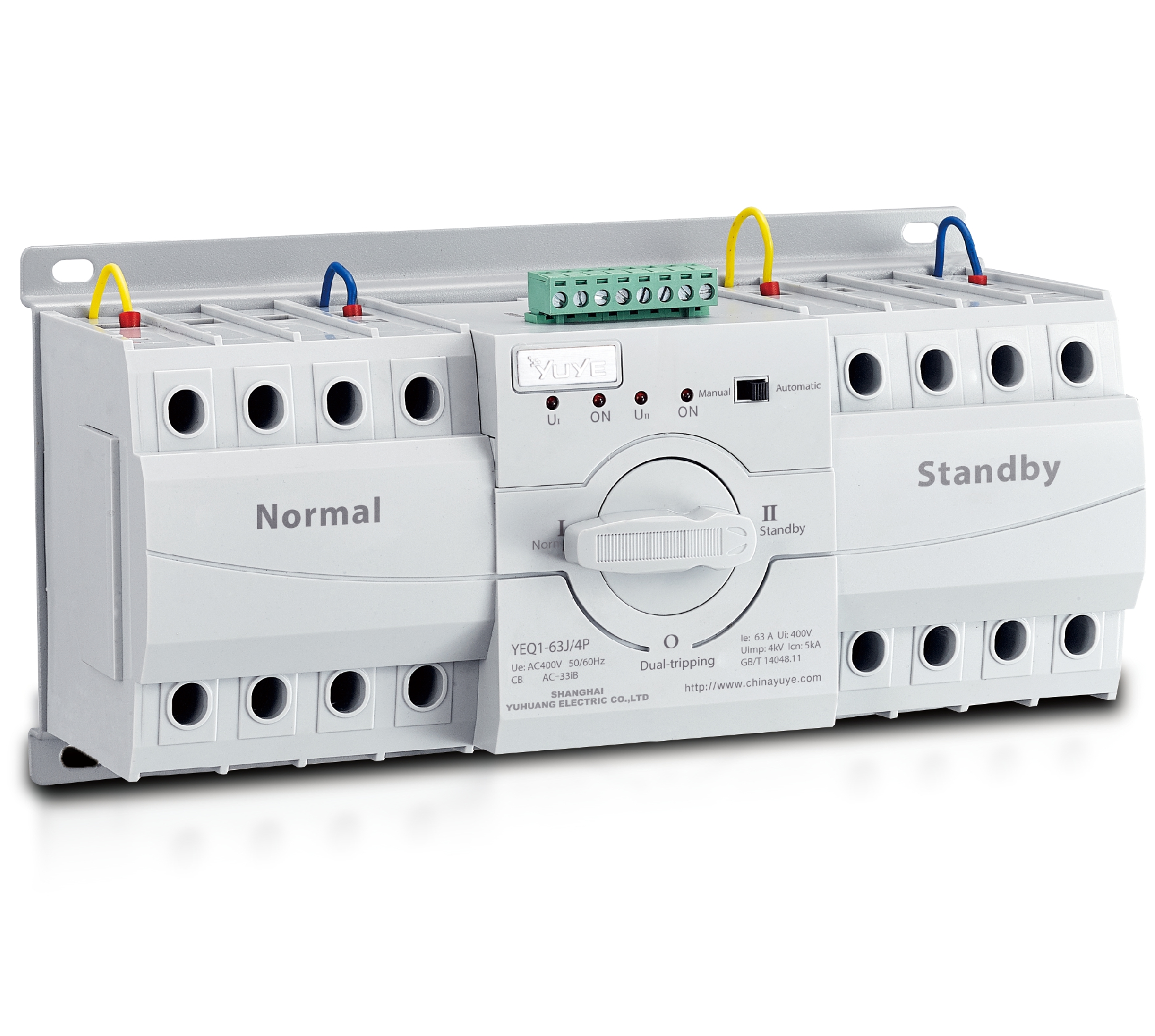 CB ATS YEQ1-63J
 CB ATS YEQ2Y-63
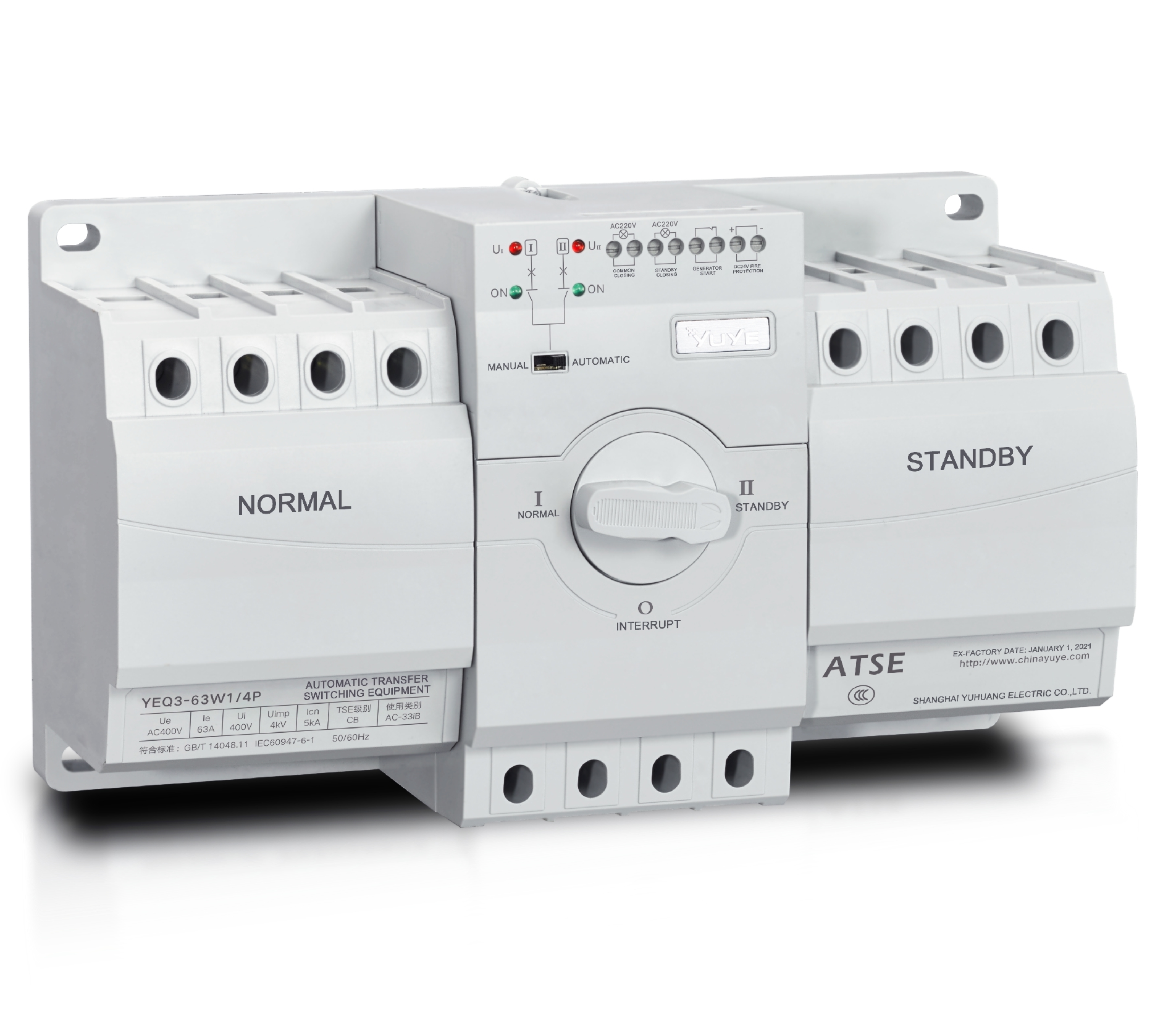 CB ATS YEQ3-63W1
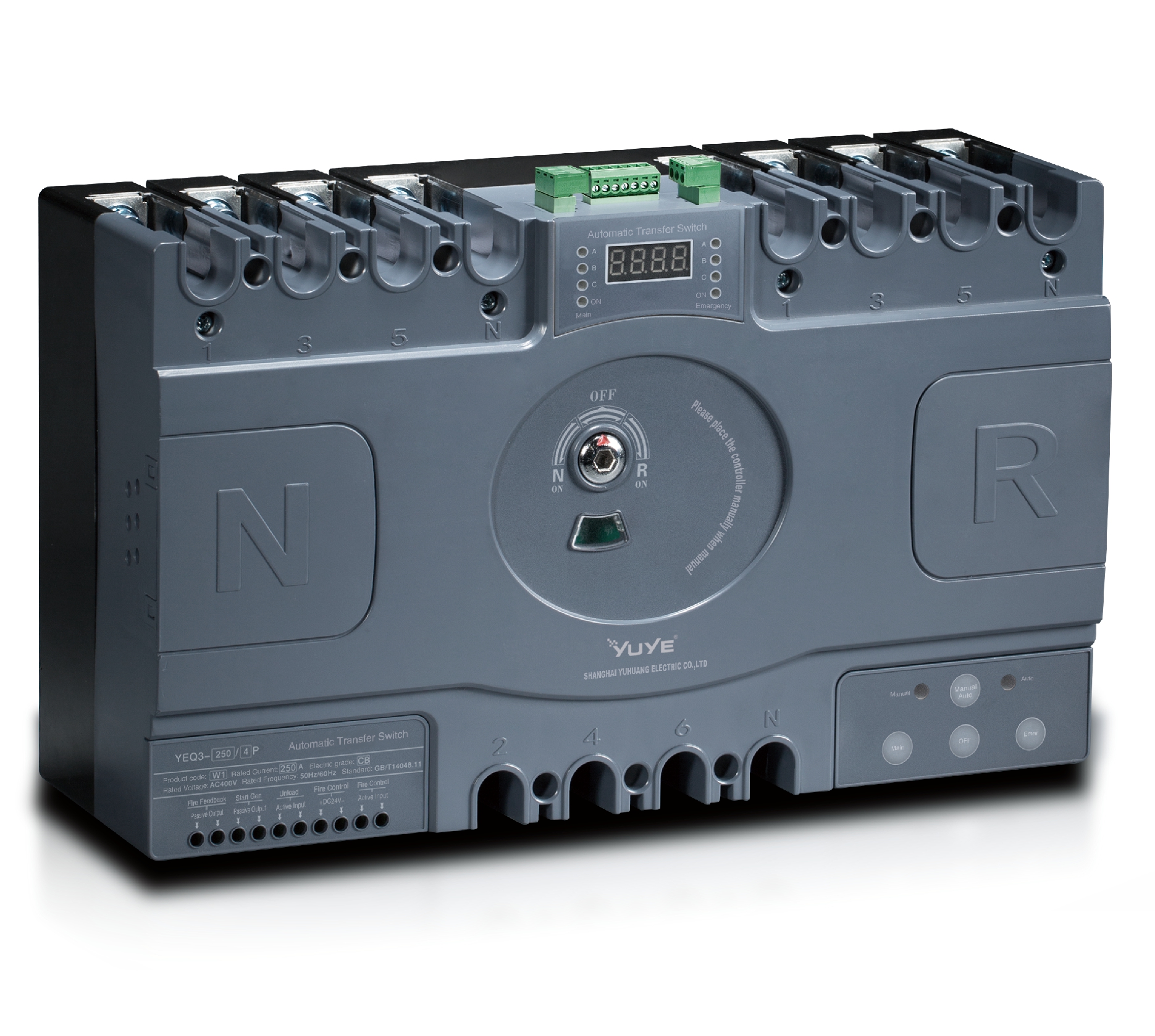 CB ATS YEQ3-125~630W1
 ATS controller Y-700
 ATS Controller Y-700N
 ATS Controller Y-701B
 ATS Controller Y-703N
 ATS Controller Y-800
 ATS Controller W2/W3 Series
 ATS switch Cabinet floor-to-ceiling
 ATS switch cabinet
 JXF-225A power Cbinet
 JXF-800A power Cbinet
 YEM3-125~800 Plastic Shell Type MCCB
 YEM3L-125~630 Leakage Type MCCB
 YEM3Z-125~800 Adjustable Type MCCB
 YEM1-63~1250 Plastic Shell Type MCCB
 YEM1E-100~800 Electronic Type MCCB
 YEM1L-100~630 Leakage Type MCCB
 Miniature circuit breaker YEMA2-6~100
 Miniature circuit breaker YEB1-3~63
 Miniature circuit breaker YEB1LE-3~63
 Miniature circuit breaker YEPN-3~32
 Miniature circuit breaker YEPNLE-3~32
 Miniature circuit breaker YENC-63~125
 Air Circuit Breaker YEW1-2000~6300
 Air Circuit Breaker YEW3-1600
 Load isolation switch YGL-63~3150
 Load Isolation Switch YGL2-63~3150
 Manual Changeover Switch YGL-100~630Z1A
 Manual Changeover Switch YGLZ1-100~3150
 YECPS2-45~125 LCD
 YECPS-45~125 Digital
 CNC Milling/Turning-OEM
 DC relay MDC-300M
 DC Isolation Switch YEGL3D-630
Isolating switches play a vital role in electrical systems, ensuring safety and operational efficiency. These devices are designed to break electrical circuits, providing a means of isolating equipment for maintenance or emergencies. The control method of the isolating switch is crucial to its effective operation and is usually divided into two categories: inside the cabinet and outside the cabinet. Understanding these control methods is critical for engineers, technicians, and anyone involved in the design and maintenance of electrical systems.
The first control method is in-cabinet, which means operating the isolating switch inside the electrical enclosure or control cabinet. This method is generally preferred in environments where the switch needs to be protected from external factors such as dust, moisture, or physical damage. By locating the control mechanism within the cabinet, operators can ensure that the disconnect switch remains functional and reliable even under challenging conditions. This method typically involves the use of a manual lever or electric actuator that can be controlled remotely. The advantages of this approach are that it allows for a more secure and organized setup, minimizing the risk of accidental operations and enhancing security protocols.

Off-cabinet control methods, on the other hand, give the operator direct access to the disconnect switch from outside the enclosure. This method is particularly useful in situations where quick access is required, such as during emergencies or routine maintenance checks. External control mechanisms can include manual switches, push buttons, or even remote control systems that allow operation from a safe distance. While this method is convenient and fast, it also requires careful consideration of security measures to prevent unauthorized access or accidental activation. The design of the external control system must ensure that it is robust enough to withstand environmental factors while remaining user-friendly for the operator.
The control methods inside and outside the isolating switch cabinet each have their own unique advantages and applications. The choice between these methods depends on a variety of factors, including the specific requirements of the electrical system, the environment in which the switch operates, and appropriate safety protocols. By understanding these control methods, professionals can make informed decisions that improve the safety and efficiency of electrical systems, ultimately contributing to overall operational reliability. As technology continues to evolve, it is important to stay up to date on the latest advances in disconnect switch design and control methods to ensure optimal performance and safety for electrical applications.