Hey, you know, with how fast the Automat Transfer Switch Design industry is changing these days, really keeping up with the latest trends is kinda essential. Experts are talking about upcoming innovations that could make systems more reliable and way more efficient. I recently read that John Smith from PowerTech Solutions, who's pretty much a top engineer in the field, mentioned, “The future of Automat Transfer Switch Design is all about integrating smart tech.” His take makes it clear that automation and IoT are becoming huge focal points.
Looking ahead to around 2026, it seems like the design trends are leaning heavily toward sustainability and making things more compact. Manufacturers are actually starting to focus on using eco-friendly materials and energy-saving features, which is pretty important given all the climate stuff going on right now. But, of course, there’s a flip side—these new priorities might bring some tricky challenges in actually implementing these solutions and training users properly.
Plus, there’s also a shift towards user-friendly designs. The idea is to create products that aren’t just functional but also easy for people to use. That said, there’s always a risk of over-engineering, which could end up making things more complicated instead of simpler. All in all, it’s clear that staying aware of these things and constantly rethinking our approach is key if we want to stay ahead in shaping the future of Automat Transfer Switch Design.

Overview of Automatic Transfer Switches in Modern Systems
Automatic Transfer Switches (ATS) play a crucial role in modern electrical systems. They ensure a seamless transition between primary and backup power sources. This function is especially vital in critical applications such as hospitals and data centers. Automatic transfer switches enhance reliability and safety in power distribution.
In recent years, the design trends for ATS have evolved significantly. Manufacturers are focusing on improved user interfaces and enhanced monitoring capabilities. Modern switches may feature intuitive displays that provide real-time status updates. Some models integrate with smart building systems, allowing remote control and efficiency monitoring. This integration enhances operational awareness.
**Tips:** Regular maintenance checks are essential. Inspect connections and functionality every six months. Consider investing in a training program for your team. Knowledge about ATS operation can prevent costly outages. Updating your systems may seem daunting, but it can yield significant long-term benefits. Evaluate your current equipment's efficiency. Look for signs of wear or obsolescence.
Key Design Trends in Automatic Transfer Switch Technology
Automatic Transfer Switches (ATS) are crucial for seamless power management. In 2026, key design trends focus on enhancing efficiency and safety. A growing trend is the integration of smart technology. Modern ATS now features IoT capabilities for real-time monitoring. This allows for instant diagnostics and improved maintenance schedules.
Another significant trend is compact design. Space constraints in urban environments necessitate smaller, lightweight switches. These designs do not compromise functionality. Additionally, there’s an emphasis on modular components. Modular systems provide flexibility to adapt to changing demands and facilitate easier upgrades.
Sustainability plays a vital role in current ATS design. Many manufacturers aim to use eco-friendly materials. This reflects a broader commitment to reducing environmental impact. However, some designs still face challenges regarding interoperability. Balancing innovation with compatibility can lead to frustrations. Stakeholders must remain vigilant to ensure that advancements do not complicate existing systems.
Innovative Features Enhancing Efficiency and Reliability
In 2026, the design trends for automatic transfer switches (ATS) revolve around enhancing both efficiency and reliability. Integrating smart technology into ATS systems is a significant focus. According to a recent report by the International Energy Agency, digital innovations in energy management can boost efficiency by up to 30%. Smart ATS solutions provide remote monitoring capabilities. This allows users to respond swiftly to power supply issues.
Another emerging feature is advanced diagnostics. Many systems now come equipped with sensors that provide real-time data on operational status. A study published by the Electrical Safety Foundation International reported that predictive maintenance can reduce downtime by 25%. This proactive approach enables better planning and resource allocation. However, the challenge remains in ensuring the accuracy of these sensor readings.
The move toward modular design is gaining traction. This approach allows for easy upgrades and maintenance, giving facilities more control over their systems. Yet, implementing these innovative features can introduce complexities. For example, aligning different technologies for seamless integration is still a hurdle for many. As companies venture into these advancements, reflecting on user needs and monitoring outcomes is essential for long-term success.
Integration of Smart Technology in Transfer Switch Designs
The integration of smart technology in transfer switch designs is reshaping the energy landscape. According to industry reports, smart transfer switches can predict failure with 80% accuracy. These devices use sensors to monitor real-time performance. This feature reduces downtime and enhances reliability during power outages.
Data from the Global Smart Grid Market report indicates that the adoption of smart technology could increase efficiency by up to 30%. The ability to remotely control and manage energy loads allows for significant operational savings. Users can access performance analytics via mobile applications. This connectivity is revolutionizing asset management in various sectors.
However, challenges remain. Cybersecurity risks are a growing concern. Transitions to smart systems require robust security measures. Many companies struggle with integrating legacy systems with new technology. Balancing innovation with security is crucial for future development. Stakeholders must work closely to address these vulnerabilities.
2026 Top Automat Transfer Switch Design Trends and Insights
| Trend |
Description |
Benefit |
Adoption Rate (%) |
| IoT Connectivity |
Integration of IoT for real-time monitoring |
Enhanced reliability and predictive maintenance |
52% |
| AI-driven Analysis |
Use of AI for load forecasting and optimization |
Improved efficiency and reduced operational costs |
47% |
| Remote Control Access |
Ability to control switches remotely via apps |
Convenience and quick response during outages |
65% |
| Sustainability Focus |
Designing for energy efficiency and minimal waste |
Positive environmental impact and regulatory compliance |
60% |
| Modular Designs |
Customization through modular components |
Flexibility in installation and upgrades |
55% |
Sustainability and Environmental Considerations in Design
Sustainability is transforming the design landscape of automat transfer switches. As industries shift towards greener solutions, the focus is on materials and efficiency. Research from the Global Green Building Council indicates that buildings equipped with sustainable technologies can reduce energy costs by up to 30%. This statistic reinforces the importance of integrating eco-friendly components.
Designers are prioritizing the lifecycle impact of materials. The use of recyclable and biodegradable materials is on the rise. Industry reports suggest that 50% of new designs will incorporate such materials by 2026. However, challenges remain. Many existing designs still rely on non-sustainable components, creating resistance to full transformation.
Moreover, modular designs are gaining attention. These systems allow for upgrades and replacements, extending the lifespan of the switch. However, not all manufacturers have adopted these practices. The industry must confront this gap to fully meet evolving environmental standards. The transition is gradual, urging a balance between innovation and practicality in reaching sustainability goals.
2026 Top Automat Transfer Switch Design Trends
This chart illustrates the key design trends for automat transfer switches in 2026, highlighting the focus areas such as sustainability and energy efficiency.
Future Outlook: Predictions for the 2026 Transfer Switch Market
The transfer switch market is set for significant transformations by 2026. As data from recent industry reports suggest, the demand for automated transfer switches is projected to grow by over 15% annually. This growth largely stems from the increasing reliance on uninterrupted power supply in critical sectors like healthcare and data centers.
Innovations in smart technologies are paving the way for advanced transfer switch designs. Real-time monitoring and remote control capabilities are among the key trends expected to surface. These features not only enhance reliability but also improve operational efficiency. However, integrating such technologies may challenge companies not equipped with the necessary infrastructure.
Sustainability will also play a crucial role in shaping the market. Reports indicate nearly 50% of businesses are prioritizing environmentally friendly solutions within their power management strategies. This shift may compel manufacturers to reconsider their designs and materials, seeking greener alternatives. The intersection of technology and sustainability will be critical as companies navigate these evolving trends.
Challenges and Solutions in Current Transfer Switch Design Practices
The current landscape of transfer switch design is complex. Engineers face multiple challenges. Reducing downtime during power transitions is a pressing concern. Many designs struggle with reliability and speed. Design teams often have to balance performance and cost. Creating a robust transfer switch requires careful material selection. This is where expertise plays a crucial role.
Solutions are emerging, but they are not without flaws. Innovative designs utilize advanced materials for improved durability. Yet, these materials can be costly and less widely available. A significant challenge lies in ensuring compatibility with existing systems. Engineers must often adapt their designs to old infrastructure. This can lead to inefficiencies and unexpected failures.
Collaboration among manufacturers and engineers is critical. Sharing insights can lead to better design practices. Training and development programs can enhance the skills needed for modern designs. Continuous feedback from users can illuminate areas for improvement. Without these practices, the industry risks stagnation. The journey of innovation in transfer switch design is ongoing and requires constant reflection.
Exploring the Benefits and Applications of Solenoid-type ATS YES1-63NJT in Modern Electrical Systems
The solenoid-type ATS YES1-63NJT is increasingly gaining traction in modern electrical systems due to its robust specifications and versatile applications. Rated for currents ranging from 16A to 63A and designed with a two-pole configuration, this device caters to a wide array of industrial and commercial settings. With an electrical life expectancy exceeding 1,500 operations and a mechanical life of over 4,500 cycles, it ensures reliability and durability, making it a valuable asset in environments where consistent operational performance is critical.
Furthermore, the ATS YES1-63NJT operates efficiently within a rated frequency of 50/60Hz and utilizes an integral type design that supports two positions. With a rated insulation voltage of 690V and a working voltage of AC110V or 220V, it meets the demands of various electrical installations while maintaining safety standards. The device's application as an AC-31B categorized component highlights its suitability for diverse industrial usages, particularly in automatic transfer switching where seamless operation is paramount.
Reports from the electrical industry indicate that the demand for reliable switching solutions is surging, driven by rapid advancements in automation and smart grid technologies. Products like the ATS YES1-63NJT are pivotal in adapting to these changes, offering performance and features that align with the evolving needs of modern electrical systems, thereby ensuring enhanced efficiency and operational integrity.
FAQS
utomatic Transfer Switches (ATS)?
A significant trend is the adoption of smart technology for real-time monitoring and diagnostics.
Smart devices can predict failure with 80% accuracy, reducing downtime during power outages.
Compact designs are becoming more common due to space constraints in urban areas.
Modular components allow flexibility and easier upgrades to meet changing demands.
Many focus on using eco-friendly materials to decrease environmental impact in designs.
Interoperability issues and cybersecurity risks pose significant challenges for modern systems.
Users can view performance analytics through mobile applications for better management.
Smart technology can increase efficiency by up to 30%, leading to cost savings.
Ensuring security while integrating new technology is essential to protect against vulnerabilities.
Conclusion
The article on "2026 Top Automat Transfer Switch Design Trends and Insights" delves into the evolving landscape of automatic transfer switches (ATS) in modern electrical systems. It outlines key design trends, highlighting the incorporation of innovative features that enhance the efficiency and reliability of these systems. The integration of smart technology plays a crucial role, enabling real-time monitoring and control, thereby improving performance.
Furthermore, sustainability and environmental considerations are becoming increasingly important in Automat Transfer Switch Design, pushing for materials and processes that minimize ecological impact. The future outlook suggests a growing market with advancements that tackle current challenges. By focusing on improved designs and smart integration, the article provides a comprehensive insight into the potential developments expected in the ATS sector by 2026.

 PC ATS YECT1-2000G
 PC ATS YES2-63~250GN1
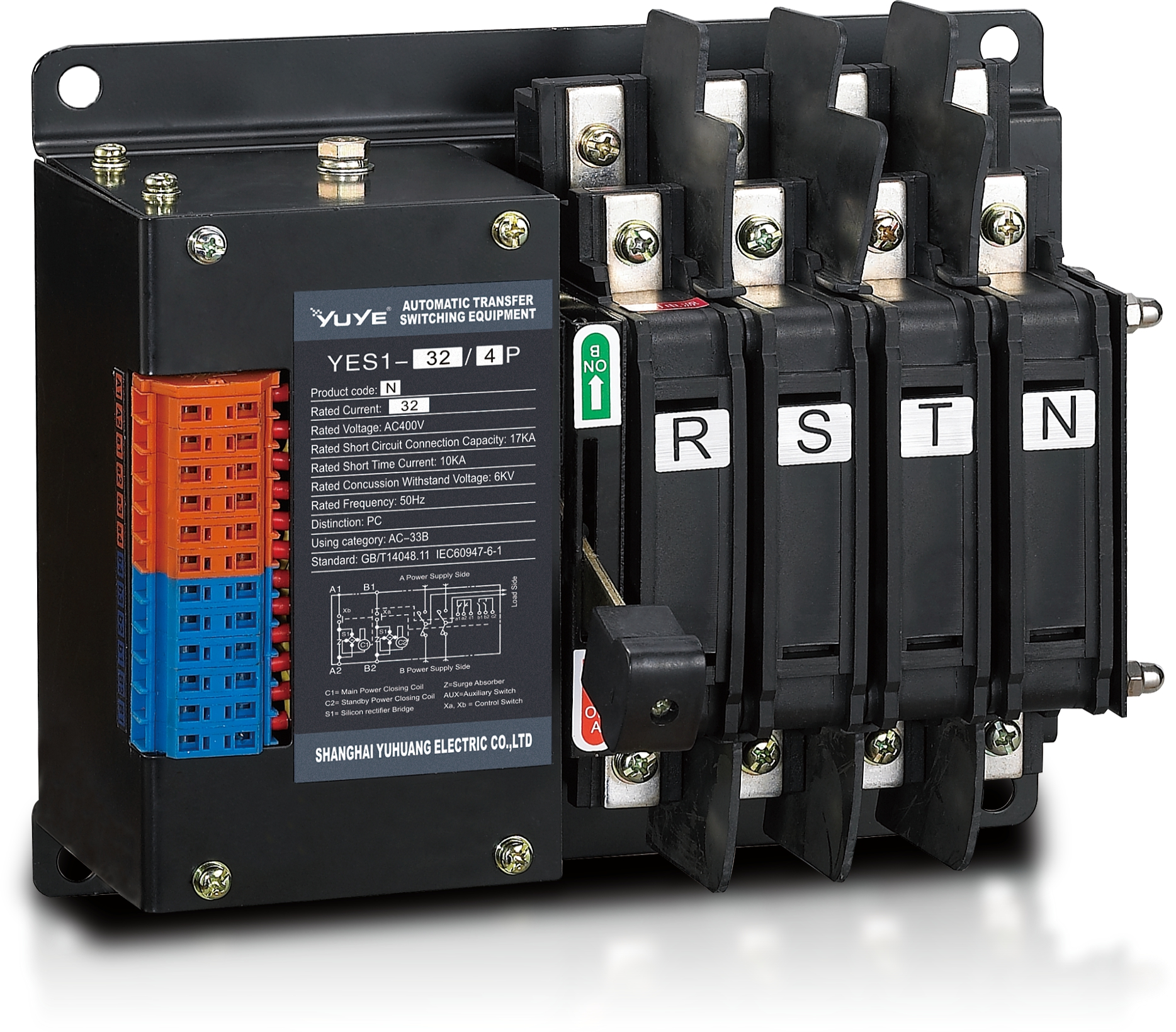 Solenoid-type ATS YES1-32~125N
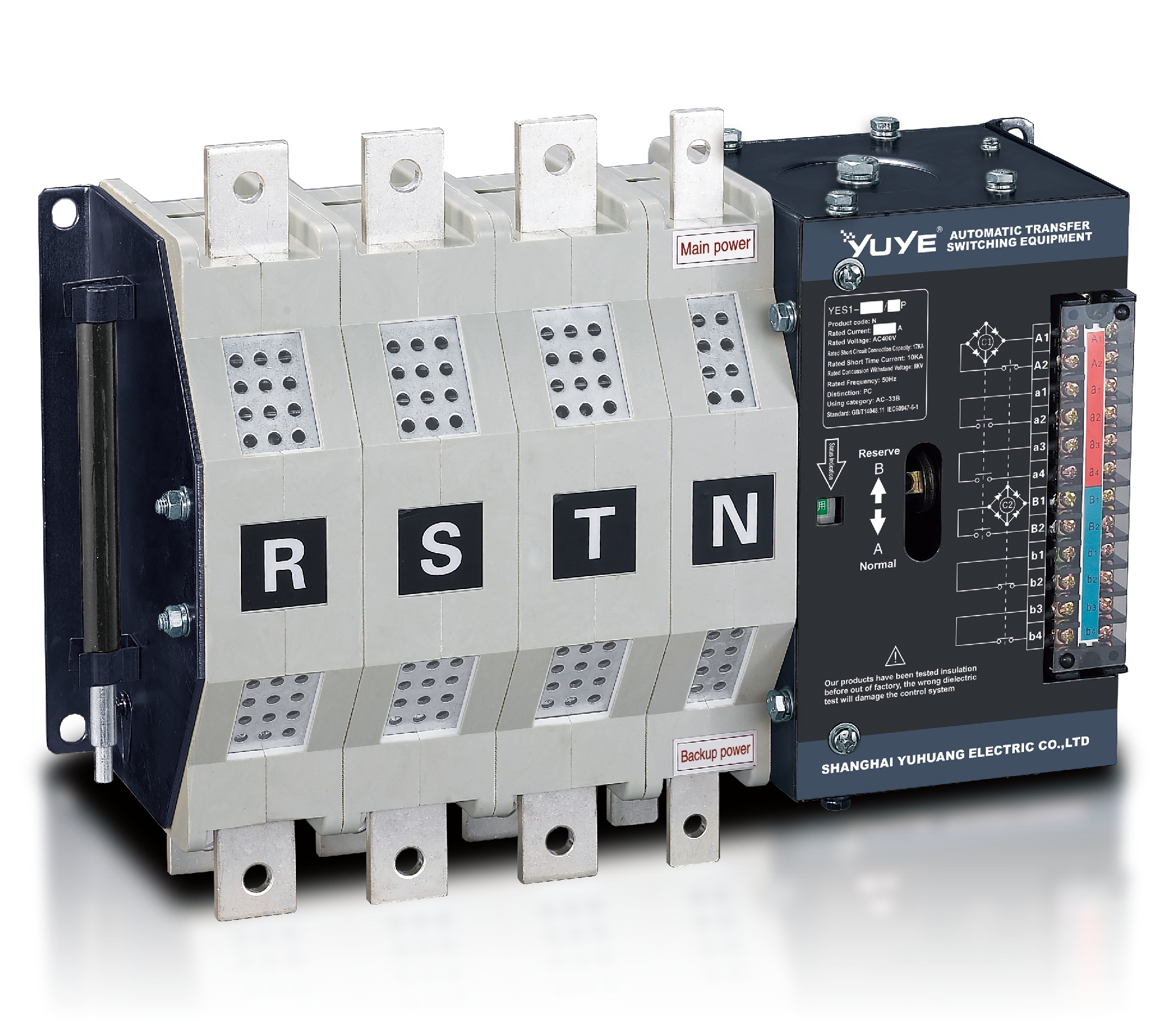 Solenoid-type ATS YES1-250~630N/NT
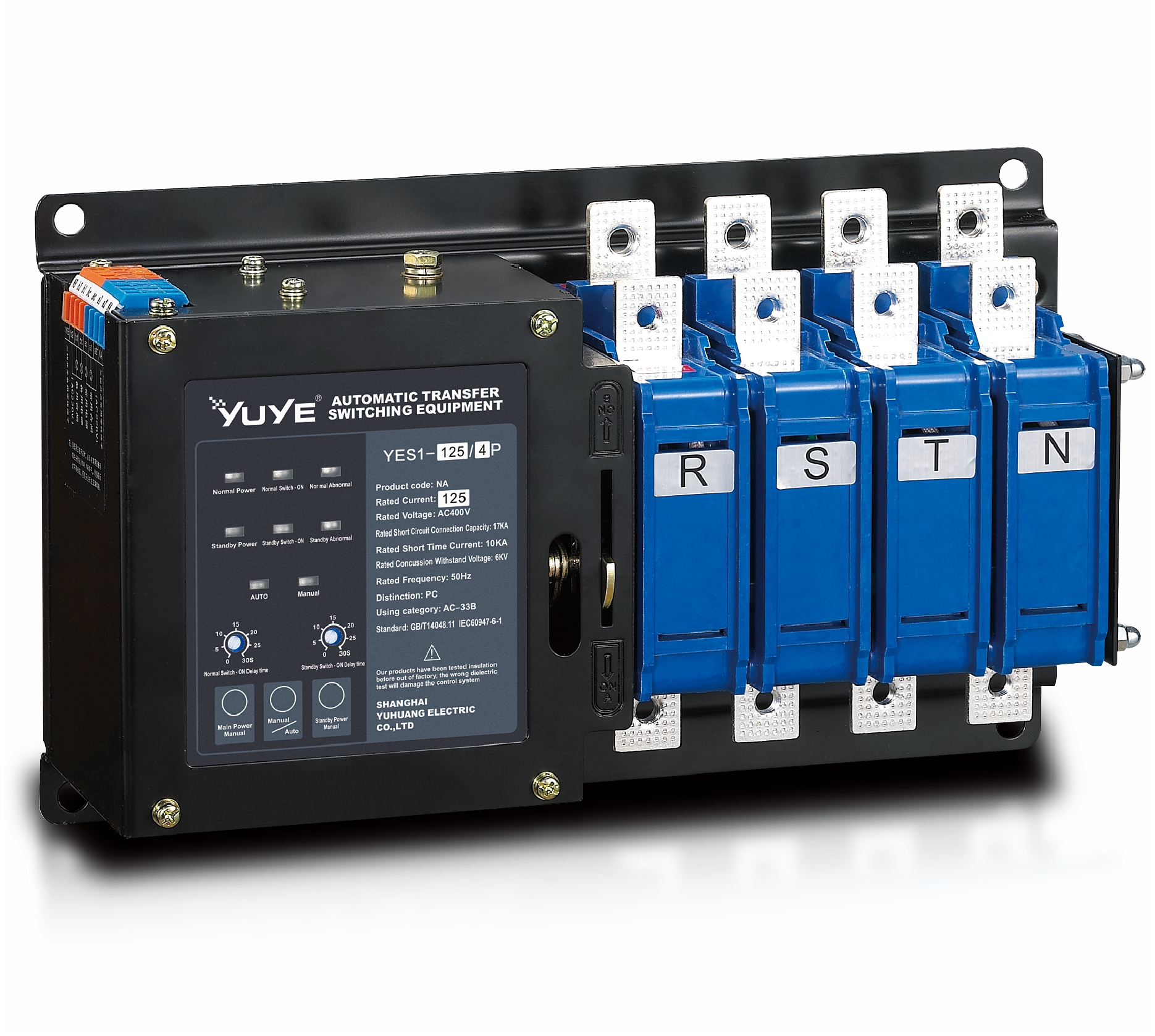 Solenoid-type ATS YES1-32~125NA
 Solenoid-type ATS YES1-63~630SN
 Solenoid-type ATS YES1-1250~4000SN
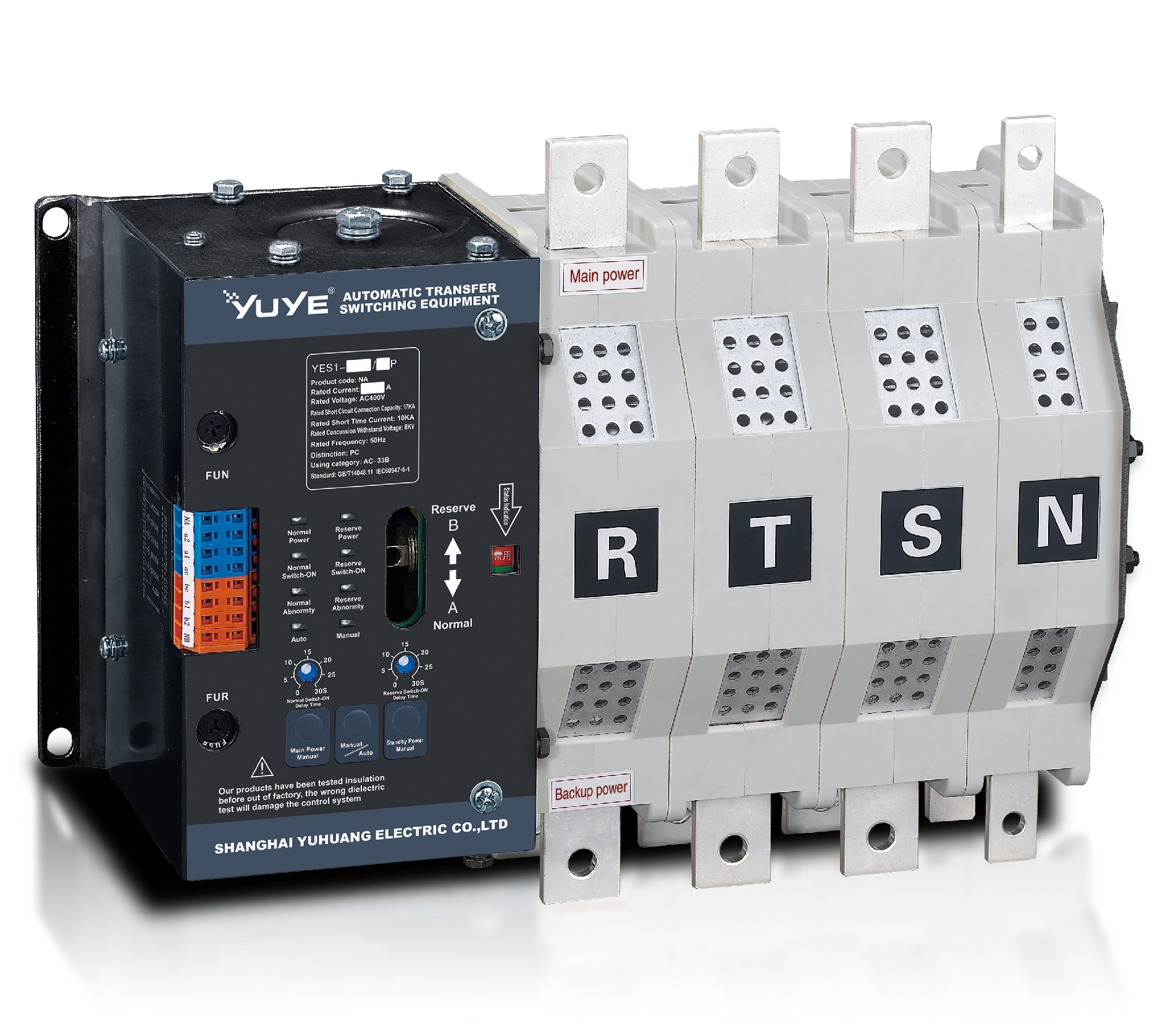 Solenoid-type ATS YES1-250~630NA/NAT
 Solenoid-type ATS YES1-63NJT
 PC ATS YES1-100~1600GN1/GN/GNF
 PC ATS YES1-2000~3200GN/GNF
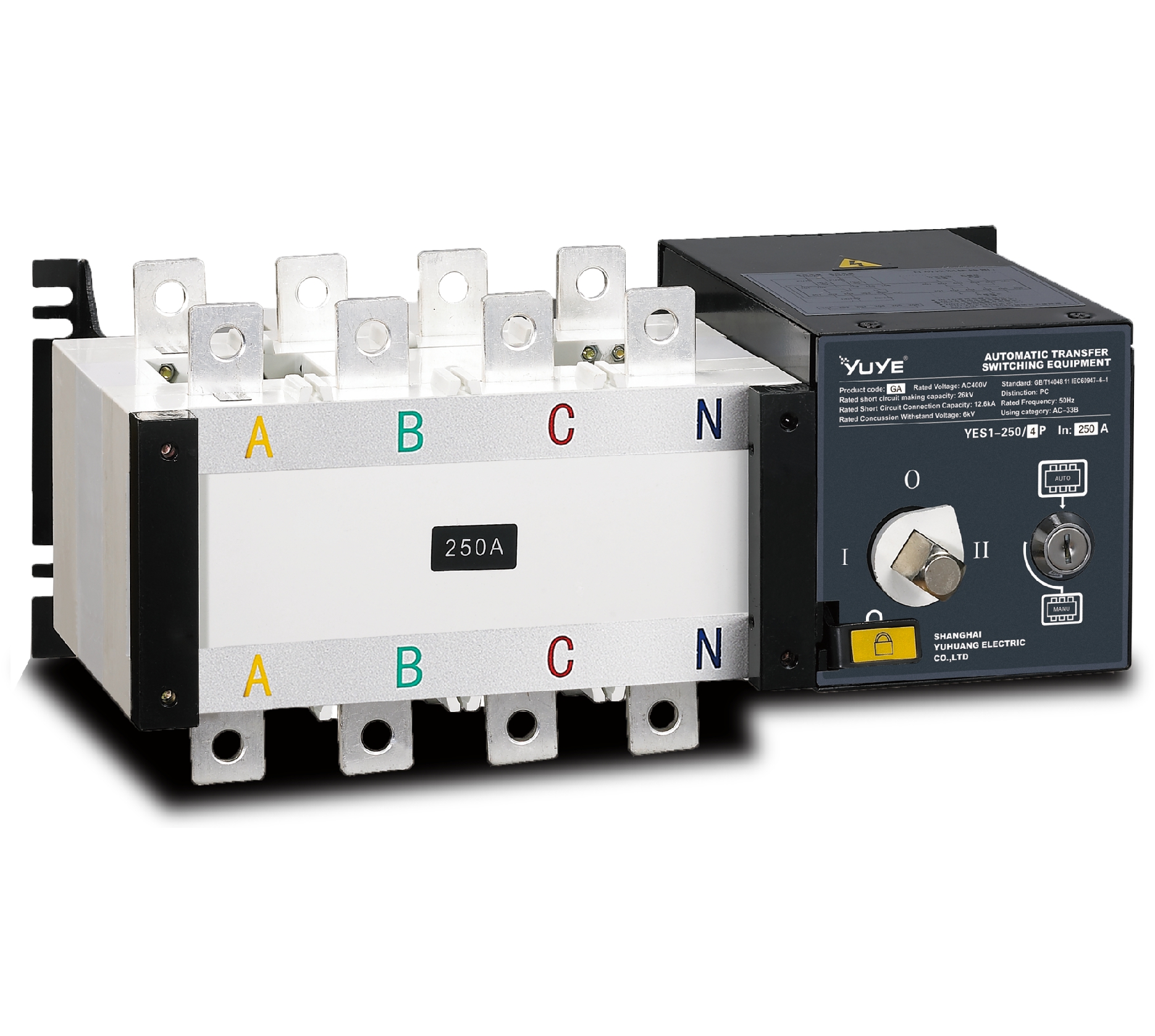 PC ATS YES1-100~3200GA1/GA
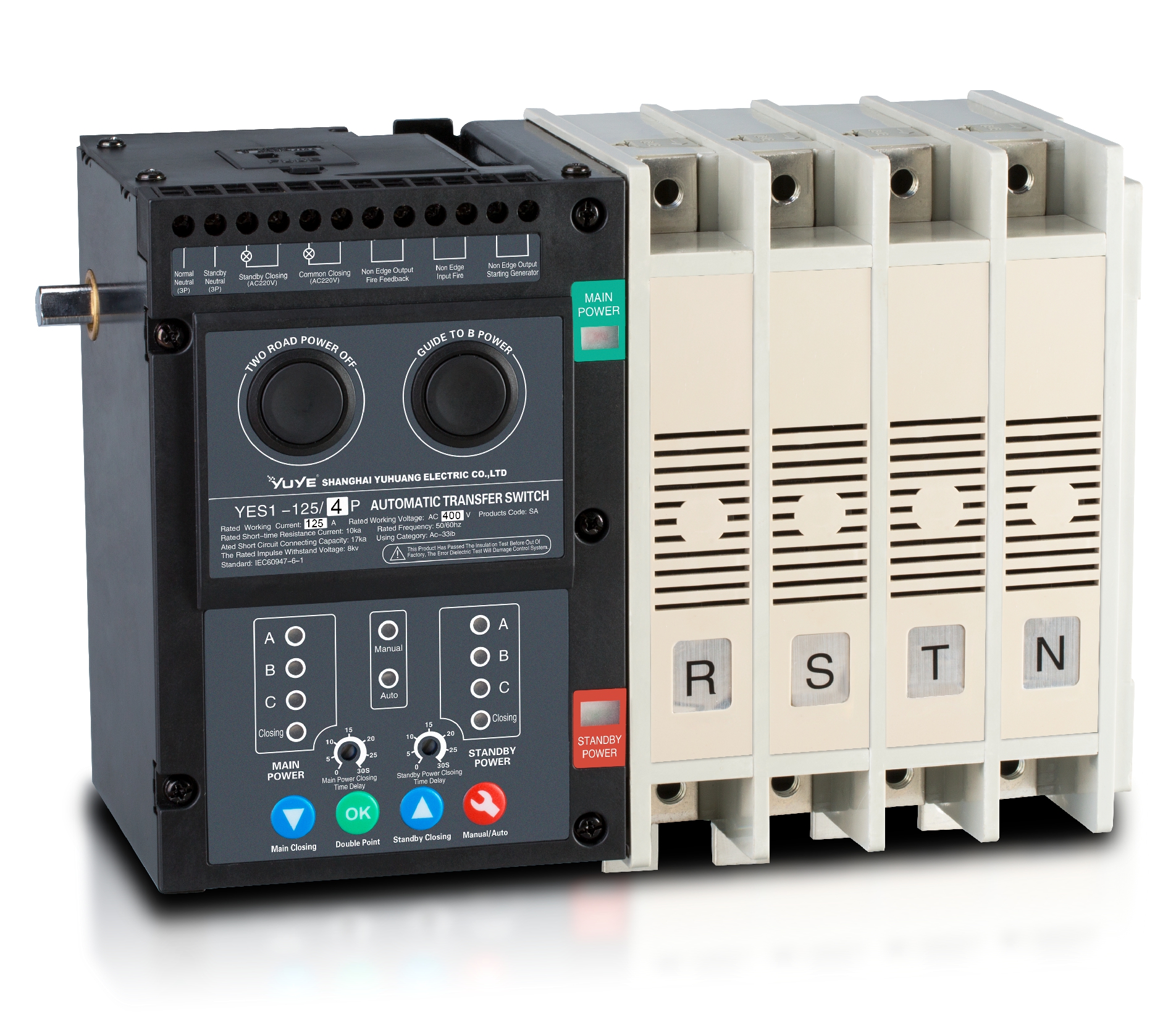 Solenoid-type ATS YES1-63~630SA
 Solenoid-type ATS YES1-63~630L/LA
 Solenoid-type ATS YES1-63~630LA3
 Solenoid-type ATS YES1-63MA
 PC ATS YES1-630~1600M
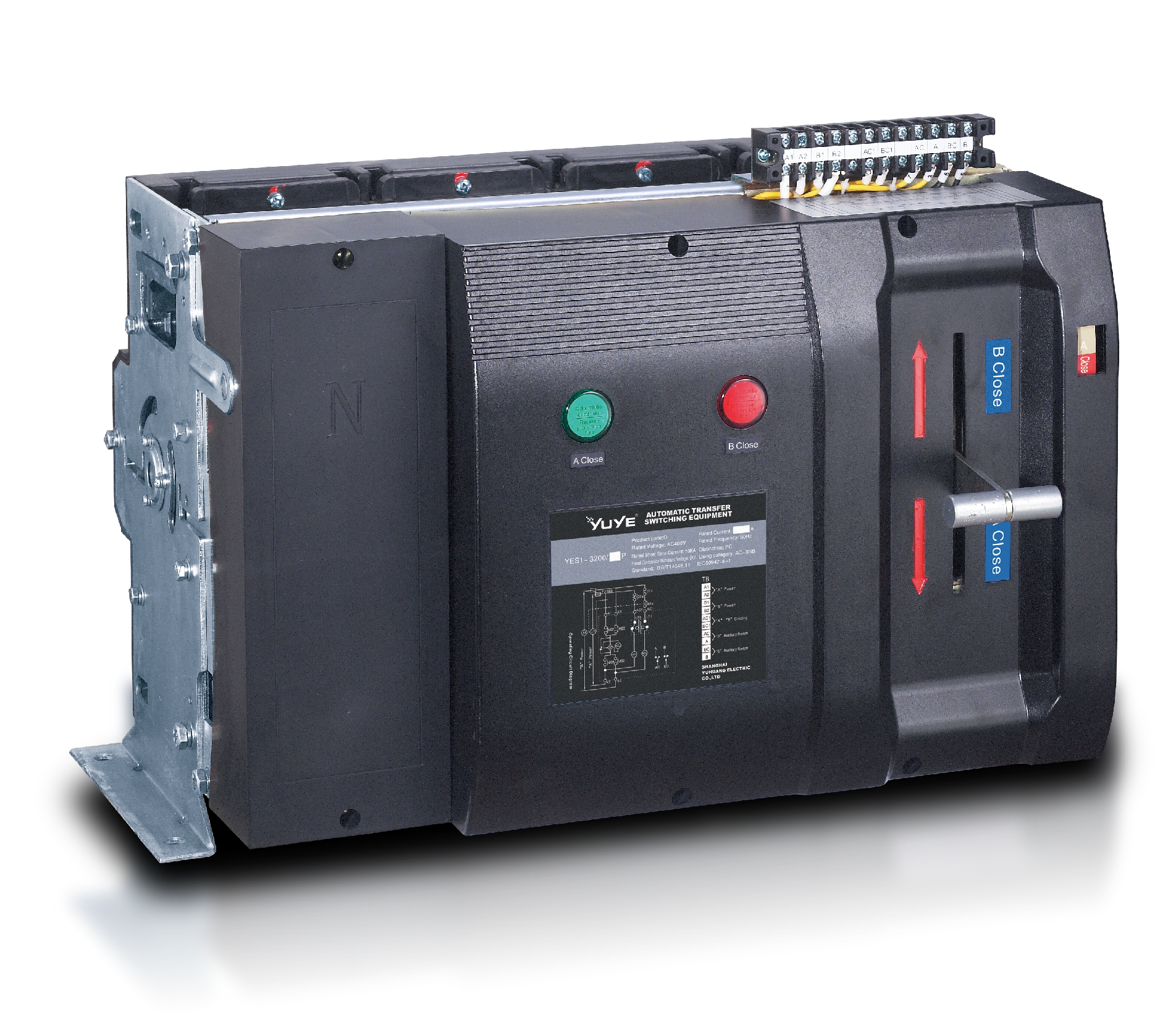 PC ATS YES1-3200Q
 Solenoid-type ATS YES1-4000~6300Q
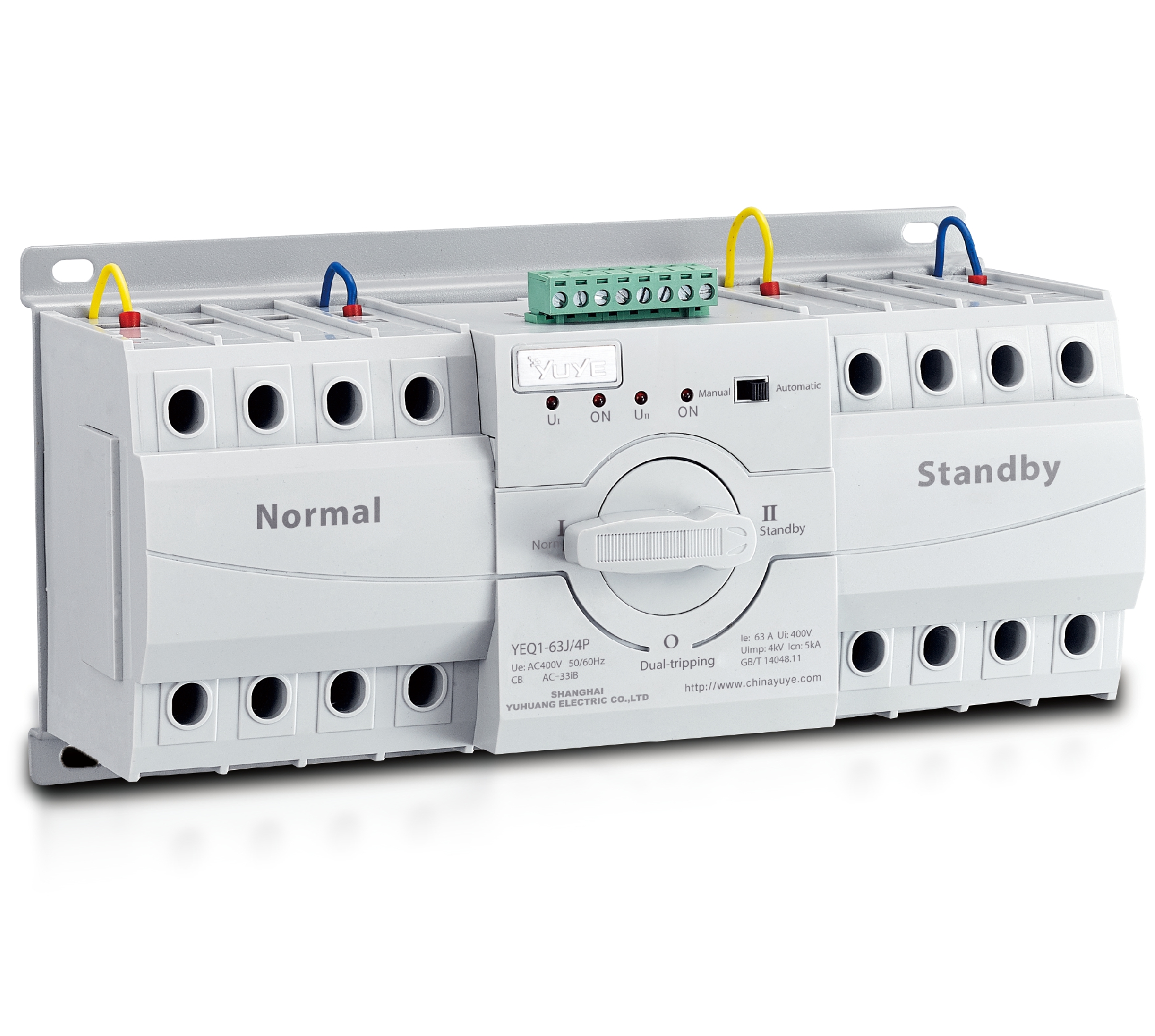 CB ATS YEQ1-63J
 CB ATS YEQ2Y-63
 CB ATS YEQ3-63W1
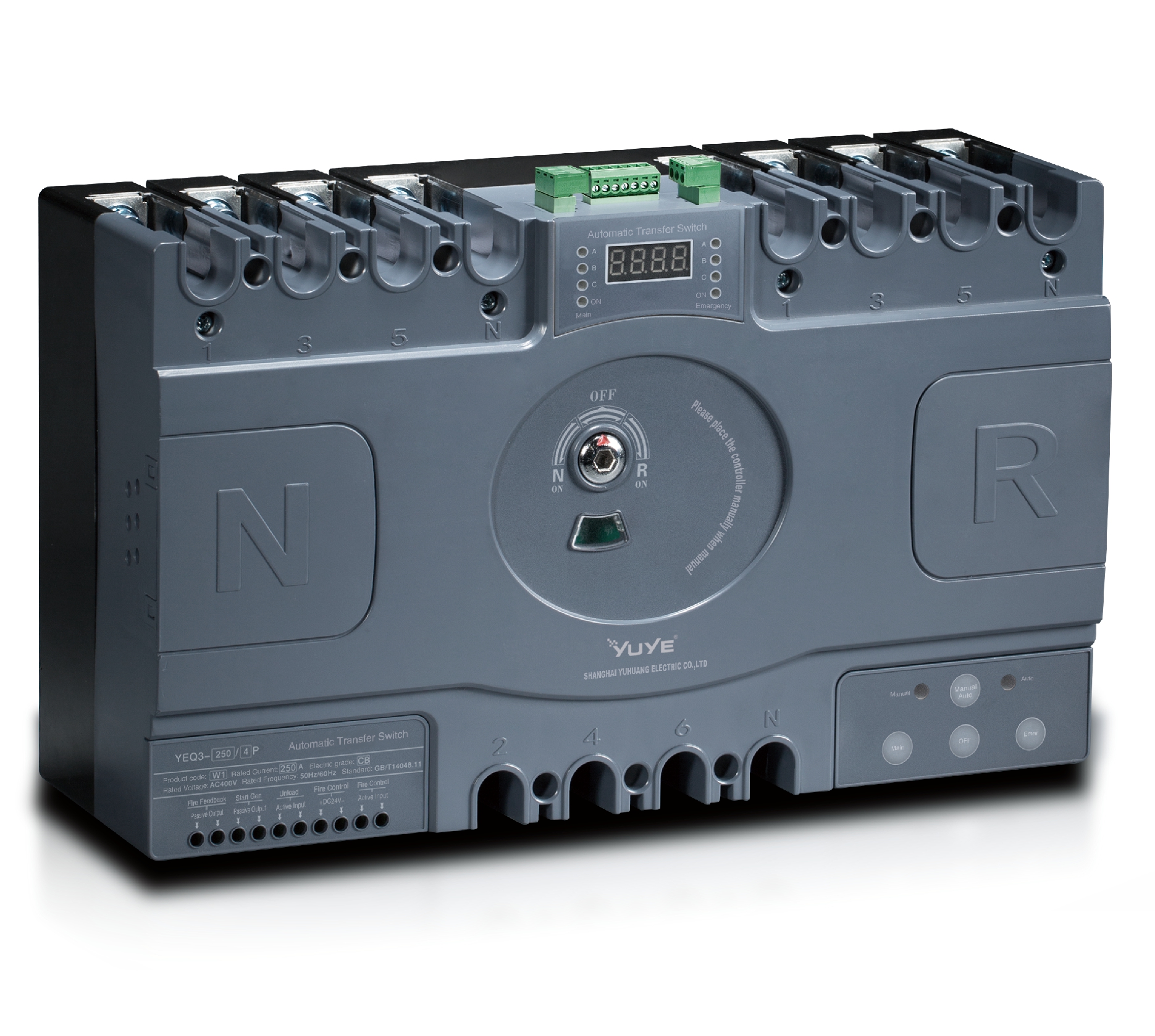 CB ATS YEQ3-125~630W1
 ATS controller Y-700
 ATS Controller Y-700N
 ATS Controller Y-701B
 ATS Controller Y-703N
 ATS Controller Y-800
 ATS Controller W2/W3 Series
 ATS switch Cabinet floor-to-ceiling
 ATS switch cabinet
 JXF-225A power Cbinet
 JXF-800A power Cbinet
 YEM3-125~800 Plastic Shell Type MCCB
 YEM3L-125~630 Leakage Type MCCB
 YEM3Z-125~800 Adjustable Type MCCB
 YEM1-63~1250 Plastic Shell Type MCCB
 YEM1E-100~800 Electronic Type MCCB
 YEM1L-100~630 Leakage Type MCCB
 Miniature circuit breaker YEMA2-6~100
 Miniature circuit breaker YEB1-3~63
 Miniature circuit breaker YEB1LE-3~63
 Miniature circuit breaker YEPN-3~32
 Miniature circuit breaker YEPNLE-3~32
 Miniature circuit breaker YENC-63~125
 Air Circuit Breaker YEW1-2000~6300
 Air Circuit Breaker YEW3-1600
 Load isolation switch YGL-63~3150
 Load Isolation Switch YGL2-63~3150
 YECPS2-45~125 LCD
 YECPS-45~125 Digital
 Manual Changeover Switch YGL-100~630Z1A
 Manual Changeover Switch YGLZ1-100~3150
 CNC Milling/Turning-OEM
 DC relay MDC-300M
 DC Isolation Switch YEGL3D-630


