In today's world moving so quickly, having a reliable power supply is more important than ever. The Automatic Transfer Switch 63A really stands out as a key piece of equipment to keep things running smoothly without interruptions. Did you know that, according to the International Energy Agency, global electricity demand shot up by about 9% in 2021? That just shows how crucial it is to have good power management systems, no matter what kind of setup you're dealing with.
Using an Automatic Transfer Switch 63A can make a huge difference in how efficiently things run. Basically, it automatically switches the power load from the main source to a backup generator when needed, so your critical systems don’t go offline during outages. Industry experts from the Electrical Contractors Association even say that investing in these switches can cut downtime by around 30% — pretty impressive, right?
Of course, not all of these switches are the same. It's super important to consider things like how reliable they are, whether they match your existing setup, and how easy they are to use. Picking the wrong one could even risk safety or mess up your efficiency. As businesses become more tech-dependent, making a smart choice about power management isn't just a good idea — it's pretty much essential. Taking the time to explore your options can really pay off, leading to better performance and peace of mind for sure.

Understanding the Functionality of 63A Automatic Transfer Switches
When considering a 63A automatic transfer switch (ATS), it's essential to understand its functionality. An ATS automatically switches the power supply from the main grid to a backup generator when an outage occurs. This seamless transition minimizes downtime for residential and commercial users. The device can engage and disengage power based on the voltage and frequency, ensuring consistent energy flow.
When selecting a 63A ATS, look for installation convenience. Ensure the wiring configuration matches your circuit requirements. Also, assess the switch's responsiveness. Faster response times prevent potential equipment damage during power fluctuations.
**Tips:** Always consider the environmental conditions. Avoid placing the ATS in damp or humid areas. Regular maintenance checks enhance reliability. Lastly, consulting with an expert can guide you in choosing the right model for specific applications. This expertise helps in making informed decisions, especially if you face unique power demands.
Key Benefits of Using a 63A Automatic Transfer Switch
The key benefits of using a 63A Automatic Transfer Switch (ATS) are significant for both residential and commercial applications. One of the main advantages is reliable power continuity. According to industry data, ATS can reduce downtime by up to 90% during power outages. This is crucial for businesses where every minute without power can result in lost revenue.
A 63A ATS seamlessly transfers power between the main supply and a backup generator. This automatic switching ensures that sensitive equipment remains operational. For example, data centers require constant power. A study by the Electric Power Research Institute reveals that 25% of business interruptions are due to power outages. By installing an ATS, businesses can mitigate these risks effectively.
Furthermore, the installation of a 63A ATS enhances safety. Manual switching poses risks, such as electrical shock. An ATS eliminates these hazards, ensuring safe operations. Despite these advantages, potential buyers should consider the specific power requirements of their systems. Investing in an ATS without proper assessment could lead to underperformance or unnecessary costs. Balancing needs and capabilities is essential for making the right choice.
Types of 63A Automatic Transfer Switches Available in the Market
When choosing a 63A automatic transfer switch (ATS), understanding the types available is crucial. There are generally three main types: open transition, closed transition, and delayed transition switches. Each type serves different operational needs and applications.
Open transition switches are the most common. They briefly disconnect the load from the power source before switching to the backup. This method is simple and cost-effective. However, it may not be suitable for sensitive equipment due to the momentary power interruption. On the other hand, closed transition switches allow for a seamless transfer, maintaining the load connection during the switch. This reduces risk but tends to be more complex and expensive.
Delayed transition switches provide a compromise. They pause before connecting to the backup, ensuring that the primary supply is stable. These can be effective for systems that don’t tolerate sudden changes. Still, they introduce a time gap that might not be ideal for all situations. Each switch type has its pros and cons, and evaluating your specific needs is essential. Considerations such as sensitivity of the electronics and budget will guide your choice.
Factors to Consider When Choosing a 63A Automatic Transfer Switch
When selecting a 63A automatic transfer switch (ATS), several key factors are crucial. Firstly, the transfer speed is essential. A faster switch minimizes downtime during power outages, which is critical for both residential and commercial users. According to industry reports, a transfer time of less than 30 seconds is generally considered optimal. The ATS’s capability to handle the load is equally significant. A 63A ATS must match the total wattage of the connected equipment to prevent overloads.
Another important aspect is the switch’s construction quality. Material durability affects performance and longevity. Look for devices constructed from materials that provide resistance to environmental factors. Testing data shows that high-quality switches can last up to 20 years under normal usage conditions. You may also want to consider the ease of installation and maintenance. Complex installations can lead to additional costs and downtime. Furthermore, understanding the local electrical codes is paramount. Compliance ensures safety and performance but can be overlooked.
Lastly, customer support and warranty are vital factors. An effective support system can facilitate troubleshooting and repairs, saving you time and money. While specifications might seem clear-cut, the user’s experience can vary greatly. Regularly reviewing and reflecting on your needs can guide your choice more effectively.
Top Brands for 63A Automatic Transfer Switches Reviewed
When selecting a 63A automatic transfer switch, it's essential to consider the top brands in the market. Industry studies indicate that a reliable transfer switch significantly impacts overall system efficiency. According to the Electric Power Research Institute, utilizing advanced automatic transfer systems can improve uptime by over 30%. That’s crucial for businesses relying on continuous power.
Consider how your specific needs align with the product features of these brands. Not all switches have the same specifications, which can affect performance. Look for data regarding response times and load capacities. Some manufacturers report a response time in milliseconds, ensuring minimal disruption during outages. This parameter could be vital for critical operations.
Tips: Check user reviews on functionalities. They can reveal essential insights regarding real-world performance. Also, assess your load requirements. An overly robust switch could lead to inefficiencies and wasted energy. Remember, it's not just about choosing a well-known brand; it's about finding the right fit for your needs. Balancing quality and affordability can lead to better long-term results.
Installation and Maintenance Tips for 63A Automatic Transfer Switches
When installing a 63A Automatic Transfer Switch (ATS), understanding the installation process is crucial.
Incorrect installation can lead to equipment failure and safety hazards. Ensure that you follow the manufacturer’s guidelines closely. A common oversight is neglecting to verify the static and dynamic loading conditions before installation. Properly assessing these factors can minimize risks and enhance performance.
Regular maintenance of your 63A ATS is essential for reliability.
The National Electric Code recommends inspecting transfer switches at least annually. This includes checking wiring connections for corrosion and tightening loose screws. A study by the IEEE suggests that proper maintenance can extend the lifespan of your ATS by up to 25%. However, many users overlook simple tasks, such as cleaning dust from ventilation areas, leading to overheating issues.
During maintenance, always test the functionality of the switch. Operate it under load to ensure it reacts as expected. This practical step often reveals underlying issues that visual inspections miss. Reflections on maintenance practices can often uncover gaps in user knowledge and routine. Therefore, education and ongoing training on ATS technology can prove invaluable in avoiding unexpected failures.
Common Issues and Troubleshooting for 63A Automatic Transfer Switches
When dealing with 63A automatic transfer switches, common issues can arise that users must be aware of. One frequent problem is improper switching, which can occur if the unit is not adequately calibrated. This can lead to delays during power outages, causing inconvenience. Misconfiguration may result in the transfer switch not activating when needed, which can undermine its primary purpose.
Another concern is poor connectivity. Over time, terminals might corrode or loosen due to environmental factors. Regular inspection is crucial to ensure solid connections, reducing the risk of failure. Users should also watch for unusual noises from the transfer switch, signaling potential mechanical issues. Maintenance checks can help identify and rectify these problems before they escalate.
Lastly, understanding error codes displayed on the unit can be tricky for many users. Familiarizing oneself with the user manual can make troubleshooting more manageable. Issues like overloads can trip the system, causing the switch to fail. Being proactive can prevent future difficulties and enhance reliability.
FAQS
automatic transfer switch?
A convenient installation ensures the wiring matches circuit requirements, enhancing overall functionality and safety.
Faster response times prevent equipment damage during power fluctuations, ensuring continuous energy flow.
Avoid damp or humid areas to prevent damage and ensure long-term reliability of the device.
Improper calibration may cause delays in switching power during outages, compromising its effectiveness.
Regular maintenance checks and inspections of terminals can prevent poor connectivity and potential failures.
Unusual noises from the unit can signal possible mechanical failures requiring immediate attention.
Familiarity with error codes allows users to troubleshoot effectively and address issues like overloads swiftly.
An overly robust switch may lead to inefficiencies, so balance performance needs with energy usage.
An expert can provide guidance tailored to your specific power demands, making the selection process less daunting.
Conclusion
The article titled "Discover the Best 63A Automatic Transfer Switch for Your Needs" explores the essential aspects of Automatic Transfer Switch 63A systems. It begins by explaining how these switches function, ensuring seamless power transfer during outages. The benefits of using such a switch include enhanced reliability and reduced downtime, making them vital for both residential and commercial applications.
The article also examines the various types available on the market and highlights critical factors to consider when choosing the right switch for specific needs. Furthermore, it provides insights into installation and maintenance practices to keep the system running efficiently. Common issues and troubleshooting tips are included to assist users in addressing potential problems, making this a comprehensive guide for anyone looking to invest in a 63A Automatic Transfer Switch.

 PC ATS YECT1-2000G
 PC ATS YES2-63~250GN1
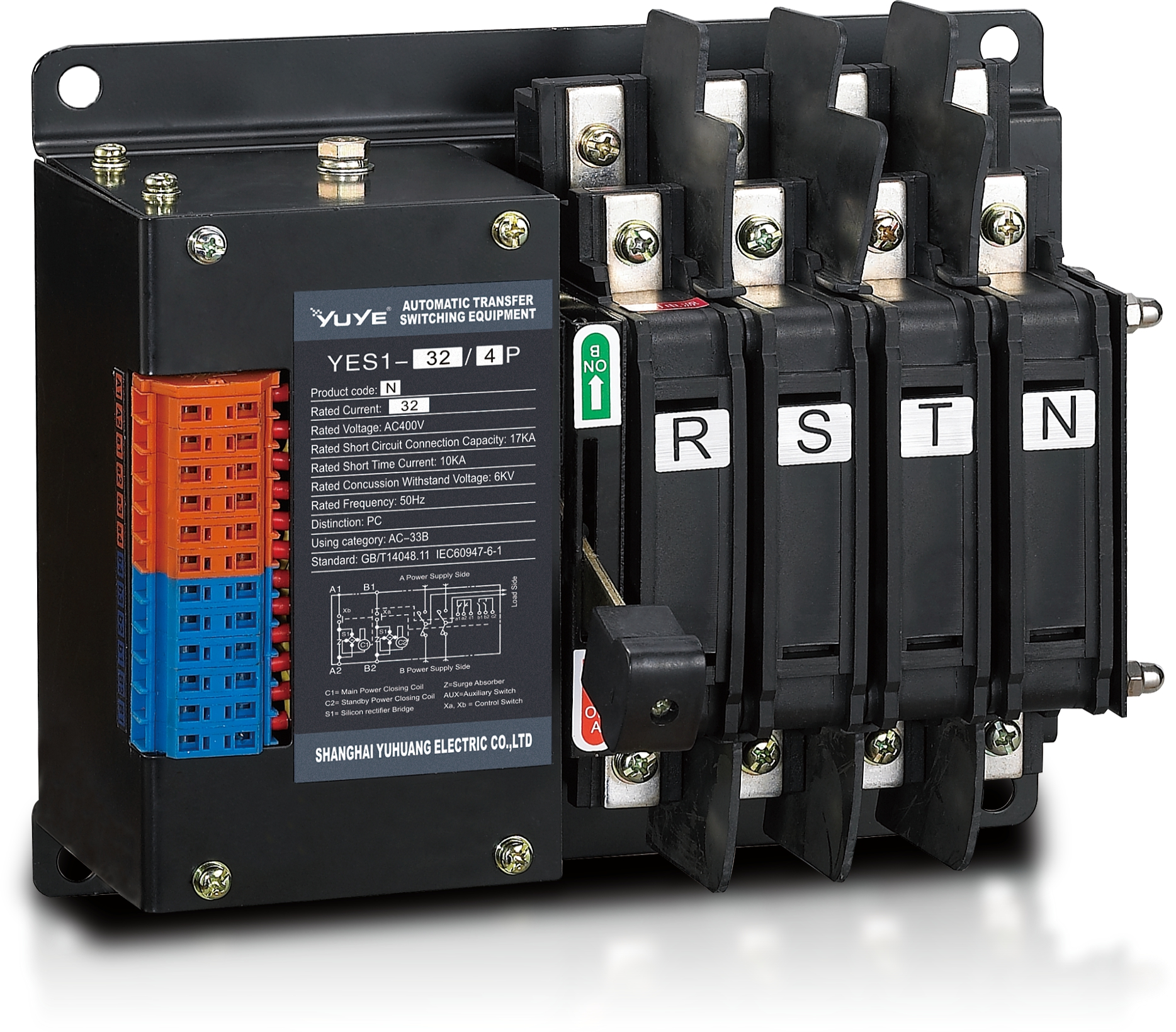 Solenoid-type ATS YES1-32~125N
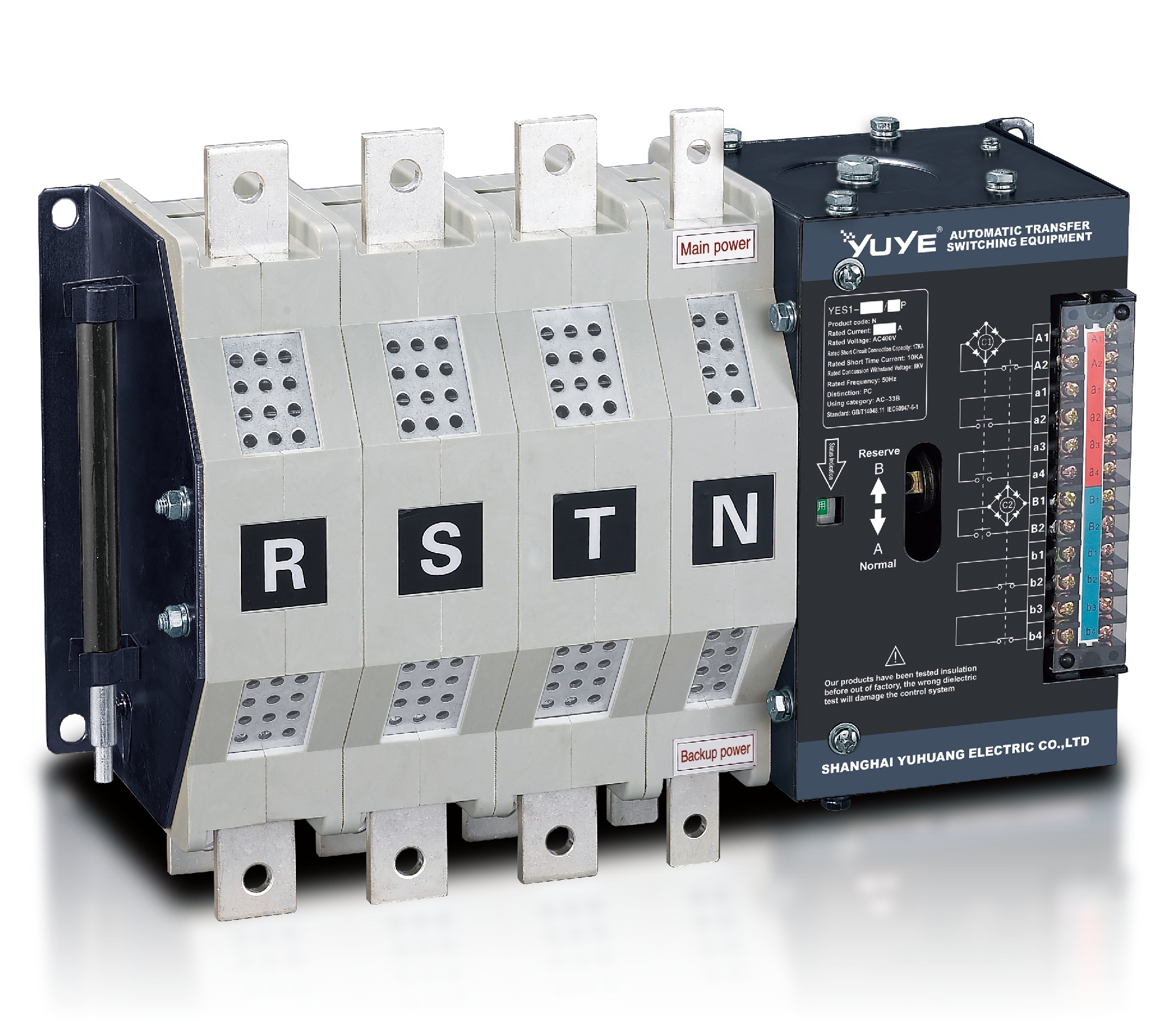 Solenoid-type ATS YES1-250~630N/NT
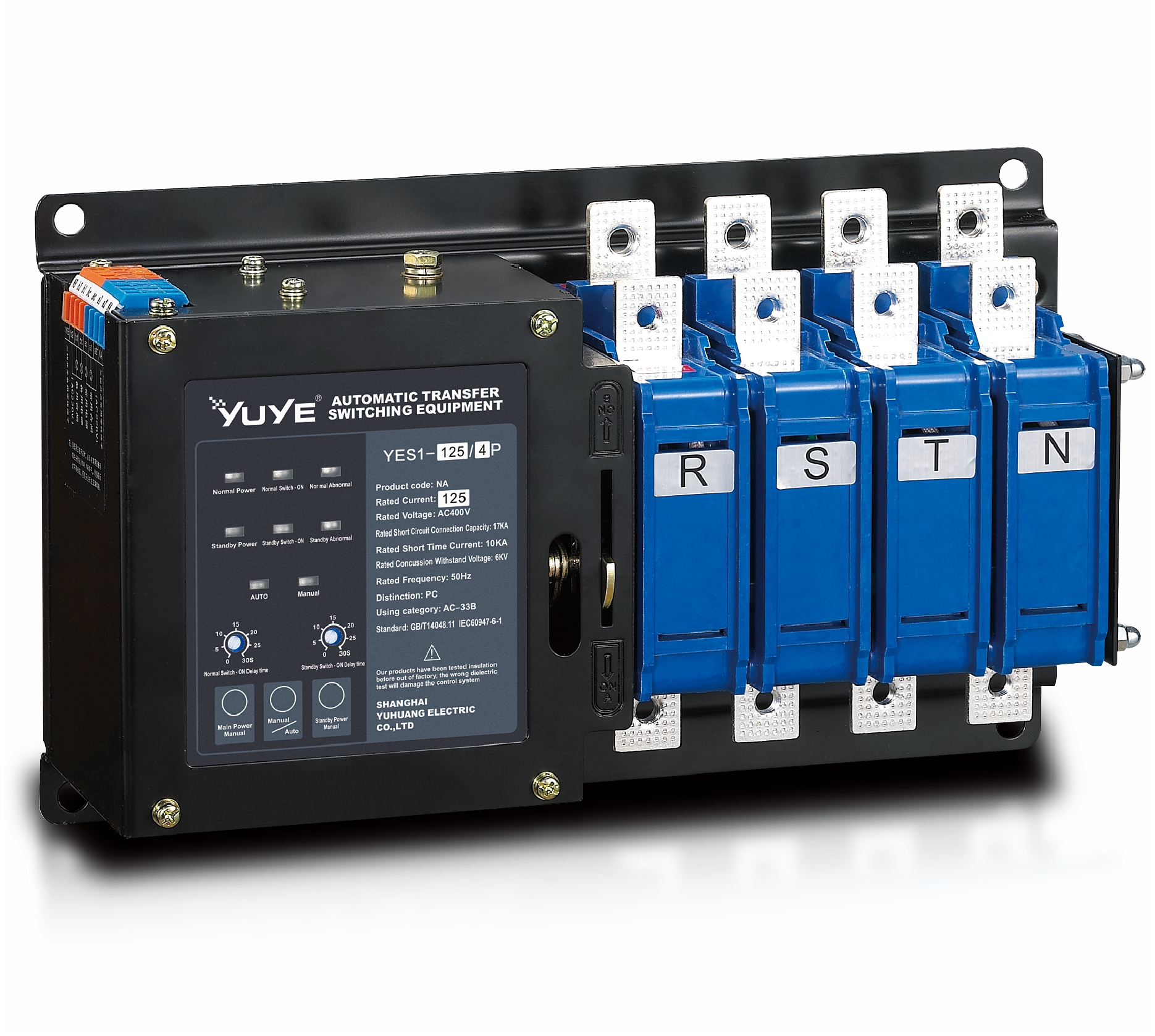 Solenoid-type ATS YES1-32~125NA
 Solenoid-type ATS YES1-63~630SN
 Solenoid-type ATS YES1-1250~4000SN
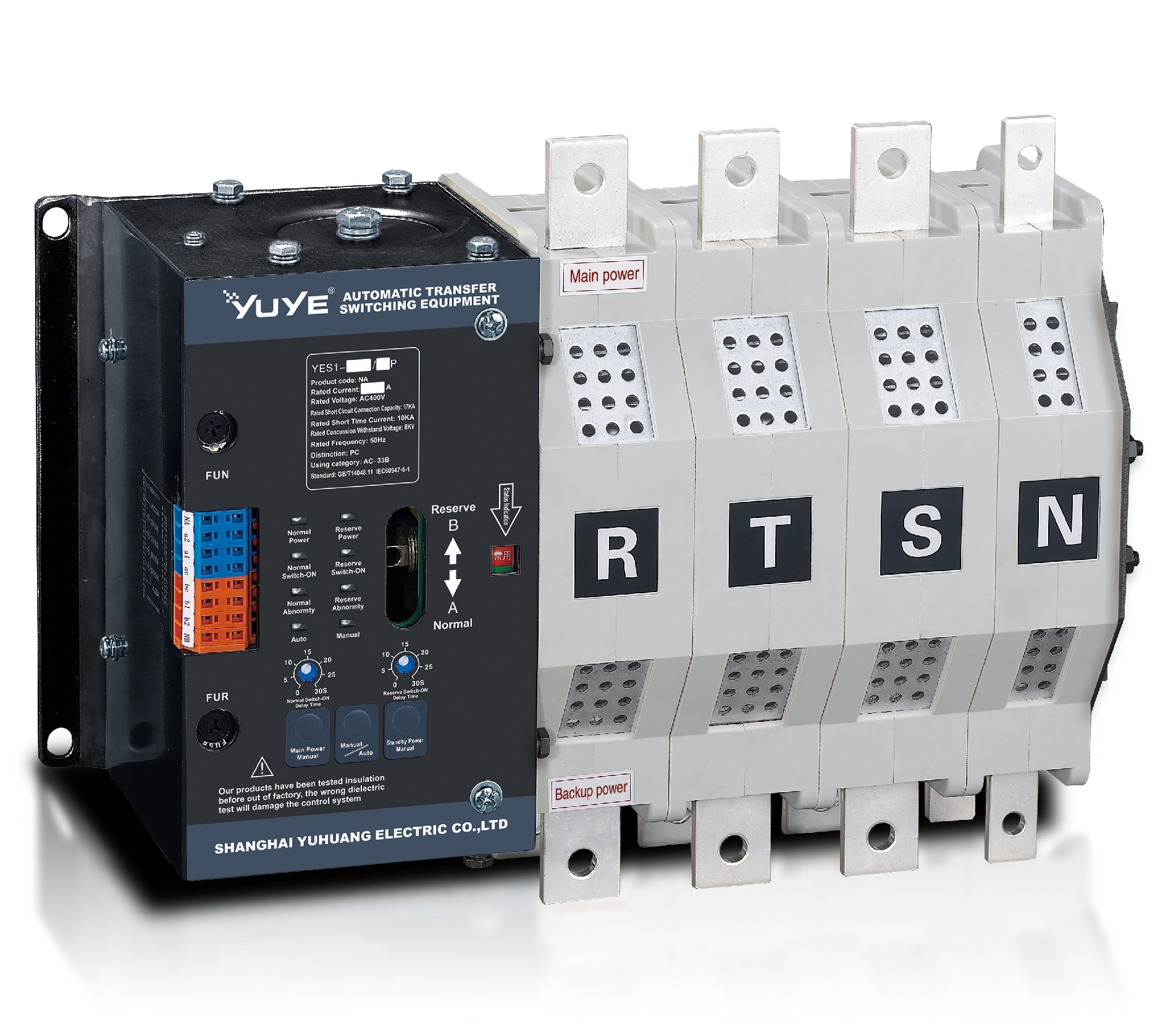 Solenoid-type ATS YES1-250~630NA/NAT
 Solenoid-type ATS YES1-63NJT
 PC ATS YES1-100~1600GN1/GN/GNF
 PC ATS YES1-2000~3200GN/GNF
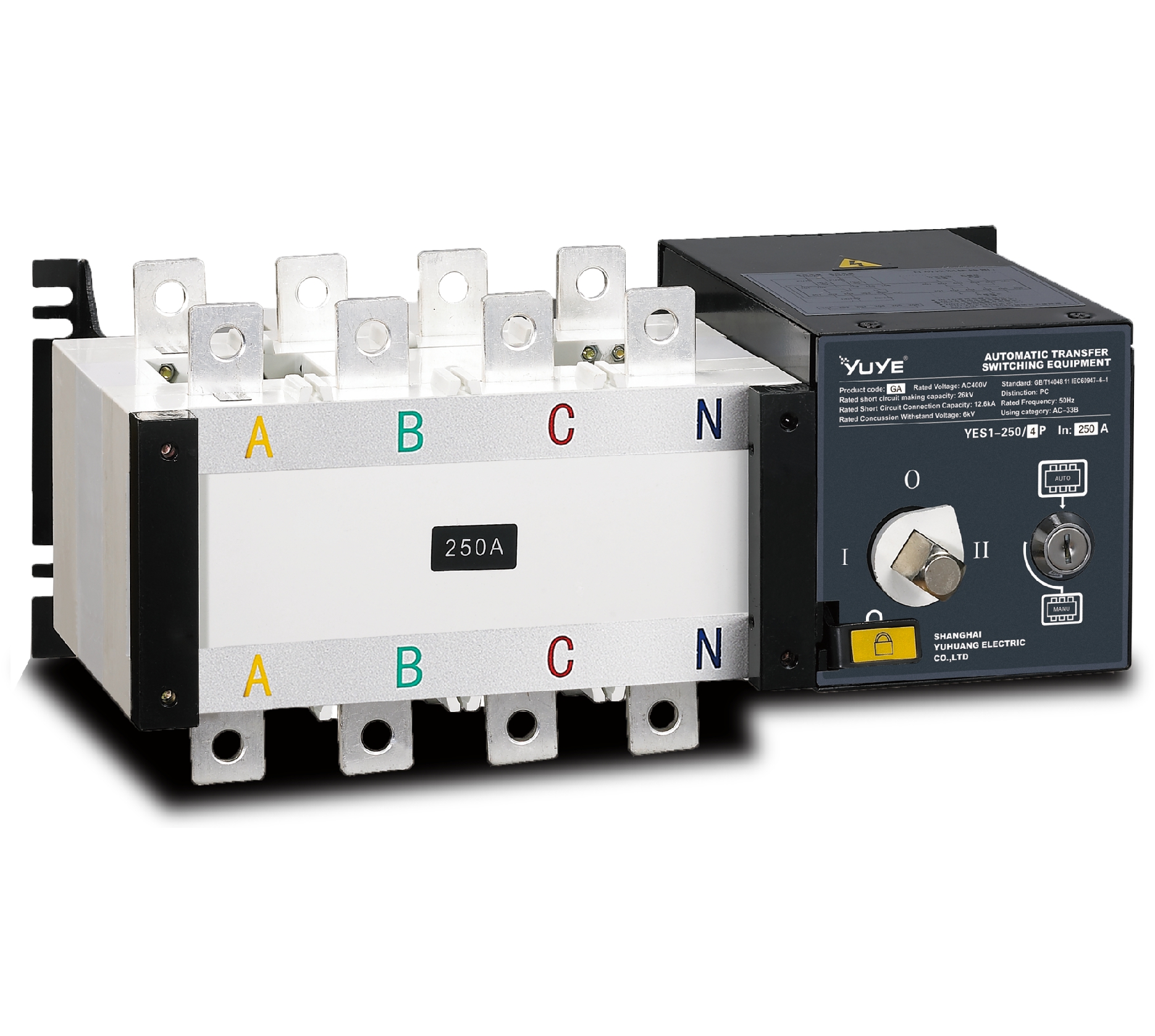 PC ATS YES1-100~3200GA1/GA
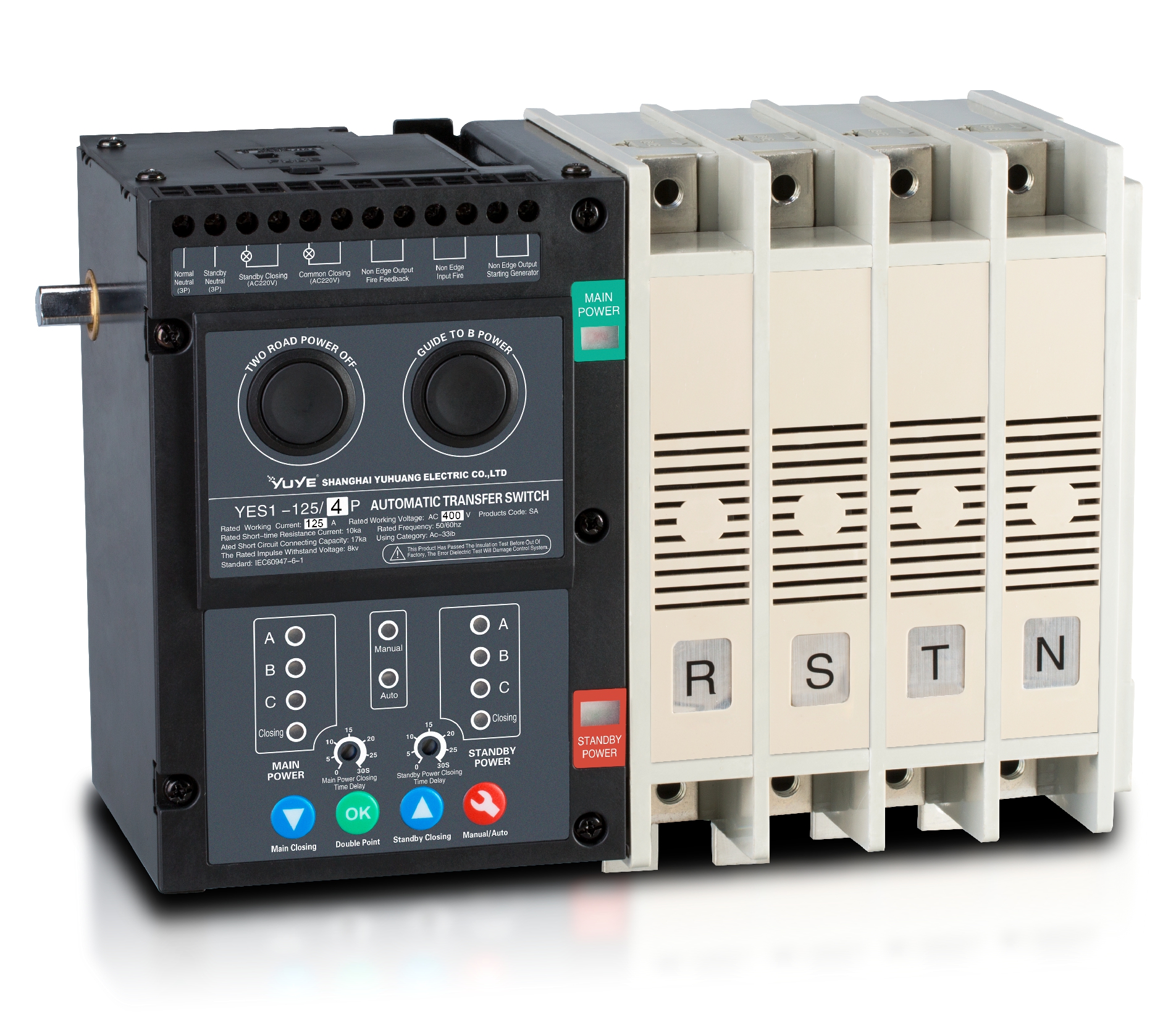 Solenoid-type ATS YES1-63~630SA
 Solenoid-type ATS YES1-63~630L/LA
 Solenoid-type ATS YES1-63~630LA3
 Solenoid-type ATS YES1-63MA
 PC ATS YES1-630~1600M
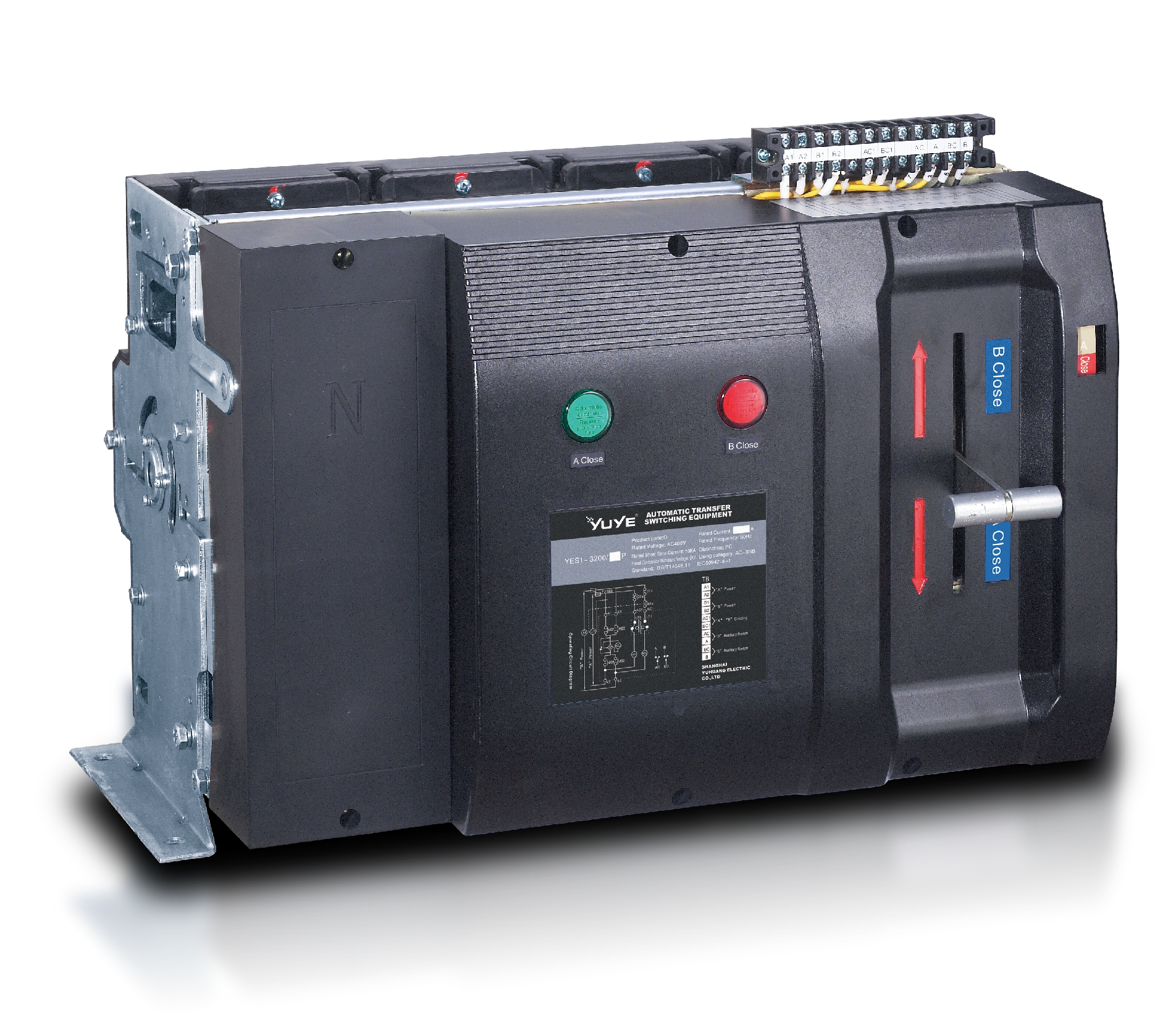 PC ATS YES1-3200Q
 Solenoid-type ATS YES1-4000~6300Q
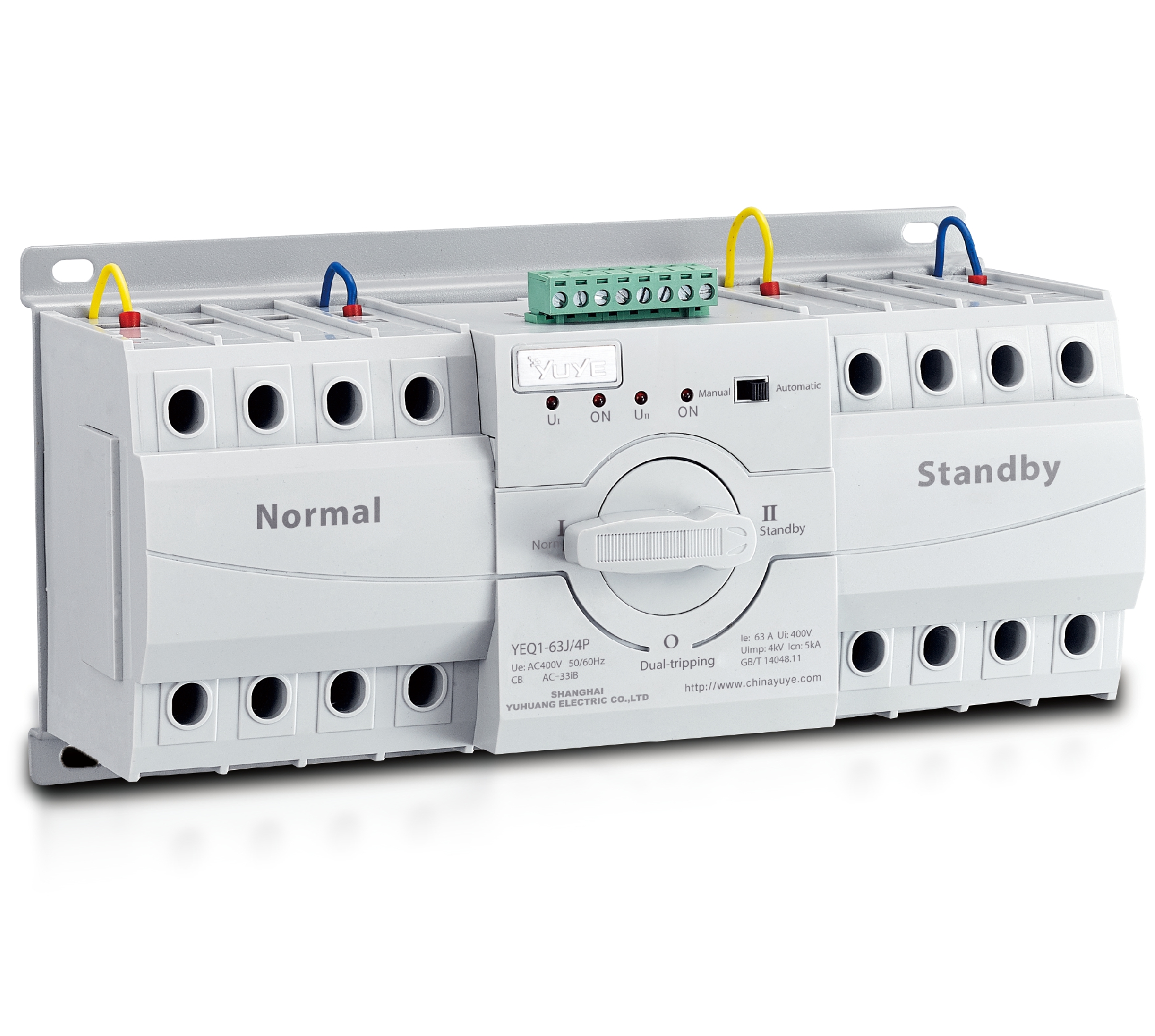 CB ATS YEQ1-63J
 CB ATS YEQ2Y-63
 CB ATS YEQ3-63W1
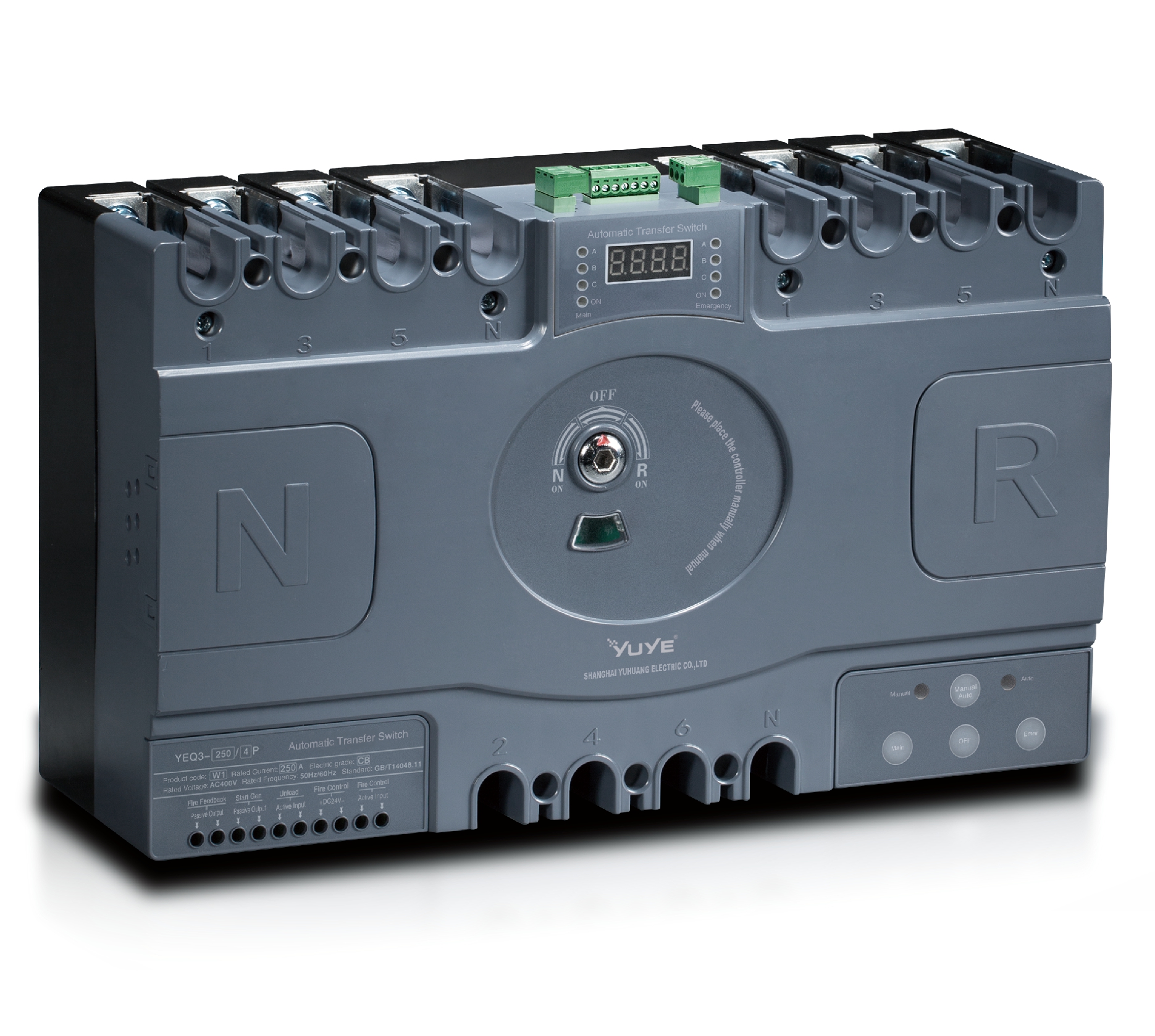 CB ATS YEQ3-125~630W1
 ATS controller Y-700
 ATS Controller Y-700N
 ATS Controller Y-701B
 ATS Controller Y-703N
 ATS Controller Y-800
 ATS Controller W2/W3 Series
 ATS switch Cabinet floor-to-ceiling
 ATS switch cabinet
 JXF-225A power Cbinet
 JXF-800A power Cbinet
 YEM3-125~800 Plastic Shell Type MCCB
 YEM3L-125~630 Leakage Type MCCB
 YEM3Z-125~800 Adjustable Type MCCB
 YEM1-63~1250 Plastic Shell Type MCCB
 YEM1E-100~800 Electronic Type MCCB
 YEM1L-100~630 Leakage Type MCCB
 Miniature circuit breaker YEMA2-6~100
 Miniature circuit breaker YEB1-3~63
 Miniature circuit breaker YEB1LE-3~63
 Miniature circuit breaker YEPN-3~32
 Miniature circuit breaker YEPNLE-3~32
 Miniature circuit breaker YENC-63~125
 Air Circuit Breaker YEW1-2000~6300
 Air Circuit Breaker YEW3-1600
 Load isolation switch YGL-63~3150
 Load Isolation Switch YGL2-63~3150
 YECPS2-45~125 LCD
 YECPS-45~125 Digital
 Manual Changeover Switch YGL-100~630Z1A
 Manual Changeover Switch YGLZ1-100~3150
 CNC Milling/Turning-OEM
 DC relay MDC-300M
 DC Isolation Switch YEGL3D-630


