The Automated Transfer Switch (ATS) market might not be something you hear about every day, but it actually plays a pretty huge role in making sure power keeps running smoothly across different industries. I recently came across a report from MarketsandMarkets that says the global ATS market could hit around $2.4 billion by 2026, growing at about 6.5% annually. That’s a clear sign that more and more sectors—like healthcare, data centers, and manufacturing plants—really need dependable power solutions these days.
And if you talk to experts, like John Smith, who’s the CEO of PowerTech Solutions, he'll tell you straight-up:
Overview of Automatic Transfer Switches and Their Importance
Automatic transfer switches (ATS) play a vital role in ensuring a reliable power supply. They automatically switch to backup power sources when the main supply fails. This seamless transition is essential for critical infrastructure, including hospitals, data centers, and emergency facilities. In these settings, seconds matter. An ATS minimizes downtime and ensures safety and stability.
Understanding how these switches operate can help prevent outages. ATS systems monitor incoming voltage and frequency levels. They detect faults and react swiftly. This responsiveness can protect sensitive equipment from damage. However, not all ATS systems are created equal. Some are prone to failure due to poor maintenance or outdated technology. Regular checks on your ATS are crucial.
The importance of an ATS cannot be overstated. Many facilities underestimate the risks associated with power loss. In doing so, they leave themselves vulnerable to unforeseen disasters. Investing in a quality ATS is crucial for operational integrity. It’s worth considering how well your current systems are performing. Reassessing your power management strategy could lead to improved reliability.
Key Features to Consider When Choosing an ATS Supplier
When selecting an automatic transfer switch (ATS) supplier, several key features should be prioritized. Start with reliability. An ATS should perform consistently under various conditions. It must switch seamlessly between power sources, ensuring that your operations remain uninterrupted. Look for products that meet industry standards and have proven track records. This adds a layer of trust to your investment.
Next, consider the supplier's technical support. An ATS is a critical component of your electrical system. If issues arise, quick and effective support is essential. Suppliers with a strong reputation for customer service can provide peace of mind. Evaluate their response times and the availability of experienced technicians.
Lastly, assess the range of options provided. A good supplier should offer diverse models, accommodating different power capacity needs. Also, they should have the flexibility to advise on custom solutions. Reflect on your specific requirements and choose a supplier that displays a deep understanding of your industry. This could impact the overall performance and safety of your power management systems.
Top 10 Suppliers of Automatic Transfer Switches: A Comprehensive Review
When looking for reliable automatic transfer switch (ATS) suppliers, understanding the market landscape is crucial. The global ATS market is projected to grow significantly, with a compound annual growth rate (CAGR) of around 6.5% from 2021 to 2028. This growth is driven by the need for continuous power supply in various sectors, especially healthcare, telecommunications, and data centers. Suppliers who focus on innovation and quality are set to rise above the competition.
Choosing an ATS supplier involves checking for industry certifications and product reliability. Many organizations rely on ATS for seamless power transfer, particularly during outages. An ATS failure can lead to costly downtime and operational challenges. Evaluate suppliers' performance reports and client testimonials carefully. This can help in discerning their reliability and expertise.
Tip: Always assess whether the supplier offers comprehensive support and maintenance services. A robust customer service framework ensures that you can resolve issues quickly.
Another essential factor is technology integration. Modern ATS devices feature advanced controls and monitoring. This helps in managing energy consumption efficiently. Suppliers that invest in R&D tend to produce superior products.
Tip: Be wary of overly cheap options; they may compromise on safety and performance. Choosing a reputable supplier is a long-term investment in your power reliability.
Comparison of the Leading ATS Brands: Performance and Reliability
When considering automatic transfer switches (ATS), performance and reliability are paramount. These systems play a critical role in maintaining power continuity during outages. Some brands focus on speed, while others prioritize stability in their operations. Choosing the right product often requires a deep dive into specific features and real-world user experiences.
In the realm of performance, some ATS models can switch power sources within milliseconds. This rapid response is crucial for sensitive equipment. However, quick switches may rely on more complex technology, which could lead to potential failures. Users have reported mixed experiences when it comes to maintenance needs. Some switches operate smoothly for years, while others require frequent attention.
Reliability is equally important. It's not enough to switch quickly; the system must also be dependable. The best models provide consistent performance under various conditions. Yet, some may struggle in extreme weather or fluctuating loads. Understanding these nuances helps in making informed decisions. Evaluating technical specifications alongside user feedback can illuminate the differences between brands, revealing strengths and weaknesses that are not immediately apparent.
Market Trends Impacting the Automatic Transfer Switch Industry
The automatic transfer switch (ATS) industry is undergoing significant changes driven by various market trends. Increased demand for uninterrupted power supply in critical facilities is a key driver. Hospitals, data centers, and industrial applications require reliable power systems. As these sectors expand, the need for high-quality ATS solutions grows.
Technological advancements also play a crucial role. Innovations in smart grid technology allow for better integration and monitoring of ATS systems. This integration enhances efficiency, making it easier to manage energy resources. However, there's a challenge in keeping pace with rapid developments, as not all suppliers can adapt quickly. Companies must invest in continuous research and development to stay relevant.
Sustainability is another trend influencing the industry. Many organizations seek eco-friendly solutions to reduce their carbon footprints. This shift towards green technology often results in higher initial costs, creating a dilemma for budget-conscious businesses. Despite these challenges, the emphasis on sustainable practices is reshaping how suppliers approach product development. Balancing innovation with affordability remains a critical task for the industry.
Customer Support and Warranty Considerations in ATS Selection
When selecting an Automatic Transfer Switch (ATS), customer support and warranty considerations often play a critical role. Many industry reports indicate that a staggering 70% of buyers prioritize these factors over the product's initial cost. Reliable customer support ensures that users can quickly resolve issues, minimizing downtime. In sectors like healthcare, even short interruptions can pose risks.
Warranty terms are equally crucial. A standard warranty period for ATS products typically ranges from 2 to 5 years. However, some reputable suppliers offer extended warranties, which reflect confidence in their products’ reliability. According to a recent survey, 60% of users reported that extended warranties gave them peace of mind. That extra coverage can be pivotal for critical facilities that rely on uninterrupted power supply.
Yet, despite these essentials, some companies still overlook these aspects. A report from the Electrical Contractors Association revealed that inadequate customer support leads to frequent complaints. Clients often express frustration over not having timely responses. This scenario highlights the importance of thorough research and consideration of not just the ATS features, but also the manufacturer's commitment to customer care.
Future Developments in Automatic Transfer Switch Technology
Automatic Transfer Switch (ATS) technology is evolving rapidly. The demand for reliable power solutions is driving this growth. Recent data from industry reports indicates that the global ATS market is projected to reach $2.8 billion by 2026, reflecting a compound annual growth rate of 6.5%. This highlights the increasing reliance on ATS systems across various sectors, particularly in critical infrastructure.
Future developments in ATS technology focus on enhanced automation and integration with renewable energy sources. Newer models are expected to feature smart controls and IoT capabilities. These advancements could improve efficiency in power management, allowing for real-time monitoring. Such capabilities can prove essential during emergencies. Yet, these improvements come with challenges. Companies must adapt to new technologies while ensuring reliability and safety standards are maintained.
Sustainability is another critical area of focus. As organizations prioritize green energy initiatives, ATS systems must support these efforts. Advanced energy storage solutions are emerging, allowing for better integration of solar and wind power. However, the transition is not without hurdles. Companies must invest in training and infrastructure to keep pace with this change. It's a complex landscape requiring ongoing reflection and adaptation.
FAQS
: Increased demand for continuous power supply in sectors like healthcare and data centers drives market growth.
Check for industry certifications, product reliability, and client testimonials when assessing an ATS supplier.
Comprehensive maintenance services ensure quick resolution of issues, helping to prevent costly downtime.
Advanced controls and monitoring in modern ATS devices help manage energy consumption more efficiently.
Cheap options may compromise safety and performance, leading to potential risks and failures.
There is a growing emphasis on eco-friendly solutions, leading to higher initial costs for businesses.
Not all suppliers can quickly adapt to rapid developments, creating challenges in staying competitive.
Continuous R&D allows suppliers to stay relevant and produce superior products in a changing market.
As hospitals and data centers expand, the need for reliable ATS solutions grows significantly.
While eco-friendly solutions may have higher costs, many organizations struggle to balance innovation and budget.
Conclusion
Automatic Transfer Switches (ATS) play a crucial role in ensuring uninterrupted power supply during outages, making the choice of an appropriate Automat Transfer Switch Supplier vital for businesses and individuals alike. When selecting an ATS supplier, it is essential to consider key features such as reliability, performance, and customer support, as these factors significantly influence the efficiency of power management systems.
This article provides a comprehensive overview of the top 10 suppliers in the ATS market, highlighting their strengths and weaknesses. It also discusses current market trends affecting the industry and emphasizes the importance of warranty and customer service when making a selection. Furthermore, insights into future developments in ATS technology illustrate the evolving landscape and potential advancements that could shape the industry in the years to come.

 PC ATS YECT1-2000G
 PC ATS YES2-63~250GN1
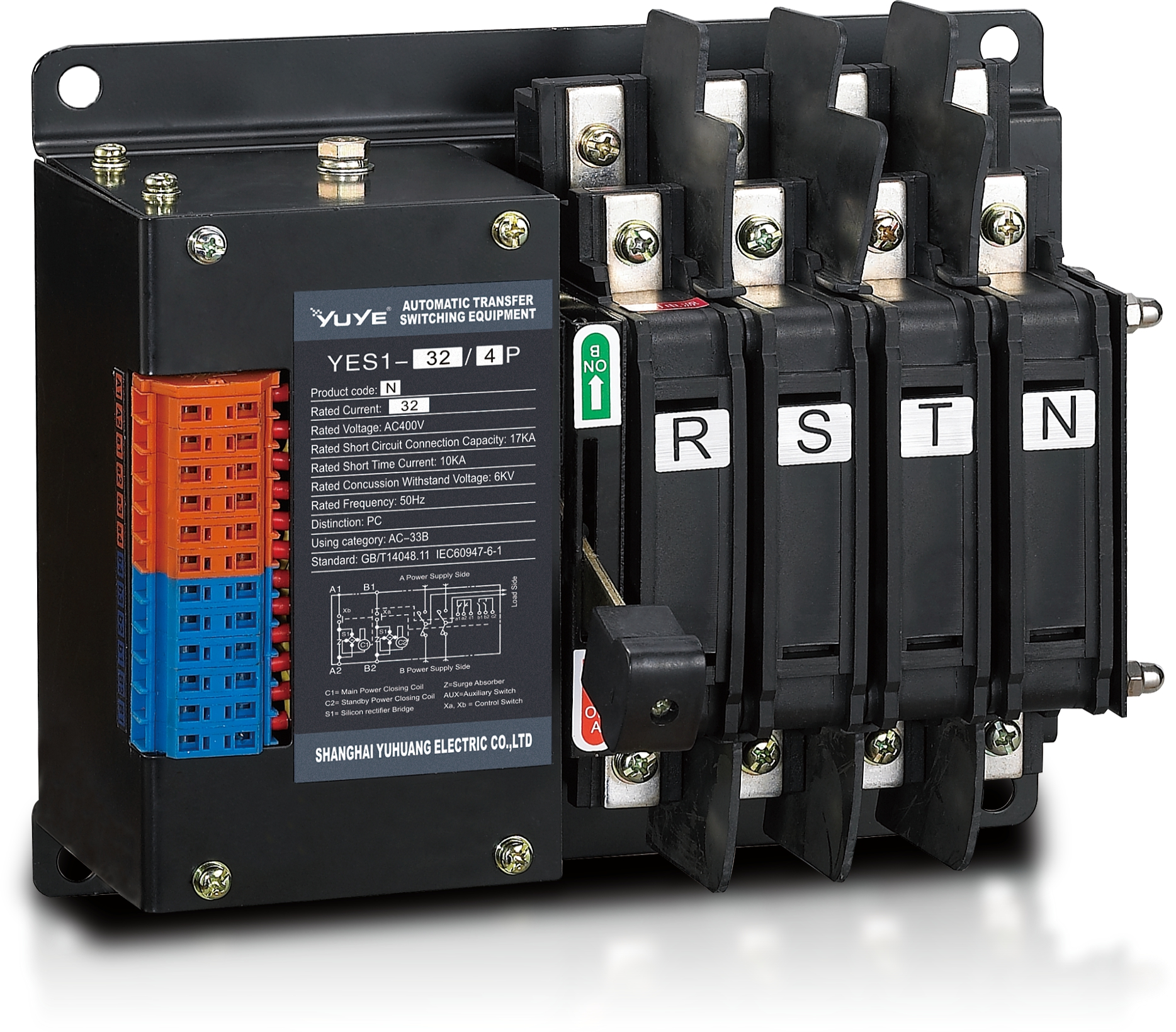 Solenoid-type ATS YES1-32~125N
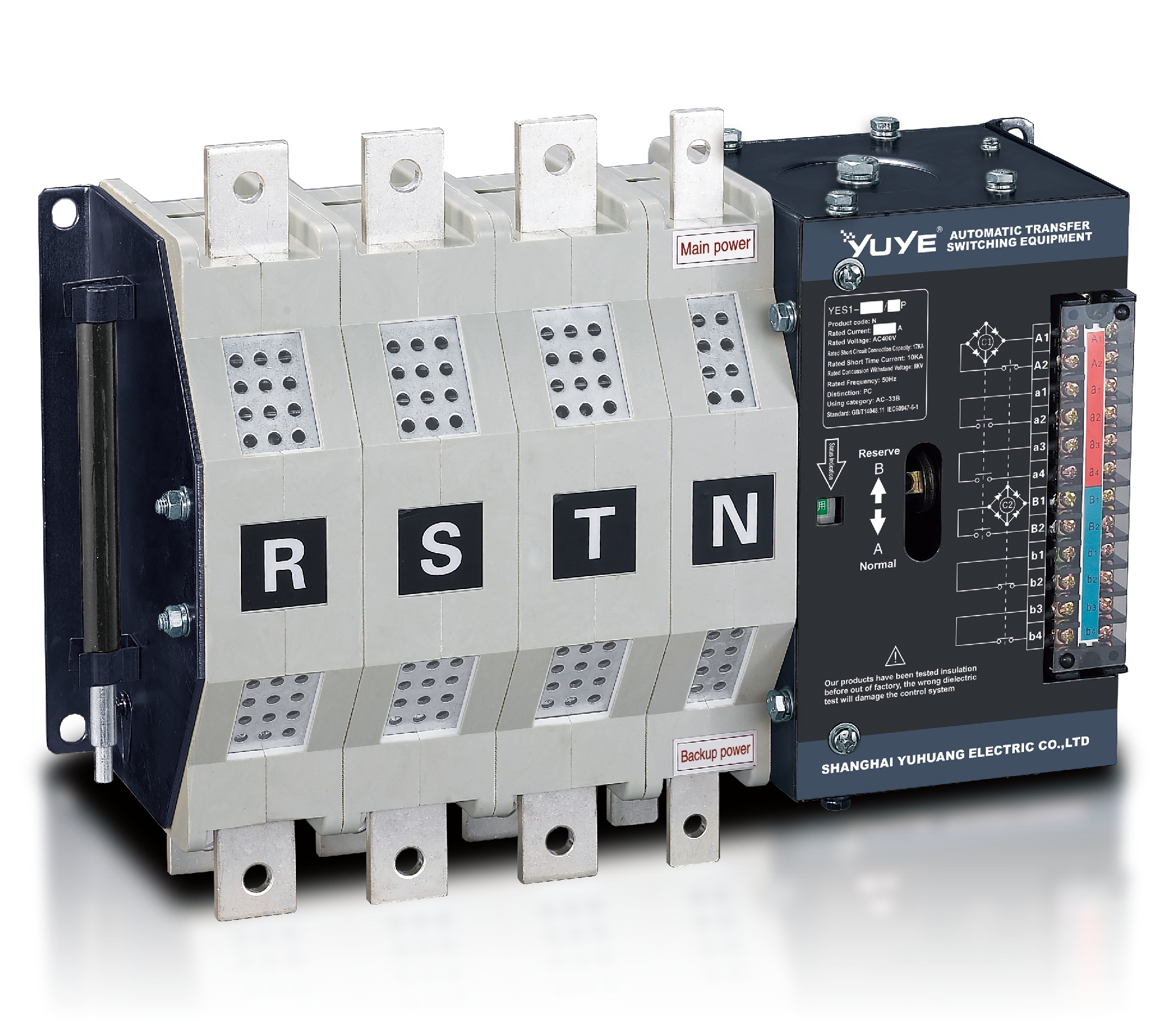 Solenoid-type ATS YES1-250~630N/NT
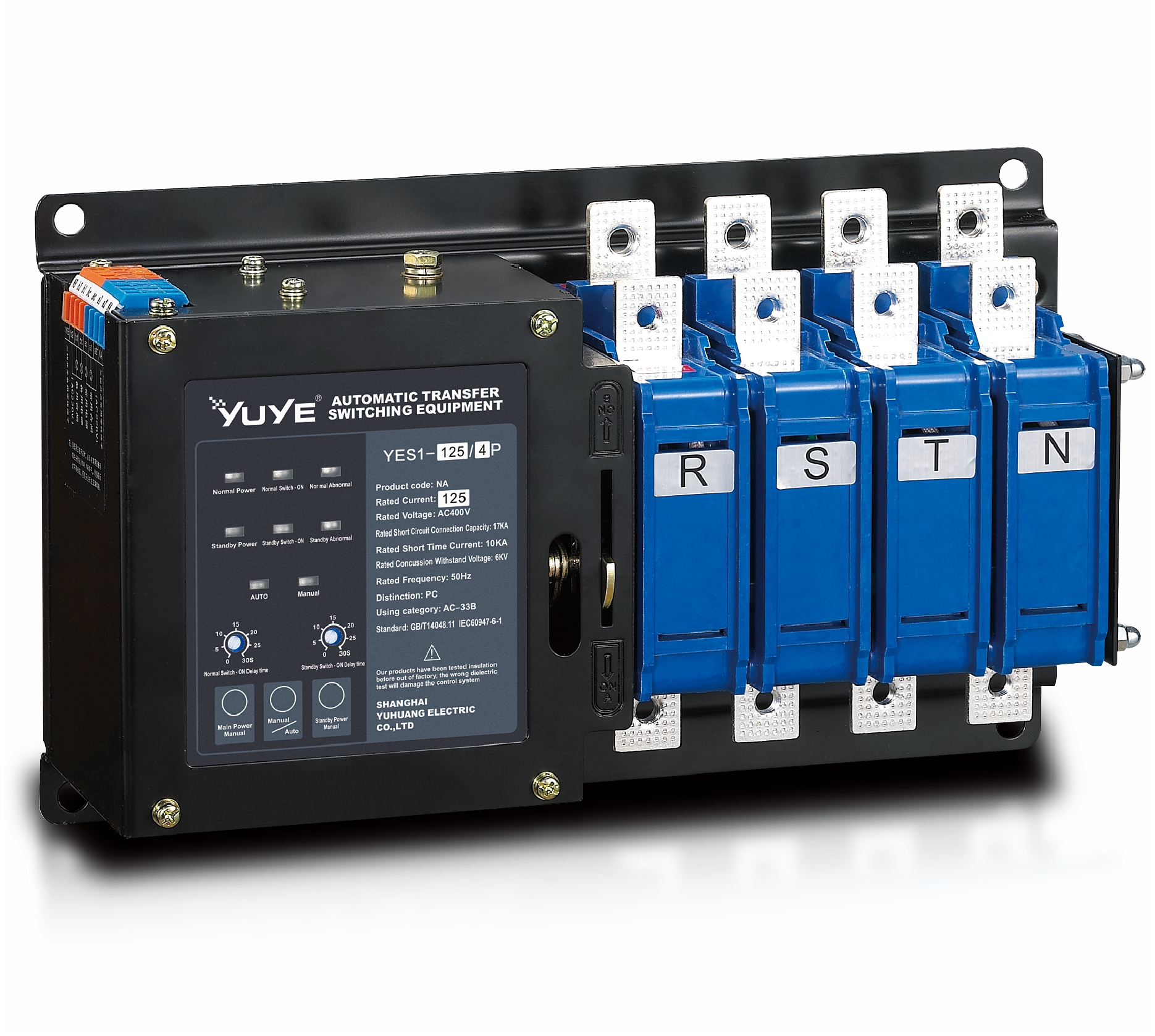 Solenoid-type ATS YES1-32~125NA
 Solenoid-type ATS YES1-63~630SN
 Solenoid-type ATS YES1-1250~4000SN
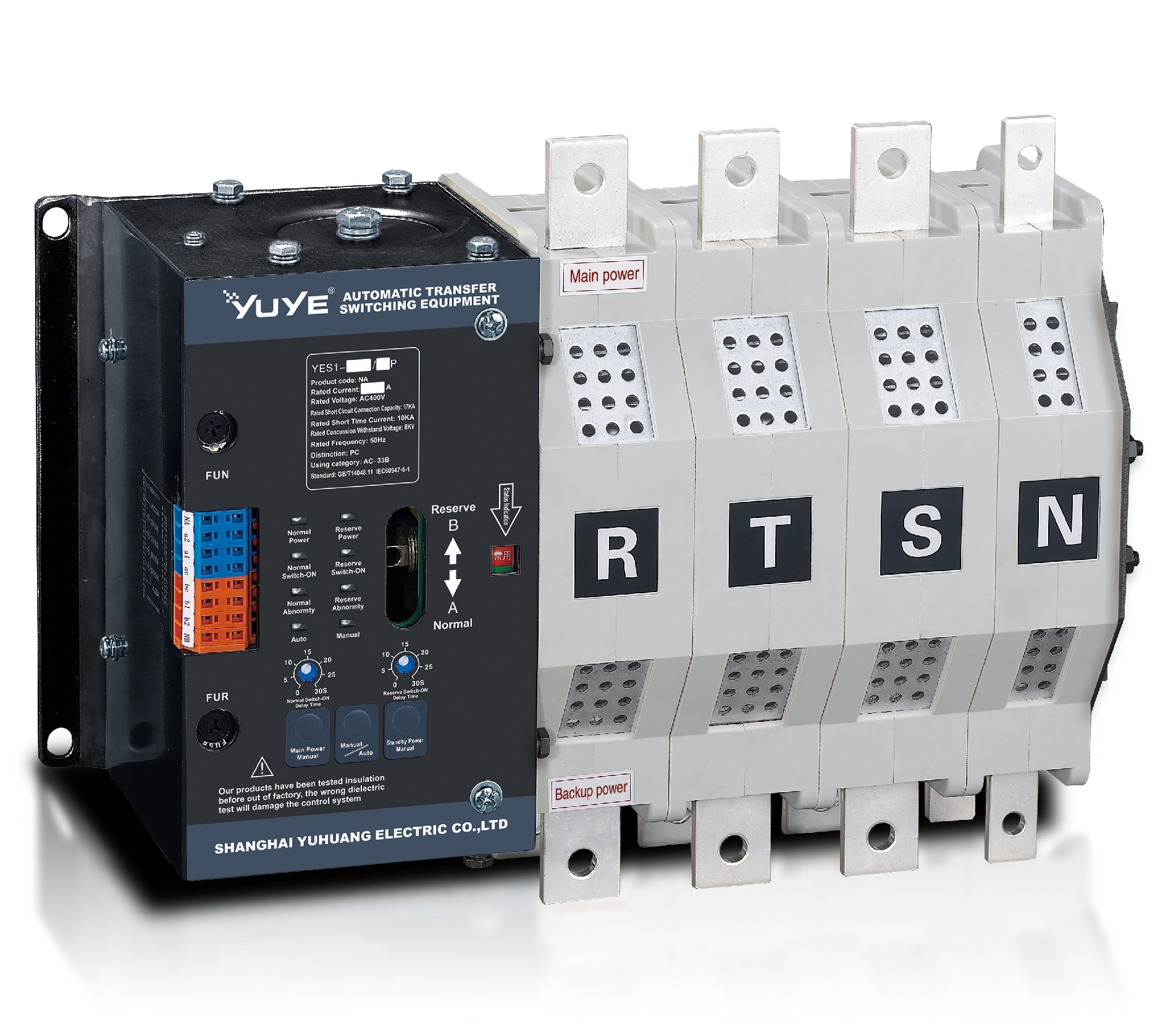 Solenoid-type ATS YES1-250~630NA/NAT
 Solenoid-type ATS YES1-63NJT
 PC ATS YES1-100~1600GN1/GN/GNF
 PC ATS YES1-2000~3200GN/GNF
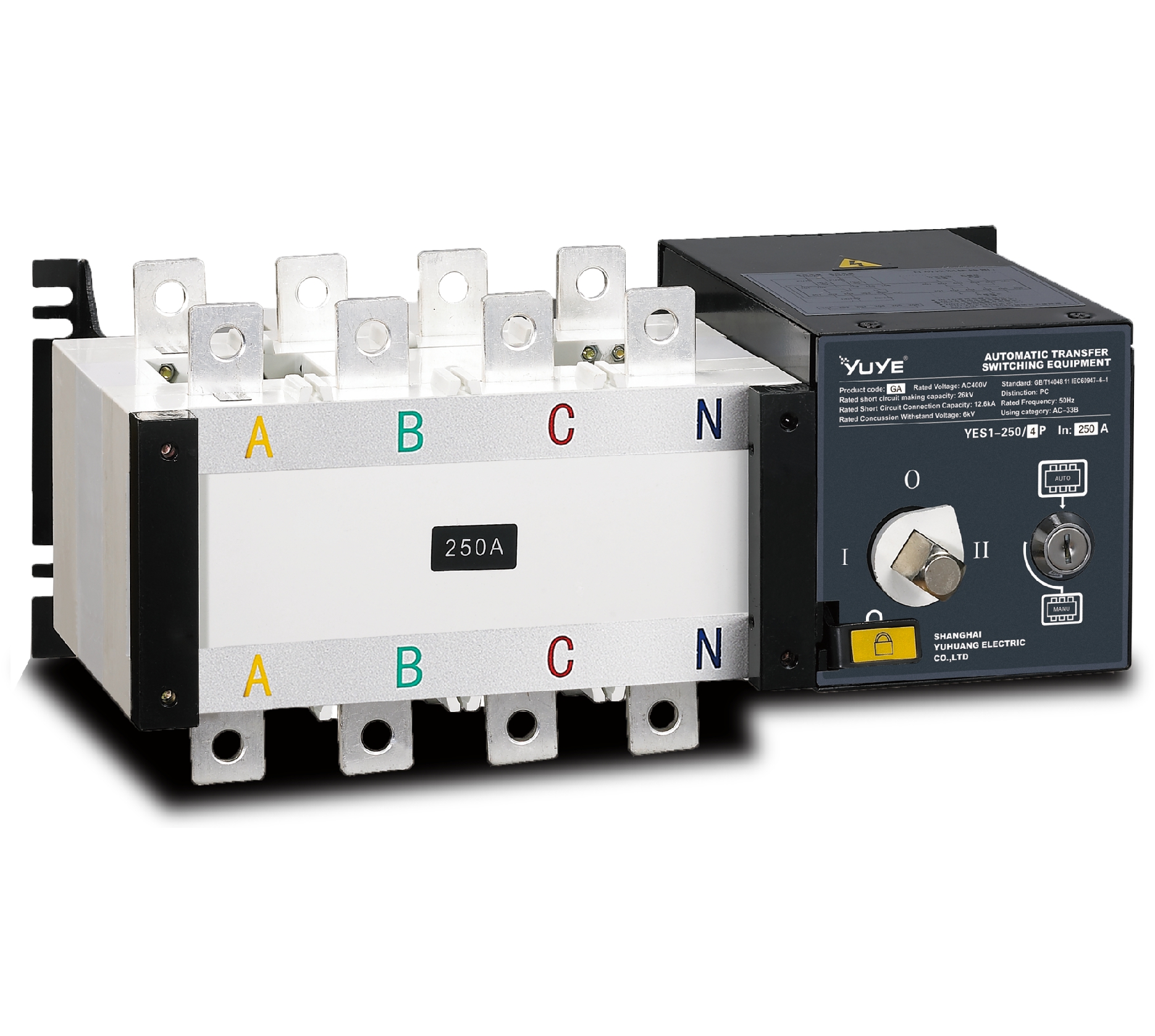 PC ATS YES1-100~3200GA1/GA
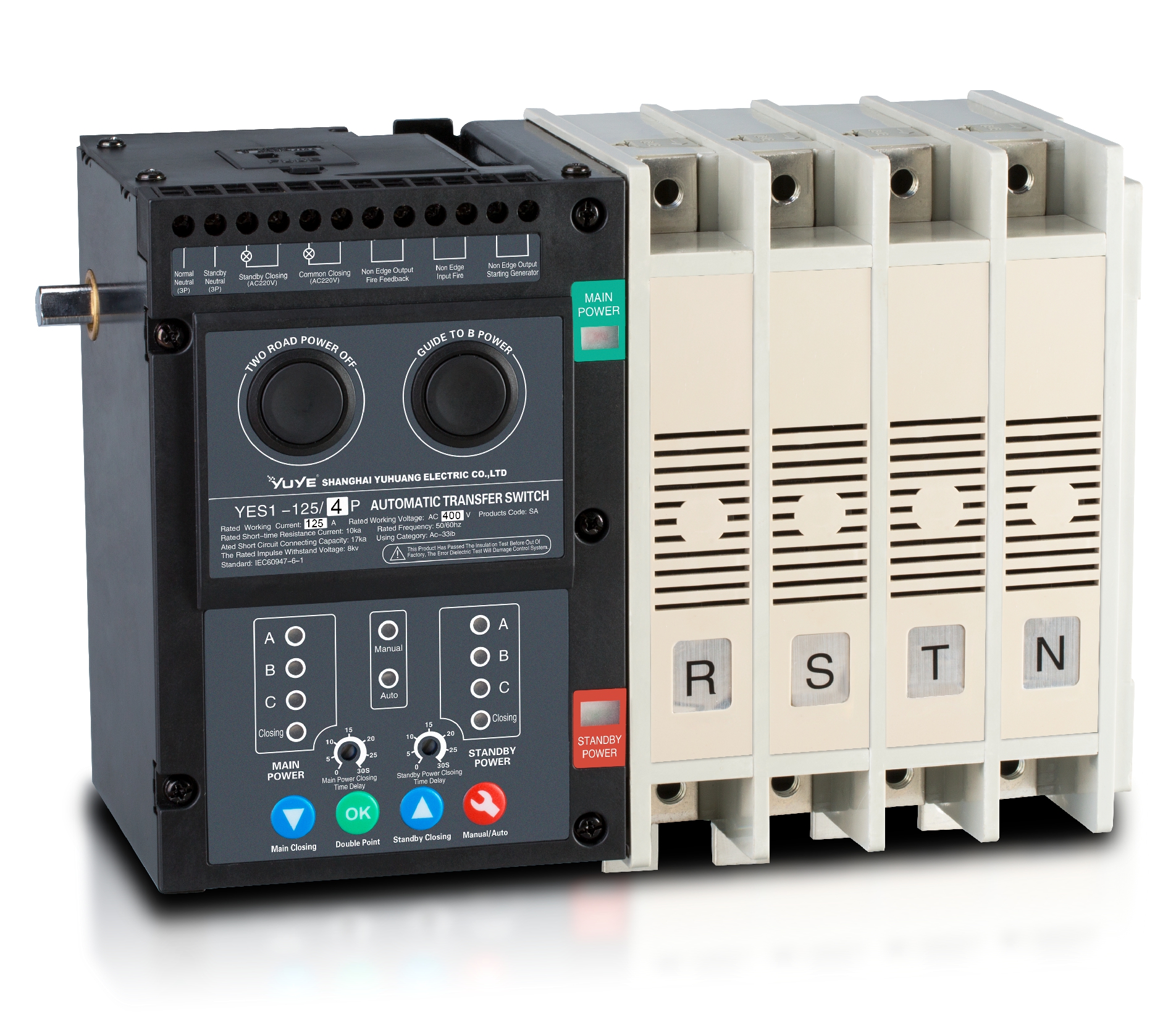 Solenoid-type ATS YES1-63~630SA
 Solenoid-type ATS YES1-63~630L/LA
 Solenoid-type ATS YES1-63~630LA3
 Solenoid-type ATS YES1-63MA
 PC ATS YES1-630~1600M
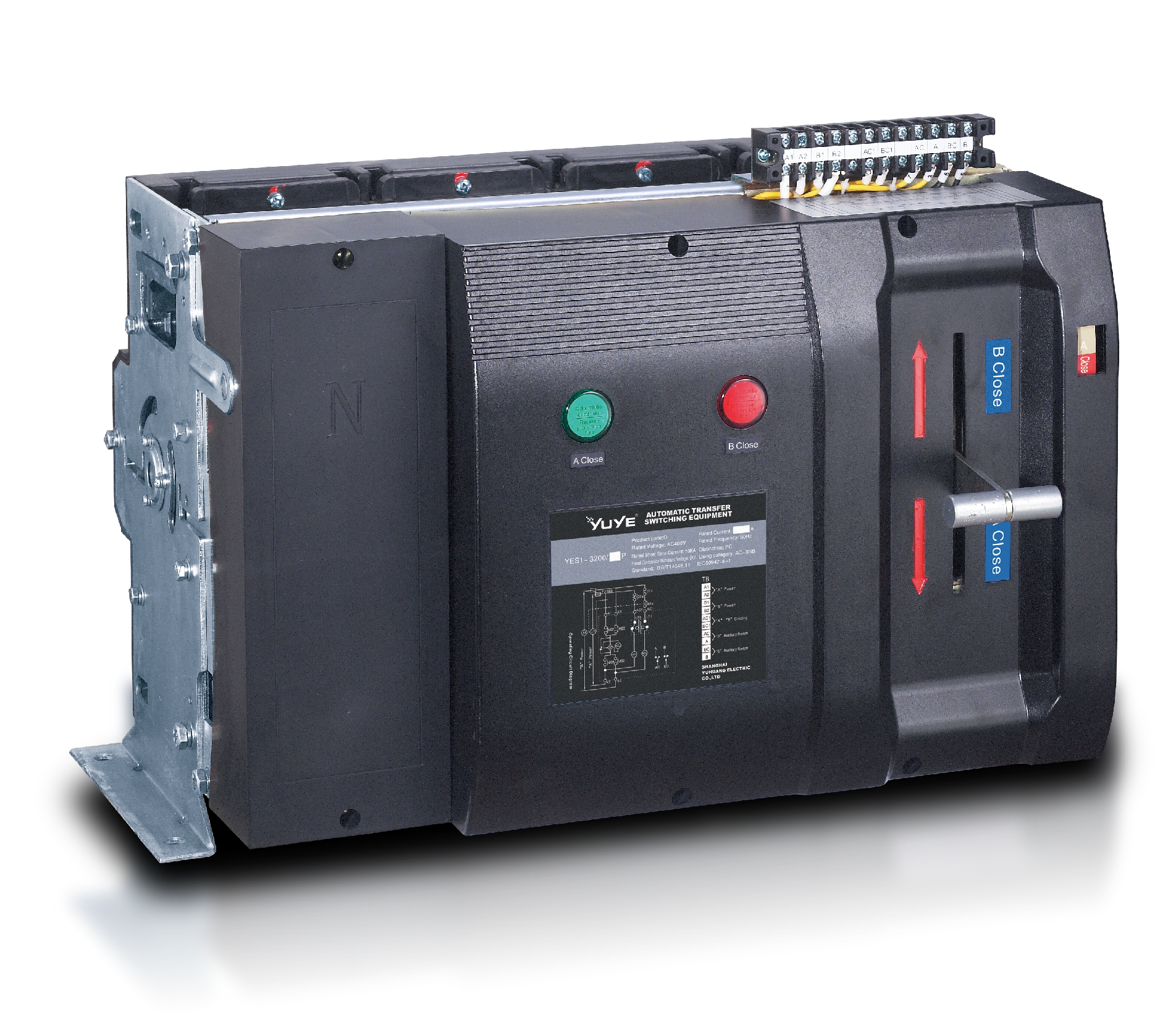 PC ATS YES1-3200Q
 Solenoid-type ATS YES1-4000~6300Q
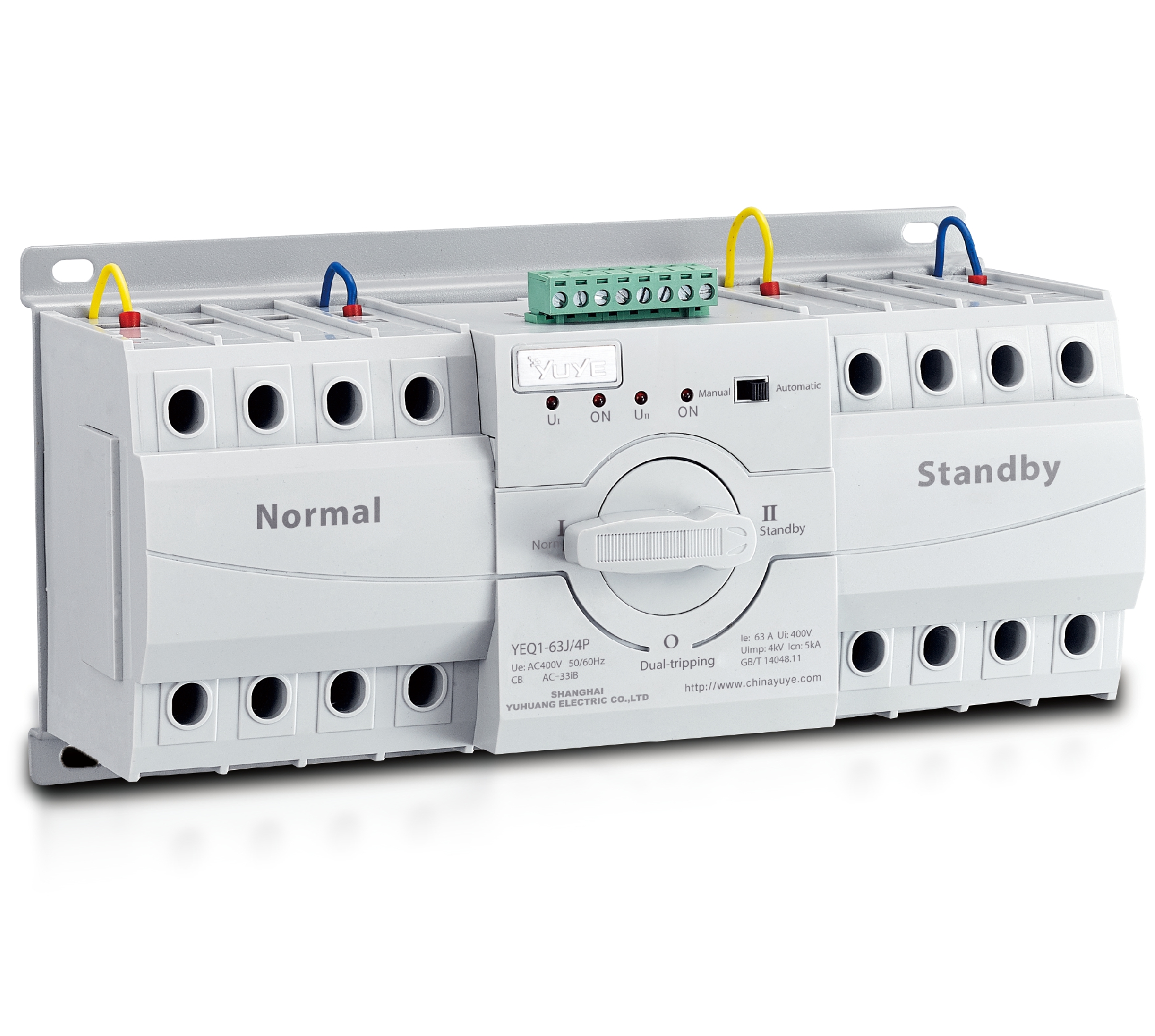 CB ATS YEQ1-63J
 CB ATS YEQ2Y-63
 CB ATS YEQ3-63W1
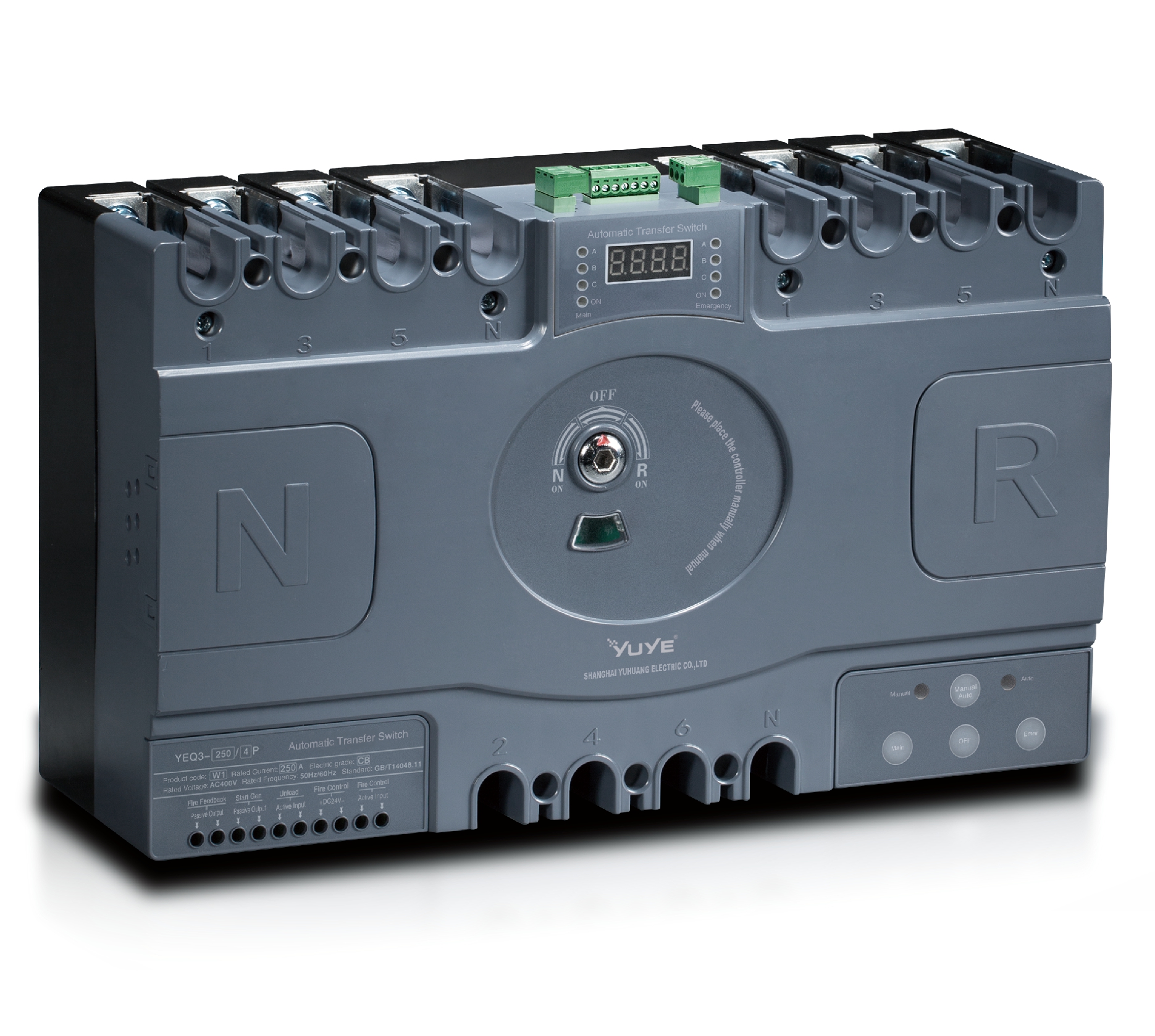 CB ATS YEQ3-125~630W1
 ATS controller Y-700
 ATS Controller Y-700N
 ATS Controller Y-701B
 ATS Controller Y-703N
 ATS Controller Y-800
 ATS Controller W2/W3 Series
 ATS switch Cabinet floor-to-ceiling
 ATS switch cabinet
 JXF-225A power Cbinet
 JXF-800A power Cbinet
 YEM3-125~800 Plastic Shell Type MCCB
 YEM3L-125~630 Leakage Type MCCB
 YEM3Z-125~800 Adjustable Type MCCB
 YEM1-63~1250 Plastic Shell Type MCCB
 YEM1E-100~800 Electronic Type MCCB
 YEM1L-100~630 Leakage Type MCCB
 Miniature circuit breaker YEMA2-6~100
 Miniature circuit breaker YEB1-3~63
 Miniature circuit breaker YEB1LE-3~63
 Miniature circuit breaker YEPN-3~32
 Miniature circuit breaker YEPNLE-3~32
 Miniature circuit breaker YENC-63~125
 Air Circuit Breaker YEW1-2000~6300
 Air Circuit Breaker YEW3-1600
 Load isolation switch YGL-63~3150
 Load Isolation Switch YGL2-63~3150
 YECPS2-45~125 LCD
 YECPS-45~125 Digital
 Manual Changeover Switch YGL-100~630Z1A
 Manual Changeover Switch YGLZ1-100~3150
 CNC Milling/Turning-OEM
 DC relay MDC-300M
 DC Isolation Switch YEGL3D-630


