In the fast-changing world of Automat Transfer Switch design, getting insights from industry experts really makes a difference. Thomas Liu, who's a senior engineer at PowerTech Solutions, points out that "Efficiency and reliability are the main pillars of modern transfer switch designs." That’s pretty spot-on as China aims to take the lead globally in energy solutions.
Automation in designing these switches definitely makes things smoother and boosts system dependability. Plus, with smart tech now part of the mix, keeping an eye on and maintaining power systems gets a whole lot easier. But, of course, automating isn't all roses—it can add some complexity, making things trickier to implement. Striking the right balance is tough but absolutely crucial if you want to stay competitive out there.
As manufacturers dive into this automation stuff, they’ve also gotta keep in mind local rules and what users actually need. Things like data privacy and making sure everything works well together require some serious attention. Ultimately, nailing an effective Automated Transfer Switch design isn’t a one-and-done deal. It’s an ongoing process that calls for flexibility and a willingness to keep learning as you go.

Understanding Transfer Switches and Their Importance in Power Systems
Transfer switches play a crucial role in power systems, ensuring a seamless transition between power sources. They automatically switch to a backup power source during outages. This is vital in critical applications, like hospitals and data centers, where downtime can have serious consequences. Understanding their functionality is essential in designing reliable power systems.
Tips: When designing transfer switches, consider load requirements carefully. Oversizing can lead to unnecessary costs, while undersizing can result in failures. Also, evaluate the environment—humidity and temperature can impact performance. Regular maintenance and testing ensure that your transfer switch operates smoothly when needed.
In designing for the Chinese market, regulatory compliance cannot be overlooked. Local standards may differ from global best practices. Thorough research is necessary to ensure adherence to these standards. Moreover, engaging local experts can provide insights into market-specific needs. Remember, effective automation of transfer switch design may involve trial and error. Continuous assessment and improvement are key to developing a robust system.
Overview of Automation Technologies in Transfer Switch Design
Automation in transfer switch design is rapidly evolving, particularly in the competitive Chinese market. Various technologies now play a key role in streamlining processes. Advanced software tools can significantly reduce design time. These tools offer simulations and analytics, enabling engineers to envision scenarios before implementation.
Sensors and IoT devices are becoming standards in transfer switch systems. They help in real-time monitoring and diagnostics. This increases the reliability of power systems. However, integrating these technologies isn't without challenges. Engineers must continually refine their skills. The learning curve can be steep, and not all designs are flawless.
Collaboration across disciplines enhances design automation. Electrical engineers work with software developers to create more sophisticated systems. Yet, organizations should not overlook the potential for miscommunication. Mistakes can lead to project delays or failures. Continuous feedback loops are essential to address these issues effectively.
Key Considerations for Designing Transfer Switches for the Chinese Market
Designing transfer switches for the Chinese market involves several key considerations. Local regulations and standards must be adhered to. Understanding these guidelines ensures compliance and reliability. Factors like climate conditions and regional grid stability affect switch performance. Tailoring designs to meet these unique challenges is vital.
Tip: Always consult with local experts before finalizing your design. They can provide invaluable insights into market needs.
Another important aspect is predicting future demands. The rapid growth of renewable energy in China creates new requirements for transfer switches. They must accommodate various power sources seamlessly. Balancing traditional and modern systems is complex but necessary.
Tip: Conduct regular market research to stay informed about emerging trends. This will enable proactive adjustments to your design.
In addition, durability and maintenance should not be overlooked. Harsh environments can compromise switch performance. Designing for easy access and upkeep can enhance operational life. Testing products under different conditions helps identify weaknesses.
Tip: Get feedback from users to improve designs continually. Understanding real-world challenges is essential for success.
Automating Transfer Switch Design for the Chinese Market
Regulatory Standards and Compliance for Transfer Switch Automation in China
In the evolving landscape of transfer switch automation in China, adherence to regulatory standards is crucial. The Chinese market increasingly demands compliance with national and international standards. As highlighted in a recent report by the China Electricity Council, over 70% of companies face challenges meeting these regulatory requirements. This creates a significant gap between operational needs and compliance, risking penalties and operational downtime.
Compliance involves multiple aspects, including safety and performance. The State Administration for Market Regulation lays out specific guidelines for the design and installation of transfer switches. Continuous changes in regulations often catch companies off guard. About 60% of industry players lack updated knowledge on these evolving guidelines. Education and training are essential to build expertise in compliance practices.
Automation presents unique opportunities and challenges. While it enhances efficiency, it also complicates compliance adherence. Many firms find it difficult to integrate automated systems with existing standards. A report from the National Electric Power Dispatching and Control Center indicated that 55% of companies struggle to reconcile technology with regulatory demands. Balancing automation with compliance is a work in progress, requiring persistent effort and strategy adjustments.
Integrating Smart Technologies into Transfer Switch Automated Designs
Incorporating smart technologies into transfer switch automated designs transforms their efficiency and reliability. This integration allows for real-time monitoring and control, enhancing performance in critical applications. Sensors can detect fluctuations in power quality, ensuring the switch responds promptly to changes. Instant feedback improves decision-making during power outages, offering better protection to sensitive equipment.
The challenge lies in standardizing these technologies across diverse environments. Each installation can have unique needs, complicating the automation process. Existing designs may need retrofitting to accommodate smart features. Additionally, ensuring compatibility among different technologies can be daunting. Effective training for operators is essential too. A knowledgeable team can maximize the benefits of automation while minimizing errors.
Robust data analytics support optimization in smart designs. Collecting operational data helps identify patterns and predict failures. However, it's crucial to remain vigilant about cybersecurity risks associated with smart devices. A proactive approach can mitigate these risks, safeguarding installations from unauthorized access. Balancing innovation with security ensures the long-term success of smart transfer switch designs in a rapidly evolving market.
Best Practices for Testing and Implementing Automated Transfer Switches
Automating transfer switch design is essential for today's energy demands. Proper testing and implementation are crucial for ensuring reliability in these systems.
Automated transfer switches (ATS) help seamlessly switch power sources. This can prevent downtime during outages. The design process must consider local conditions. Factors like climate and load requirements should guide your choices.
Tips: Regular testing is vital. Schedule routine inspections to identify potential failures. Ensure your team is trained to handle unexpected situations. A well-prepared team can mitigate risks.
Implementation should focus on user-friendly interfaces. Simplifying controls aids operational efficiency. However, it’s important to remember that complexity often creeps in. Test the system under real-world scenarios. This helps to validate your design choices and functionality. Document any issues encountered during testing. This feedback loop can improve future designs.
Future Trends in Transfer Switch Automation and Market Opportunities in China
The automation of transfer switches in China is rapidly evolving. Market demand is pushing for more efficient designs. Manufacturers are adopting advanced technologies to enhance performance. These innovations lead to higher reliability and reduced maintenance costs. As the market grows, so do the opportunities.
One significant trend is the integration of IoT technology. This allows for real-time monitoring and management of systems. Companies can track performance and diagnose issues remotely. However, not all manufacturers are keeping pace. Some still rely on outdated methods, risking market competitiveness.
Sustainable practices are also gaining importance. Eco-friendly design can attract more customers, particularly in urban areas. Yet, the balance between cost and sustainability often presents challenges. Finding ways to innovate while remaining cost-effective is vital. Addressing these issues can open new avenues for success in the automation of transfer switches.
Essential Guide to Automating Transfer Switch Design for China Top Market
| Dimension |
Value |
Growth Rate |
Market Share (%) |
| Total Market Size (USD Billion) |
5.2 |
8% |
25% |
| Automated Switch Growth (USD Billion) |
2.3 |
12% |
15% |
| Demand Increase (2025 Forecast) |
1.5x |
N/A |
N/A |
| Main Applications |
Data Centers |
N/A |
N/A |
| Investment Opportunities (USD Million) |
300 |
N/A |
N/A |
Exploring the Features and Benefits of the JXF-225A Power Cabinet for Optimized Energy Management
The JXF-225A Power Cabinet emerges as a pivotal component in the landscape of energy management, boasting advanced features tailored for efficiency and reliability. This dual power supply cabinet incorporates two incoming line switches and an automatic transfer switch, ensuring a seamless transition between primary and backup power sources. According to industry studies, the implementation of such dual systems can enhance power reliability by up to 99.99%, significantly mitigating the risks associated with unexpected power failures.
In normal operations, one power line functions as the primary supply while the other stands by, ready to activate in the event of a failure. This hot standby mechanism ensures uninterrupted power to critical loads, a necessity in sectors where downtime could lead to substantial financial losses. Furthermore, with an indicator light integrated into the power distribution box, users can easily monitor circuit status, while circuit breakers provide essential protection against overloads. The controller allows for convenient operational management from outside the cabinet, improving accessibility and usability.
The design of the JXF-225A also reflects the growing industry trend towards optimized energy management solutions, aligning with the global push for higher energy efficiency. Reports indicate that the adoption of advanced energy management systems can lead to an operational efficiency increase of over 30%. By utilizing innovative power solutions like the JXF-225A, organizations can not only ensure a steady power supply but also contribute to broader energy-saving initiatives that align with current sustainability goals.
FAQS
Regular testing prevents potential failures. It helps identify issues before they become serious.
Training is essential. A well-prepared team can respond effectively to unforeseen challenges.
Consider local conditions, climate, and load requirements. These factors influence design choices significantly.
IoT enables real-time monitoring. It allows companies to track performance and diagnose problems remotely.
Balancing cost and sustainability can be tough. Many struggle with innovating without increasing expenses.
Simplified controls improve operational efficiency. They help users manage systems without confusion.
Documenting issues during testing provides valuable feedback. This information helps enhance future designs.
The push for more efficient designs is driving market demand. Innovations lead to higher reliability and lower maintenance costs.
Manufacturers using outdated methods may struggle to compete. They risk losing market share to more innovative competitors.
Conclusion
The article "Essential Guide to Automating Transfer Switch Design for China Top Market" provides a comprehensive overview of transfer switches and their critical role in power systems. It delves into the various automation technologies applicable to transfer switch design and highlights essential considerations specific to the Chinese market. Regulatory standards and compliance are addressed, ensuring that automated designs meet necessary requirements.
Additionally, the article emphasizes the integration of smart technologies within automated transfer switch designs, showcasing best practices for effective testing and implementation. Looking ahead, it explores future trends in transfer switch automation, spotlighting the significant market opportunities that lie ahead in China. The insights presented underscore the importance of Automat Transfer Switch Design in creating efficient and reliable power distribution systems.

 PC ATS YECT1-2000G
 PC ATS YES2-63~250GN1
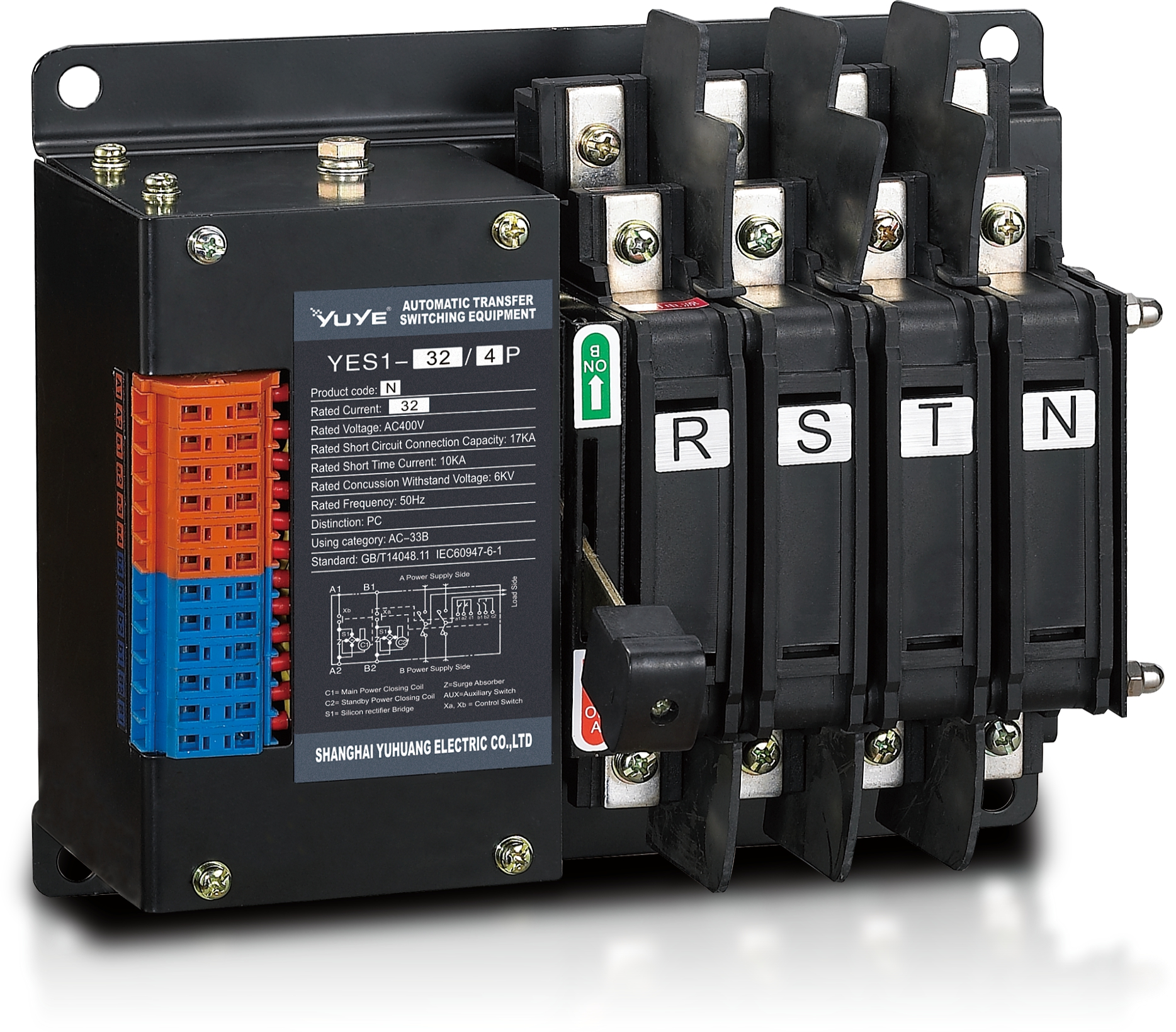 Solenoid-type ATS YES1-32~125N
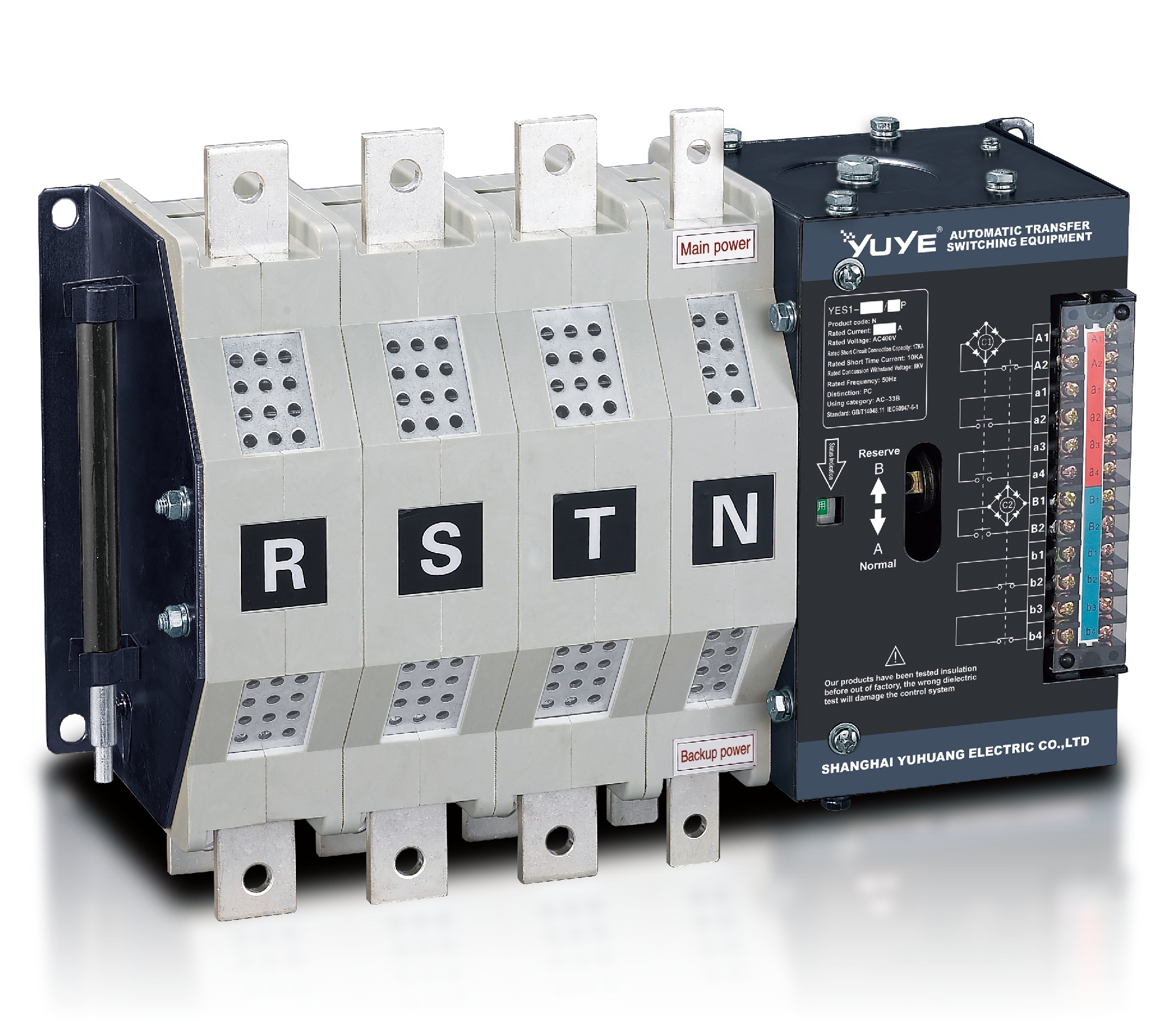 Solenoid-type ATS YES1-250~630N/NT
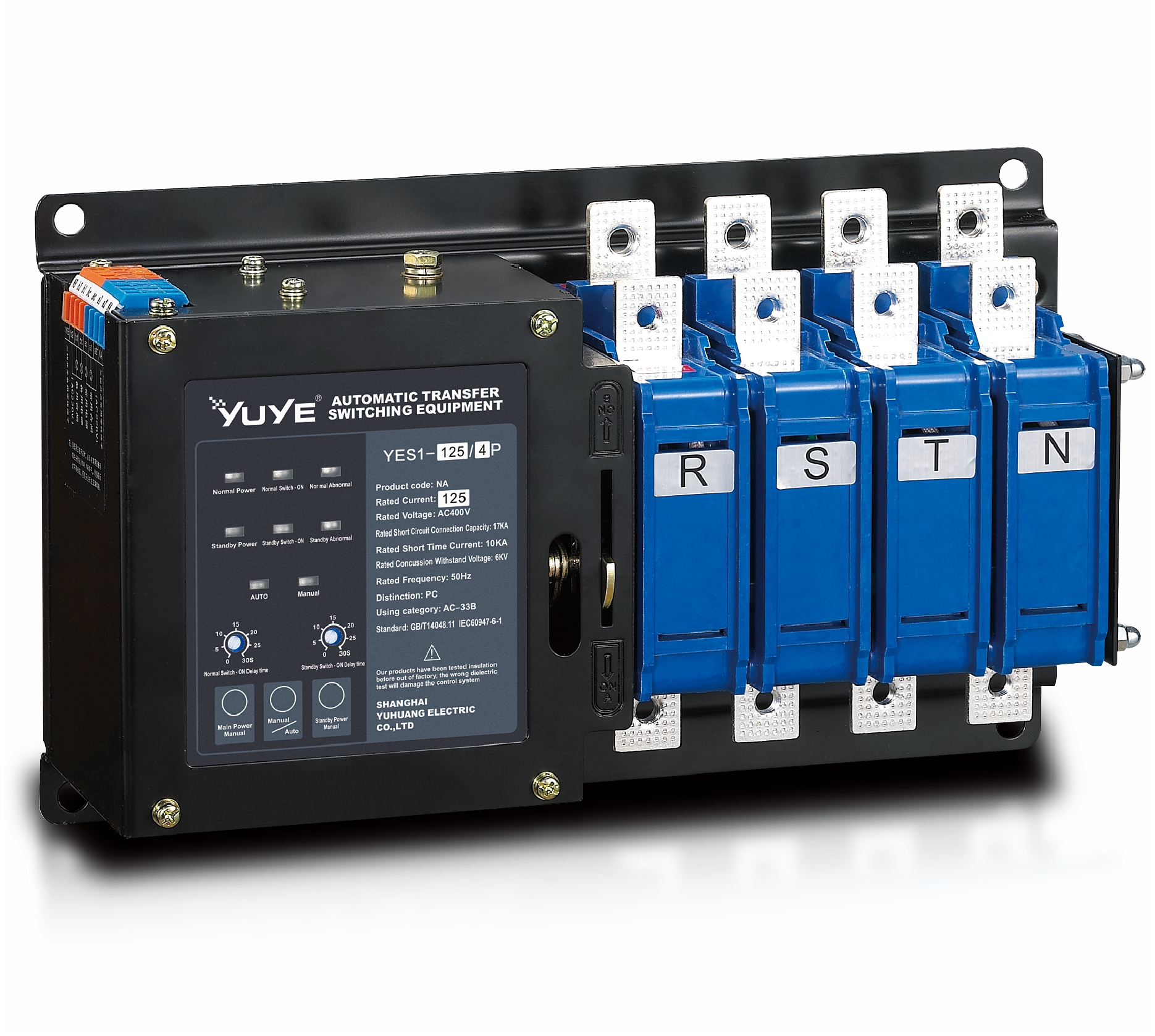 Solenoid-type ATS YES1-32~125NA
 Solenoid-type ATS YES1-63~630SN
 Solenoid-type ATS YES1-1250~4000SN
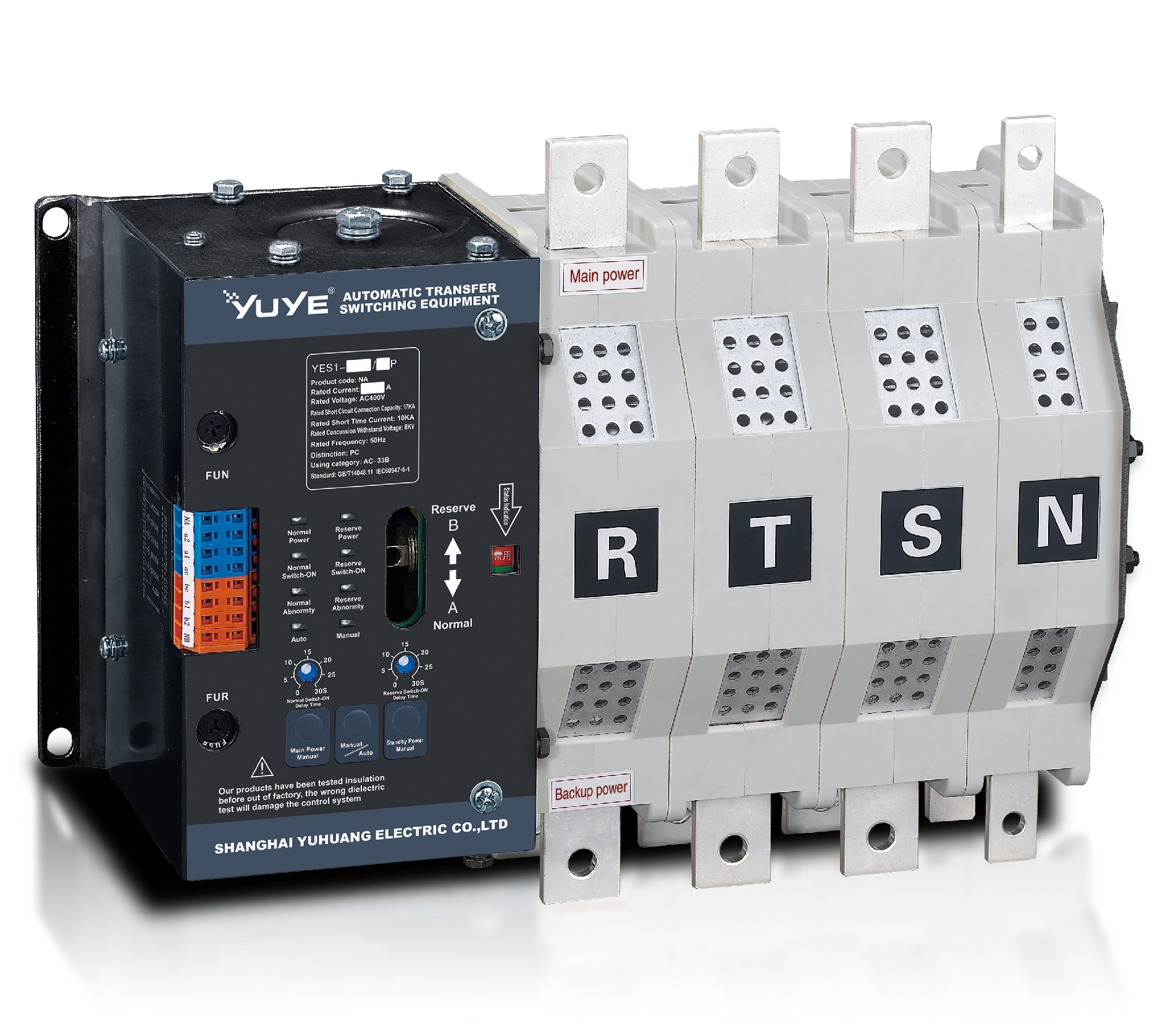 Solenoid-type ATS YES1-250~630NA/NAT
 Solenoid-type ATS YES1-63NJT
 PC ATS YES1-100~1600GN1/GN/GNF
 PC ATS YES1-2000~3200GN/GNF
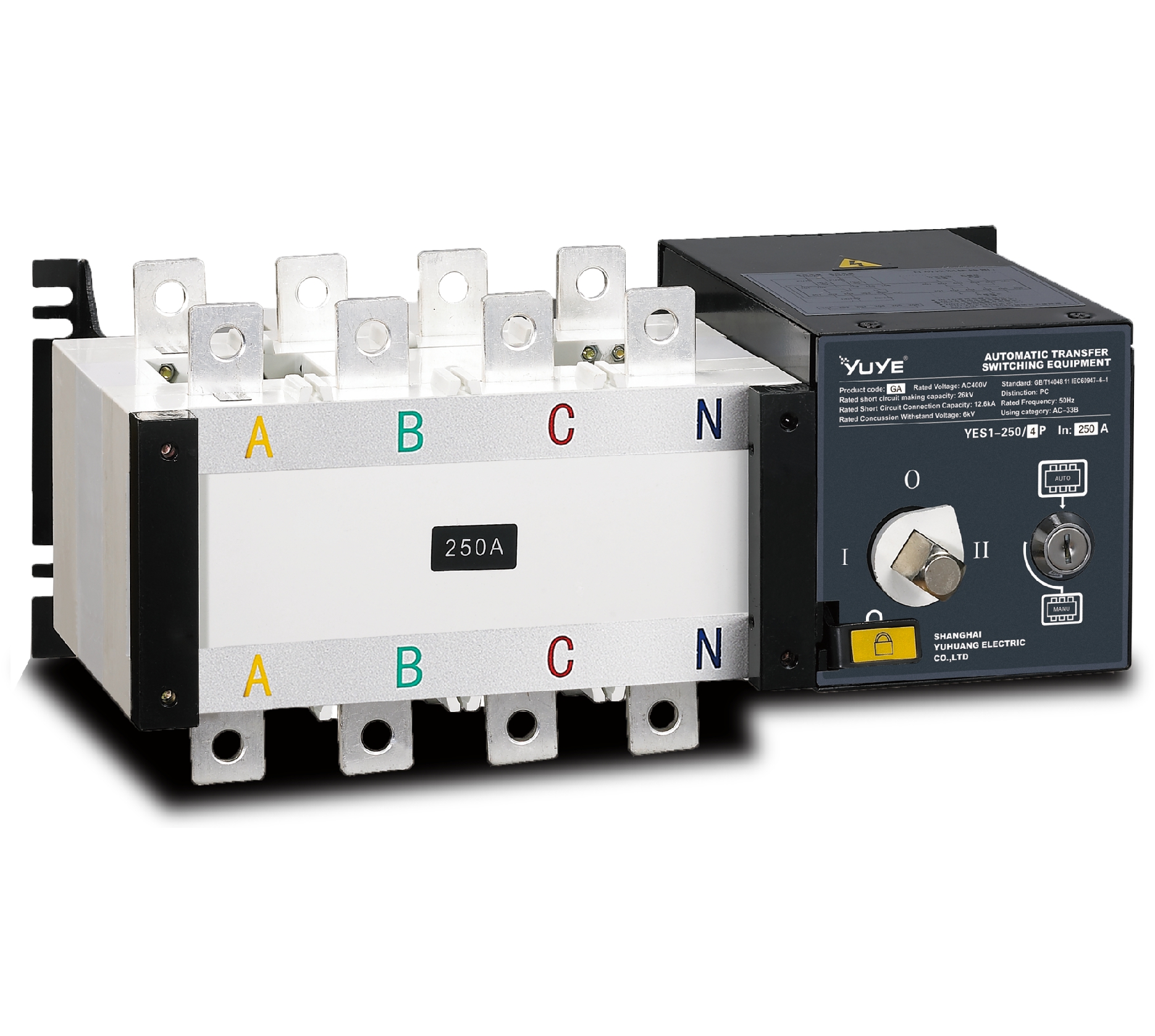 PC ATS YES1-100~3200GA1/GA
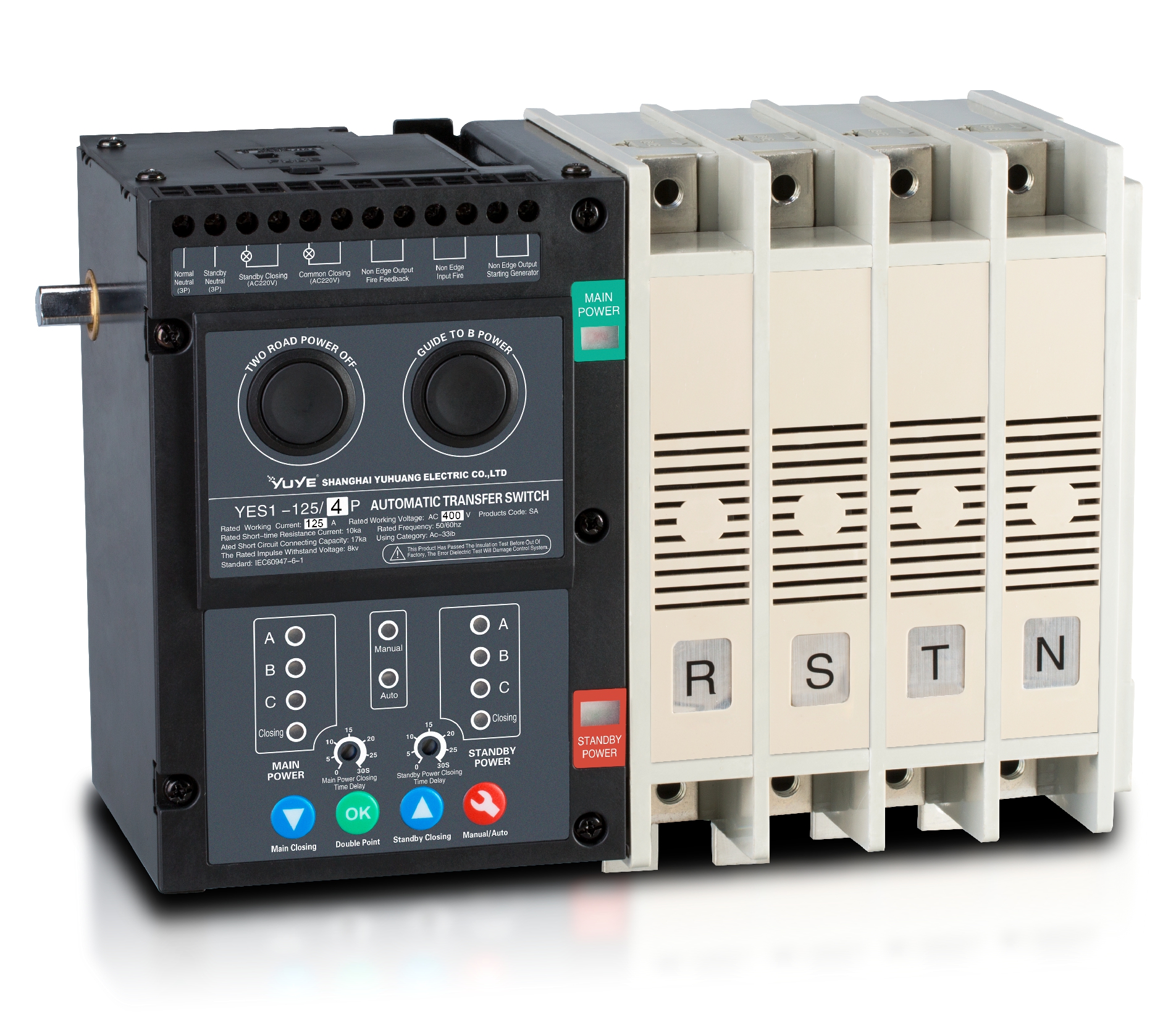 Solenoid-type ATS YES1-63~630SA
 Solenoid-type ATS YES1-63~630L/LA
 Solenoid-type ATS YES1-63~630LA3
 Solenoid-type ATS YES1-63MA
 PC ATS YES1-630~1600M
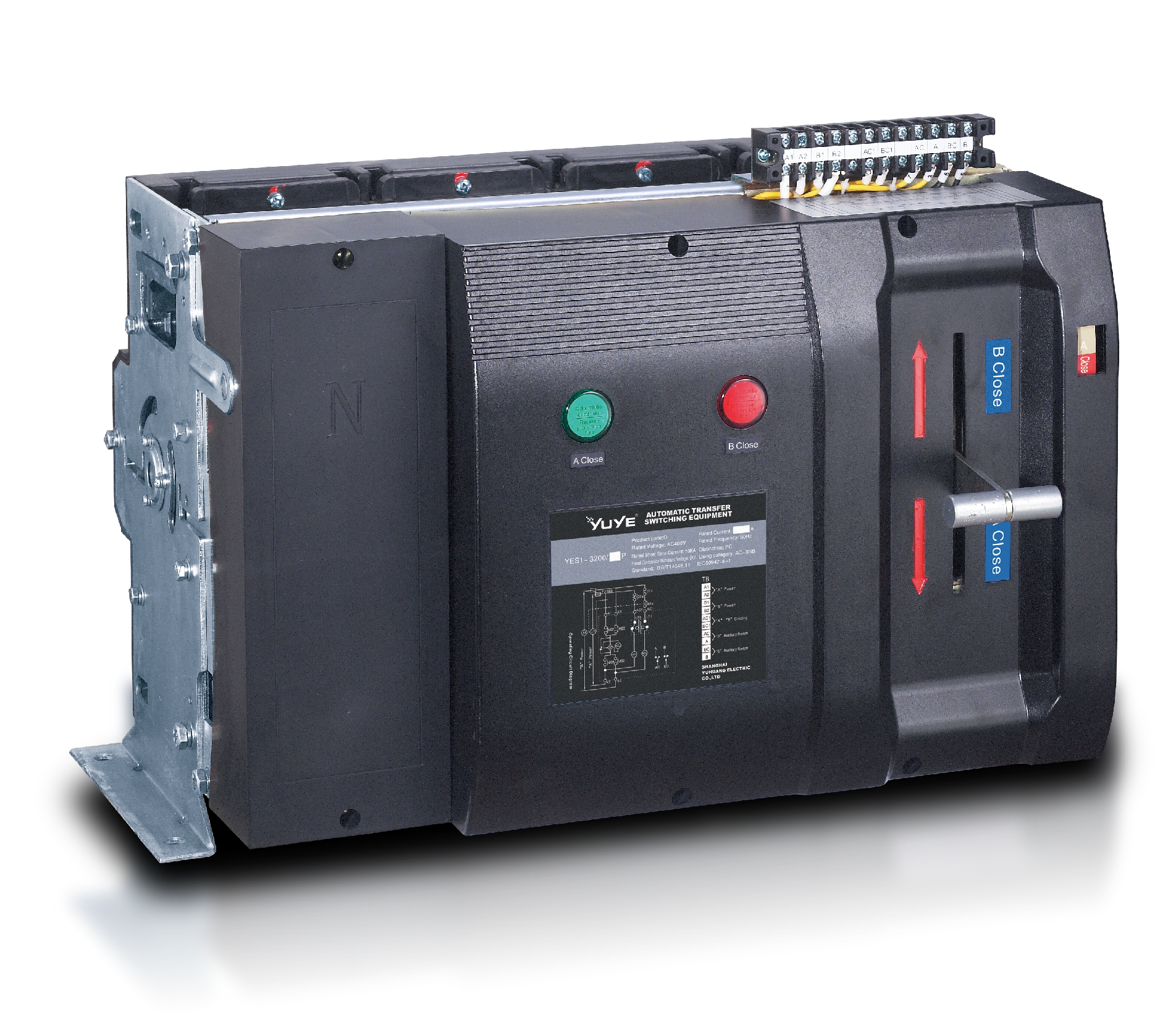 PC ATS YES1-3200Q
 Solenoid-type ATS YES1-4000~6300Q
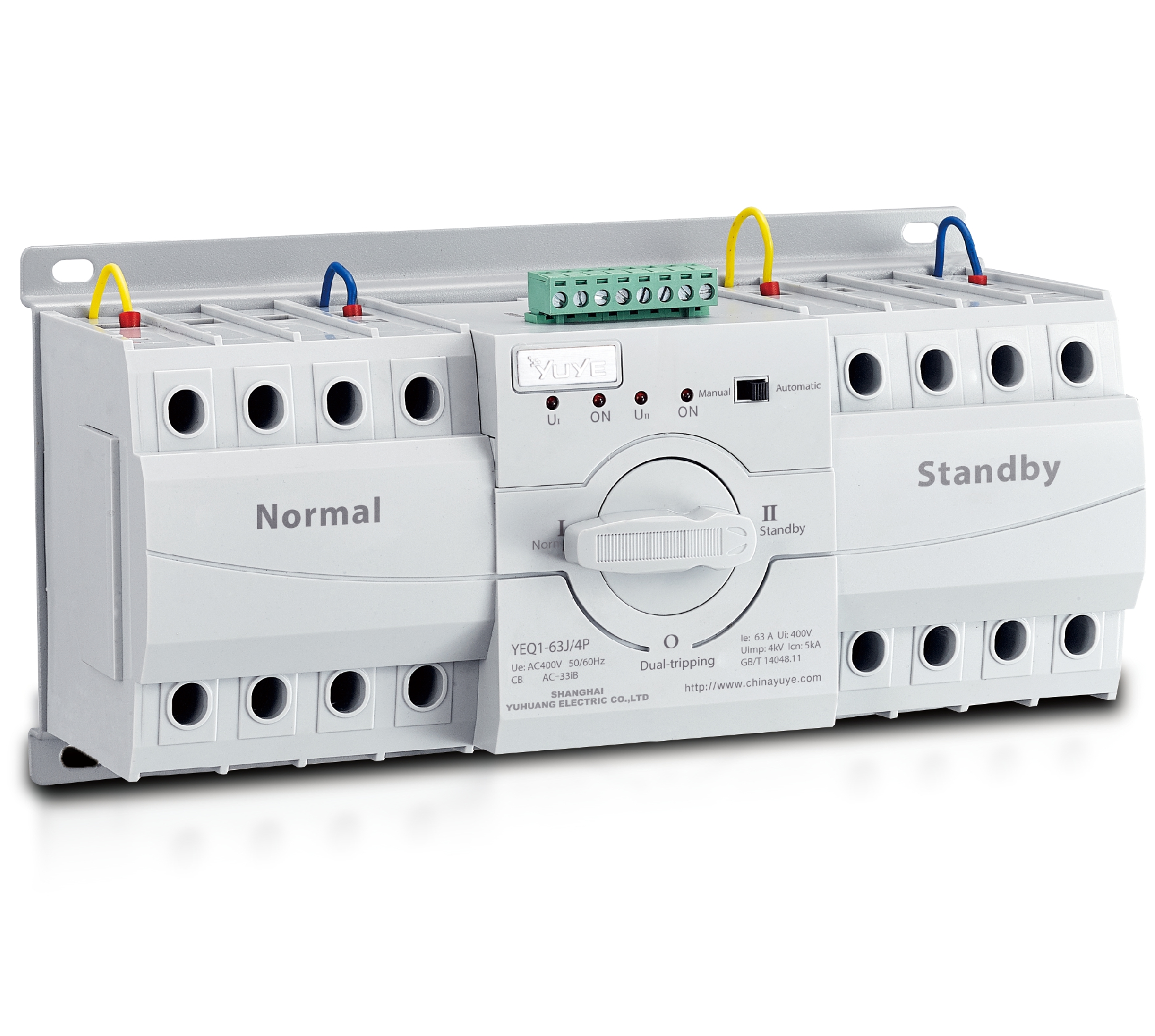 CB ATS YEQ1-63J
 CB ATS YEQ2Y-63
 CB ATS YEQ3-63W1
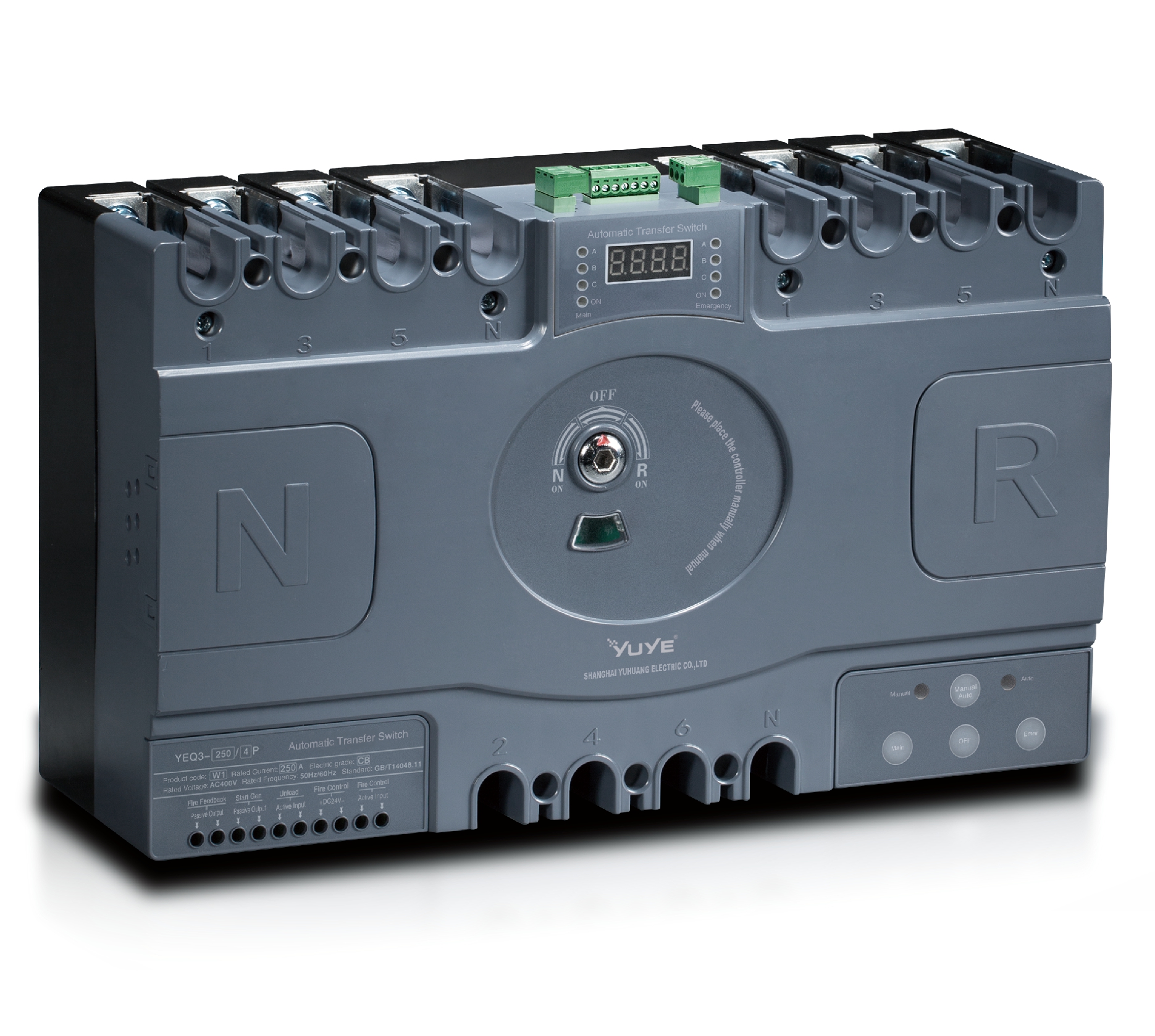 CB ATS YEQ3-125~630W1
 ATS controller Y-700
 ATS Controller Y-700N
 ATS Controller Y-701B
 ATS Controller Y-703N
 ATS Controller Y-800
 ATS Controller W2/W3 Series
 ATS switch Cabinet floor-to-ceiling
 ATS switch cabinet
 JXF-225A power Cbinet
 JXF-800A power Cbinet
 YEM3-125~800 Plastic Shell Type MCCB
 YEM3L-125~630 Leakage Type MCCB
 YEM3Z-125~800 Adjustable Type MCCB
 YEM1-63~1250 Plastic Shell Type MCCB
 YEM1E-100~800 Electronic Type MCCB
 YEM1L-100~630 Leakage Type MCCB
 Miniature circuit breaker YEMA2-6~100
 Miniature circuit breaker YEB1-3~63
 Miniature circuit breaker YEB1LE-3~63
 Miniature circuit breaker YEPN-3~32
 Miniature circuit breaker YEPNLE-3~32
 Miniature circuit breaker YENC-63~125
 Air Circuit Breaker YEW1-2000~6300
 Air Circuit Breaker YEW3-1600
 Load isolation switch YGL-63~3150
 Load Isolation Switch YGL2-63~3150
 YECPS2-45~125 LCD
 YECPS-45~125 Digital
 Manual Changeover Switch YGL-100~630Z1A
 Manual Changeover Switch YGLZ1-100~3150
 CNC Milling/Turning-OEM
 DC relay MDC-300M
 DC Isolation Switch YEGL3D-630


