When it comes to making sure your power stays reliable, picking the right Automatic Transfer Switch (ATS) for 220V is a pretty important decision. Whether you’re at home or running a business, having a dependable ATS means you won’t be left in the dark when the power goes out. There are quite a few options out there these days, but figuring out which one is best isn’t always straightforward. It takes some careful thought.
Experts often point out that not all ATS setups are created equal. Some might skimp on features or not operate as smoothly as they should. So, it’s really important to look at things like how reliable they are, how easy they are to install, and what their power capacity is. Big names like Generac and Eaton are definitely serious contenders, and reading user reviews can give you the lowdown on what folks like — and don’t like — about their products.
Knowing exactly what your power needs are makes a huge difference in your choice. Different setups might require different features, which can be a bit confusing if you’re new to this. At the end of the day, you want an ATS that balances good quality with a price that makes sense for you. Because when you pick the right switch, not only do you boost safety, but you also get some peace of mind knowing you’re covered if the power suddenly goes out.

Understanding Automatic Transfer Switch (ATS) and Its Functionality
Automatic Transfer Switches (ATS) play a crucial role in ensuring a power supply continuity for homes and businesses. When primary power fails, an ATS switches to a backup source, like a generator. This technology minimizes downtime during outages, making it essential for seamless operations.
Tips: Always assess your power needs before choosing an ATS. Understand the wattage requirements of your critical systems. Mismatched power ratings can lead to failures or unexpected shutdowns.
An ATS’s functionality is evident during emergencies. It detects power loss and automatically activates the backup source. Most switches come with features like load prioritization. This ensures that essential equipment gets power first.
Tips: Consider regular maintenance checks for your ATS. A malfunctioning switch can lead to disastrous outages. A professional inspection can catch potential issues early. This can save time and money in the long run.
Importance of Choosing the Right Voltage for ATS Systems
When selecting an Automatic Transfer Switch (ATS) system, the voltage choice is crucial. A
220V ATS system is common in residential and industrial settings. This voltage level offers a
good balance between efficiency and power distribution. Choosing the right voltage helps in minimizing power losses and maintaining equipment longevity.
The importance of selecting the appropriate voltage cannot be overstated. A mismatch can lead to failures. For instance, a 110V device connected to a
220V ATS may suffer damage. It’s essential to thoroughly check compatibility. Consideration of voltage standards in your region
is vital. Also, the equipment's power requirements should guide your choice.
In numerous cases, users overlook the implications of voltage selection. They may choose systems based purely on availability or price. This can lead to
larger issues over time, affecting reliability. A poorly chosen voltage may result in increased repair costs
and operational disruptions. Always reflect on your specific needs and seek professional guidance.
Key Features to Consider in 220V Automatic Transfer Switches
When choosing a 220V Automatic Transfer Switch (ATS), several key features should be prioritized to meet your unique requirements. Reliability is paramount. Statistics show that improper switching can lead to equipment damage. Look for ATS systems with robust surge protection. These mechanisms help minimize risks during power transitions.
The efficiency of the switching mechanism also influences the overall performance. A report by the International Electrotechnical Commission highlights that faster switching reduces equipment downtimes significantly. Opt for models that provide seamless transition times, ideally within 3 to 10 seconds. This ensures that critical systems remain operational with minimal interruptions.
Another important aspect is the ease of maintenance. Complex systems can be time-consuming and costly. Choose ATS options with accessible components and clear diagnostics. This simplifies troubleshooting and reduces the potential for prolonged outages. Clearly, while numerous products claim high performance, actual reliability and accessibility play a vital role in long-term satisfaction and effectiveness.
Best 220V Automatic Transfer Switch ATS Options for Your Needs
| Model |
Current Rating (A) |
Phase Type |
Transfer Time (ms) |
Key Features |
| ATS-220V-30A |
30 |
Single Phase |
20 |
Compact design, Overload protection |
| ATS-220V-50A |
50 |
Single Phase |
25 |
LED indicators, Manual override |
| ATS-220V-100A |
100 |
Three Phase |
30 |
Digital display, Surge protection |
| ATS-220V-200A |
200 |
Three Phase |
35 |
Remote monitoring, Quick connect |
| ATS-220V-300A |
300 |
Three Phase |
40 |
Fail-safe mechanism, Adjustable settings |
Top Brands Offering Reliable 220V ATS Solutions
When considering 220V Automatic Transfer Switches (ATS), reliability is crucial. Many consumers opt for trusted brands that offer proven solutions in this sector. According to recent market research, the global ATS market is projected to grow significantly, reaching approximately $4 billion by 2025. This growth is driven by the increasing need for power reliability across various sectors, such as healthcare, data centers, and telecommunications.
Top brands in the market focus on innovation and performance. They provide ATS options that feature fast switchover times and advanced monitoring systems. For instance, some units can switch power within milliseconds during outages. This capability is essential for operations requiring constant power supply. Moreover, efficiency ratings of these switches typically exceed 95%, which underscores their optimal functioning in critical environments.
However, not all ATS solutions are flawless. Some users report challenges regarding compatibility with existing equipment or complex installation processes. It's important for buyers to consider these factors carefully and consult experts before making decisions. Balancing cost with performance and reliability should be the priority. Research indicates that investing in a high-quality ATS can reduce downtime and, consequently, operational losses in the long run. Additionally, regular maintenance is often overlooked, impacting the overall efficiency of the switch.
Comparative Analysis of Popular 220V ATS Models
When choosing a 220V Automatic Transfer Switch (ATS), understanding the key models available can guide your decision. Recent industry reports indicate that a well-functioning ATS can enhance your power system's reliability. For example, a study in 2023 highlighted a 20% increase in efficiency when using high-quality ATS options. This improvement could significantly reduce operational costs over time.
It’s essential to consider features such as response time, load capacity, and control mechanisms. The optimal response time for an ATS is typically within 30 seconds. Systems with shorter response times can minimize disruptions during outages. Additionally, understanding the load capacity is crucial. Selecting an ATS that can handle peak loads will ensure a continuous power supply. Some models offer advanced monitoring capabilities that allow for remote operation, providing valuable insights into power usage patterns.
Tip: Regular maintenance can prolong the lifespan of your ATS. Consider scheduling annual checks to avoid potential failures. Also, take time to read user reviews and professional analyses to gather insights on performance. This diligence may uncover patterns in specific models that require attention, helping prevent future headaches.
Installation and Maintenance Tips for 220V Automatic Transfer Switches
When installing a 220V Automatic Transfer Switch (ATS), attention to detail is crucial. Proper installation can significantly impact performance and reliability. According to the National Electrical Manufacturers Association (NEMA), improper wiring is one of the leading causes of ATS malfunctions. Ensure that the wiring is compatible with local codes and the specifications of the switch. Regularly check for signs of wear or corrosion in electrical connections. Keeping the switch clean enhances both longevity and efficiency.
Maintenance requires a commitment to routine inspections. Research indicates that over 30% of ATS failures result from lack of maintenance. Consider scheduling a qualified technician for periodic check-ups. During these inspections, it’s crucial to assess the battery condition if your ATS includes one. Batteries often fail unexpectedly, leading to prolonged outages. Additionally, examine the control panel for any irregular readings or alerts.
Documentation is also vital in ensuring reliability. Recording maintenance activities helps in identifying patterns or recurring issues. While aiming for optimal performance, some users overlook minor discrepancies, which can culminate in larger problems. A proactive approach will mitigate risks and ensure that your ATS functions seamlessly in critical moments.
Cost Considerations and Budgeting for ATS Options
When considering a 220V automatic transfer switch (ATS), cost is a critical factor. Prices can vary significantly depending on features and capacity. Basic models might be more affordable, while advanced options can be quite expensive.
Often, budget-conscious buyers overlook long-term savings. Investing in a reliable ATS can prevent costly power outages.
Installation costs should also be factored in. Professional installation may add to the initial expense. Some may choose DIY, but that can lead to errors or safety risks. Additionally, maintenance costs can accumulate over time.
Regular servicing is necessary for optimal performance. This ongoing spend may not be visible at the outset but accumulates.
Another consideration is energy efficiency. More efficient models might cost more upfront. However, they save on energy bills in the long run. It's essential to analyze your usage and estimate potential savings.
Balancing initial costs with future expenses is crucial. Some may hesitate to invest, fearing the upfront cost. Understanding the benefits can offer clarity.
Exploring the Benefits and Applications of Solenoid-Type ATS YES1-32~125N in Modern Automation Systems
The solenoid-type ATS YES1-32~125N represents a significant advancement in modern automation systems, providing essential functionalities that enhance operational efficiency. Rated for either AC230V or AC400V, this solenoid switch accommodates a wide range of applications, serving currents from 16A to 125A. With options for both 3-pole and 4-pole configurations, it offers versatility tailored to various system requirements, ensuring optimal performance across different environments.
One of the key features of the YES1-32~125N is its dual-position capability, which allows for efficient control without the need for an additional controller. This simplification not only reduces system complexity but also streamlines installation processes, making it an attractive choice for integrators in the automation sector. The excitation-driven operation of the device ensures a reliable and consistent performance, contributing to its durability with a mechanical life rating of 20,000 operations and an electrical life expectancy of 6,000 operations.
Additionally, the solenoid-type ATS is certified under CE, CB, and CCC, reflecting its compliance with international standards such as IEC 60947-6-1. This certification is vital for ensuring safety and reliability in automation systems, where adherence to quality and performance standards is paramount. As industries increasingly adopt automation technologies, products like the YES1-32~125N are pivotal in driving advancements and supporting innovative applications across various sectors.
FAQS
utomatic Transfer Switch (ATS)?
It ensures that the ATS meets the wattage requirements of critical systems, avoiding failures.
It automatically detects the power loss and activates the backup source for quick restoration.
Regular checks and professional inspections can prevent malfunctions and costly outages.
A 220V system is typical, as it balances efficiency and power distribution, minimizing losses.
Connecting a device to the wrong voltage can lead to damage and unexpected failures.
Compatibility with existing equipment and complex installation processes can cause issues.
This approach can lead to larger reliability issues and potential higher repair costs over time.
Reflecting on specific needs and seeking professional guidance can lead to better decisions.
Neglecting regular maintenance often leads to reduced operational efficiency and increased downtime.
Conclusion
This article explores the essential aspects of selecting the best 220V Automatic Transfer Switch (ATS) systems to meet various needs. It begins by explaining the functionality of ATS and the critical importance of choosing the right voltage for reliable operation. Key features that enhance the performance and functionality of 220V ATS systems are discussed, providing insights into the vital differentiators that consumers should consider.
Additionally, the article presents a comparative analysis of popular 220V ATS models, offering guidance on installation and maintenance practices to ensure optimal performance. It also addresses cost considerations, helping readers budget effectively for their preferred Automatic Transfer Switch ATS 220V options. Overall, this guide serves as a comprehensive resource for anyone looking to invest in a reliable automatic transfer switch that meets their unique requirements.

 PC ATS YECT1-2000G
 PC ATS YES2-63~250GN1
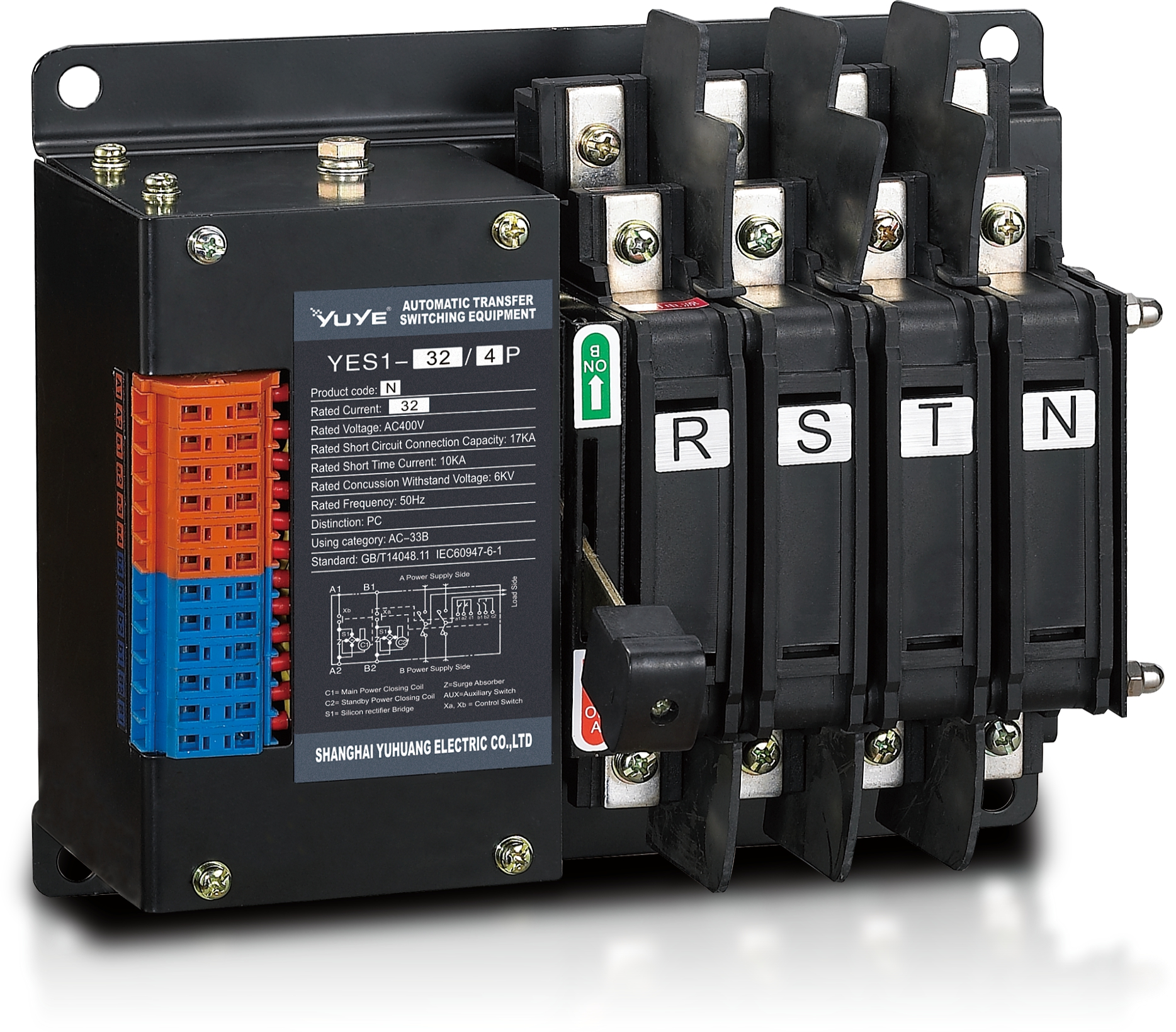 Solenoid-type ATS YES1-32~125N
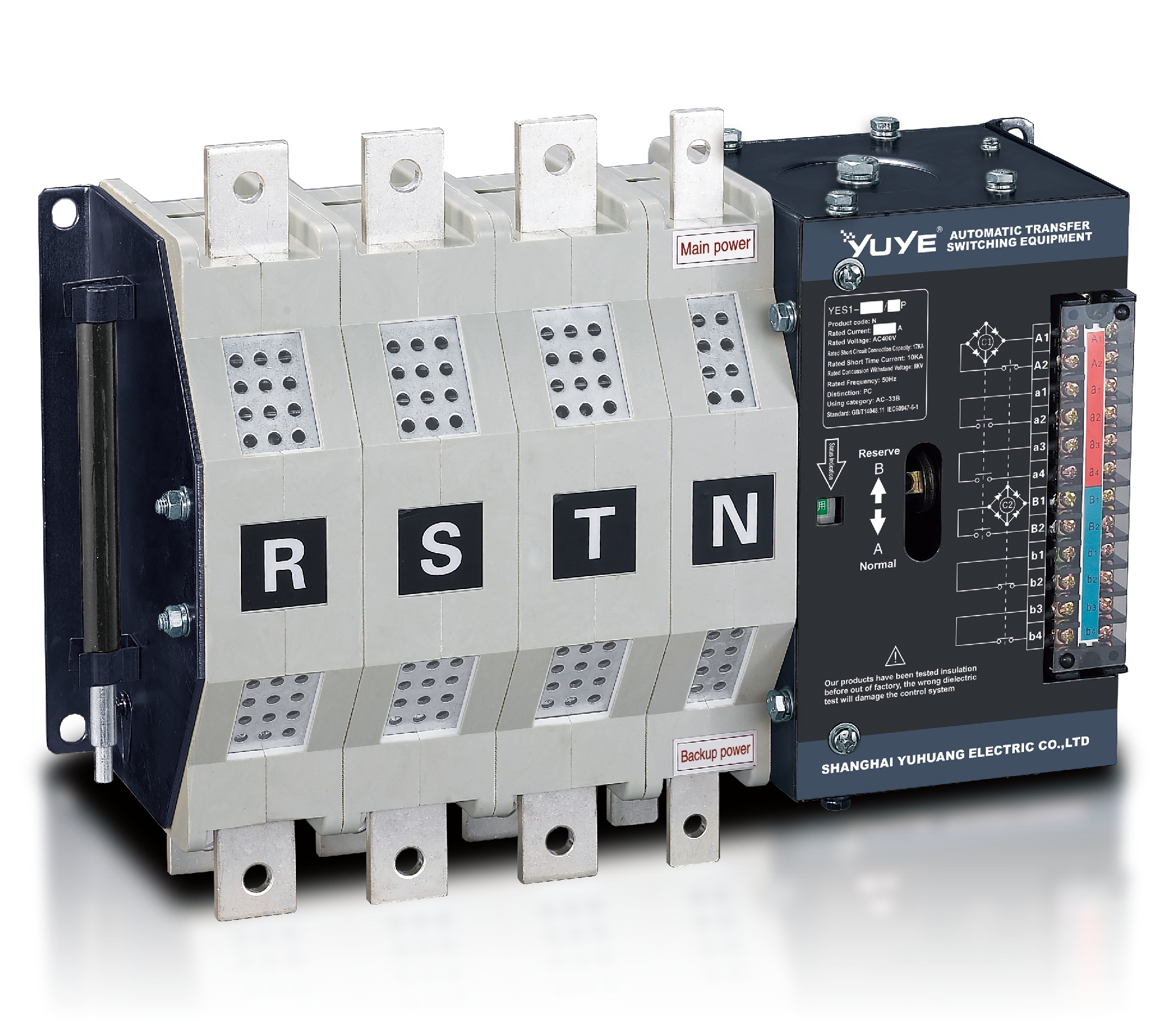 Solenoid-type ATS YES1-250~630N/NT
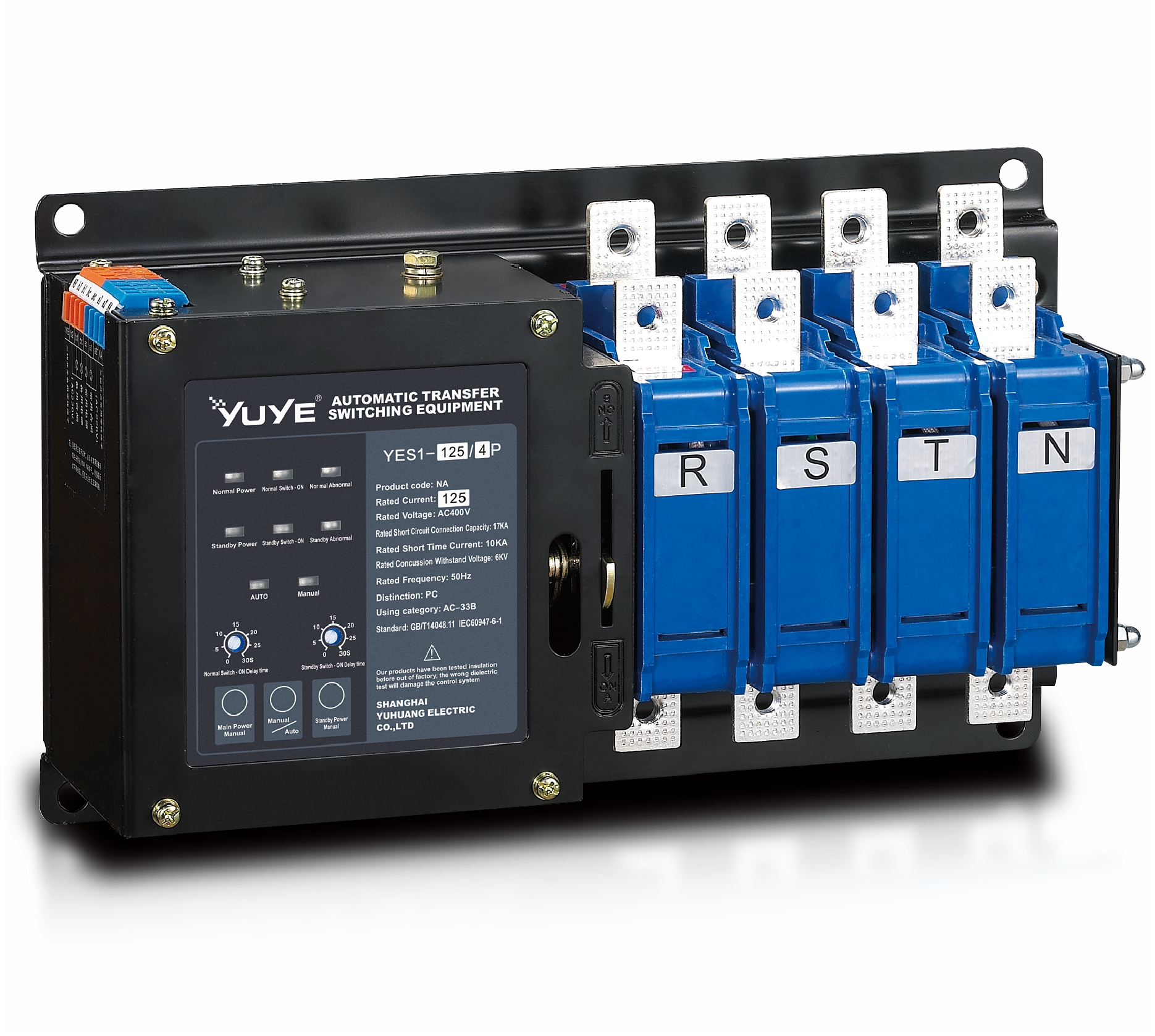 Solenoid-type ATS YES1-32~125NA
 Solenoid-type ATS YES1-63~630SN
 Solenoid-type ATS YES1-1250~4000SN
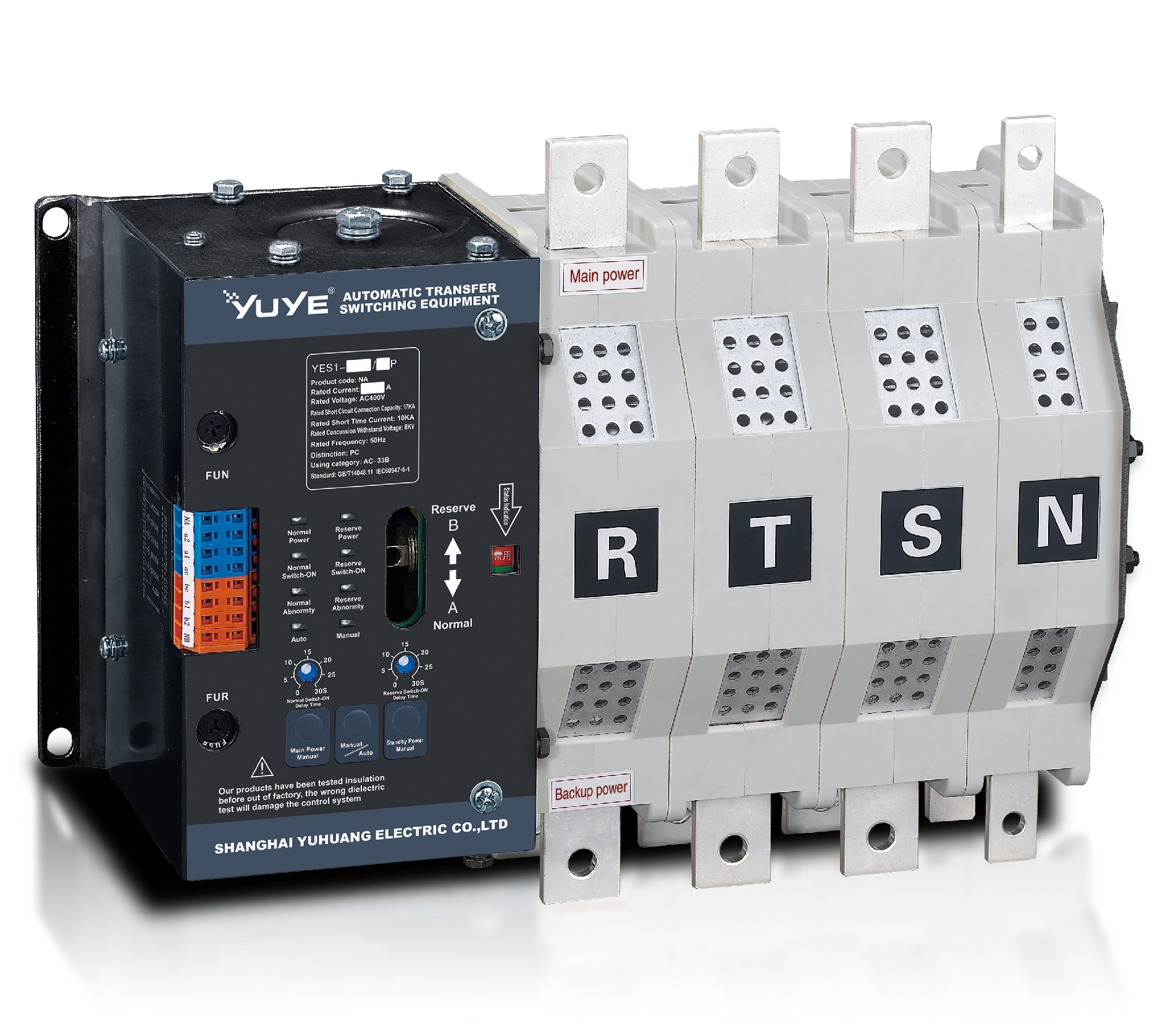 Solenoid-type ATS YES1-250~630NA/NAT
 Solenoid-type ATS YES1-63NJT
 PC ATS YES1-100~1600GN1/GN/GNF
 PC ATS YES1-2000~3200GN/GNF
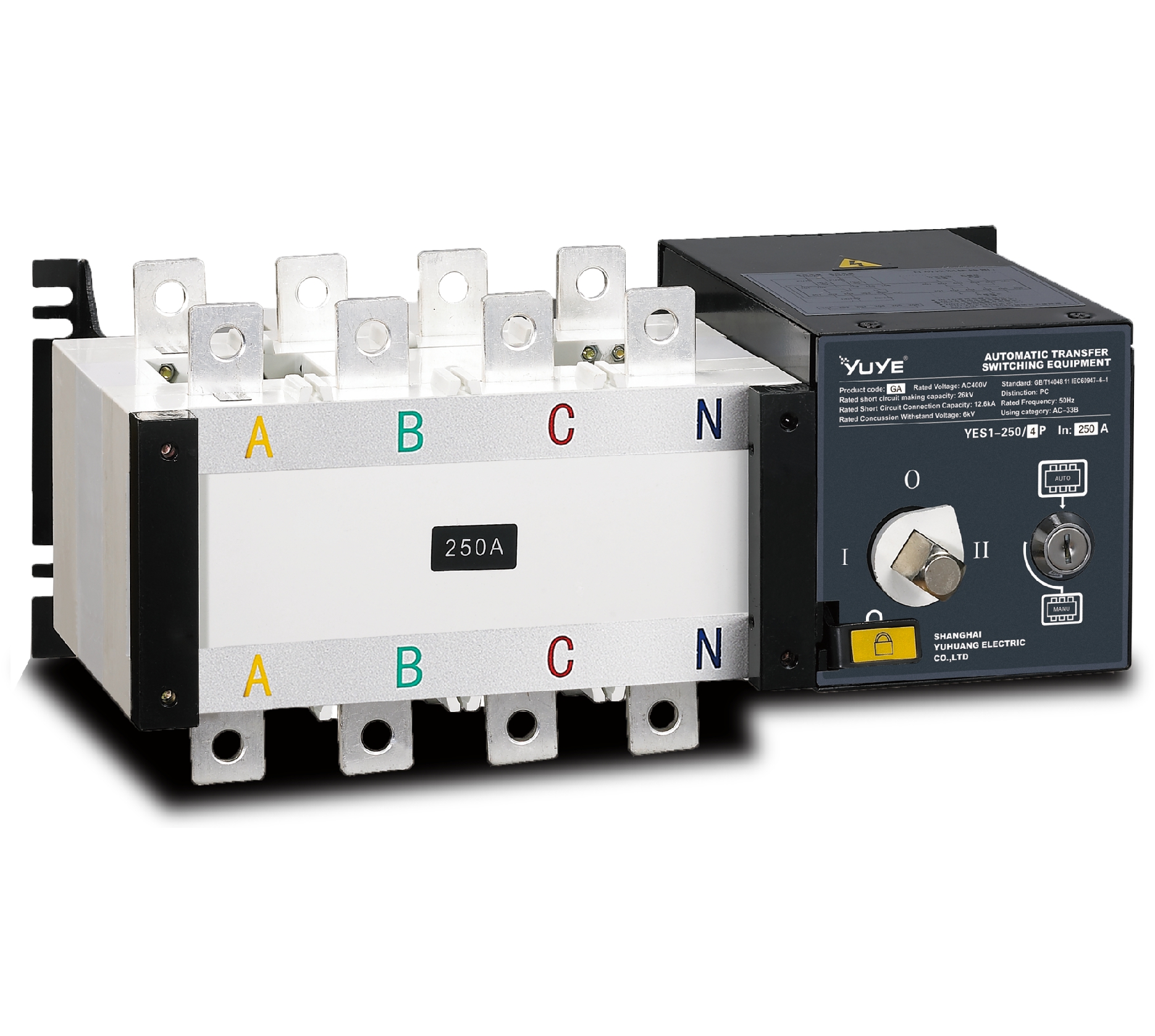 PC ATS YES1-100~3200GA1/GA
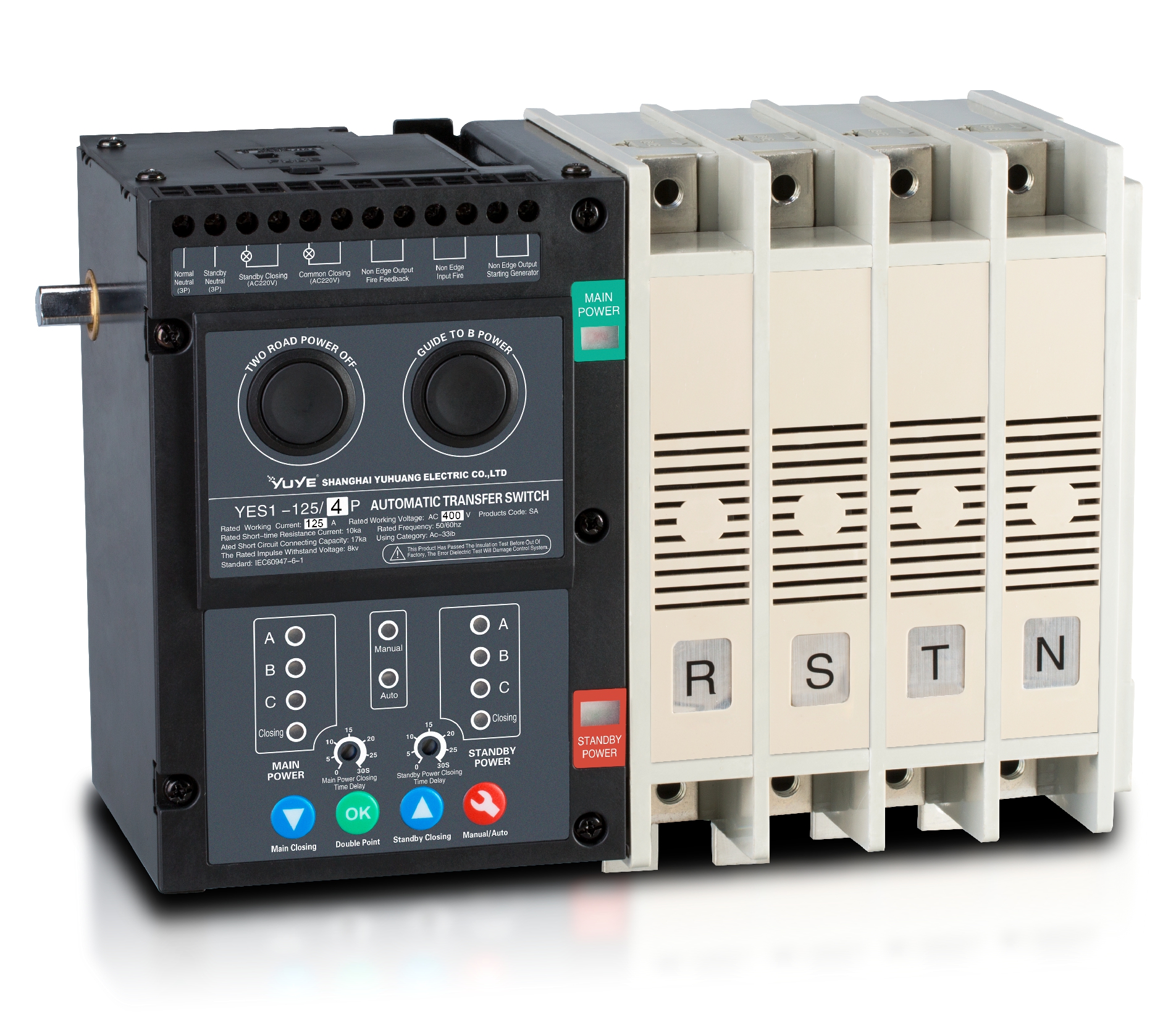 Solenoid-type ATS YES1-63~630SA
 Solenoid-type ATS YES1-63~630L/LA
 Solenoid-type ATS YES1-63~630LA3
 Solenoid-type ATS YES1-63MA
 PC ATS YES1-630~1600M
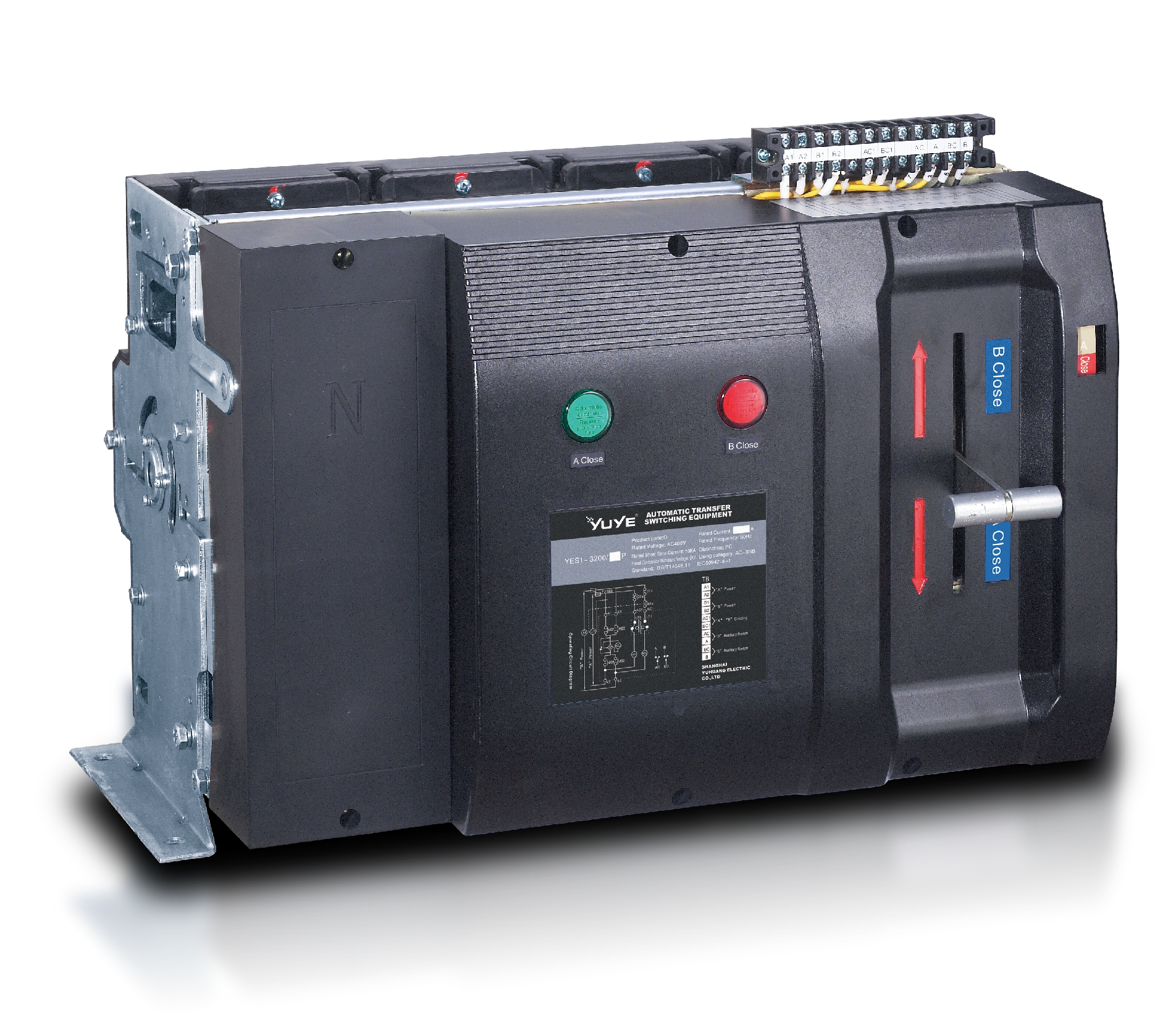 PC ATS YES1-3200Q
 Solenoid-type ATS YES1-4000~6300Q
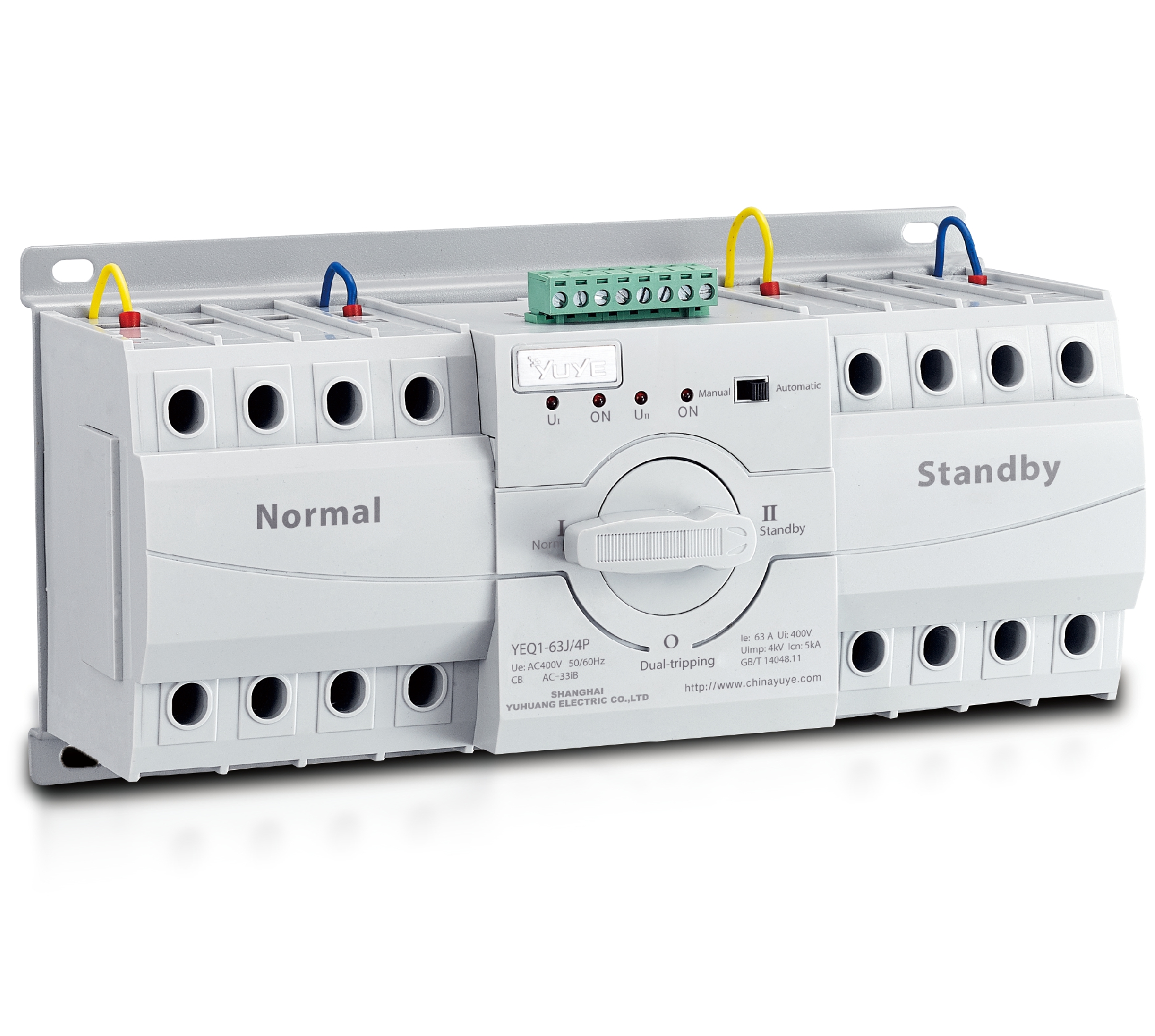 CB ATS YEQ1-63J
 CB ATS YEQ2Y-63
 CB ATS YEQ3-63W1
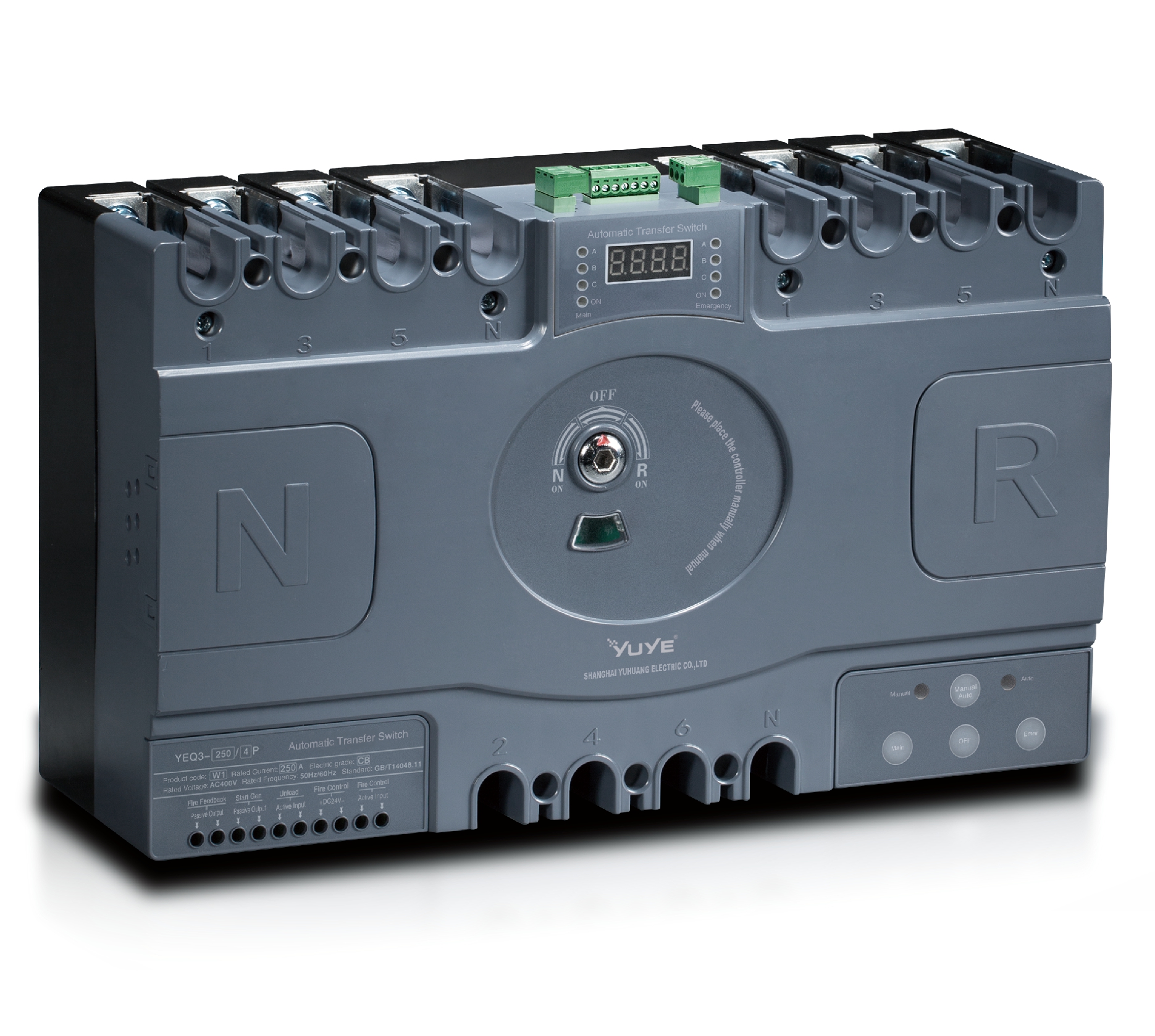 CB ATS YEQ3-125~630W1
 ATS controller Y-700
 ATS Controller Y-700N
 ATS Controller Y-701B
 ATS Controller Y-703N
 ATS Controller Y-800
 ATS Controller W2/W3 Series
 ATS switch Cabinet floor-to-ceiling
 ATS switch cabinet
 JXF-225A power Cbinet
 JXF-800A power Cbinet
 YEM3-125~800 Plastic Shell Type MCCB
 YEM3L-125~630 Leakage Type MCCB
 YEM3Z-125~800 Adjustable Type MCCB
 YEM1-63~1250 Plastic Shell Type MCCB
 YEM1E-100~800 Electronic Type MCCB
 YEM1L-100~630 Leakage Type MCCB
 Miniature circuit breaker YEMA2-6~100
 Miniature circuit breaker YEB1-3~63
 Miniature circuit breaker YEB1LE-3~63
 Miniature circuit breaker YEPN-3~32
 Miniature circuit breaker YEPNLE-3~32
 Miniature circuit breaker YENC-63~125
 Air Circuit Breaker YEW1-2000~6300
 Air Circuit Breaker YEW3-1600
 Load isolation switch YGL-63~3150
 Load Isolation Switch YGL2-63~3150
 YECPS2-45~125 LCD
 YECPS-45~125 Digital
 Manual Changeover Switch YGL-100~630Z1A
 Manual Changeover Switch YGLZ1-100~3150
 CNC Milling/Turning-OEM
 DC relay MDC-300M
 DC Isolation Switch YEGL3D-630


