Picking the right Automatic Transfer Switch (ATS) might not sound like the most exciting thing, but trust me, it really can make a big difference in how you handle your power. I came across a report from Technavio, and it mentioned that the global ATS market is expected to grow by over 6% each year—that's quite a jump! It just goes to show how much we depend on reliable power, especially in critical sectors like healthcare, telecom, and data centers.
When you're choosing an ATS, things like capacity, how quickly it kicks in, and overall reliability are super important. You want to make sure everything switches smoothly when the power goes out—no drama, no downtime. A study from the U.S. Department of Energy even points out that downtime can get pretty costly—around $5,000 a minute for some businesses. So, it’s definitely worth picking wisely.
Don’t forget to check out different brands and models, because not all switches are created equal. A poor choice could lead to installation headaches, ongoing maintenance issues, or worse—performance failures. It’s a good idea to reflect on your own experiences and peek at industry reports to help guide your decision. At the end of the day, investing in the right ATS isn’t just about what you need now; it’s about making sure your system stays reliable and efficient in the long run.

Understanding the Function of Automatic Transfer Switches
Automatic Transfer Switches (ATS) are essential for maintaining power reliability. They automatically switch power sources during outages. This function ensures continuous operation for critical systems. According to industry reports, about 70% of businesses experience downtime due to power issues. An efficient ATS minimizes these risks, allowing for smooth transitions between utility and backup power.
Choosing the right ATS involves understanding its functions deeply. For instance, a properly installed ATS can reduce the chances of equipment damage during power fluctuations. Regular testing and maintenance of ATS can enhance reliability. Annual inspections are recommended to ensure everything operates correctly.
Tip: Always assess your power requirements before selecting an ATS. Matching the switch to your load needs helps avoid under or over-sizing. Additionally, check for features like exercise timers or remote monitoring options. These enhance functionality and user control. Remember, not all ATS are the same, so researching specifications can lead to better choices.
Top Tips for Choosing a Switch Automatic Transfer Switch
| Criteria |
Description |
Importance Level |
| Power Rating |
Choose a switch that can handle the total load of your appliances. |
High |
| Transfer Time |
Select a unit with a fast transfer time to avoid power interruption. |
Medium |
| Maintenance Needs |
Consider how frequently the unit will require servicing. |
Low |
| Load Types |
Ensure compatibility with the types of loads (resistive, inductive). |
High |
| Environmental Rating |
Check the unit's rating for outdoor or harsh environments. |
Medium |
| Manual Override |
Look for options that allow manual control in emergencies. |
High |
| Cost |
Evaluate the price in relation to features and reliability. |
Medium |
Key Features to Consider When Choosing a Switch
When selecting an automatic transfer switch (ATS), several key features deserve attention. A reliable ATS should have a fast switching time. This ensures a seamless transition between power sources. Delays can lead to interruptions in critical services, especially during outages. Look for a unit that offers switch times within seconds.
Another important feature is the load capacity. It’s vital to match the ATS to your power needs. An undersized switch can cause overheating and failures. Additionally, consider the frequency of use. If the ATS will operate frequently, durability becomes crucial. Look for models designed to withstand repeated cycles.
Control options are also essential. Modern switches offer manual and automatic control settings. This versatility allows better management of power sources. With varying technologies, some units provide remote monitoring capabilities. This can enhance your ability to manage your system effectively. Reflecting on these aspects will help you make an informed choice.
Assessing Your Power Needs for Proper Sizing
Assessing your power needs is crucial when choosing an automatic transfer switch (ATS). The right sizing ensures reliability and efficiency. According to the Electric Power Research Institute, improper sizing can lead to energy waste or equipment failure. Many facilities operate on about 80% capacity for optimal performance.
Start by calculating your total power consumption. Use the wattage of all essential devices. Add a buffer to protect against unexpected surges. This buffer often ranges from 20% to 25%. For example, if you need 20,000 watts, consider a switch rated for 25,000 watts. This approach minimizes stress on the system.
Another factor is the type of load. Inductive loads, such as motors, require more energy initially. The National Electrical Manufacturers Association states that these loads can demand 3 to 5 times their running power during startup. Understanding this demand is vital for sizing the switch accurately. A well-sized ATS can enhance performance and reduce risks associated with power outages.
Comparing Different Types of Automatic Transfer Switches
When considering the different types of automatic transfer switches (ATS), understanding their functionality is crucial. There are two main types:
open-transition and closed-transition switches.
Open-transition ATS are commonly used in residential settings. They switch power sources quickly but can cause a brief outage.
This can be a downside for critical applications.
On the other hand, closed-transition ATS provide a seamless transfer. They maintain the supply of power during the switch, making them ideal for sensitive operations.
According to industry data, closed-transition models can improve power reliability by up to 30%.
However, these systems are often more complex and may require additional maintenance.
Choosing the right model also involves considering load capacity. A switch rated for insufficient loads can be risky.
Data reports suggest that nearly 20% of users have experienced issues due to underestimating their power needs.
This emphasizes the importance of careful calculations and planning when selecting an ATS.
It highlights the need for adequate preparation and understanding of your specific requirements.
Evaluating Reliability and Performance Standards
When evaluating the reliability and performance standards of automatic transfer switches (ATS), several key factors emerge. Reliability is crucial in ensuring that power sources switch seamlessly during an outage. Research indicates that around 80% of failures in power systems occur due to improper ATS specifications. This emphasizes the importance of selecting quality equipment that meets industry standards.
Performance standards also play a significant role in the effectiveness of an ATS. According to industry reports, ATS that comply with UL 1008 standards demonstrate a 25% improvement in operational efficiency. Furthermore, regular maintenance is needed. Reports indicate that nearly 30% of ATS systems fail to operate during critical events due to lack of upkeep.
Considerations like transfer time, load capacity, and environmental conditions are essential. Many ATS models have transfer times ranging from 1 to 10 seconds. This short duration is vital for sensitive equipment. However, those under poor conditions, like excessive heat or humidity, may not perform effectively. It's essential to inspect your environment and make necessary adjustments. Quality and compliance can make a significant difference. Proper evaluation of these standards ensures a reliable and efficient power management system.
The Importance of Manufacturer Reputation and Support
When selecting an automatic transfer switch (ATS), the manufacturer's reputation is crucial. A well-established brand often signals reliability and quality. You want a company known for dependable products. Research their history. Look for customer feedback. Do they stand behind their products? This can greatly influence your purchasing decision.
Support is another important factor. Consider how accessible their customer service is. In times of need, prompt assistance can save you significant trouble. Check if they offer warranty support and technical guidance. An excellent support system is often overlooked. It can distinguish between a good and a great purchase experience.
Evaluating manufacturers involves looking at their certifications and compliance with industry standards. Avoid companies lacking transparency. Uncertainty can lead to costly errors down the road. Examine if there are common issues reported by users. Not all companies are perfectionists, and identifying flaws can lead to better choices. Trustworthy manufacturers will be candid about their shortcomings and strive to improve.
Cost Considerations and Budgeting for Your Switch
When considering an automatic transfer switch, budget is crucial. The initial cost includes purchasing the switch, installation fees, and additional accessories like wiring. It's essential to evaluate the entire lifespan cost. Sometimes, a cheaper option might lead to higher maintenance costs later. Assessing efficiency also matters. An inefficient switch can increase your energy bills over time.
Don't forget about unexpected expenses. Installation might uncover hidden issues like outdated electrical systems. Always allow for a margin in your budget. This can help cover any surprise costs. A good rule is to add at least 10% to your initial estimate. Research local regulations too. They can impact overall costs.
Evaluating the total cost is not just about the purchase. Think about warranty and support options. A longer warranty can indicate durability. Support services can save money in the long run. Consider hidden expenses carefully. They can affect the total value of your investment significantly. Make sure to weigh all these factors before making a decision.
FAQS
utomatic Transfer Switch (ATS)?
Regular testing and maintenance enhance reliability and reduce equipment damage during power fluctuations.
Assess your power requirements carefully. Match the switch to your load needs to avoid sizing issues.
The two types are open-transition and closed-transition switches, each with different functionality and applications.
Open-transition ATS can cause a brief power outage during the switch, which may not be ideal for critical operations.
Closed-transition ATS provide a seamless transfer of power, maintaining supply during switching, improving reliability by up to 30%.
Consider the initial purchase, installation fees, maintenance costs, and unexpected expenses like hidden issues.
An inefficient ATS can increase energy bills over time, making long-term efficiency a critical consideration.
It’s wise to add at least 10% to your initial estimate to cover surprise expenses during installation.
Longer warranties indicate durability, and good support services can save money in the long run.
Conclusion
When selecting a Switch Automatic Transfer Switch, it is essential to understand its primary function in ensuring a seamless transition of power during outages. Key features to consider include ease of installation, control options, and compatibility with your existing power systems. Proper sizing based on your specific power needs is crucial to ensure efficiency and reliability.
Additionally, comparing different types of Automatic Transfer Switches can help you identify which model best meets your requirements. Evaluating reliability and performance standards along with the manufacturer's reputation and support services is paramount in making an informed choice. Lastly, it is important to factor in cost considerations and budgeting to ensure that your investment meets both your financial and operational expectations while providing dependable power management solutions.

 PC ATS YECT1-2000G
 PC ATS YES2-63~250GN1
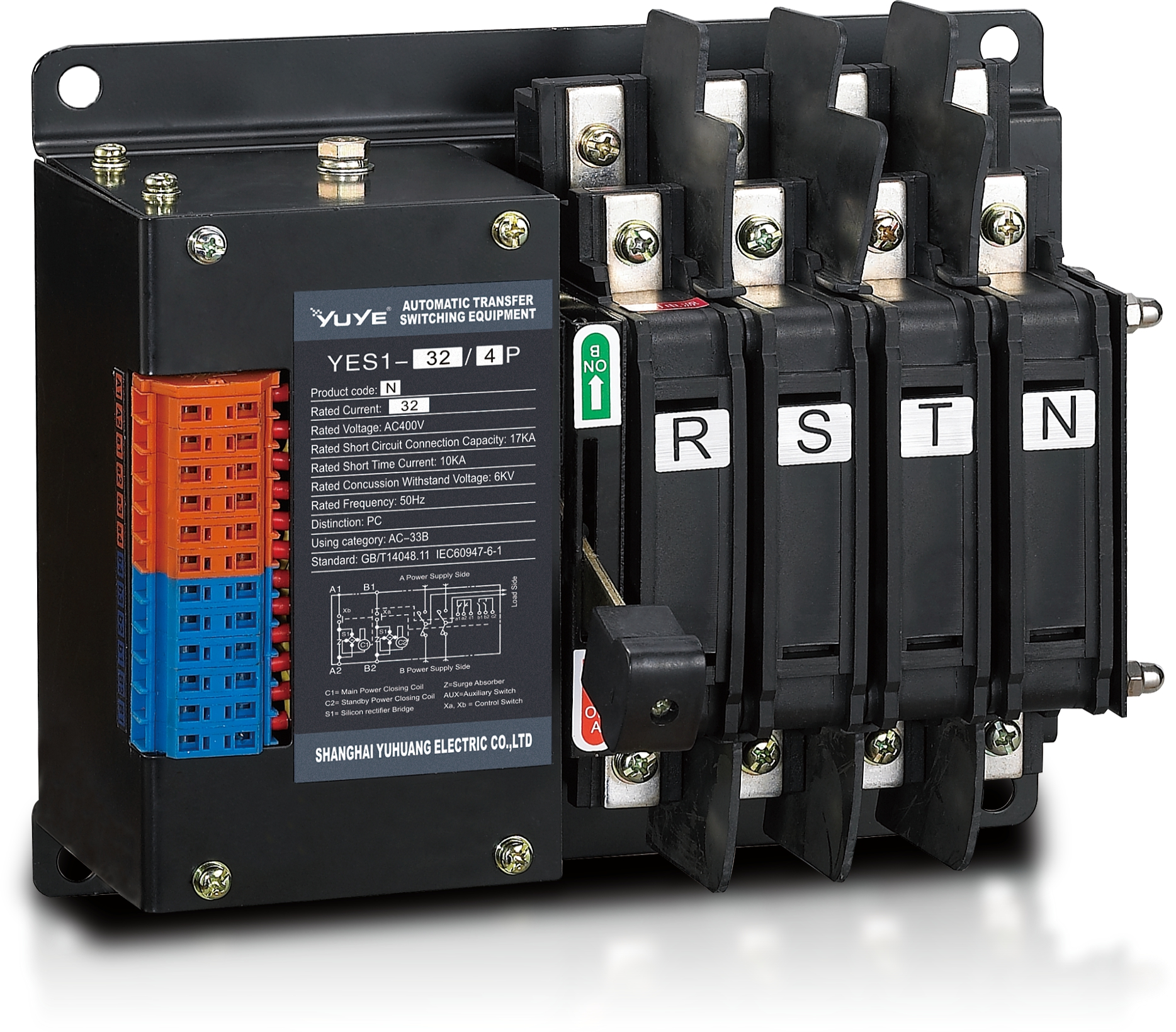 Solenoid-type ATS YES1-32~125N
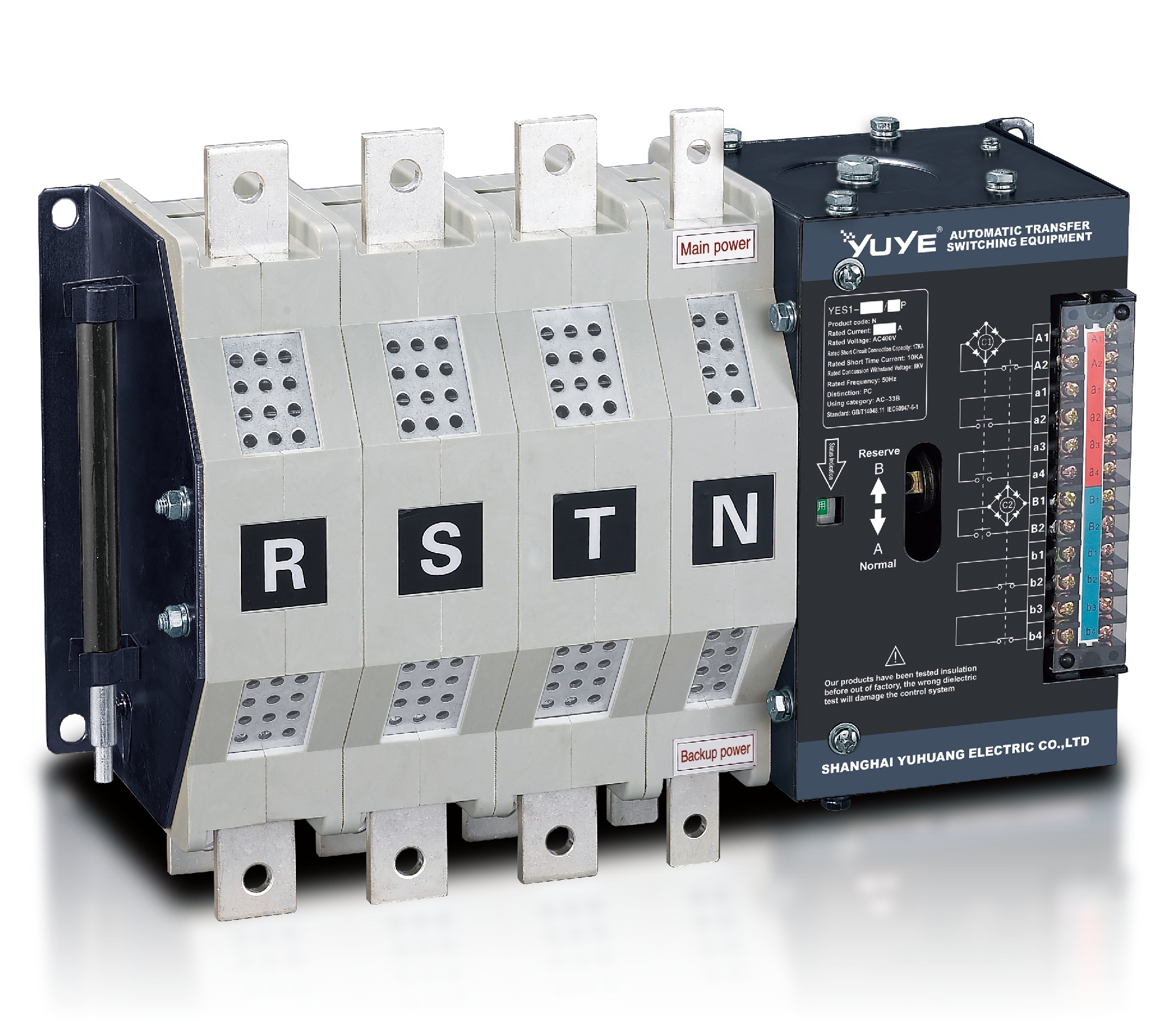 Solenoid-type ATS YES1-250~630N/NT
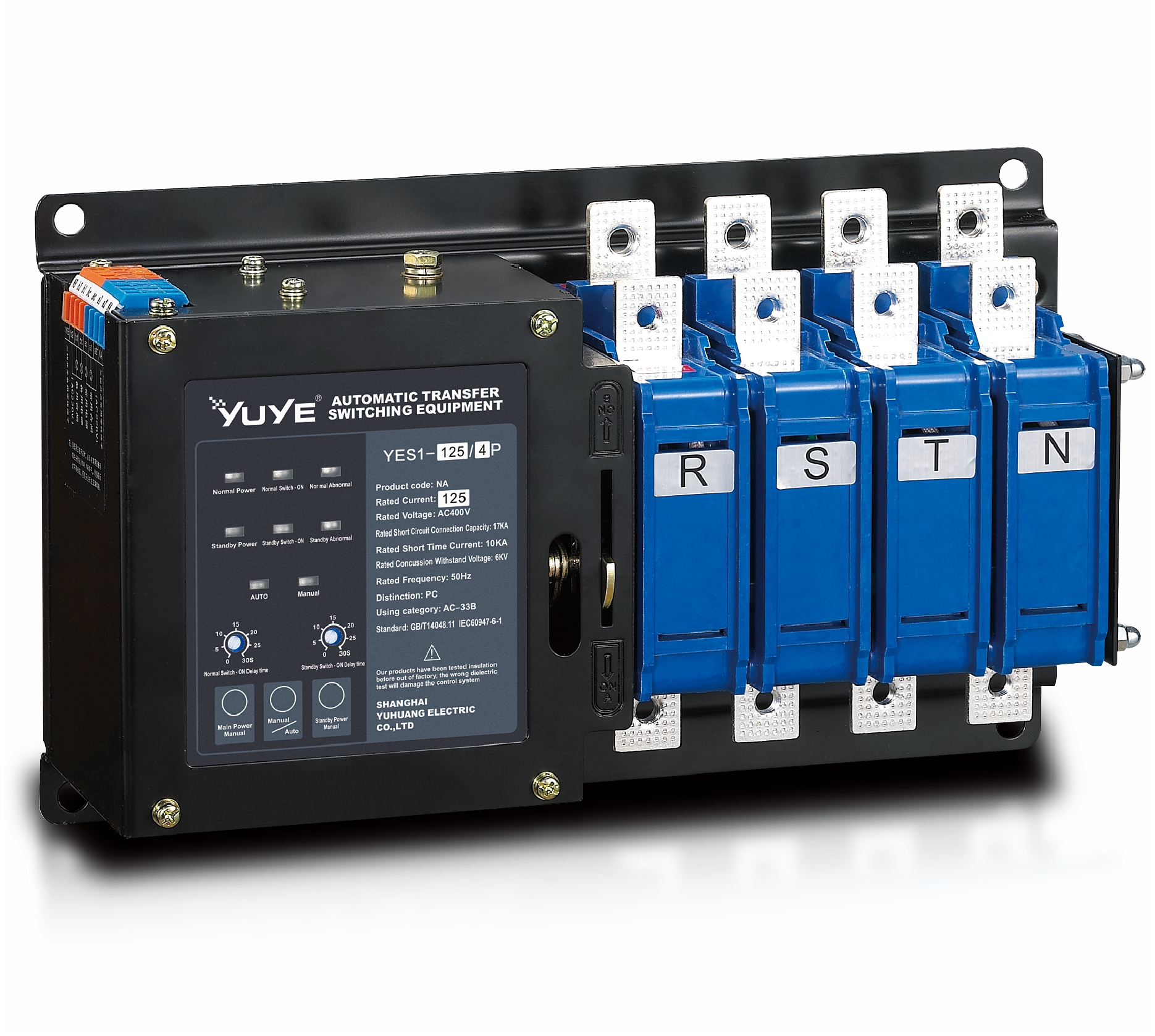 Solenoid-type ATS YES1-32~125NA
 Solenoid-type ATS YES1-63~630SN
 Solenoid-type ATS YES1-1250~4000SN
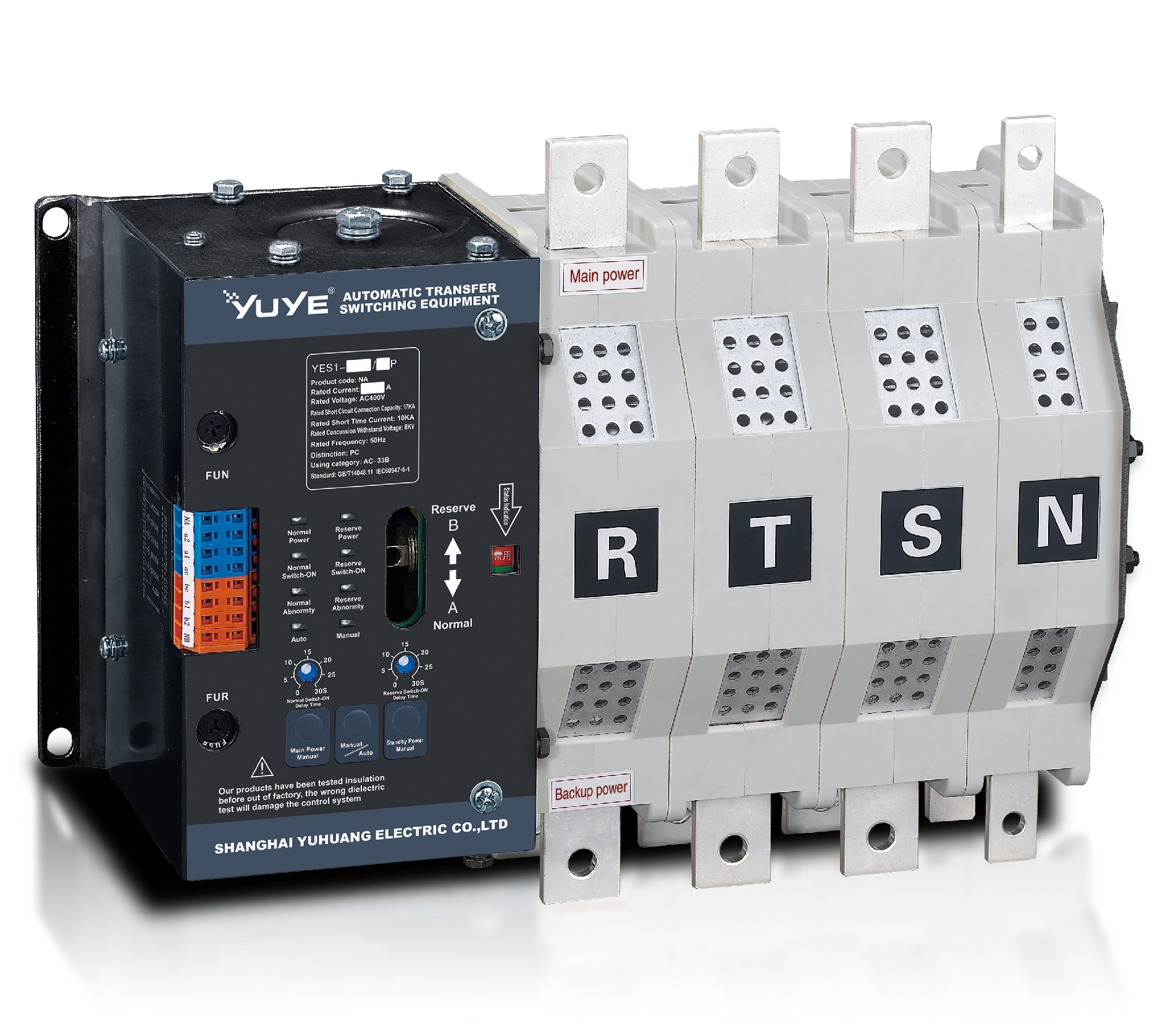 Solenoid-type ATS YES1-250~630NA/NAT
 Solenoid-type ATS YES1-63NJT
 PC ATS YES1-100~1600GN1/GN/GNF
 PC ATS YES1-2000~3200GN/GNF
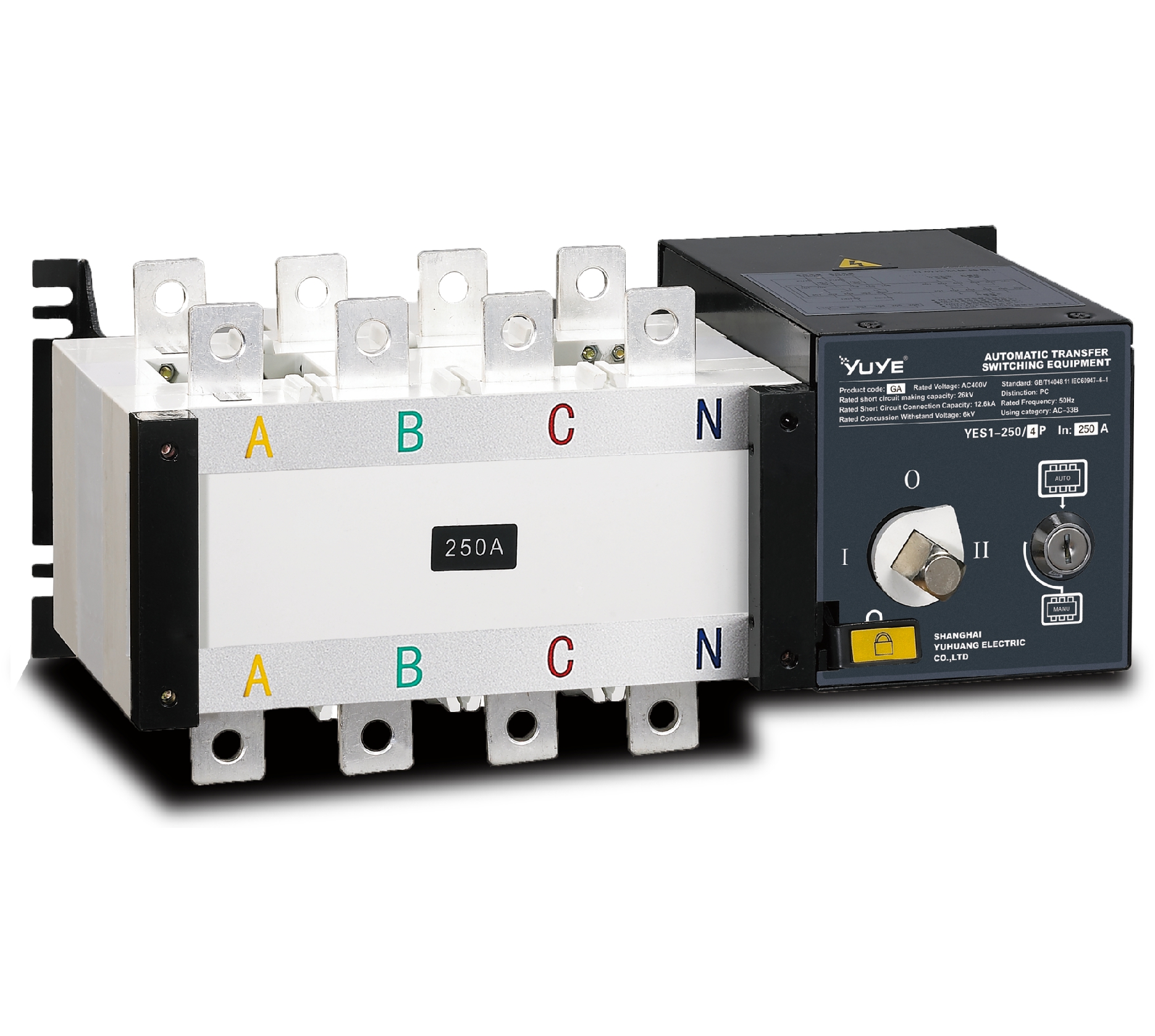 PC ATS YES1-100~3200GA1/GA
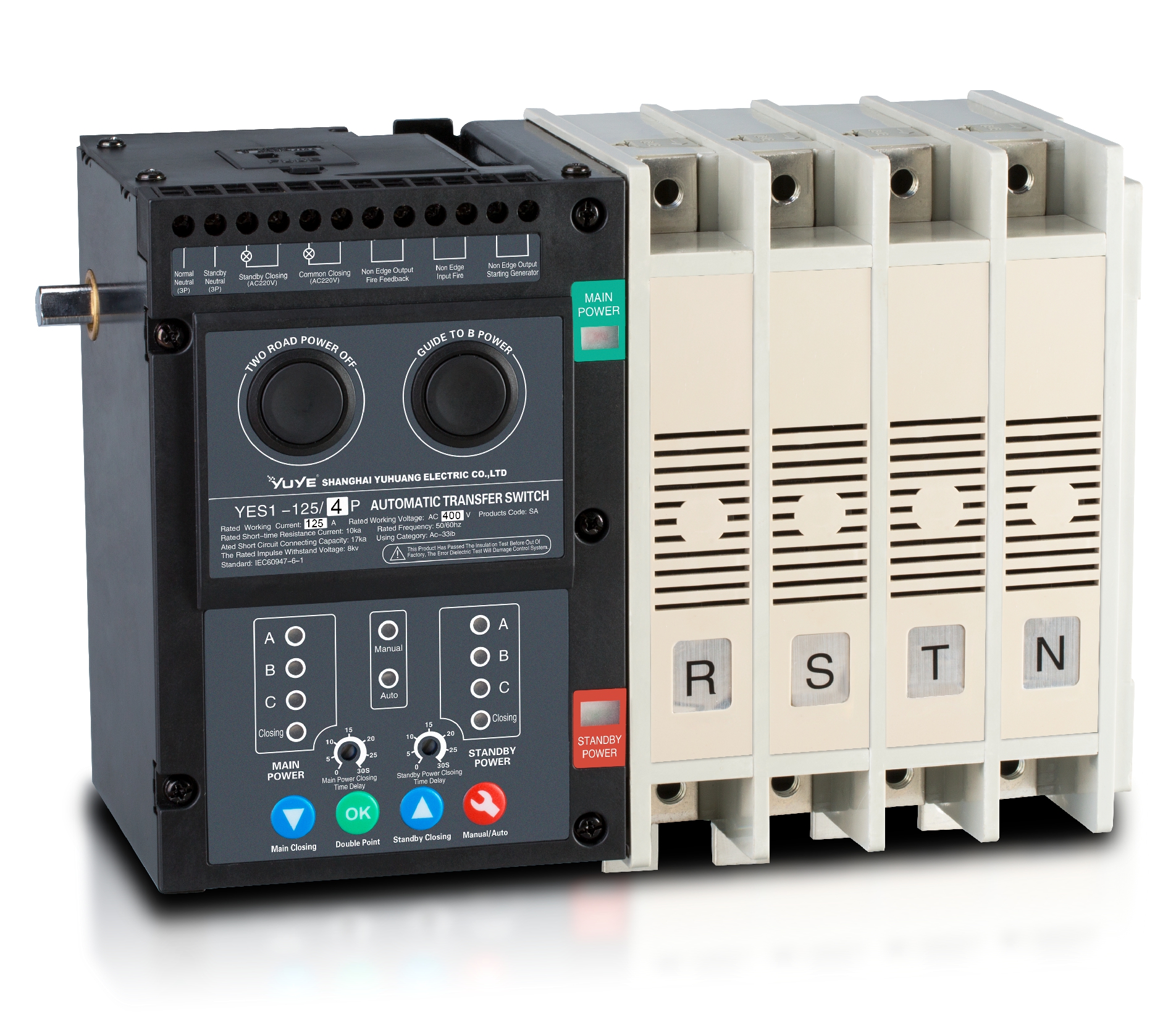 Solenoid-type ATS YES1-63~630SA
 Solenoid-type ATS YES1-63~630L/LA
 Solenoid-type ATS YES1-63~630LA3
 Solenoid-type ATS YES1-63MA
 PC ATS YES1-630~1600M
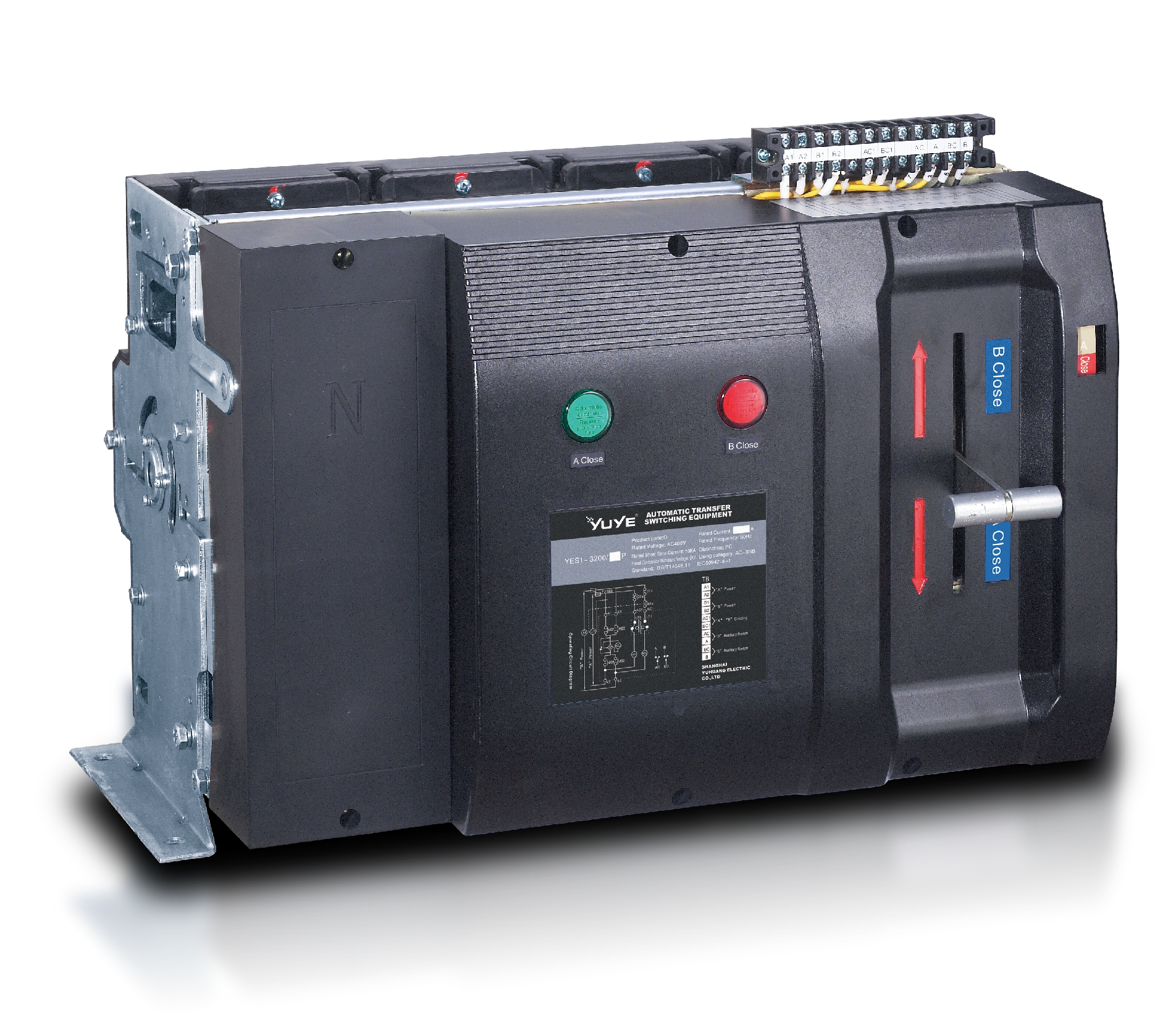 PC ATS YES1-3200Q
 Solenoid-type ATS YES1-4000~6300Q
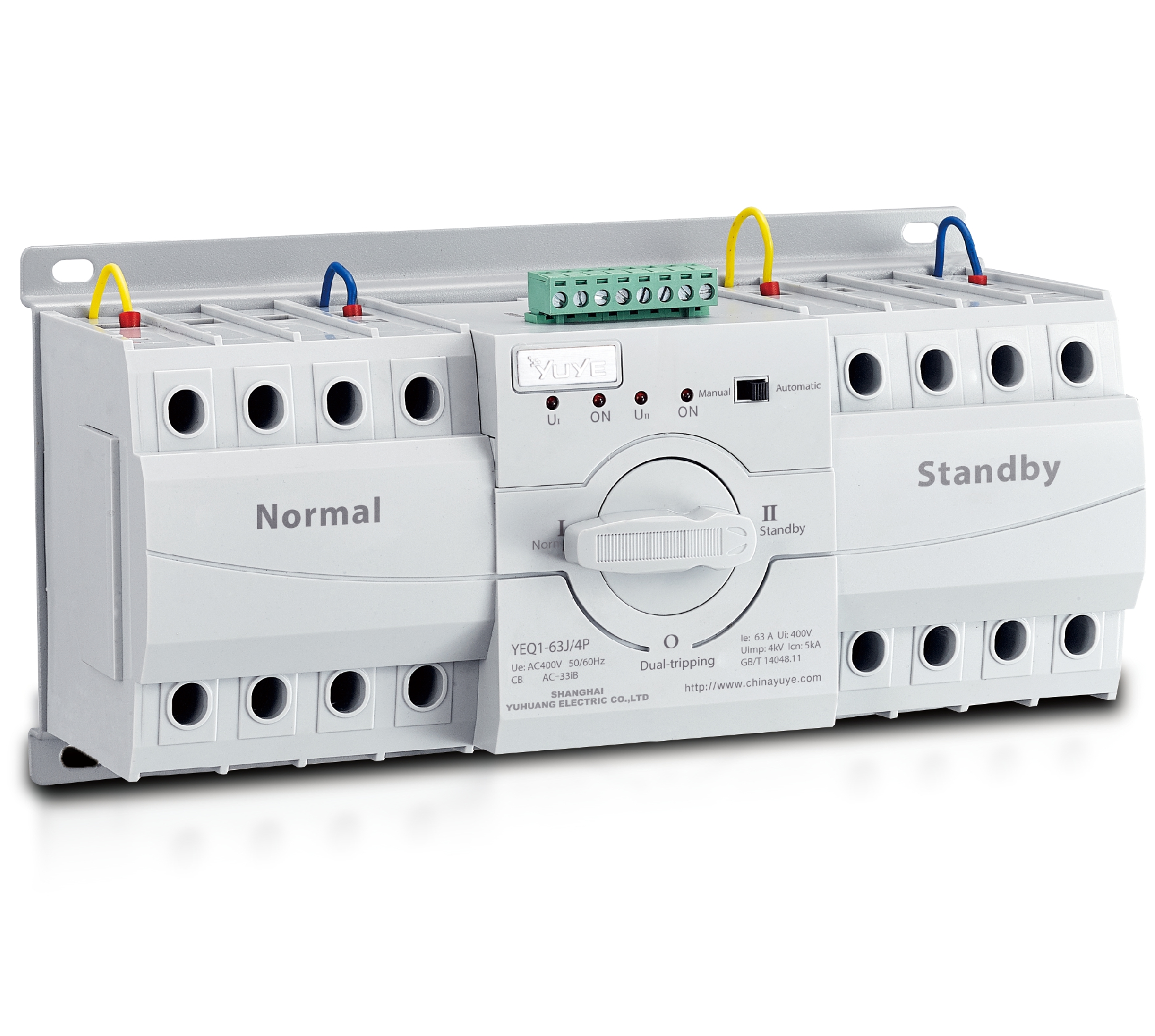 CB ATS YEQ1-63J
 CB ATS YEQ2Y-63
 CB ATS YEQ3-63W1
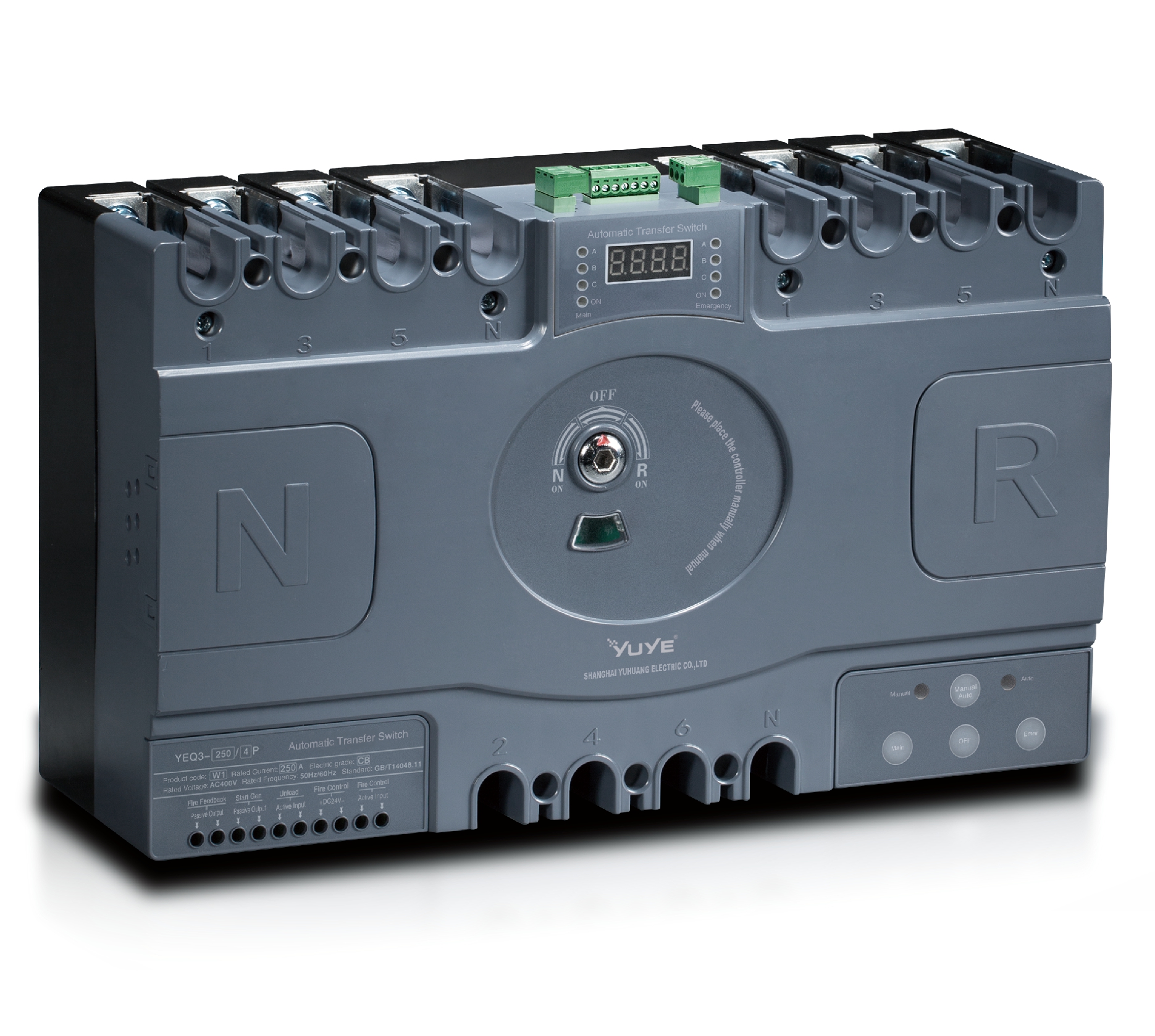 CB ATS YEQ3-125~630W1
 ATS controller Y-700
 ATS Controller Y-700N
 ATS Controller Y-701B
 ATS Controller Y-703N
 ATS Controller Y-800
 ATS Controller W2/W3 Series
 ATS switch Cabinet floor-to-ceiling
 ATS switch cabinet
 JXF-225A power Cbinet
 JXF-800A power Cbinet
 YEM3-125~800 Plastic Shell Type MCCB
 YEM3L-125~630 Leakage Type MCCB
 YEM3Z-125~800 Adjustable Type MCCB
 YEM1-63~1250 Plastic Shell Type MCCB
 YEM1E-100~800 Electronic Type MCCB
 YEM1L-100~630 Leakage Type MCCB
 Miniature circuit breaker YEMA2-6~100
 Miniature circuit breaker YEB1-3~63
 Miniature circuit breaker YEB1LE-3~63
 Miniature circuit breaker YEPN-3~32
 Miniature circuit breaker YEPNLE-3~32
 Miniature circuit breaker YENC-63~125
 Air Circuit Breaker YEW1-2000~6300
 Air Circuit Breaker YEW3-1600
 Load isolation switch YGL-63~3150
 Load Isolation Switch YGL2-63~3150
 YECPS2-45~125 LCD
 YECPS-45~125 Digital
 Manual Changeover Switch YGL-100~630Z1A
 Manual Changeover Switch YGLZ1-100~3150
 CNC Milling/Turning-OEM
 DC relay MDC-300M
 DC Isolation Switch YEGL3D-630


