In today’s world, moving at such a fast pace, having reliable power management is more important than ever. That’s where the 63a Automatic Transfer Switch really comes into play — it’s a crucial piece of the puzzle when it comes to keeping operations running smoothly across different industries. I recently came across a report from Power Management Solutions, and it says that the demand for automatic transfer switches is expected to jump by about 15% each year. That just shows how much industries are leaning on uninterruptible power supply systems these days.
I spoke with John Thompson, an expert from Energy Systems Engineering, and he put it pretty plainly: “Getting a 63a Automatic Transfer Switch is a smart move for any business, because it means you won’t be knocked out during a power outage.” That really highlights how important it is to pick the right transfer switch. Still, a lot of organizations tend to overlook the long-term perks these systems can offer.
Honestly, the benefits are pretty obvious — better safety, less downtime, and even some cost savings in the long run. But I get it, those upfront costs can be a bit daunting for decision-makers. That’s why it’s so important to understand what’s involved with a 63a Automatic Transfer Switch. Not only does it protect your operations, but it also helps improve efficiency in a world that’s more and more dependent on stable power.

Understanding the Basics of Automatic Transfer Switches
Automatic transfer switches (ATS) are essential for seamless power transitions. They ensure that electricity flows smoothly during an outage. The basics revolve around their ability to monitor power sources actively. When a primary source fails, the ATS quickly switches to a backup. This process typically takes less than 30 seconds, minimizing disruption. Statistics show that nearly 80% of businesses suffer financial losses due to inadequate power systems.
An ATS provides not just switching capabilities but also integrated monitoring. This allows for real-time assessments of power quality and usage. Reports indicate that organizations can save up to 30% on energy costs when optimizing their switching systems effectively. However, many still overlook maintenance, leading to potential failures during critical times. Regular testing and inspections are vital yet often neglected.
Choosing a 63A ATS offers a reliable solution for medium-sized applications. It can support multiple circuits, ensuring essential equipment stays powered. However, understanding load calculations is crucial before installation. Underestimating requirements can lead to overloading. This can jeopardize safety and efficiency. In some cases, installations have failed simply due to improper assessments of wattage needs.
Key Features of a 63A Automatic Transfer Switch
A 63A automatic transfer switch (ATS) is an essential component for reliable power management. One of its key features is seamless switching between the main power supply and a backup generator. This ensures that your home or facility remains powered during outages. The transition takes mere seconds, significantly reducing the risk of equipment damage.
Another notable aspect is its user-friendly interface. Many models come with intuitive displays that show operational status and diagnostic information. This helps users identify problems quickly. Additionally, the built-in surge protection safeguards sensitive equipment against voltage spikes. However, it is important to evaluate whether a 63A rating meets your specific load requirements.
Installation and maintenance should also be considered. A qualified technician should handle the setup to ensure safety and compliance. Regular inspections are needed to confirm that the ATS functions correctly. Neglecting maintenance can lead to unexpected failures. The balance of reliability and the necessity of ongoing care highlights the complexity of power management.
Benefits of Using a 63A Automatic Transfer Switch
A 63A automatic transfer switch (ATS) is essential for ensuring uninterrupted power supply. One major benefit is its ability to switch between different power sources seamlessly. This helps prevent downtime in critical operations. In settings like hospitals or data centers, reliability is crucial. An ATS provides peace of mind when facing power outages or fluctuations.
Another advantage is the automation of power management. With a 63A ATS, the system automatically detects power loss. It then directs power from a backup source without manual intervention. This not only saves time but also reduces the risk associated with human error. Furthermore, it enhances overall safety by ensuring that generators start only when necessary.
In real-world scenarios, users may find that automatic transfer switches reduce operational costs. They also minimize wear and tear on equipment. However, careful planning is needed. Regular maintenance checks are essential to ensure the ATS functions correctly. This vigilance helps to avoid potential failures that could compromise system integrity. Ensuring your ATS meets specific needs can lead to smarter and more efficient energy management.
Applications of a 63A Automatic Transfer Switch in Various Settings
A 63A Automatic Transfer Switch (ATS) plays a critical role in numerous applications. In commercial settings, it ensures seamless power supply during outages. Many businesses rely on uninterrupted power for operations. According to the IEEE, about 80% of operational downtime is due to power failures. This statistic underscores the importance of reliable power solutions.
In residential applications, a 63A ATS can provide essential backup power during emergencies. Homeowners can maintain critical systems like heating and refrigeration. A survey from the Electric Power Research Institute found that 25% of homeowners experienced power outages lasting more than four hours in the past year. This data highlights the growing need for proper energy management in modern homes.
Healthcare facilities also benefit significantly from 63A ATS units. They safeguard essential medical equipment and support patient care continuity. The failure to maintain power can have dire consequences. In a study by the Joint Commission, nearly 50% of hospitals faced power disruptions. Clearly, the incorporation of a 63A ATS can bridge the gap between reliable power and the critical operations of various establishments.
Comparing 63A Automatic Transfer Switches with Other Ratings
When considering an automatic transfer switch (ATS), the 63A rating stands out for various applications. In emergency power systems, 63A switches are commonly used in residential and light commercial settings. Their capacity allows for quick power transfer, ensuring minimal downtime. According to industry reports, a significant portion of power outages happen unexpectedly, highlighting the need for reliable systems.
In comparison to other ratings, such as 32A and 100A, the 63A ATS strikes a balance between capacity and affordability. A 32A switch may be adequate for smaller operations, but it often lacks the power needed for larger circuits. Conversely, a 100A switch may be too robust for typical residential needs, leading to unnecessary costs. Current statistics suggest that approximately 30% of users opt for switches that exceed their requirements, underscoring the importance of selecting the right rating.
Users must reflect on their actual power demands. Overestimating can lead to excess expenditure. However, underestimating can compromise reliability. Proper assessment of operational capacity is critical. Regularly reviewing energy requirements can improve efficiency. A correctly chosen 63A automatic transfer switch can provide a dependable solution for varied needs, balancing performance with cost-effectiveness.
Why Choose a 63A Automatic Transfer Switch?
This bar chart compares the demand for different ratings of automatic transfer switches, highlighting the popularity of the 63A model relative to others. The data indicates that the 63A transfer switch meets a significant requirement in the market.
Installation Considerations for a 63A Automatic Transfer Switch
When considering the installation of a 63A automatic transfer switch (ATS), a few key factors warrant attention. Proper sizing and placement are critical. For instance, mismatched ratings can lead to system failures. The National Electrical Manufacturers Association (NEMA) recommends an ATS rating that exceeds the expected load by at least 25%. This helps prevent overheating and ensures reliability.
Wiring and connection methods are also vital to successful installation. According to the Institute of Electrical and Electronics Engineers (IEEE), improper wiring can lead to increased maintenance costs. Using adequate conductors is essential to handle the current flow effectively. Moreover, the location of your ATS should provide easy access for operation and maintenance, while avoiding exposure to extreme weather conditions. A sheltered environment can prolong the device's lifespan.
Lastly, regular testing and maintenance are necessary for optimal performance. Research from the Electrical Safety Foundation International indicates that automatic transfer switches should undergo testing at least annually. This ensures functionality during emergencies. It's common for systems to fail if not properly maintained, leading to devastating power outages. By emphasizing these installation considerations, users can mitigate risks and enhance the reliability of their power systems.
Maintenance Tips for Optimal Performance of 63A Transfer Switches
Maintaining a 63A automatic transfer switch is crucial for its performance and durability. Regular check-ups help prevent unexpected failures. Ensure you inspect the connections and terminals for corrosion. This step is often overlooked but vital for reliable operation.
Regular cleaning is equally important. Dust and debris can accumulate around components. Use a soft brush or cloth to keep the switch clean. Make sure to power down the system before cleaning. Neglecting this maintenance can lead to overheating and reduced efficiency.
Test the transfer switch periodically to confirm its functionality. Simulate a power outage to see if the switch operates as intended. If you notice any irregularities during testing, take them seriously. It may indicate underlying issues needing immediate attention. Regular checks can help catch problems early, ensuring your system runs smoothly.
Exploring the Benefits and Features of Load Isolation Switch YGL2-63~3150 for Enhanced Electrical Safety
The YGL2-63~3150 load isolation switch is a cutting-edge solution designed to enhance electrical safety across a variety of applications. This model accommodates a wide range of rated currents from 63A to 3150A and supports voltage ratings of 230V and 400V. It is available in configurations with two, three, or four poles, making it adaptable for different circuit requirements. Complying with the IEC 60947-3 standard, the YGL2-63~3150 ensures reliability and performance in industrial settings, where electrical safety is paramount.
One of the primary benefits of the YGL2-63~3150 load isolation switch is its ability to provide effective load isolation, which significantly reduces the risk of electrical accidents and equipment damage. According to a report by the International Electrotechnical Commission (IEC), proper implementation of load isolation devices can minimize operational hazards by up to 50% in electrical systems. This feature not only safeguards personnel but also extends the lifespan of electrical equipment, creating a more sustainable operational environment.
Furthermore, the versatility of the YGL2-63~3150 makes it suitable for various industrial applications, ensuring that it can meet the specific needs of different sectors. The design reflects advancements in electrical safety technology, aligning with the latest industry standards and best practices. As industries continue to prioritize safety and efficiency, the adoption of high-quality load isolation switches like the YGL2-63~3150 is more critical than ever for enhancing overall electrical safety in the workplace.
FAQS
automatic transfer switch do?
Quick transitions minimize the risk of damage to sensitive equipment during power outages.
Many models feature displays that show status and problems, making troubleshooting easier.
Built-in surge protection guards against voltage spikes, protecting valuable equipment.
A qualified technician is necessary for safe setup and compliance with regulations.
Regular inspections are vital to ensure it functions properly and to prevent failures.
Yes, it minimizes equipment wear and can lower costs through efficient power management.
The ATS automatically detects the outage and switches power from a backup source.
No, the automation reduces human error and enhances safety during power management.
Neglecting maintenance can lead to unexpected failures, compromising system performance.
Conclusion
The article "Why Choose a 63A Automatic Transfer Switch for Your Needs?" provides a comprehensive overview of the essential aspects regarding the utilization of a 63A Automatic Transfer Switch. It begins by explaining the fundamental concepts of automatic transfer switches and delves into the key features that make the 63A model particularly advantageous, such as its efficiency and reliability.
Furthermore, the article outlines the numerous benefits of using a 63A Automatic Transfer Switch, including enhanced power reliability and reduced downtime in various applications, from residential to commercial settings. The discussion also highlights the importance of comparing 63A switches with other ratings to determine the most suitable option for specific needs. Finally, considerations for installation and maintenance tips are provided to ensure optimal performance, making it an informative resource for anyone looking to invest in a 63A Automatic Transfer Switch.

 PC ATS YECT1-2000G
 PC ATS YES2-63~250GN1
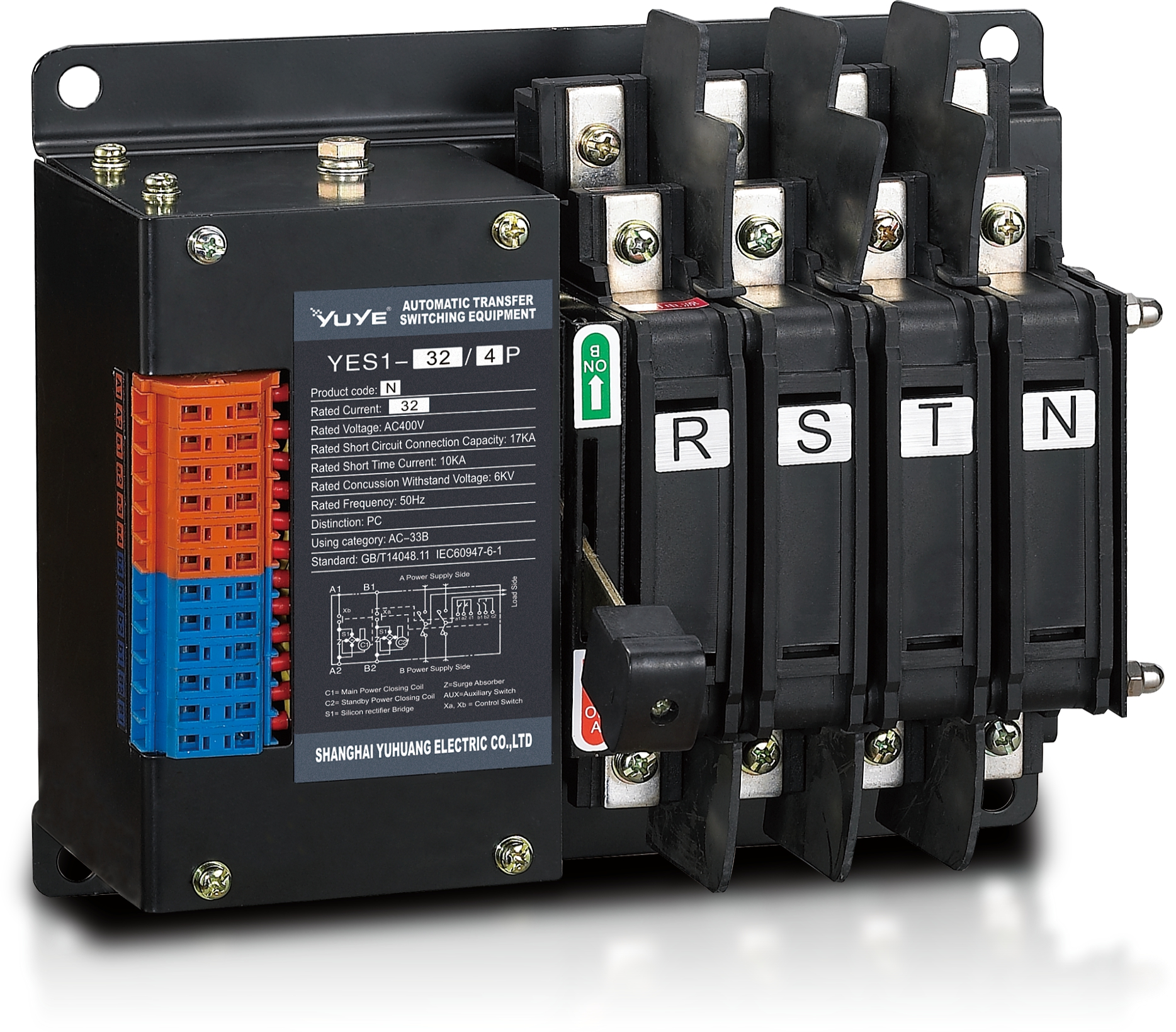 Solenoid-type ATS YES1-32~125N
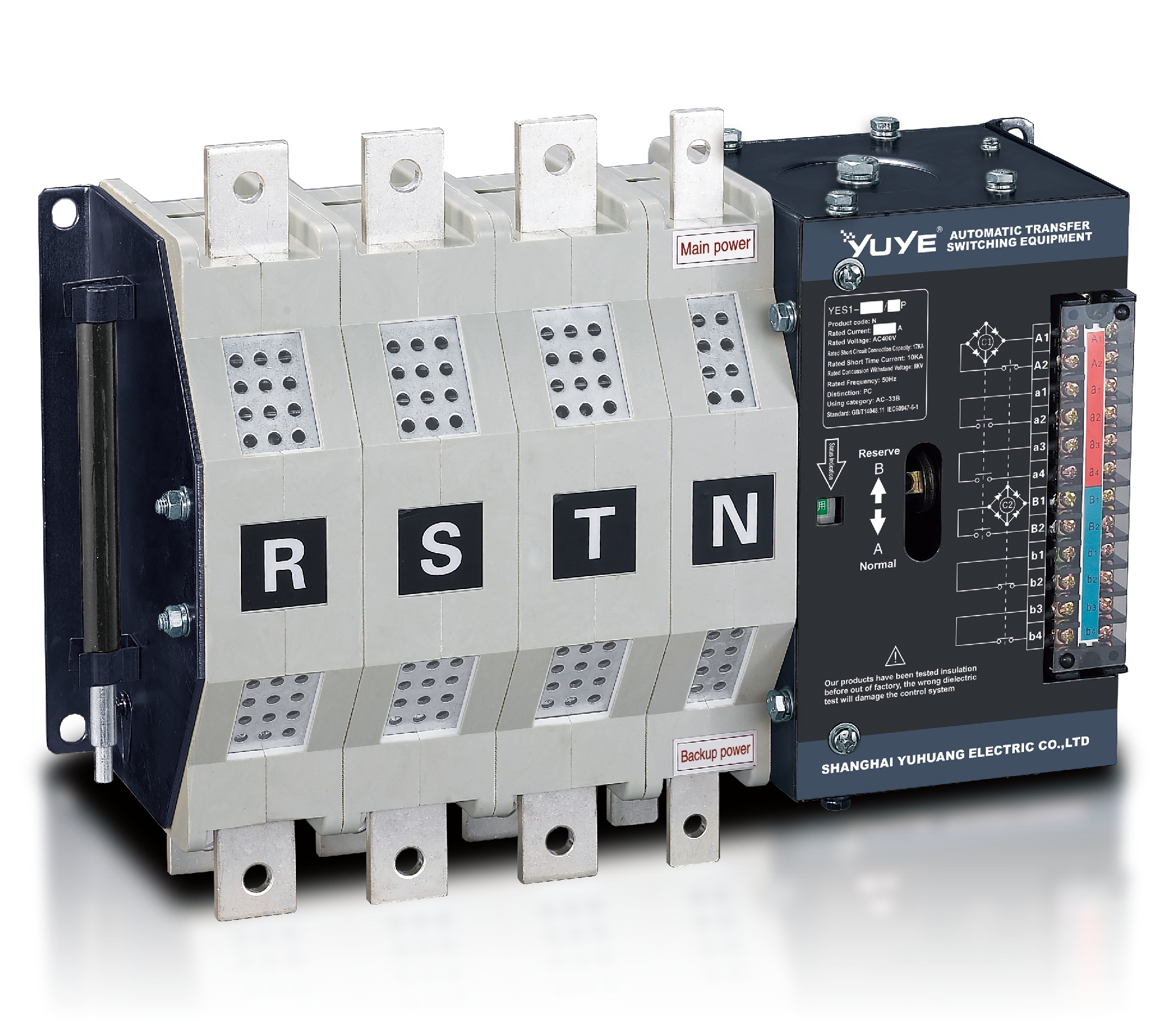 Solenoid-type ATS YES1-250~630N/NT
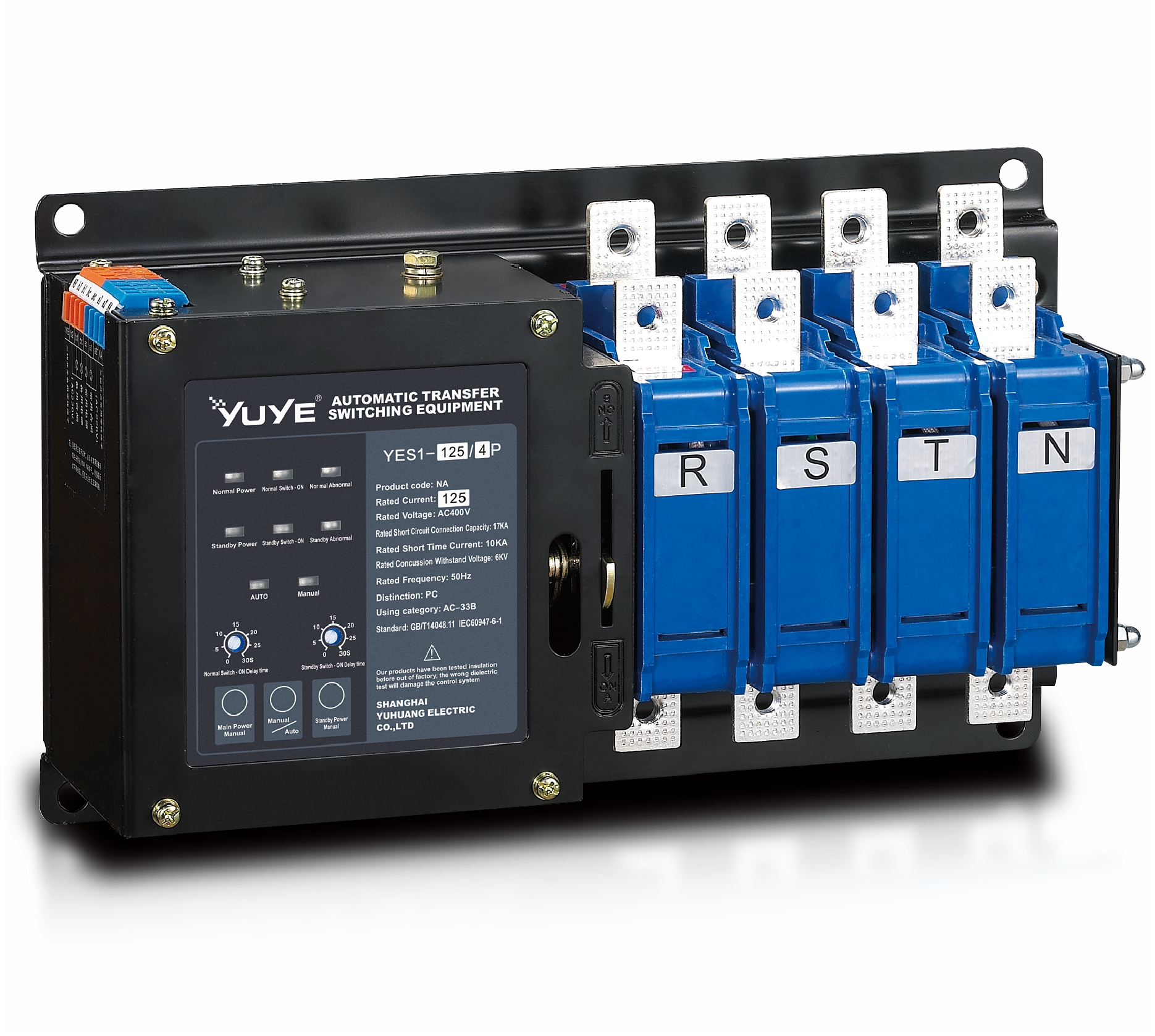 Solenoid-type ATS YES1-32~125NA
 Solenoid-type ATS YES1-63~630SN
 Solenoid-type ATS YES1-1250~4000SN
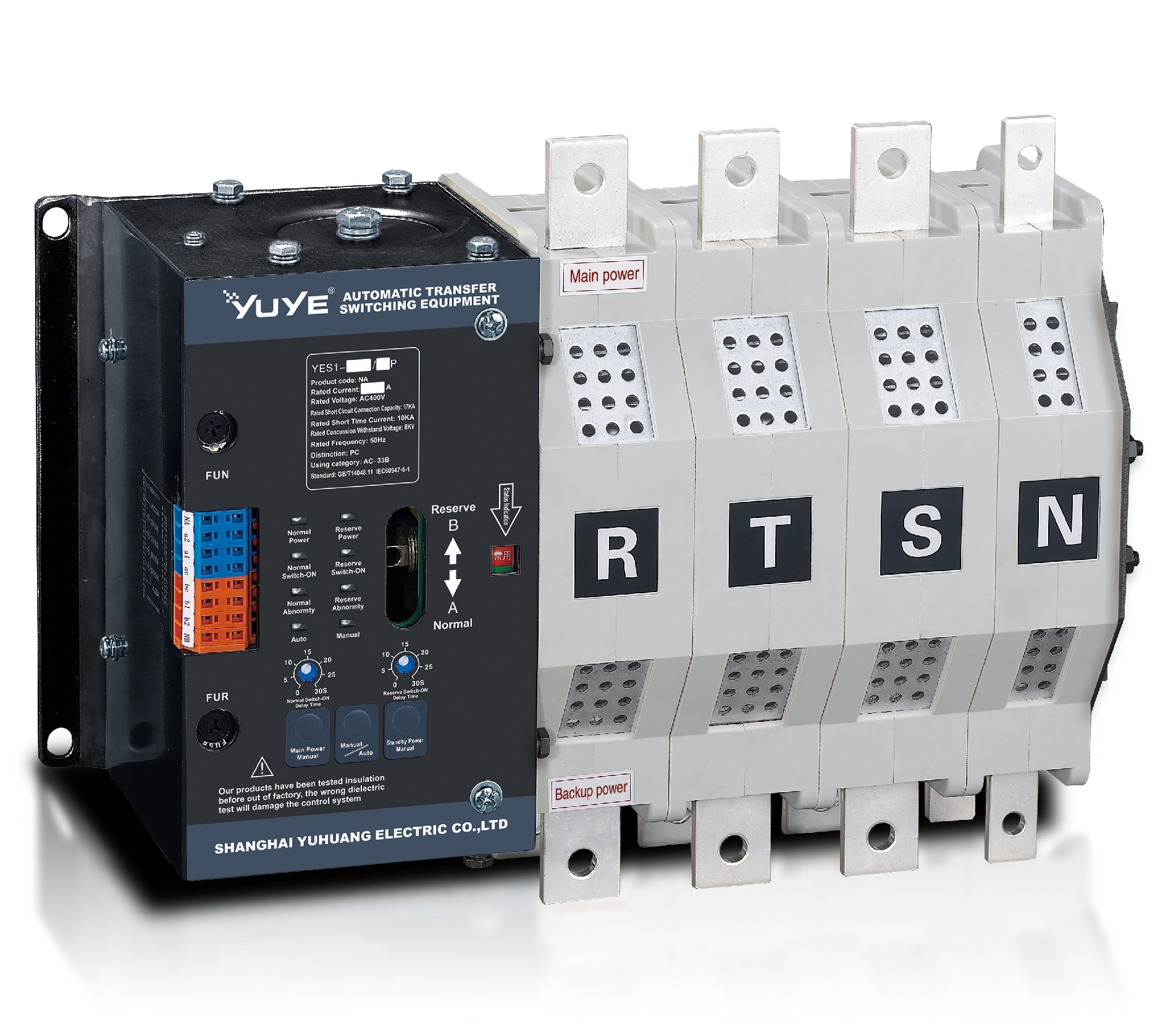 Solenoid-type ATS YES1-250~630NA/NAT
 Solenoid-type ATS YES1-63NJT
 PC ATS YES1-100~1600GN1/GN/GNF
 PC ATS YES1-2000~3200GN/GNF
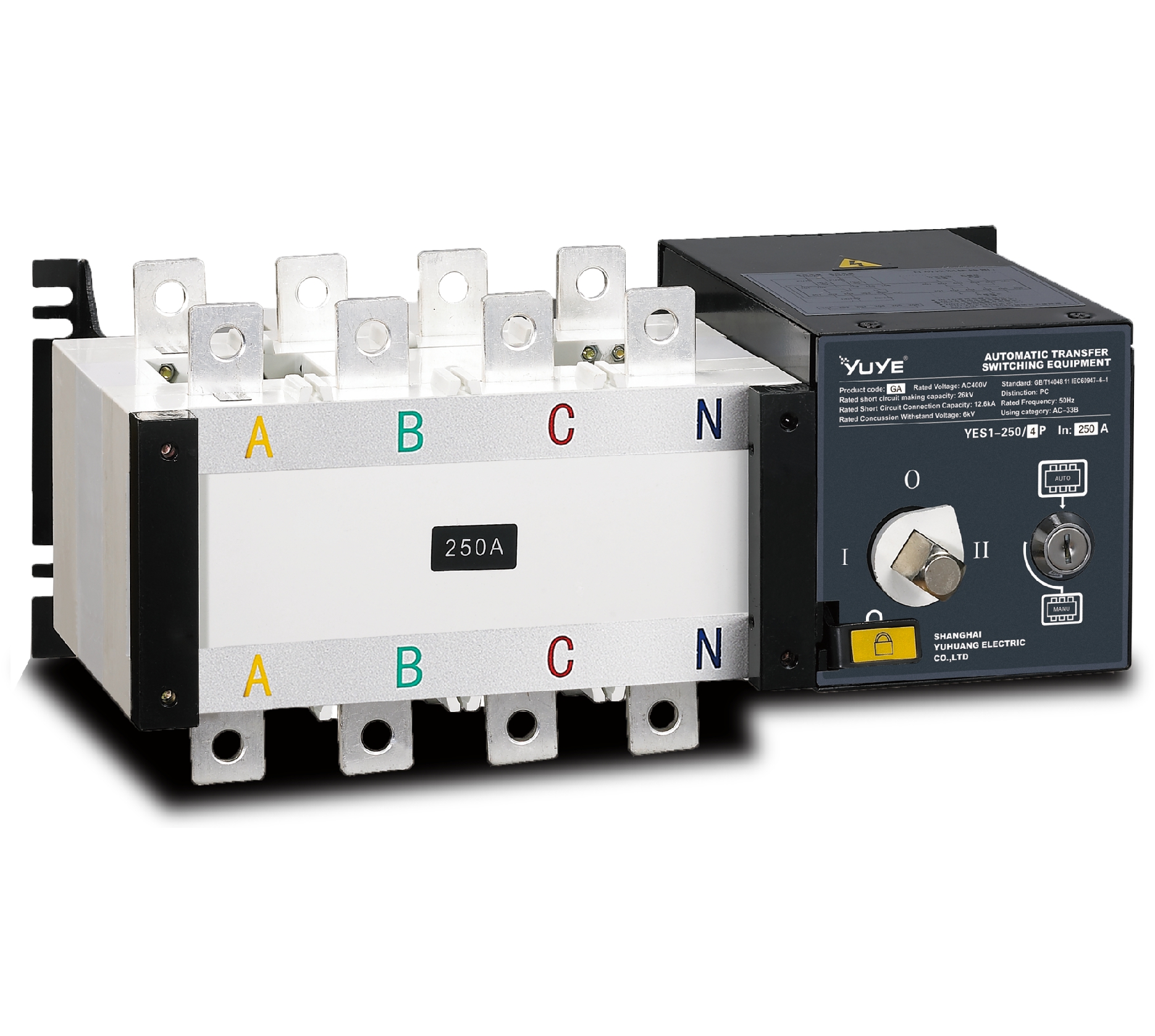 PC ATS YES1-100~3200GA1/GA
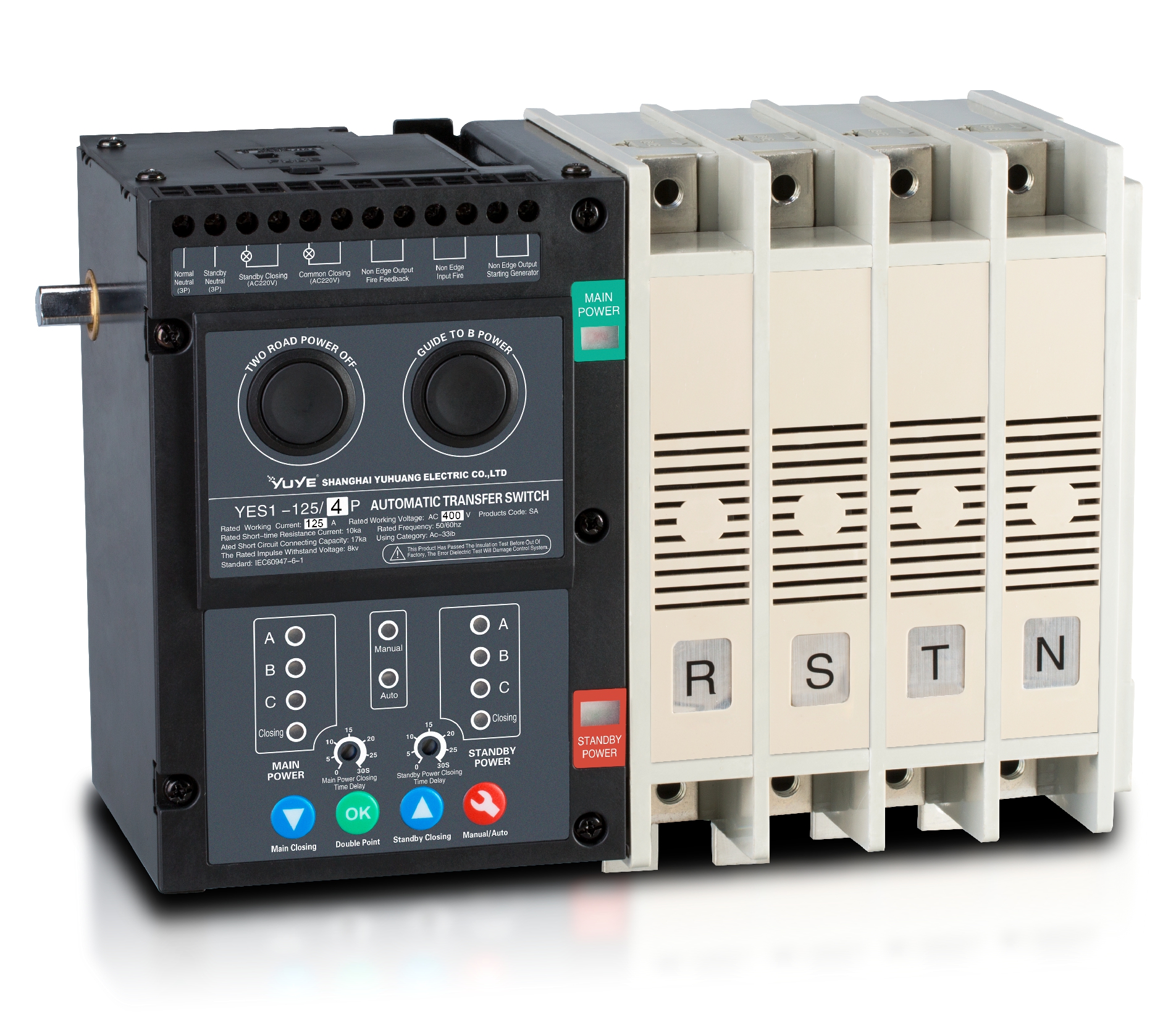 Solenoid-type ATS YES1-63~630SA
 Solenoid-type ATS YES1-63~630L/LA
 Solenoid-type ATS YES1-63~630LA3
 Solenoid-type ATS YES1-63MA
 PC ATS YES1-630~1600M
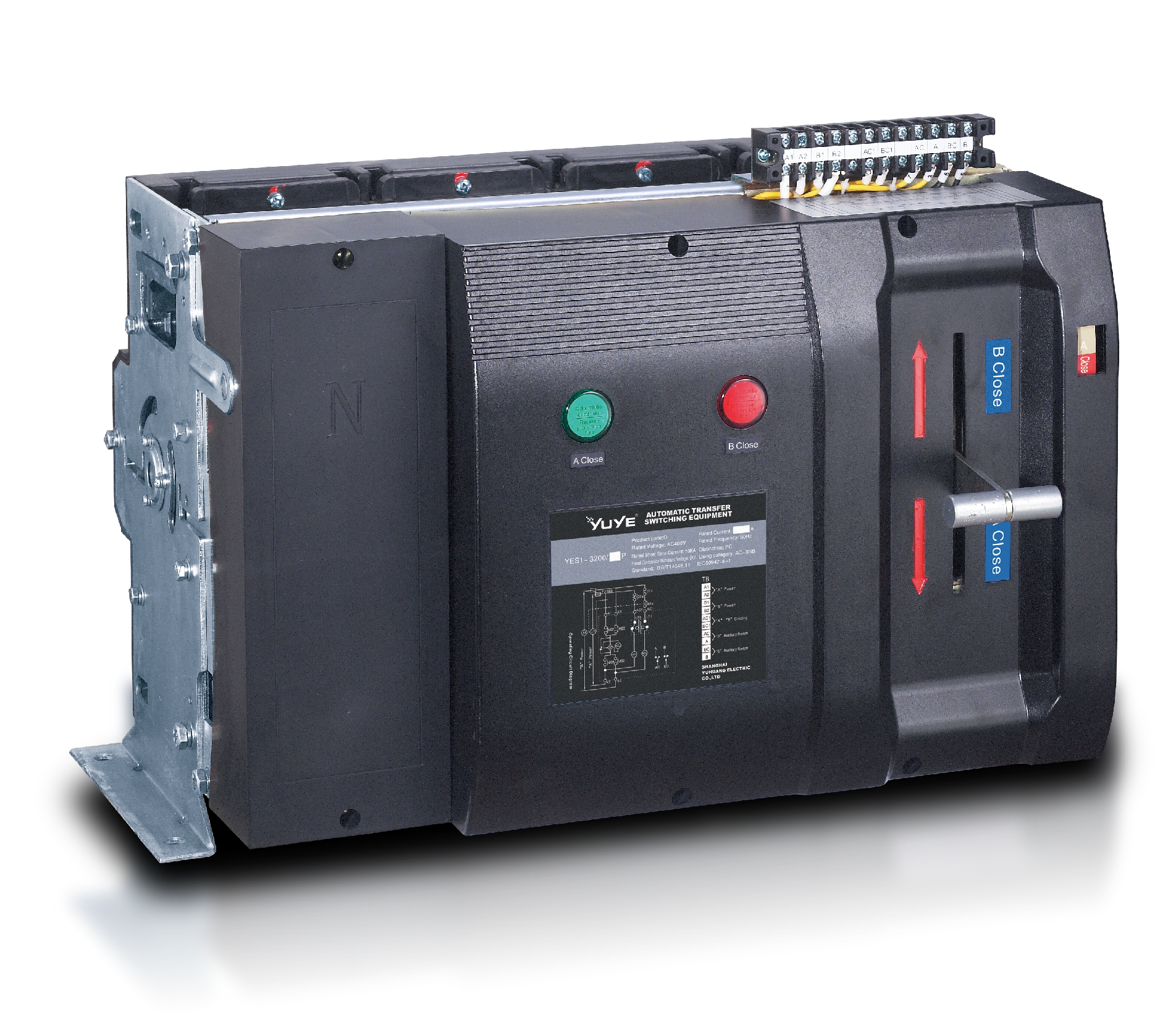 PC ATS YES1-3200Q
 Solenoid-type ATS YES1-4000~6300Q
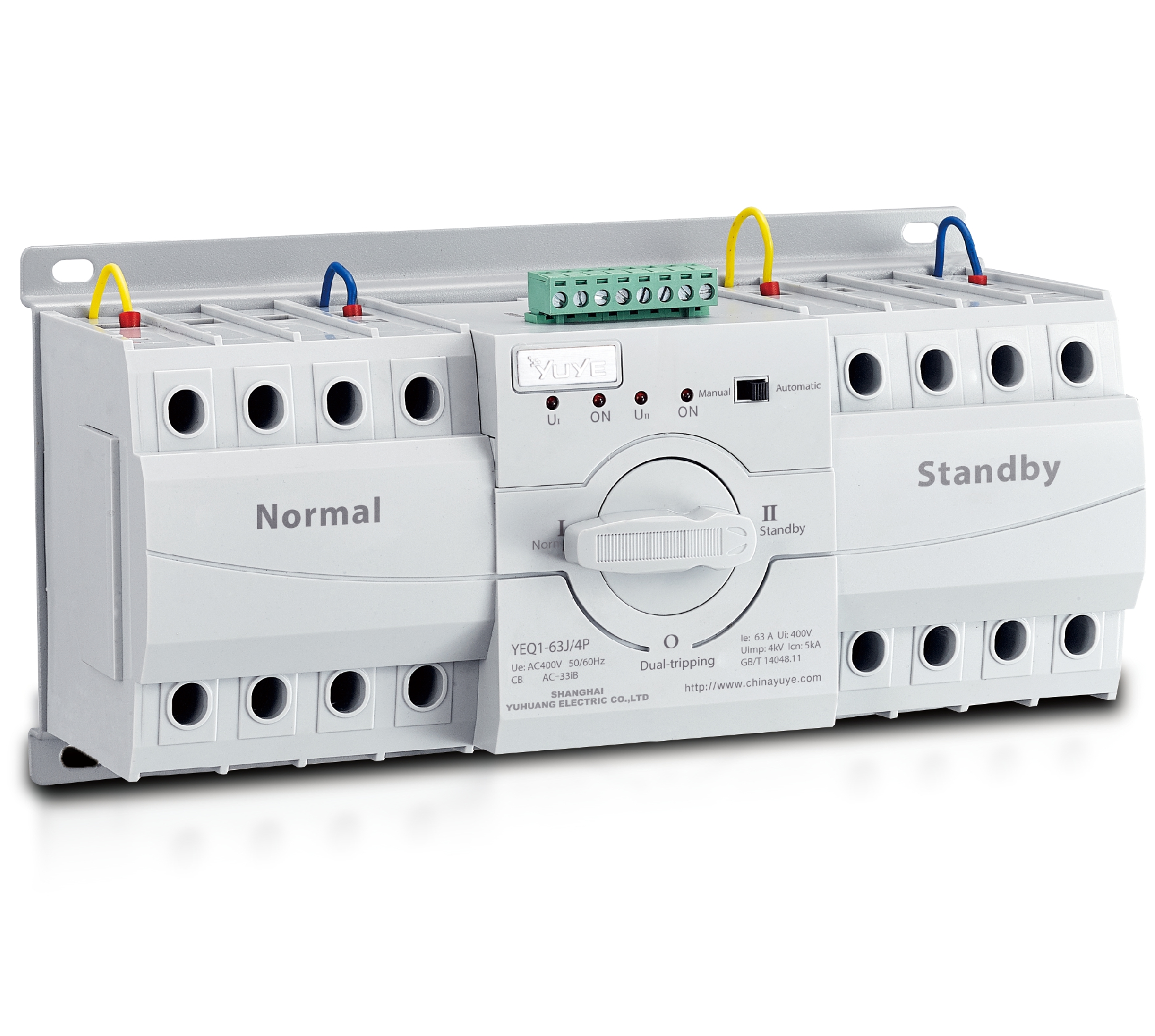 CB ATS YEQ1-63J
 CB ATS YEQ2Y-63
 CB ATS YEQ3-63W1
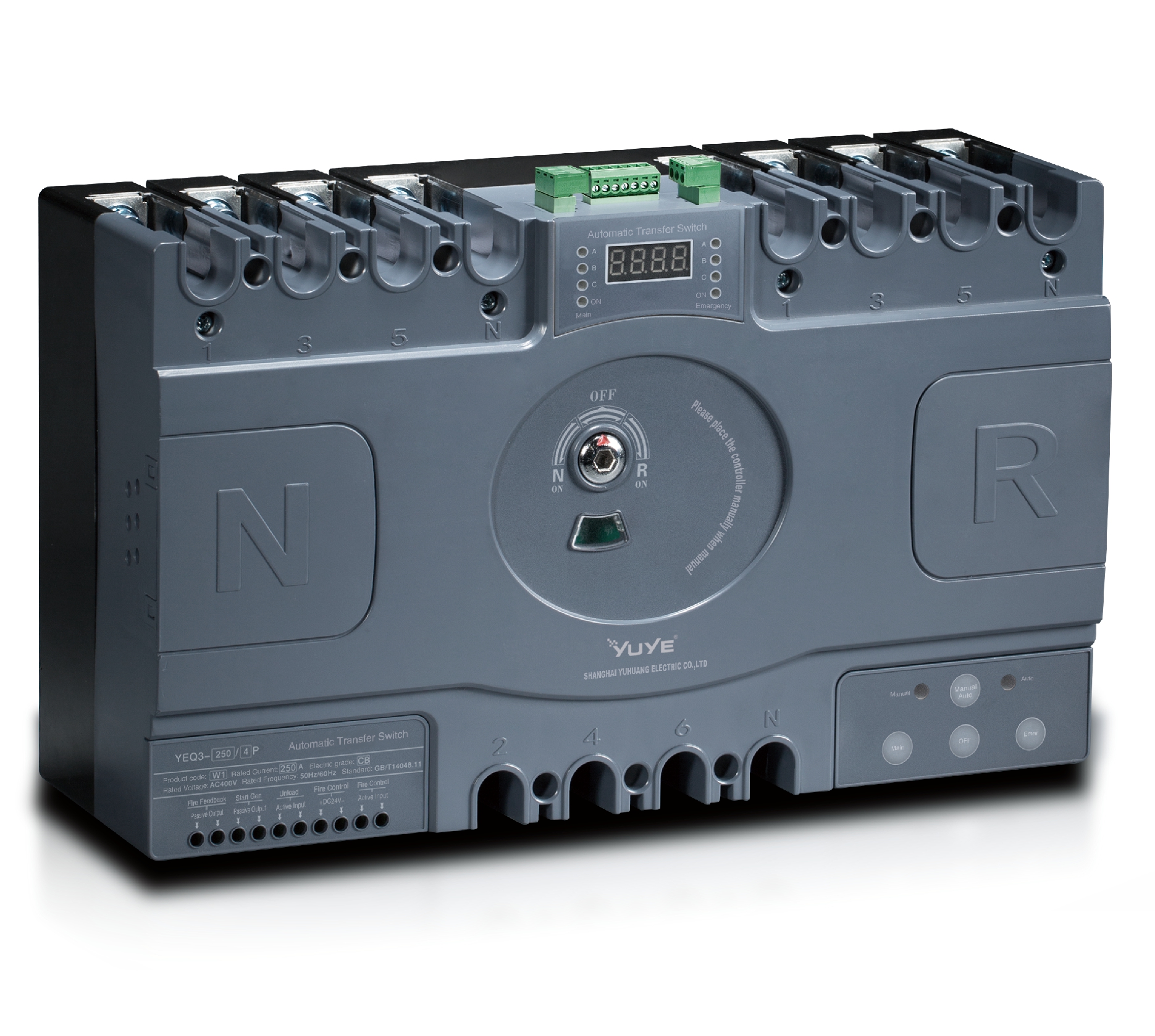 CB ATS YEQ3-125~630W1
 ATS controller Y-700
 ATS Controller Y-700N
 ATS Controller Y-701B
 ATS Controller Y-703N
 ATS Controller Y-800
 ATS Controller W2/W3 Series
 ATS switch Cabinet floor-to-ceiling
 ATS switch cabinet
 JXF-225A power Cbinet
 JXF-800A power Cbinet
 YEM3-125~800 Plastic Shell Type MCCB
 YEM3L-125~630 Leakage Type MCCB
 YEM3Z-125~800 Adjustable Type MCCB
 YEM1-63~1250 Plastic Shell Type MCCB
 YEM1E-100~800 Electronic Type MCCB
 YEM1L-100~630 Leakage Type MCCB
 Miniature circuit breaker YEMA2-6~100
 Miniature circuit breaker YEB1-3~63
 Miniature circuit breaker YEB1LE-3~63
 Miniature circuit breaker YEPN-3~32
 Miniature circuit breaker YEPNLE-3~32
 Miniature circuit breaker YENC-63~125
 Air Circuit Breaker YEW1-2000~6300
 Air Circuit Breaker YEW3-1600
 Load isolation switch YGL-63~3150
 Load Isolation Switch YGL2-63~3150
 DC relay MDC-300M
 DC Isolation Switch YEGL3D-630
 YECPS2-45~125 LCD
 YECPS-45~125 Digital
 CNC Milling/Turning-OEM


