When it comes to power management, designing an Automatic Transfer Switch is pretty crucial. It's the key piece that makes sure there's a smooth handoff of energy during power outages. A well-thought-out switch doesn’t just keep things running smoothly; it also boosts safety and reliability, whether you're at home or running a business.
That said, creating a really effective Automatic Transfer Switch isn’t just about following simple rules. It takes a solid understanding of engineering — folks at companies like Power Solutions Inc. have spent years getting the hang of these details. But, even the pros can sometimes miss what users really need or how it’ll work in real life. So, taking a step back to critically look at your design choices can really help push things forward.
And don’t forget about the environment — it’s a big deal. What works perfectly in one climate might not cut it somewhere else. Companies need to tweak their designs based on where they’ll be used. The journey to nailing the perfect Automatic Transfer Switch isn’t over; it’s a continuous process of feedback and innovation. Sometimes, rethinking old-school methods can lead to some pretty impressive long-term benefits.

Understanding the Basics of Automatic Transfer Switches
Automatic Transfer Switches (ATS) are crucial for maintaining power reliability. They automatically switch the power source from the utility to a generator during outages. This seamless transition ensures that essential systems remain operational. Understanding their basic functions is vital for effective design. An ATS monitors utility voltage and detects outages quickly. This responsiveness minimizes downtime, which is critical for businesses.
Designing an ATS requires attention to detail. One must consider load requirements and potential peak demands. Oversizing the switch may lead to unnecessary costs. Conversely, undersizing can result in equipment failure. Installation practices also significantly impact reliability. Poor connections and inadequate grounding can cause performance issues. Documenting these aspects can enhance overall design integrity.
Testing and maintenance are often overlooked. Regular checks can prevent unexpected failures. Users sometimes rely too heavily on technology, ignoring the human element. Educating staff about ATS functions promotes responsible usage. Every step in the design process demands careful consideration. Mistakes can have serious consequences, underscoring the need for a thoughtful approach to ATS design.
Key Design Principles for Efficient Transfer Switch Operation
Designing an effective automatic transfer switch (ATS) requires careful consideration. One key principle is understanding load requirements. Each application varies. Clearly defining the energy needs ensures proper sizing of the switch. A switch too small can cause overloads. Conversely, an oversized switch may lead to inefficiencies.
Another important aspect is the management of transfer timing. Fast switching minimizes the risk of equipment damage. However, too quick a switch can lead to unstable power supply. Testing the timing in different scenarios helps find a balance. Including features for manual override is crucial. Unexpected situations can arise, and manual options provide control.
Durability is vital in design. Selecting robust materials improves longevity. Harsh environments can wear out components prematurely. Regular maintenance checks can detect issues early. Yet, maintenance protocols may be overlooked. This often leads to failures during critical moments. Attention to these details reinforces the reliability of the transfer switch in daily operations.
Selecting the Right Components for Transfer Switch Design
Selecting the right components for transfer switch design is crucial for ensuring reliability, safety, and efficiency. Begin by assessing your power needs. Different applications require varying power loads. Understanding the specifics can help you choose the appropriate switch type and rating.
When it comes to circuit breakers, opt for those that can handle the expected load. Remember, improper sizing can lead to malfunction or damage over time. Additionally, consider using surge protection devices. These components protect sensitive equipment from power surges that might occur during transfer operations.
Another tip to keep in mind is the importance of quality control. Ensure that all components meet industry standards. In some cases, it might seem tempting to cut costs, but this can lead to long-term issues. Installing components that are not well-tested can compromise the system's integrity.
Finally, collaboration with experienced engineers can add value. They can offer insights that are often overlooked. Continuous evaluation of your selection process can help refine your design over time. Each project presents unique challenges, and learning from them is key to improvement.
Safety Standards and Regulations for Transfer Switches
Safety standards and regulations are crucial when designing an effective automatic transfer switch (ATS). Understanding the National Electrical Code (NEC) is essential. It outlines the requirements for transfer switch installations across various applications. Compliance with these standards ensures optimal safety and performance. ATS devices must also adhere to specific ratings based on the electrical load and usage conditions.
Certifications from recognized organizations can enhance the reliability of the switch design. These organizations assess components for safety and performance. However, not all manufacturers may meet these standards consistently. Evaluating documentation and testing results can provide confidence in the design's safety. Failure to comply can lead to safety hazards and operational failures, which can have serious financial implications.
Moreover, regular maintenance and inspections are critical in upholding safety regulations. An ATS should be tested frequently to ensure reliability during power outages. Remember that even the best-designed systems can fail without proper upkeep. This underlines the importance of ongoing training for personnel involved in the installation and maintenance. Investing time in learning about the latest safety protocols is often overlooked but essential.
Designing for Reliability and Maintenance Accessibility
Designing an effective automatic transfer switch (ATS) requires careful consideration of reliability and maintenance accessibility. An ATS plays a critical role in power management, ensuring a seamless transfer between primary and backup power sources. This arrangement must be reliable, as failures can lead to costly downtimes. Using high-quality materials is essential. However, even the best components can fail if they are not adequately accessible for maintenance.
Accessibility is key for effective design. Placing the ATS in a location that allows easy reach for technicians can minimize downtime during maintenance checks. An easily accessible switch panel simplifies routine inspections and repairs. Ensure there is ample space around the switch for tools and movement. Consider the airflow and heat dissipation around the unit, as poorly designed layouts can complicate maintenance.
It is worth noting that over-engineering can lead to unnecessary complexities. Think critically about every component chosen. Simplicity often leads to reliability. While advanced features can provide benefits, they may also create challenges during maintenance. A design that is too complex might hinder quick troubleshooting. Aim for a balance between functionality and upkeep ease. Designing with maintenance in mind can significantly enhance the overall reliability of the system.
Top 10 Tips for Effective Automatic Transfer Switch Design
This bar chart illustrates the key aspects to consider in Automatic Transfer Switch (ATS) design focusing on reliability and maintenance accessibility. Each aspect is rated on a scale from 1 to 10 based on importance, with 10 being the most critical.
Testing and Validation Methods for Transfer Switch Functionality
Testing and validating transfer switch functionality is crucial for reliable operation. Proper testing ensures that the switch activates correctly during a power failure. It provides peace of mind, especially in critical environments like hospitals and data centers. One effective method is to perform load bank testing. This simulates real-world conditions, highlighting any weaknesses in the system.
Regular maintenance checks are vital. However, not all teams follow strict protocols. Inconsistent testing can lead to failures when least expected. Using automated testing tools can streamline this process. They help in identifying issues quickly and ensure compliance with industry standards. Additionally, visual inspections should not be overlooked. Sometimes, physical wear on components can signal problems before they escalate.
Documentation is another key aspect. Recording each test's results can provide insights over time. It is essential for tracking the performance and identifying recurring issues. Team training on these processes is also important. Lack of proper training often leads to gaps in testing protocols. Emphasizing the importance of thorough validation will ultimately enhance reliability and safety.
Future Trends in Automatic Transfer Switch Technology
As technology advances, the design of
automatic transfer switches (ATS)
is evolving significantly. Future trends indicate a shift towards smarter, more efficient systems. These systems are integrating
advanced sensors and
Internet of Things (IoT) capabilities. Such integration allows for
real-time monitoring and data analytics. This data can
predict outages, enabling proactive responses and improvements in reliability.
Energy efficiency is another major trend. Designers are focusing on creating ATS that minimize energy waste during the transfer process.
Improved components, like faster actuators, contribute to this efficiency.
However, challenges remain in achieving a balance between efficiency and
cost. Some manufacturers might compromise quality to lower prices.
User interface design is also becoming crucial. Future ATS will likely feature more
intuitive controls, making management easier for users. While these advancements promise better operation, they spark discussions about potential vulnerabilities.
As systems become more interconnected, the risk of
cyber threats rises. This demands ongoing training for users and
robust security measures in every design.
Analyzing the Performance and Trends of Solenoid-Type ATS YES1-630~3200Q in Current Electrical Infrastructure: Insights from Industry Reports
The solenoid-type ATS YES1-630~3200Q plays a pivotal role in the current electrical infrastructure, especially in industries requiring high efficiency and reliability. With a rated voltage of AC400V and a current range from 630A to 6300A, this model is designed to accommodate a broad spectrum of applications. Its pole configuration options of 3P and 4P make it versatile for various electrical setups, ensuring that organizations can deploy it in numerous environments without compromising on performance.
What sets the YES1-630~3200Q apart is its two-position feature and excitation drive mode, allowing for seamless switching and control within electrical circuits. This design enhances operational efficiency and reduces the potential for electrical failures, a critical factor in modern infrastructure. Certified under CE, CB, and CCC, and compliant with IEC 60947-6-1 standards, this product not only meets but exceeds industry expectations, ensuring safety and reliability for end-users.
As industries evolve, the demand for reliable and efficient electrical solutions grows. The YES1-630~3200Q stands out in supplying robust support for greater electrical demands while promoting energy efficiency and environmental sustainability—a crucial aspect of today's infrastructure trends. Its proven track record and adaptability make it an ideal choice for businesses seeking to enhance their operational frameworks without the risk associated with inferior electrical components.
FAQS
: Safety standards ensure safe installation and performance of automatic transfer switches. They focus on guidelines set by relevant codes.
Certifications verify safety and performance. They provide assurance that the switch design meets necessary standards.
Regular maintenance is essential for reliability. Frequent inspections prevent failures during power outages.
Ongoing training helps personnel stay updated with safety protocols. This is vital for proper installation and maintenance.
Technology is advancing towards smarter designs. Future systems utilize sensors and IoT for monitoring and reliability.
Designers are creating systems to reduce energy waste. However, balancing cost and quality remains a challenge.
Intuitive controls enhance usability. As systems evolve, easier management becomes more important for users.
Interconnection increases the risk of cyber threats. Ongoing training and security measures are necessary to mitigate these risks.
Non-compliance can lead to safety hazards and operational failures. This may have significant financial implications.
Yes, using subpar materials can compromise safety and effectiveness. It's important to evaluate components carefully.
Conclusion
The article "Top 10 Tips for Effective Automat Transfer Switch Design" provides a comprehensive guide for engineers and designers looking to enhance the functionality and efficiency of automatic transfer switches. It begins with an overview of the basic principles of automatic transfer switches, ensuring readers understand their crucial role in power management. Key design principles are highlighted, emphasizing the importance of selecting appropriate components and adhering to safety standards and regulations.
Furthermore, the article discusses the necessity of designing for reliability and maintenance accessibility, ensuring that these systems remain operational with minimal disruption. It also outlines effective testing and validation methods to guarantee transfer switch functionality. Finally, the piece explores future trends in automat transfer switch technology, encouraging readers to stay informed about innovations that can further enhance performance and reliability in their designs.

 PC ATS YECT1-2000G
 PC ATS YES2-63~250GN1
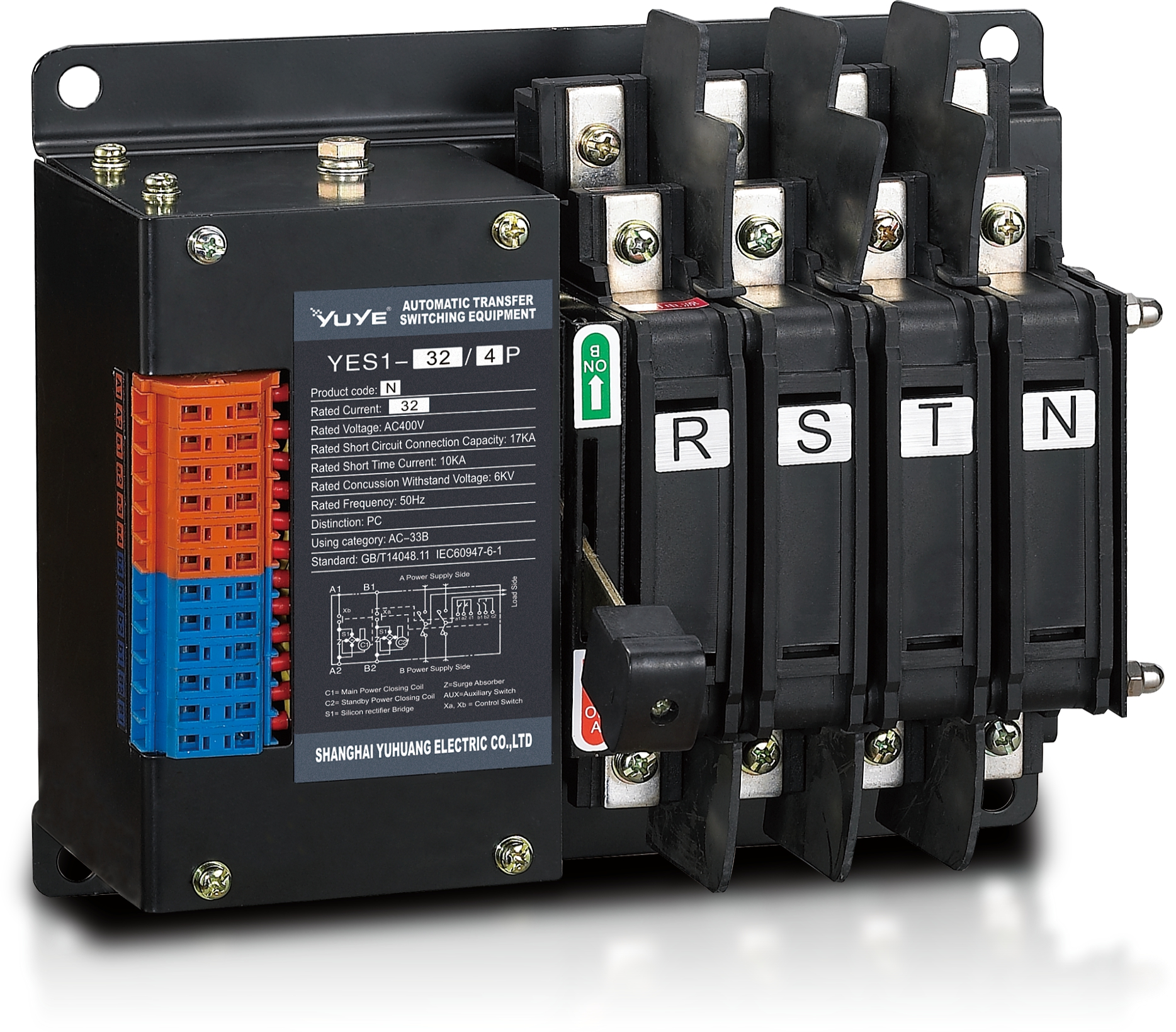 Solenoid-type ATS YES1-32~125N
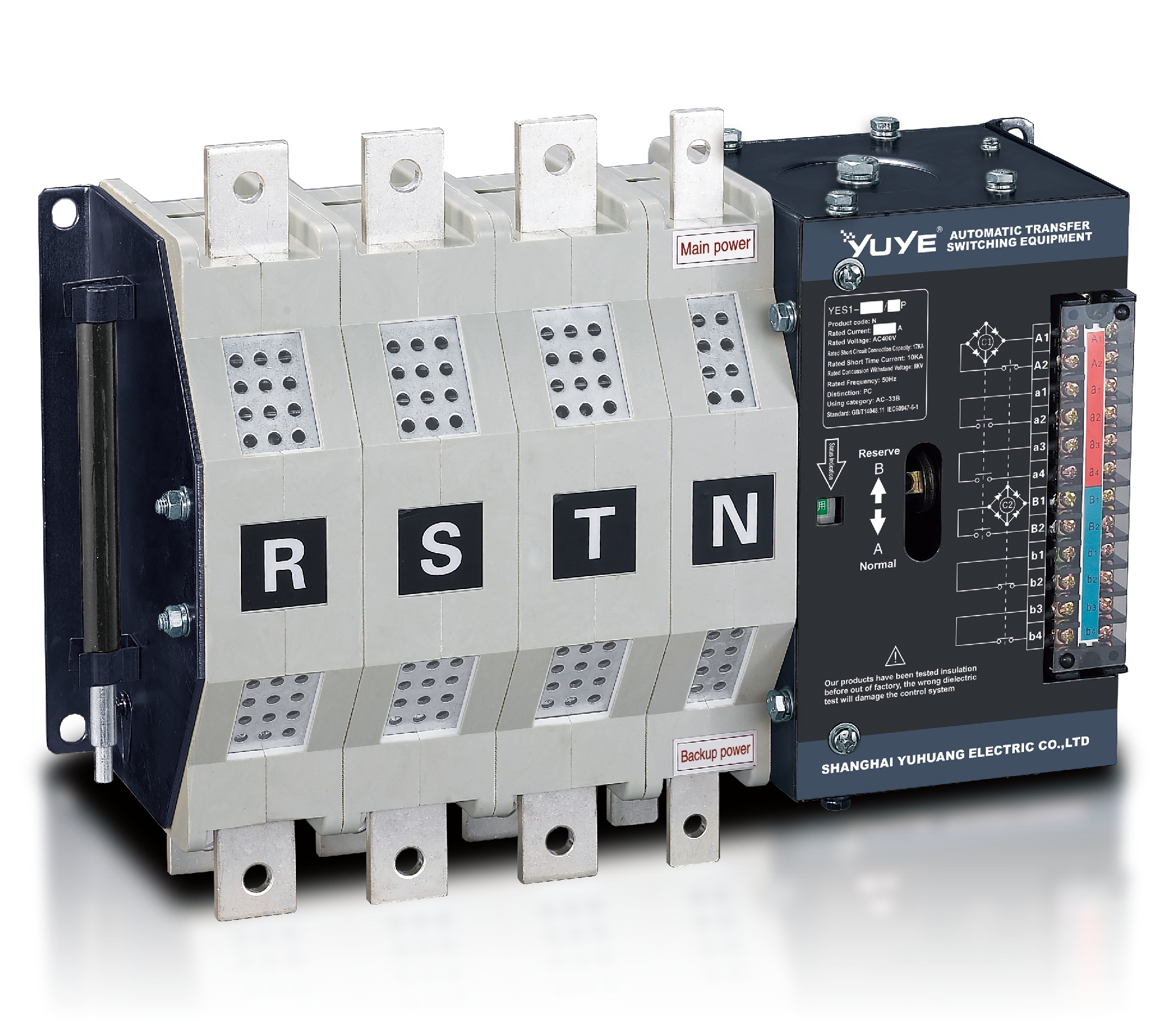 Solenoid-type ATS YES1-250~630N/NT
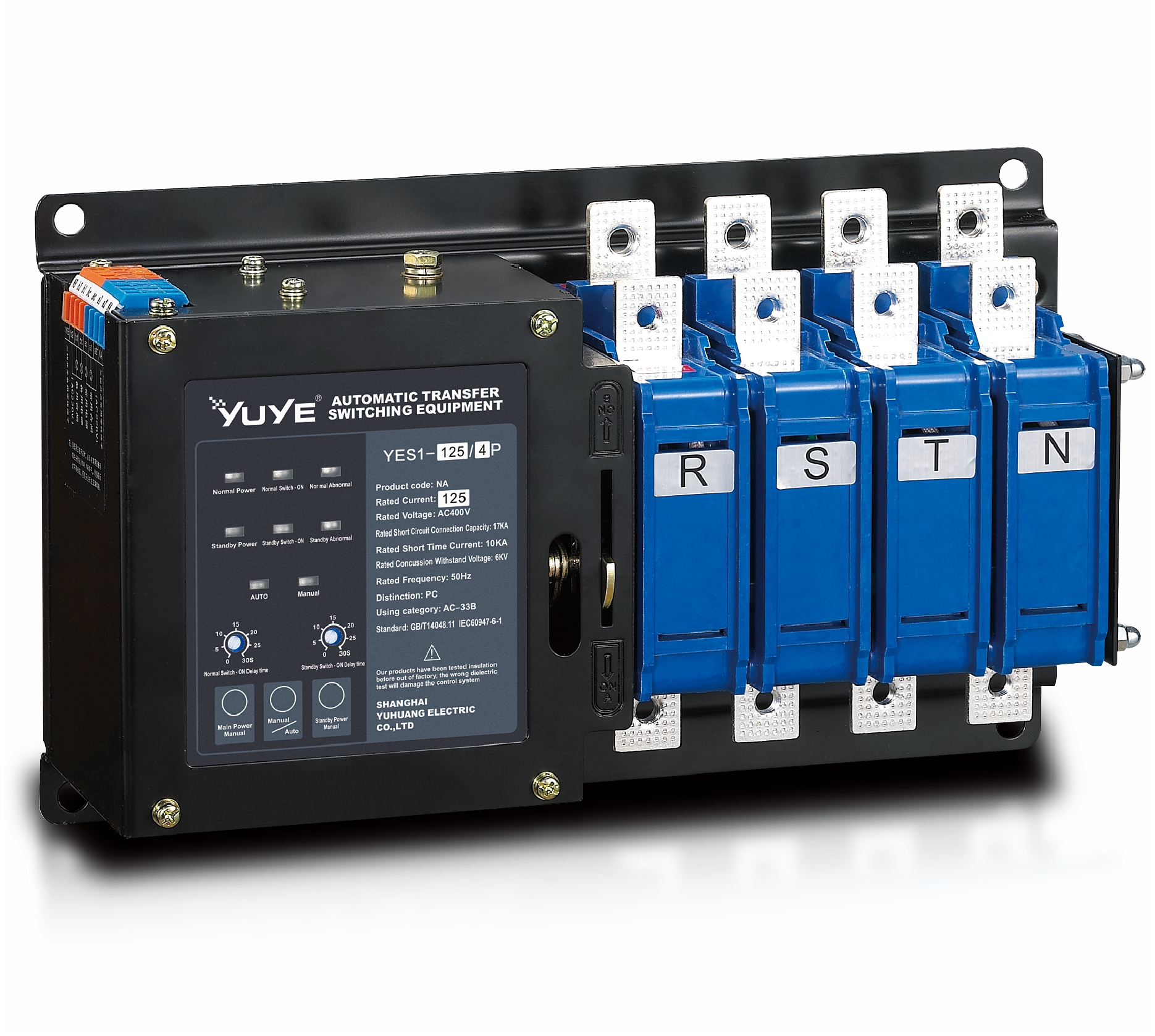 Solenoid-type ATS YES1-32~125NA
 Solenoid-type ATS YES1-63~630SN
 Solenoid-type ATS YES1-1250~4000SN
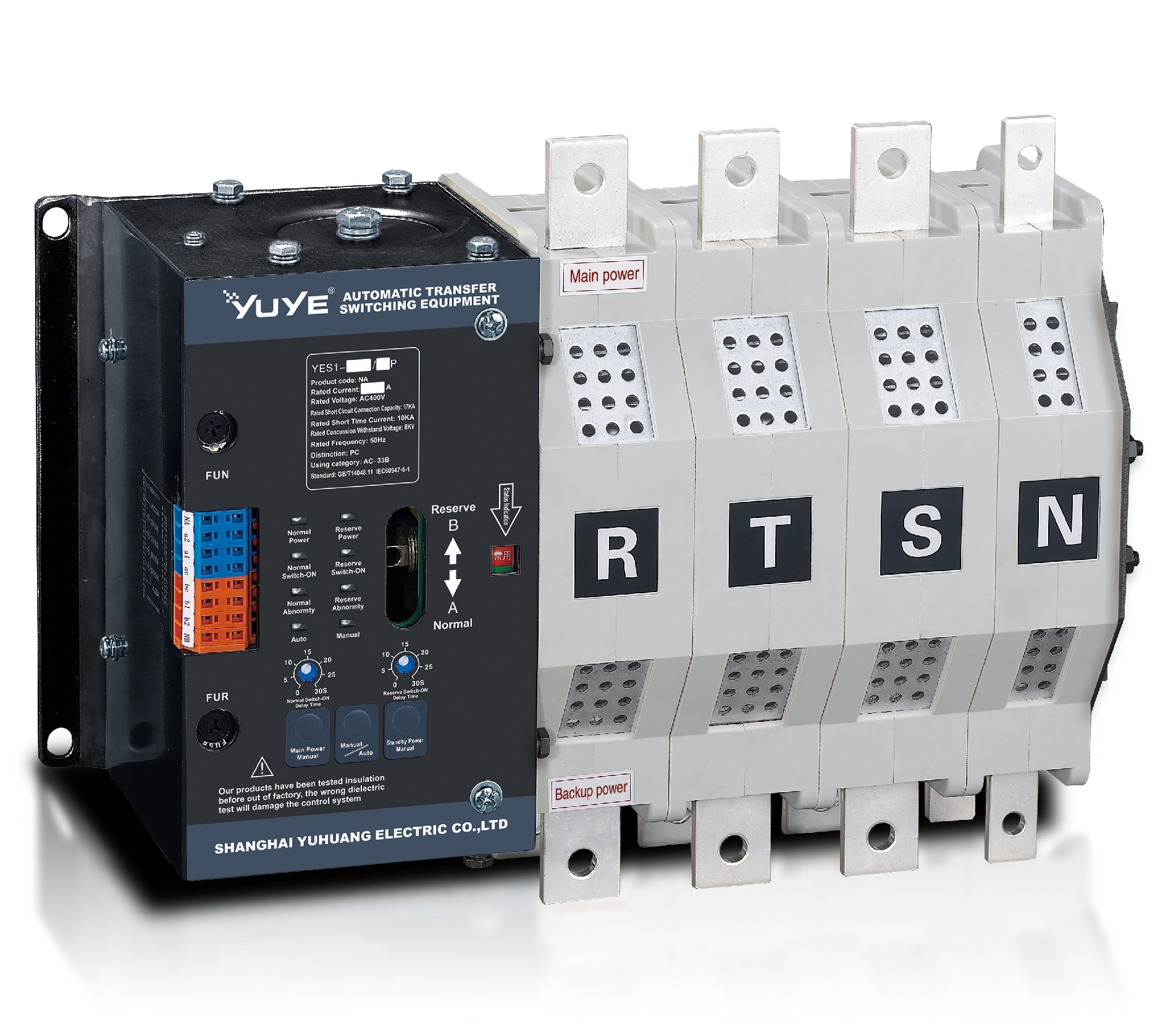 Solenoid-type ATS YES1-250~630NA/NAT
 Solenoid-type ATS YES1-63NJT
 PC ATS YES1-100~1600GN1/GN/GNF
 PC ATS YES1-2000~3200GN/GNF
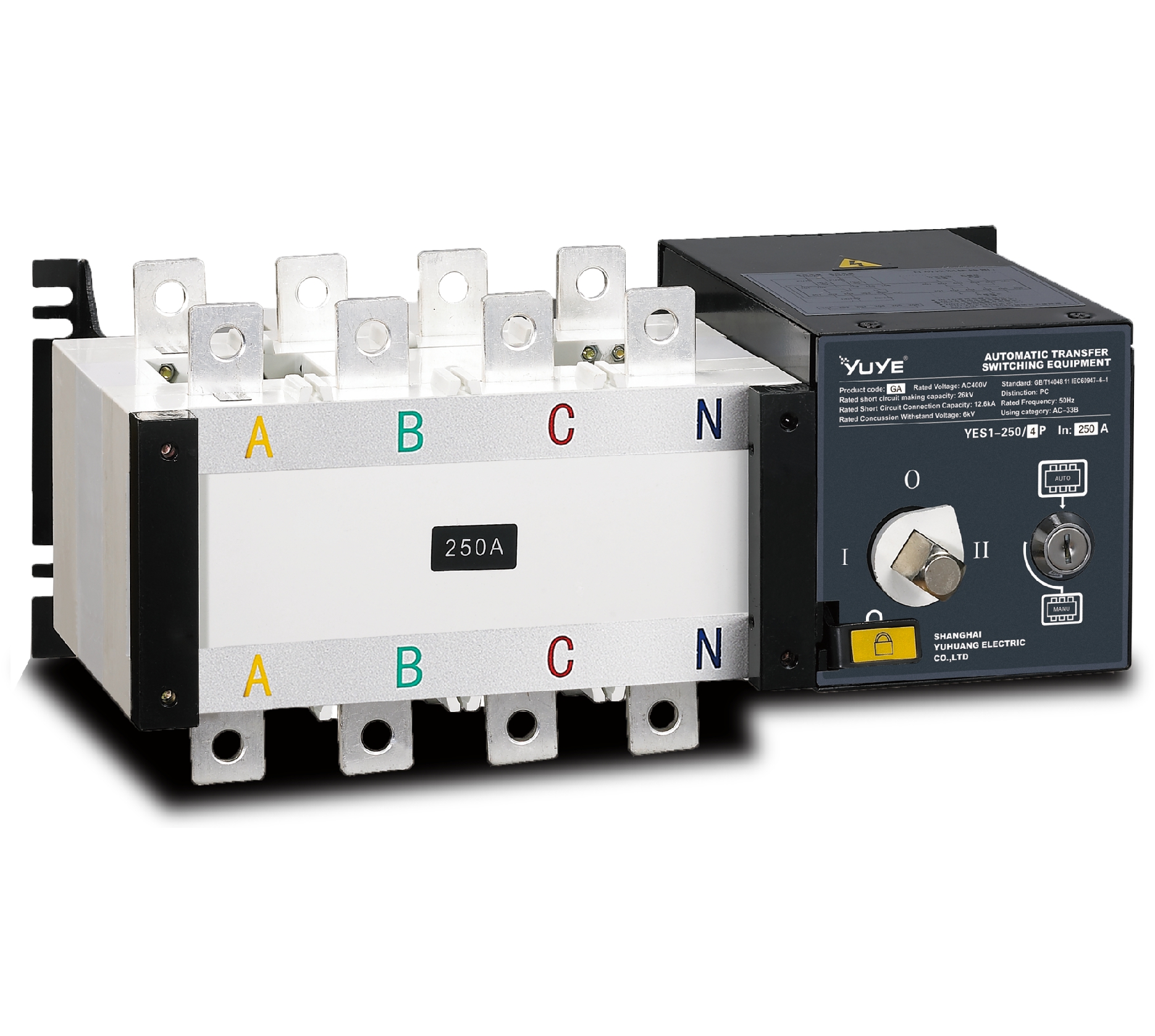 PC ATS YES1-100~3200GA1/GA
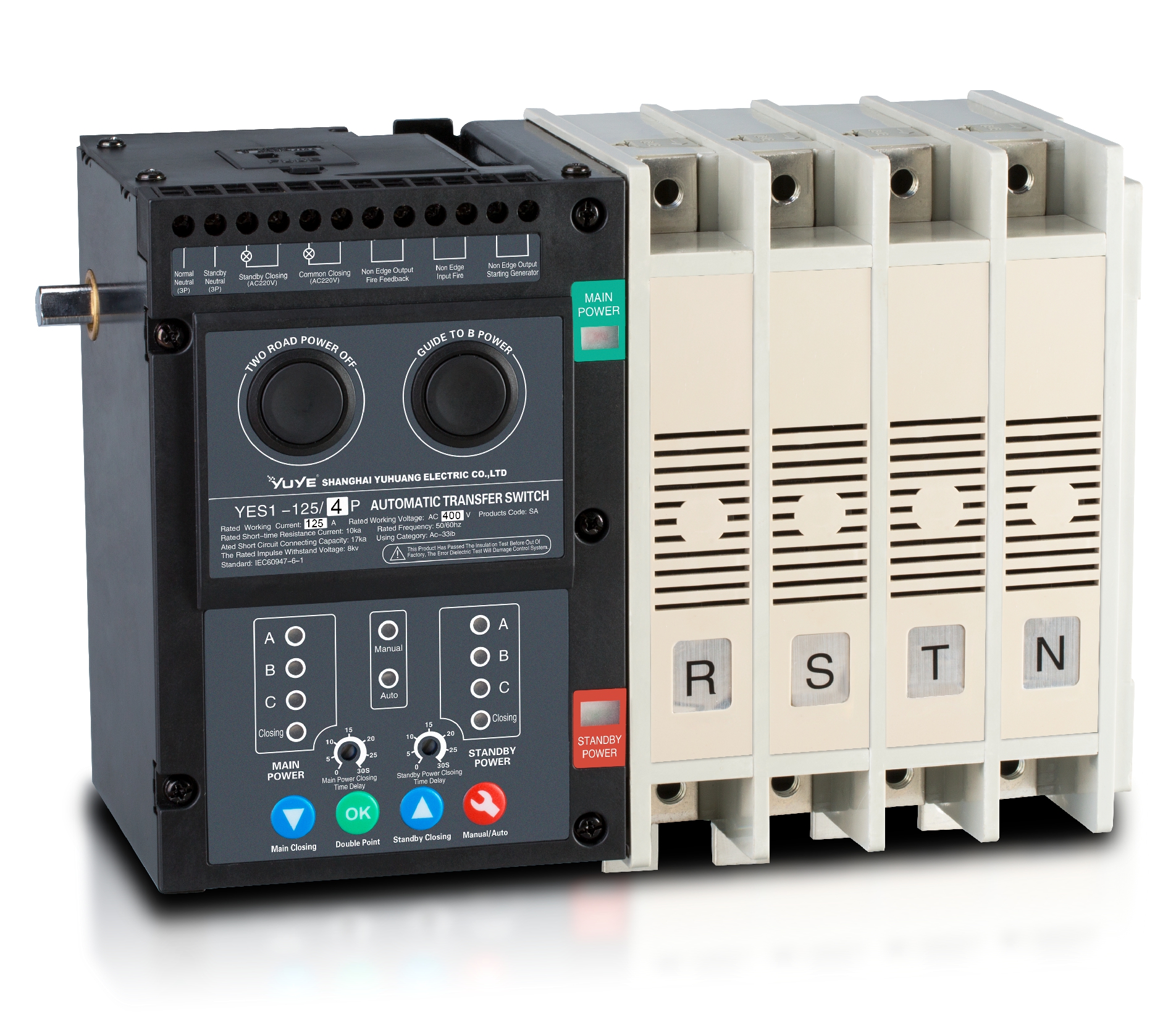 Solenoid-type ATS YES1-63~630SA
 Solenoid-type ATS YES1-63~630L/LA
 Solenoid-type ATS YES1-63~630LA3
 Solenoid-type ATS YES1-63MA
 PC ATS YES1-630~1600M
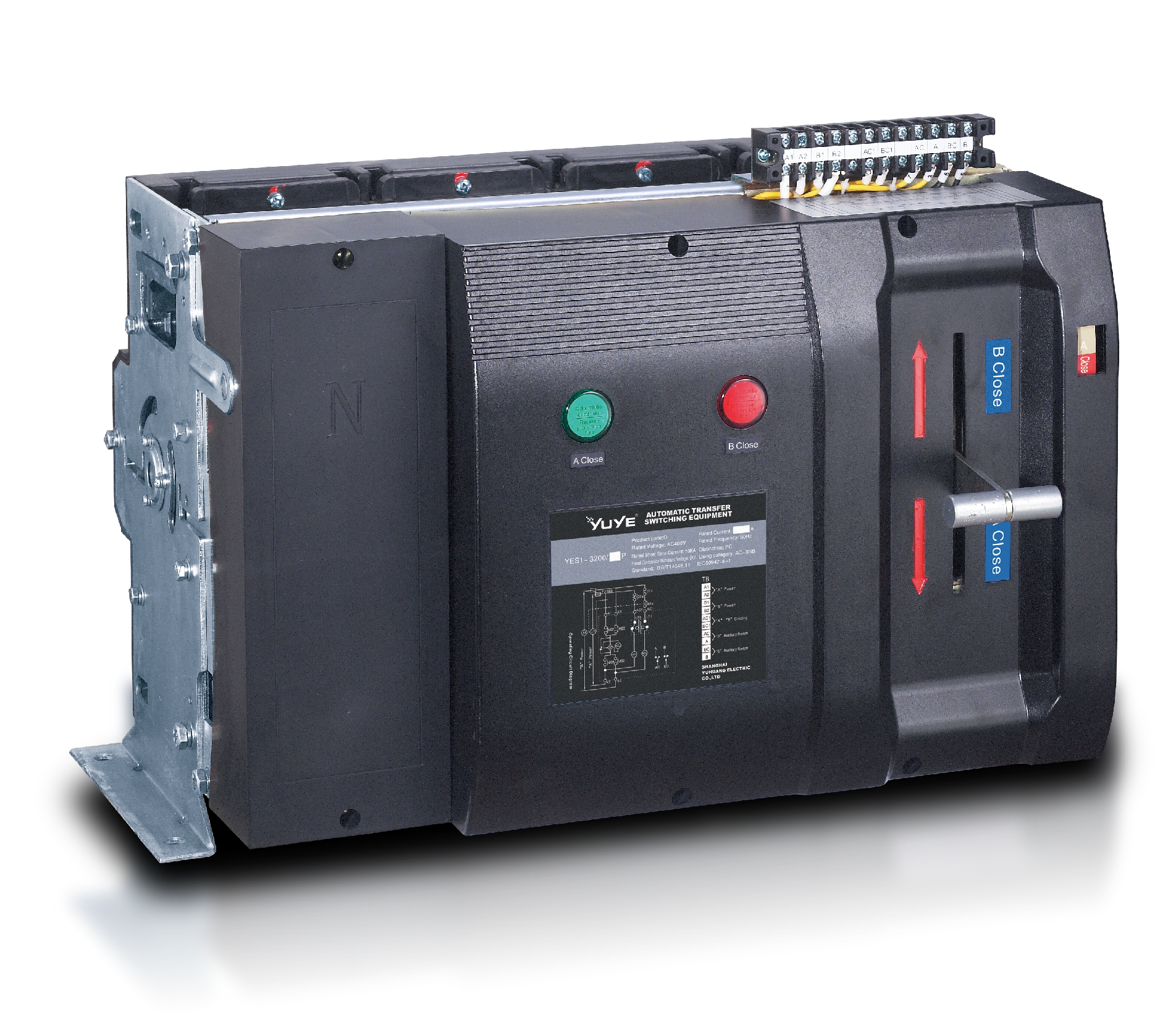 PC ATS YES1-3200Q
 Solenoid-type ATS YES1-4000~6300Q
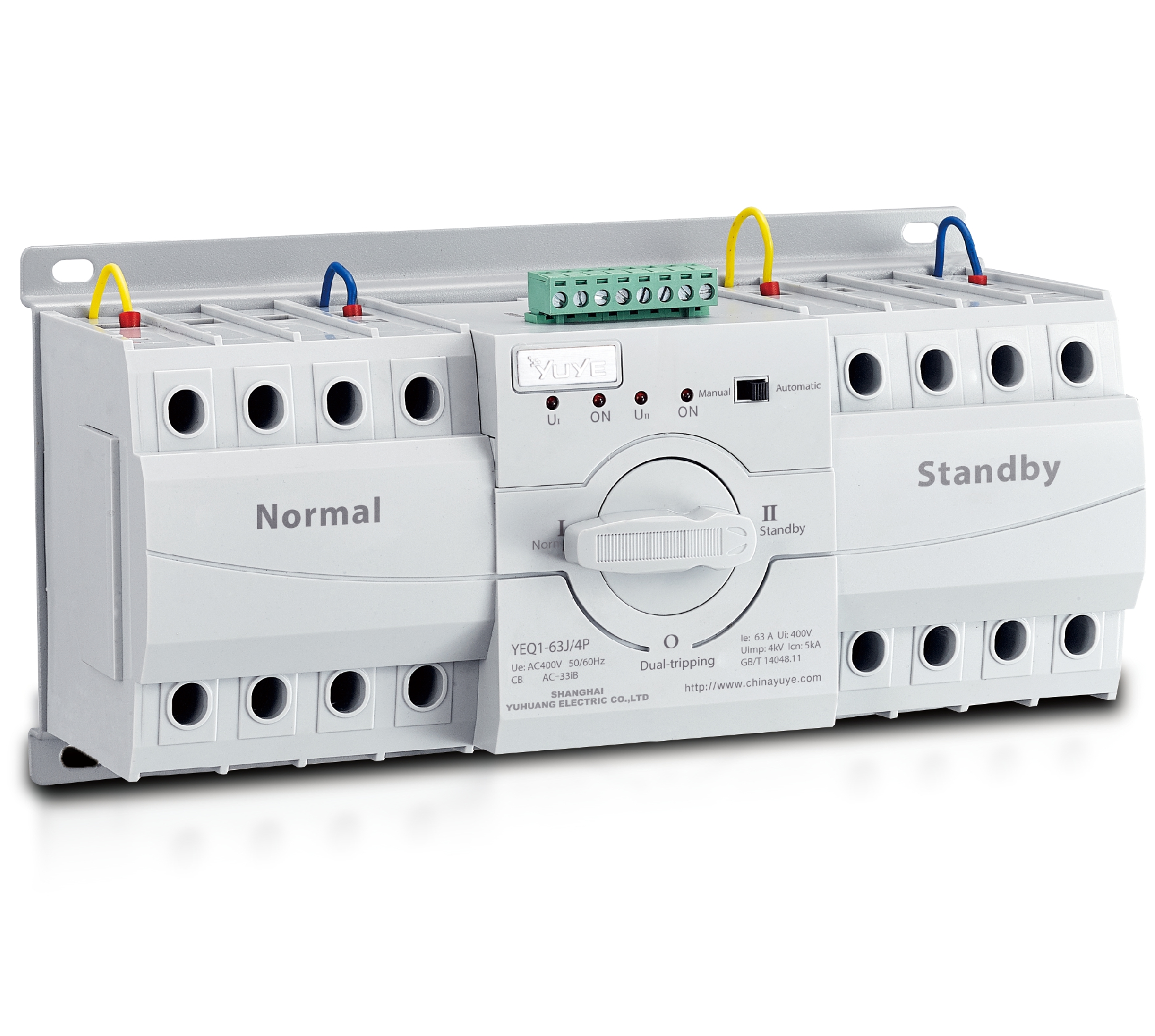 CB ATS YEQ1-63J
 CB ATS YEQ2Y-63
 CB ATS YEQ3-63W1
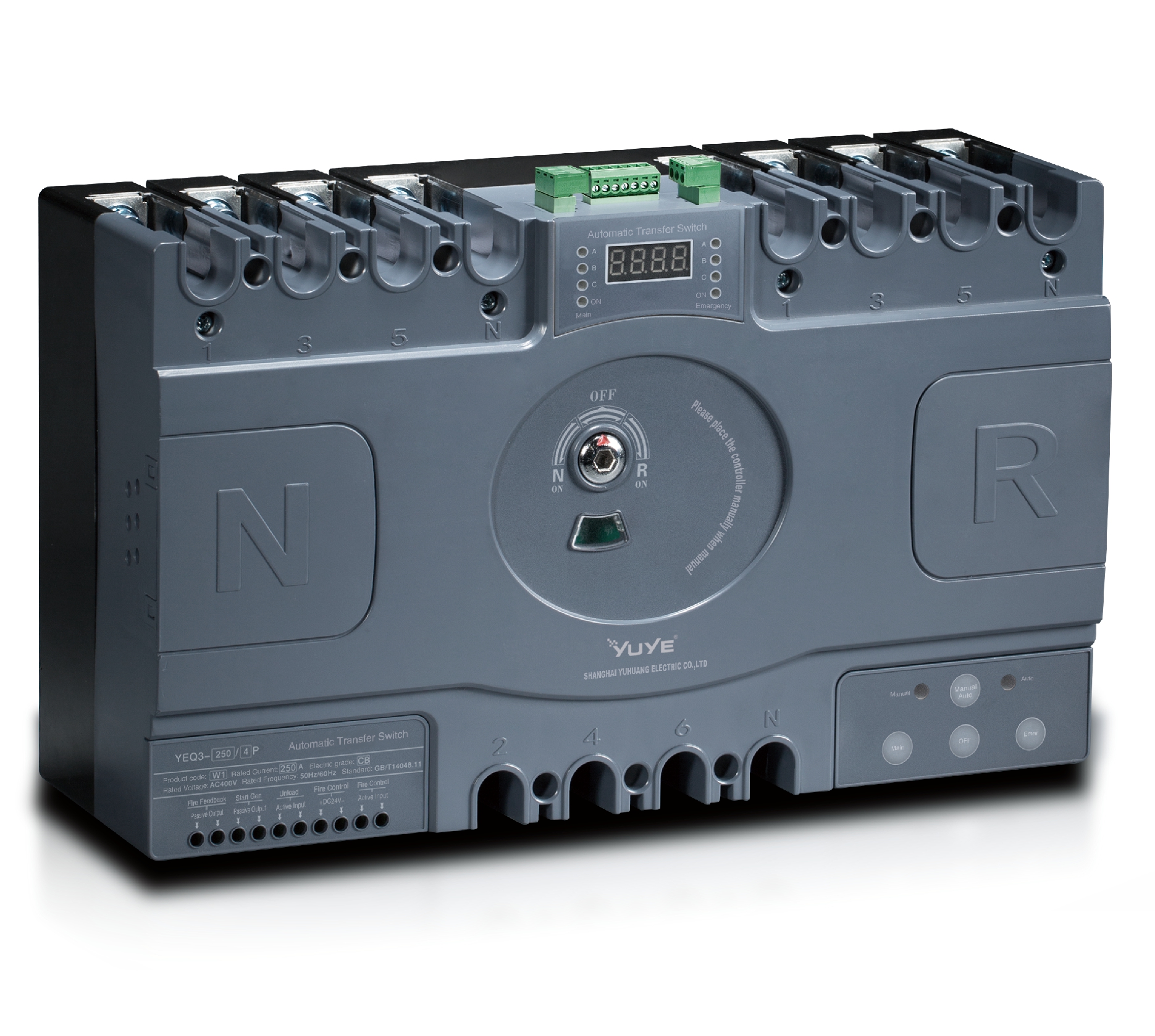 CB ATS YEQ3-125~630W1
 ATS controller Y-700
 ATS Controller Y-700N
 ATS Controller Y-701B
 ATS Controller Y-703N
 ATS Controller Y-800
 ATS Controller W2/W3 Series
 ATS switch Cabinet floor-to-ceiling
 ATS switch cabinet
 JXF-225A power Cbinet
 JXF-800A power Cbinet
 YEM3-125~800 Plastic Shell Type MCCB
 YEM3L-125~630 Leakage Type MCCB
 YEM3Z-125~800 Adjustable Type MCCB
 YEM1-63~1250 Plastic Shell Type MCCB
 YEM1E-100~800 Electronic Type MCCB
 YEM1L-100~630 Leakage Type MCCB
 Miniature circuit breaker YEMA2-6~100
 Miniature circuit breaker YEB1-3~63
 Miniature circuit breaker YEB1LE-3~63
 Miniature circuit breaker YEPN-3~32
 Miniature circuit breaker YEPNLE-3~32
 Miniature circuit breaker YENC-63~125
 Air Circuit Breaker YEW1-2000~6300
 Air Circuit Breaker YEW3-1600
 Load isolation switch YGL-63~3150
 Load Isolation Switch YGL2-63~3150
 YECPS2-45~125 LCD
 YECPS-45~125 Digital
 Manual Changeover Switch YGL-100~630Z1A
 Manual Changeover Switch YGLZ1-100~3150
 CNC Milling/Turning-OEM
 DC relay MDC-300M
 DC Isolation Switch YEGL3D-630


