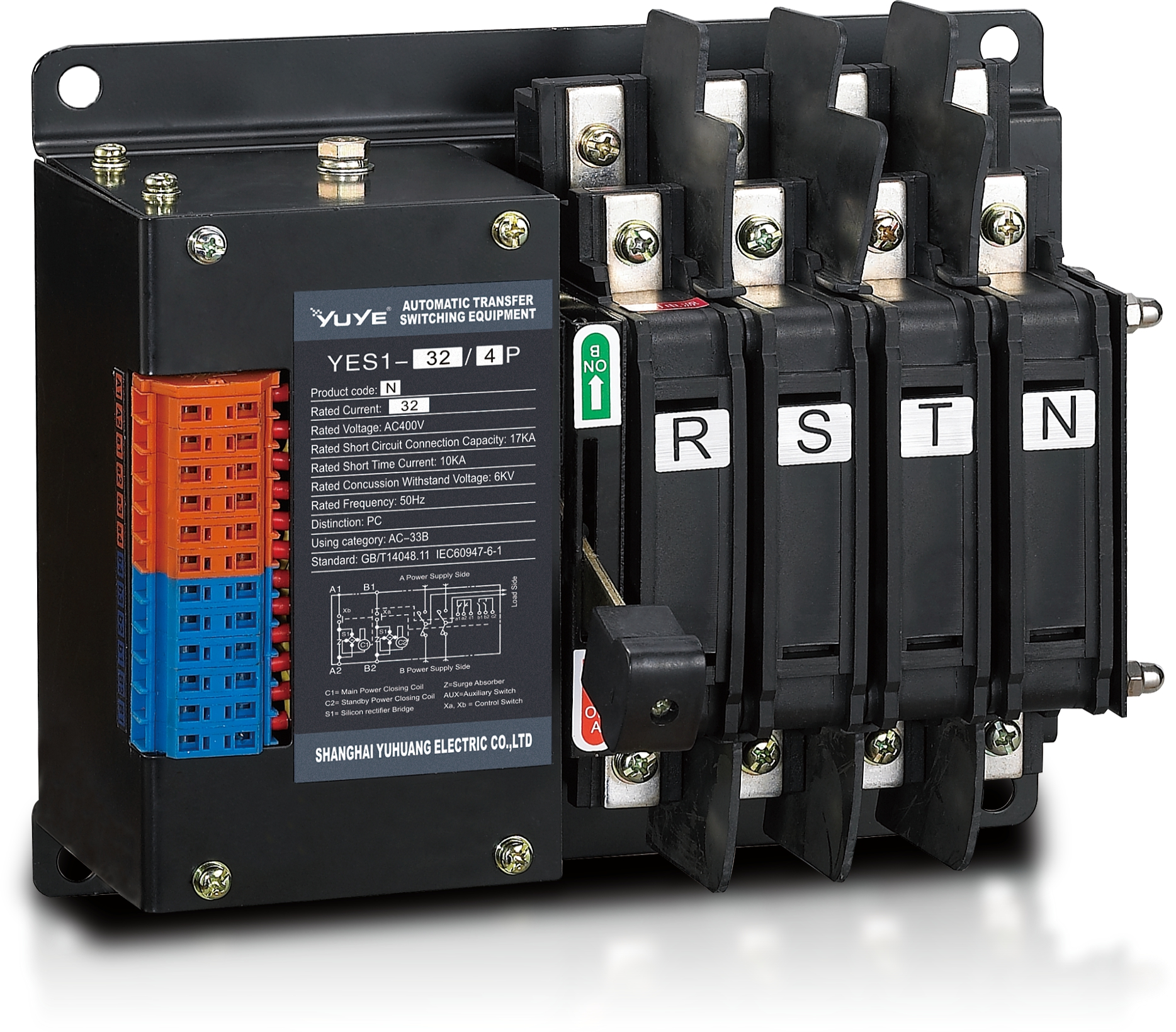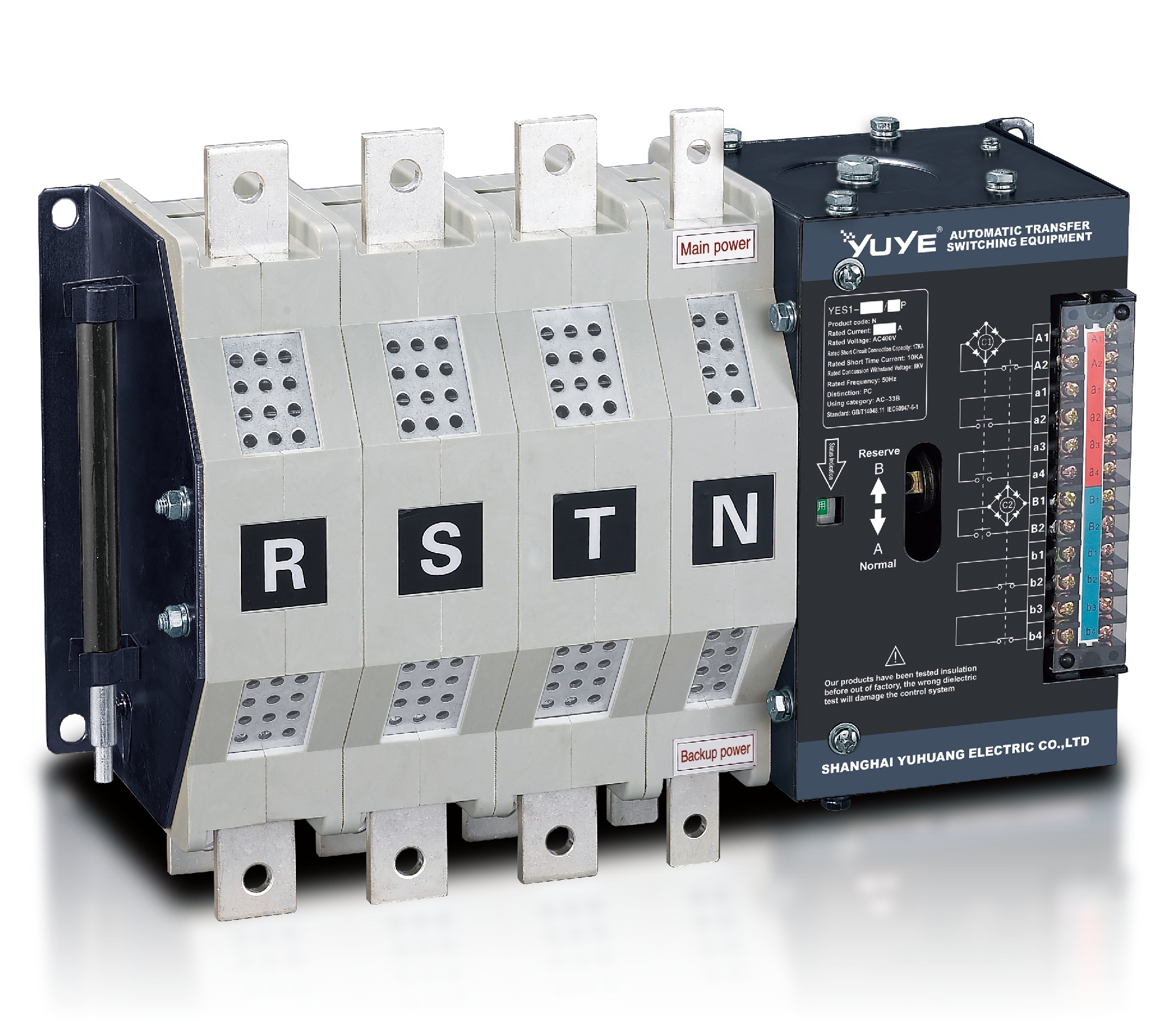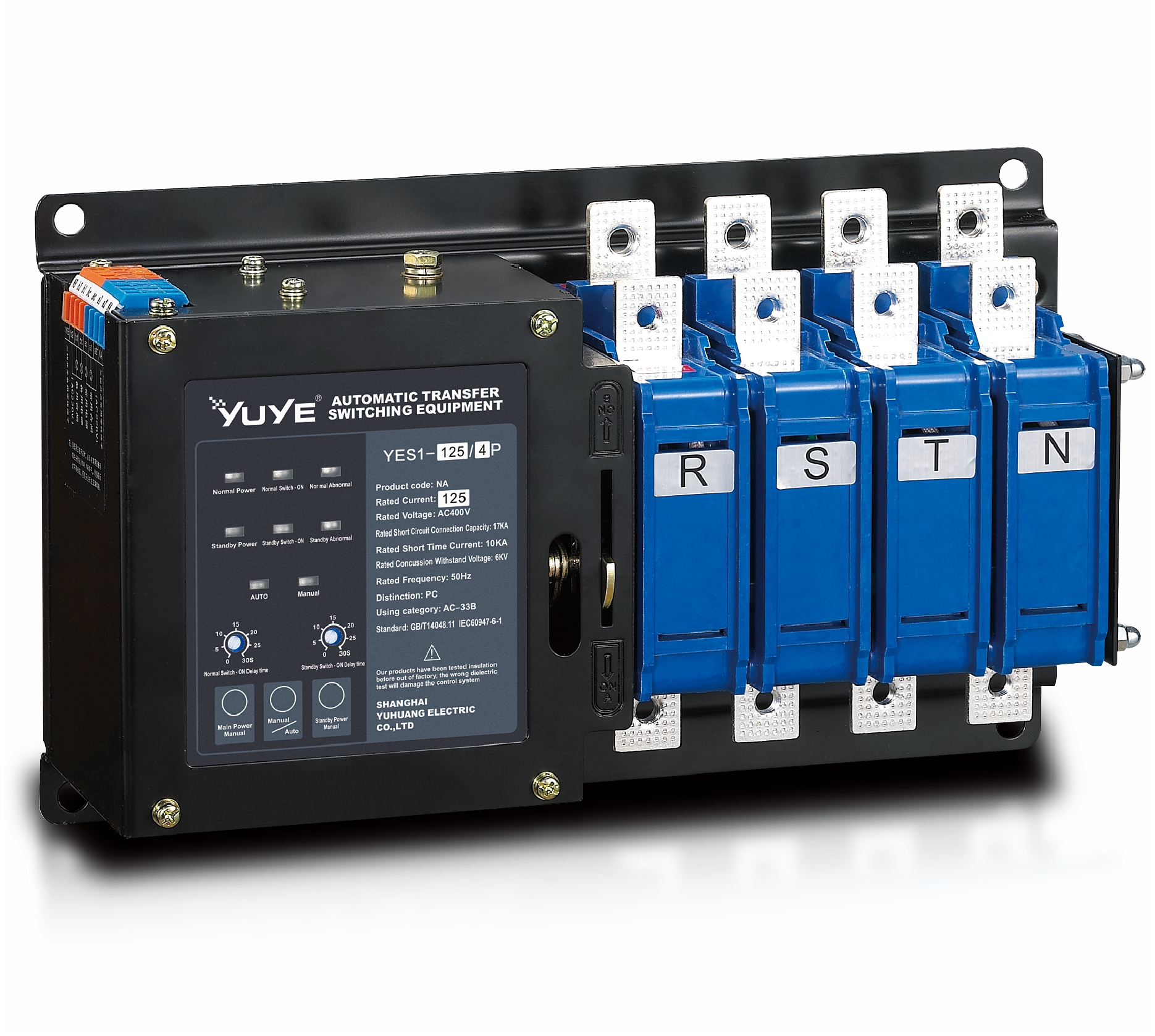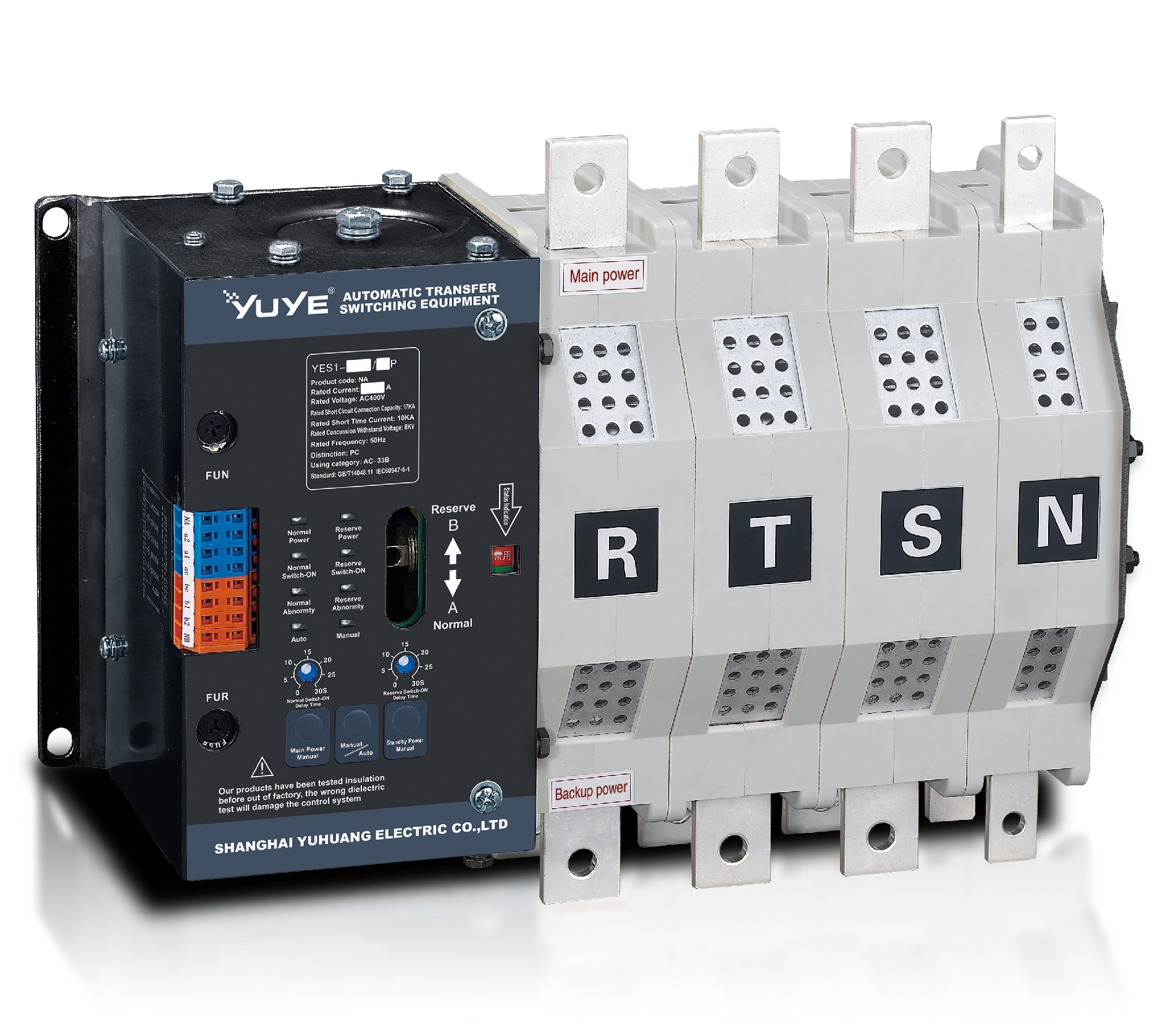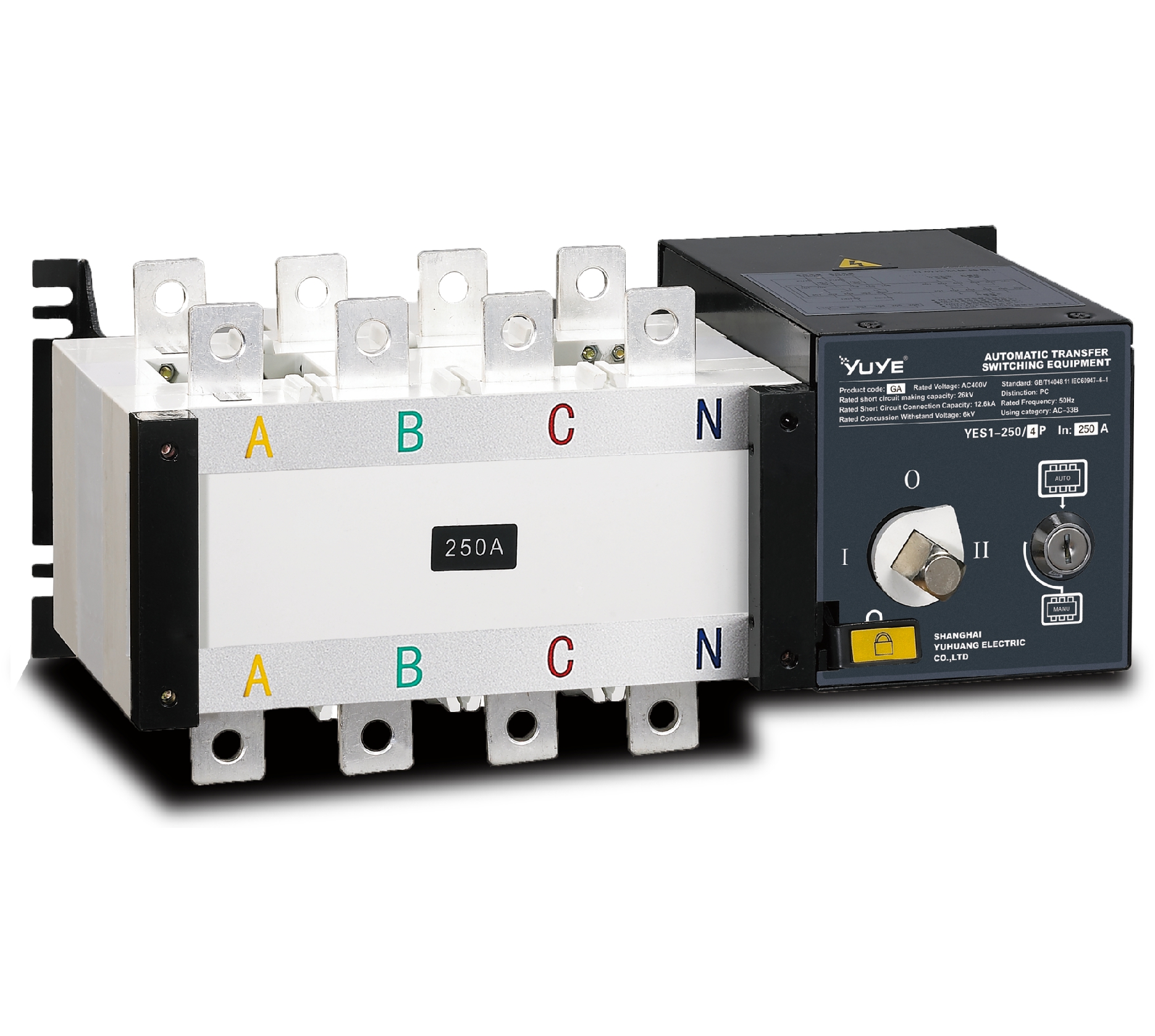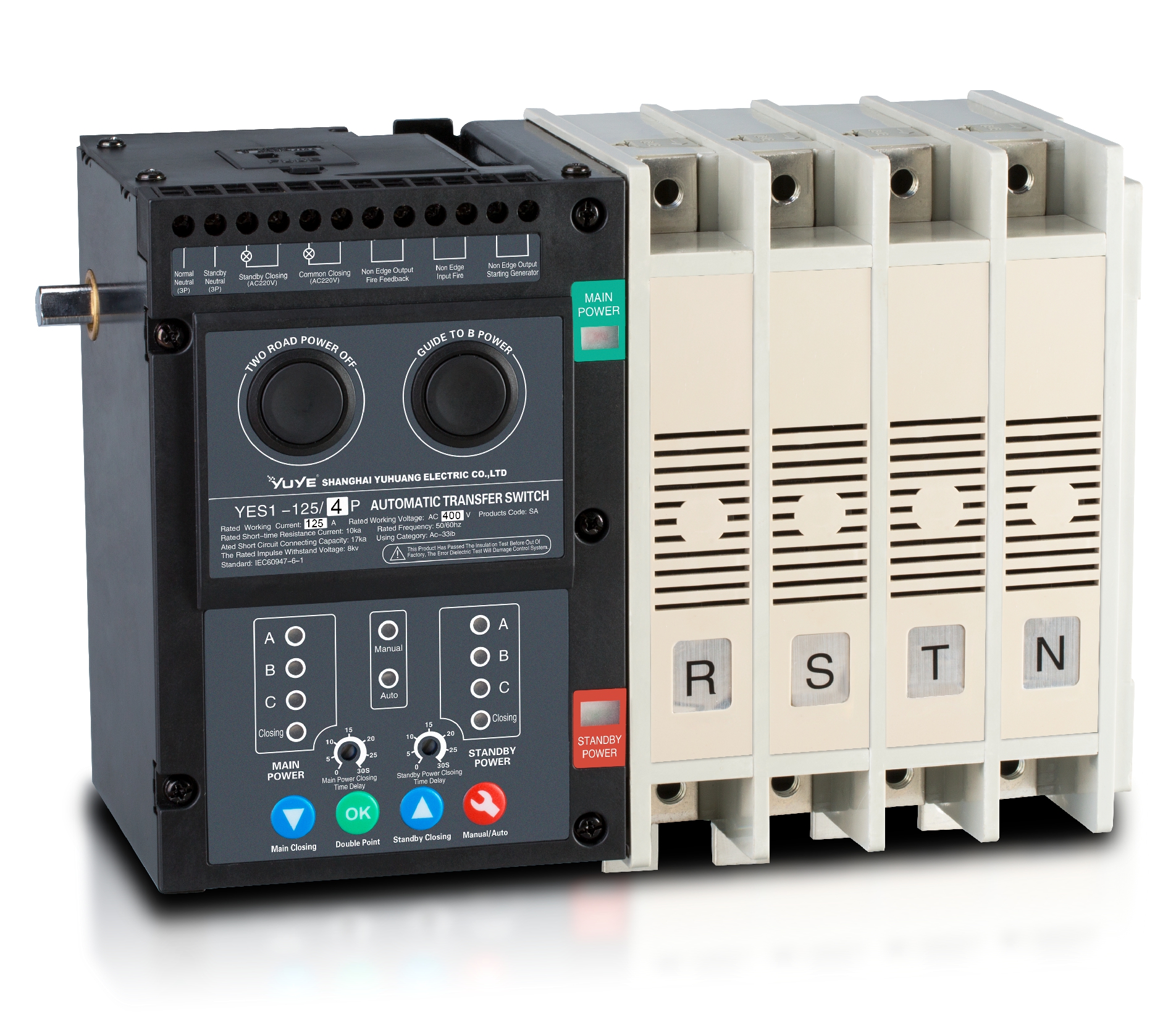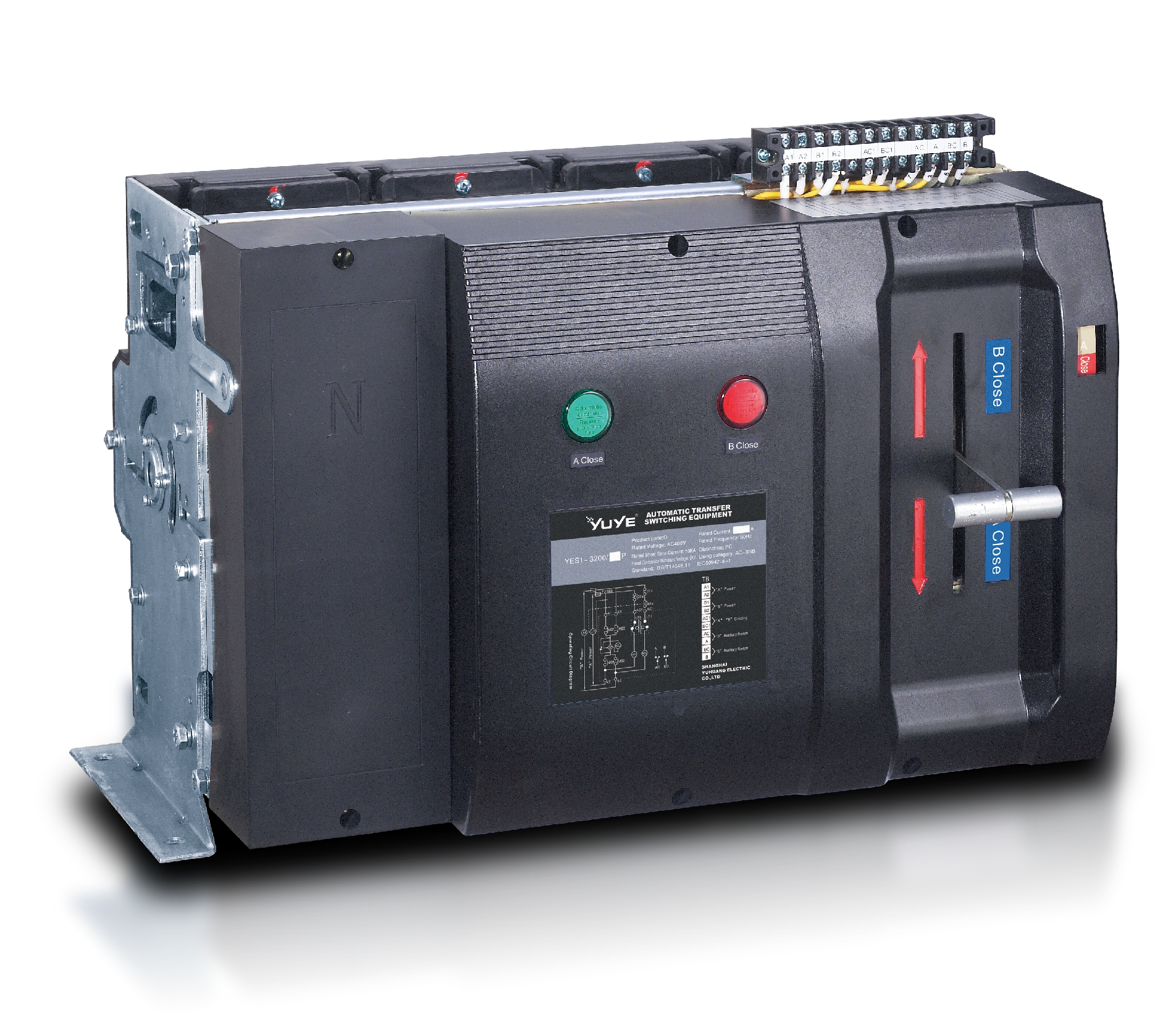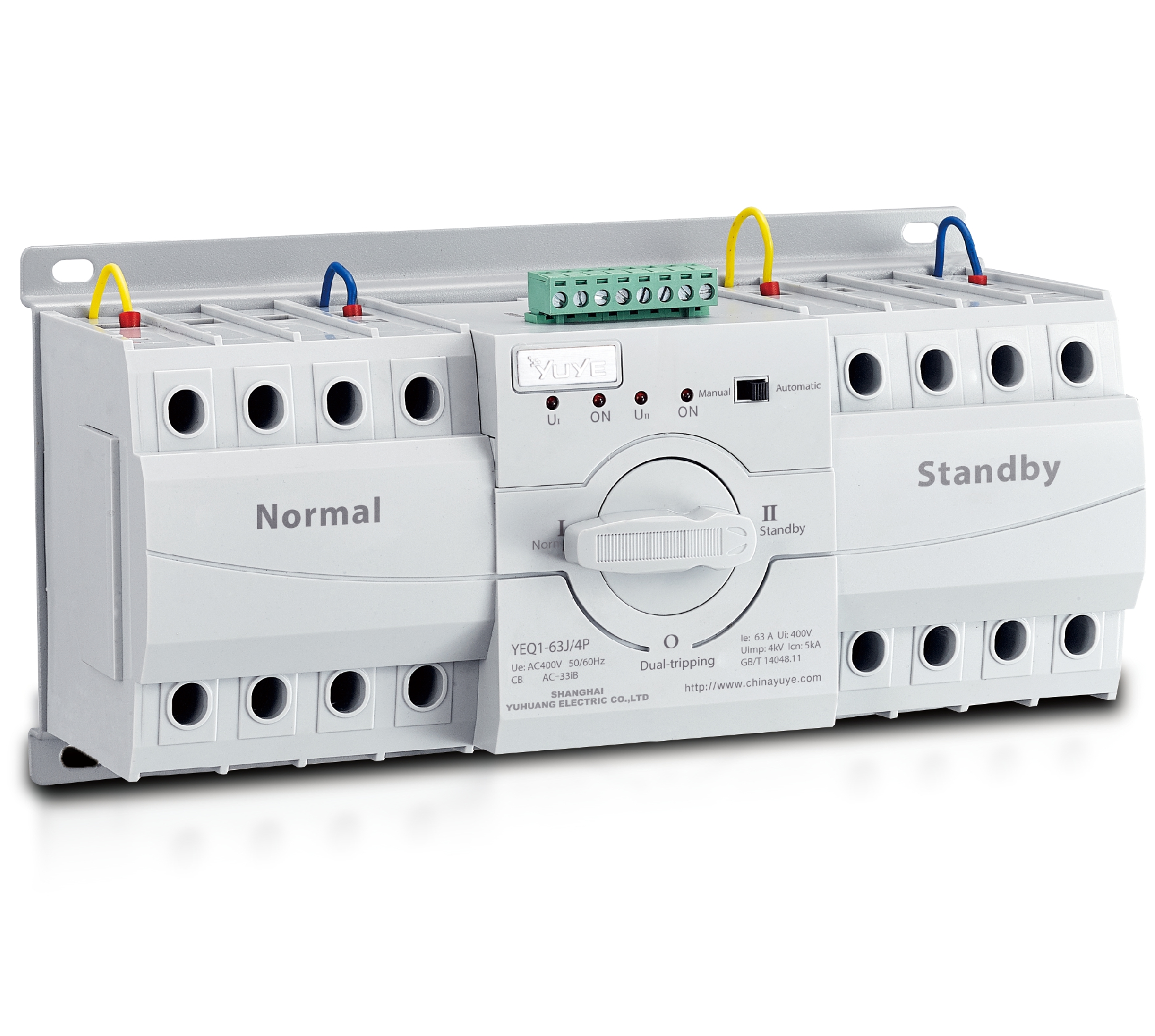
PC ATS YECT1-2000G
PC ATS YES2-63~250GN1
Solenoid-type ATS YES1-32~125N
Solenoid-type ATS YES1-250~630N/NT
Solenoid-type ATS YES1-32~125NA
Solenoid-type ATS YES1-63~630SN
Solenoid-type ATS YES1-1250~4000SN
Solenoid-type ATS YES1-250~630NA/NAT
Solenoid-type ATS YES1-63NJT
PC ATS YES1-100~1600GN1/GN/GNF
PC ATS YES1-2000~3200GN/GNF
PC ATS YES1-100~3200GA1/GA
Solenoid-type ATS YES1-63~630SA
Solenoid-type ATS YES1-63~630L/LA
Solenoid-type ATS YES1-63~630LA3
Solenoid-type ATS YES1-63MA
PC ATS YES1-630~1600M
PC ATS YES1-3200Q
Solenoid-type ATS YES1-4000~6300Q
CB ATS YEQ1-63J
CB ATS YEQ2Y-63
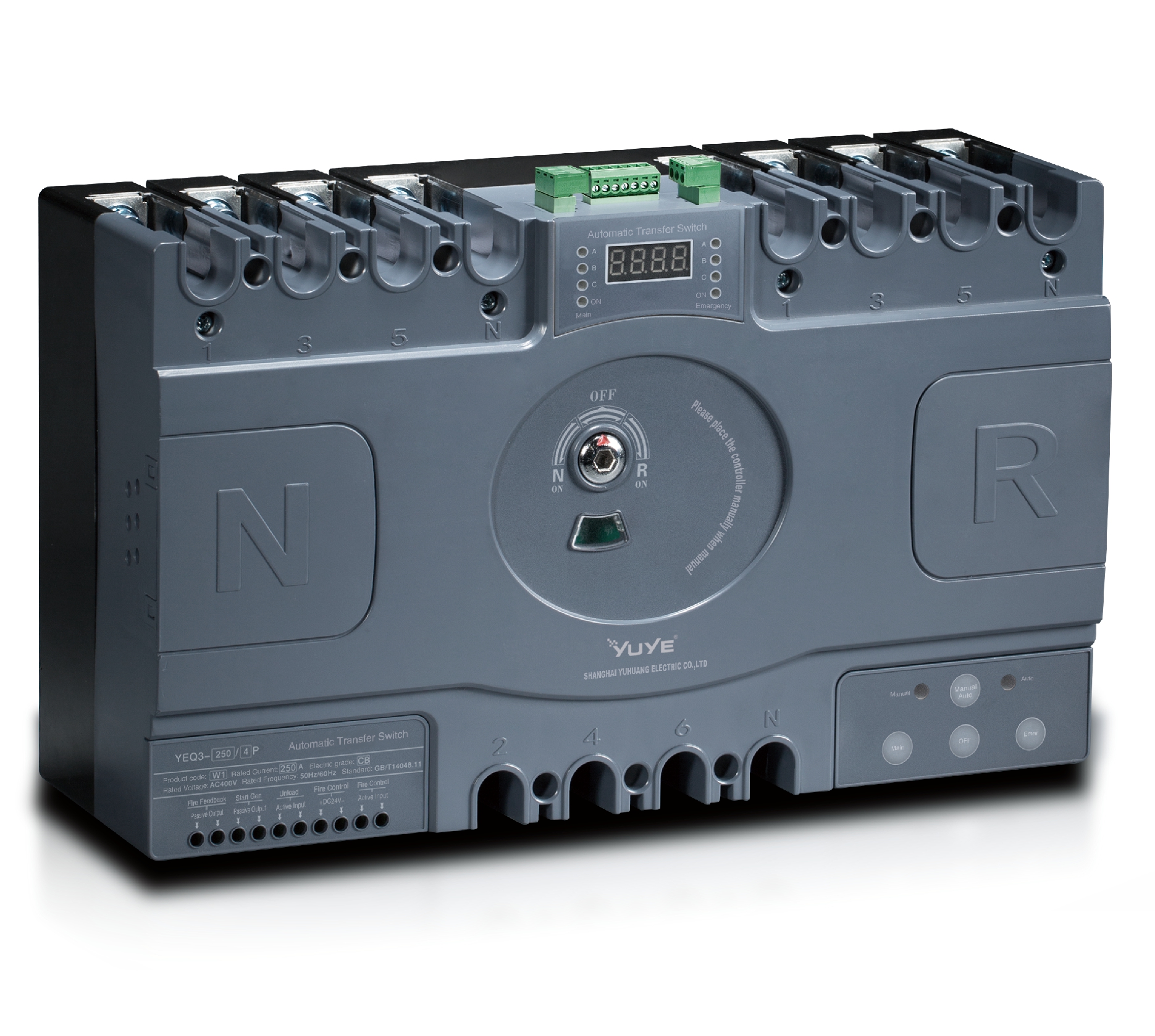
CB ATS YEQ3-63W1
CB ATS YEQ3-125~630W1
ATS controller Y-700
ATS Controller Y-700N
ATS Controller Y-701B
ATS Controller Y-703N
ATS Controller Y-800
ATS Controller W2/W3 Series
ATS switch Cabinet floor-to-ceiling
ATS switch cabinet
JXF-225A power Cbinet
JXF-800A power Cbinet
YEM3-125~800 Plastic Shell Type MCCB
YEM3L-125~630 Leakage Type MCCB
YEM3Z-125~800 Adjustable Type MCCB
YEM1-63~1250 Plastic Shell Type MCCB
YEM1E-100~800 Electronic Type MCCB
YEM1L-100~630 Leakage Type MCCB
Miniature circuit breaker YEMA2-6~100
Miniature circuit breaker YEB1-3~63
Miniature circuit breaker YEB1LE-3~63
Miniature circuit breaker YEPN-3~32
Miniature circuit breaker YEPNLE-3~32
Miniature circuit breaker YENC-63~125When you're dealing with electrical setups, the 100A Automatic Transfer Switch really becomes a go-to part. It’s what keeps the power flowing smoothly when there’s an outage—that switch switches things over without a hitch. But let's be honest, understanding all the ins and outs can feel a bit overwhelming at first. Getting a grip on how it works can actually help you make smarter choices.
Honestly, picking the right 100A Automatic Transfer Switch isn’t always a walk in the park. There’s a ton of different specs and brands out there, and it’s easy to feel lost or unsure if a certain switch will do the job you need. Knowing what features matter most and how reliable each option is can save you a lot of headaches.
That’s exactly what I’m here to do—break down the confusing parts of choosing a 100A Automatic Transfer Switch. With some solid, well-researched insights, I want to help you feel more confident about your decision. We’ll go over common questions, point out some trusted manufacturers, and give you the info you need to find the perfect fit for your setup. By the end of this, you'll be better equipped to pick out something that works just right for you—and hopefully without all the unnecessary stress.
Automatic Transfer Switches (ATS) play a crucial role in power management. They automatically switch power sources during outages, ensuring continuity. This is vital for businesses and homes that rely on constant electricity. When utility power fails, ATS activates backup generators without manual intervention. This process minimizes downtime and prevents data loss.
Understanding ATS components is essential. They include control units, sensors, and circuit breakers. Each part works in tandem, recognizing power interruptions and initiating the switch to backup power. Regular maintenance is important. Neglect can lead to failure when power is needed most. A delayed response can result in significant losses, both financially and operationally.
Choosing the right ATS requires careful consideration. Factors such as load capacity and switching speed must be evaluated. A poorly chosen switch can lead to complications. It’s essential to assess specific power needs. Over-reliance on one type of switch can also be risky. Users should explore options and consult experts to ensure reliability.
Choosing an automatic transfer switch (ATS) can be daunting. Understanding key factors helps make the right decision. First, consider the power rating. This rating ensures the ATS can handle your power needs. It’s important to assess both your current and future requirements. Underestimating power demand may lead to failures.
Another essential factor is the switching speed. This determines how quickly the ATS can switch between power sources. A fast switching time can minimize downtime during an outage. Look for numbers in the milliseconds range when comparing options. Delayed switching can disrupt sensitive equipment.
Tips: Always check the installation requirements. Some switches may need specific wiring or enclosure types, influencing overall costs. Also, reflect on maintenance ease. Choosing a model that’s difficult to maintain could lead to bigger issues later. Regular checks improve reliability. Think about who does the installation. A qualified technician ensures correct setup.
When considering automatic transfer switches (ATS) in 2026, various brands and models emerge as frontrunners. These devices are essential for seamless power transitions during outages. Top brands offer robust designs and reliability. Each model caters to different power needs and requirements. The right ATS can ensure uninterrupted power supply to critical systems.
Installation and maintenance play crucial roles in performance. Selecting a model with easy access for maintenance is essential. Some models require more frequent inspections, which can be cumbersome. Consumers should reflect on their specific power needs. Not every model suits every application, so careful consideration is vital.
Consumer reviews often highlight both strengths and weaknesses of different models. Some may experience delays in switching, while others impress with speed. Understanding user experiences can guide better purchasing decisions. Choosing an ATS requires balancing features, reliability, and cost. It’s a decision that impacts safety and efficiency in any power-dependent environment.
When it comes to installing automatic transfer switches (ATS), following best practices is crucial for success. Studies indicate that improper installation can lead to failures. In fact, a report highlights that about 30% of ATS failures are due to installation errors. Ensuring a clear understanding of electrical systems is vital for technicians. Using equipment suited for specific power requirements is just as important.
The installation process requires careful planning. Start by assessing the power needs. Each site has distinct requirements. It’s essential to verify compatibility with the existing electrical infrastructure. A thrilling aspect of ATS installation is the real-time testing phase. This practical test can reveal potential problems. Regular maintenance checks should also be scheduled to avoid unexpected failures.
Attention to detail during the wiring phase can’t be overstated. Incorrect connections can lead to safety hazards. Regular training for technicians on installation procedures can reduce mistakes. Awareness of local codes and standards further supports reliable installation. Moreover, documentation of the installation process helps in future inspections. Keeping a detailed log can contribute to ongoing reliability and safety of the system.
Automatic Transfer Switches (ATS) play a crucial role in maintaining power supply during outages. Regular maintenance ensures these systems function optimally. Over time, dust and debris can accumulate. This can lead to overheating or malfunctions. Schedule periodic inspections to identify issues early.
Keep connections tight and free from corrosion. Loose wires can cause failures during a power transition. Don’t overlook the wear and tear on components. Replace worn-out parts promptly to avoid unexpected downtime. Regular testing under load conditions is essential. It shows how the ATS responds in real-world scenarios.
Documentation can be handy. Maintain logs of maintenance activities and issues encountered. Reviewing these records helps identify patterns. You'll spot potential problems before they escalate. ATS maintenance requires diligence. Skipping routine checks may lead to bigger, costlier issues later. Prioritize these tasks to ensure reliability.
Automatic Transfer Switches (ATS) play an essential role in maintaining power during outages. However, they can face several common issues. Regular maintenance is crucial to ensure optimal performance. Which signs indicate problems?
One common issue is failure to switch to the backup power source. This can often be due to low battery voltage or incorrect settings. Inspect your battery connections and settings regularly. If you notice flickering lights or an alarm, it may signal a fault in the ATS. Don't ignore these warnings.
Tips: Always check that your ATS is properly calibrated. Calibration ensures it responds appropriately to power interruptions. If you're uncertain about the calibration process, consult the manual or reach a professional. A poorly calibrated switch might not function when needed.
Another potential concern is the wear and tear of mechanical components. Dust accumulation and oxidation can affect the switch's movement. Inspect it periodically for signs of damage. Cleaning and removing dust can extend its lifespan.
Tips: Schedule regular inspections to catch wear early. Make a checklist to ensure no detail is missed during these checks. If you’re not comfortable performing maintenance, don’t hesitate to contact a qualified technician.
In 2026, the cost of Automatic Transfer Switches (ATS) is expected to show significant variations. Market analysis indicates that prices may range from $1,500 to over $10,000, depending on the type and capacity. Factors influencing costs include installation complexity, the switch's rating, and additional features like remote monitoring. Reports suggest that ATS systems could see a price increase of approximately 5-7% due to supply chain challenges.
Budgeting for an ATS requires careful consideration. A report by industry experts notes that operational costs are often overlooked. Maintenance can add an average of $200 to $600 annually. It is essential for buyers to factor in these ongoing costs when creating a budget. This can help avoid unexpected financial burdens in the long run.
**Tip:** Always assess your power needs accurately. Oversizing can lead to unnecessary expenses.
With technology evolving, newer models with better efficiencies enter the market. However, these advances come at a premium. While more expensive, they promise lower energy costs and improved reliability. Buyers should evaluate the long-term benefits against initial investments.
**Tip:** Seek multiple quotes from suppliers. This can reveal price fluctuations and help negotiate better deals.
utomatic Transfer Switch (ATS)?
Neglecting maintenance can lead to failures, especially during power outages, causing financial and operational losses.
Consider power rating, load capacity, and switching speed. These factors ensure the ATS meets power needs effectively.
A faster switching speed minimizes downtime, which is crucial for sensitive equipment during power interruptions.
Improper installation can be significant. About 30% of ATS failures result from installation errors.
Regular training helps reduce mistakes and ensures adherence to local codes and standards during installation.
Regular checks can prevent unexpected failures and ensure reliability over time.
Attention to detail is critical. Incorrect wiring can lead to safety hazards and system failures.
Evaluating both current and future power demands is crucial. Underestimating needs may lead to complications later.
Real-time testing helps identify potential issues early, ensuring a more reliable power management system.
The "2026 Top 100A Automatic Transfer Switch Guide for Buyers" provides a comprehensive overview of automatic transfer switches (ATS) and their critical role in ensuring uninterrupted power supply during outages. Key factors such as load capacity, response time, and switching technology are essential when selecting a 100A Automatic Transfer Switch. The guide also highlights best practices for installation, emphasizing the importance of professional expertise to ensure safety and efficiency.
Maintenance tips are included to help users achieve optimal performance, while troubleshooting advice addresses common issues that may arise with ATS operation. Finally, the cost analysis section aids buyers in budgeting for a reliable 100A Automatic Transfer Switch, ensuring they make informed decisions tailored to their specific needs in 2026.