As we look ahead to 2026, it’s pretty clear that Electrical Automatic Transfer Switches, or EATS, are more important than ever. According to the International Energy Agency, the demand for reliable power solutions is expected to jump by about 15% — which makes sense when you consider how much energy consumption is increasing and how critical it’s become to keep power running smoothly, especially in places like hospitals and data centers where downtime just isn’t an option.
Things are definitely changing fast, and businesses really need to stay on top of the latest trends in EATS technology. Big players like Schneider Electric and Siemens are pouring a lot of resources into smarter, more connected systems. We’re talking about IoT integration and predictive maintenance — stuff that’s really starting to shake up the industry. But here’s the thing: companies need to take a good, hard look at their current setups. Not all old systems will cut it anymore, and relying on outdated equipment can actually cost a fortune in downtime.
Upgrading to modern EATS solutions isn’t just about keeping up; it’s about boosting efficiency and reliability too. A 2023 report on power systems pointed out that around 80% of facilities have run into issues with older transfer switches. Picking the right system isn’t always straightforward — every operation has its own quirks and needs. Bottom line? If you want to stay competitive in this ever-changing energy world, understanding these trends and making smart choices about your power infrastructure is absolutely essential.

Overview of Electrical Automatic Transfer Switches
Electrical Automatic Transfer Switches (ATS) play a crucial role in ensuring power reliability during outages.
These devices switch the load between the primary power source and a backup source, typically a generator. When the main supply fails,
the ATS detects it and automatically switches over to the backup. This uninterrupted power supply is vital for critical infrastructure such as
hospitals, data centers, and emergency services.
In recent years, advancements in technology have enhanced the efficiency and functionality of ATS. Smart ATS systems now offer
real-time monitoring and remote control capabilities. This allows operators to track performance and make informed
decisions quickly. However, despite these advancements, installation and maintenance remain challenging for many facilities. Proper training is essential for staff to understand the equipment fully.
Regular testing and servicing are also critical to prevent unexpected failures.
While the automatic operation of ATS seems seamless, it's essential to consider the occasional imperfections in these systems. Issues like
false alarms or failed switches can occur. These shortcomings remind us to stay vigilant. An effective maintenance plan can help address these concerns,
ensuring reliable operation when it matters most. Preparing for potential hiccups fosters a proactive approach to power management.
Key Trends in Electrical Automatic Transfer Switch Technology for 2026
In 2026, the landscape of electrical automatic transfer switches (ATS) is evolving. Innovations in technology focus on enhancing reliability and efficiency. Smart ATS systems are gaining traction, allowing for real-time monitoring and automation. These systems use IoT connectivity to improve response times during power outages. Users can expect smoother transitions between power sources, minimizing downtime.
Another significant trend is the integration of renewable energy sources. As sustainability becomes a priority, ATS systems are adapting. They now support seamless integration with solar panels and wind turbines. This shift not only promotes green energy but can also reduce operational costs. However, the transition might not be without challenges. There could be issues with compatibility and performance during the integration.
Cybersecurity is another critical focus for ATS systems. With increased connectivity comes the risk of cyber threats. Engineers must ensure that these systems are fortified against hacking attempts. Regular updates and maintenance are necessary to safeguard operations. Users need to be proactive, continuously assessing their systems for vulnerabilities. This ongoing vigilance can reveal areas for improvement in ATS technology.
Factors Driving the Adoption of Advanced Transfer Switch Solutions
The adoption of advanced electrical automatic transfer switches (ATS) is shaped by several key factors. Major among these is the growing emphasis on reliability and efficiency. According to a recent market analysis, the global ATS market is projected to reach $2.2 billion by 2026. This surge reflects rising demand in sectors like healthcare and telecommunications, where uninterrupted power supply is critical.
Another driving force is the shift towards smart technologies. Many organizations are investing in ATS that integrate with building management systems. These smart solutions can monitor power loads and detect faults in real-time. This capability not only enhances operational efficiency but also minimizes downtime. A recent study found that facilities using advanced ATS can experience a 30% reduction in power-related disruptions.
However, challenges remain. The integration of these advanced systems can be complex and costly. Some organizations may hesitate, weighing upfront investments against potential long-term savings. Additionally, skilled labor shortages can hinder effective implementation and maintenance. Understanding these dynamics is essential for businesses considering an upgrade to their power systems.
Best Practices for Selecting the Right Automatic Transfer Switch
When selecting an automatic transfer switch (ATS), it's crucial to consider specific factors. An effective ATS ensures a seamless power transition during outages. According to a recent report by the Electric Power Research Institute, 90% of commercial facilities experience outages at least once a year. The implications of such outages can be significant, leading to downtime and financial losses.
One key aspect is load rating. The ATS must match your facility's power requirements. Oversizing or undersizing can compromise performance and efficiency. Additionally, the switch must comply with the National Electrical Code, ensuring safe and reliable operation. A study by the National Institute of Standards and Technology highlights that improper installation leads to 30% of ATS failures. This statistic emphasizes the need for professional installation and adherence to best practices.
Regular maintenance is another vital consideration. Many facilities neglect this, which can lead to unexpected failures during critical times. The reliability of power systems is not just about having the right equipment; it also depends on regular checks and routine servicing. These practices significantly extend the life of the ATS and improve operational resilience. Investing time in understanding these aspects leads to better decision-making and enhanced reliability.
2026 Top Electrical Automatic Transfer Switch Trends
This chart displays the top trends and tips in selecting an Automatic Transfer Switch in 2026, including market share by type, yearly growth rate, installation preferences, and user satisfaction. These metrics provide a comprehensive view of the current and future landscape of ATSS technology.
Maintenance Tips for Maximizing Automatic Transfer Switch Lifespan
Automatic Transfer Switches (ATS) are critical for ensuring continuous power supply during outages. Maintaining these systems is essential for longevity and reliability. Regular maintenance can significantly reduce the risks of unexpected failures. Studies show that a well-maintained ATS can last over 20 years, while neglect can shorten its lifespan by nearly half.
One key tip for maintenance is routine inspection. Check for wear and tear on connections and components. A visual inspection can catch issues like corrosion early on. Dirt and debris can hinder performance. Keeping the ATS clean is vital. Follow the manufacturer's guidelines for specific cleaning techniques to avoid damage.
Testing the ATS regularly is another important step. Load testing can reveal if the system performs adequately under stress. Experts recommend conducting tests at least twice a year. Monitor the results closely. Small issues can be indicative of larger problems. Address them promptly to prevent costly repairs later. Regular maintenance not only prolongs the ATS lifespan but also ensures reliable performance during critical moments.
2026 Top Electrical Automatic Transfer Switch Trends and Tips
| Trend/Tip |
Description |
Expected Impact |
Maintenance Tip |
| Smart Technology Integration |
Integrating IoT and smart controls for remote monitoring. |
Enhanced reliability and quicker response times. |
Perform regular software updates to keep systems efficient. |
| Sustainability Focus |
Using eco-friendly materials and energy-efficient designs. |
Reduction in energy costs and environmental impact. |
Schedule regular checks to ensure optimal performance and reduce energy waste. |
| Increased Safety Features |
Enhanced circuit protection and overload resistance. |
Minimizes risk of hazards and equipment damage. |
Inspect safety features regularly and replace worn components timely. |
| Modular Designs |
Flexible designs that allow easy upgrades and scalability. |
Improved adaptability to changing power needs. |
Regularly assess power needs and upgrade components as necessary. |
| Training and Certification |
Emphasis on skilled technicians for installation and maintenance. |
Increased reliability and safety compliance. |
Encourage continuous training and refreshers on equipment. |
Future Innovations in Automatic Transfer Switch Design and Functionality
The future of automatic transfer switch (ATS) design is promising. Innovations focus on smart technology integration. Real-time monitoring features are increasingly prevalent. These capabilities allow users to track the performance of their systems remotely. According to industry reports, the global market for ATS is expected to reach $3.28 billion by 2026. This growth reflects the demand for reliable power solutions.
The functionality of ATS is evolving with advanced sensors and automation. New designs are more compact and efficient. They can handle a wider range of voltage and current levels. Some models now support renewable energy sources, which enhances their versatility.
However, challenges still exist. Not all systems can smoothly integrate with renewable technologies. There is also the risk of cybersecurity threats as devices become smarter.
Data from the National Electrical Manufacturers Association indicates that performance efficiency is critical.
Consumers increasingly seek high-efficiency solutions. This shift necessitates continuous innovation in design and materials. As companies push for advancements, balancing innovation and reliability will be essential. Recent surveys reveal that 40% of end-users report difficulties in adapting to new technology. These insights highlight the need for ongoing education and support in the industry.
Regulatory Considerations Affecting Automatic Transfer Switches in 2026
As we look ahead to 2026, regulatory considerations surrounding automatic transfer switches (ATS) will play a pivotal role in their development and implementation. Changes in energy policies, safety standards, and environmental regulations are likely to shape industry practices. Adhering to updated standards ensures not only compliance but also the reliability of energy systems. Ensuring that ATS units meet baseline certifications will be crucial for manufacturers aiming for market acceptance.
Additionally, the growing emphasis on sustainability encourages innovation in ATS technology. Regulatory bodies may favor devices that promote energy efficiency, reducing reliance on non-renewable sources. This shift may lead to a need for constant updates in ATS designs and features. It's essential for professionals in the field to stay informed about evolving regulations and adapt their solutions accordingly.
However, navigating the regulatory landscape can be daunting. Some companies may find it challenging to keep pace with rapidly changing standards. This misalignment could lead to non-compliance issues or even product recalls. Engaging with industry experts and regular training can help firms mitigate these risks. A proactive approach to compliance will not only enhance product quality but also build trust with customers and stakeholders.
Enhancing Safety and Efficiency in Electrical Systems: Insights from Recent Reports on DC Isolation Switches, Featuring YEGL3D-630
In the realm of electrical systems, safety and efficiency are paramount, particularly in high-voltage environments where DC isolation switches play a critical role. The YEGL3D-630 model emerges as a robust solution, designed to meet the demands of various applications with its impressive specifications. This model supports a versatile range of rated currents from 80A to 630A and is built to operate effectively at DC voltages of either 1000V or 1500V, making it suitable for diverse operational settings.
Safety is further reinforced by the YEGL3D-630's rated insulation voltage of 2000V and an impressive rated impulse withstand voltage of 12kV, which ensures protection against voltage surges. With a mechanical life capable of up to 10,000 forward rotations, this switch demonstrates exceptional durability, while its electrical life for frame currents exceeding 315A maintains reliability with a lifespan of 400 cycles. These attributes not only enhance the operational safety but also improve the efficiency of electrical systems, allowing for uninterrupted power delivery and minimizing the risk of disruptions in service. Overall, the YEGL3D-630 model exemplifies the latest insights in electrical safety and efficiency, setting a new standard for DC isolation switches.
FAQS
: Technologies focus on reliability and efficiency. Smart systems offer real-time monitoring and automation.
They use IoT connectivity to enhance response times during outages. This minimizes downtime significantly.
ATS systems now integrate with solar panels and wind turbines. This supports sustainability and may lower operational costs.
Yes, challenges can include compatibility and performance issues during integration. Not all systems handle it well.
Increased connectivity raises the risk of cyber threats. Protecting ATS systems from hacking is crucial for safe operations.
Routine inspections and cleaning are vital. Testing performance regularly can identify small issues before they escalate.
Experts suggest testing at least twice a year. Monitoring results closely can catch potential failures early.
Future designs will include advanced sensors and automation. Compact models can handle a broader range of voltage now.
Surveys show that 40% of users experience difficulties. Ongoing education is essential for smooth transitions to new tech.
Well-maintained ATS can last over 20 years. Neglect can reduce its lifespan by nearly half, causing reliability issues.
Conclusion
The article "2026 Top Electrical Automatic Transfer Switch Trends and Tips" provides a comprehensive overview of the advancements in Electrical Automatic Transfer Switch technology anticipated by 2026. It highlights key trends, such as increased automation and enhanced connectivity features, which are driving the adoption of these systems in various sectors. The discussion also emphasizes best practices for selecting the right transfer switch, taking into account factors like load requirements and operational reliability.
In addition, the article outlines vital maintenance tips to ensure the longevity and efficiency of Electrical Automatic Transfer Switches, including routine inspections and testing protocols. Future innovations are explored, focusing on design and functionality improvements, while regulatory considerations that may impact compliance and performance in 2026 are also addressed. This summary encapsulates the essential elements that will shape the future landscape of Electrical Automatic Transfer Switch technology.

 PC ATS YECT1-2000G
 PC ATS YES2-63~250GN1
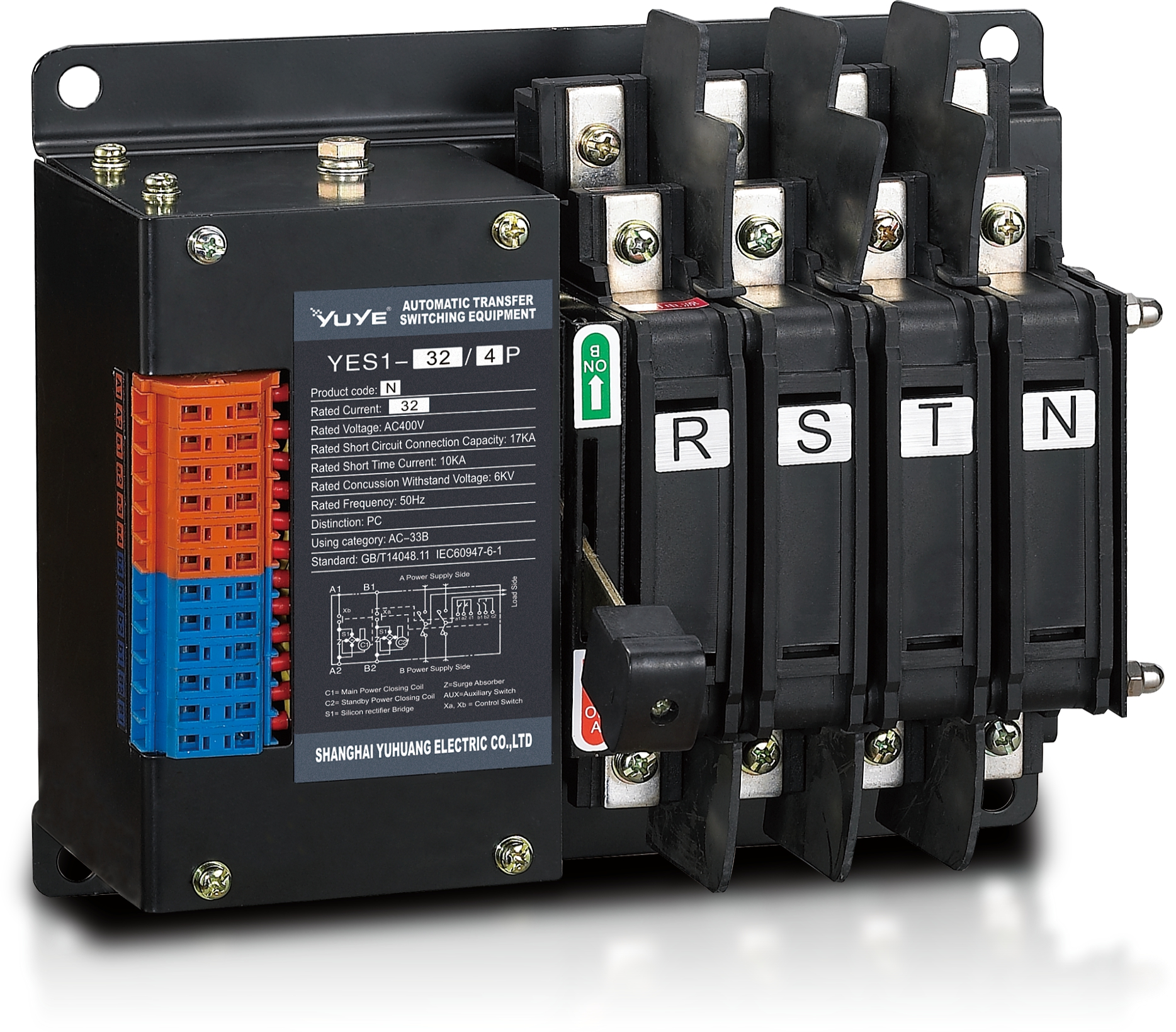 Solenoid-type ATS YES1-32~125N
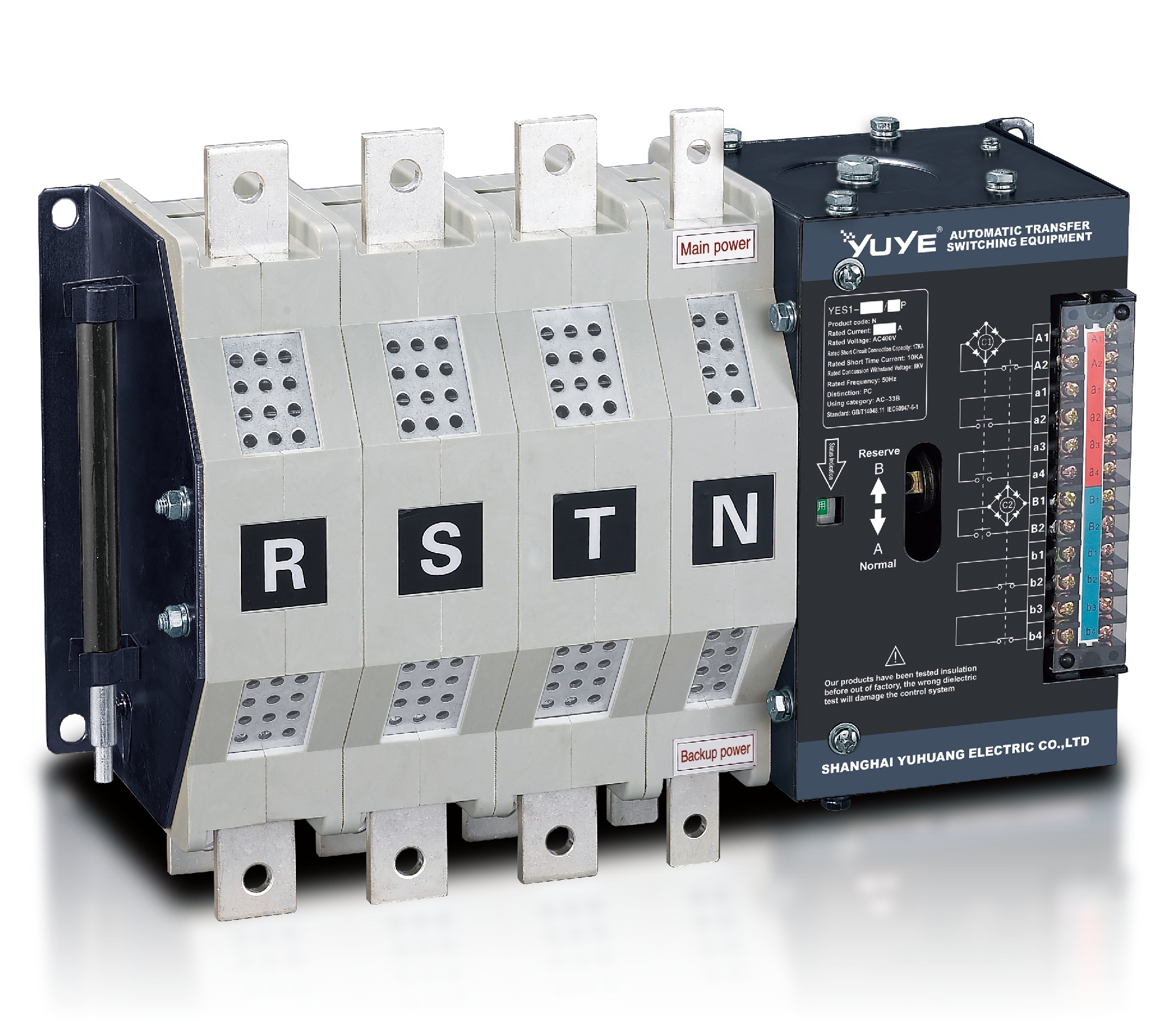 Solenoid-type ATS YES1-250~630N/NT
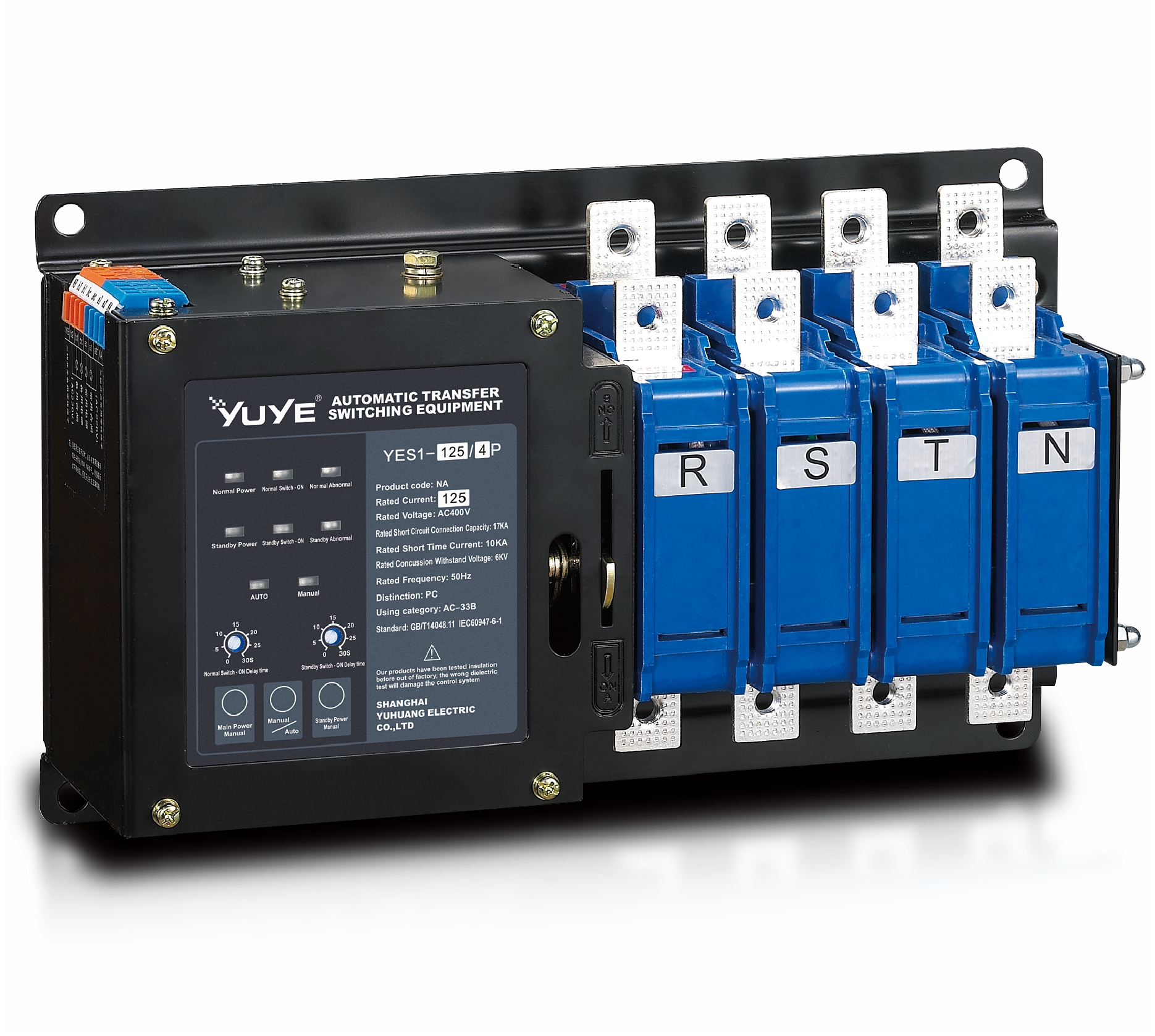 Solenoid-type ATS YES1-32~125NA
 Solenoid-type ATS YES1-63~630SN
 Solenoid-type ATS YES1-1250~4000SN
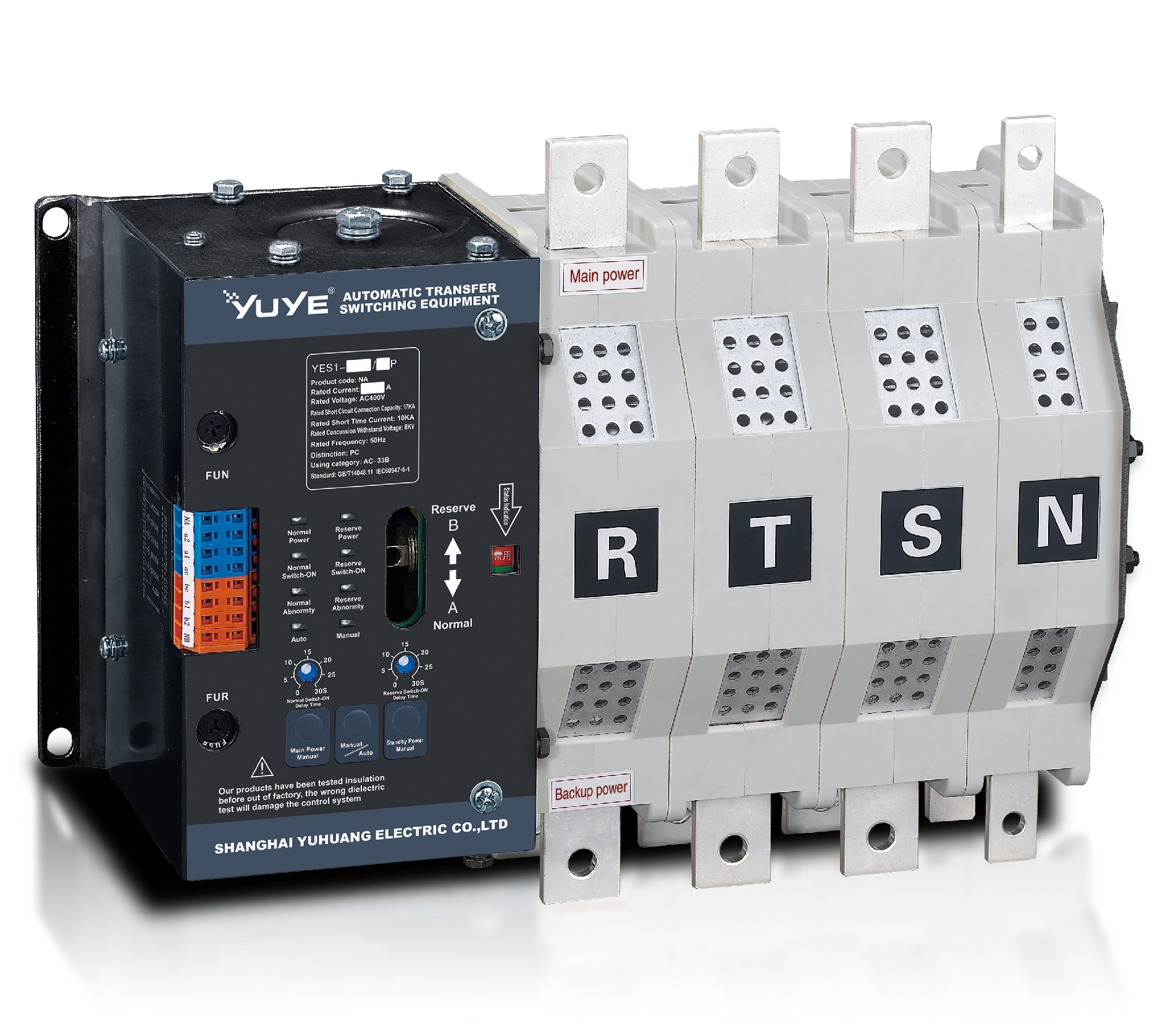 Solenoid-type ATS YES1-250~630NA/NAT
 Solenoid-type ATS YES1-63NJT
 PC ATS YES1-100~1600GN1/GN/GNF
 PC ATS YES1-2000~3200GN/GNF
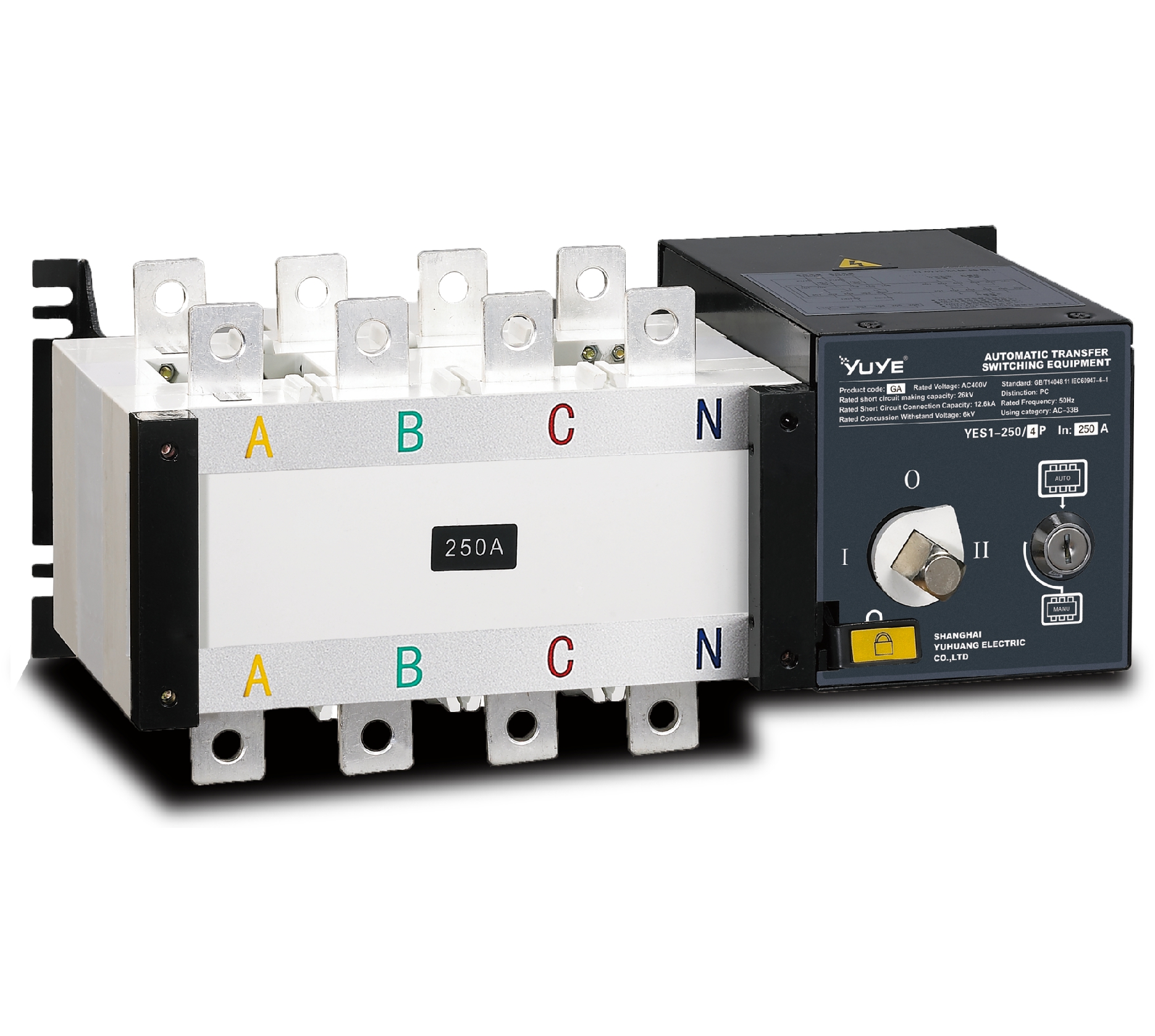 PC ATS YES1-100~3200GA1/GA
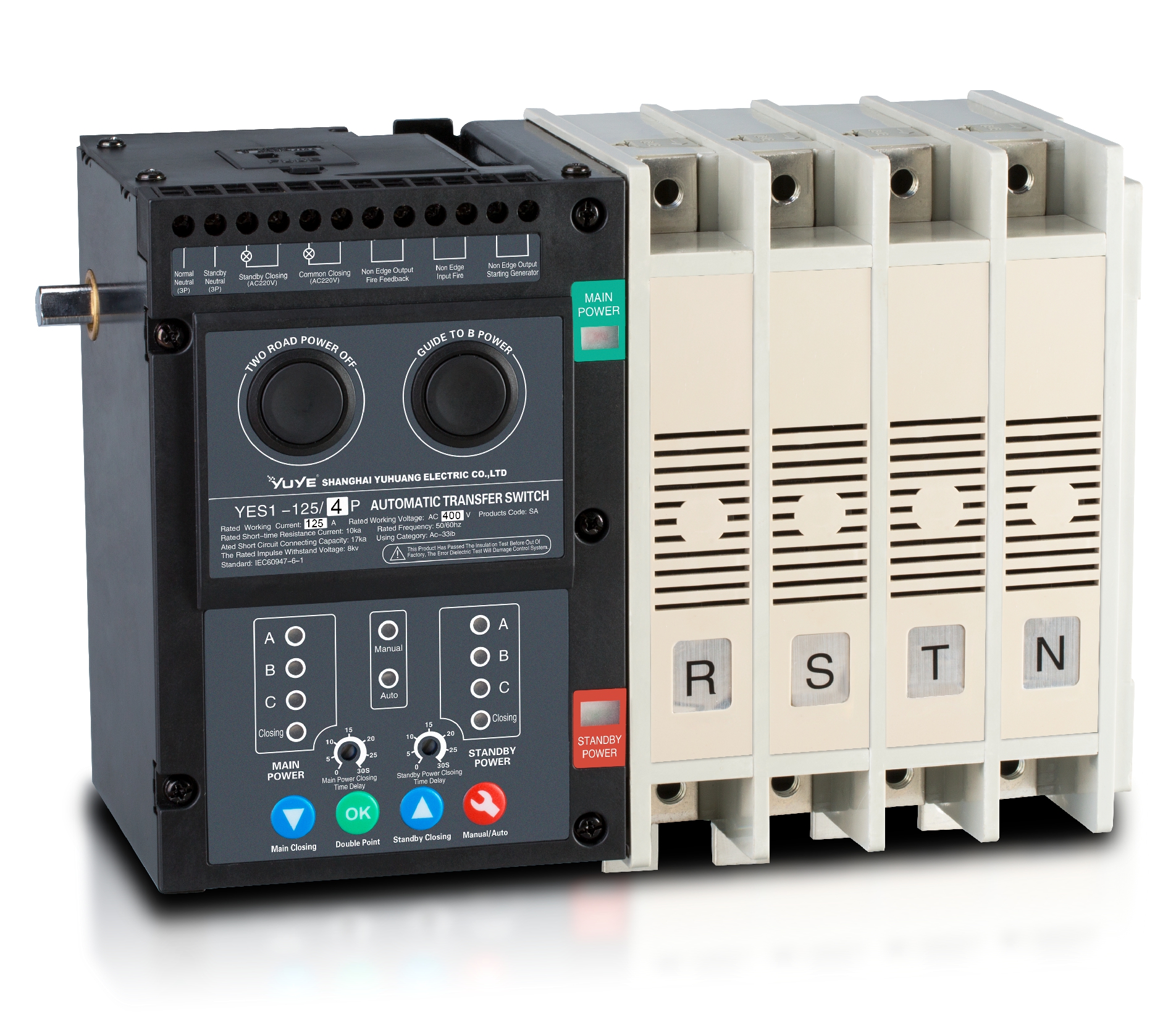 Solenoid-type ATS YES1-63~630SA
 Solenoid-type ATS YES1-63~630L/LA
 Solenoid-type ATS YES1-63~630LA3
 Solenoid-type ATS YES1-63MA
 PC ATS YES1-630~1600M
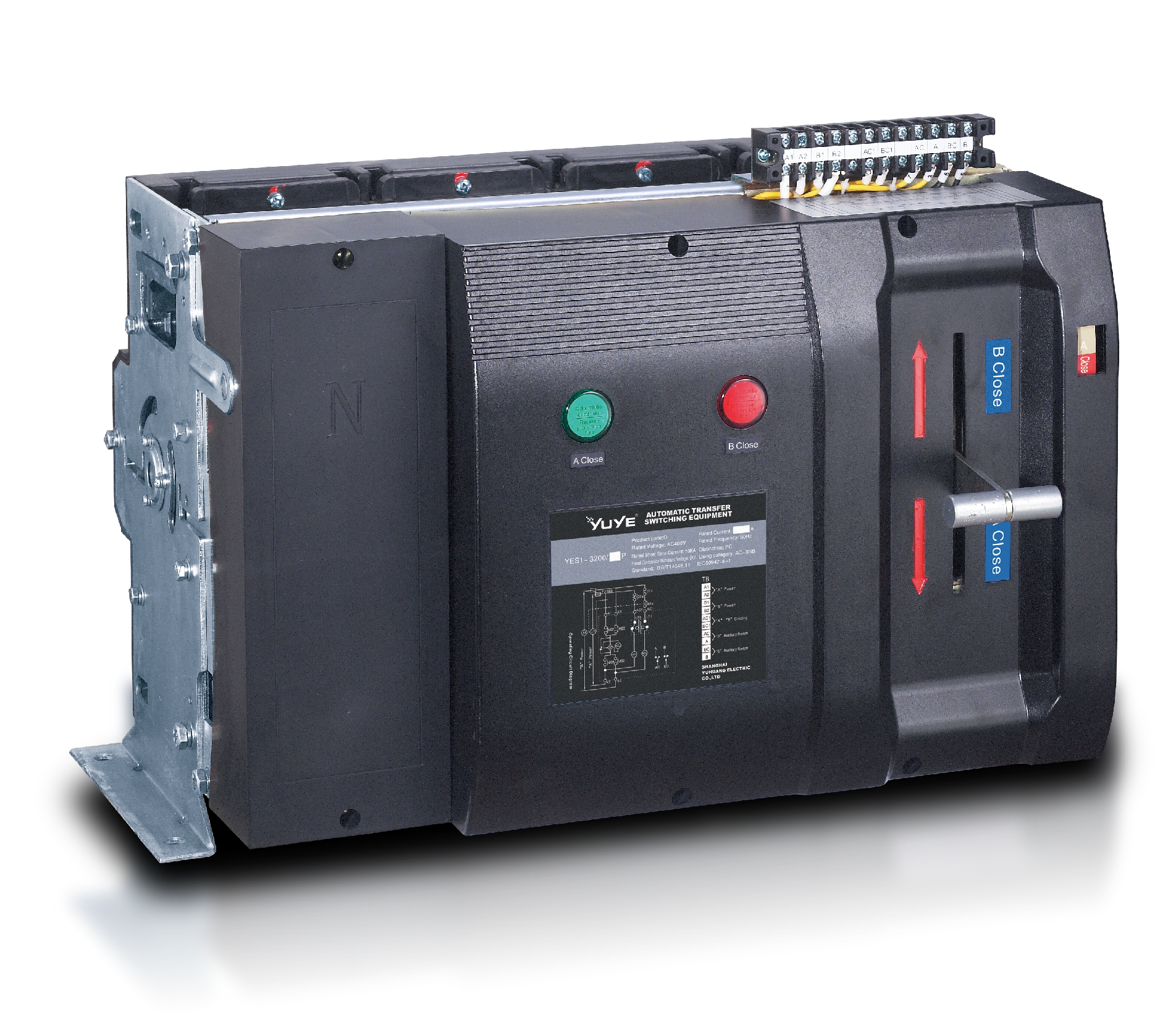 PC ATS YES1-3200Q
 Solenoid-type ATS YES1-4000~6300Q
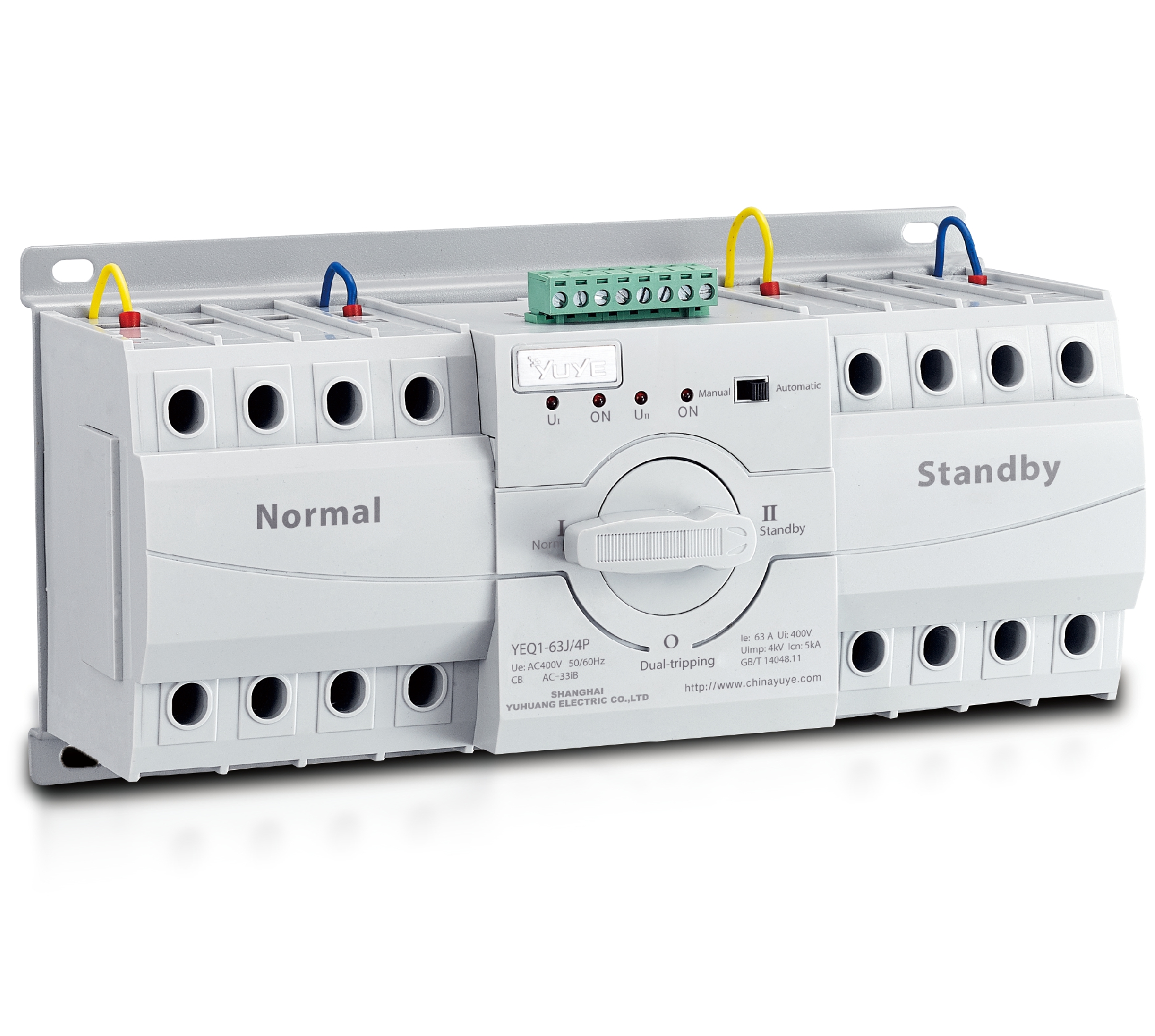 CB ATS YEQ1-63J
 CB ATS YEQ2Y-63
 CB ATS YEQ3-63W1
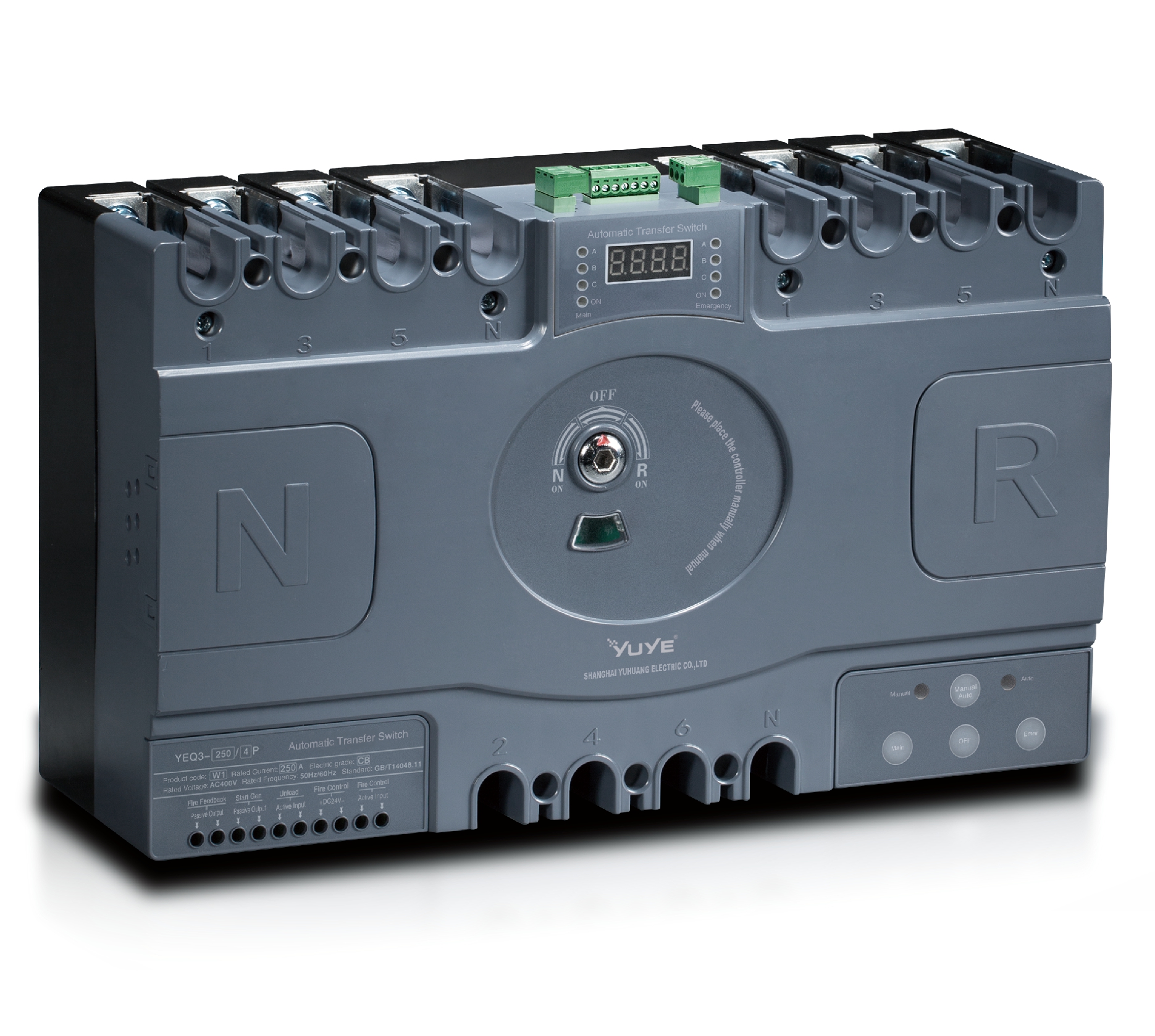 CB ATS YEQ3-125~630W1
 ATS controller Y-700
 ATS Controller Y-700N
 ATS Controller Y-701B
 ATS Controller Y-703N
 ATS Controller Y-800
 ATS Controller W2/W3 Series
 ATS switch Cabinet floor-to-ceiling
 ATS switch cabinet
 JXF-225A power Cbinet
 JXF-800A power Cbinet
 YEM3-125~800 Plastic Shell Type MCCB
 YEM3L-125~630 Leakage Type MCCB
 YEM3Z-125~800 Adjustable Type MCCB
 YEM1-63~1250 Plastic Shell Type MCCB
 YEM1E-100~800 Electronic Type MCCB
 YEM1L-100~630 Leakage Type MCCB
 Miniature circuit breaker YEMA2-6~100
 Miniature circuit breaker YEB1-3~63
 Miniature circuit breaker YEB1LE-3~63
 Miniature circuit breaker YEPN-3~32
 Miniature circuit breaker YEPNLE-3~32
 Miniature circuit breaker YENC-63~125
 Air Circuit Breaker YEW1-2000~6300
 Air Circuit Breaker YEW3-1600
 Load isolation switch YGL-63~3150
 Load Isolation Switch YGL2-63~3150
 Manual Changeover Switch YGL-100~630Z1A
 Manual Changeover Switch YGLZ1-100~3150
 YECPS2-45~125 LCD
 YECPS-45~125 Digital
 CNC Milling/Turning-OEM
 DC relay MDC-300M
 DC Isolation Switch YEGL3D-630


