When it comes to managing power, the 32A Automatic Transfer Switch really plays a key role. I was chatting with John Smith over at Power Solutions Inc., and he told me, “Picking the right automatic transfer switch is crucial—you want to make sure it switches smoothly and keeps your system reliable.” That remark really hits home because it highlights just how important it is to understand what a 32A Automatic Transfer Switch actually does.
Basically, these devices are pretty smart—they automatically switch over to backup power if the main source goes out. That feature is super important, especially when you're dealing with critical systems or even just your home. But here’s the catch—when you're choosing a 32A Automatic Transfer Switch, there are quite a few things you should think about. Things like your specific power needs, the environment where it’ll be installed, and what kind of loads you'll be supporting come into play.
And honestly, a lot of people overlook how valuable expert advice really is during this process. Experts often point out that not paying attention to these little details can lead to trouble down the line, like inefficient operation or unnecessary downtime. The right switch not only boosts reliability but also helps keep things running smoothly, which makes it a pretty smart choice—whether you’re running a business or just want your house to be more dependable.

What Is a 32A Automatic Transfer Switch?
A 32A automatic transfer switch (ATS) is a crucial device for managing power supply. It automatically shifts the load to a backup generator during a power outage. This device sees frequent use in critical applications like hospitals and data centers. The ATS ensures that essential services remain operational, minimizing downtime.
Understanding how a 32A ATS works requires some technical insight. It monitors the incoming power continuously. Once it detects a failure, it quickly disconnects the main supply. At the same time, it connects the backup generator to the load. This process happens in seconds, making it vital for uninterrupted service.
Choosing the right ATS can be challenging. You must consider the total power load and its compatibility with existing systems. It's also essential to evaluate installation requirements and maintenance needs. Not all installations go smoothly, and mistakes can lead to costly errors. Taking the time to understand your specific needs is critical for optimal performance.
Key Features of 32A Automatic Transfer Switches
32A automatic transfer switches (ATS) play a crucial role in power management systems. These switches ensure a smooth transition between the primary power source and a backup source. One key feature is their ability to manage loads of up to 32 amps. The demand for reliable power backup has increased significantly, especially in critical infrastructure sectors. According to the International Energy Agency, global electricity demand is set to grow by 3% annually. This places much importance on effective power solutions like 32A ATS units.
Another vital feature is their response time. A superior ATS can switch power sources in less than 30 seconds, minimizing disruption. Users often overlook this aspect, yet it is critical for businesses that depend on continuous power. Additionally, an ATS should have robust monitoring capabilities. Real-time diagnostics can provide insights into performance and potential issues. A report from IEEE highlights that predictive maintenance can reduce downtime by up to 20%.
Selecting an ATS also involves understanding installation requirements. Some models require specific configurations based on the load type. It's essential to consider environmental factors too. A unit not rated for high humidity or temperature extremes may fail prematurely. Overall, while 32A ATS units are essential for power reliability, careful consideration is necessary to ensure optimal performance.
How Does a 32A Automatic Transfer Switch Work?
A 32A Automatic Transfer Switch (ATS) is crucial for reliable power management. It operates by automatically switching between the primary power source and a backup generator. This switch ensures that when the main power fails, the generator kicks in seamlessly, maintaining power to essential systems.
The mechanics of a 32A ATS involve sensing the loss of utility power. According to industry reports, these switches can respond in less than 30 seconds. This rapid response is vital for protecting sensitive equipment. When the utility power returns, the ATS transfers back, disconnecting the generator safely. This function prevents power surges that could damage equipment.
While the technology is reliable, improper installation can lead to performance issues. Regular maintenance checks are sometimes overlooked. Statistics show that about 15% of ATS failures are due to installation errors or lack of upkeep. Users must consult professional guidelines when choosing a switch. Ensuring compatibility with existing systems is essential for optimal function. Selecting a model that meets specific electrical load requirements can enhance safety and reliability.
What Is a 32A Automatic Transfer Switch and How to Choose One?
| Feature |
Description |
Specifications |
Considerations |
| Rated Current |
32 Amperes |
32A |
Ensure load does not exceed 32A |
| Voltage Rating |
Common residential and commercial voltages |
230V or 400V |
Check compatibility with your electrical system |
| Transfer Time |
Time it takes to switch between power sources |
1 to 30 seconds |
Select based on critical load requirements |
| Control Type |
Type of control mechanism used |
Manual or Automatic |
Automatic is preferred for seamless operations |
| Environment |
Location and conditions for installation |
Indoor or Outdoor |
Ensure suitable rating for harsh conditions |
| Size and Weight |
Physical dimensions and mass |
Varies by model |
Check space and mounting requirements |
Benefits of Using a 32A Automatic Transfer Switch
A 32A Automatic Transfer Switch (ATS) plays a crucial role in maintaining power reliability. It automatically switches to a backup power source during an outage. This capability ensures minimal disruption in critical environments like hospitals and data centers. According to the U.S. Department of Energy, power outages can cost businesses approximately $150 billion annually. Utilizing an ATS helps mitigate these costs significantly.
One key benefit of a 32A ATS is its efficiency in energy management. With advancements in technology, modern ATS systems can reduce energy waste by up to 30%. Enhanced monitoring features allow users to track energy usage in real-time. This information promotes better decision-making for energy consumption. However, users should be aware that not all ATS solutions offer the same level of integration and monitoring. Conducting a detailed assessment of specific needs is essential.
Another notable advantage is the increased safety it provides. In industries where downtime can lead to hazardous conditions, the ATS offers peace of mind. It ensures smooth transitions to backup power, reducing the risk of electrical hazards. Nonetheless, regular maintenance is necessary to ensure optimal performance. Overlooking this can lead to increased downtime. In some cases, users might find that investing in a more comprehensive solution is worthwhile.
Different Types of 32A Automatic Transfer Switches
When considering a 32A Automatic Transfer Switch (ATS), understanding the different types available is essential for optimal selection. The most common types include open transition, closed transition, and delayed transition switches. Open transition switches are straightforward, transferring power once the main supply fails. Closed transition switches, on the other hand, allow for a seamless transition between power sources, which is critical in sensitive applications. Delayed transition switches introduce a brief delay during transfer, adding a layer of safety.
Industry reports indicate that around 80% of facilities now utilize some form of automatic transfer switch. This reflects the growing need for reliable backup power solutions. For instance, data centers require ATS for uninterrupted operation. Failure to choose the correct type can lead to power interruption, resulting in potential data loss or damage.
Furthermore, choosing an ATS involves evaluating load requirements and environmental factors. It's crucial to consider aspects like installation space and climate. Some switches perform poorly in extreme conditions. Reviewing performance specifications and consulting industry standards can help prevent costly mistakes. A reliable ATS should not only meet current needs but also be adaptable for future expansions.
Conclusion
A 32A Automatic Transfer Switch (ATS) is a crucial device that enables seamless switching between main power and backup generators during outages, ensuring uninterrupted power supply. Key features of 32A ATS include automatic sensing of power loss, quick transfer times, and compatibility with various generators. These switches operate by detecting a power failure and automatically transferring the electrical load, offering significant benefits such as enhanced reliability and improved safety.
When choosing a 32A Automatic Transfer Switch, several factors should be considered, including the load requirements, installation location, and maintenance needs. Different types of 32A ATS are available, catering to various applications from residential to commercial uses. Proper installation and regular maintenance are essential for optimal performance, ensuring that the switch operates effectively when needed the most. Overall, the 32A Automatic Transfer Switch is an invaluable component for maintaining consistent power supply in critical situations.

 PC ATS YECT1-2000G
 PC ATS YES2-63~250GN1
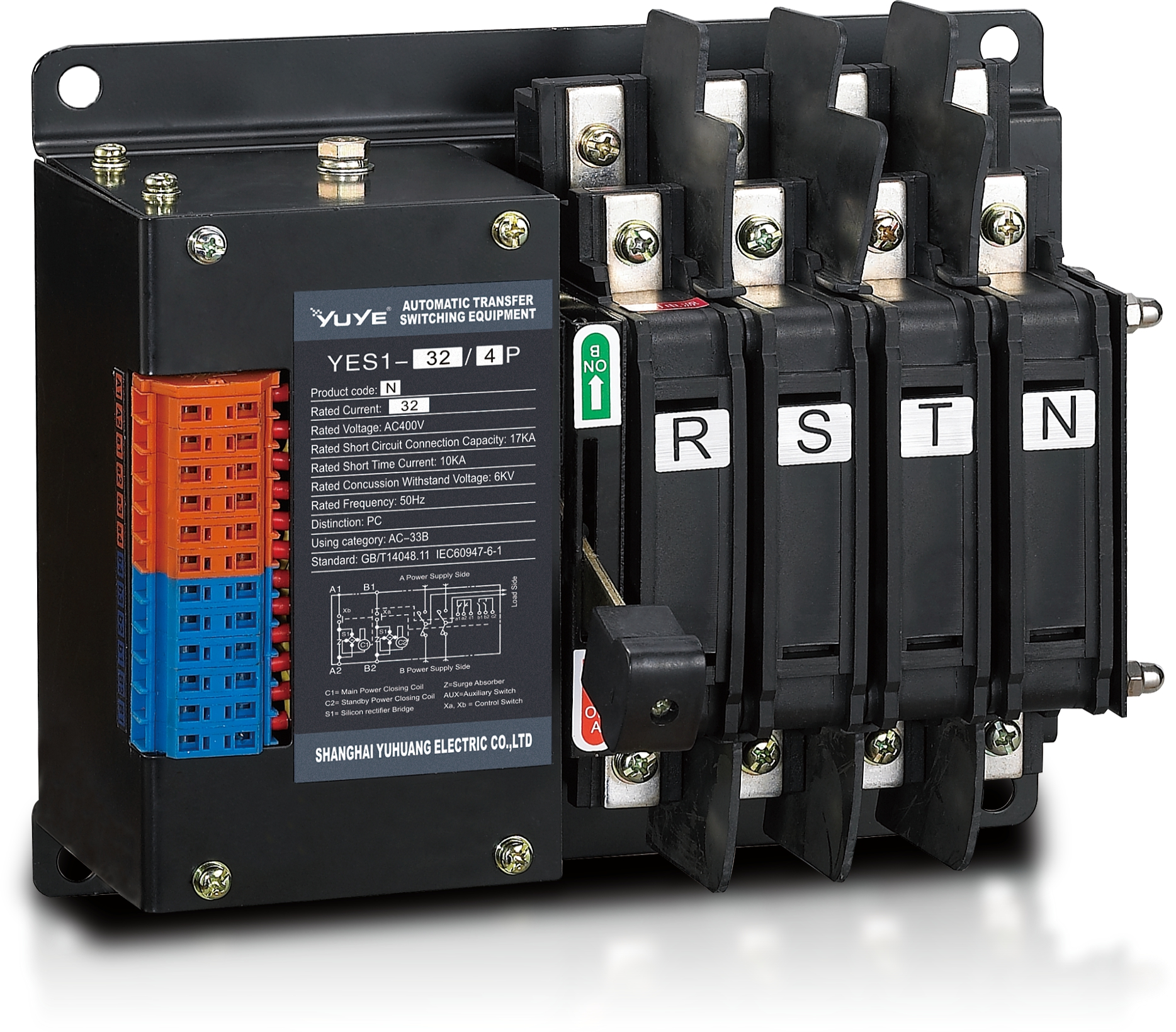 Solenoid-type ATS YES1-32~125N
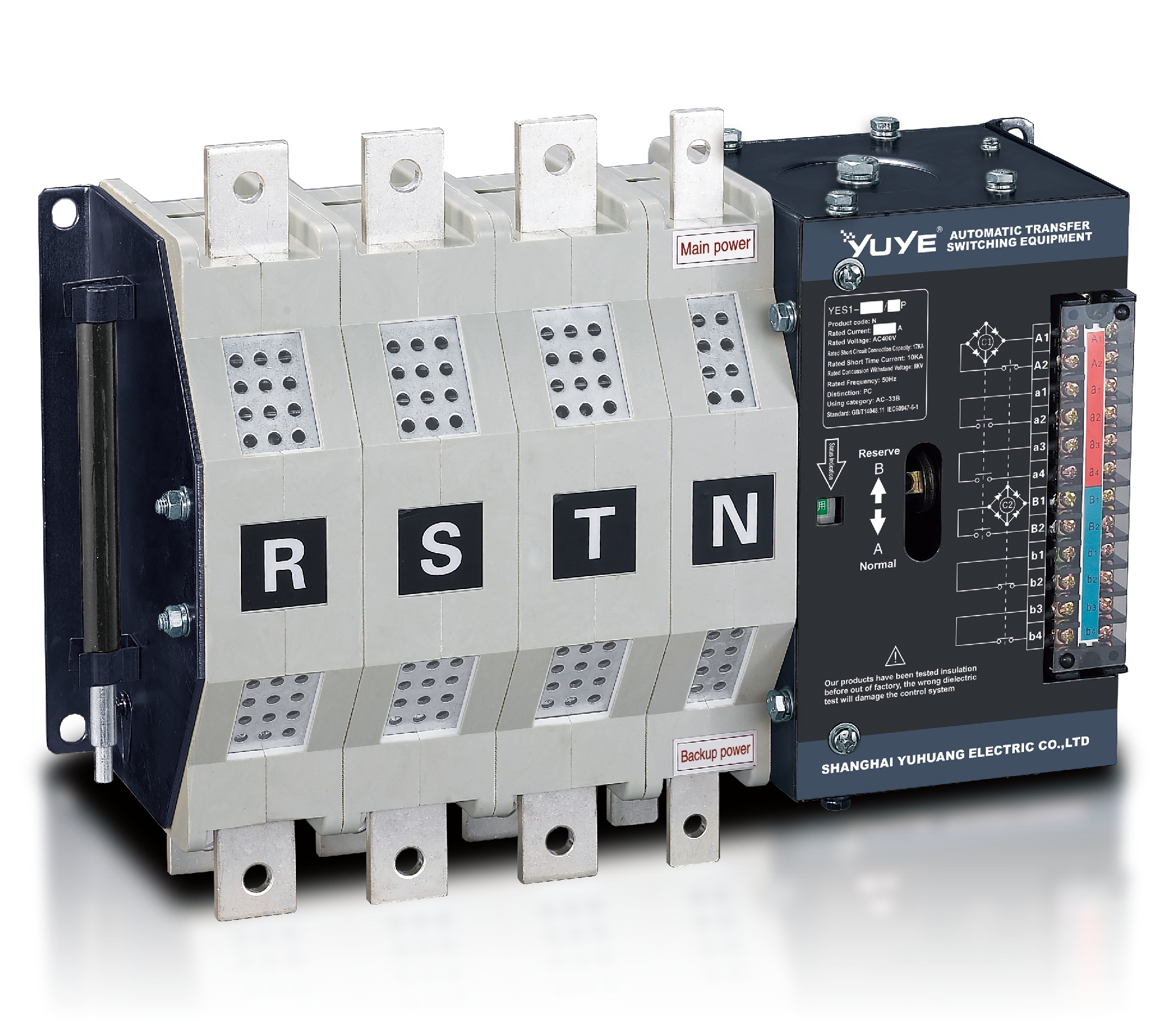 Solenoid-type ATS YES1-250~630N/NT
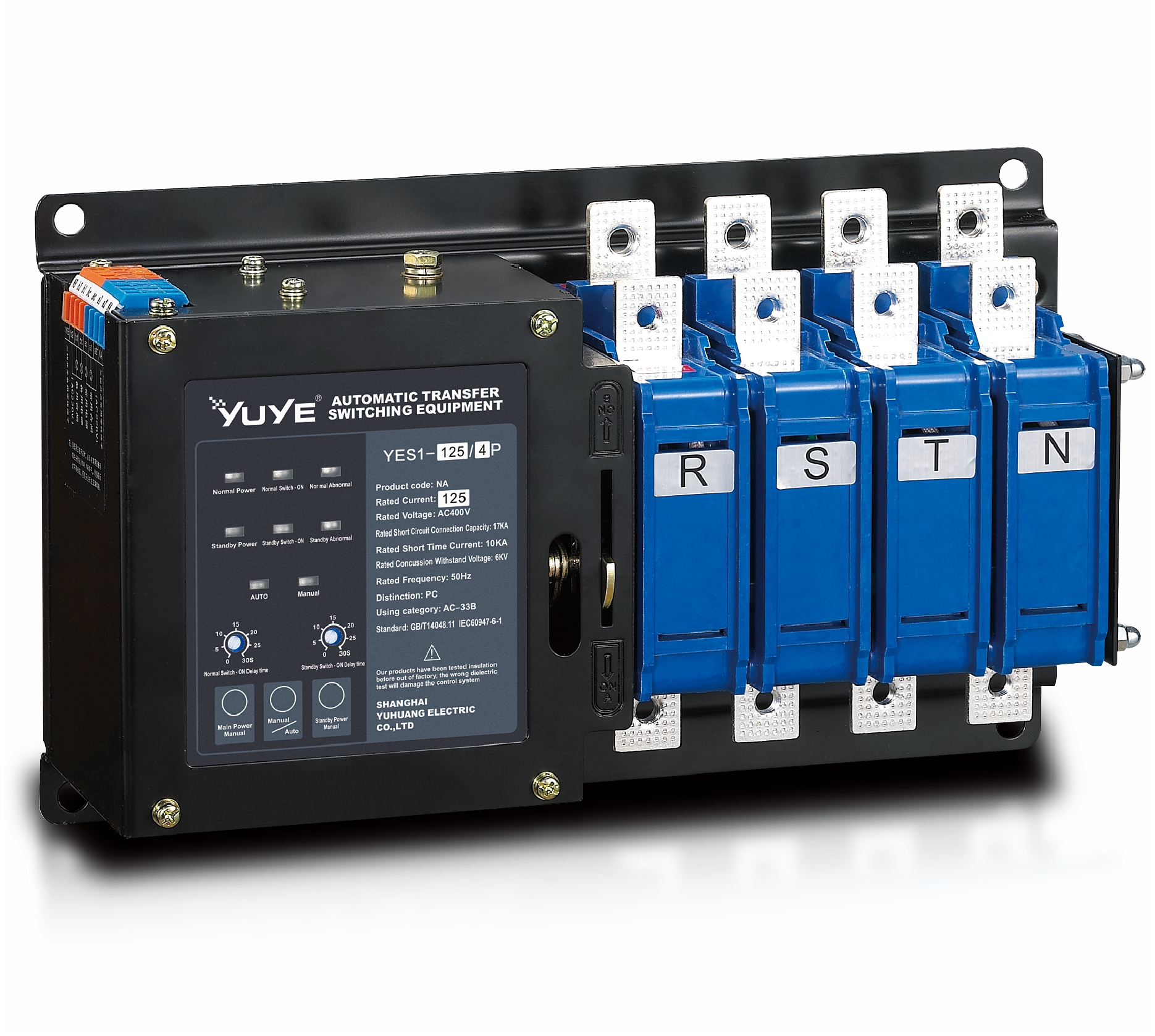 Solenoid-type ATS YES1-32~125NA
 Solenoid-type ATS YES1-63~630SN
 Solenoid-type ATS YES1-1250~4000SN
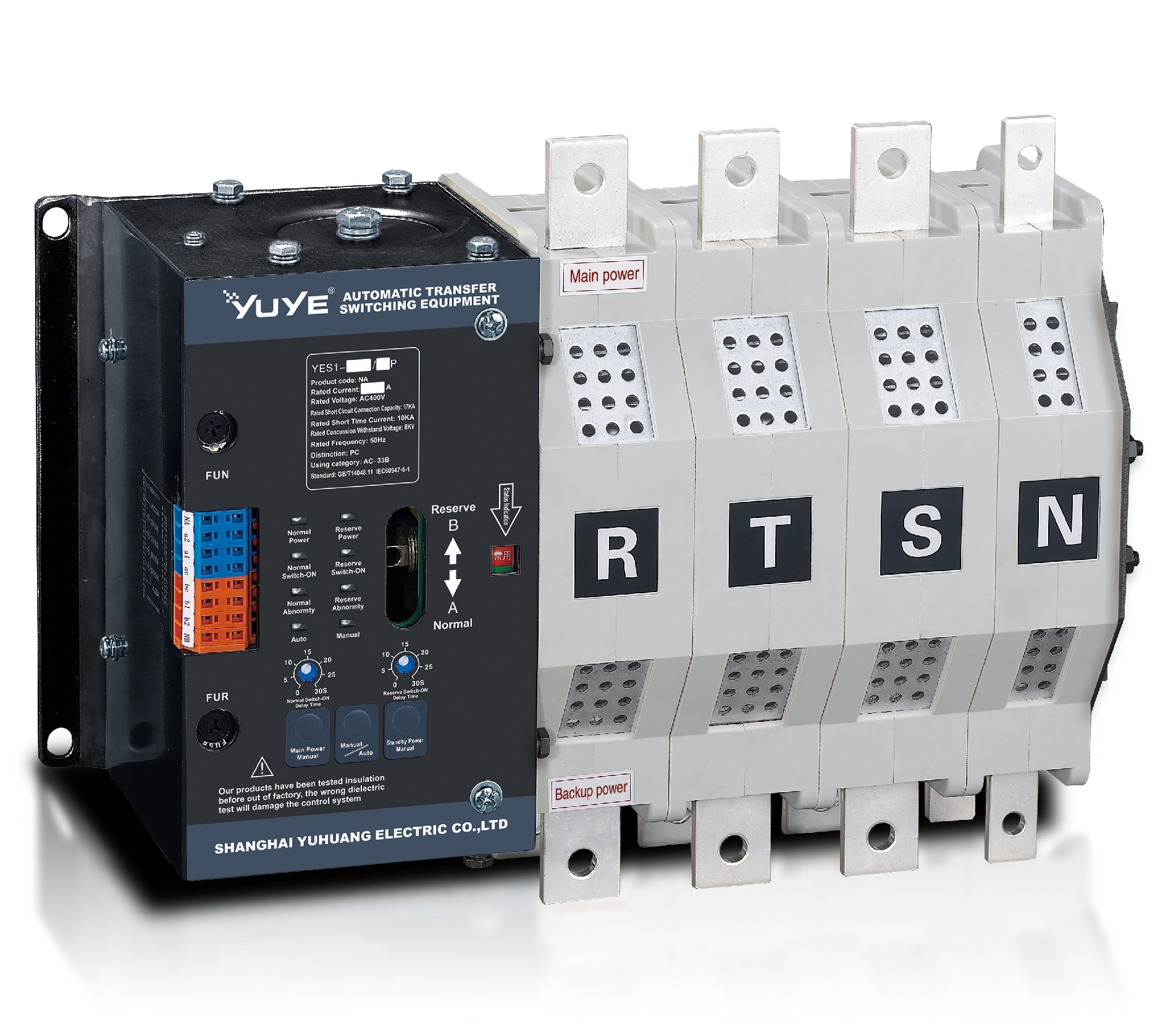 Solenoid-type ATS YES1-250~630NA/NAT
 Solenoid-type ATS YES1-63NJT
 PC ATS YES1-100~1600GN1/GN/GNF
 PC ATS YES1-2000~3200GN/GNF
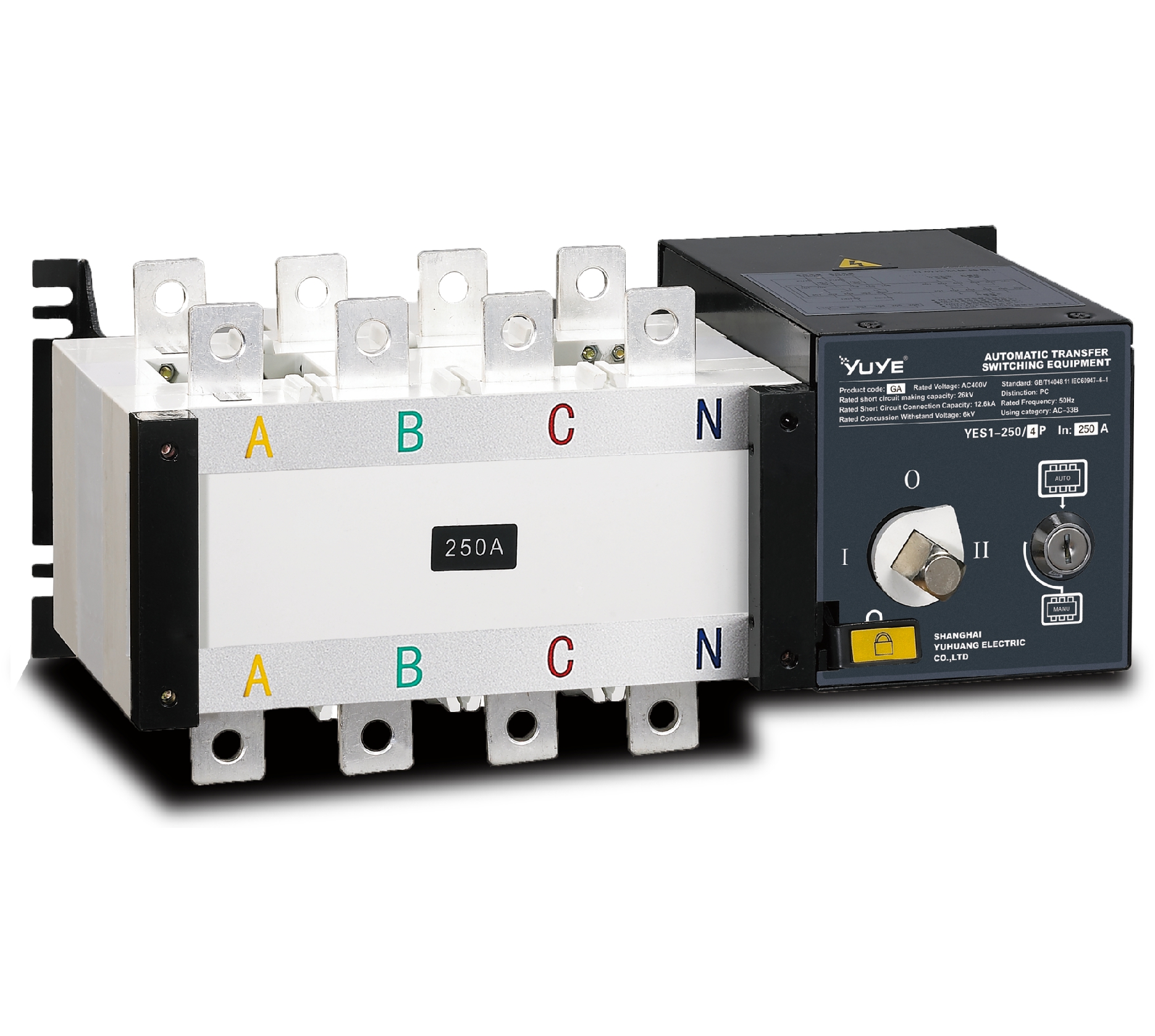 PC ATS YES1-100~3200GA1/GA
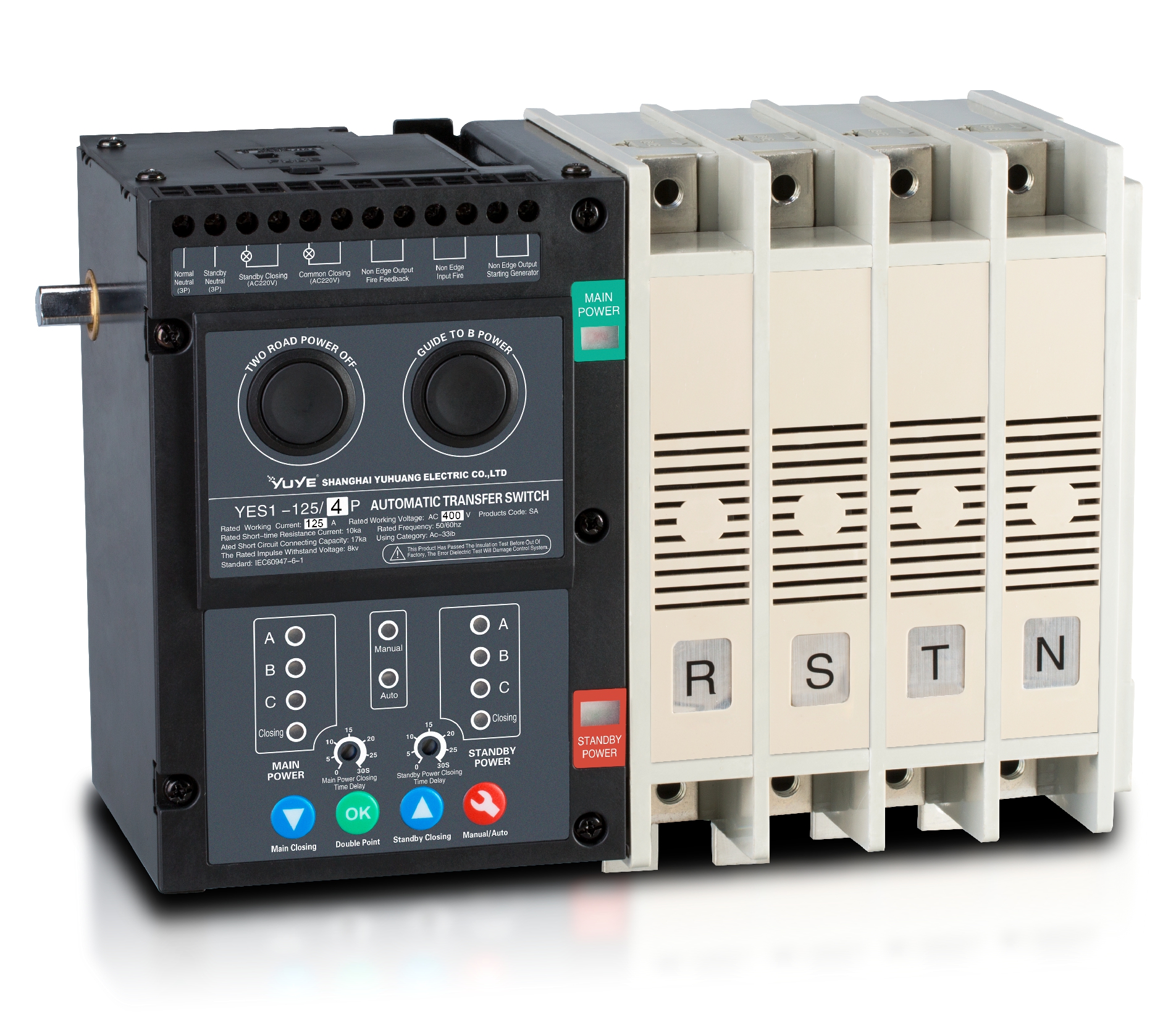 Solenoid-type ATS YES1-63~630SA
 Solenoid-type ATS YES1-63~630L/LA
 Solenoid-type ATS YES1-63~630LA3
 Solenoid-type ATS YES1-63MA
 PC ATS YES1-630~1600M
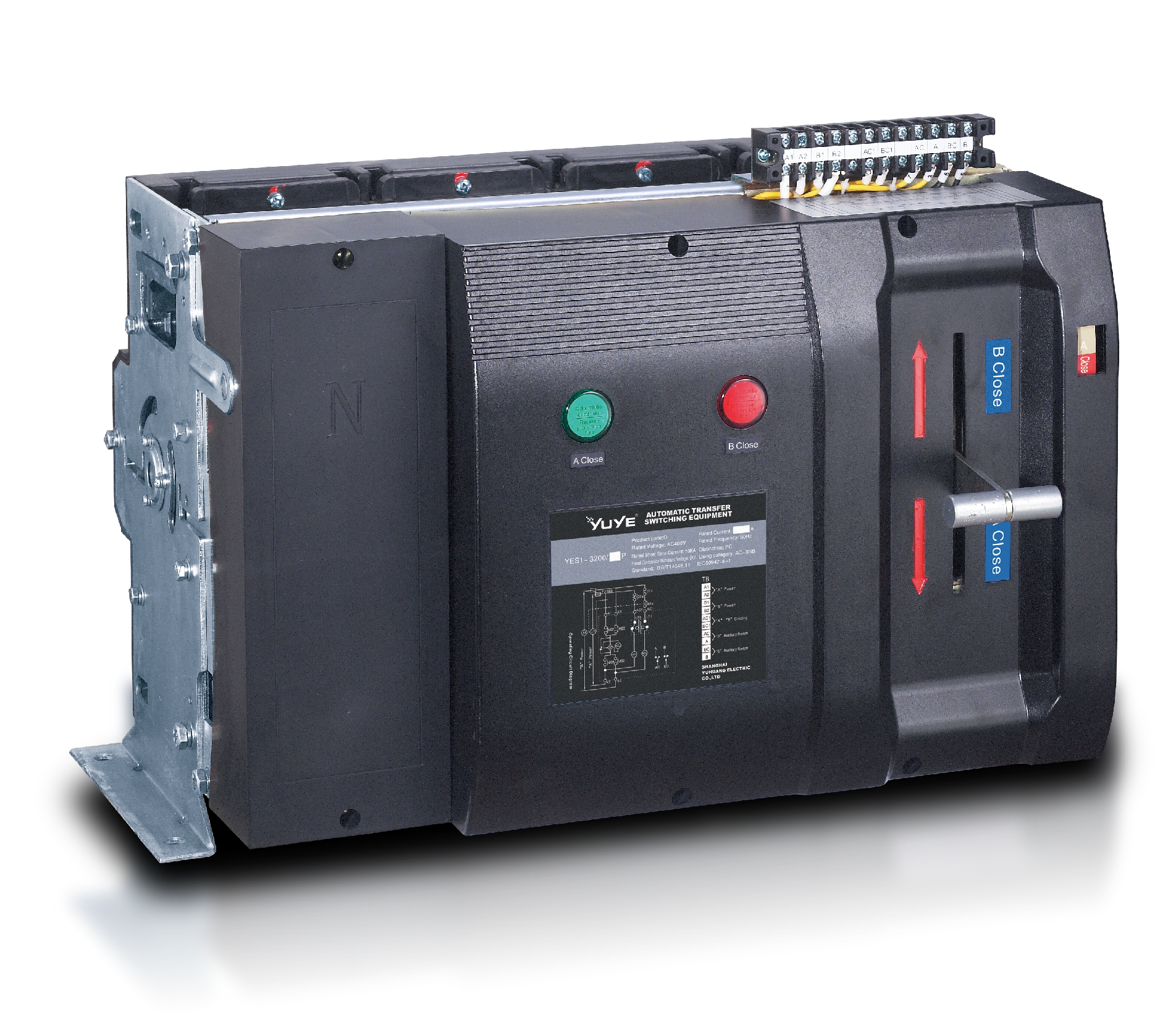 PC ATS YES1-3200Q
 Solenoid-type ATS YES1-4000~6300Q
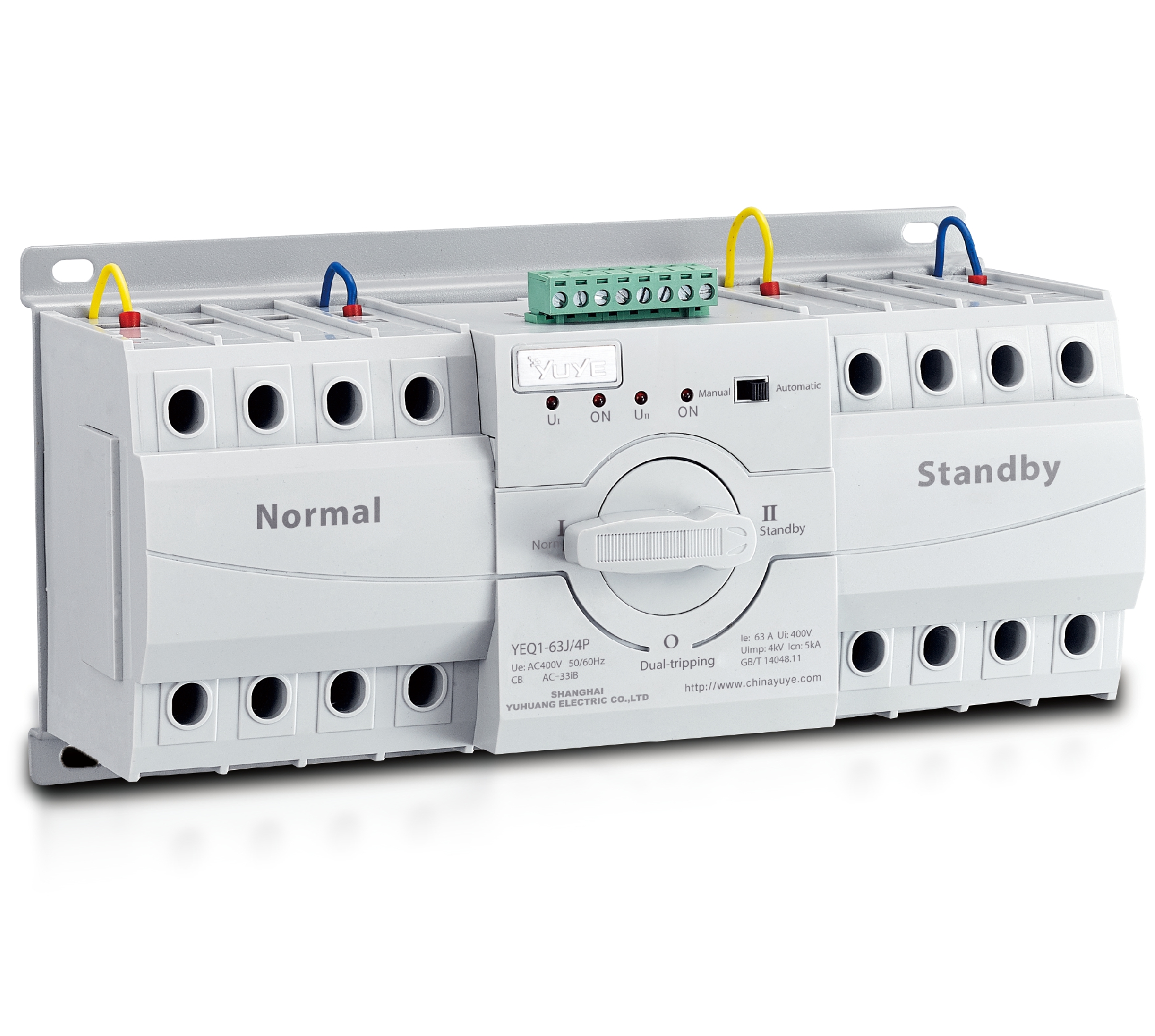 CB ATS YEQ1-63J
 CB ATS YEQ2Y-63
 CB ATS YEQ3-63W1
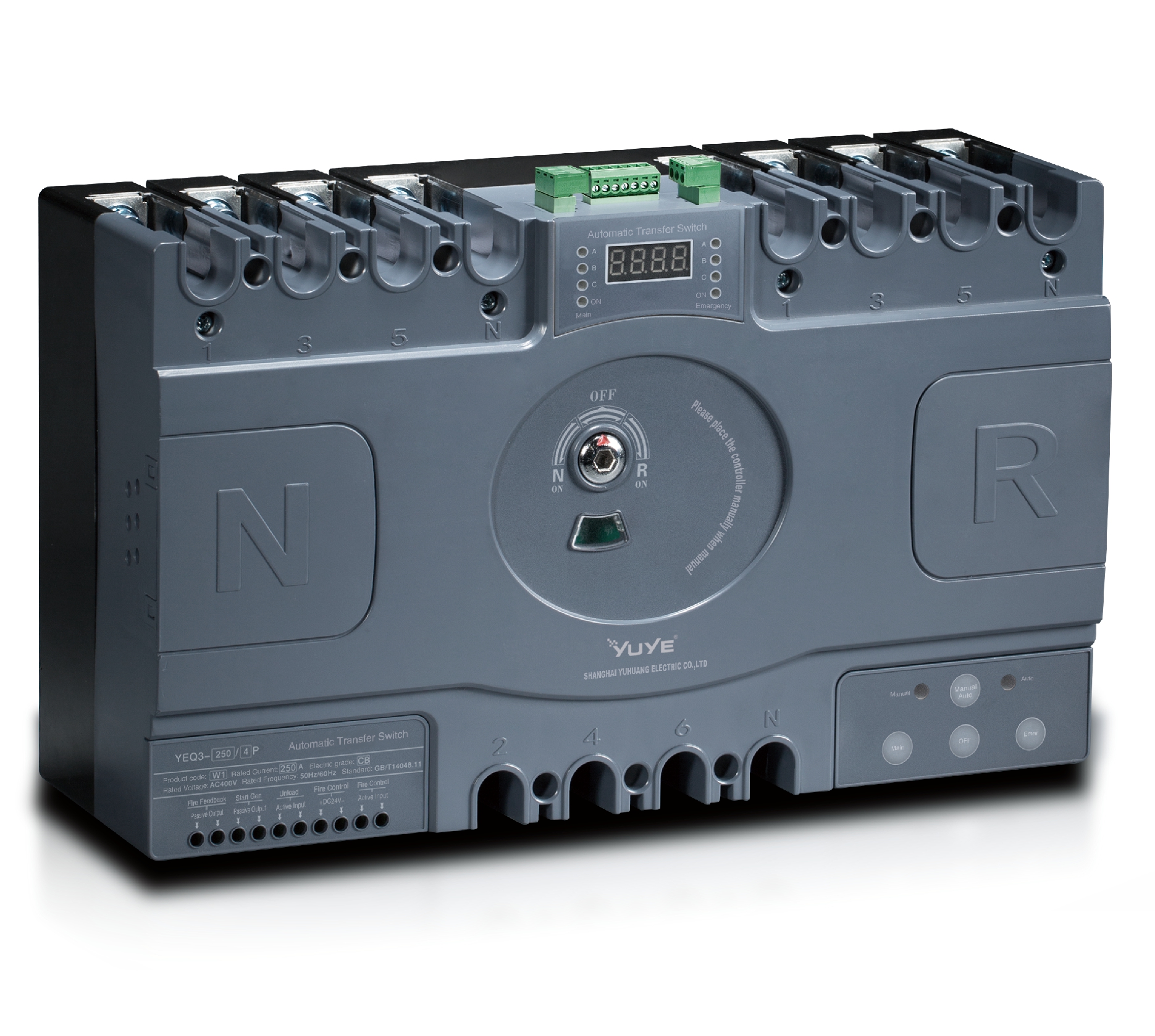 CB ATS YEQ3-125~630W1
 ATS controller Y-700
 ATS Controller Y-700N
 ATS Controller Y-701B
 ATS Controller Y-703N
 ATS Controller Y-800
 ATS Controller W2/W3 Series
 ATS switch Cabinet floor-to-ceiling
 ATS switch cabinet
 JXF-225A power Cbinet
 JXF-800A power Cbinet
 YEM3-125~800 Plastic Shell Type MCCB
 YEM3L-125~630 Leakage Type MCCB
 YEM3Z-125~800 Adjustable Type MCCB
 YEM1-63~1250 Plastic Shell Type MCCB
 YEM1E-100~800 Electronic Type MCCB
 YEM1L-100~630 Leakage Type MCCB
 Miniature circuit breaker YEMA2-6~100
 Miniature circuit breaker YEB1-3~63
 Miniature circuit breaker YEB1LE-3~63
 Miniature circuit breaker YEPN-3~32
 Miniature circuit breaker YEPNLE-3~32
 Miniature circuit breaker YENC-63~125
 Air Circuit Breaker YEW1-2000~6300
 Air Circuit Breaker YEW3-1600
 Load isolation switch YGL-63~3150
 Load Isolation Switch YGL2-63~3150
 Manual Changeover Switch YGL-100~630Z1A
 Manual Changeover Switch YGLZ1-100~3150
 YECPS2-45~125 LCD
 YECPS-45~125 Digital
 CNC Milling/Turning-OEM
 DC relay MDC-300M
 DC Isolation Switch YEGL3D-630


