In today's super fast-paced business world, keeping things running smoothly is more important than ever. Did you know that nearly 40% of businesses face power outages every year? Yeah, it’s a pretty big deal. That’s where an Automatic Transfer Switch, or ATS, can really make a difference. Industry pro John Davis, who's a senior analyst at Power Solutions, puts it simply: “Getting an ATS isn’t just a good idea, it’s pretty much essential if you want your business to stay resilient.”
So, what does an ATS actually do? Well, it automatically switches to backup power whenever the main power fails—kind of like having a safety net. This helps keep things running without hiccups and protects all that sensitive equipment you rely on. According to data from the Electric Power Research Institute, companies with an ATS see about a 60% drop in operational disruptions. That’s a pretty impressive number.
But here’s the thing—despite all these advantages, a lot of businesses still skip out on installing one. Some folks think it’s too costly, while others just don’t really realize how valuable it is. The truth is, without a solid backup plan, companies could face serious financial setbacks and even damage to their reputation. In today’s competitive market, understanding how crucial an ATS is can really be a game-changer for growth and stability.

Benefits of Automatic Transfer Switches for Businesses
Automatic transfer switches (ATS) provide critical support for businesses. They ensure an uninterrupted power supply during outages. This reliability can safeguard your operations. When the main power fails, an ATS promptly switches to the backup power source. This minimizes downtime and keeps your business running smoothly.
Tips: Regular maintenance on your ATS is essential. This ensures it functions effectively when needed. You might overlook small issues until they become bigger problems. Routine checks can prevent unexpected failures.
Choosing an ATS can enhance your business's resilience. It offers peace of mind. In critical sectors like healthcare, this reliability is non-negotiable. If your power goes out, patients still need care. An ATS guarantees that essential equipment remains operational. Reflect on your power needs and how an ATS can meet them.
How Automatic Transfer Switches Work in Power Management
Automatic transfer switches (ATS) play a crucial role in modern power management systems. They ensure a seamless transition between utility power and backup generators. In fact, a recent report by the U.S. Department of Energy indicates that automatic transfer switches can reduce downtime by approximately 80% during power outages. This statistic highlights their importance, especially for businesses that rely on consistent power supply.
Understanding how ATS works is essential for optimizing energy management. When a power outage occurs, the ATS detects the loss in voltage and immediately disconnects from the utility. It then initiates the startup of the backup generator. This entire process happens within seconds, ensuring operational continuity. Notably, experts from the Institute of Electrical and Electronics Engineers state that a well-maintained ATS can increase generator reliability by up to 30%. However, businesses often overlook regular testing and maintenance, leading to potential failures when they are needed most.
ATS systems can vary significantly in complexity and capacity. Choosing the right one requires careful analysis of business needs. Not all facilities may require advanced features. Some businesses might find basic functionality sufficient. But, understanding the nuances is vital for informed decision-making. Therefore, reflection on specific operational requirements and existing infrastructure is necessary to maximize the benefits of an ATS.
Key Features to Look for in Automatic Transfer Switches
When selecting an automatic transfer switch (ATS) for your business, some critical features stand out. Reliability is key. According to a report by the Electric Power Research Institute, about 50% of businesses experience power outages annually. An ATS can quickly switch to backup power during such incidents, minimizing downtime. Look for a device that meets the National Fire Protection Association (NFPA) standards to ensure safety and compliance.
Another important feature is monitoring capabilities. Advanced ATS models provide real-time data on power usage and system performance. This feature allows better management of energy resources, helping reduce costs. A study from the U.S. Energy Information Administration found that businesses can save up to 30% on energy bills by optimizing their power usage. However, many companies fail to utilize these features effectively, leading to missed opportunities for savings.
Consider the installation requirements too. Some ATS models may need more complex setups, which can lead to increased installation costs. A clear understanding of your current electrical system is essential. Inadequate assessments often result in improper installations, creating reliability issues later. Balancing advanced features with installation simplicity is crucial for long-term effectiveness.
Comparison of Automatic vs. Manual Transfer Switches
When comparing automatic and manual transfer switches, the differences can significantly impact business operations. An automatic transfer switch (ATS) offers seamless transition during power outages. According to a recent industry report, 70% of businesses experience losses due to downtime. An ATS minimizes this risk by immediately switching to a backup power source.
Manual transfer switches (MTS), while often cheaper, require human intervention. The operator must be present to switch the power source during an outage, potentially leading to delays. Studies indicate that response time can extend by 10 minutes or more with MTS, which can translate into significant operational losses. Downtime of even a few minutes can greatly affect productivity and customer trust.
Choosing an ATS may involve higher initial costs, but it delivers long-term reliability. Industry experts suggest that businesses prioritize investing in systems that offer efficiency and safety. Backup systems should reflect the specific needs of the operation, ensuring minimal disruption. Balancing cost against reliability is crucial for informed decision-making.
Comparison of Automatic vs. Manual Transfer Switches
This chart illustrates the comparative advantages of Automatic Transfer Switches (ATS) and Manual Transfer Switches (MTS) based on a set of predefined features such as reliability, ease of use, and efficiency. The automatic transfer switches score higher due to their seamless operation and quick response times during power outages.
Cost Considerations for Implementing an Automatic Transfer Switch
Implementing an Automatic Transfer Switch (ATS) involves several cost factors that businesses must consider. The initial investment typically ranges from $1,500 to $25,000, depending on the size and complexity of the system. According to a 2023 report by the National Electrical Contractors Association, more than 70% of businesses with backup power systems experienced fewer disruptions with ATS integration. This statistic highlights the potential return on investment through reduced downtime.
Operating costs are another critical aspect. Maintenance and testing of ATS systems can average about $300 annually. Though this seems manageable, neglecting regular maintenance can lead to costly repairs. A survey from the Electrical Safety Foundation International revealed that 30% of power outages were due to equipment failures that could have been prevented with proper upkeep. Investing in an ATS can ensure reliable power during outages, making it worth the initial spend.
Businesses must also consider potential savings from improved energy efficiency. ATS systems often lead to reduced energy costs. When outages occur, businesses can rely on their power sources without delay. This functionality is essential for sensitive equipment and operations. Without proper planning, companies risk financial losses during outages. Ultimately, weighing initial and ongoing costs against potential savings is crucial for making an educated decision.
Maintenance and Reliability of Automatic Transfer Switches
Automatic Transfer Switches (ATS) are crucial for businesses that rely on consistent power. Their maintenance and reliability play a significant role in ensuring uninterrupted operations. Regular check-ups are essential for ATS systems. These checks help identify any potential issues before they become significant problems. Scheduling routine maintenance can prevent failures during power outages.
An ATS can wear over time, affecting its performance. Simple components, like relays and contactors, may require replacement. Ignoring these elements can lead to unexpected downtime. Businesses may face costly losses. It is advisable to track the operational hours of the switch. Keeping a log helps in planning maintenance.
Reliability is a key feature of ATS systems. Regular inspections ensure that switches are operational. However, a lack of proper care can lead to failures at crucial times. Businesses must consider both immediate performance and long-term reliability. Companies should invest in training for personnel. Understanding the workings of ATS can help in proper maintenance. It empowers staff to recognize signs of wear and initiate repairs early.
Real-Life Applications of Automatic Transfer Switches in Various Industries
Automatic transfer switches (ATS) are crucial for many industries. They ensure a seamless transition to backup power during outages. This capability is vital for essential services like healthcare. According to a report from the National Institute of Standards and Technology, a 10-minute outage in hospitals can lead to severe consequences. Instant power supply can save lives.
Data centers also heavily rely on ATS. Downtime can cost businesses thousands of dollars per minute. A report by the Uptime Institute revealed that 86% of companies experienced outages, emphasizing the need for reliable systems. ATS provides peace of mind. When the main power source fails, backup generators kick in without delay.
Manufacturing facilities benefit from ATS as well. These environments often run critical machinery that must maintain operational continuity. Reports show that even short interruptions can result in significant production losses. Despite the high cost of implementing ATS, many find that the investment pays off quickly through reduced downtime and enhanced productivity. It’s a continuous cycle of improvement. Balancing power needs and reliability remains a challenge for business owners.
Maximizing Efficiency and Safety: A Comprehensive Guide to ATS Switch Cabinets
Switch cabinets play a crucial role in optimizing efficiency and safety in electrical systems. The ATS Cabinet, designed for wall mounting, offers a robust solution with features that cater to diverse operational needs. The dual circuit power input ensures automatic detection and seamless switching across various modes, enhancing the adaptability of the system to fluctuating demands. With a capacity range of 63 to 4000A, users can flexibly configure the cabinet according to the specific load requirements of their electrical setup.
In addition to its adaptability, the ATS Cabinet prioritizes reliability and safety. Constructed with components from recognized manufacturers, it includes advanced lightning protection features, ensuring continued performance even in adverse conditions. An intelligent monitoring system, equipped with a 4.3-inch touchscreen interface, provides real-time data on current, power, and energy consumption, allowing operators to make informed decisions. The design also facilitates convenient maintenance from both the front and back sides, minimizing downtime during servicing and ensuring that the system remains operational and efficient. With complete quality certification, users can trust the cabinet to meet rigorous performance standards while enhancing safety and reliability.
FAQS
MTS require human intervention for switching, often leading to delays of 10 minutes or more.
Regular maintenance helps identify issues early, preventing costly repairs and unexpected downtime.
Initial costs typically range from $1,500 to $25,000, depending on system size and complexity.
ATS can lead to reduced energy costs by ensuring reliable power during outages without delay.
Tracking operational hours helps plan maintenance and identifies when components may need replacement.
Neglect can lead to equipment failures, unexpected downtime, and significant operational losses.
Many businesses experience fewer disruptions with ATS, leading to reduced downtime and improved productivity.
Some believe high initial costs outweigh long-term reliability; however, the opposite is often true.
Trained staff can recognize wear and initiate repairs early, enhancing both performance and reliability.
Conclusion
An Automatic Transfer Switch (ATS) is an essential component for businesses seeking to enhance their power management systems. The advantages of ATSs include seamless switching between power sources, which ensures uninterrupted service during outages. This reliability is crucial for minimizing downtime and maintaining operational efficiency. Understanding how these switches work helps businesses manage their power supply effectively, ensuring a steady flow of electricity, even in emergencies.
When considering an ATS, businesses should focus on key features such as load capacity, transfer time, and compatibility with their existing systems. While automatic transfer switches can be more costly than manual alternatives, the long-term benefits of enhanced reliability and reduced maintenance make them a worthwhile investment. Real-life applications across various industries demonstrate the versatility and importance of ATSs in ensuring consistent power availability, ultimately leading to improved business resilience.

 PC ATS YECT1-2000G
 PC ATS YES2-63~250GN1
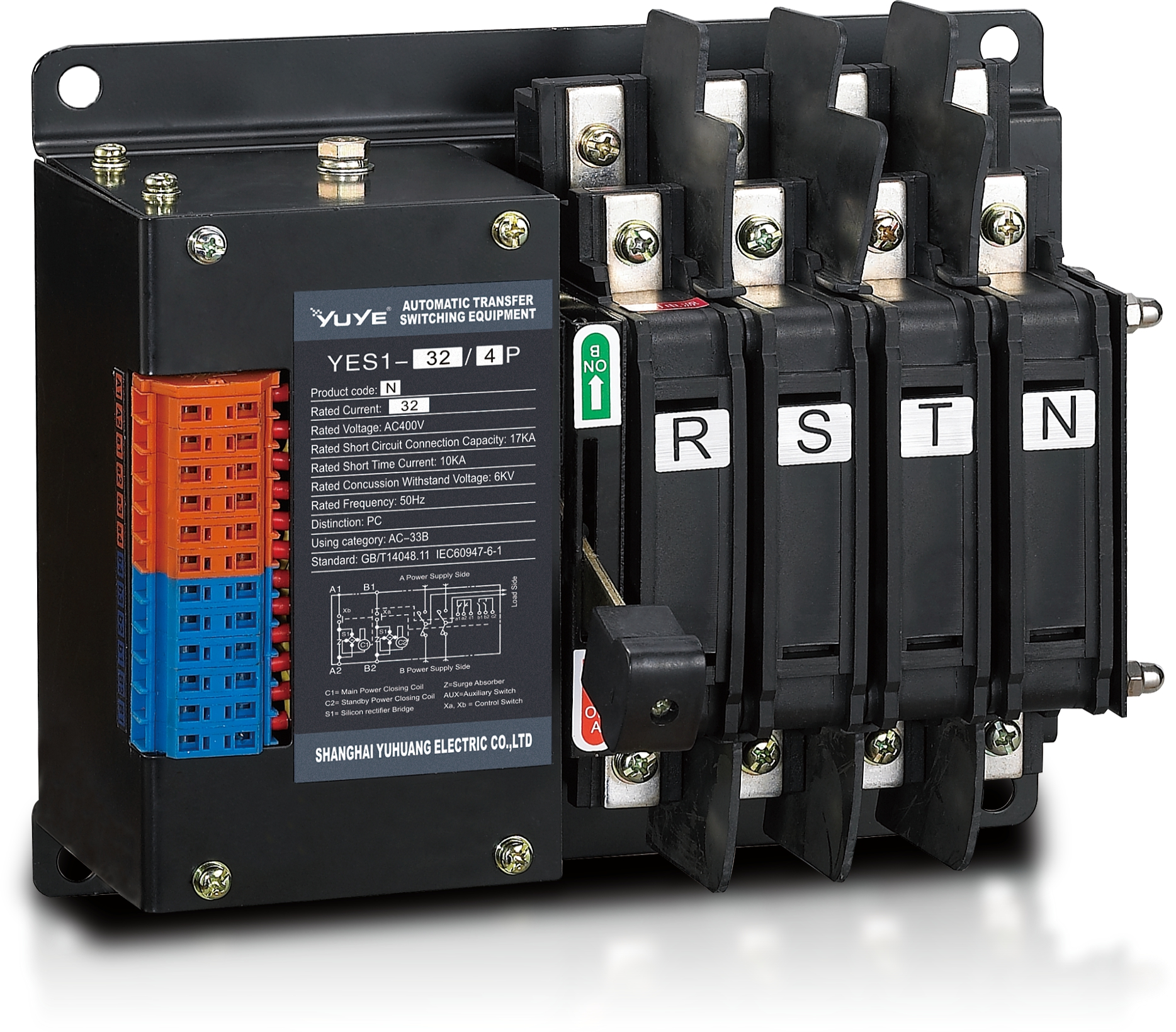 Solenoid-type ATS YES1-32~125N
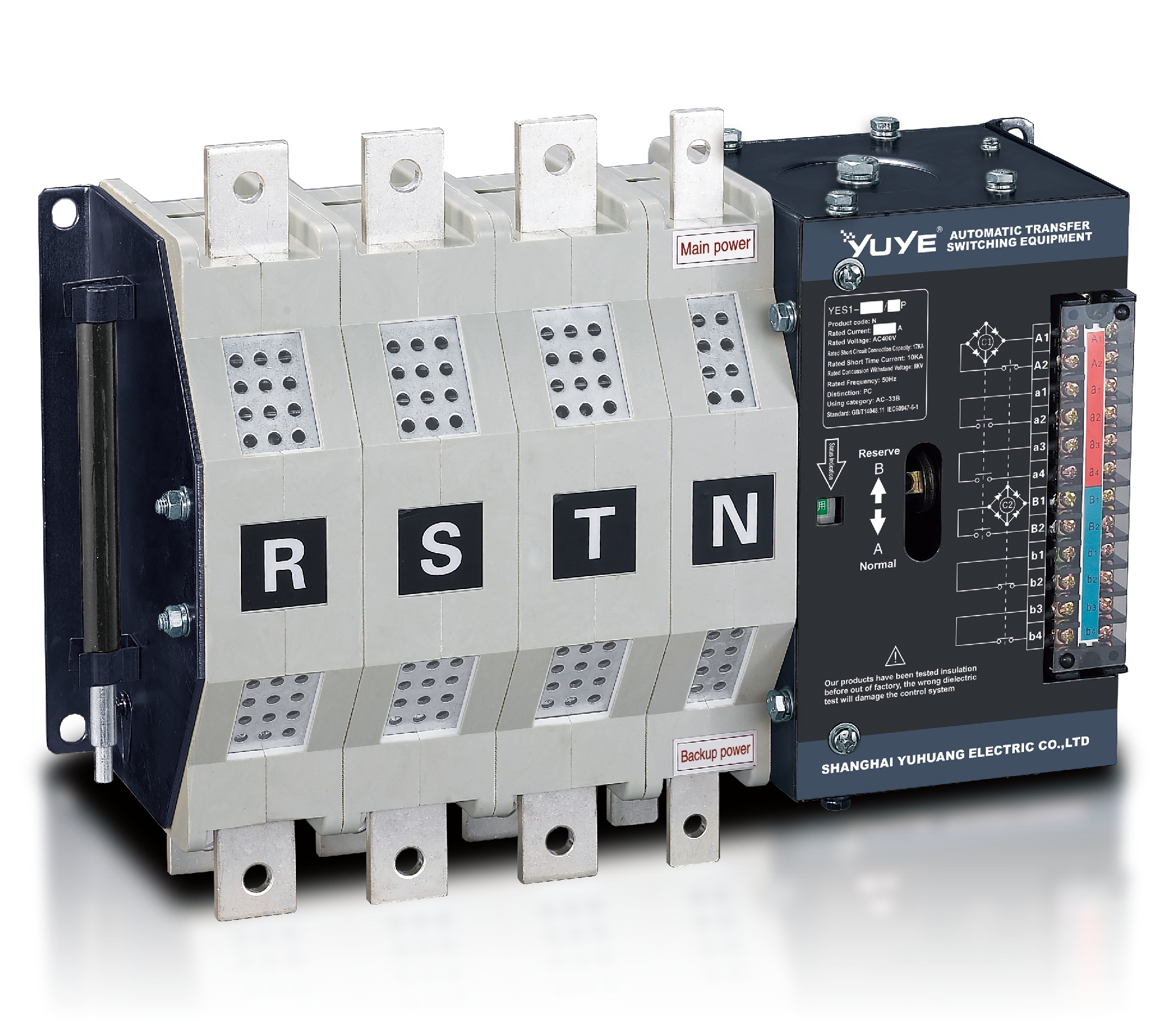 Solenoid-type ATS YES1-250~630N/NT
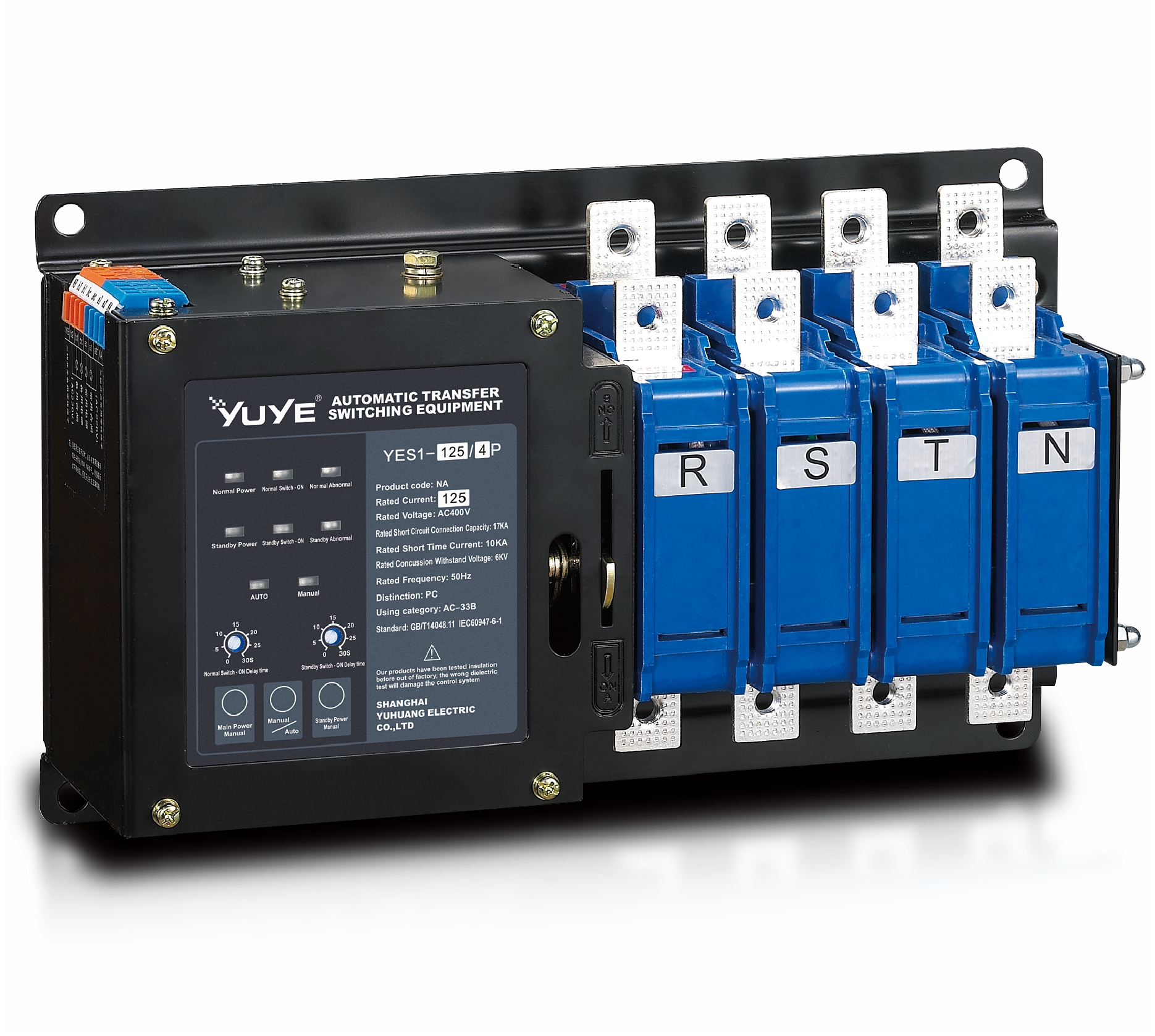 Solenoid-type ATS YES1-32~125NA
 Solenoid-type ATS YES1-63~630SN
 Solenoid-type ATS YES1-1250~4000SN
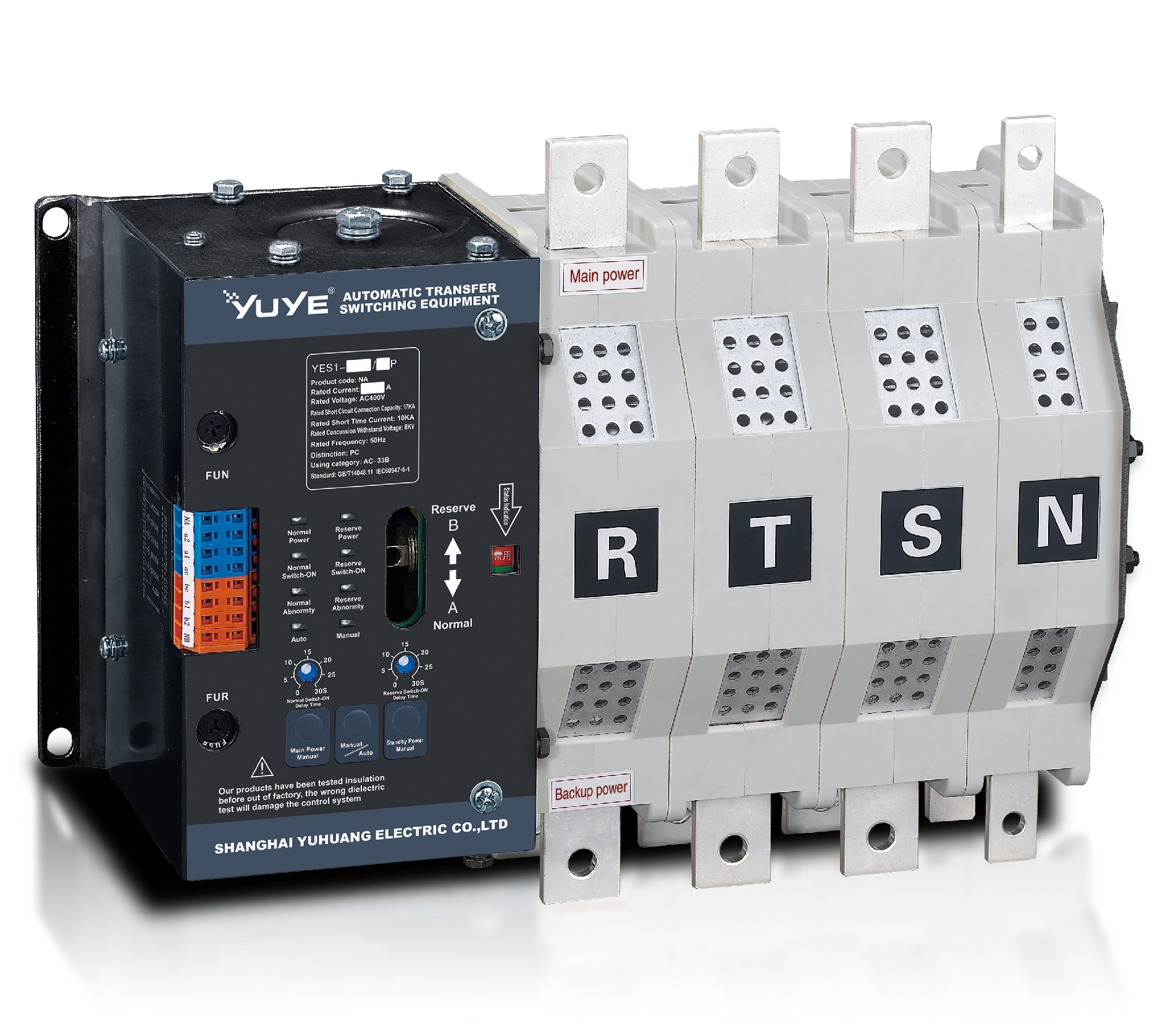 Solenoid-type ATS YES1-250~630NA/NAT
 Solenoid-type ATS YES1-63NJT
 PC ATS YES1-100~1600GN1/GN/GNF
 PC ATS YES1-2000~3200GN/GNF
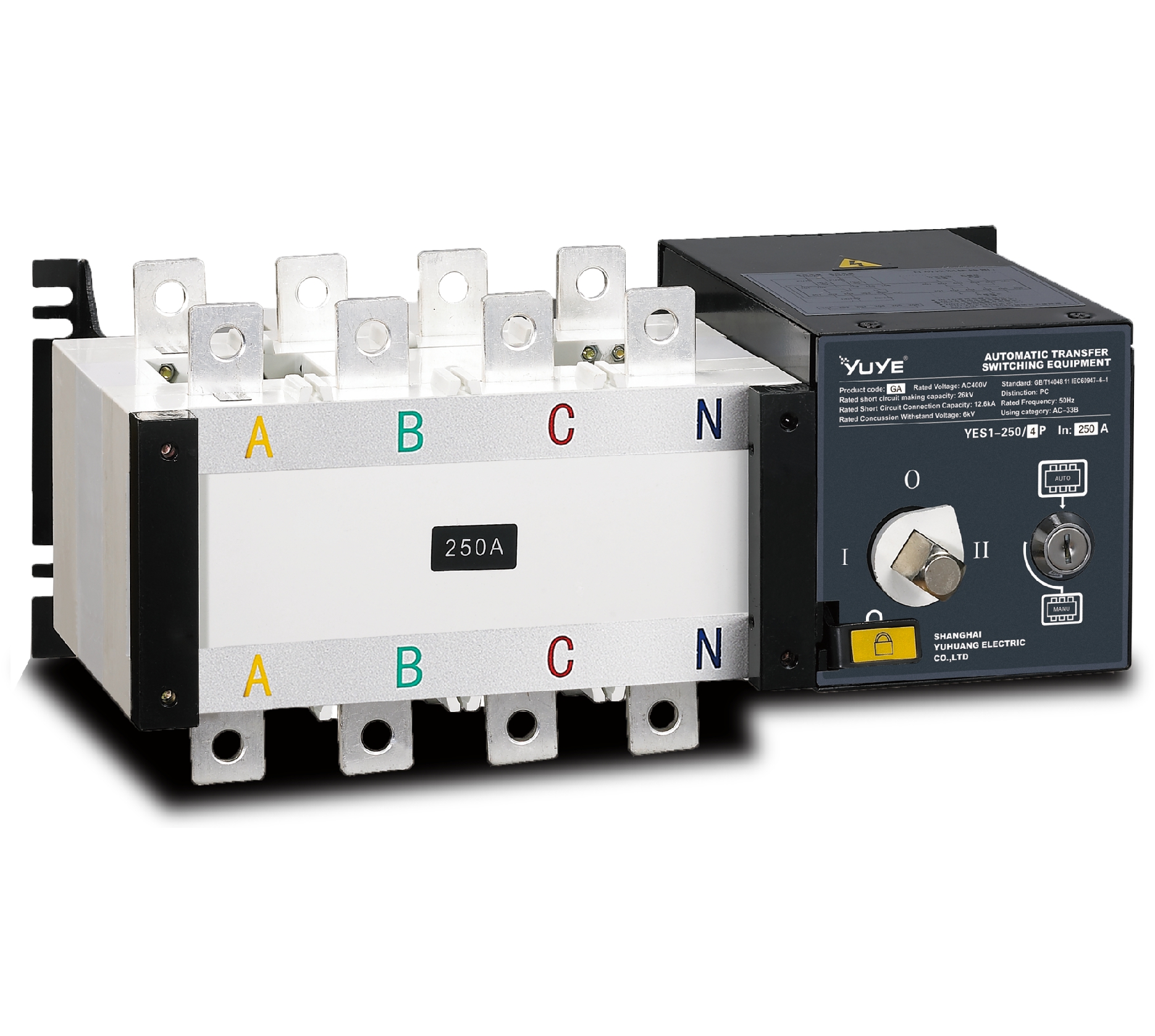 PC ATS YES1-100~3200GA1/GA
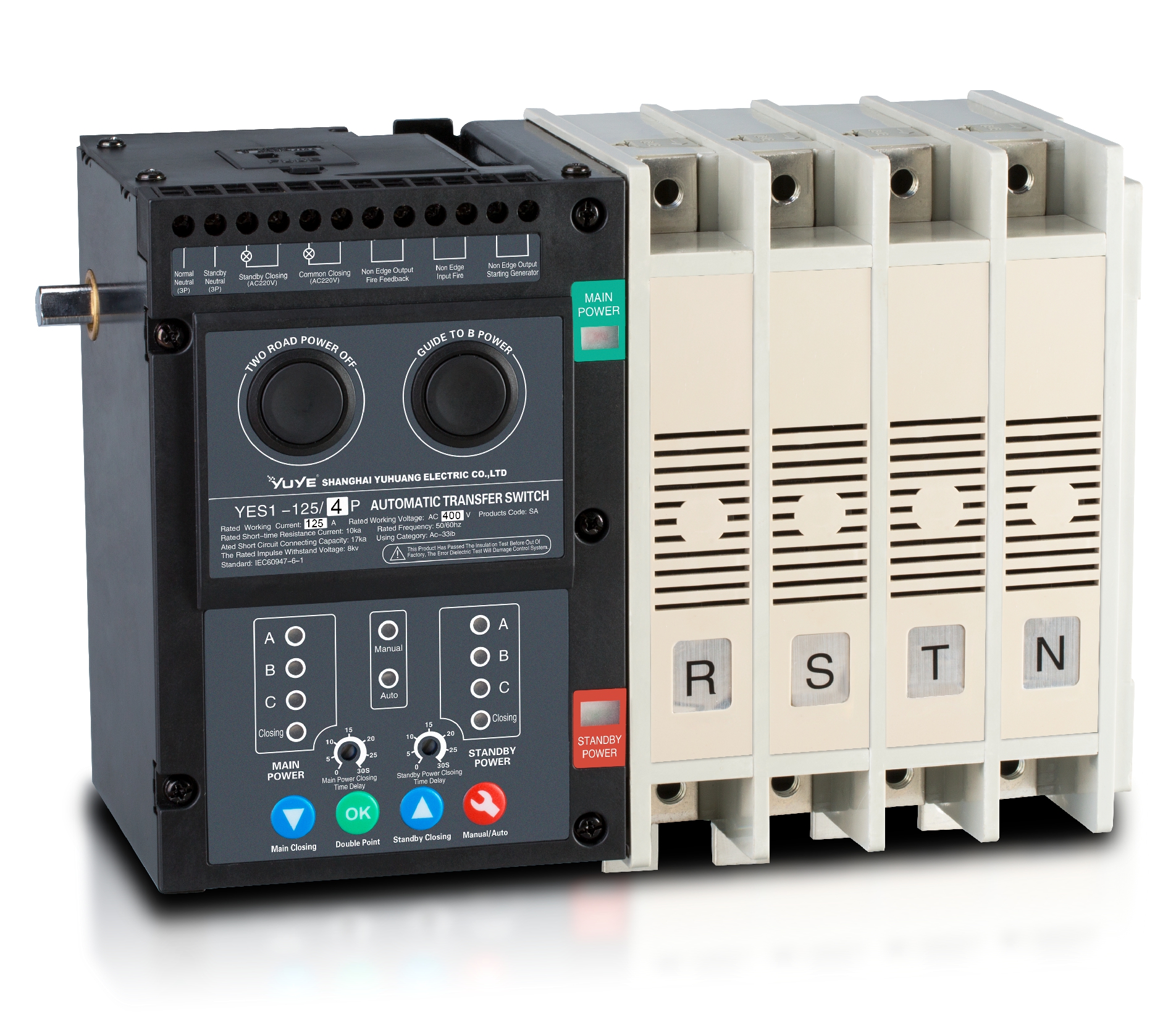 Solenoid-type ATS YES1-63~630SA
 Solenoid-type ATS YES1-63~630L/LA
 Solenoid-type ATS YES1-63~630LA3
 Solenoid-type ATS YES1-63MA
 PC ATS YES1-630~1600M
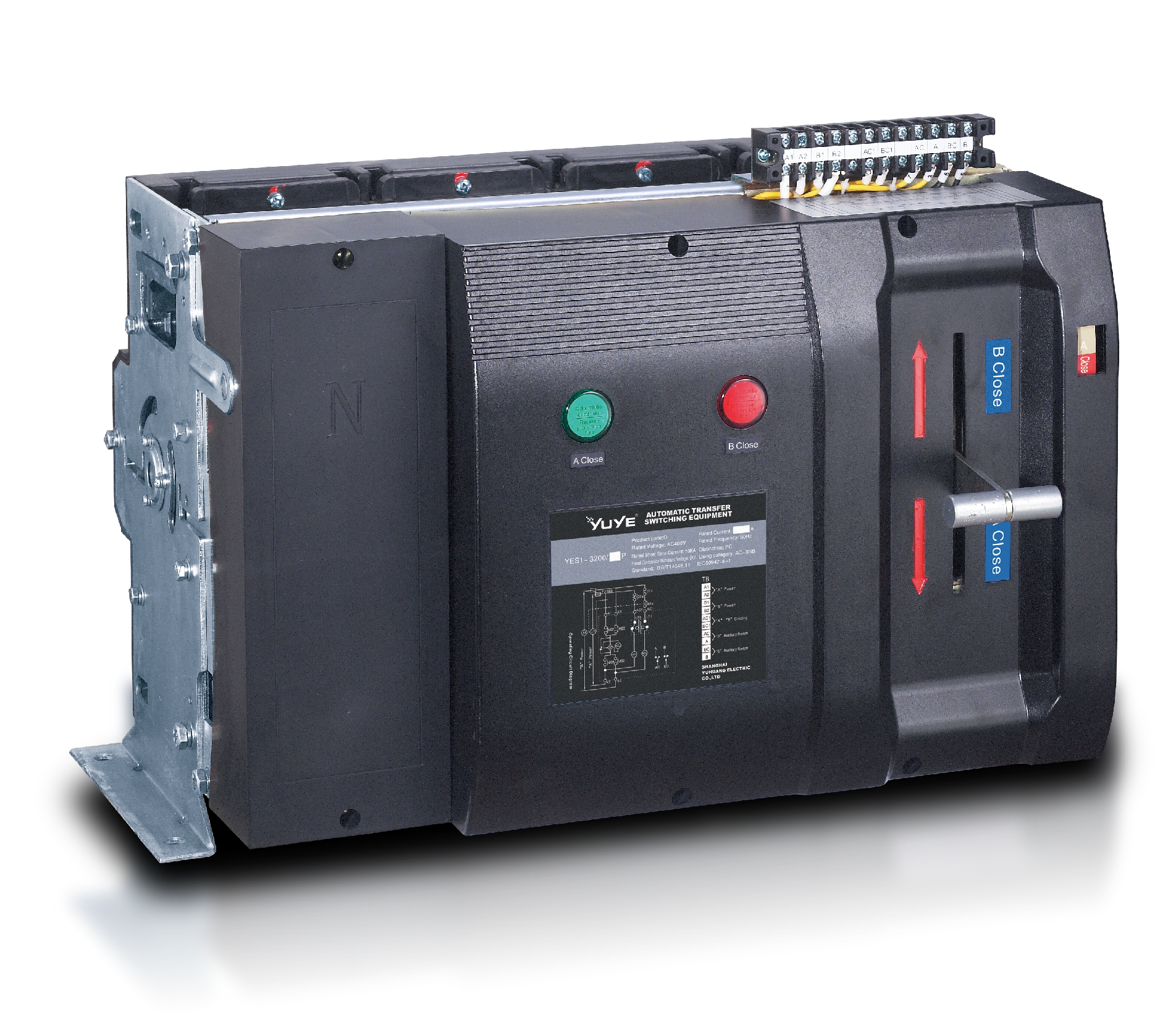 PC ATS YES1-3200Q
 Solenoid-type ATS YES1-4000~6300Q
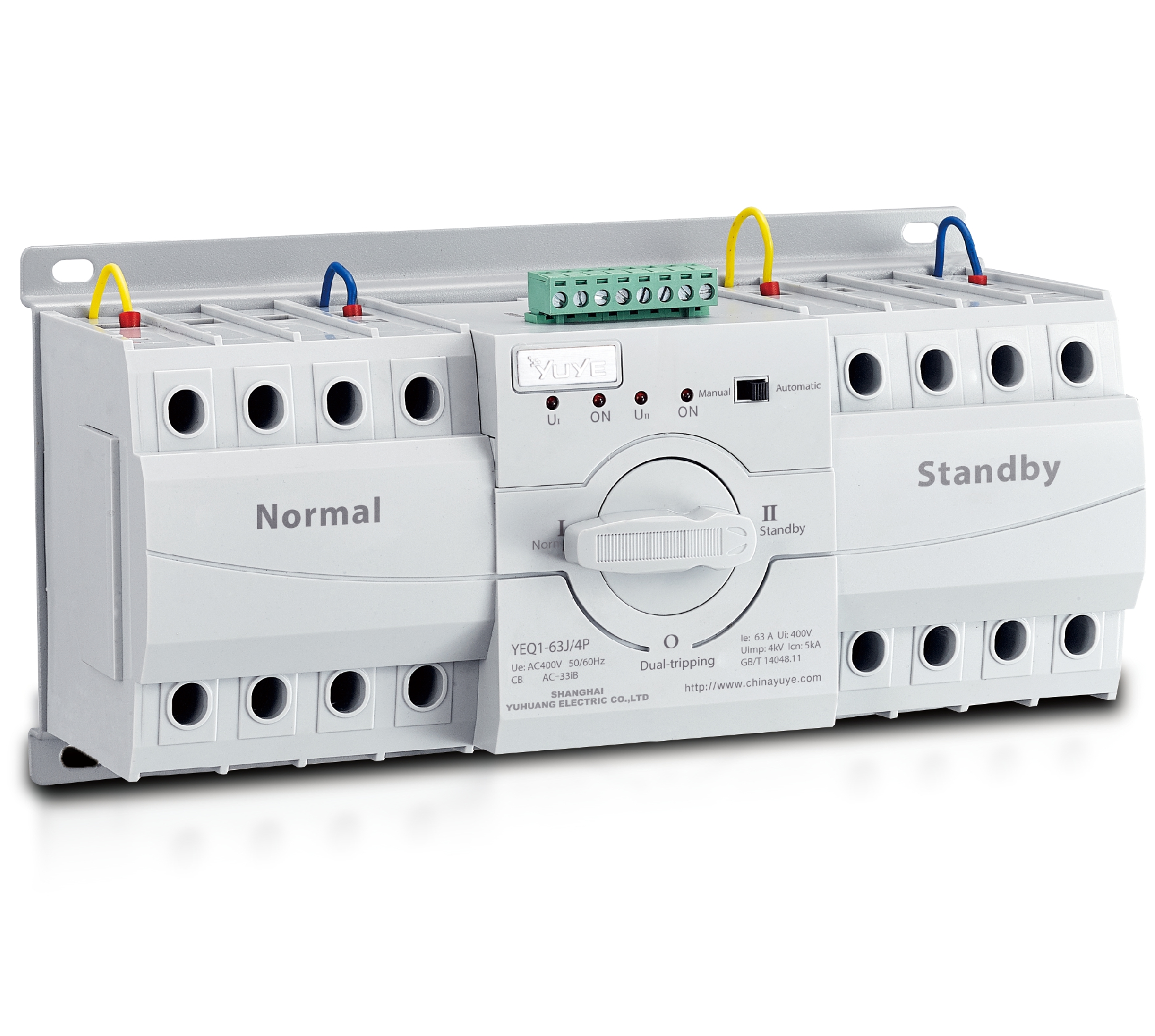 CB ATS YEQ1-63J
 CB ATS YEQ2Y-63
 CB ATS YEQ3-63W1
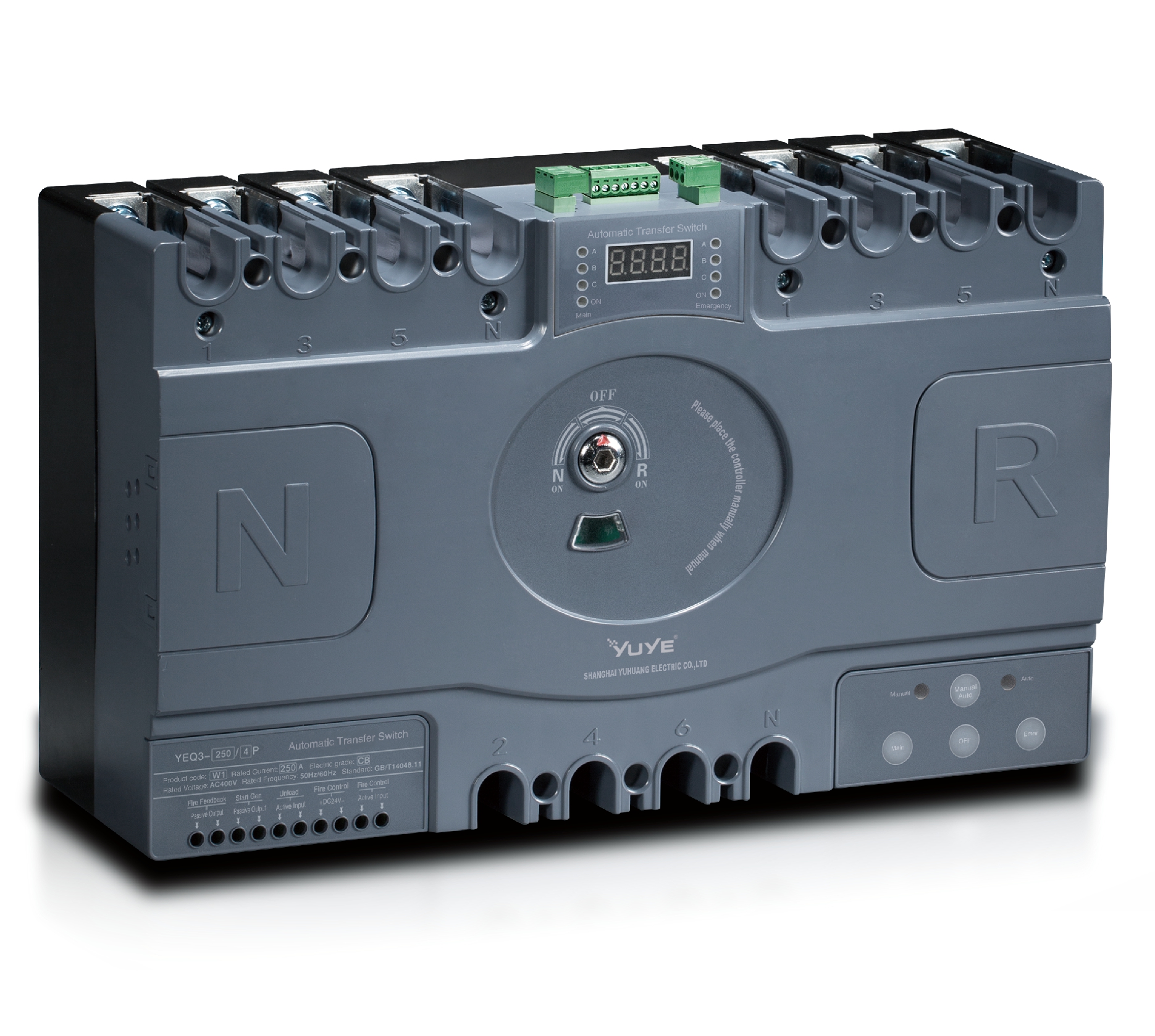 CB ATS YEQ3-125~630W1
 ATS controller Y-700
 ATS Controller Y-700N
 ATS Controller Y-701B
 ATS Controller Y-703N
 ATS Controller Y-800
 ATS Controller W2/W3 Series
 ATS switch Cabinet floor-to-ceiling
 ATS switch cabinet
 JXF-225A power Cbinet
 JXF-800A power Cbinet
 YEM3-125~800 Plastic Shell Type MCCB
 YEM3L-125~630 Leakage Type MCCB
 YEM3Z-125~800 Adjustable Type MCCB
 YEM1-63~1250 Plastic Shell Type MCCB
 YEM1E-100~800 Electronic Type MCCB
 YEM1L-100~630 Leakage Type MCCB
 Miniature circuit breaker YEMA2-6~100
 Miniature circuit breaker YEB1-3~63
 Miniature circuit breaker YEB1LE-3~63
 Miniature circuit breaker YEPN-3~32
 Miniature circuit breaker YEPNLE-3~32
 Miniature circuit breaker YENC-63~125
 Air Circuit Breaker YEW1-2000~6300
 Air Circuit Breaker YEW3-1600
 Load isolation switch YGL-63~3150
 Load Isolation Switch YGL2-63~3150
 Manual Changeover Switch YGL-100~630Z1A
 Manual Changeover Switch YGLZ1-100~3150
 YECPS2-45~125 LCD
 YECPS-45~125 Digital
 CNC Milling/Turning-OEM
 DC relay MDC-300M
 DC Isolation Switch YEGL3D-630


