An AC Automatic Transfer Switch (ATS) might sound like tech jargon, but it’s actually a pretty important piece of the puzzle when it comes to keeping power running smoothly. I came across a report from the International Electrotechnical Commission recently—if you haven’t heard, they’re saying the worldwide market for these switches could hit around $2 billion by 2025. That really shows how critical reliable power systems have become across different industries, right?
I had a chat with John Smith over at PowerTech Solutions, who’s kind of an expert in this field. He told me, “An AC Automatic Transfer Switch is absolutely essential to modern power management.” I mean, his point hits home—especially in places like hospitals or data centers where even a tiny bit of downtime can cause big problems.
Today, lots of businesses are really feeling the heat when it comes to keeping their power reliable. Nobody wants to deal with outages, and bouncing back quickly is more important than ever. But here’s the thing—installing these switches isn’t just a plug-and-play deal. Every facility has its own quirks. It’s gotta be customized to match specific electrical loads and what matters most for that place. And honestly, sometimes people forget about the importance of good design and testing—which can be a huge mistake.
Using an AC Automatic Transfer Switch properly can seriously boost how smoothly things run. Still, honestly, a lot of folks don’t quite get how these devices work or how to set them up correctly. It’s one of those things where knowing the ins and outs can make all the difference between smooth operations and costly hiccups.

What is an AC Automatic Transfer Switch?
An AC Automatic Transfer Switch (ATS) is essential for reliable power management. It automatically transfers the load between the primary power source and a backup source, typically a generator. This switch is crucial in industries where power outages can lead to significant downtime or safety issues. According to a report from the International Energy Agency, around 50% of businesses experience disruptions due to power failures. An ATS mitigates this risk effectively.
The functionality of an ATS is quite straightforward. When the main power source fails, the ATS senses the interruption. Within seconds, it disconnects the load from the primary source and connects it to the backup generator. The speed of this process is critical. Research shows that an ATS can typically switch power within 10 seconds, reducing the impact of power outages. However, these systems can sometimes take longer to respond due to various factors, such as maintenance needs or configuration issues.
User feedback often highlights that while ATS systems are robust, they require regular checks. Fluctuations in power quality can cause operational hiccups. Proper training for personnel can minimize these issues. Reports indicate that over 30% of ATS failures are due to human error, emphasizing the importance of education. By addressing these concerns, industries can enhance reliability while ensuring operational safety during unexpected power disruptions.
Key Components of an AC Automatic Transfer Switch
An AC Automatic Transfer Switch (ATS) is a crucial component for power management. It ensures a seamless transition between primary and backup power sources. Understanding its key components can enhance reliability and efficiency in various settings, ranging from data centers to hospitals.
One key component is the control logic unit. This unit monitors power supply levels and decides when to switch power sources. According to industry reports, nearly 30% of electrical outages last over an hour. A reliable control unit helps minimize downtime. Sensors also play a critical role by detecting voltage levels and operational abnormalities. These sensors help safeguard connected equipment from potential damage.
Another essential component is the transfer mechanism. This system physically switches the power supply. Mechanical designs often prioritize speed and durability. However, design flaws can lead to slow response times, creating vulnerabilities. Regular maintenance checks are vital. Data shows that up to 25% of ATS failures are due to improper maintenance. Investing in robust design and upkeep will ensure higher reliability and performance in critical power systems.
How Does an AC Automatic Transfer Switch Operate?
An AC Automatic Transfer Switch (ATS) is crucial for ensuring uninterrupted power supply. Its operation centers on seamlessly transitioning power sources. When the primary source fails, the ATS senses the outage and activates a backup generator. This process occurs within seconds, reducing downtime significantly.
The efficiency of an ATS is notable. According to industry reports, more than 90% of facilities with automatic transfer switches report improved power reliability. These systems are designed to handle various load types, making them suitable for both residential and commercial applications. Monitoring systems provide real-time data, indicating when maintenance is necessary. Regular testing is essential, as failure to perform routine checks can lead to unexpected outages.
Challenges exist in the operation of ATS. Improper installation or lack of understanding may lead to errors. A study highlighted that 30% of reported failures come from user error. Training personnel on ATS functions is critical. As technology evolves, integrating smart features will enhance reliability and ease of use. However, the initial setup remains a complex process, demanding careful planning and precision.
Common Applications of AC Automatic Transfer Switches
AC Automatic Transfer Switches (ATS) are essential for various applications. They ensure a seamless transition between the primary power source and backup generators during outages. This is vital for critical infrastructures that cannot afford downtime.
In hospitals, for example, an ATS guarantees that life-saving equipment remains operational during a power failure. Likewise, data centers rely on these switches to maintain server functionality. The automatic nature of the ATS minimizes human error, providing reliability in urgent situations.
However, not all applications benefit equally. Smaller businesses may find the installation costs too high for their needs. Maintenance can also be a challenge, especially if the ATS is not regularly inspected. The technology is beneficial, but understanding its limitations is crucial for proper implementation.
Benefits of Using an AC Automatic Transfer Switch
AC automatic transfer switches (ATS) play a crucial role in ensuring uninterrupted power supply. These devices switch the electrical load between the primary power source and standby generators when the main source fails. Their importance cannot be overstated, as power outages can result in significant financial losses and safety risks. In fact, a 2021 report from the American Power Association found that power outages cost businesses an average of $150 billion annually in the United States alone.
The benefits of using an AC automatic transfer switch are profound. For residential and commercial users, these switches enhance reliability. They automatically detect power failures and switch to backup sources within seconds, minimizing downtime. This is particularly vital for hospitals and data centers, where even a momentary outage can lead to critical situations.
According to a recent study, 85% of businesses that implement ATS experience fewer disruptions compared to those relying on manual transfer systems.
User experience can vary based on installation and maintenance. Not all ATS systems are equal, and improper installation can lead to malfunction. Regular maintenance checks are essential to ensure optimal performance. Statistics show that 40% of automatic transfer switch failures occur due to lack of proper servicing. Thus, investing in regular upkeep is as important as purchasing the device itself.
Maintenance and Troubleshooting Tips for AC Automatic Transfer Switches
AC Automatic Transfer Switches (ATS) are essential in ensuring a seamless power supply. Regular maintenance is crucial to keep them functioning properly. Ignoring maintenance can lead to failures that disrupt operations.
Inspect the ATS regularly. Check for loose connections or signs of wear. Clean any dirt or debris that may block electrical components. Environmental factors, like humidity or dust, can affect performance.
When troubleshooting, test the switch by simulating a power failure. Observe how quickly it responds. If you experience delays, it indicates issues. Make sure to document any irregularities.
This will help track recurring problems. Regular checks can prevent unexpected outages and costly repairs.
Safety Considerations for AC Automatic Transfer Switch Usage
When using an AC Automatic Transfer Switch (ATS), safety must be a priority. An ATS connects two power sources and automatically switches between them. It ensures that essential equipment receives power during an outage. However, improper installation can lead to hazards.
Consider conducting regular maintenance. Check for wear and tear on components. Faulty connections can create risks. Periodic inspections can catch problems early, preventing downtime and ensuring reliability.
Fire risks are another concern. Ensure the ATS is installed in a clean area, away from flammable materials. Overloading the switch can cause overheating. Be mindful of the load connected to the ATS.
Always consult a professional for installation and maintenance. They possess the experience to navigate safety codes. Trust in qualified personnel to maximize safety and performance.
Optimizing Electrical Safety and Efficiency: A Comprehensive Guide to Load Isolation Switch YGL-63~3150
When it comes to optimizing electrical safety and efficiency, choosing the right load isolation switch is crucial for any power system. The YGL series Load Isolation Switch, with a range of models from 63A to 3150A, is specifically designed to meet the demands of modern electrical installations. Operating at an AC voltage of up to 400V and a frequency of 50Hz, these switches provide a robust solution for connecting and disconnecting circuits under infrequent load conditions, ensuring the safety and reliability of electrical systems.
The YGL-63~3150 series is compliant with the IEC 60947-3 standard, which guarantees that these isolators offer superior quality and performance. Available in both three-pole and four-pole configurations, these switches cater to various applications across different industries. Whether it is for industrial plants, commercial buildings, or any power system requiring dependable isolation, the design incorporates essential features that enhance operational efficiency and minimize risks associated with electrical hazards. By integrating the YGL series into your electrical setup, you can achieve an optimized balance of safety and efficiency, crucial for effective load management.
FAQS
C Automatic Transfer Switch (ATS)?
They keep life-saving equipment running during power failures, preventing potential risks to patients.
They rely on ATS to maintain server functionality, minimizing downtime during outages or power fluctuations.
Regularly inspect for loose connections, wear, and clean debris to ensure optimal performance.
Humidity and dust can affect functionality, making regular cleaning and inspections important.
Document any delays during testing and check for potential issues that may require immediate attention.
Yes, installation costs may be too high and maintenance could be challenging without regular inspections.
Simulate a power failure to observe how quickly the ATS responds and check for any delays.
Ignoring maintenance can lead to unexpected outages and costly repairs, disrupting critical services.
While ATS provide reliability, knowing their limits is crucial for effective and cost-efficient implementation.
Conclusion
An AC Automatic Transfer Switch (ATS) is a crucial device designed to manage the transfer of electrical loads between two power sources, typically a primary source and a backup generator. Its key components include the switch mechanism, control circuitry, and various safety features that ensure reliable and efficient operation. The ATS operates by continuously monitoring the primary power supply and automatically switching to the backup source when an outage or disturbance occurs, ensuring a seamless supply of electricity.
Common applications of AC Automatic Transfer Switches span residential, commercial, and industrial settings, providing benefits such as increased reliability, reduced downtime, and enhanced safety for electrical systems. Regular maintenance and proper troubleshooting are essential for optimal performance, while users must also adhere to safety considerations to prevent potential hazards associated with power transfers. Overall, an AC Automatic Transfer Switch is indispensable for any setup requiring uninterrupted power supply.

 PC ATS YECT1-2000G
 PC ATS YES2-63~250GN1
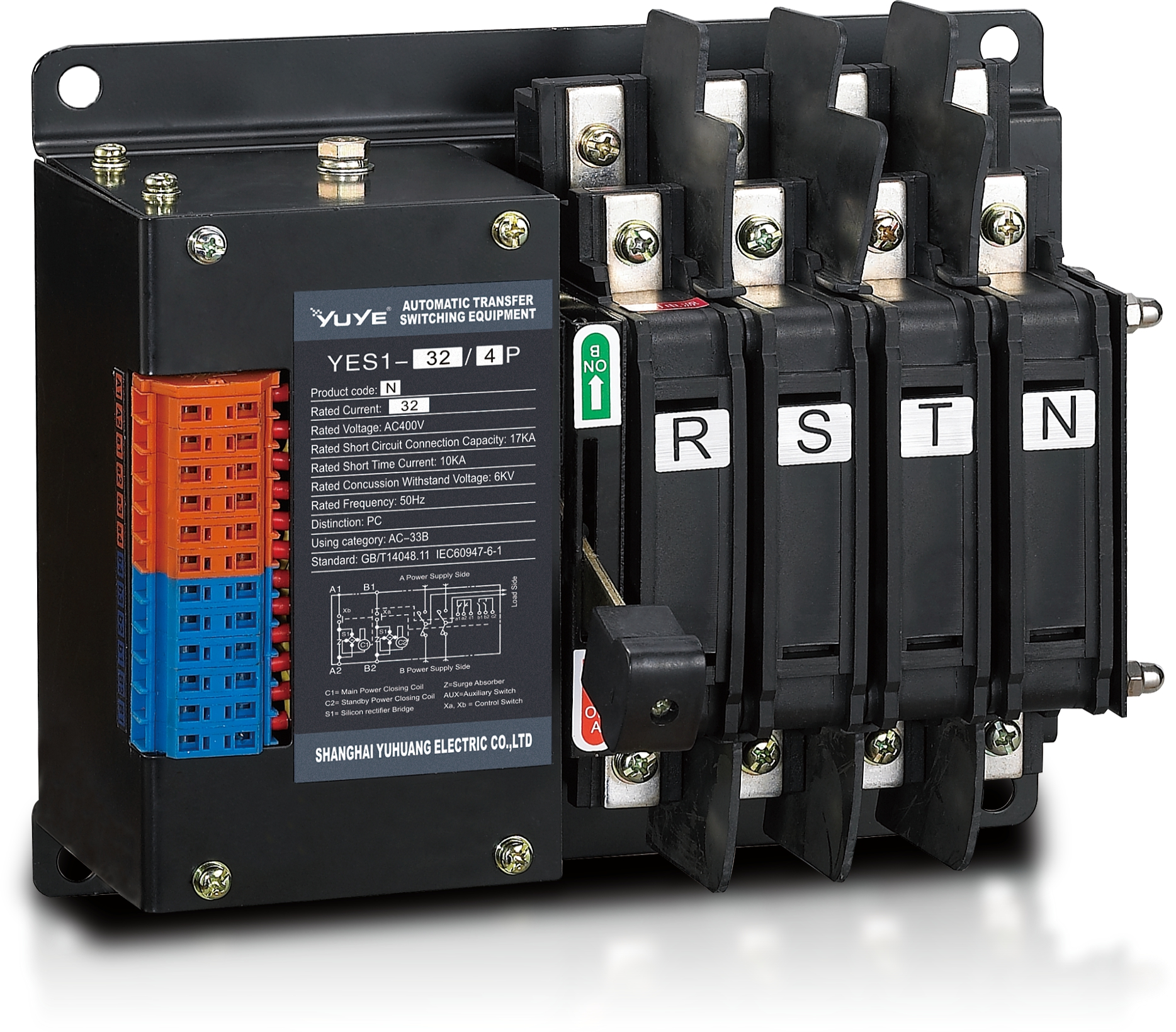 Solenoid-type ATS YES1-32~125N
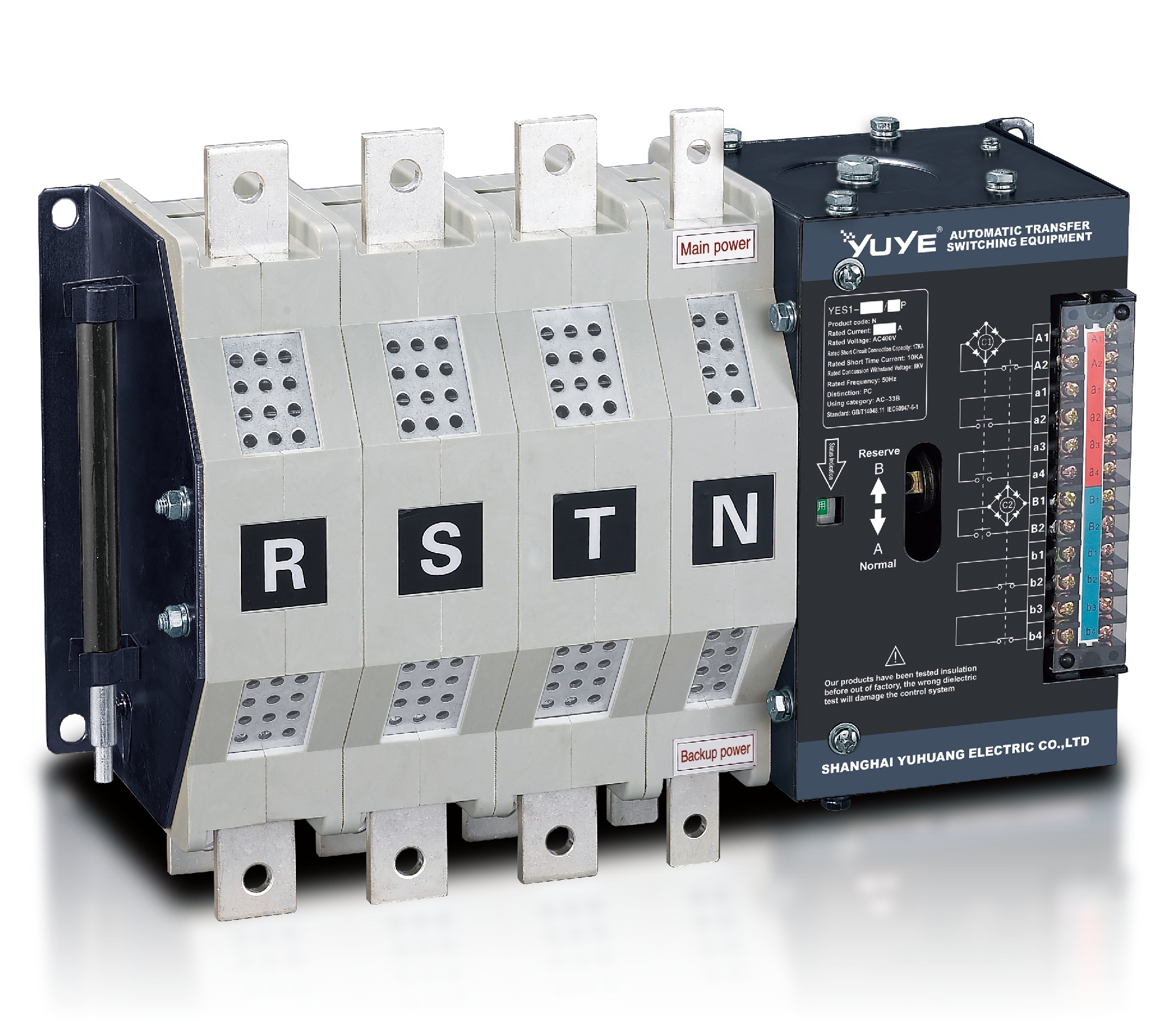 Solenoid-type ATS YES1-250~630N/NT
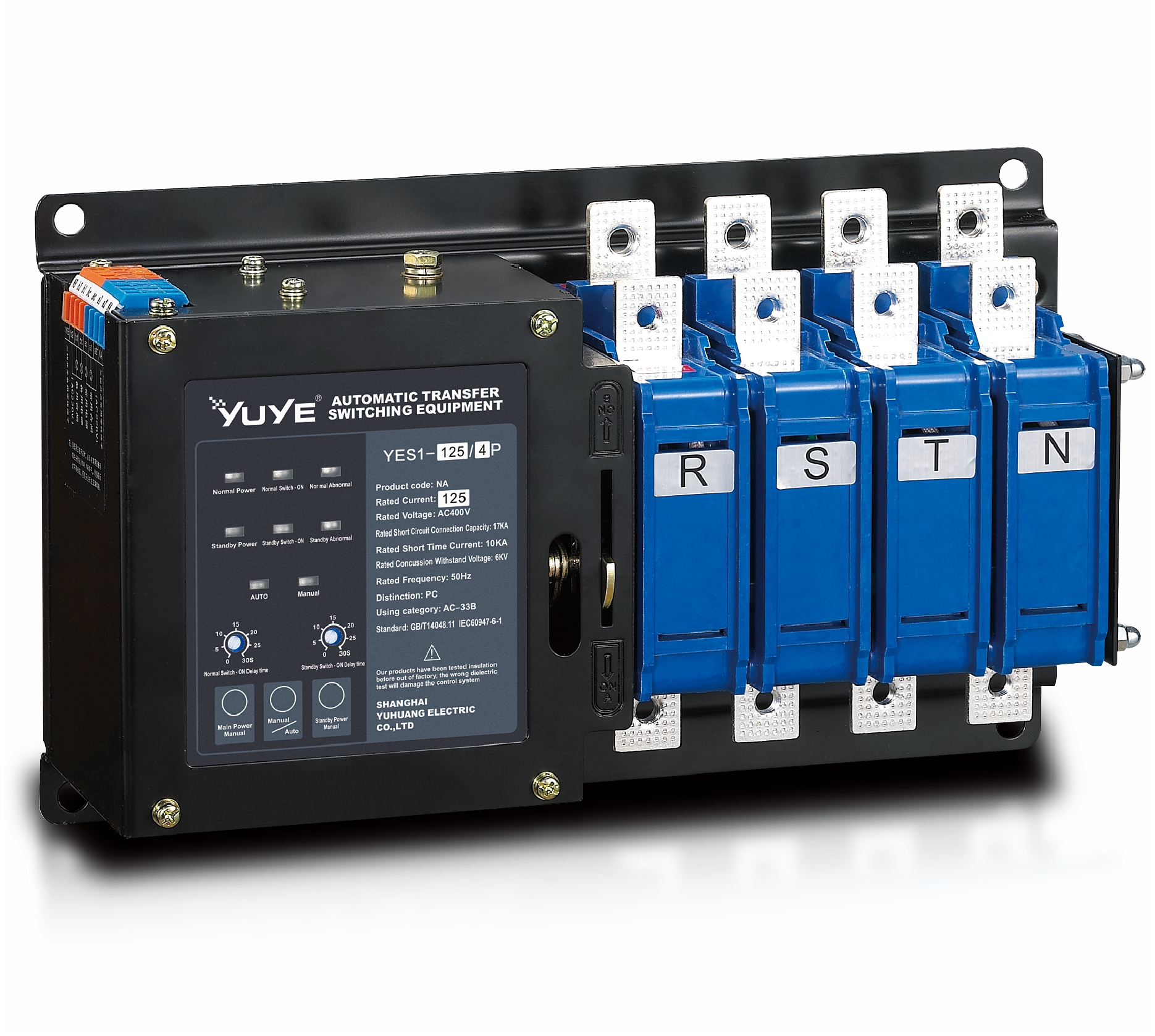 Solenoid-type ATS YES1-32~125NA
 Solenoid-type ATS YES1-63~630SN
 Solenoid-type ATS YES1-1250~4000SN
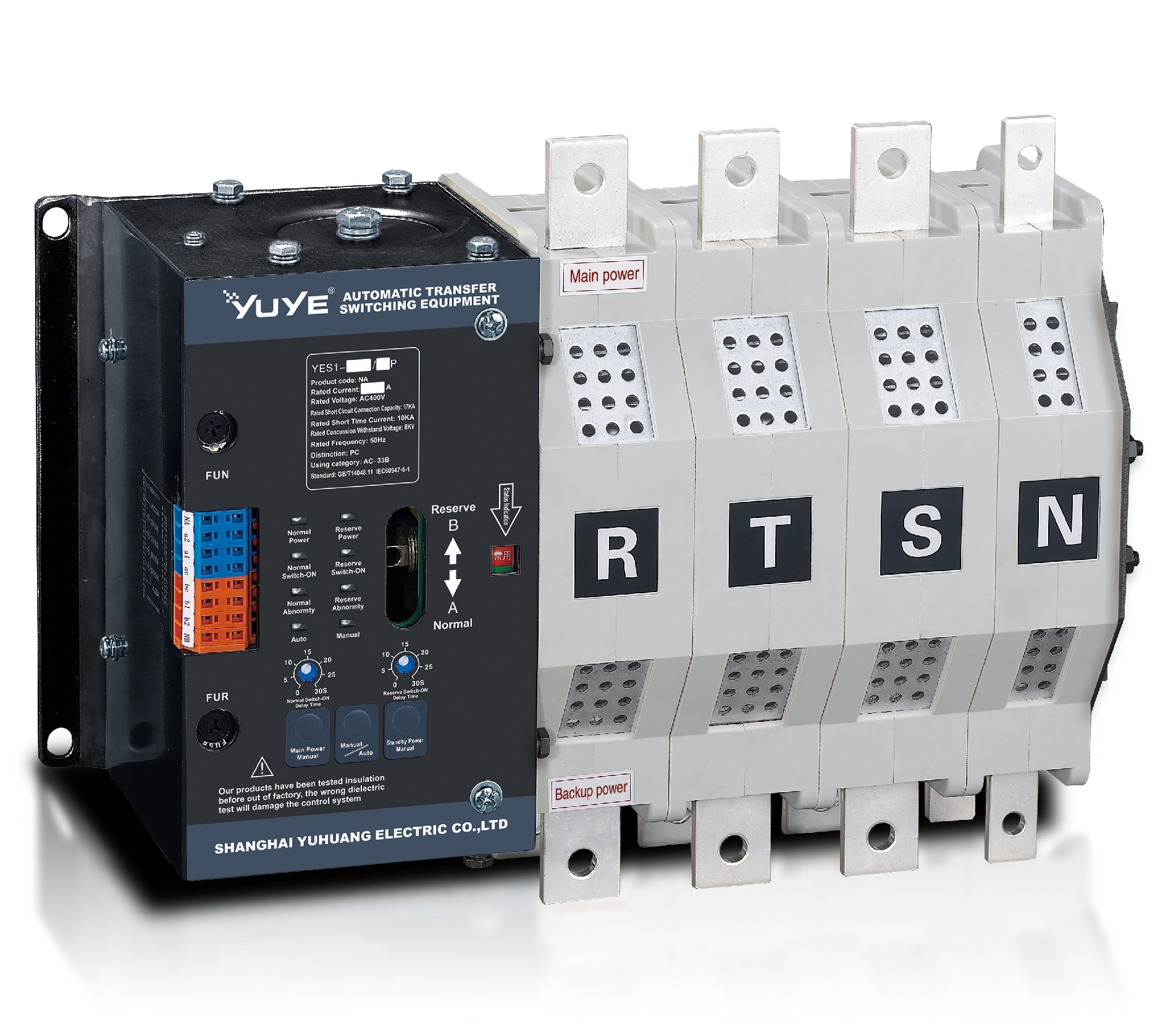 Solenoid-type ATS YES1-250~630NA/NAT
 Solenoid-type ATS YES1-63NJT
 PC ATS YES1-100~1600GN1/GN/GNF
 PC ATS YES1-2000~3200GN/GNF
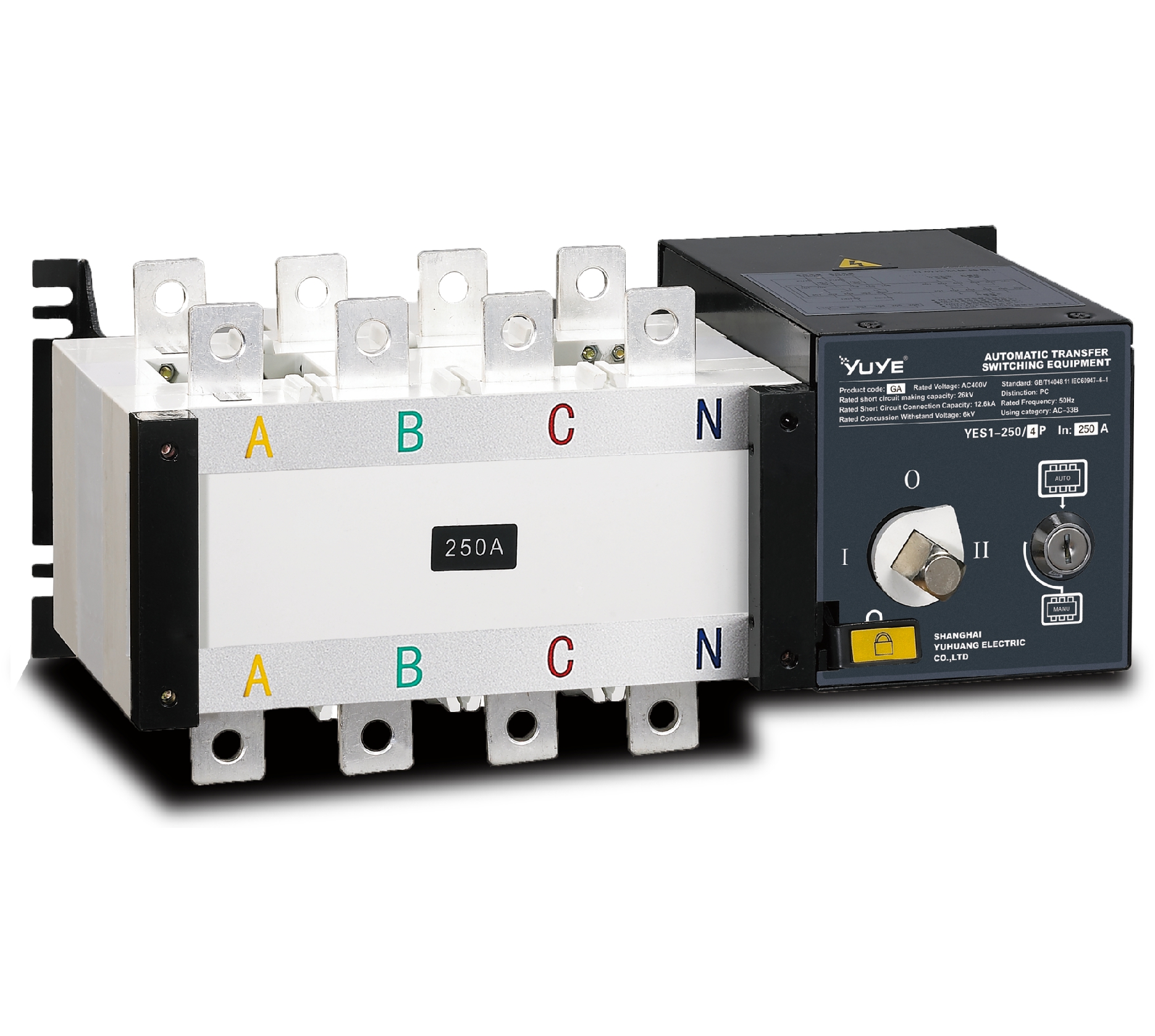 PC ATS YES1-100~3200GA1/GA
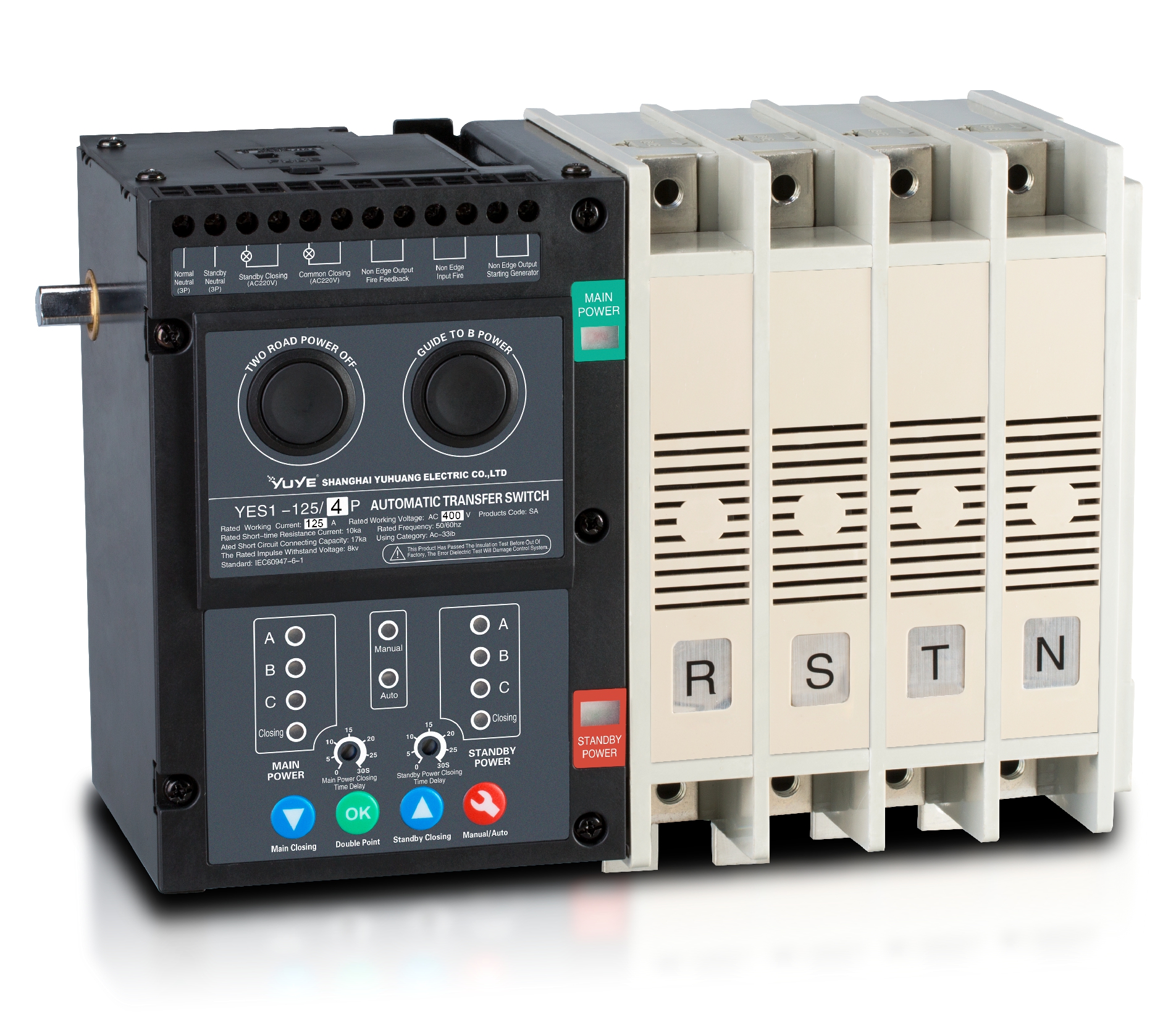 Solenoid-type ATS YES1-63~630SA
 Solenoid-type ATS YES1-63~630L/LA
 Solenoid-type ATS YES1-63~630LA3
 Solenoid-type ATS YES1-63MA
 PC ATS YES1-630~1600M
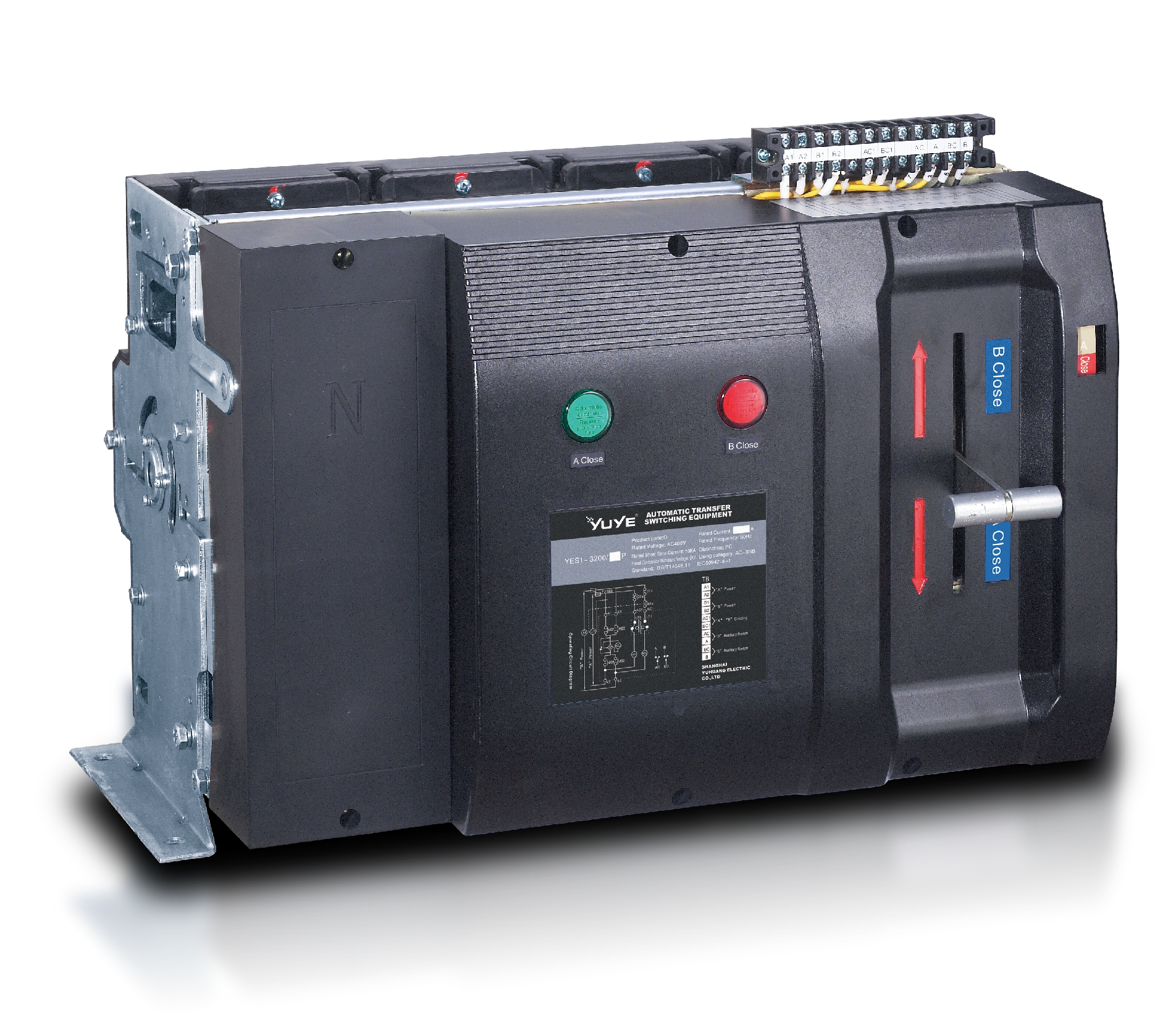 PC ATS YES1-3200Q
 Solenoid-type ATS YES1-4000~6300Q
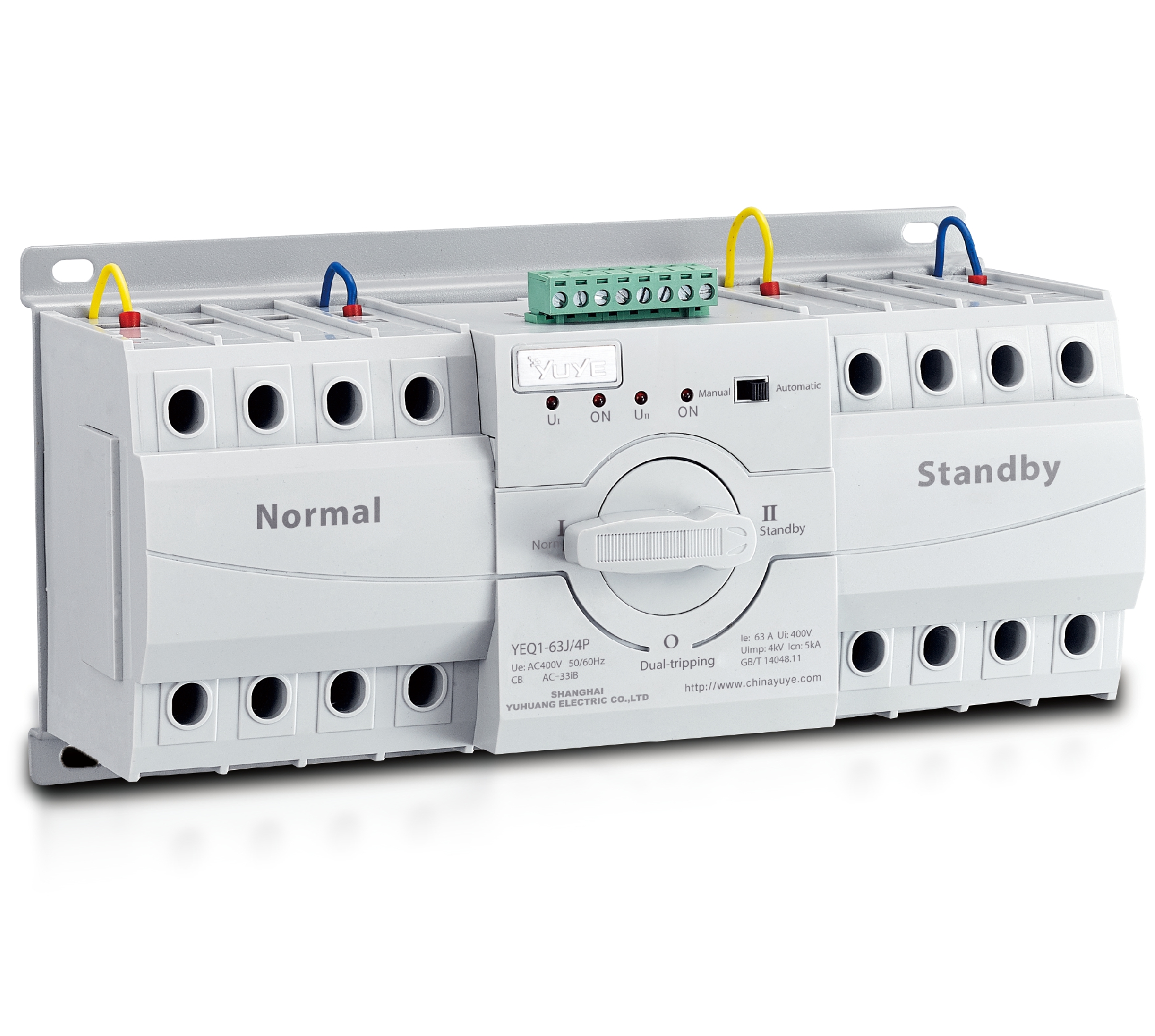 CB ATS YEQ1-63J
 CB ATS YEQ2Y-63
 CB ATS YEQ3-63W1
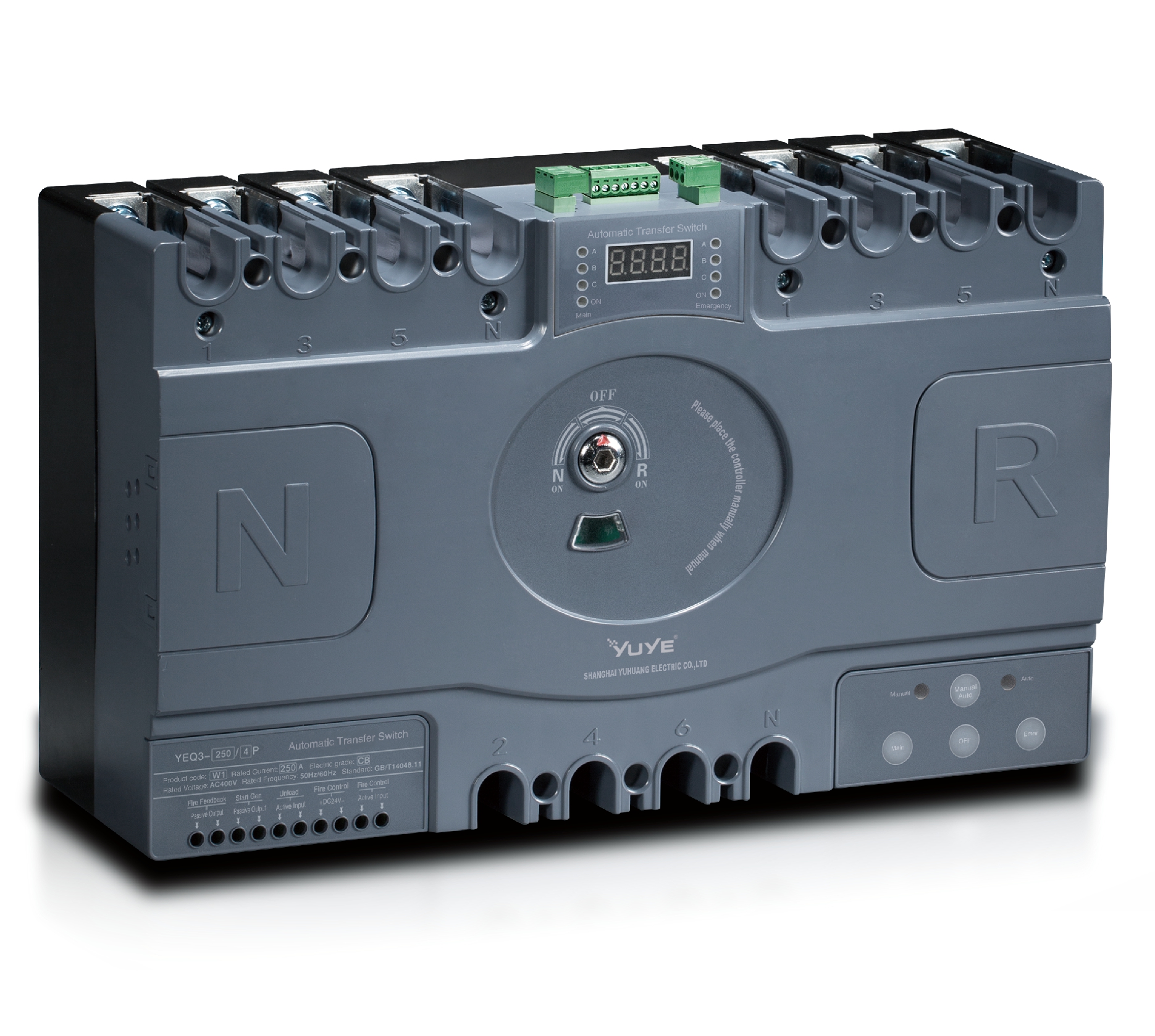 CB ATS YEQ3-125~630W1
 ATS controller Y-700
 ATS Controller Y-700N
 ATS Controller Y-701B
 ATS Controller Y-703N
 ATS Controller Y-800
 ATS Controller W2/W3 Series
 ATS switch Cabinet floor-to-ceiling
 ATS switch cabinet
 JXF-225A power Cbinet
 JXF-800A power Cbinet
 YEM3-125~800 Plastic Shell Type MCCB
 YEM3L-125~630 Leakage Type MCCB
 YEM3Z-125~800 Adjustable Type MCCB
 YEM1-63~1250 Plastic Shell Type MCCB
 YEM1E-100~800 Electronic Type MCCB
 YEM1L-100~630 Leakage Type MCCB
 Miniature circuit breaker YEMA2-6~100
 Miniature circuit breaker YEB1-3~63
 Miniature circuit breaker YEB1LE-3~63
 Miniature circuit breaker YEPN-3~32
 Miniature circuit breaker YEPNLE-3~32
 Miniature circuit breaker YENC-63~125
 Air Circuit Breaker YEW1-2000~6300
 Air Circuit Breaker YEW3-1600
 Load isolation switch YGL-63~3150
 Load Isolation Switch YGL2-63~3150
 Manual Changeover Switch YGL-100~630Z1A
 Manual Changeover Switch YGLZ1-100~3150
 YECPS2-45~125 LCD
 YECPS-45~125 Digital
 CNC Milling/Turning-OEM
 DC relay MDC-300M
 DC Isolation Switch YEGL3D-630


