0%

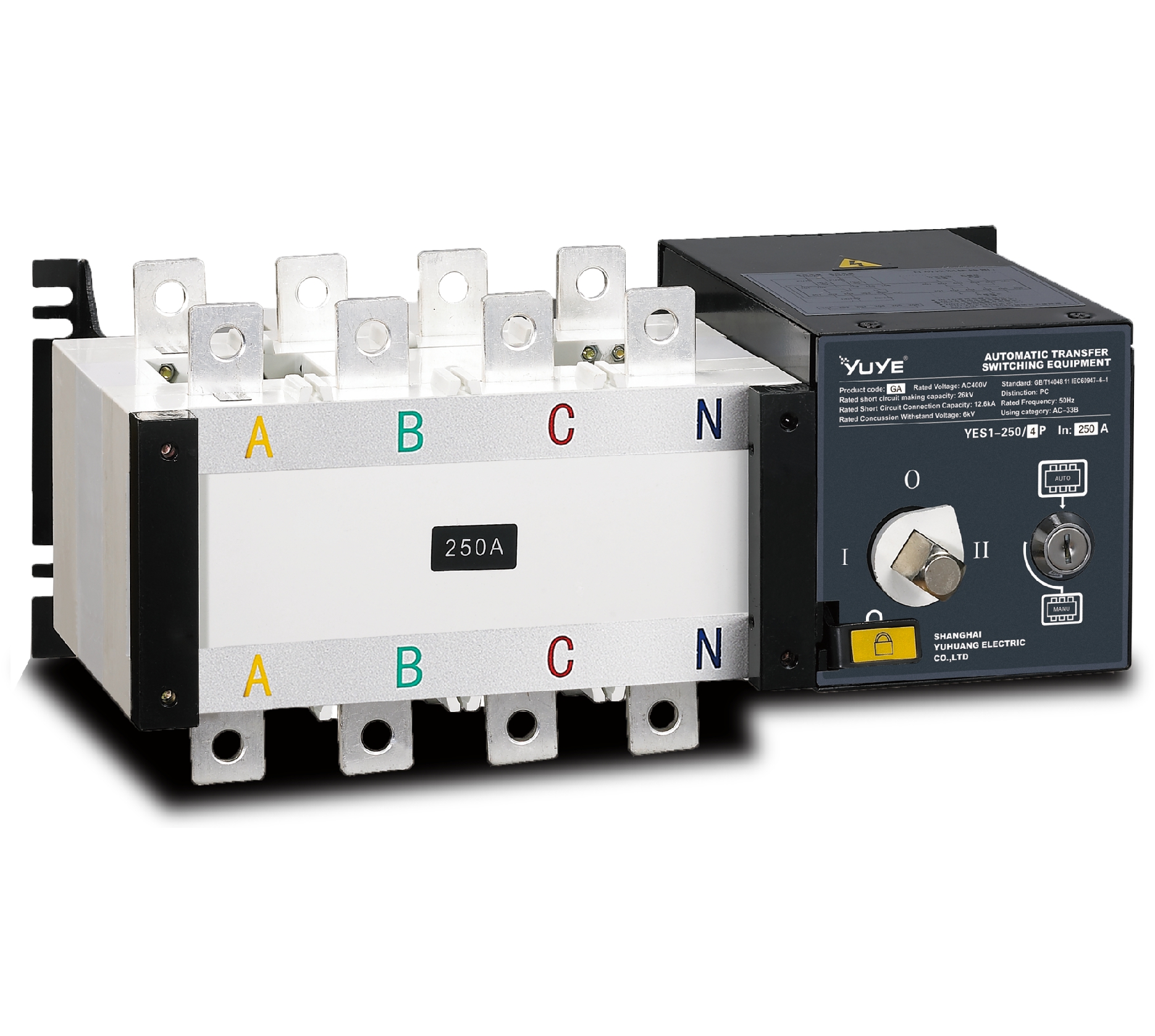
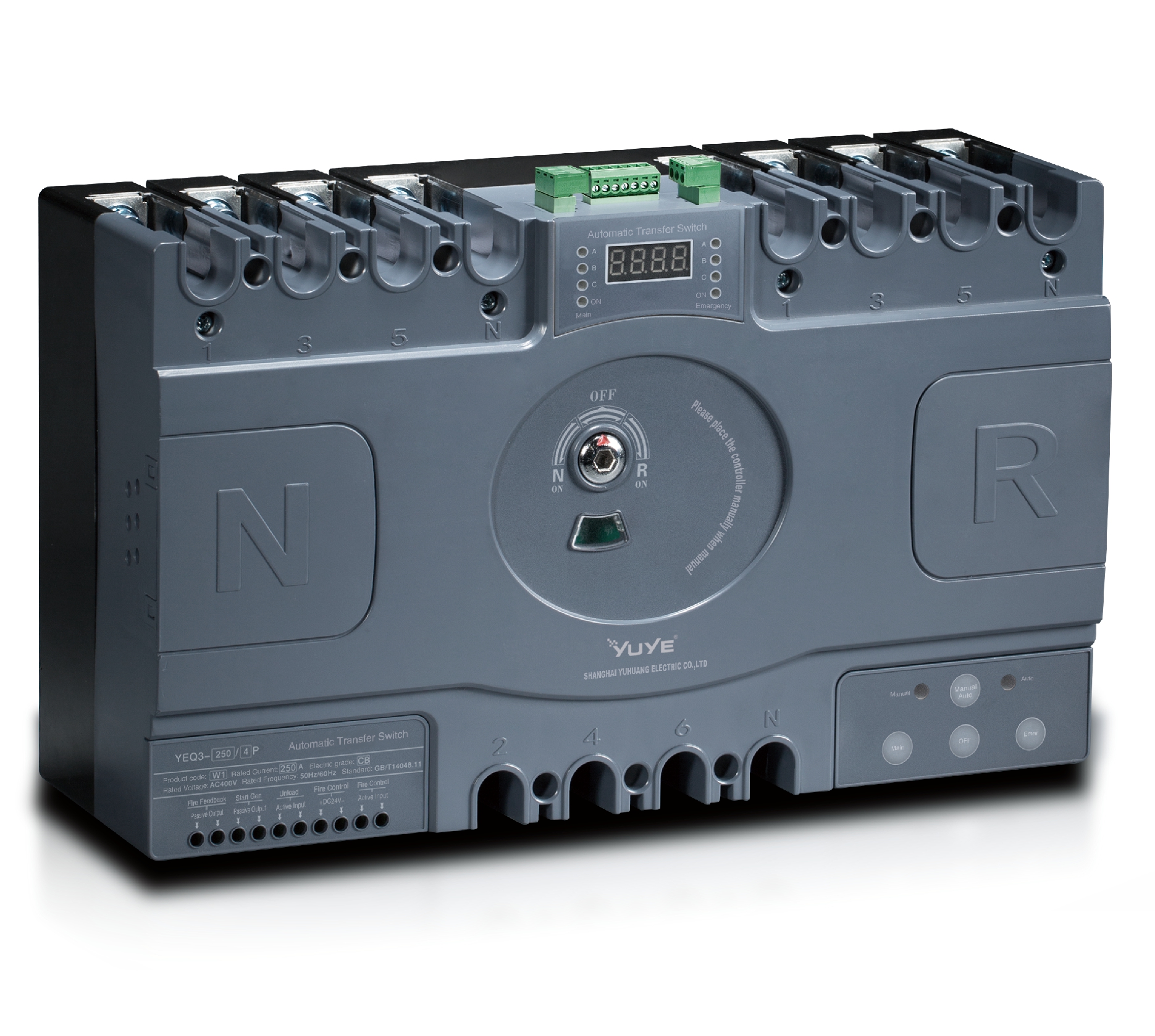
In today's really competitive business world, having a reliable power supply isn’t just a nice-to-have – it’s absolutely essential. John Smith, an expert over at Power Solutions Corp, puts it simply: “An Automatic Transfer Switch ATS 220V can be a real lifesaver when outages hit.” This kind of tech makes switching between your main power source and backup super smooth, so your business stays up and running without a hitch.

Figuring out which Automatic Transfer Switch ATS 220V to go for can be pretty tricky. Honestly, it’s easy for companies to underestimate how important this little piece of gear really is. Sure, investing in good quality equipment can feel a bit daunting at first, but honestly, the payoff is totally worth it. A solid ATS can help you avoid those nasty downtime moments — it kicks in automatically to keep things flowing so you don’t even notice the power’s gone.

Most businesses get why power systems are important, but not everyone really understands the ins and outs of Automatic Transfer Switch ATS 220V. Picking the right one means paying attention to things like voltage needs and load capacity. Sometimes, companies hesitate or feel unsure about making that leap. But once you really get what this switch can do for your operations, it’s easier to make smarter decisions that keep everything running smoothly and more reliably.

Why Choose an Automatic Transfer Switch ATS 220V for Your Business?

Benefits of an Automatic Transfer Switch ATS for Business Continuity

An Automatic Transfer Switch (ATS) is crucial for maintaining business operations during power outages. When the main power supply fails, the ATS quickly shifts to the backup power source. This rapid response minimizes downtime and protects sensitive equipment from damage. Businesses rely on uninterrupted power for daily tasks, making an ATS an essential component for continuity.

The benefits of implementing an ATS for business continuity are significant. It enhances reliability, ensuring that operations can run smoothly without interruption. The system monitors power levels, automatically switching when necessary. This reduces the need for manual intervention, which can be slow and error-prone. A skilled technician may be required to oversee manual transitions, but an ATS handles this seamlessly.

However, potential downsides should be considered. Initial installation costs can be high. Regular maintenance is also necessary to ensure effectiveness. Neglecting this can lead to system failures at critical moments. Businesses must weigh these aspects carefully. Investing in an ATS could be one of the best decisions for long-term stability and efficiency.

Understanding the Functionality of ATS 220V in Power Management

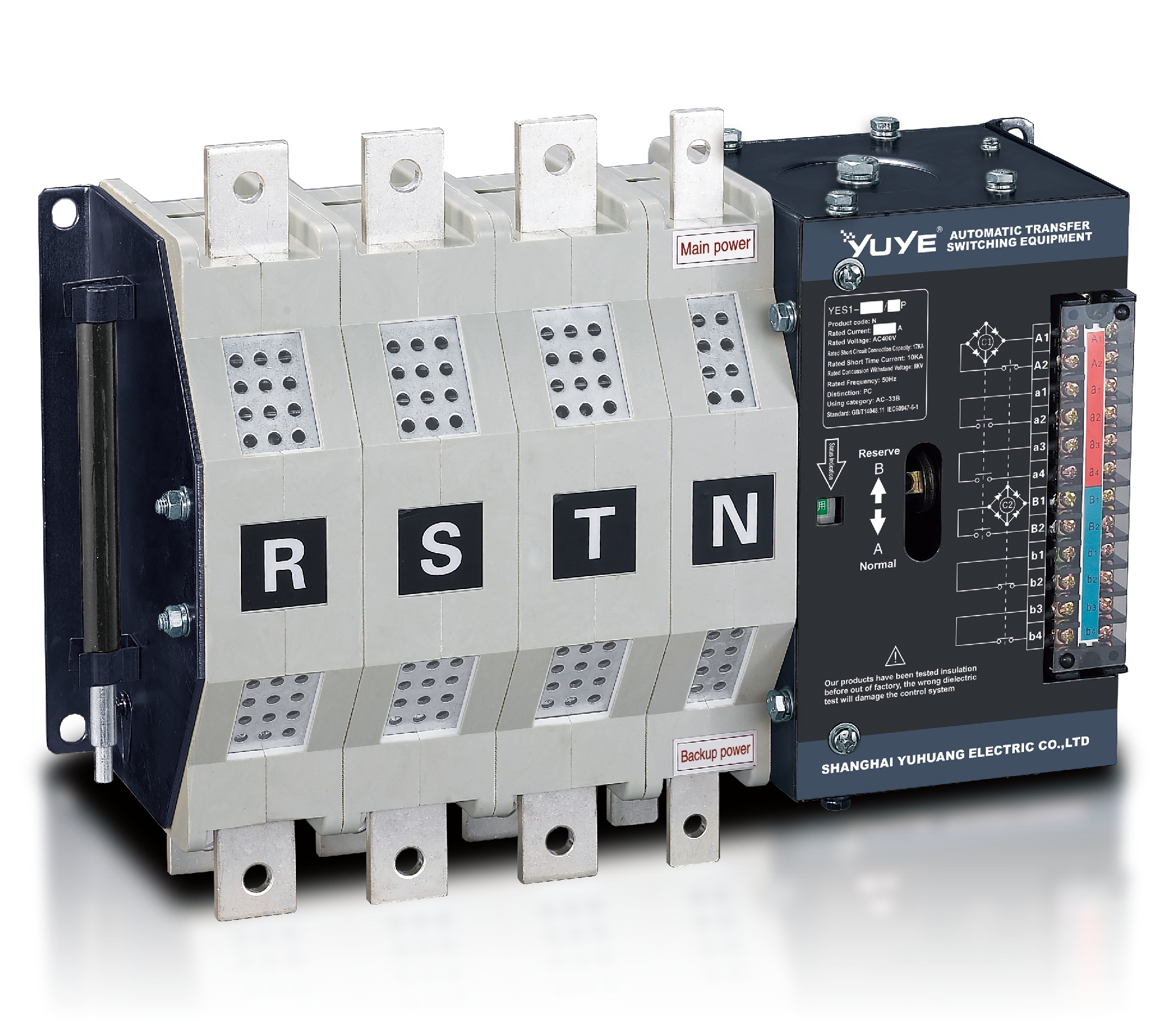
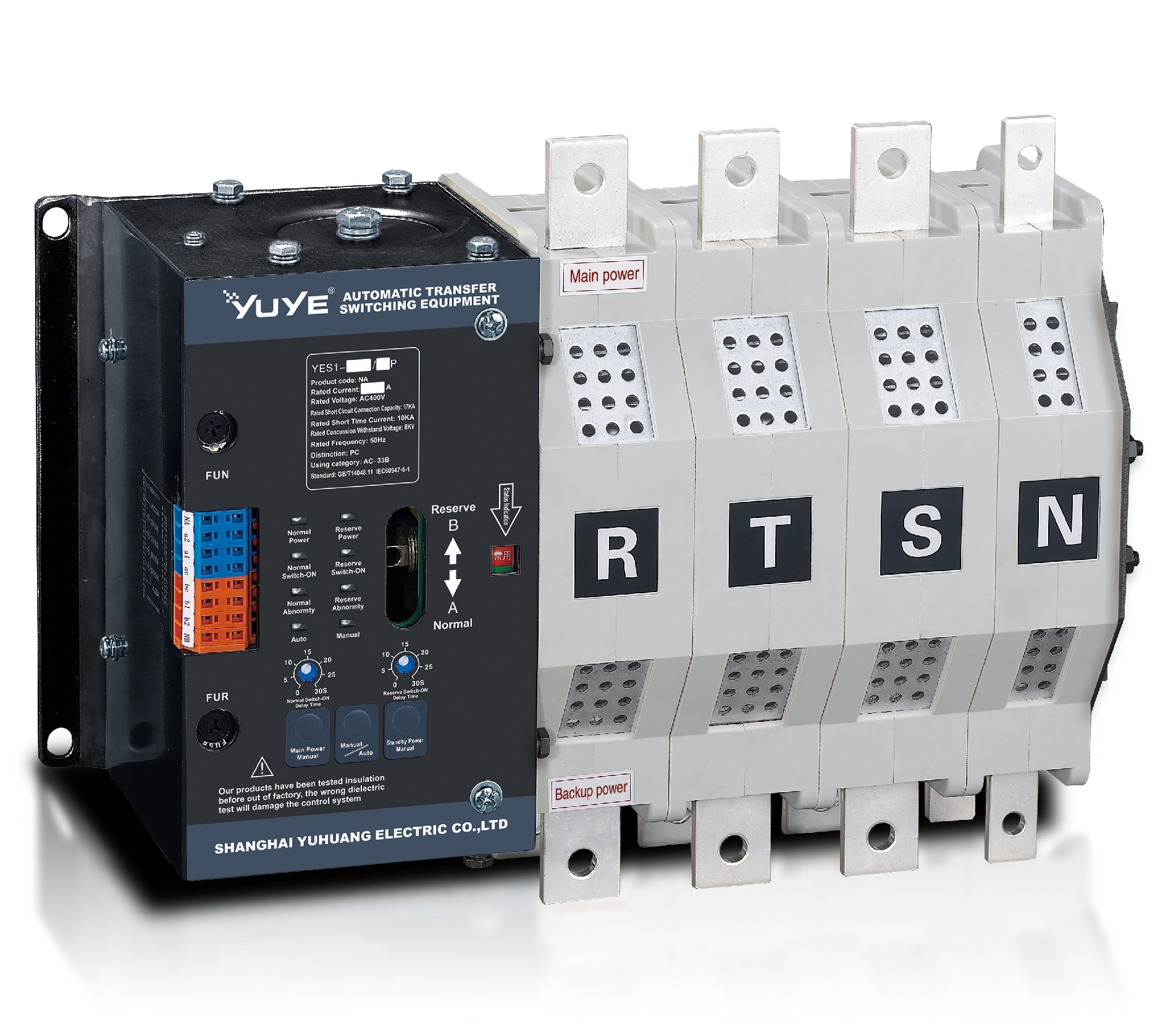
Automatic Transfer Switches (ATS) play a crucial role in power management for businesses. An ATS 220V ensures seamless transition between main power and backup systems. This functionality is vital. It minimizes downtime, which can be costly. When the primary power source fails, the ATS activates the backup generator. This occurs in seconds.

The reliability of an ATS 220V is essential. Businesses depend on continuous power for operations. In critical conditions, even a momentary outage can disrupt services. An automatic transfer switch can significantly reduce this risk. However, not all ATS models are created equal. Quality and installation matter. Poor installation could lead to failures during outages, requiring ongoing evaluation.

Understanding the mechanics of an ATS is important. It uses sensors to detect power loss. This automatic response is meant to be efficient. Nevertheless, there’s a learning curve in using ATS effectively. Operators should receive training. Ignoring this can create issues. Continuous maintenance is also necessary to ensure each component functions properly throughout its lifespan.

Comparative Analysis: ATS vs. Manual Transfer Switches

When evaluating power solutions, the choice between an Automatic Transfer Switch (ATS) and a Manual Transfer Switch (MTS) is crucial. An ATS operates seamlessly, allowing for automatic switching between power sources. This is vital for businesses that rely on consistent energy. For instance, during a power outage, an ATS detects the loss and activates the backup generator within seconds.

In contrast, an MTS requires manual intervention. When the primary power fails, users must switch the power manually. This can lead to delays. In a fast-paced business environment, every second counts. Employees may be unable to respond quickly to emergencies due to this extra step. Moreover, business operations and customer satisfaction may suffer.

The speed and reliability of an ATS bring peace of mind. Users can focus on their core tasks, minimizing downtime. However, an ATS can be more complex to install. This may lead to higher initial costs. Not every business needs the advanced features of an ATS. It's essential to assess your specific needs and resources. Each option has its merits, but the choice ultimately depends on your operational priorities.

Industry Standards and Regulations for ATS Implementation

Why Choose an Automatic Transfer Switch ATS 220V for Your Business?

When considering an Automatic Transfer Switch (ATS) for a business, understanding industry standards and regulations is vital. Compliance ensures that the ATS operates efficiently during power outages. Various organizations set guidelines for installation and maintenance. These standards aim to improve safety and reliability.

The National Electrical Code (NEC) plays a significant role in shaping ATS requirements. It outlines specifications for connections and grounding. Additionally, local regulations may impose unique guidelines for different regions. Not following these can lead to safety hazards or operational inefficiencies. A detailed understanding of these regulations can prevent costly mistakes.

Another important aspect is the regular testing and maintenance of ATS systems. This task is often overlooked but can lead to significant issues. Businesses must develop a plan for inspections. Documentation of tests and their outcomes is critical. Effective management of these processes increases reliability and ensures compliance over time. In this complex landscape, staying informed is essential for any business relying on an ATS.

Cost Analysis: Long-Term Savings with ATS 220V Solutions

When considering electrical reliability for a business, an Automatic Transfer Switch (ATS) 220V is an essential investment. According to the National Fire Protection Association, power outages cause significant losses annually, averaging around $150 billion. An ATS mitigates these risks by ensuring a seamless transition to backup power. This feature is crucial for minimizing downtime, which can translate into substantial revenue losses.

The cost analysis of implementing an ATS 220V reveals impressive long-term savings. A report by the U.S. Department of Energy indicates that businesses can save over 30% on energy costs by using efficient power management systems, including ATS. The initial investment may seem high, but the reduced interruption costs and lower operational inefficiencies can pay off within a few years.

Moreover, the operational reliability provided by ATS can enhance productivity. Maintaining continuous power flow prevents damage to sensitive equipment. A study from the Institute of Electrical and Electronics Engineers found that unexpected outages can lead to equipment failure, resulting in costly repairs. Although some businesses hesitate to adopt these systems due to upfront costs, the long-term benefits can outweigh these initial concerns. Embracing technology like ATS is essential for businesses aiming for stability and efficiency.

Cost Analysis: Long-Term Savings with ATS 220V Solutions

Parameter Traditional System Cost ATS 220V Cost Annual Maintenance Cost Estimated Savings (5 Years)
Initial Setup Cost $5,000 $4,200 $400 $1,200
Energy Efficiency Savings N/A $300 N/A $1,500
Downtime Loss Cost $2,000 $800 N/A $6,000
Total Estimated Savings $7,000 $5,300 $400 $8,700

Impact of ATS on Reducing Downtime and Enhancing Operational Efficiency

When considering operational efficiency, an Automatic Transfer Switch (ATS) is crucial. Data from the Electric Power Research Institute shows that businesses can experience a 40% reduction in downtime by utilizing an ATS. This switch ensures that power is seamlessly redirected during outages, minimizing disruptions. In industries reliant on continuous operation, every second counts. A minor power loss can lead to significant financial setbacks.

The influence of an ATS on performance is clear. Businesses report improved productivity when outages are managed effectively. A study by the Institute of Electrical and Electronics Engineers found that companies saved an average of $250,000 per incident by employing automatic transfer systems. This financial impact reflects not only savings in operational costs but also enhances customer satisfaction by maintaining service availability.

However, some companies still debate the need for an ATS. They wonder if the technology justifies the upfront investment. The reality is that failing to adopt such solutions can lead to greater expenses over time. Companies must weigh immediate costs against potential losses caused by outages. Embracing ATS technology can reveal hidden inefficiencies. It compels businesses to reflect on their resilience strategies and the importance of sustained operations in a competitive market.

Key Features to Consider When Selecting an ATS for Your Business

Why Choose an Automatic Transfer Switch ATS 220V for Your Business?

When selecting an Automatic Transfer Switch (ATS) for your business, consider its key features. An ATS is vital for ensuring uninterrupted power supply, especially in critical environments. According to a 2022 report by the International Energy Agency, reliable power management reduces operational downtime by up to 30%. This highlights the importance of an efficient ATS.

One essential feature is the switch’s rating, which should match your business’s power needs. A well-rated ATS handles peak loads without failure. Additionally, the transfer time is crucial. A delay in switching can lead to significant losses. Aim for an ATS with a transfer time under 30 seconds, as many businesses experience outages during this period.

Look for advanced monitoring capabilities too. Some ATS units provide real-time status updates via remote access. This is vital for proactive maintenance. However, the complexity can also be overwhelming, leading to potential mismanagement. Regular training is necessary to maximize the benefits of monitoring features, ensuring staff are competent in essential operations.

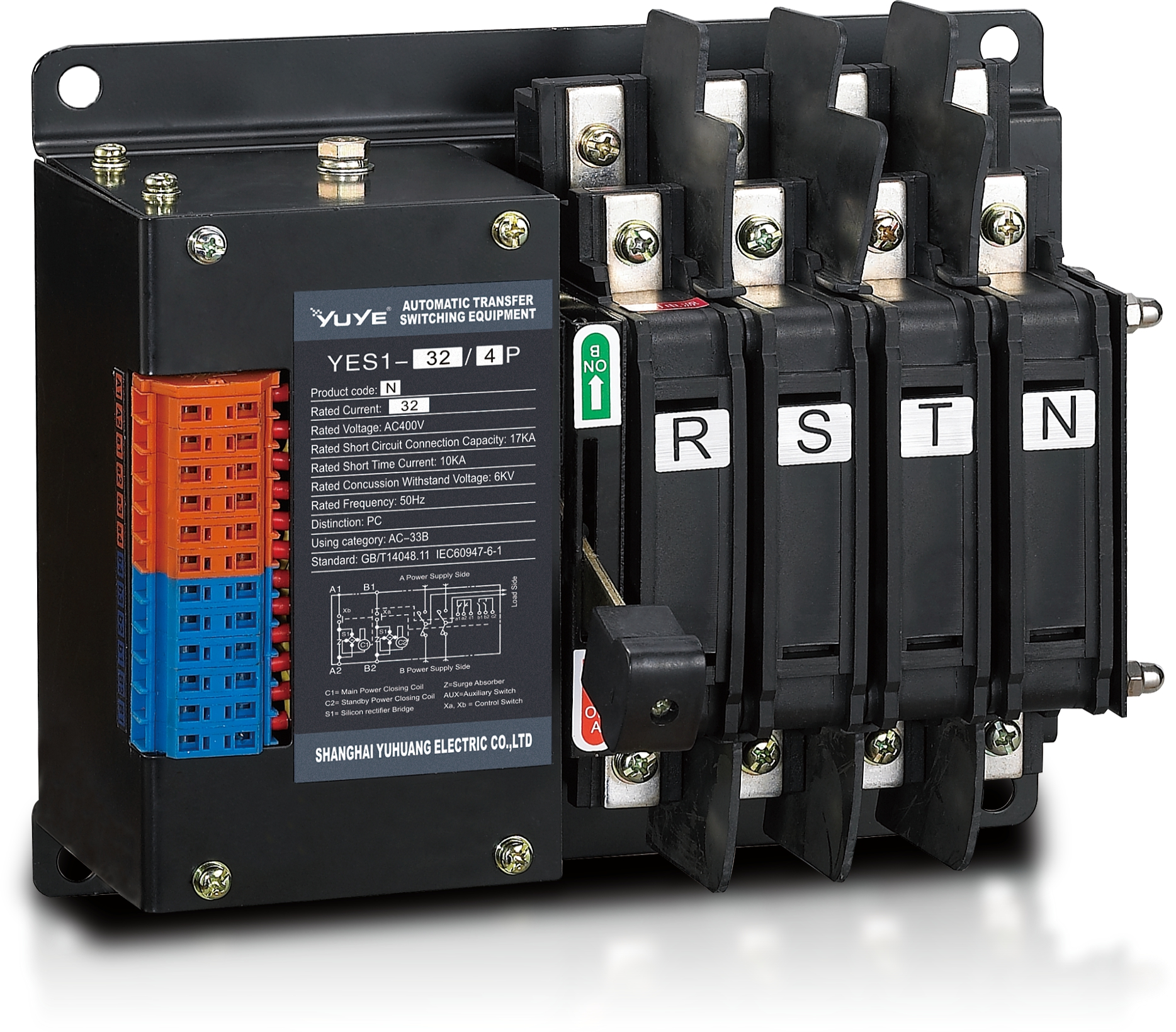
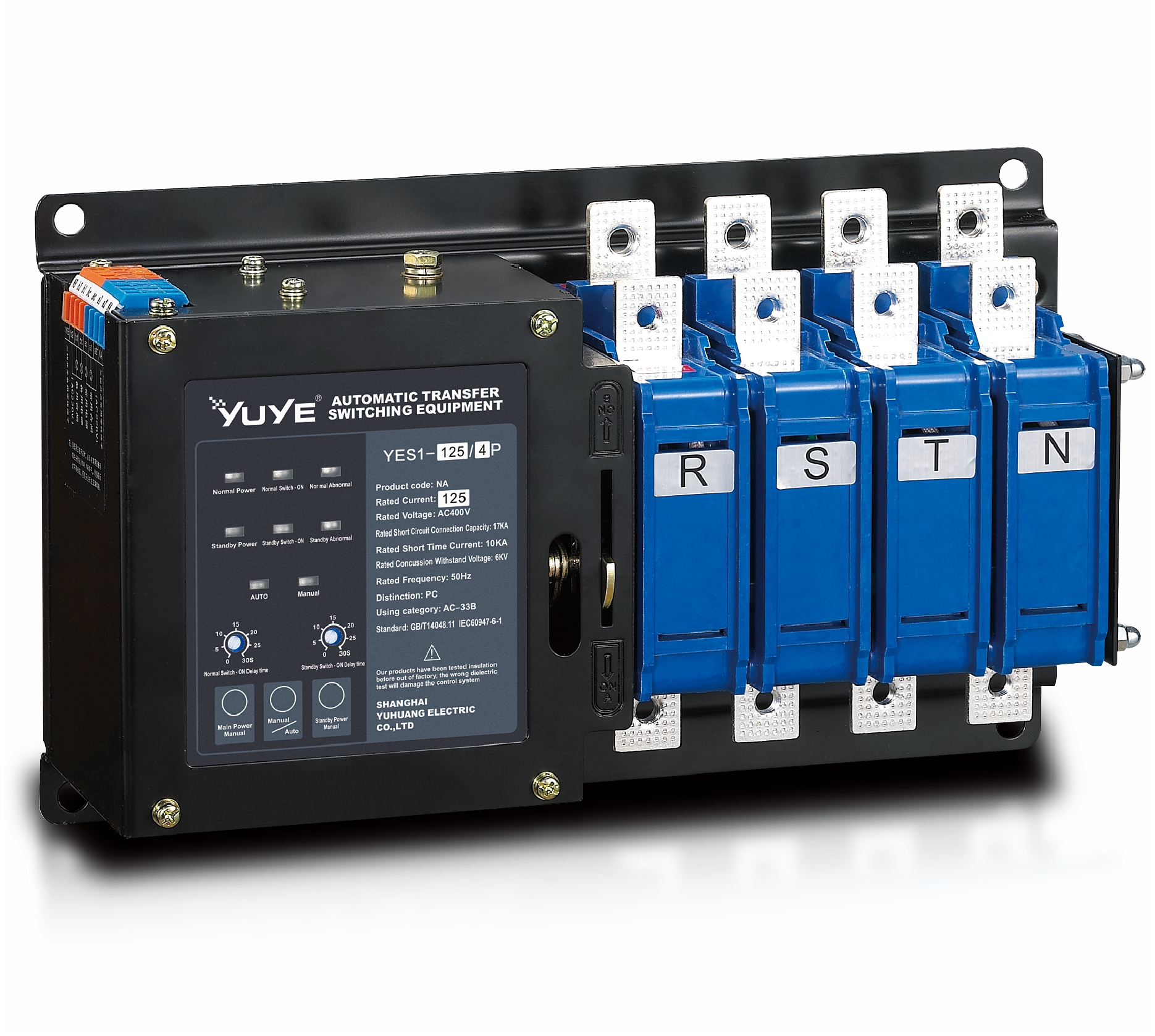
Analyzing the Performance and Efficiency of Solenoid-Type ATS YES1-32~125N in Commercial Applications: Insights from Industry Reports

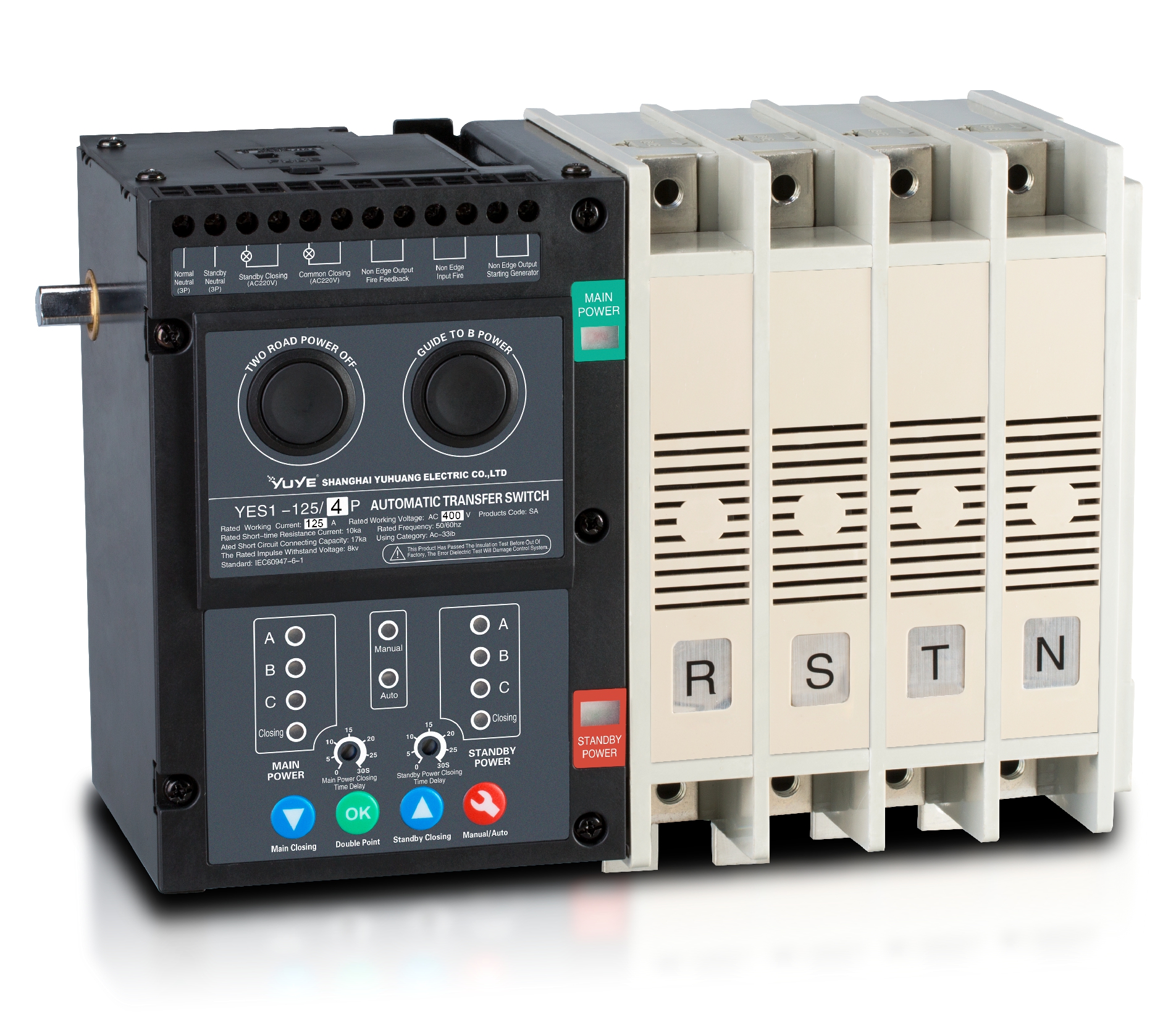
The solenoid-type ATS YES1-32~125N has emerged as a pivotal component in commercial applications, delivering exceptional performance and efficiency. With rated voltages of AC230V and AC400V, it is tailored to satisfy a broad range of operational needs. The ATS's current rating spans from 16 to 125A, accommodating various system demands while ensuring reliability under different loads. Available in both 3-pole and 4-pole configurations, this model is designed to enhance flexibility in system architectures, making it an ideal choice for various commercial environments.

In terms of functionality, the ATS YES1-32~125N features a straightforward 2-position design, eliminating the need for a separate control mechanism. It operates using an excitation type drive mode, which contributes to its robust performance. The mechanical life of 20,000 cycles and an electrical life of 6,000 cycles highlight the durability of this solenoid actuator, making it suitable for high-usage scenarios. Furthermore, the product certifications, including CE, CB, and CCC, assure compliance with international safety and quality standards, reinforcing its reliability in demanding commercial applications. This combination of features positions the ATS YES1-32~125N as a standout option for businesses seeking to optimize their operational efficiency.

FAQS

: What is the role of an

utomatic Transfer Switch (ATS) during power outages?

How does an ATS improve business operations?

It enhances reliability by ensuring smooth operations without interruption. This is essential for daily tasks.

What happens if a business chooses to use a Manual Transfer Switch (MTS)?

An MTS requires manual switching. This can lead to delays during power outages, affecting business response times.

Are there any downsides to using an ATS?

Yes, initial installation costs can be high. Regular maintenance is necessary to prevent critical failures.

How does the complexity of an ATS installation compare to an MTS?

An ATS can be more complex to install. This might lead to higher costs upfront for businesses.

Why might a business consider investing in an ATS?

Investing in an ATS can provide long-term stability and efficiency. It minimizes the risk of operational interruptions.

How does an ATS contribute to employee productivity?

By automating power source switching, employees can focus on core tasks without worrying about power issues.

Can all businesses benefit from using an ATS?

Not every business needs the advanced features of an ATS. Evaluating specific needs is crucial before deciding.

What might happen if an ATS is not properly maintained?

Neglecting maintenance can lead to system failures when it’s most needed, creating significant operational risks.

What should businesses consider before opting for an ATS?

Businesses need to weigh the benefits against installation costs and maintenance requirements for their specific situation.

Conclusion

The article titled "Why Choose an Automatic Transfer Switch ATS 220V for Your Business?" explores the critical role of Automatic Transfer Switches (ATS) in ensuring business continuity and operational efficiency. It highlights the numerous benefits of using ATS 220V, particularly in power management, where seamless switching between primary and backup power sources can drastically reduce downtime. The comparative analysis between ATS and manual transfer switches emphasizes the advancements in technology that make ATS a more reliable choice for modern businesses.

Additionally, the article delves into industry standards and regulations that govern ATS implementation, ensuring compliance and safety. A cost analysis presents the long-term savings associated with ATS 220V solutions, further solidifying their value for businesses. Key features to consider when selecting an ATS are discussed, enabling businesses to make informed decisions that enhance their operations while minimizing risks related to power outages.

Blog Tags:

Liam

Liam

Liam is a dedicated marketing professional at One Two Three Electric Co., Ltd., a leading manufacturer specializing in the development and production of high-quality moulded case circuit breakers and air circuit breakers. With a profound understanding of the electrical engineering industry, Liam......
Previous Top 10 Tips for Designing an Automatic Transfer Switch?