When it comes to designing Automated Transfer Switches, staying at the top of your game really matters. I mean, John Smith, who’s the CTO at Power Solutions Inc., puts it simply but powerfully: “A solid automatic transfer switch is really the backbone of dependable power systems.” Crafting these systems isn’t just about plugging in parts—it's about having a good grip on electrical engineering basics, you know?
The whole process is pretty detailed—loads, safety stuff, reliability, efficiency—there’s a lot to think about. Every little thing, even the tiniest detail, can make or break how well the whole setup works. That’s why it’s so important to keep revisiting your designs, learn from mistakes you might’ve made before, and keep tweaking things.
As technology keeps marching forward, it’s clear we need fresh, innovative ideas more than ever. New tech can totally boost how well these systems work and save some cash. That said, even the most experienced pros should pause and rethink their approaches now and then. What worked perfectly yesterday might not cut it today. Embracing these changes, and realizing that there’s always room for improvement, is what leads to cooler, better designs in the long run.

Understanding the Purpose of Automatic Transfer Switches
Automatic Transfer Switches (ATS) serve a vital role in maintaining power supply during outages. They automatically switch to a backup generator when the main power fails. This seamless transition helps prevent downtime in critical operations, such as healthcare or data centers. A report by the National Fire Protection Association highlights that nearly 25% of all power outages last more than an hour. In such cases, ATS can be the difference between disaster and continuity.
Many facilities underestimate the importance of planning for power continuity. Inadequate design can lead to failures. For instance, improper sizing of the ATS can result in overloads if the total connected load is not calculated accurately. A study by the Electric Power Research Institute emphasizes that 15% of facilities reported issues from poorly designed systems. This reality calls for careful consideration of all factors like load requirements and frequency of outages during the design process.
Integrating real-time monitoring systems with ATS can enhance reliability. The global market for digital monitoring solutions has expanded by 18% annually. Yet, many entities still rely on outdated systems. This gap indicates a need for continuous evaluation and investment in more advanced technologies to ensure efficiency. An effective ATS design is not merely technical; it reflects an organization's commitment to resilience and operational integrity.
Top 10 Tips for Designing an Automatic Transfer Switch
Key Components of Automatic Transfer Switch Design
When designing an automatic transfer switch (ATS), understanding its key components is critical. A robust ATS includes sensors, control circuitry, and a reliable power source. Sensors monitor voltage and current, detecting any failures in the primary power supply. This real-time data is crucial for quick response and ensures a seamless transition to backup power.
One essential tip is to select high-quality components. Using durable materials can improve lifespan and reliability. Another crucial aspect is designing for ease of maintenance. Accessible layouts allow for quick inspections and service, reducing downtime during outages.
The control circuitry acts like the brain of the ATS. It must be programmed carefully to respond accurately to power interruptions. Incorrect settings can lead to failures. Testing the system regularly helps identify flaws early on. In the design phase, integrating advanced features like remote monitoring can enhance functionality. Each of these components plays a role in ensuring that power remains consistent and reliable.
Evaluating Power Requirements for Your Automatic Transfer Switch
When designing an automatic transfer switch (ATS), evaluating power requirements is crucial. Understanding your power needs can significantly affect performance and reliability. Begin by assessing the total load that the ATS must handle. List all critical equipment and their power consumption. This step ensures you avoid overloading the system, which can lead to failures.
Consider the peak load times as well. Power requirements often fluctuate, and it’s essential to plan for these variations. If necessary, consult with an electrical engineer to carry out a thorough analysis. Their expertise can identify hidden factors influencing your design choices.
Tip: Always factor in future expansion. As your needs may grow, incorporate some additional capacity into the power requirements from the start. This foresight can save you time and resources in the long run.
Another tip involves understanding diverse power sources. Different backup generators provide varying capacities. Make sure your ATS can effectively switch based on these variations.
Evaluating these aspects helps create a robust ATS design. A well-constructed transfer switch enhances reliability and ensures a smooth transition during power outages. Be mindful that this is an ongoing process. Regularly reviewing and updating your power requirements can address changing demands over time.
Safety Standards and Regulations for Automatic Transfer Switches
Automatic Transfer Switches (ATS) are critical components in ensuring power continuity. They guide electrical systems during outages, yet they must adhere to strict safety standards. The National Electrical Code (NEC) and the Underwriters Laboratories (UL) set the benchmark for these devices. ATS must pass rigorous testing to validate their operation under various conditions.
Data from industry reports indicate that approximately 65% of power outages occur due to equipment failure. This emphasizes the need for compliance with safety regulations. For instance, ATS designs must follow UL 1008 standards, which dictate performance and reliability. When these standards are overlooked, it can lead to safety hazards, equipment damage, and potential fires.
Moreover, it is essential to consider the environment in which the ATS operates. Harsh conditions can affect performance. Implementing a robust design while ensuring compliance is a balancing act. Regular inspections and testing are vital for effective operation. Without them, the risk of failure increases, leading to serious consequences. Establishing a culture of safety can significantly reduce these risks and extend the longevity of equipment.
Designing for Reliability and Durability in Switch Mechanisms
Designing an automatic transfer switch (ATS) requires careful consideration of reliability and durability, especially in switch mechanisms. A report by the International Electrotechnical Commission indicates that failure rates in electrical switches can reach 5% annually. To enhance reliability, utilize rugged materials. Metals like stainless steel or aluminum provide strength and resist corrosion. This choice prolongs the switch's life, ensuring robust performance even in harsh environments.
Tip: Always evaluate your material's environmental stresses. High humidity or extreme temperatures can accelerate wear. Regular maintenance and proper environmental control are essential. Sensors can be integrated to monitor operational conditions in real-time, providing proactive alerts for potential failures.
Durability also hinges on design ergonomics. Simple designs often minimize potential points of failure. Over-engineering is counterproductive; overly complex systems can lead to unexpected issues. The National Electrical Manufacturers Association emphasizes straightforward designs to improve reliability.
Tip: Simplicity is key. Prioritize essential functions and eliminate non-critical features. This approach ensures fewer failure points.
A thoughtful design focuses not only on current needs but also anticipates future challenges. Assessing potential risks in diverse operational scenarios is crucial. Implementing frequent testing and feedback loops during the design process highlights areas needing refinement.
Top 10 Tips for Designing an Automatic Transfer Switch
| Tip Number |
Design Tip |
Importance |
Expected Outcome |
| 1 |
Incorporate a Quality Control Process |
High |
Minimize defects and failures |
| 2 |
Select Durable Materials |
Medium |
Enhance longevity of the switch |
| 3 |
Implement Redundant Systems |
High |
Increase reliability during failure |
| 4 |
Conduct Regular Maintenance |
Medium |
Prevent unexpected breakdowns |
| 5 |
Ensure Proper Load Capacity |
High |
Prevent overheating and damage |
| 6 |
Design for Environmental Conditions |
Medium |
Improved performance in adverse conditions |
| 7 |
Use User-Friendly Interfaces |
Medium |
Easier operation and troubleshooting |
| 8 |
Incorporate Advanced Technology |
High |
Enhance functionality and control |
| 9 |
Test Under Load Conditions |
High |
Ensure reliability during operation |
| 10 |
Consider Future Upgrades |
Medium |
Maximize the lifespan of the system |
Incorporating Smart Technology in Automatic Transfer Switches
Integrating smart technology into automatic transfer switches (ATS) revolutionizes power management systems. Research shows that smart ATS can reduce operational costs by up to 30%. This is achieved through real-time monitoring and data analytics. Collecting data allows for efficient performance evaluations, leading to improved reliability and reduced downtime.
Incorporating IoT capabilities enhances responsiveness. Users can receive alerts for power anomalies or maintenance needs. The global market for smart power management is expected to reach $50 billion by 2025, highlighting the growing demand for intelligent solutions. Yet, while integrating these technologies, it’s crucial to examine cybersecurity risks. Some ATS systems may lack adequate protection, exposing critical infrastructure to vulnerabilities.
The implementation of machine learning can also be beneficial. Algorithms can predict power outages and optimize energy consumption patterns. However, not all systems are ready for such advancements. It is vital to assess the existing infrastructure's compatibility with new technologies. Companies must balance innovation with robust security to ensure reliable operations, creating an ongoing challenge in the field of power management.
Testing and Maintenance Considerations for Automatic Transfer Switches
Automatic transfer switches (ATS) play a crucial role in ensuring seamless power supply during outages. Regular testing and maintenance are essential to guarantee their reliability. According to industry reports, nearly 40% of failures in power systems are attributed to poor maintenance of switches. This statistic highlights the need for a stringent upkeep routine.
Routine testing is vital. Monthly exercises can identify potential issues before they escalate. Testing under load conditions helps ensure the switch operates effectively during an actual outage. Data suggests that conducting these tests can reduce the risk of failure by 30%. Neglecting this step may lead to unexpected failures, leaving critical systems vulnerable.
Maintenance should include visual inspections, cleanliness checks, and performance assessments. Dust and debris can accumulate, affecting the ATS's operation. Some experts recommend bi-annual thorough inspections. However, many facilities fail to adhere to this guideline, leading to unpredicted service interruptions. Regular documentation of maintenance activities is also necessary. This record ensures accountability and provides insights for future improvements. Prioritizing these practices can significantly enhance reliability and lifespan.
Innovative Power Solutions: Exploring the Benefits of CB ATS YEQ3-125~630W1 in Modern Electrical Systems
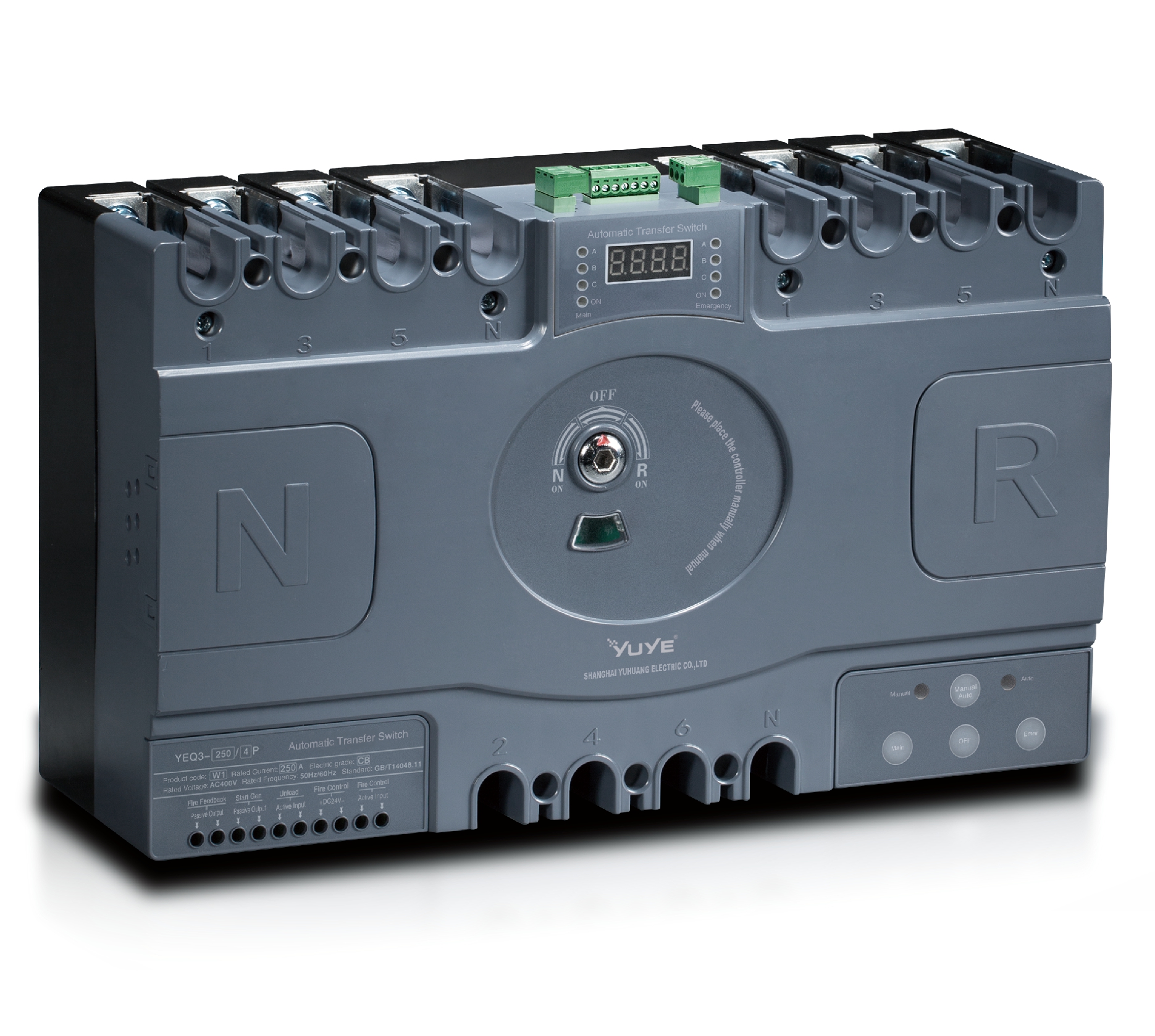
In the rapidly evolving landscape of modern electrical systems, the YEQ3-125~630W1 circuit breaker presents an innovative power solution that aligns with the needs of today's applications. With a rated voltage of AC400V and a versatile current range of 63A to 630A, this device caters to a broad spectrum of requirements in commercial and industrial settings. The product’s frame classes—125, 250, and 630—allow for adaptability and extended use across various configurations, making it an essential component in efficient power distribution systems.
One of the standout features of the YEQ3-125~630W1 is its implementation of a four-pole design, ensuring enhanced stability and reliability in electrical circuits. Its motor-type drive mode is specifically designed to handle high-demand situations while maintaining optimal performance. The circuit breaker is certified under international standards like CE, CB, and CCC, adhering to IEC 60947-6-1, which guarantees that it meets stringent safety and performance benchmarks. By integrating this advanced circuit breaker into their electrical systems, users can benefit from improved safety, better energy management, and overall a more resilient infrastructure.
FAQS
utomatic Transfer Switches (ATS) used for?
ATS must comply with the National Electrical Code (NEC) and Underwriters Laboratories (UL) guidelines.
Non-compliance can lead to safety hazards, equipment damage, and increase fire risks.
High humidity or extreme temperatures can lead to faster wear and increased failure rates.
Metals like stainless steel and aluminum are ideal due to their strength and corrosion resistance.
Regular inspections identify potential issues early, reducing the risk of unexpected failures.
Simple designs minimize failure points, while over-engineering can introduce unnecessary complications.
Integrating sensors provides alerts for operational issues, helping prevent failures before they occur.
Focus on essential functions and eliminate non-critical features to ensure reliability.
Frequent testing allows designers to identify weaknesses and refine the design effectively.
Conclusion
The article "Top 10 Tips for Designing an Automatic Transfer Switch" provides a comprehensive guide on the essential aspects of Automatic Transfer Switch Design. It begins by outlining the primary function of these switches in ensuring seamless power transfer during outages. Key components of the design are discussed, highlighting the importance of accurately evaluating power requirements to avoid system overloads.
Moreover, the article emphasizes adherence to safety standards and regulations, which are critical for operational safety. It also explores the necessity of designing for both reliability and durability in the switch mechanisms to enhance lifespan. Incorporating smart technology in Automatic Transfer Switch Design is increasingly vital, offering improved monitoring and control capabilities. Finally, the article covers critical testing and maintenance considerations to ensure optimal performance over time, equipping designers with the knowledge needed to create efficient and robust automatic transfer switches.

 PC ATS YECT1-2000G
 PC ATS YES2-63~250GN1
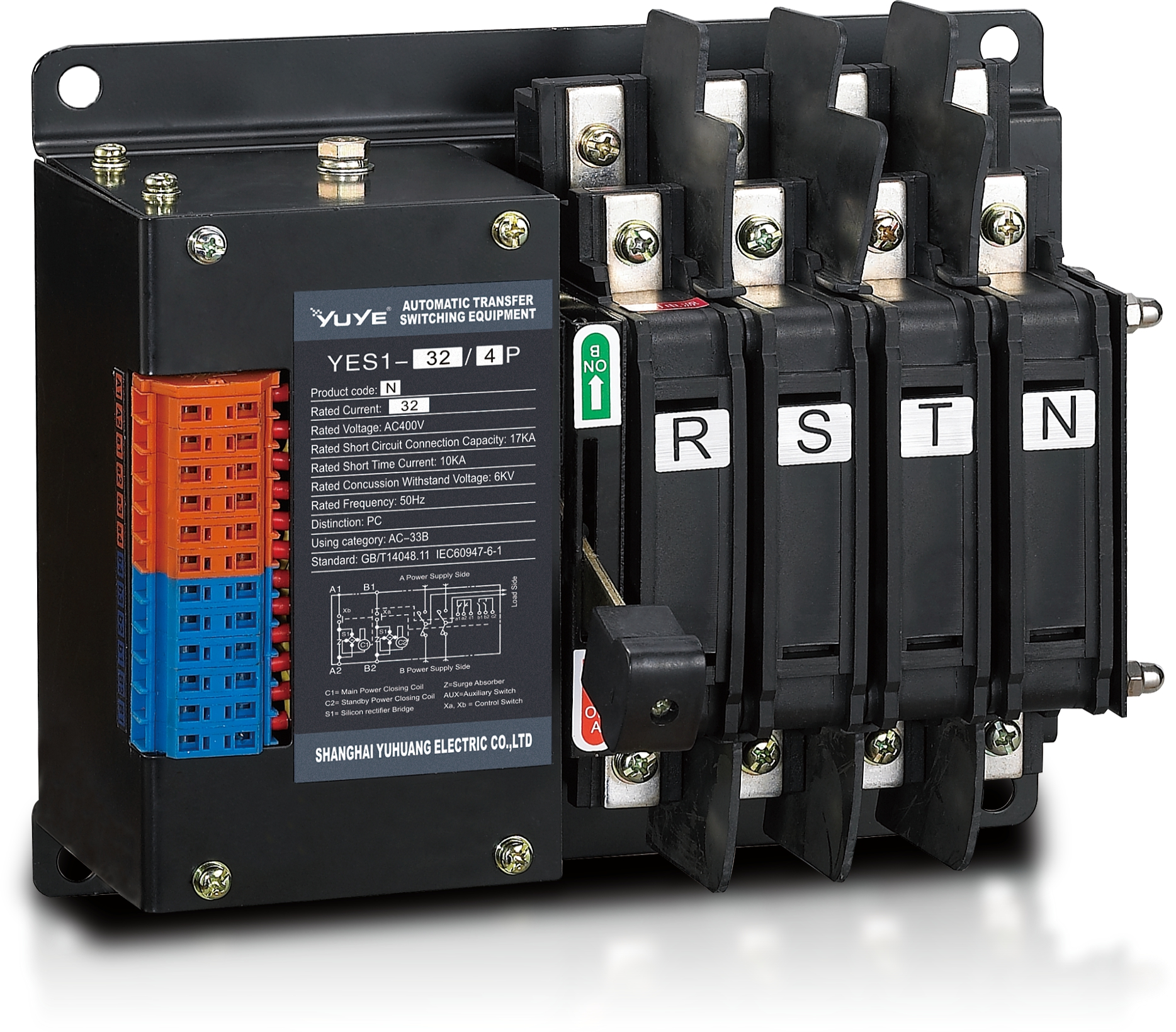 Solenoid-type ATS YES1-32~125N
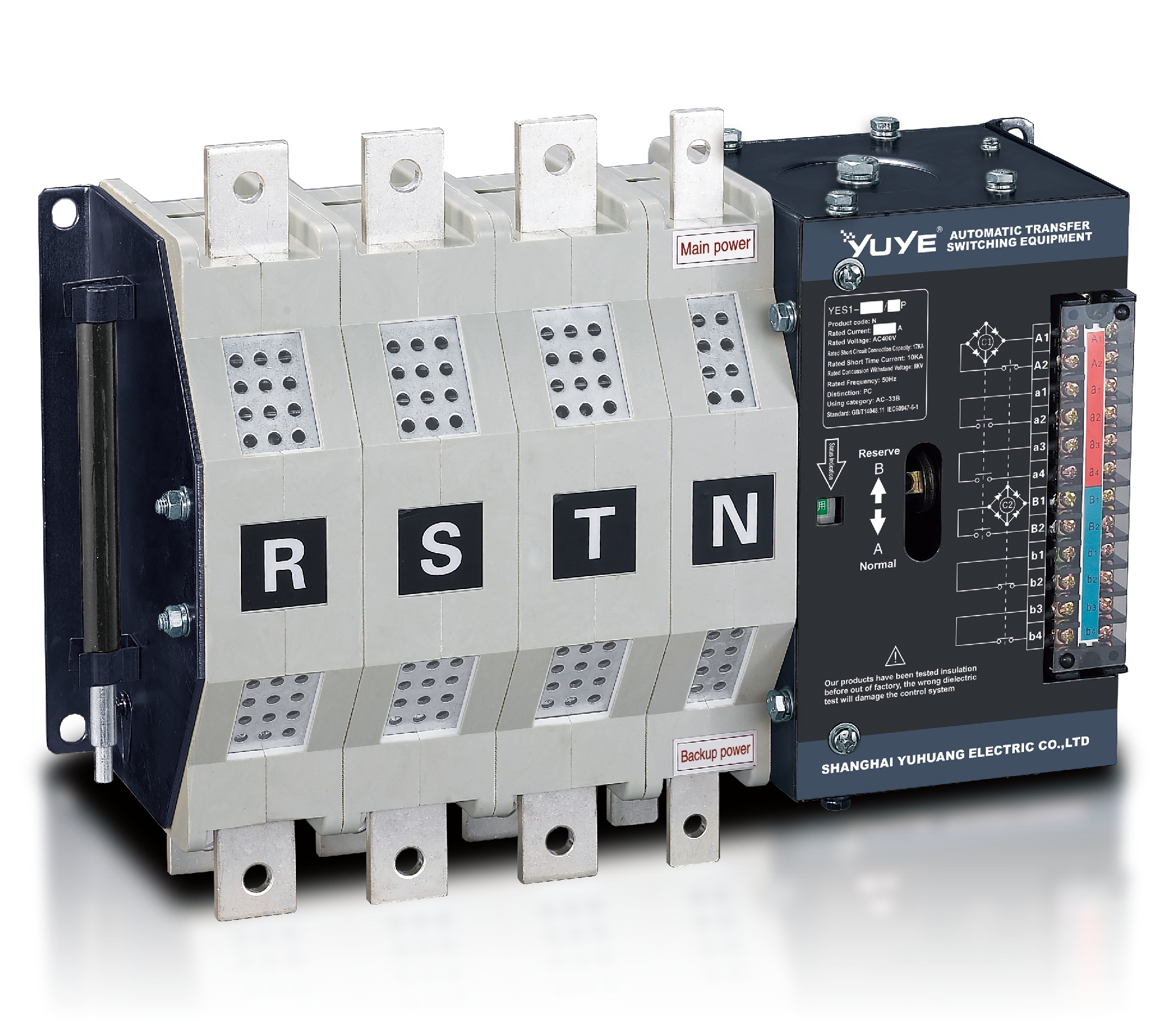 Solenoid-type ATS YES1-250~630N/NT
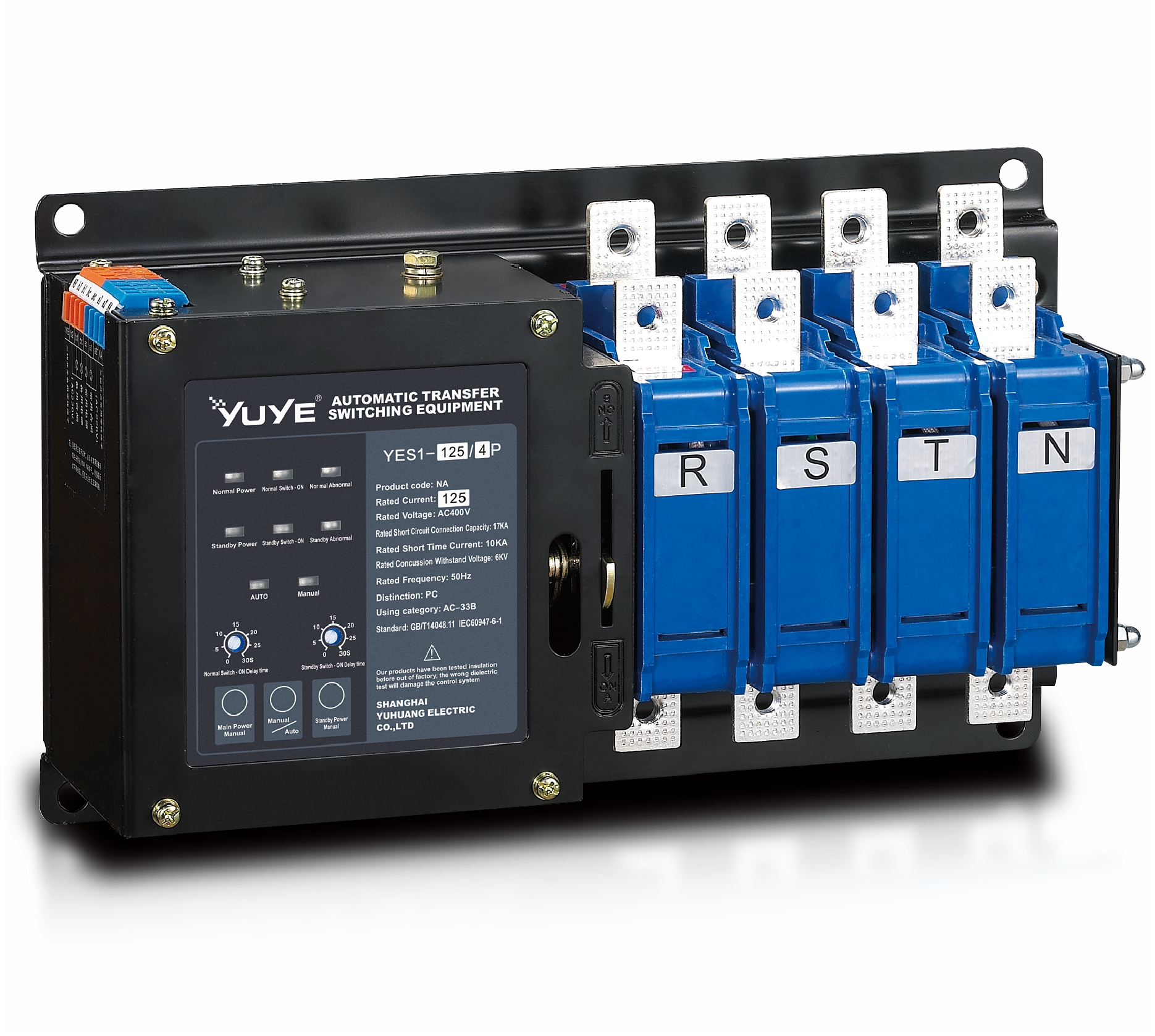 Solenoid-type ATS YES1-32~125NA
 Solenoid-type ATS YES1-63~630SN
 Solenoid-type ATS YES1-1250~4000SN
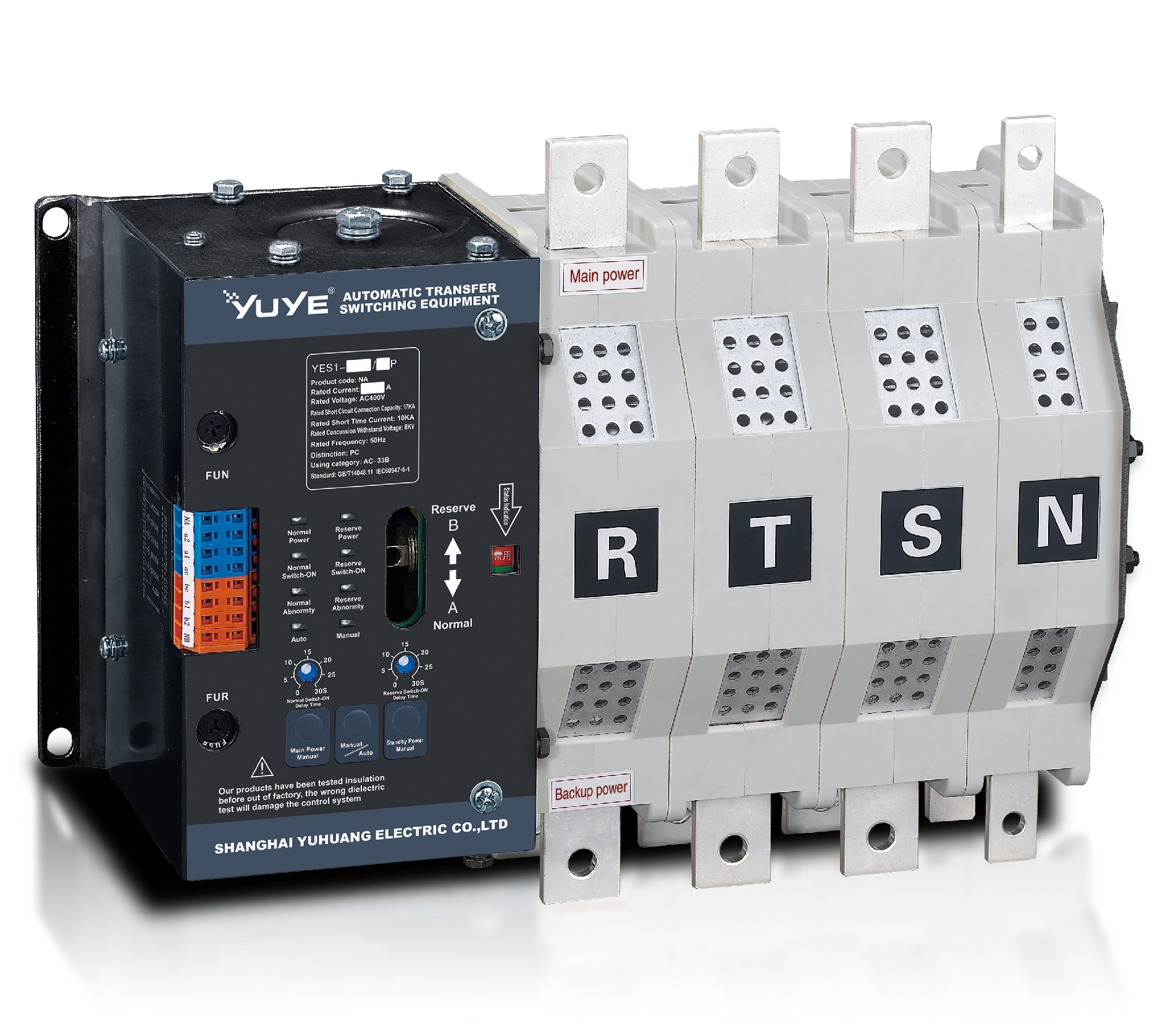 Solenoid-type ATS YES1-250~630NA/NAT
 Solenoid-type ATS YES1-63NJT
 PC ATS YES1-100~1600GN1/GN/GNF
 PC ATS YES1-2000~3200GN/GNF
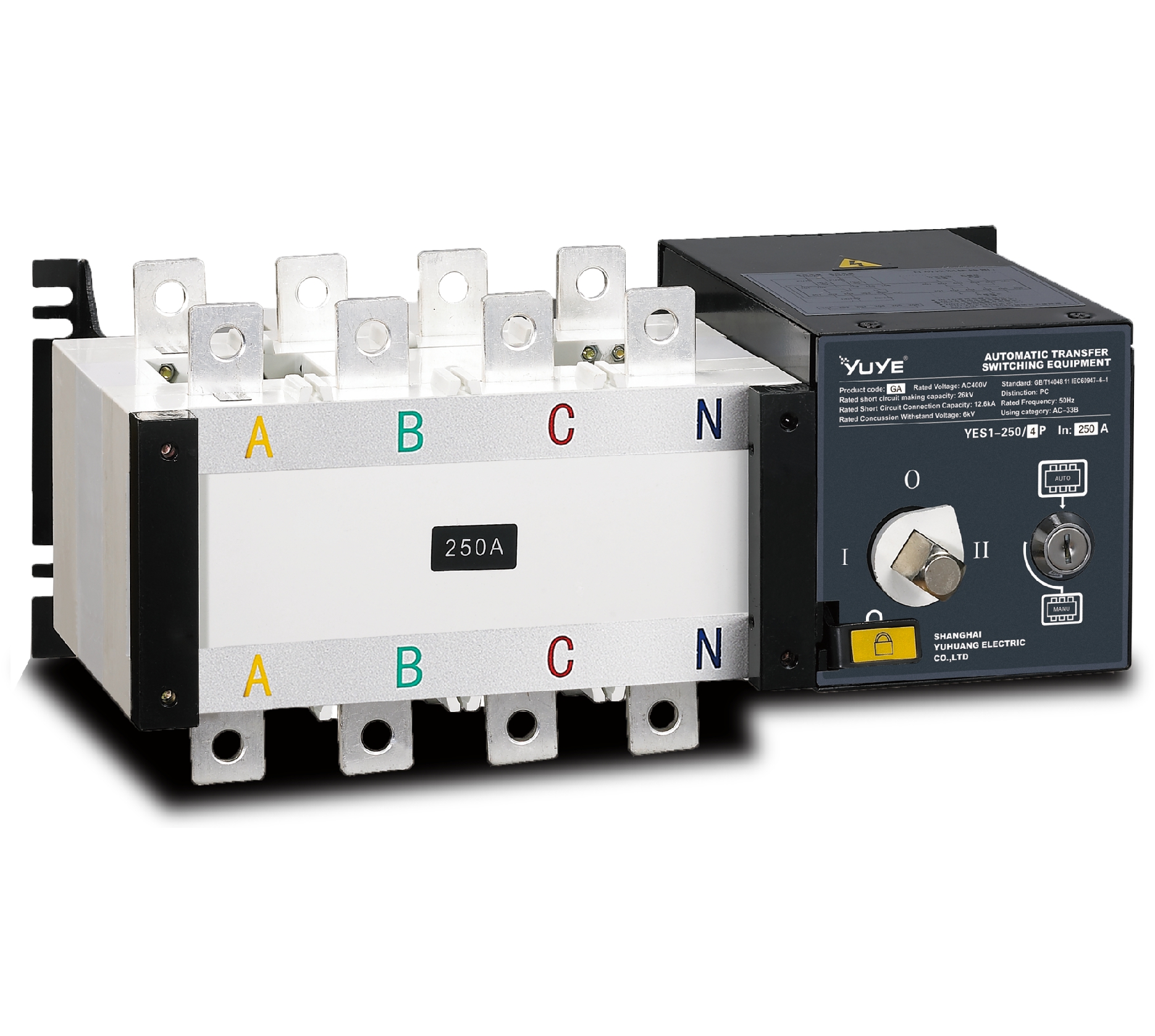 PC ATS YES1-100~3200GA1/GA
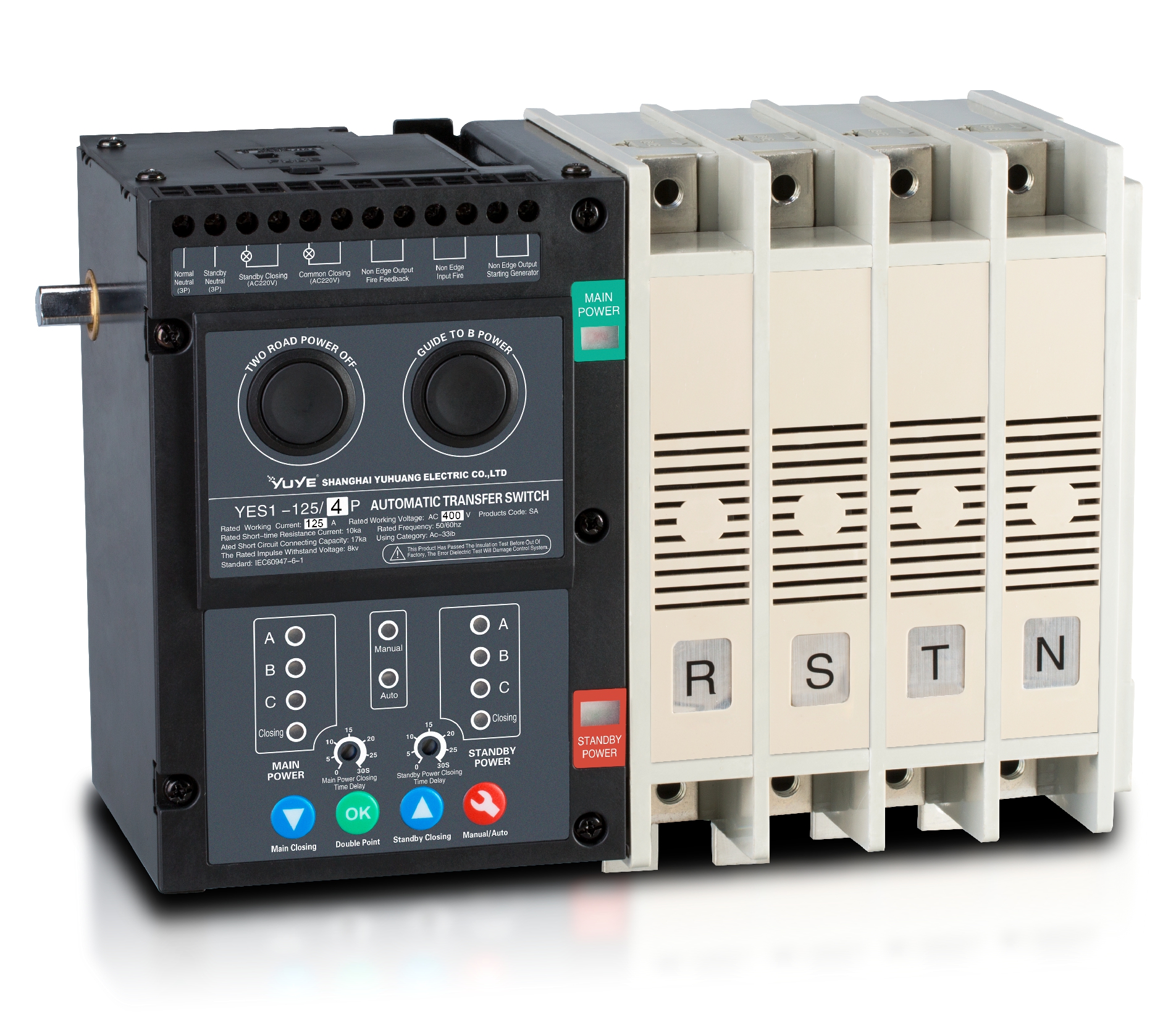 Solenoid-type ATS YES1-63~630SA
 Solenoid-type ATS YES1-63~630L/LA
 Solenoid-type ATS YES1-63~630LA3
 Solenoid-type ATS YES1-63MA
 PC ATS YES1-630~1600M
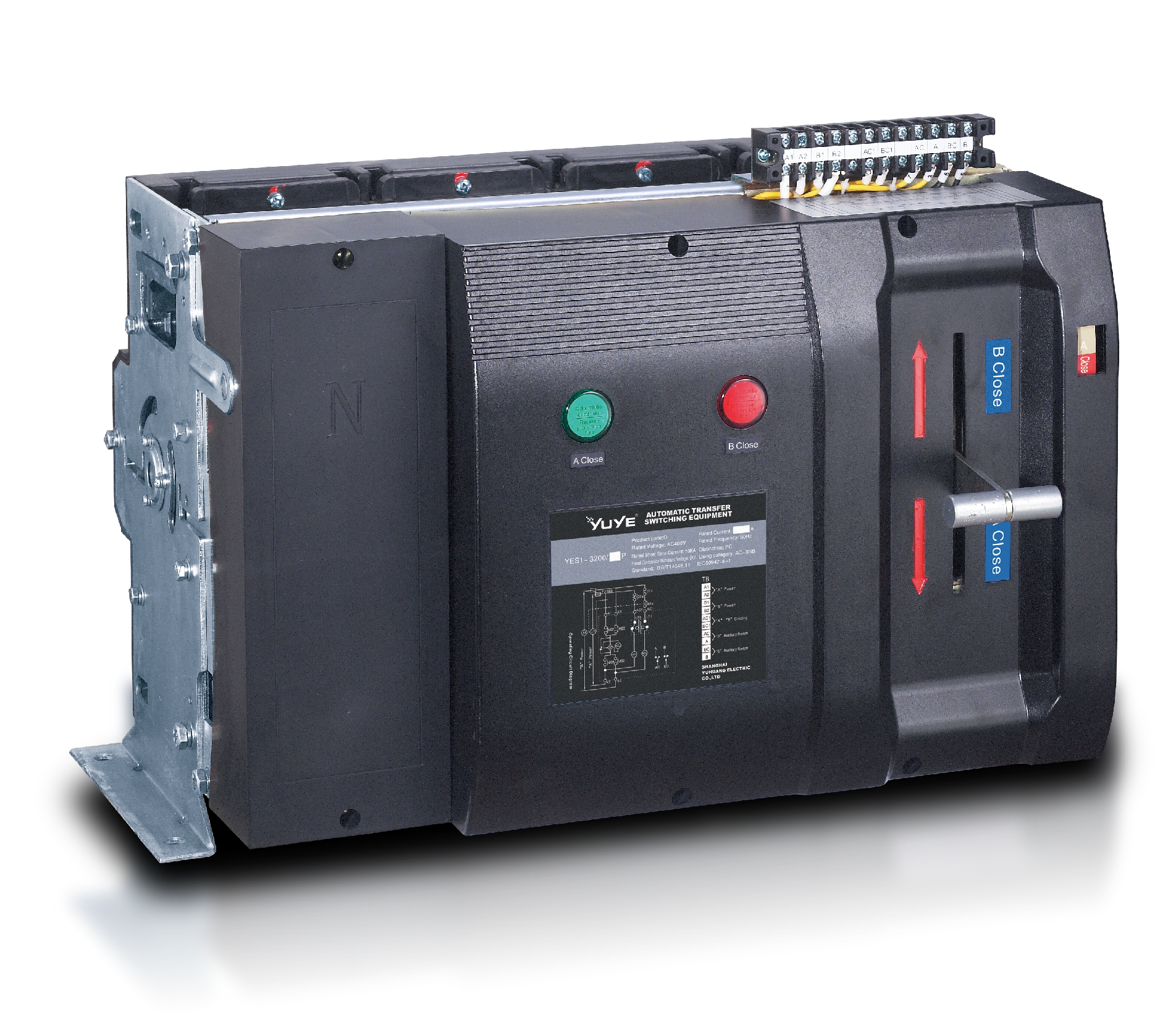 PC ATS YES1-3200Q
 Solenoid-type ATS YES1-4000~6300Q
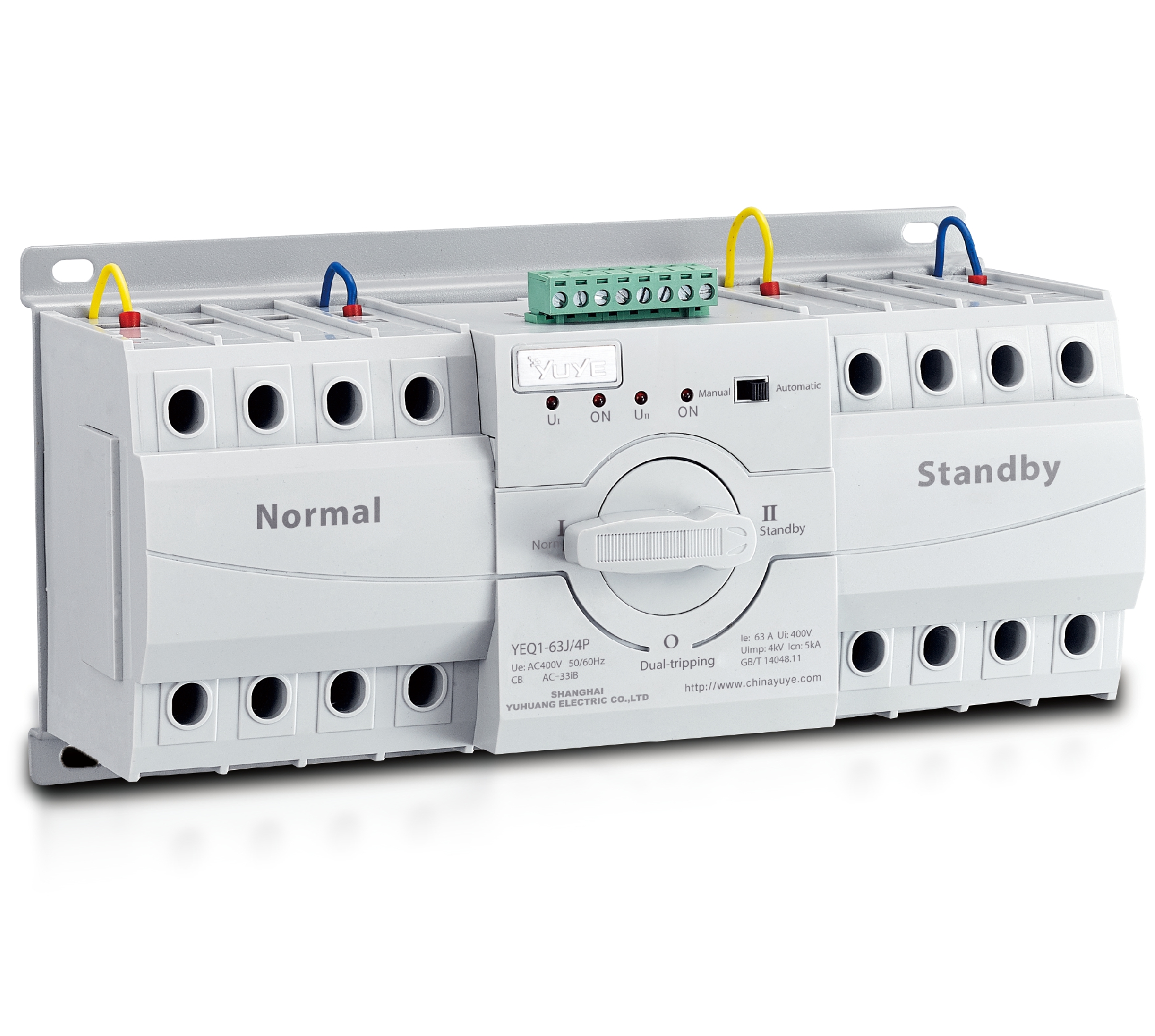 CB ATS YEQ1-63J
 CB ATS YEQ2Y-63
 CB ATS YEQ3-63W1
 CB ATS YEQ3-125~630W1
 ATS controller Y-700
 ATS Controller Y-700N
 ATS Controller Y-701B
 ATS Controller Y-703N
 ATS Controller Y-800
 ATS Controller W2/W3 Series
 ATS switch Cabinet floor-to-ceiling
 ATS switch cabinet
 JXF-225A power Cbinet
 JXF-800A power Cbinet
 YEM3-125~800 Plastic Shell Type MCCB
 YEM3L-125~630 Leakage Type MCCB
 YEM3Z-125~800 Adjustable Type MCCB
 YEM1-63~1250 Plastic Shell Type MCCB
 YEM1E-100~800 Electronic Type MCCB
 YEM1L-100~630 Leakage Type MCCB
 Miniature circuit breaker YEMA2-6~100
 Miniature circuit breaker YEB1-3~63
 Miniature circuit breaker YEB1LE-3~63
 Miniature circuit breaker YEPN-3~32
 Miniature circuit breaker YEPNLE-3~32
 Miniature circuit breaker YENC-63~125
 Air Circuit Breaker YEW1-2000~6300
 Air Circuit Breaker YEW3-1600
 Load isolation switch YGL-63~3150
 Load Isolation Switch YGL2-63~3150
 Manual Changeover Switch YGL-100~630Z1A
 Manual Changeover Switch YGLZ1-100~3150
 YECPS2-45~125 LCD
 YECPS-45~125 Digital
 CNC Milling/Turning-OEM
 DC relay MDC-300M
 DC Isolation Switch YEGL3D-630


