PC ATS YECT1-2000G
PC ATS YES2-63~250GN1
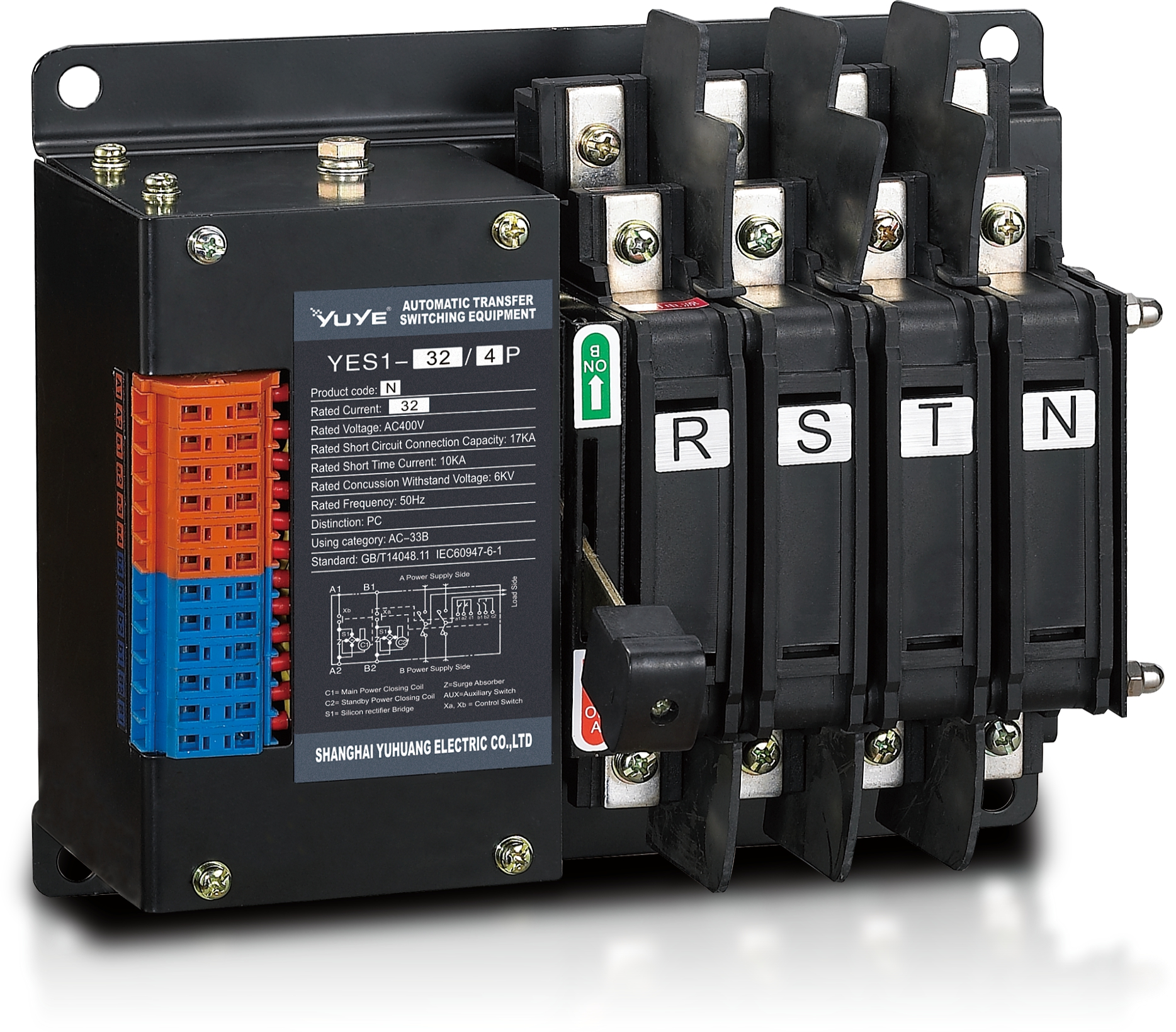
Solenoid-type ATS YES1-32~125N
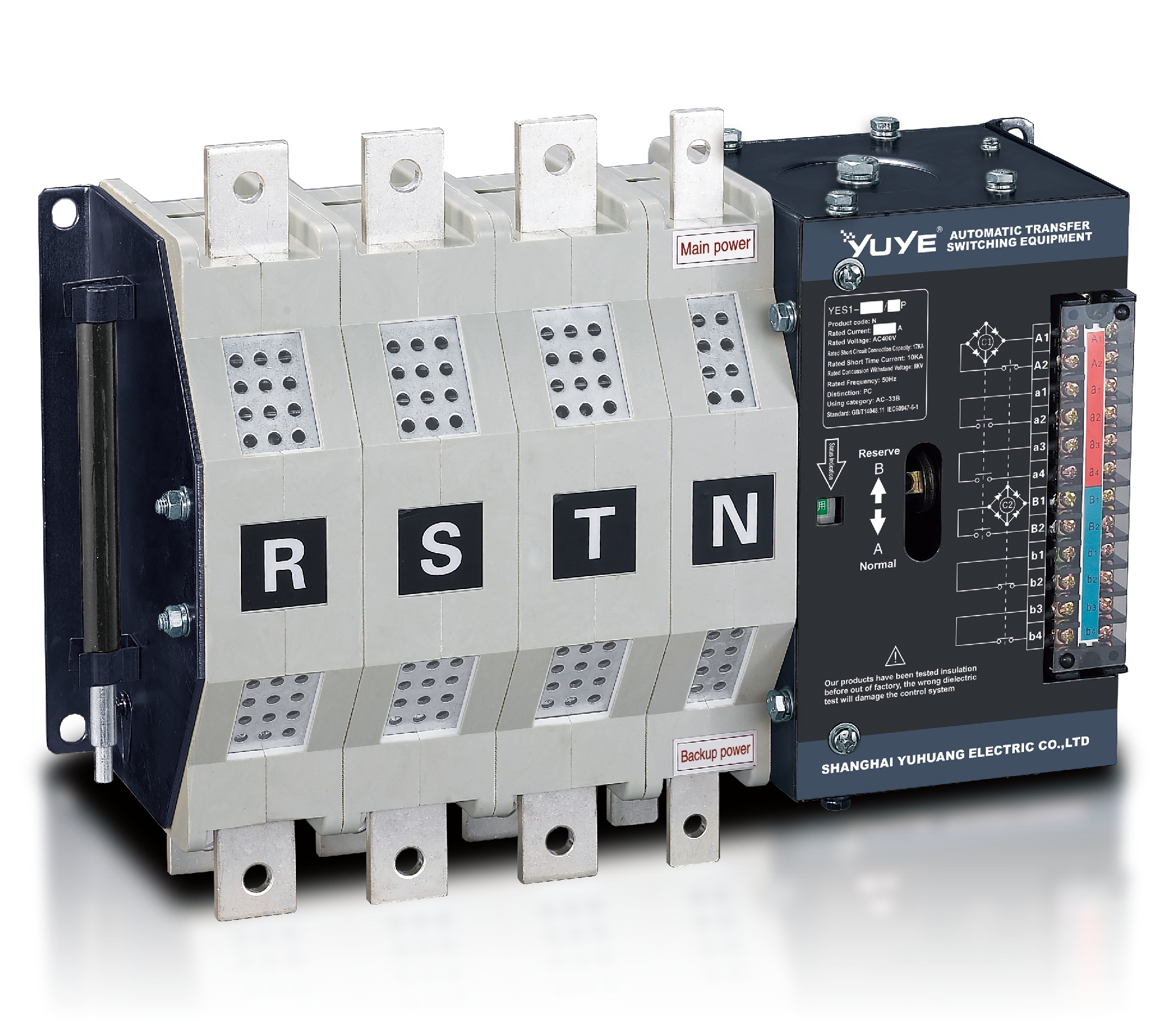
Solenoid-type ATS YES1-250~630N/NT
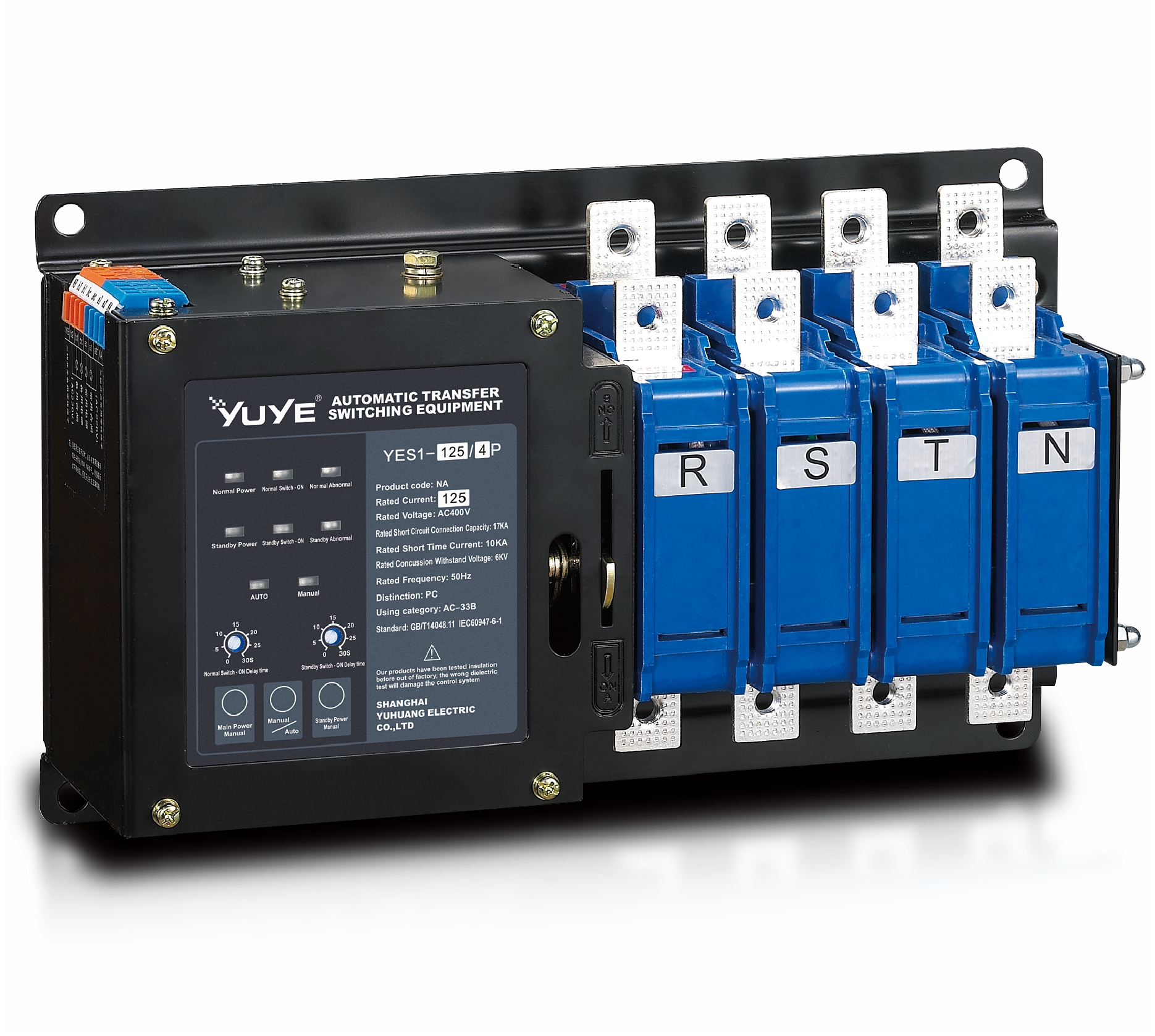
Solenoid-type ATS YES1-32~125NA
Solenoid-type ATS YES1-63~630SN
Solenoid-type ATS YES1-1250~4000SN
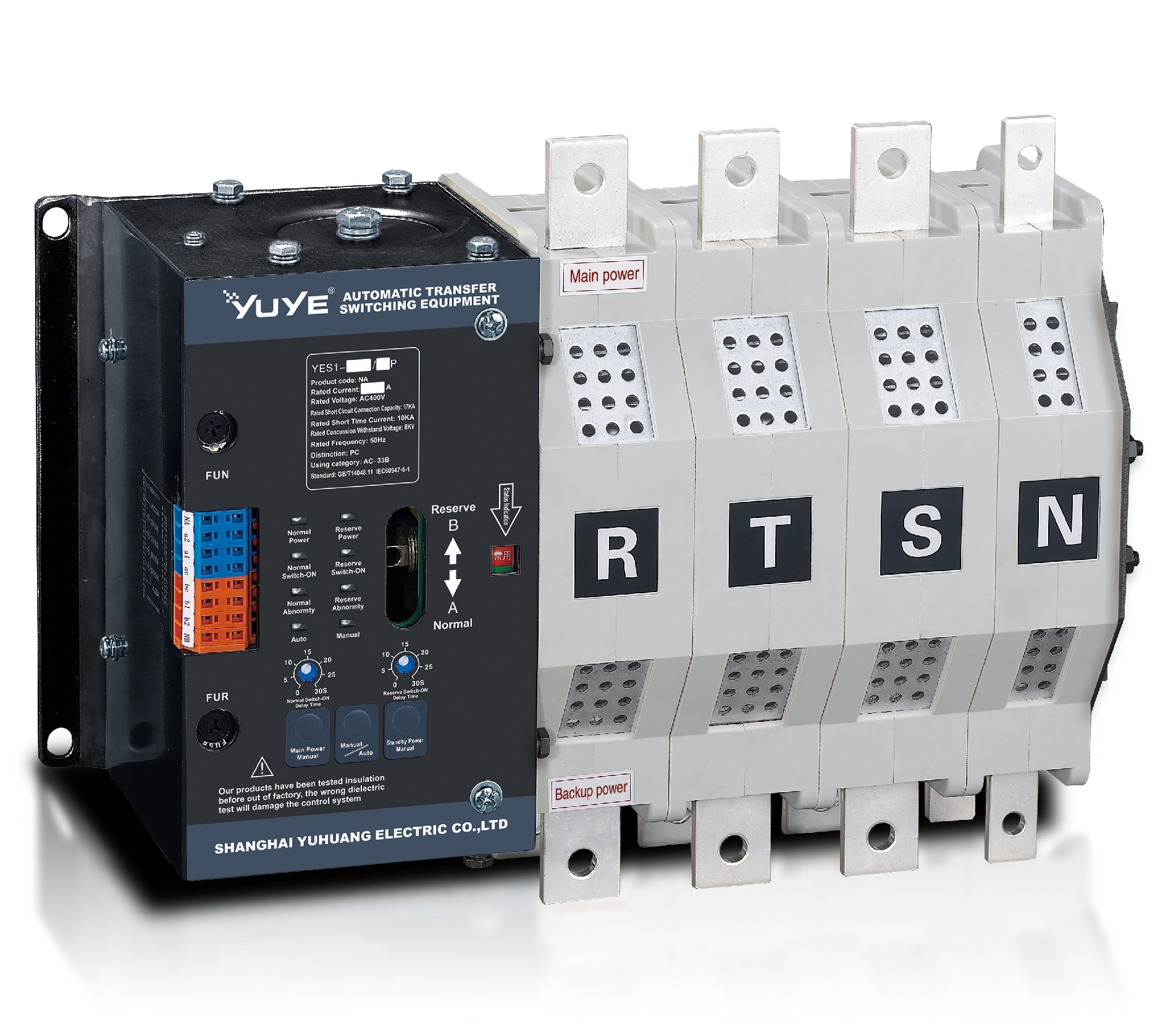
Solenoid-type ATS YES1-250~630NA/NAT
Solenoid-type ATS YES1-63NJT
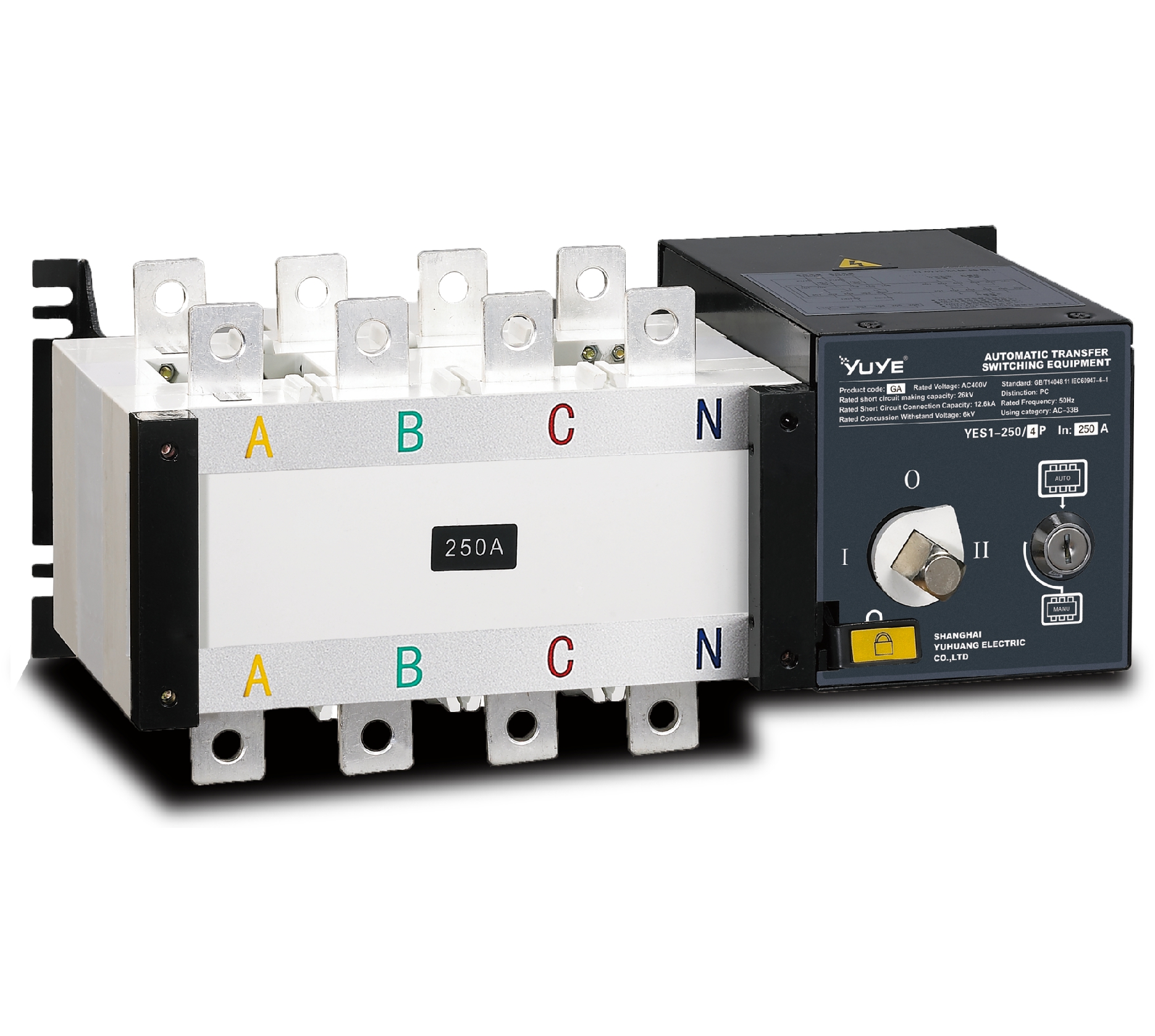
PC ATS YES1-100~1600GN1/GN/GNF
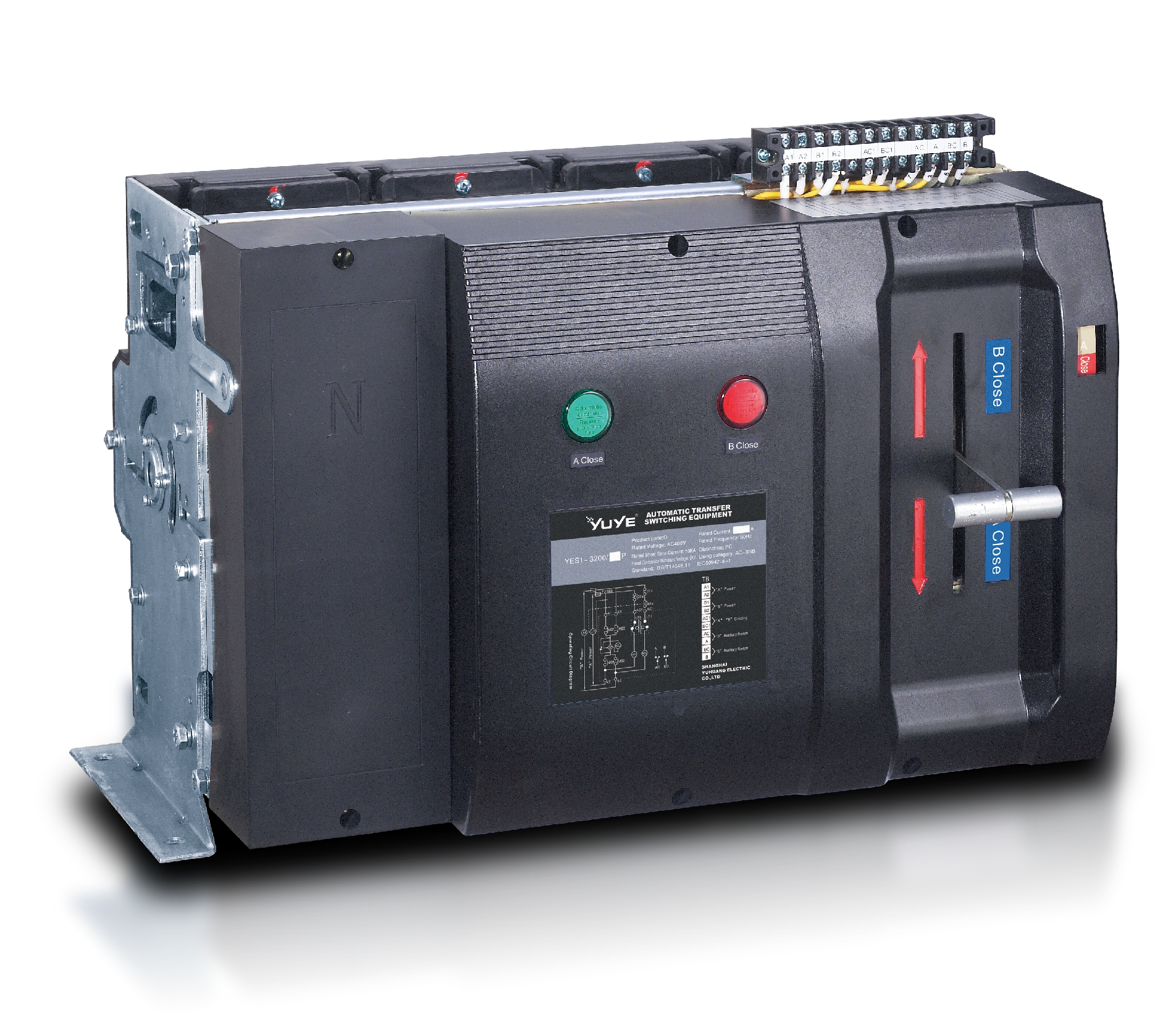
PC ATS YES1-2000~3200GN/GNF
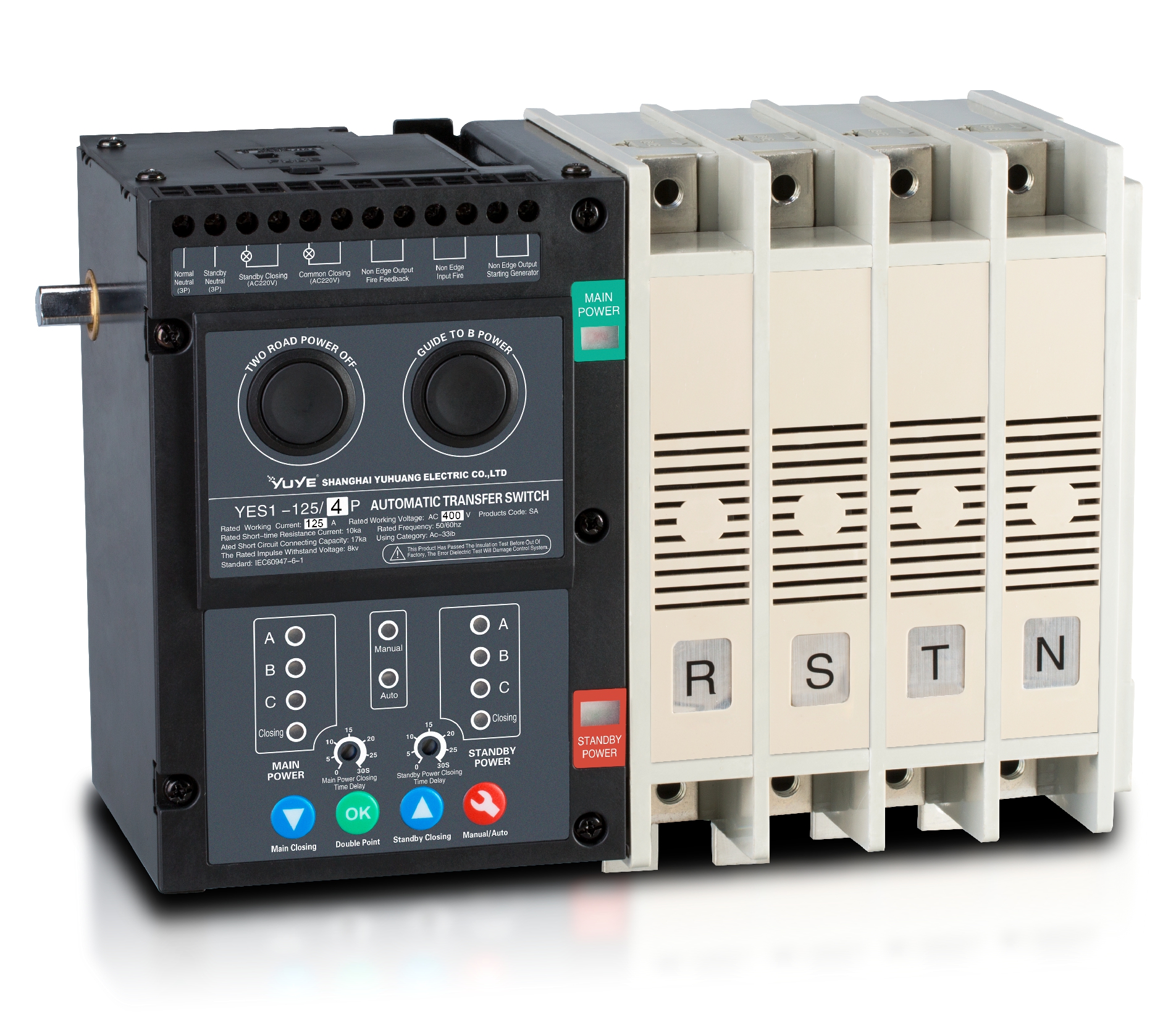
PC ATS YES1-100~3200GA1/GA
Solenoid-type ATS YES1-63~630SA
Solenoid-type ATS YES1-63~630L/LA
Solenoid-type ATS YES1-63~630LA3
Solenoid-type ATS YES1-63MA
PC ATS YES1-630~1600M
PC ATS YES1-3200Q
Solenoid-type ATS YES1-4000~6300Q
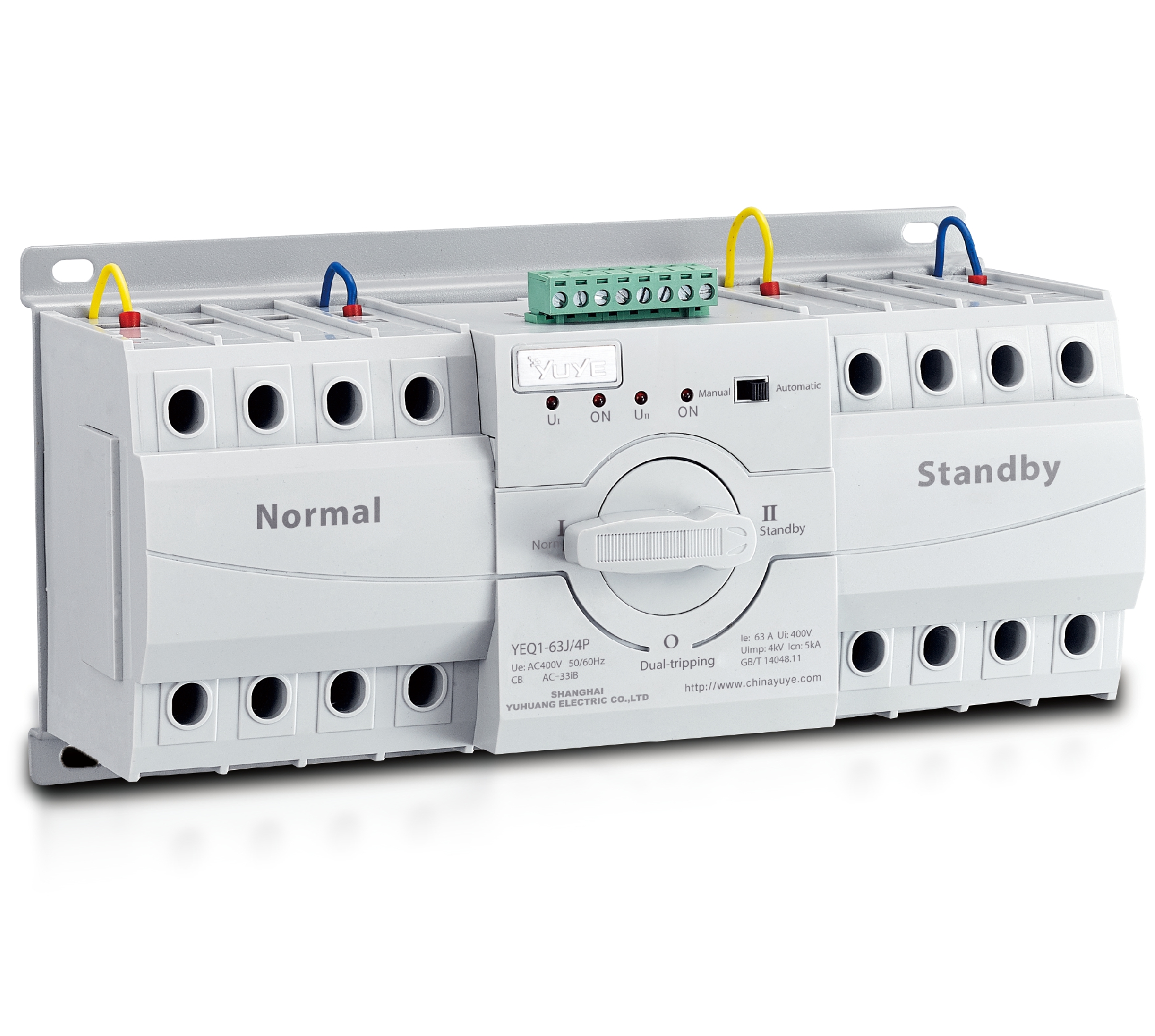
CB ATS YEQ1-63J
CB ATS YEQ2Y-63
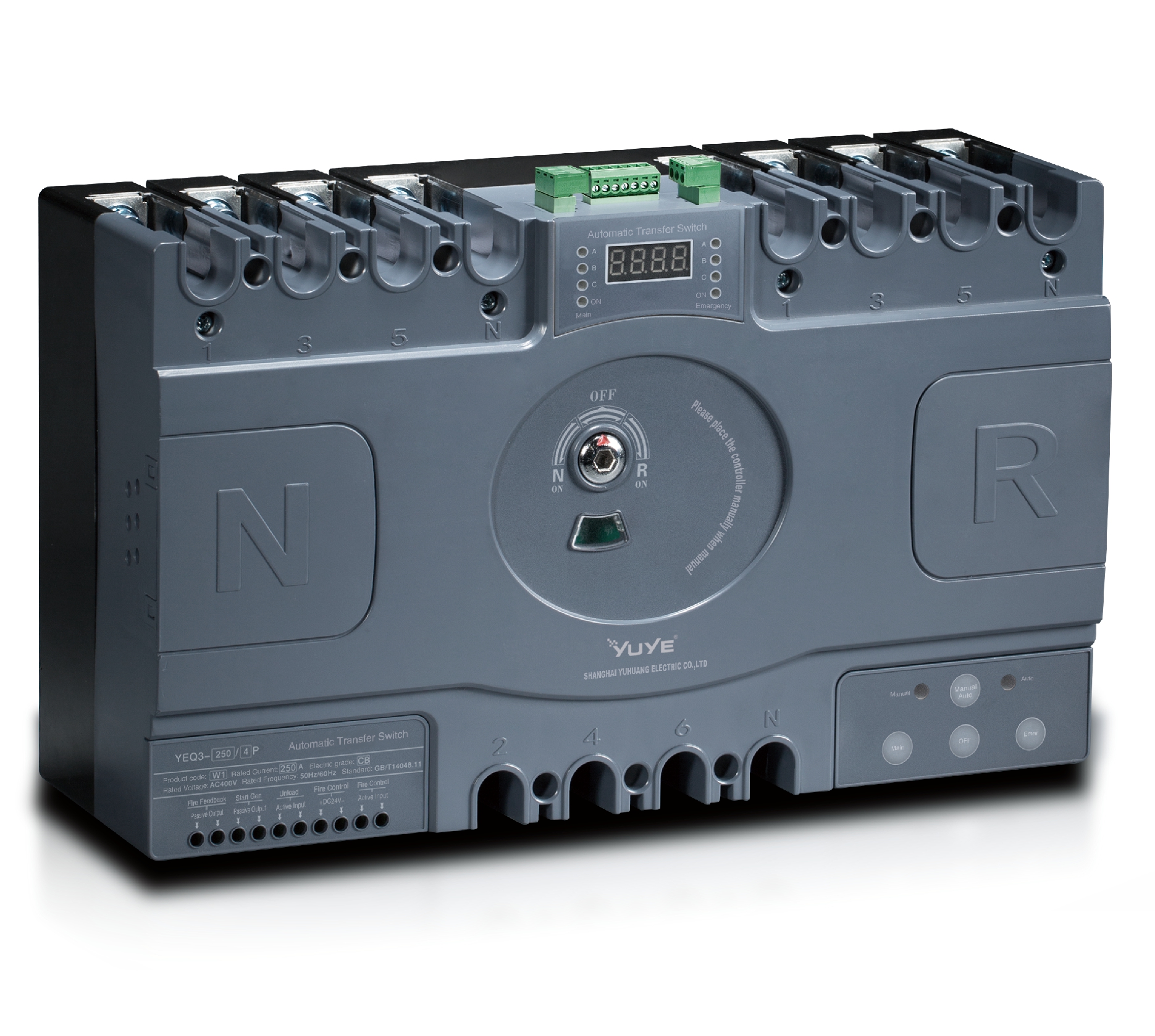
CB ATS YEQ3-63W1
CB ATS YEQ3-125~630W1
ATS controller Y-700
ATS Controller Y-700N
ATS Controller Y-701B
ATS Controller Y-703N
ATS Controller Y-800
ATS Controller W2/W3 Series
ATS switch Cabinet floor-to-ceiling
ATS switch cabinet
JXF-225A power Cbinet
JXF-800A power Cbinet
YEM3-125~800 Plastic Shell Type MCCB
YEM3L-125~630 Leakage Type MCCB
YEM3Z-125~800 Adjustable Type MCCB
YEM1-63~1250 Plastic Shell Type MCCB
YEM1E-100~800 Electronic Type MCCB
YEM1L-100~630 Leakage Type MCCB
Miniature circuit breaker YEMA2-6~100
Miniature circuit breaker YEB1-3~63
Miniature circuit breaker YEB1LE-3~63
Miniature circuit breaker YEPN-3~32
Miniature circuit breaker YEPNLE-3~32
Miniature circuit breaker YENC-63~125The 32A Automatic Transfer Switch is pretty essential when it comes to keeping your power running smoothly at home or at work. Basically, it automatically kicks in and switches from your main power source to a backup generator whenever there's a blackout. But, honestly, choosing the right one can feel a bit overwhelming with all the options out there. Trust me, I get it.
In this guide, we’ll really dig into what makes a good 32A Automatic Transfer Switch, covering the key features to look out for. We’ll also compare different brands, talking about their reliability and what makes each one unique. Plus, I’ll share some tips on how to install them and keep them maintained—things you’ll want to know if you’re thinking about making the upgrade.
That said, it’s not all smooth sailing. Plenty of folks tell me they’re confused about whether a switch will work with their existing setup. It’s super important to do your homework before buying. Picking a switch that meets your power needs without overcomplicating things can be tricky, no doubt about it. My goal here is to make sense of all these details and help you find the best options out there—without the headache.
Automatic Transfer Switches (ATS) are vital for seamless power management. A 32A Automatic Transfer Switch helps transfer electrical load between two power sources. This includes generator backup and utility power. Understanding its functionality is crucial for safeguarding your devices during outages.
When the main power fails, the ATS kicks in automatically. It ensures that there’s no downtime in critical operations. Electricians often recommend installing ATS for homes and businesses. Many people underestimate its importance until an outage occurs. You might lose data or spoil food without proper power backup.
Tips: Regular maintenance of your ATS can prevent unexpected failures. Check connections and test the switch periodically. Consider the load your ATS can handle. Overloading it can lead to malfunctions or damage. Make sure to understand your total energy needs before installation. Investing in a reliable switch can save you trouble later.
| Feature | Description | Benefits | Considerations |
|---|---|---|---|
| Type | Manual vs. Automatic | Convenience with automatic switches | Installation cost may vary |
| Rated Current | 32 Amperes | Suitable for medium loads | Ensure load compatibility |
| Switching Time | Typically less than 5 seconds | Minimizes downtime | May vary by model |
| Control Mechanism | Electromechanical | Reliable performance | Potential for mechanical wear |
| Installation Location | Indoor/Outdoor options | Flexibility in placement | Weatherproofing required for outdoor use |
| Safety Features | Overload and short-circuit protection | Enhances user safety | Regular maintenance needed |
When choosing a 32A Automatic Transfer Switch (ATS), key features determine performance and reliability. An ATS seamlessly transfers power between mains and backup generators, crucial during outages. According to industry reports, a reliable switch can reduce downtime by 40%. This is significant for businesses relying on continuous power.
One essential feature is the switching speed. High-quality ATS devices can switch in under 30 seconds. This minimizes the risk of equipment damage. Additionally, the panel's user interface should be intuitive. A clear display helps in monitoring power status efficiently. Compatibility with various types of generators is also vital. A flexible ATS can adapt to future power needs.
Another consideration is the build quality. Durable materials ensure longevity and reduce maintenance frequency. Reports show that ATS units made from high-grade components last twice as long. A well-designed ATS should also have robust surge protection. This feature safeguards critical equipment from voltage spikes, a common issue during outages. Overall, users need to weigh these attributes carefully to ensure optimal performance.
In a 32A system, the choice between manual and automatic transfer switches (ATS) significantly impacts functionality and reliability. Manual transfer switches require human intervention to switch power sources during outages. This can lead to delays in restoration. According to a report by the National Electrical Manufacturers Association, systems relying on manual switches may take up to 30% longer to resume operations compared to automated solutions.
Conversely, automatic transfer switches detect outages and switch power sources seamlessly. This ensures minimal downtime. Data from the International Electrotechnical Commission suggests that up to 95% of critical infrastructure benefits from using ATS. They provide reliability during power interruptions, crucial for industrial and healthcare sectors. However, ATS units are typically more expensive than manual ones, posing a budgetary challenge for some users.
Cost aside, the convenience of automatic systems cannot be overstated. They reduce the risk of human error, a significant factor in 80% of manual switch failures. Yet, the complexity of wiring in ATS can confuse inexperienced technicians, leading to maintenance issues. Users must weigh these factors carefully when choosing the appropriate system for their needs.
Installing a 32A automatic transfer switch (ATS) requires careful planning and adherence to guidelines to ensure safety and functionality. Proper placement is crucial. The switch should be located near the main electrical panel. This minimizes the distance between the ATS and the connection points, reducing voltage drop and enhancing performance. Ensure that the site is accessible for maintenance and inspections.
Electrical connections must be precise. According to industry standards, the use of a licensed electrician is essential. This professional will ensure that the switch is wired correctly and all local codes are followed. Overlooking small details can lead to significant issues, such as instability in power supply and potential hazards. Notably, reports show that faulty installations can result in up to 30% of equipment failure in similar systems.
Consider load calculations before installation. A 32A switch can manage various loads but requires careful planning. It’s essential to compute the total starting and running wattage of connected devices. A mismatch can lead to voltage drops or system failures. Professionals often recommend a 10% buffer to enhance reliability. Attention to these factors can significantly improve the ATS's performance and lifespan.
To ensure the longevity of a 32A automatic transfer switch, regular maintenance is crucial. Inspect the switch every quarter. Look for signs of wear or damage. This may include burnt contacts or loose connections. These issues can lead to system failures. Keeping the area around the switch clean is also important. Dust and debris can cause overheating.
Another essential tip is to test the transfer switch regularly. Simulate a power outage and observe the switch's response. It should transition smoothly without any hiccups. If it struggles, consider scheduling a more in-depth inspection. This can help identify problems before they escalate into larger issues.
Consider checking the battery levels if your switch has them. A weak battery can hinder performance. Look for corrosion on the terminals. Clean connections can help maintain power flow. Document each maintenance check. This will help track performance over time. Regular maintenance might seem tedious. However, it’s a small price to pay for reliability.
When choosing a 32A automatic transfer switch, several brands are making waves this year. Reliability and performance are crucial. Each brand offers different features that might suit your needs. Look out for ease of installation and user-friendly controls. Many users appreciate compact designs that save space.
**Tip:** Always read reviews before buying. Past experiences from users reveal valuable insights. A poorly rated switch often leads to frustrations. While some options excel in handling power loads, others fail at critical moments.
Consider the materials used. Durability matters, especially for outdoor installations. Corrosion-resistant materials generally last longer. Some switches come with additional safety features, which can prevent accidents. Trust that not all expensive options guarantee the best results.
**Tip:** Look at warranty details. A solid warranty reflects a manufacturer's confidence in their product. Review your power needs carefully before making a choice. Forgetting this can lead to overspending or underperformance. Compromises can lead to regrets later.
When selecting a 32A Automatic Transfer Switch (ATS), understanding industry standards is crucial. The most commonly referenced standards include IEC 60947-6-1 and UL 1008. These standards ensure that the devices are safe and reliable for use. For instance, IEC 60947-6-1 outlines performance criteria that ATS must meet for effective load management under different situations.
Compliance with these standards can significantly impact performance. In a report by the International Electrotechnical Commission, it was noted that devices adhering to IEC standards demonstrated a 30% reduction in failure rates. This statistic underlines the importance of choosing compliant devices. However, some manufacturers may cut corners, leading to devices that do not perform as expected.
In addition to safety and efficiency, regular inspections play a role in maintaining a reliable system. Even compliant switches can fail if not properly maintained. According to a survey by the National Electrical Manufacturers Association, approximately 15% of automatic transfer switches experience operational issues due to lack of maintenance. This highlights the need for careful consideration in both the choice of ATS and its ongoing upkeep.
When it comes to optimizing power systems, the Solenoid-type Automatic Transfer Switch (ATS) YES1-4000~6300Q stands out due to its robust features tailored for high-demand applications. Designed for rated currents between 4000A and 6300A, this model is equipped to gracefully handle substantial loads. With both 3P and 4P configurations available, it provides versatility for various electrical distribution requirements. The rated control power supply voltage of AC220V ensures compatibility with standard electrical systems, making it an ideal choice in commercial and industrial settings.
One of the key features of the YES1-4000~6300Q is its excitation-type drive mode, which enables reliable switching without mechanical wear over time. This design choice not only extends the product's lifespan but also minimizes maintenance costs, a crucial aspect referenced in industry reports highlighting that automated solutions can reduce operational downtime by as much as 30%. Furthermore, the switch operates in a 2-position mode, allowing for straightforward operation while ensuring seamless transitions between power sources.
In terms of compliance and safety, the YES1-4000~6300Q boasts certifications like CE, CB, and CCC, adhering to the IEC 60947-6-1 standard. These certifications confirm that the equipment meets international safety and quality benchmarks. In industries where downtime can significantly impact productivity, investing in an ATS with proven reliability and performance can translate into efficient power management and enhanced operational efficiency. With the growing emphasis on sustainable energy practices, high-performance solutions like the YES1-4000~6300Q are essential for modern power system optimizations, ensuring businesses can adapt to increasing demands with confidence.
Automatic Transfer Switch do?
It kicks in automatically, preventing downtime in critical operations and protecting devices.
It prevents unexpected failures and keeps the system running smoothly, ensuring reliability.
Inspect for wear or damage. Look for burnt contacts, loose connections, and clean the area around the switch.
Proper placement near the main electrical panel reduces voltage drop and enhances performance.
Overloading can cause malfunctions or permanent damage to the switch and connected devices.
Compute the total starting and running wattage of connected devices, considering a 10% buffer for reliability.
It’s best to use a licensed electrician to ensure proper wiring and adherence to local codes.
Regular testing is recommended, ideally quarterly, to ensure it responds smoothly during a simulated outage.
Document each maintenance check to observe patterns in performance and address any recurring issues over time.
The "32A Automatic Transfer Switch Guide" provides comprehensive insights into the functionality and significance of 32A Automatic Transfer Switches in various power management scenarios. It begins with an explanation of the fundamental principles and operations of these switches, followed by a discussion on the key features essential for optimal performance. The guide also contrasts manual and automatic transfer switches within 32A systems, highlighting the advantages of automation in ensuring seamless power transitions.
Additionally, the article offers installation guidelines to aid users in setting up their 32A Automatic Transfer Switches correctly and maintenance tips to enhance their durability and effectiveness over time. Finally, it reviews the top five recommended brands for 32A Automatic Transfer Switches for 2023 and underscores the importance of adhering to industry standards and compliance requirements, ensuring that users can confidently select products that meet safety and performance benchmarks.