In today's fast-changing world of power management, choosing the right 63a Automatic Transfer Switch (ATS) really matters. Honestly, the market for these switches is booming — estimates say it’ll hit around $3.5 billion by 2026. Big names like Schneider Electric and Eaton are really pushing innovation forward in this space. As energy needs keep climbing, having a solid ATS is pretty much a must, especially when it comes to critical systems that can’t afford any hiccups.
Now, I get it — trying to understand all those specs and features of a 63a ATS can be pretty overwhelming. A lot of folks overlook important stuff like whether it’s compatible with their setup or if it can handle their load, and that’s where things can go wrong. In fact, about 30% of problems happen because of poor installation or picking the wrong switch in the first place. That’s why it’s so important not to just go for the cheapest option, but to actually think about brands known for reliability and how well the switch performs in real-world situations.
Spending a little extra on a good quality ATS can save you a lot of hassle down the line — nobody wants unexpected downtime, right? Sure, lots of brands claim they’re reliable, but doing some research goes a long way. Checking out reviews, listening to expert opinions, and looking at performance stats can really help you make a smart choice. Ignoring all this can lead to regrets later on. At the end of the day, the right switch makes sure your power switches smoothly when you need it most — simple as that.

Understanding Automatic Transfer Switches and Their Importance
Understanding Automatic Transfer Switches (ATS) and their importance is crucial for both residential and commercial power management. An Automatic Transfer Switch is a device that ensures continuous power supply during outages. It detects a power failure and automatically switches to a backup generator. This seamless transition is vital for operational efficiency and safety.
When choosing an ATS, consider your specific power needs. Evaluate how much power your appliances consume and what capacity the switch can handle. Many underestimate the load, leading to potential issues. It's essential to match your ATS with the right generator. This compatibility ensures reliable performance.
Tips for selecting an ATS include checking the switch’s response time. A switch with a quick response is critical, especially for sensitive equipment. Look for options with features such as surge protection and remote monitoring capabilities. These features provide extra layers of reliability and peace of mind. It’s also important to read reviews and learn from others' experiences. Sometimes, customers discover issues post-installation that could have been avoided with proper research.
In reflecting on your choices, think about future needs. Will your power requirements change? An ATS with a scalable design allows for flexibility. Choosing the right switch today can prevent costly modifications later.
Key Features to Consider When Buying Automatic Transfer Switches
When selecting an automatic transfer switch (ATS), several key features must be considered. First, assess the switch rating. It must match or exceed the total load capacity. This ensures it can handle your power requirements without risk. Pay attention to the number of poles as well. A three-pole switch is common for three-phase systems, while single-phase systems might need a two-pole switch.
Another crucial aspect is the control mechanism. Look for an ATS with an intuitive user interface. It should allow easy monitoring and control of power sources. Consider options with smart features like remote monitoring or automatic diagnostics. These can simplify maintenance and enhance reliability.
**Tip:** Always review the installation requirements. Improper installation can lead to safety hazards. It's vital to consult a professional to verify compatibility with your electrical systems.
Lastly, evaluate the switch’s response time. A fast transfer response can prevent interruptions in power supply. Delays can impact equipment performance and safety. Take the time to compare different models. This will help you find the best fit, but also consider the trade-offs. Balancing cost and quality can be tricky.
2026 Top 63a Automatic Transfer Switch Buying Guide - Key Features to Consider
| Feature |
Importance |
Considerations |
| Transfer Speed |
High |
Ensure minimal downtime during power failure. |
| Load Capacity |
Critical |
Select a switch that can handle total connected load. |
| Control Type |
Moderate |
Choose between manual or automatic controls based on need. |
| Phase Type |
Important |
Ensure compatibility with your electrical system (single phase vs. three phase). |
| Enclosure Type |
Moderate |
Consider environmental factors; indoor vs. outdoor ratings. |
| Standby Power Source |
High |
Identify primary and backup power requirements. |
| Warranty |
Important |
Look for warranty options that cover product longevity. |
| Cost |
Critical |
Determine budget while considering long-term value. |
Types of Automatic Transfer Switches: A Comprehensive Overview
Automatic transfer switches (ATS)
are vital in ensuring an uninterrupted power supply during outages. Understanding the types available can help make informed decisions.
The two main types of ATS are open-transition and closed-transition switches. Open-transition switches transfer power without any overlap, which is simpler and often more cost-effective. Closed-transition switches, however, momentarily connect both power sources, minimizing disruptions but potentially raising costs.
Research indicates a growing demand for ATS in various sectors. According to a 2022 report by global energy analysts, the market for ATS is expected to grow to $5 billion by 2026. This reflects increasing reliance on backup power, especially in critical facilities like hospitals and data centers. These environments require robust and reliable solutions to maintain operational integrity.
When choosing an ATS, consider factors such as load requirements and installation costs. A thorough analysis can prevent future operational issues. Ensure your selection matches anticipated power needs, as undersized switches may lead to failures. Consulting with professionals can further enhance decision-making about selections.
Top Brands to Consider for the 2026 Automatic Transfer Switch Market
When exploring the automatic transfer switch (ATS) market for 2026, several key brands stand out. These brands have built a reputation for reliability and efficiency. They offer products that cater to both residential and commercial needs, ensuring power continuity during outages. Selecting the right brand can significantly impact your experience and satisfaction.
The best brands often feature robust designs and advanced technology. Look for those that provide extensive warranties and customer support. Many brands have earned endorsements from industry professionals. These endorsements help build trust and credibility. However, not all products meet every need. Some may lack features critical for specific applications. It’s crucial to assess your requirements carefully.
User reviews can provide valuable insights into performance. Often, customers highlight both pros and cons of their purchases. Some ATS products may be too complex for average users, while others may fall short in durability. Reflecting on real user experiences can guide your choice. This market is evolving, and awareness of these brands is essential for informed decision-making.
2026 Automatic Transfer Switch Market Overview
Installation and Maintenance Tips for Automatic Transfer Switches
Installation of an automatic transfer switch (ATS) is a critical step in ensuring seamless power management. Before starting, check the local electrical codes. Proper grounding is essential to prevent electrical hazards. Ensure you have the right tools and equipment at hand. A common mistake is overlooking the alignment of the switch. Misalignment can lead to operational inefficiencies.
Regular maintenance is equally important. Inspect the ATS for signs of wear and tear. Dust and debris can accumulate and impede performance. It’s wise to schedule periodic tests under load conditions. This checks if the switch operates as intended. Keep a maintenance log for tracking performance and addressing any issues.
Don’t neglect the importance of updating your knowledge. Stay informed about new technologies and best practices. It’s easy to fall into a routine that may overlook newer, more efficient methods. Reflecting on past experiences helps improve future installations and maintenance. Emphasizing safety and reliability will ensure the longevity of your automatic transfer switch.
Cost Range and Budgeting for Your Automatic Transfer Switch Purchase
When considering the cost of an automatic transfer switch (ATS), potential buyers should be aware of the investment required. A typical ATS ranges from $2,000 to over $15,000, depending on the features and capacity. According to industry reports, buyers should budget both for the device itself and installation expenses. Installation can add another 20% to total costs, making it crucial to plan accordingly.
Different models cater to various needs. For residential use, simpler models may suffice and can cost around $2,000. However, for commercial applications, advanced features like remote monitoring can be essential, often pushing prices higher. Data shows the average business spends between $5,000 and $10,000 on ATS systems. Assessing specific needs before purchasing will help ensure that the investment aligns with operational requirements.
While aiming for a reliable switch, do not overlook potential maintenance costs. Regular checks and occasional repairs are necessary to ensure your ATS operates effectively. Many users underestimate these ongoing expenses, leading to financial strain over time. Proper budgeting should account for both initial costs and long-term expenses. Thus, understanding total costs is vital for a successful ATS purchase.
Future Trends in Automatic Transfer Switch Technology and Features
Automatic Transfer Switches (ATS) are critical for ensuring seamless power supply during outages. As technology advances, the functionality of ATS units evolves. Reports indicate that the automatic transfer switch market is expected to grow by 8% annually through 2026. This growth is driven by the rising demand for uninterrupted power across various sectors.
Future trends in ATS technology focus on enhancing reliability and efficiency. The integration of IoT (Internet of Things) in ATS allows for real-time monitoring. This results in improved maintenance and reduced downtime. Advanced features such as remote access and data analytics will empower facility managers to optimize power usage. Many organizations still rely on outdated systems, risking reliability. Embracing new technologies may seem daunting, but the benefits outweigh the initial hesitations.
Tip: Regularly review your ATS setup. Identify potential weaknesses in your current technology. This practice fosters a proactive approach to power management. Additionally, consider investing in training to enhance staff’s familiarity with advanced ATS features. The journey to upgrade involves learning and adaptation. A focus on future technologies will pay dividends in overall system reliability.
FAQS
utomatic Transfer Switch (ATS)?
Assess your appliances' power needs. Match the ATS capacity with your total power requirements for reliable performance.
A quick response time prevents power interruptions. Delays can affect critical equipment and overall safety.
Look for surge protection, remote monitoring, and an intuitive user interface for monitoring power sources easily.
Check local electrical codes and consult a professional. Ensure proper grounding and alignment to avoid operational issues.
Inspect for wear, clean dust, and schedule load tests. Keep a maintenance log to track performance over time.
Follow industry news and trends. Reflect on past experiences to adopt newer, more efficient methods in your practices.
Conclusion
This buying guide for the 2026 Top 63a Automatic Transfer Switch delves into the significance of these crucial devices, particularly in ensuring a seamless power supply during outages. It highlights key features to prioritize when selecting a 63a Automatic Transfer Switch, such as transfer speed, durability, and safety standards.
The article provides an extensive overview of the various types of automatic transfer switches available, aiding consumers in understanding which model best suits their needs. Additionally, it discusses essential tips for installation and maintenance, alongside cost considerations to help budget effectively for this important purchase. Finally, it explores the future trends in automatic transfer switch technology, ensuring readers remain informed about advancements that could impact their buying decisions in the coming years.

 PC ATS YECT1-2000G
 PC ATS YES2-63~250GN1
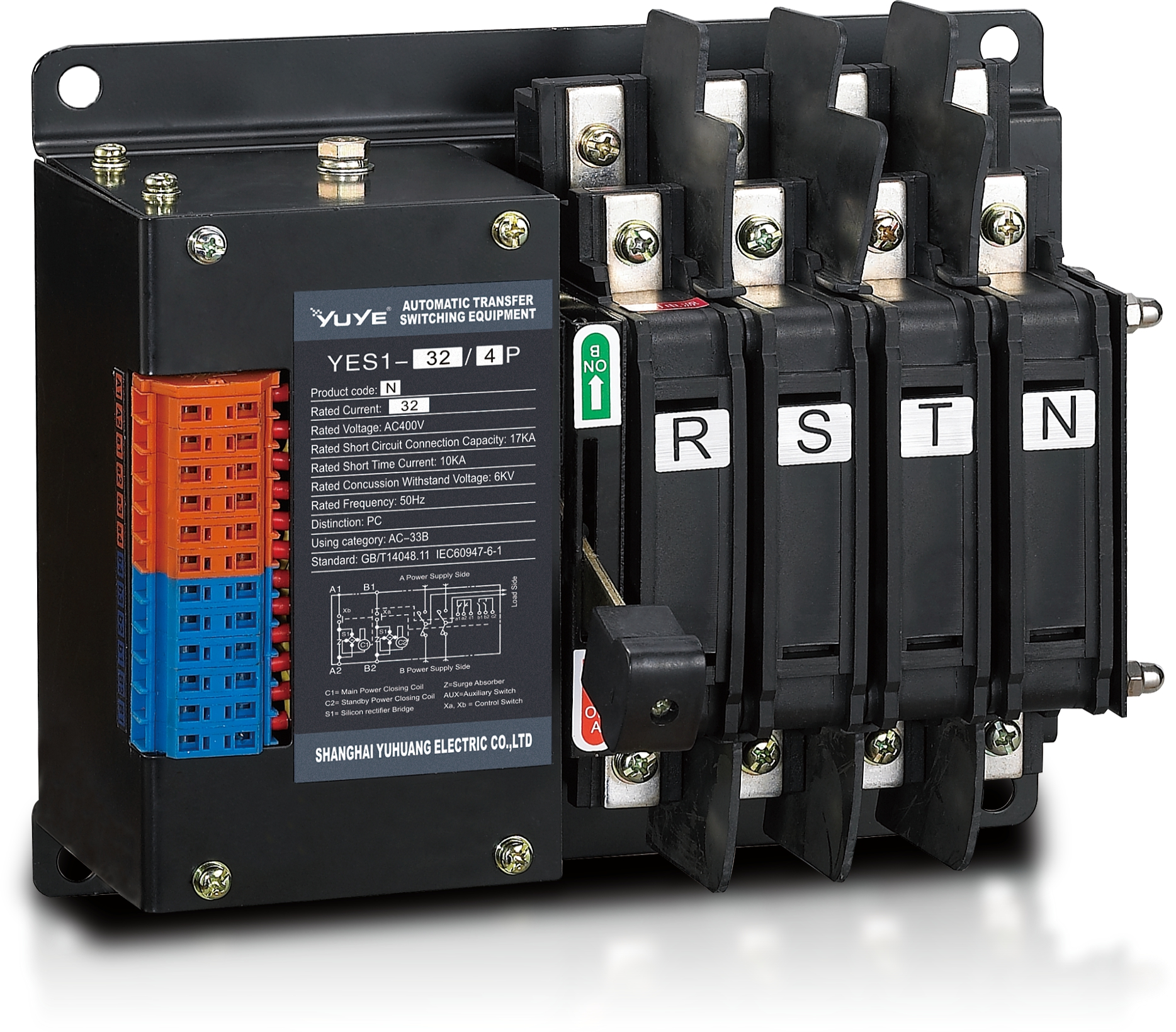 Solenoid-type ATS YES1-32~125N
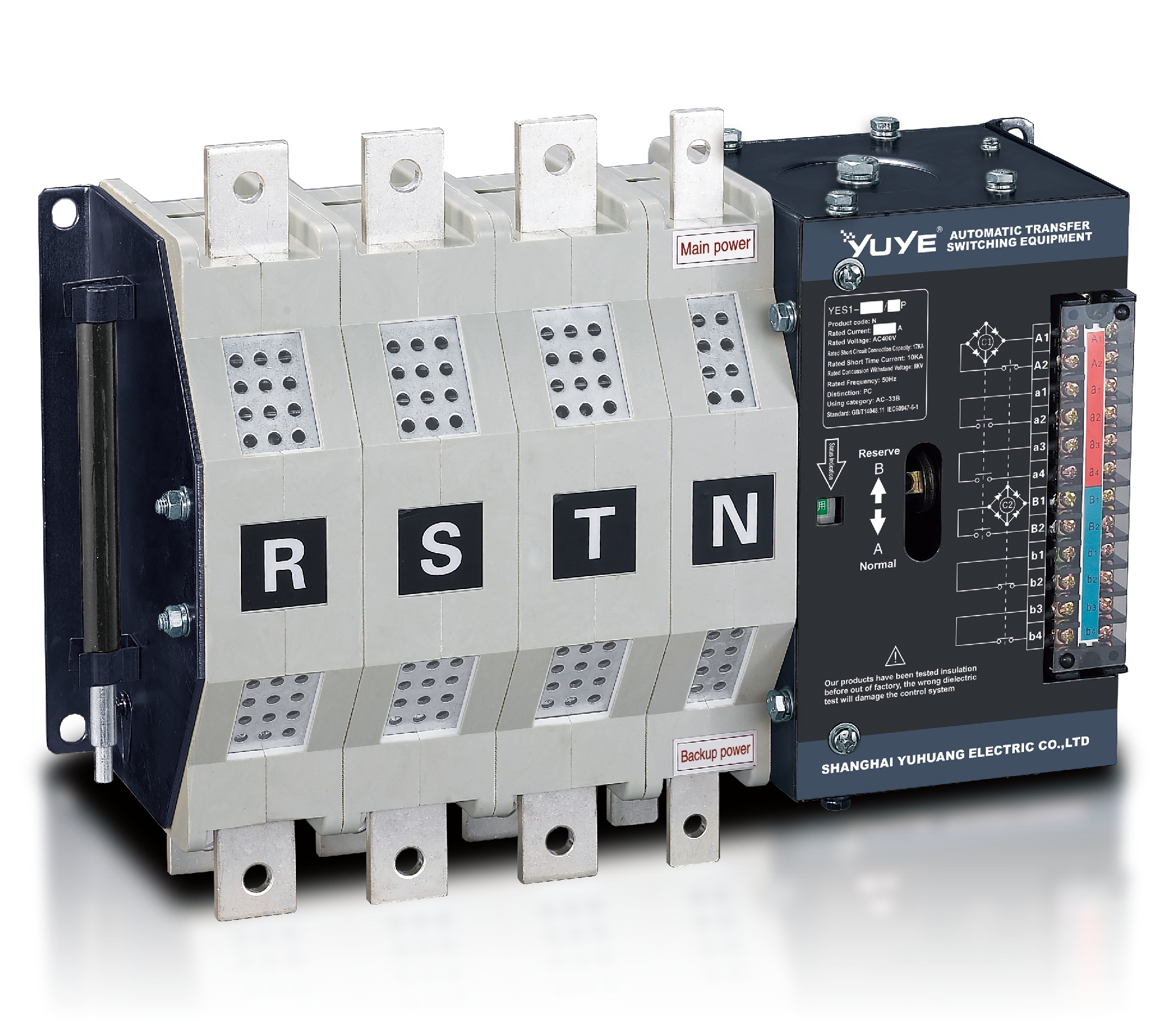 Solenoid-type ATS YES1-250~630N/NT
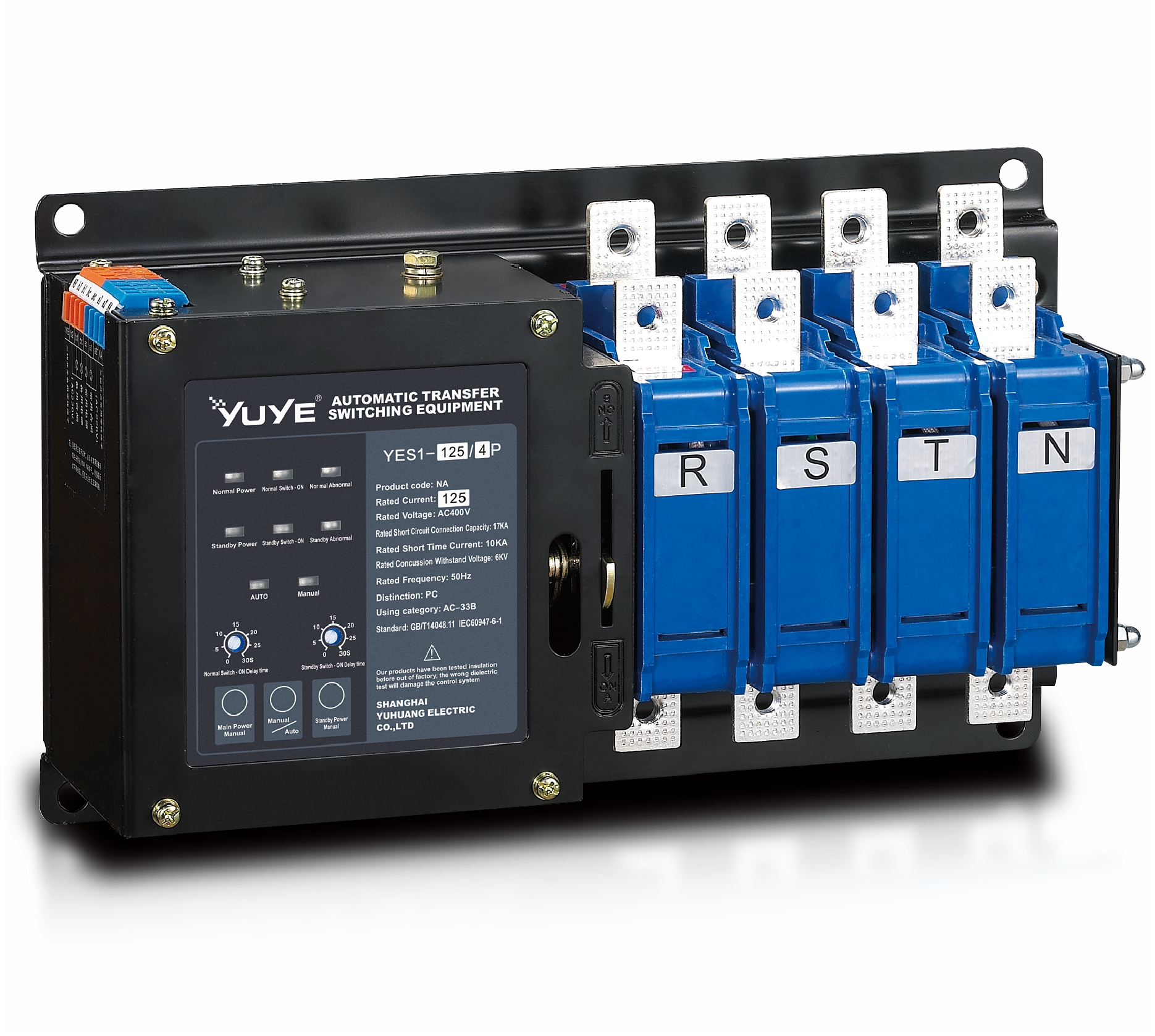 Solenoid-type ATS YES1-32~125NA
 Solenoid-type ATS YES1-63~630SN
 Solenoid-type ATS YES1-1250~4000SN
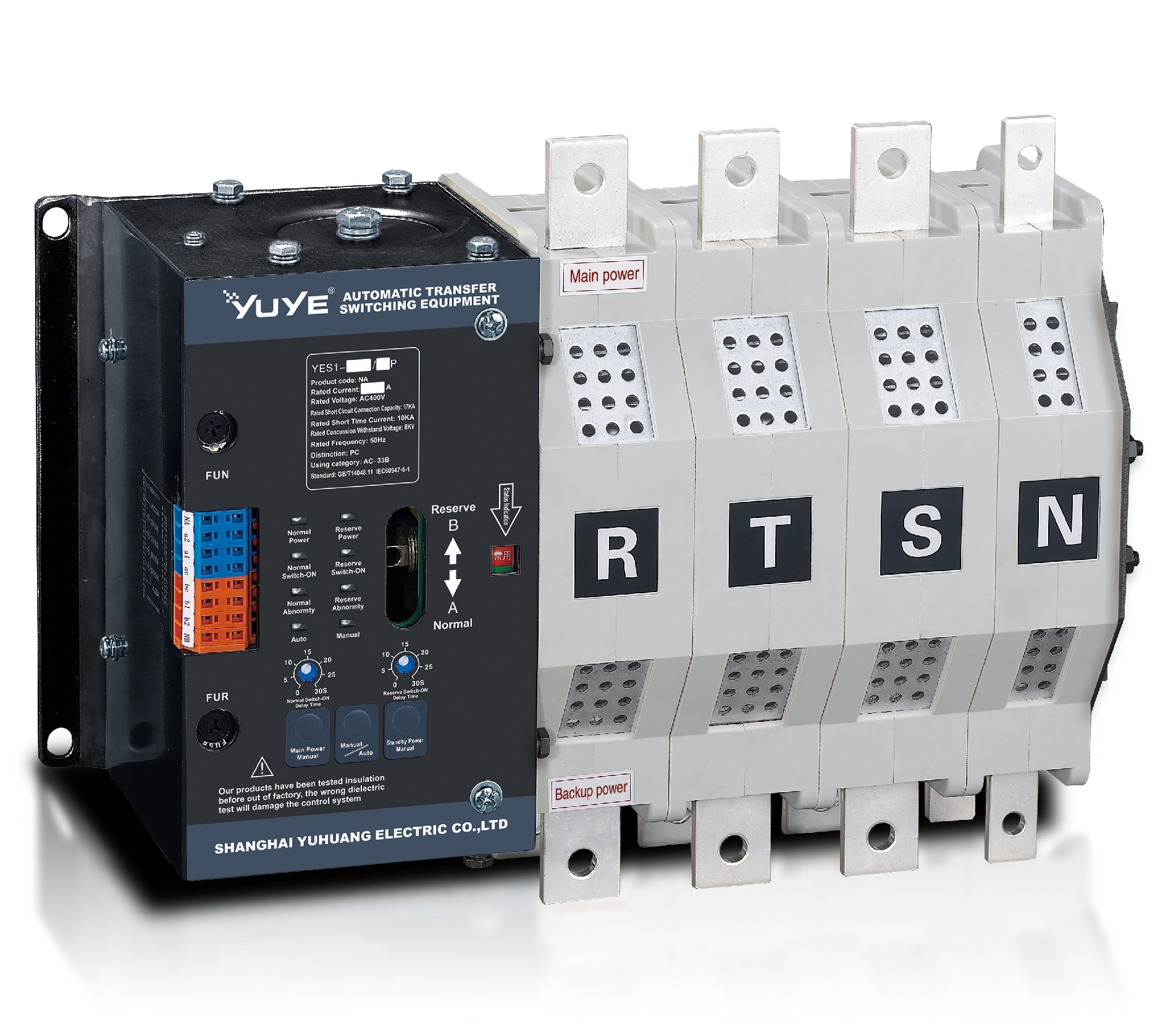 Solenoid-type ATS YES1-250~630NA/NAT
 Solenoid-type ATS YES1-63NJT
 PC ATS YES1-100~1600GN1/GN/GNF
 PC ATS YES1-2000~3200GN/GNF
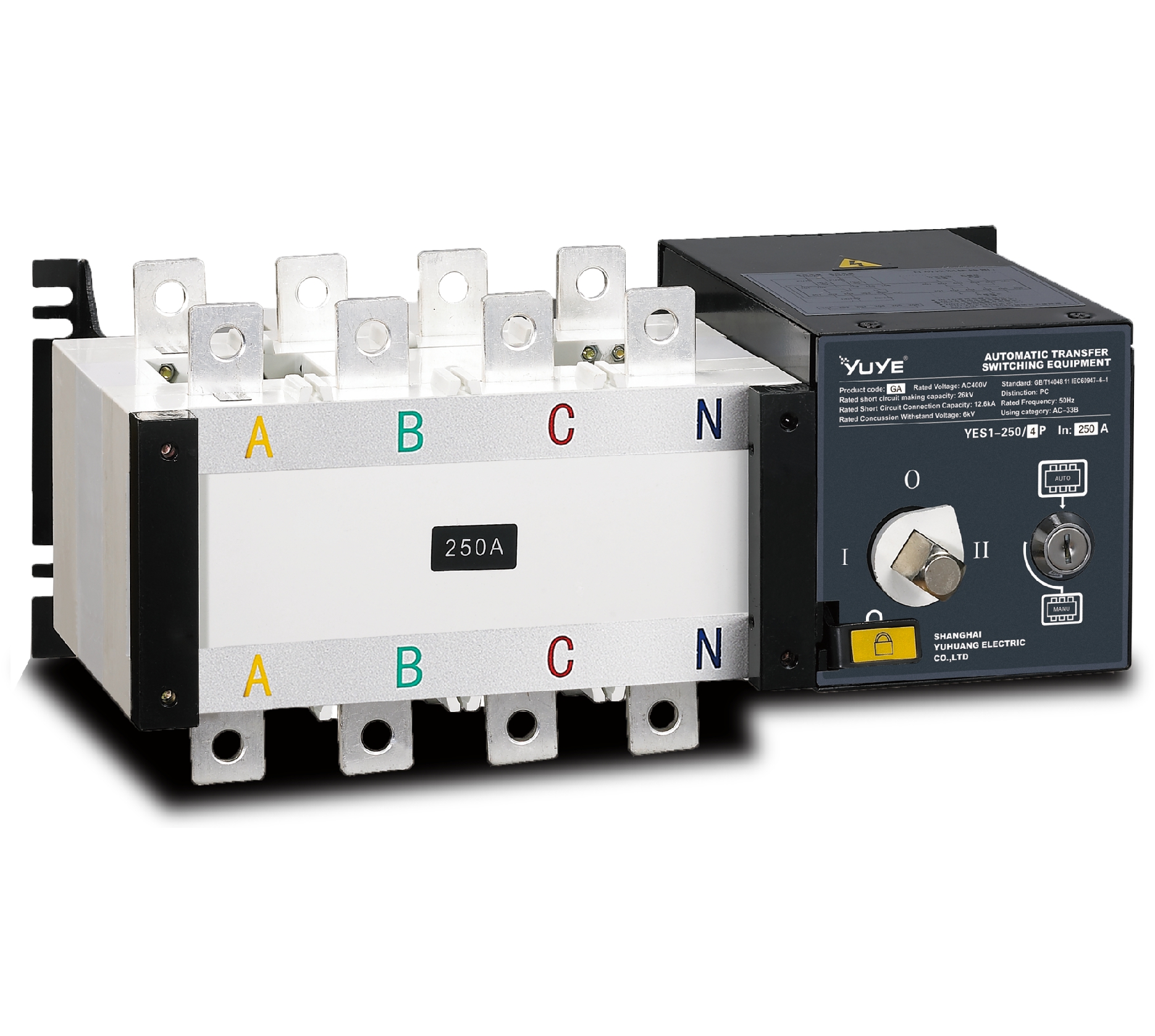 PC ATS YES1-100~3200GA1/GA
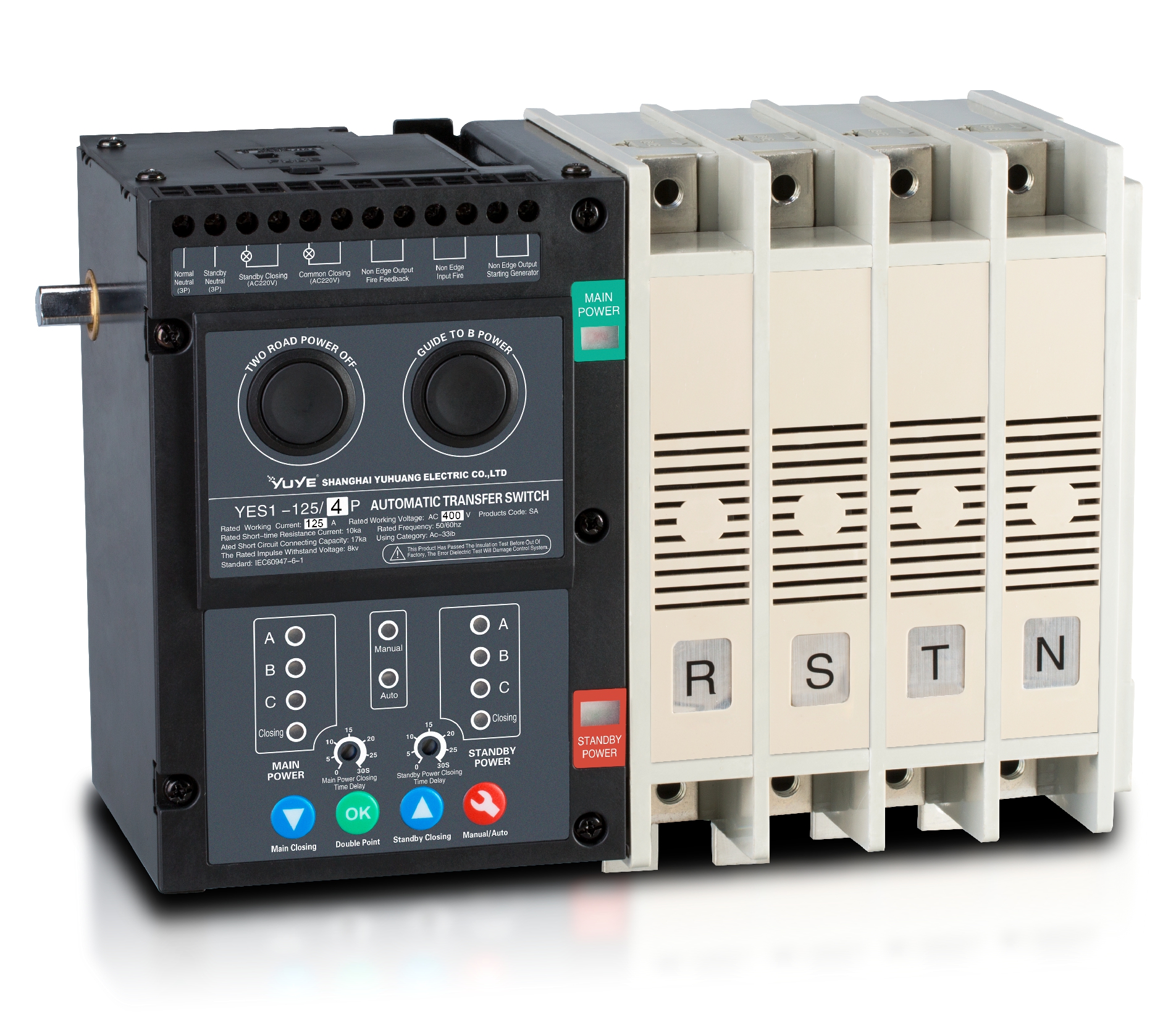 Solenoid-type ATS YES1-63~630SA
 Solenoid-type ATS YES1-63~630L/LA
 Solenoid-type ATS YES1-63~630LA3
 Solenoid-type ATS YES1-63MA
 PC ATS YES1-630~1600M
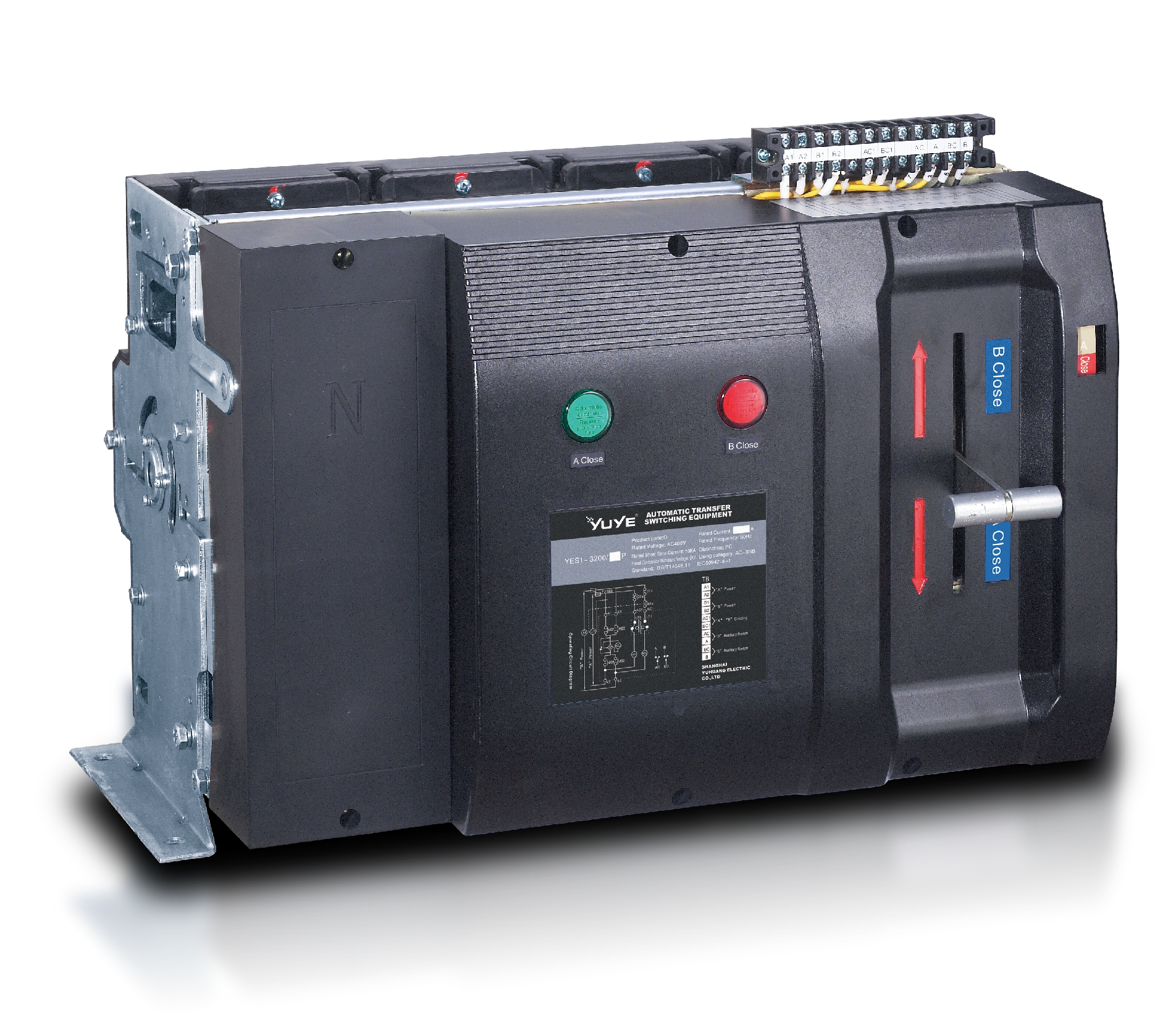 PC ATS YES1-3200Q
 Solenoid-type ATS YES1-4000~6300Q
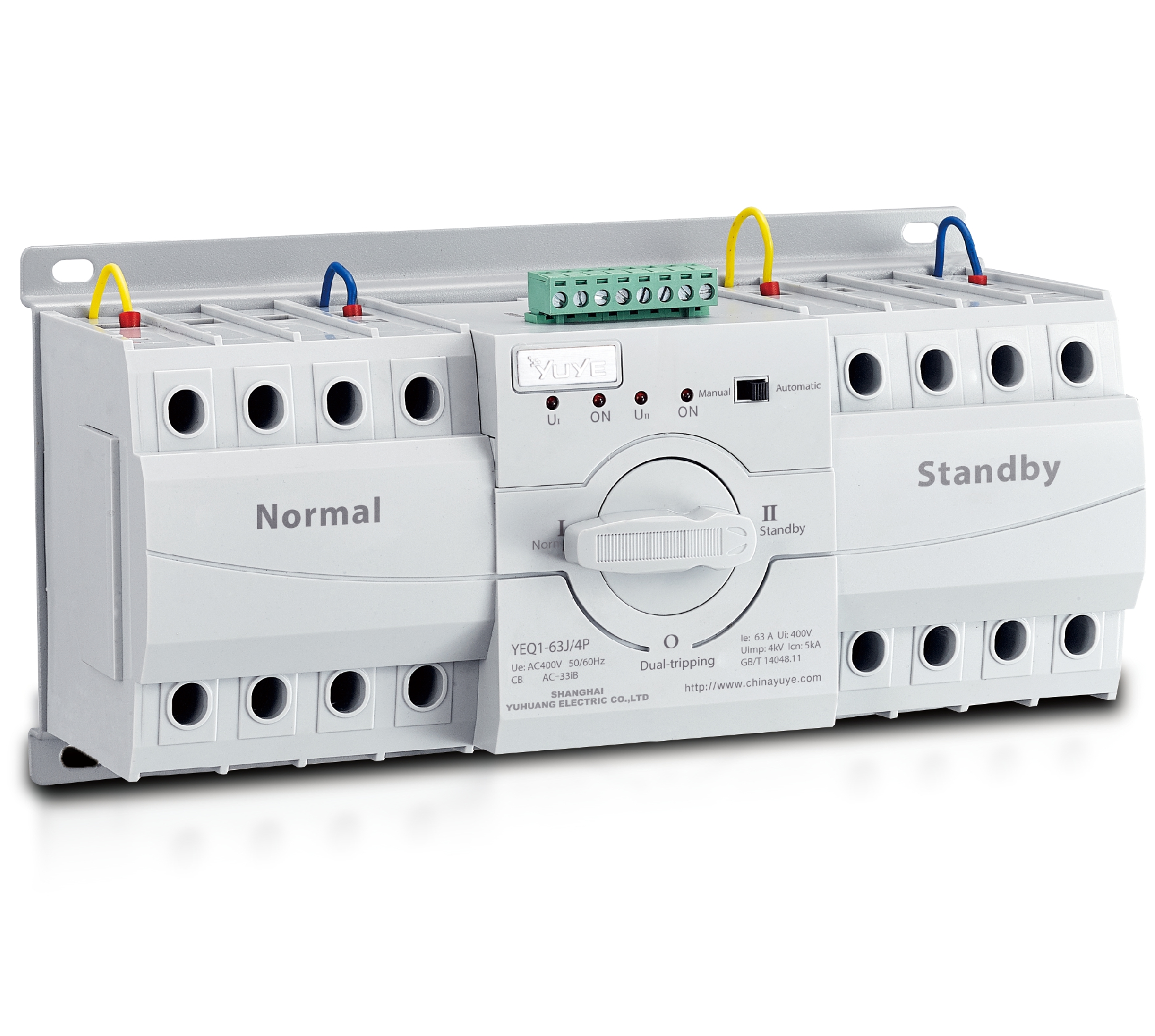 CB ATS YEQ1-63J
 CB ATS YEQ2Y-63
 CB ATS YEQ3-63W1
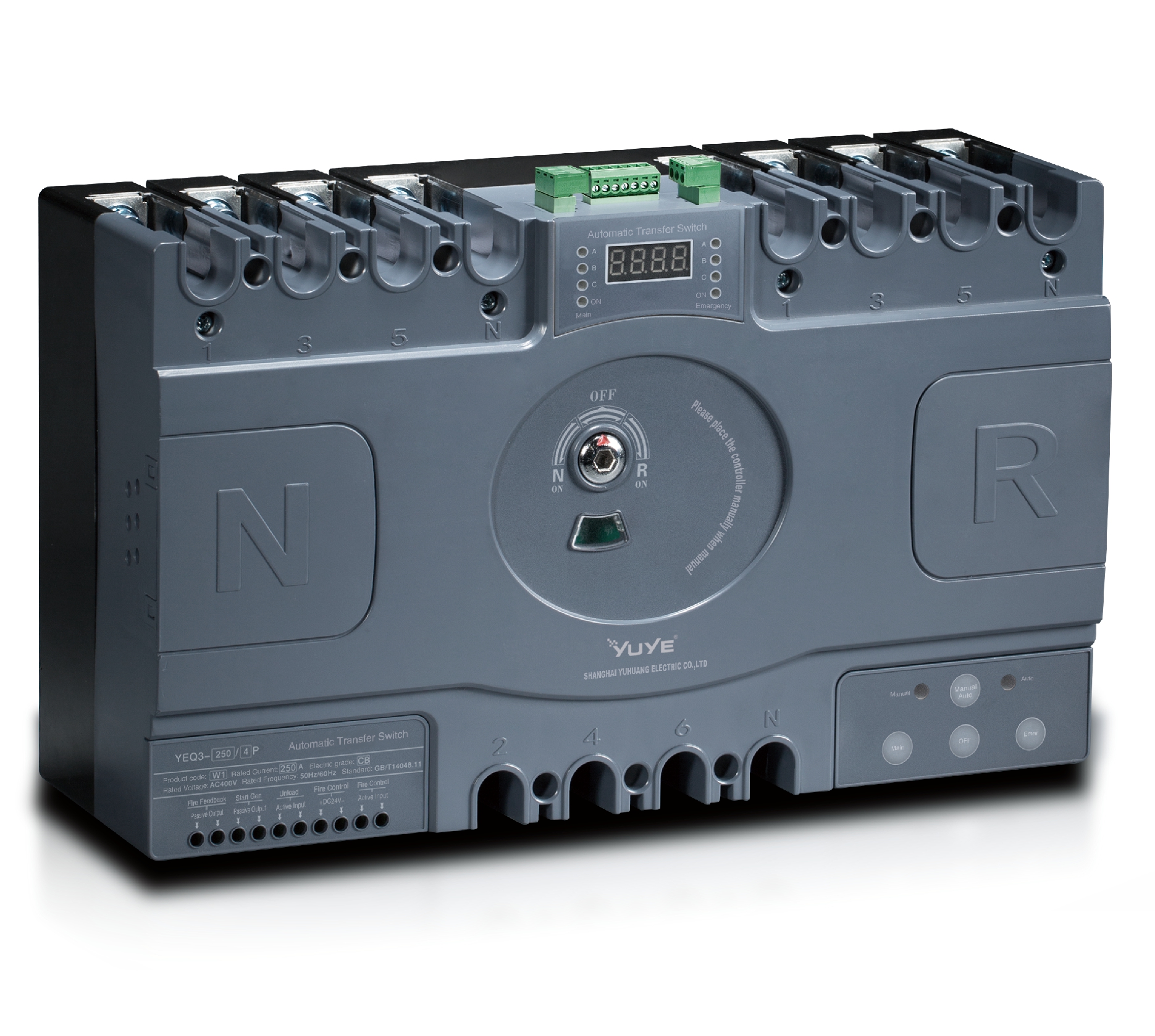 CB ATS YEQ3-125~630W1
 ATS controller Y-700
 ATS Controller Y-700N
 ATS Controller Y-701B
 ATS Controller Y-703N
 ATS Controller Y-800
 ATS Controller W2/W3 Series
 ATS switch Cabinet floor-to-ceiling
 ATS switch cabinet
 JXF-225A power Cbinet
 JXF-800A power Cbinet
 YEM3-125~800 Plastic Shell Type MCCB
 YEM3L-125~630 Leakage Type MCCB
 YEM3Z-125~800 Adjustable Type MCCB
 YEM1-63~1250 Plastic Shell Type MCCB
 YEM1E-100~800 Electronic Type MCCB
 YEM1L-100~630 Leakage Type MCCB
 Miniature circuit breaker YEMA2-6~100
 Miniature circuit breaker YEB1-3~63
 Miniature circuit breaker YEB1LE-3~63
 Miniature circuit breaker YEPN-3~32
 Miniature circuit breaker YEPNLE-3~32
 Miniature circuit breaker YENC-63~125
 Air Circuit Breaker YEW1-2000~6300
 Air Circuit Breaker YEW3-1600
 Load isolation switch YGL-63~3150
 Load Isolation Switch YGL2-63~3150
 Manual Changeover Switch YGL-100~630Z1A
 Manual Changeover Switch YGLZ1-100~3150
 YECPS2-45~125 LCD
 YECPS-45~125 Digital
 CNC Milling/Turning-OEM
 DC relay MDC-300M
 DC Isolation Switch YEGL3D-630


