The 2026 Canton Fair is just around the corner, happening from April 15 to May 5, and honestly, it’s shaping up to be a pretty big deal—especially for folks into advanced manufacturing and electronics. One of the hot topics this year? That’s gotta be the Power Automatic Transfer Switch, or ATS, which is super important for keeping power steady, especially in big commercial or industrial setups.
What’s kinda cool this time is that they’re integrating AI features into the event. That means attendees can use smart search tools to easily find suppliers with the right certifications, like ISO or CE. It’s a huge time-saver and can help ensure you’re dealing with legit, qualified vendors. But, I guess, it also brings up a little worry about losing that personal touch in all the tech talk—business is still all about human connections, after all.
Big names like Schneider Electric and Eaton will be there, showing off their latest ATS models. While all these new features are impressive, it’s also important to remember that balancing innovation with trustworthiness is key. As the fair gets closer, everyone’s gotta think about how to keep quality high while still embracing the new tech—because at the end of the day, customers want products that are reliable and meet their needs, no matter how fancy the gadgets get.

Overview of Automatic Transfer Switch (ATS) Technology
Automatic Transfer Switch (ATS) technology plays a vital role in ensuring continuous power supply. ATS devices automatically switch the load between the main power source and a backup source during interruptions. This process is crucial for critical infrastructure like hospitals and data centers. An efficient ATS minimizes downtime and enhances operational reliability.
Choosing the right ATS involves understanding power requirements and environmental conditions. Some switches can handle heavy loads, while others cater to lower capacities. It's essential to assess how quickly the switch can react during outages. Tip: Look for models with a response time of less than a minute for optimal performance.
Installation and maintenance of ATS equipment are equally important. Improper installation can lead to failure or delays in power restoration. Regular checks and servicing are crucial to keep the system operational. Tip: Document all maintenance activities to identify patterns or recurring issues. This can help improve reliability and performance over time.
While ATS technology has advanced, it’s not without challenges. Users may encounter compatibility issues with older systems. Some might be tempted to overlook updates, which can lead to inefficiencies. Staying informed about advancements can be beneficial.
Importance of Power Reliability in Modern Industries
Power reliability is crucial in modern industries. Unplanned outages can lead to significant losses. Industries depend on continuous operations. A power interruption, even for seconds, can halt production. This impact is felt across sectors, from manufacturing to healthcare. Maintaining power ensures smooth workflows and economic stability.
When considering an Automatic Transfer Switch (ATS), focus on reliability and response time. An ATS connects to backup power seamlessly. It switches power sources automatically during outages. Choosing the right ATS increases confidence in power systems. Users should evaluate their specific needs. Consider environmental factors too.
Tips: Regularly test the ATS to ensure functionality. Schedule maintenance checks. Be aware of potential failure points. Investing in high-quality components yields long-term benefits. Balancing efficiency and cost is a common challenge. Always stay updated on latest technology trends.
Key Features to Look for in an ATS
When choosing a power automatic transfer switch (ATS), several key features are essential. One important aspect is the switching speed. A fast switching mechanism ensures minimal power interruption. Delays can cause inconvenience and even damage to sensitive equipment. Look for models that promise quick response times.
Another crucial feature is the monitoring capability. Many modern ATS units offer real-time monitoring. This helps in tracking power loads and performance metrics. It can alert users to potential failures before they occur. However, the complexity of these systems may overwhelm some users. Simplicity in operation should not be overlooked.
Durability and build quality are equally significant. An ATS must withstand various conditions. Look for units with weatherproof enclosures and sturdy components. Regular maintenance is important but often neglected. Users should plan for periodic checks to prevent failures. Always remember, a reliable ATS is crucial for continuous power supply and operational efficiency.
Top Manufacturers of Automatic Transfer Switches
The automatic transfer switch (ATS) industry is evolving rapidly. As we approach the 2026 Canton Fair, several manufacturers are emerging as key players. These companies focus on reliability and efficiency. Their products cater to various sectors, including residential and commercial applications.
Innovative designs enhance user experience. Many switches now have features like quick response times and automated controls. However, quality can vary significantly across the market. Some manufacturers prioritize cost over performance, leading to potential reliability issues. Users must carefully evaluate their options before making a decision.
Moreover, the growing demand for sustainable energy solutions impacts ATS designs. Features that support renewable energy sources are becoming essential. Yet, not all manufacturers address these needs effectively. Continuous improvement in product offerings is vital. This dynamic landscape is filled with opportunities and challenges.
Analysis of Market Trends Leading to 2026
The demand for Power Automatic Transfer Switches (ATS) is poised for significant growth by 2026. Recent reports indicate that the global market for ATS could reach $2 billion in revenue by that year. This spike is driven by an increased reliance on backup power solutions across residential, commercial, and industrial sectors. A key factor is the rising frequency of power outages globally, influencing more installations.
Emerging markets, especially in Asia, are seeing rapid infrastructure development. As industries expand, the need for reliable power sources becomes critical. For instance, in India, energy consumption is expected to grow by 10% annually. This trend underscores the urgency for effective ATS solutions. Data shows that automated systems enhance efficiency by over 30%, streamlining operations.
Tips: When considering an ATS, evaluate your power needs carefully. An undersized switch may lead to equipment failures. Be aware of the installation environment as well, ensuring it meets safe operational standards. The market is competitive, and not every solution fits every requirement. Factoring in future growth is essential, as you'll want a system that can scale alongside your operational needs.
Market Trends for Automatic Transfer Switches Leading to 2026
Comparison of the Top 10 ATS Models for 2026
As we approach the 2026 Canton Fair, it's essential to examine the leading models of
Automatic Transfer Switches (ATS). These devices play a critical role in
managing power supply during outages. Different models have unique features and specifications, making the
comparison crucial for interested buyers.
One model might boast quick transfer speeds, while another focuses on energy efficiency.
Some ATS units are designed with user-friendly interfaces. However, not all options provide extensive monitoring capabilities.
This creates a dilemma for buyers: prioritizing speed versus features.
Many users report mixed experiences. Some models deliver dependable
performance, while others may fail during critical moments. It's crucial to evaluate reviews and customer feedback.
Considerations such as installation processes can also differ significantly. Finding the right quality may require some
trial and error, which can be frustrating for businesses needing reliability.
Expected Innovations in ATS Design and Functionality
The Automatic Transfer Switch (ATS) market is evolving rapidly. At the 2026 Canton Fair, innovations will take center stage. Experts predict advancements in smart technology integration. ATS devices will feature enhanced connectivity. More units will support IoT, improving monitoring and control.
Current data from industry reports indicate that the global ATS market will grow by over 6% annually until 2026. The demand for reliable power backup systems is increasing. Businesses require seamless switching solutions to ensure operational continuity. However, as technology advances, potential challenges arise. Complexity may lead to installation issues. Technicians must adapt to new systems. Training and education are critical.
Additional innovations may include improved energy efficiency. ATS devices can optimize power management. With more sustainable solutions, energy consumption could be reduced significantly. Reports suggest that energy-efficient ATS can lower operational costs by up to 20%. Yet, not all innovations will work seamlessly. Companies may encounter compatibility issues with existing setups. Regular assessments and updates will be essential to maximize performance.
Top 10 Power Automatic Transfer Switch ATS for 2026 Canton Fair
| Model |
Rated Power (kVA) |
Transfer Time (ms) |
Number of Poles |
Features |
| ATS-1000 |
100 |
20 |
3 |
Smart Monitoring, Remote Control |
| ATS-2000 |
200 |
25 |
4 |
Automatic Load Balancing |
| ATS-3000 |
300 |
30 |
3 |
Integration with Renewable Energy |
| ATS-4000 |
400 |
35 |
4 |
Dual Input Source |
| ATS-5000 |
500 |
40 |
3 |
Enhanced Safety Features |
| ATS-6000 |
600 |
45 |
4 |
Remote Diagnostics |
| ATS-7000 |
700 |
50 |
3 |
Load Shedding Ability |
| ATS-8000 |
800 |
55 |
4 |
Modular Design |
| ATS-9000 |
900 |
60 |
3 |
Energy Management System |
| ATS-10000 |
1000 |
65 |
4 |
Cloud Connectivity |
Essential Features and Benefits of ATS Switch Cabinet Floor-to-Ceiling Solutions for Modern Electrical Systems
In the evolving landscape of modern electrical systems, floor-to-ceiling ATS (Automatic Transfer Switch) switch cabinets have become essential for effective power management. These robust solutions, designed for modular flexibility, can accommodate dual circuit power inputs and automatically detect and switch between various operational modes, ensuring uninterrupted power supply across critical applications. According to industry reports, the demand for versatile power distribution solutions is projected to grow significantly, driven by the increasing complexity of electrical systems in commercial and industrial settings.
One of the standout features of ATS switch cabinet floor solutions is their wide capacity range, spanning from 63A to 4000A. This versatility allows for tailored configurations that meet specific backend load requirements, making them suitable for diverse environments from manufacturing plants to data centers. Furthermore, high reliability is paramount; these switch cabinets integrate well-known switching devices and are equipped with lightning protection systems, ensuring consistent performance even in challenging electrical conditions.
Intelligent monitoring capabilities enhance maintenance and operational oversight. With integrated touch screens or smart meters, users can easily track parameters such as current flow, power consumption, and overall efficiency. This real-time data can help identify potential issues before they lead to system failures, thereby optimizing maintenance efforts and reducing downtime. Moreover, the support for front and back maintenance ensures that these solutions can be serviced conveniently without disrupting operations, aligning with the growing demand for reliability and efficiency in power distribution networks.
FAQS
Monitoring helps track power loads and warns of potential failures. However, complex systems can be overwhelming for some users.
Durability is key. ATS must withstand various conditions. Weatherproof enclosures and sturdy parts enhance reliability.
Regular maintenance is critical. Schedule periodic checks. Neglecting maintenance can lead to unexpected failures.
No, quality varies. Some prioritize cost over performance, potentially affecting reliability. Researching before buying is essential.
Manufacturers are increasingly integrating features for renewable energy sources. Not all address these needs effectively, though.
Users report mixed experiences. Some devices perform well, while others fail unexpectedly. Identifying the right model can be frustrating.
It's a personal choice. Some models excel in speed while others offer numerous features. Evaluate what suits your needs best.
Customer feedback is crucial. It provides insights into performance and reliability. Pay attention to reviews before making a decision.
No, installation processes vary significantly. Be prepared for differences, which could lead to frustration during setup.
Conclusion
The article explores the landscape of Power Automatic Transfer Switch (ATS) technology, emphasizing its vital role in ensuring power reliability across modern industries. With a growing dependence on uninterrupted power supply, the ATS is highlighted as an essential component in maintaining operational continuity. Key features such as responsiveness to electrical outages, ease of integration with existing systems, and robust safety mechanisms are discussed to guide users in their selection process.
As the market evolves leading up to the 2026 Canton Fair, notable trends in ATS design and functionality are expected, signaling innovations that address the increasing demands for efficiency and reliability. A comparative analysis of the top 10 ATS models offers insights into performance metrics, aiding stakeholders in making informed purchasing decisions. Overall, this overview underscores the significance of Power Automatic Transfer Switch ATS in modern power management solutions.

 PC ATS YECT1-2000G
 PC ATS YES2-63~250GN1
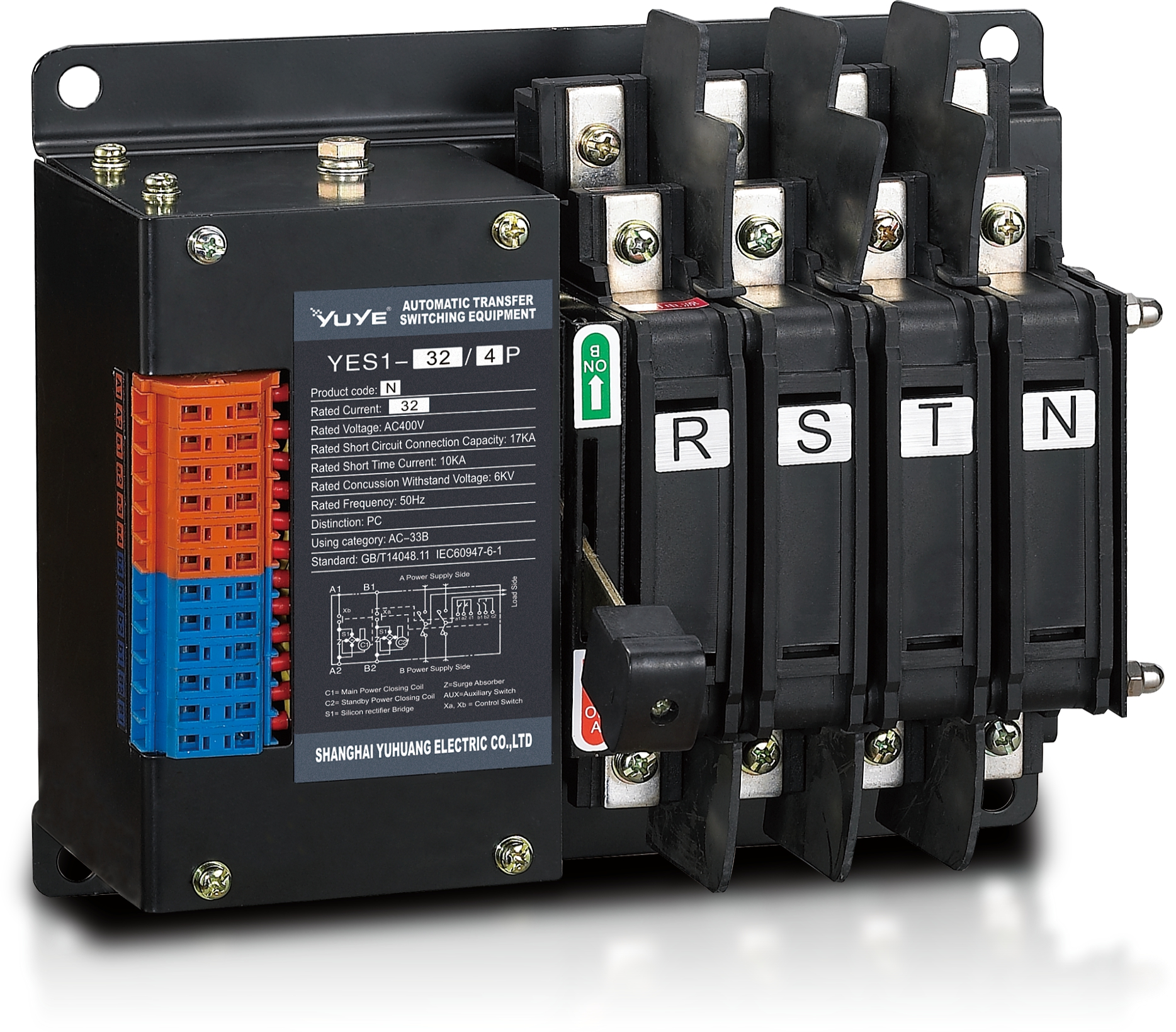 Solenoid-type ATS YES1-32~125N
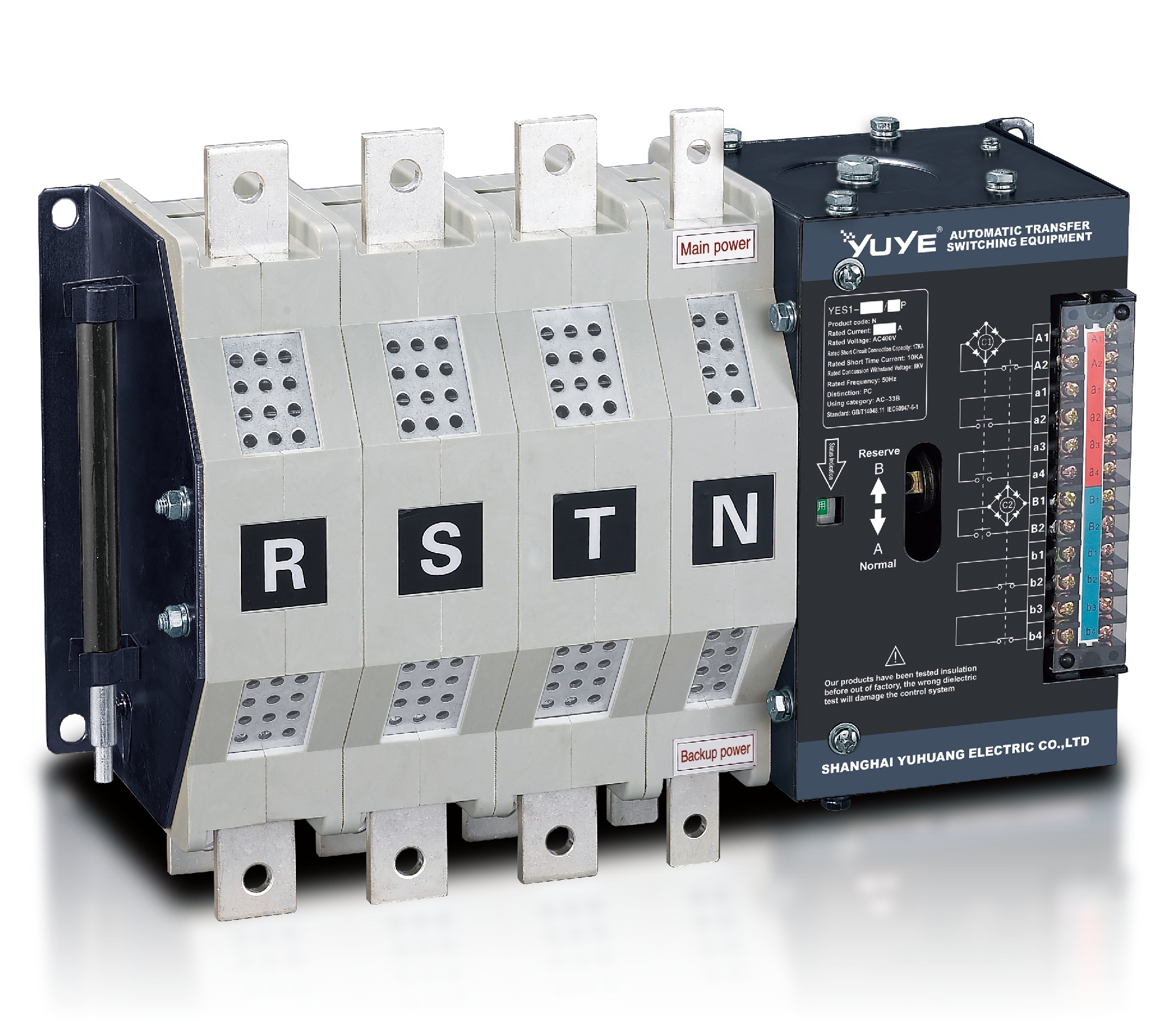 Solenoid-type ATS YES1-250~630N/NT
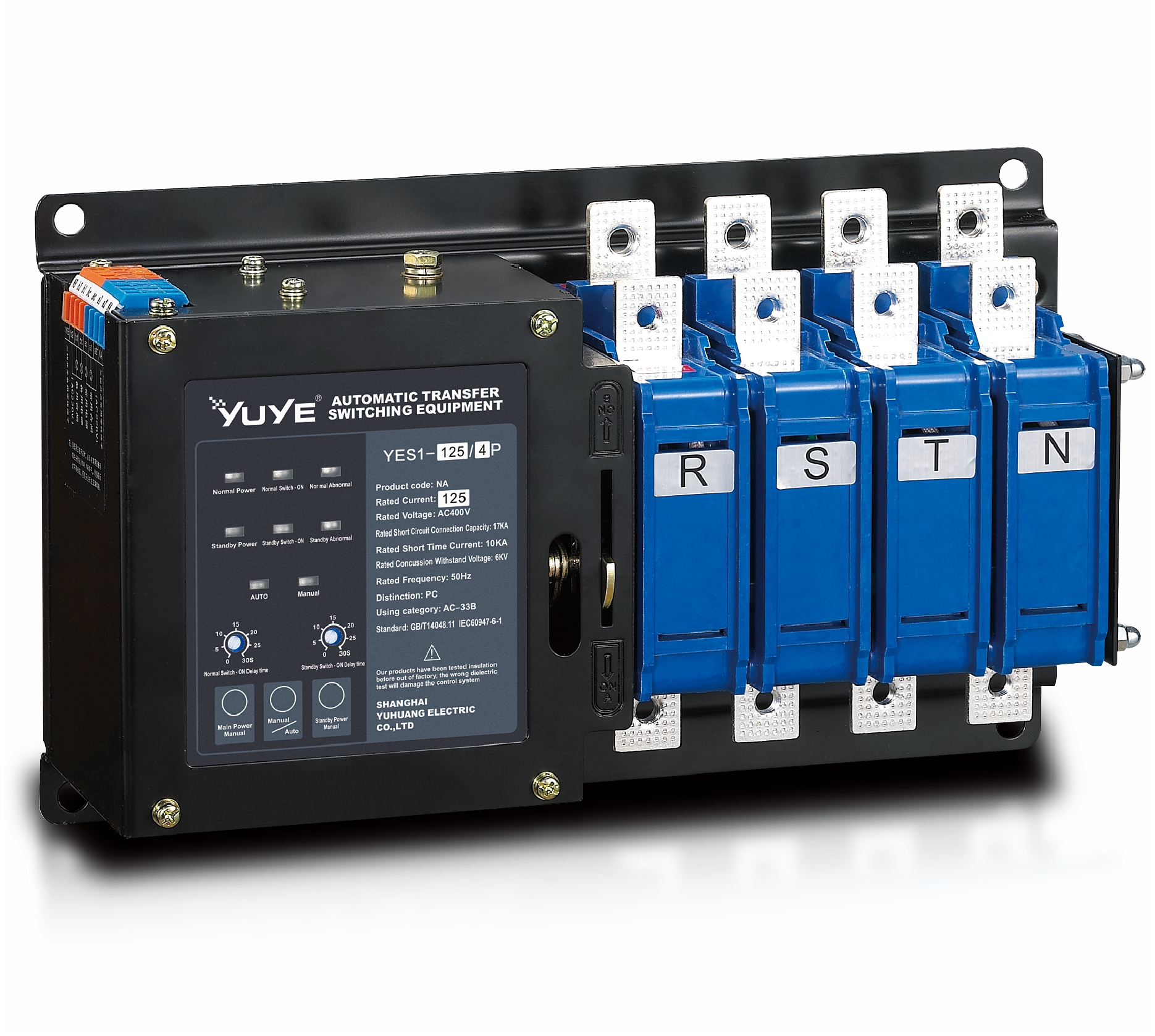 Solenoid-type ATS YES1-32~125NA
 Solenoid-type ATS YES1-63~630SN
 Solenoid-type ATS YES1-1250~4000SN
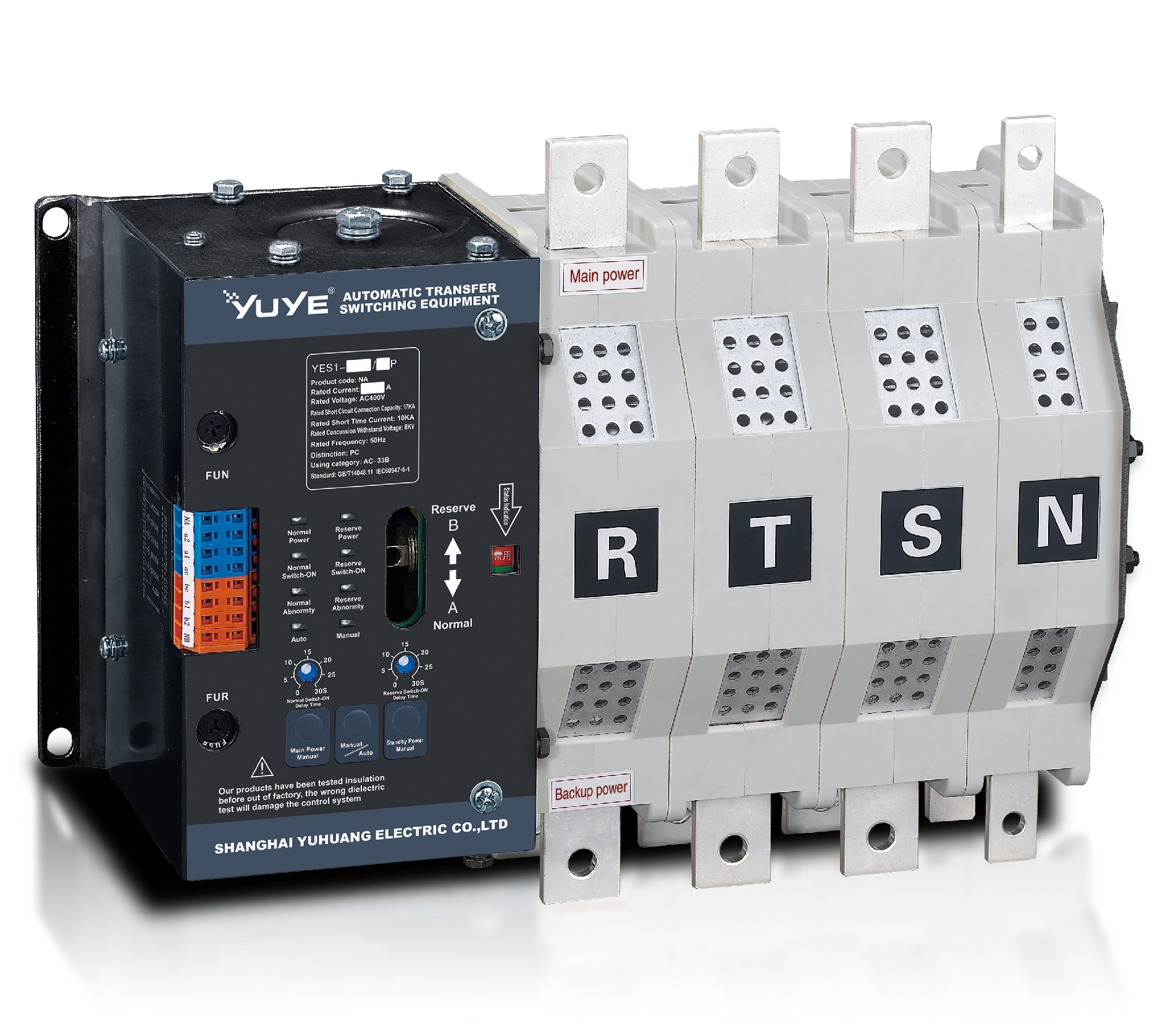 Solenoid-type ATS YES1-250~630NA/NAT
 Solenoid-type ATS YES1-63NJT
 PC ATS YES1-100~1600GN1/GN/GNF
 PC ATS YES1-2000~3200GN/GNF
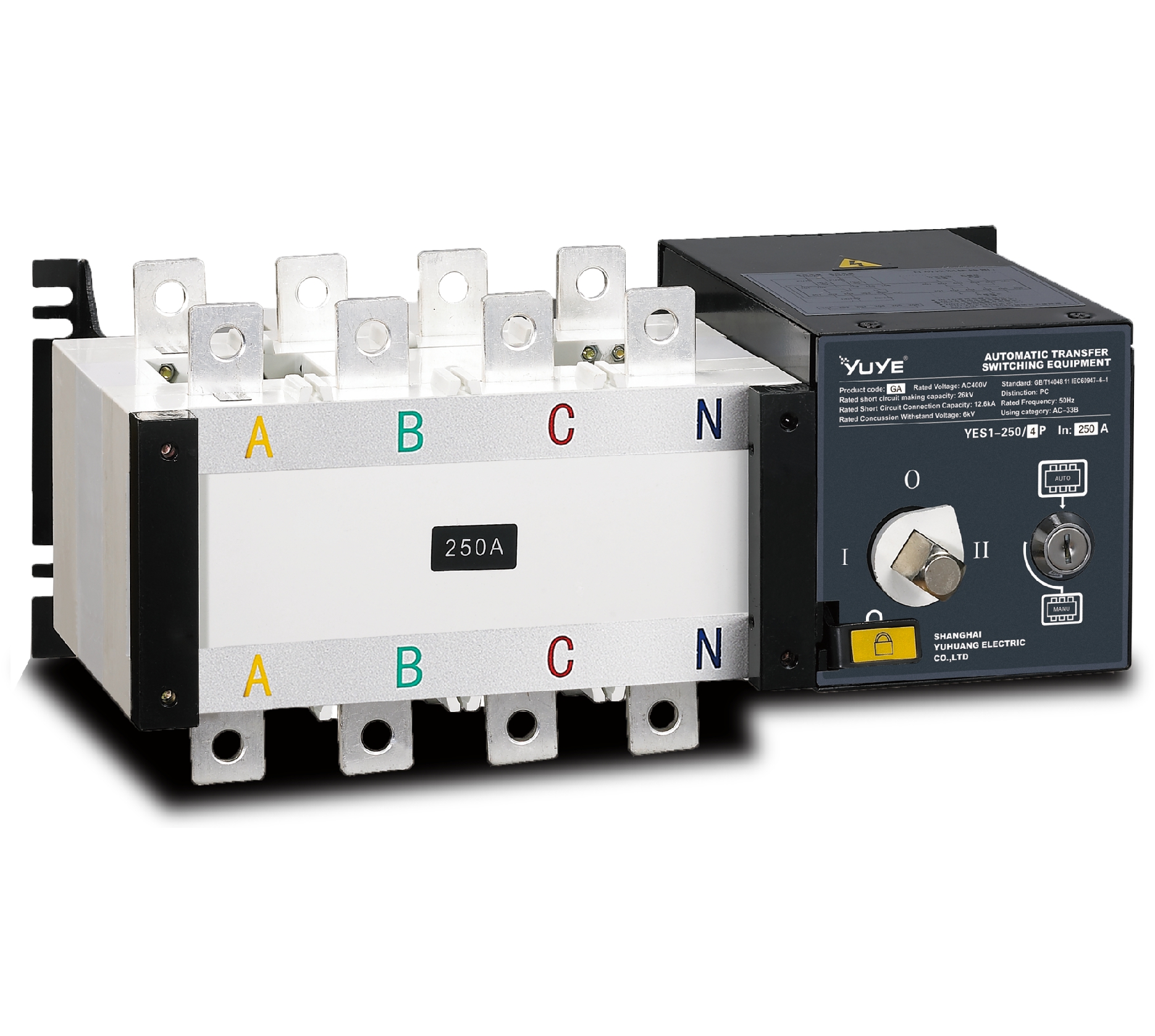 PC ATS YES1-100~3200GA1/GA
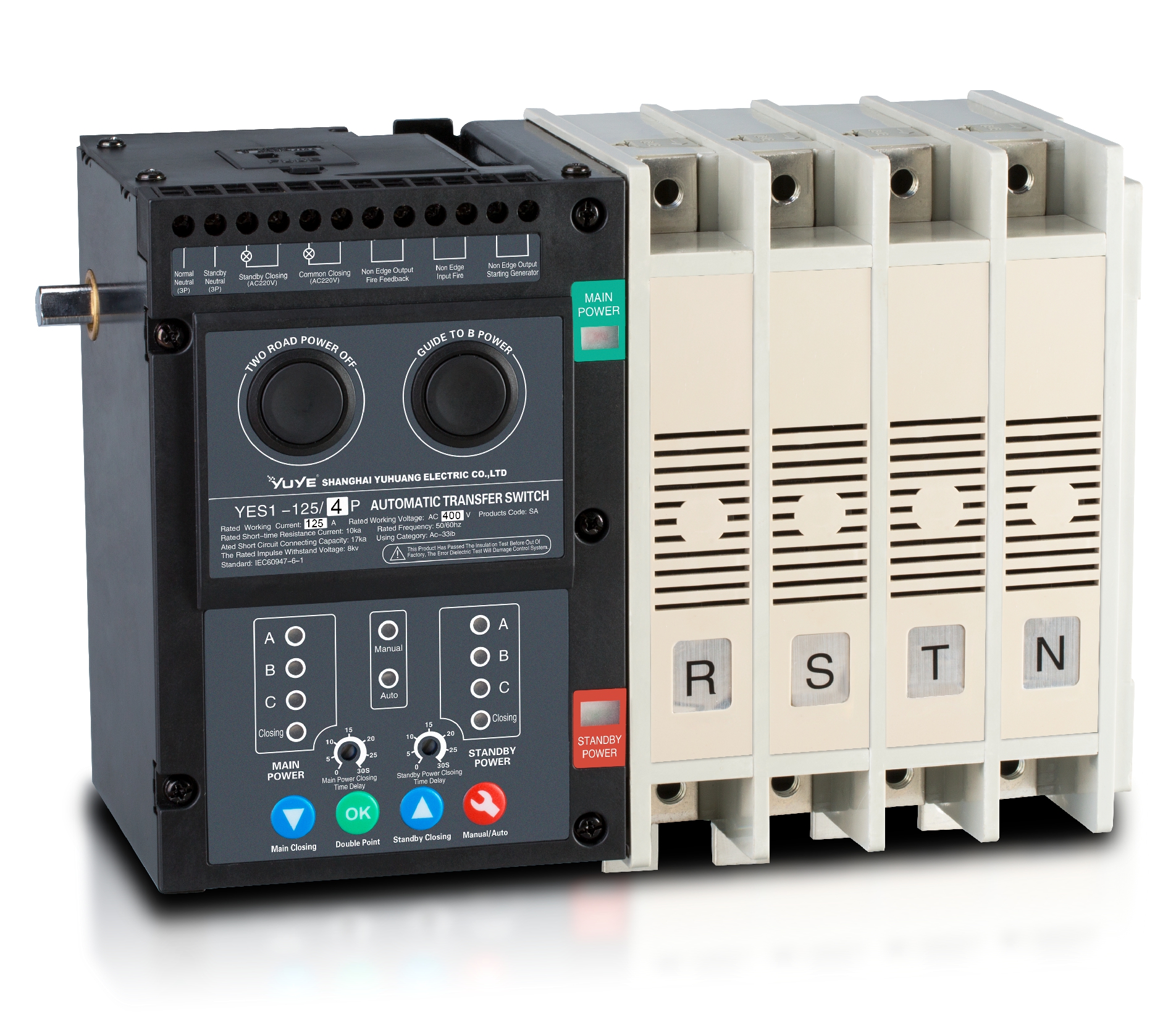 Solenoid-type ATS YES1-63~630SA
 Solenoid-type ATS YES1-63~630L/LA
 Solenoid-type ATS YES1-63~630LA3
 Solenoid-type ATS YES1-63MA
 PC ATS YES1-630~1600M
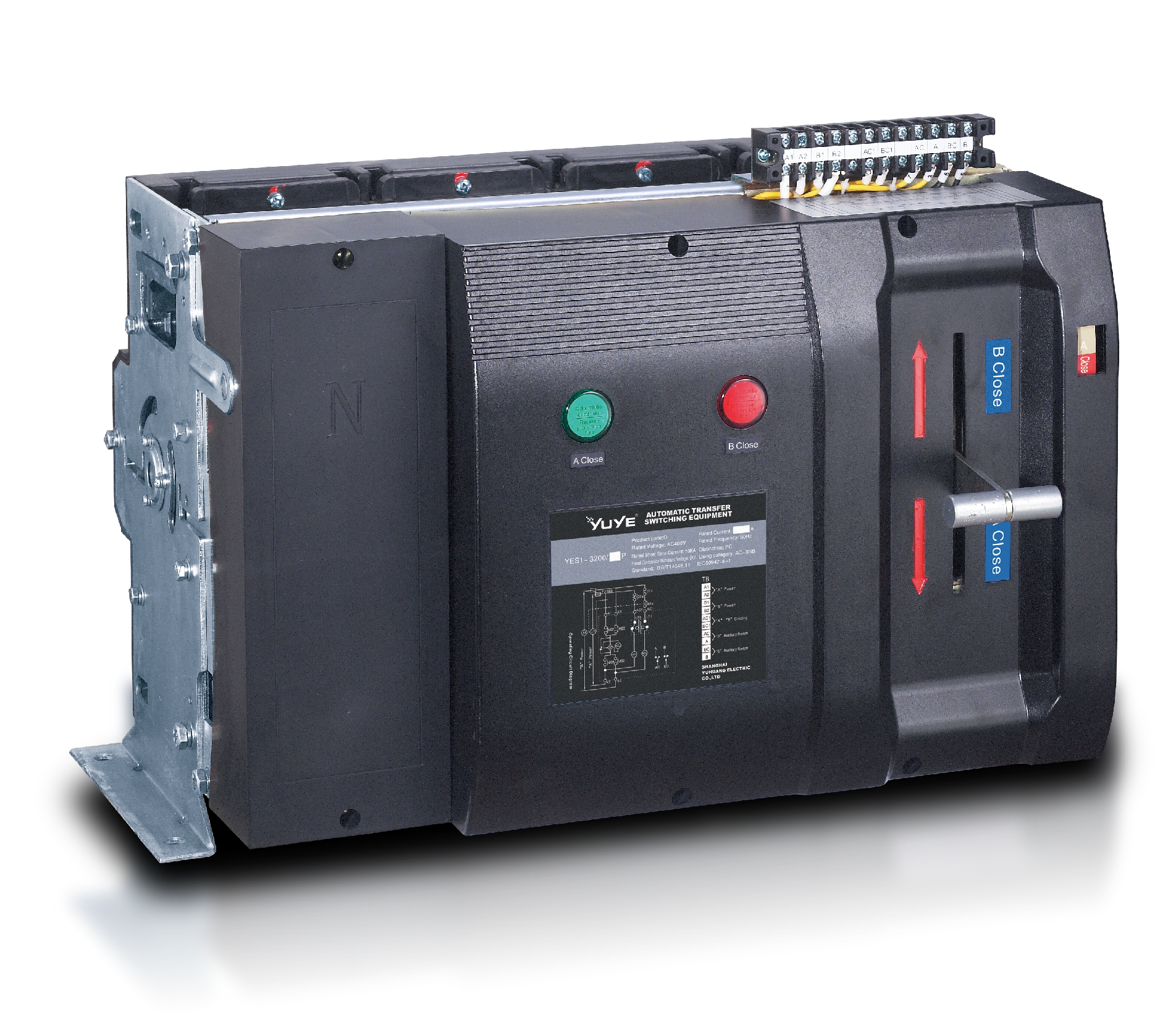 PC ATS YES1-3200Q
 Solenoid-type ATS YES1-4000~6300Q
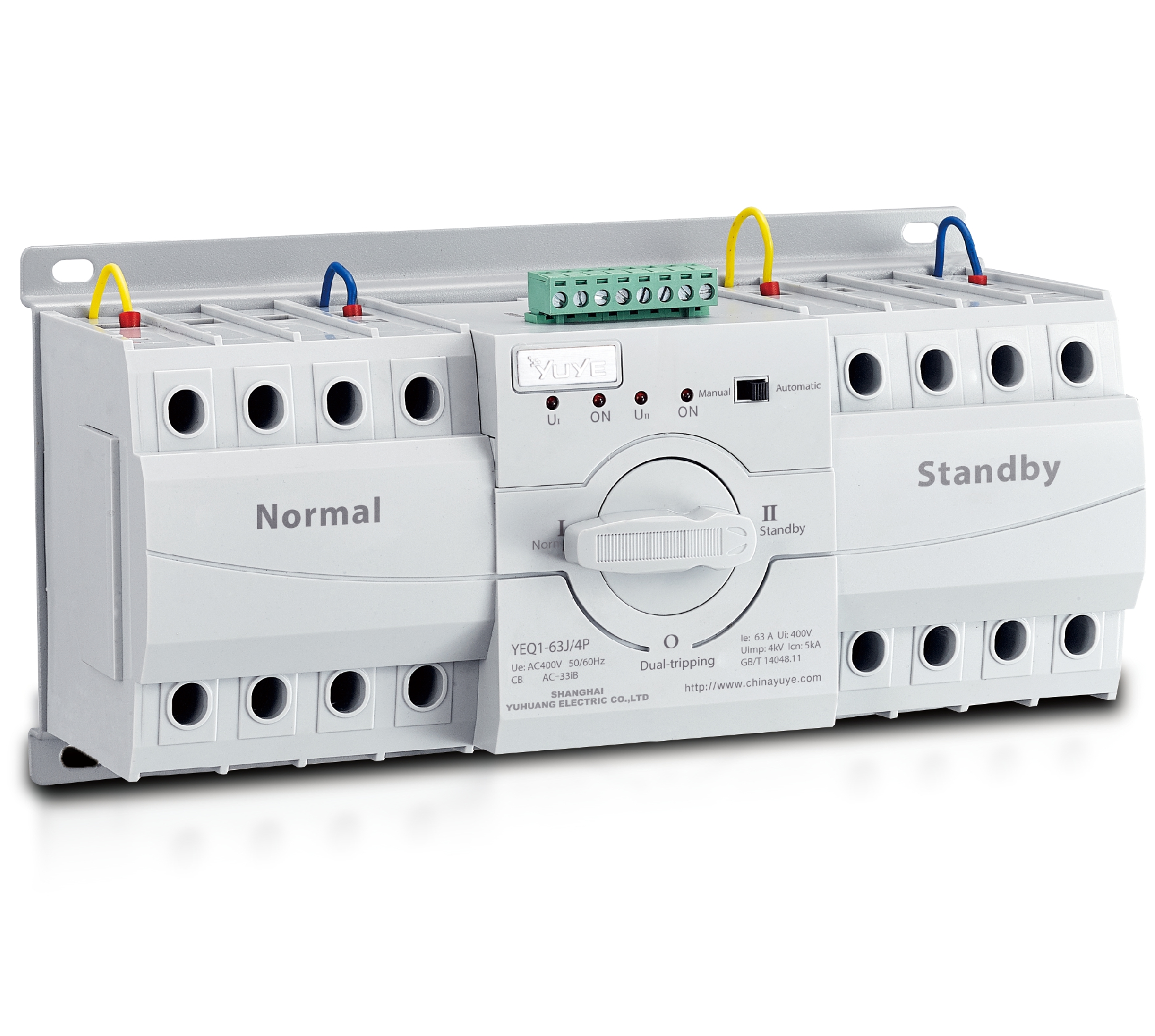 CB ATS YEQ1-63J
 CB ATS YEQ2Y-63
 CB ATS YEQ3-63W1
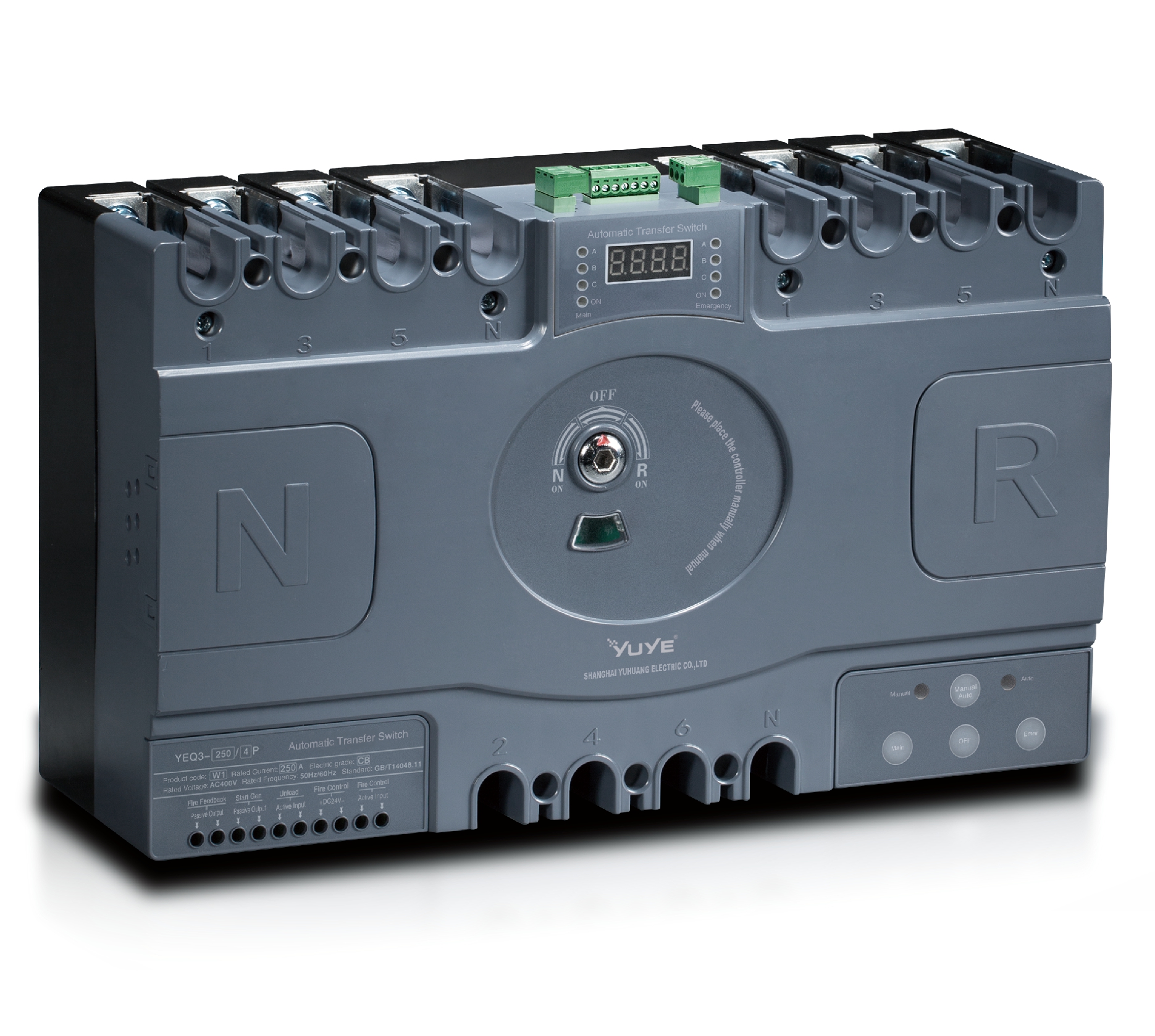 CB ATS YEQ3-125~630W1
 ATS controller Y-700
 ATS Controller Y-700N
 ATS Controller Y-701B
 ATS Controller Y-703N
 ATS Controller Y-800
 ATS Controller W2/W3 Series
 ATS switch Cabinet floor-to-ceiling
 ATS switch cabinet
 JXF-225A power Cbinet
 JXF-800A power Cbinet
 YEM3-125~800 Plastic Shell Type MCCB
 YEM3L-125~630 Leakage Type MCCB
 YEM3Z-125~800 Adjustable Type MCCB
 YEM1-63~1250 Plastic Shell Type MCCB
 YEM1E-100~800 Electronic Type MCCB
 YEM1L-100~630 Leakage Type MCCB
 Miniature circuit breaker YEMA2-6~100
 Miniature circuit breaker YEB1-3~63
 Miniature circuit breaker YEB1LE-3~63
 Miniature circuit breaker YEPN-3~32
 Miniature circuit breaker YEPNLE-3~32
 Miniature circuit breaker YENC-63~125
 Air Circuit Breaker YEW1-2000~6300
 Air Circuit Breaker YEW3-1600
 Load isolation switch YGL-63~3150
 Load Isolation Switch YGL2-63~3150
 Manual Changeover Switch YGL-100~630Z1A
 Manual Changeover Switch YGLZ1-100~3150
 YECPS2-45~125 LCD
 YECPS-45~125 Digital
 CNC Milling/Turning-OEM
 DC relay MDC-300M
 DC Isolation Switch YEGL3D-630


