Checking out the ATS Automatic Transfer Switch at the 2026 Canton Fair is really a great chance for businesses looking to boost their reliability. John Smith, who’s an industry pro over at PowerTech Solutions, puts it perfectly: “The ATS Automatic Transfer Switch is key for smooth and reliable power management.” It really highlights how important these devices are in today’s energy world.
The 2026 Canton Fair, with all its focus on cutting-edge manufacturing and electronics, is honestly the perfect place to see the latest tech in action. Visitors get the chance to see just how efficient these switches are, especially with all the cool new features they pack. Having a steady power supply is such a big deal, especially in manufacturing settings where downtime just isn’t an option.
And thanks to AI-powered navigation, finding top suppliers of the ATS Switch is a breeze. It’s definitely a sign of growth, but let’s be honest — there are some hurdles too. Bringing new tech into the mix isn’t always smooth sailing, and there’s always room for improvements. That’s what makes this fair such a great spot to learn, share ideas, and get a better handle on these vital power management systems.

Advantages of ATS Automatic Transfer Switches in Modern Applications
The adoption of Automatic Transfer Switches (ATS) is pivotal in today’s energy landscape. Many industries rely on seamless power transition to maintain operations. According to a recent industry analysis, the ATS market is projected to grow at a rate of 6% annually until 2030. This growth highlights the increasing reliance on reliable power management solutions.
ATS switches enhance operational efficiency significantly. For instance, they can detect power failures and switch to backup sources within seconds. A quick transition can be crucial. In critical facilities like hospitals, this speed can be a matter of life and death. However, some users may overlook the need for routine maintenance, which can lead to unexpected failures. Regular checks and testing are necessary to ensure optimal performance.
Additionally, ATS can help reduce operational costs. Businesses can minimize downtime through reliable power supply systems. A report noted that companies using ATS solutions saved up to 30% on energy costs over five years. Yet, not all systems are created equal, and some may not meet specific operational demands. Users must critically assess their unique needs and ensure that the ATS selected aligns with their requirements.
Why Choose ATS Automatic Transfer Switch at the 2026 Canton Fair?
| Feature |
Benefit |
Application |
Installation Type |
| Seamless Transition |
Minimizes power outages |
Critical infrastructure |
Automatic |
| Dual Power Source |
Enhances reliability |
Healthcare facilities |
Wall-mounted |
| User-friendly Interface |
Simplifies operation |
Data centers |
Portable |
| Durability |
Long lifespan and low maintenance |
Industrial applications |
Outdoor |
| Compliance with Standards |
Ensures safety and efficiency |
Telecommunications |
Integrated |
Key Features of ATS Switches Highlighted at the Canton Fair
The 2026 Canton Fair showcased several innovative Automatic Transfer Switch (ATS) models. These switches are crucial for maintaining power continuity. Their robust construction ensures reliability in various environments. Attendees responded positively to their advanced features, emphasizing their importance in critical applications.
One key feature highlighted was the quick-switch capability. This allows for seamless transfer in case of power failure. The ATS units can detect outages and respond instantly. Visitors also noted their compatibility with renewable energy sources. This adaptability is essential for modern energy solutions.
Tips: When selecting an ATS, consider the load requirements. Make sure it’s suitable for your application. Also, look at the commissioning services offered. A smooth installation can save future headaches. Prioritize durability and ease of use for long-term efficiency.
Comparative Analysis of ATS vs. Traditional Transfer Switches
When comparing ATS to traditional transfer switches, several key differences emerge. ATS systems offer seamless transitions between power sources. This efficiency minimizes downtime during outages. In contrast, traditional switches often require manual intervention. This can lead to delays in restoring power. The automation of ATS provides reliability, particularly in critical applications.
Another aspect to consider is ease of installation and maintenance. ATS designs often allow for simpler setups. However, traditional switches may require more intricate setups. This complexity can lead to errors during installation, raising concerns over safety and functionality. Automatic features also reduce the frequency of maintenance checks. Less manual oversight can mean lower costs long-term.
Yet, not all is perfect with ATS systems. There can be an initial learning curve for operators. Familiarizing oneself with advanced features takes time. Additionally, relying solely on automation may lead to complacency. It is crucial for operators to remain vigilant. This balance ensures that the benefits of ATS are fully realized without neglecting necessary oversight.
Market Trends Influencing ATS Demand in 2026
In 2026, the demand for automatic transfer switches (ATS) is influenced by several market trends. The global UPS market is projected to grow at a compound annual growth rate (CAGR) of 6.2% from 2023 to 2028. This growth directly correlates with the increasing need for reliable power solutions in diverse sectors. The rise in renewable energy integration also drives ATS demand. Businesses are eager to ensure seamless transitions between sources of power.
Industrial automation is another key trend. As industries seek to enhance efficiency, ATS becomes crucial. With the increasing complexities of operations, the simplicity of ATS allows for smoother transitions during power outages. A report by Research and Markets notes that the industrial automation market could surpass $300 billion by 2027. This signifies a growing reliance on technology, which ATS effectively supports.
However, challenges remain. The transition period for deploying ATS solutions can lead to disruptions. Many companies find it difficult to integrate ATS into existing systems. Plus, there is a noticeable variance in installation standards globally. Navigating these challenges requires careful planning and execution. The growth trends are apparent, but the journey may not be as straightforward as anticipated.
Market Trends Influencing ATS Demand in 2026
Case Studies: Successful ATS Implementations in Various Industries
Automatic transfer switches (ATS) are essential in maintaining power continuity. They are crucial across various industries. For instance, hospitals require unwavering power to operate life-saving equipment. A power failure can lead to dire consequences. In a recent project, an ATS installation allowed a hospital to switch to backup power seamlessly during an outage. This ensured that surgeries could proceed without interruption.
Another case study involves a data center. These facilities rely heavily on uninterrupted power supply. An ATS facilitated quick power switching, preventing downtime. However, there were challenges. The installation took longer than expected, as engineers faced wiring issues. Adjustments had to be made to ensure compatibility with existing systems. Despite the hurdles, the final result ensured the data center maintained operations efficiently even during electrical faults.
Manufacturing plants have also benefited from ATS usage. An ATS helped one facility automate its power management. This reduced human error but highlighted a need for thorough training. Workers initially struggled with the system. Ongoing education proved vital. These examples illustrate the significance of automatic transfer switches. Yet, every implementation brings its challenges and lessons learned.
Future Innovations in ATS Technology Showcased at the Fair
At the 2026 Canton Fair, exciting innovations in Automatic Transfer Switch (ATS) technology take center stage. This technology ensures reliable power supply in various industries. Attendees will witness advanced features that enhance efficiency and safety in power management systems. These developments focus on reducing downtime and improving energy reliability.
Tips: Look for solutions that can seamlessly integrate with existing systems. Consider options that allow remote monitoring for better management. Cutting-edge ATS systems should demonstrate user-friendliness and adaptability.
A key aspect of innovation is sustainability. Many booths will showcase eco-friendly alternatives. This shift is essential as industries strive for greener operations. Visitors might notice systems that consume less energy while maintaining high performance. However, some products may still have room for improvement, particularly in user interaction.
Tips: Ask vendors about energy-saving capabilities. Explore how these solutions fit within your current infrastructure. Determine if the innovations align with your long-term sustainability goals.
Expert Insights on Selecting the Right ATS for Your Needs
Choosing the right automatic transfer switch (ATS) can be challenging. Many factors come into play. It's not just about price; functionality matters too. An ATS should meet your specific power needs, especially during blackouts.
When selecting an ATS, consider the load capacity. Ensure it can handle all your essential equipment. Size can vary greatly, so choose wisely. Think about the installation space. Will it fit comfortably? Also, ease of operation is key. Complex systems may lead to user error during critical times.
Look for features like automatic monitoring and quick switching capabilities. These can save time and reduce risks. However, don’t overlook the importance of after-sales support. You might need assistance later. Reflect on your long-term needs. A hasty decision could lead to future regret. Investing time in research will pay off.
FAQS
utomatic Transfer Switches (ATS)?
Businesses save up to 30% on energy costs through reliable power supply systems. Minimizing downtime is key for savings.
ATS offers seamless transitions, while traditional switches require manual intervention, leading to potential delays.
ATS designs usually allow for simpler setups. Traditional switches often involve complexity, risking installation errors.
Users may experience a learning curve with advanced features. Relying solely on automation can also lead to complacency.
The rise in renewable energy and industrial automation is boosting ATS demand. Companies need reliable power transitions.
It's important to assess your unique power requirements. Not all ATS systems may meet specific operational needs.
Regular maintenance checks are necessary to avoid unexpected failures. Neglecting them can compromise performance.
Transitioning to ATS can cause disruptions. Installation standards vary globally, complicating the integration process.
Growth trends are promising, but the journey to adoption may be challenging. Careful planning is crucial for success.
Conclusion
The article "Why Choose Ats Automatic Transfer Switch at the 2026 Canton Fair?" highlights the significant advantages of ATS Automatic Transfer Switches in modern applications, emphasizing their reliability and efficiency in managing power transfers. Key features showcased at the Canton Fair illustrate how ATS switches stand out compared to traditional transfer switches, providing enhanced performance and automated operations.
Furthermore, the article examines market trends predicting increased demand for ATS technology in 2026, driven by advancements in various industries. It presents case studies of successful ATS implementations that demonstrate their versatility and effectiveness. Lastly, experts share insights on selecting the right ATS Automatic Transfer Switch tailored to specific needs, while also discussing future innovations that are set to revolutionize ATS technology.

 PC ATS YECT1-2000G
 PC ATS YES2-63~250GN1
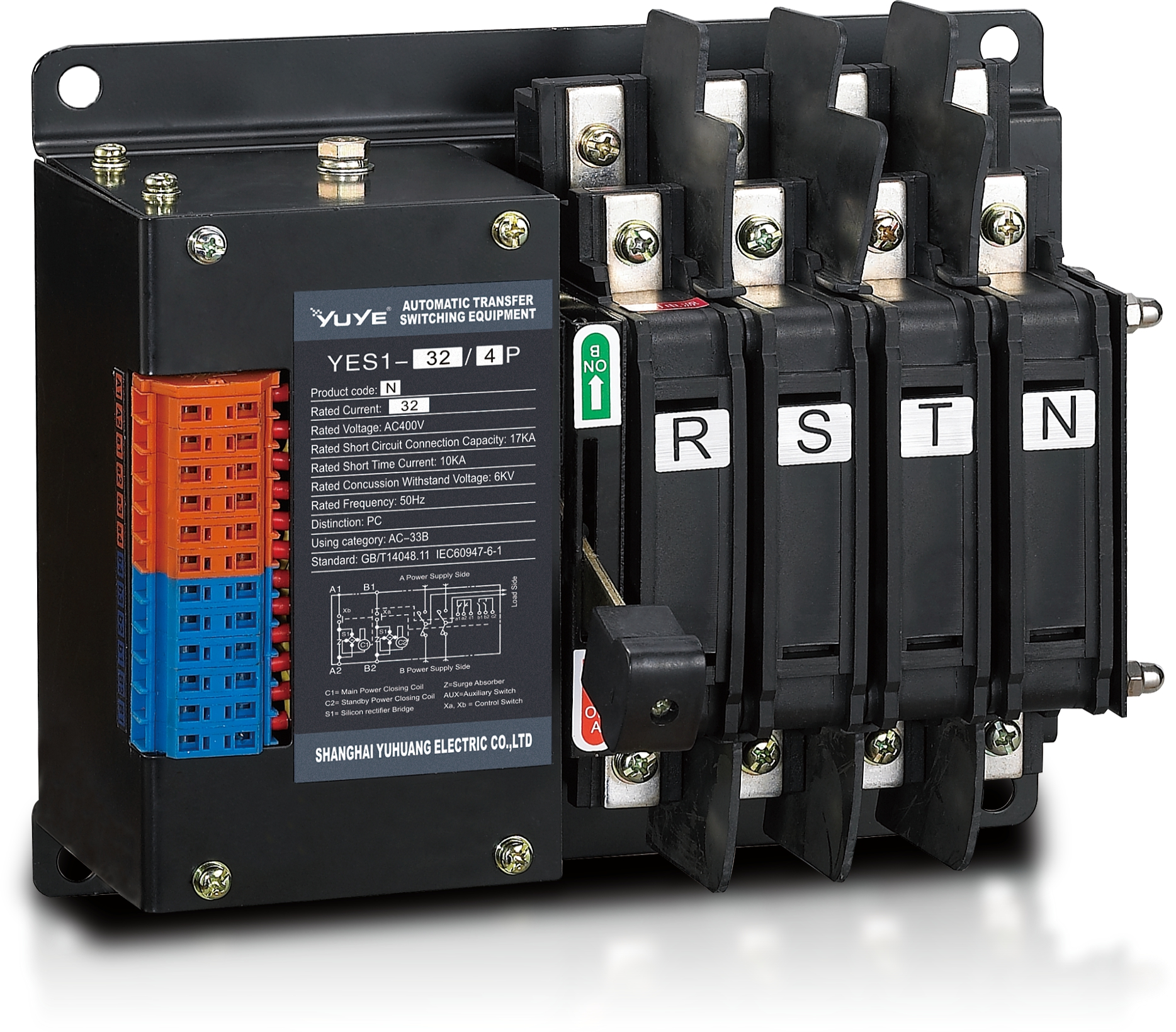 Solenoid-type ATS YES1-32~125N
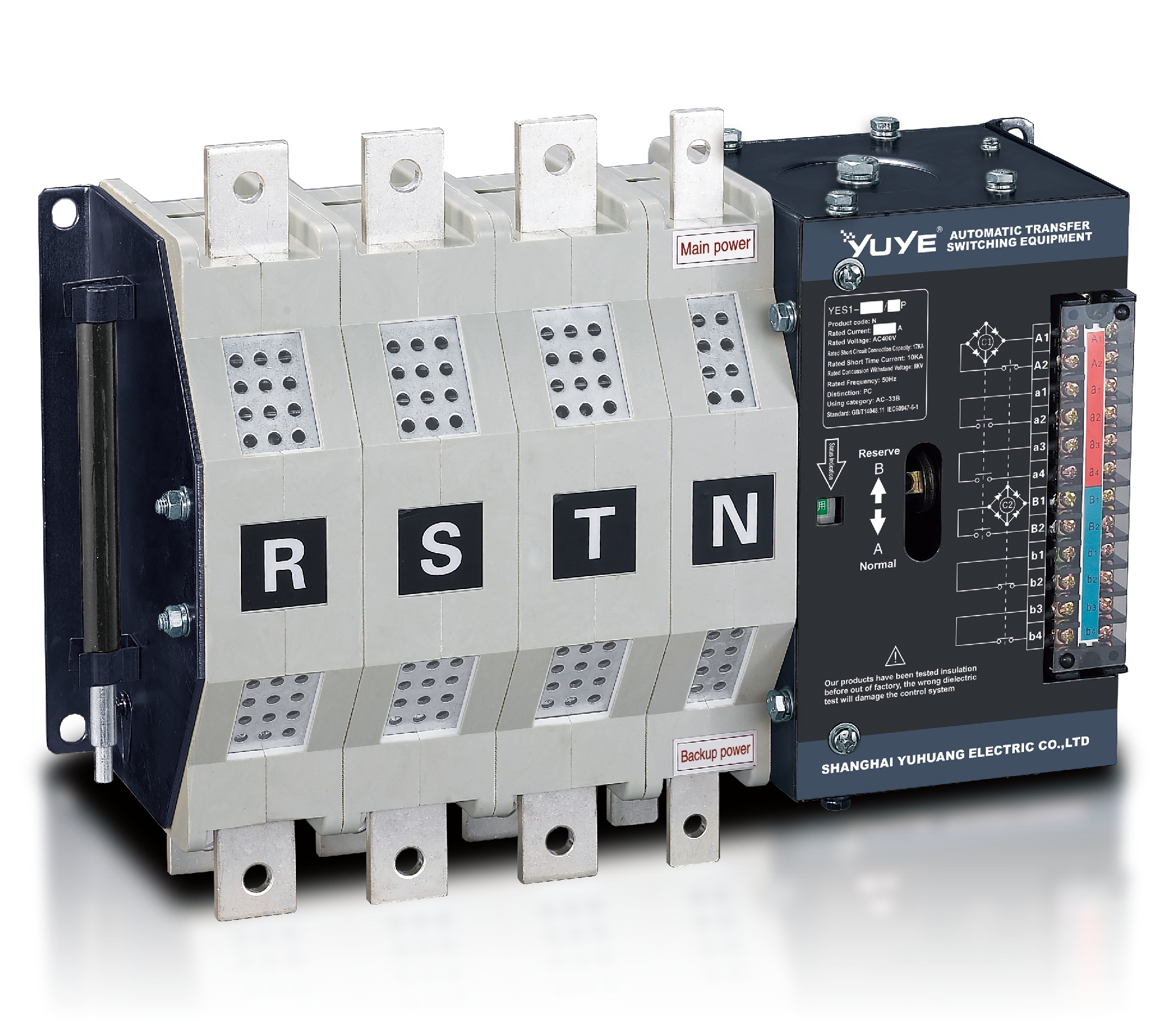 Solenoid-type ATS YES1-250~630N/NT
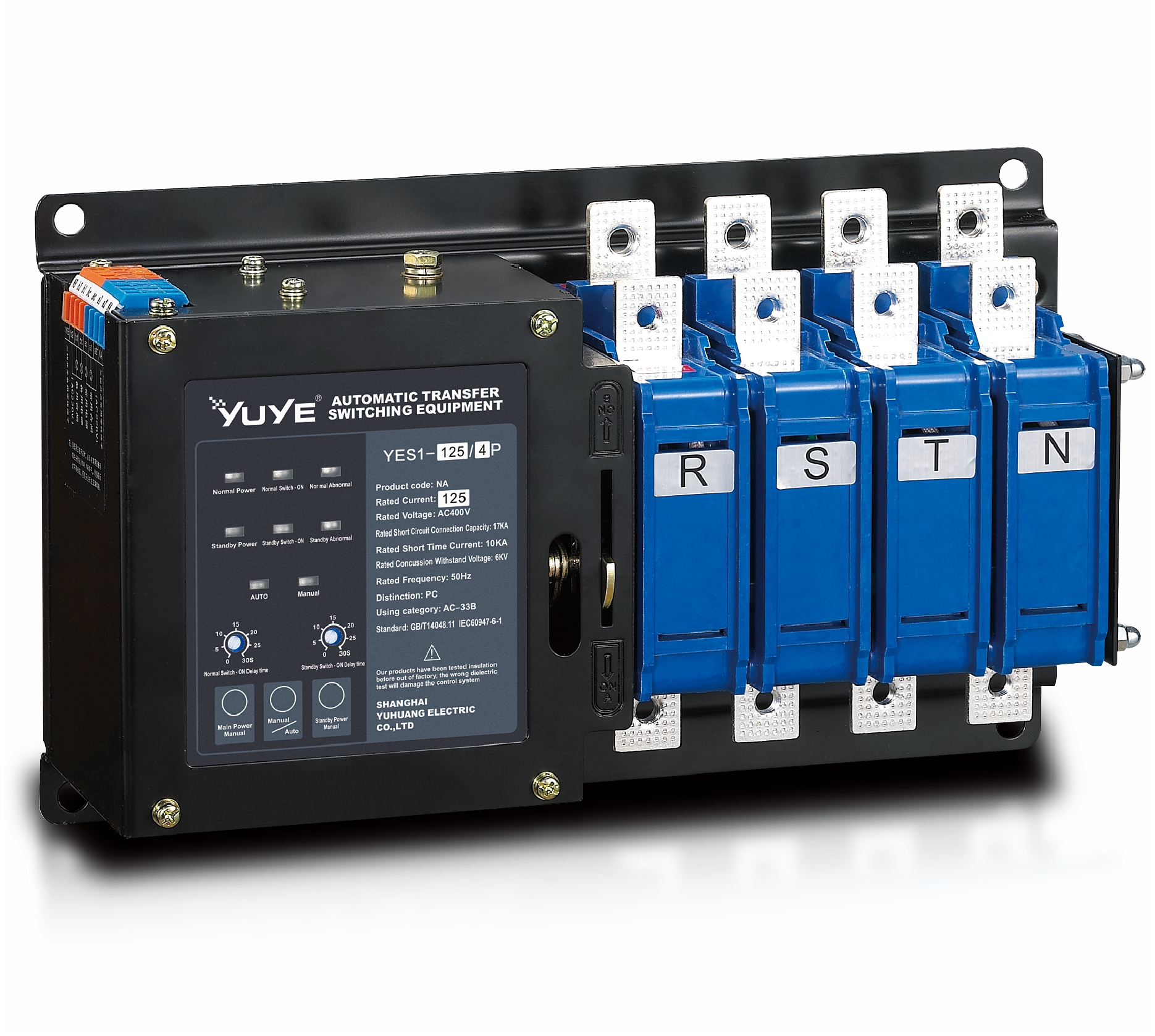 Solenoid-type ATS YES1-32~125NA
 Solenoid-type ATS YES1-63~630SN
 Solenoid-type ATS YES1-1250~4000SN
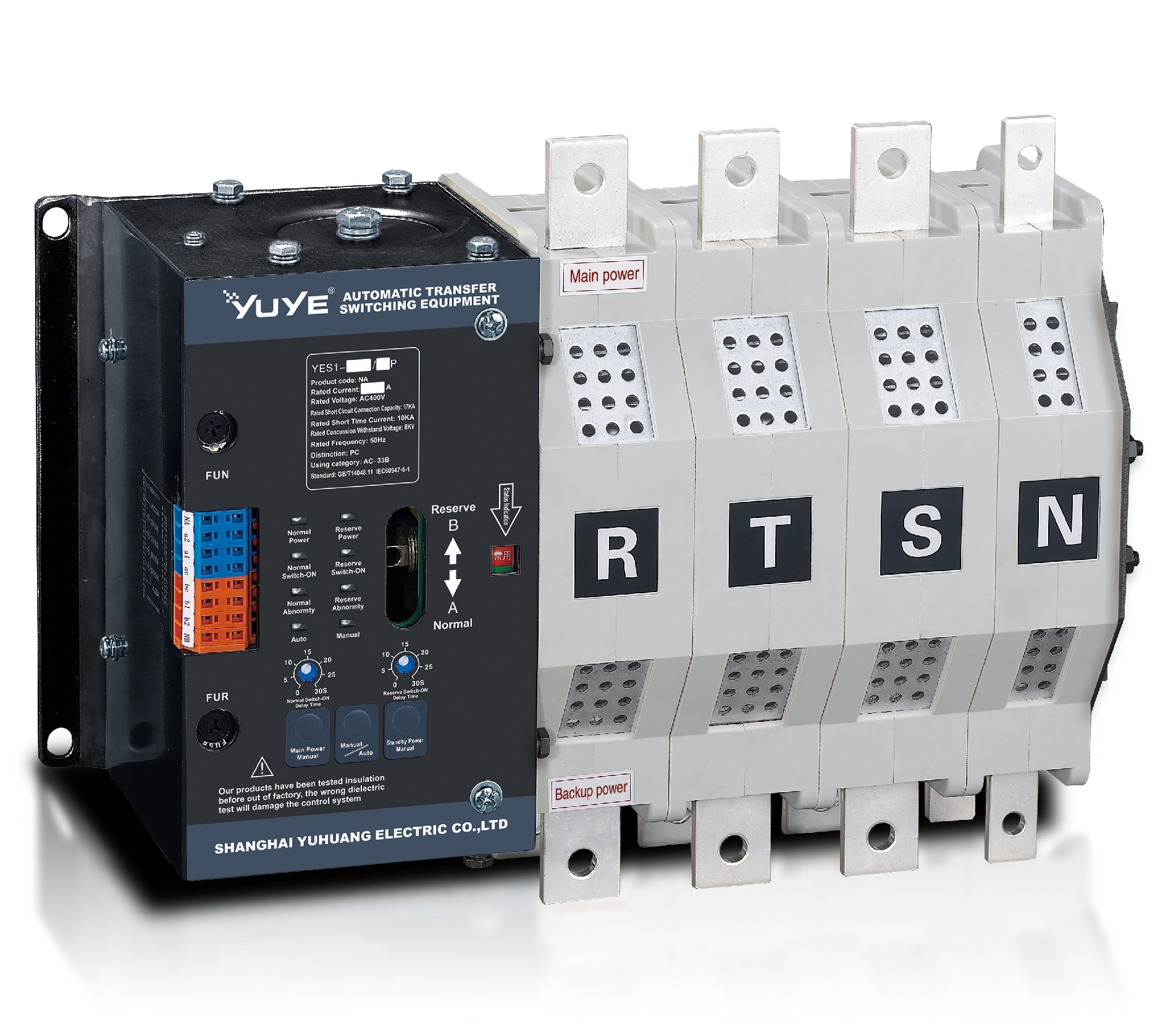 Solenoid-type ATS YES1-250~630NA/NAT
 Solenoid-type ATS YES1-63NJT
 PC ATS YES1-100~1600GN1/GN/GNF
 PC ATS YES1-2000~3200GN/GNF
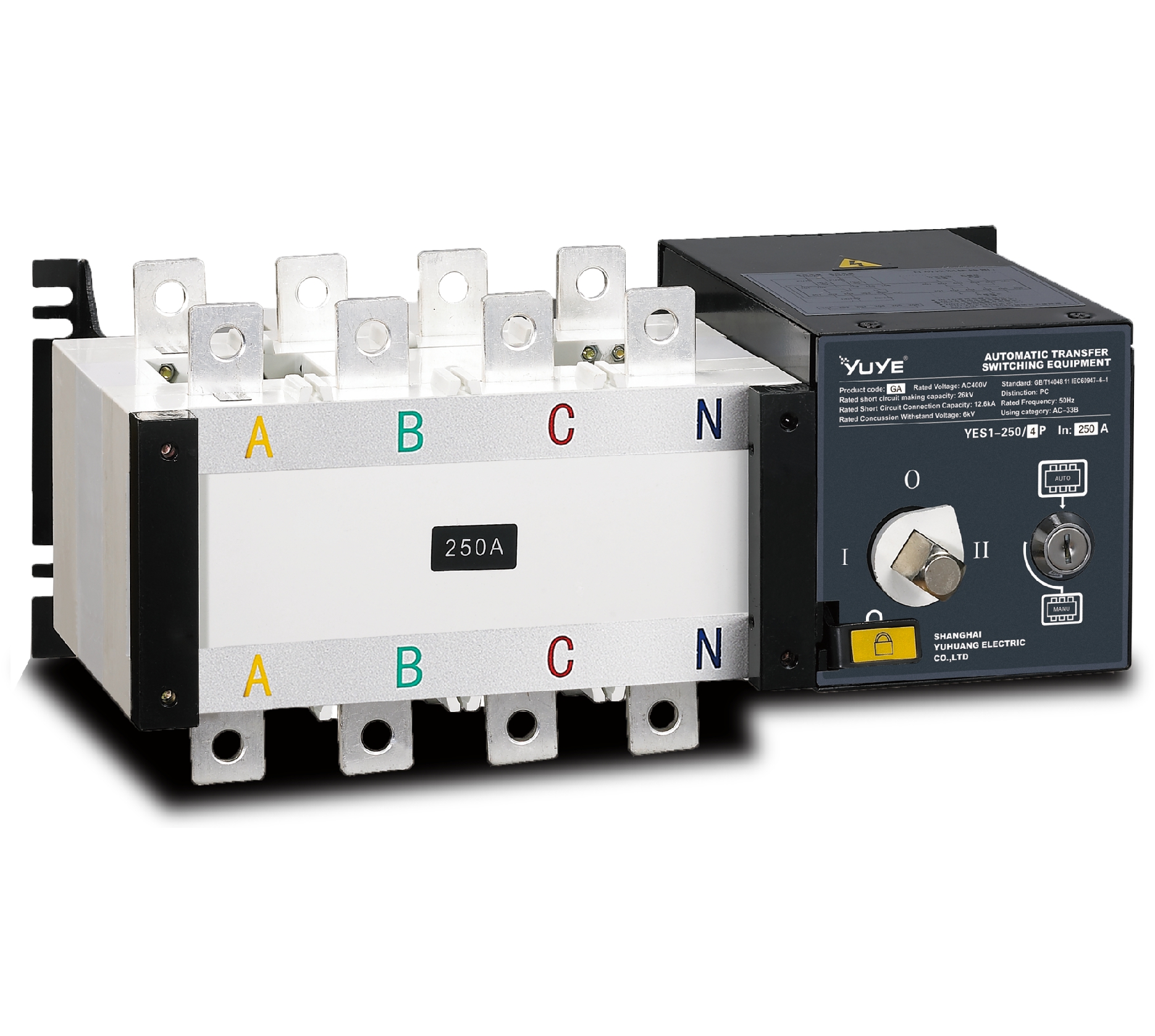 PC ATS YES1-100~3200GA1/GA
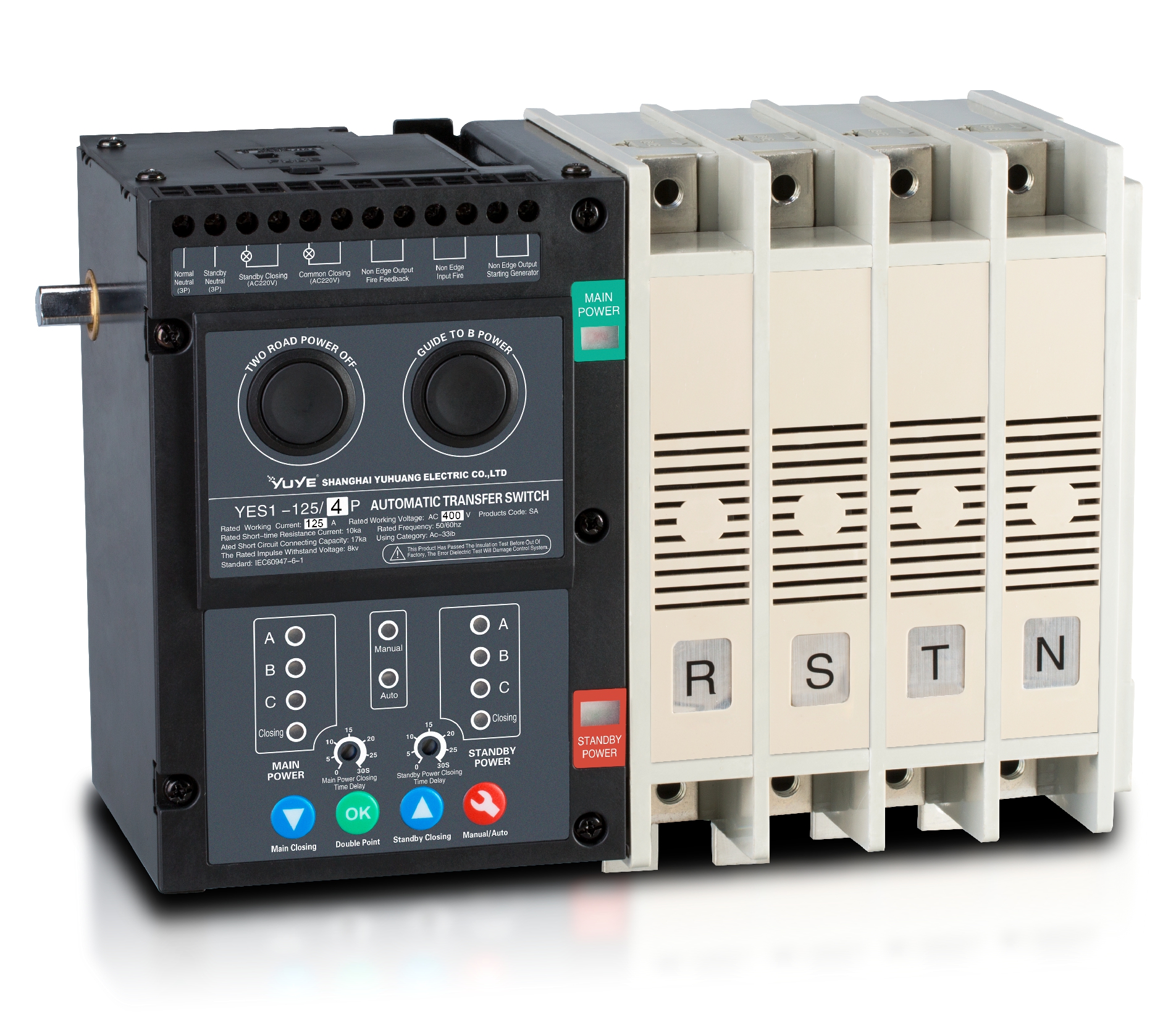 Solenoid-type ATS YES1-63~630SA
 Solenoid-type ATS YES1-63~630L/LA
 Solenoid-type ATS YES1-63~630LA3
 Solenoid-type ATS YES1-63MA
 PC ATS YES1-630~1600M
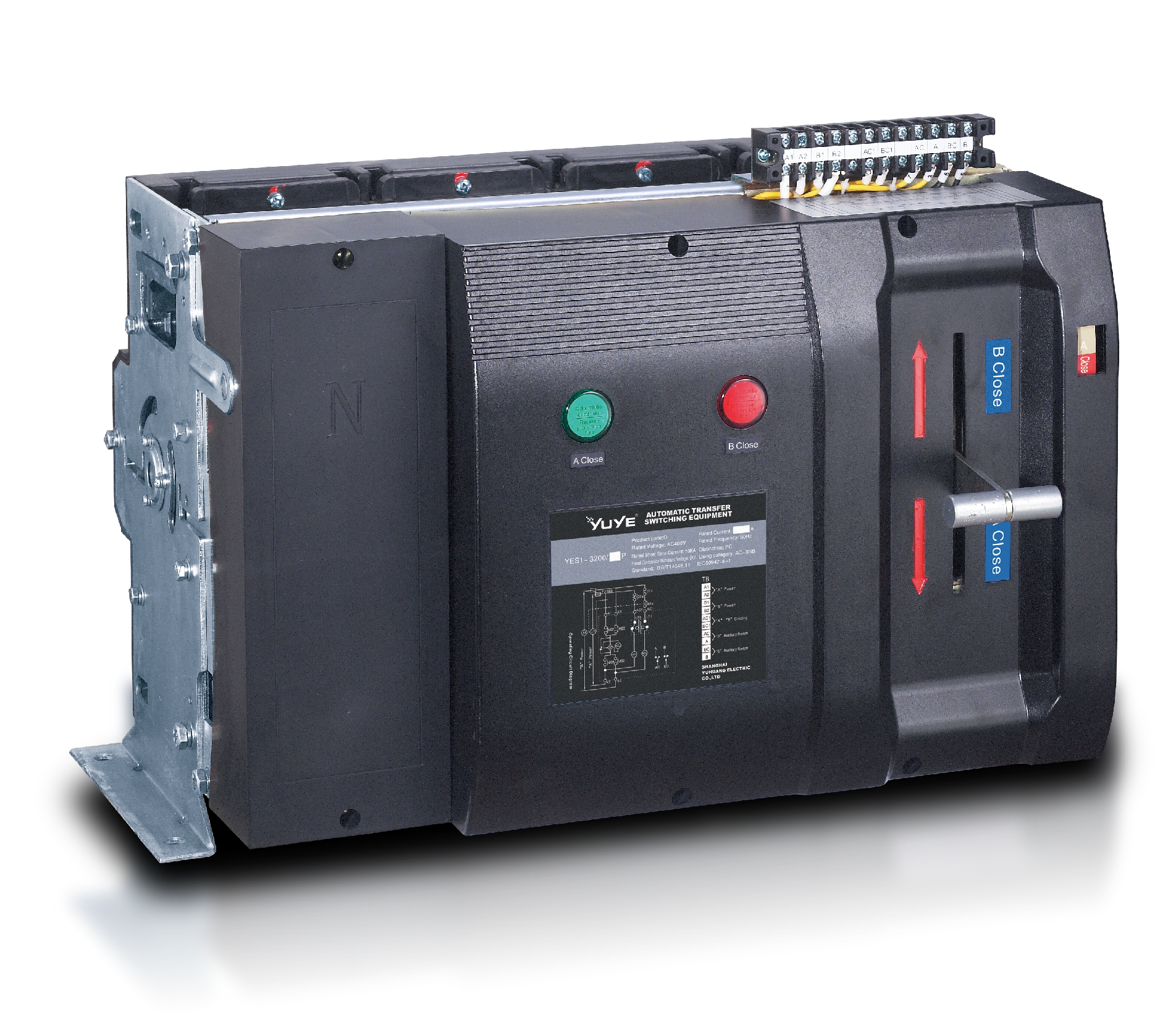 PC ATS YES1-3200Q
 Solenoid-type ATS YES1-4000~6300Q
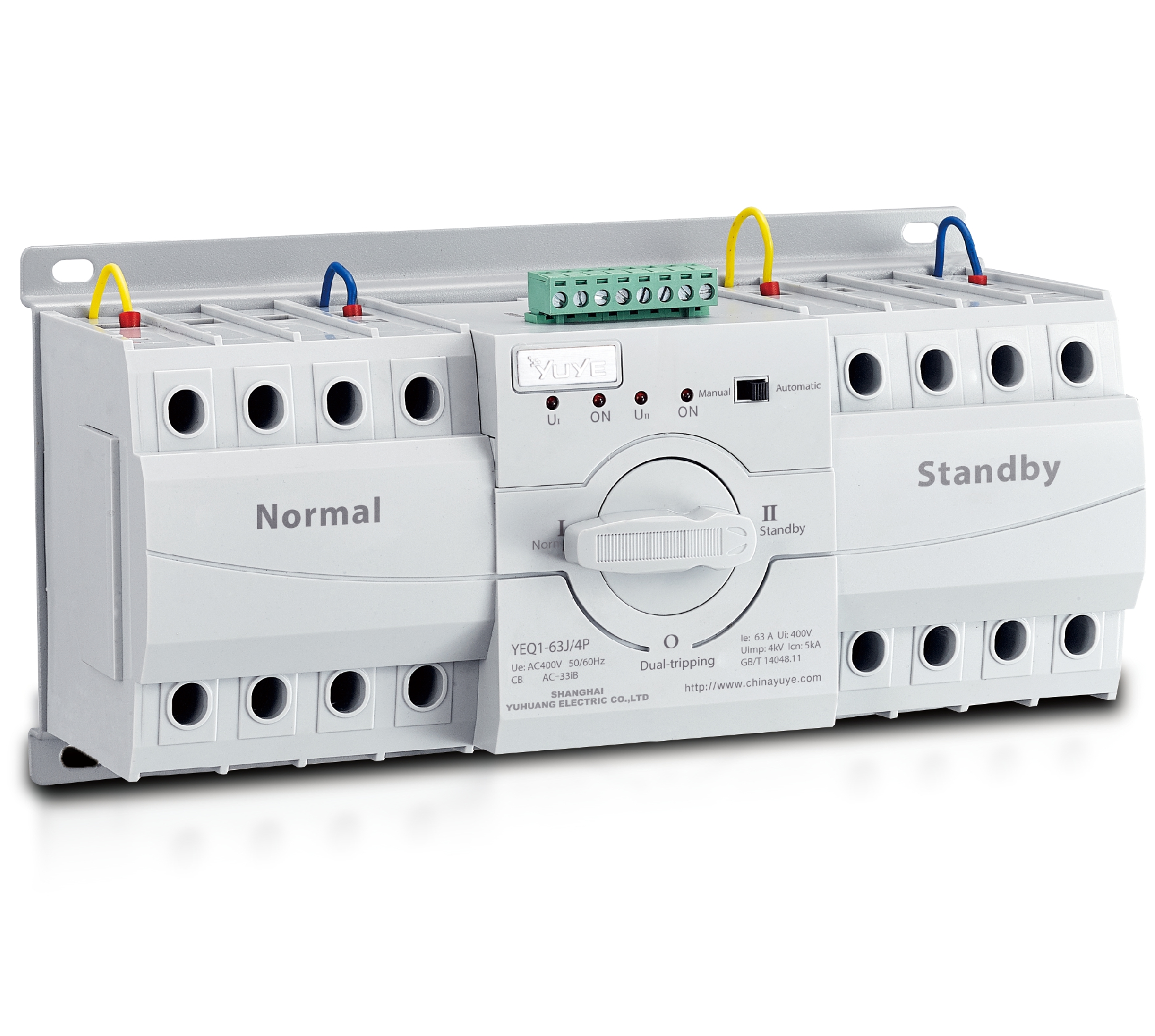 CB ATS YEQ1-63J
 CB ATS YEQ2Y-63
 CB ATS YEQ3-63W1
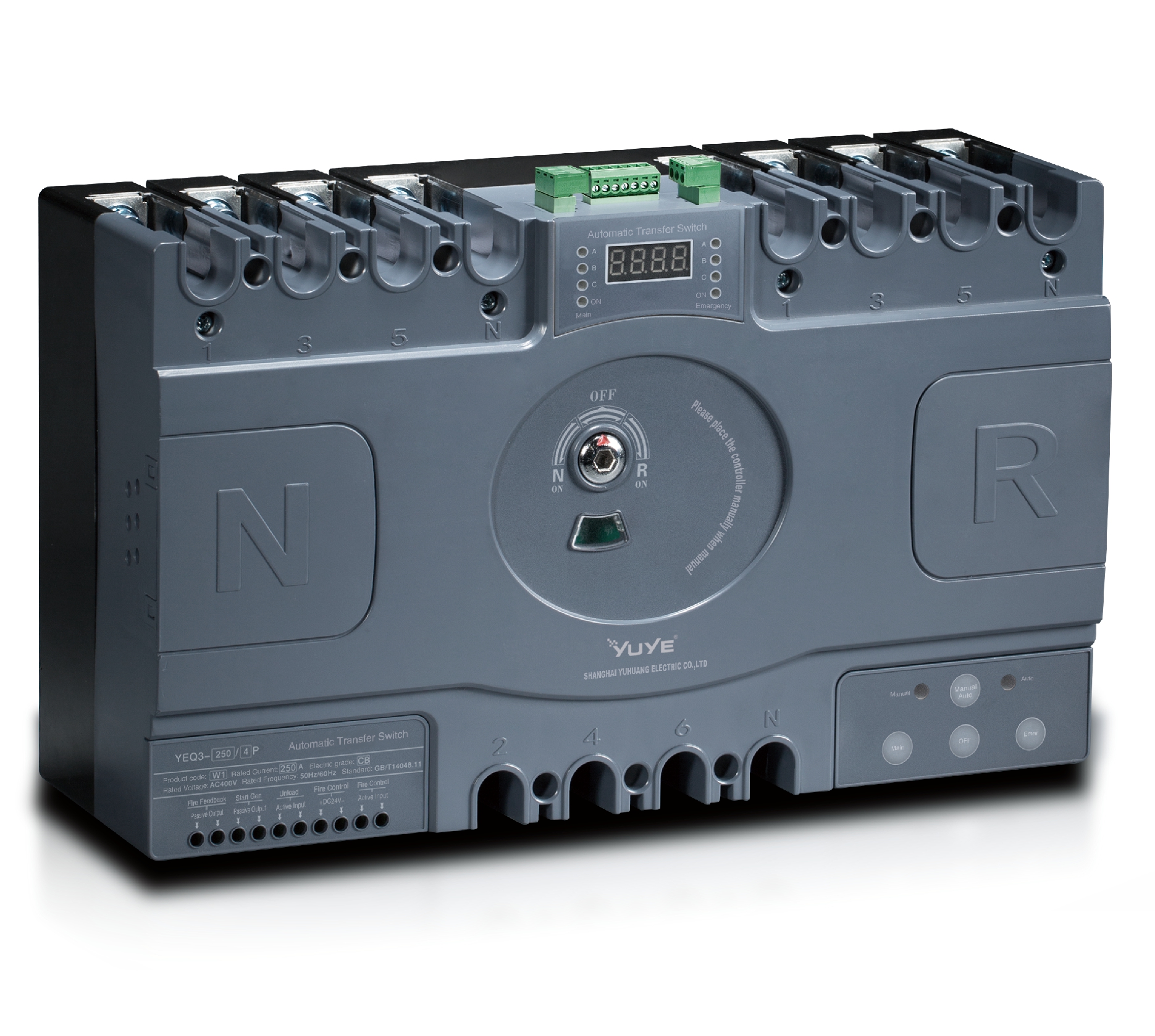 CB ATS YEQ3-125~630W1
 ATS controller Y-700
 ATS Controller Y-700N
 ATS Controller Y-701B
 ATS Controller Y-703N
 ATS Controller Y-800
 ATS Controller W2/W3 Series
 ATS switch Cabinet floor-to-ceiling
 ATS switch cabinet
 JXF-225A power Cbinet
 JXF-800A power Cbinet
 YEM3-125~800 Plastic Shell Type MCCB
 YEM3L-125~630 Leakage Type MCCB
 YEM3Z-125~800 Adjustable Type MCCB
 YEM1-63~1250 Plastic Shell Type MCCB
 YEM1E-100~800 Electronic Type MCCB
 YEM1L-100~630 Leakage Type MCCB
 Miniature circuit breaker YEMA2-6~100
 Miniature circuit breaker YEB1-3~63
 Miniature circuit breaker YEB1LE-3~63
 Miniature circuit breaker YEPN-3~32
 Miniature circuit breaker YEPNLE-3~32
 Miniature circuit breaker YENC-63~125
 Air Circuit Breaker YEW1-2000~6300
 Air Circuit Breaker YEW3-1600
 Load isolation switch YGL-63~3150
 Load Isolation Switch YGL2-63~3150
 Manual Changeover Switch YGL-100~630Z1A
 Manual Changeover Switch YGLZ1-100~3150
 YECPS2-45~125 LCD
 YECPS-45~125 Digital
 CNC Milling/Turning-OEM
 DC relay MDC-300M
 DC Isolation Switch YEGL3D-630


