An Automatic Transfer Switch, or ATS 630A, is honestly a must-have in today’s electrical setups. It’s the kind of device that kicks in automatically when the power goes out, making sure everything keeps running smoothly. Whether it’s a home or a business, having an ATS like this helps prevent costly interruptions and keeps things humming along without a hitch.
What really makes the ATS 630A stand out? Well, for starters, it’s reliable and super efficient. It cuts down on downtime during those pesky power outages—something that’s especially critical for industries that just can’t afford to lose time or data. When the power’s lost, this switch detects it right away and switches over to backup power in a flash, which is pretty impressive. Plus, it’s built to run reliably, which adds a layer of safety and stability when you need it most.
But here’s the thing—understanding how the Automatic Transfer Switch 630A works is pretty important if you want to get the most out of it. Unfortunately, a lot of folks tend to overlook regular maintenance, and that can lead to issues down the line. So, it’s worth asking yourself—are you really taking good care of your system? Proper use and routine upkeep not only keep things running smoothly but also help you get the biggest bang for your buck from this essential piece of equipment.

What is an Automatic Transfer Switch (ATS) and its Purpose?
An Automatic Transfer Switch (ATS) is a crucial device that seamlessly manages power supply between different sources. Its primary purpose is to ensure that emergency power is available when the primary source fails. This is particularly vital in hospitals, data centers, and other critical facilities. An ATS can detect outages and switch to backup power within seconds. Such quick responses prevent costly disruptions and keep essential operations running.
The functionality of an ATS goes beyond mere switching. It regularly conducts self-tests to ensure readiness. This reliability offers peace of mind, knowing that the system will work when needed. However, improper installation or maintenance can lead to malfunctions. Regular audits and checks are recommended to maintain proper functionality.
Another important aspect is the communication capability of modern ATS. Many can connect to monitoring systems for real-time updates. This allows for better management and response to power issues. But it also adds complexity, requiring knowledgeable personnel for monitoring. Balancing automation with skilled oversight is critical for optimal performance.
Understanding the Components of an ATS 630A System
An Automatic Transfer Switch (ATS) 630A system plays a crucial role in managing power supply during outages. Understanding its components helps users maximize its benefits. The core elements include the switch itself, control panel, and synchronization circuitry. The switch facilitates seamless transitions between the utility and backup power sources. Notably, the ATS's operating mechanism is designed to respond to voltage fluctuations quickly, significantly reducing downtime.
Data from the National Electrical Manufacturers Association indicates that unplanned outages cost U.S. businesses over $150 billion annually. This highlights the importance of reliable systems like the ATS 630A. The control panel monitors power conditions, signaling the ATS to activate. Additionally, synchronization circuitry ensures smooth parallel operation. This reduces wear on equipment, extending its lifespan. It’s vital to regularly assess and maintain these components. A lack of proper upkeep can lead to unforeseen failures.
While many utilize ATS systems effectively, issues can arise from misconfigurations or neglecting maintenance. For instance, incorrect load settings might cause overloads. Regular training for operators can help mitigate these risks. Understanding the nuances of the ATS 630A will not only enhance its reliability but also contribute to a more stable power environment.
What is an Automatic Transfer Switch ATS 630A and Its Benefits?
| Component |
Description |
Benefits |
| Control Panel |
Manages the operational status and monitoring of the ATS. |
Allows for easy operation and monitoring, enhancing user safety. |
| Transfer Switch |
Switches the load between the utility power and generator. |
Automatic switching ensures minimal downtime during power outages. |
| Power Circuit Breaker |
Protects the electrical circuits within the ATS. |
Provides safety by preventing overload and damage to the system. |
| Sensor Monitoring |
Monitors voltage, current, and frequency levels. |
Ensures the system operates within safe parameters, improving reliability. |
| Enclosure |
Protective casing for the ATS components. |
Safeguards components from environmental factors, enhancing durability. |
Benefits of Using an ATS in Power Management Solutions
An Automatic Transfer Switch (ATS) with a capacity of 630A is essential for effective power management. It automatically switches power sources during outages. This reduces downtime. It ensures that critical systems remain operational. Hospitals, data centers, and manufacturing facilities benefit immensely from this technology.
Using an ATS streamlines power management solutions. It detects power failure quickly. This minimizes disruptions. With faster switching, facilities avoid significant losses. Additionally, ATS units enhance safety by reducing the risk of electrical hazards. They automatically reconnect when the primary power returns.
Many firms still rely on manual systems. This can lead to errors and delays. An ATS eliminates human intervention and increases response times. It's a reliable option for maintaining power continuity. Regular maintenance and testing are crucial for optimal performance. Some facilities may overlook this, which can hinder reliability.
Technical Specifications of ATS 630A: Ratings and Capacities
The Automatic Transfer Switch (ATS) 630A is crucial for seamless power management. It ensures an automatic switch between primary and backup power sources. This switch is particularly useful for large commercial setups, such as hospitals and data centers. The ATS 630A supports a transfer rating of up to 630 amps, catering to significant electrical loads.
Technical specifications indicate that the ATS 630A operates at a voltage range of 400V-480V. It functions efficiently within a frequency range of 50-60 Hz. Load handling capabilities can vary, often reaching 40% of its rated capacity. This adaptability allows for optimization in diverse environments. A robust mechanism guarantees a response time of less than 30 seconds during power outages.
Moreover, these switches often include features for remote monitoring. This enables facility managers to keep tabs on performance and intervene when necessary. Inadequate maintenance or improper setup can lead to failures, highlighting the importance of expertise in installation. As energy demands grow, understanding the capabilities and limitations of the ATS 630A is vital for uninterrupted power supply.
Applications of ATS 630A in Various Industries
Automatic Transfer Switch (ATS) 630A plays a vital role across various industries. In healthcare facilities, these switches ensure that critical systems maintain power during outages. Research highlights that 94% of hospitals rely on reliable backup systems for uninterrupted patient care. The ATS 630A swiftly transitions power, thereby safeguarding life-saving equipment. This capability is crucial when every second counts.
In data centers, the ATS 630A is essential for maintaining uptime. A report from the Uptime Institute notes that even a minute of downtime can cost businesses upwards of $5,600. The quick switching action of the ATS minimizes this risk, ensuring continuous operations. Moreover, industries like manufacturing benefit significantly. Power fluctuations can disrupt production lines. The ATS safeguards against this, allowing seamless operation.
However, challenges remain. Some organizations underestimate maintenance needs. Regular testing of these switches is necessary. Failing to do so may lead to unexpected failures during crises. This highlights a key area for improvement. Proper education around the importance of these switches will enhance reliability.
Applications and Benefits of ATS 630A in Various Industries
Comparative Analysis: ATS vs. Manual Transfer Switches
Automatic Transfer Switches (ATS) and Manual Transfer Switches serve the essential function of transferring power sources during outages. However, they operate differently and come with distinct advantages and drawbacks. An ATS, such as the 630A version, automatically detects power failure, switching to a backup generator without user intervention. This seamless transition minimizes downtime and ensures continuous power supply, critical for businesses and sensitive equipment.
In contrast, a Manual Transfer Switch requires human action to initiate the transfer. This can lead to delays in response time, especially during emergencies. While some users prefer manual systems for their simplicity, they may not provide the rapid response needed in critical situations. Additionally, relying on human operation increases the risk of errors, potentially leading to power interruptions.
Tips for choosing between ATS and manual switches: Consider the importance of uptime in your operations. If every second counts, an ATS may be the preferable choice. Regular maintenance is crucial, regardless of the type of switch. Check the switch's operational readiness before an outage occurs. Ensure your team understands how to operate the chosen switch effectively, as human knowledge remains vital in all systems.
Maintenance and Best Practices for ATS 630A Longevity
Maintaining an Automatic Transfer Switch (ATS) 630A is crucial for ensuring its efficiency. Regular inspections help identify wear and tear. Check connections and wiring at least every six months. Dust and corrosion can cause faulty operations.
Cleaning is also essential. Use a soft brush to remove dust from components. Avoid using water or harsh chemicals. Regular lubrications of moving parts extend the switch's lifespan. Follow the manufacturer’s guidelines closely for lubrication intervals.
Include testing protocols as part of maintenance. Annual functional tests reveal hidden issues. Sometimes, technicians overlook the importance of these tests. They can confirm that the ATS responds correctly during power failures. This practice assures that your ATS will function properly when needed. Regular maintenance not only enhances reliability but also ensures safety in critical situations.
FAQS
utomatic Transfer Switch (ATS)?
ATS provides backup power quickly. This is vital for hospitals and data centers to avoid disruptions.
ATS has sensors that detect power failure quickly. It switches to backup power within seconds.
Regular inspections are necessary. Check connections every six months to avoid faulty operations.
Dust can cause malfunctions. Cleaning with a soft brush is essential to maintain functionality.
Skipping tests can lead to unexpected failures. It may not respond correctly during real power outages.
Yes, modern ATS can connect to monitoring systems. This allows for real-time updates and better management.
Oversight balances automation and proper response. Complexity in monitoring requires knowledgeable personnel.
An ATS reduces electrical hazards. It automatically reconnects when primary power returns safely.
Manual systems can lead to errors and delays. An ATS eliminates human intervention, improving response times.
Conclusion
The Automatic Transfer Switch ATS 630A is a crucial component in power management solutions, designed to ensure seamless transitions between primary and backup power sources. This device plays a vital role in maintaining power supply reliability, especially during outages. The ATS 630A system comprises various components that work together to monitor power levels and automatically switch sources, ensuring uninterrupted operation for essential systems.
The benefits of using the ATS 630A include enhanced safety, reduced downtime, and improved operational efficiency across various industries such as healthcare, data centers, and manufacturing. With its optimal technical specifications, including specific ratings and capacities, the ATS 630A is a superior choice compared to manual transfer switches, offering automatic control and easy maintenance. Adhering to best practices in maintenance helps prolong the lifespan of the Automatic Transfer Switch ATS 630A, securing its performance for critical applications.

 PC ATS YECT1-2000G
 PC ATS YES2-63~250GN1
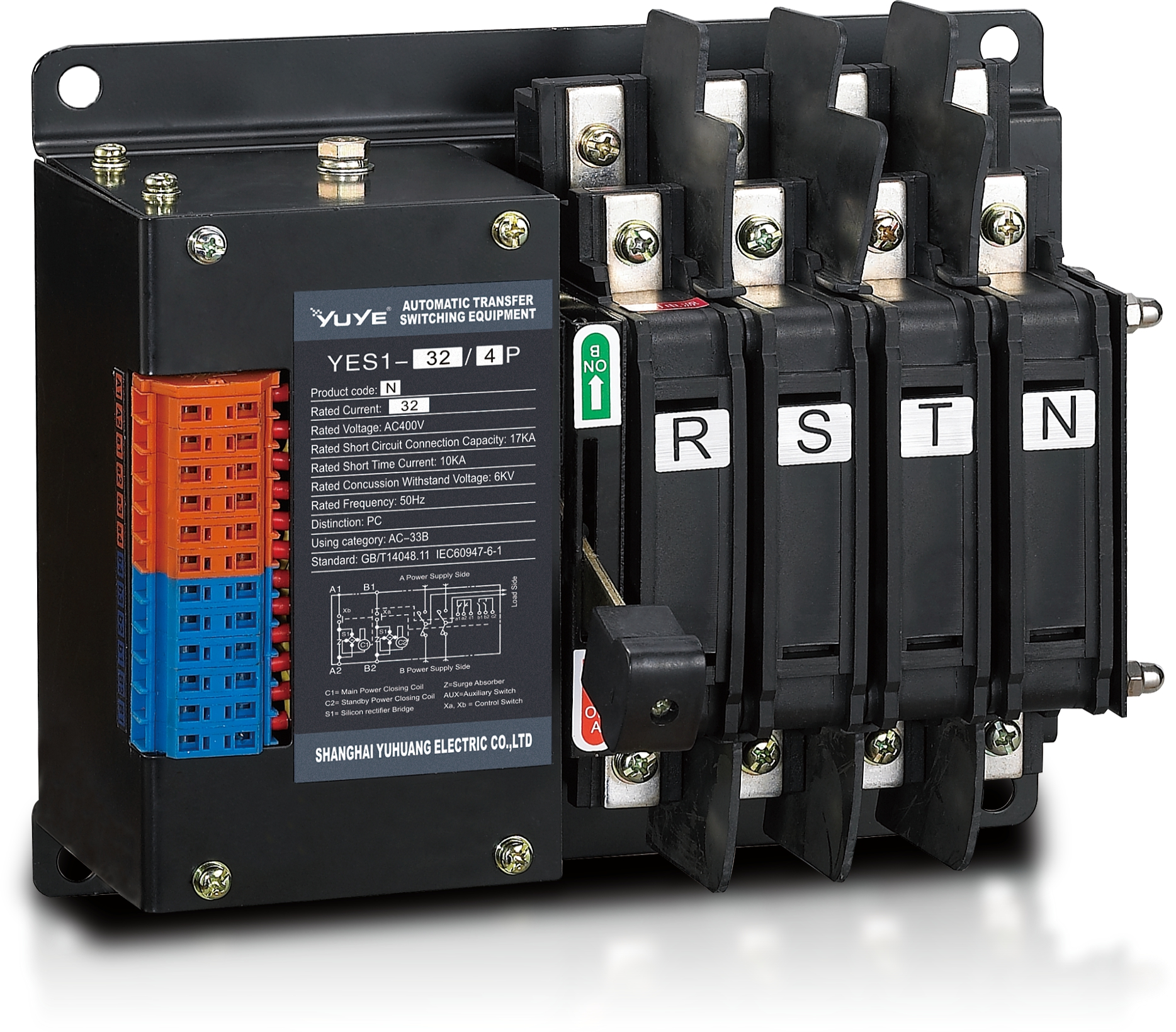 Solenoid-type ATS YES1-32~125N
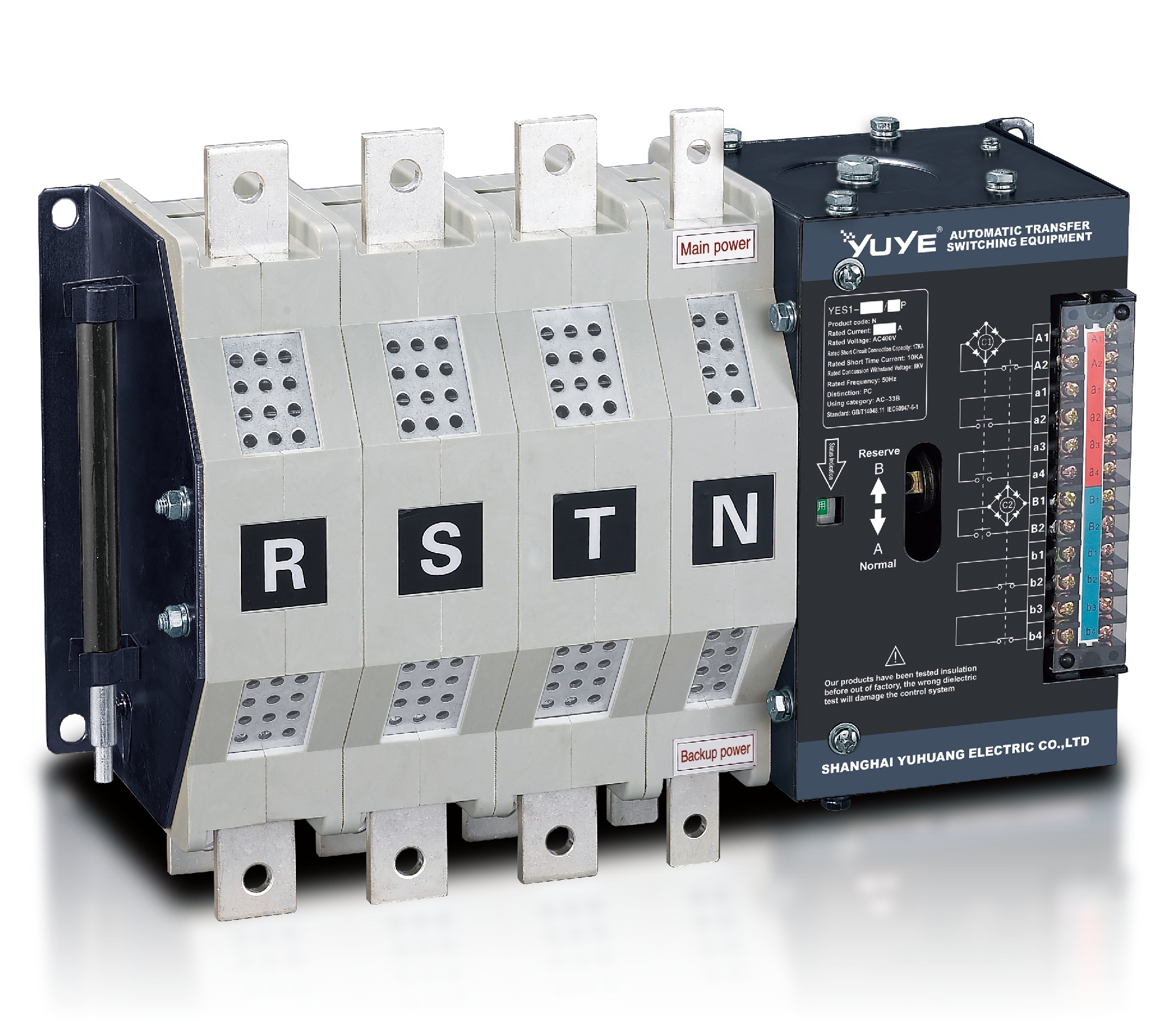 Solenoid-type ATS YES1-250~630N/NT
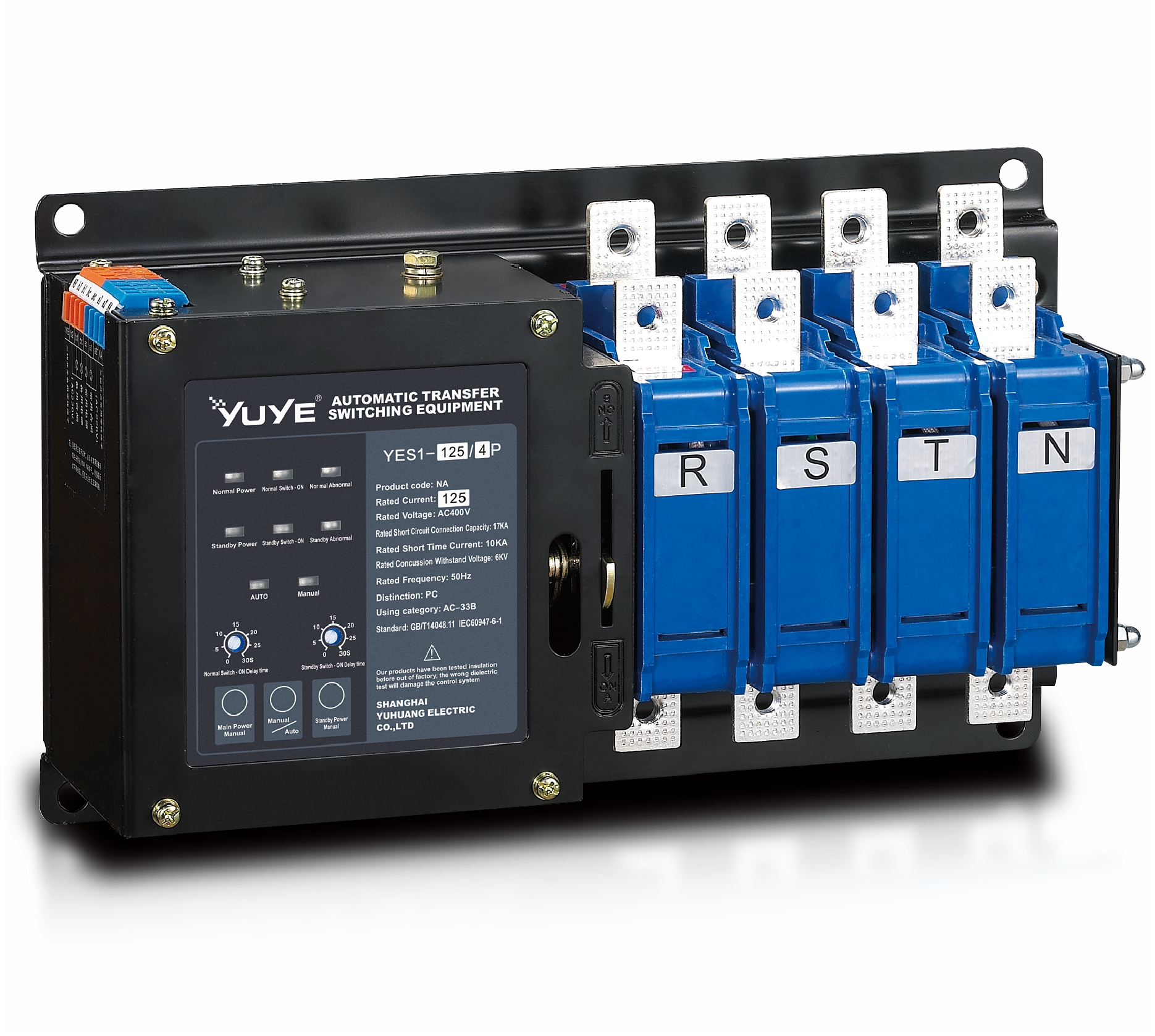 Solenoid-type ATS YES1-32~125NA
 Solenoid-type ATS YES1-63~630SN
 Solenoid-type ATS YES1-1250~4000SN
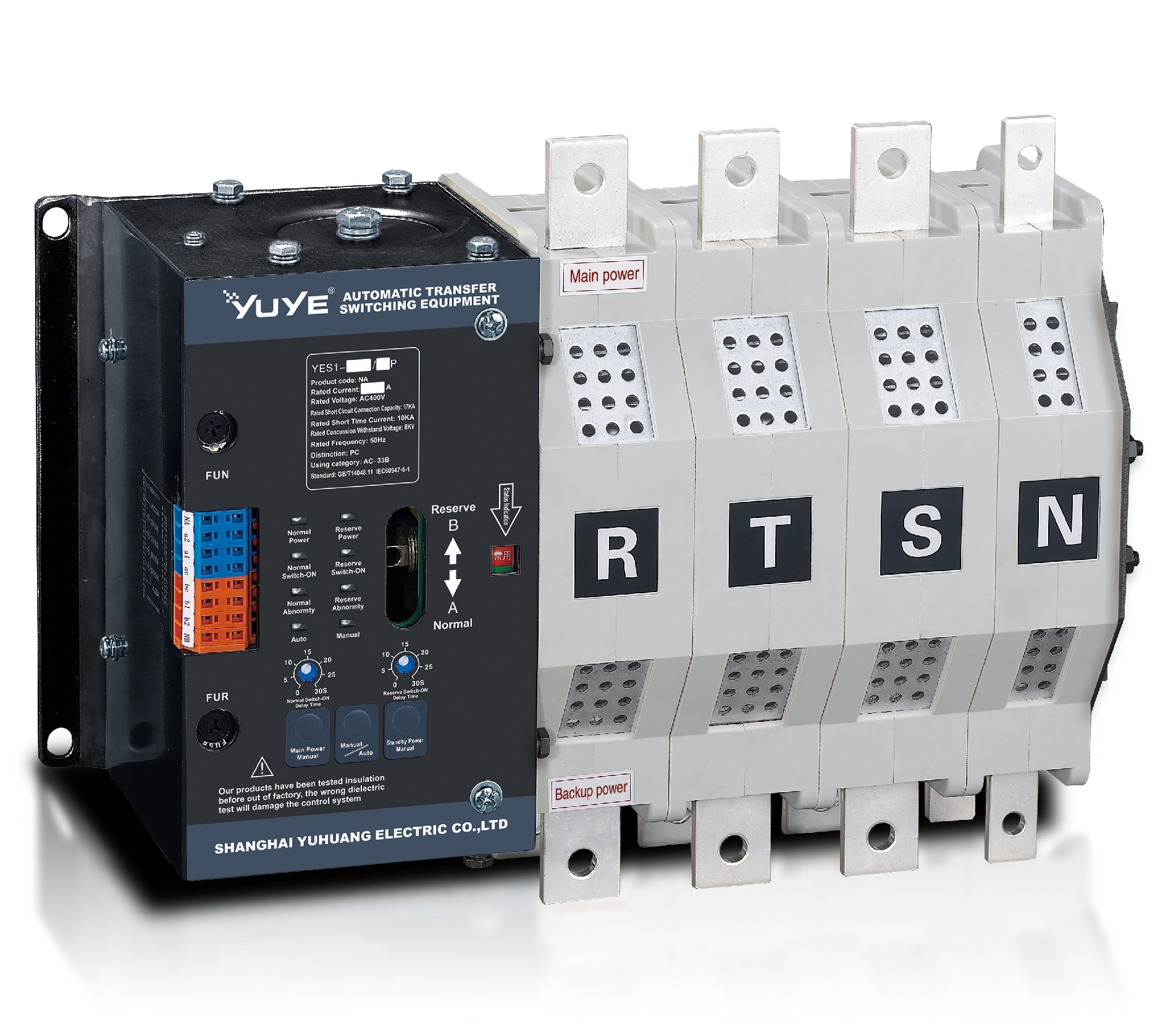 Solenoid-type ATS YES1-250~630NA/NAT
 Solenoid-type ATS YES1-63NJT
 PC ATS YES1-100~1600GN1/GN/GNF
 PC ATS YES1-2000~3200GN/GNF
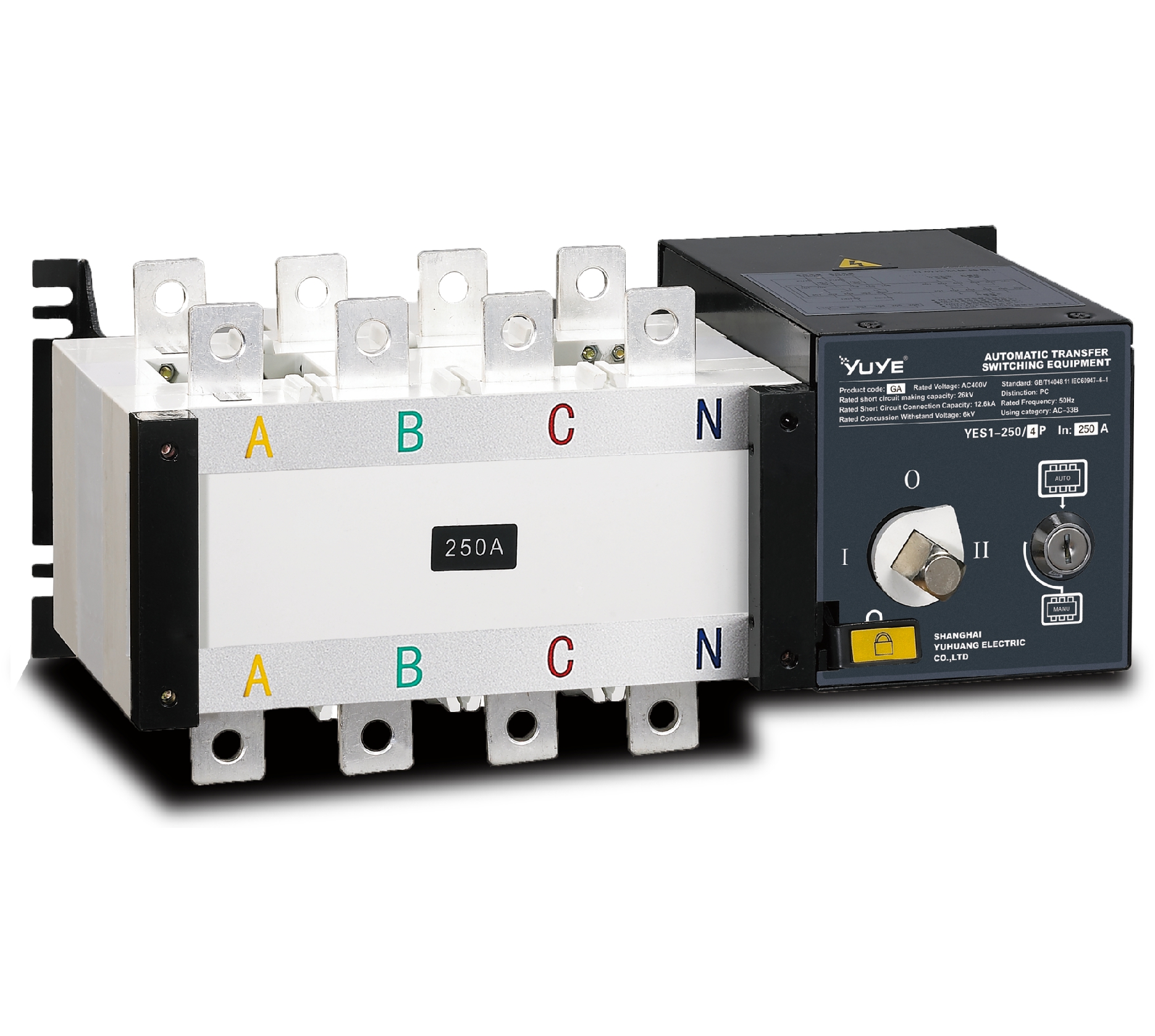 PC ATS YES1-100~3200GA1/GA
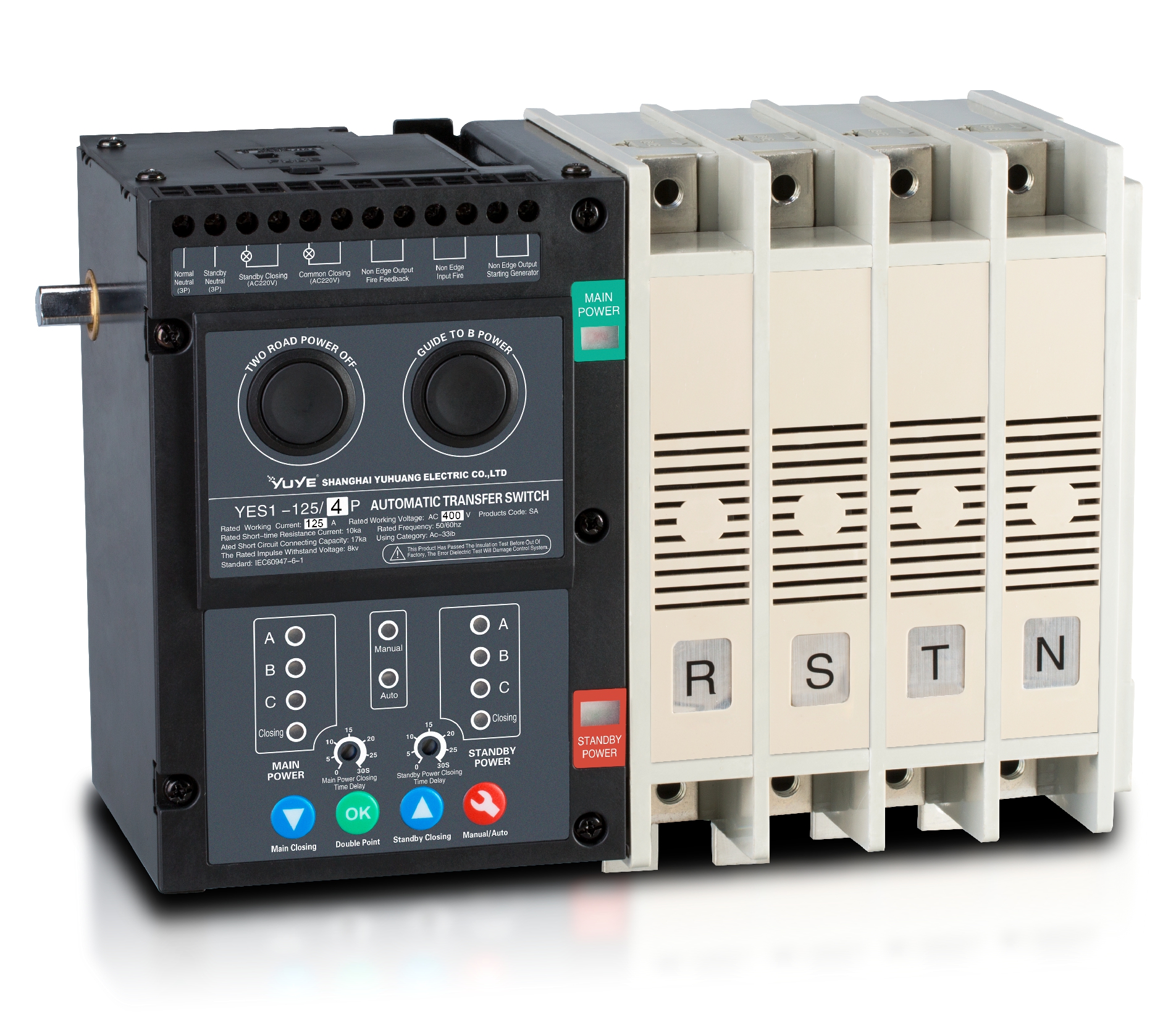 Solenoid-type ATS YES1-63~630SA
 Solenoid-type ATS YES1-63~630L/LA
 Solenoid-type ATS YES1-63~630LA3
 Solenoid-type ATS YES1-63MA
 PC ATS YES1-630~1600M
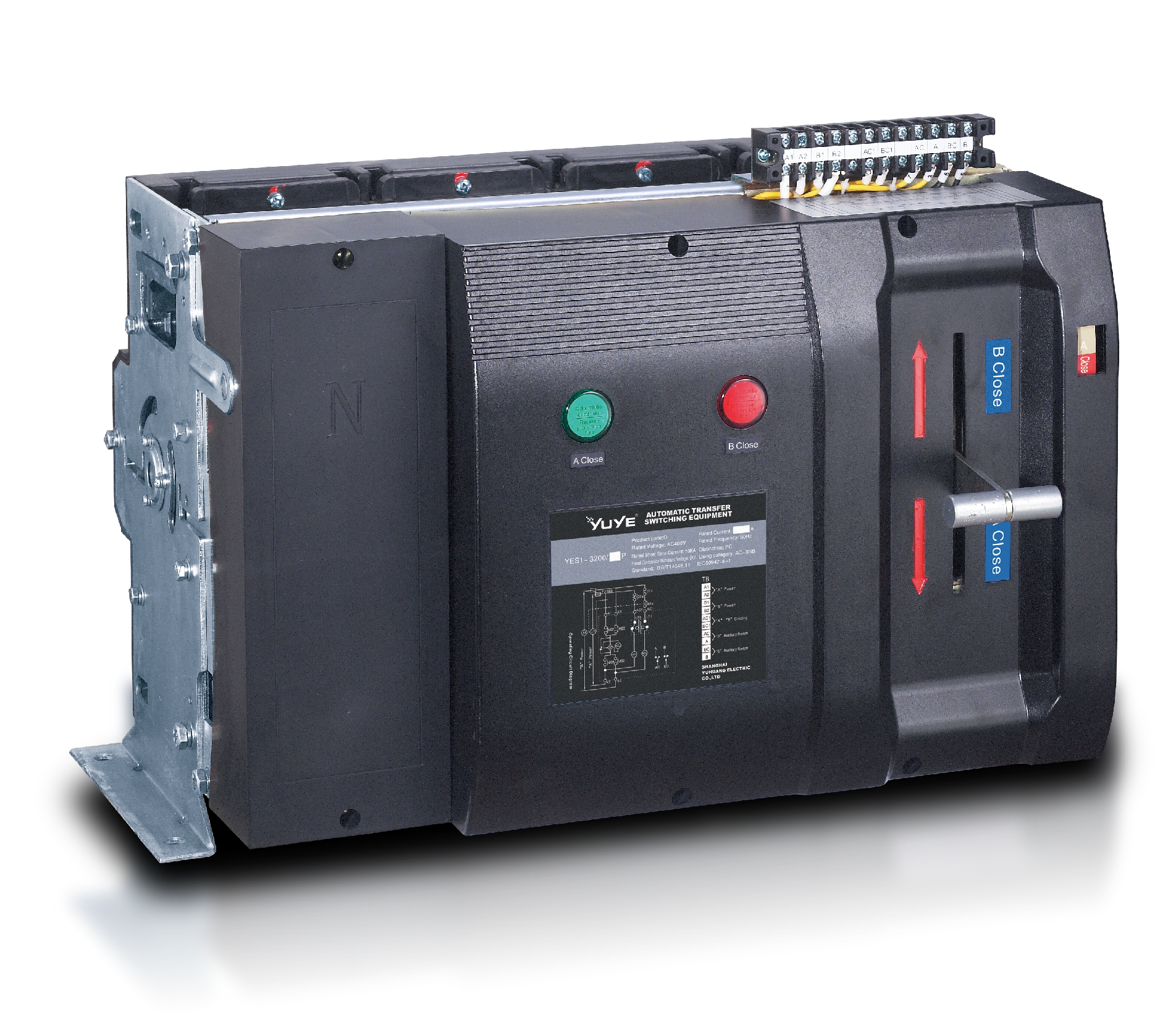 PC ATS YES1-3200Q
 Solenoid-type ATS YES1-4000~6300Q
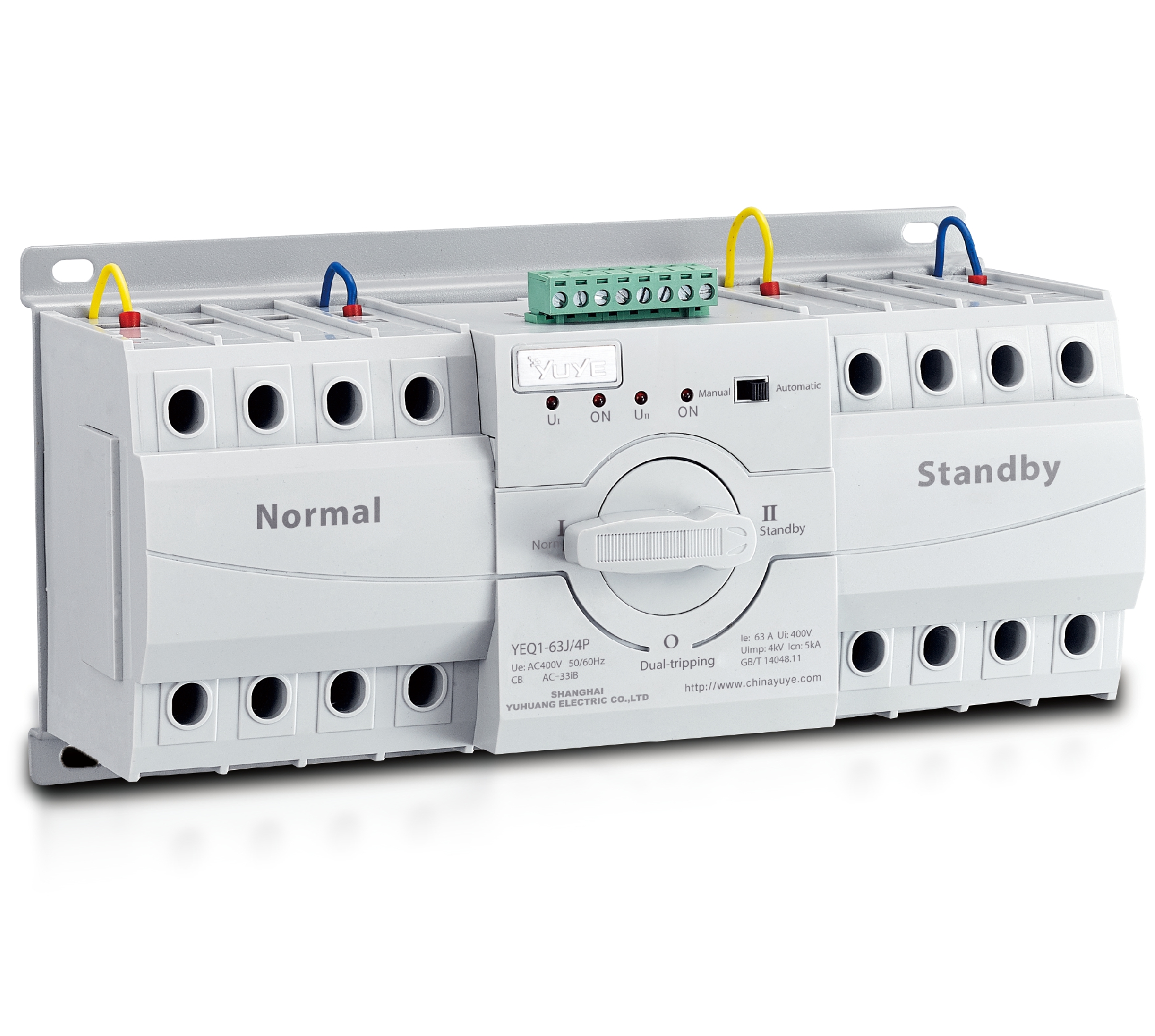 CB ATS YEQ1-63J
 CB ATS YEQ2Y-63
 CB ATS YEQ3-63W1
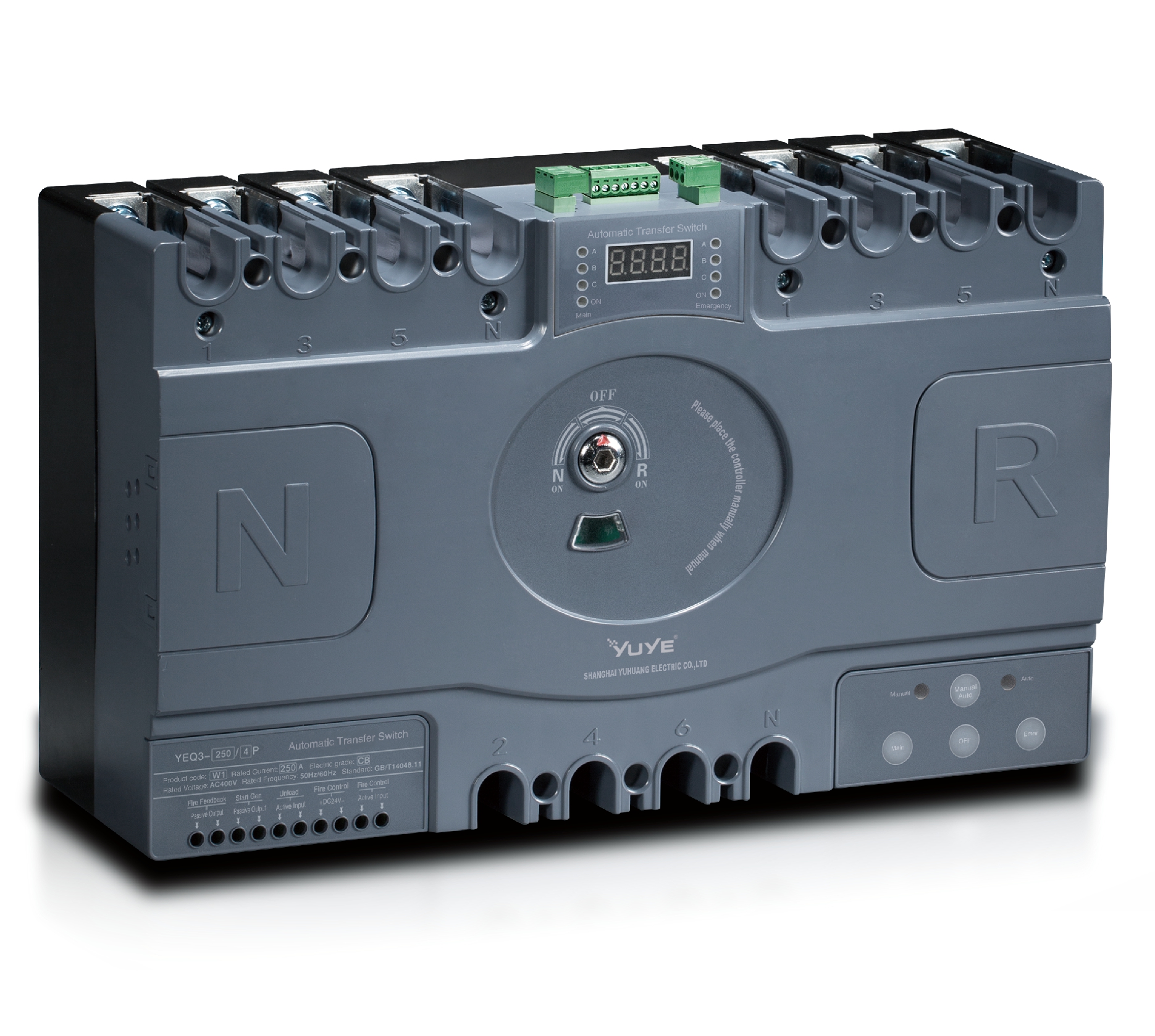 CB ATS YEQ3-125~630W1
 ATS controller Y-700
 ATS Controller Y-700N
 ATS Controller Y-701B
 ATS Controller Y-703N
 ATS Controller Y-800
 ATS Controller W2/W3 Series
 ATS switch Cabinet floor-to-ceiling
 ATS switch cabinet
 JXF-225A power Cbinet
 JXF-800A power Cbinet
 YEM3-125~800 Plastic Shell Type MCCB
 YEM3L-125~630 Leakage Type MCCB
 YEM3Z-125~800 Adjustable Type MCCB
 YEM1-63~1250 Plastic Shell Type MCCB
 YEM1E-100~800 Electronic Type MCCB
 YEM1L-100~630 Leakage Type MCCB
 Miniature circuit breaker YEMA2-6~100
 Miniature circuit breaker YEB1-3~63
 Miniature circuit breaker YEB1LE-3~63
 Miniature circuit breaker YEPN-3~32
 Miniature circuit breaker YEPNLE-3~32
 Miniature circuit breaker YENC-63~125
 Air Circuit Breaker YEW1-2000~6300
 Air Circuit Breaker YEW3-1600
 Load isolation switch YGL-63~3150
 Load Isolation Switch YGL2-63~3150
 Manual Changeover Switch YGL-100~630Z1A
 Manual Changeover Switch YGLZ1-100~3150
 YECPS2-45~125 LCD
 YECPS-45~125 Digital
 CNC Milling/Turning-OEM
 DC relay MDC-300M
 DC Isolation Switch YEGL3D-630


