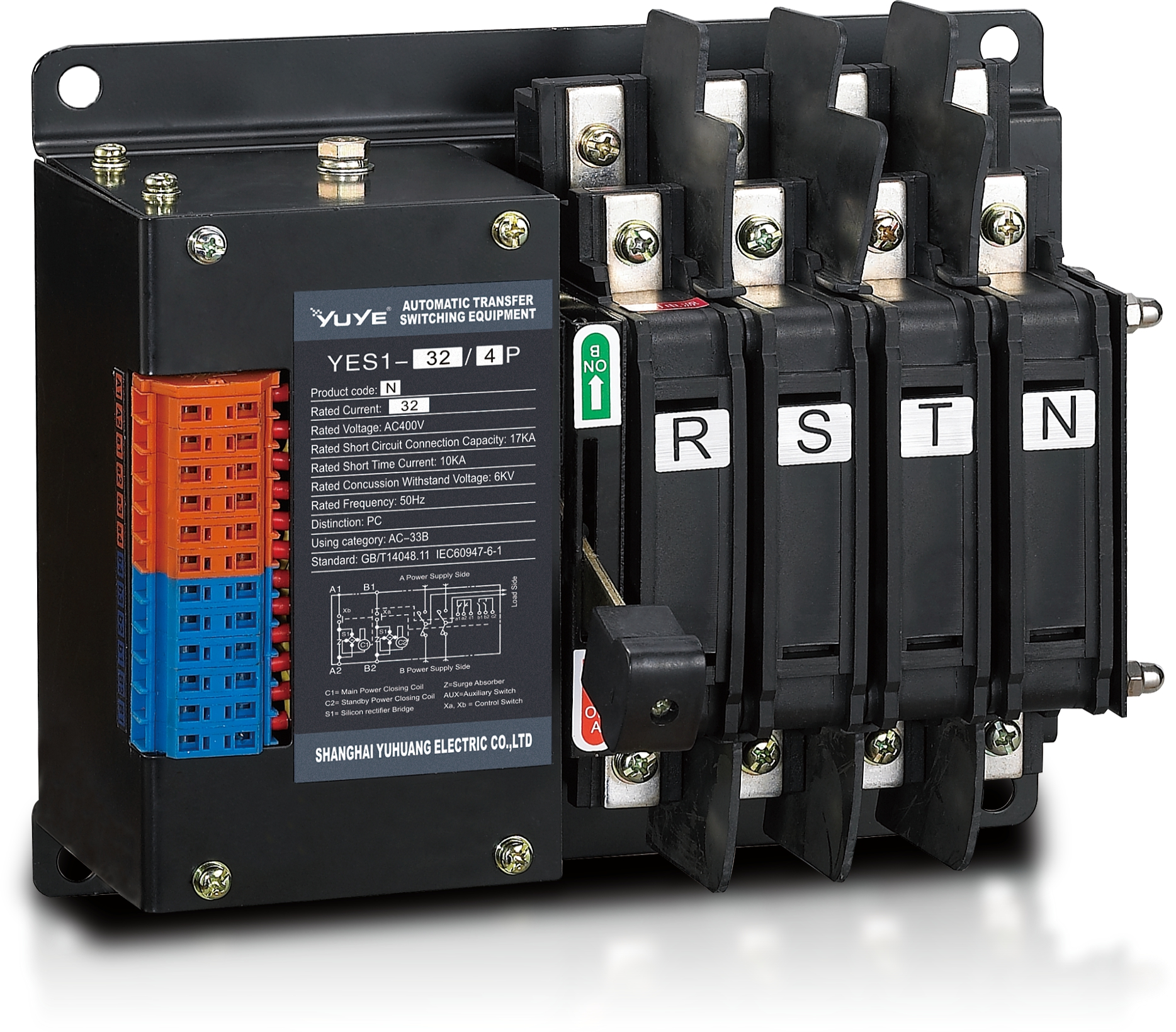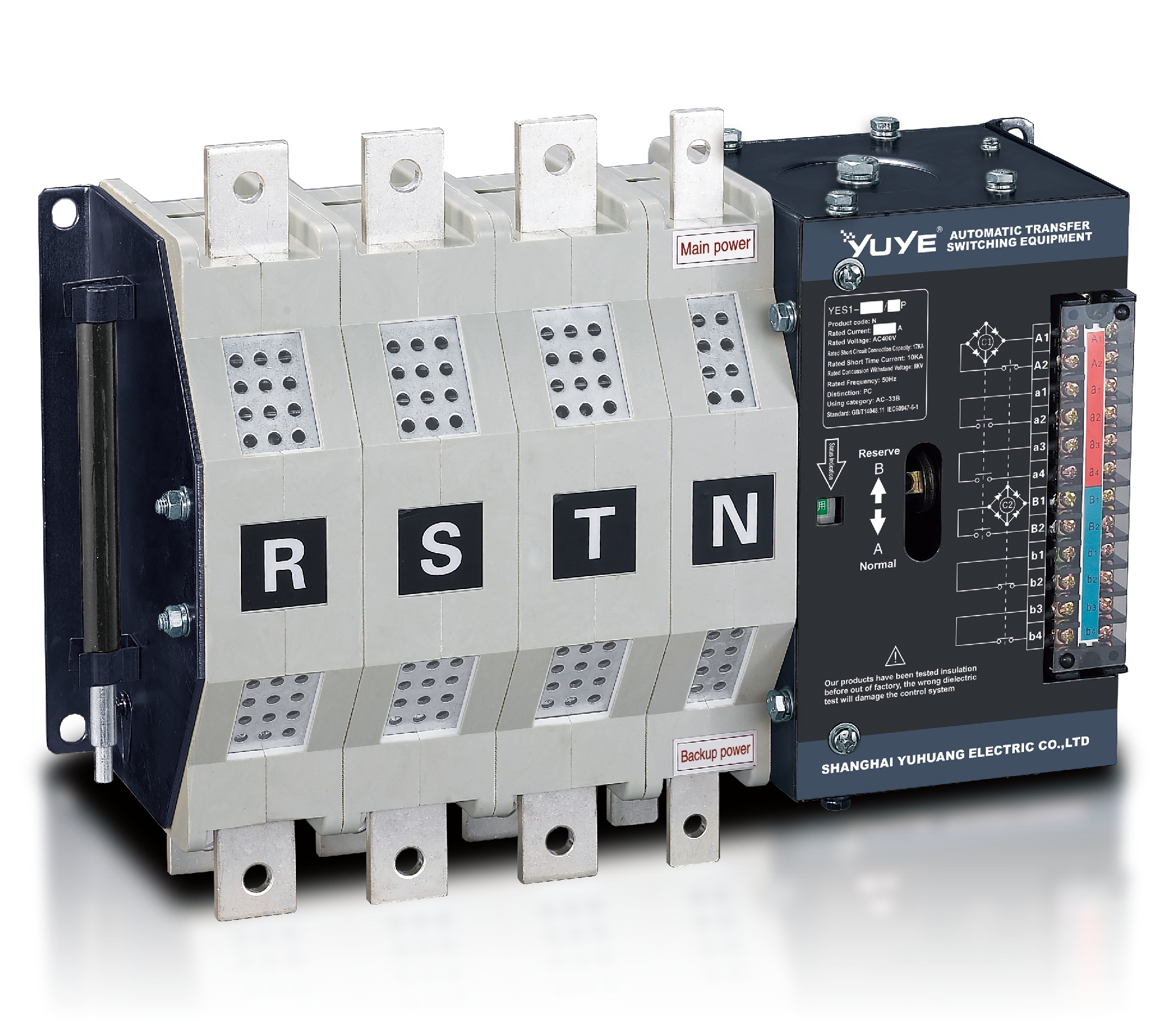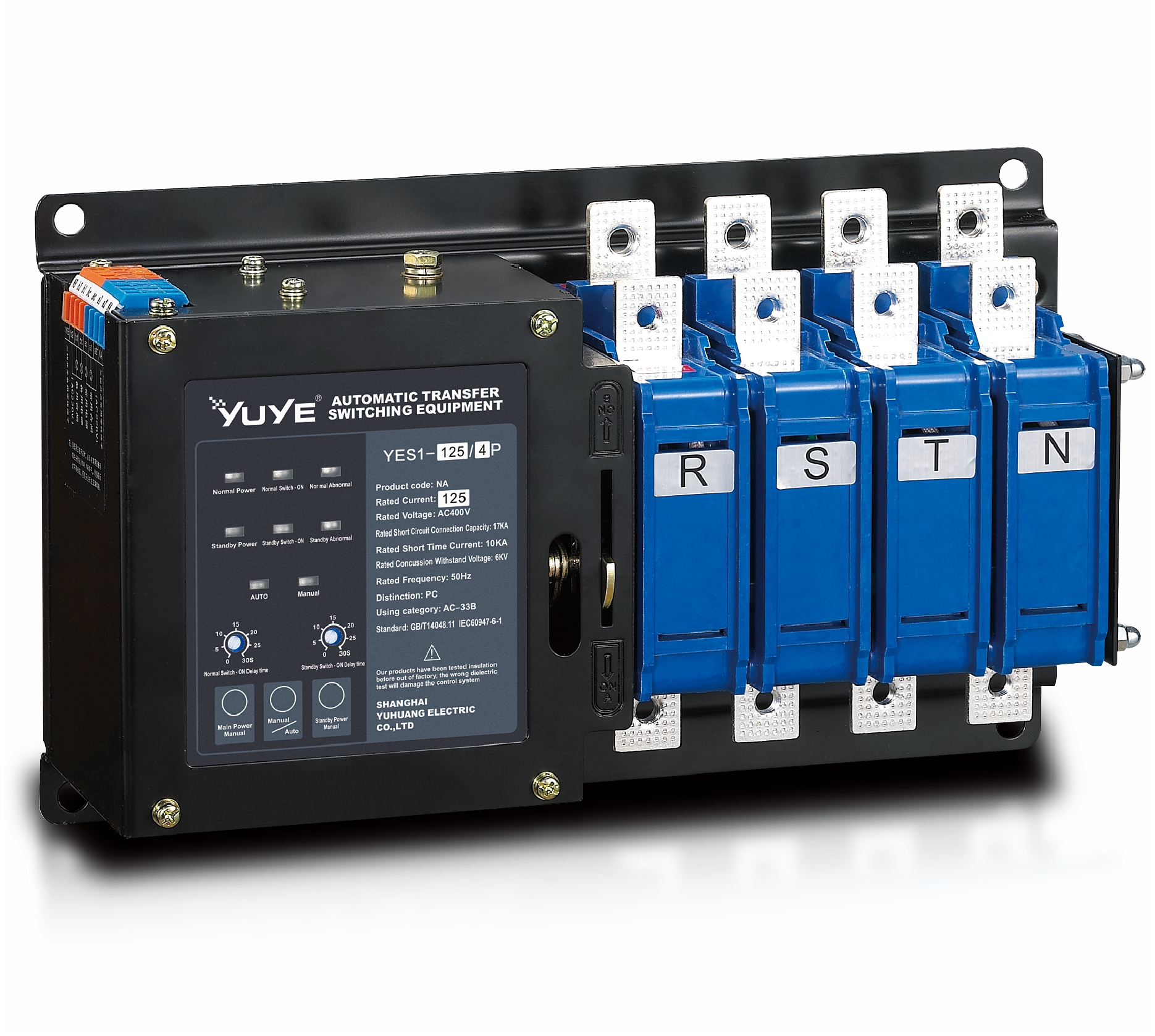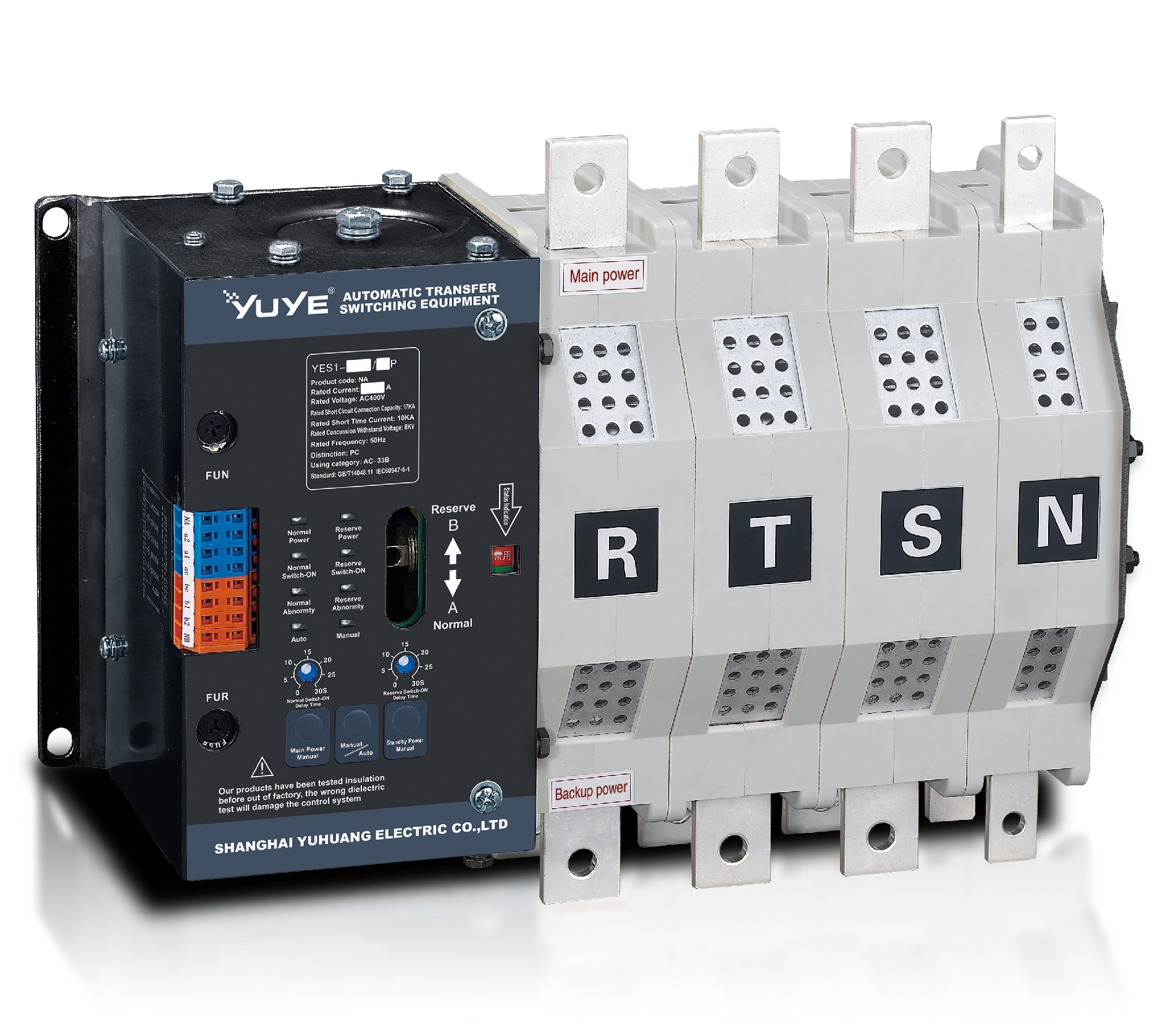
PC ATS YECT1-2000G
PC ATS YES2-63~250GN1
Solenoid-type ATS YES1-32~125N
Solenoid-type ATS YES1-250~630N/NT
Solenoid-type ATS YES1-32~125NA
Solenoid-type ATS YES1-63~630SN
Solenoid-type ATS YES1-1250~4000SN
Solenoid-type ATS YES1-250~630NA/NAT
Solenoid-type ATS YES1-63NJT
PC ATS YES1-100~1600GN1/GN/GNF
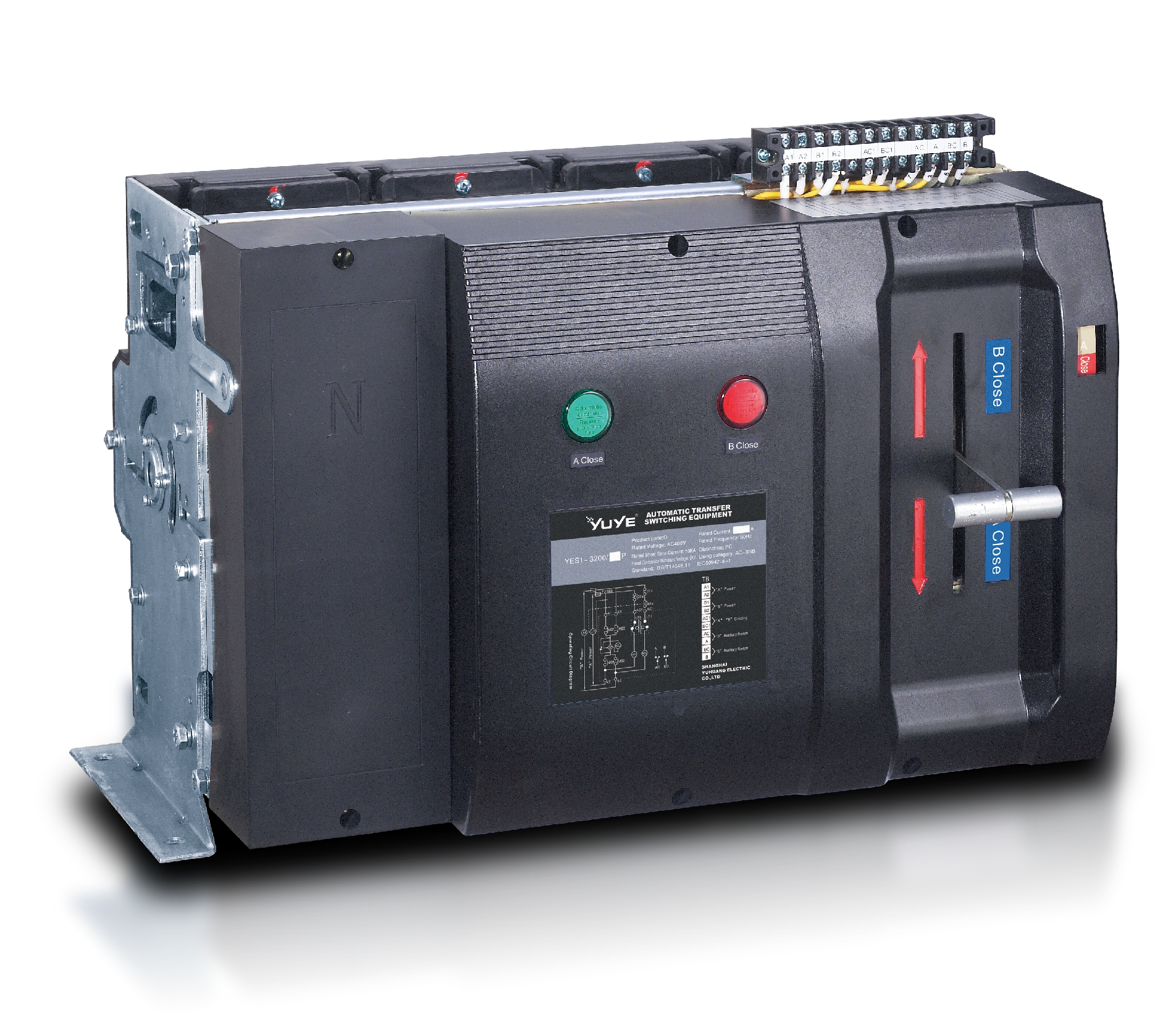
PC ATS YES1-2000~3200GN/GNF
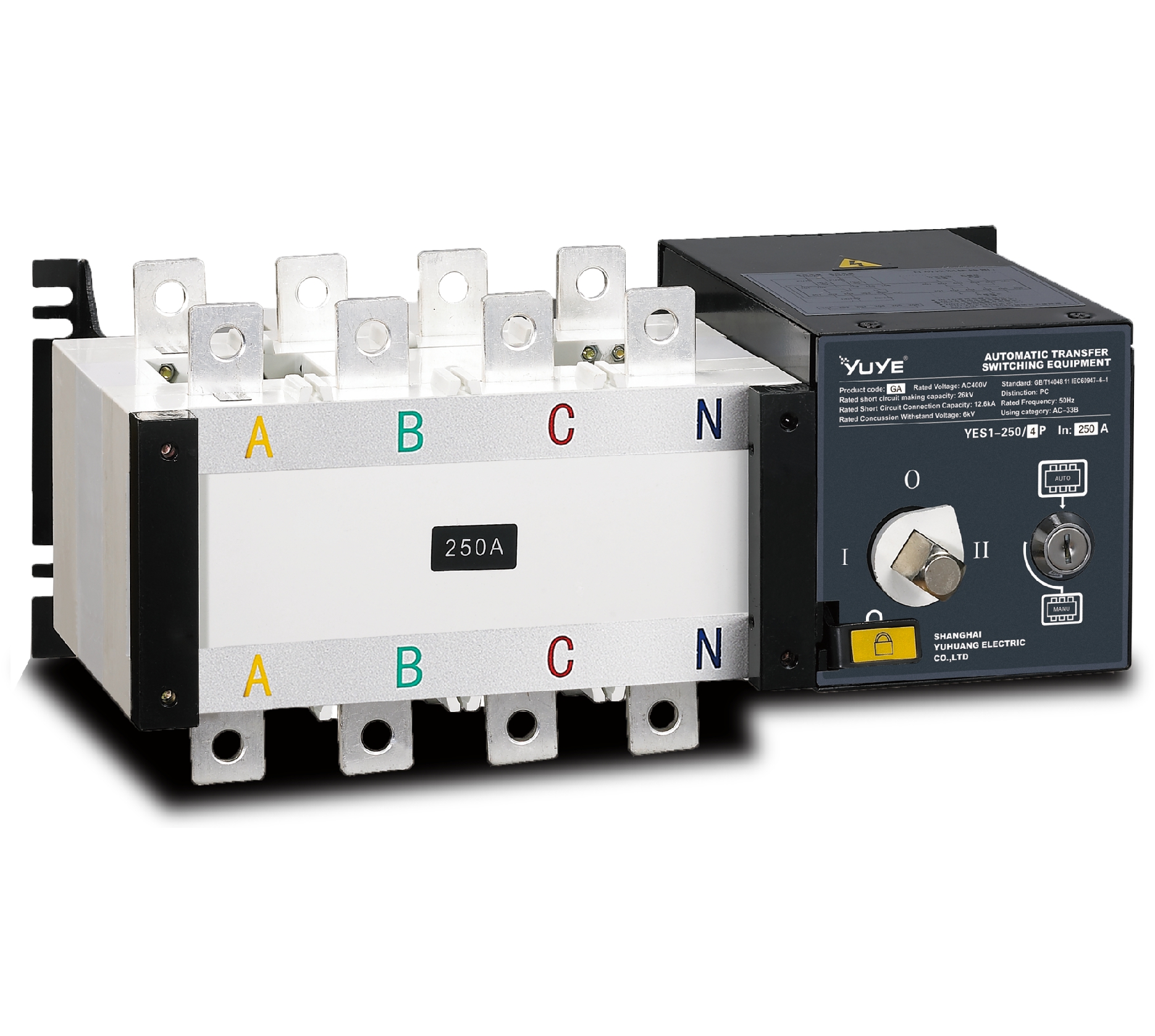
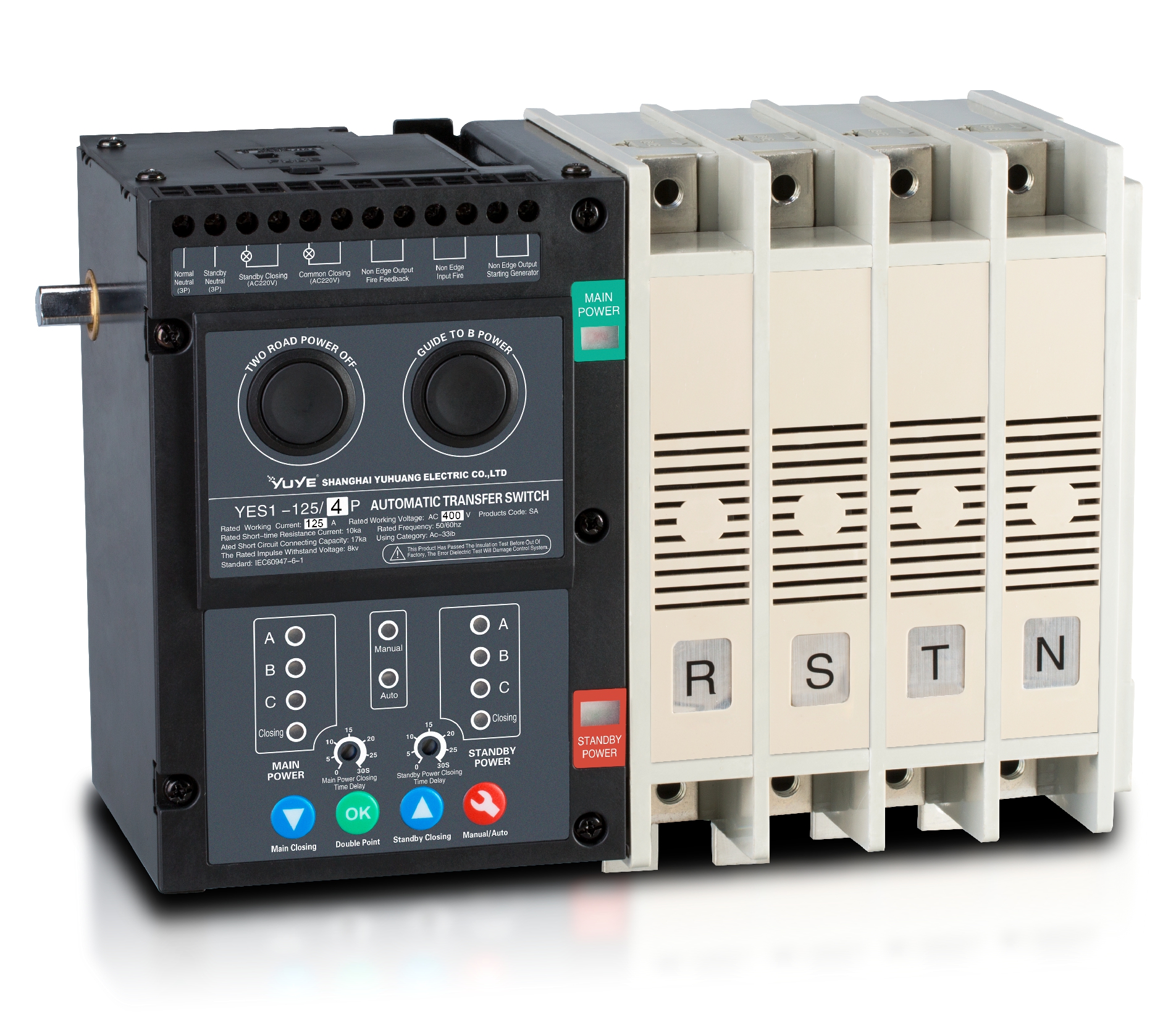
PC ATS YES1-100~3200GA1/GA
Solenoid-type ATS YES1-63~630SA
Solenoid-type ATS YES1-63~630L/LA
Solenoid-type ATS YES1-63~630LA3
Solenoid-type ATS YES1-63MA
PC ATS YES1-630~1600M
PC ATS YES1-3200Q
Solenoid-type ATS YES1-4000~6300Q
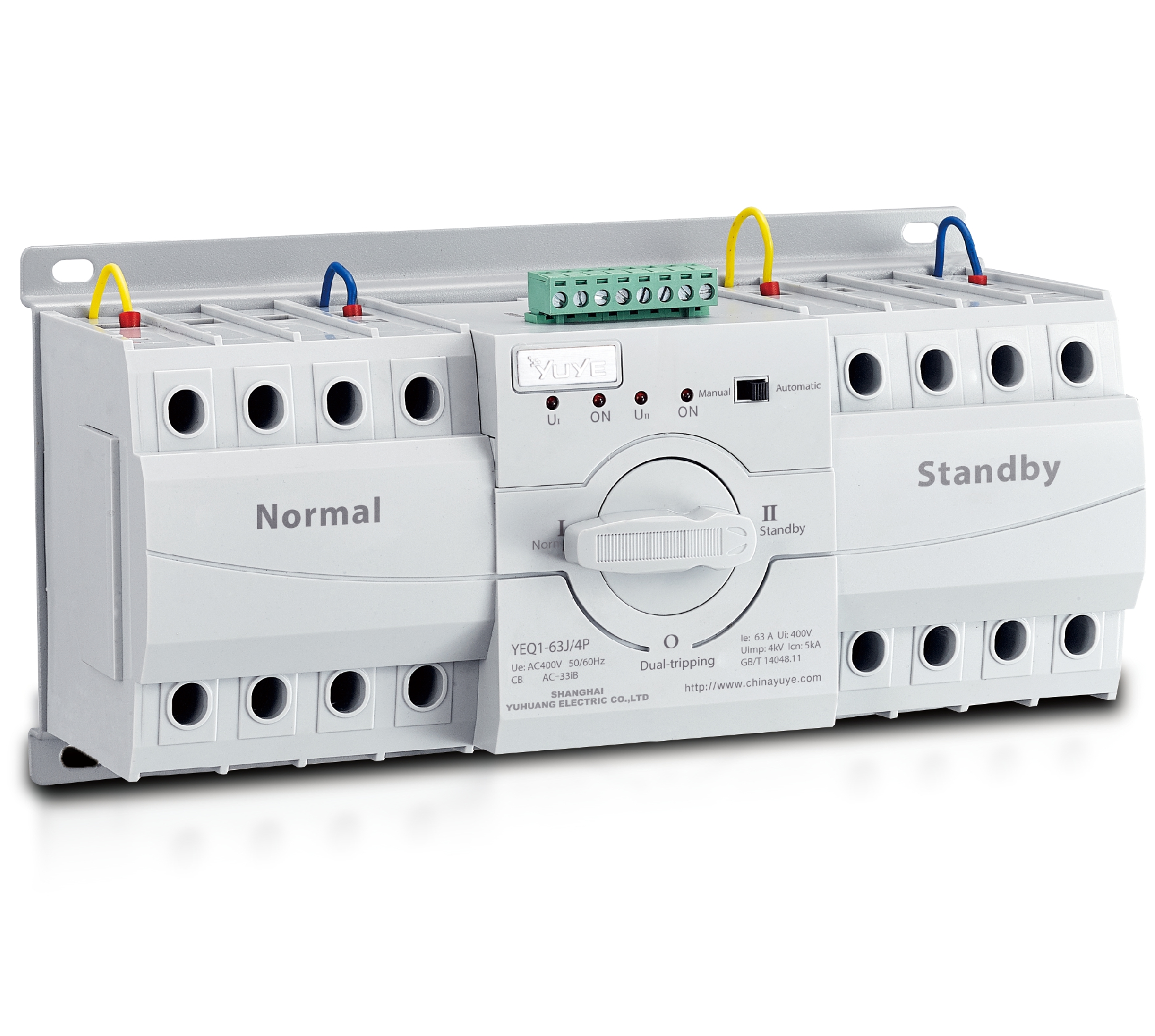
CB ATS YEQ1-63J
CB ATS YEQ2Y-63
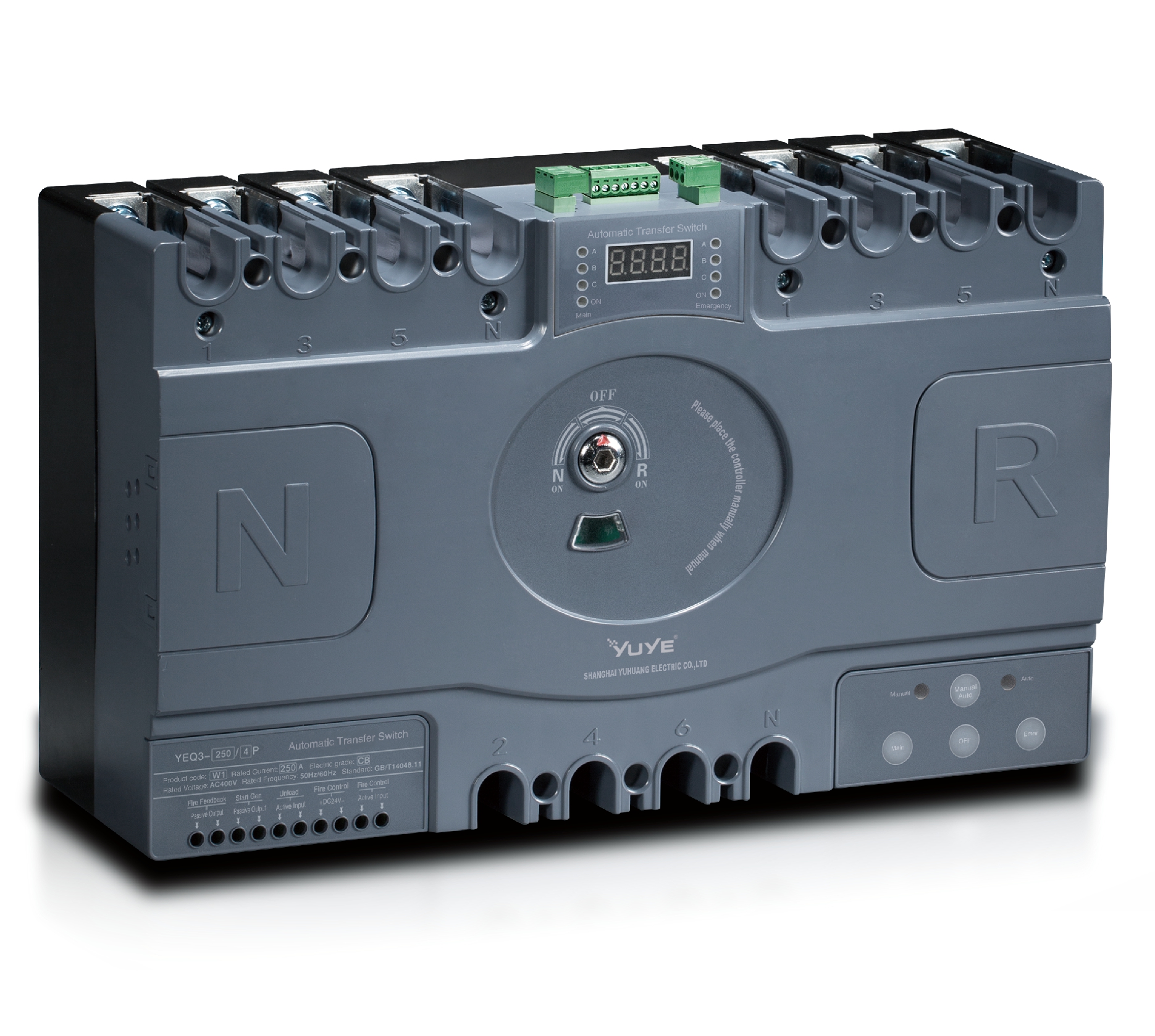
CB ATS YEQ3-63W1
CB ATS YEQ3-125~630W1
ATS controller Y-700
ATS Controller Y-700N
ATS Controller Y-701B
ATS Controller Y-703N
ATS Controller Y-800
ATS Controller W2/W3 Series
ATS switch Cabinet floor-to-ceiling
ATS switch cabinet
JXF-225A power Cbinet
JXF-800A power Cbinet
YEM3-125~800 Plastic Shell Type MCCB
YEM3L-125~630 Leakage Type MCCB
YEM3Z-125~800 Adjustable Type MCCB
YEM1-63~1250 Plastic Shell Type MCCB
YEM1E-100~800 Electronic Type MCCB
YEM1L-100~630 Leakage Type MCCB
Miniature circuit breaker YEMA2-6~100
Miniature circuit breaker YEB1-3~63
Miniature circuit breaker YEB1LE-3~63
Miniature circuit breaker YEPN-3~32
Miniature circuit breaker YEPNLE-3~32
Miniature circuit breaker YENC-63~125In today's world, where having an uninterrupted power supply is pretty much essential for keeping businesses running smoothly, you can't really overlook the importance of Automatic Transfer Switches (or ATS for short). I recently came across a report from Research and Markets, and it looks like the global ATS market is set to grow a lot — reaching about $3.5 billion by 2025. A big reason for this is that more and more industries are realizing how crucial reliable power management is. One company that’s playing a big role in all this is One Two Three Electric Co., Ltd. They’re known for making top-quality Automatic Transfer Switches, along with Moulded Case Circuit Breakers and Air Circuit Breakers. What’s really impressive is how their latest tech and dedication to quality make sure that businesses can switch between power sources smoothly — which means less downtime and better efficiency all around. As more companies start to see just how important dependable power systems are, investing in a solid ATS really becomes a no-brainer for protecting their critical operations.
Automatic transfer switches, or ATS for short, are pretty much the unsung heroes when it comes to keeping businesses up and running without a hitch. I mean, in today’s world, even a quick power outage can cause big headaches—and sometimes serious losses. An ATS kicks in automatically when the power goes out, switching the load over to the backup generator without you even noticing. That means your business stays operational, and your sensitive equipment stays safe from power swings. It’s like having a safety net that also boosts your overall resilience.
Honestly, understanding why ATS is so crucial goes beyond just convenience — it’s a strategic must-have. Without a dependable ATS in place, companies risk all sorts of trouble: interruptions that kill productivity, potential damage to gear, and even a hit to their reputation. For industries like finance and healthcare, where data accuracy and availability are everything, having a reliable automatic transfer switch is an absolute necessity. It keeps things running smoothly no matter what kind of power issues come up, so businesses can focus on what they do best instead of stressing over power problems.
When you're trying to pick a reliable automatic transfer switch (or ATS for short) for your business, there are a few key features you definitely wanna keep in mind. First off, make sure it’s got solid surge protection. According to a report from the IEC, more than 80% of electrical failures happen because of power surges or outages. So, investing in an ATS that handles surges well can really save you from unplanned downtime and those pesky expensive repairs. It’s just smart thinking.
Another thing to pay attention to is how quickly the switch responds. Ideally, it should switch over in less than 30 seconds—that’s what the IEEE suggests. Fast enough to keep things running smoothly without interruptions, especially if you’re in sectors like healthcare or running data centers where a power blip could cause big problems. And hey, don’t forget to check if it meets the right standards like NEMA and UL. That’s a good sign it’s built to be safe and reliable for your operations.
| Feature | Importance | Specifications | Recommended Standards |
|---|---|---|---|
| Reliability | Ensures uninterrupted power during outages | Minimum 40,000 cycle life | IEEE 487 |
| Speed of Switching | Reduces downtime | Less than 1 second | UL 1008 |
| Load Capacity | Supports critical equipment | Up to 2000 Amps | NEMA standards |
| Automatic Testing | Ensures ongoing functionality | Monthly automated tests | ASCO/ANSI recommendations |
| Environmental Rating | Protection from environmental factors | IP65 minimum | IEC 60529 |
When you're choosing a manufacturer for automatic transfer switches (or ATS, if you wanna sound a bit more casual), it's super important to think about a few key things that can really impact how well it performs and how reliable it is. One of the biggies is how experienced they are in the industry. Honestly, the top brands tend to have years of know-how under their belt, developing solid electrical gear. Take One Two Three Electric Co., Ltd., for example — they’re known for stuff like molded case circuit breakers and air circuit breakers. I read somewhere that manufacturers with more than ten years of experience usually make products that you can count on more, which is a lifesaver when you’re trying to avoid those annoying downtime moments on your work site.
Another thing to keep in mind is what kind of quality assurance they have in place. A manufacturer that sticks to strict quality standards can really cut down on failures—kind of like peace of mind. And guess what? Studies show if you invest in good quality electrical parts, your maintenance costs can drop by up to 20%. Not too shabby, right?
A quick tip: always ask potential suppliers for detailed specs and some case studies if you can. Check out their certifications and see what other customers are saying — reviews can tell you a lot! Also, don’t forget to see if they offer good customer support and tech help. That stuff makes a big difference in how smoothly things will run down the line and how much long-term value you’ll actually get out of your ATS investment.
Automatic Transfer Switches (ATS) might not be the sexiest topic out there, but trust me, they’re super important when it comes to keeping critical systems up and running—especially in data centers, where even a short power outage can hit the wallet hard. Industry reports are showing that the demand for reliable ATS solutions is only going to go up, mainly because managing energy in busy commercial and industrial spaces is getting more complicated than ever. It’s a good idea to give these switches regular TLC—think: maintenance—to dodge failures when the weather turns nasty or power gets disrupted.
If you want to keep your ATS in tip-top shape, here are some tips that might help: First off, do routine checks at least twice a year. Just a quick inspection for worn-out parts or anything looking off can save you from a serious headache later. Second, make sure all your connections are snug and free of corrosion—that stuff can really mess with performance. And a little bonus: try simulating a power outage during your checkups to see if your ATS kicks in smoothly and transfers power seamlessly—better safe than sorry, right?
Keeping up with good maintenance practices isn’t just about preventing failures; it actually makes your whole power system more efficient. In today’s world, where keeping operations running smoothly is everything, investing a bit of time and care into your ATS really pays off in the long run. Trust me, you'll thank yourself later.
This bar chart illustrates the significance of regular maintenance for Automatic Transfer Switches (ATS) by showing the frequency of issues encountered without proper upkeep over a year.
When you're thinking about getting an automatic transfer switch (ATS) for your business, it really boils down to balancing cost and quality. Sure, a top-notch ATS might seem like a splurge at first, but trust me, it can save you a lot of headaches and money in the long run. Good quality units are built to handle power hiccups and switch smoothly during outages, so your operations keep running without a hitch. That kind of reliability not only ensures things stay on track but can also mean fewer repairs and less hassle down the road.
Now, I get it—going for the cheaper options can be tempting, especially if you're watching the bottom line. But here's the thing: these less expensive switches might look good on paper, but they often come with a catch. They can fail at the worst possible moment, causing unexpected downtime and potentially costing you way more than you saved initially. So yeah, while saving money upfront matters, it's really worth considering what might happen if the equipment doesn't hold up. Investing in a solid, dependable ATS could be just what your business needs to keep things running smoothly, avoid costly disruptions, and stay ahead of the game.
TS)?
An ATS helps prevent disruptions that could affect productivity, damage equipment, and harm reputations, particularly in industries like finance and healthcare where data integrity and availability are crucial.
Businesses should evaluate the manufacturer's industry experience, quality assurance processes, product specifications, customer reviews, certifications, and the quality of customer service and technical support.
Manufacturers with over a decade of experience tend to produce more reliable and efficient products, which is essential for minimizing downtime in operations.
Although a high-quality ATS may have a significant initial cost, it can lead to long-term savings through reduced downtime and lower maintenance costs due to its reliability in handling power fluctuations.
Cheaper switches often have higher failure rates, which can lead to extensive downtime and potential losses that may far exceed the initial savings, compromising business continuity.
A reliable ATS ensures smooth operations during power outages, allowing businesses to focus on their core functions without the interruption of power management issues, ultimately boosting productivity.
Businesses that invest in high-quality electrical components can see a reduction in maintenance costs by up to 20%, enhancing operational safety and efficiency.
Detailed specifications help businesses assess the reliability and performance of the ATS, allowing for informed decisions that align with operational needs and risk management.
Excellent customer service and technical support from manufacturers facilitate seamless integration of the ATS into existing systems, contributing significantly to the long-term value of the investment.
In today’s super busy business world, having a dependable Automatic Transfer Switch (or ATS for short) is pretty much essential if you want to keep things running smoothly without interruptions. Let’s be honest—knowing why an ATS is so important can really make a difference. It’s what kicks in during power outages, switching the load seamlessly and keeping your sensitive equipment safe. When you’re choosing an ATS, make sure to look at things like how fast it responds, how much power it can handle, and how easy it is to maintain. Picking the right manufacturer really matters too—it can affect how reliable and good the product turns out to be.
And don’t forget, sticking to some good maintenance habits can really help your ATS last longer and work more efficiently. Sure, cost matters, but think about it this way: investing in a high-quality ATS from a trusted name like One Two Three Electric Co., Ltd., which focuses on electrical gear, can save you headaches later on. It’s a smart move for any business looking for stability and peace of mind in the long run.